
A Review on Medical Marijuana Nassima AitDaoud Tiouririne



- Slides: 69
A Review on Medical Marijuana Nassima Ait‐Daoud Tiouririne, M. D. Associate Professor University of Virginia
Disclaimer • No financial conflict to report
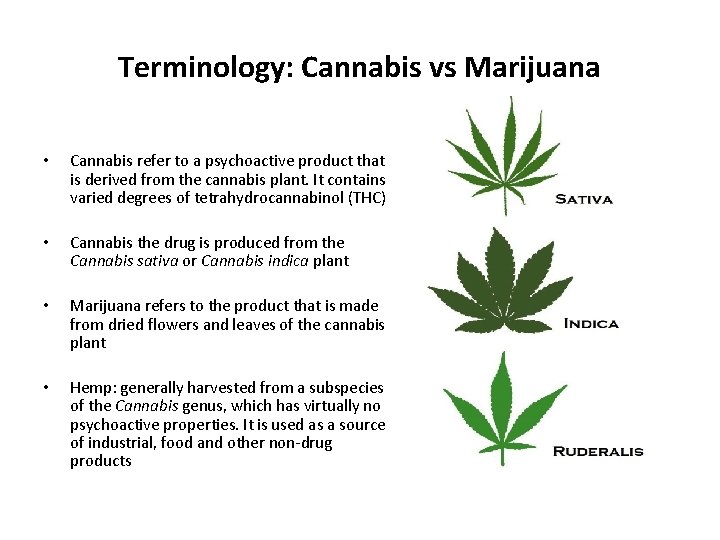
Terminology: Cannabis vs Marijuana • Cannabis refer to a psychoactive product that is derived from the cannabis plant. It contains varied degrees of tetrahydrocannabinol (THC) • Cannabis the drug is produced from the Cannabis sativa or Cannabis indica plant • Marijuana refers to the product that is made from dried flowers and leaves of the cannabis plant • Hemp: generally harvested from a subspecies of the Cannabis genus, which has virtually no psychoactive properties. It is used as a source of industrial, food and other non‐drug products
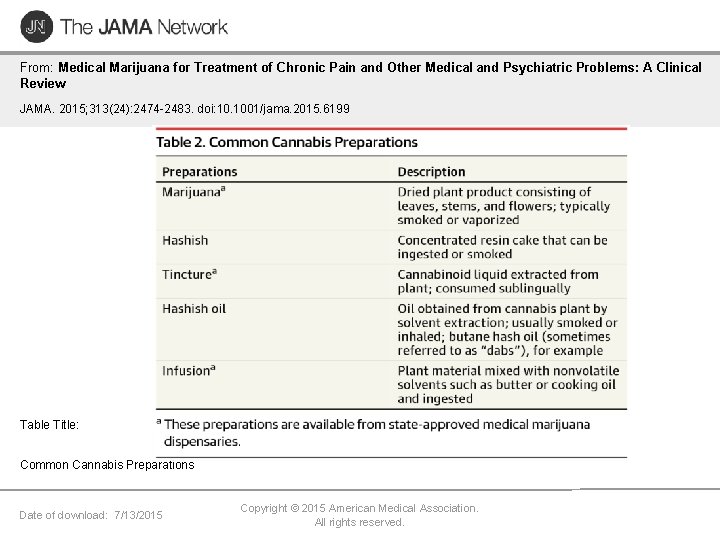
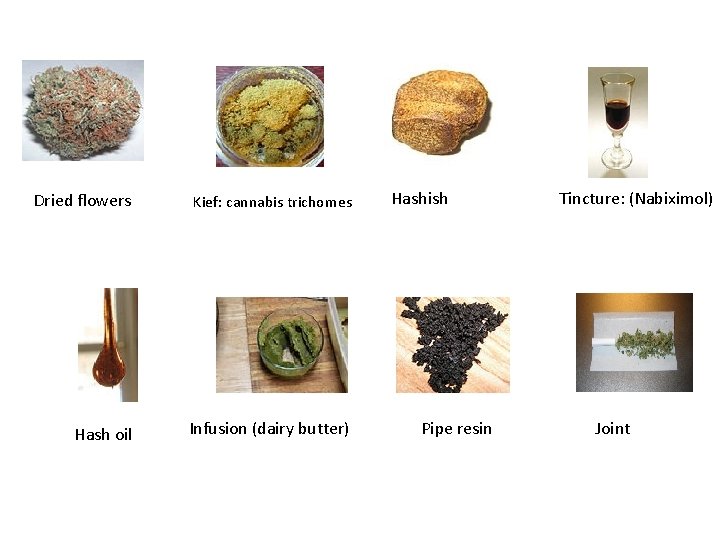
Cannabis Facts • Cannabis is used in three main forms: • Marijuana is made from dried flowers and leaves of the cannabis plant. It is the least potent of all the cannabis products and is usually smoked or made into edible products like cookies or brownies. • Hashish is made from the resin (a secreted gum) of the cannabis plant. It is dried and pressed into small blocks and smoked. It can also be added to food and eaten. • Hash oil: the most potent cannabis product, is a thick oil obtained from hashish. It is also smoked.
From: Medical Marijuana for Treatment of Chronic Pain and Other Medical and Psychiatric Problems: A Clinical Review JAMA. 2015; 313(24): 2474 -2483. doi: 10. 1001/jama. 2015. 6199 Table Title: Common Cannabis Preparations Date of download: 7/13/2015 Copyright © 2015 American Medical Association. All rights reserved.
Dried flowers Kief: cannabis trichomes Hash oil Infusion (dairy butter) Hashish Pipe resin Tincture: (Nabiximol) Joint
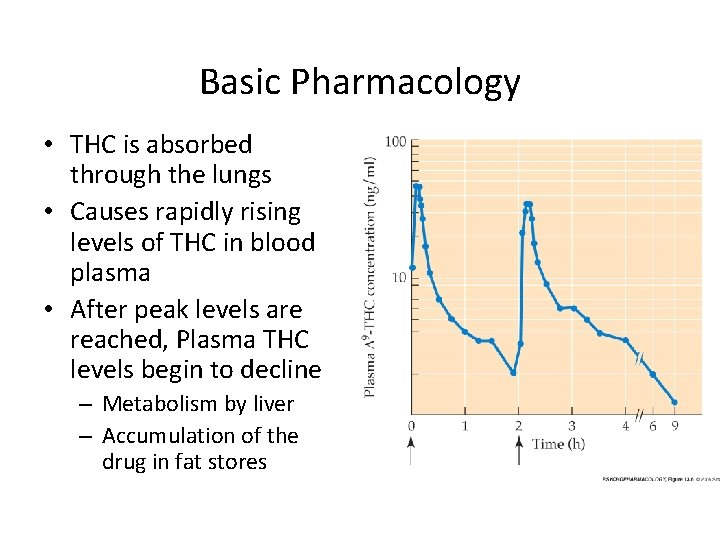
Basic Pharmacology • THC is absorbed through the lungs • Causes rapidly rising levels of THC in blood plasma • After peak levels are reached, Plasma THC levels begin to decline – Metabolism by liver – Accumulation of the drug in fat stores
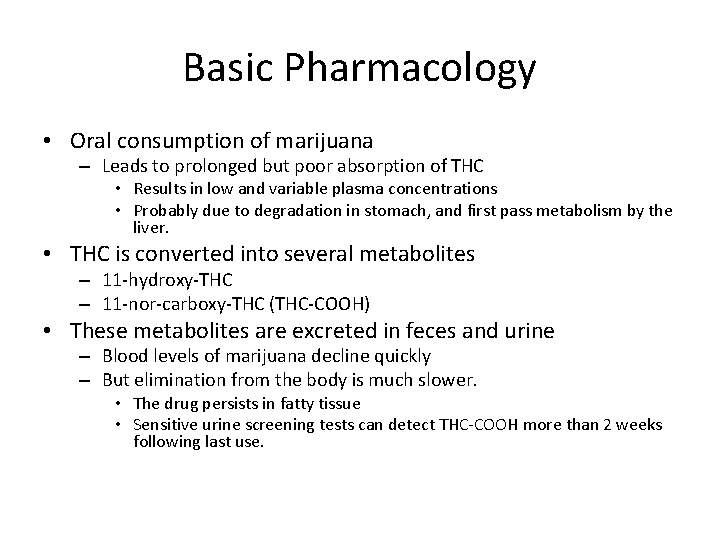
Basic Pharmacology • Oral consumption of marijuana – Leads to prolonged but poor absorption of THC • Results in low and variable plasma concentrations • Probably due to degradation in stomach, and first pass metabolism by the liver. • THC is converted into several metabolites – 11‐hydroxy‐THC – 11‐nor‐carboxy‐THC (THC‐COOH) • These metabolites are excreted in feces and urine – Blood levels of marijuana decline quickly – But elimination from the body is much slower. • The drug persists in fatty tissue • Sensitive urine screening tests can detect THC‐COOH more than 2 weeks following last use.
• A typical joint consists of around 0. 5 grams to 1 gram of cannabis. – THC content can be around 4% or higher – If about 4% then a 1 gram joint contains about 40 mg of THC • Burning causes the THC to vaporize and enter the smokers lungs in small particles – Only about 20% of the original THC content gets absorbed • There can be substantial variation in the amount of THC absorbed based on – The potency of the marijuana – The amount smoked – The pattern of smoking
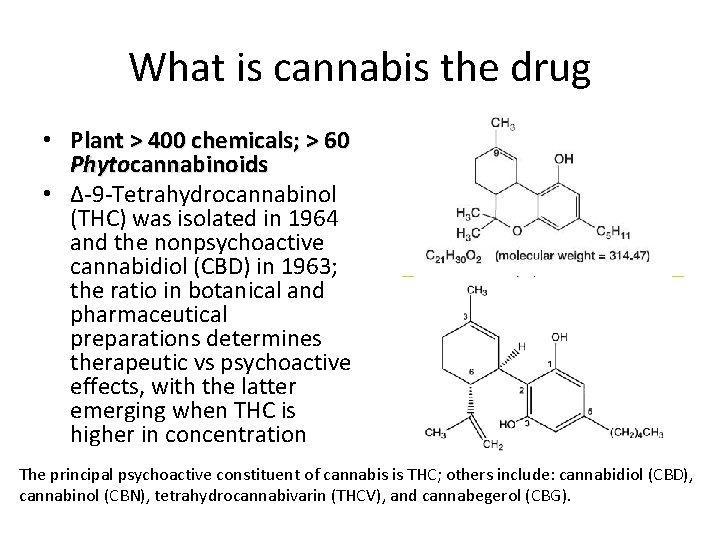
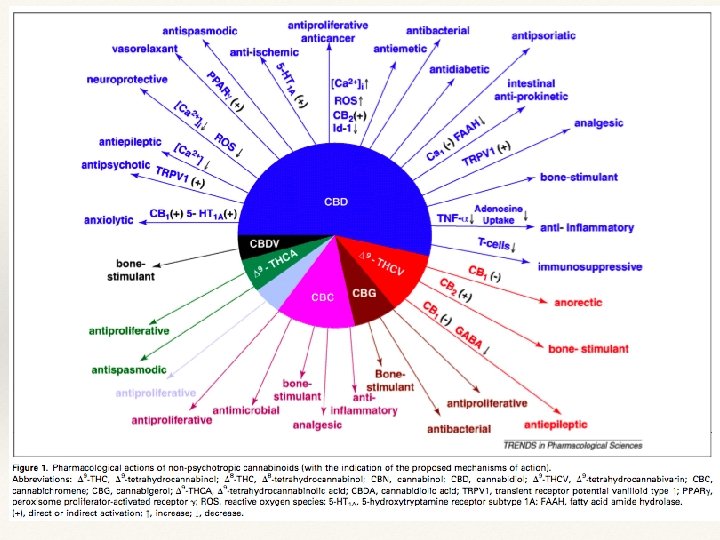
What is cannabis the drug • Plant > 400 chemicals; > 60 Phytocannabinoids • Δ‐ 9‐Tetrahydrocannabinol (THC) was isolated in 1964 and the nonpsychoactive cannabidiol (CBD) in 1963; the ratio in botanical and pharmaceutical preparations determines therapeutic vs psychoactive effects, with the latter emerging when THC is higher in concentration The principal psychoactive constituent of cannabis is THC; others include: cannabidiol (CBD), cannabinol (CBN), tetrahydrocannabivarin (THCV), and cannabegerol (CBG).
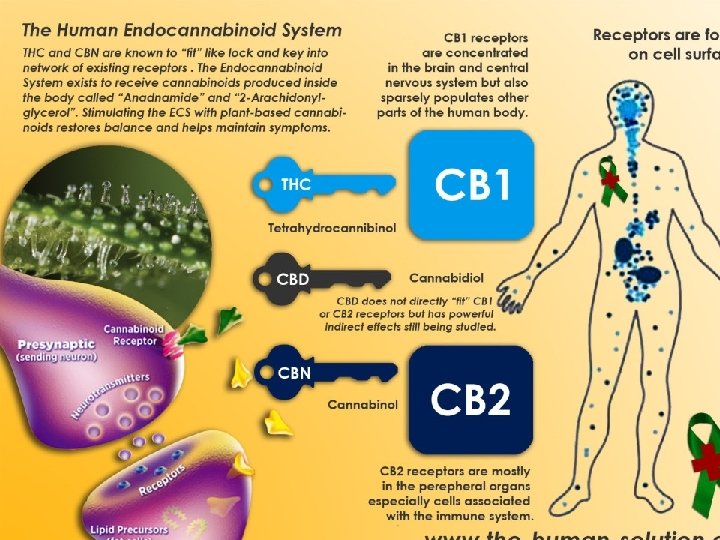
Mechanisms of Action • THC is a CB 1 (brain) and CB 2 (peripheral tissues) agonist • Cannabidiol (CBN) acts as an allosteric modulator of the mu and delta opioid receptors • THC directly inhibit the release of multiple neurotransmitters including acetylcholine, dopamine, and glutamate while indirectly affecting γ‐aminobutyric acid, N‐methyl‐D‐ aspartate, opioid, and serotonin receptors
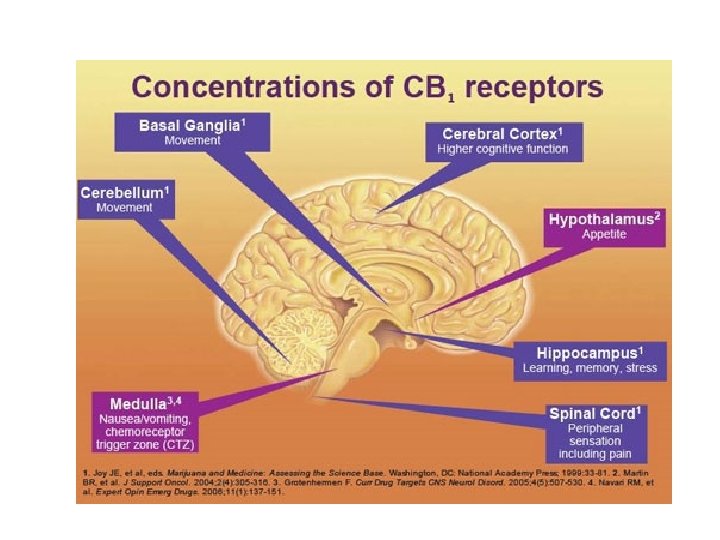
CB 1 receptors • CB 1 receptors are found primarily in the brain: – – – – Basal ganglia Limbic system including the hippocampus Hypothalamus (appetite) Cerebellum Male and female reproductive systems rostral ventrolateral medulla oblongata (RVLM) CB 1 receptors appear to be responsible for the euphoric and some anticonvulsive effects of cannabis. • The CB 1 receptor is expressed pre‐synaptically at both glutaminergic and GABAergic interneurons and acts as a neuromodultor to inhibit release of glutamate and GABA
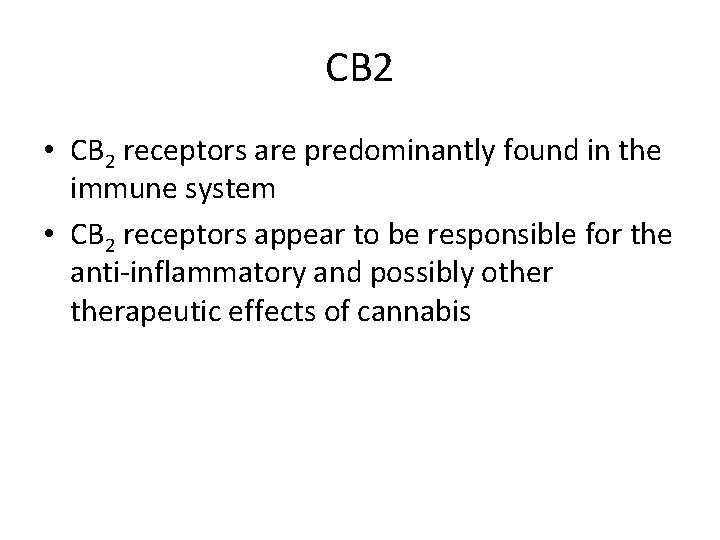
CB 2 • CB 2 receptors are predominantly found in the immune system • CB 2 receptors appear to be responsible for the anti‐inflammatory and possibly otherapeutic effects of cannabis
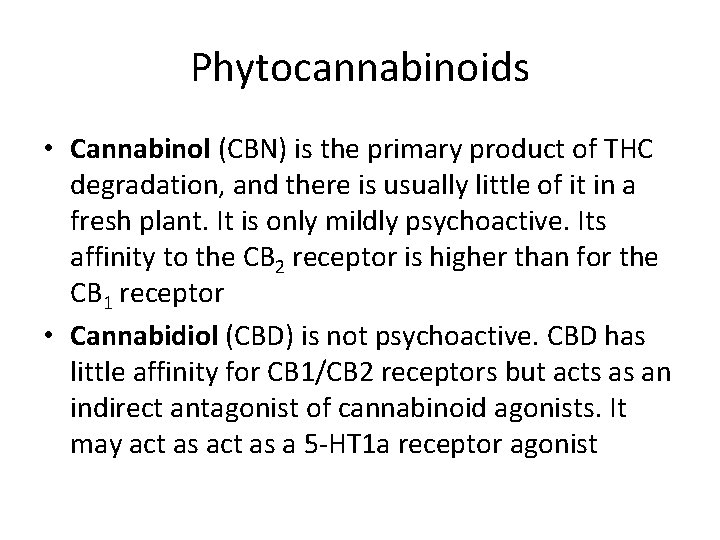
Phytocannabinoids • Cannabinol (CBN) is the primary product of THC degradation, and there is usually little of it in a fresh plant. It is only mildly psychoactive. Its affinity to the CB 2 receptor is higher than for the CB 1 receptor • Cannabidiol (CBD) is not psychoactive. CBD has little affinity for CB 1/CB 2 receptors but acts as an indirect antagonist of cannabinoid agonists. It may act as a 5‐HT 1 a receptor agonist
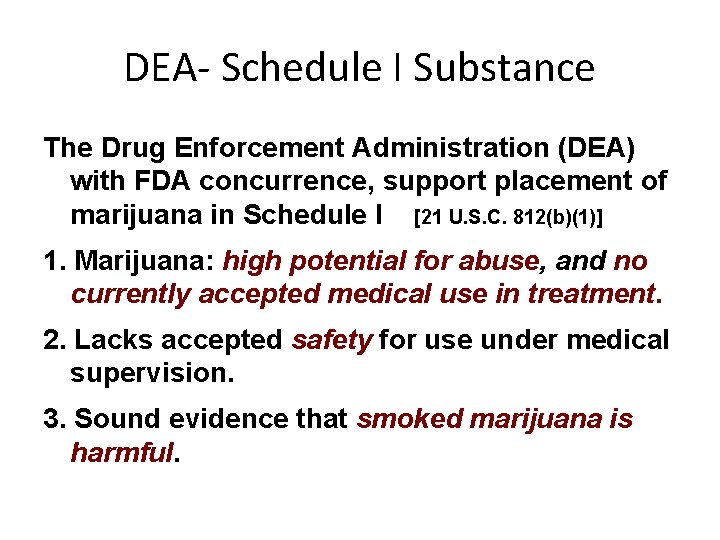
DEA‐ Schedule I Substance The Drug Enforcement Administration (DEA) with FDA concurrence, support placement of marijuana in Schedule I [21 U. S. C. 812(b)(1)] 1. Marijuana: high potential for abuse, and no currently accepted medical use in treatment. 2. Lacks accepted safety for use under medical supervision. 3. Sound evidence that smoked marijuana is harmful.
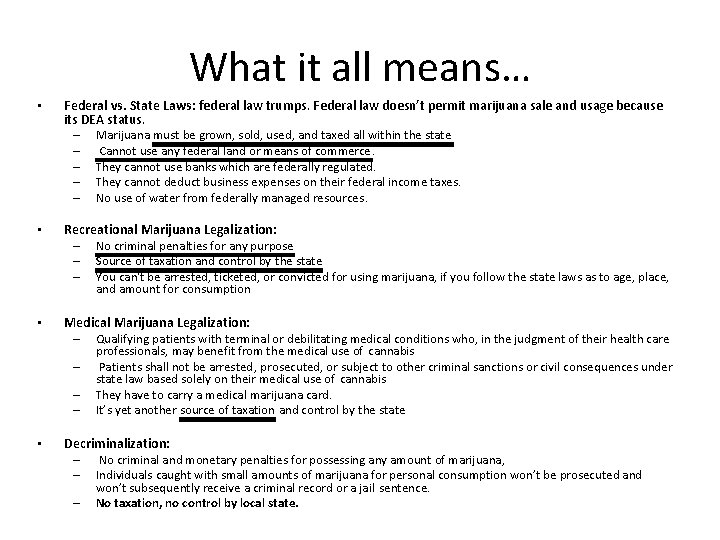
What it all means… • Federal vs. State Laws: federal law trumps. Federal law doesn’t permit marijuana sale and usage because its DEA status. – Marijuana must be grown, sold, used, and taxed all within the state – Cannot use any federal land or means of commerce. – They cannot use banks which are federally regulated. – They cannot deduct business expenses on their federal income taxes. – No use of water from federally managed resources. • Recreational Marijuana Legalization: – No criminal penalties for any purpose – Source of taxation and control by the state – You can't be arrested, ticketed, or convicted for using marijuana, if you follow the state laws as to age, place, and amount for consumption • Medical Marijuana Legalization: – Qualifying patients with terminal or debilitating medical conditions who, in the judgment of their health care – – – • professionals, may benefit from the medical use of cannabis Patients shall not be arrested, prosecuted, or subject to other criminal sanctions or civil consequences under state law based solely on their medical use of cannabis They have to carry a medical marijuana card. It’s yet another source of taxation and control by the state Decriminalization: – No criminal and monetary penalties for possessing any amount of marijuana, – Individuals caught with small amounts of marijuana for personal consumption won’t be prosecuted and – won’t subsequently receive a criminal record or a jail sentence. No taxation, no control by local state.
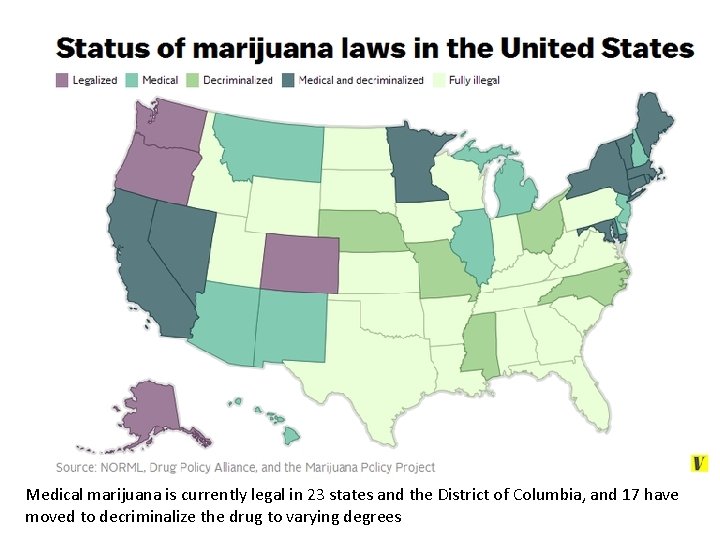
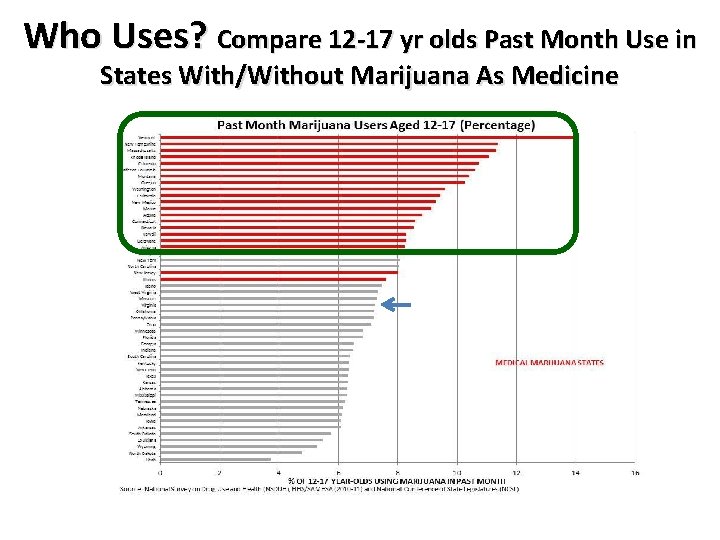
Medical marijuana is currently legal in 23 states and the District of Columbia, and 17 have moved to decriminalize the drug to varying degrees
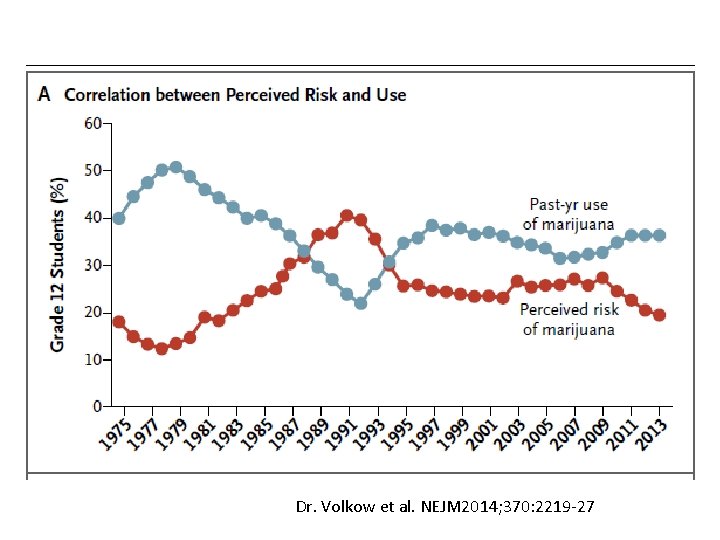
Dr. Volkow et al. NEJM 2014; 370: 2219‐ 27
Who Uses? Compare 12 -17 yr olds Past Month Use in States With/Without Marijuana As Medicine
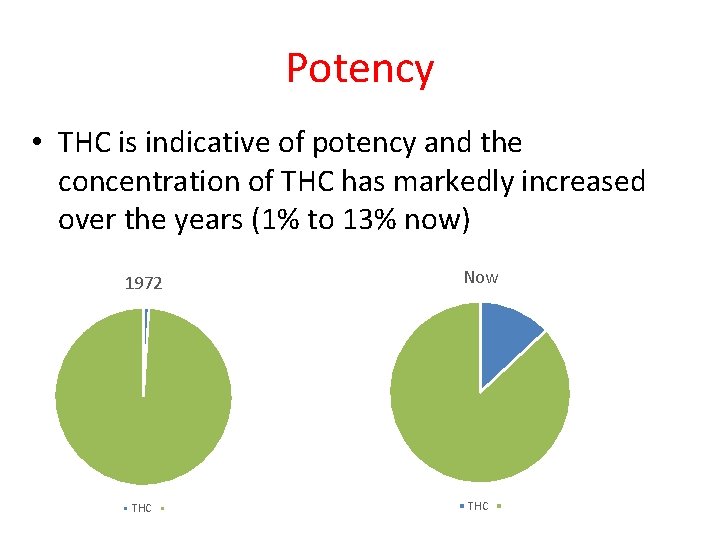
Potency • THC is indicative of potency and the concentration of THC has markedly increased over the years (1% to 13% now) Now 1972 THC
WHAT DO WE REALLY KNOW?
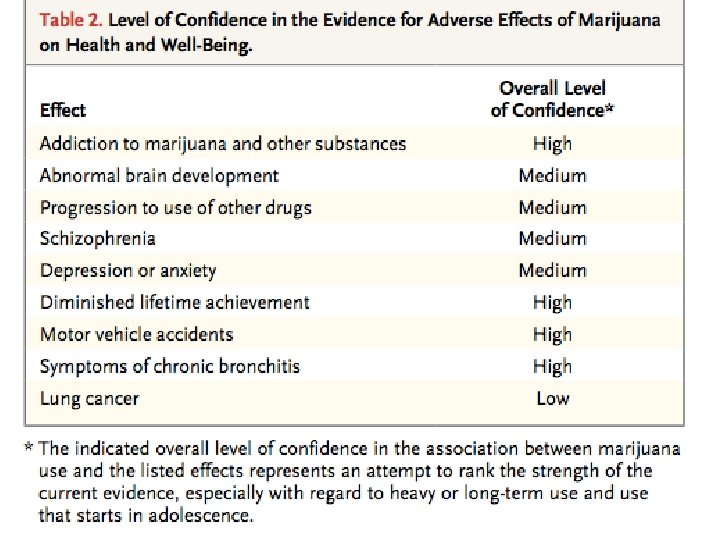
Risk of Addiction • 9% of experimenters will meet dependence criteria (2. 7 million) • 16% in those who start as teens (2‐ 4 x as likely to be dependent within 2 years of first use) • 25‐ 50% in daily smokers
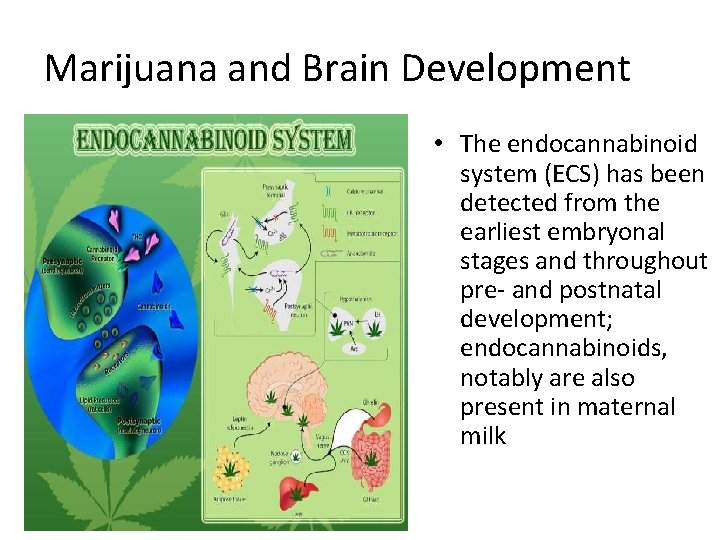
Marijuana and Brain Development • The endocannabinoid system (ECS) has been detected from the earliest embryonal stages and throughout pre‐ and postnatal development; endocannabinoids, notably are also present in maternal milk
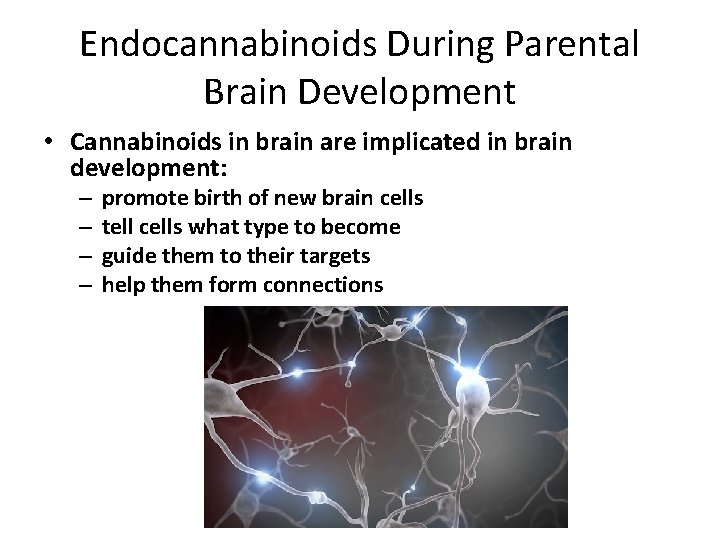
Endocannabinoids During Parental Brain Development • Cannabinoids in brain are implicated in brain development: – – promote birth of new brain cells tell cells what type to become guide them to their targets help them form connections
The Endocannabinoid System During Development • Perinatal manipulation of EDS, by administering cannabinoids or by maternal marijuana consumption, alters neurotransmitter and behavioral functions in the offspring. Interestingly, the consequences of prenatal cannabinoids are similar to many effects of prenatal stress
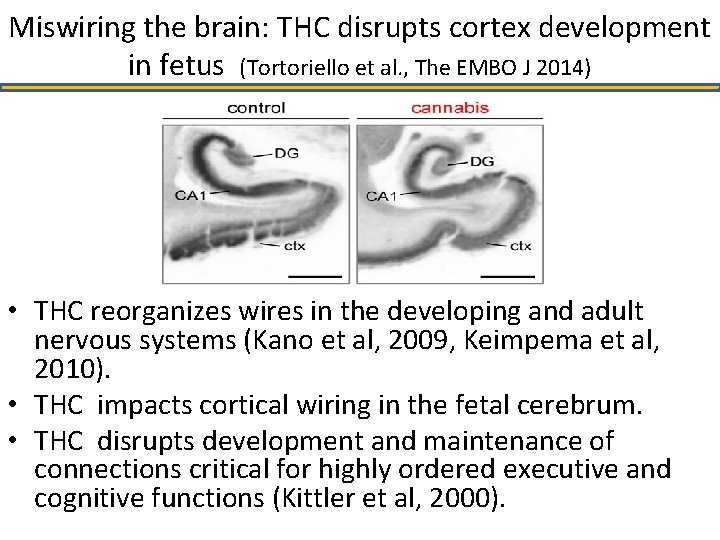
Miswiring the brain: THC disrupts cortex development in fetus (Tortoriello et al. , The EMBO J 2014) • THC reorganizes wires in the developing and adult nervous systems (Kano et al, 2009, Keimpema et al, 2010). • THC impacts cortical wiring in the fetal cerebrum. • THC disrupts development and maintenance of connections critical for highly ordered executive and cognitive functions (Kittler et al, 2000).
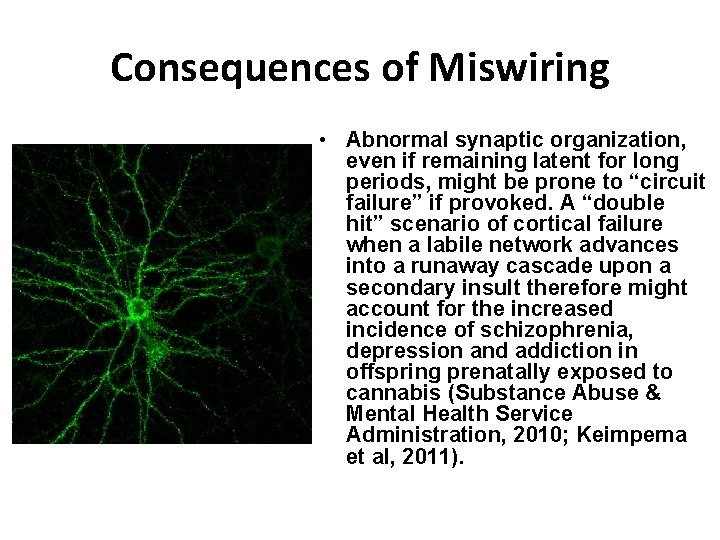
Consequences of Miswiring • Abnormal synaptic organization, even if remaining latent for long periods, might be prone to “circuit failure” if provoked. A “double hit” scenario of cortical failure when a labile network advances into a runaway cascade upon a secondary insult therefore might account for the increased incidence of schizophrenia, depression and addiction in offspring prenatally exposed to cannabis (Substance Abuse & Mental Health Service Administration, 2010; Keimpema et al, 2011).
Effects of Marijuana on the brain of adolescents • The cerebellum plays a role in balance, psychomotor speed, language generation, rhythm production, inhibition, attention, and memory
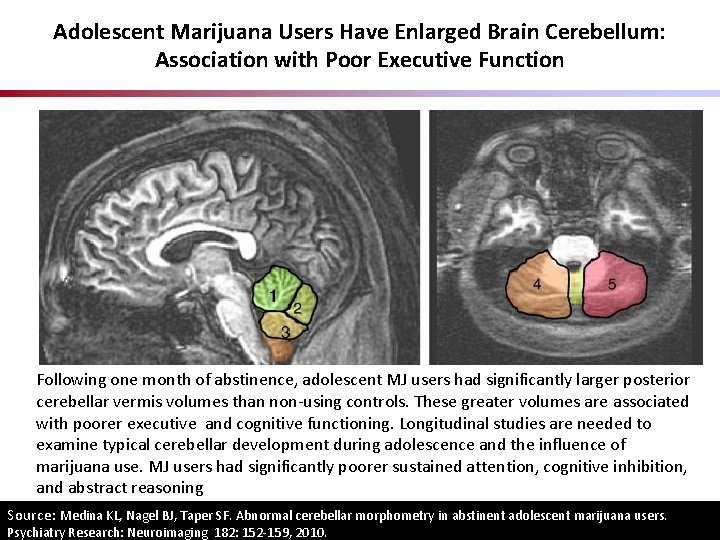
Adolescent Marijuana Users Have Enlarged Brain Cerebellum: Association with Poor Executive Function Following one month of abstinence, adolescent MJ users had significantly larger posterior cerebellar vermis volumes than non‐using controls. These greater volumes are associated with poorer executive and cognitive functioning. Longitudinal studies are needed to examine typical cerebellar development during adolescence and the influence of marijuana use. MJ users had significantly poorer sustained attention, cognitive inhibition, and abstract reasoning Source: Medina KL, Nagel BJ, Taper SF. Abnormal cerebellar morphometry in abstinent adolescent marijuana users. Psychiatry Research: Neuroimaging 182: 152‐ 159, 2010.
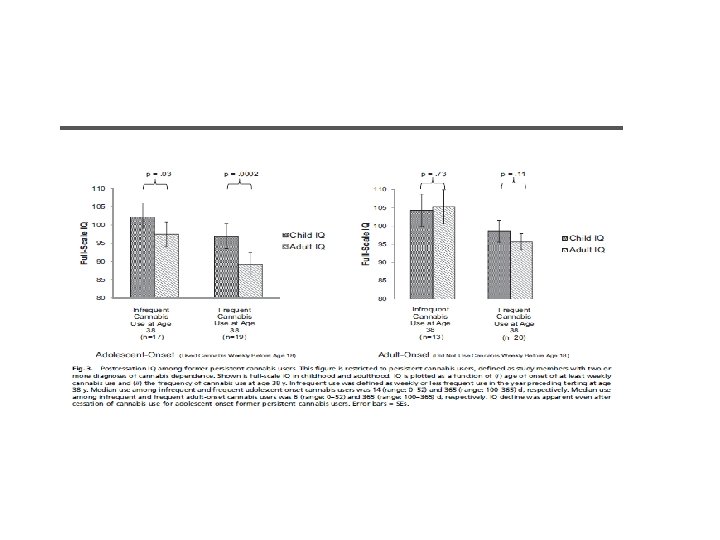
Marijuana and cognitive function in adolescents • 1, 037 individuals were followed from birth to age 38. • The adolescent MU demonstrated a drop in their IQ (quotient of intelligence)from childhood “average” to adult “low‐average” full‐scale IQ. Indeed, the adolescent MU individuals never achieved their predicted trajectory in IQ, even with sustained abstinence in adulthood • (Meier et al. , 2012).
School Performance and Lifetime Achievement • 6. 5% of 12 th graders daily or near daily use (higher in dropout population) • Since marijuana use impairs critical cognitive functions, both during acute intoxication and for days after use, many students could be functioning at a cognitive level that is below their natural capability for considerable periods of time • Snowball effect, with one failure leading to many
Daily use of Marijuana before age 17 • 60% less likely to get their high school diploma than those who've never used pot • Marijuana users' odds of dropping out being about 2. 3 times that of non‐users. • Eight times more likely to use other illegal drugs in the future.
Marijuana and mood • The acute response to cannabis generally includes euphoria and feelings of detachment and relaxation • Continuous smoking is associated with a gradual waning of the positive mood and social facilitating effects of marijuana and an increase in irritability, depression, social isolation, and low motivation • Not all marijuana users experience it (~21%) • Those with mental illness more likely to have the negative consequences
Marijuana as a Treatment of Mental Illness? • Some individuals report that marijuana “dulls anxiety or negative feelings”. Using marijuana to treat mood disorders was described in medical writings in the 19 th and early 20 th. • Marijuana dulls energy and motivation. Activation and engagement are key parts of recovery from depression. • Only case reports, not evidence based
Marijuana and Psychosis • There is reasonable evidence that heavy cannabis use, and perhaps acute use in sensitive individuals, can produce an acute psychosis (Paranoia) • Scientific literature indicates general agreement that heavy marijuana use can precipitate schizophrenic episodes but it is unknown if marijuana use can cause the underlying psychotic disorder
Mental Health • Regular marijuana use is associated with an increased risk of anxiety, depression, and psychotic illness, and marijuana use can worsen the courses of these disorders as well. ‐ Patton GC, Coffey C, Carlin JB, Degenhardt L, Lynskey M, Hall W. Cannabis use and mental health in young people: cohort study. BMJ. 2002; 325(7374): 1195‐ 1198. ‐ Di Forti M, Marconi A, Carra E, et al. Proportion of patients in south London with first‐ episode psychosis attributable to use of high potency cannabis: a case‐control study [published online February 18, 2015]. Lancet Psychiatry
Cannabis and Performance • Acutely administered marijuana impairs cognition (memory and learning, distorted perception, difficultly in thinking and problem‐solving, and loss of coordination) • Most behavioral and physiological effects return to baseline levels within 3‐ 5 hours after drug use • Longer term cognitive deficits in heavy marijuana users have also been reported • A study of experienced airplane pilots showed that even 24 hours after a single marijuana cigarette their performance on flight simulator tests was impaired
Effects of Acute Smoked Marijuana on Complex Cognitive Performance • Impaired judgment and difficulty carrying out complex mental processes are included among DSM‐IV’s diagnostic criteria for marijuana intoxication
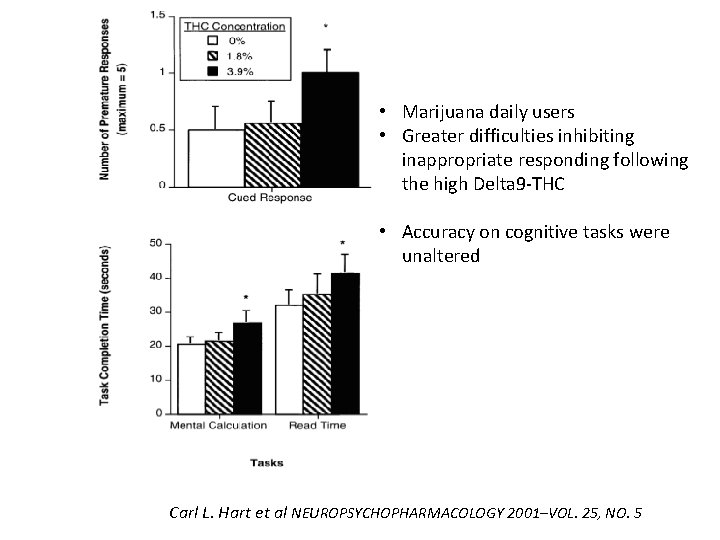
• Marijuana daily users • Greater difficulties inhibiting inappropriate responding following the high Delta 9‐THC • Accuracy on cognitive tasks were unaltered Carl L. Hart et al NEUROPSYCHOPHARMACOLOGY 2001–VOL. 25, NO. 5
Gateway Drug? • Early exposure to cannabinoids in adolescent rodents decreases the reactivity of brain dopamine reward centers later in adulthood • THC’s ability to “prime” the brain for enhanced responses to other drugs
Medical Marijuana • The accumulated data indicate a potential therapeutic value for cannabinoid drugs, particularly for symptoms such as pain relief, control of nausea and vomiting, and appetite stimulation • Clinical studies of marijuana are difficult to conduct • The medical use of marijuana are not based on particular diseases but on symptoms
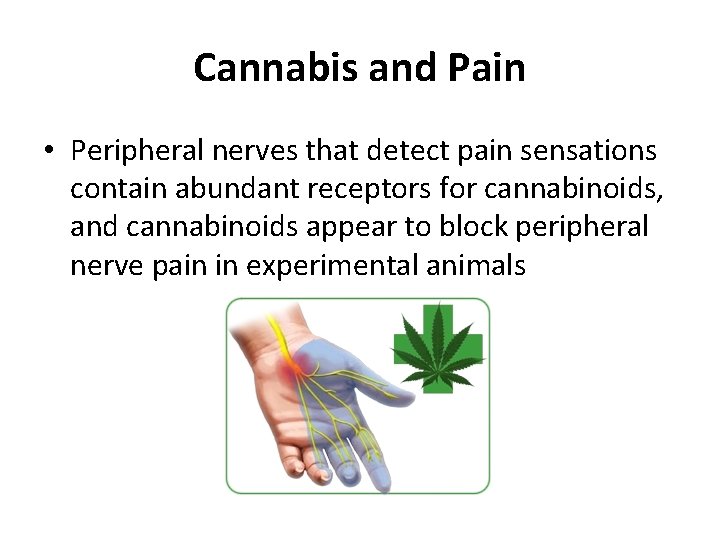
Cannabis and Pain • Peripheral nerves that detect pain sensations contain abundant receptors for cannabinoids, and cannabinoids appear to block peripheral nerve pain in experimental animals
Cannabis and Pain • Available evidence from animal and human studies indicates that cannabinoids can have a substantial analgesic effect. • Encouraging evidence on cancer pain but small sample • For patients with MS with central pain or painful spasms, THC or nabiximols were found to be probably effective for treating MS‐related pain or painful spasms. • Smoked marijuana is of unclear efficacy for reducing pain
Cannabis and Immunosuppression • THC have immunosuppressive effects which may be beneficial or detrimental • Mice pretreated with THC one day before infection with a sublethal dose of the pneumonia‐causing bacteria and then treated again one day after the infection with THC developed symptoms of septic shock and died; control mice that were not pretreated with THC became immune to repeated infection and survived the bacterial challenge. These mice failed to develop immune memory • Little is known about the immune effects of chronic low‐ dose exposure to cannabinoids Klein TW, Newton C, Friedman H. 1994. Resistance to Legionella pneumophila suppressed by the marijuana component, tetrahydrocannabinol. Journal of Infectious Diseases 169: 1177— 1179.
Cannabis and Immunosuppression • Good news: THC was found to induce cell death in different types of cancer cells that have cannabinoid receptors. • Bad news: it can lead to enhanced growth of tumors that express low to undetectable levels of cannabinoid receptors by specifically suppressing the antitumor immune response. All these studies have been done in vitro and therefore little is known about the immune effects of chronic low‐ dose exposure to cannabis.
Nausea and Vomiting • Cannabinoids are effective in preventing emesis in some patients who are receiving cancer chemotherapy • In a study comparing THC with metoclopramide, all patients received the same dose of cisplatin and were randomly assigned to the THC group or the metoclopramide group. – Results: Complete control of emesis occurred in 47% of those treated with metoclopramide and 13% of those treated with THC. • In 1985, the FDA approved THC in the form of dronabinol for this treatment of nausea and vomiting associated with chemotherapy • Nabilone (Cesamet) and levonantradol were tested in various settings; the results were similar to those with THC. As in the THC trials, nabilone and levonantradol reduced emesis but not as well as other available agents Gralla RJ, Tyson LB, Borden LB, et al. 1984. Antiemetic therapy: A review of recent studies and a report of a random assignment trial comparing metoclopramide with delta-9 -tetrahydrocannabinol. Cancer. Treatment Reports 68: 163— 172.
Appetite Stimulation • In 1992, the FDA approved THC, under the trade name Marinol (dronabinol), as an appetite stimulant for the treatment of AIDS‐related weight loss • Dronabinol was associated with an increase in appetite and stable weight, in patients with wasting syndrome associated with AIDS • The profile of cannabinoid drug effects suggests that they are promising for treating wasting syndrome in AIDS patients.
Reproductive System • In both male and female animals and humans, THC injections suppress reproductive hormones and behavior • Injections of THC result in rapid, dose‐ dependent suppression of sex hormones and embryo implantation appears to be inhibited. • The animal and human studies are based on acute treatments (single injections) or short term treatments
Multiple Sclerosis: Systematic Review • Most drug tested including oral THC, CBD and Nabiximols found probably effective for reducing patient‐reported symptoms probably ineffective for reducing objective measures Smoked marijuana is of uncertain efficacy (insufficient evidence). • Carefully designed clinical trials testing the effects of cannabinoids on muscle spasticity should be considered Systematic review: Efficacy and safety of medical marijuana in selected neurologic disorders. Report of the Guideline Development Subcommittee of the American Academy of Neurology. Barbara S. Koppel, et al Neurology April 29, 2014 vol. 82 no. 17 1556 -1563
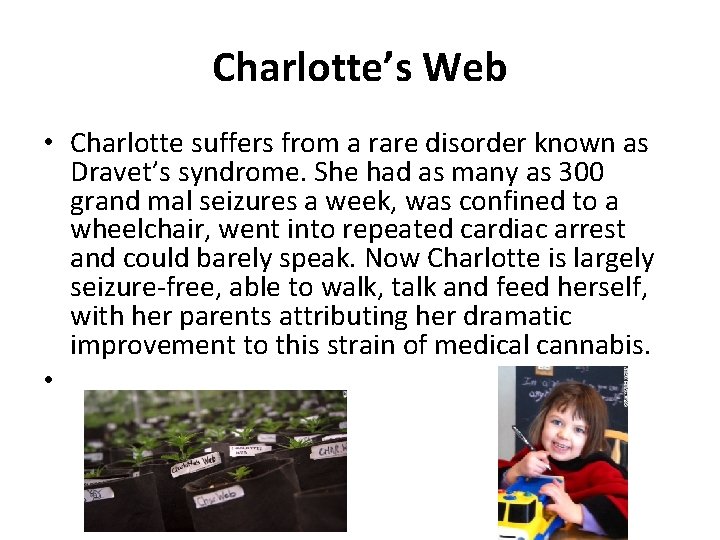
Charlotte’s Web • Charlotte suffers from a rare disorder known as Dravet’s syndrome. She had as many as 300 grand mal seizures a week, was confined to a wheelchair, went into repeated cardiac arrest and could barely speak. Now Charlotte is largely seizure‐free, able to walk, talk and feed herself, with her parents attributing her dramatic improvement to this strain of medical cannabis. •
Epilepsy • Studies in animal models have shows CBD works as an anticonvulsant • A new international, multi‐center study led by researchers from UCSF Benioff Children’s Hospital is the first to evaluate whether purified cannabinoid is effective in treating severe forms of childhood epilepsy that do not respond to standard antiepileptic drugs • The drug, called Epidiolex, is a purified cannabinoid that comes in a liquid form containing no tetrahydrocannabinol (THC)
Epidiolex Results • 23 patients with treatment‐resistant epilepsies, (average of 10), were enrolled in two epilepsy centers at New York University and the University of California San Francisco. • After establishing a 4‐week baseline of frequency, type of seizures and existing antiepileptic drug (AED) regimes, patients received a purified 98% oil‐based CBD extract, of known and constant composition at a dose of 5 mg/kg/day in addition to their baseline AED regimen. The daily dose was gradually increased until intolerance occurred or a maximum dose of 25 mg/kg/day was achieved. • After three months of therapy, 39% of patients had a greater than 50% reduction in seizures with a median reduction of 32%. • Seizure freedom occurred in 3/9 Dravet patients and 1/14 patients with other forms of epilepsy. • Adverse effects were mostly mild or moderate and included somnolence, fatigue, AED level increases, decreased appetite, weight gain, diarrhea, increased appetite and weight loss.
TO SUMMARIZE…
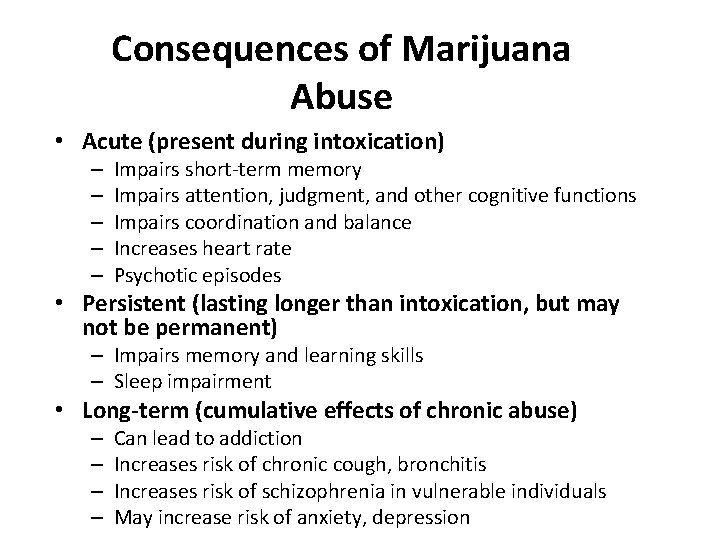
Consequences of Marijuana Abuse • Acute (present during intoxication) – – – Impairs short‐term memory Impairs attention, judgment, and other cognitive functions Impairs coordination and balance Increases heart rate Psychotic episodes • Persistent (lasting longer than intoxication, but may not be permanent) – Impairs memory and learning skills – Sleep impairment • Long-term (cumulative effects of chronic abuse) – – Can lead to addiction Increases risk of chronic cough, bronchitis Increases risk of schizophrenia in vulnerable individuals May increase risk of anxiety, depression
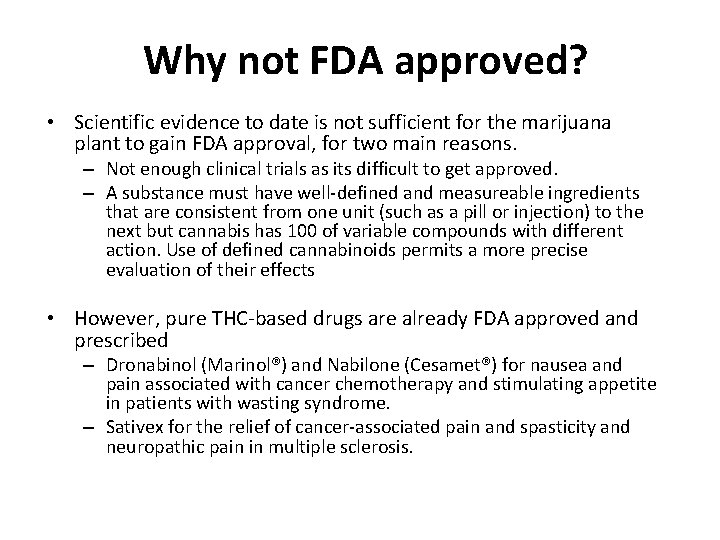
Why not FDA approved? • Scientific evidence to date is not sufficient for the marijuana plant to gain FDA approval, for two main reasons. – Not enough clinical trials as its difficult to get approved. – A substance must have well‐defined and measureable ingredients that are consistent from one unit (such as a pill or injection) to the next but cannabis has 100 of variable compounds with different action. Use of defined cannabinoids permits a more precise evaluation of their effects • However, pure THC‐based drugs are already FDA approved and prescribed – Dronabinol (Marinol®) and Nabilone (Cesamet®) for nausea and pain associated with cancer chemotherapy and stimulating appetite in patients with wasting syndrome. – Sativex for the relief of cancer‐associated pain and spasticity and neuropathic pain in multiple sclerosis.
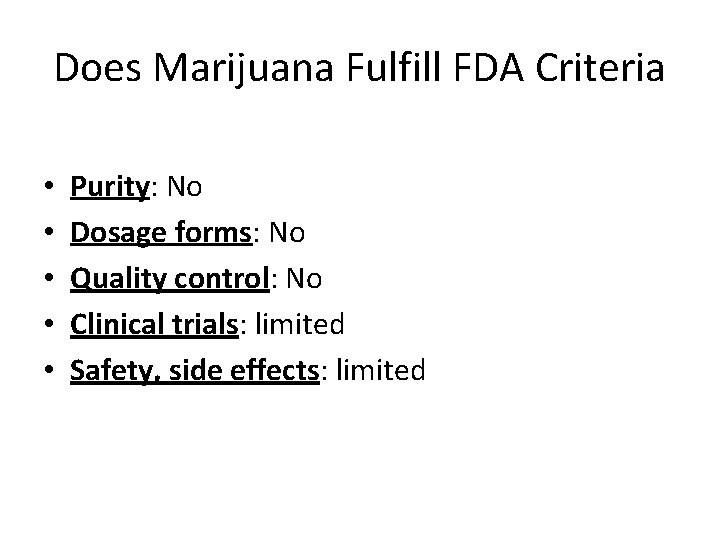
Does Marijuana Fulfill FDA Criteria • • • Purity: No Dosage forms: No Quality control: No Clinical trials: limited Safety, side effects: limited
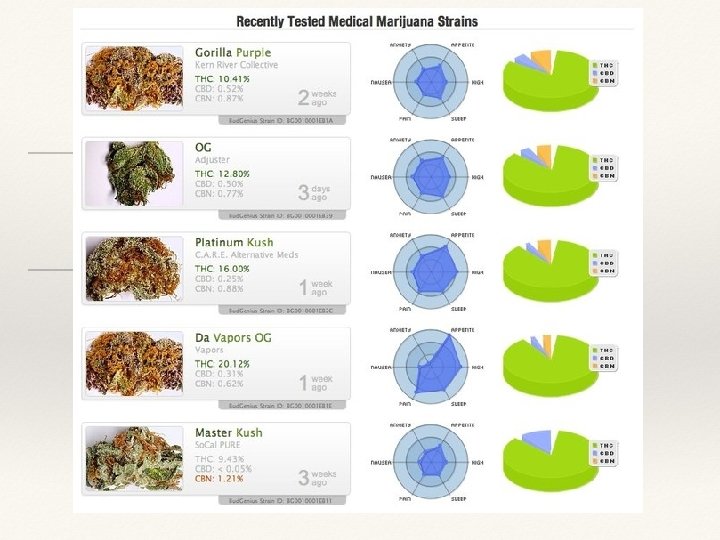
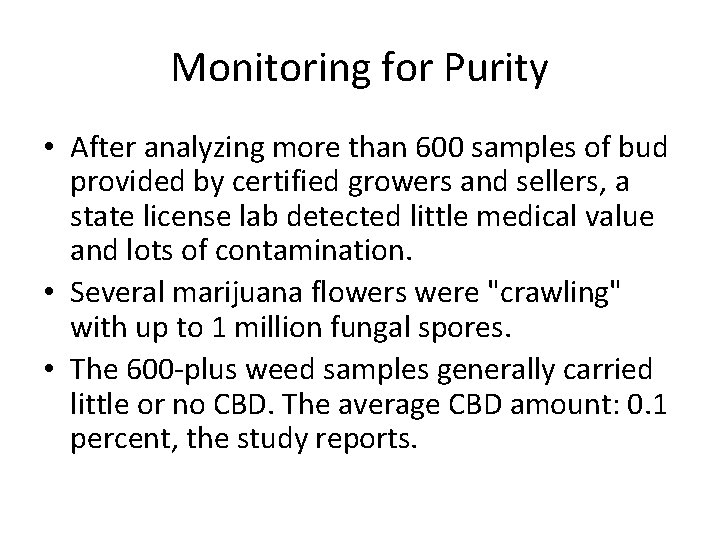
Monitoring for Purity • After analyzing more than 600 samples of bud provided by certified growers and sellers, a state license lab detected little medical value and lots of contamination. • Several marijuana flowers were "crawling" with up to 1 million fungal spores. • The 600‐plus weed samples generally carried little or no CBD. The average CBD amount: 0. 1 percent, the study reports.
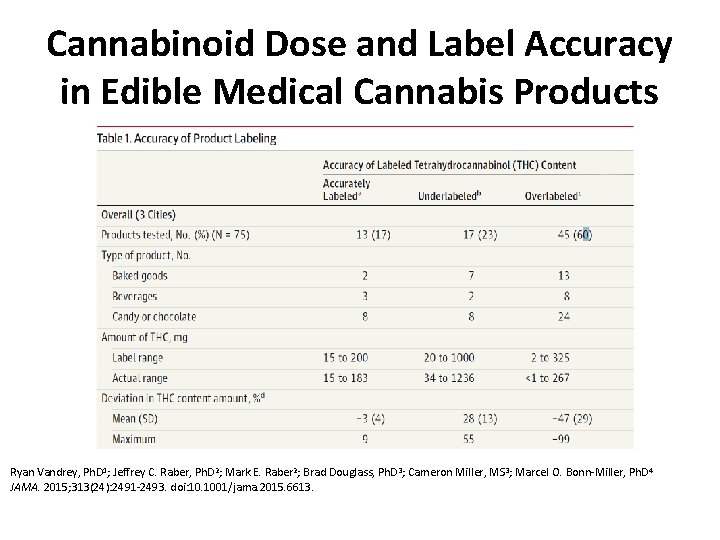
Cannabinoid Dose and Label Accuracy in Edible Medical Cannabis Products Ryan Vandrey, Ph. D 1; Jeffrey C. Raber, Ph. D 2; Mark E. Raber 2; Brad Douglass, Ph. D 3; Cameron Miller, MS 3; Marcel O. Bonn‐Miller, Ph. D 4 JAMA. 2015; 313(24): 2491‐ 2493. doi: 10. 1001/jama. 2015. 6613.
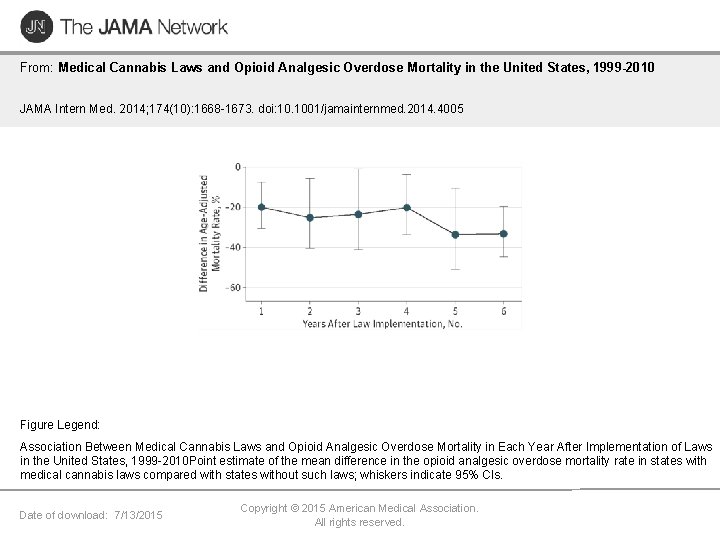
From: Medical Cannabis Laws and Opioid Analgesic Overdose Mortality in the United States, 1999 -2010 JAMA Intern Med. 2014; 174(10): 1668 -1673. doi: 10. 1001/jamainternmed. 2014. 4005 Figure Legend: Association Between Medical Cannabis Laws and Opioid Analgesic Overdose Mortality in Each Year After Implementation of Laws in the United States, 1999 -2010 Point estimate of the mean difference in the opioid analgesic overdose mortality rate in states with medical cannabis laws compared with states without such laws; whiskers indicate 95% CIs. Date of download: 7/13/2015 Copyright © 2015 American Medical Association. All rights reserved.
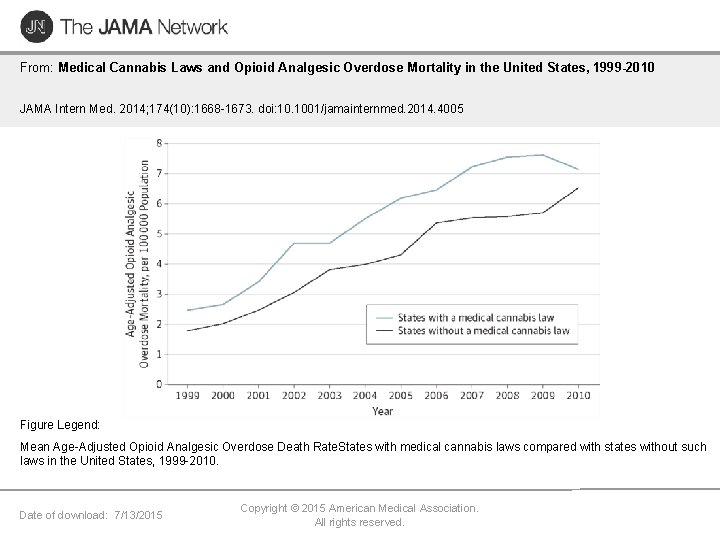
From: Medical Cannabis Laws and Opioid Analgesic Overdose Mortality in the United States, 1999 -2010 JAMA Intern Med. 2014; 174(10): 1668 -1673. doi: 10. 1001/jamainternmed. 2014. 4005 Figure Legend: Mean Age-Adjusted Opioid Analgesic Overdose Death Rate. States with medical cannabis laws compared with states without such laws in the United States, 1999 -2010. Date of download: 7/13/2015 Copyright © 2015 American Medical Association. All rights reserved.
Conclusion • Medical marijuana use is now common in clinical practice in many states, and it is critical for health care providers to understand both the scientific rationale and the practical implications of medical marijuana laws. • Medical marijuana and cannabinoids have significant health risks as well as many potential medical benefits. • While medical marijuana has been at times a controversial and contentious issue, mental health providers have a responsibility to provide evidence ‐based guidance on this important issue.
THANK YOU
References • Chatterji P. Illicit drug use and educational attainment. Health Economics. 2006; 15: 489– 511. • Bray JW et al: Health Econ. 2000 Jan; 9(1): 9‐ 18. • Ellickson PK, et al Journal of Drug Issues. 1998; 28: 357– 380. • Schulenberg J, et al: Journal of Health and Social Behavior. 1994; 35: 45– 62 • Mensch BS, Kandel DB: Sociology of Education. 1988; 61: 95– 113. • Newcomb M, Bentler P. : American Journal of Community Psychology. 1986; 14: 303– 321.