
A Resurgence of Empire in East Asia Sui
- Slides: 31
A Resurgence of Empire in East Asia Sui, Tang and Song Dynasties
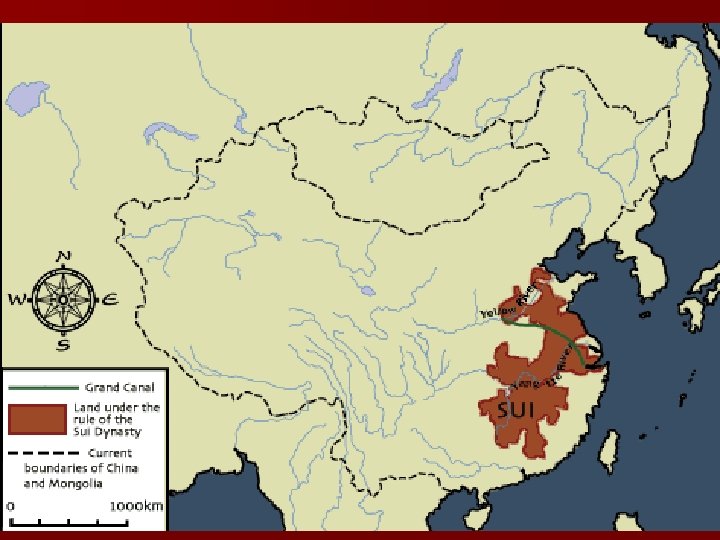
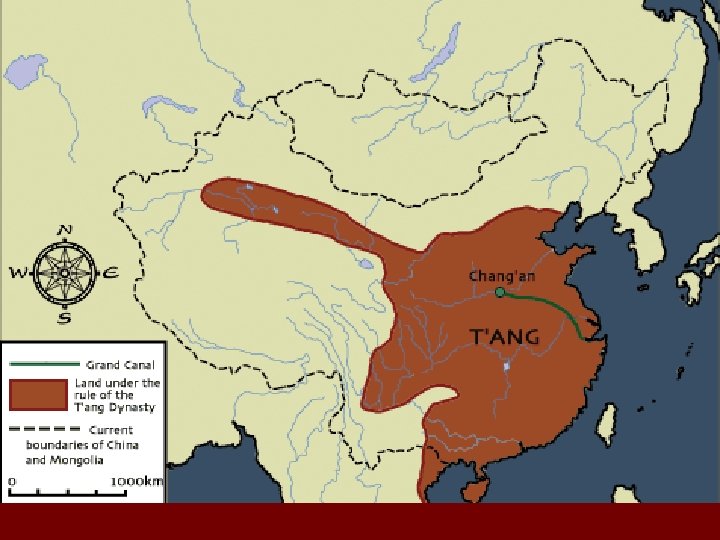
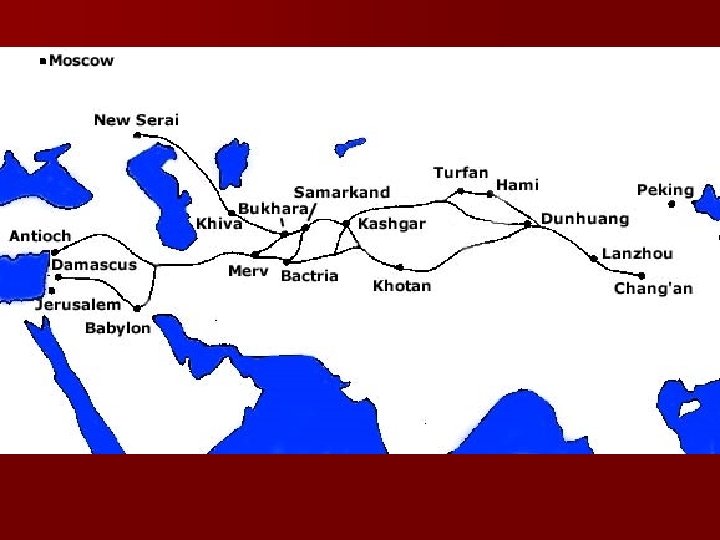
Sui Dynasty (589 – 618 CE) n Yang Jian: 580 Mandate of Heaven n Similar to Qin Dynasty – Legalism – Public Works n Grand Canal – Trade b/w North and South
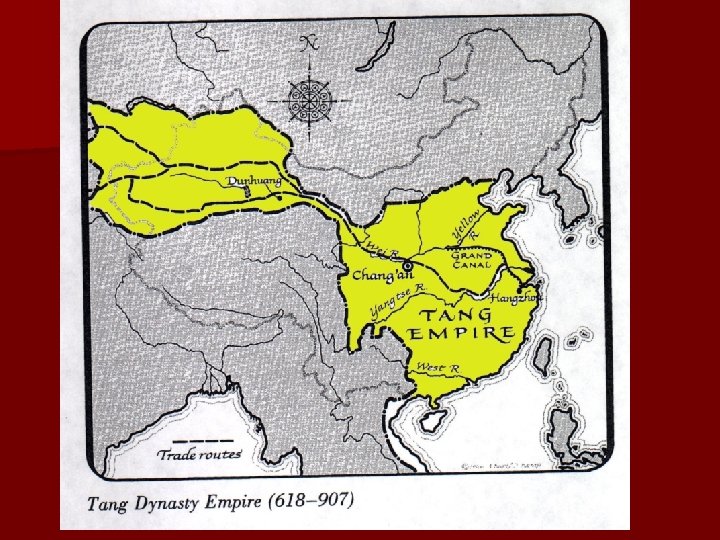
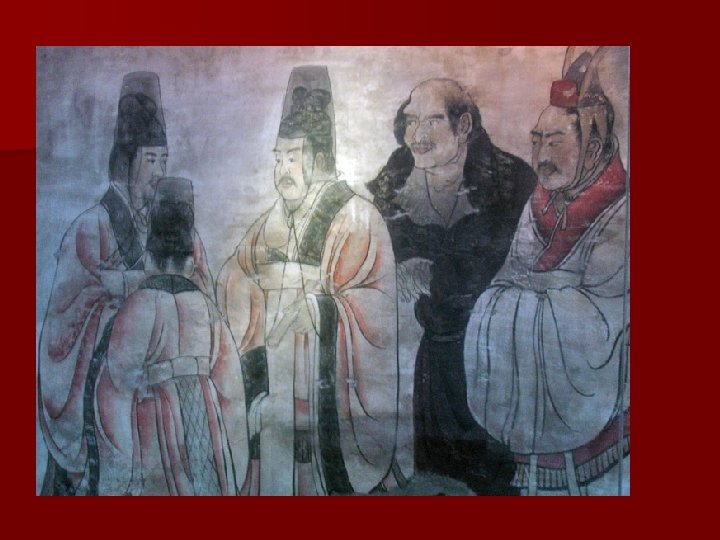
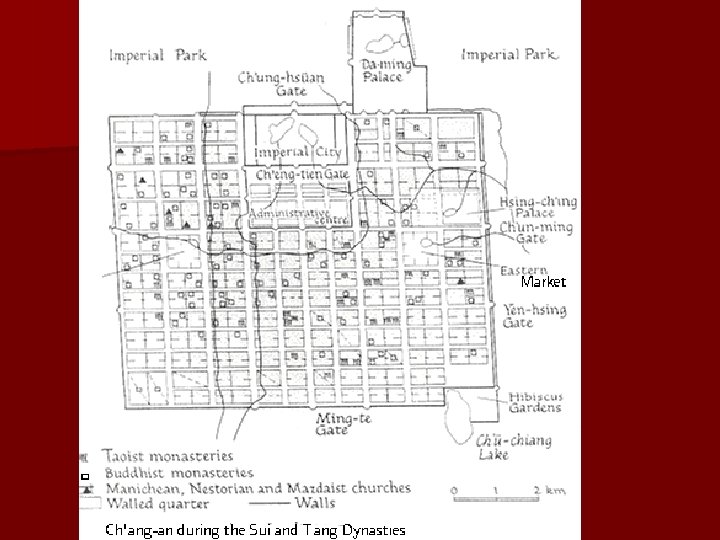
Tang Dynasty (618 – 907) n Tang Taizong n Capital of Chang’an n Confucianism n Safe Trade, Low Taxes, Stability
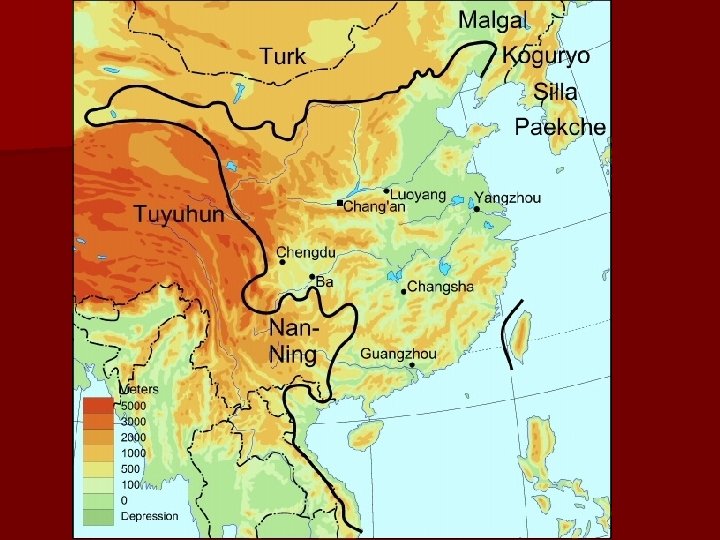
Tang Policies 1) 2) 3) 4) Transportation and Communication - Grand Canal - Road System - Postal System Land Distribution - Equal Field System Merit Based Bureaucracy - Civil Service Exams - Classical Chinese Philosophy - All Males (Except Criminals) Expansion - Manchuria and Korea
Tang Decline n 755 – Casual and Careless leadership n Northern Invasions n Uighurs (Turks) sack capital n Revolts n Warlord Rule After Fall
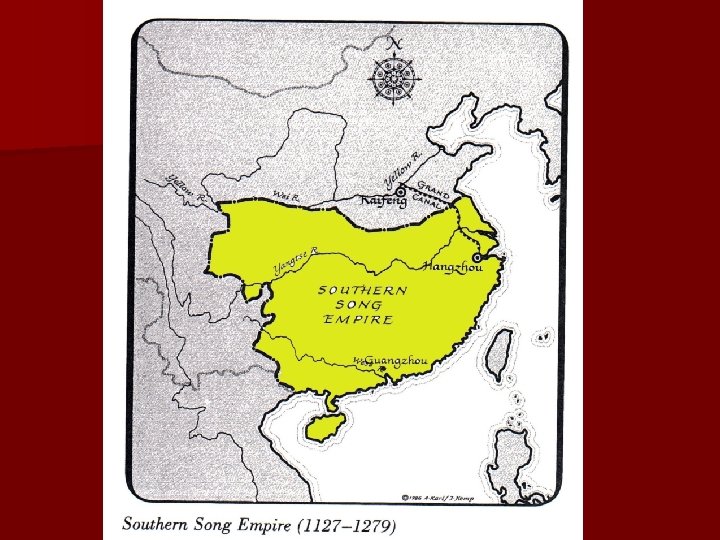
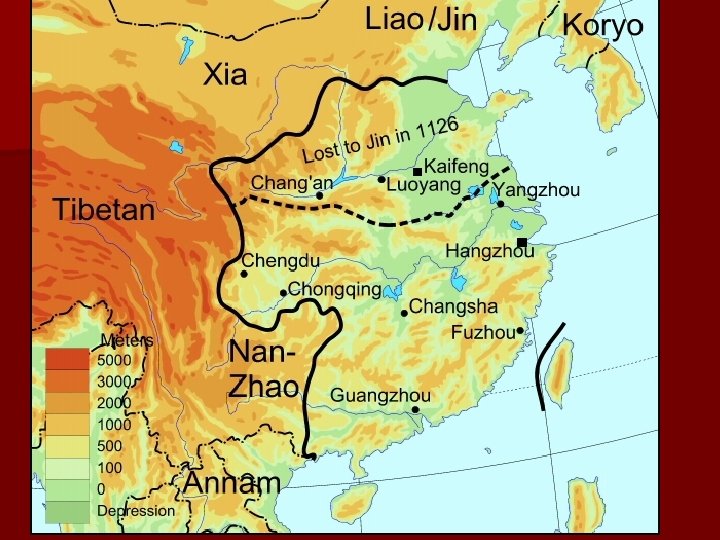
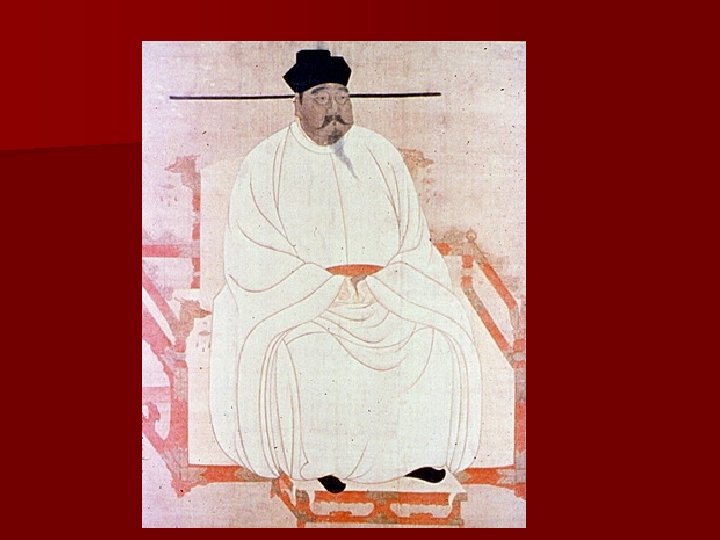
Song Dynasty (960 – 1279 CE) n Restored Imperial Structure n Mistrust of Military n Song Taizu (960 – 976) – Greater Bureaucracy – Feared Military (emphasized other areas) n Capital Hangzhou
2 Problems of Song Enormous Bureaucracy 1) 2) $$$$$ Weak Military - Nomadic pressure from North (Mongols) - Captured Capital (Kaifeng) - Southern Song – Capital to Hangzhou
Economic Development in China n Agriculture A) Increases in production - Fast ripening rice - New Tech: Fertilizer/Iron Plows - Commercial Agriculture B) Facilitation of Trade - “Flying Cash” + Paper Money - Banking/Checking - Government Involvement/Market Economy
Technology and Industry n Porcelain – High Demand n Metallurgy – Iron and Steel – Architecture n Gunpowder – Late 1200 s diffused to Europe and S. Asia
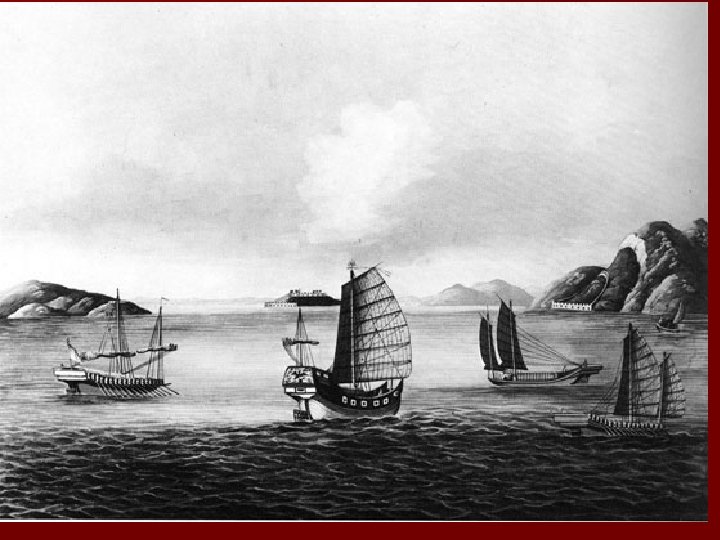
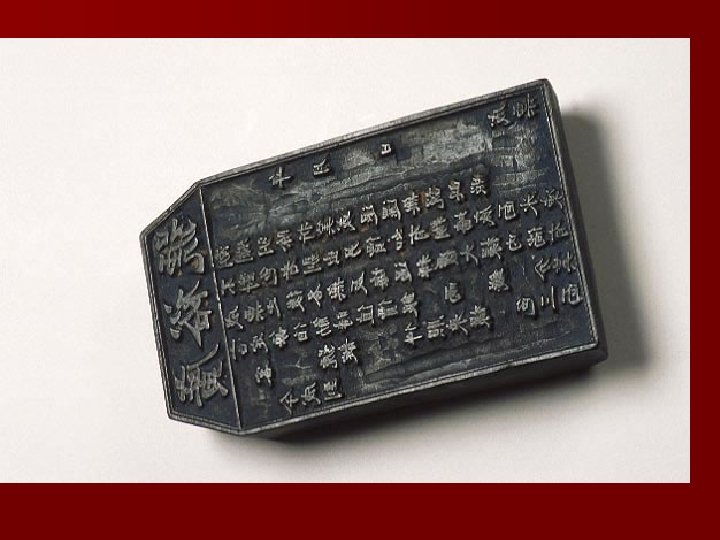
n Printing – Block Printing – Cheap Books – Propaganda n Naval Technology – Ships: Compass, Rudders, Iron Nails, etc.
Chinese Economy n Market Economy – Regional Specialization – Foreign Demand – Government Involvement n Currency – “Flying Cash” – Paper Money – Copper Coins (Hoarded Silver)
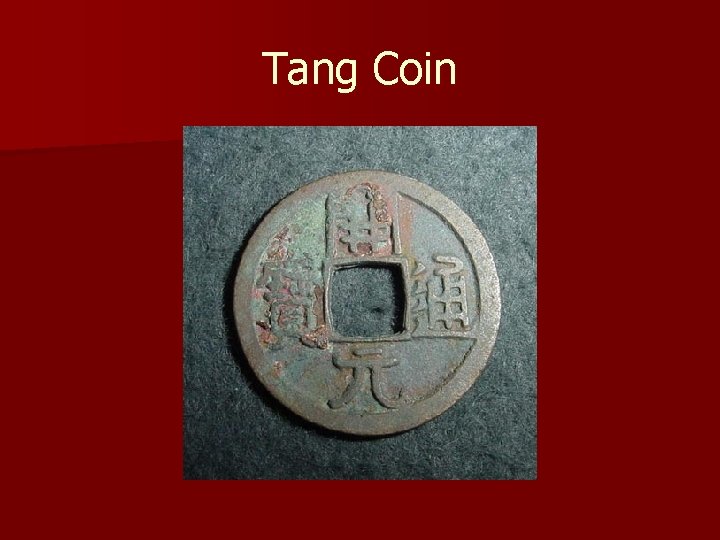
Tang Coin
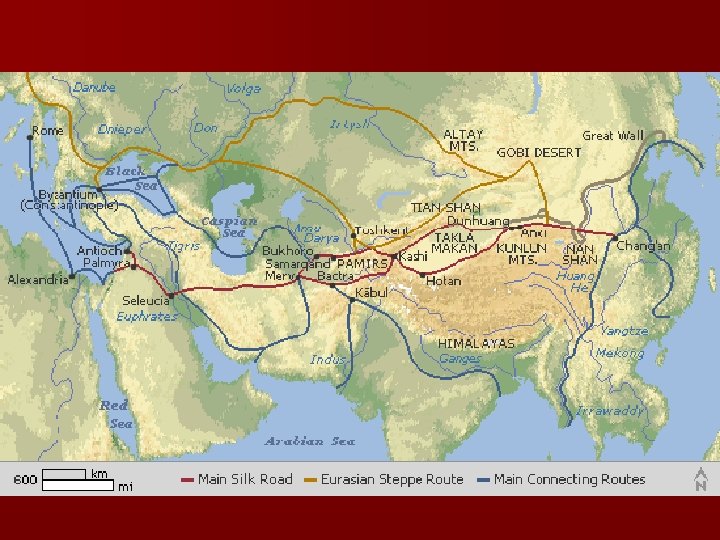
Chinese Society n Cosmopolitan – Entertainers – South Port Cities (Guangzhou, Quanzhou) – Vast Trade and Cultural Sharing