
A presentation in two parts 1 Pieter Sijpkes
- Slides: 50
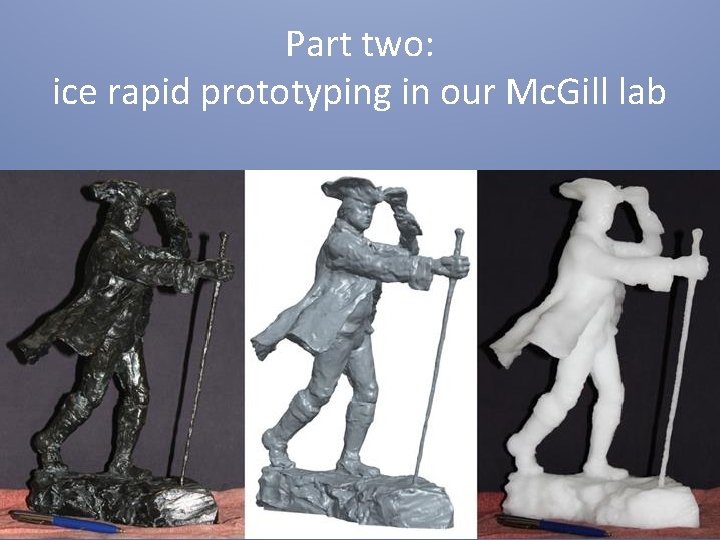
• A presentation in two parts: 1. Pieter Sijpkes will talk about: An overiew of ‘outdoor’ ice construction in history, including some large scale experiments at Mc. Gill Campus 2. Eric Barnett will talk about Pioneering work done at Mc. Gill using laboratory-based small scale ice rapid prototyping, a product of collaboration between the School of Architecture ( Prof. Pieter Sijpkes) and the Dept. of Mechanical engineering ( Prof. Jorge Angeles), most of the research and development executed by Eric Barnett (Ph. D), now a post doc at Laval University.
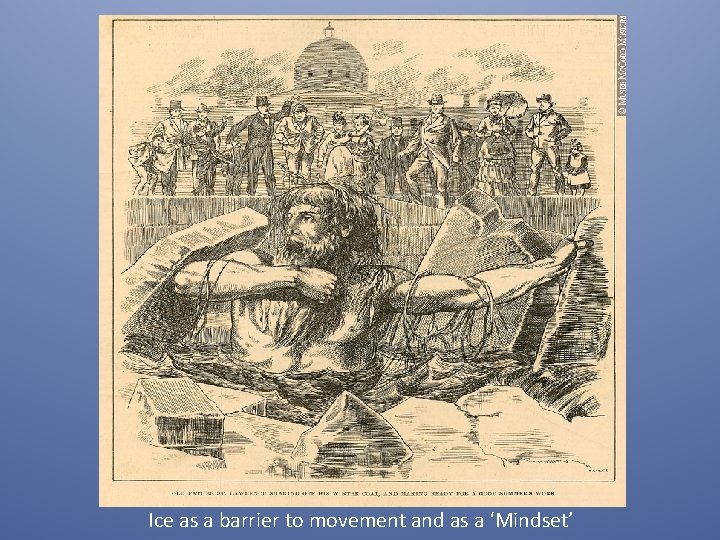
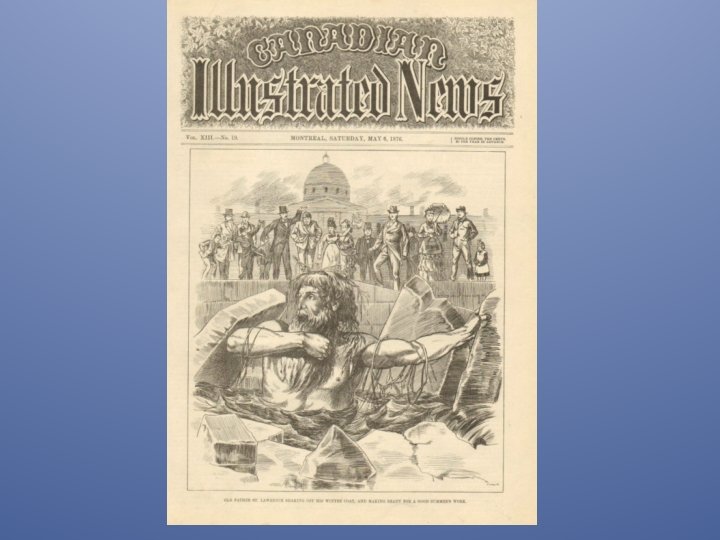
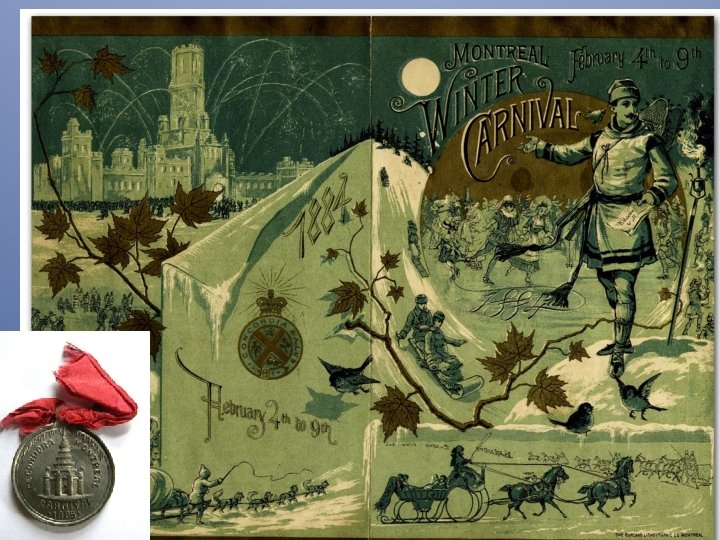
Ice as a barrier to movement and as a ‘Mindset’
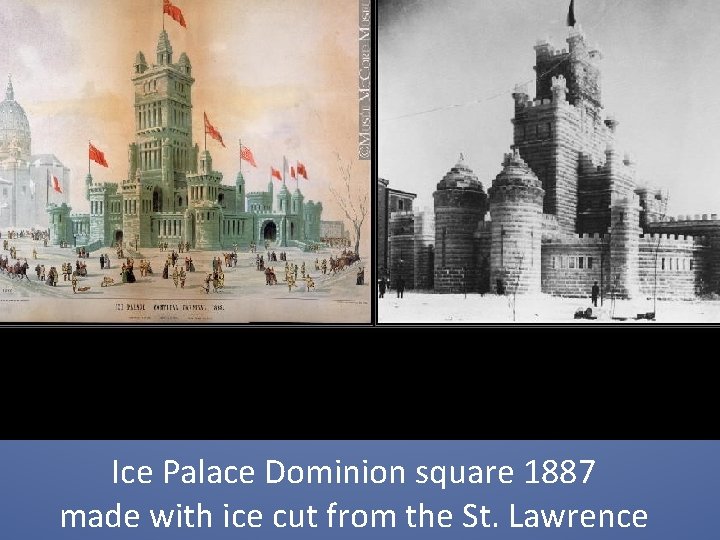
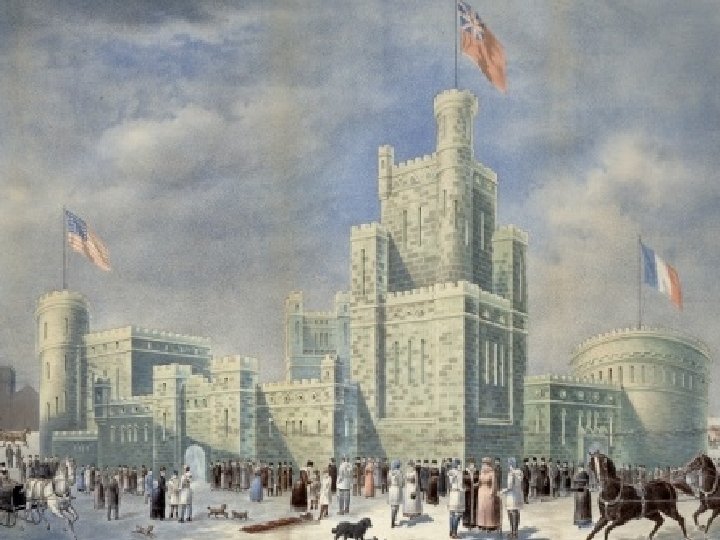
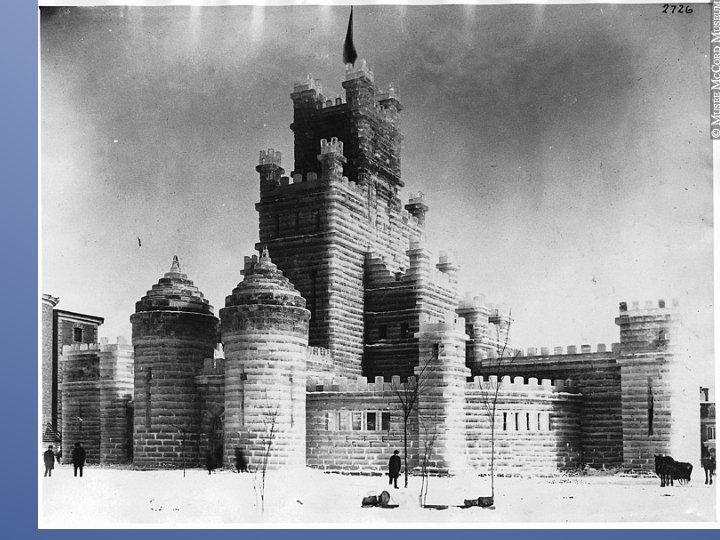
Ice Palace Dominion square 1887 made with ice cut from the St. Lawrence
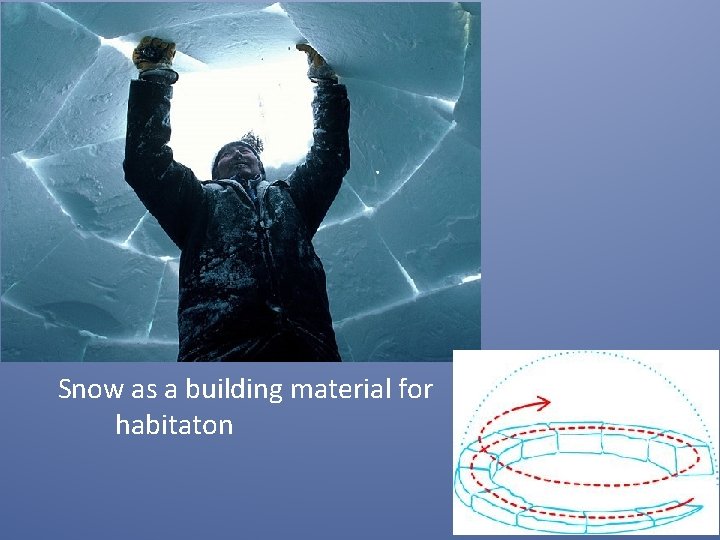
Snow as a building material for habitaton
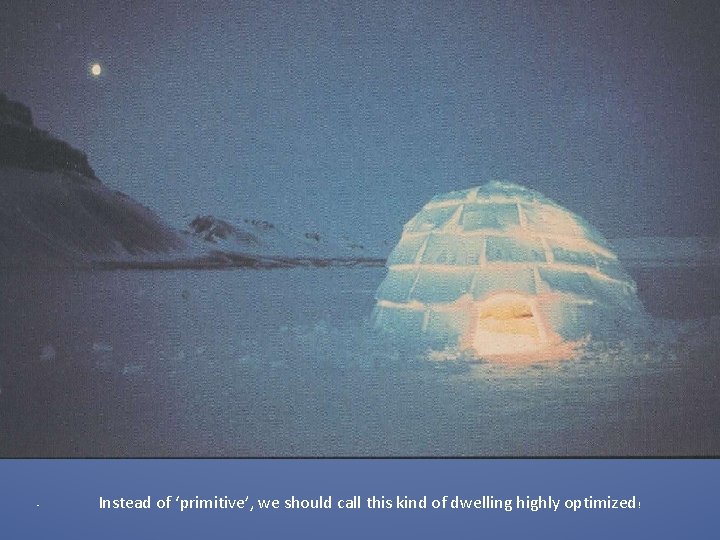
• Instead of ‘primitive’, we should call this kind of dwelling highly optimized !
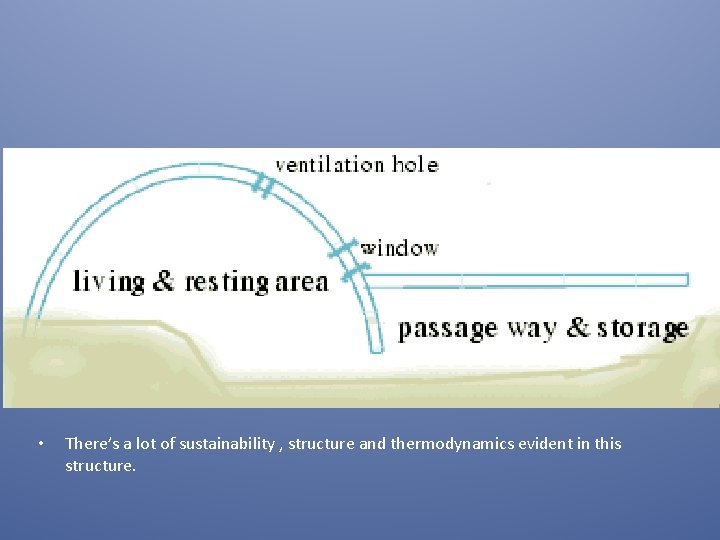
• There’s a lot of sustainability , structure and thermodynamics evident in this structure.
I
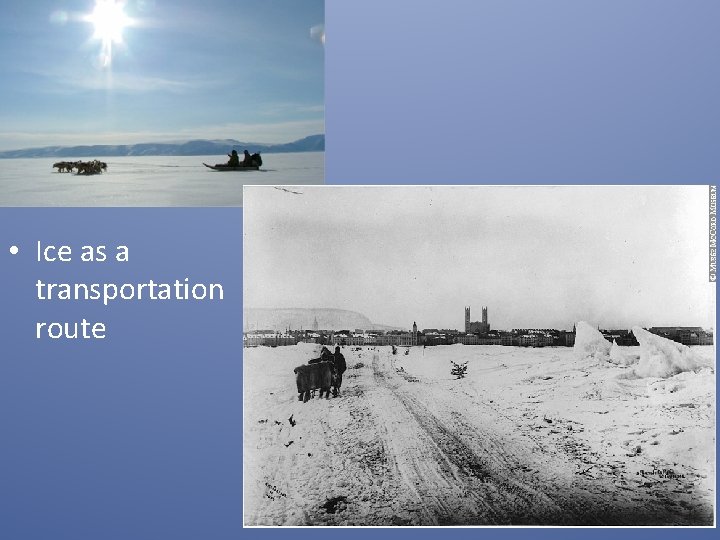
• Ice as a transportation route
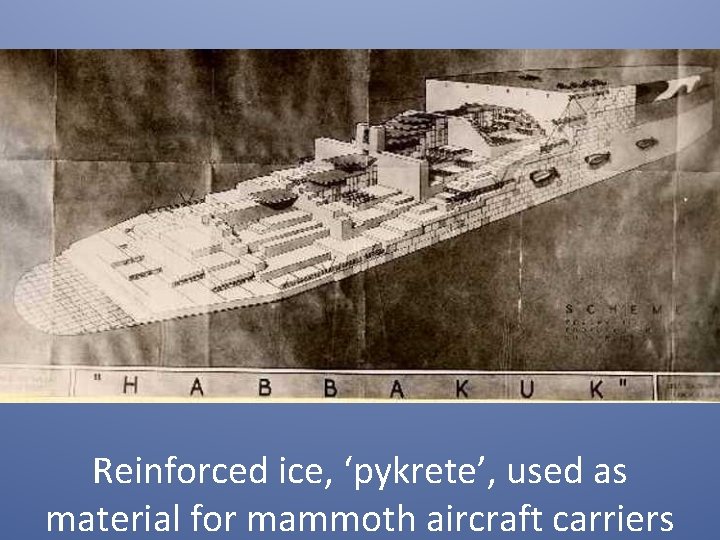
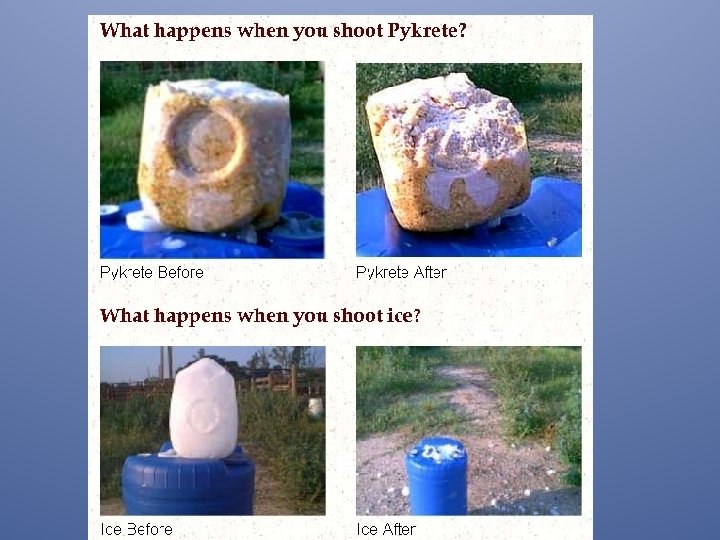
Reinforced ice, ‘pykrete’, used as material for mammoth aircraft carriers
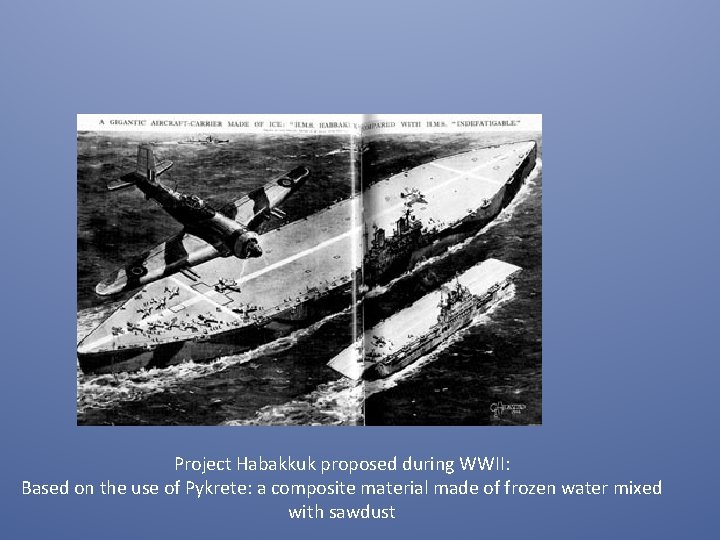
Project Habakkuk proposed during WWII: Based on the use of Pykrete: a composite material made of frozen water mixed with sawdust
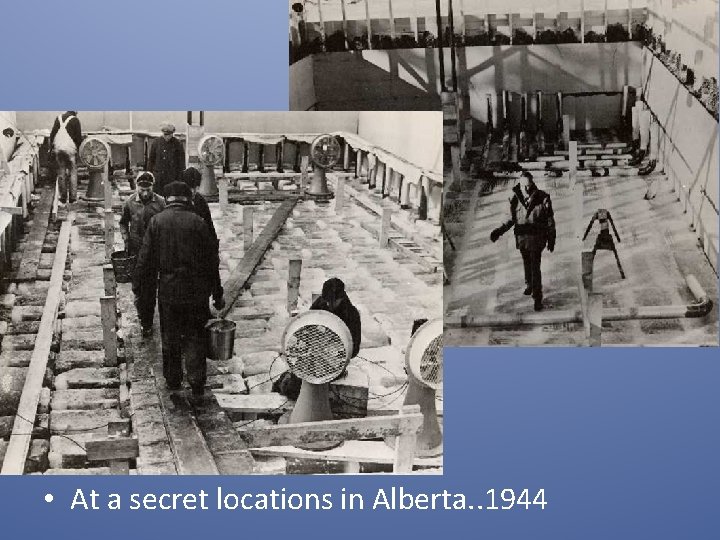
• At a secret locations in Alberta. . 1944
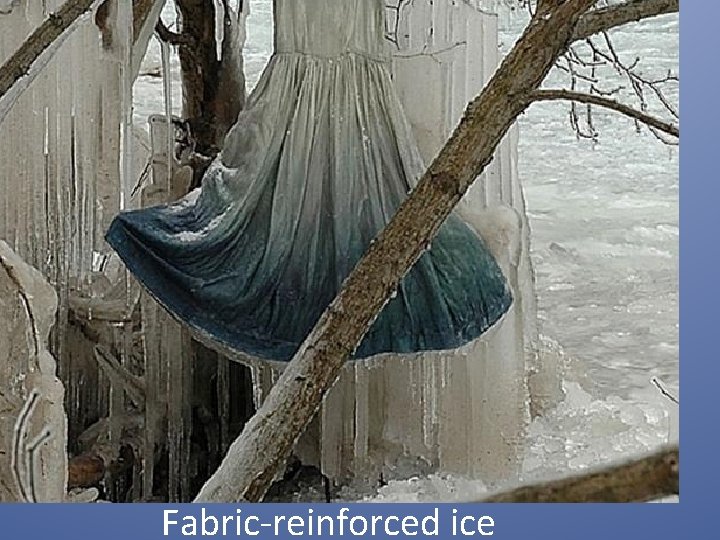
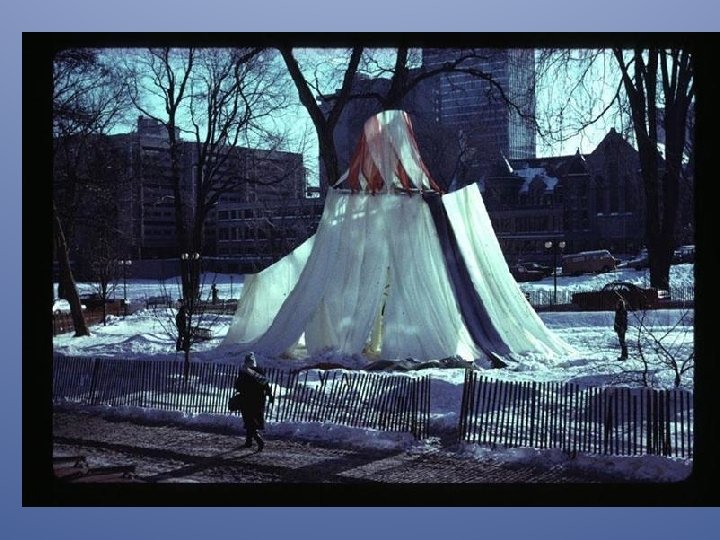
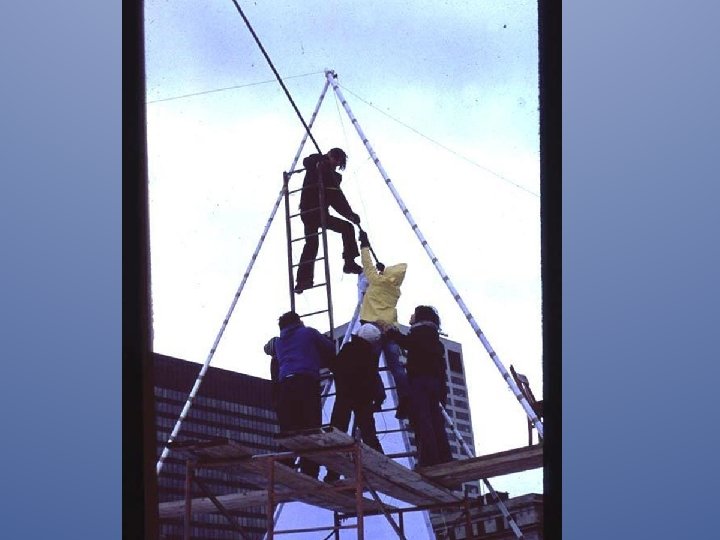
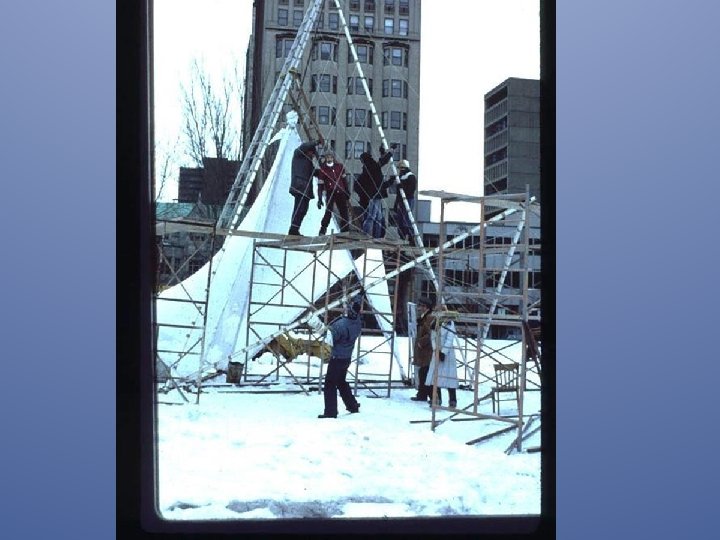
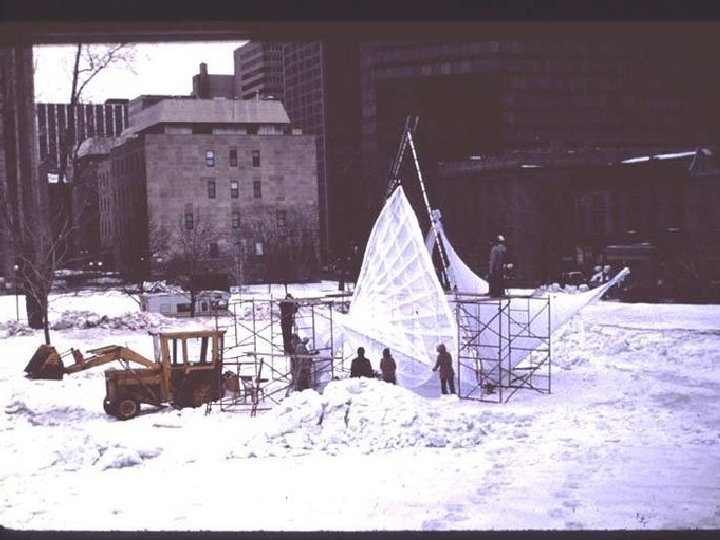
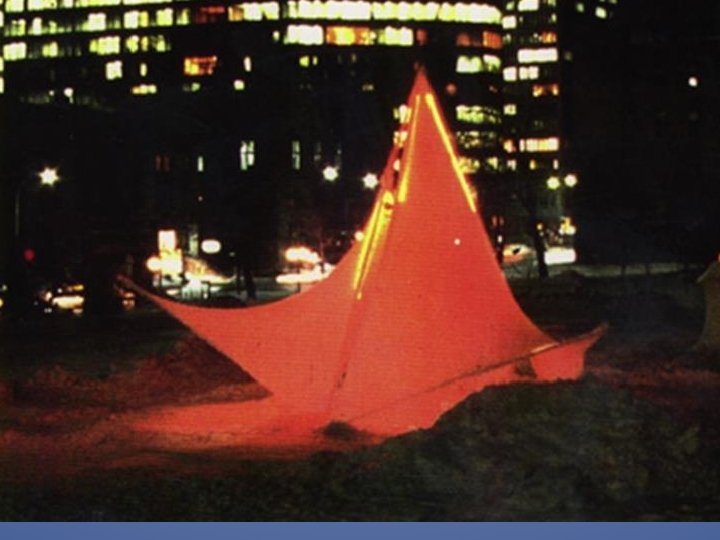
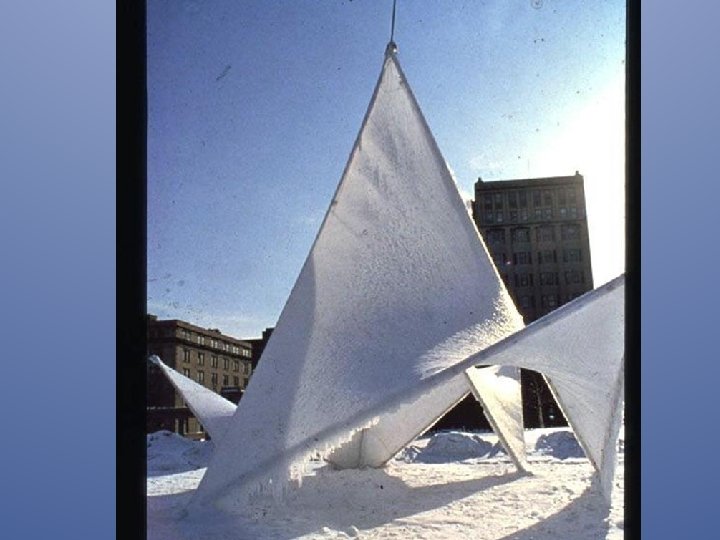
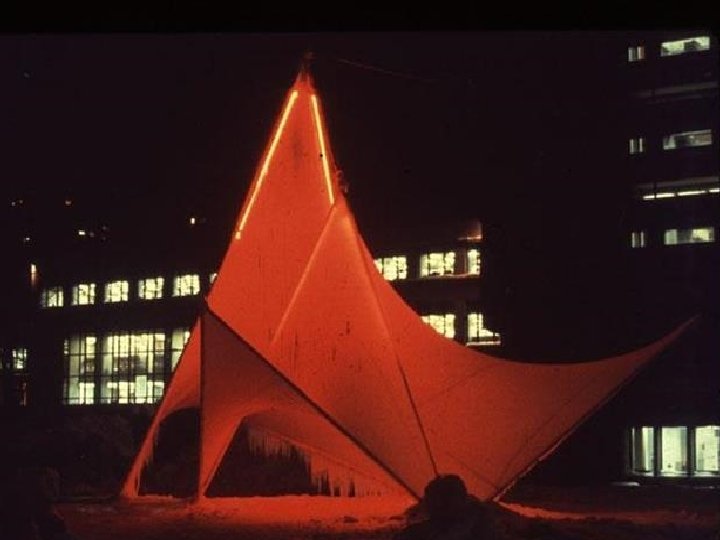
Fabric-reinforced ice
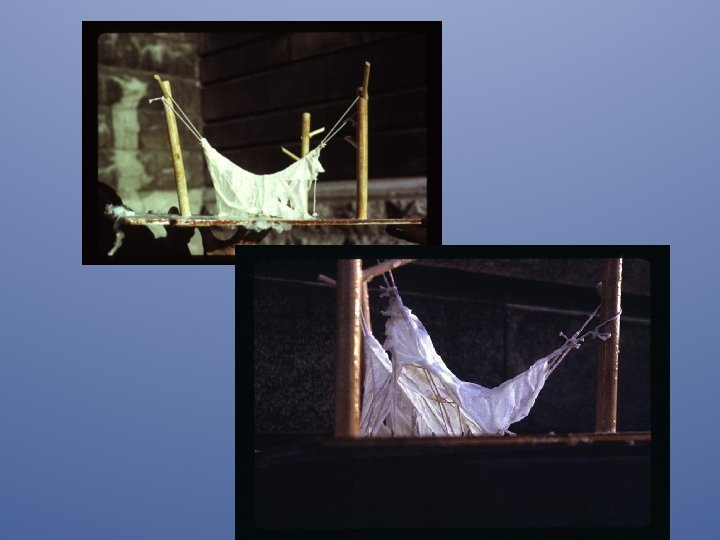
A model
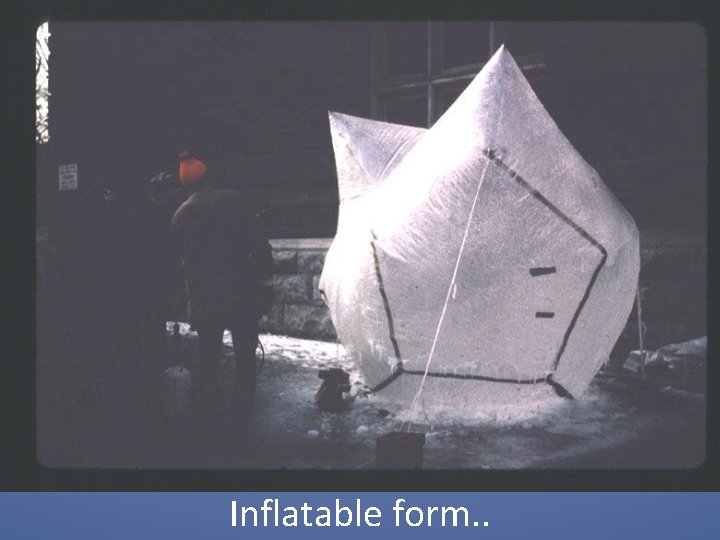
Inflatable form. .
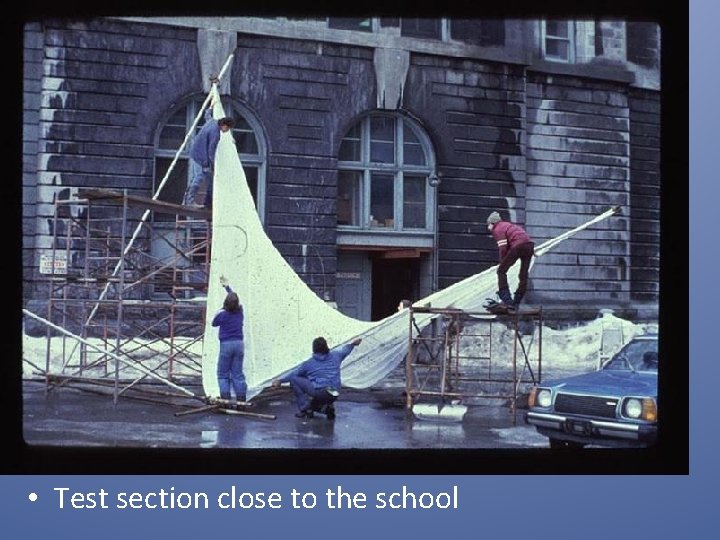
• Test section close to the school
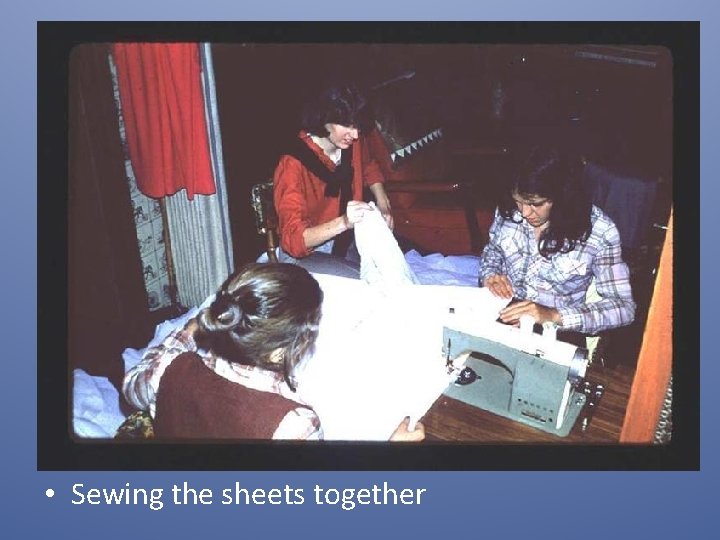
• Sewing the sheets together
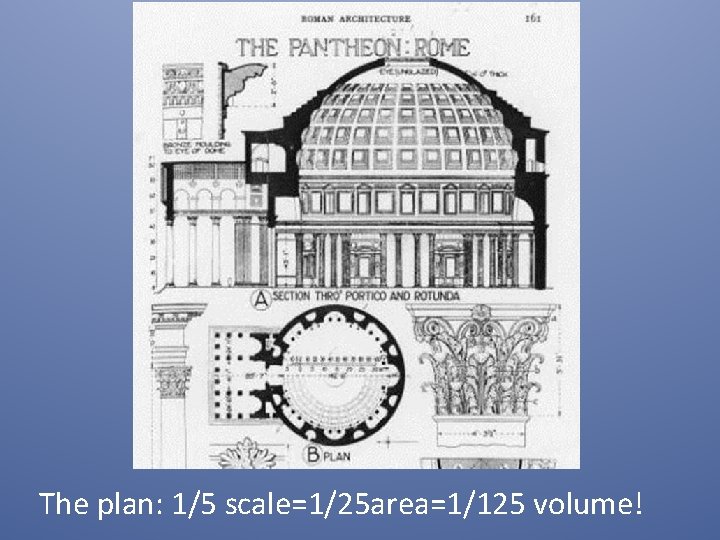
The plan: 1/5 scale=1/25 area=1/125 volume!
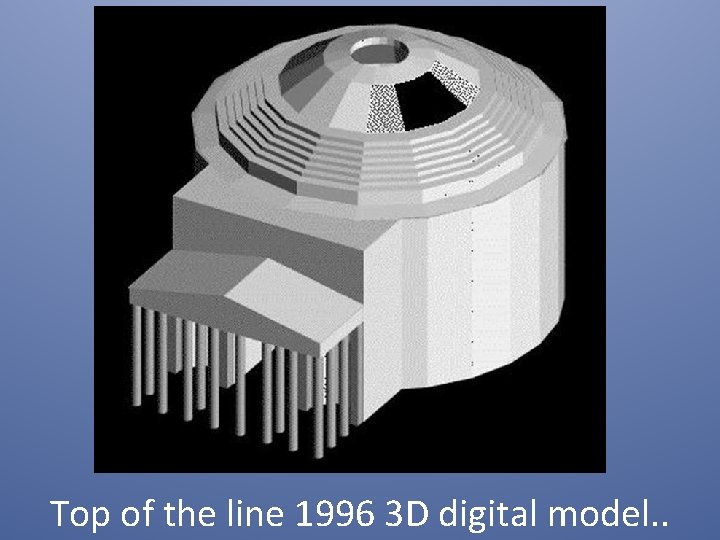
Top of the line 1996 3 D digital model. .
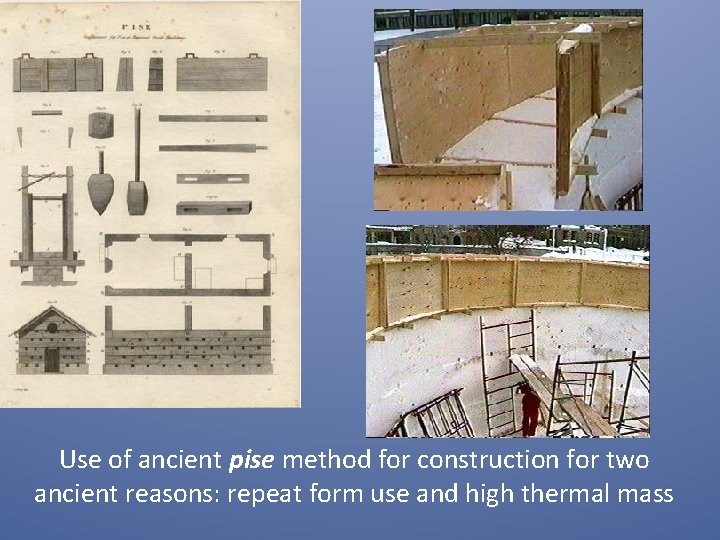
Use of ancient pise method for construction for two ancient reasons: repeat form use and high thermal mass
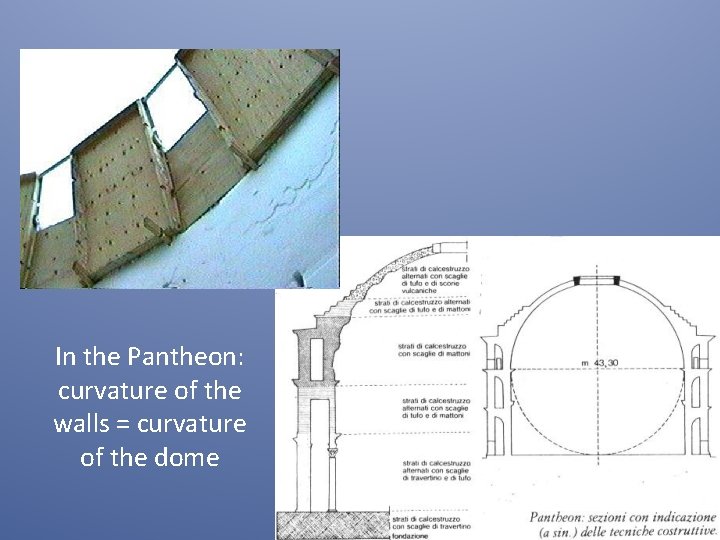
In the Pantheon: curvature of the walls = curvature of the dome
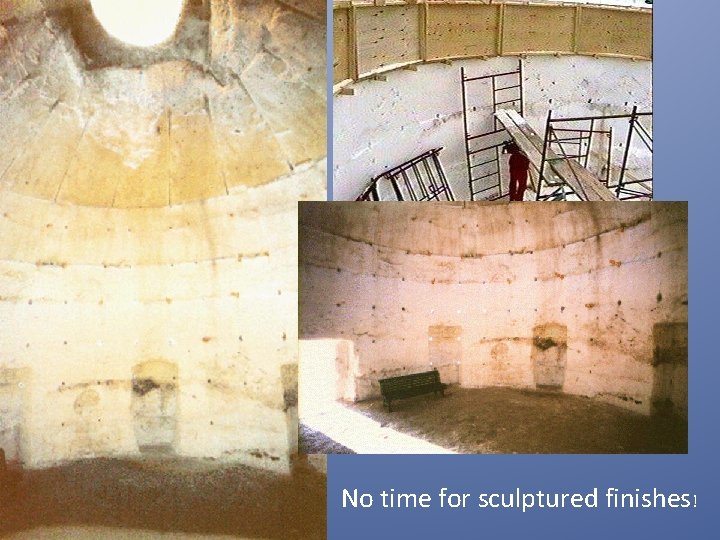
No time for sculptured finishes!
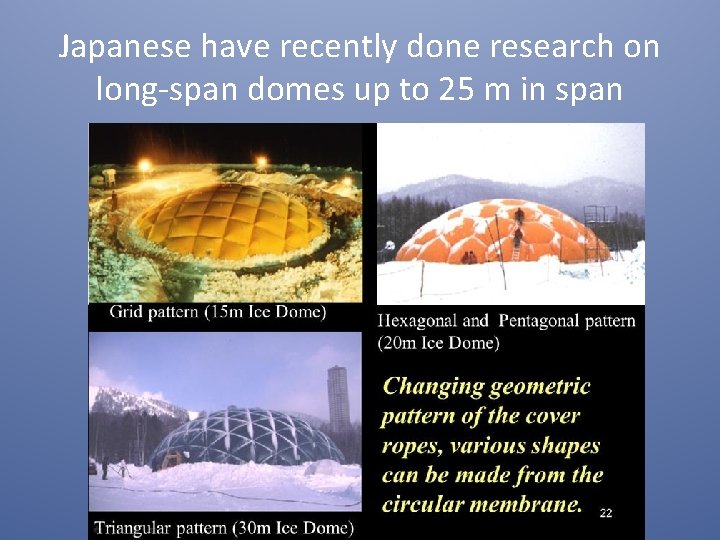
Japanese have recently done research on long-span domes up to 25 m in span
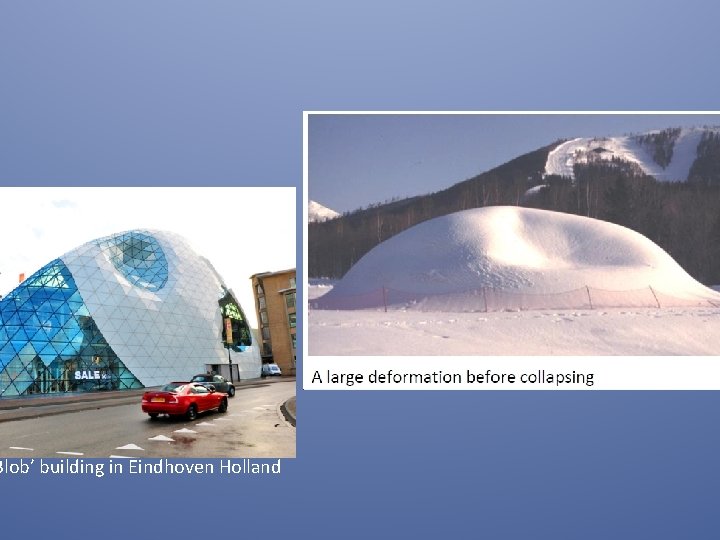
Blob’ building in Eindhoven Holland
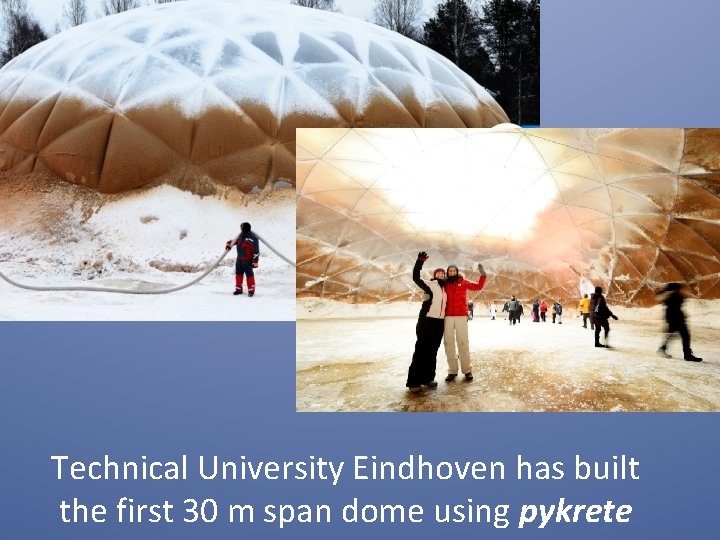
Technical University Eindhoven has built the first 30 m span dome using pykrete
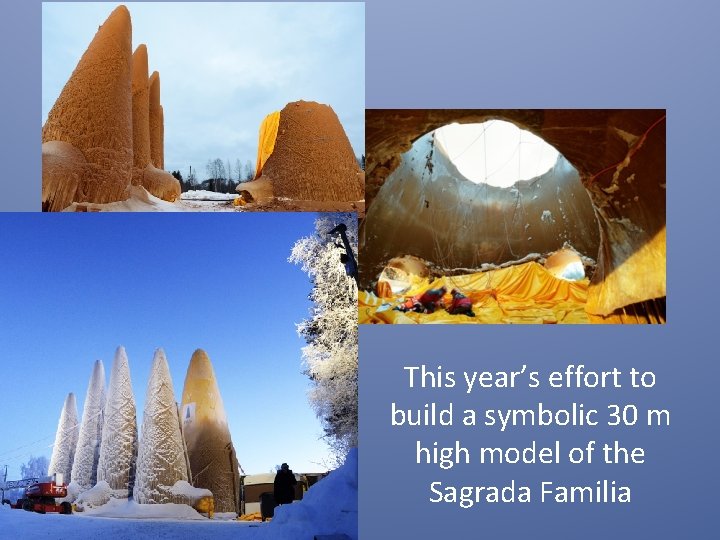
This year’s effort to build a symbolic 30 m high model of the Sagrada Familia
Part two: ice rapid prototyping in our Mc. Gill lab