
A Practical Example of Joined Up Working Suzanne

- Slides: 8
A Practical Example of Joined Up Working Suzanne Meylan, Independent Living Manager, One Vision Housing
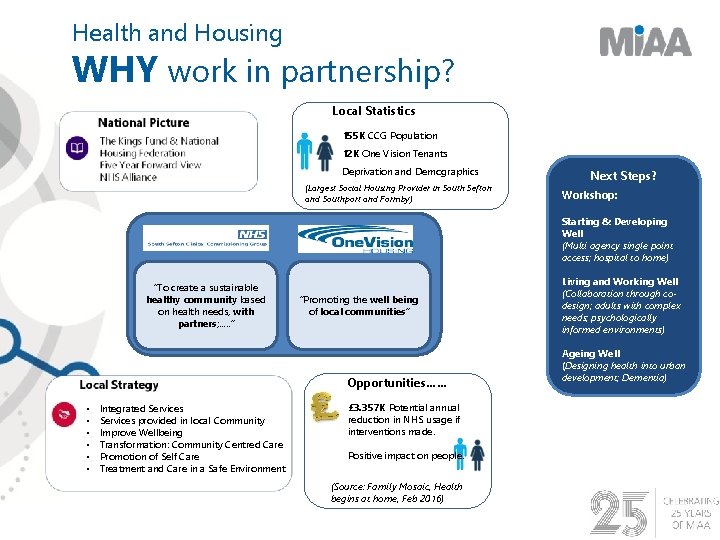
Health and Housing WHY work in partnership? Local Statistics 155 K CCG Population 12 K One Vision Tenants Deprivation and Demographics (Largest Social Housing Provider in South Sefton and Southport and Formby) Next Steps? Workshop: Starting & Developing Well (Multi agency single point access; hospital to home) “To create a sustainable healthy community based on health needs, with partners; …. . ” “Promoting the well being of local communities” Opportunities…… • • • Integrated Services provided in local Community Improve Wellbeing Transformation: Community Centred Care Promotion of Self Care Treatment and Care in a Safe Environment £ 3. 357 K Potential annual reduction in NHS usage if interventions made. Positive impact on people. (Source: Family Mosaic, Health begins at home, Feb 2016) Living and Working Well (Collaboration through codesign; adults with complex needs; psychologically informed environments) Ageing Well (Designing health into urban development; Dementia)
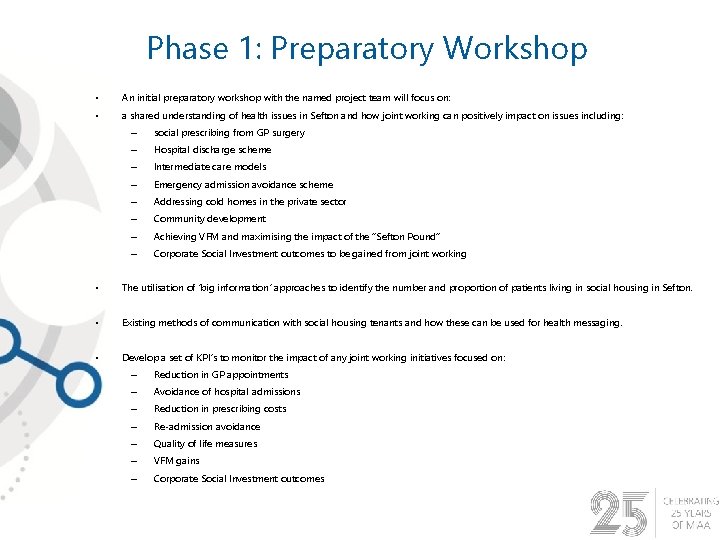
Phase 1: Preparatory Workshop • An initial preparatory workshop with the named project team will focus on: • a shared understanding of health issues in Sefton and how joint working can positively impact on issues including: – social prescribing from GP surgery – Hospital discharge scheme – Intermediate care models – Emergency admission avoidance scheme – Addressing cold homes in the private sector – Community development – Achieving VFM and maximising the impact of the “Sefton Pound” – Corporate Social Investment outcomes to be gained from joint working • The utilisation of ‘big information’ approaches to identify the number and proportion of patients living in social housing in Sefton. • Existing methods of communication with social housing tenants and how these can be used for health messaging. • Develop a set of KPI’s to monitor the impact of any joint working initiatives focused on: – Reduction in GP appointments – Avoidance of hospital admissions – Reduction in prescribing costs – Re-admission avoidance – Quality of life measures – VFM gains – Corporate Social Investment outcomes
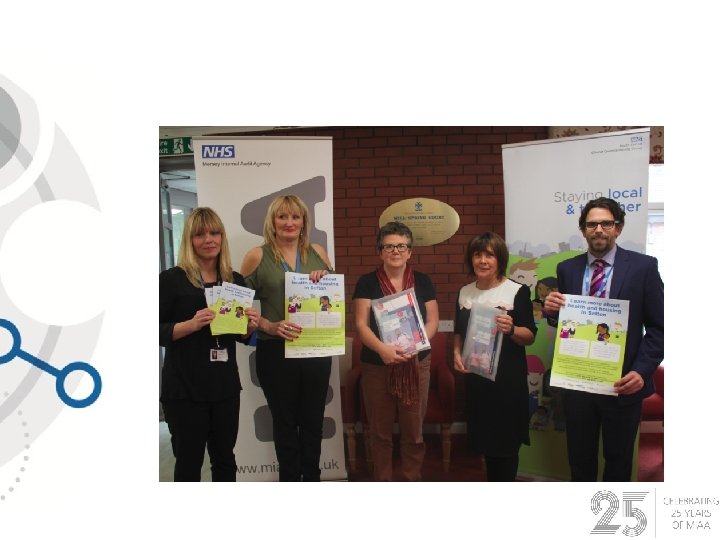
Phase 2: Selection of Service Model Pilot to assess joint working benefits • Following phase 1 the project team selected a specific project to be launched as a pilot to fully assess the benefits for both organisations to be derived from joint working. • • • Why the pilot was selected, Why Millspring Court, How the pilot was planned, The practical aspects, What outcomes are we looking for?
Next Steps • Phase 3: Pilot Assessment and Review Feedback to both CCG Governing Bodies & One Vison Board December 2016 • Phase 4: Commissioning of new services and development of further pilots To be agreed with project team