
A New Industrial Age Chapter 6 The Expansion
- Slides: 10
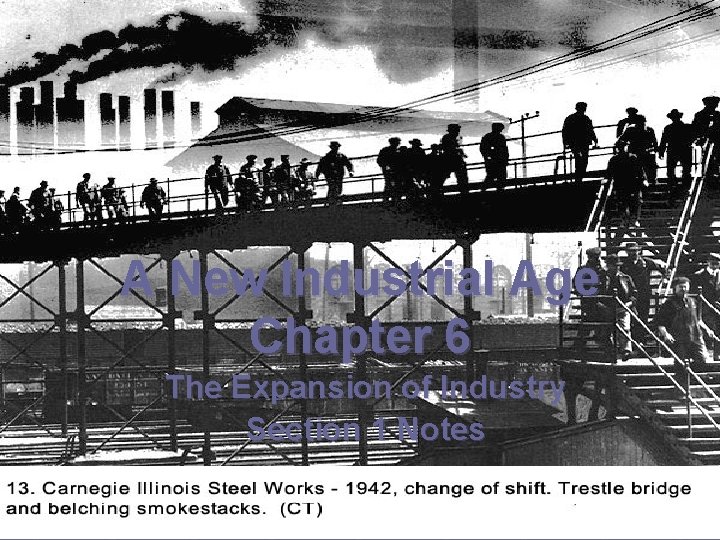
A New Industrial Age Chapter 6 The Expansion of Industry Section 1 Notes
Natural Resources Fuel Industrialization § Civil War era – agricultural nation § 1920 s – leading industrial power § Wealth of natural resources § Gov’t support of business § Growing urban population § Cheap labor and markets for new products
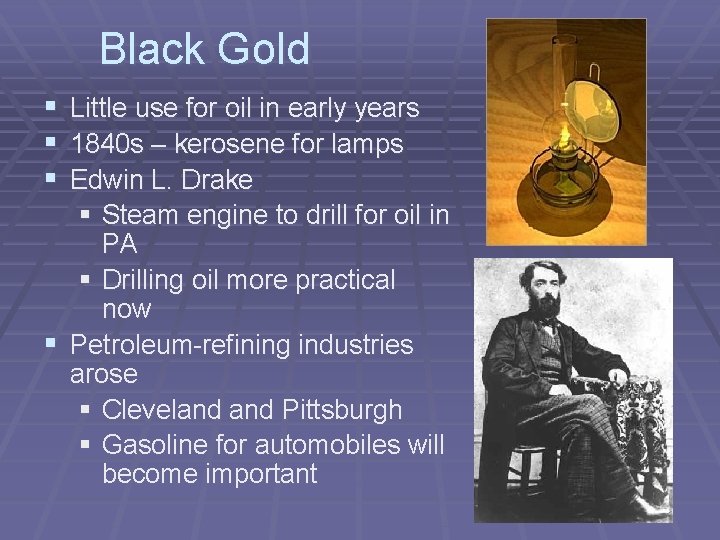
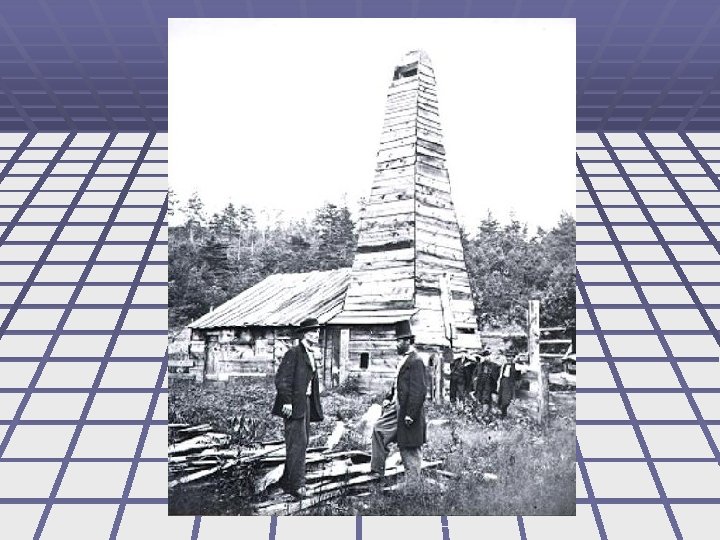
Black Gold § Little use for oil in early years § 1840 s – kerosene for lamps § Edwin L. Drake § Steam engine to drill for oil in PA § Drilling oil more practical now § Petroleum-refining industries arose § Cleveland Pittsburgh § Gasoline for automobiles will become important
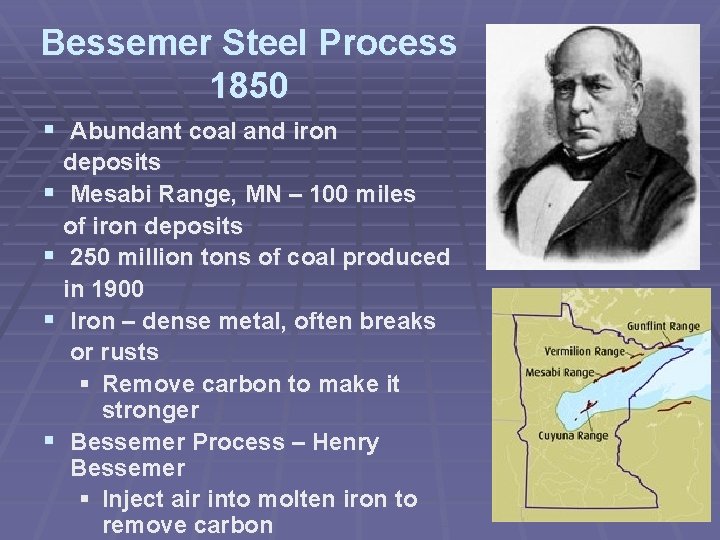
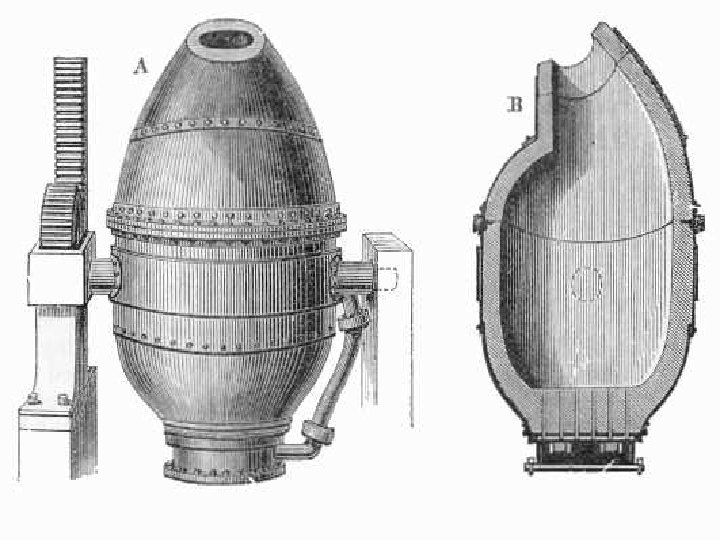
Bessemer Steel Process 1850 § Abundant coal and iron deposits § Mesabi Range, MN – 100 miles of iron deposits § 250 million tons of coal produced in 1900 § Iron – dense metal, often breaks or rusts § Remove carbon to make it stronger § Bessemer Process – Henry Bessemer § Inject air into molten iron to remove carbon
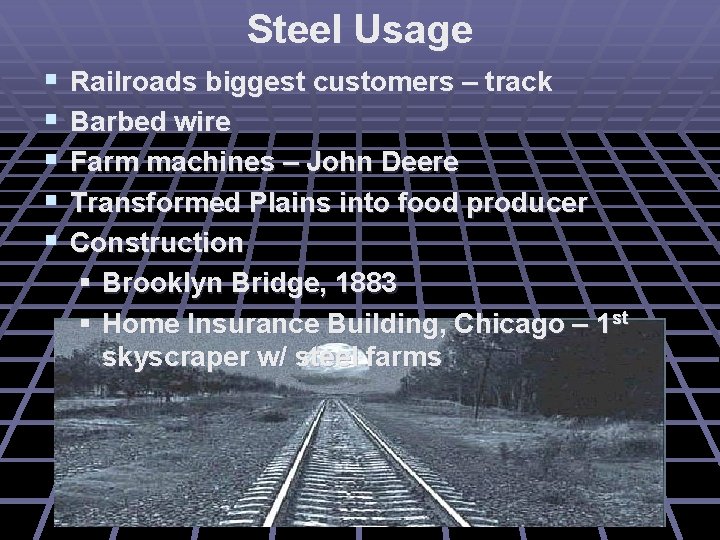
Steel Usage § § § Railroads biggest customers – track Barbed wire Farm machines – John Deere Transformed Plains into food producer Construction § Brooklyn Bridge, 1883 § Home Insurance Building, Chicago – 1 st skyscraper w/ steel farms
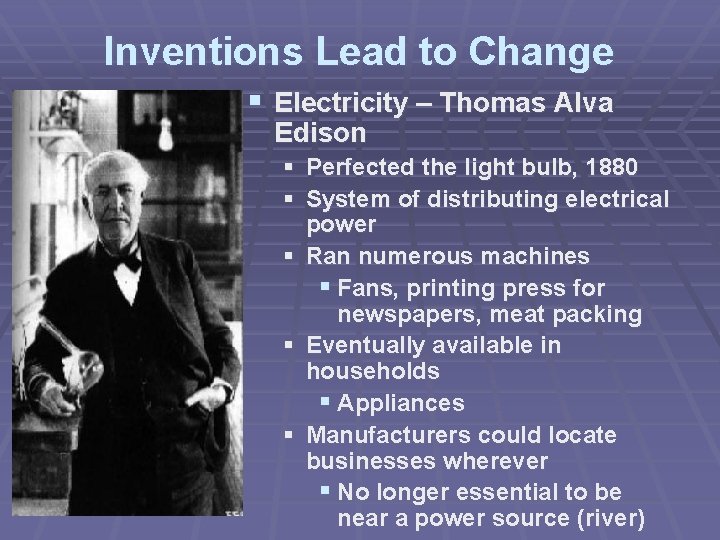
Inventions Lead to Change § Electricity – Thomas Alva Edison § Perfected the light bulb, 1880 § System of distributing electrical power § Ran numerous machines § Fans, printing press for newspapers, meat packing § Eventually available in households § Appliances § Manufacturers could locate businesses wherever § No longer essential to be near a power source (river)
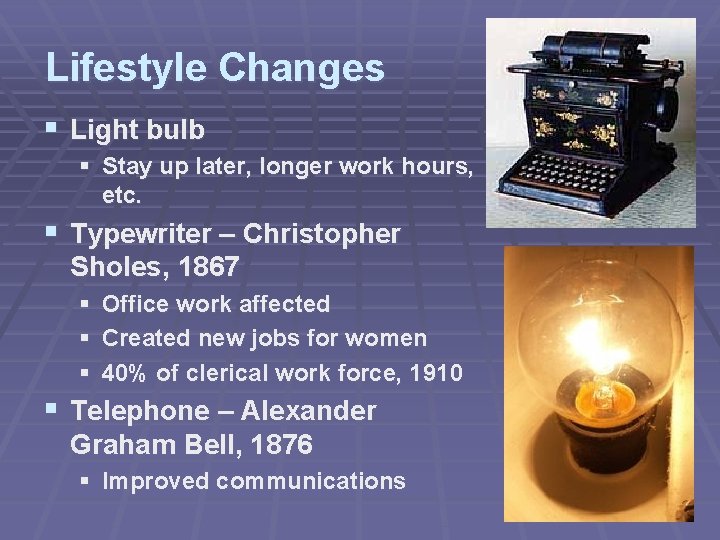
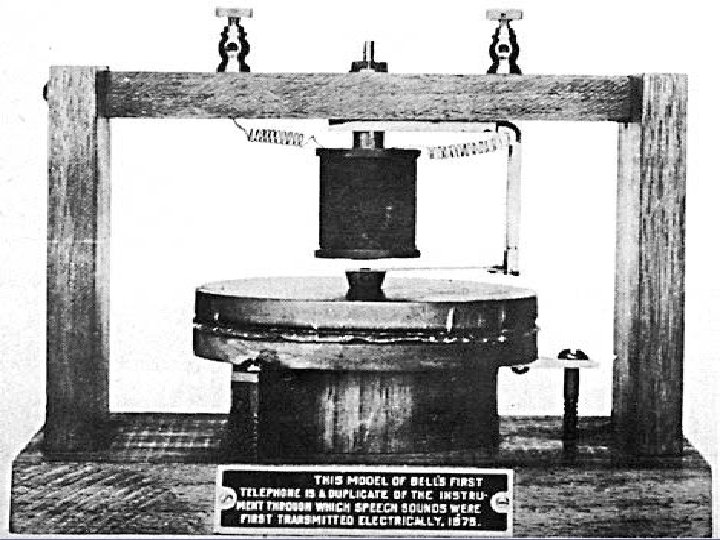
Lifestyle Changes § Light bulb § Stay up later, longer work hours, etc. § Typewriter – Christopher Sholes, 1867 § § § Office work affected Created new jobs for women 40% of clerical work force, 1910 § Telephone – Alexander Graham Bell, 1876 § Improved communications