
A New Deal for African Americans Analyzing the
- Slides: 33
A New Deal for African Americans? Analyzing the Issues and Songs of African Americans During the Great Depression
Essential Questions Assess the impact of a reform movement on minority populations and political affiliations. How can rights be denied to citizens of a democracy? How do the arts help us gain historical empathy? How are the arts an agent for social change?
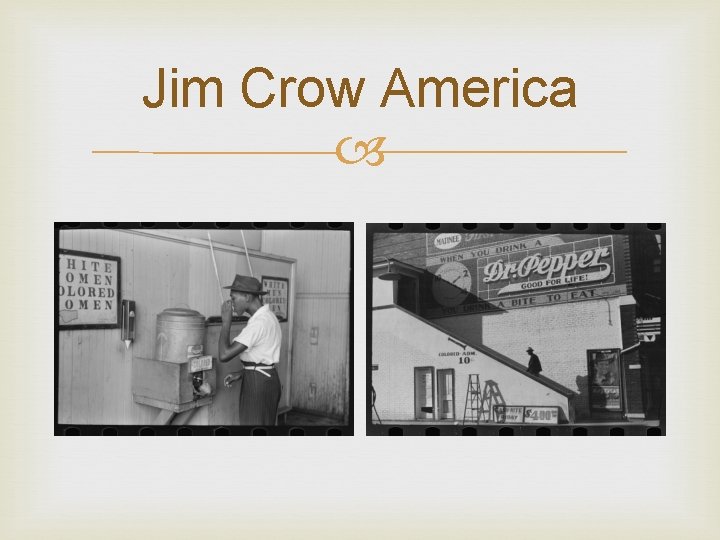
Jim Crow America
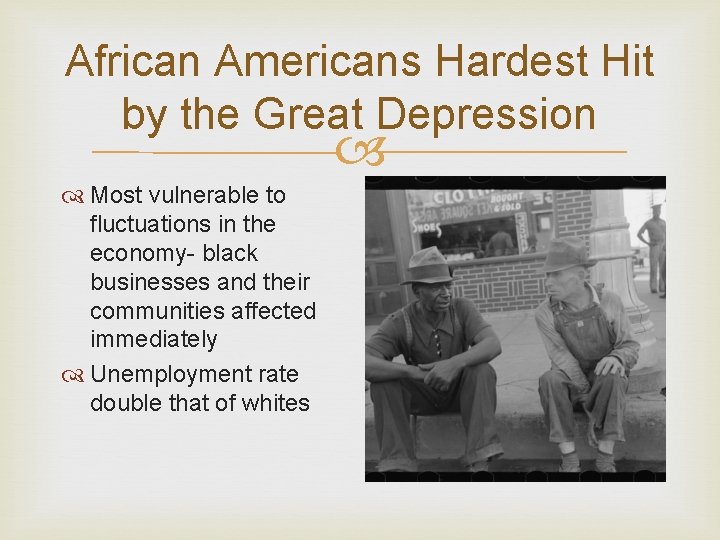
African Americans Hardest Hit by the Great Depression Most vulnerable to fluctuations in the economy- black businesses and their communities affected immediately Unemployment rate double that of whites
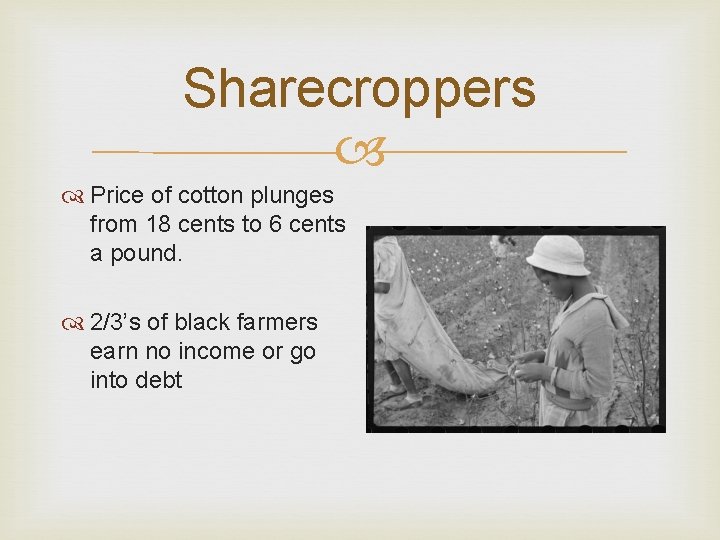
Sharecroppers Price of cotton plunges from 18 cents to 6 cents a pound. 2/3’s of black farmers earn no income or go into debt
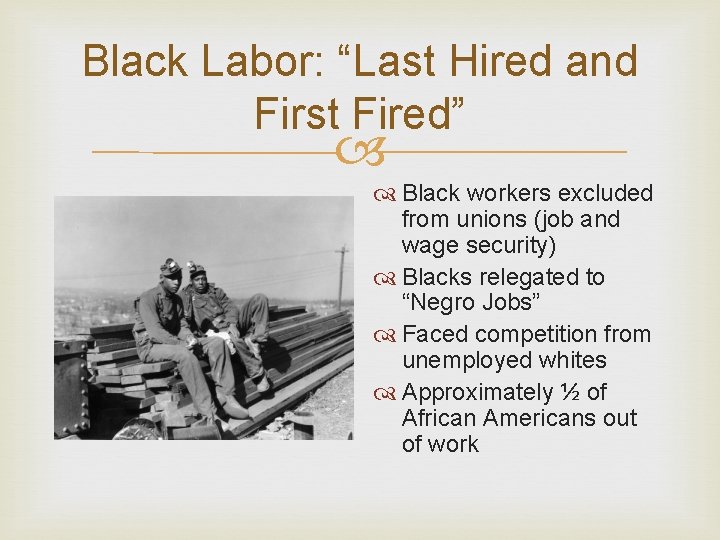
Black Labor: “Last Hired and First Fired” Black workers excluded from unions (job and wage security) Blacks relegated to “Negro Jobs” Faced competition from unemployed whites Approximately ½ of African Americans out of work
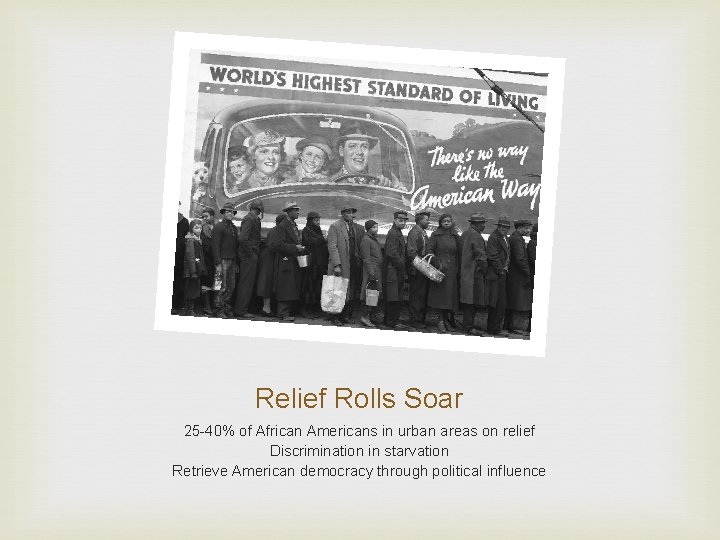
Relief Rolls Soar 25 -40% of African Americans in urban areas on relief Discrimination in starvation Retrieve American democracy through political influence
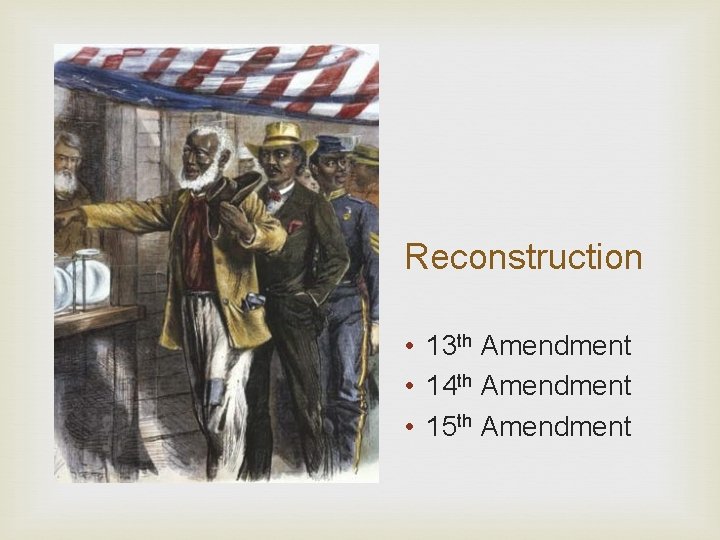
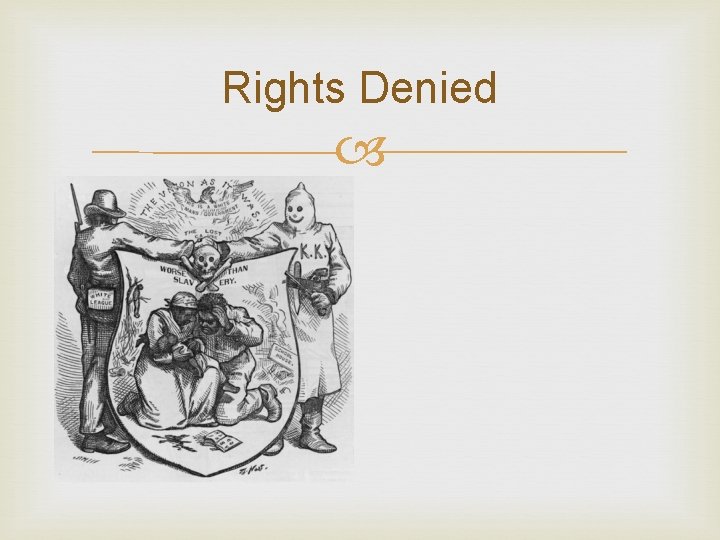
Reconstruction • 13 th Amendment • 14 th Amendment • 15 th Amendment
Rights Denied
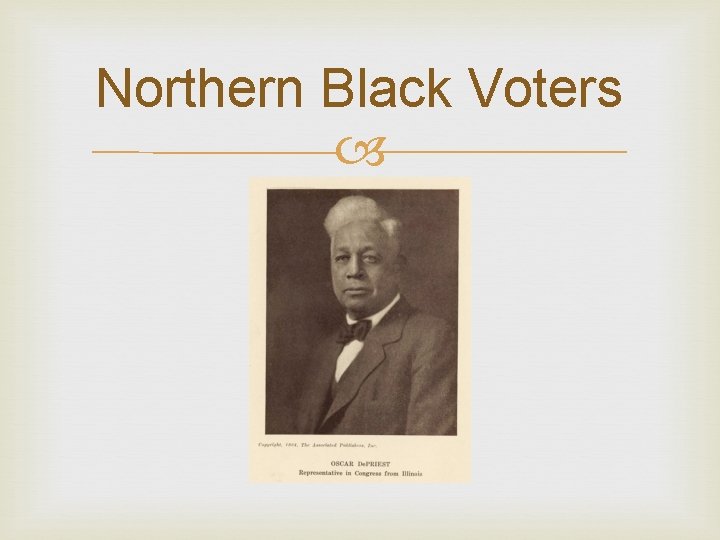
Northern Black Voters
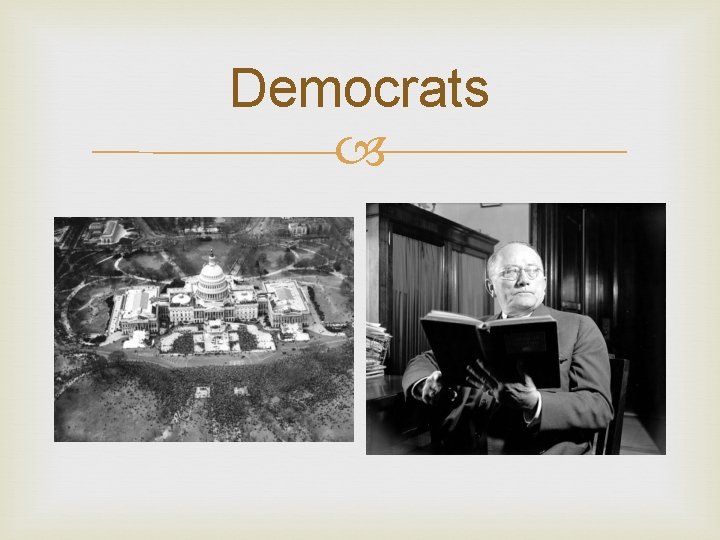
Democrats
First New Deal Programs: Intentions, Limited Impacts for African Americans AAA Cash benefits for crop reduction > landlords keep money PWA Federal public works> black hospitals, community centers, buildings at black colleges BUT African Americans did not secure employment in certain localities CCC Employment of young men, conservation> strict segregation, 200, 000 African Americans work and receive education, illiteracy eliminated
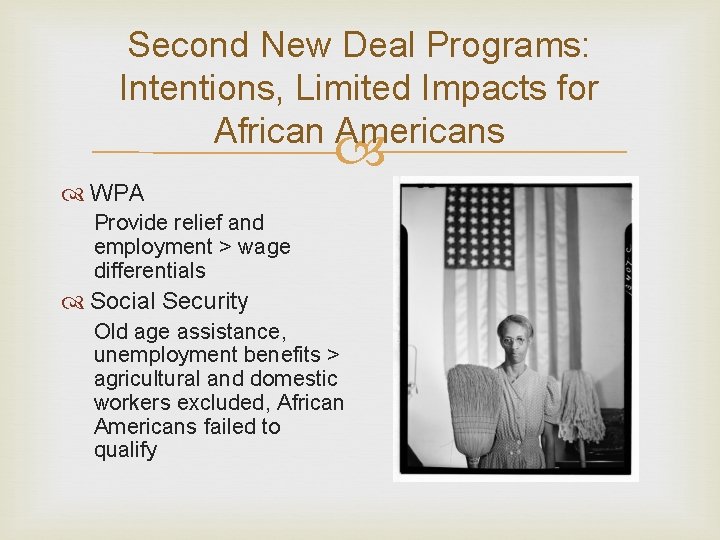
Second New Deal Programs: Intentions, Limited Impacts for African Americans WPA Provide relief and employment > wage differentials Social Security Old age assistance, unemployment benefits > agricultural and domestic workers excluded, African Americans failed to qualify
Letters to FDR Constructs Purpose Step Behind the Author Journaling/Notetaking
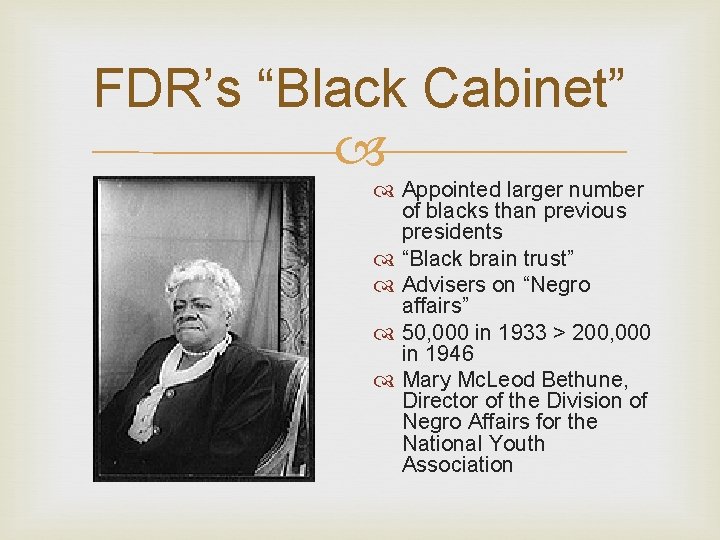
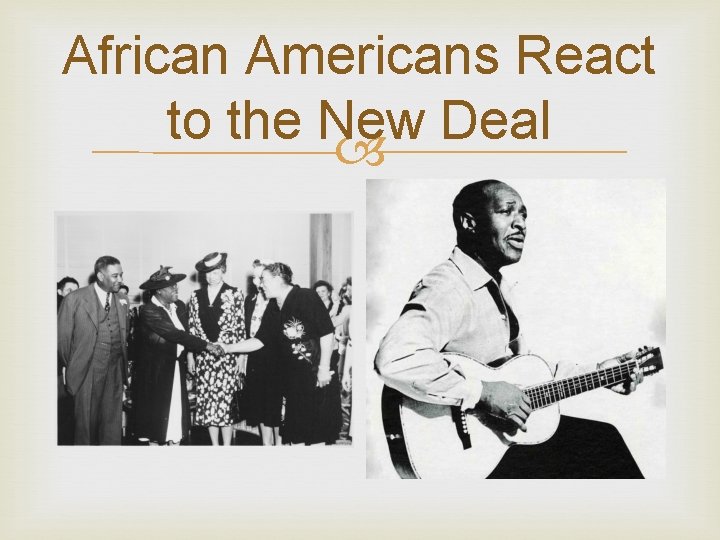
FDR’s “Black Cabinet” Appointed larger number of blacks than previous presidents “Black brain trust” Advisers on “Negro affairs” 50, 000 in 1933 > 200, 000 in 1946 Mary Mc. Leod Bethune, Director of the Division of Negro Affairs for the National Youth Association
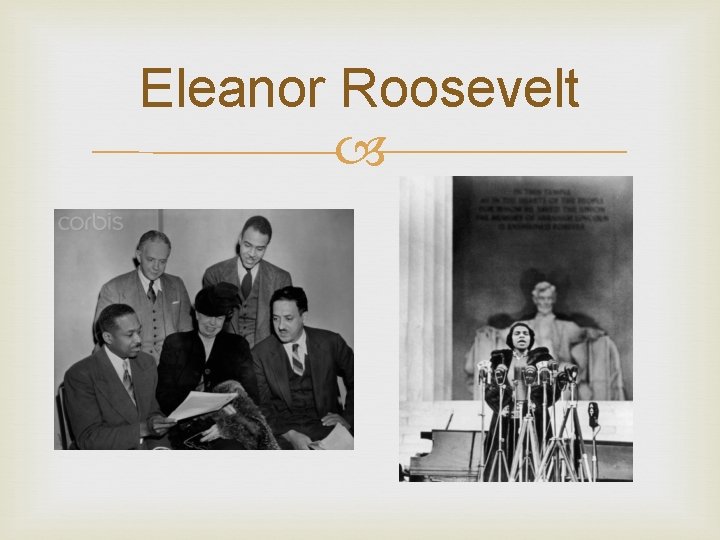
Eleanor Roosevelt
African Americans React to the New Deal
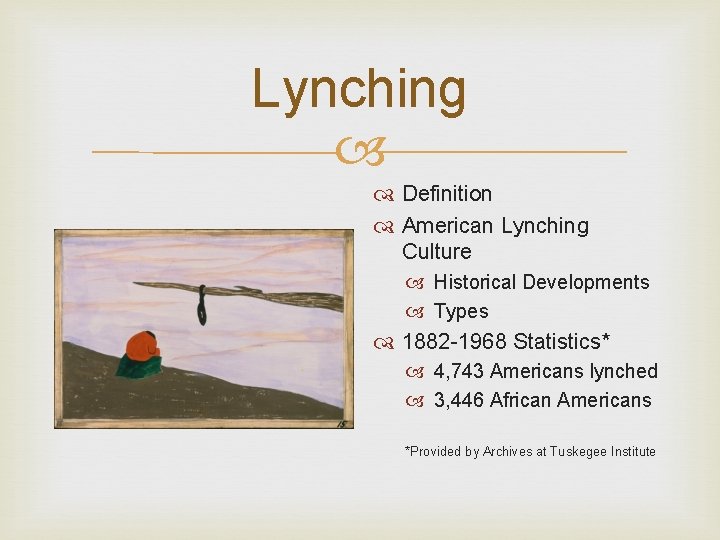
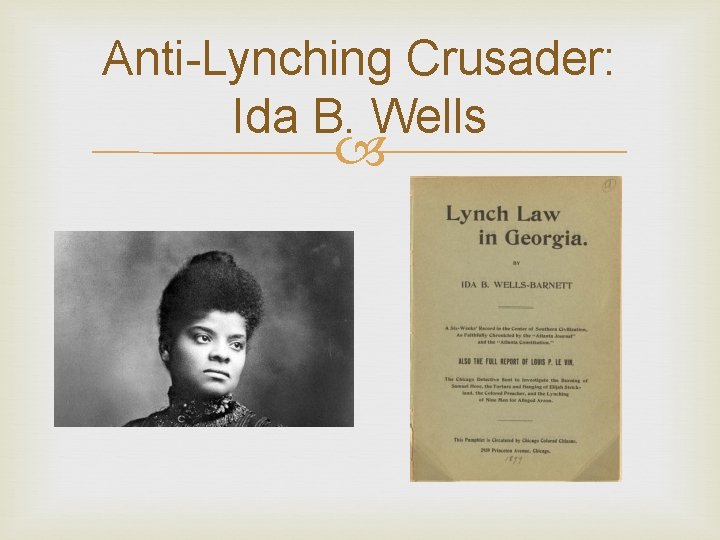
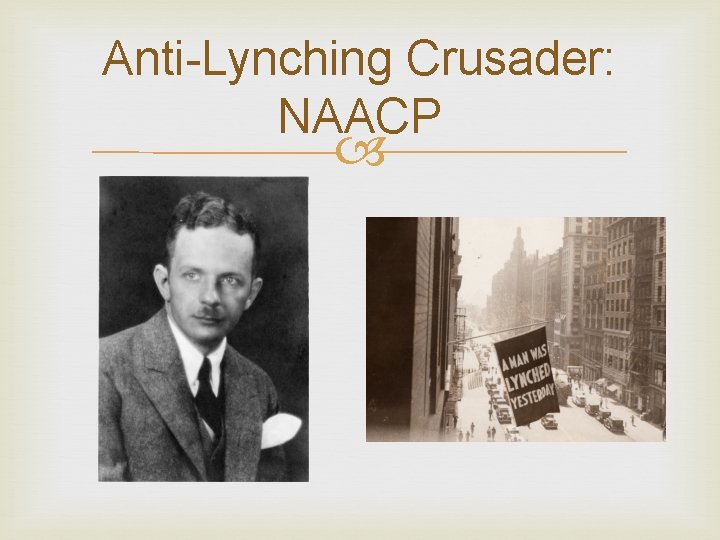
Lynching Definition American Lynching Culture Historical Developments Types 1882 -1968 Statistics* 4, 743 Americans lynched 3, 446 African Americans *Provided by Archives at Tuskegee Institute
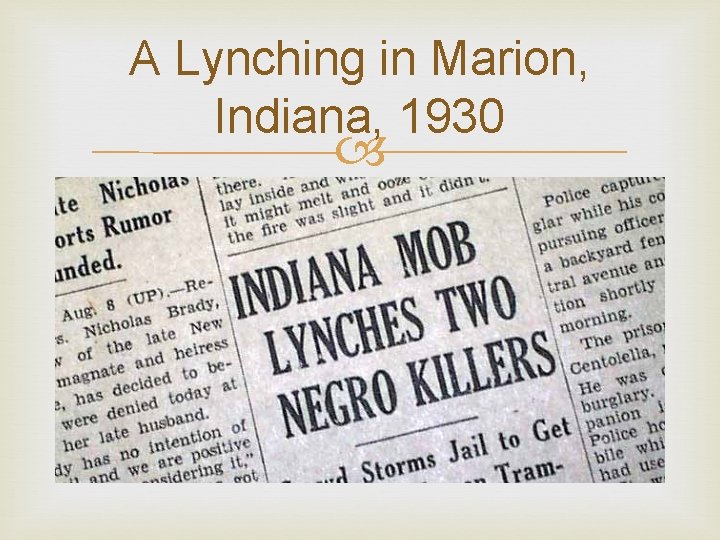
A Lynching in Marion, Indiana, 1930
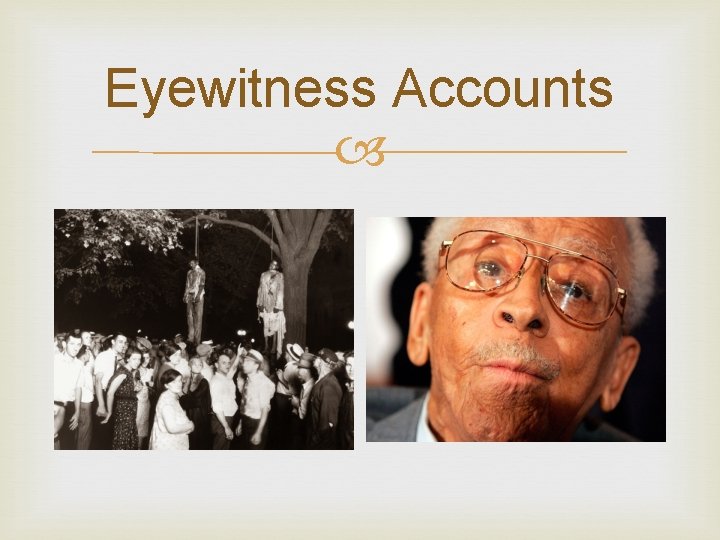
Eyewitness Accounts
Anti-Lynching Crusader: Ida B. Wells
Anti-Lynching Crusader: NAACP
The Arts: Agent for Social Change
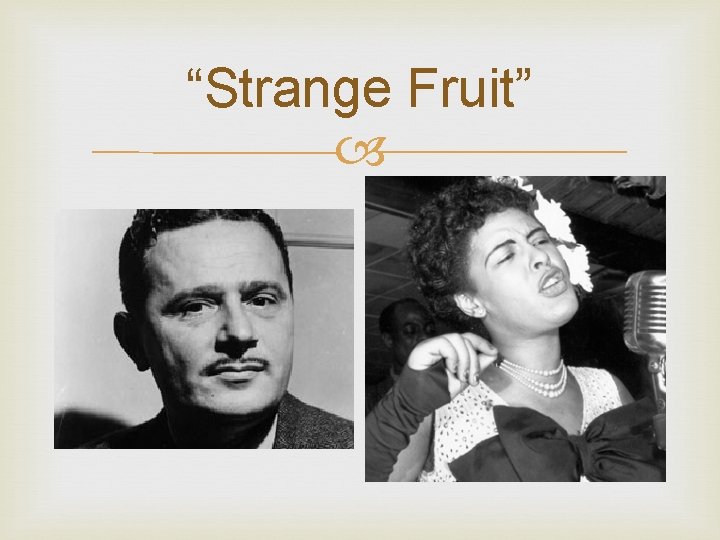
“Strange Fruit”
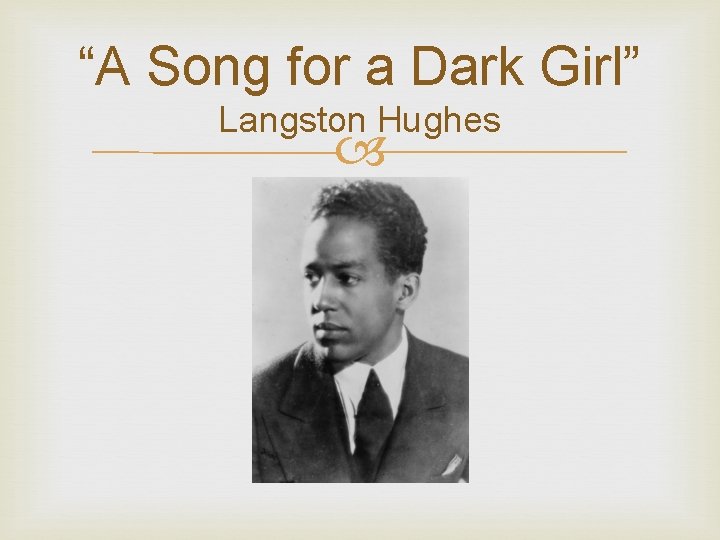
“A Song for a Dark Girl” Langston Hughes
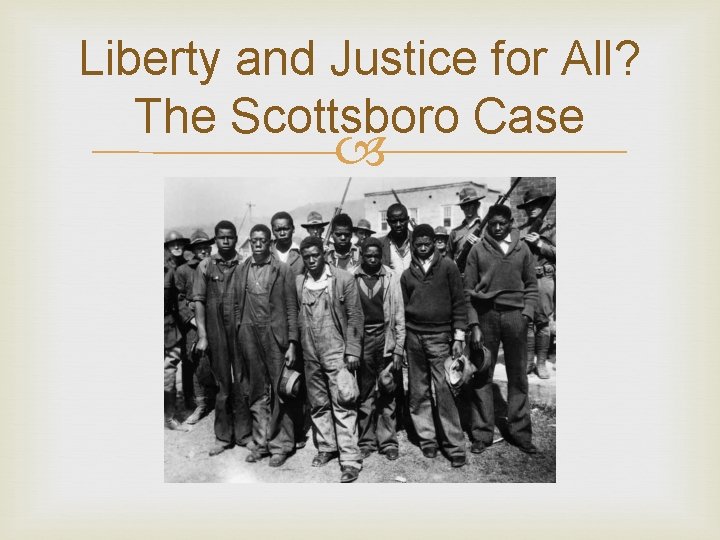
Liberty and Justice for All? The Scottsboro Case
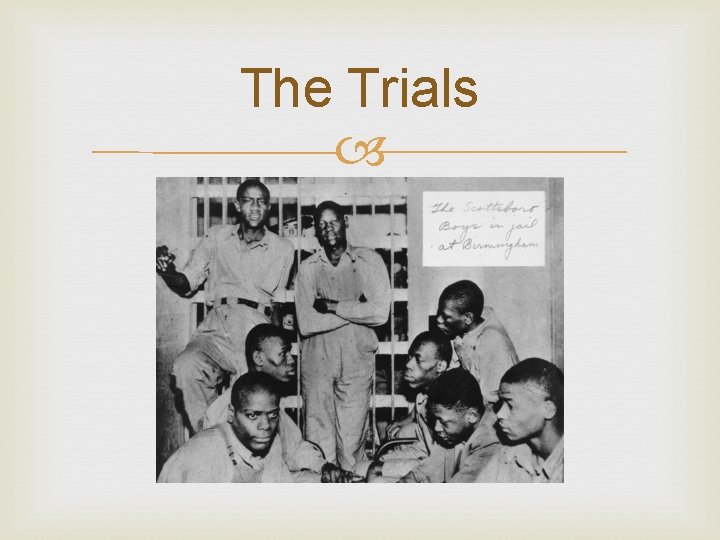
The Trials
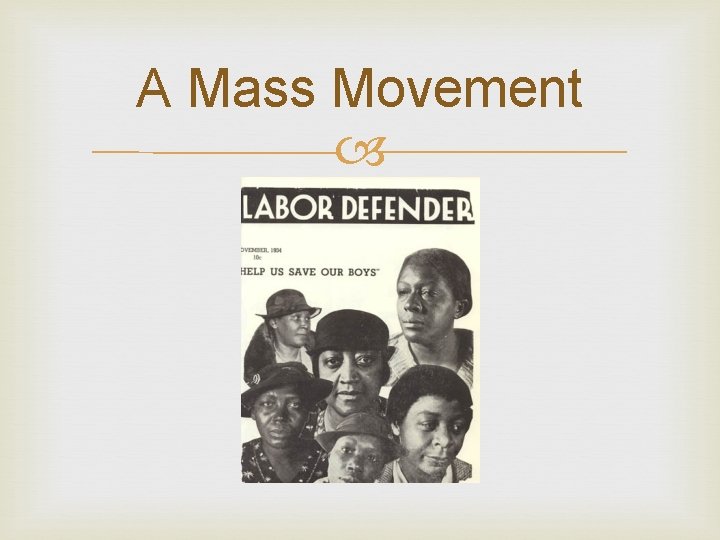
A Mass Movement
The Arts Respond
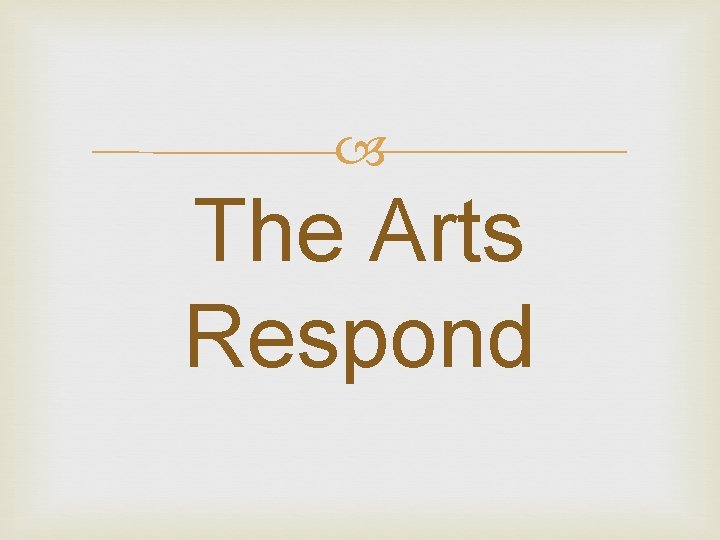
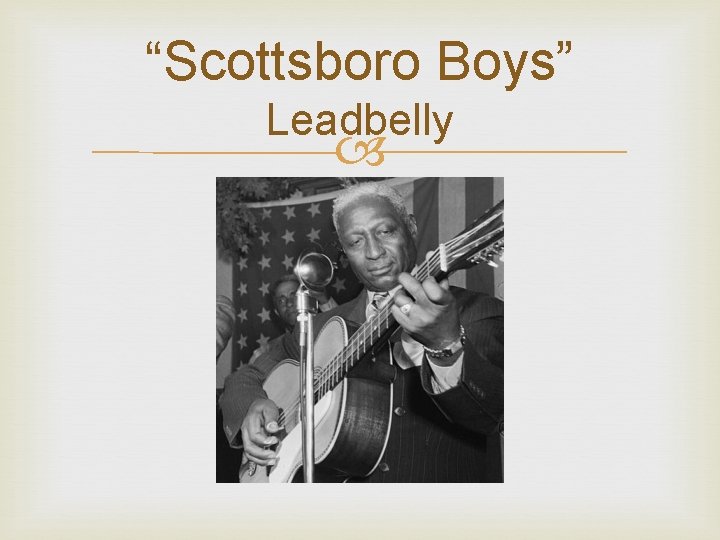
“Scottsboro Boys” Leadbelly
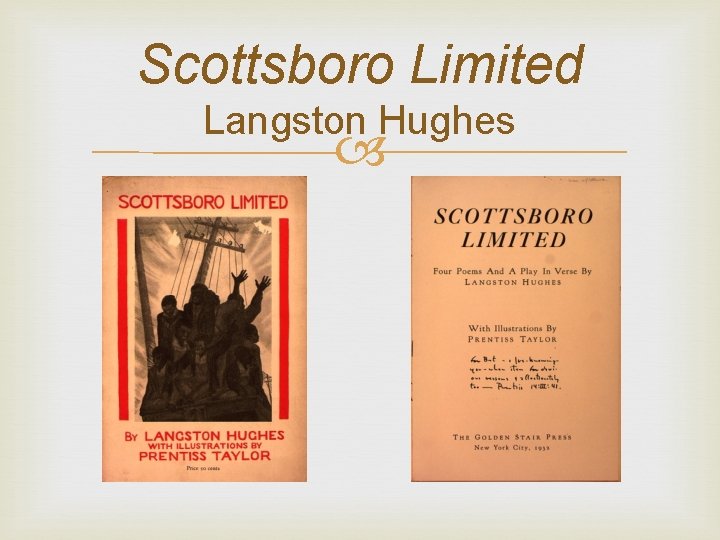
Scottsboro Limited Langston Hughes
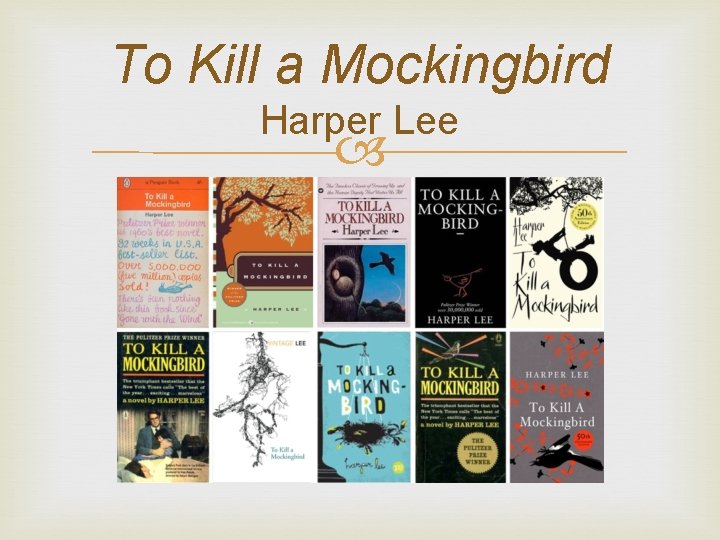
To Kill a Mockingbird Harper Lee
Essential Questions Assess the impact of a reform movement on minority populations and political affiliations. How can rights be denied to citizens of a democracy? How do the arts help us gain historical empathy? How are the arts an agent for social change?