
A New Approach to Measuring Situation Awareness Theory

- Slides: 24
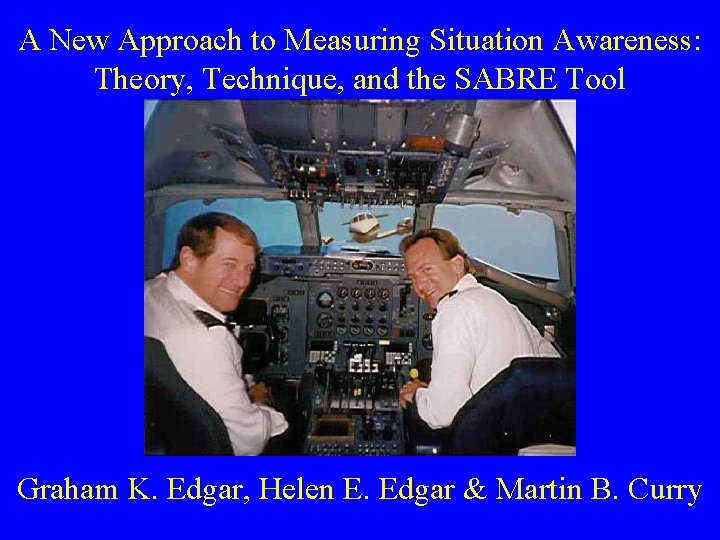
A New Approach to Measuring Situation Awareness: Theory, Technique, and the SABRE Tool Graham K. Edgar, Helen E. Edgar & Martin B. Curry
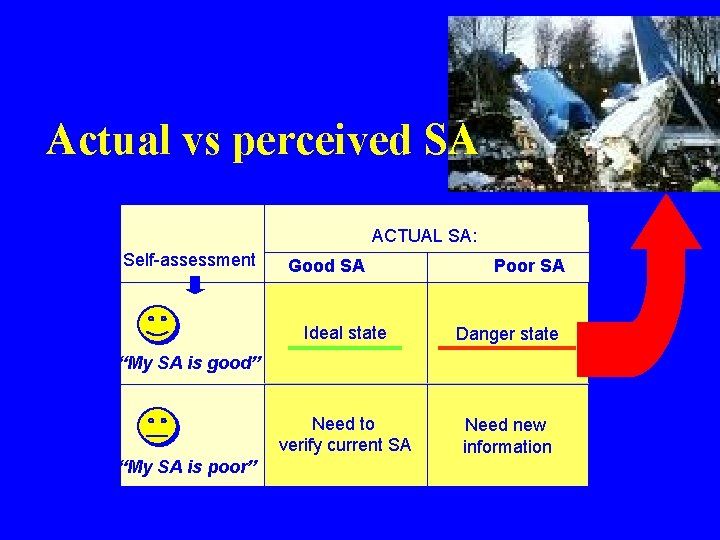
Actual vs perceived SA ACTUAL SA: Self-assessment Good SA Poor SA Ideal state Danger state Need to verify current SA Need new information “My SA is good” “My SA is poor”
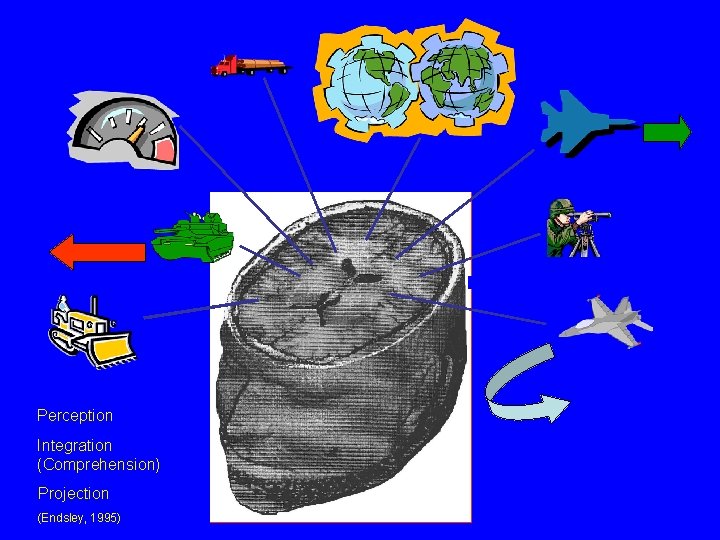
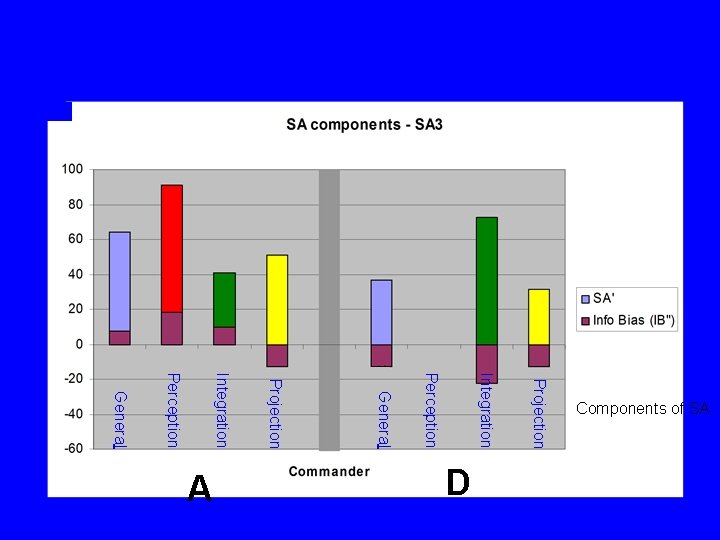
Perception Integration (Comprehension) Projection (Endsley, 1995)
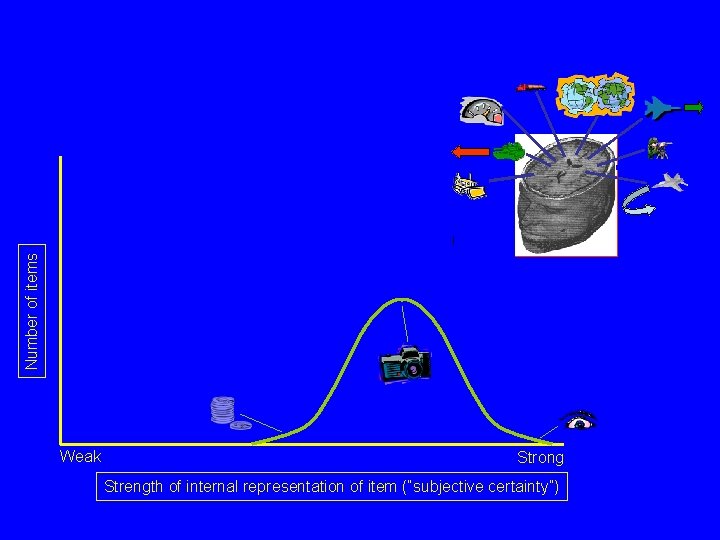
Number of items I Weak Strong Strength of internal representation of item (“subjective certainty”)
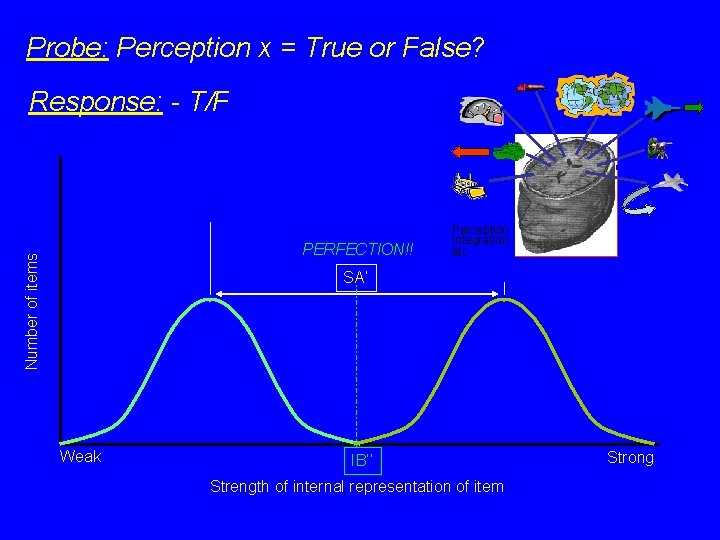
Probe: Perception x = True or False? Response: - T/F Number of items PERFECTION!! Perception Integration etc SA’ Weak IB’’ Strength of internal representation of item Strong
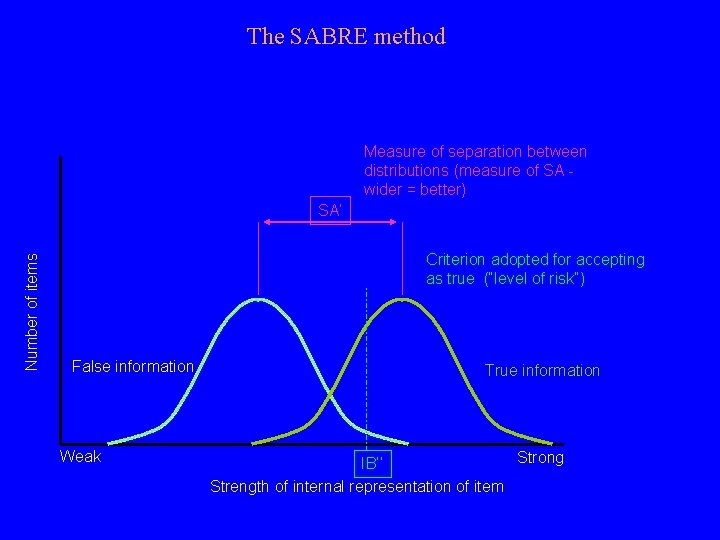
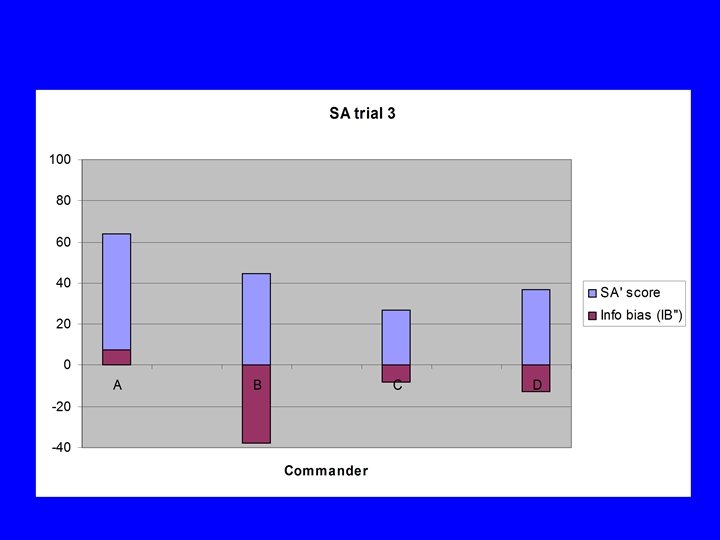
The SABRE method Measure of separation between distributions (measure of SA wider = better) Number of items SA’ Criterion adopted for accepting as true (“level of risk”) False information Weak True information Strong IB’’ Strength of internal representation of item
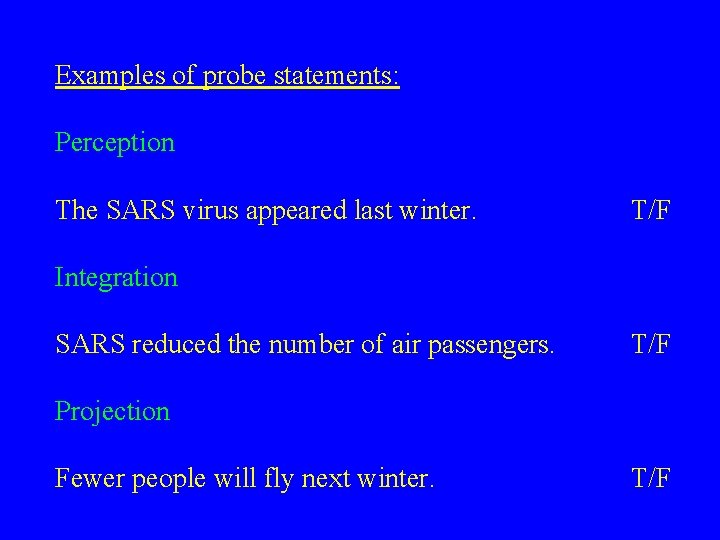
Examples of probe statements: Perception The SARS virus appeared last winter. T/F Integration SARS reduced the number of air passengers. T/F Projection Fewer people will fly next winter. T/F
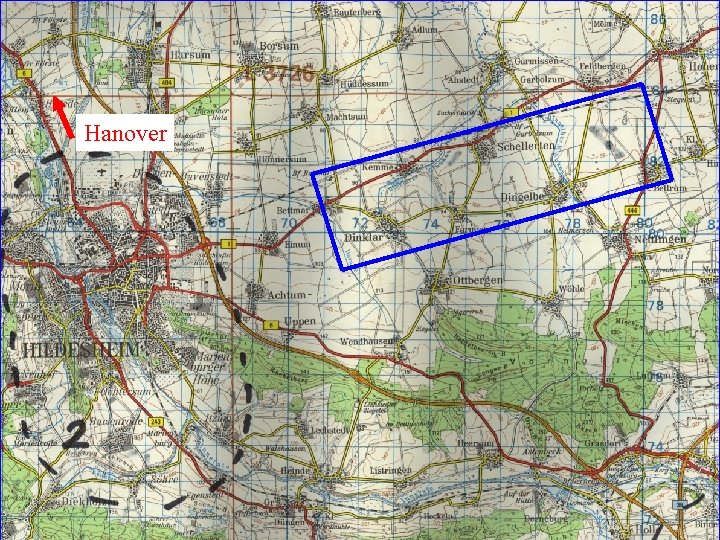
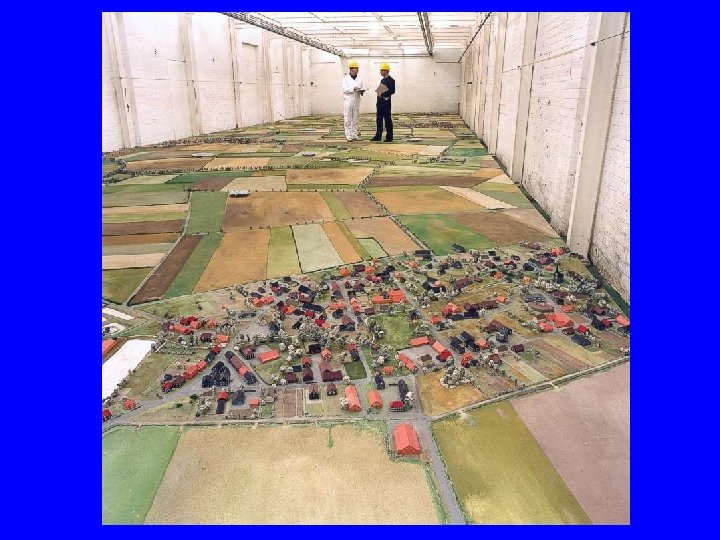
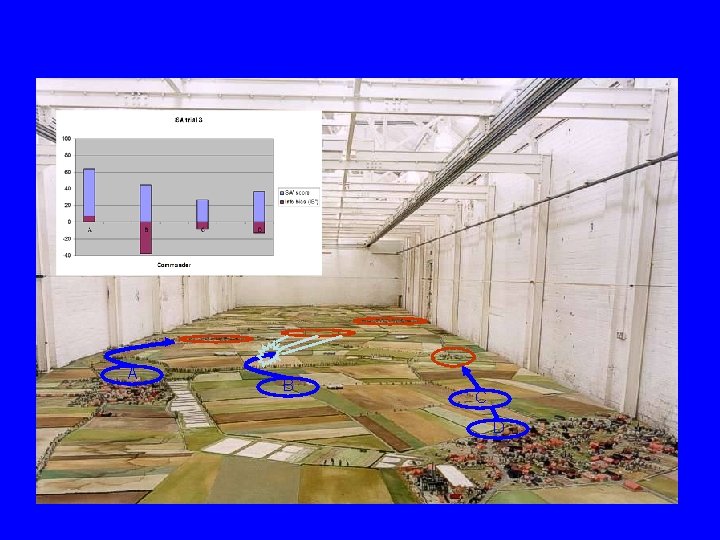
Hanover
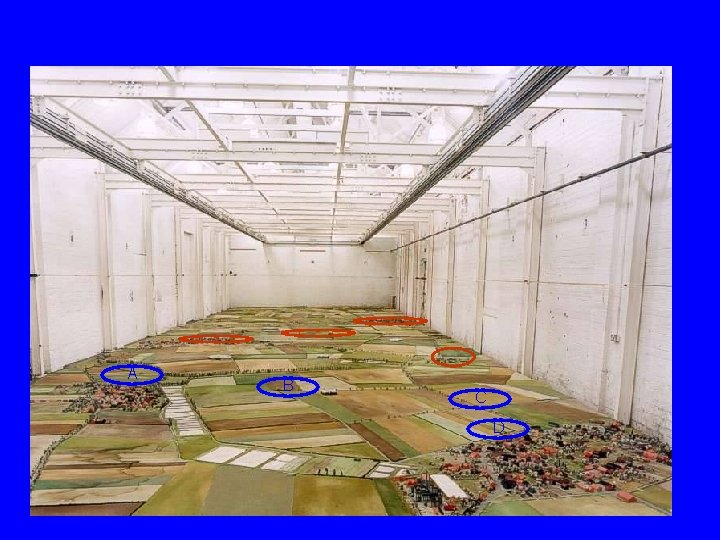
A B C D
A B C D
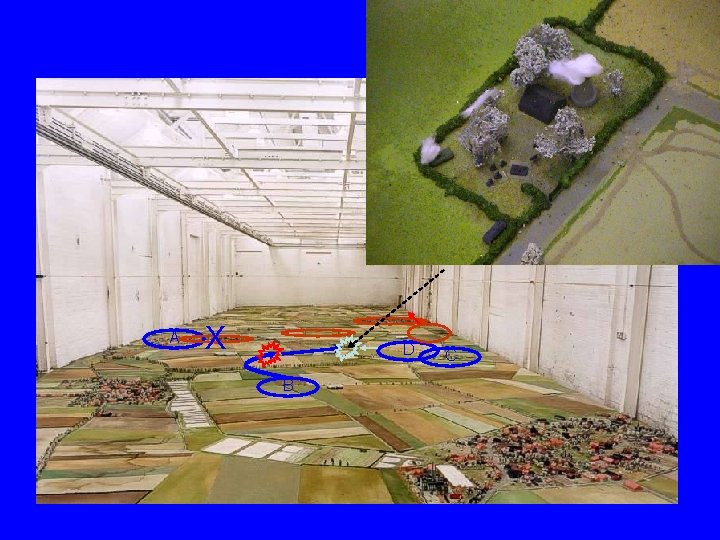
A X D B C
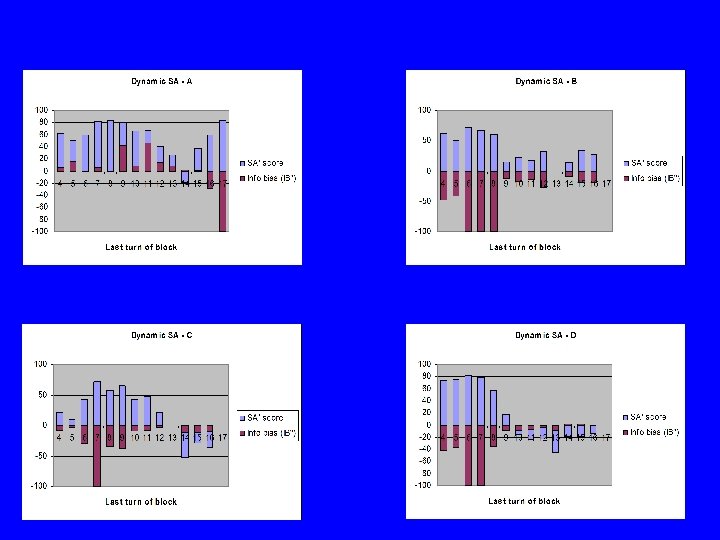
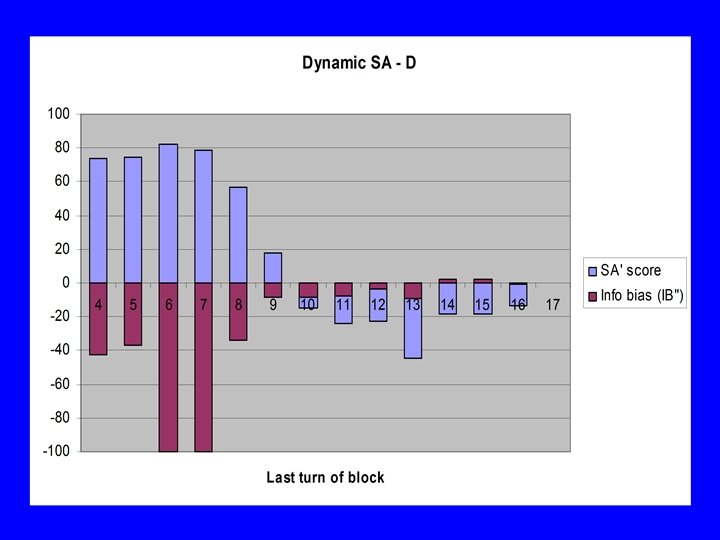
Projection Integration Perception General D A Components of SA
CAUTION
Application of SABRE • • Quick and easy to administer Congruent with task Plain-language record of situation tested Can be used in experiments, field trials and post-hoc analysis • Well received in trials • Customer has control of situation evaluated
Summary of SABRE capabilities • Provides quantitative data • Dynamic measure of SA and information bias • Analysis of components of SA • Indicates when and why things go wrong