
A New Antioxidant Prevents Toxicity of HIV Proteins


- Slides: 106
A New Antioxidant Prevents Toxicity of HIV Proteins with Methamphetamine Nuran Ercal MD Ph. D Department of Chemistry, Missouri University of Science and Technology, Rolla, MO & Department of Internal Medicine, St. Louis University, St. Louis, MO
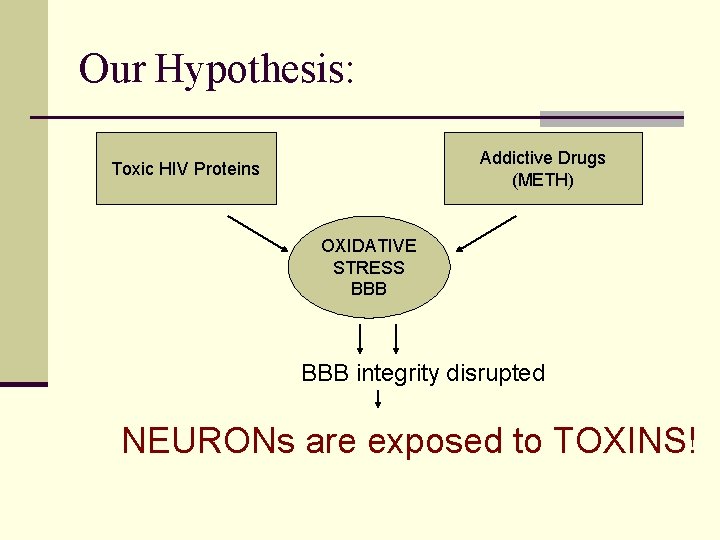
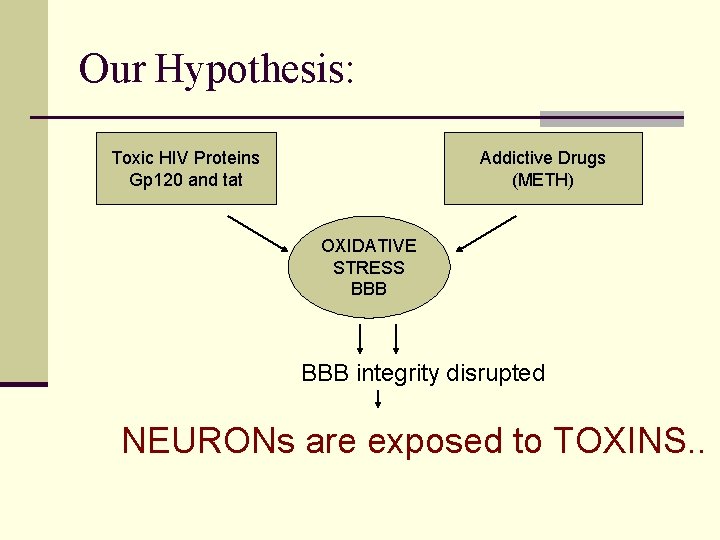
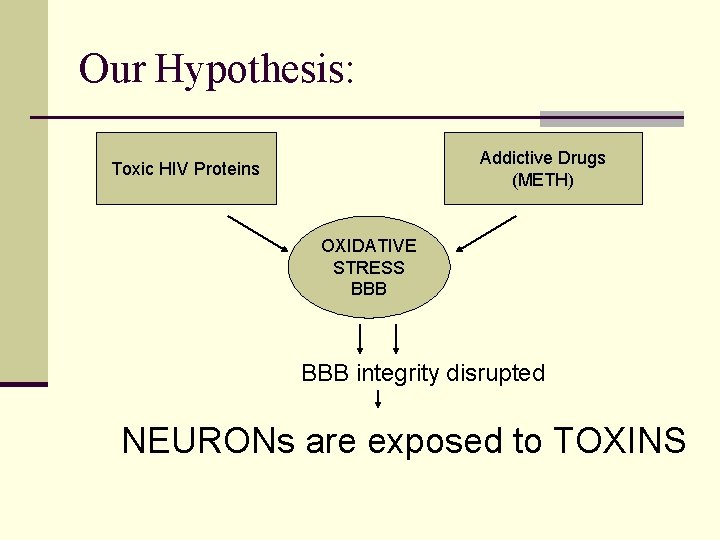
Our Hypothesis: Addictive Drugs (METH) Toxic HIV Proteins OXIDATIVE STRESS BBB integrity disrupted NEURONs are exposed to TOXINS!
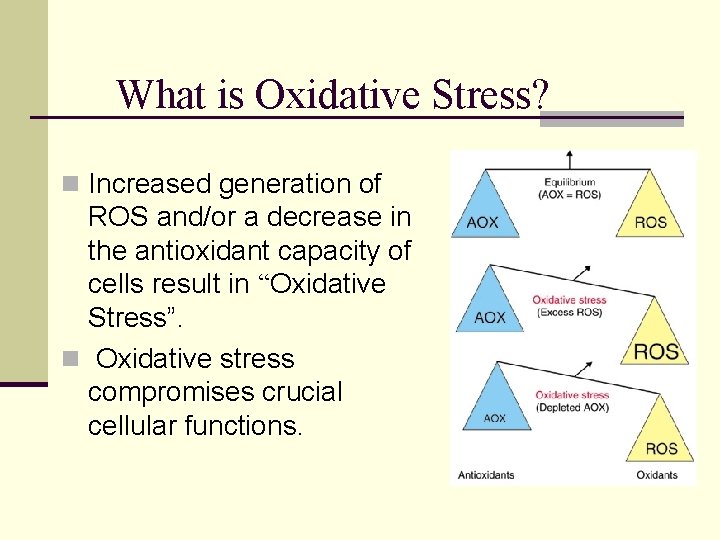
What is Oxidative Stress? n Increased generation of ROS and/or a decrease in the antioxidant capacity of cells result in “Oxidative Stress”. n Oxidative stress compromises crucial cellular functions.
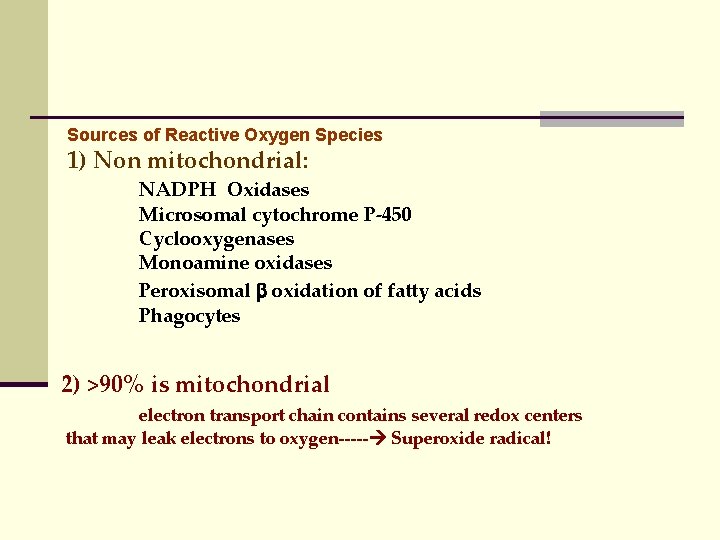
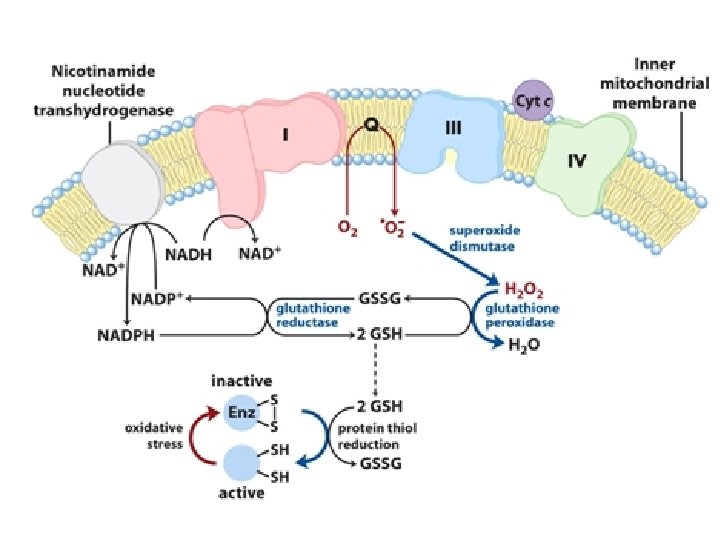
Sources of Reactive Oxygen Species 1) Non mitochondrial: NADPH Oxidases Microsomal cytochrome P-450 Cyclooxygenases Monoamine oxidases Peroxisomal b oxidation of fatty acids Phagocytes 2) >90% is mitochondrial electron transport chain contains several redox centers that may leak electrons to oxygen----- Superoxide radical!
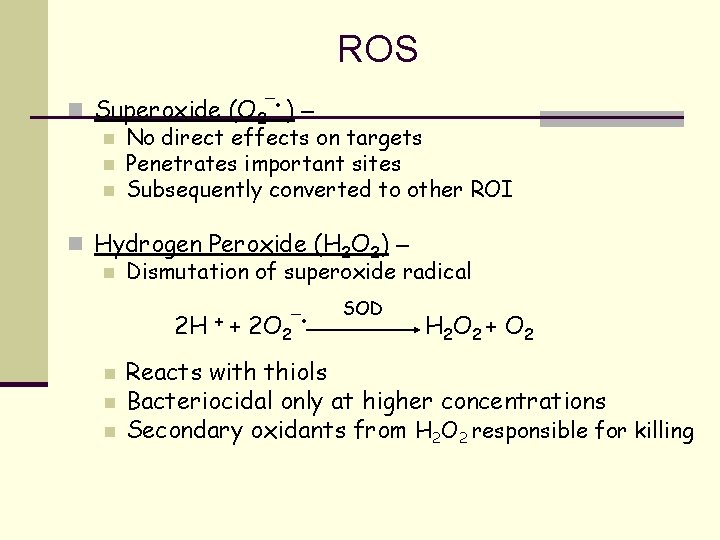
ROS n Superoxide (O 2¯ • ) – n No direct effects on targets n Penetrates important sites n Subsequently converted to other ROI n Hydrogen Peroxide (H 2 O 2) – n Dismutation of superoxide radical 2 H + 2 O 2 + n n n ¯ • SOD H 2 O 2 + O 2 Reacts with thiols Bacteriocidal only at higher concentrations Secondary oxidants from H 2 O 2 responsible for killing
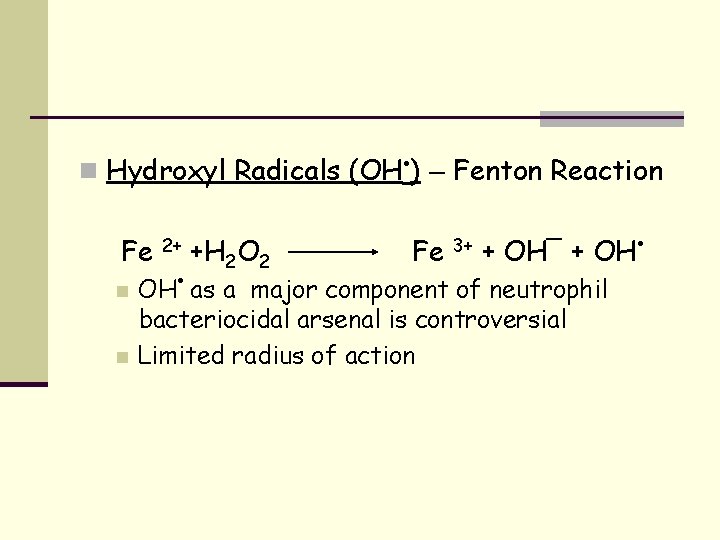
n Hydroxyl Radicals (OH • ) – Fenton Reaction Fe n n 2+ +H 2 O 2 Fe 3+ + OH¯ + OH • as a major component of neutrophil bacteriocidal arsenal is controversial Limited radius of action
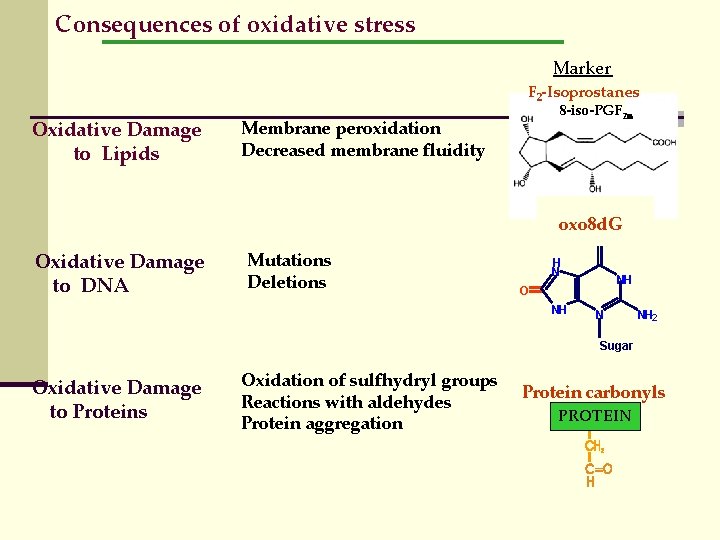
Consequences of oxidative stress Marker F 2 -Isoprostanes Oxidative Damage to Lipids 8 -iso-PGF 2 a Membrane peroxidation Decreased membrane fluidity oxo 8 d. G Oxidative Damage to DNA Mutations Deletions H N NH O NH N NH 2 Sugar Oxidative Damage to Proteins Oxidation of sulfhydryl groups Reactions with aldehydes Protein aggregation Protein carbonyls PROTEIN
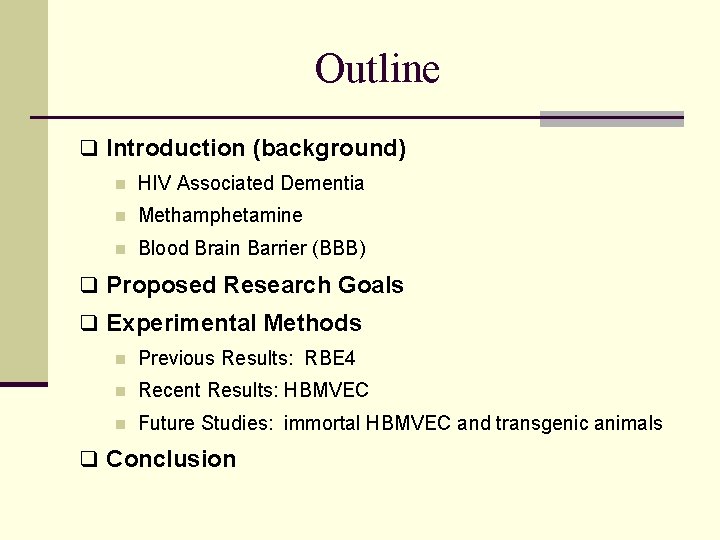
Outline q Introduction (background) n HIV Associated Dementia n Methamphetamine n Blood Brain Barrier (BBB) q Proposed Research Goals q Experimental Methods n Previous Results: RBE 4 n Recent Results: HBMVEC n Future Studies: immortal HBMVEC and transgenic animals q Conclusion
What is the problem? n Neurological disorders are serious complications of human immunodeficency virus type 1 (HIV-1).
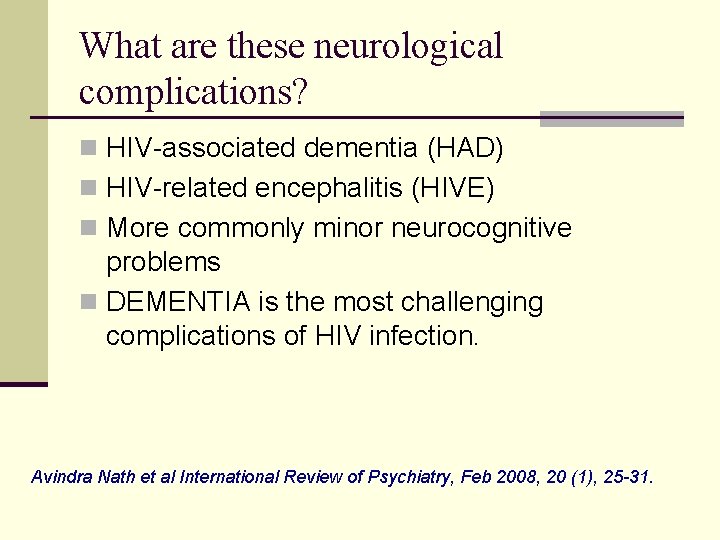
What are these neurological complications? n HIV-associated dementia (HAD) n HIV-related encephalitis (HIVE) n More commonly minor neurocognitive problems n DEMENTIA is the most challenging complications of HIV infection. Avindra Nath et al International Review of Psychiatry, Feb 2008, 20 (1), 25 -31.
What is HAD? A neurological syndrome characterized by cognitive deficits and motor and behavioral dysfunction.
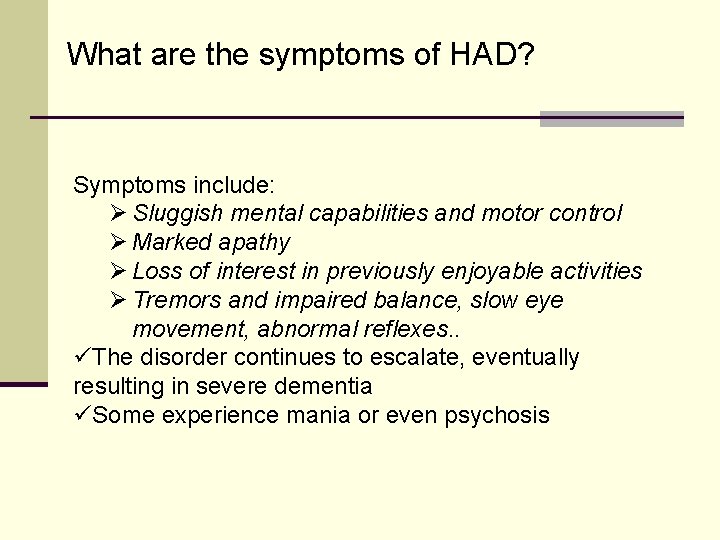
What are the symptoms of HAD? Symptoms include: Ø Sluggish mental capabilities and motor control Ø Marked apathy Ø Loss of interest in previously enjoyable activities Ø Tremors and impaired balance, slow eye movement, abnormal reflexes. . üThe disorder continues to escalate, eventually resulting in severe dementia üSome experience mania or even psychosis
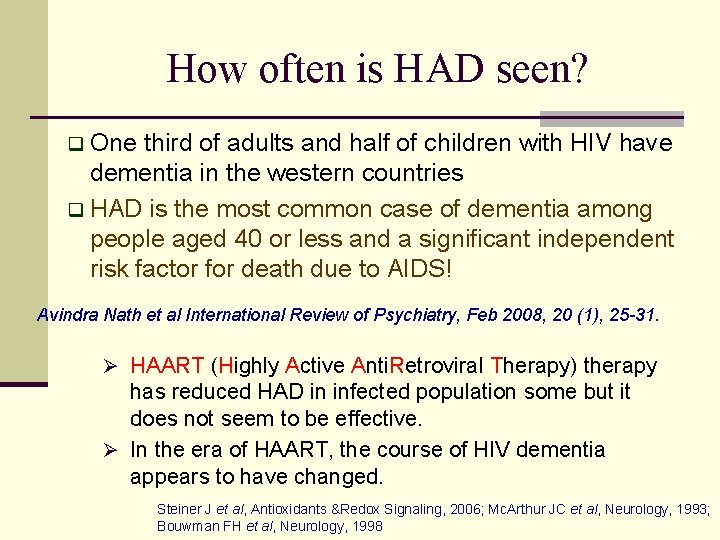
How often is HAD seen? q One third of adults and half of children with HIV have dementia in the western countries q HAD is the most common case of dementia among people aged 40 or less and a significant independent risk factor for death due to AIDS! Avindra Nath et al International Review of Psychiatry, Feb 2008, 20 (1), 25 -31. Ø HAART (Highly Active Anti. Retroviral Therapy) therapy has reduced HAD in infected population some but it does not seem to be effective. Ø In the era of HAART, the course of HIV dementia appears to have changed. Steiner J et al, Antioxidants &Redox Signaling, 2006; Mc. Arthur JC et al, Neurology, 1993; Bouwman FH et al, Neurology, 1998
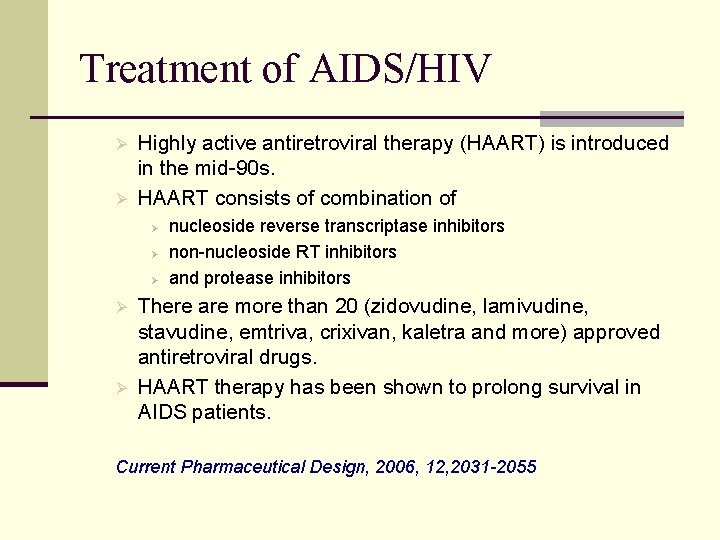
Treatment of AIDS/HIV Ø Ø Highly active antiretroviral therapy (HAART) is introduced in the mid-90 s. HAART consists of combination of Ø Ø Ø nucleoside reverse transcriptase inhibitors non-nucleoside RT inhibitors and protease inhibitors There are more than 20 (zidovudine, lamivudine, stavudine, emtriva, crixivan, kaletra and more) approved antiretroviral drugs. HAART therapy has been shown to prolong survival in AIDS patients. Current Pharmaceutical Design, 2006, 12, 2031 -2055
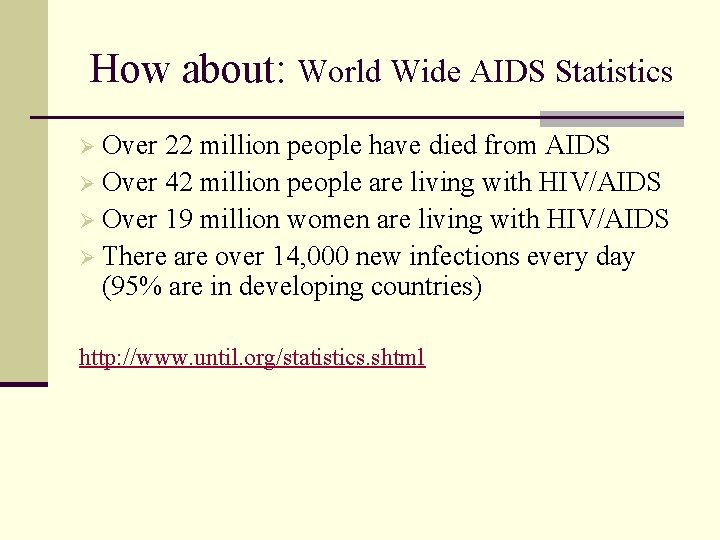
How about: World Wide AIDS Statistics Ø Over 22 million people have died from AIDS Ø Over 42 million people are living with HIV/AIDS Ø Over 19 million women are living with HIV/AIDS Ø There are over 14, 000 new infections every day (95% are in developing countries) http: //www. until. org/statistics. shtml
World Wide Future Estimates Ø The UN estimates that, currently, there are 14 million AIDS orphans and that by 2010 there will be 25 million Ø By the year 2010, five countries (Ethiopia, Nigeria, China, India, and Russia) with 40% of the world’s population will add 50 to 75 million infected people to the worldwide pool of HIV disease if nothing is done to help stop the spread of HIV/AIDS http: //www. until. org/statistics. shtml
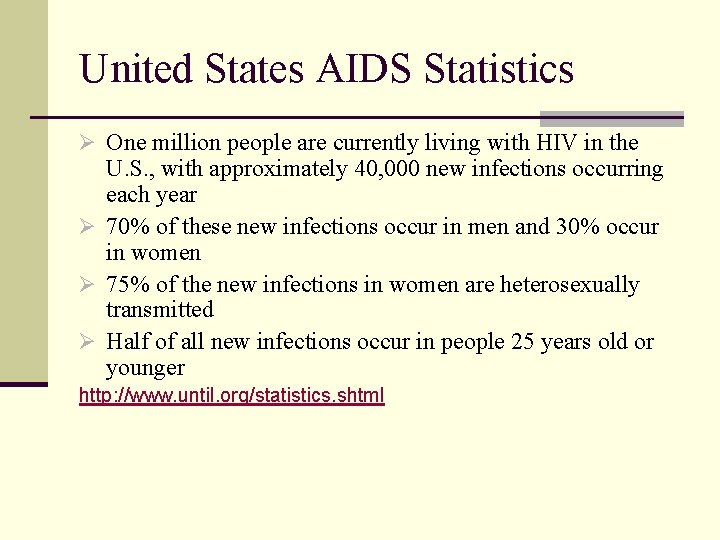
United States AIDS Statistics Ø One million people are currently living with HIV in the U. S. , with approximately 40, 000 new infections occurring each year Ø 70% of these new infections occur in men and 30% occur in women Ø 75% of the new infections in women are heterosexually transmitted Ø Half of all new infections occur in people 25 years old or younger http: //www. until. org/statistics. shtml
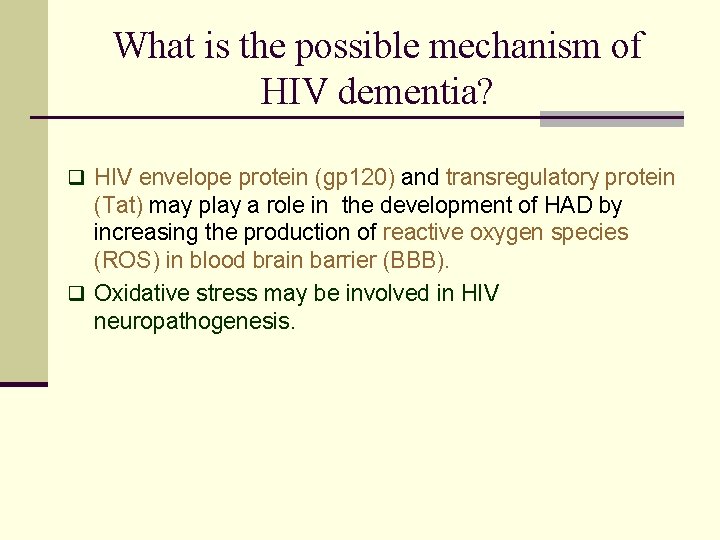
What is the possible mechanism of HIV dementia? q HIV envelope protein (gp 120) and transregulatory protein (Tat) may play a role in the development of HAD by increasing the production of reactive oxygen species (ROS) in blood brain barrier (BBB). q Oxidative stress may be involved in HIV neuropathogenesis.
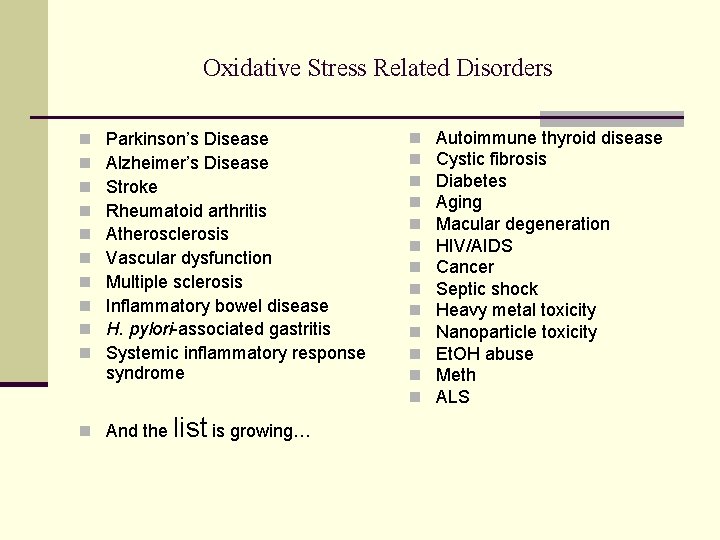
Oxidative Stress Related Disorders n n n n n Parkinson’s Disease Alzheimer’s Disease Stroke Rheumatoid arthritis Atherosclerosis Vascular dysfunction Multiple sclerosis Inflammatory bowel disease H. pylori-associated gastritis Systemic inflammatory response syndrome n And the list is growing… n n n n Autoimmune thyroid disease Cystic fibrosis Diabetes Aging Macular degeneration HIV/AIDS Cancer Septic shock Heavy metal toxicity Nanoparticle toxicity Et. OH abuse Meth ALS
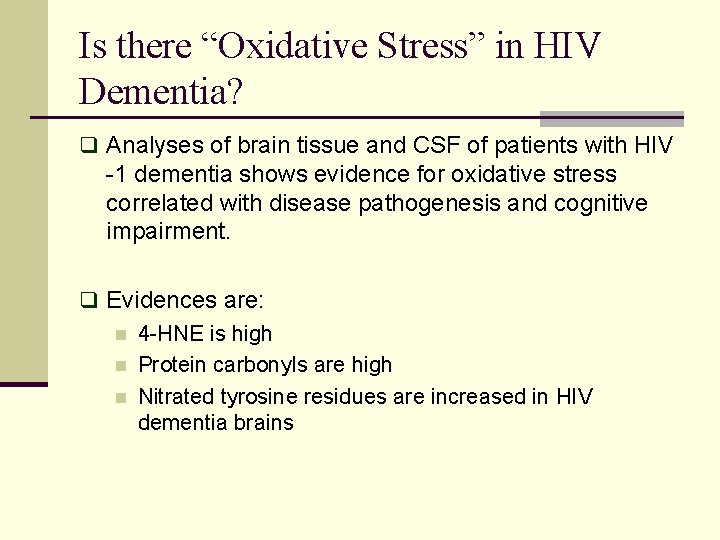
Is there “Oxidative Stress” in HIV Dementia? q Analyses of brain tissue and CSF of patients with HIV -1 dementia shows evidence for oxidative stress correlated with disease pathogenesis and cognitive impairment. q Evidences are: n 4 -HNE is high n Protein carbonyls are high n Nitrated tyrosine residues are increased in HIV dementia brains
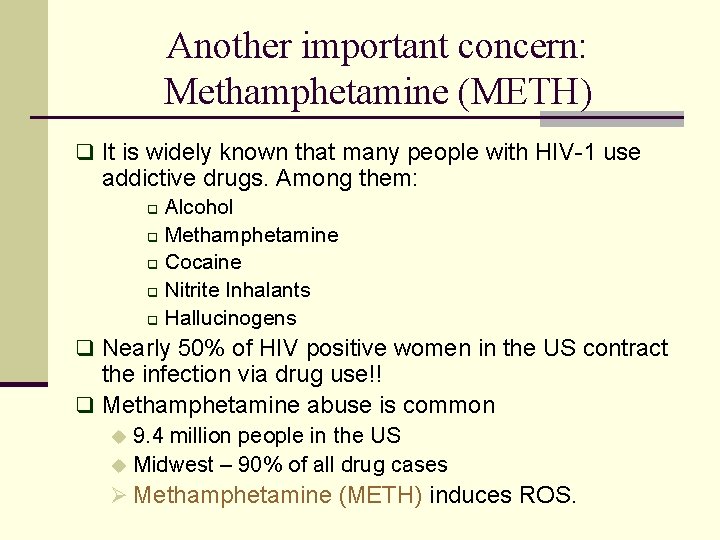
Another important concern: Methamphetamine (METH) q It is widely known that many people with HIV-1 use addictive drugs. Among them: q q q Alcohol Methamphetamine Cocaine Nitrite Inhalants Hallucinogens q Nearly 50% of HIV positive women in the US contract the infection via drug use!! q Methamphetamine abuse is common 9. 4 million people in the US u Midwest – 90% of all drug cases Ø Methamphetamine (METH) induces ROS. u
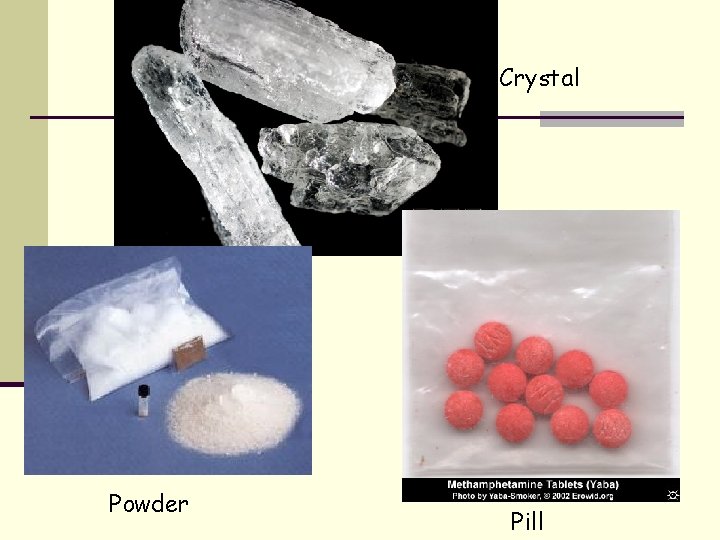
Crystal Powder Pill
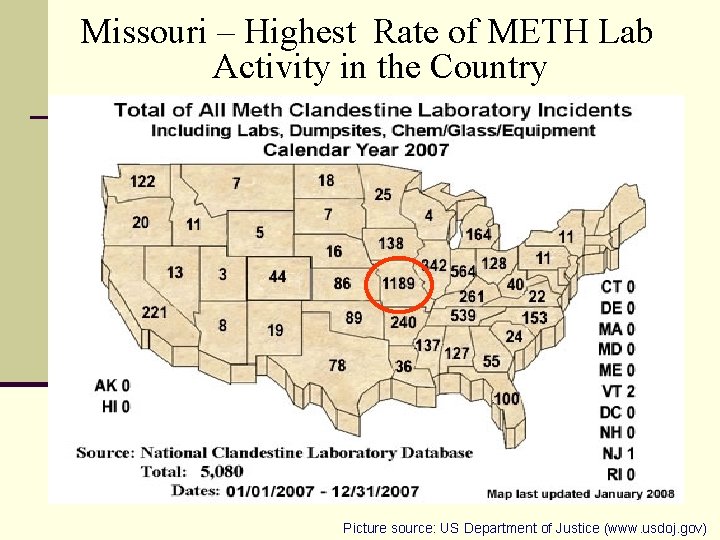
Missouri – Highest Rate of METH Lab Activity in the Country Picture source: US Department of Justice (www. usdoj. gov)
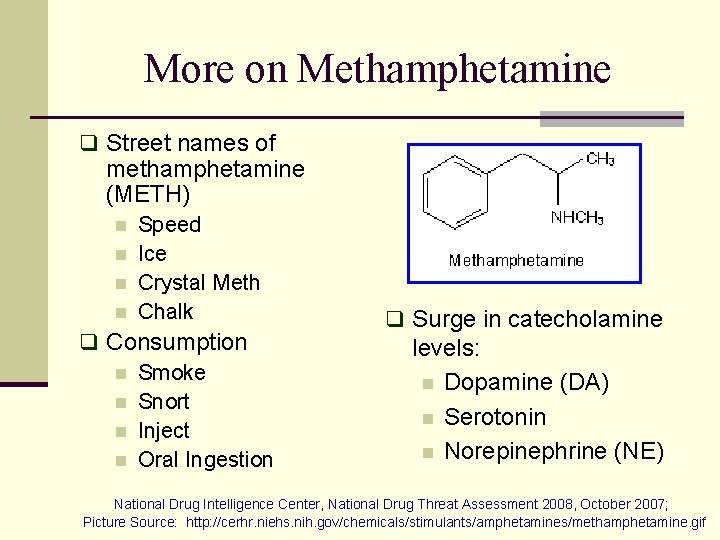
More on Methamphetamine q Street names of methamphetamine (METH) n n Speed Ice Crystal Meth Chalk q Consumption n Smoke n Snort n Inject n Oral Ingestion q Surge in catecholamine levels: n Dopamine (DA) n Serotonin n Norepinephrine (NE) National Drug Intelligence Center, National Drug Threat Assessment 2008, October 2007; Picture Source: http: //cerhr. niehs. nih. gov/chemicals/stimulants/amphetamines/methamphetamine. gif
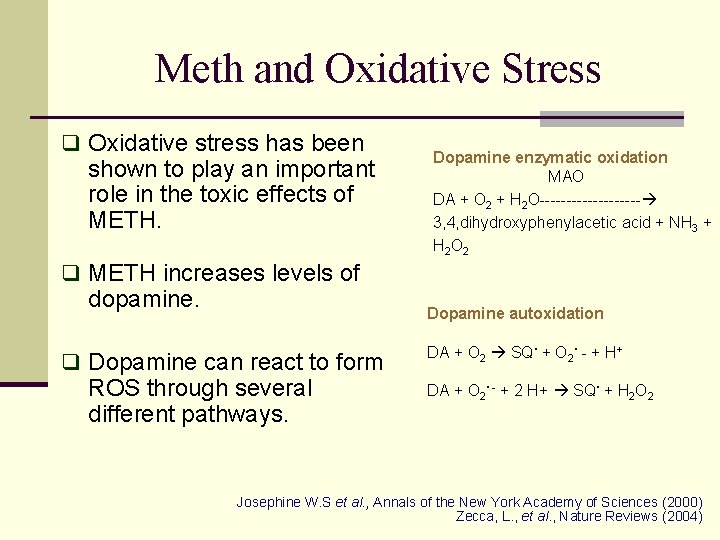
Meth and Oxidative Stress q Oxidative stress has been shown to play an important role in the toxic effects of METH. Dopamine enzymatic oxidation MAO DA + O 2 + H 2 O---------- 3, 4, dihydroxyphenylacetic acid + NH 3 + H 2 O 2 q METH increases levels of dopamine. Dopamine autoxidation q Dopamine can react to form ROS through several different pathways. DA + O 2 SQ· + O 2· - + H+ DA + O 2· - + 2 H+ SQ· + H 2 O 2 Josephine W. S et al. , Annals of the New York Academy of Sciences (2000) Zecca, L. , et al. , Nature Reviews (2004)
What are toxic HIV proteins? q HIV envelope protein (gp 120) and transregulatory protein (Tat) may play a role in the development of HAD by increasing the production of reactive oxygen species (ROS) in blood brain barrier (BBB).
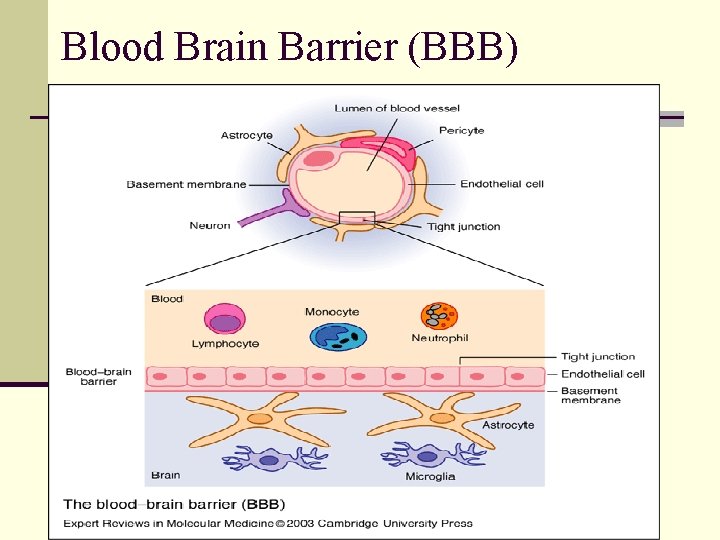
What exactly is happening? Ø The BBB has been implicated in the development of HIV Dementia. Ø The BBB is a barrier between the blood and the fluid that surrounds the cells of the brain. Ø The BBB is selectively permeable, allowing some substances to cross and not others. It is generally more permeable to lipophilic substances. Ø The cells that line the capillaries of the rest of the body usually have small gaps between them, that allow substance exchange. The BBB lacks these small gaps, prohibiting much exchange.
Blood Brain Barrier (BBB)
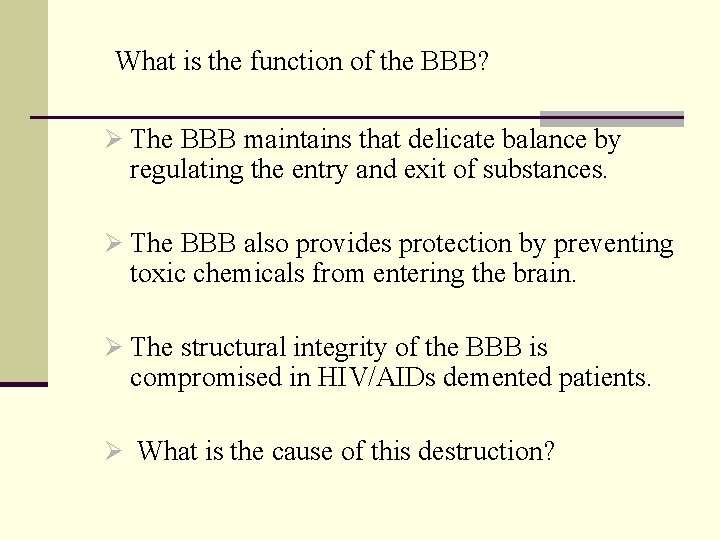
What is the function of the BBB? Ø The BBB maintains that delicate balance by regulating the entry and exit of substances. Ø The BBB also provides protection by preventing toxic chemicals from entering the brain. Ø The structural integrity of the BBB is compromised in HIV/AIDs demented patients. Ø What is the cause of this destruction?
What’s causing the blood-brain barrier to fail? ØStudies have found that HIV-1 envelope protein gp 120 and/or Tat may have a role in the structural damage that the BBB experiences.
Our Hypothesis: Toxic HIV Proteins Gp 120 and tat Addictive Drugs (METH) OXIDATIVE STRESS BBB integrity disrupted NEURONs are exposed to TOXINS. .
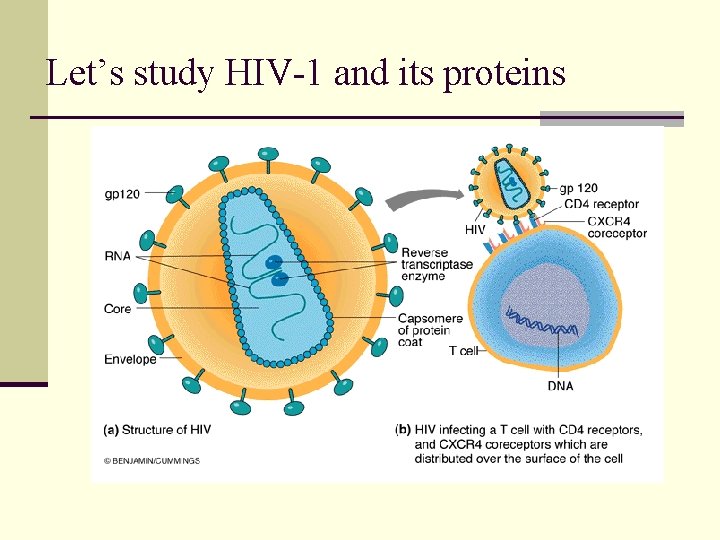
Let’s study HIV-1 and its proteins
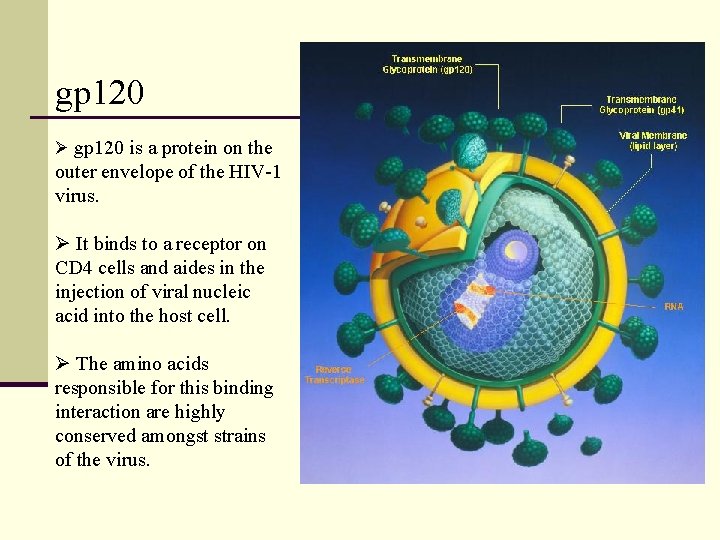
gp 120 Ø gp 120 is a protein on the outer envelope of the HIV-1 virus. Ø It binds to a receptor on CD 4 cells and aides in the injection of viral nucleic acid into the host cell. Ø The amino acids responsible for this binding interaction are highly conserved amongst strains of the virus.
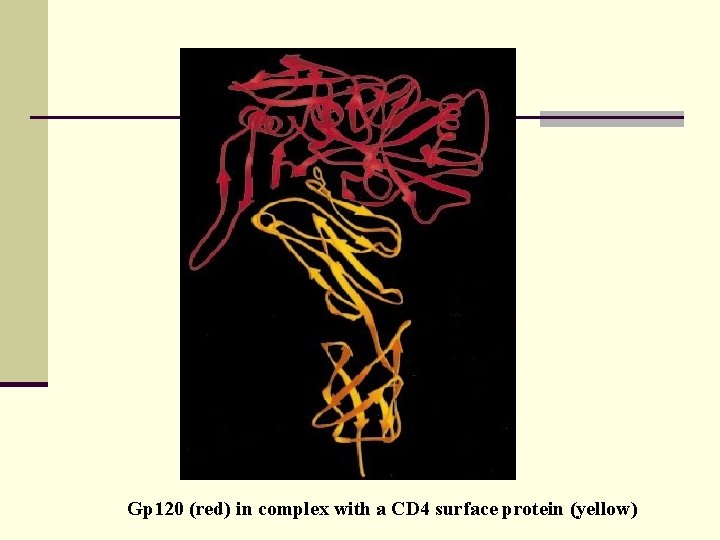
Gp 120 (red) in complex with a CD 4 surface protein (yellow)
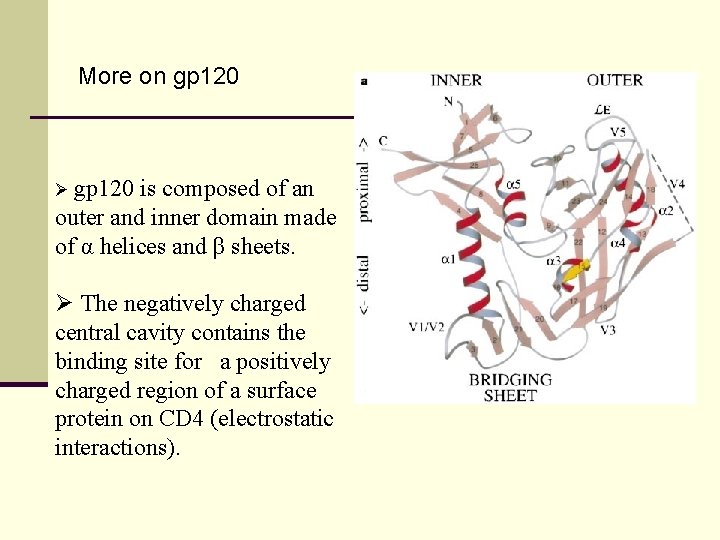
More on gp 120 Ø gp 120 is composed of an outer and inner domain made of α helices and β sheets. Ø The negatively charged central cavity contains the binding site for a positively charged region of a surface protein on CD 4 (electrostatic interactions).
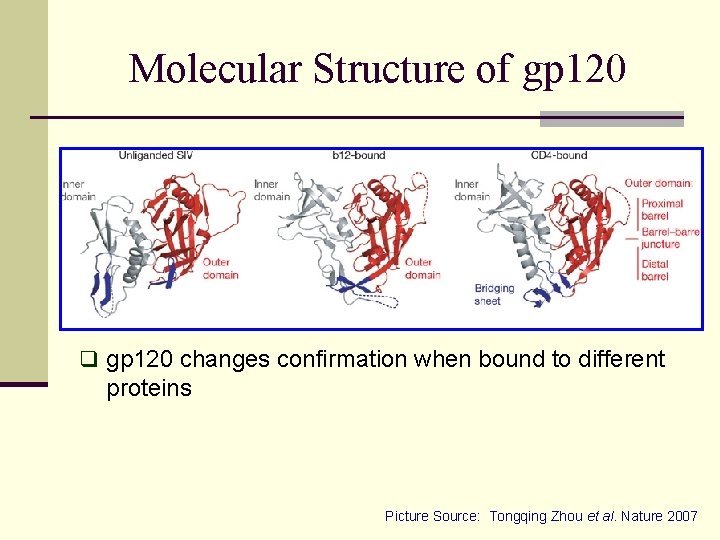
Molecular Structure of gp 120 q gp 120 changes confirmation when bound to different proteins Picture Source: Tongqing Zhou et al. Nature 2007
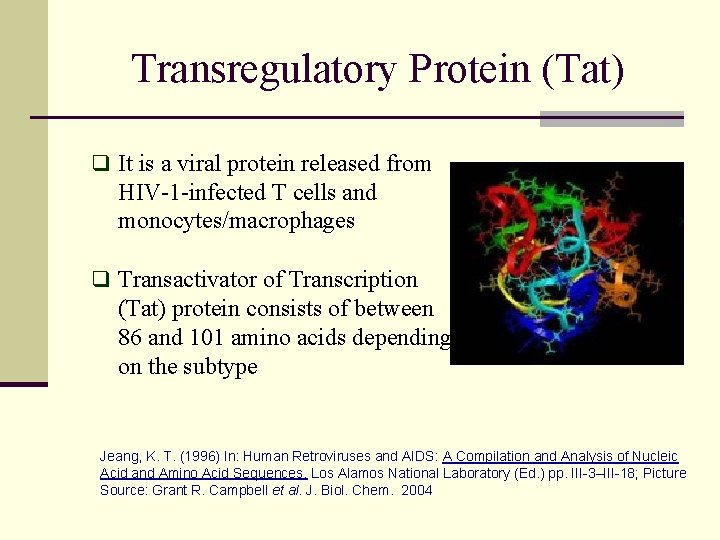
Transregulatory Protein (Tat) q It is a viral protein released from HIV-1 -infected T cells and monocytes/macrophages q Transactivator of Transcription (Tat) protein consists of between 86 and 101 amino acids depending on the subtype Jeang, K. T. (1996) In: Human Retroviruses and AIDS: A Compilation and Analysis of Nucleic Acid and Amino Acid Sequences. Los Alamos National Laboratory (Ed. ) pp. III-3–III-18; Picture Source: Grant R. Campbell et al. J. Biol. Chem. 2004
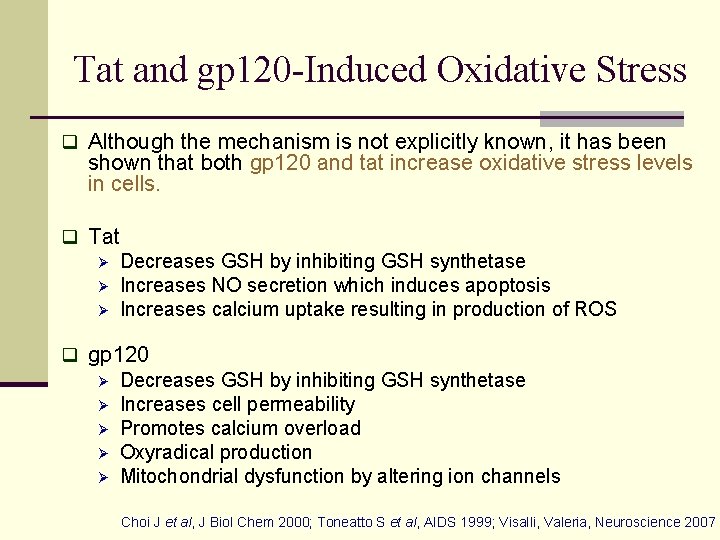
Tat and gp 120 -Induced Oxidative Stress q Although the mechanism is not explicitly known, it has been shown that both gp 120 and tat increase oxidative stress levels in cells. q Tat Ø Decreases GSH by inhibiting GSH synthetase Ø Increases NO secretion which induces apoptosis Ø Increases calcium uptake resulting in production of ROS q gp 120 Ø Decreases GSH by inhibiting GSH synthetase Ø Increases cell permeability Ø Promotes calcium overload Ø Oxyradical production Ø Mitochondrial dysfunction by altering ion channels Choi J et al, J Biol Chem 2000; Toneatto S et al, AIDS 1999; Visalli, Valeria, Neuroscience 2007
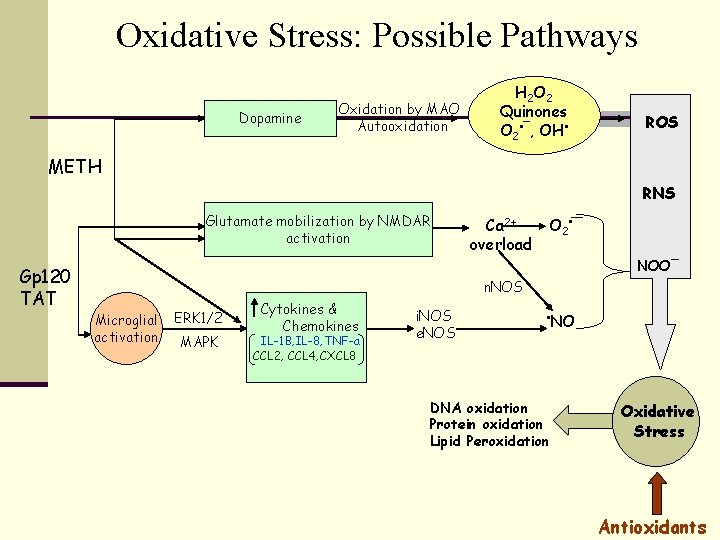
Oxidative Stress: Possible Pathways Dopamine Oxidation by MAO Autooxidation H 2 O 2 Quinones O 2 • ¯, OH • ROS METH RNS Glutamate mobilization by NMDAR activation Gp 120 TAT Ca 2+ overload O 2 • ¯ NOO¯ n. NOS Microglial activation ERK 1/2 MAPK Cytokines & Chemokines IL-1 B, IL-8, TNF-a CCL 2, CCL 4, CXCL 8 i. NOS e. NOS • NO DNA oxidation Protein oxidation Lipid Peroxidation Oxidative Stress Antioxidants
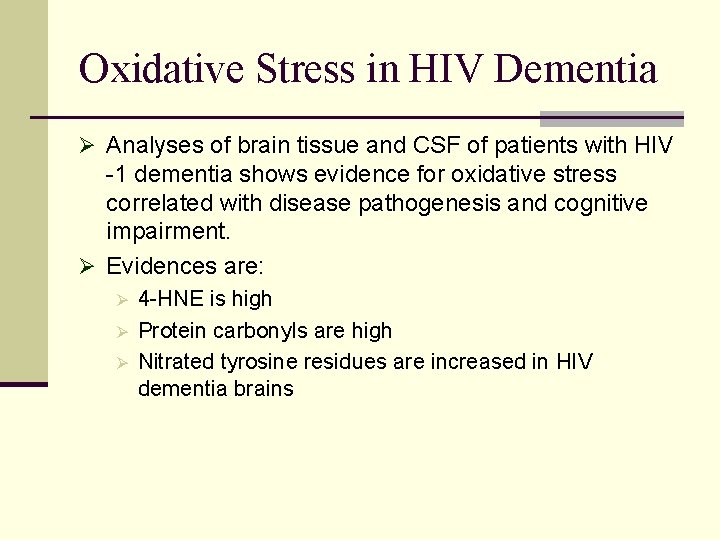
Oxidative Stress in HIV Dementia Ø Analyses of brain tissue and CSF of patients with HIV -1 dementia shows evidence for oxidative stress correlated with disease pathogenesis and cognitive impairment. Ø Evidences are: Ø Ø Ø 4 -HNE is high Protein carbonyls are high Nitrated tyrosine residues are increased in HIV dementia brains
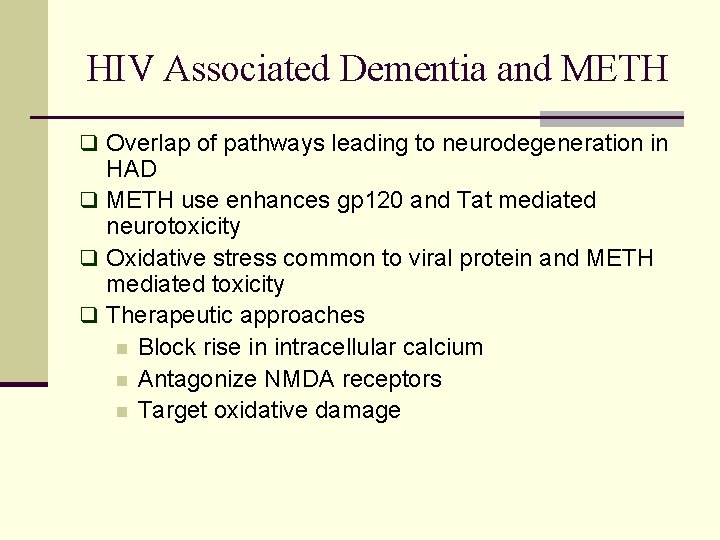
HIV Associated Dementia and METH q Overlap of pathways leading to neurodegeneration in HAD q METH use enhances gp 120 and Tat mediated neurotoxicity q Oxidative stress common to viral protein and METH mediated toxicity q Therapeutic approaches n Block rise in intracellular calcium n Antagonize NMDA receptors n Target oxidative damage
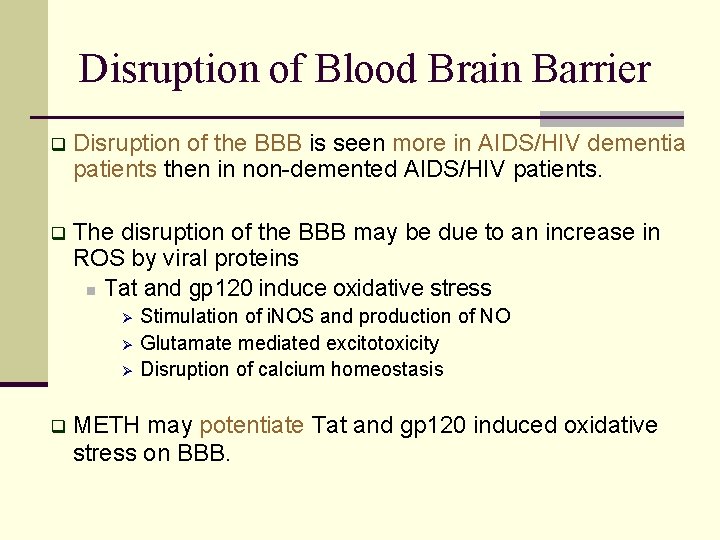
Disruption of Blood Brain Barrier q Disruption of the BBB is seen more in AIDS/HIV dementia patients then in non-demented AIDS/HIV patients. q The disruption of the BBB may be due to an increase in ROS by viral proteins n Tat and gp 120 induce oxidative stress Ø Ø Ø q Stimulation of i. NOS and production of NO Glutamate mediated excitotoxicity Disruption of calcium homeostasis METH may potentiate Tat and gp 120 induced oxidative stress on BBB.
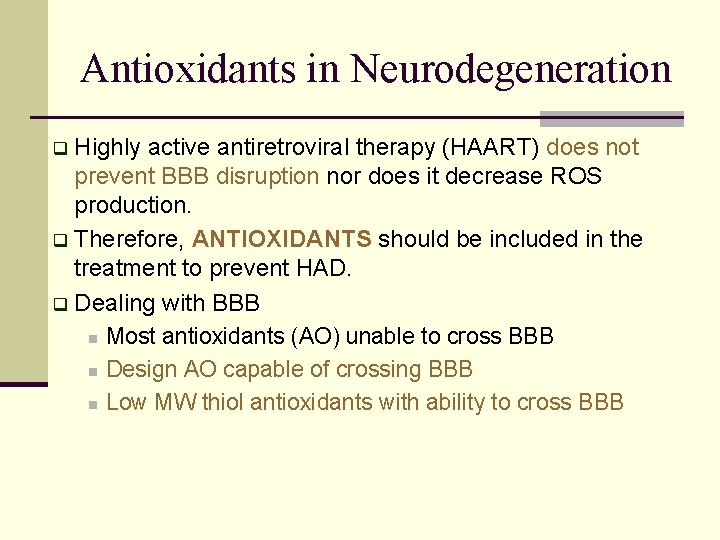
Antioxidants in Neurodegeneration Highly active antiretroviral therapy (HAART) does not prevent BBB disruption nor does it decrease ROS production. q Therefore, ANTIOXIDANTS should be included in the treatment to prevent HAD. q Dealing with BBB n Most antioxidants (AO) unable to cross BBB n Design AO capable of crossing BBB n Low MW thiol antioxidants with ability to cross BBB q
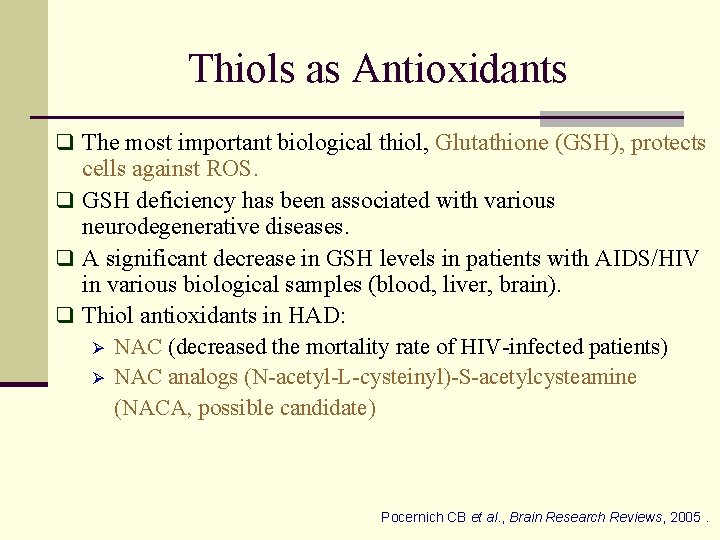
Thiols as Antioxidants q The most important biological thiol, Glutathione (GSH), protects cells against ROS. q GSH deficiency has been associated with various neurodegenerative diseases. q A significant decrease in GSH levels in patients with AIDS/HIV in various biological samples (blood, liver, brain). q Thiol antioxidants in HAD: Ø NAC (decreased the mortality rate of HIV-infected patients) Ø NAC analogs (N-acetyl-L-cysteinyl)-S-acetylcysteamine (NACA, possible candidate) Pocernich CB et al. , Brain Research Reviews, 2005.
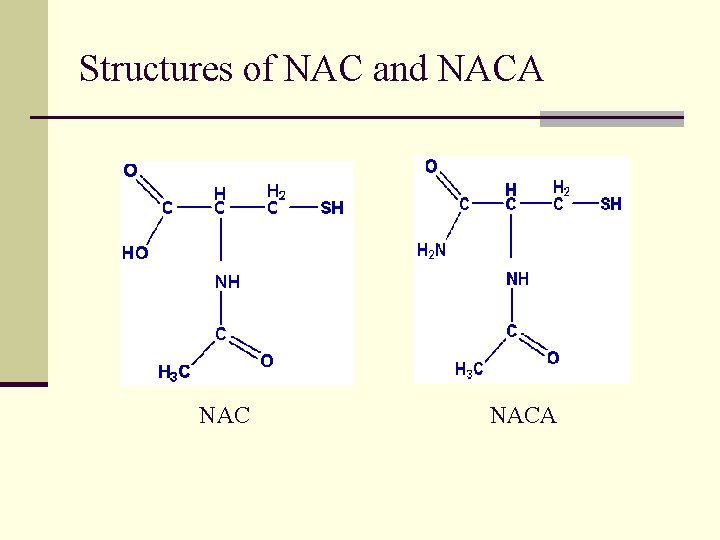
Structures of NAC and NACA
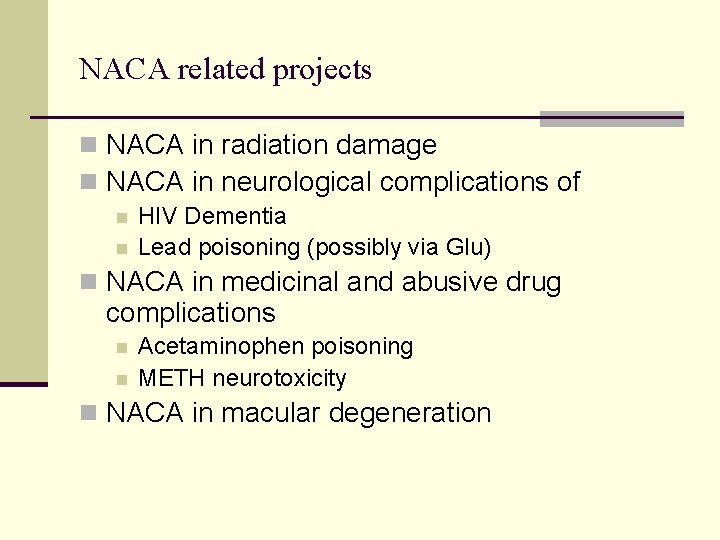
NACA related projects n NACA in radiation damage n NACA in neurological complications of n n HIV Dementia Lead poisoning (possibly via Glu) n NACA in medicinal and abusive drug complications n n Acetaminophen poisoning METH neurotoxicity n NACA in macular degeneration
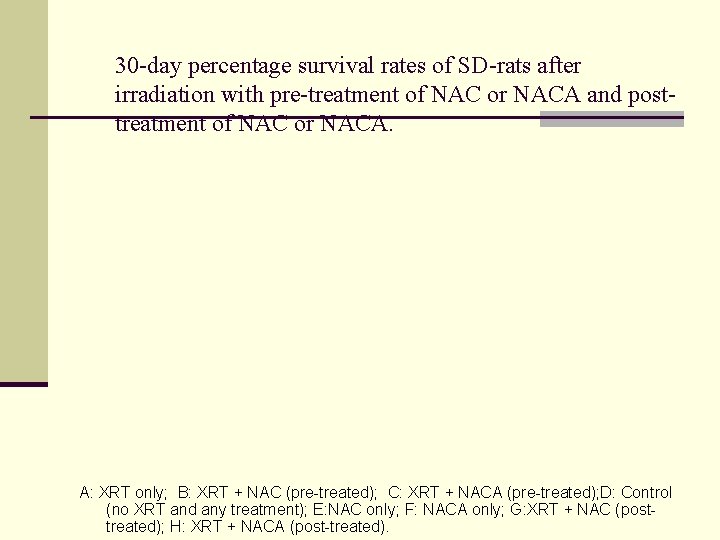
30 -day percentage survival rates of SD-rats after irradiation with pre-treatment of NAC or NACA and posttreatment of NAC or NACA. A: XRT only; B: XRT + NAC (pre-treated); C: XRT + NACA (pre-treated); D: Control (no XRT and any treatment); E: NAC only; F: NACA only; G: XRT + NAC (posttreated); H: XRT + NACA (post-treated).
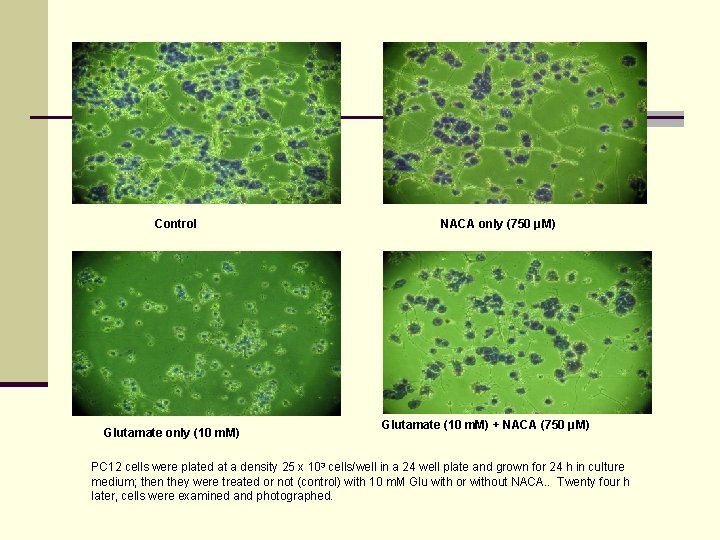
Control Glutamate only (10 m. M) NACA only (750 μM) Glutamate (10 m. M) + NACA (750 μM) PC 12 cells were plated at a density 25 x 103 cells/well in a 24 well plate and grown for 24 h in culture medium; then they were treated or not (control) with 10 m. M Glu with or without NACA. . Twenty four h later, cells were examined and photographed.
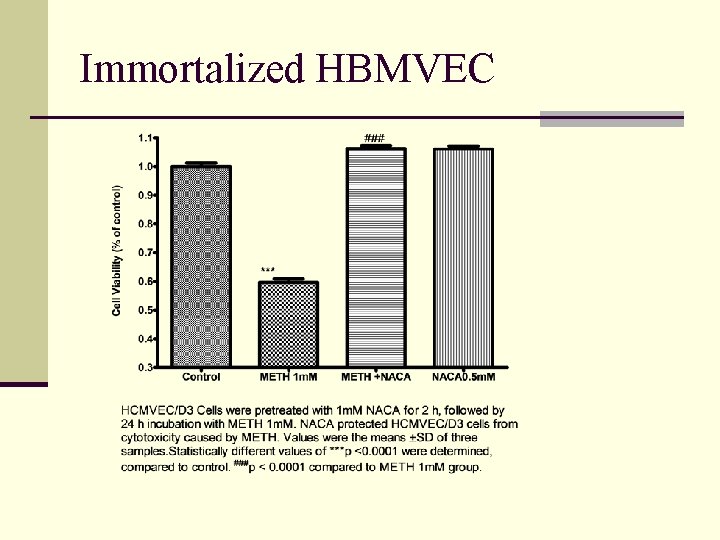
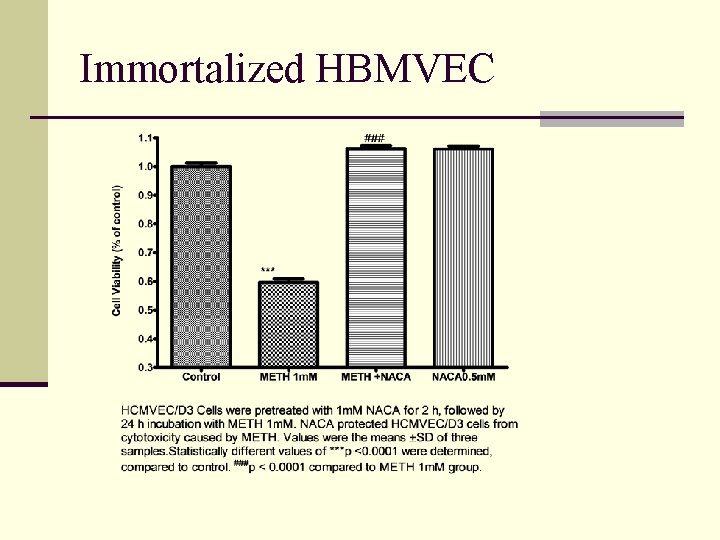
Immortalized HBMVEC
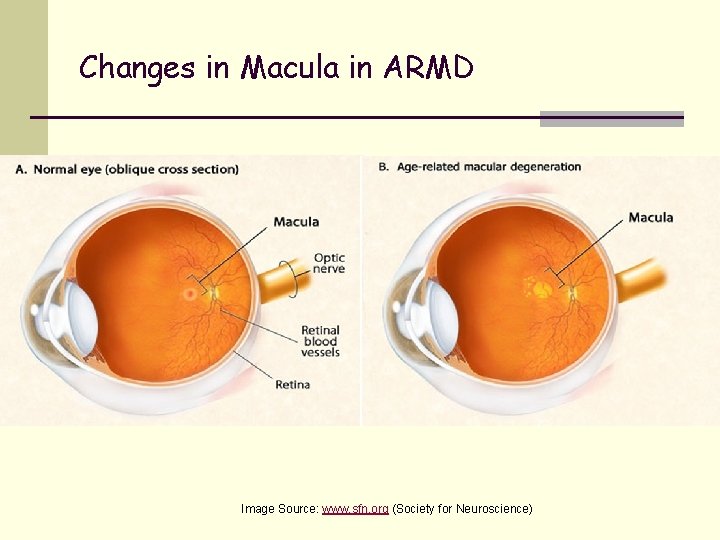
Age Related Macular degeneration n Leading cause of blindness in people over 55 n Degeneration of macular region of the eye n Macula – oval yellow spot near the center of the retina of the eye n Near its center is the fovea, a small pit containing the largest concentration of cone cells of the eye. Responsible for central vision n Disease begins when transport of nutrients and waste via retinal pigment epithelial cells begins to slow and down, leading to accumulation of waste products
Changes in Macula in ARMD Image Source: www. sfn. org (Society for Neuroscience)
Retinal Pigment Epithelium n RPE affected in AMD n Undergoes oxidative stress: Ø Metabolically active cells Ø Large oxygen fluxes across its boundary Ø Exposure to sunlight Ø RPE phagocytose photoreceptor outer segments containing PUFAS which can undergo lipid peroxidation Ø Age decreases antioxidants in RPE, increasing effect of oxidative insults
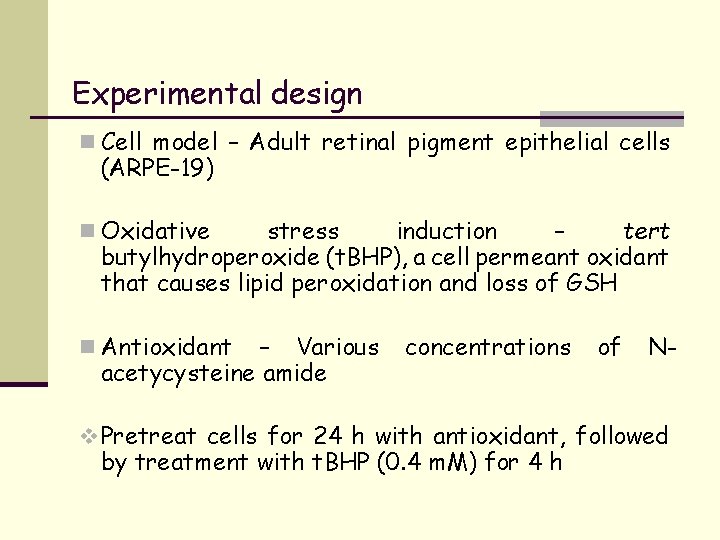
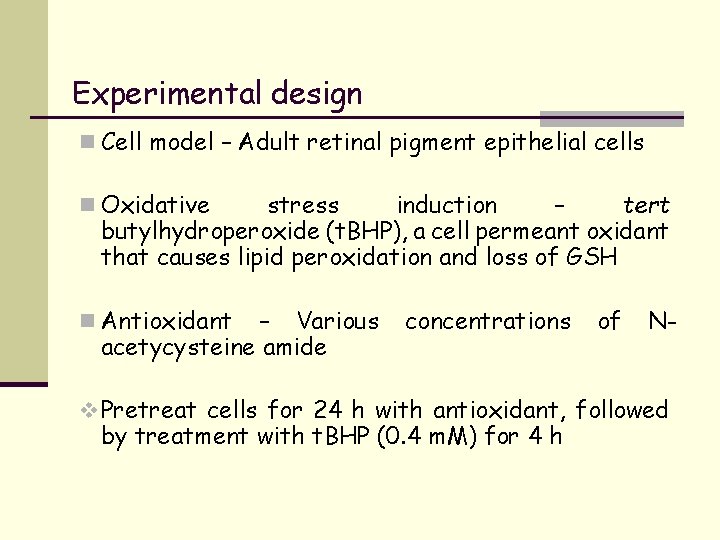
Experimental design n Cell model – Adult retinal pigment epithelial cells (ARPE-19) n Oxidative stress induction – tert butylhydroperoxide (t. BHP), a cell permeant oxidant that causes lipid peroxidation and loss of GSH n Antioxidant – Various acetycysteine amide concentrations of N- v Pretreat cells for 24 h with antioxidant, followed by treatment with t. BHP (0. 4 m. M) for 4 h
Experimental design n Cell model – Adult retinal pigment epithelial cells n Oxidative stress induction – tert butylhydroperoxide (t. BHP), a cell permeant oxidant that causes lipid peroxidation and loss of GSH n Antioxidant – Various acetycysteine amide concentrations of N- v Pretreat cells for 24 h with antioxidant, followed by treatment with t. BHP (0. 4 m. M) for 4 h
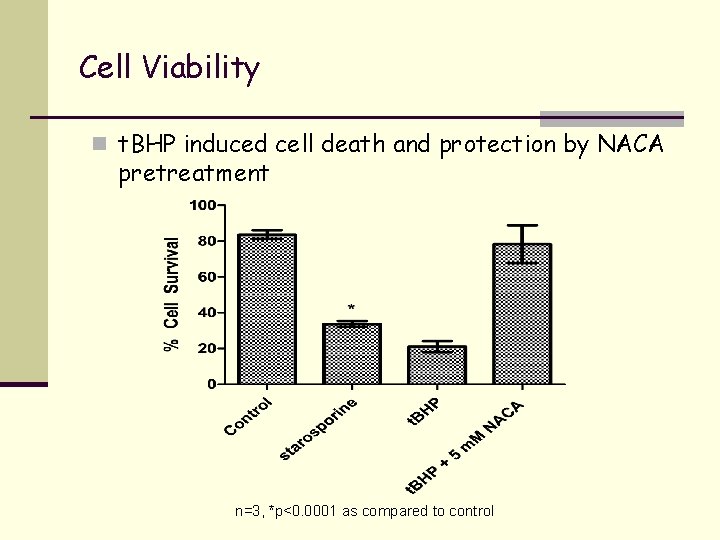
Cell Viability n t. BHP induced cell death and protection by NACA pretreatment n=3, *p<0. 0001 as compared to control
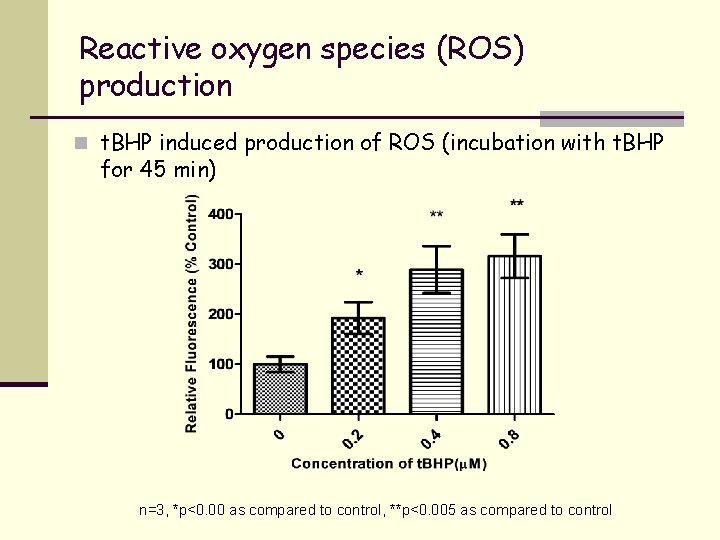
Reactive oxygen species (ROS) production n t. BHP induced production of ROS (incubation with t. BHP for 45 min) n=3, *p<0. 00 as compared to control, **p<0. 005 as compared to control
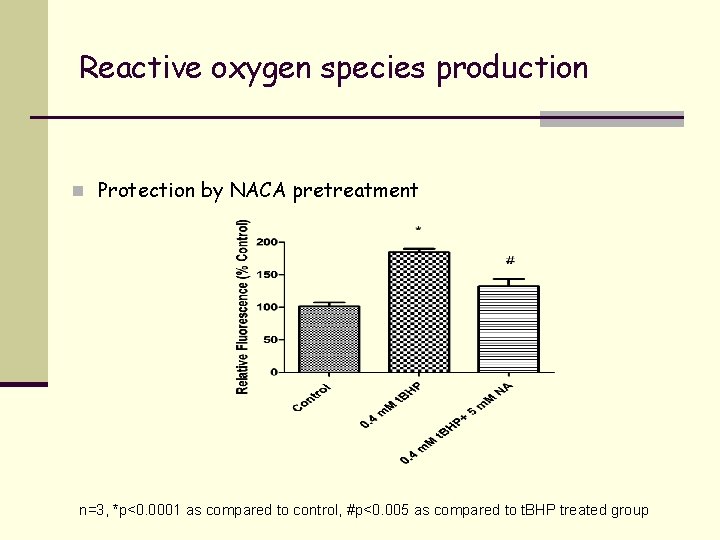
Reactive oxygen species production n Protection by NACA pretreatment n=3, *p<0. 0001 as compared to control, #p<0. 005 as compared to t. BHP treated group
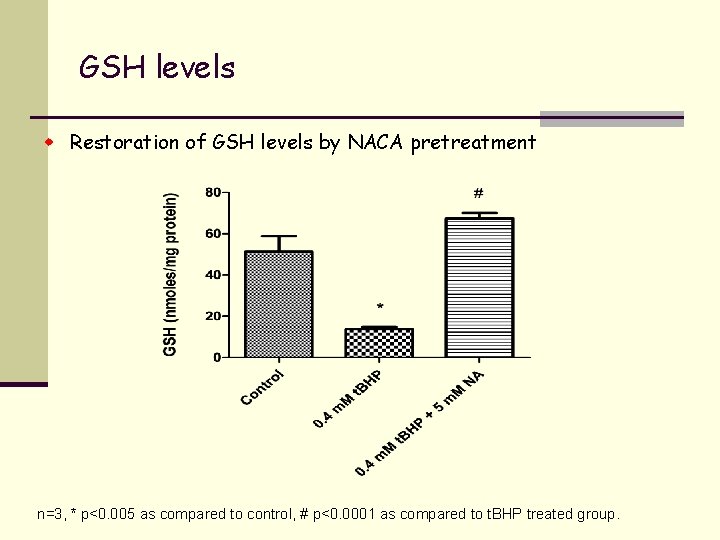
GSH levels w Restoration of GSH levels by NACA pretreatment n=3, * p<0. 005 as compared to control, # p<0. 0001 as compared to t. BHP treated group.
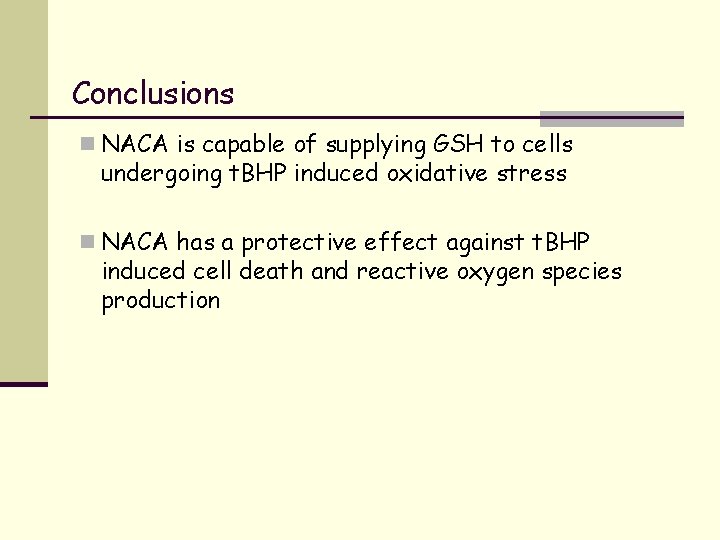
Conclusions n NACA is capable of supplying GSH to cells undergoing t. BHP induced oxidative stress n NACA has a protective effect against t. BHP induced cell death and reactive oxygen species production
NACA protected cells against v XRT-induced oxidative stress v Glutamate-toxicity v HIV-proteins (gp 120 and Tat)-METH-induced oxidative stress v Acetaminophen-toxicity v Macular degeneration
NACA protected cells against v XRT-induced oxidative stress v Glutamate-toxicity v HIV-proteins (gp 120 and Tat)-METH-induced oxidative stress v Acetaminophen-toxicity v Macular degeneration
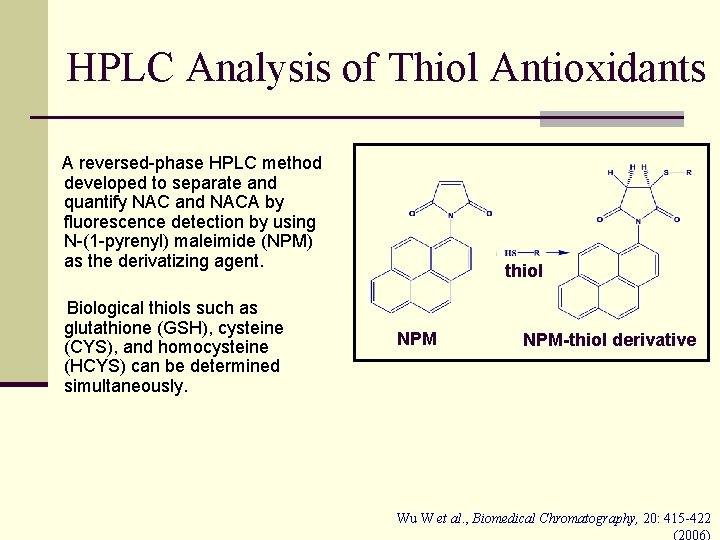
HPLC Analysis of Thiol Antioxidants A reversed-phase HPLC method developed to separate and quantify NAC and NACA by fluorescence detection by using N-(1 -pyrenyl) maleimide (NPM) as the derivatizing agent. Biological thiols such as glutathione (GSH), cysteine (CYS), and homocysteine (HCYS) can be determined simultaneously. thiol NPM-thiol derivative Wu W et al. , Biomedical Chromatography, 20: 415 -422 (2006)
Chromatogram of a Plasma Sample from an Animal Sacrificed 30 min After Administration of 500 mg/kg Body Weight NACA.
Antioxidants: N-acetylcysteine (NAC) Ø Replenishes GSH through deacetylation to cysteine Ø Low oral bioavailability (30%) due to negative charge Ø Low solubility and tissue distribution Ø May cause a severe, anaphylaxis-like allergic reaction when given intravenously http: //www. medicinenet. com/acetylcysteine-injection/article. htm
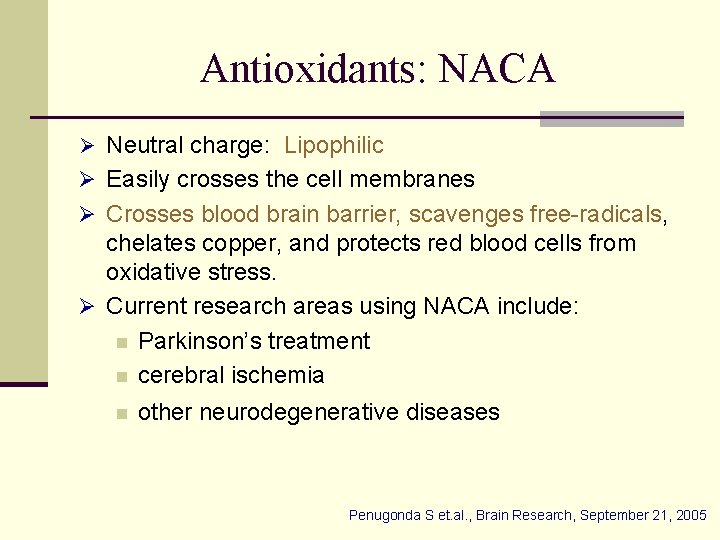
Antioxidants: NACA Ø Neutral charge: Lipophilic Ø Easily crosses the cell membranes Ø Crosses blood brain barrier, scavenges free-radicals, chelates copper, and protects red blood cells from oxidative stress. Ø Current research areas using NACA include: n Parkinson’s treatment n cerebral ischemia n other neurodegenerative diseases Penugonda S et. al. , Brain Research, September 21, 2005
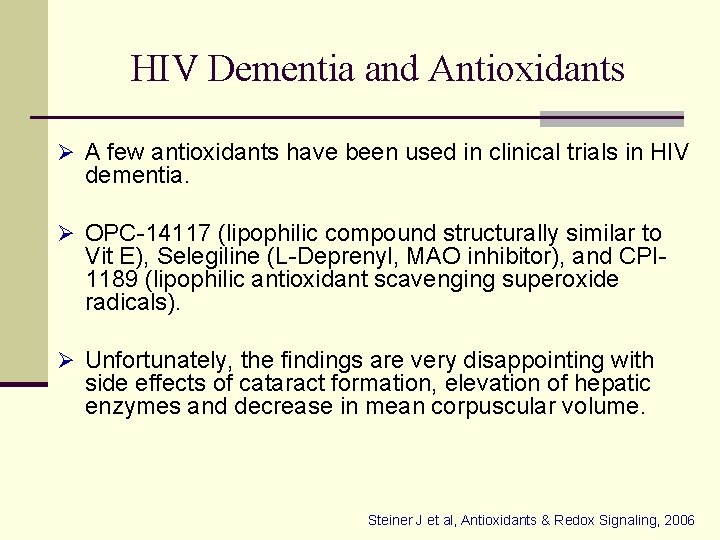
HIV Dementia and Antioxidants Ø A few antioxidants have been used in clinical trials in HIV dementia. Ø OPC-14117 (lipophilic compound structurally similar to Vit E), Selegiline (L-Deprenyl, MAO inhibitor), and CPI 1189 (lipophilic antioxidant scavenging superoxide radicals). Ø Unfortunately, the findings are very disappointing with side effects of cataract formation, elevation of hepatic enzymes and decrease in mean corpuscular volume. Steiner J et al, Antioxidants & Redox Signaling, 2006
Our Hypothesis: Addictive Drugs (METH) Toxic HIV Proteins OXIDATIVE STRESS BBB integrity disrupted NEURONs are exposed to TOXINS
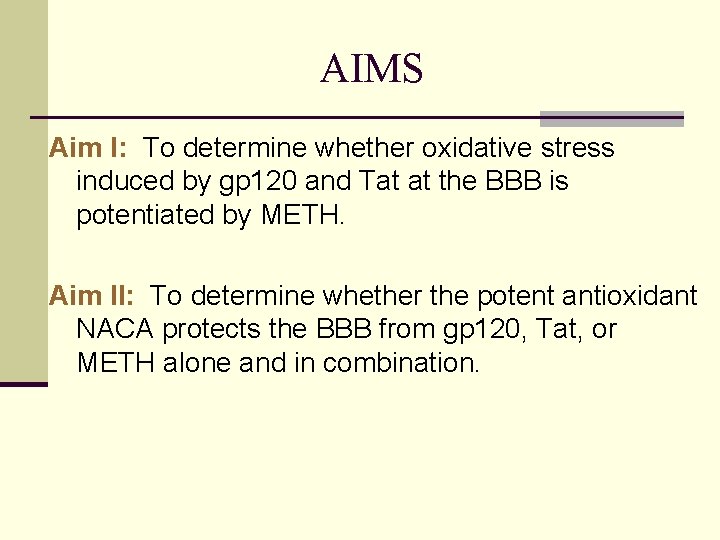
AIMS Aim I: To determine whether oxidative stress induced by gp 120 and Tat at the BBB is potentiated by METH. Aim II: To determine whether the potent antioxidant NACA protects the BBB from gp 120, Tat, or METH alone and in combination.
Cell Models Ø RBE 4 -rat blood brain barrier cell model (Banks Lab) Ø HBMEC-primary human brain microvascular endothelial cells (Banks Lab) Ø Immortilized HBMEC (Banks Lab)
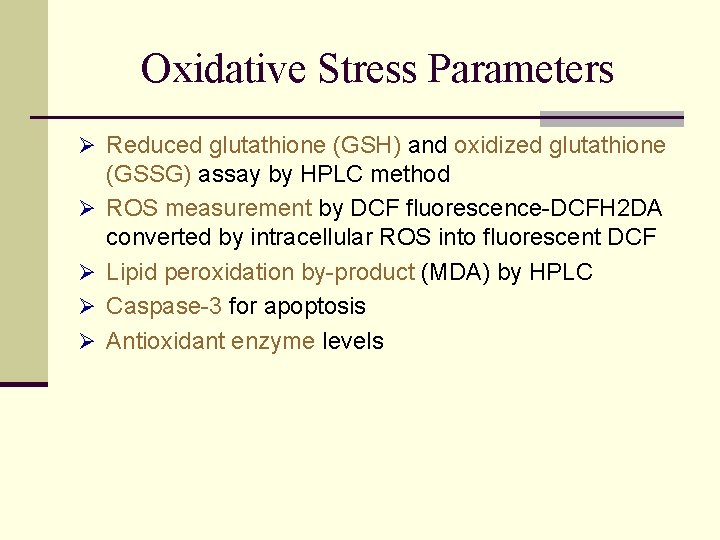
Oxidative Stress Parameters Ø Reduced glutathione (GSH) and oxidized glutathione Ø Ø (GSSG) assay by HPLC method ROS measurement by DCF fluorescence-DCFH 2 DA converted by intracellular ROS into fluorescent DCF Lipid peroxidation by-product (MDA) by HPLC Caspase-3 for apoptosis Antioxidant enzyme levels
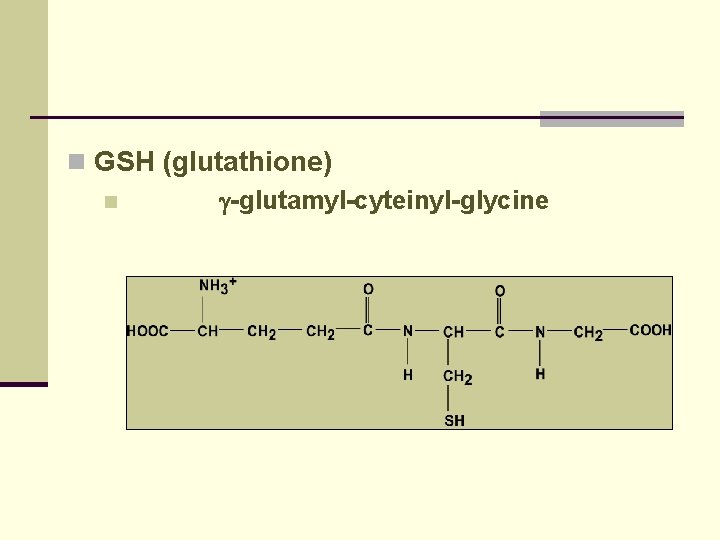
n GSH (glutathione) n -glutamyl-cyteinyl-glycine
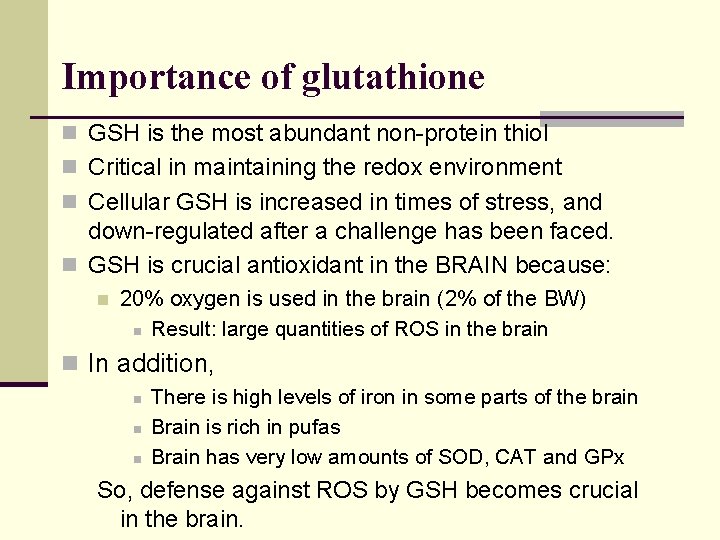
Importance of glutathione n GSH is the most abundant non-protein thiol n Critical in maintaining the redox environment n Cellular GSH is increased in times of stress, and down-regulated after a challenge has been faced. n GSH is crucial antioxidant in the BRAIN because: n 20% oxygen is used in the brain (2% of the BW) n Result: large quantities of ROS in the brain n In addition, n n n There is high levels of iron in some parts of the brain Brain is rich in pufas Brain has very low amounts of SOD, CAT and GPx So, defense against ROS by GSH becomes crucial in the brain.
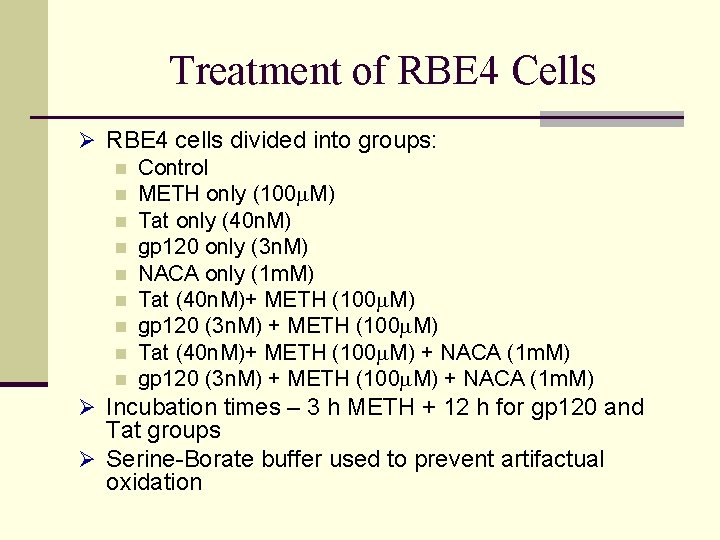
Treatment of RBE 4 Cells Ø RBE 4 cells divided into groups: n Control n METH only (100 m. M) n Tat only (40 n. M) n gp 120 only (3 n. M) n NACA only (1 m. M) n Tat (40 n. M)+ METH (100 m. M) n gp 120 (3 n. M) + METH (100 m. M) n Tat (40 n. M)+ METH (100 m. M) + NACA (1 m. M) n gp 120 (3 n. M) + METH (100 m. M) + NACA (1 m. M) Ø Incubation times – 3 h METH + 12 h for gp 120 and Tat groups Ø Serine-Borate buffer used to prevent artifactual oxidation
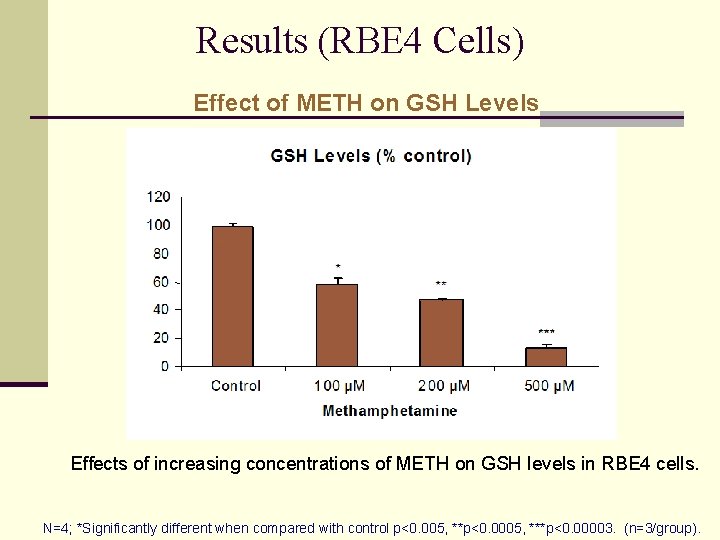
Results (RBE 4 Cells) Effect of METH on GSH Levels Effects of increasing concentrations of METH on GSH levels in RBE 4 cells. N=4; *Significantly different when compared with control p<0. 005, **p<0. 0005, ***p<0. 00003. (n=3/group).
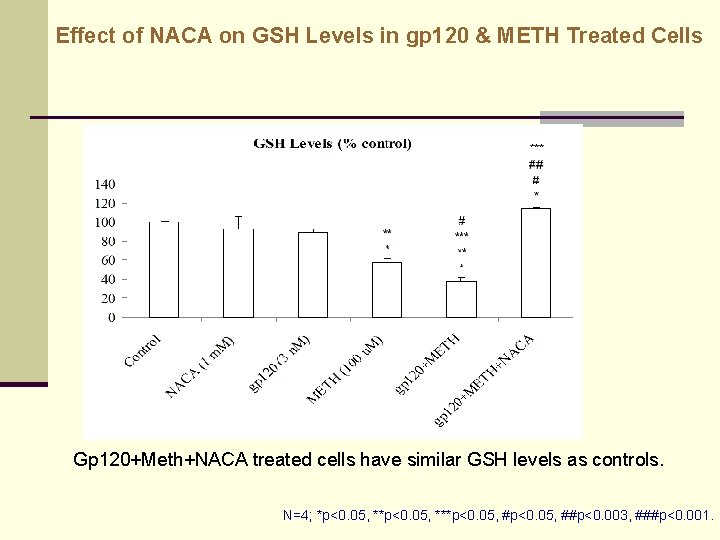
Effect of NACA on GSH Levels in gp 120 & METH Treated Cells Gp 120+Meth+NACA treated cells have similar GSH levels as controls. N=4; *p<0. 05, ***p<0. 05, ##p<0. 003, ###p<0. 001.
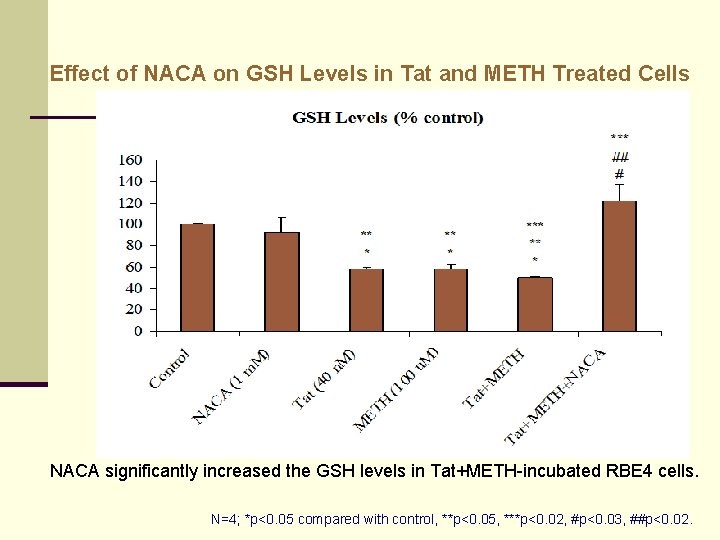
Effect of NACA on GSH Levels in Tat and METH Treated Cells NACA significantly increased the GSH levels in Tat+METH-incubated RBE 4 cells. N=4; *p<0. 05 compared with control, **p<0. 05, ***p<0. 02, #p<0. 03, ##p<0. 02.
Measurement of Intracellular ROS by DCF Method Intracellular ROS production was measured using the dye 2, 7 -dichlorofulrescin diacetate (DCFH 2 -DA) method. q This measurement of cell oxidation is based on ROSmediated conversion of nonfluorescent compound (DCFH 2 -DA) into a highly fluorescent compound (DCF). q
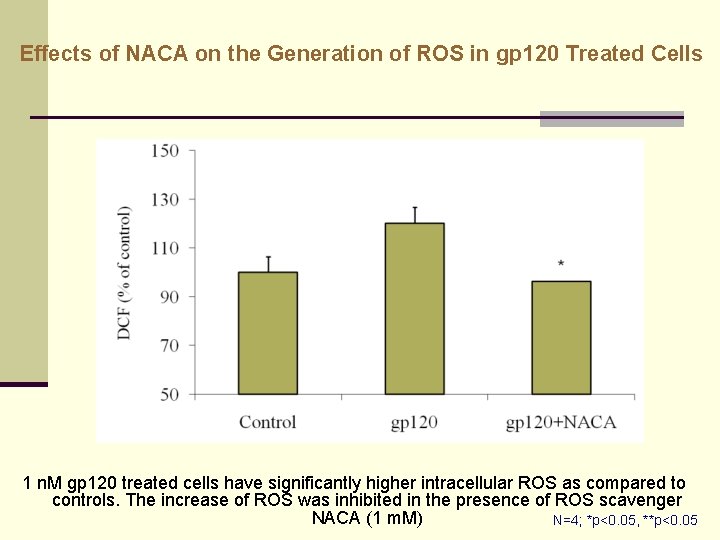
Effects of NACA on the Generation of ROS in gp 120 Treated Cells 1 n. M gp 120 treated cells have significantly higher intracellular ROS as compared to controls. The increase of ROS was inhibited in the presence of ROS scavenger NACA (1 m. M) N=4; *p<0. 05, **p<0. 05
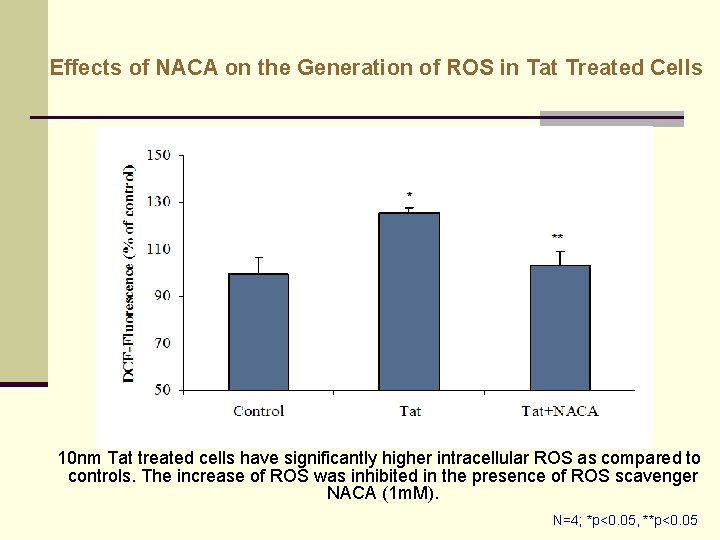
Effects of NACA on the Generation of ROS in Tat Treated Cells 10 nm Tat treated cells have significantly higher intracellular ROS as compared to controls. The increase of ROS was inhibited in the presence of ROS scavenger NACA (1 m. M). N=4; *p<0. 05, **p<0. 05
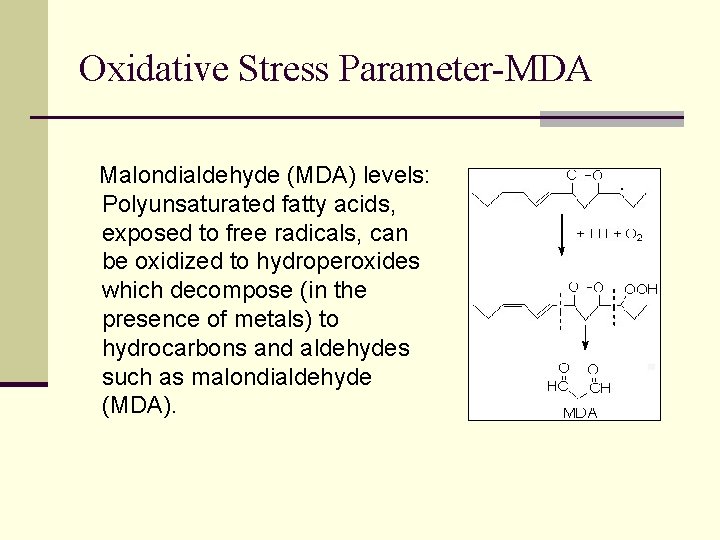
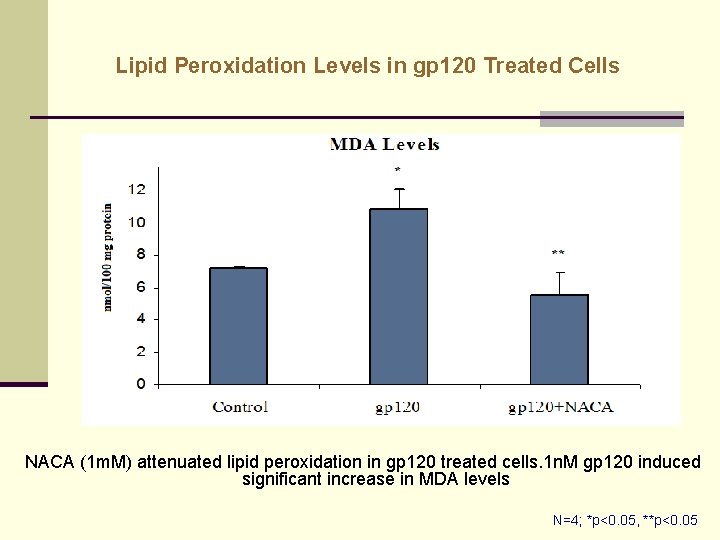
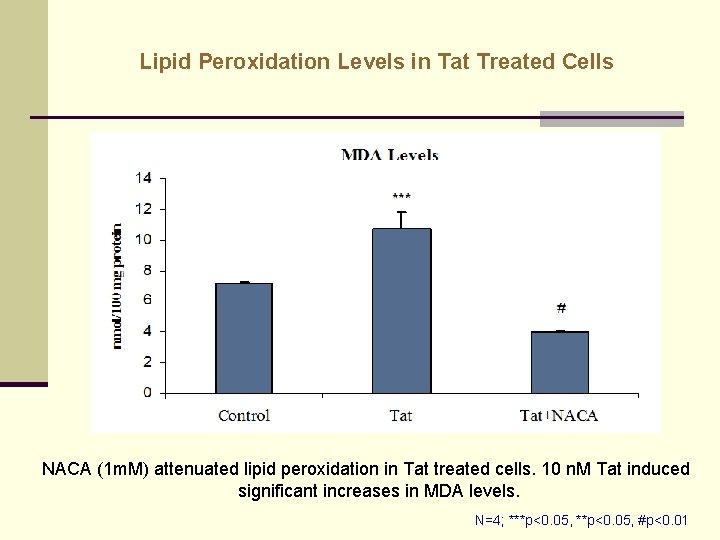
Oxidative Stress Parameter-MDA Malondialdehyde (MDA) levels: Polyunsaturated fatty acids, exposed to free radicals, can be oxidized to hydroperoxides which decompose (in the presence of metals) to hydrocarbons and aldehydes such as malondialdehyde (MDA).
Lipid Peroxidation Levels in gp 120 Treated Cells NACA (1 m. M) attenuated lipid peroxidation in gp 120 treated cells. 1 n. M gp 120 induced significant increase in MDA levels N=4; *p<0. 05, **p<0. 05
Lipid Peroxidation Levels in Tat Treated Cells NACA (1 m. M) attenuated lipid peroxidation in Tat treated cells. 10 n. M Tat induced significant increases in MDA levels. N=4; ***p<0. 05, #p<0. 01
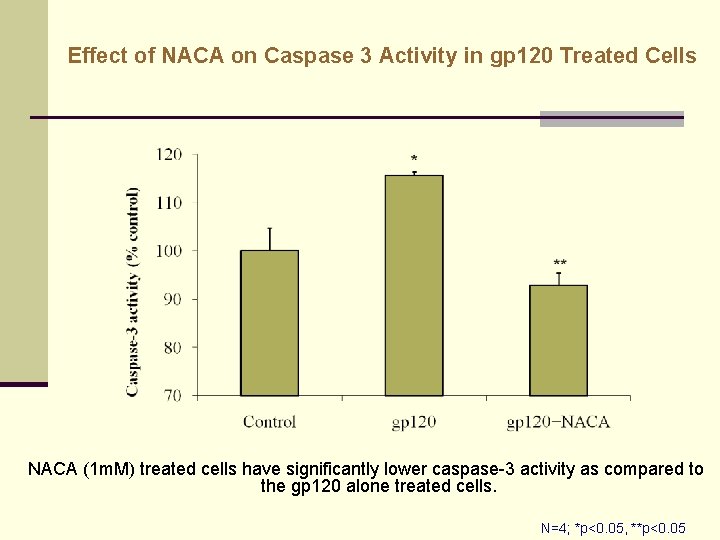
Caspase-3 apoptotic Activity q Caspase-3 activity was measured by a spectrophotometric assay kit. The protease activity was measured by the addition of a specific peptide substrate for caspsase-3. The cleavage of peptide by the caspase releases the chromophore, which can be quantitated spectrophotometrically at a wavelength of 405 nm.
Effect of NACA on Caspase 3 Activity in gp 120 Treated Cells NACA (1 m. M) treated cells have significantly lower caspase-3 activity as compared to the gp 120 alone treated cells. N=4; *p<0. 05, **p<0. 05
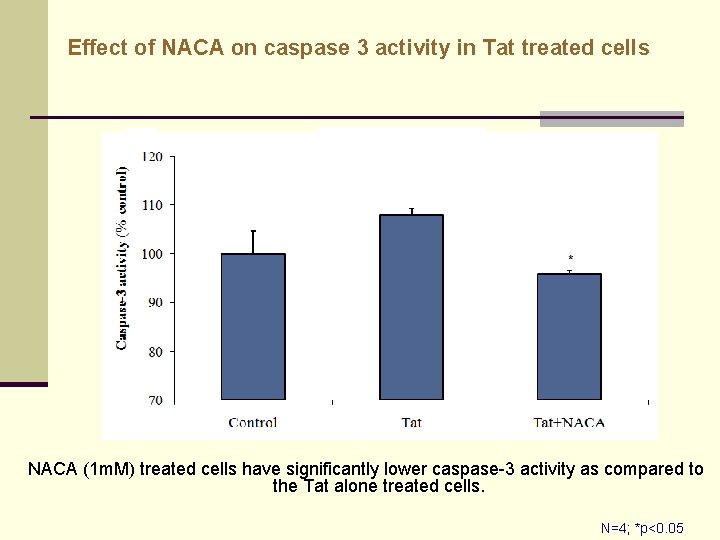
Effect of NACA on caspase 3 activity in Tat treated cells NACA (1 m. M) treated cells have significantly lower caspase-3 activity as compared to the Tat alone treated cells. N=4; *p<0. 05
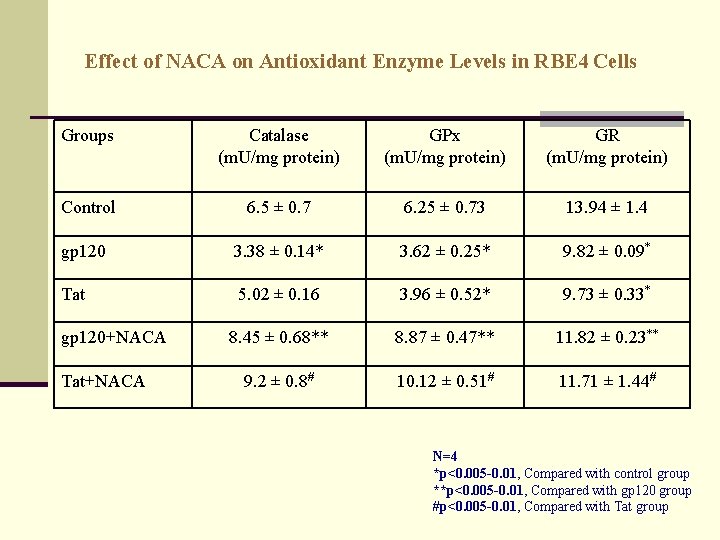
Effect of NACA on Antioxidant Enzyme Levels in RBE 4 Cells Groups Catalase (m. U/mg protein) GPx (m. U/mg protein) GR (m. U/mg protein) Control 6. 5 ± 0. 7 6. 25 ± 0. 73 13. 94 ± 1. 4 gp 120 3. 38 ± 0. 14* 3. 62 ± 0. 25* 9. 82 ± 0. 09* Tat 5. 02 ± 0. 16 3. 96 ± 0. 52* 9. 73 ± 0. 33* 8. 45 ± 0. 68** 8. 87 ± 0. 47** 11. 82 ± 0. 23** 9. 2 ± 0. 8# 10. 12 ± 0. 51# 11. 71 ± 1. 44# gp 120+NACA Tat+NACA N=4 *p<0. 005 -0. 01, Compared with control group **p<0. 005 -0. 01, Compared with gp 120 group #p<0. 005 -0. 01, Compared with Tat group
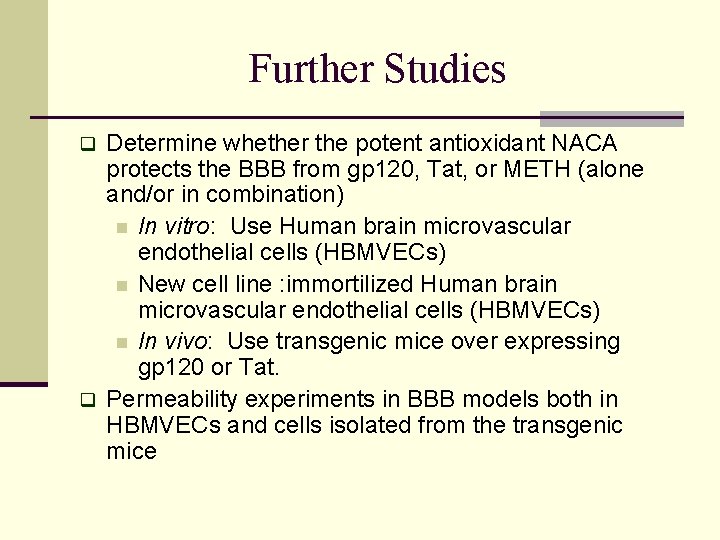
Further Studies Determine whether the potent antioxidant NACA protects the BBB from gp 120, Tat, or METH (alone and/or in combination) n In vitro: Use Human brain microvascular endothelial cells (HBMVECs) n New cell line : immortilized Human brain microvascular endothelial cells (HBMVECs) n In vivo: Use transgenic mice over expressing gp 120 or Tat. q Permeability experiments in BBB models both in HBMVECs and cells isolated from the transgenic mice q
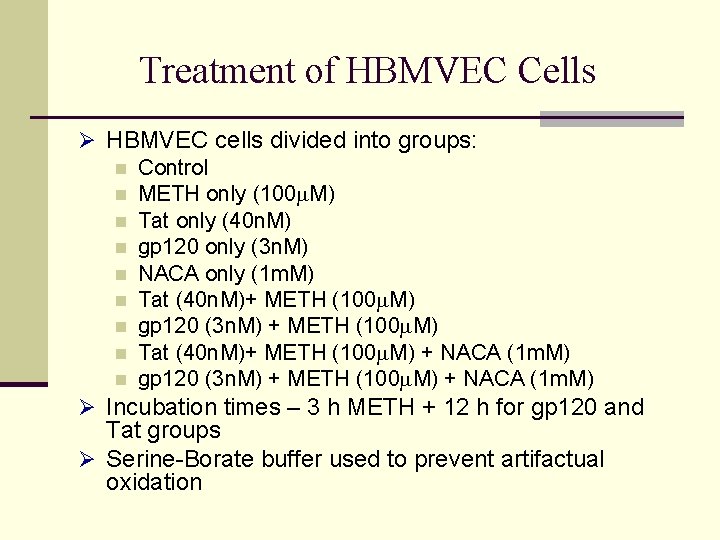
Treatment of HBMVEC Cells Ø HBMVEC cells divided into groups: n Control n METH only (100 m. M) n Tat only (40 n. M) n gp 120 only (3 n. M) n NACA only (1 m. M) n Tat (40 n. M)+ METH (100 m. M) n gp 120 (3 n. M) + METH (100 m. M) n Tat (40 n. M)+ METH (100 m. M) + NACA (1 m. M) n gp 120 (3 n. M) + METH (100 m. M) + NACA (1 m. M) Ø Incubation times – 3 h METH + 12 h for gp 120 and Tat groups Ø Serine-Borate buffer used to prevent artifactual oxidation
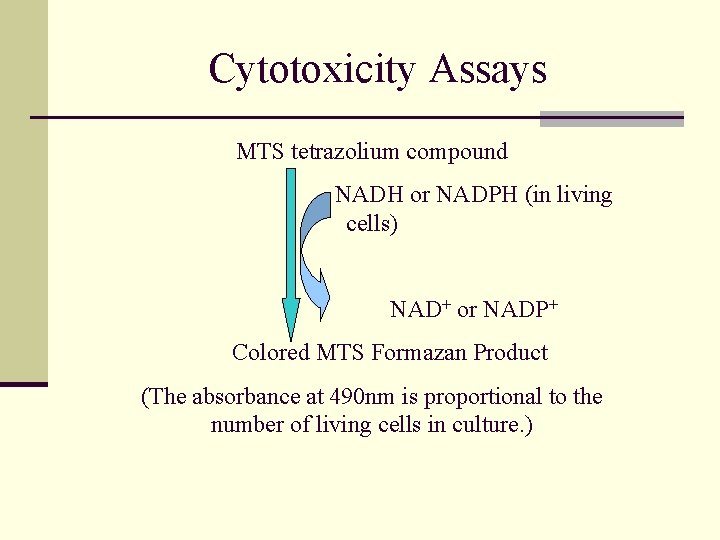
Cytotoxicity Assays MTS tetrazolium compound NADH or NADPH (in living cells) NAD+ or NADP+ Colored MTS Formazan Product (The absorbance at 490 nm is proportional to the number of living cells in culture. )
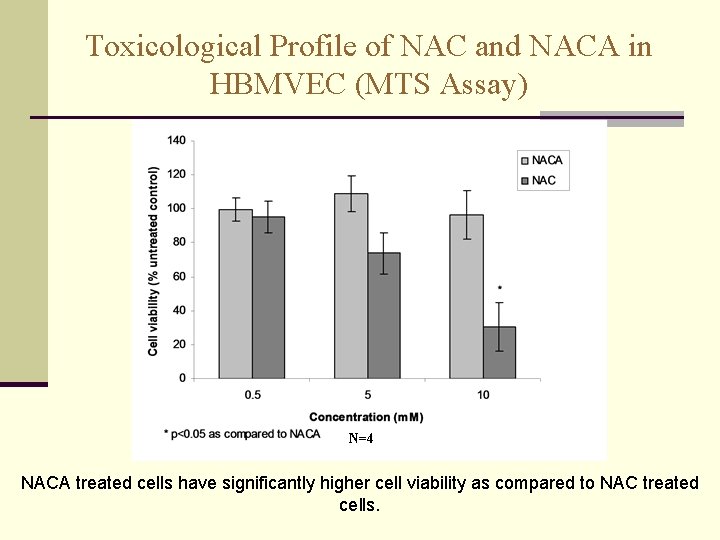
Toxicological Profile of NAC and NACA in HBMVEC (MTS Assay) N=4 NACA treated cells have significantly higher cell viability as compared to NAC treated cells.
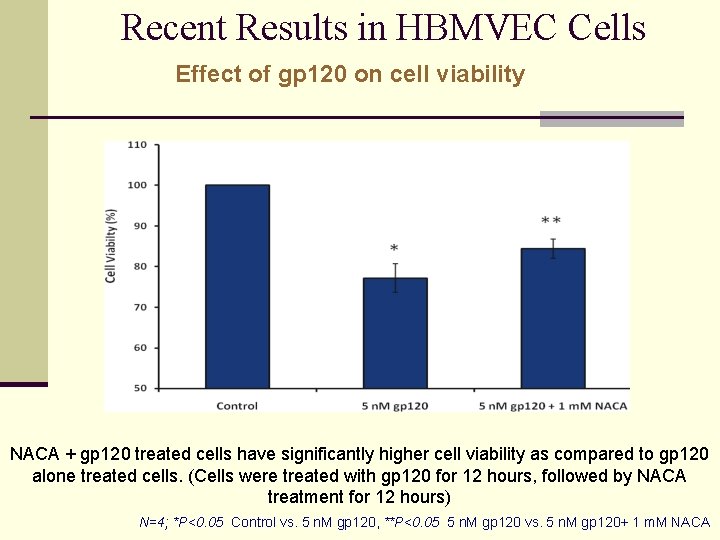
Recent Results in HBMVEC Cells Effect of gp 120 on cell viability NACA + gp 120 treated cells have significantly higher cell viability as compared to gp 120 alone treated cells. (Cells were treated with gp 120 for 12 hours, followed by NACA treatment for 12 hours) N=4; *P<0. 05 Control vs. 5 n. M gp 120, **P<0. 05 5 n. M gp 120 vs. 5 n. M gp 120+ 1 m. M NACA
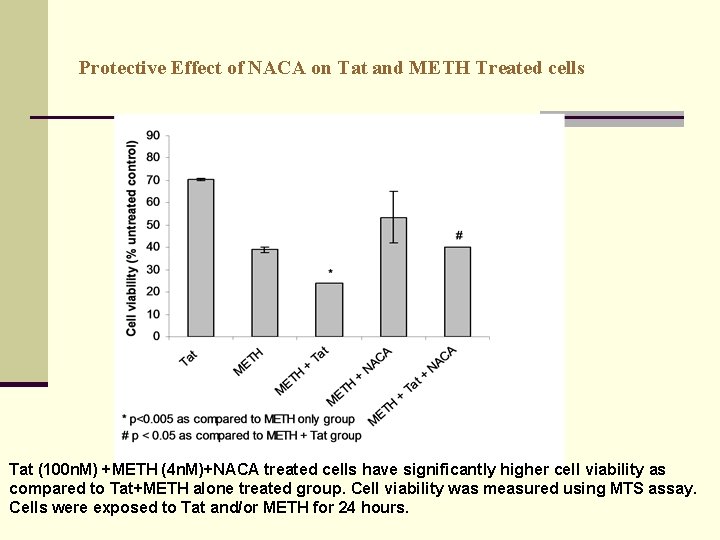
Protective Effect of NACA on Tat and METH Treated cells Tat (100 n. M) +METH (4 n. M)+NACA treated cells have significantly higher cell viability as compared to Tat+METH alone treated group. Cell viability was measured using MTS assay. Cells were exposed to Tat and/or METH for 24 hours.
Immortalized HBMVEC
Therefore n The BBB cells (rat and human) do show oxidative stress when exposed to HIV proteins (gp 120 and tat) and Meth. n NACA reverses all the oxidative stress parameters to their control levels. n How does it affect the functionality of BBB? n Meaning, what happens to its permeability?
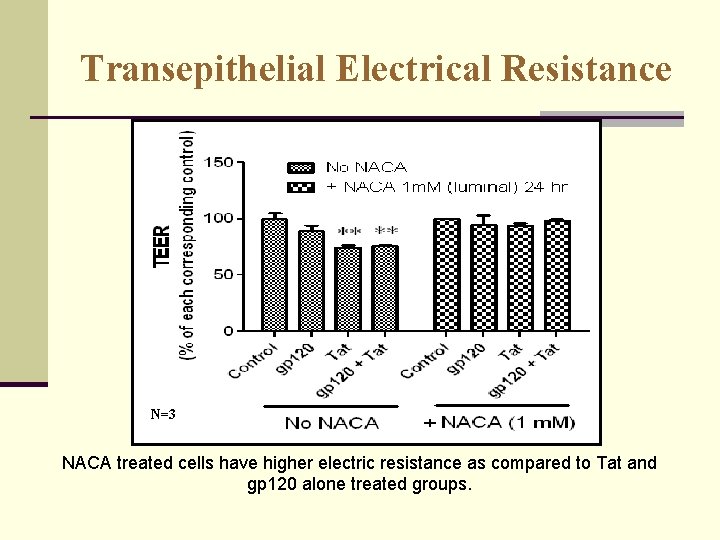
Permeability assay: Transepithelial Electric Resistance (TEER) q TEER was measured using Millicell- electric resistance system. The cells were placed in the upper chamber of 24 -well tissue inserts and were cultured for 4 days before use. Change in TEER during experimental conditions was calculated as a percentage of the corresponding baseline values. Unit: ohm/cm 2 (Ohm: resistance, cm 2: surface area of the monolayer).
Transepithelial Electrical Resistance N=3 NACA treated cells have higher electric resistance as compared to Tat and gp 120 alone treated groups.
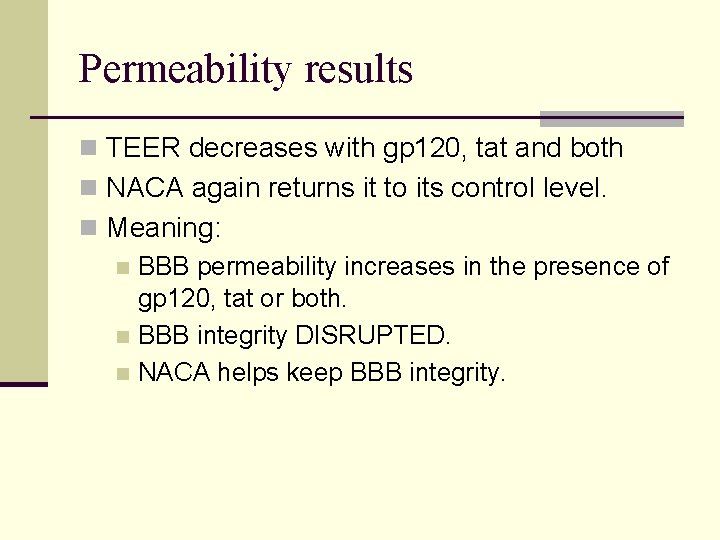
Permeability results n TEER decreases with gp 120, tat and both n NACA again returns it to its control level. n Meaning: n BBB permeability increases in the presence of gp 120, tat or both. n BBB integrity DISRUPTED. n NACA helps keep BBB integrity.
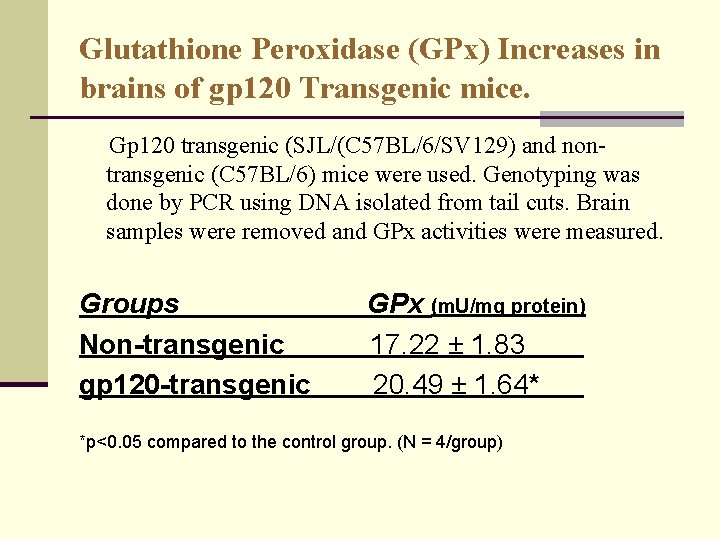
Glutathione Peroxidase (GPx) Increases in brains of gp 120 Transgenic mice. Gp 120 transgenic (SJL/(C 57 BL/6/SV 129) and nontransgenic (C 57 BL/6) mice were used. Genotyping was done by PCR using DNA isolated from tail cuts. Brain samples were removed and GPx activities were measured. Groups Non-transgenic gp 120 -transgenic GPx (m. U/mg protein) 17. 22 ± 1. 83 20. 49 ± 1. 64* *p<0. 05 compared to the control group. (N = 4/group)
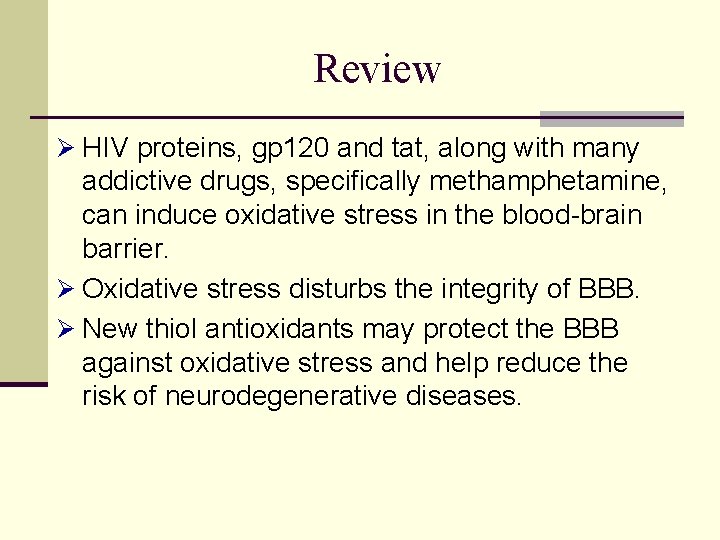
Review Ø HIV proteins, gp 120 and tat, along with many addictive drugs, specifically methamphetamine, can induce oxidative stress in the blood-brain barrier. Ø Oxidative stress disturbs the integrity of BBB. Ø New thiol antioxidants may protect the BBB against oxidative stress and help reduce the risk of neurodegenerative diseases.
Publications on NACA 1. 2. 3. 4. 5. Ates B, Abraham LS, Ercal N. In vitro Antioxidant and Free-Radical Scavenging Properties of N-Acetylcysteine Amide: A Novel Thiol Antioxidant. (Accepted, Free Radical Research). Wu W, Abraham LS, Ogony J, Matthews R, Ercal N. Effects of NAcetylcysteine Amide, a Novel Thiol Antioxidant on Radiation Induced Cytotoxicity in Chinese Hamster Ovary cells. (Accepted, Life Sciences). Yan M, Shen J, Person MD, Kuang X, Lynn WS, Atlas D, Wong PK. Endoplasmic reticulum stress and unfolded protein response in Atmdeficient thymocytes and thymic lymphoma cells are attributable to oxidative stress. Neoplasia. 2008; 10(2): 160 -7. Lee KS, Kim SR, Park HS, Park SJ, Min KH, Lee KY, Choe YH, Hong SH, Han HJ, Lee YR, Kim JS, Atlas D, Lee YC. A novel thiol compound, N-acetylcysteine amide, attenuates allergic airway disease by regulating activation of NF-kappa. B and hypoxia-inducible factor 1 alpha. Exp Mol Med. 200; 39(6): 756 -68. Amer J, Atlas D, Fibach E. N-acetylcysteine amide (AD 4) attenuates oxidative stress in beta-thalassemia blood cells. Biochim Biophys Acta. 2008; 1780(2): 249 -55.
Publications on NACA 6. Penugonda S, Mare S, Lutz P, Banks WA, Ercal N. Potentiation of lead-induced cell death in PC 12 cells by glutamate: protection by Nacetylcysteine amide (NACA), a novel thiol antioxidant. Toxicol Appl Pharmacol. 2006; 216(2): 197 -205. 7. Price TO. , Uras F, Banks WA, Ercal N. A novel antioxidant Nacetylcysteine amide prevents gp 120 - and Tat-induced oxidative stress in brain endothelial cells. Exp Neurol. 2006; 201(1): 193 -202. 8. Bartov O, Sultana R, Butterfield DA, Atlas D. Low molecular weight thiol amides attenuate MAPK activity and protect primary neurons from Abeta(1 -42) toxicity. Brain Res. 2006; 1069(1): 198 -206. 9. Wu W, Goldstein G, Adams C, Matthews RH, Ercal N. Separation and quantification of N-acetyl-l-cysteine and N-acetyl-cysteine-amide by HPLC with fluorescence detection. Biomed Chromatogr. 2006; 20(5): 415 -22. 10. Sadan O, Bahat-Stromza M, Gilgun-Sherki Y, Atlas D, Melamed E, Offen D. A novel brain-targeted antioxidant (AD 4) attenuates haloperidol-induced abnormal movement in rats: implications for tardive dyskinesia. Clin Neuropharmacol. 2005; 28(6): 285 -8.
Publications on NACA 11. Penugonda S, Mare S, Goldstein G, Banks WA, Ercal N. Effects of Nacetylcysteine amide (NACA), a novel thiol antioxidant against glutamate-induced cytotoxicity in neuronal cell line PC 12. Brain Res. 2005; 1056(2): 132 -8. 12. Gilgun-Sherki Y, Barhum Y, Atlas D, Melamed E, Offen D. Analysis of gene expression in MOG-induced experimental autoimmune encephalomyelitis after treatment with a novel brain-penetrating antioxidant. J Mol Neurosci. 2005; 27(1): 125 -35. 13. Grinberg L, Fibach E, Amer J, Atlas D. N-acetylcysteine amide, a novel cell-permeating thiol, restores cellular glutathione and protects human red blood cells from oxidative stress. Free Radic Biol Med. 2005; 38(1): 136 -45. 14. Offen D, Gilgun-Sherki Y, Barhum Y, Benhar M, Grinberg L, Reich R, Melamed E, Atlas D. A low molecular weight copper chelator crosses the blood-brain barrier and attenuates experimental autoimmune encephalomyelitis. J Neurochem. 2004; 89(5): 1241 -51.
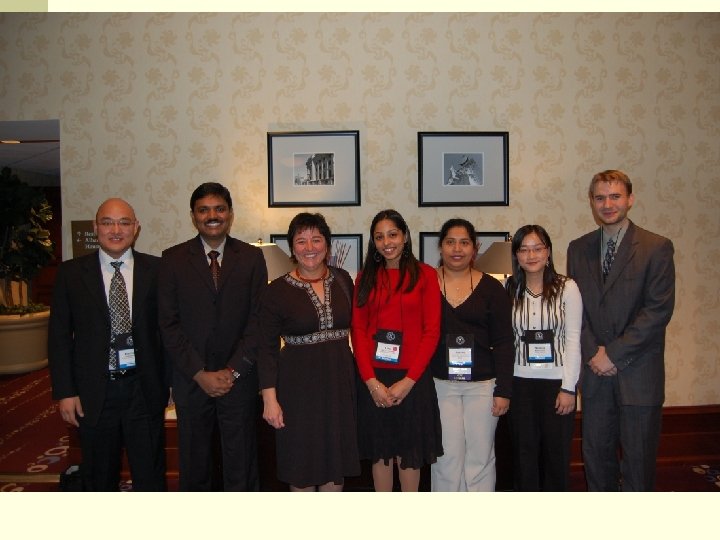
Acknowledgements n NIH R 15 n AIDS Reagent Program n n n n n Tulin Price-Otamis William A. Banks Glenn Goldstein Linu Abraham Xinsheng Zhang Karissa Braaten Atrayee Banerjee Shinya Dohgu Burhan Ates Wei Wu
Thank You
Thank You !