
A new algorithm for bidirectional deconvolution Yi Shen

A new algorithm for bidirectional deconvolution Yi Shen, Qiang Fu and Jon Claerbout SEP 143 P 271 -281 Stanford Exploration Project
Motivation For mixed phase wavelet Zhang, Y. and J. Claerbout, 2010, A new bidirectional deconvolution method that overcomes the minimum phase assumption: SEP-Report, 142, 93– 103.
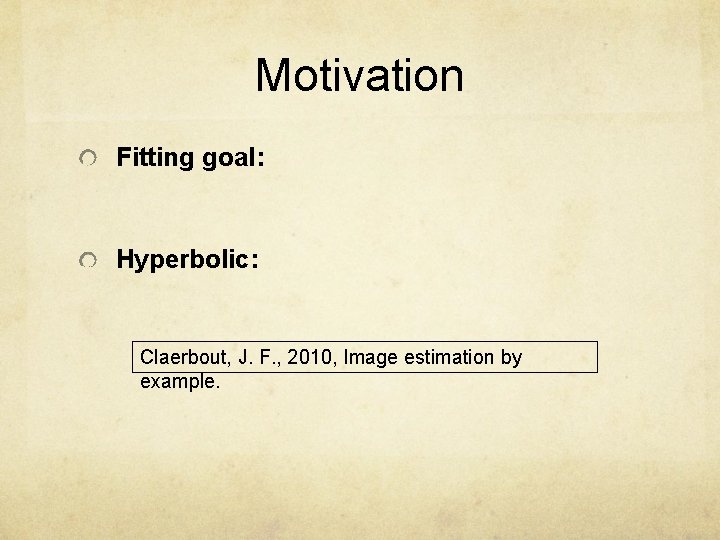
Motivation Fitting goal: Hyperbolic: Claerbout, J. F. , 2010, Image estimation by example.
Motivation Bidirectional deconvolution formulation
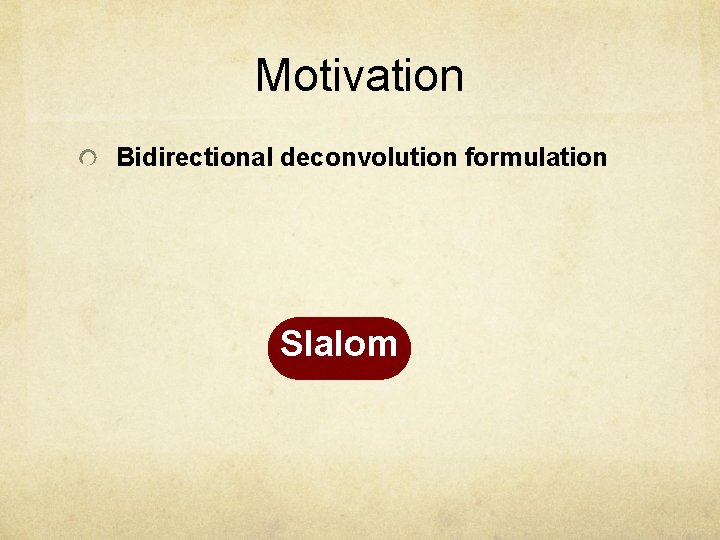
Motivation Bidirectional deconvolution formulation Slalom
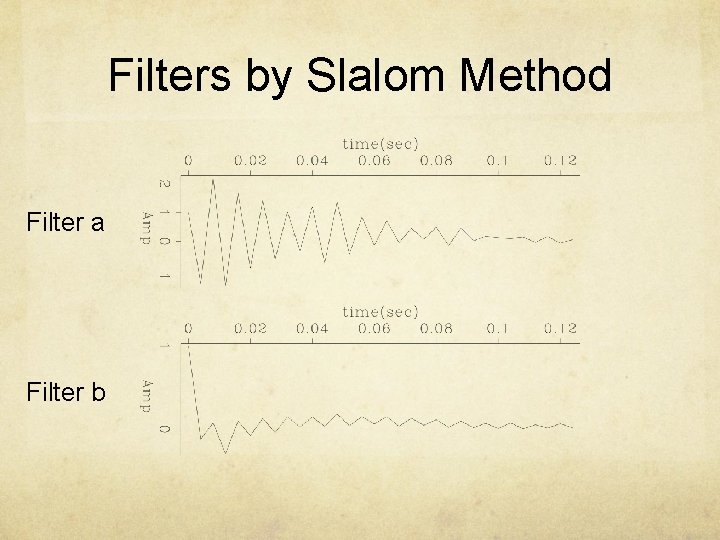
Problem of the slalom method Battle between the causal and anticausal filter Low convergence rate Unstable deconvolution result Two different filters when dealing with the zero phase wavelet
Outline Motivation Theory Data examples • • • 1 D synthetic data 2 D field data Conclusion
Theory The fitting goal
Theory The fitting goal Consider perturbations of two filters
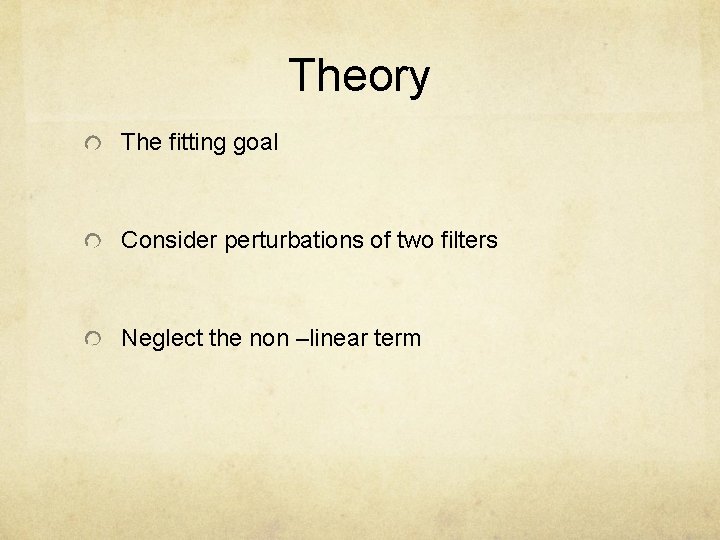
Theory The fitting goal Consider perturbations of two filters Neglect the non –linear term

Theory Fitting goal Y and K are the mask matrix
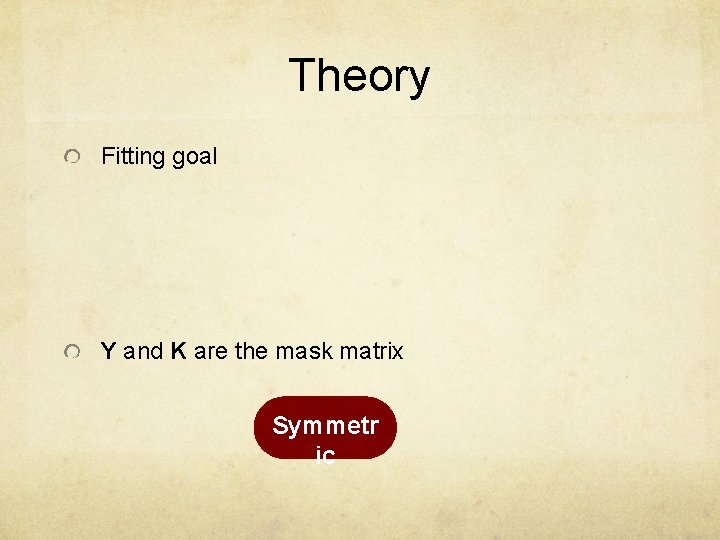
Theory Fitting goal Y and K are the mask matrix Symmetr ic
Theory
Outline Motivation Theory Data examples • • • 1 D synthetic data 2 D field data Conclusion
Outline Motivation Theory Data examples • • • 1 D synthetic data 2 D field data Conclusion
![Three points data [ 2,7, 3]](http://slidetodoc.com/presentation_image/31a52e4cf176fb4c85c134f7a7899c04/image-16.jpg "Three points data [ 2,7, 3]")
Three points data [ 2,7, 3]
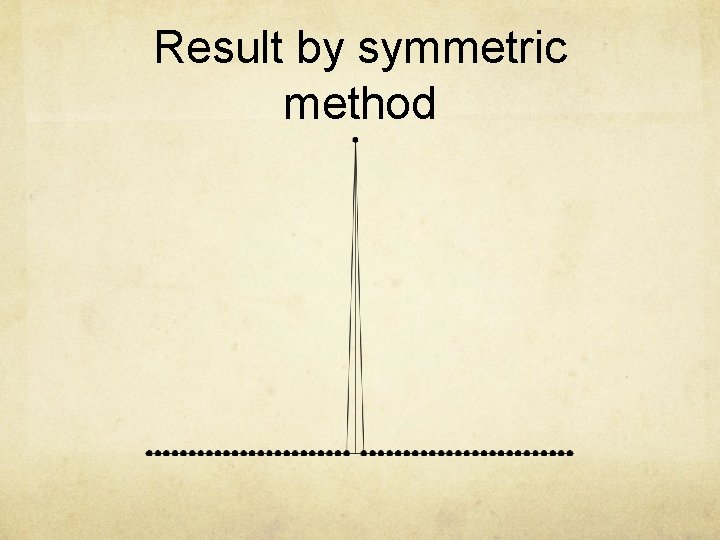
Result by symmetric method
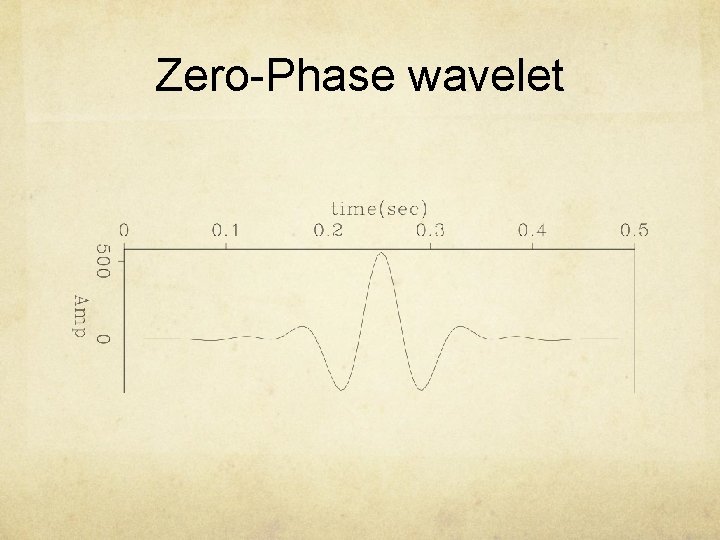
Zero-Phase wavelet
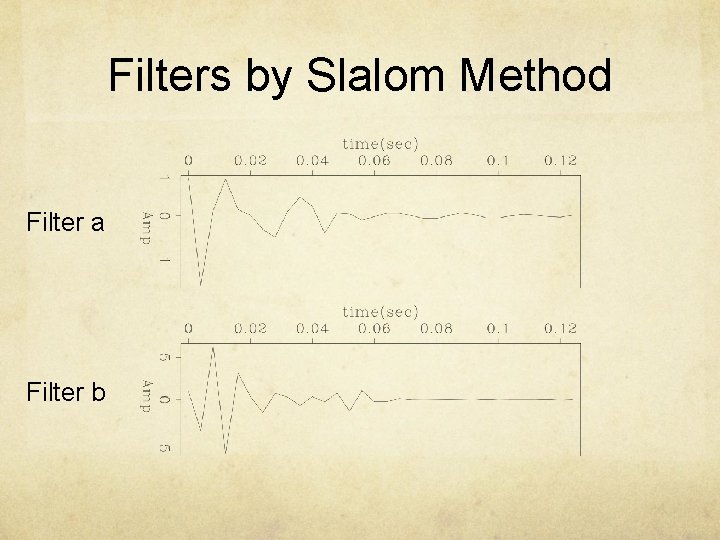
Filters by Slalom Method Filter a Filter b
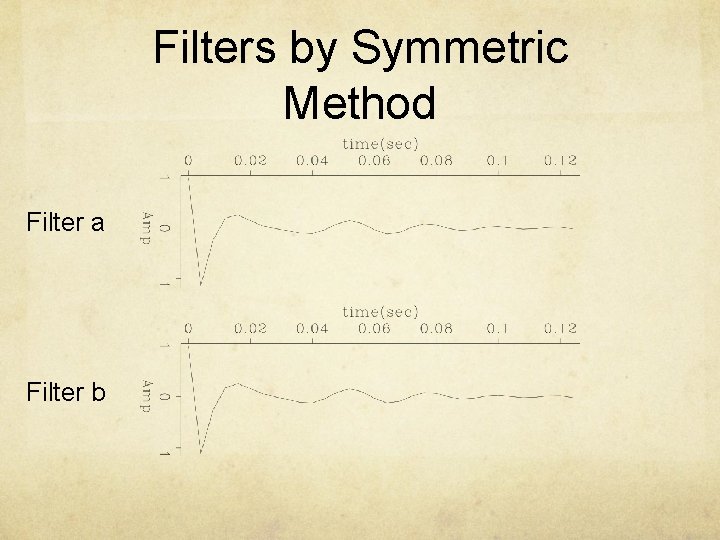
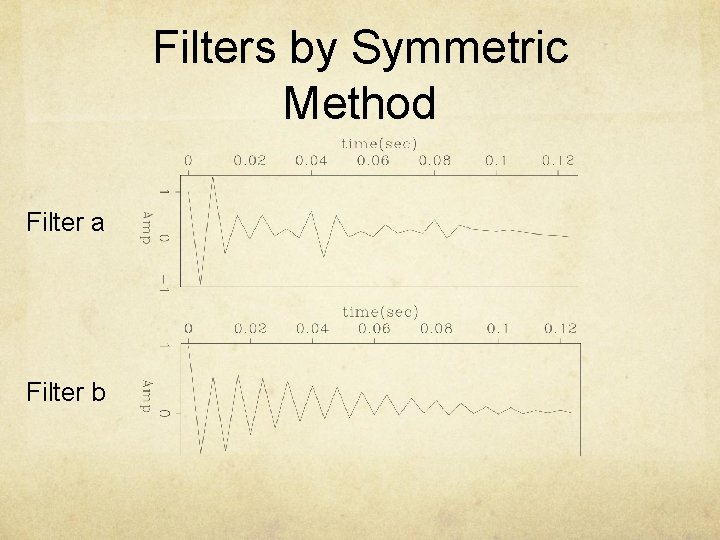
Filters by Symmetric Method Filter a Filter b
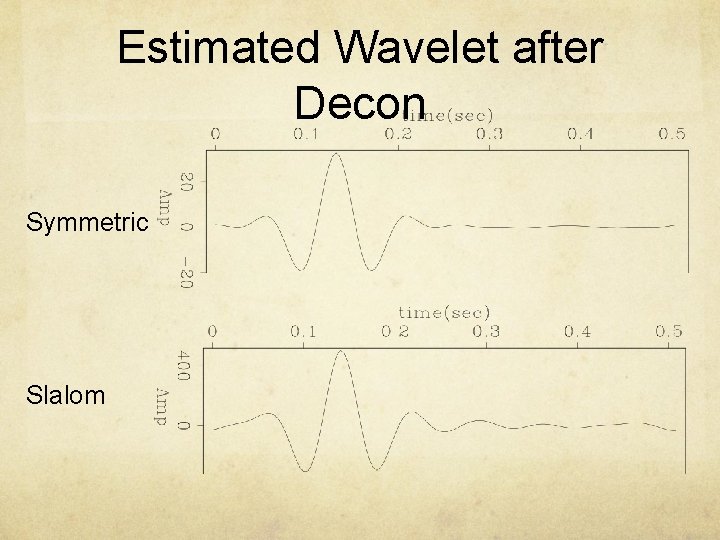
Estimated Wavelet after Decon Symmetric Slalom
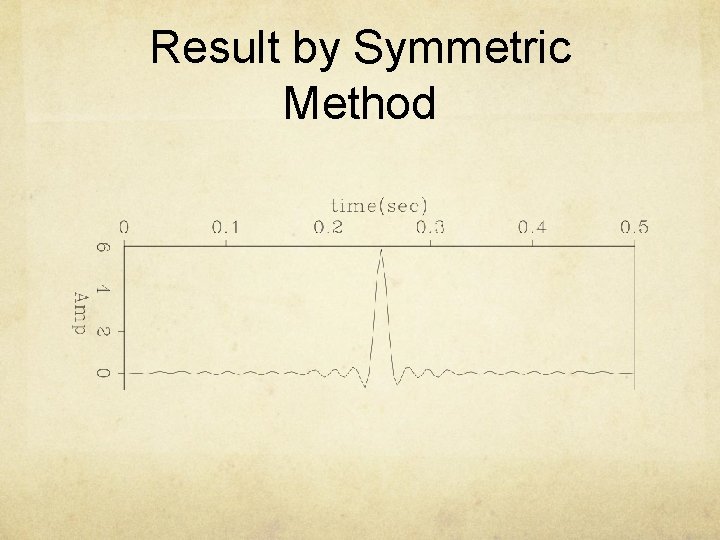
Result by Symmetric Method
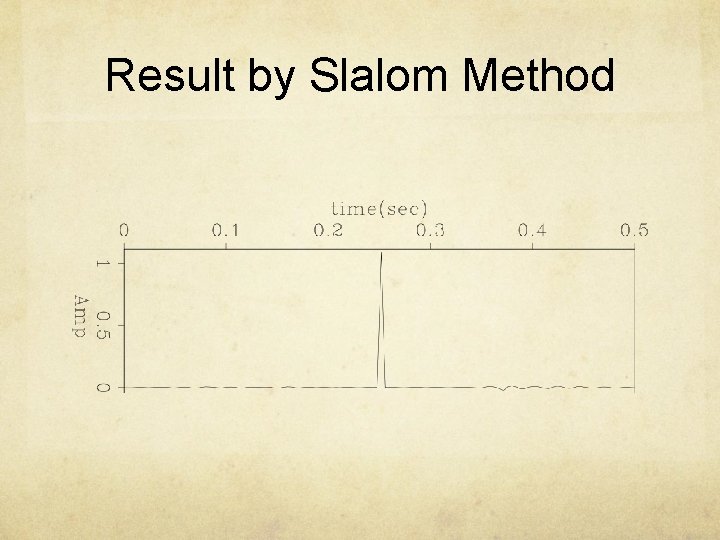
Result by Slalom Method
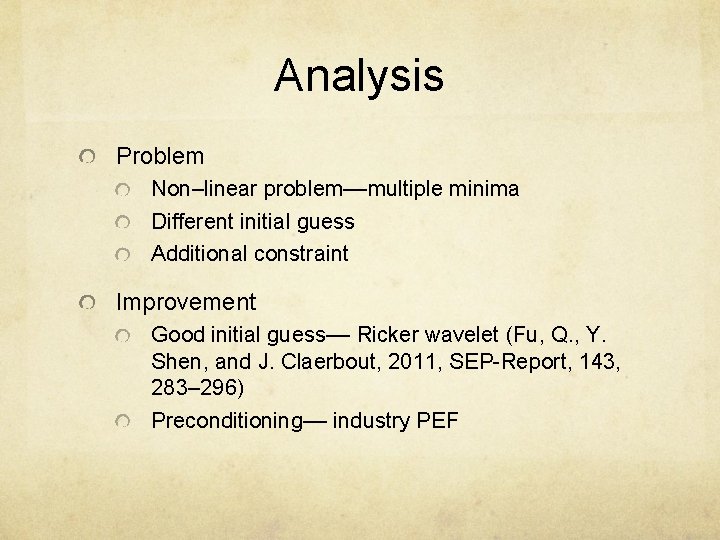
Analysis Problem Non–linear problem––multiple minima Different initial guess Additional constraint Improvement Good initial guess–– Ricker wavelet (Fu, Q. , Y. Shen, and J. Claerbout, 2011, SEP-Report, 143, 283– 296) Preconditioning–– industry PEF
Outline Motivation Theory Data examples • • • 1 D synthetic data 2 D field data Conclusion
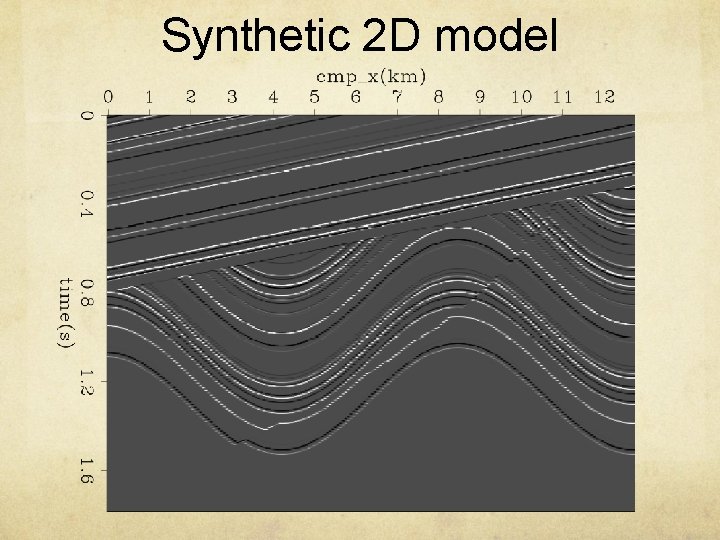
Synthetic 2 D model
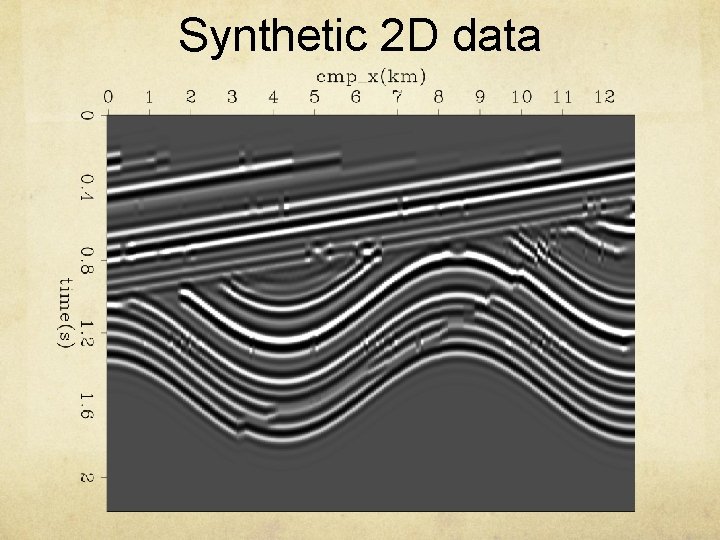
Synthetic 2 D data
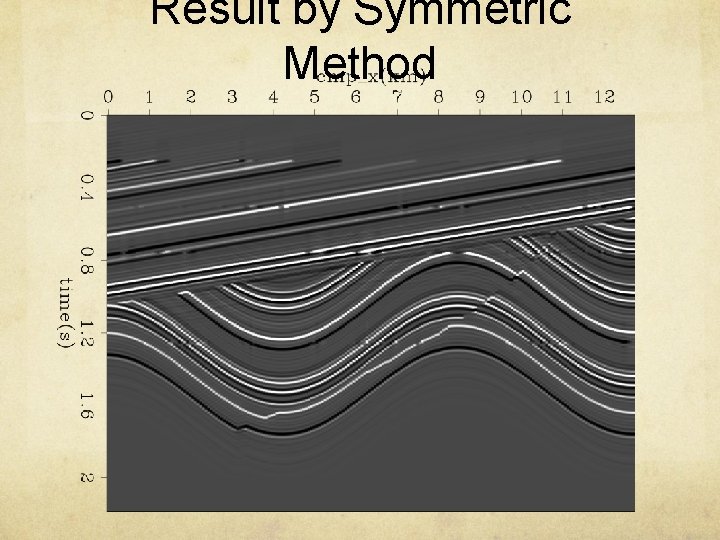
Result by Symmetric Method
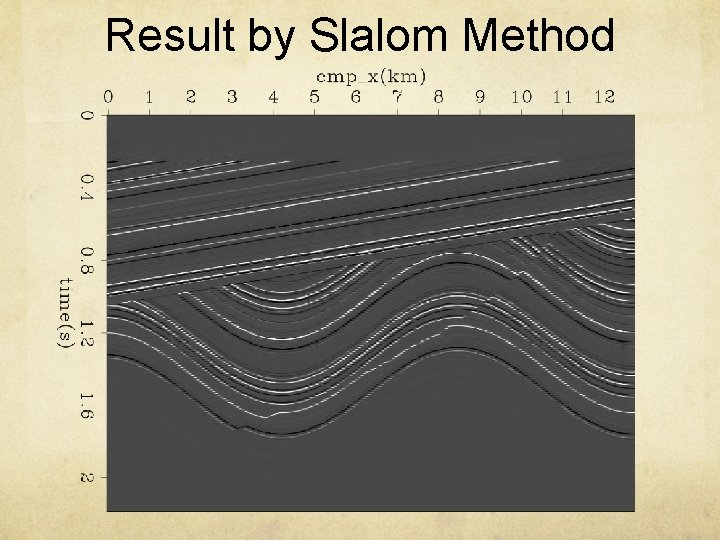
Result by Slalom Method
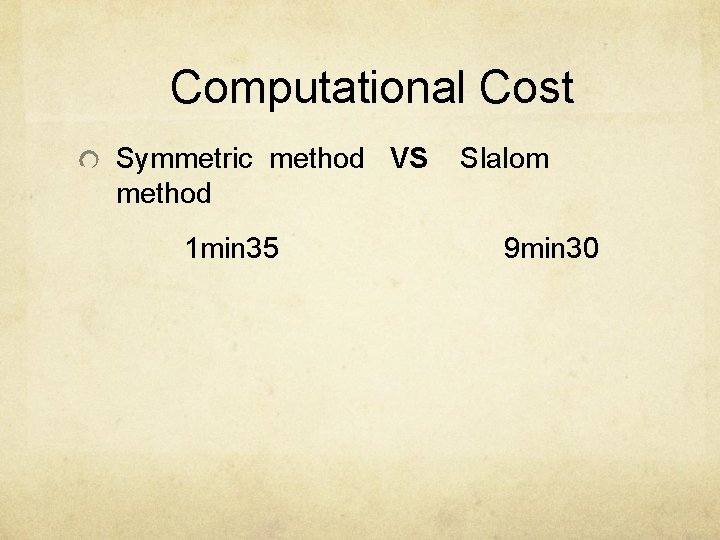
Computational Cost Symmetric method VS method 1 min 35 Slalom 9 min 30
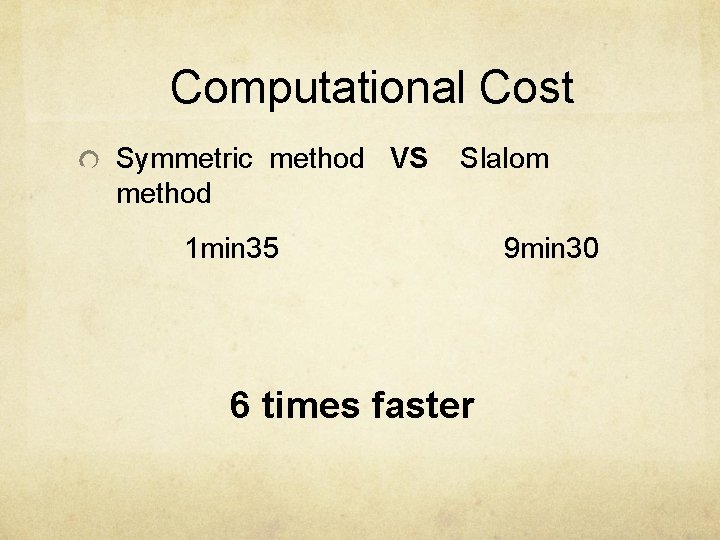
Computational Cost Symmetric method VS method Slalom 1 min 35 6 times faster 9 min 30
Outline Motivation Theory Data examples • • • 1 D synthetic data 2 D field data Conclusion
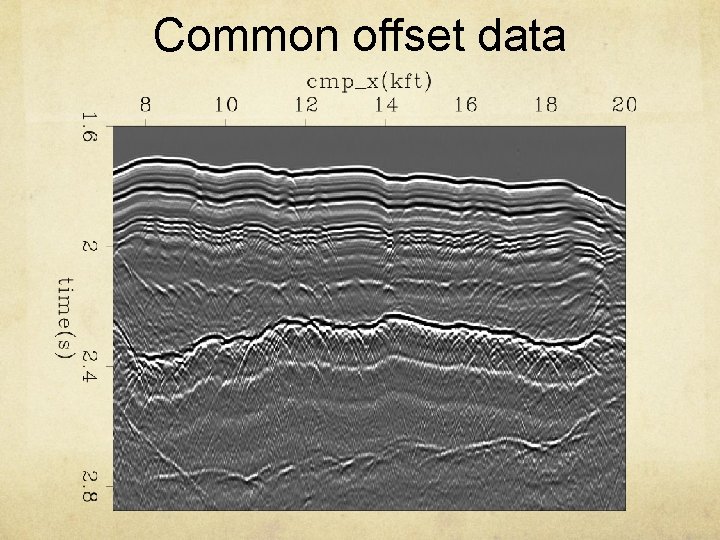
Common offset data
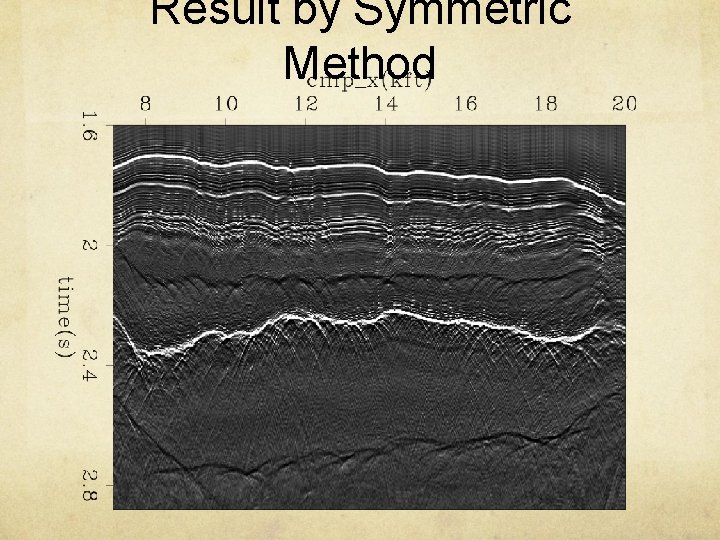
Result by Symmetric Method
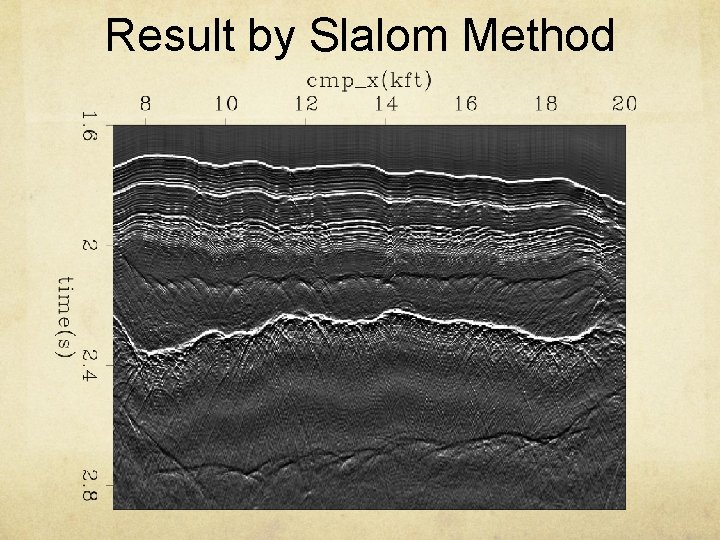
Result by Slalom Method
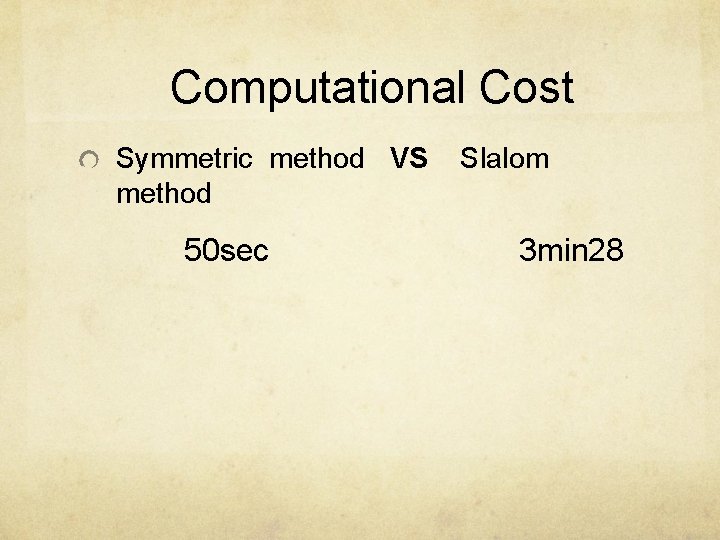
Computational Cost Symmetric method VS method 50 sec Slalom 3 min 28
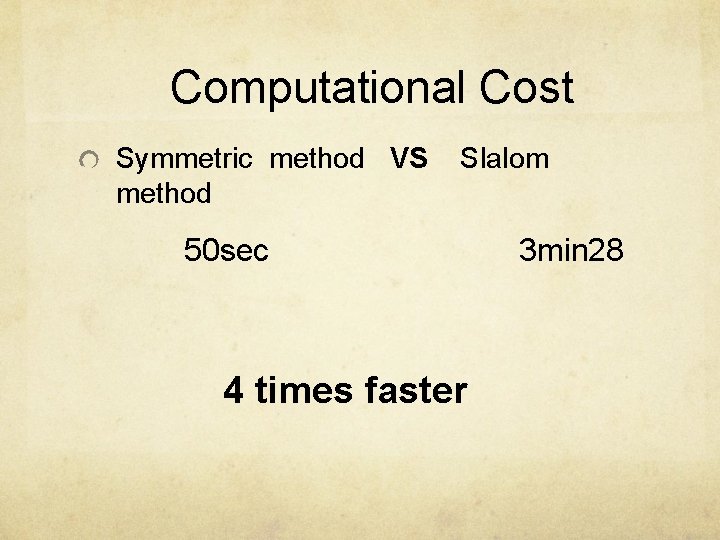
Computational Cost Symmetric method VS method Slalom 50 sec 4 times faster 3 min 28
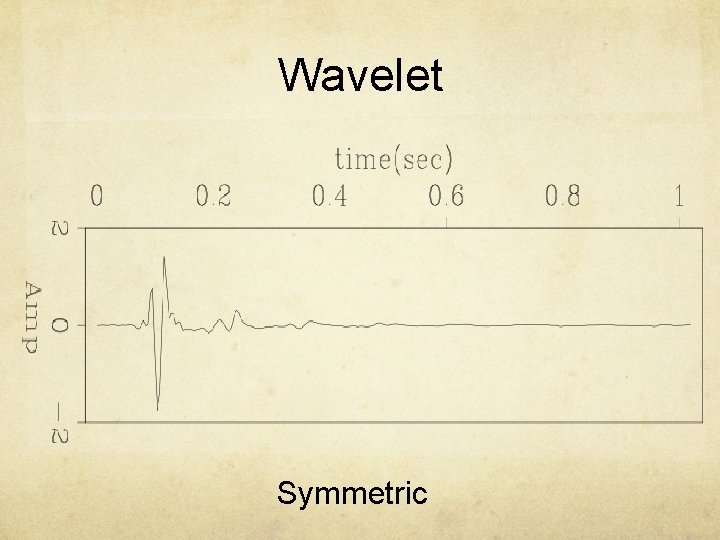
Wavelet Symmetric
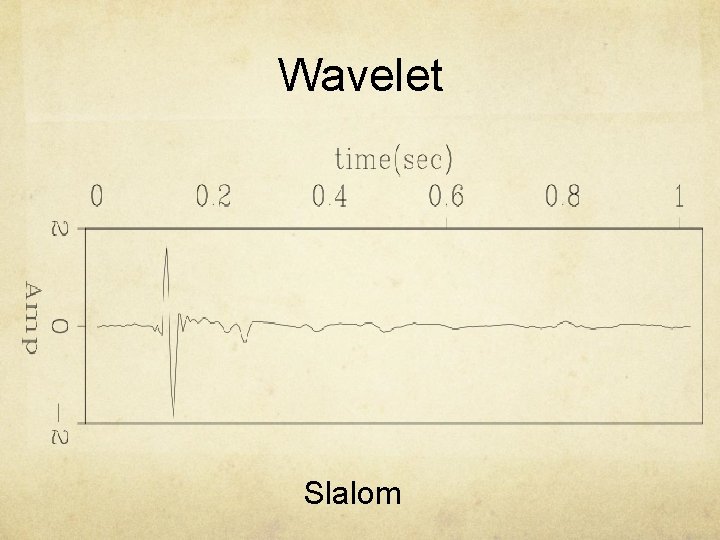
Wavelet Slalom
Filters by Slalom Method Filter a Filter b
Filters by Symmetric Method Filter a Filter b
Outline Motivation Theory Data examples • • • 1 D synthetic data 2 D field data Conclusion
Conclusion Advantage Filters can be inverted simultaneously, e. g. zero phase wavelet Better estimated wavelet Low computational cost Disadvantage In some cases results by symmetric method are not as spiky as ones by the slalom method
Future Work Good initial guess Preconditioning ––Utilizes prior information Fast convergence rate Stable results Gain function Enhance the later events and focus on the area concerned area

Acknowledgement Thanks Yang Zhang, Antoine Guitton, Shuki Ronen, Mandy Wong and Elita Li for their discussion.

Thank You Stanford Exploration Project
- Slides: 46