
A Nation Divided 1820 1865 l 1800 s
- Slides: 70
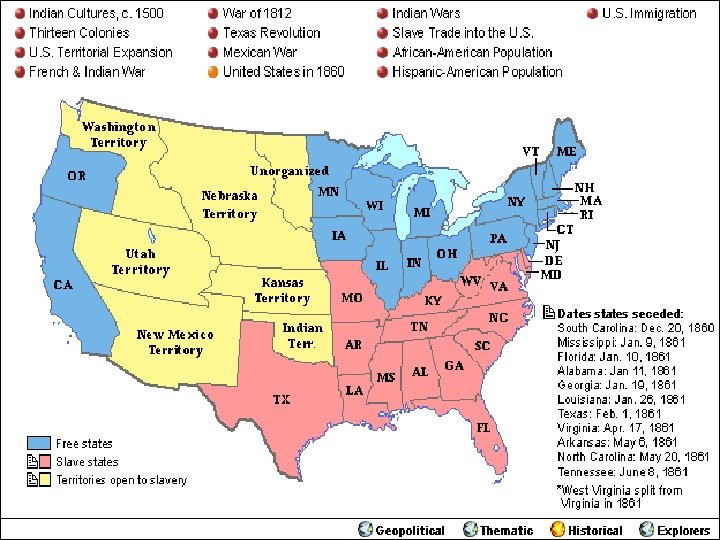
A Nation Divided 1820 -1865 l 1800 s were a time of growth and success for the U. S. l North and South were very different.
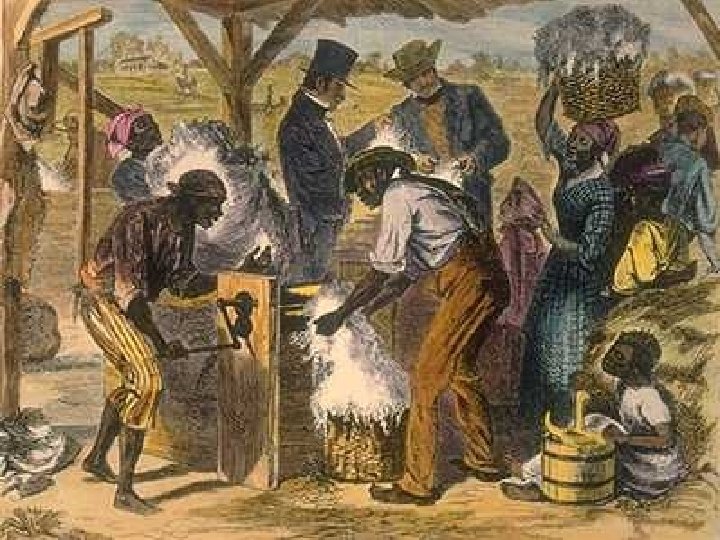
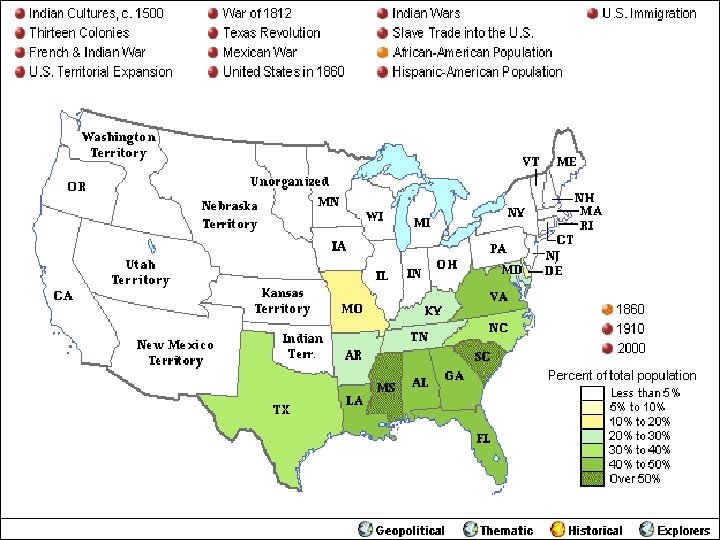
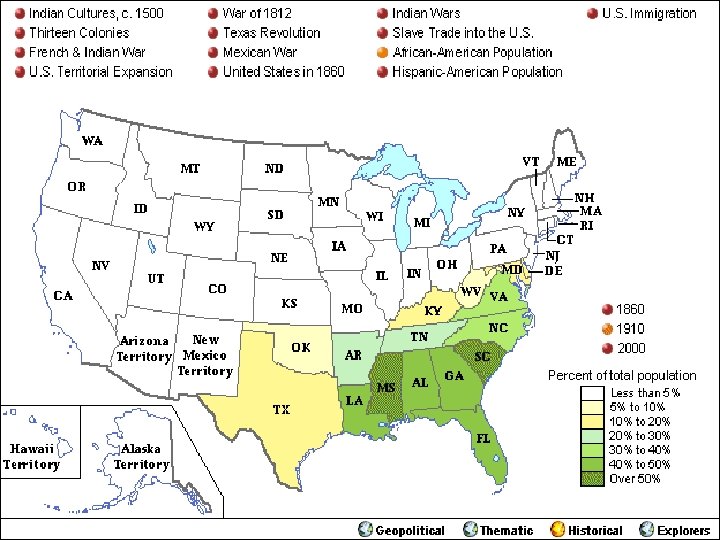
A Nation Divided 1820 -1865 l South was farms and plantations, where most of the work was done by slaves. l North was small farms and factories with no slaves.
A Nation Divided 1820 -1865 l As new states entered, the North and South argued whether they would be slave or free states. l This disagreement would not be resolved peacefully.
The Abolitionist Movement l Abolitionists wanted to free slaves and abolish slavery. l Argued that slavery was against our democratic principles.
The Abolitionist Movement l Declaration of Independence stated that “all men are created equal” and all men are entitled “life, liberty and the pursuit of happiness. ”
The Abolitionist Movement l Abolitionists argued that “all men” included slaves.
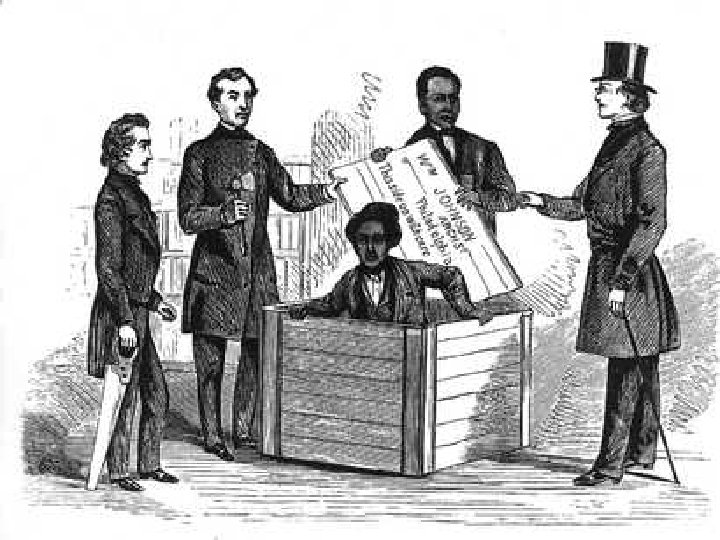
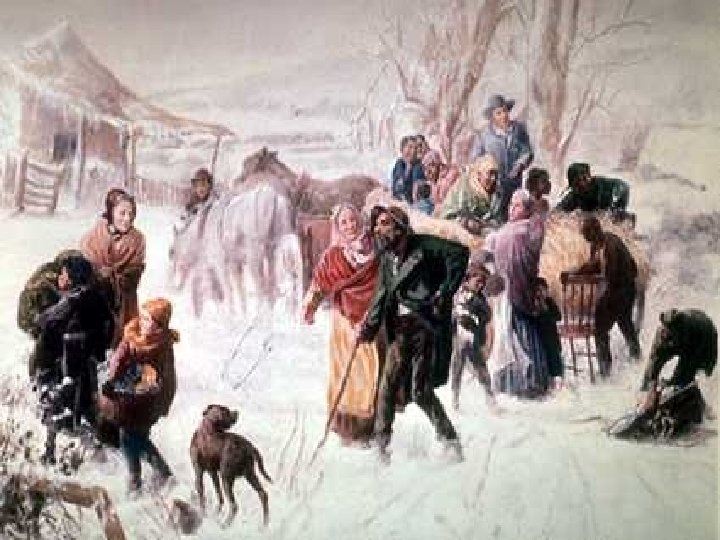
The Underground Railroad l Helped slaves escape the South into free states or Canada. l “Railroad” was a network of homes and farms where slaves could go for shelter.
The Underground Railroad l Code words were used for secrecy. l “Station” was a hiding place. l “Conductor” was the guide.
The Underground Railroad l The most heavily traveled route went through Ohio, Indiana and Pennsylvania.
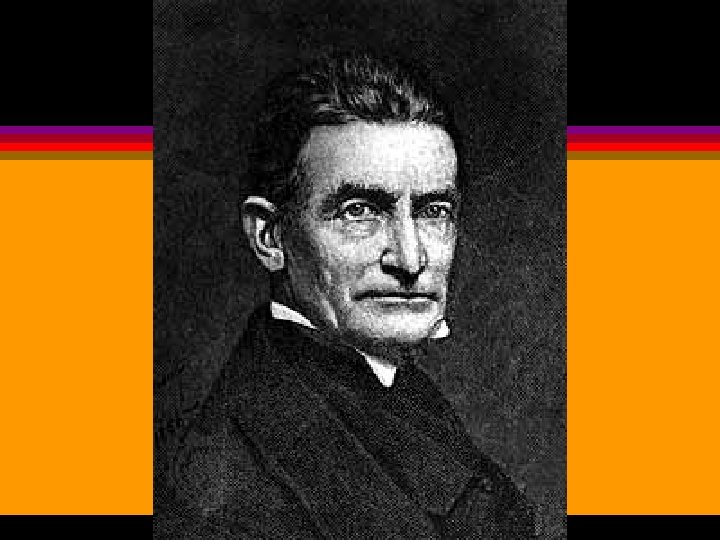
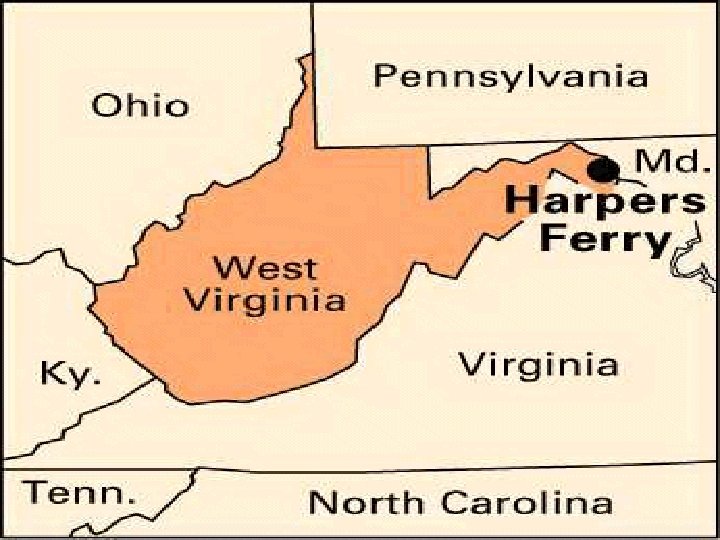
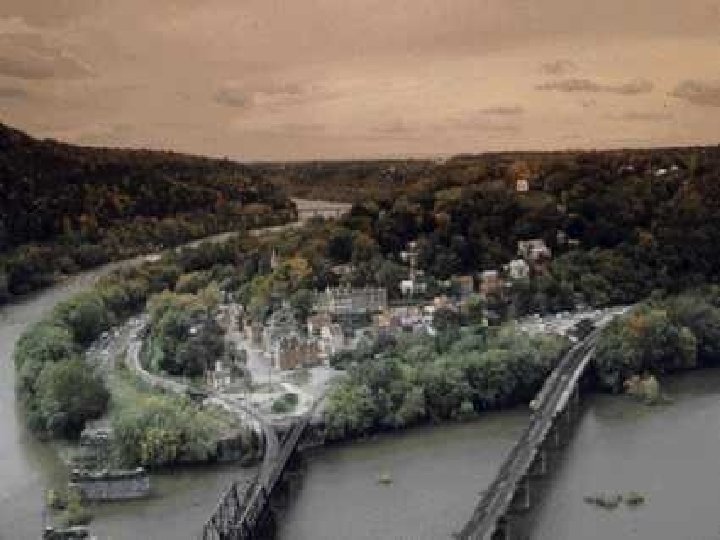
John Brown l White abolitionists who organized an attack on the Federal arsenal at Harpers Ferry, Virginia (1859). l Planned to distribute the guns to slaves for a revolt.
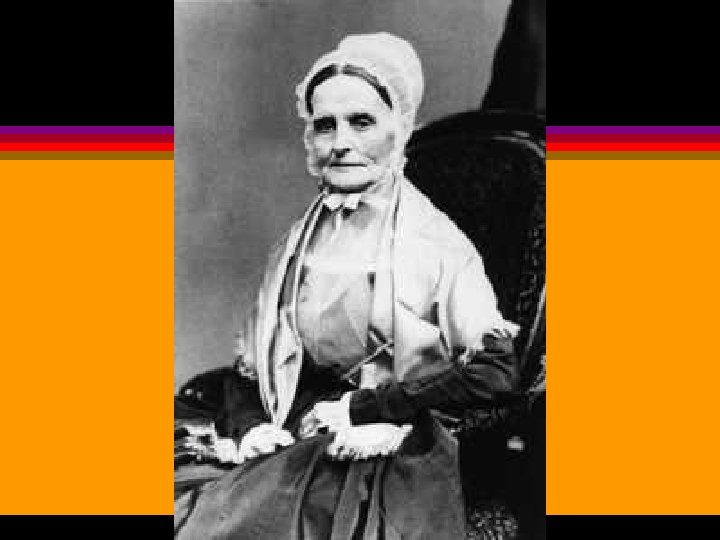
Lucretia Coffing Mott l Philadelphia Quaker minister. l Helped organize the National Antislavery Society with William Lloyd Garrison.
Lucretia Coffing Mott l She was a also a leader in the struggle for woman’s right to vote.
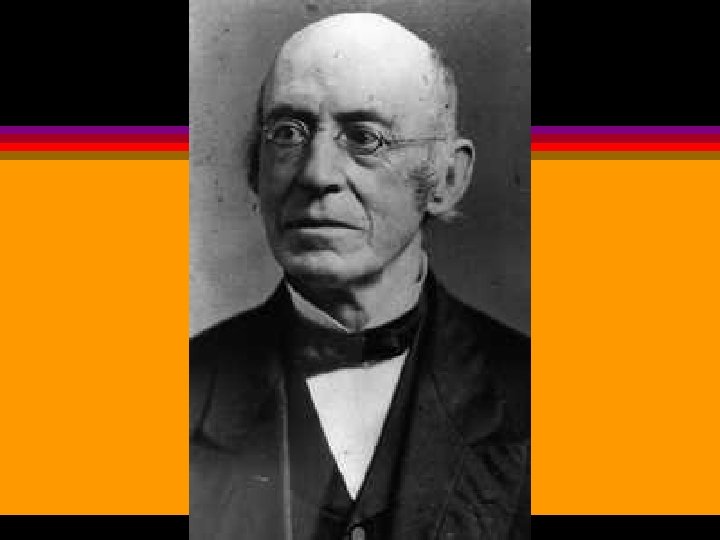
William Lloyd Garrison l The most outspoken champion of the abolitionist cause l Called the Constitution "a covenant with death and an agreement with Hell"
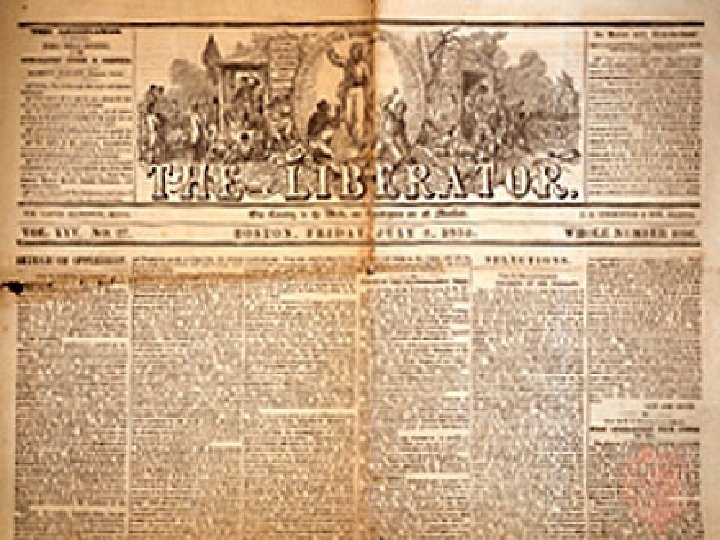
William Lloyd Garrison l Published the first issue of the Liberator in 1831 and continued to use its pages to agitate for reform for the next 35 years.
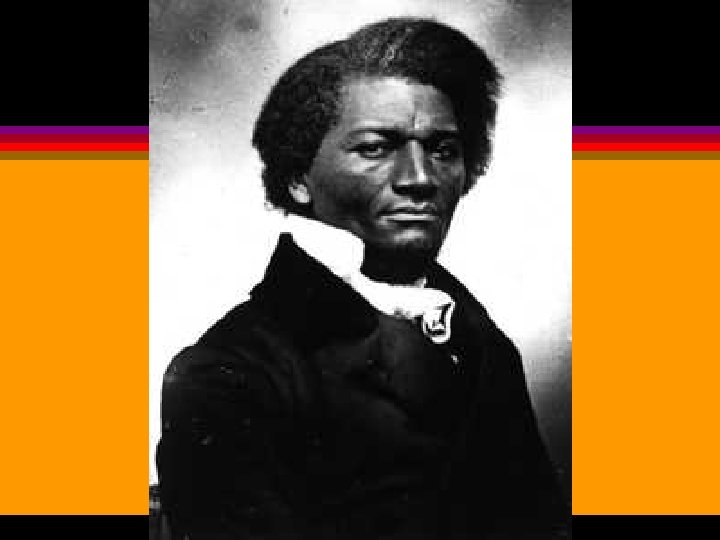
Frederick Douglas l Abolitionists who was born a slave in Maryland (1817) l Escaped to New York in 1838 and later settled in Massachusetts.
Frederick Douglas l Founder of The North Star l “the simplest truths often meet the sternest resistance and are slowest in getting general acceptance. ”
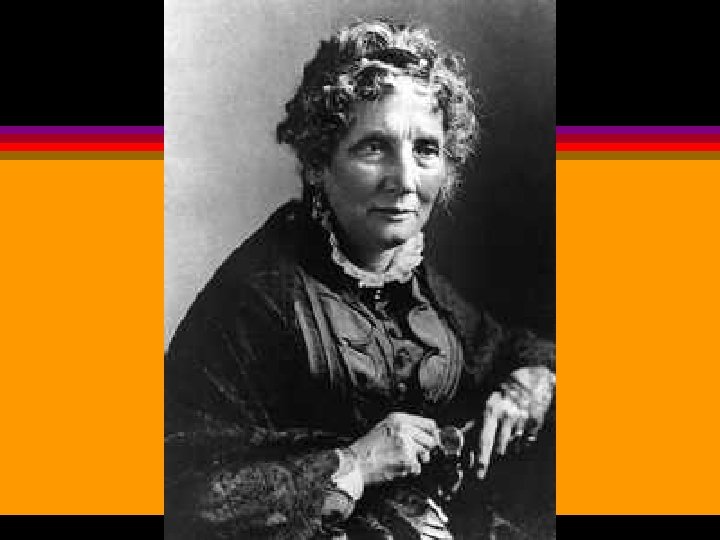
Harriet Beecher Stowe l Teacher and wife of a minister who wrote Uncle Tom’s Cabin in 1852. l Book became a best-seller and convinced many that slavery should end.
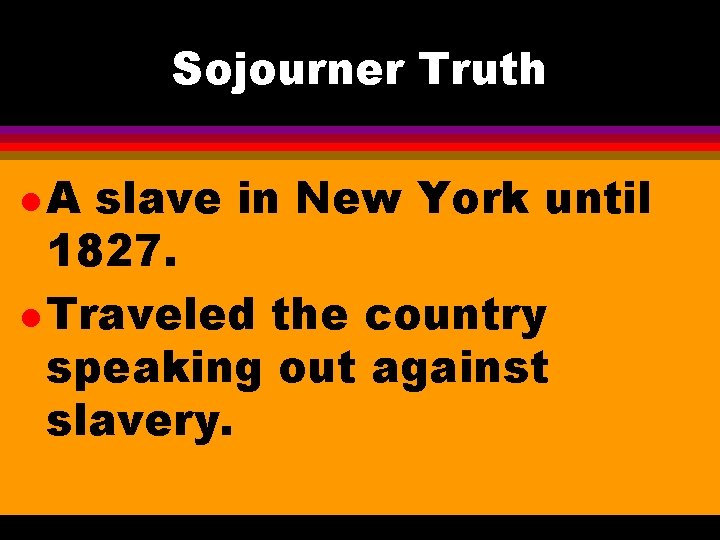
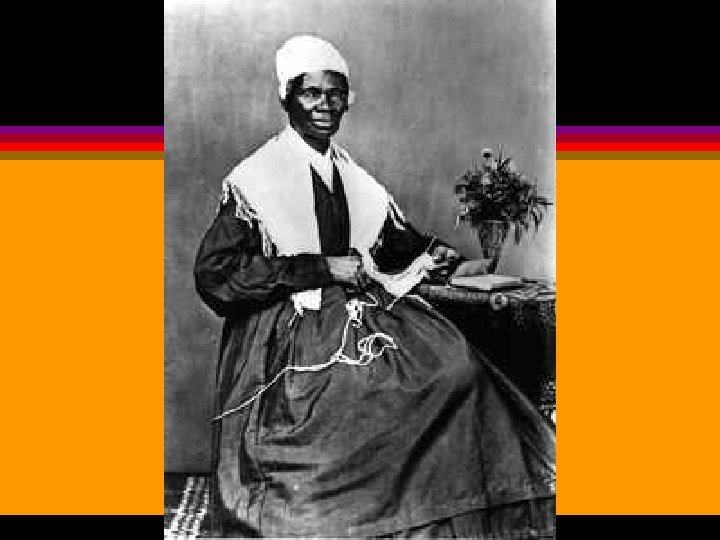
Sojourner Truth l. A slave in New York until 1827. l Traveled the country speaking out against slavery.
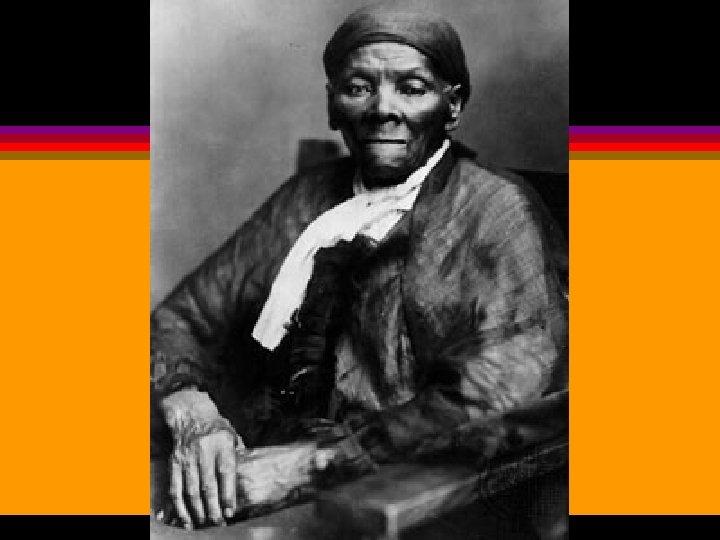
Harriet Tubman l Ran away from her Maryland plantation. l One of the most famous conductors, guiding some 300 slaves to freedom.
Harriet Tubman l Offered forty thousand dollars for her capture. l “On my underground railroad I never run my train off the track and I have never lost a passenger. ”
“A house divided against itself cannot stand. I believe that this government cannot last as long as America is half slave and half free. ” Abraham Lincoln 1858
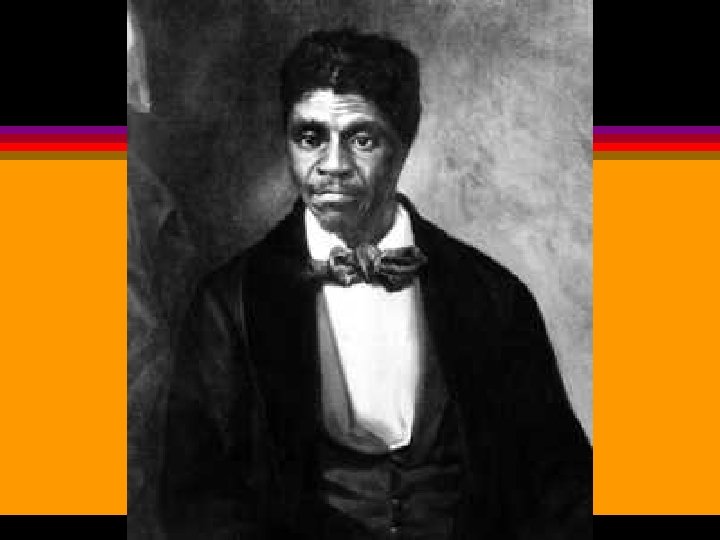
The Dred Scott Decision l Missouri slave who moved to Illinois with his master’s family. l Sued for freedom, claiming that having lived in a free state made him free.
The Dred Scott Decision l Case went to the Supreme Court. l Paid for by abolitionists. l Court ruled that he could not sue because he was property not a citizen.
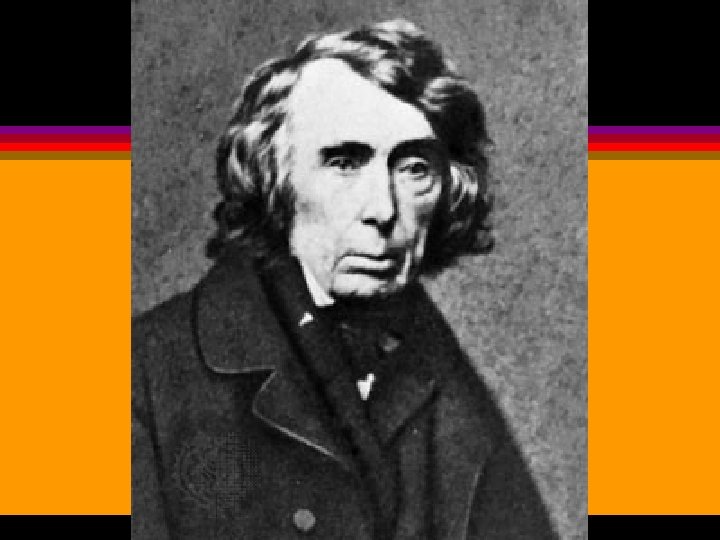
Chief Justice Roger Taney wrote that Scott had “no rights which any white man was bound to respect. ”
The Dred Scott Decision l Most Southerners were pleased. l Northern anti-slavery groups were enraged.
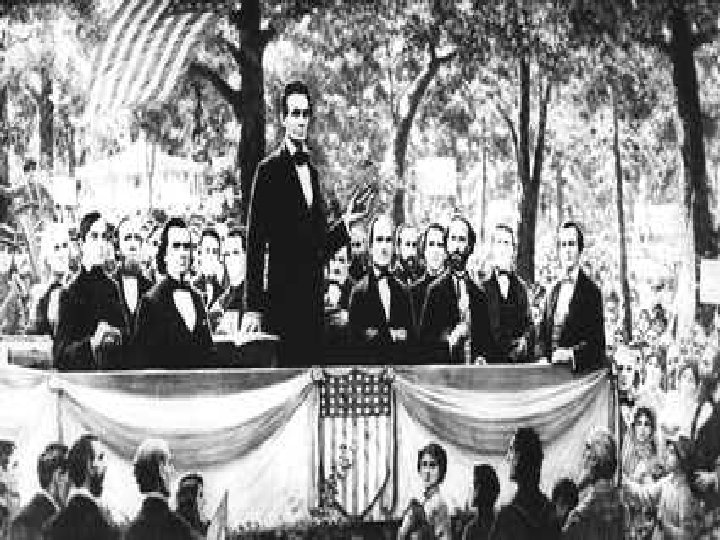
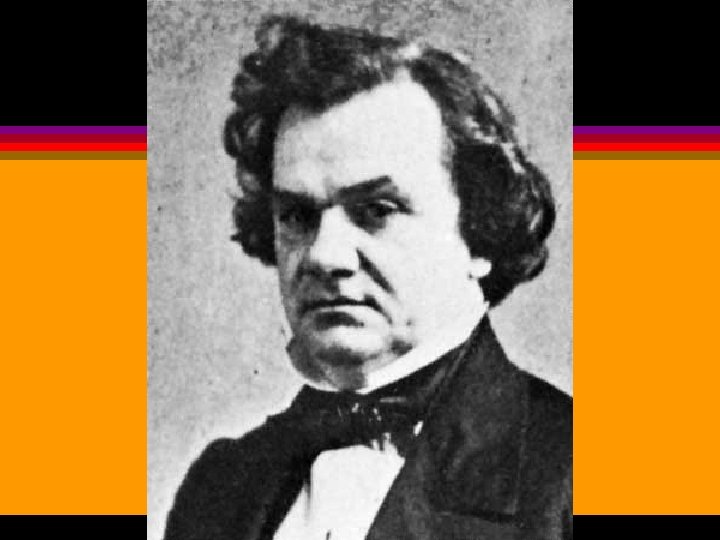
Lincoln-Douglas Debates (1858) l Lincoln was unknown. l He challenged the proslavery Stephen A. Douglas to a series of debates.
Lincoln-Douglas Debates (1858) l The debates drew large crowds and national attention. l Lincoln lost but his performances made him famous.
Compromise of 1820 l Rice, cotton and sugar plantations in the South depended on slaves. l South demanded that slavery be allowed in new western states.
Compromise of 1820 l 1919 Missouri applies for admission to the Union as a slave state. l Control of Senate would go to the South. (12 vs 11)
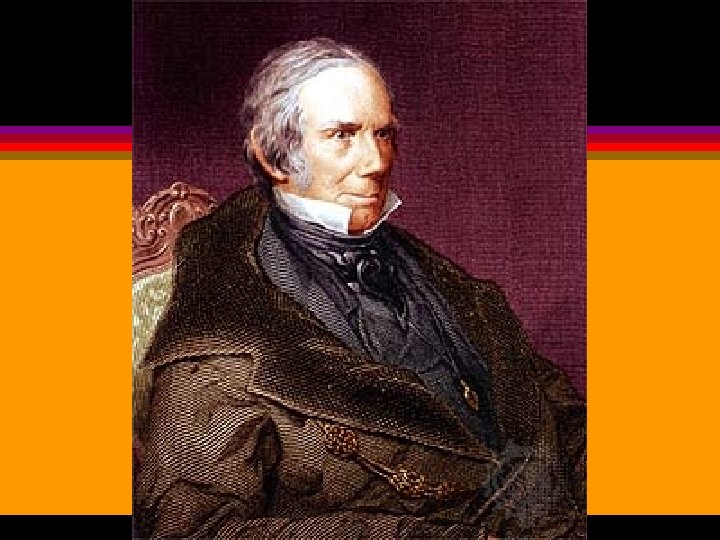
Compromise of 1820 l Northerners proposed abolishing slavery in Missouri setting off a bitter argument. l Henry Clay of Kentucky worked out a compromise.
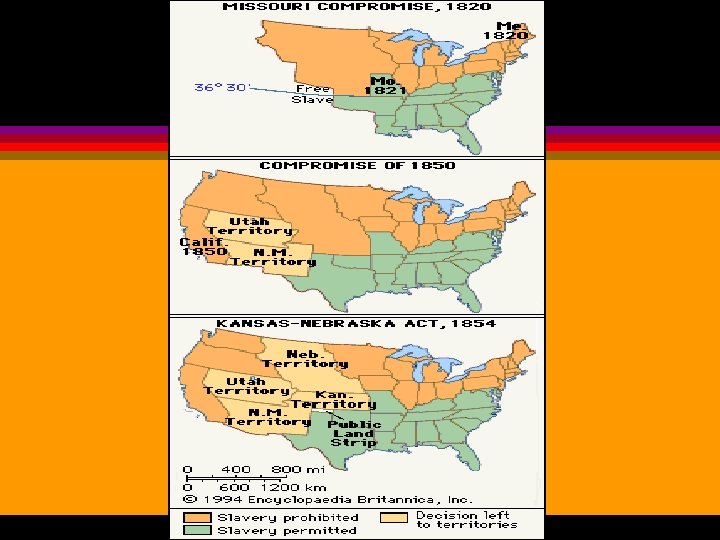
The Missouri Compromise l Missouri entered the Union as slave state. l Maine entered the Union as free state.
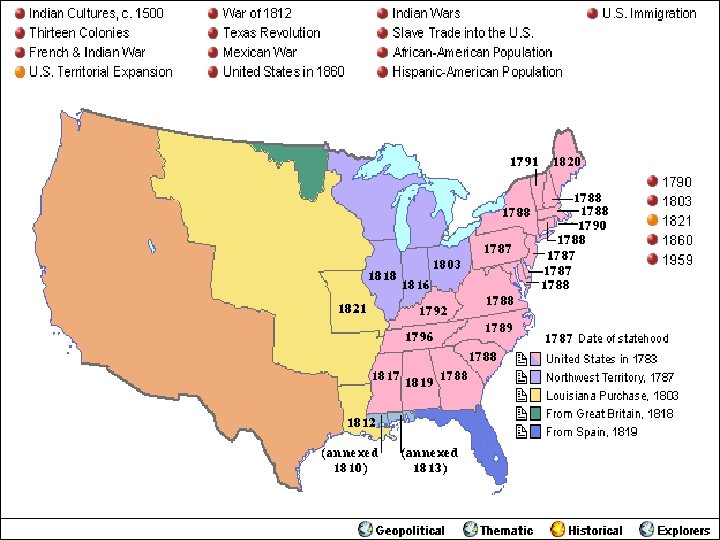
The Missouri Compromise l Except Missouri, slavery was banned in all other territories gained in the Louisiana Purchase north of Missouri’s southern border.
The Compromise of 1850 l 1850 Congress had to decide if California would be slave or free. l Decide whether territory gained from Mexican War would be free or not.
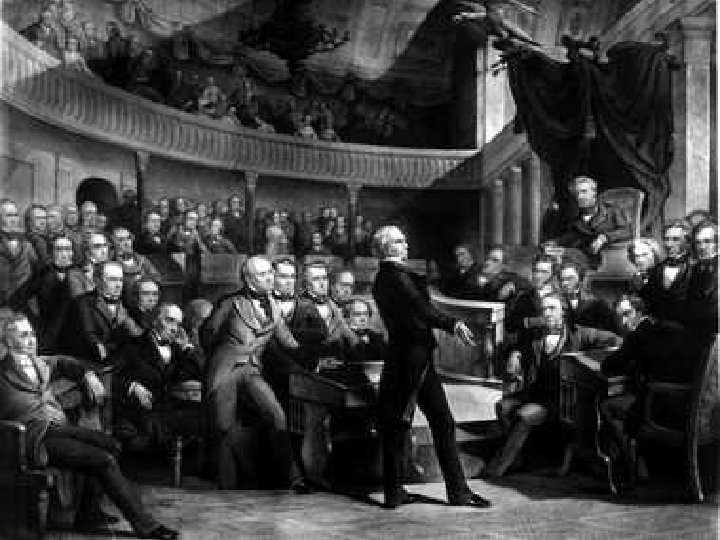
The Compromise of 1850 l Henry Clay of Kentucky, Stephen A. Douglas of Illinois and Daniel Webster of Massachusetts came up with a compromise.
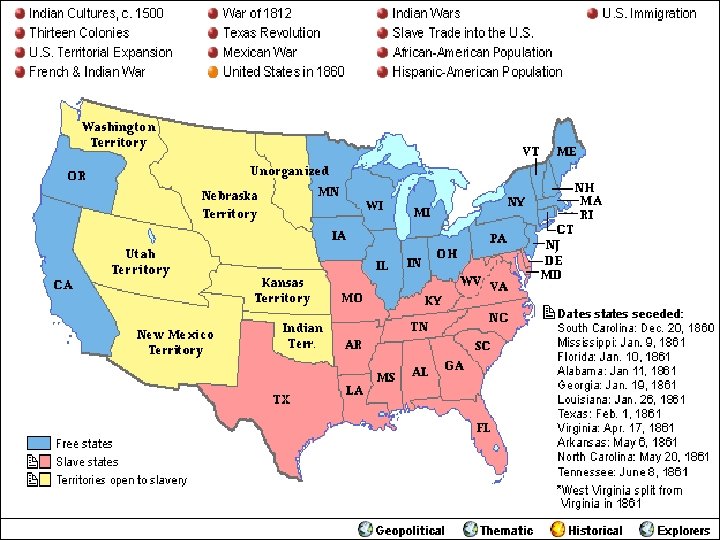
The Compromise of 1850 l California entered Union as free state. l Mexican territory was divided into New Mexico and Utah. Could decide to be free or not.
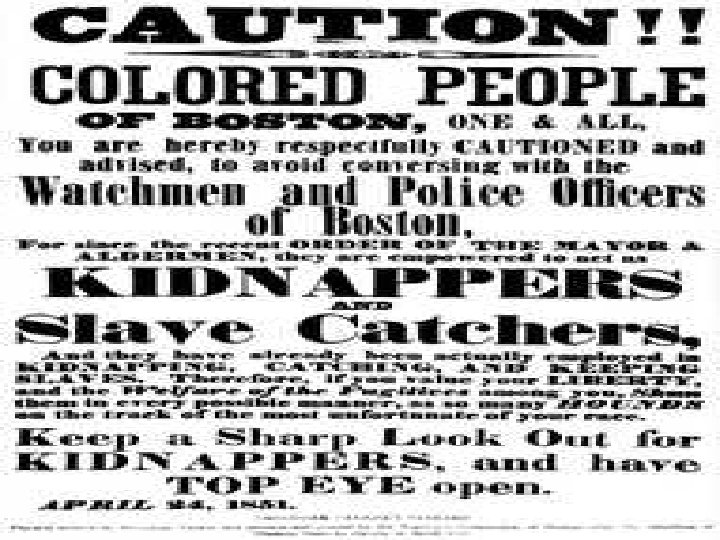
The Compromise of 1850 l Against the law to buy or sell slaves, but not to own slaves. l Fugitive Slave Act made it possible to go after runaway slaves.