
A LEVEL ART AND DESIGN TEXTILE DESIGN COMPONENT








- Slides: 35
A LEVEL ART AND DESIGN TEXTILE DESIGN COMPONENT 2 EXTERNALLY SET ASSIGNMENT Q 2 EXOTIC AO 1 = 16 / 20 AO 2 = 17 / 20 AO 3 = 16 / 20 AO 4 = 16 / 20 TOTAL = 65 / 80
A LEVEL ART AND DESIGN TEXTILE DESIGN UNIT 3 EXTERNALLY SET ASSIGNMENT Q 2 EXOTIC AO 1 = 20 / 25 AO 2 = 21 / 25 AO 3 = 20 / 25 AO 4 = 20 / 25 TOTAL = 81 / 100
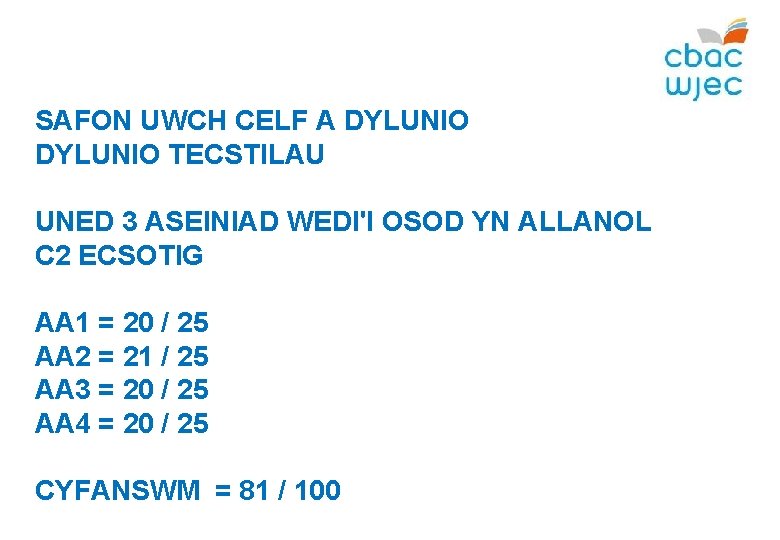
SAFON UWCH CELF A DYLUNIO TECSTILAU UNED 3 ASEINIAD WEDI'I OSOD YN ALLANOL C 2 ECSOTIG AA 1 = 20 / 25 AA 2 = 21 / 25 AA 3 = 20 / 25 AA 4 = 20 / 25 CYFANSWM = 81 / 100
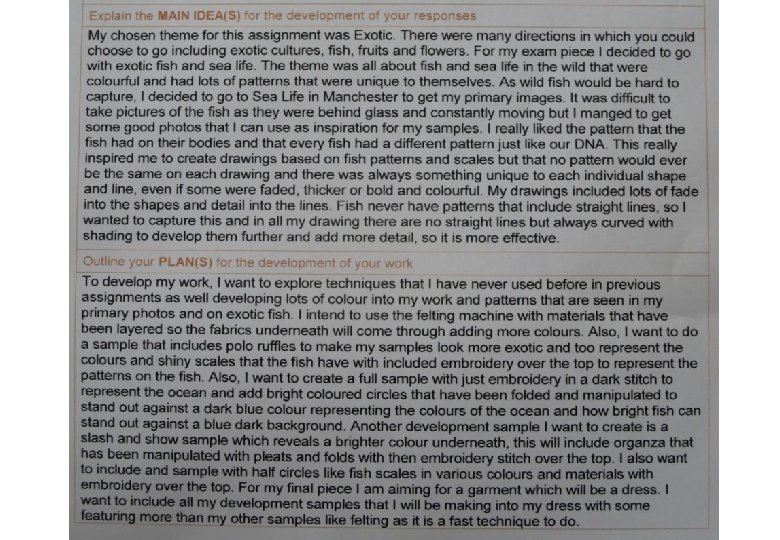
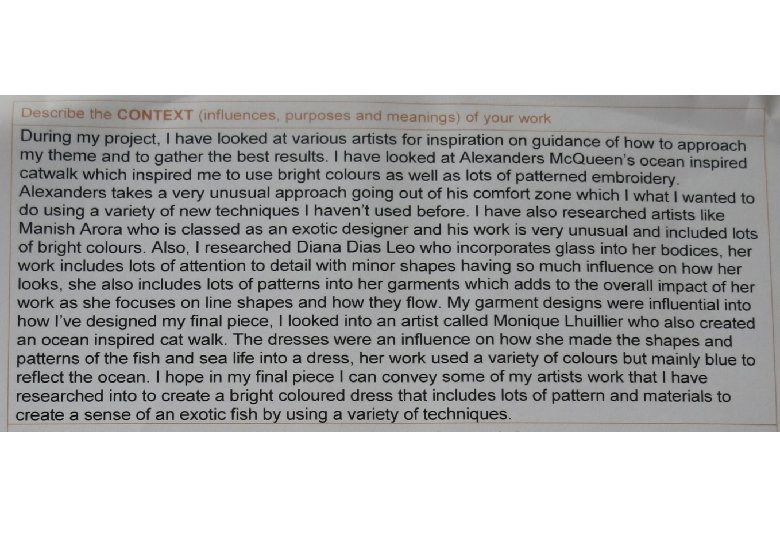
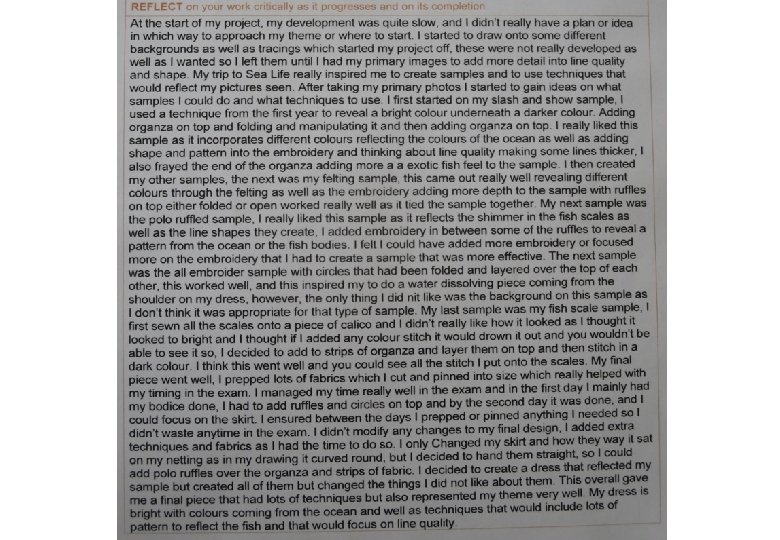
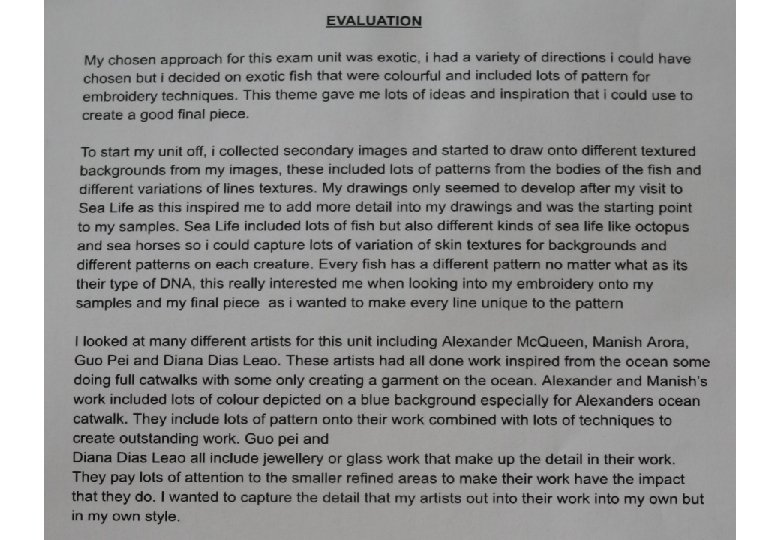
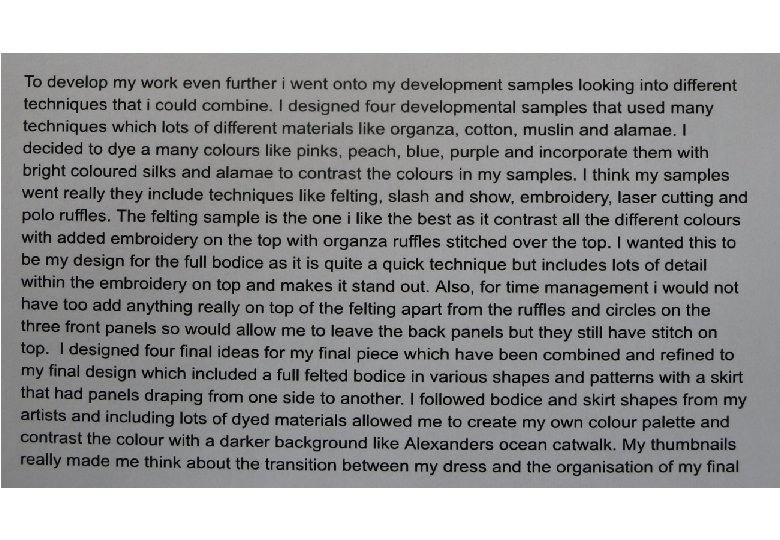
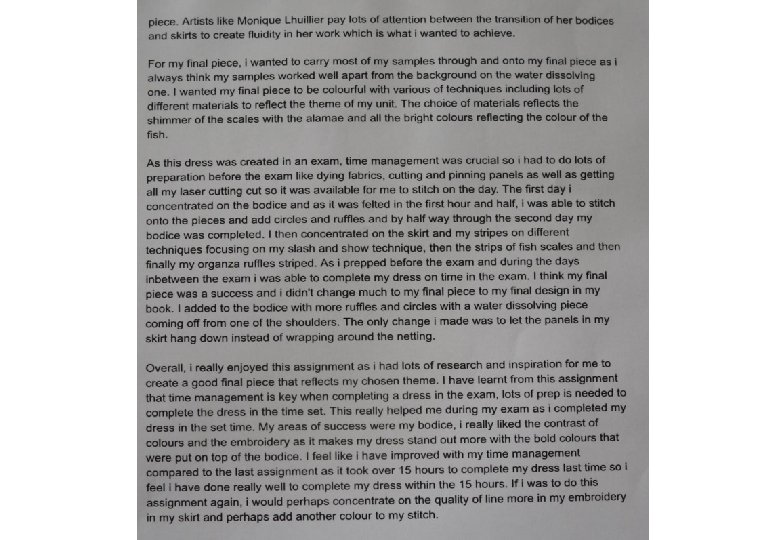
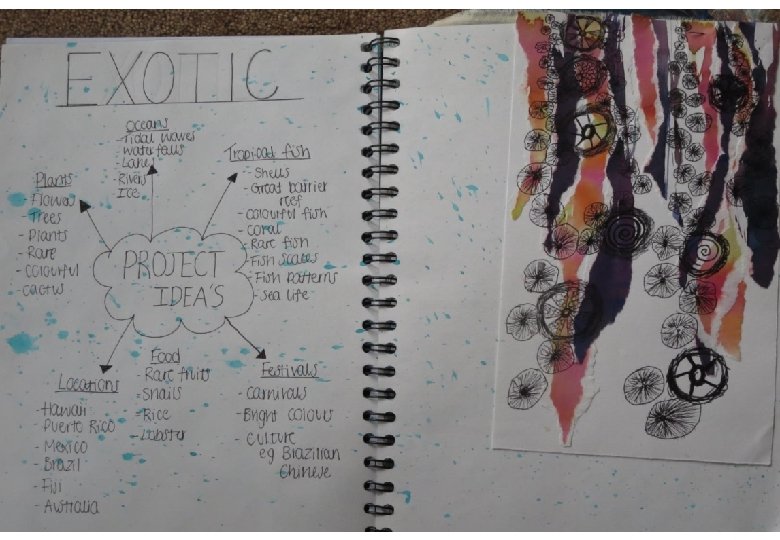
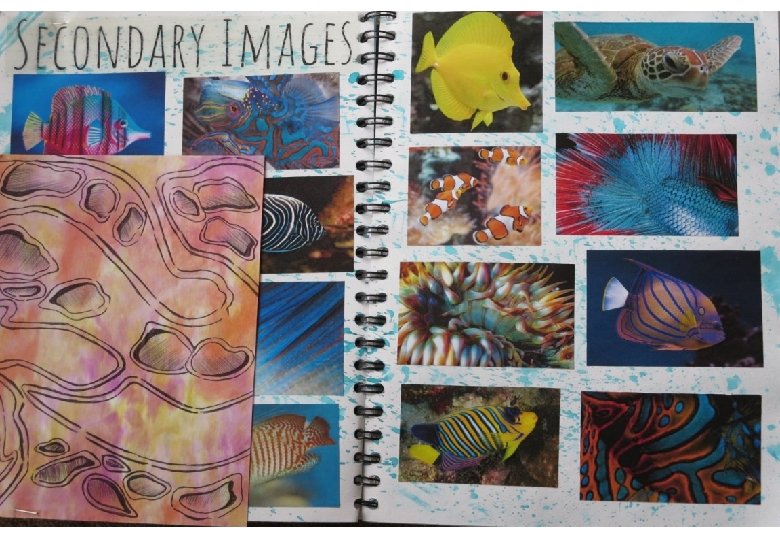
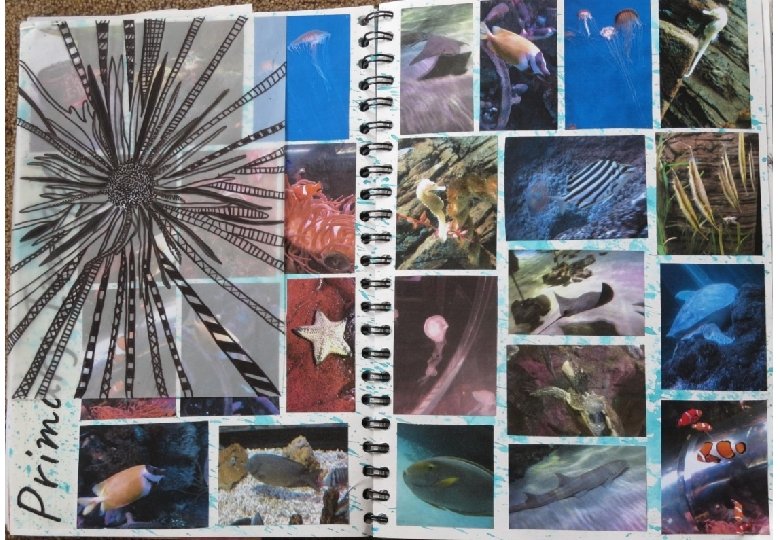
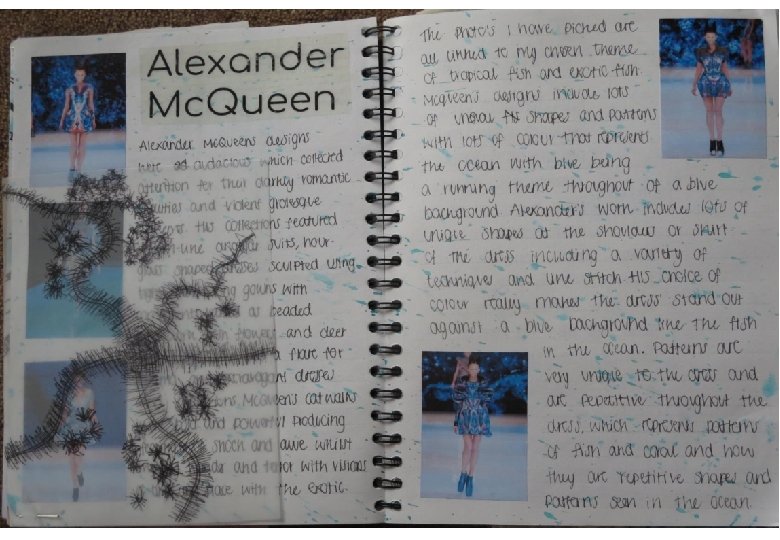
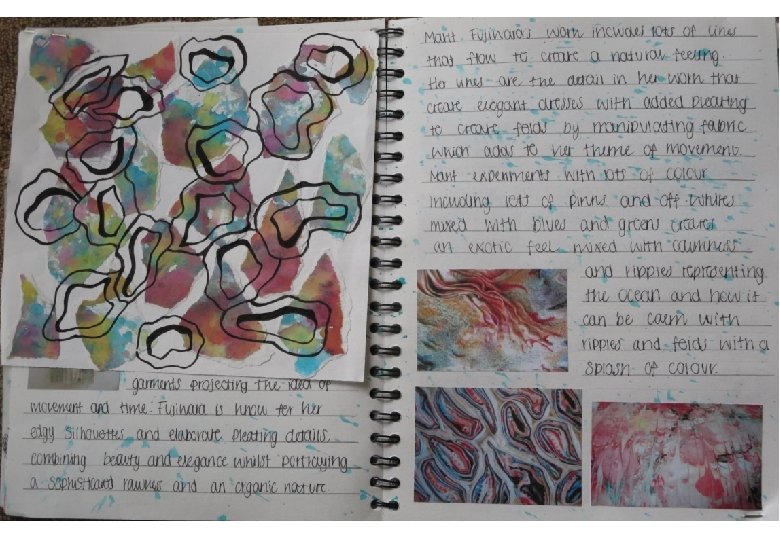
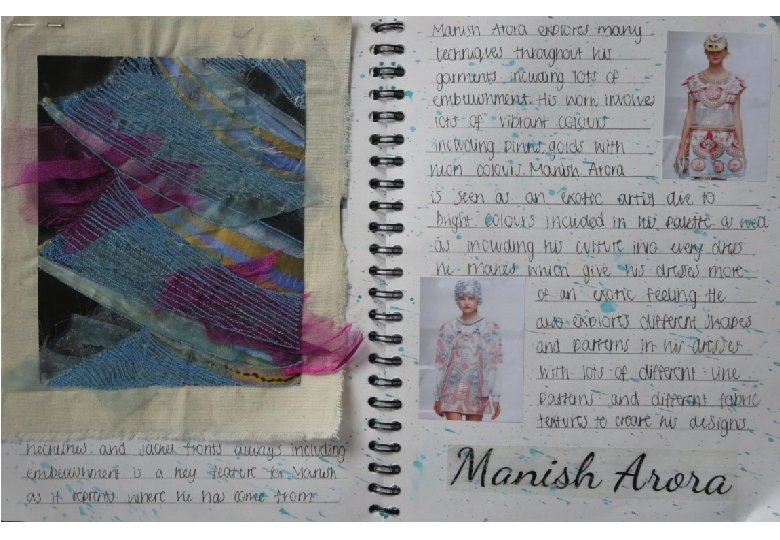
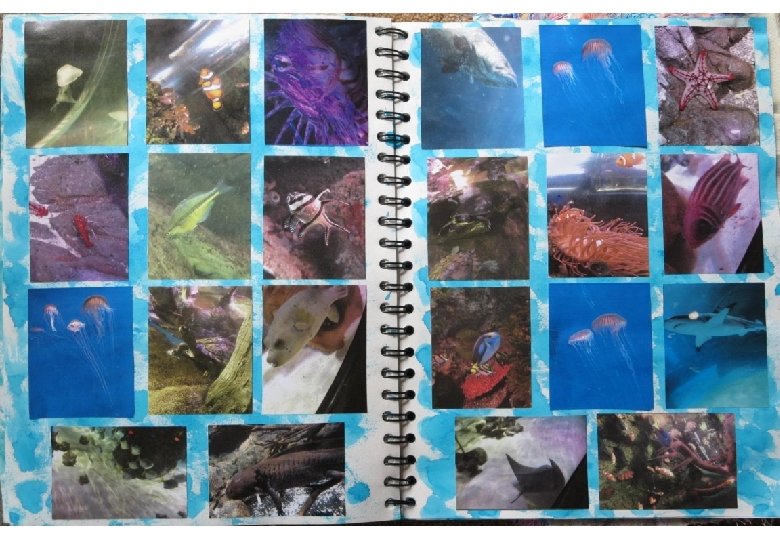
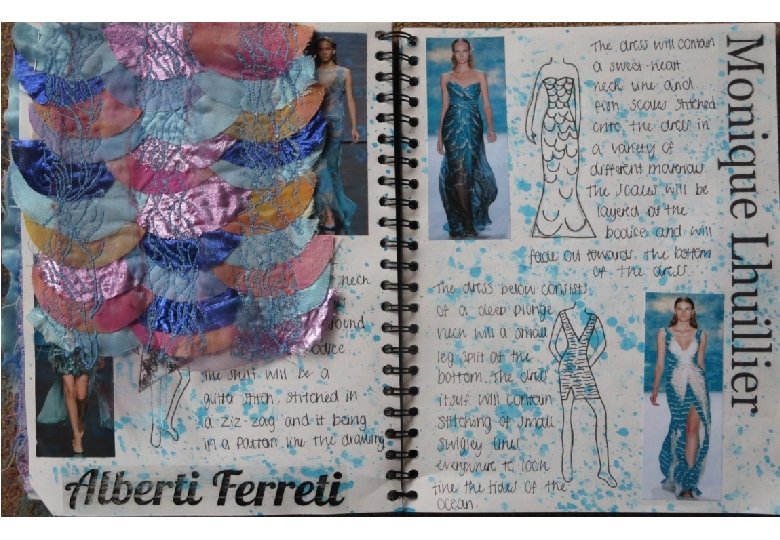
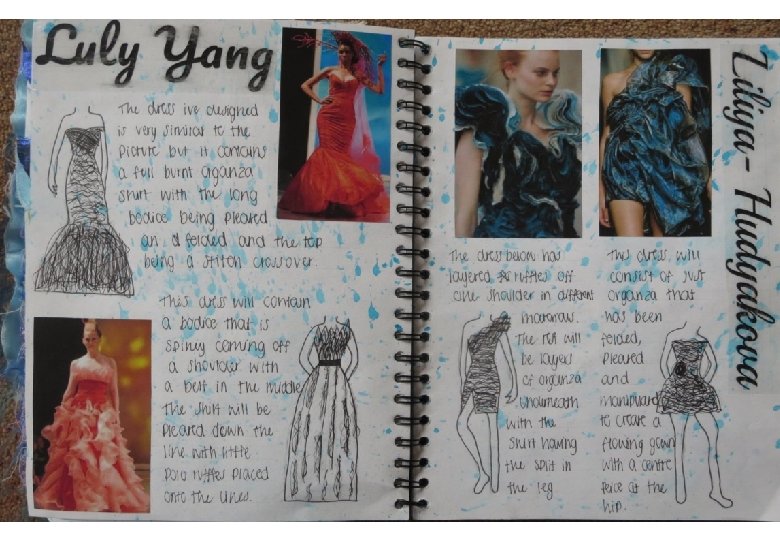
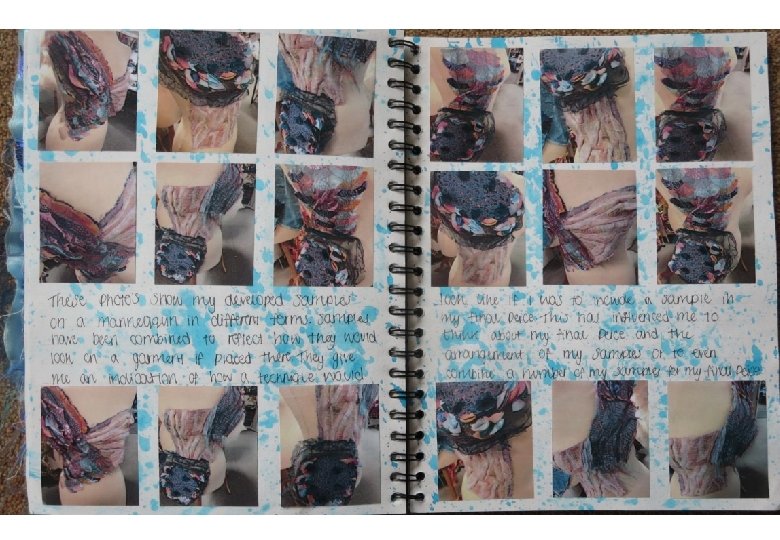
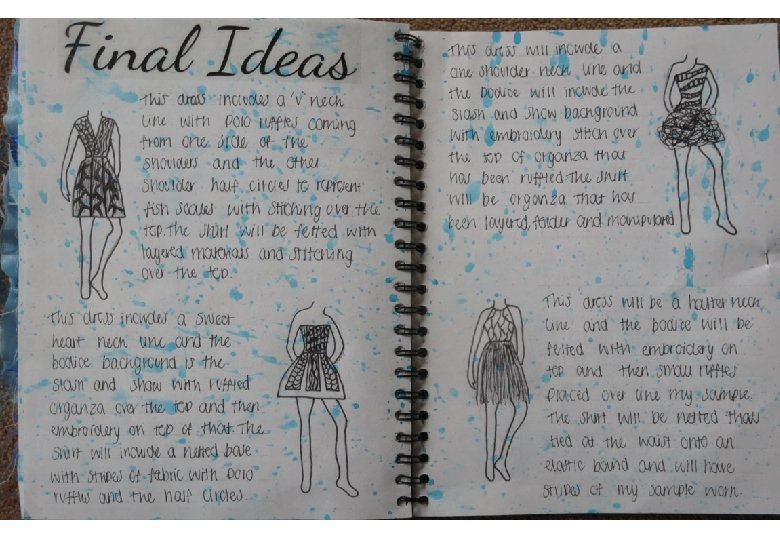
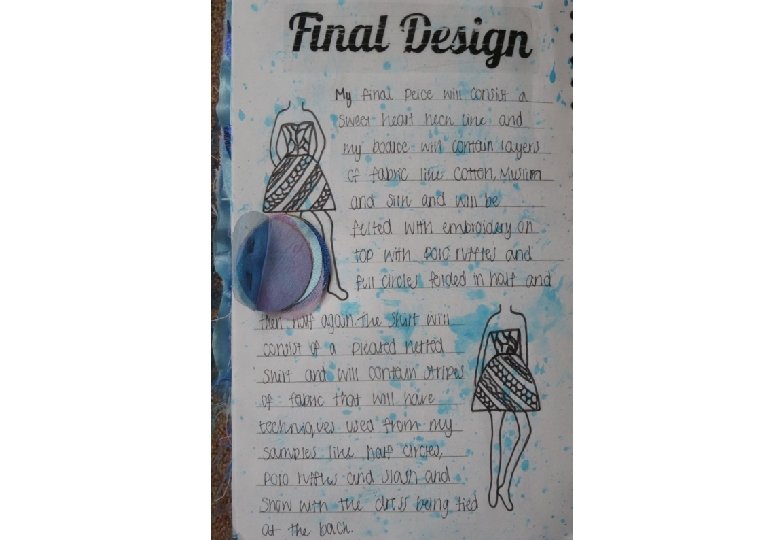
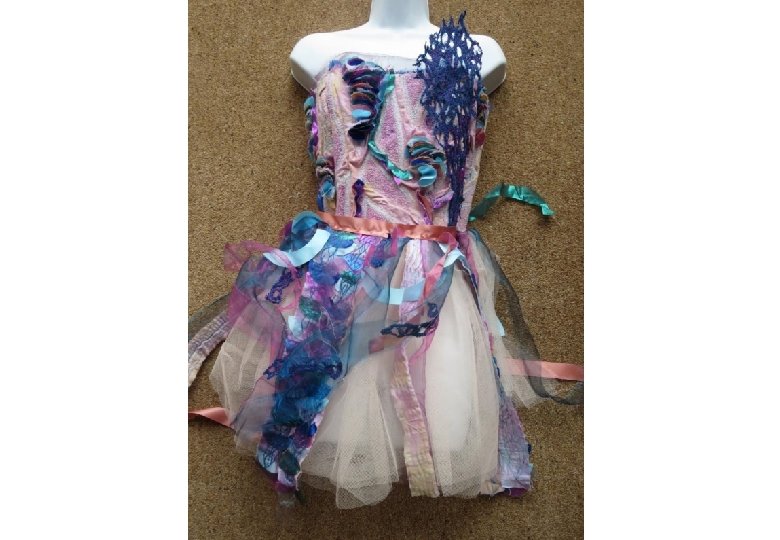
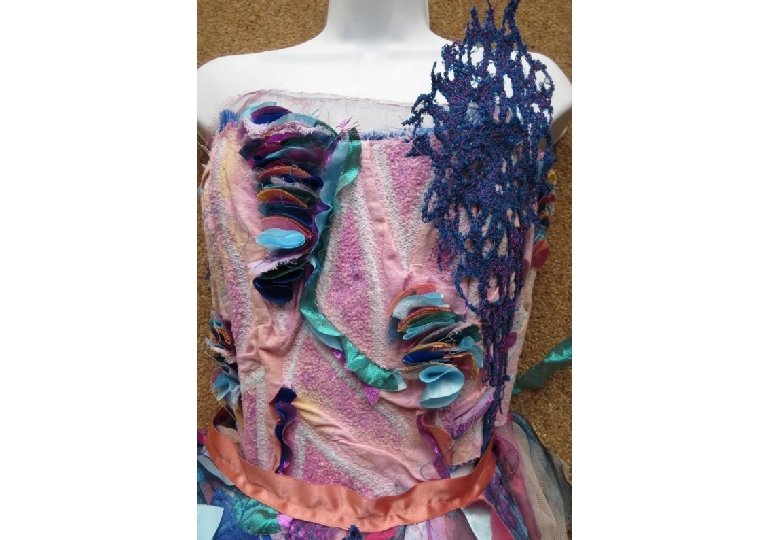
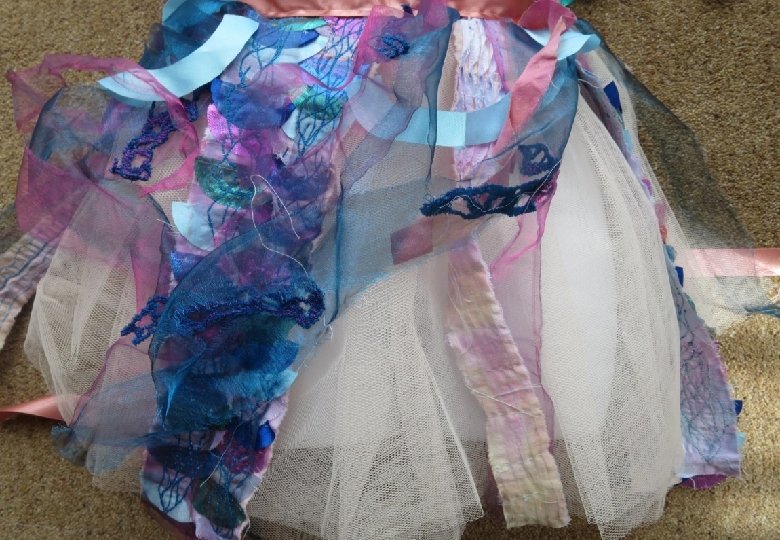
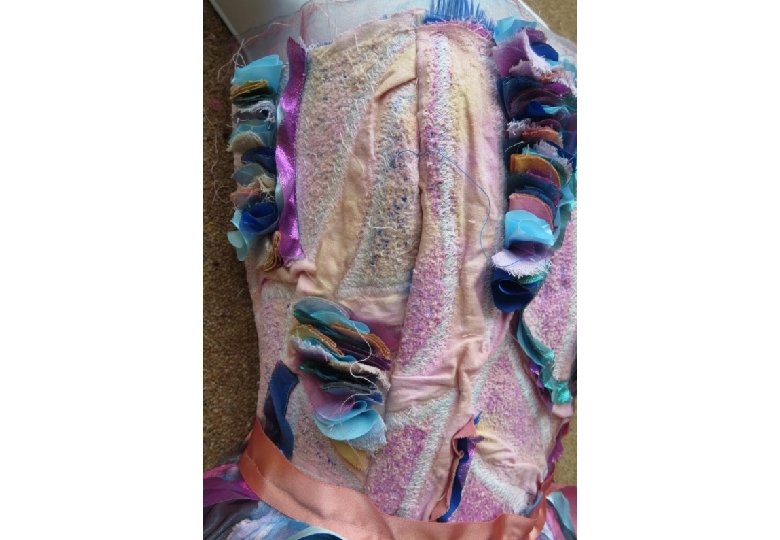
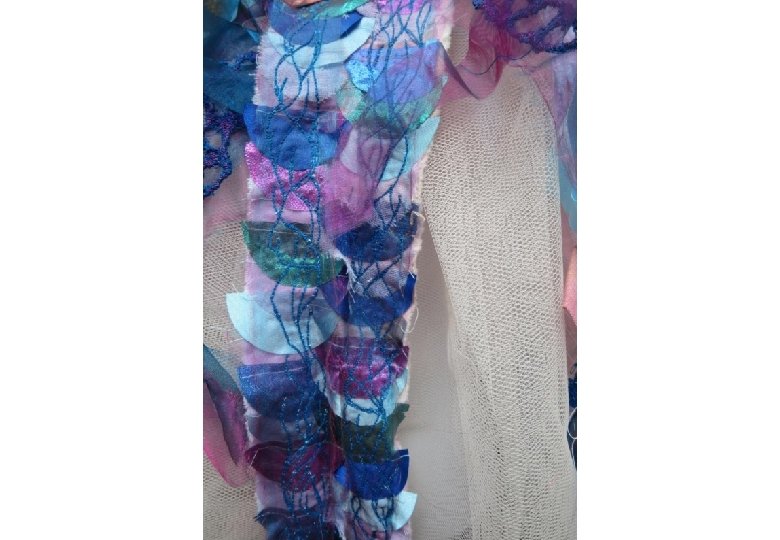
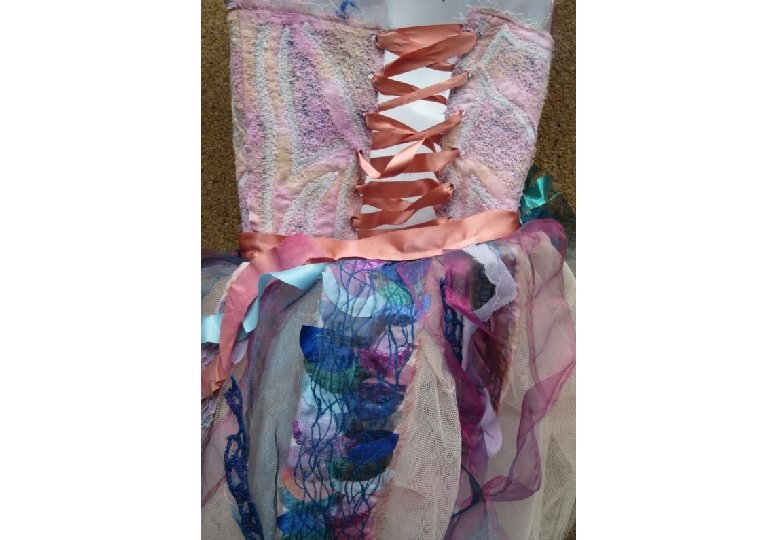
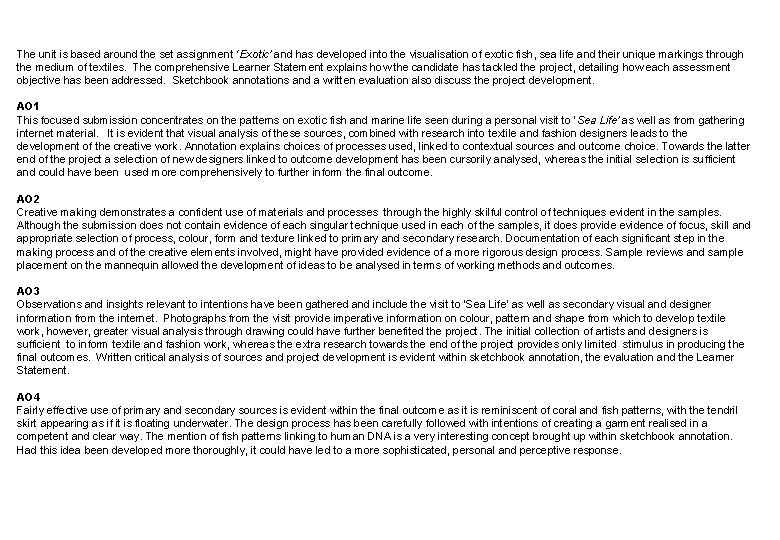
The unit is based around the set assignment ‘Exotic’ and has developed into the visualisation of exotic fish, sea life and their unique markings through the medium of textiles. The comprehensive Learner Statement explains how the candidate has tackled the project, detailing how each assessment objective has been addressed. Sketchbook annotations and a written evaluation also discuss the project development. AO 1 This focused submission concentrates on the patterns on exotic fish and marine life seen during a personal visit to ‘Sea Life’ as well as from gathering internet material. It is evident that visual analysis of these sources, combined with research into textile and fashion designers leads to the development of the creative work. Annotation explains choices of processes used, linked to contextual sources and outcome choice. Towards the latter end of the project a selection of new designers linked to outcome development has been cursorily analysed, whereas the initial selection is sufficient and could have been used more comprehensively to further inform the final outcome. AO 2 Creative making demonstrates a confident use of materials and processes through the highly skilful control of techniques evident in the samples. Although the submission does not contain evidence of each singular technique used in each of the samples, it does provide evidence of focus, skill and appropriate selection of process, colour, form and texture linked to primary and secondary research. Documentation of each significant step in the making process and of the creative elements involved, might have provided evidence of a more rigorous design process. Sample reviews and sample placement on the mannequin allowed the development of ideas to be analysed in terms of working methods and outcomes. AO 3 Observations and insights relevant to intentions have been gathered and include the visit to ‘Sea Life’ as well as secondary visual and designer information from the internet. Photographs from the visit provide imperative information on colour, pattern and shape from which to develop textile work, however, greater visual analysis through drawing could have further benefited the project. The initial collection of artists and designers is sufficient to inform textile and fashion work, whereas the extra research towards the end of the project provides only limited stimulus in producing the final outcomes. Written critical analysis of sources and project development is evident within sketchbook annotation, the evaluation and the Learner Statement. AO 4 Fairly effective use of primary and secondary sources is evident within the final outcome as it is reminiscent of coral and fish patterns, with the tendril skirt appearing as if it is floating underwater. The design process has been carefully followed with intentions of creating a garment realised in a competent and clear way. The mention of fish patterns linking to human DNA is a very interesting concept brought up within sketchbook annotation. Had this idea been developed more thoroughly, it could have led to a more sophisticated, personal and perceptive response.