
A History of Belize Nation in the Making
A History of Belize Nation in the Making
Mayan Civilization – Location • Developed for thousands of years throughout northern Central America – Mexico – Guatemala – Honduras – El Salvador – Belize • Mayans probably settled in Belize around 900 BC • Archaeological evidence suggests communities were present nearly 1000 years before that
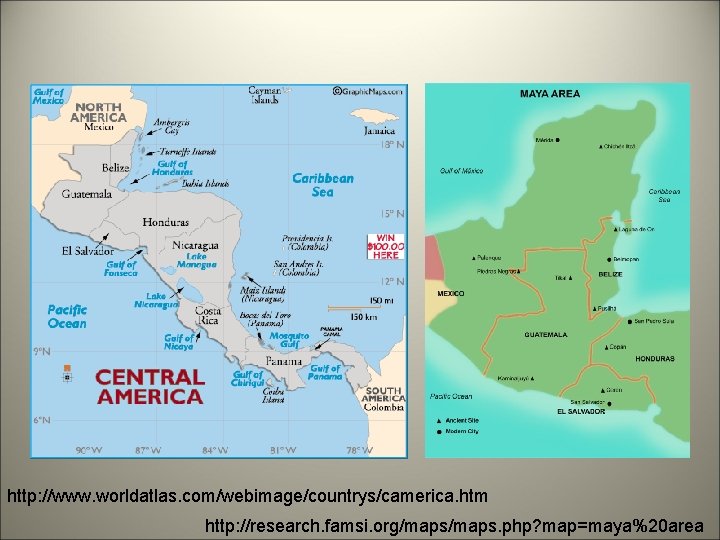
http: //www. worldatlas. com/webimage/countrys/camerica. htm http: //research. famsi. org/maps. php? map=maya%20 area
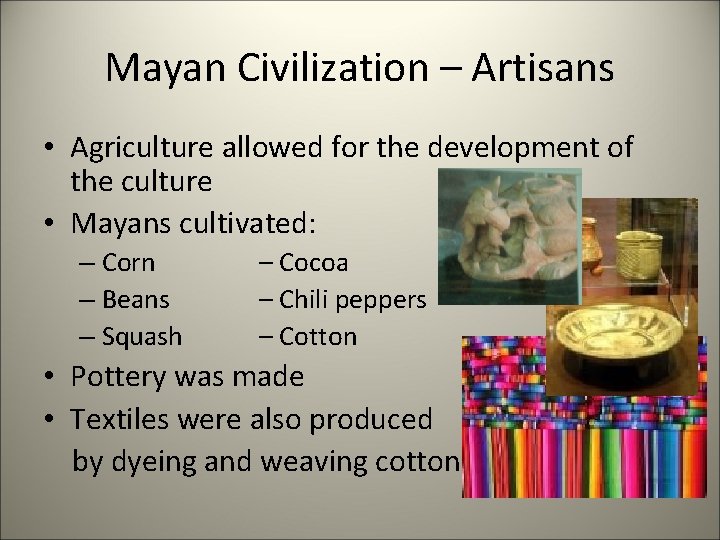
Mayan Civilization – Artisans • Agriculture allowed for the development of the culture • Mayans cultivated: – Corn – Beans – Squash – Cocoa – Chili peppers – Cotton • Pottery was made • Textiles were also produced by dyeing and weaving cotton
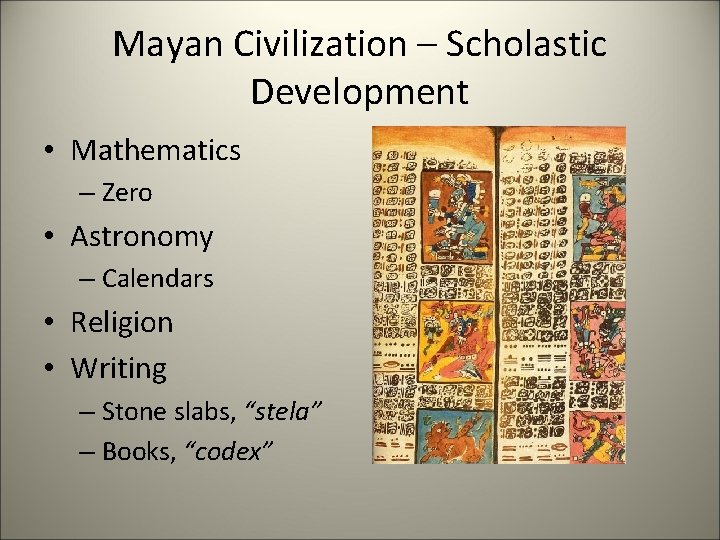
Mayan Civilization – Scholastic Development • Mathematics – Zero • Astronomy – Calendars • Religion • Writing – Stone slabs, “stela” – Books, “codex”
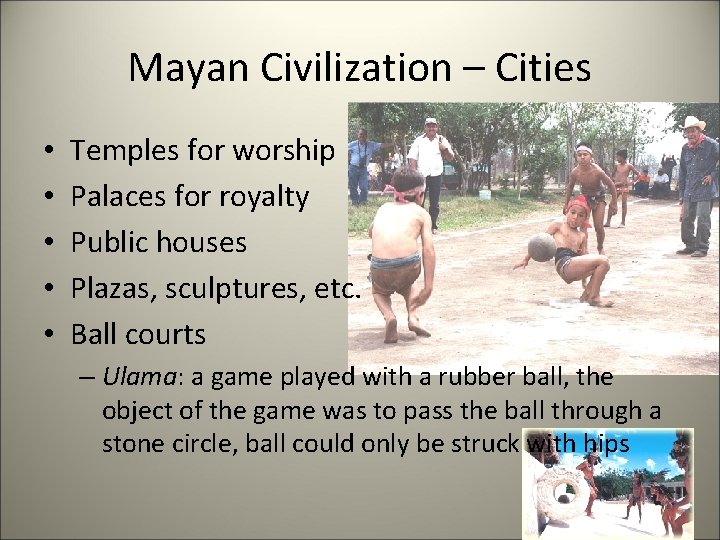
Mayan Civilization – Cities • • • Temples for worship Palaces for royalty Public houses Plazas, sculptures, etc. Ball courts – Ulama: a game played with a rubber ball, the object of the game was to pass the ball through a stone circle, ball could only be struck with hips
Mayan Civilization – Peak • Civilization peaked between 250 – 1000 AD • Known as the “Classic Period” • Powerful civic centers in Belize: – Altun Ha – Lubaantun – El Pilar – Xunantunich – Caracol
Mayan Civilization – Decline • Limited food production • Climate change • War
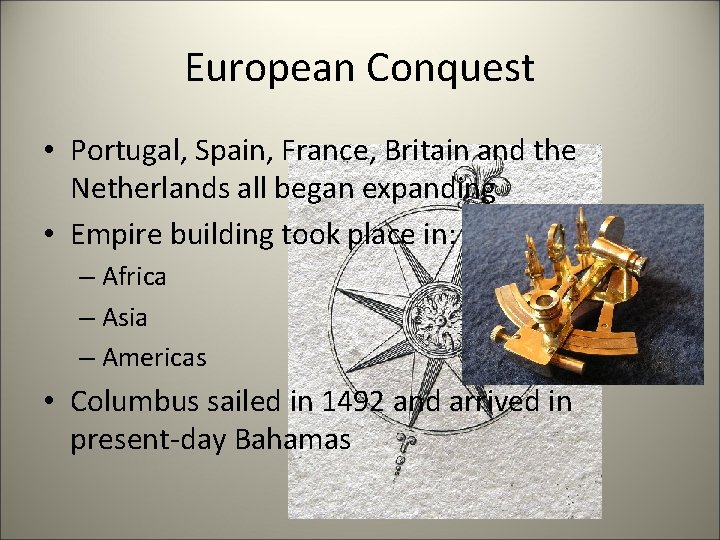
European Conquest • Portugal, Spain, France, Britain and the Netherlands all began expanding • Empire building took place in: – Africa – Asia – Americas • Columbus sailed in 1492 and arrived in present-day Bahamas
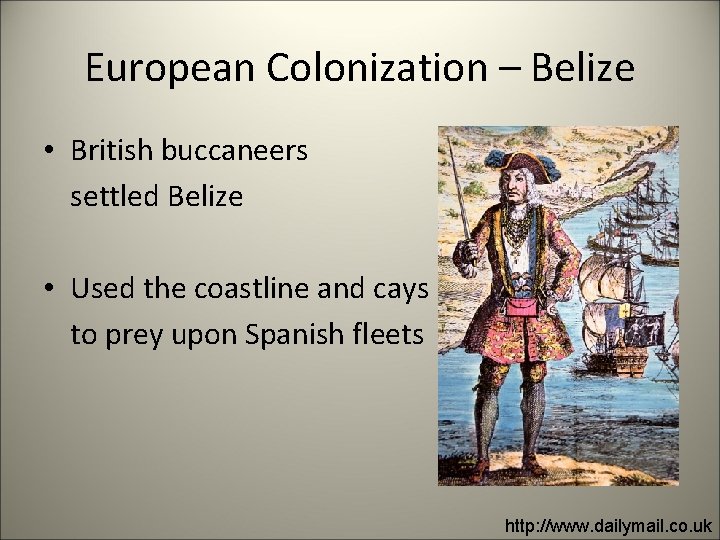
European Colonization – Belize • British buccaneers settled Belize • Used the coastline and cays to prey upon Spanish fleets http: //www. dailymail. co. uk
European Colonization – Belize • Spanish conquistadors traveled through Belize – Hernan Cortes: conquered Aztec empire in Mexico – Pedro de Alavaro: defeated the Maya in Yucatan • Mayans in northern Belize fought back • Most died from European disease
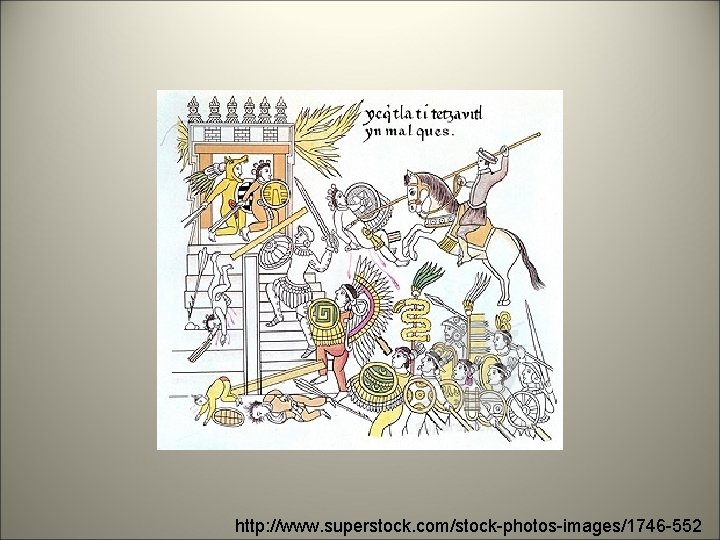
http: //www. superstock. com/stock-photos-images/1746 -552
Slavery in Americas • First African slaves in Americas – 1518 • Slave trade existed for more than 300 yrs • Est. 15 -20 million slaves transported
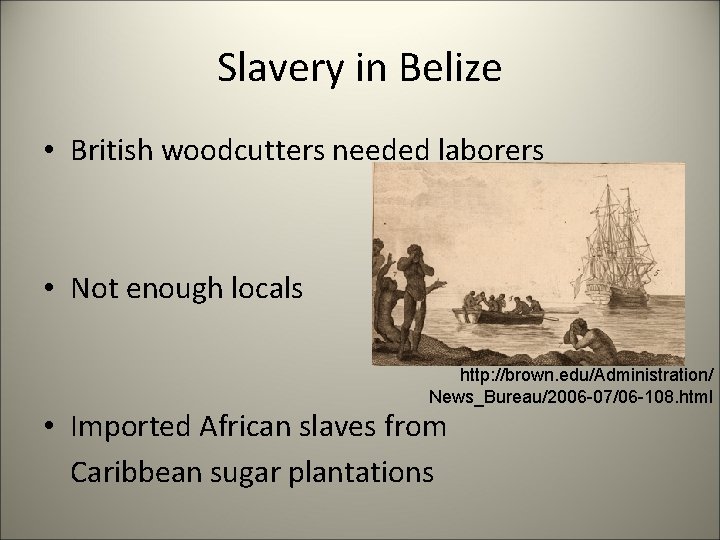
Slavery in Belize • British woodcutters needed laborers • Not enough locals http: //brown. edu/Administration/ News_Bureau/2006 -07/06 -108. html • Imported African slaves from Caribbean sugar plantations
Slavery in Belize • 1700 s–African slaves = majority of population – 75% African slaves – 10% white – 15% free Africans, mestizos, indigenous • Slave trade ended – 1807 • Slavery abolished – 1833
Economical Exploitation of Belize • Western European nations controlled economies of their colonies • Development in Belize dictated by Europe
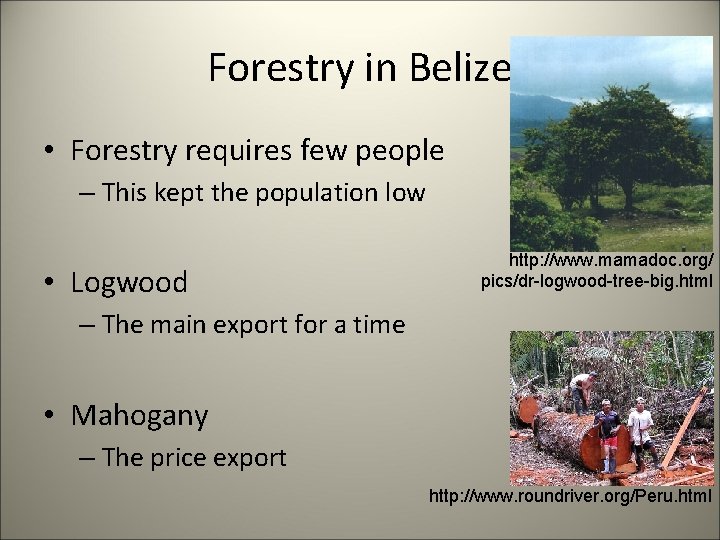
Forestry in Belize • Forestry requires few people – This kept the population low • Logwood http: //www. mamadoc. org/ pics/dr-logwood-tree-big. html – The main export for a time • Mahogany – The price export http: //www. roundriver. org/Peru. html

http: //www. showcasehomesofamerica. com http: //www. entrydoorsbayarea. com/
Development of Merchant Class • Import of nearly all necessities • Merchants became wealthy/powerful • Trade with Confederates during US Civil War
Land: A Monopoly • European absentee land-owners • Excluded indigenous peoples from owning • Only land owners could vote • By 1817, Britain controlled “unclaimed” land
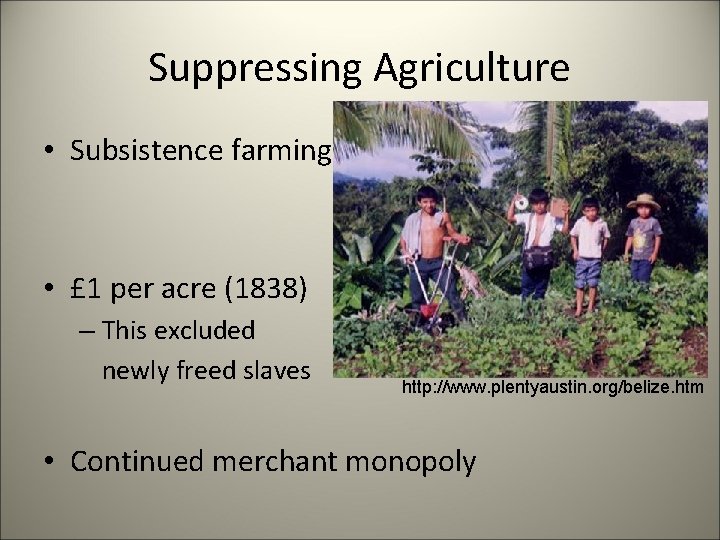
Suppressing Agriculture • Subsistence farming • £ 1 per acre (1838) – This excluded newly freed slaves http: //www. plentyaustin. org/belize. htm • Continued merchant monopoly
Independence in European Colonies • Workers’ Movements • World War II • India, Vietnam and many other nations declared their independence • Nationalist Movements
Harsh Labor Laws • Severe punishments for “crimes” – Missing a day – Leaving a job unfinished – Disobeying supervisor – 3 months in jail with hard labor
Workers’ Resistance • Mayan and slaves-turned-workers sought better wages and more control • 1836 -1936, $12 -15 per month • Company store – Indebted employees
Working Class Riots • Currency devaluation – Same pay, worth less • Racist treatment during WWI, WWII – Destruction of white-owned businesses – Universal Negro Improvement Assn. (UNIA) • Great Depression
Nationalist Movements • Large scale emigration – US: agriculture – Panama: canal building – Britain: forestry • Peoples’ Committee (Peoples’ United Party) – Assault on colonialism • General Workers’ Union – Alliance with laborers
Constitutional Struggle • Economic conditions – Value of dollar • Social conditions – Universal suffrage • 1964 – Self government
Contention • Spanish law of 1821 • All Spanish colonies remained same • 1945 – Guatemala declared Belize as part • Continued invasion threats (1972, ’ 75, ’ 77) – British military prevented invasions

http: //www. belizenet. com/history /
- Slides: 29