
A gap analysis facilitating marine conservation planning in
- Slides: 24
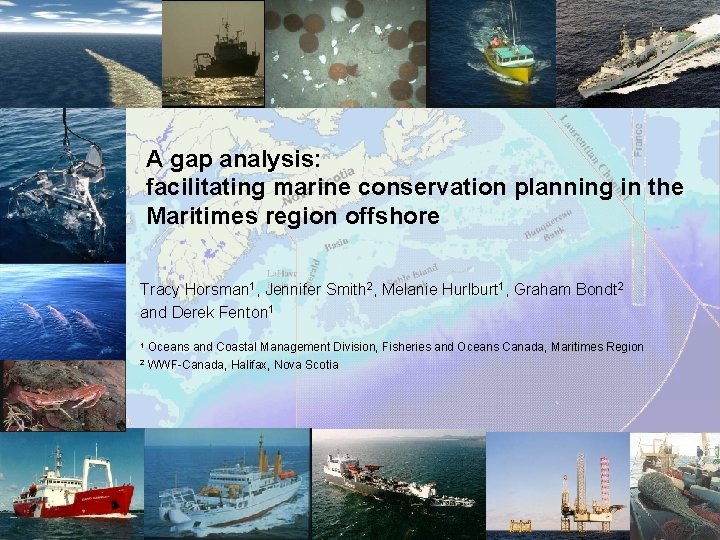
A gap analysis: facilitating marine conservation planning in the Maritimes region offshore Tracy Horsman 1, Jennifer Smith 2, Melanie Hurlburt 1, Graham Bondt 2 and Derek Fenton 1 Oceans and Coastal Management Division, Fisheries and Oceans Canada, Maritimes Region 2 WWF-Canada, Halifax, Nova Scotia 1
ESSIM context • Stakeholder agreement on plan • Role: the aim of the Plan is to augment or enhance existing decision-making processes by linking sector planning and management to an overarching set of goals and objectives.
Action plans • To implement the objectives and strategies of the ESSIM Plan. • Shorter term (2 -3 yr) • Higher level of detail, i. e. : – Roles and responsibilities – Timelines, milestones, targets – Specific activities • may be – sector-based – Issue-based – Collaborative/cross-sectoral
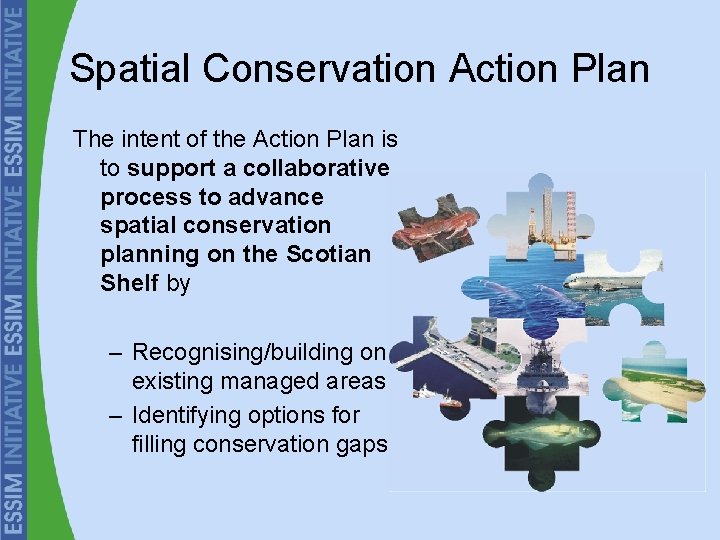
Spatial Conservation Action Plan The intent of the Action Plan is to support a collaborative process to advance spatial conservation planning on the Scotian Shelf by – Recognising/building on existing managed areas – Identifying options for filling conservation gaps
Action Plan Goals • Define and build common understanding of spatial conservation planning • Synthesize existing information on areas of conservation value and existing sites • Assess the contribution of existing managed areas and identify gaps in conservation efforts. • Identify areas of conservation priority and make recommendations for action • Inform ongoing initiatives (ex. MPA Action Plan) and steward implementation
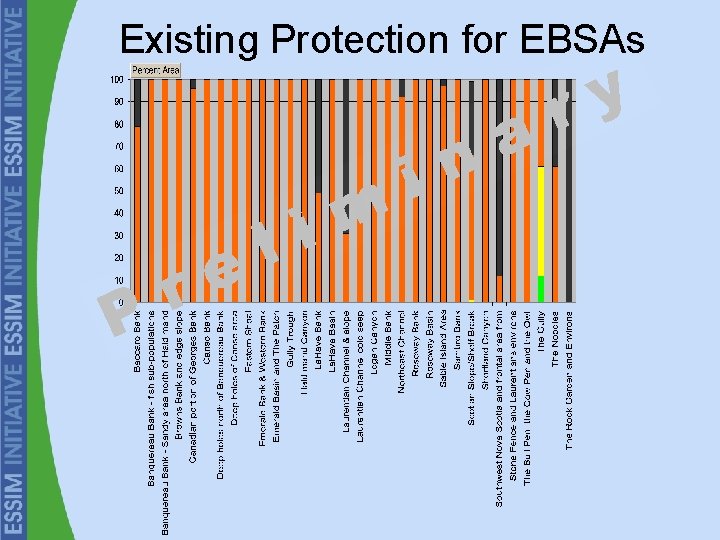
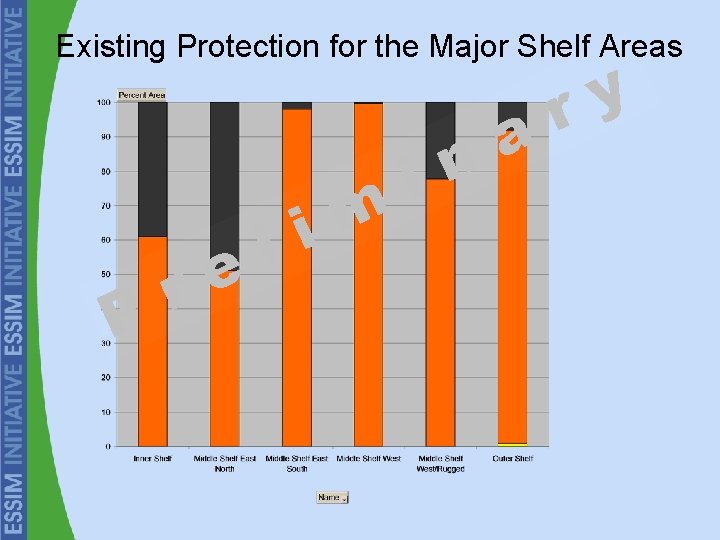
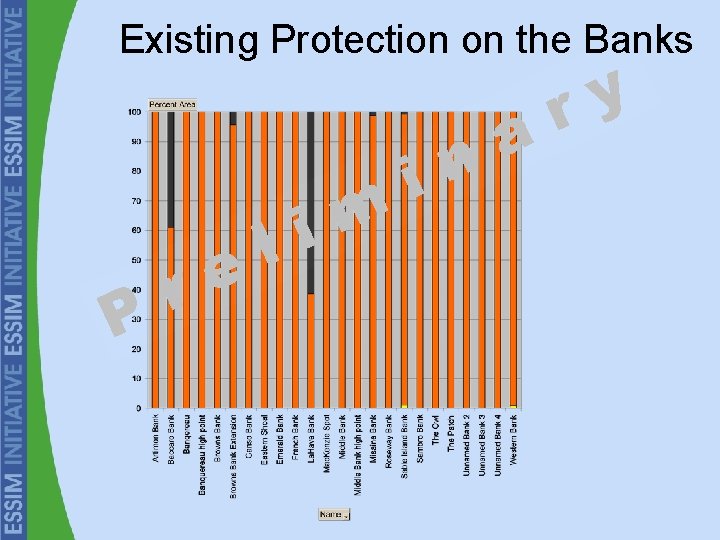
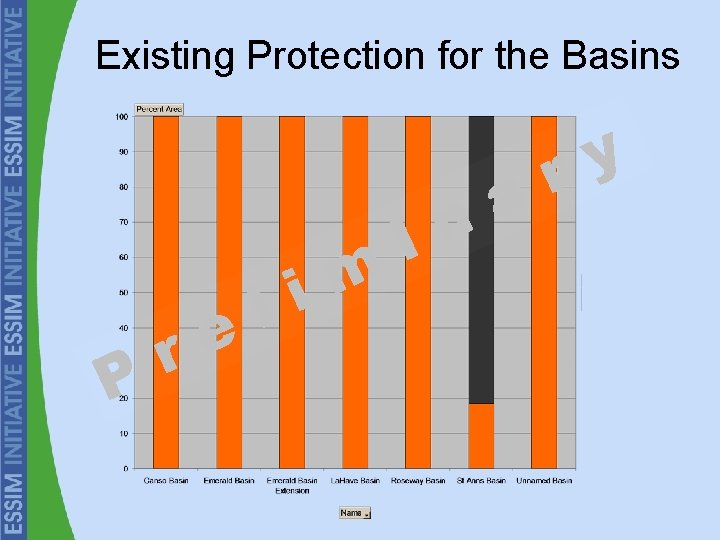
Gap analysis • An analysis of the extent to which species, natural communities, ecological systems and the ecological processes that sustain them are represented in a protected area network • Well-accepted tool in conservation planning • What proportion of each conservation feature/habitat type falls within each level of protection? ”
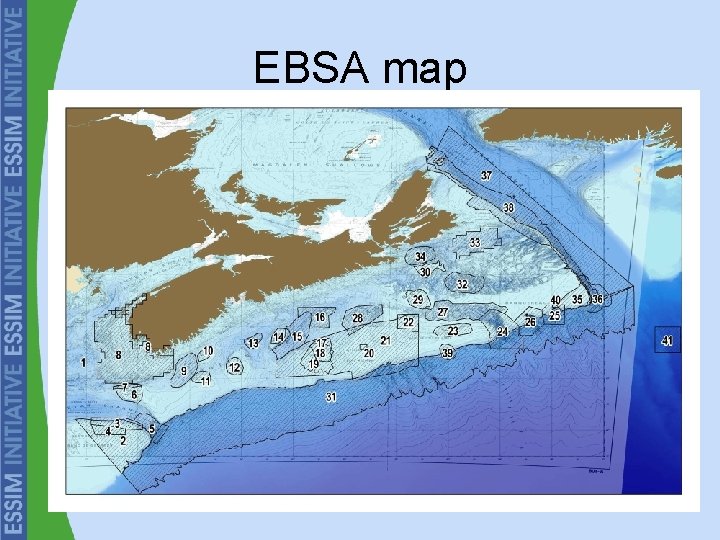
Conservations features – distinctive areas • EBSAs – uniqueness, aggregation, fitness consequences, resilience, naturalness. • Greater than usual degree of risk aversion. • DFO process, science-led. OAP Phase 1 Science deliverable in support of IM • Scientific expert opinion workshop
EBSA map
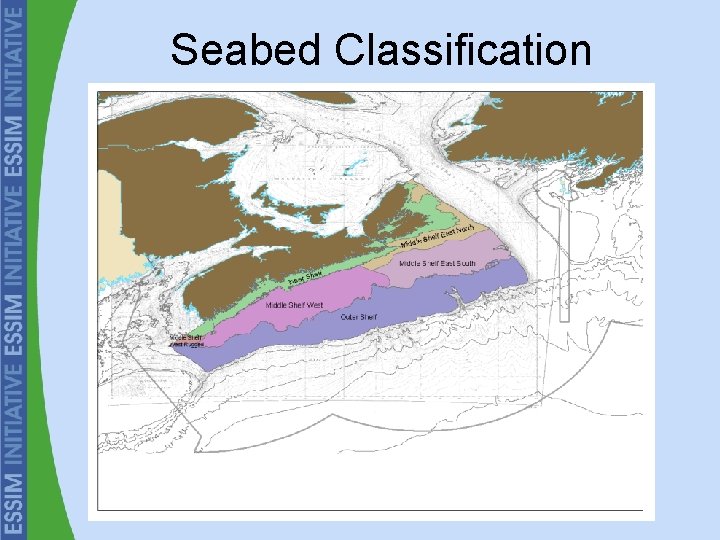
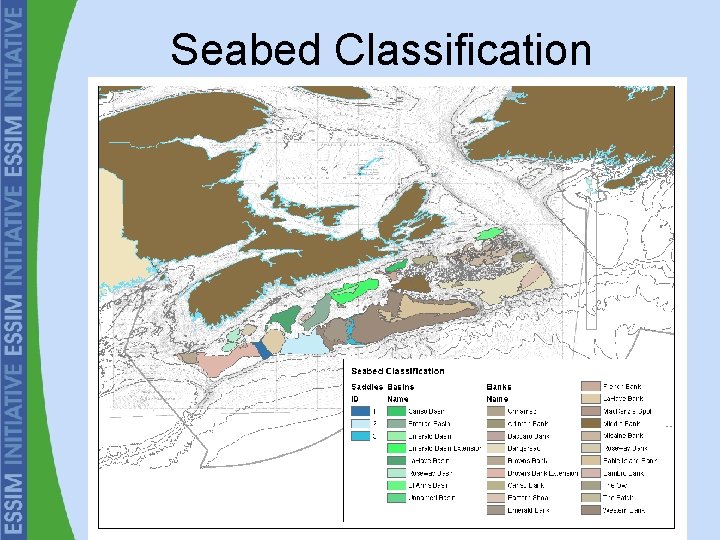
Seabed feature classification • Concept of representation • Physical features that influence characteristics of communities/ecosystems • Gordon Fader, commissioned by WWF • General, intuitive, based on consensus, intended to be used as an interim classification tool
Seabed Classification
Seabed Classification
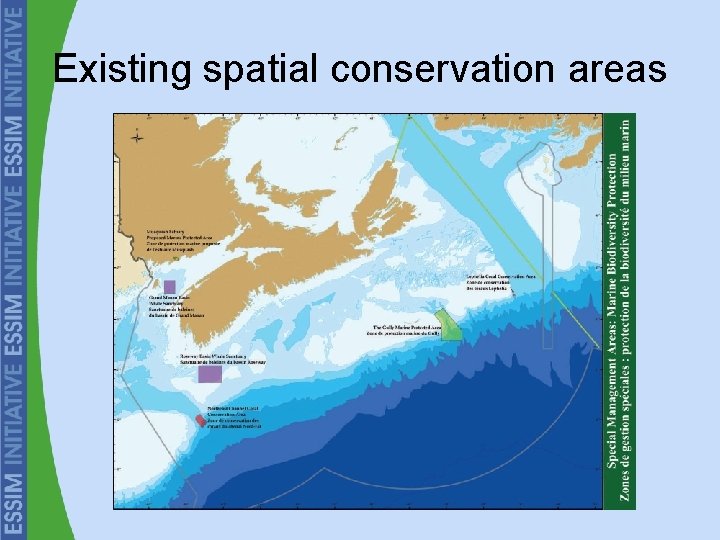
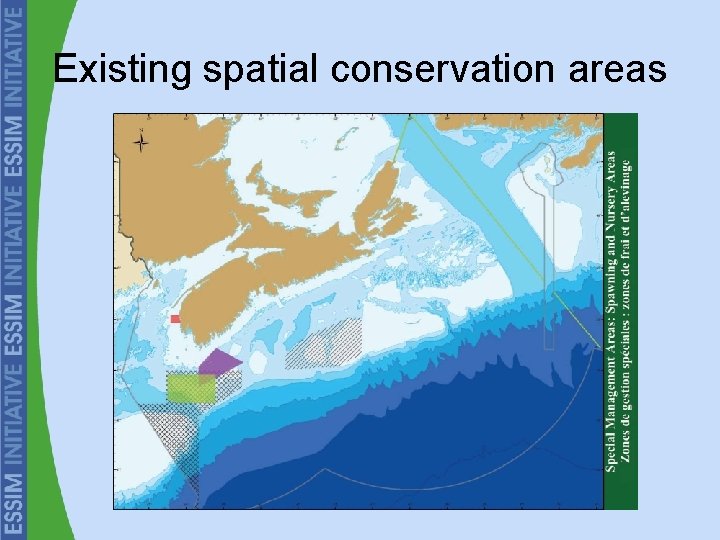
Existing managed areas inventory • Range of tools, agencies • legislative / regulatory / voluntary • No comprehensive inventory
Existing spatial conservation areas
Existing spatial conservation areas
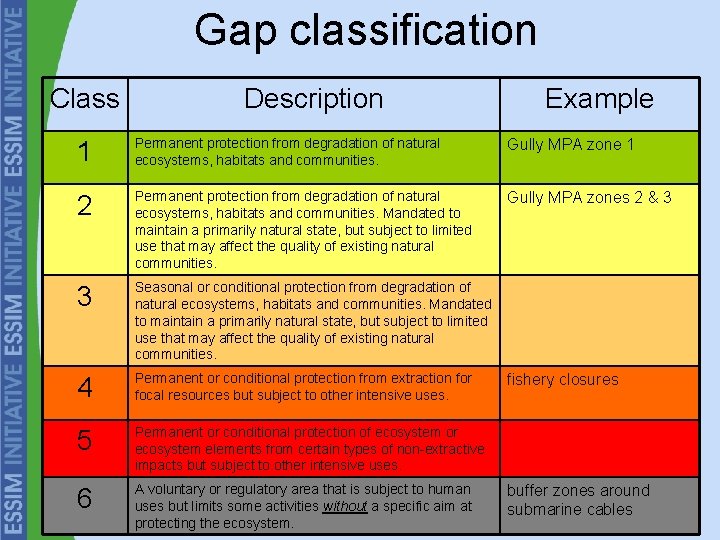
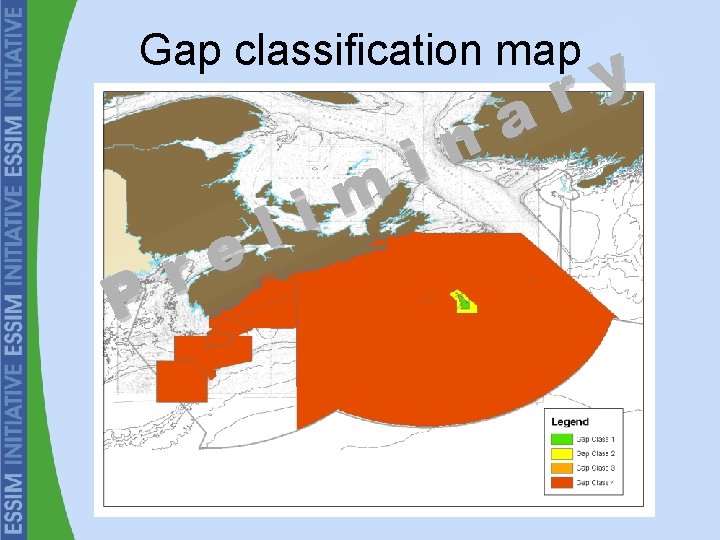
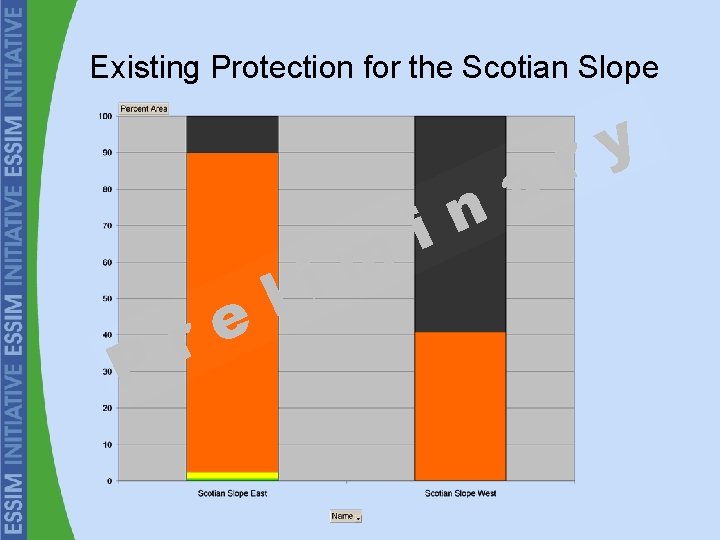
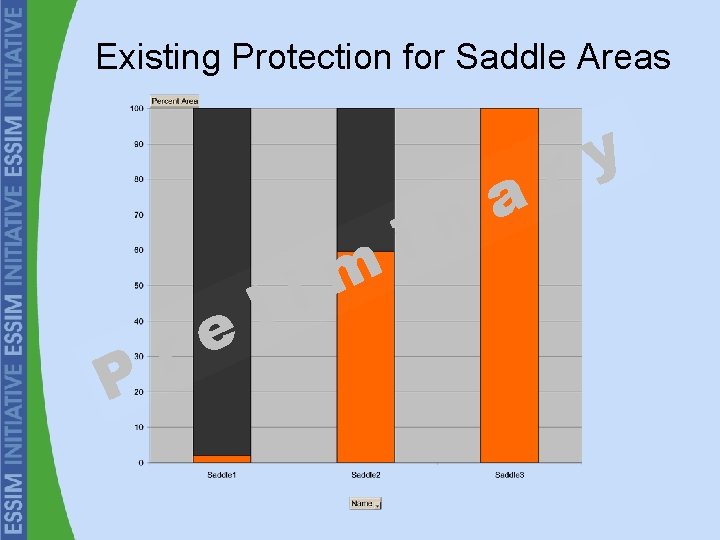
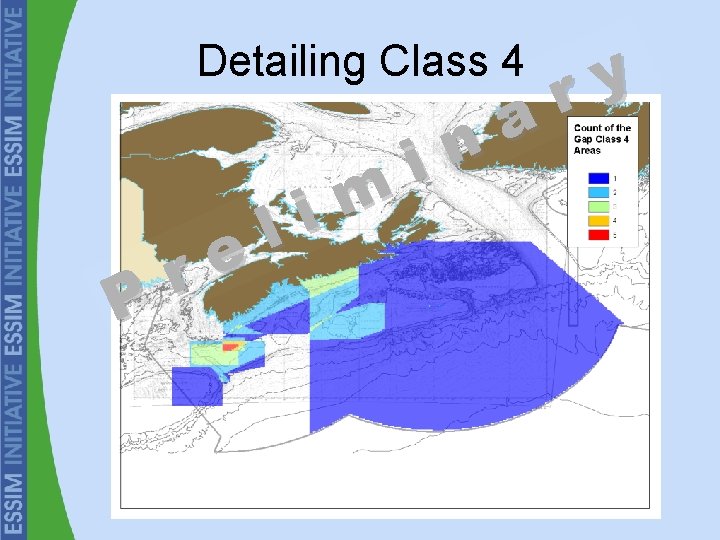
Gap classification Class Description Example 1 Permanent protection from degradation of natural ecosystems, habitats and communities. Gully MPA zone 1 2 Permanent protection from degradation of natural ecosystems, habitats and communities. Mandated to maintain a primarily natural state, but subject to limited use that may affect the quality of existing natural communities. Gully MPA zones 2 & 3 3 Seasonal or conditional protection from degradation of natural ecosystems, habitats and communities. Mandated to maintain a primarily natural state, but subject to limited use that may affect the quality of existing natural communities. 4 Permanent or conditional protection from extraction for focal resources but subject to other intensive uses. 5 Permanent or conditional protection of ecosystem or ecosystem elements from certain types of non-extractive impacts but subject to other intensive uses. 6 A voluntary or regulatory area that is subject to human uses but limits some activities without a specific aim at protecting the ecosystem. fishery closures buffer zones around submarine cables
Gap classification map m i l e r P y r a n i
Existing Protection for EBSAs m i l e r P y r a n i
Existing Protection for the Major Shelf Areas m i l e r P y r a n i
Existing Protection on the Banks m i l e r P y r a n i
Existing Protection for the Basins m i l e r P y r a n i
Existing Protection for the Scotian Slope m i l e r P y r a n i
Existing Protection for Saddle Areas m i l e r P y r a n i
Interpretation • Workshop – share information with stakeholders, refine analysis with new information • Generate discussion on interpretation and implications of gaps – Most significant – Most urgent – Identify options for addressing gaps
y r a n i Detailing Class 4 m i l e r P