
A Desktop Particle Accelerator Employing a Pyroelectric Crystal
- Slides: 22
A Desktop Particle Accelerator Employing a Pyroelectric Crystal Jon Kalodimos, Kansas State University Dr. Rand Watson, Texas A&M Cyclotron Institute
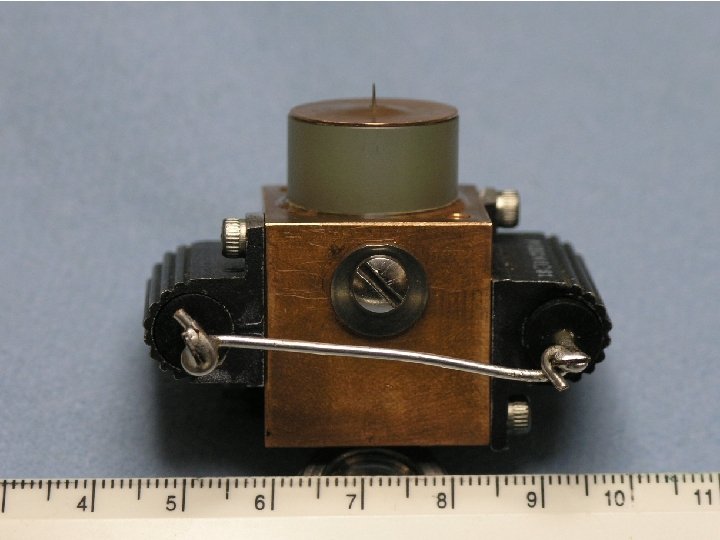
What is a Pyroelectric Crystal? • Lithium Tantalate (Li. Ta. O 3) is a type of crystal that has pyroelectric properties, meaning that when it is heated a large electrostatic field is produced on the face of the crystal. • Lithium Tantalate also has piezoelectric properties meaning that mechanical compressions will also produce an electrostatic field.
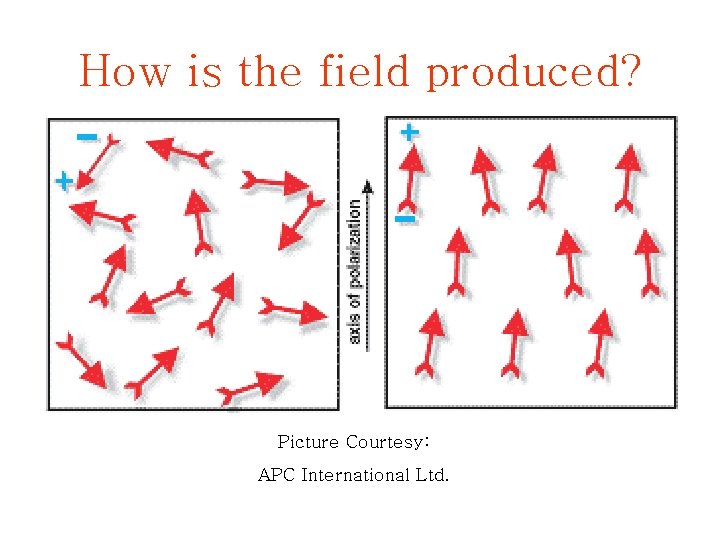
How is the field produced? Picture Courtesy: APC International Ltd.
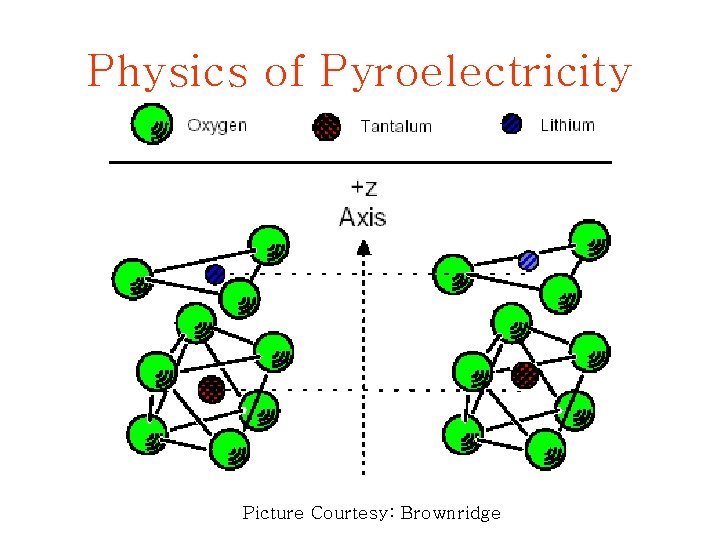
Physics of Pyroelectricity Picture Courtesy: Brownridge
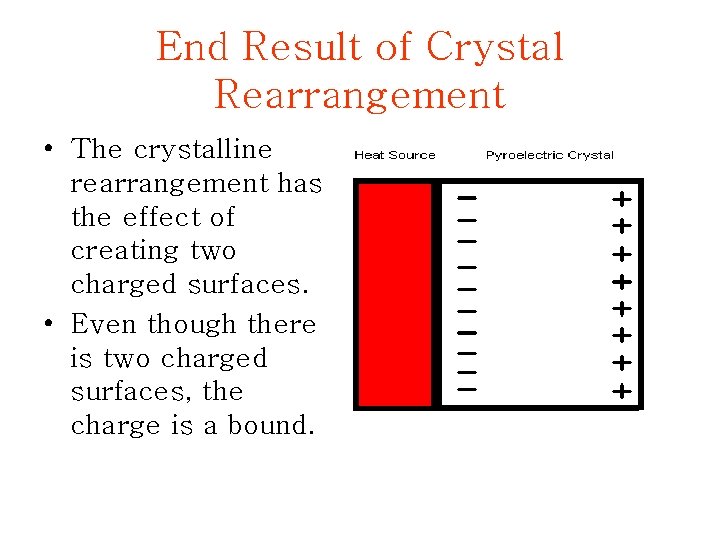
End Result of Crystal Rearrangement • The crystalline rearrangement has the effect of creating two charged surfaces. • Even though there is two charged surfaces, the charge is a bound.
Recent Innovative uses of Pyroelectric Crystals • Recently it has been reported by Naranjo, Gimzewski & Putterman at UCLA that pyroelectric crystals have been employed to create D +D fusion under desktop conditions.
REU Experiment Objectives • Optimize the conditions for particle acceleration • Verify the results of the D+D fusion experiments mentioned above • Assess the possibility of extending this method to other nuclear reactions
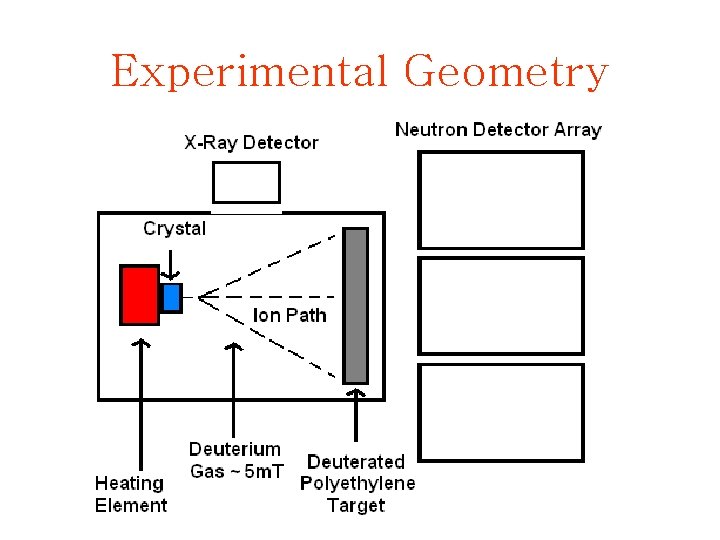
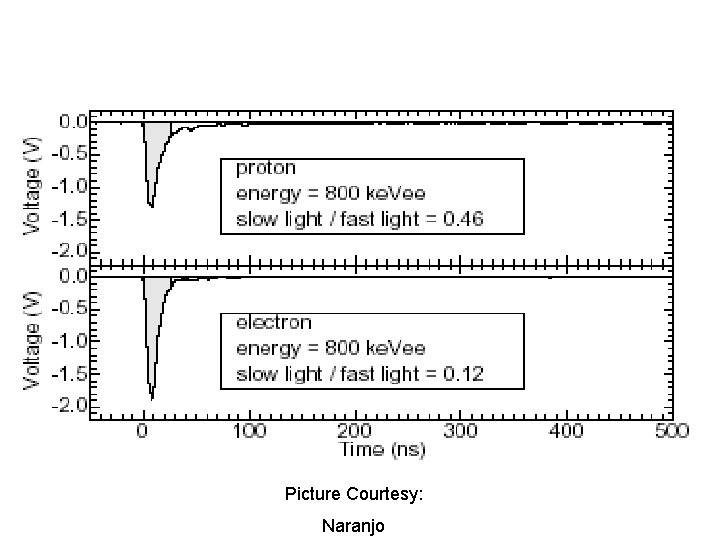
Methodology • Determine and optimize beam geometry • Determine the ion energy via the corresponding electron’s Bremsstrahlung radiation • Determine whether D +D fusion is taking place by measuring fast neutrons using a liquid scintillation detector
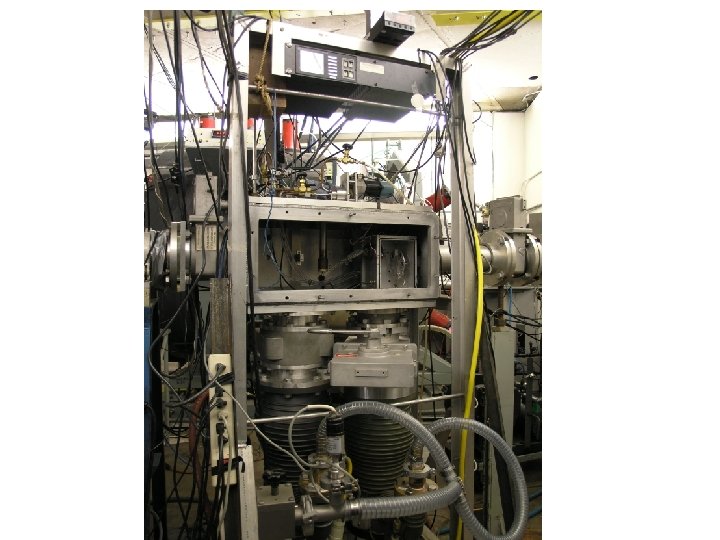
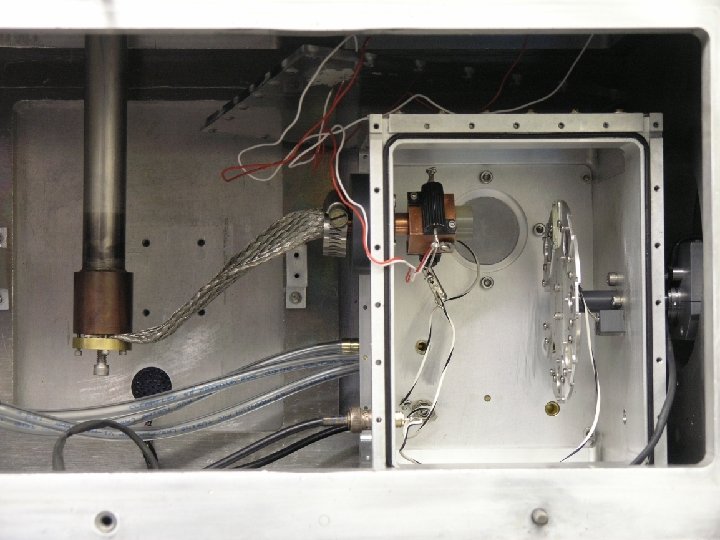
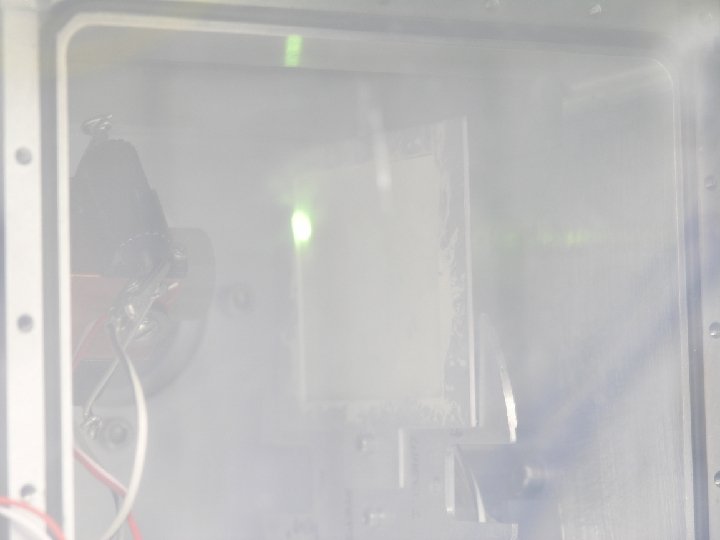
Experimental Geometry
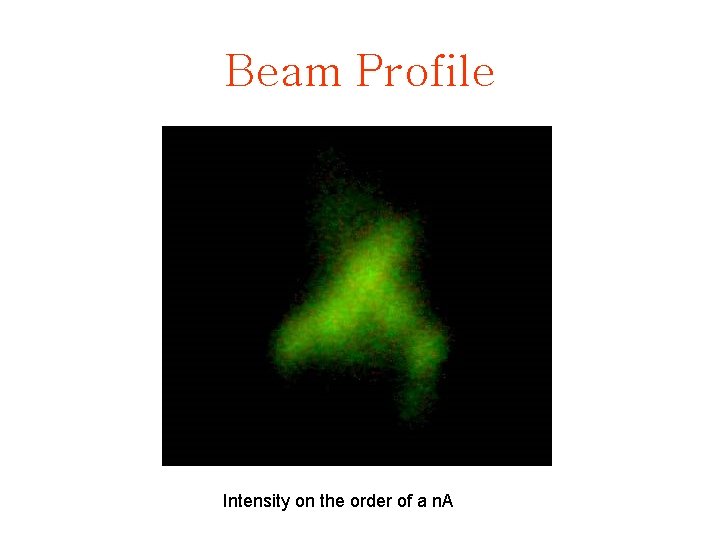
Beam Profile Intensity on the order of a n. A
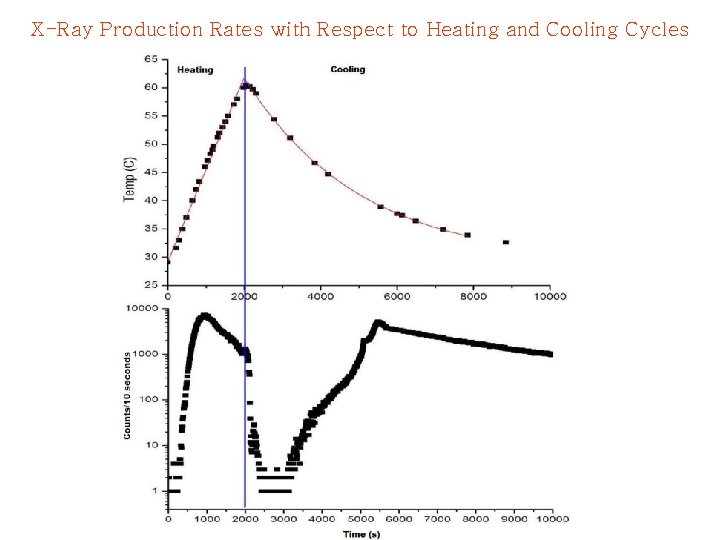
X-Ray Production Rates with Respect to Heating and Cooling Cycles
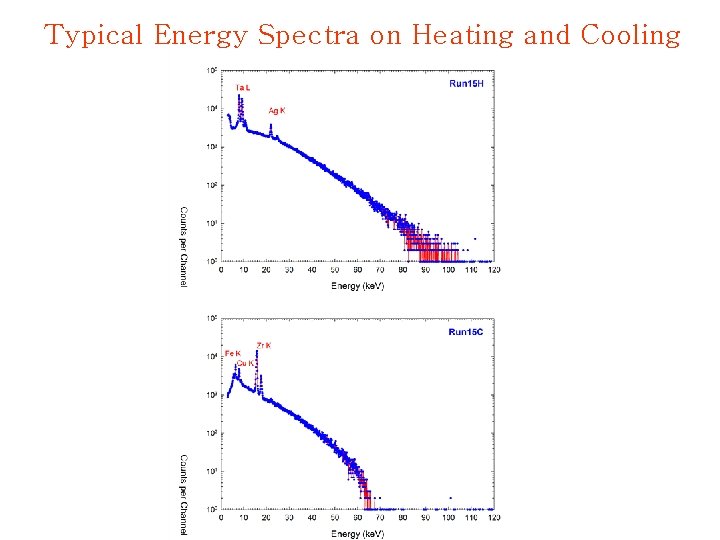
Typical Energy Spectra on Heating and Cooling
Variables • • Gas Pressure Heating Rate (d. T/dt) ΔTemperature Time between runs
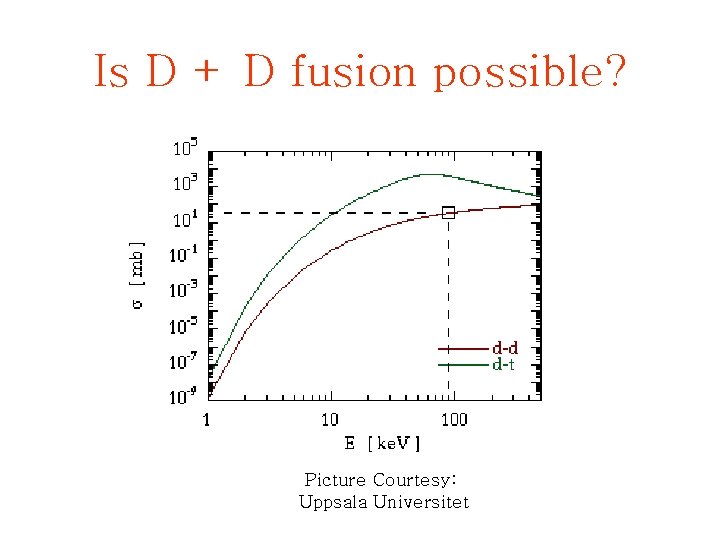
Is D + D fusion possible? Picture Courtesy: Uppsala Universitet
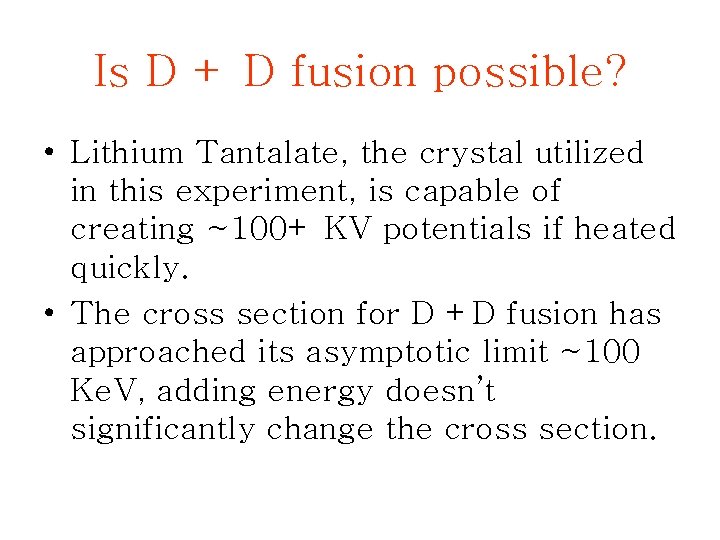
Is D + D fusion possible? • Lithium Tantalate, the crystal utilized in this experiment, is capable of creating ~100+ KV potentials if heated quickly. • The cross section for D +D fusion has approached its asymptotic limit ~100 Ke. V, adding energy doesn’t significantly change the cross section.
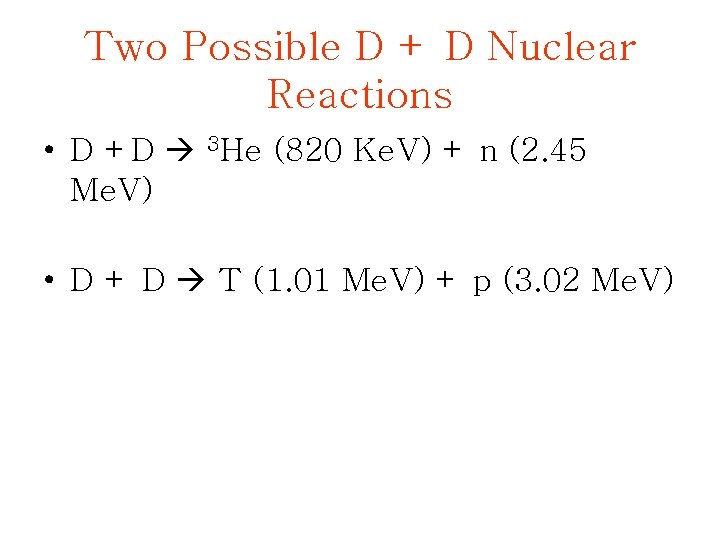
Two Possible D + D Nuclear Reactions • D +D 3 He (820 Ke. V) + n (2. 45 Me. V) • D + D T (1. 01 Me. V) + p (3. 02 Me. V)
Picture Courtesy: Naranjo
Acknowledgements • • National Science Foundation Dept. of Energy Texas A&M Cyclotron Institute Dr. Rand Watson