
A Day in the Life Mapping Project Andrea
- Slides: 24
“A Day in the Life” Mapping Project Andrea Twiss-Brooks University of Chicago Library The Library in the Life of the User October 21 -22, 2015
Project Goals Learn how third-year medical students seek and use information in the course of daily activities, especially activities conducted in a clinical setting Test a particular ethnographic method in multiple institutional settings and determine its viability as a tool for adding to the body of library evidence-based practice
Target Population • Third year medical students aka “fledgling” clinicians • Clerkships or rotations provide exposure to a wide range of clinical activities • Master core clinical medical competencies as well as communication and professionalism competencies • Inpatient and outpatient experiences in various settings • Little use of the physical library facilities
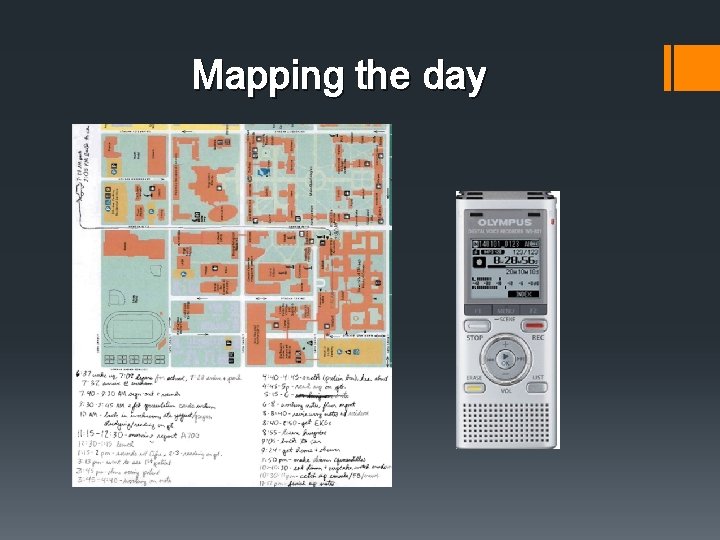
Protocol • Map (or chart) movement for one entire day -- waking up to going to bed • Arrival and departure time at each location noted • Interview on following day using map as prompt • Audio recordings were made – no notes taken during interviews
Mapping the day
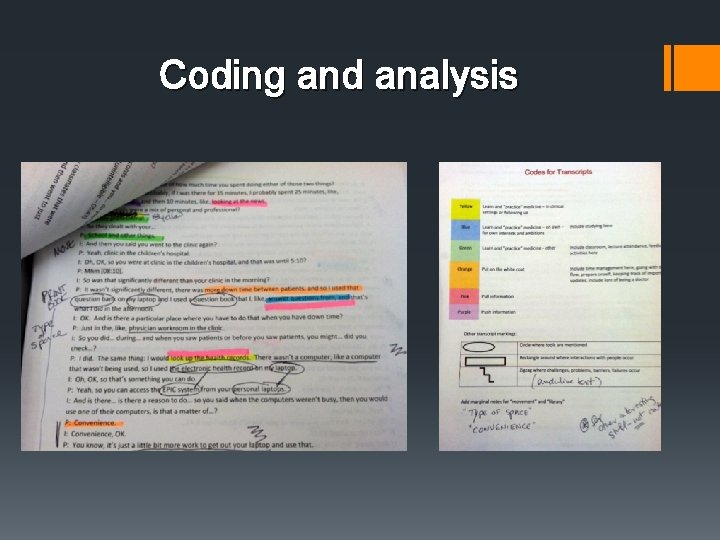
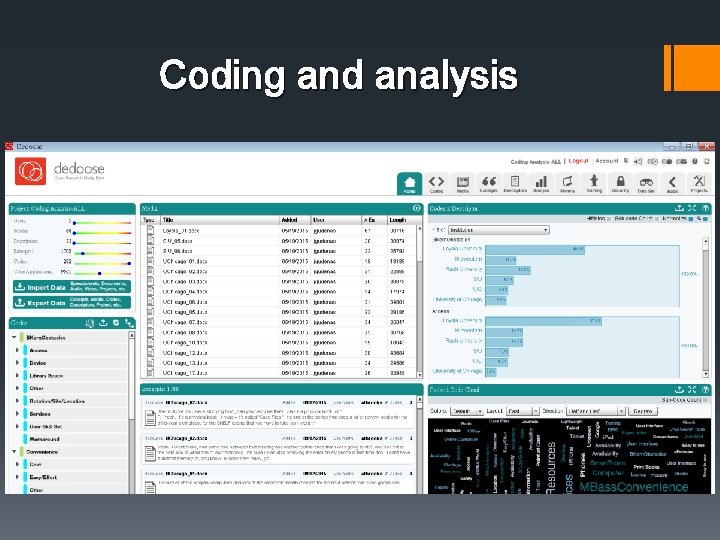
Coding and Analysis • Student employees transcribed 69 participant interviews • Consultant provided two day workshop on coding and analysis for team members • Each institutional team coded their own transcripts • Analysis using mostly qualitative approaches
Coding and analysis
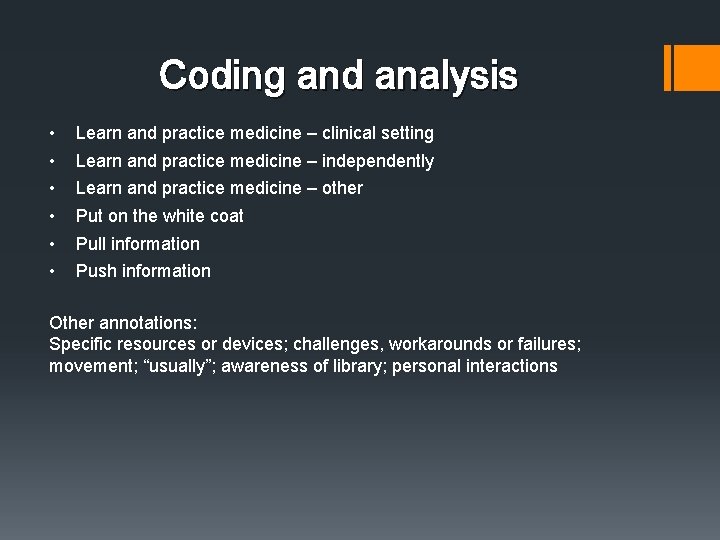
Coding and analysis • • • Learn and practice medicine – clinical setting Learn and practice medicine – independently Learn and practice medicine – other Put on the white coat Pull information Push information Other annotations: Specific resources or devices; challenges, workarounds or failures; movement; “usually”; awareness of library; personal interactions
Coding and analysis
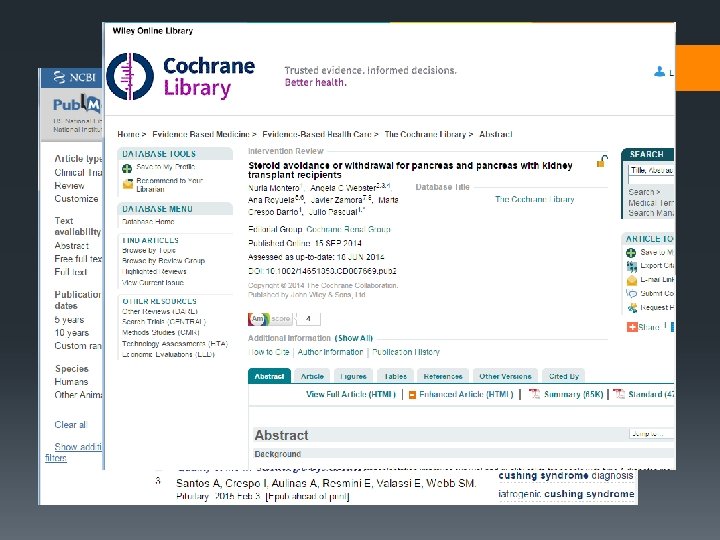
Preliminary results Information seeking “in the wild” “Information Literacy and Research Practices” by Nancy Fried Foster http: //www. sr. ithaka. org/publications/information-literacy-and-research-practices/
Preliminary results • Fast paced clinical answers needed
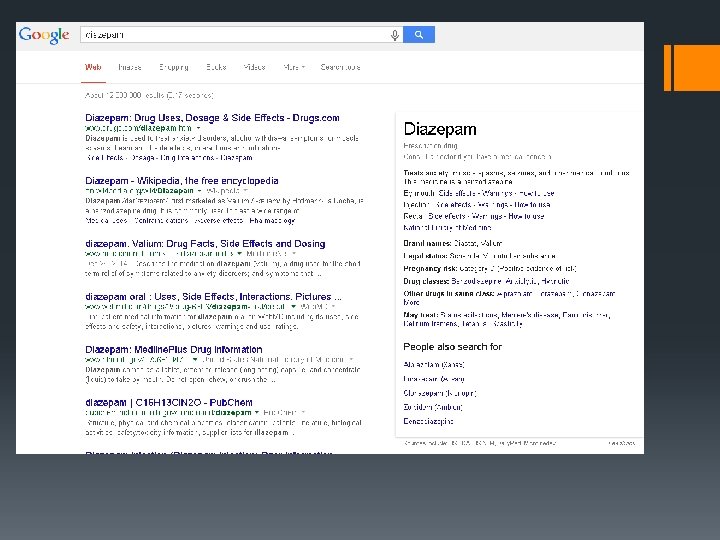
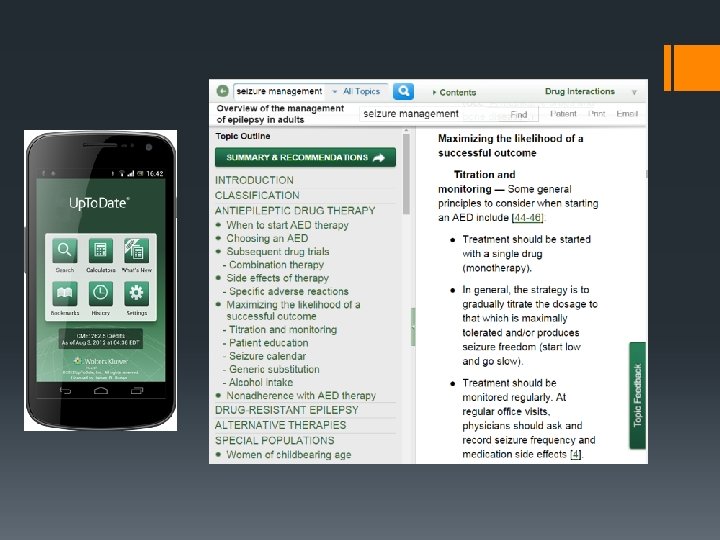
Preliminary results • Fast paced clinical answers needed • When Google/Wikipedia isn’t enough
Preliminary results • Fast paced clinical answers needed • When Google/Wikipedia isn’t enough • In depth research and learning
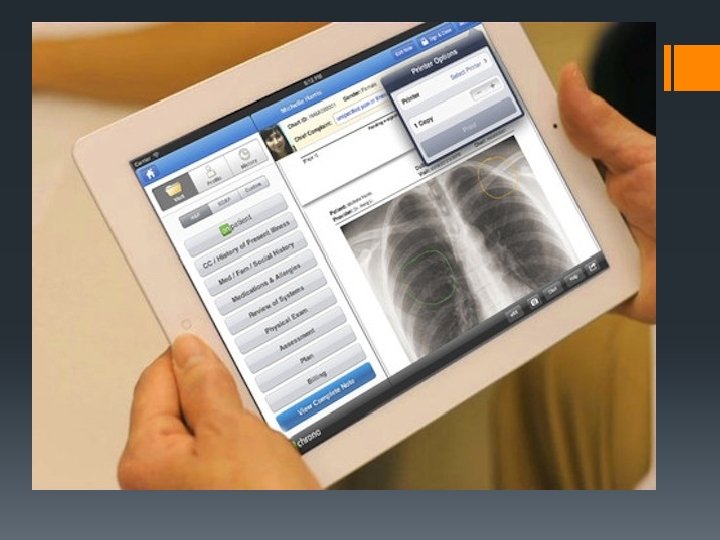
Preliminary results • Fast paced clinical answers needed • When Google/Wikipedia isn’t enough • In depth research and learning • Electronic health records
Preliminary results • Fast paced clinical answers needed • When Google/Wikipedia isn’t enough • In depth research and learning • Electronic health records • Print vs e-books
Preliminary results • Fast paced clinical answers needed • When Google/Wikipedia isn’t enough • In depth research and learning • Electronic health records • Print vs e-books • Challenges and obstacles
Applying the results • Renovation projects • Changes to library workstations • Extended borrowing period for i. Pads • Changed website to faciliate access to Upto. Date • Pushing out Upto. Date mobile app • Informing librarian rounding pilot program • Changes in collection development projects • Future directions/projects: stronger emphasis on responsive design, support for resources not previously collected, partner with medical school/center to integrate resources into EHR
Lessons learned • • • Support from the medical school administration was critical Incentives were important in recruiting participants Build in extra time for bureaucracy Having a project leader was essential Services of a professional consultant were extremely helpful Use a variety of approaches for project team communication
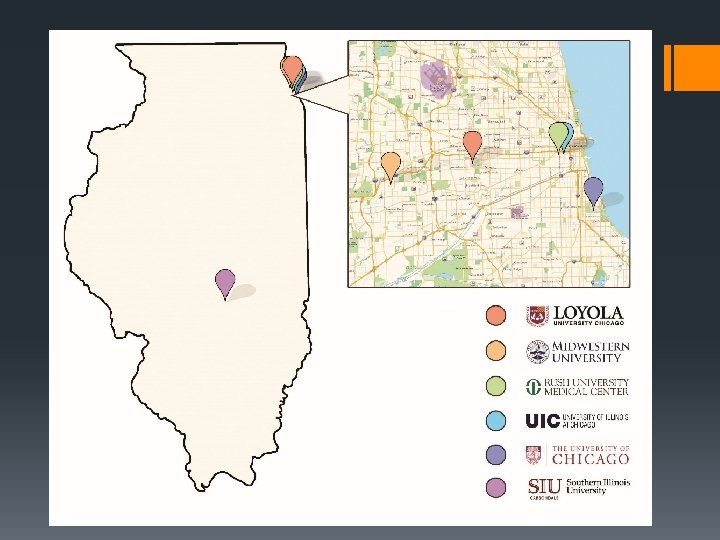
Project Team Barbara Kern, Deb Werner, Ricardo Andrade (University of Chicago) Kathryn Carpenter, Gwen Gregory, Jay Jurek (University of Illinois at Chicago)