
A CHECKLIST FOR THE STABLE HEART FAILURE PATIENT
A CHECKLIST FOR THE STABLE HEART FAILURE PATIENT Mairead Lehane, Candidate ANP: Cardiology Mallow General Hospital 9 th February 2019
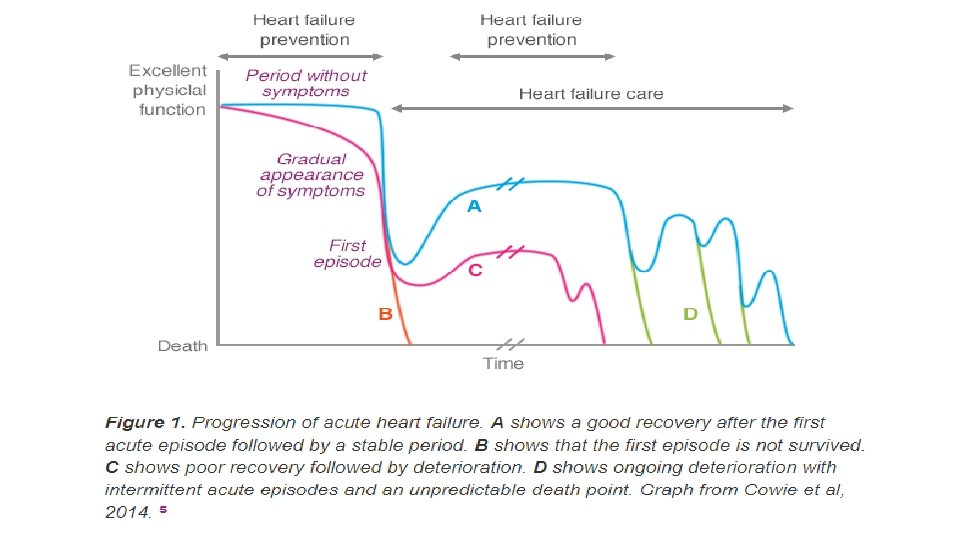

THE STABLE HEART FAILURE PATIENT • Patients with heart failure (HF) are often considered clinically stable if they are receiving treatment and show no physical signs and symptoms suggestive of worsening cardiac function (Hani et al , 2017). • Heart Failure Model of Care (2012) advocates two structured visits per year in primary care 1. Clinical assessment 2. Review of medications 3. Assessment of self care and education • However, a lack of clinically observable signs and symptoms of worsening HF may not always be indicative of a patient's long‐term prognosis • HF is a progressive disorder, and ongoing cardiac structural and functional deterioration is present in many patients who are asymptomatic or mildly symptomatic. • Sudden cardiac death is most common in patients with mild or moderate HF symptoms who could be considered ‘clinically stable’ Silent disease progression in clinically stable heart failure. Hani N. Sabbah Eur J Heart Fail. 2017 Apr; 19(4): 469– 478.
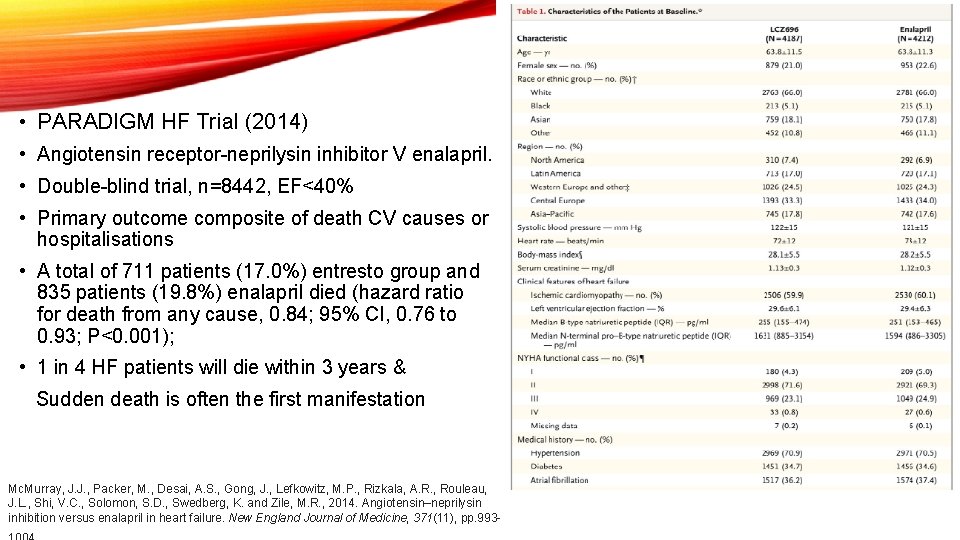
• PARADIGM HF Trial (2014) • Angiotensin receptor-neprilysin inhibitor V enalapril. • Double-blind trial, n=8442, EF<40% • Primary outcome composite of death CV causes or hospitalisations • A total of 711 patients (17. 0%) entresto group and 835 patients (19. 8%) enalapril died (hazard ratio for death from any cause, 0. 84; 95% CI, 0. 76 to 0. 93; P<0. 001); • 1 in 4 HF patients will die within 3 years & Sudden death is often the first manifestation Mc. Murray, J. J. , Packer, M. , Desai, A. S. , Gong, J. , Lefkowitz, M. P. , Rizkala, A. R. , Rouleau, J. L. , Shi, V. C. , Solomon, S. D. , Swedberg, K. and Zile, M. R. , 2014. Angiotensin–neprilysin inhibition versus enalapril in heart failure. New England Journal of Medicine, 371(11), pp. 993 -
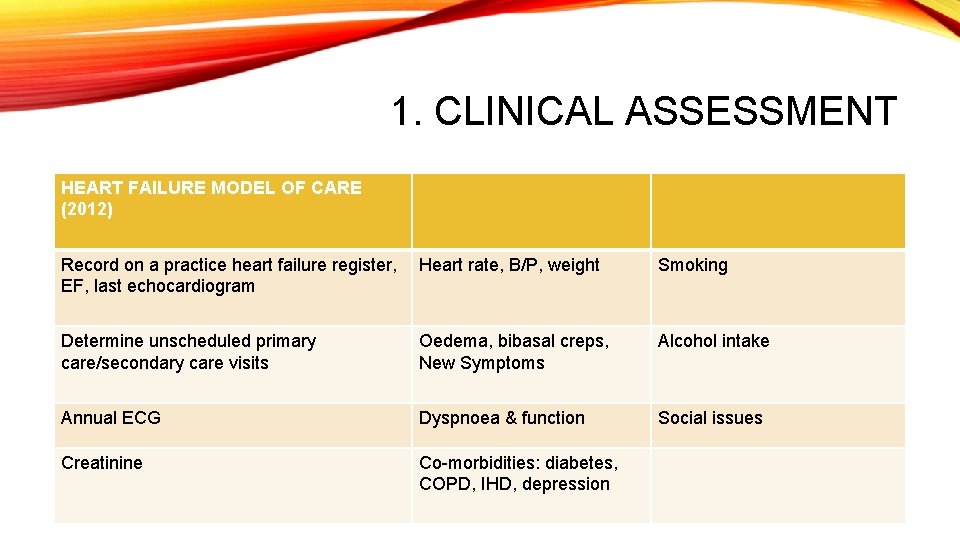
1. CLINICAL ASSESSMENT HEART FAILURE MODEL OF CARE (2012) Record on a practice heart failure register, Heart rate, B/P, weight EF, last echocardiogram Smoking Determine unscheduled primary care/secondary care visits Oedema, bibasal creps, New Symptoms Alcohol intake Annual ECG Dyspnoea & function Social issues Creatinine Co-morbidities: diabetes, COPD, IHD, depression

CLINICAL ASSESSMENT • ECHO following GDMT achieved x 3 -6 months • Decision regarding device therapy • Change in clinical status • Routine surveillance in the absence of change in clinical status is unwarranted

HEART RATE MATTERS • 373 (67. 9%) were within heart rate target guidelines of less than 70 beats per minute (bpm). • 176 (32. 1%) ≥ 70 bpm and 117 (21. 3%) patients had resting heart rates > 75 bpm. Average HR 80 • 42% of the diabetic cohort not at target • 56% of COPD group not at target. • Higher heart rates are associated with increased risk of • Those not achieving target HR only 76% on betablockers cardiovascular death and or hospitalisations due to heart failure. • Persistent tachycardia may be a manifestation of • For every 1 bpm increase in heart rate the risk severe cardiac dysfunction or noncardiovascular increased by 3%. (SHIFT Trial, 2010) disease, such as thyroid dysfunction. • N=549 / 12 centres

COMPETING PRIORITIES OF MULTIMORBIDITY ARISE-HF Framework A- Acknowledge multimorbidity as a clinical syndrome that is associated with poor health outcomes R- Routinely profile all patients hospitalised with HF to determine the extent of concurrent multimorbidity I- Identify individualised priorities and person centred goals based on the extent and nature of multimorbidity S- Support individualised home-based multidisciplinary case management to supplement standard HF management E- Evaluate health outcomes well beyond acute hospitalisation and encompass all-cause events

ANXIETY & DEPRESSION • Incidence of depression in HF 2 -3 x that of general population. • Depression estimated as 21% (19. 633. 3%) • Anxiety disorders 19%. • NYHA I =11% • NYHA IV =42% • The relationship between depression and poorer HF outcomes is consistent and strong across multiple end points • Depression and anxiety disorders in HF patients are common, under recognised, and linked to adverse outcomes. • JACC 1 and EJHF 2 Meta-analysis: 1. Rutledge T, Reis VA, Linke SE, Greenberg BH, Mills PJ. Depression in heart failure: a meta-analytic review of prevalence, intervention effects, and associations with clinical outcomes. Journal of the American college of Cardiology. 2006 Oct 17; 48(8): 1527 -37. 2. Haworth JE, Moniz‐Cook E, Clark AL, Wang M, Waddington R, Cleland JG. Prevalence and predictors of anxiety and depression in a sample of chronic heart failure patients with left ventricular systolic dysfunction. European journal of heart failure. 2005 Aug; 7(5): 803 -8.
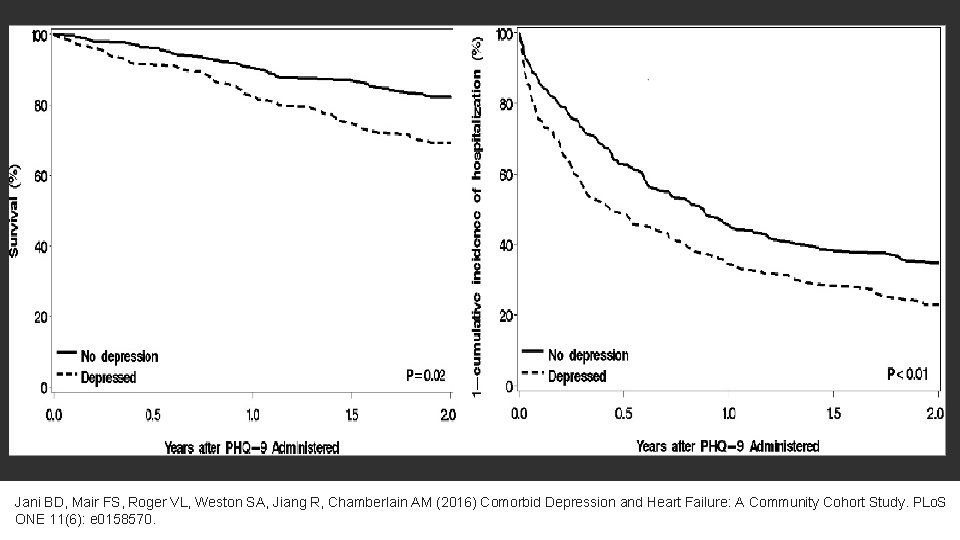
Jani BD, Mair FS, Roger VL, Weston SA, Jiang R, Chamberlain AM (2016) Comorbid Depression and Heart Failure: A Community Cohort Study. PLo. S ONE 11(6): e 0158570.
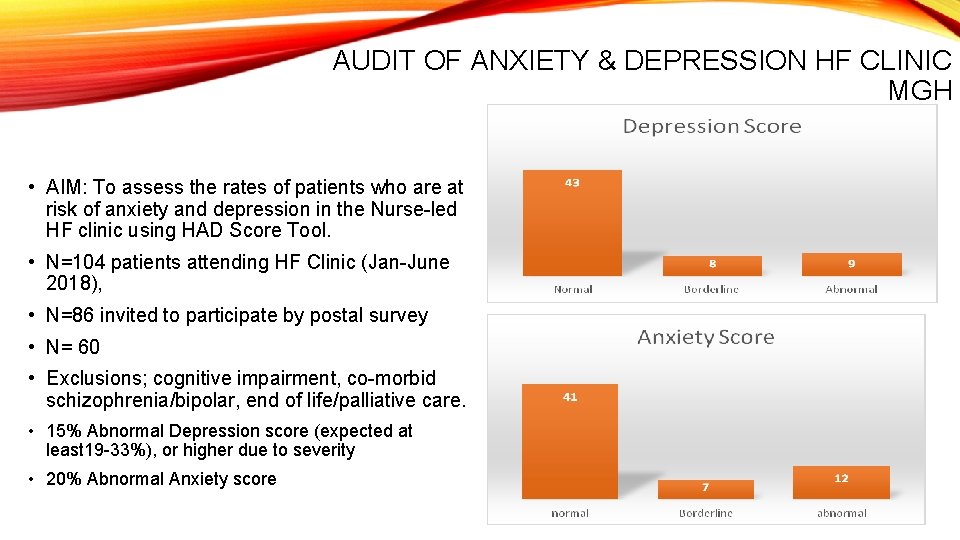
AUDIT OF ANXIETY & DEPRESSION HF CLINIC MGH • AIM: To assess the rates of patients who are at risk of anxiety and depression in the Nurse-led HF clinic using HAD Score Tool. • N=104 patients attending HF Clinic (Jan-June 2018), • N=86 invited to participate by postal survey • N= 60 • Exclusions; cognitive impairment, co-morbid schizophrenia/bipolar, end of life/palliative care. • 15% Abnormal Depression score (expected at least 19 -33%), or higher due to severity • 20% Abnormal Anxiety score

2. REVIEW OF MEDICATIONS Heart Failure Model of Care (2012) Determine if on appropriate medications and doses Introduce new medications if required or liaise with heart failure nurse/unit Determine if any contraindicated medications being used
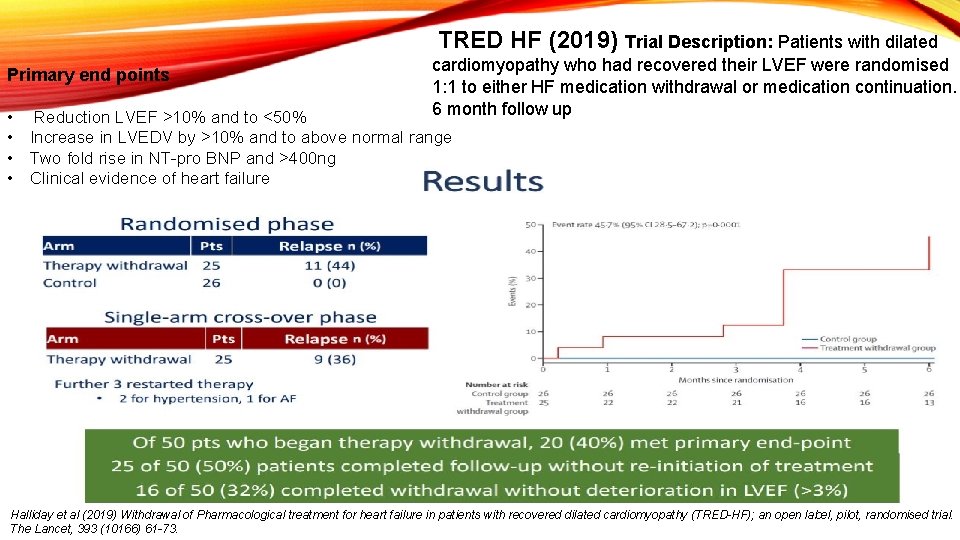
TRED HF (2019) Trial Description: Patients with dilated Primary end points • Reduction LVEF >10% and to <50% cardiomyopathy who had recovered their LVEF were randomised 1: 1 to either HF medication withdrawal or medication continuation. 6 month follow up • Increase in LVEDV by >10% and to above normal range • Two fold rise in NT-pro BNP and >400 ng • Clinical evidence of heart failure Halliday et al (2019) Withdrawal of Pharmacological treatment for heart failure in patients with recovered dilated cardiomyopathy (TRED-HF); an open label, pilot, randomised trial. The Lancet, 393 (10166) 61 -73.

POTENTIALLY HARMFUL DRUGS IN HEART FAILURE Class Examples Reasons NSAID’s Diclofenac, naproxen Fluid retention, acute renal failure, increased risk in combination with diuretics Corticosteroids Prednislone Fluid retention Calcium Channel Blockers Verapamil, Diltiazem Fluid retention, worsening HF, increased hospitalisations. Negative inotropic effect Thiazolidinediones Hypoglycaemic agents Rosiglitazone, pioglitazone metformin Fluid retention, worsening HF Metformin linked to lactic acidosis in renal failure Anti-arrhythmic drugs Sotolol, flecanide Dronedarone Reduced contractility Pro-arrhythmic Increased mortality Anthracyclines, mitoxantrone, cyclophosphamide, fluoracil, trastuzumab Disrupt myocardial cells Free radical formation leading to cardiomyopathy Cytotoxic drugs Alpha blockers Neuro-humoral activation
3. ASSESSMENT OF SELF CARE AND EDUCATION Assessment of self care and education Determine if undertaking self-monitoring of weight Exercise Salt restriction Alcohol advice Medication adherence Smoking Cessation Vaccinations
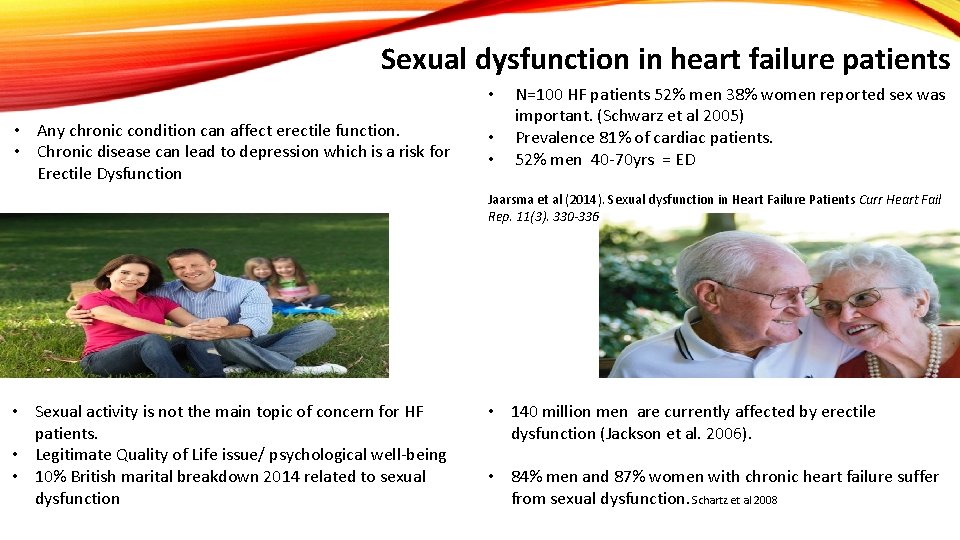
Sexual dysfunction in heart failure patients • • Any chronic condition can affect erectile function. • Chronic disease can lead to depression which is a risk for Erectile Dysfunction • • N=100 HF patients 52% men 38% women reported sex was important. (Schwarz et al 2005) Prevalence 81% of cardiac patients. 52% men 40 -70 yrs = ED Jaarsma et al (2014). Sexual dysfunction in Heart Failure Patients Curr Heart Fail Rep. 11(3). 330 -336 • Sexual activity is not the main topic of concern for HF patients. • Legitimate Quality of Life issue/ psychological well-being • 10% British marital breakdown 2014 related to sexual dysfunction • 140 million men are currently affected by erectile dysfunction (Jackson et al. 2006). • 84% men and 87% women with chronic heart failure suffer from sexual dysfunction. Schartz et al 2008
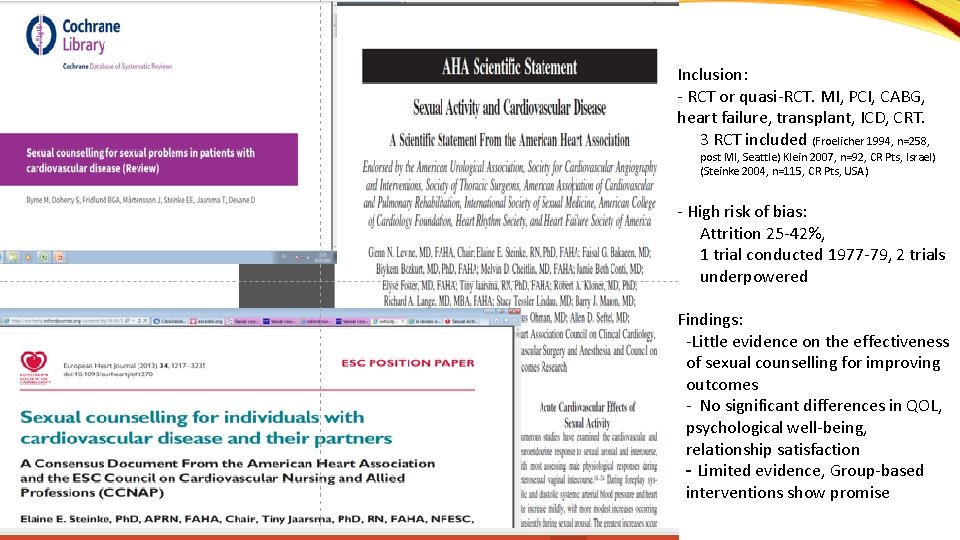
Inclusion: - RCT or quasi-RCT. MI, PCI, CABG, heart failure, transplant, ICD, CRT. - 3 RCT included (Froelicher 1994, n=258, post MI, Seattle) Klein 2007, n=92, CR Pts, Israel) (Steinke 2004, n=115, CR Pts, USA) - High risk of bias: - Attrition 25 -42%, - 1 trial conducted 1977 -79, 2 trials underpowered Findings: -Little evidence on the effectiveness of sexual counselling for improving outcomes - No significant differences in QOL, psychological well-being, relationship satisfaction - Limited evidence, Group-based interventions show promise

• Steinke, E. E. , Jaarsma, T. , Barnason, S. A. , Byrne, M. , Doherty, S. , Dougherty, C. M. , Fridlund, B. , Kautz, D. D. , Mårtensson, J. , Mosack, V. and Moser, D. K. , 2013. Sexual counselling for individuals with cardiovascular disease and their partners: a consensus document from the American Heart Association and the ESC Council on Cardiovascular Nursing and Allied Professions (CCNAP). European heart journal, 34(41), pp. 3217 -3235. • Jaarsma, T. (2016). Sexual function of patients with heart failure: facts and numbers: Sexual function and heart failure. ESC Heart Failure 4(1)
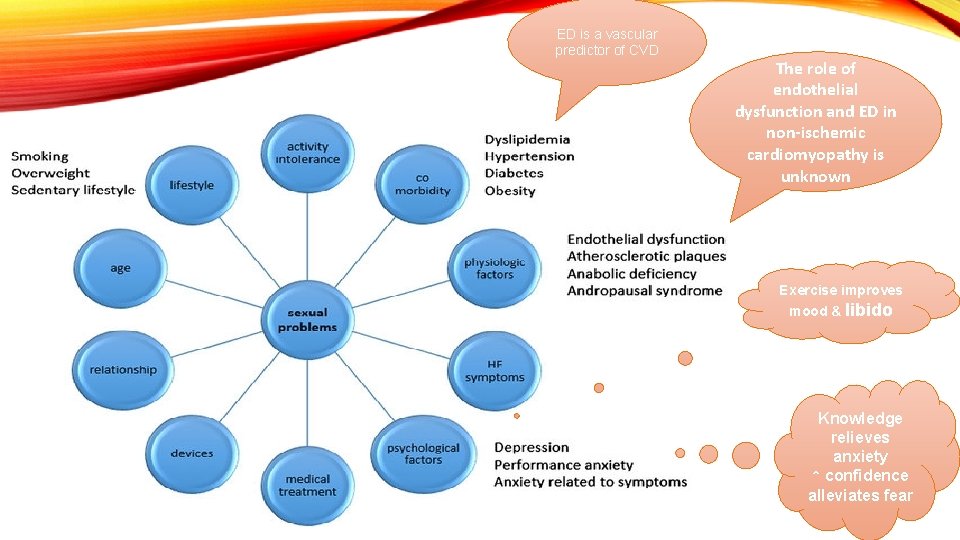
ED is a vascular predictor of CVD The role of endothelial dysfunction and ED in non-ischemic cardiomyopathy is unknown Exercise improves mood & libido Knowledge relieves anxiety ↑ confidence alleviates fear
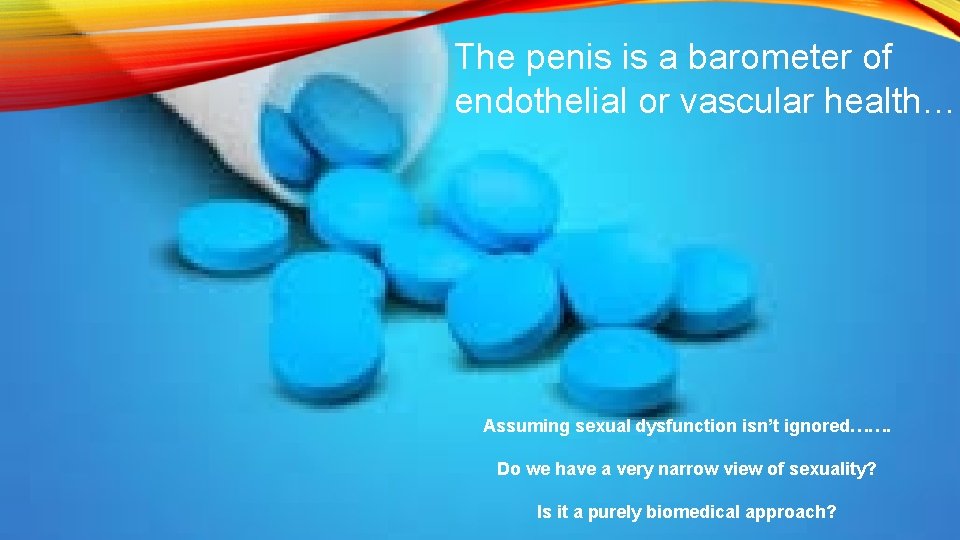
The penis is a barometer of endothelial or vascular health…… Assuming sexual dysfunction isn’t ignored……. Do we have a very narrow view of sexuality? Is it a purely biomedical approach?


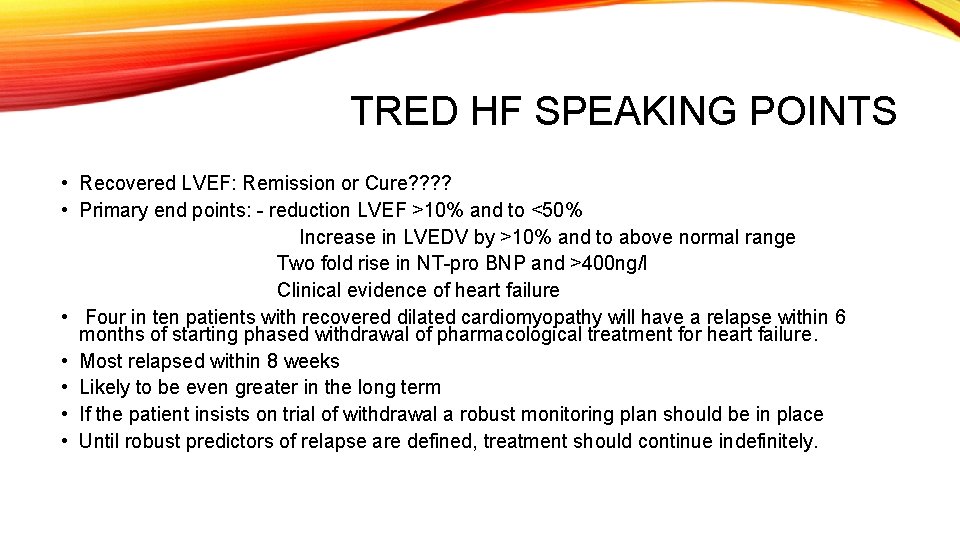
TRED HF SPEAKING POINTS • Recovered LVEF: Remission or Cure? ? • Primary end points: - reduction LVEF >10% and to <50% Increase in LVEDV by >10% and to above normal range Two fold rise in NT-pro BNP and >400 ng/l Clinical evidence of heart failure • Four in ten patients with recovered dilated cardiomyopathy will have a relapse within 6 months of starting phased withdrawal of pharmacological treatment for heart failure. • Most relapsed within 8 weeks • Likely to be even greater in the long term • If the patient insists on trial of withdrawal a robust monitoring plan should be in place • Until robust predictors of relapse are defined, treatment should continue indefinitely.
- Slides: 27