
A Case Study of Legacy Source Code The


- Slides: 30
A Case Study of Legacy Source Code The Computer Music System TAU 2 TAUMUS
TAUmus : why is it so interesting?
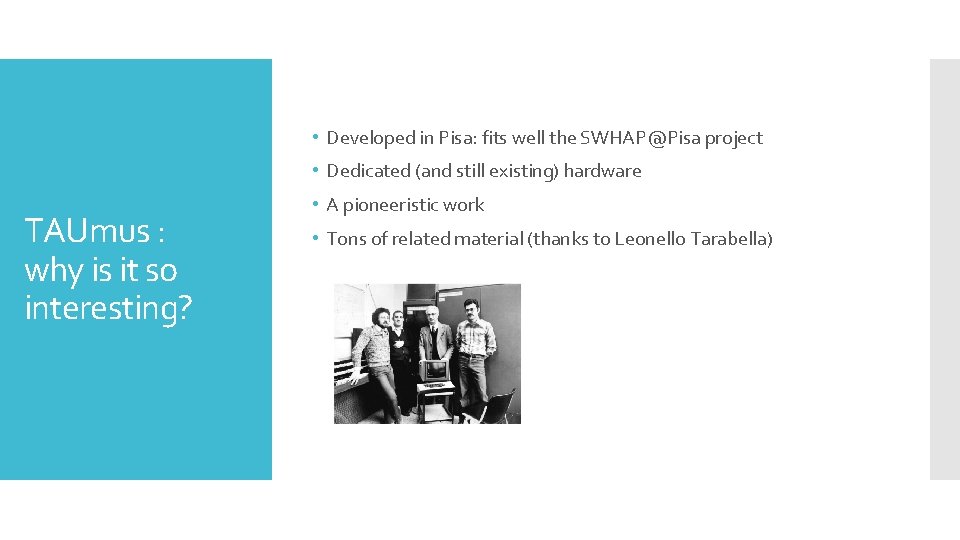
• Developed in Pisa: fits well the SWHAP@Pisa project TAUmus : why is it so interesting?
• Developed in Pisa: fits well the SWHAP@Pisa project • Dedicated (and still existing) hardware TAUmus : why is it so interesting?
• Developed in Pisa: fits well the SWHAP@Pisa project • Dedicated (and still existing) hardware TAUmus : why is it so interesting? • A pioneeristic work
• Developed in Pisa: fits well the SWHAP@Pisa project • Dedicated (and still existing) hardware TAUmus : why is it so interesting? • A pioneeristic work • Tons of related material (thanks to Leonello Tarabella)
• Born in 1917 in Venice • 1965: professor for the first electronic music course in Italy An overview of Grossi's work • 1967: starts exploring computer music (first Olivetti, then CNUCE) • 1970: first experiment on musical telematics • 1975: deployment of TAU 2/TAUmus system • 1985: introduces the concept of Home Art
• Born in 1917 in Venice • 1965: professor for the first electronic music course in Italy An overview of Grossi's work • 1967: starts exploring computer music (first Olivetti, then CNUCE) • 1970: first experiment on musical telematics • 1975: deployment of TAU 2/TAUmus system • 1985: introduces the concept of Home Art • More info: https: //www. pietrogrossi. org
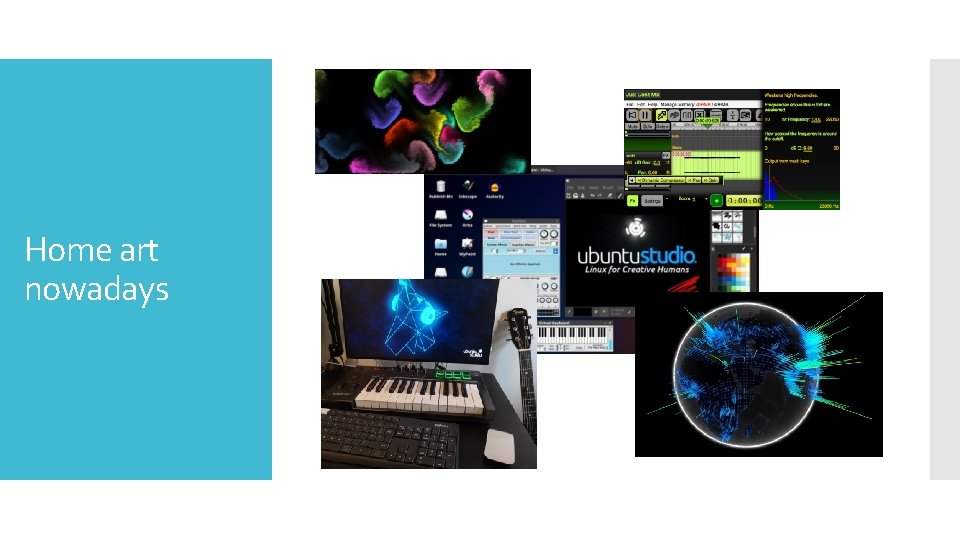
Home art nowadays
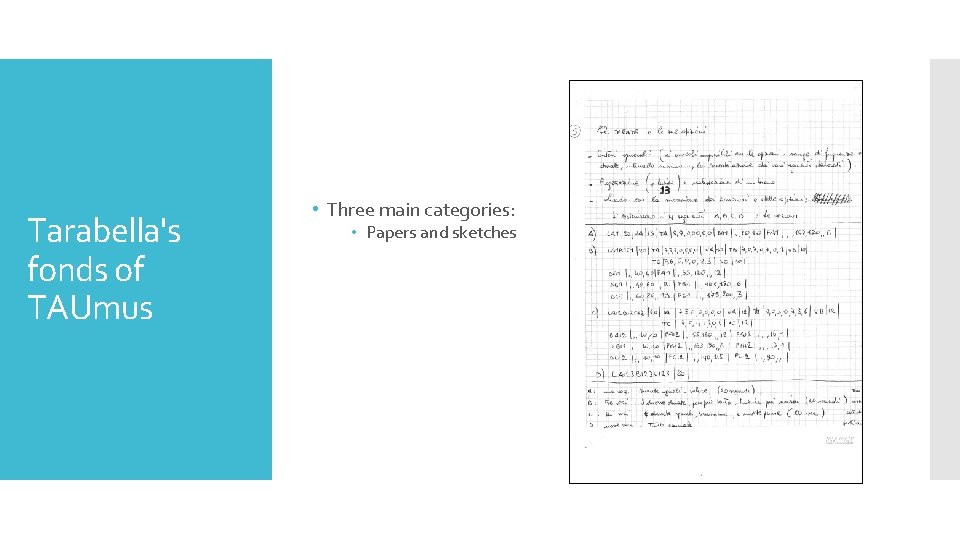
Tarabella's fonds of TAUmus • Three main categories:
Tarabella's fonds of TAUmus • Three main categories: • Papers and sketches
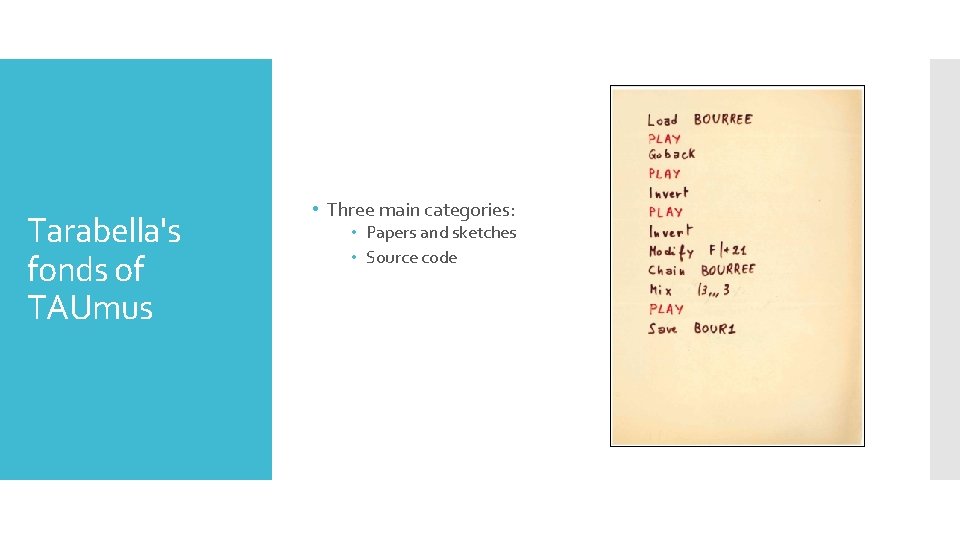
Tarabella's fonds of TAUmus • Three main categories: • Papers and sketches • Source code
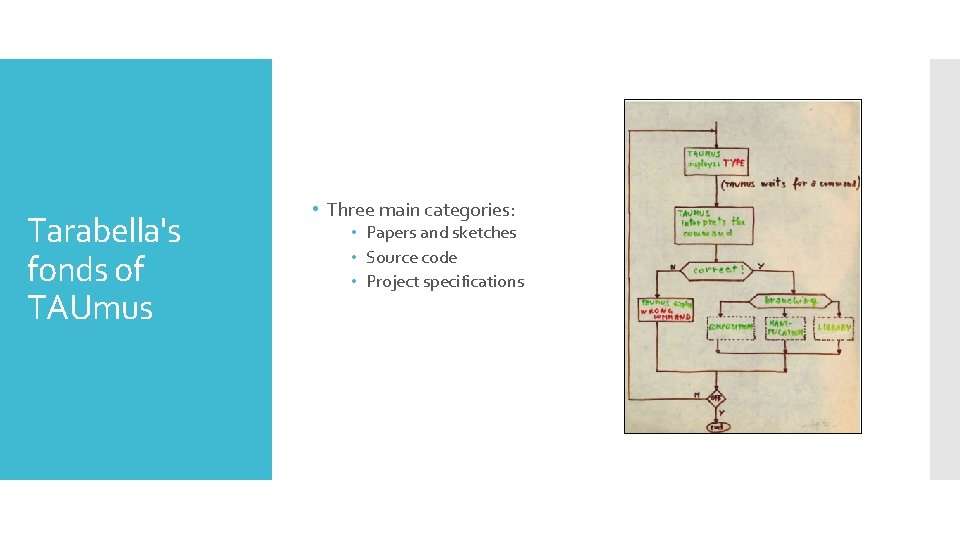
Tarabella's fonds of TAUmus • Three main categories: • Papers and sketches • Source code • Project specifications
Different kinds of Source Code
• FORTRAN listings: Different kinds of Source Code • TAU 2 was just an audio terminal: it didn't run code • Code ran on the CNUCE's IBM 370 • These are (part of) the code of the TAUmus interpreter
• FORTRAN listings: Different kinds of Source Code • TAU 2 was just an audio terminal: it didn't run code • Code ran on the CNUCE's IBM 370 • These are (part of) the code of the TAUmus interpreter • TAUmus listings: • Hand-written, the actual code of music sessions • The interpreter was basically a terminal • The user could play music using the TAUmus commands
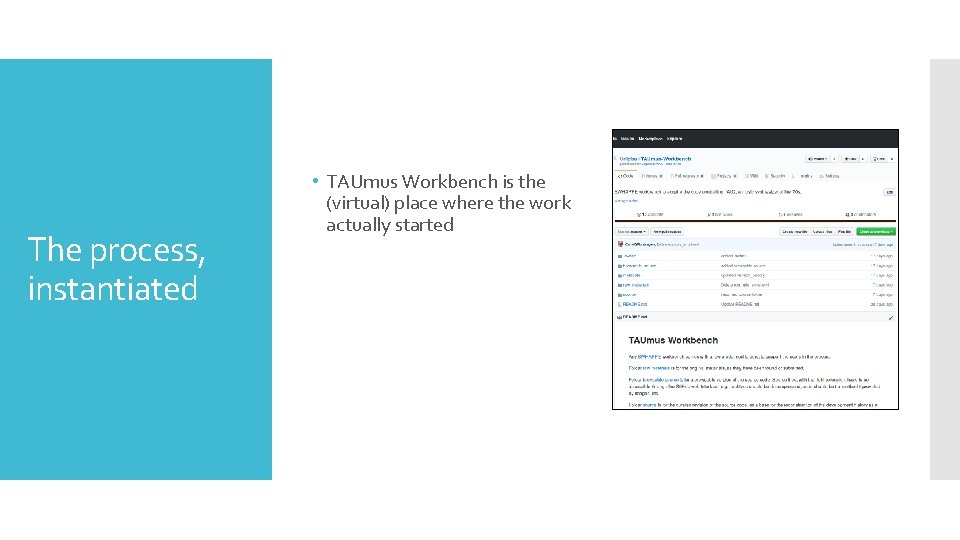
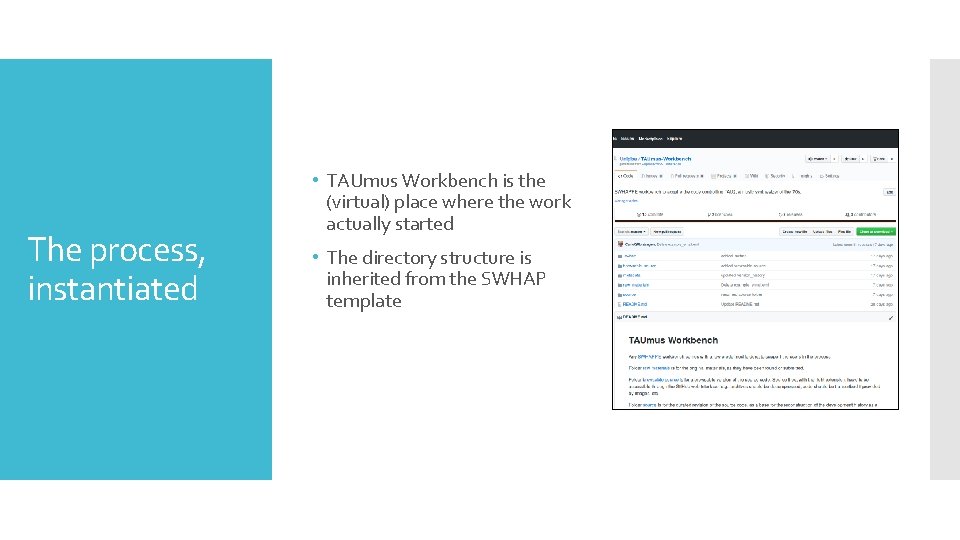
The process, instantiated • TAUmus Workbench is the (virtual) place where the work actually started
The process, instantiated • TAUmus Workbench is the (virtual) place where the work actually started • The directory structure is inherited from the SWHAP template
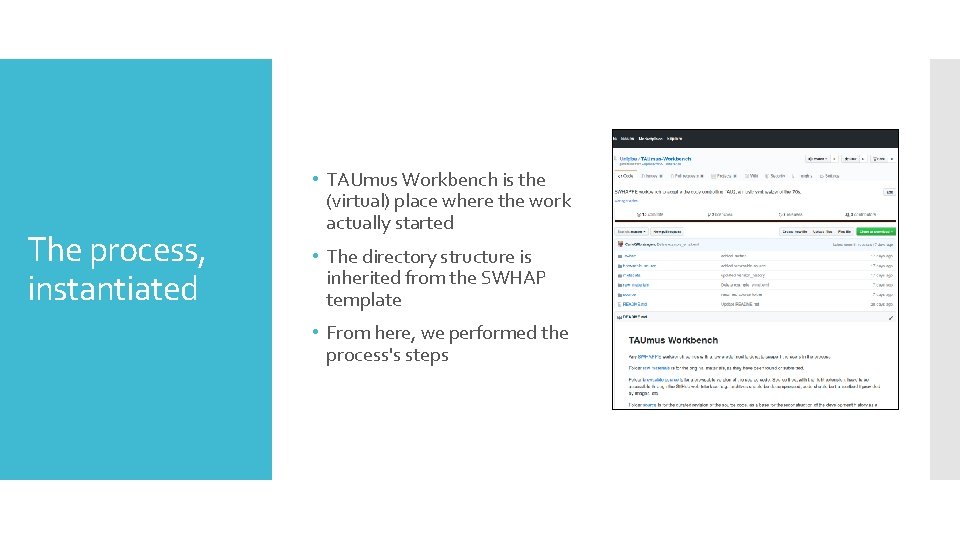
The process, instantiated • TAUmus Workbench is the (virtual) place where the work actually started • The directory structure is inherited from the SWHAP template • From here, we performed the process's steps
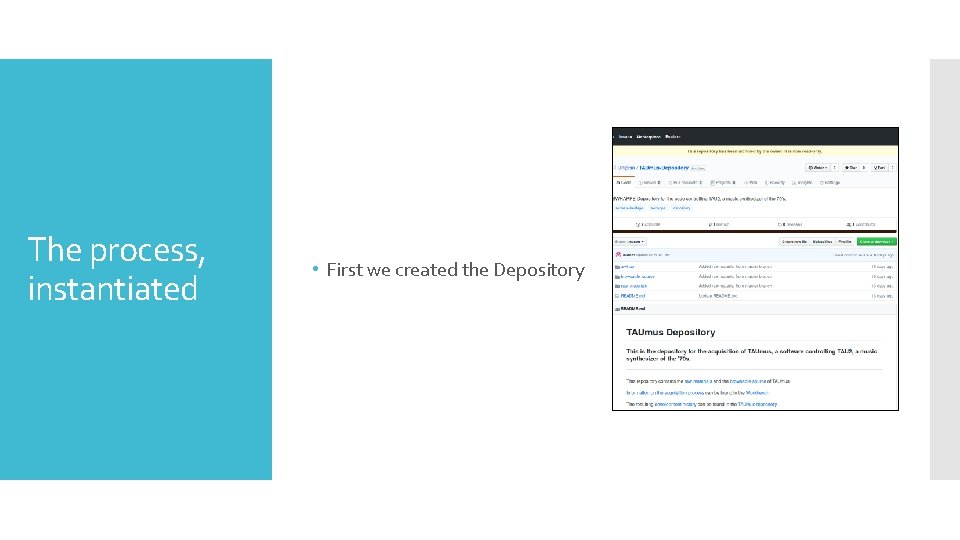
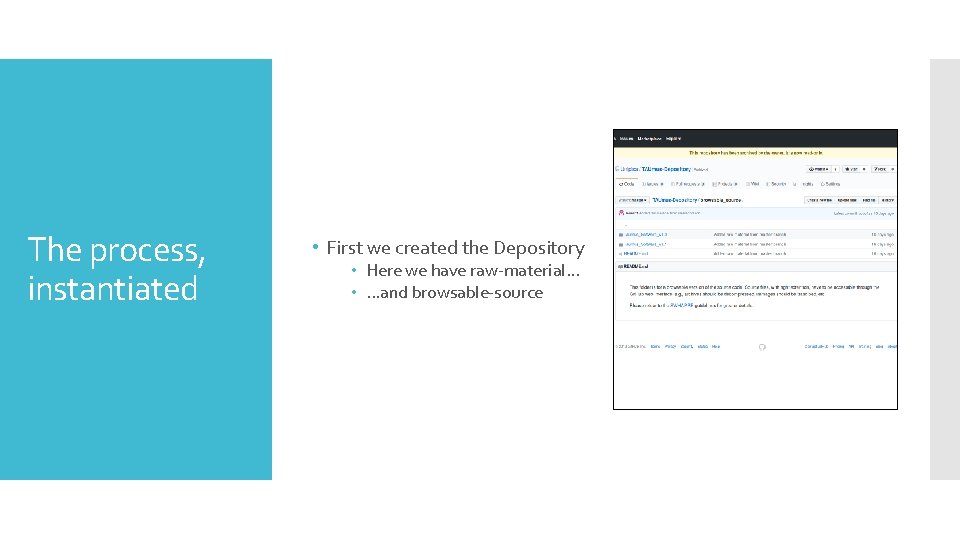
The process, instantiated • First we created the Depository
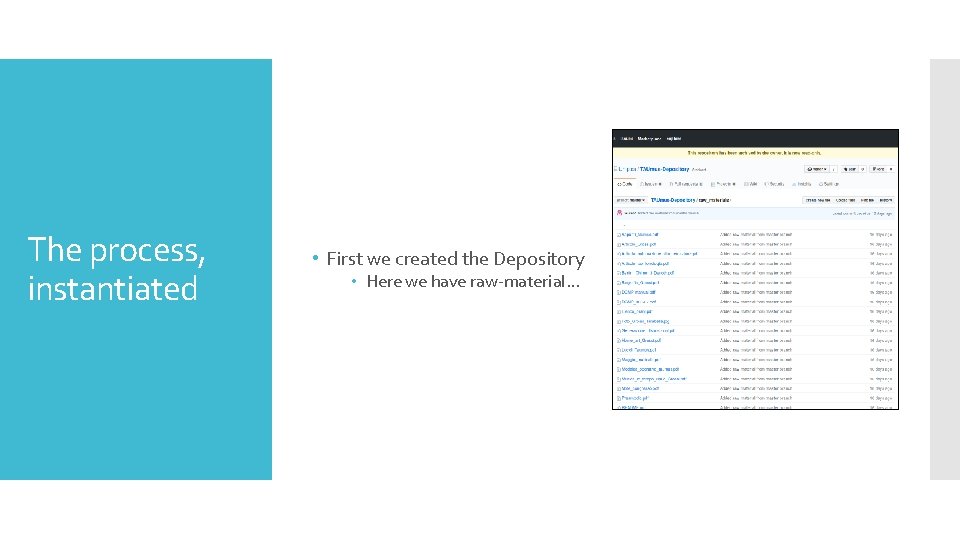
The process, instantiated • First we created the Depository • Here we have raw-material. . .
The process, instantiated • First we created the Depository • Here we have raw-material. . . • . . . and browsable-source
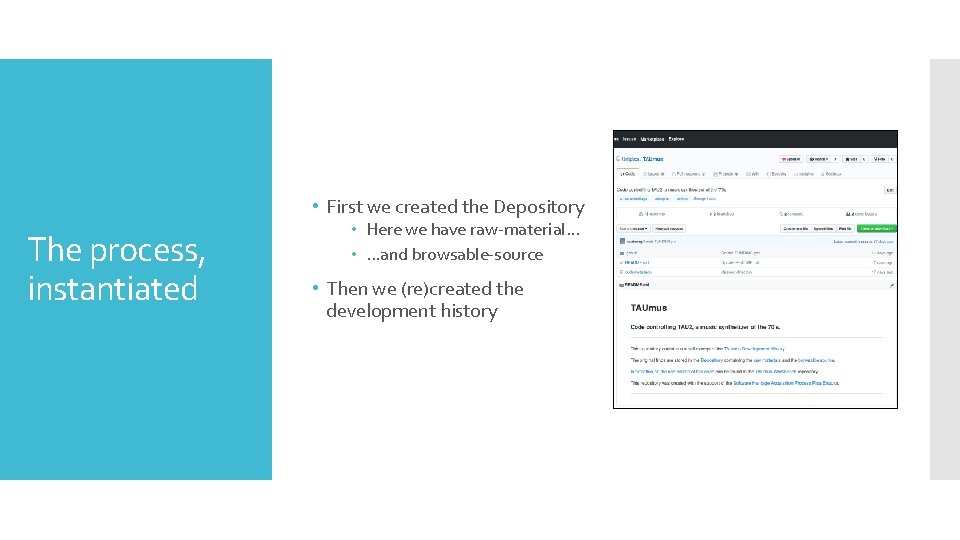
• First we created the Depository The process, instantiated • Here we have raw-material. . . • . . . and browsable-source • Then we (re)created the development history
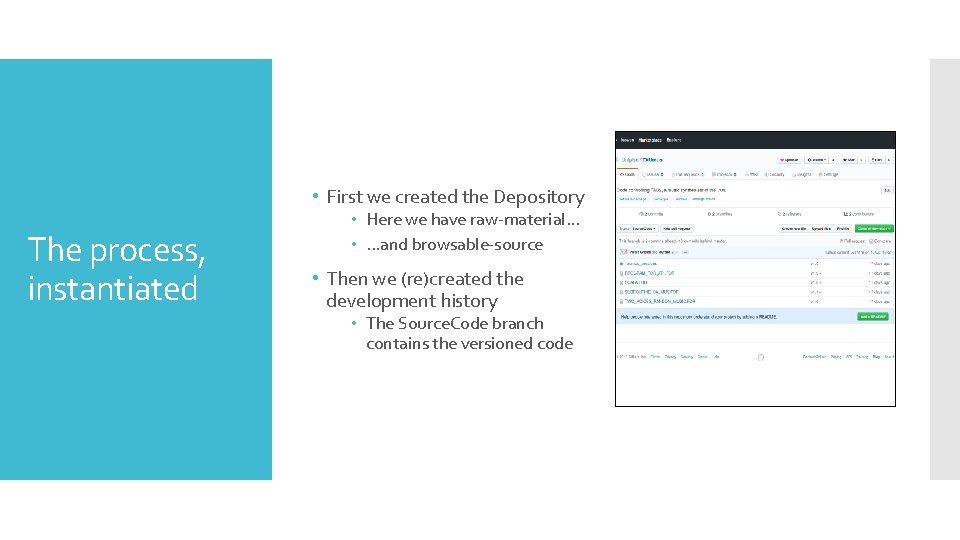
• First we created the Depository The process, instantiated • Here we have raw-material. . . • . . . and browsable-source • Then we (re)created the development history • The Source. Code branch contains the versioned code
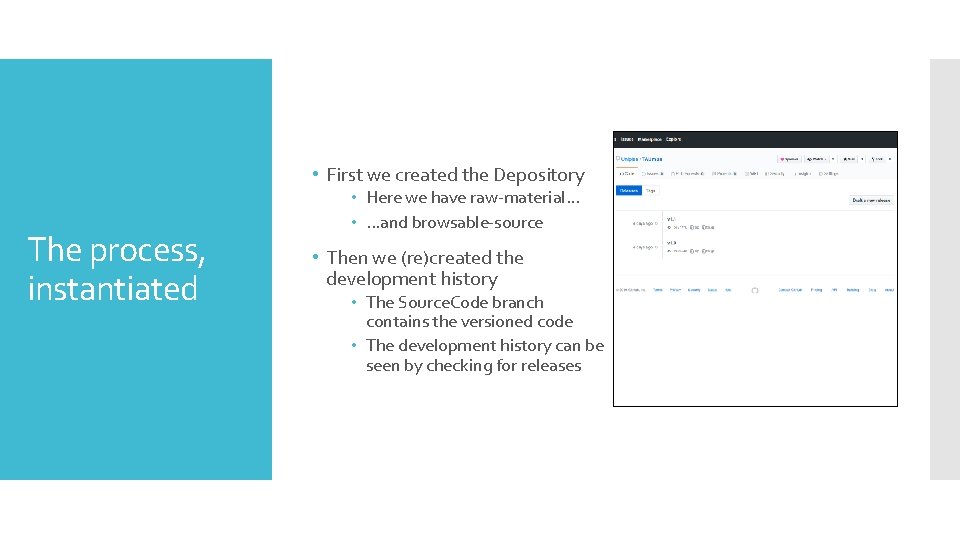
• First we created the Depository The process, instantiated • Here we have raw-material. . . • . . . and browsable-source • Then we (re)created the development history • The Source. Code branch contains the versioned code • The development history can be seen by checking for releases
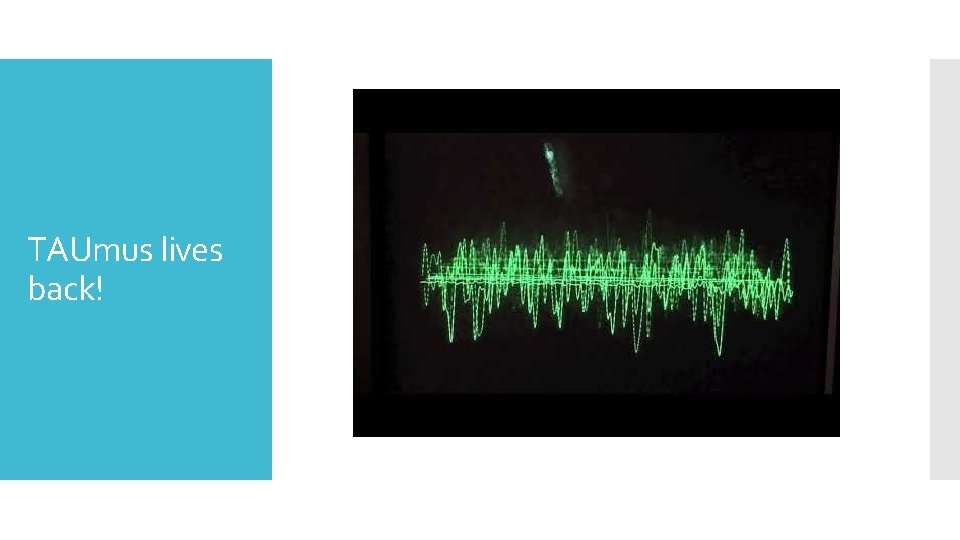
TAUmus lives back!
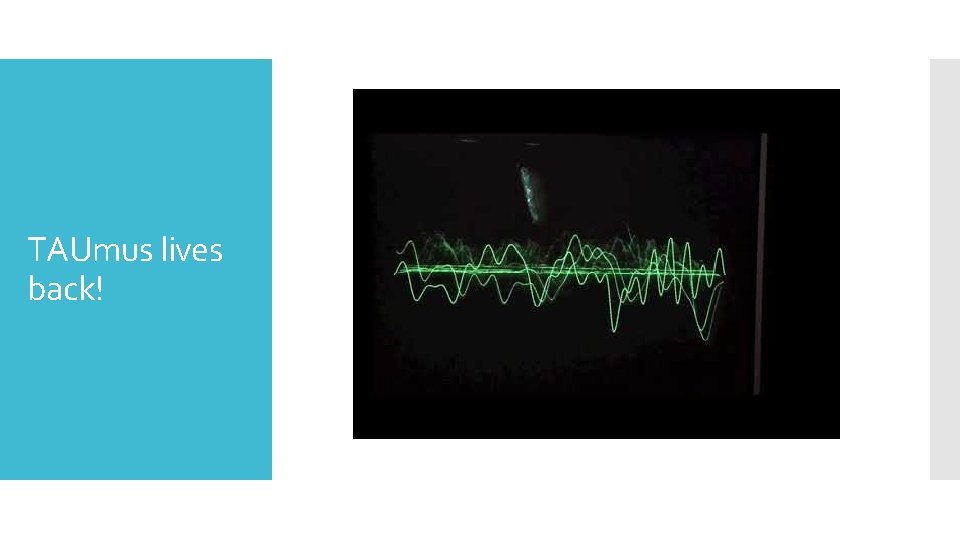
TAUmus lives back!
• An important piece of software has been recovered What we achieved • A working sample of the music produced using TAUmus software is now available for everybody • TAUmus authors and contributors work is recognized and preserved on Git. Hub and the Software Heritage archive • Present phase of the process has been partially implemented
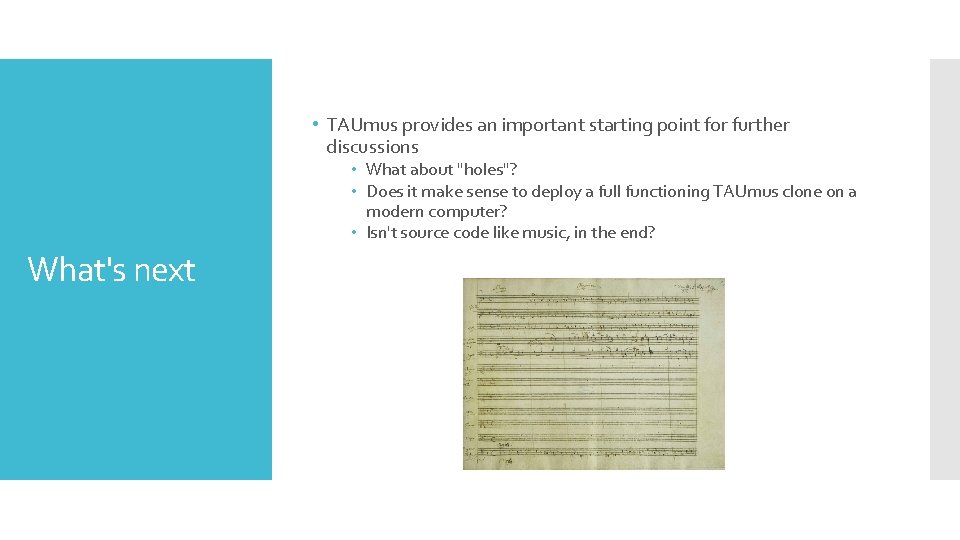
• TAUmus provides an important starting point for further discussions • What about "holes"? • Does it make sense to deploy a full functioning TAUmus clone on a modern computer? • Isn't source code like music, in the end? What's next
Thank you!