
A Building Automation Case Study Setup and Challenges
A Building Automation Case Study Setup and Challenges João Cambeiro, Cláudio Gomes, Vasco Amaral, Armanda Rodrigues and Jácome Cunha SEs. CPS 2018 Gothenburg NOVA LINCS Research Laboratory (Grant: FCT/MCTES PEst UID/ CEC/04516/2013)
Building Automation Systems are Cyber-Physical Systems instances built for: • Maximisation of building occupants comfort • Energy consumption optimisation • Implementation of access control and security policies Building energy consumption is responsible for 30 – 45% of global energy consumption
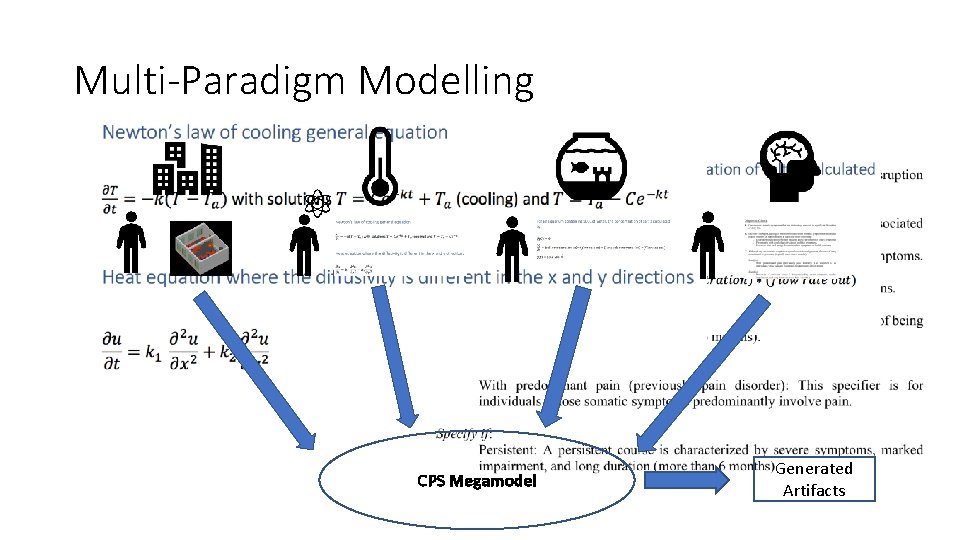
Multi-Paradigm Modelling CPS Megamodel Generated Artifacts
Case Study - Goals • Streamline the development process of systems, where humans play different roles in the system, using model-driven techniques. • Development of obfuscation techniques that ensure the privacy of the occupants. • Foster new research by making the collected data and control interfaces publicly available in the context of the MPM 4 CPS COST Action
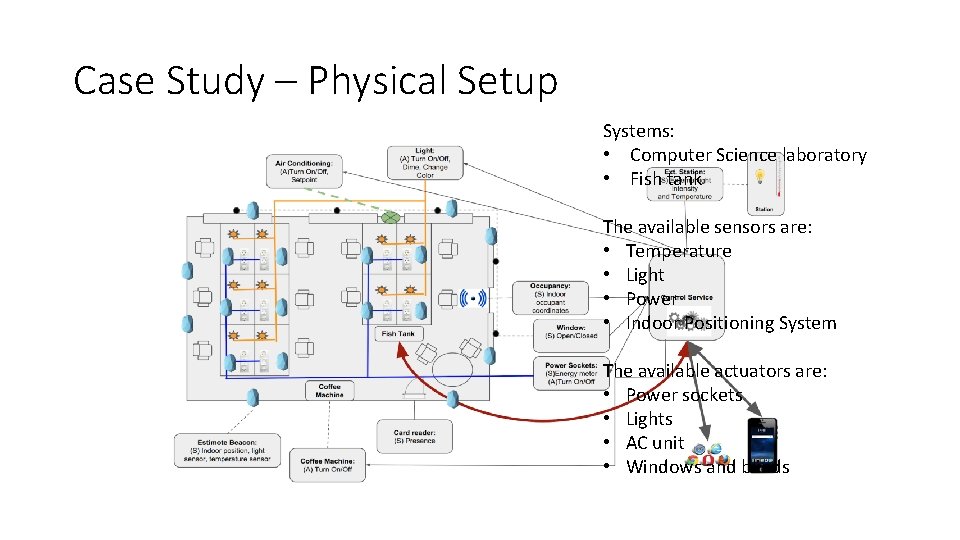
Case Study – Physical Setup Systems: • Computer Science laboratory • Fish tank The available sensors are: • Temperature • Light • Power • Indoor Positioning System The available actuators are: • Power sockets • Lights • AC unit • Windows and blinds
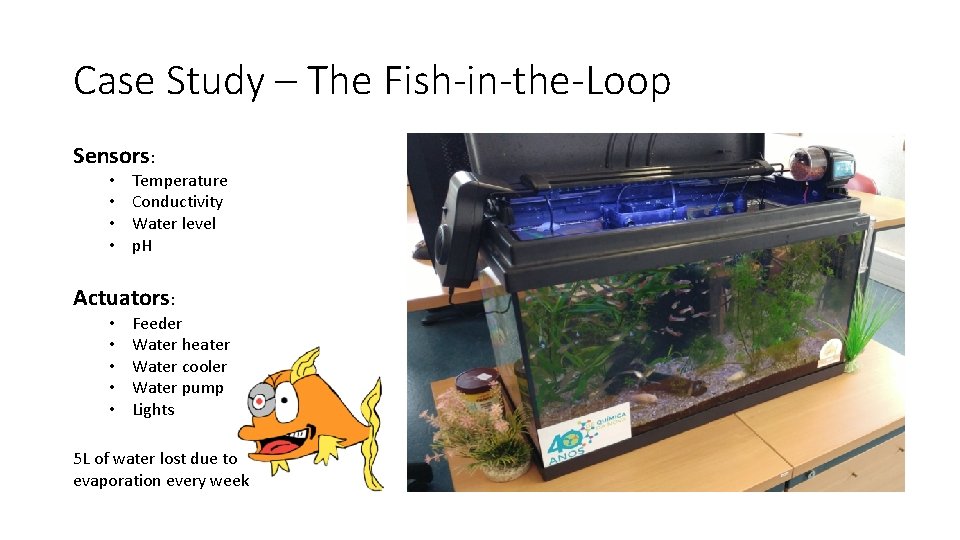
Case Study – The Fish-in-the-Loop Sensors: • • Temperature Conductivity Water level p. H Actuators: • • • Feeder Water heater Water cooler Water pump Lights 5 L of water lost due to evaporation every week
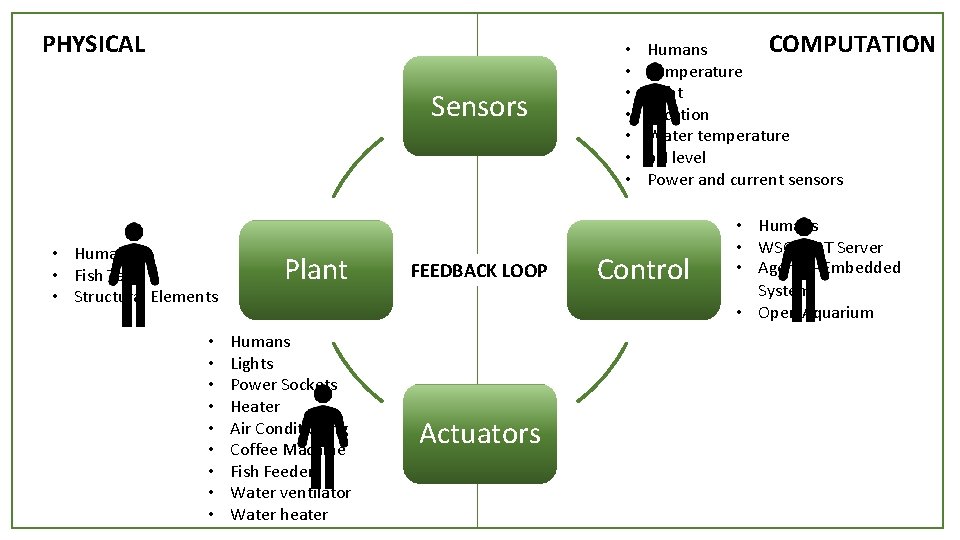
PHYSICAL Sensors • Humans • Fish Tank • Structural Elements Plant • • • Humans Lights Power Sockets Heater Air Conditioning Coffee Machine Fish Feeder Water ventilator Water heater FEEDBACK LOOP Actuators • • COMPUTATION Humans Temperature Light Location Water temperature p. H level Power and current sensors Control • Humans • WSO 2 IOT Server • Agents – Embedded System • Open Aquarium
User engagement - Gamification Over time, user engagement decay was observed. Gamification techniques are being implemented with the objective of keeping the room occupants engaged.

Overview Architecture
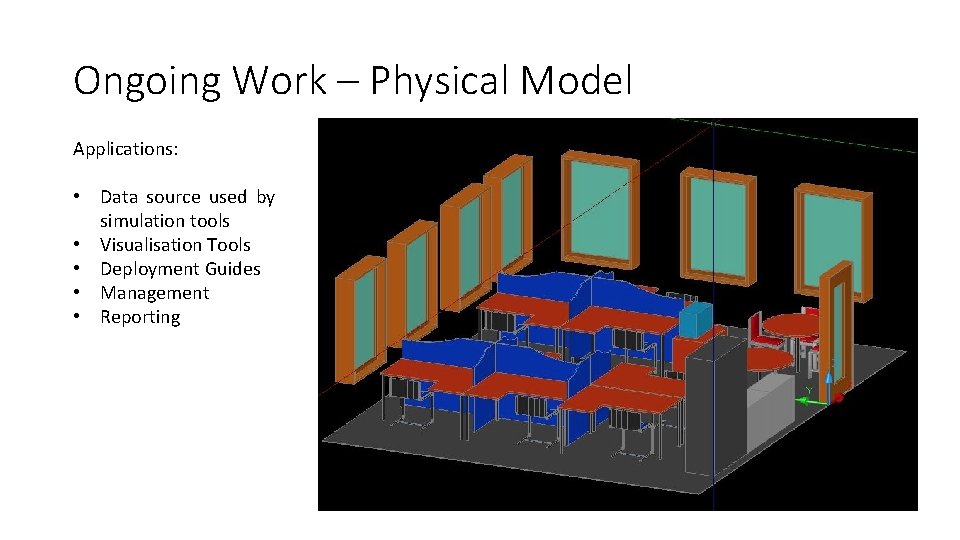
Ongoing Work – Physical Model Applications: • Data source used by simulation tools • Visualisation Tools • Deployment Guides • Management • Reporting
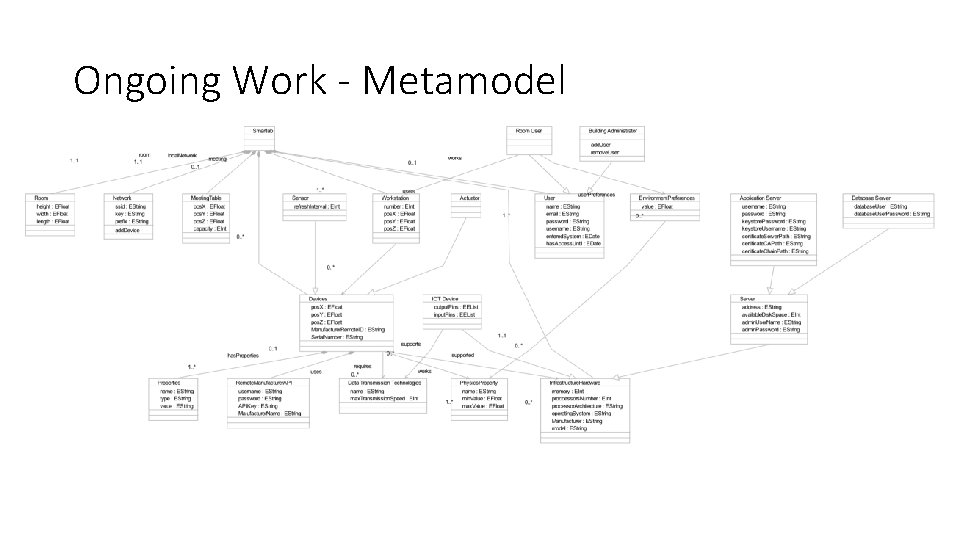
Ongoing Work - Metamodel
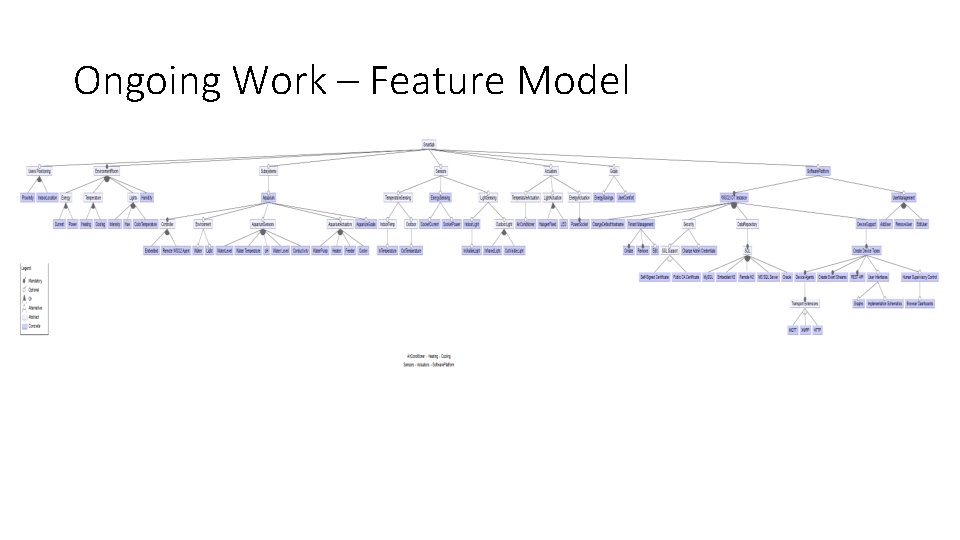
Ongoing Work – Feature Model
Future Work • Implementation of DSLs capable of generating tests, documentation and a control rules set • Deployment of novel simulation techniques • Research advanced control systems • Application of gamification techniques to achieve a higher user engagement

Thank you
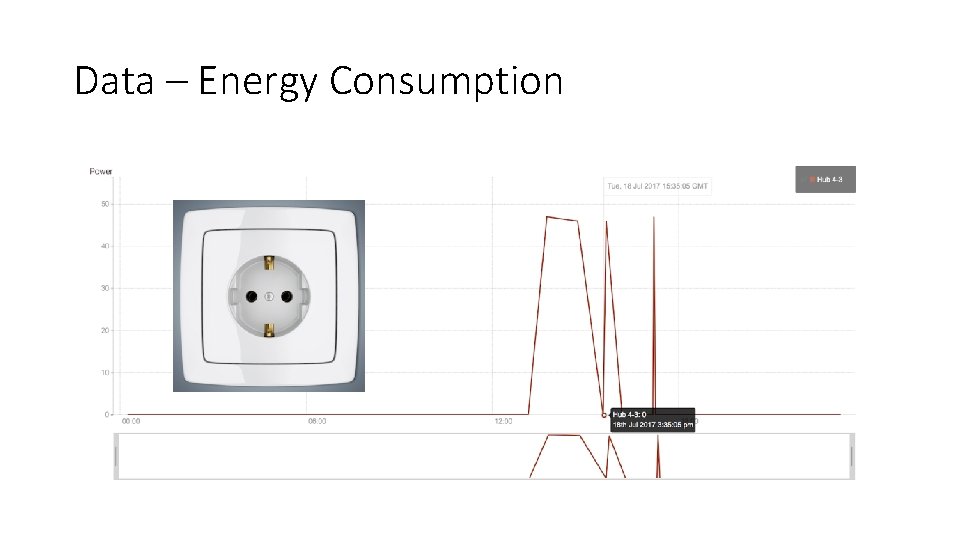
Data – Energy Consumption
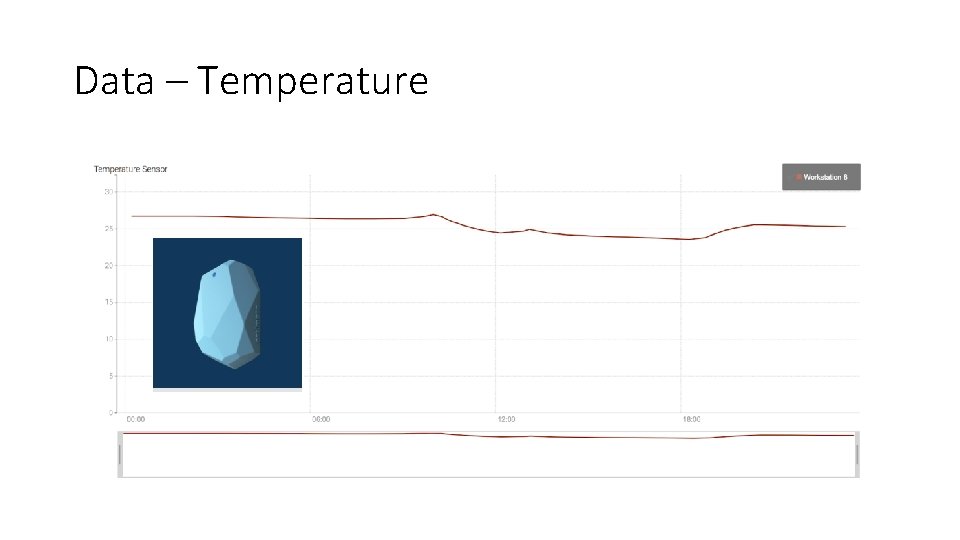
Data – Temperature
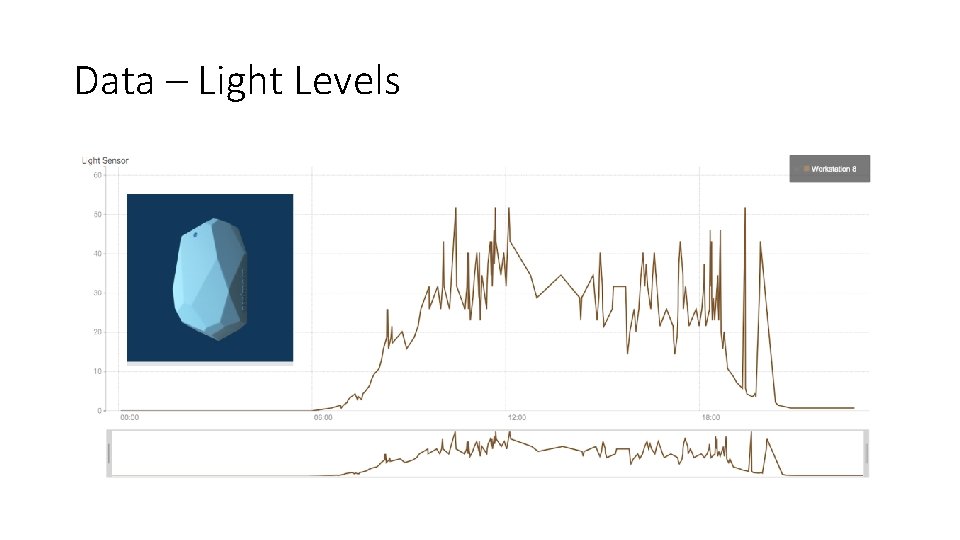
Data – Light Levels
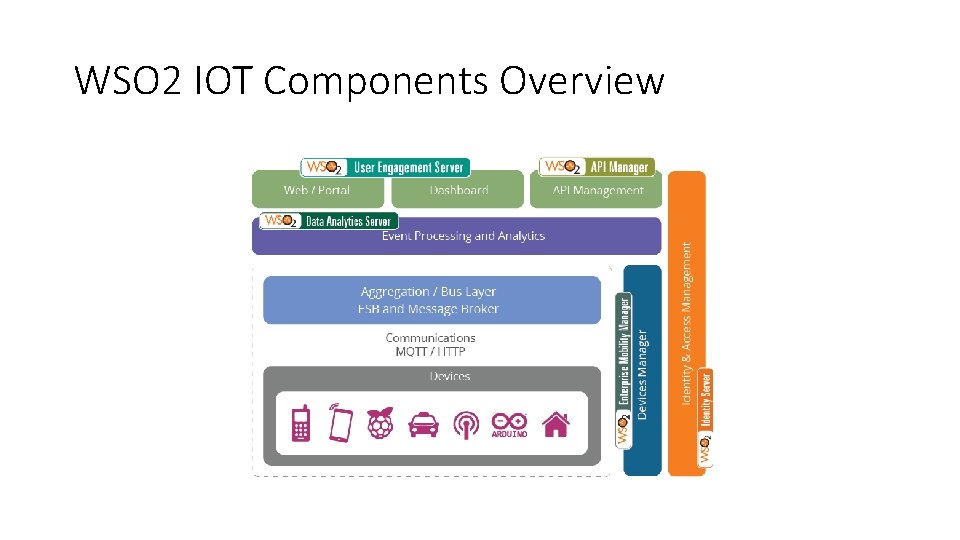
WSO 2 IOT Components Overview
- Slides: 18