
A brief history of the Kinetic Link Principle
A brief history of the Kinetic Link Principle -Franz Reuleaux, 1875 -Arthur Steindler, ‘ 55 -E. Hanavan, ‘ 64
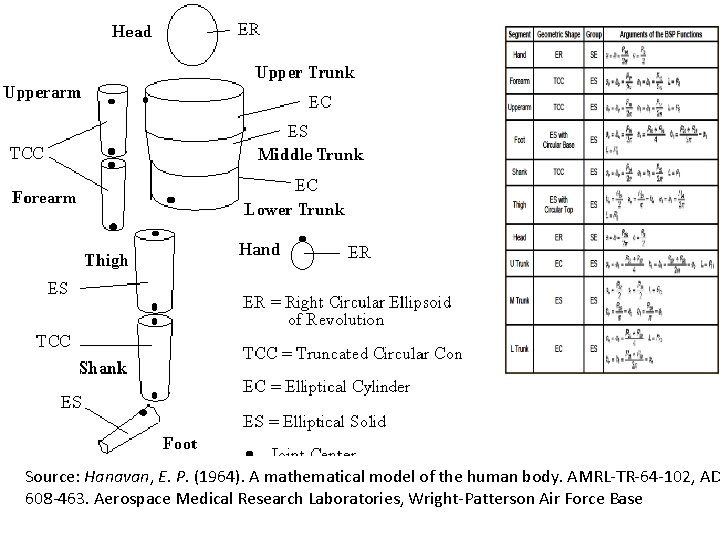
Source: Hanavan, E. P. (1964). A mathematical model of the human body. AMRL-TR-64 -102, AD 608 -463. Aerospace Medical Research Laboratories, Wright-Patterson Air Force Base
A brief history of the Kinetic Link Principle -Franz Reuleaux, 1875 -Arthur Steindler, ‘ 55 -E. Hanavan, ‘ 64 -Logan/Mc. Kinney ‘ 70
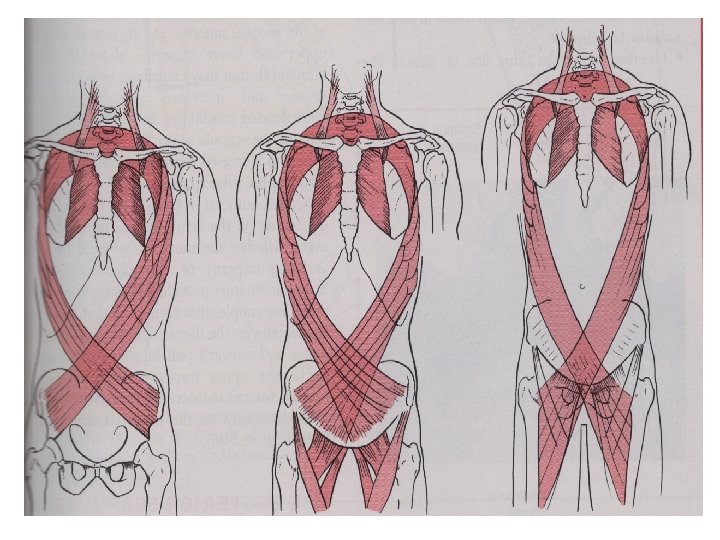
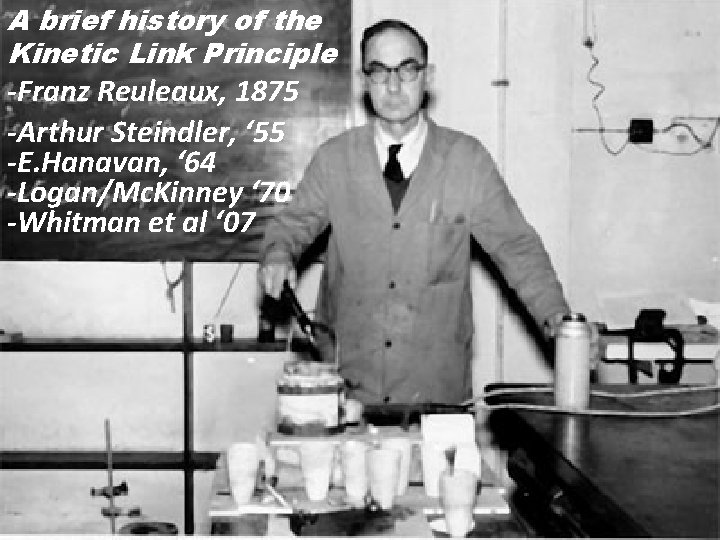
A brief history of the Kinetic Link Principle -Franz Reuleaux, 1875 -Arthur Steindler, ‘ 55 -E. Hanavan, ‘ 64 -Logan/Mc. Kinney ‘ 70 -Whitman et al ‘ 07

Everything OLD… Is NEW! WHY?
Then how come everything NEW is OLD? “The utility of the prone leg extension as a clinical and functional test is questionable due to the normal variability and our current inability to determine what is normal and what is dysfunctional. ” Proper Firing Patterns? Anatomical Chains? Lehman et al-Journal of Australasian Chiropractic & Osteopathy Feb. ‘ 06
“The CNS conceives movement as finalized gestures or patterns of movement, stored as multiple representations in the cerebral cortex and not single muscle activity" Kolb, Melgari ‘ 08 - “Neuroanatomy”
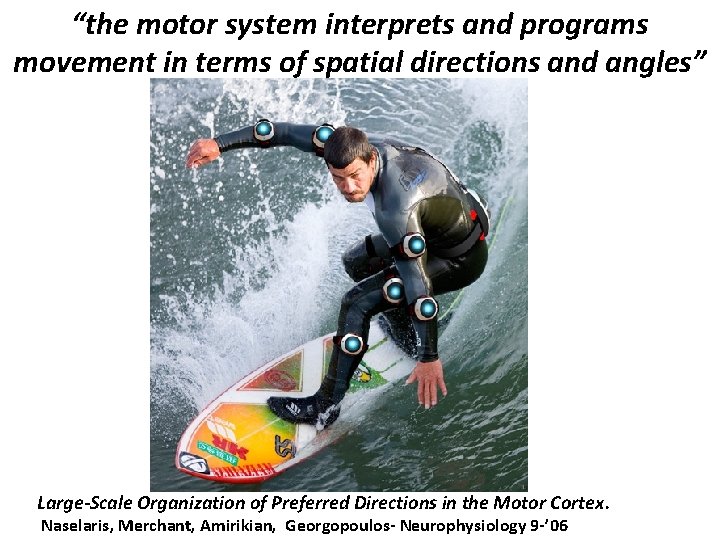
“the motor system interprets and programs movement in terms of spatial directions and angles” Large-Scale Organization of Preferred Directions in the Motor Cortex. Naselaris, Merchant, Amirikian, Georgopoulos- Neurophysiology 9 -’ 06
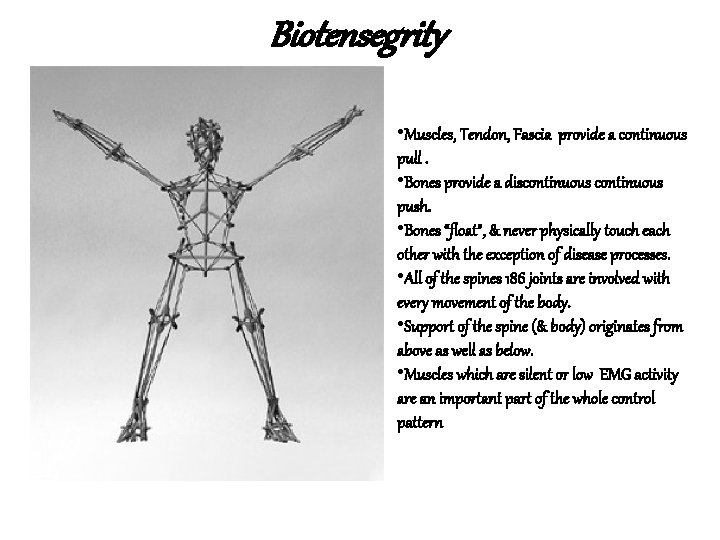
Biotensegrity • Muscles, Tendon, Fascia provide a continuous pull. • Bones provide a discontinuous push. • Bones “float”, & never physically touch each other with the exception of disease processes. • All of the spines 186 joints are involved with every movement of the body. • Support of the spine (& body) originates from above as well as below. • Muscles which are silent or low EMG activity are an important part of the whole control pattern
The Fascia System Connects the Dots! § "Ligaments do not exist, because they are so emeshed with connective tissue that the pictures we see in anatomy texts are science fiction“- Van Der Wal ‘ 09. §Fascia is able to contract in a smooth muscle like manner and thereby influence musculoskeletal mechanics- Liepsch et al 2006 § 30% of muscle force is transmitted through the connective structures in parallel (Lieber '97, Huijing '99). § "The virtually instantaneous reconfiguration (of fascia) suggests the effect of manual therapy can be immediate & significant. It is a serious challenge to the classical representation and modeling of biomechanical systems. “- Gracovetsky ’ 09 §
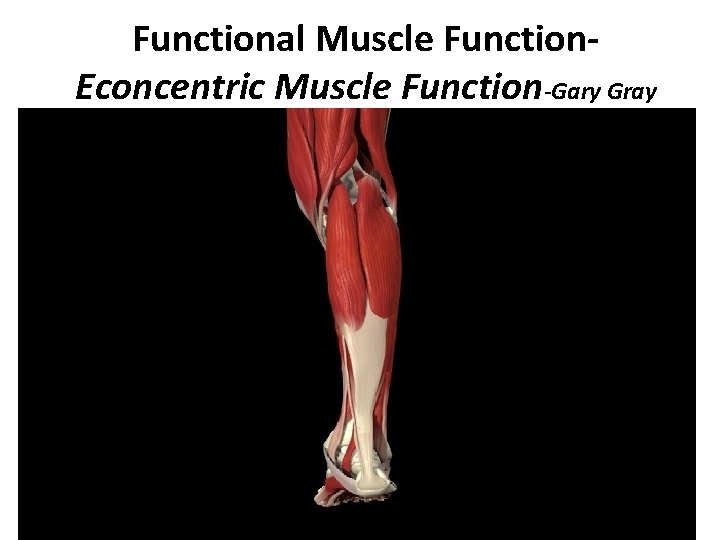
Functional Muscle Function. Econcentric Muscle Function-Gary Gray
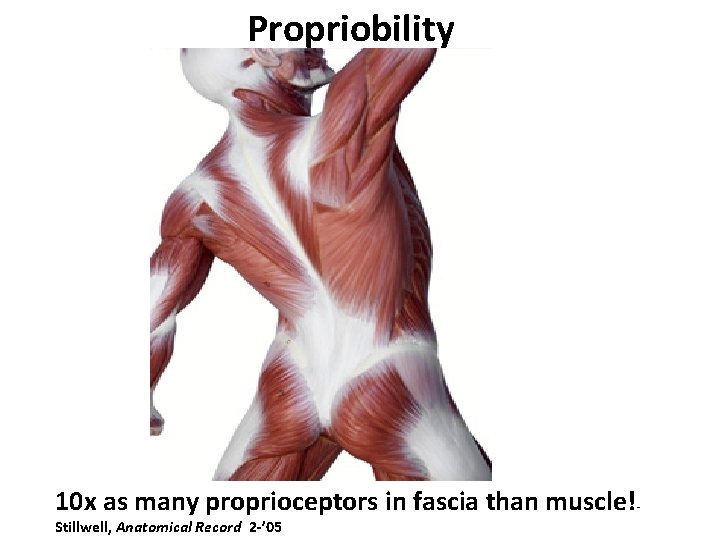
Propriobility 10 x as many proprioceptors in fascia than muscle!Stillwell, Anatomical Record 2 -’ 05
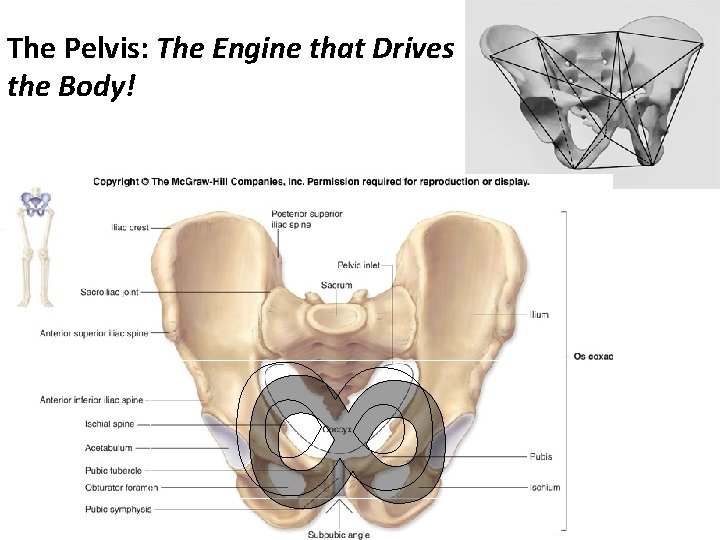
The Pelvis: The Engine that Drives the Body! 8
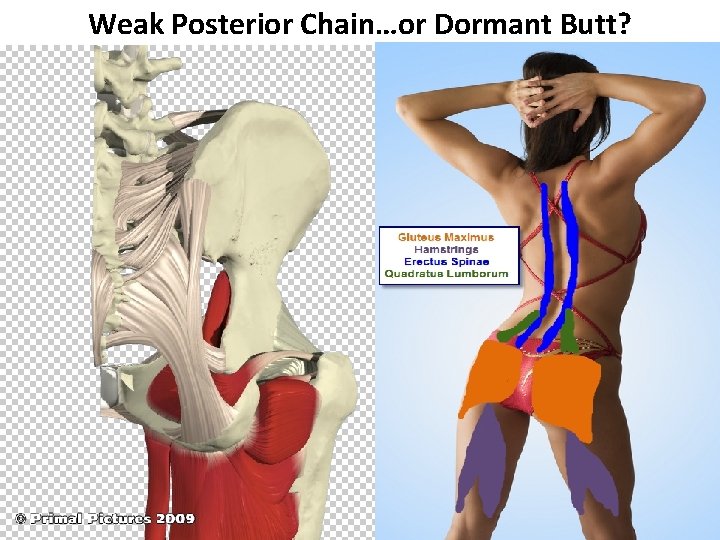
Weak Posterior Chain…or Dormant Butt?
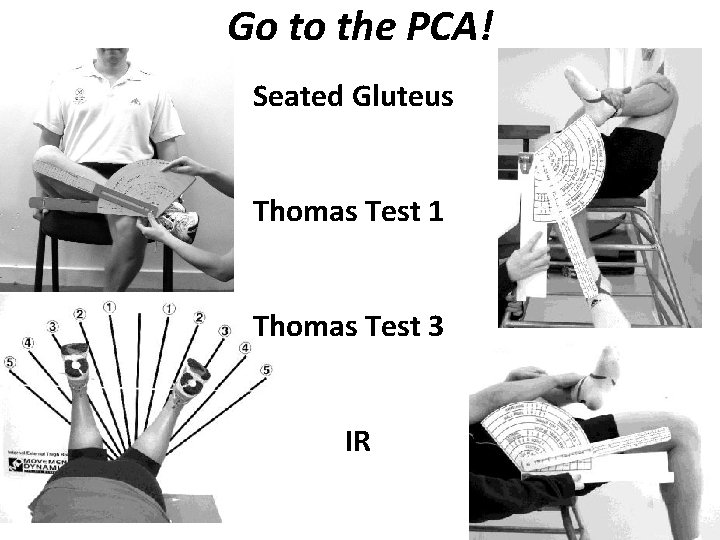
Go to the PCA! Seated Gluteus Thomas Test 1 Thomas Test 3 IR

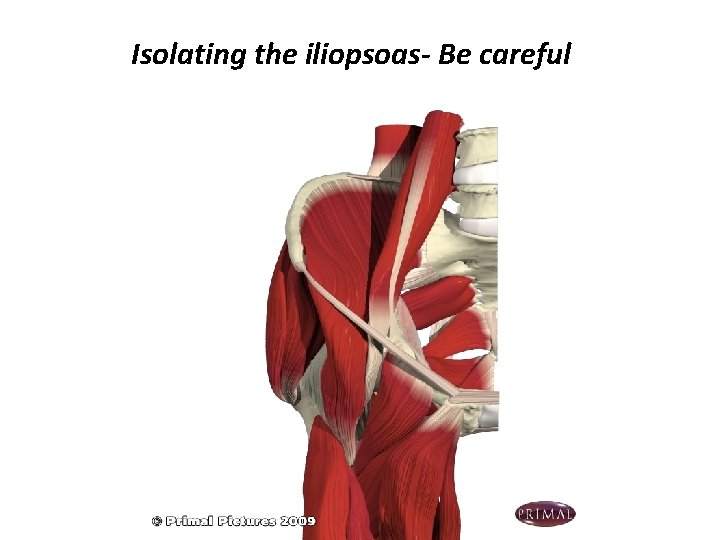
Isolating the iliopsoas- Be careful
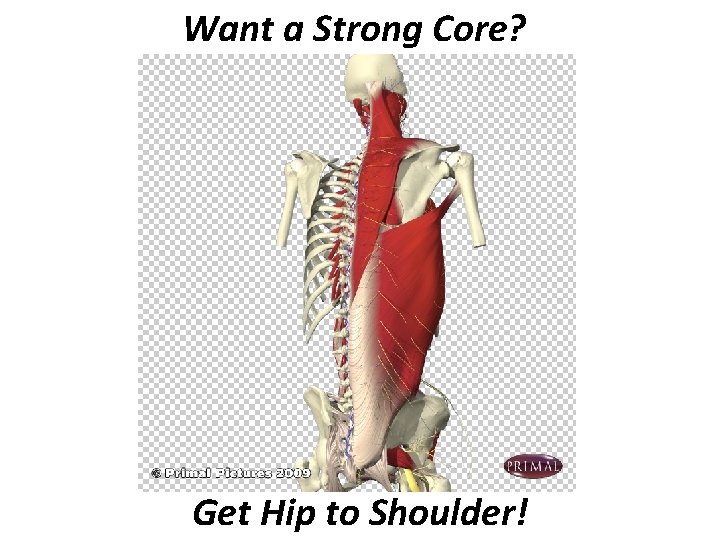
Want a Strong Core? Get Hip to Shoulder!
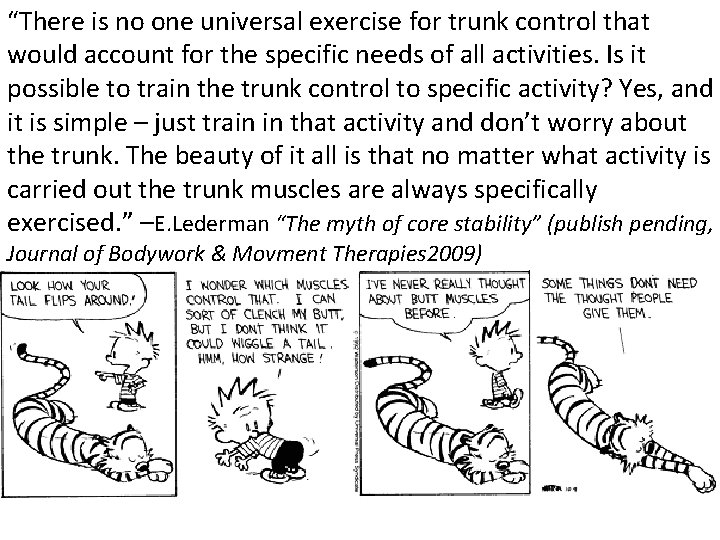
“There is no one universal exercise for trunk control that would account for the specific needs of all activities. Is it possible to train the trunk control to specific activity? Yes, and it is simple – just train in that activity and don’t worry about the trunk. The beauty of it all is that no matter what activity is carried out the trunk muscles are always specifically exercised. ” –E. Lederman “The myth of core stability” (publish pending, Journal of Bodywork & Movment Therapies 2009)
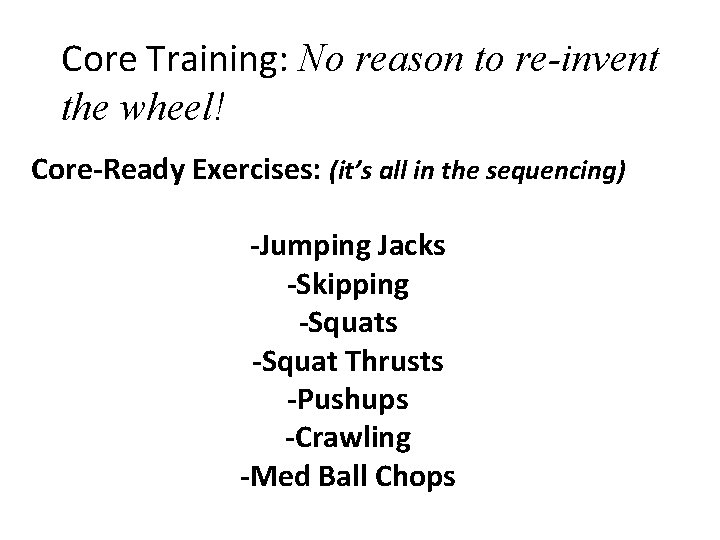
Core Training: No reason to re-invent the wheel! Core-Ready Exercises: (it’s all in the sequencing) -Jumping Jacks -Skipping -Squats -Squat Thrusts -Pushups -Crawling -Med Ball Chops
- Slides: 23