
A Brief History of Primates Erika Bauer Ph
A Brief History of Primates Erika Bauer, Ph. D Smithsonian National Zoological Park
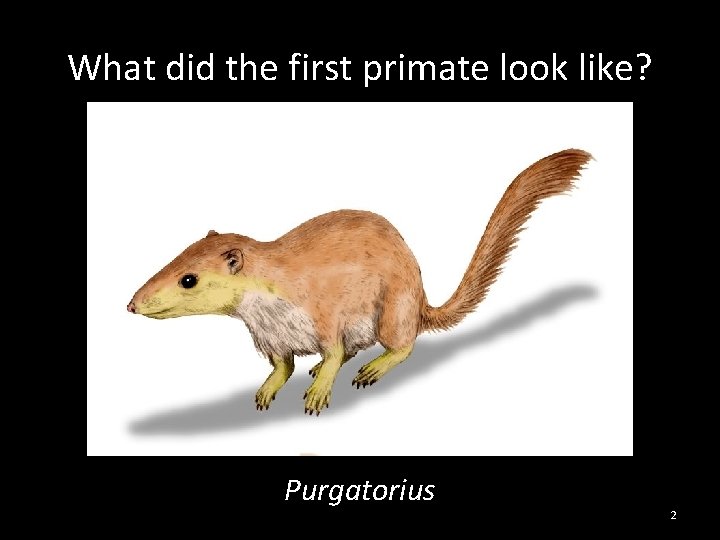
What did the first primate look like? Purgatorius 2
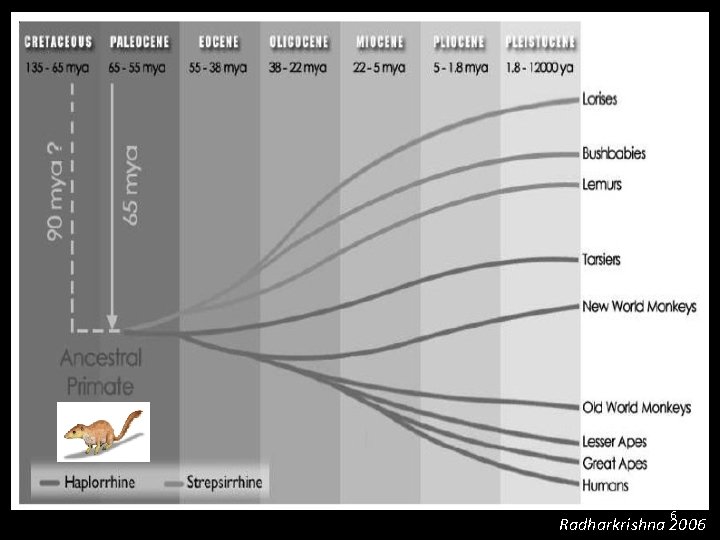
Cenozoic Era (post-dinosaur) • Paleocene Epoch, 65 mya – The earliest primates appear – Small, most likely terrestrial – Insectivores… then seeds, fruits, nuts & leaves • Eocene Epoch, 53. 5 mya – Prosimians – Primates diversified and some become arboreal – Prehensile hands and feet, opposable thumbs and toes with nails – Longer lower limbs – Frontally oriented eye sockets, stereoscopic vision 3
Cenozoic Era (post-dinosaur) • Oligocene Epoch, 37. 5 mya – Old & New World monkeys – Eye-sockets enclosed in bone – Shorter snouts • Miocene Epoch, 22. 5 mya – The earliest apes appear – Most were quadrapeds, rather than brachiators or knuckle-walkers – Ancestors of apes and gibbons diverged from Old World Monkeys in Africa 4
Cenozoic Era (post-dinosaur) • Pliocene, 5. 5 mya – Human-like apes emerged – Bipedal – Use tools to obtain food – Ancestors of humans diverged from chimpanzee and gorilla ancestors in the African savannas – Homo sapiens appeared 2 mya 5
6 Radharkrishna 2006
Theories of Primate Evolution Arboreal Theory G. Elliot Smith (1912) & Wood Jones (1916) Primate adaptations arose in response to an arboreal way of life - forelimbs developed for climbing and vision became stereoscopic, resulting in improved hand -eye coordination - reduction in olfaction, shortened snouts BUT many animals are well adapted for arboreal life yet do not possess characteristic primate traits 7
Theories of Primate Evolution Visual Predation Theory M. Cartmill (1972) Primate adaptations arose from nocturnal, visuallyoriented predation of insects in terminal branches - grasping hands and feet foraging for insects from terminal branches of trees and shrubs - optic convergence for detecting insect prey BUT most primates are omnivorous, and nocturnal primates depend more on hearing and olfaction than vision to catch insects 8
Theories of Primate Evolution Angiosperm Exploitation Theory Robert R. Sussman (1991) Primate adaptations arose in response to feeding on fruits in terminal branches - evolution of modern primates parallels the rapid diversification of angiosperms (flowering plants), co-evolutionary relationship PERHAPS all three theories are interdependent and can be used together to explain primate origins Arboreal-Predation-Angiosperm Exploitation Theory 9
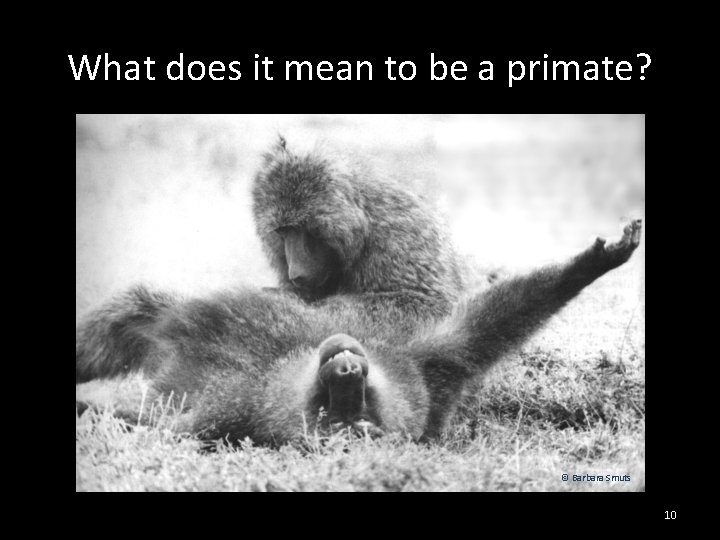
What does it mean to be a primate? © Barbara Smuts 10
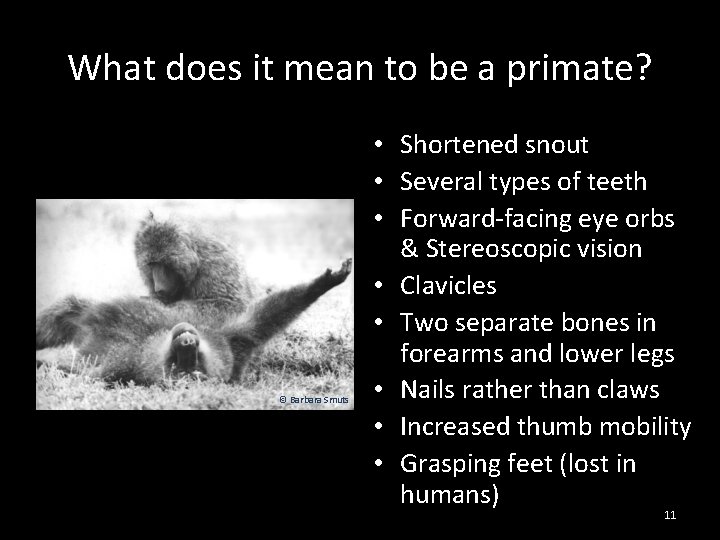
What does it mean to be a primate? © Barbara Smuts • Shortened snout • Several types of teeth • Forward-facing eye orbs & Stereoscopic vision • Clavicles • Two separate bones in forearms and lower legs • Nails rather than claws • Increased thumb mobility • Grasping feet (lost in humans) 11
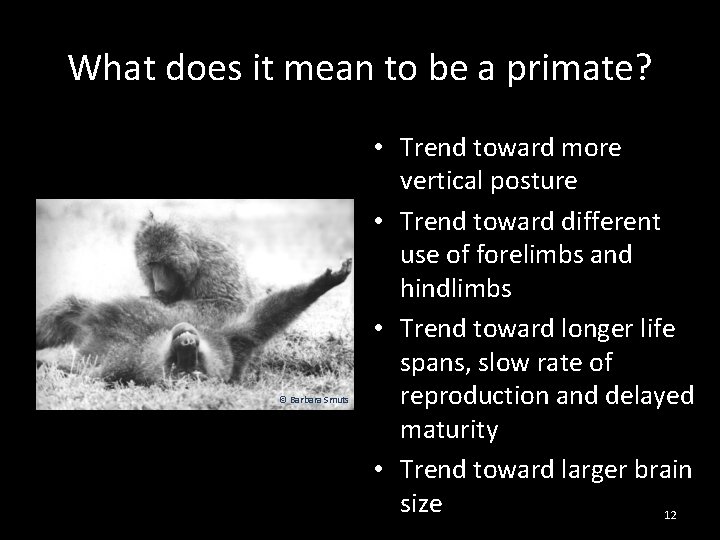
What does it mean to be a primate? © Barbara Smuts • Trend toward more vertical posture • Trend toward different use of forelimbs and hindlimbs • Trend toward longer life spans, slow rate of reproduction and delayed maturity • Trend toward larger brain size 12
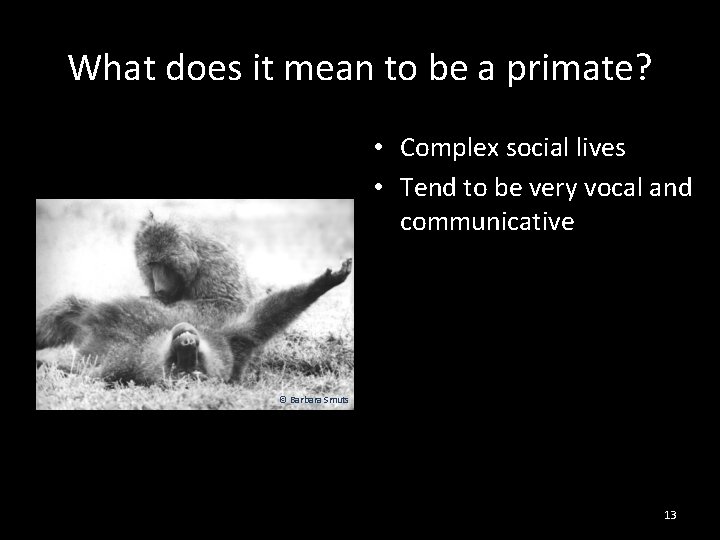
What does it mean to be a primate? • Complex social lives • Tend to be very vocal and communicative © Barbara Smuts 13
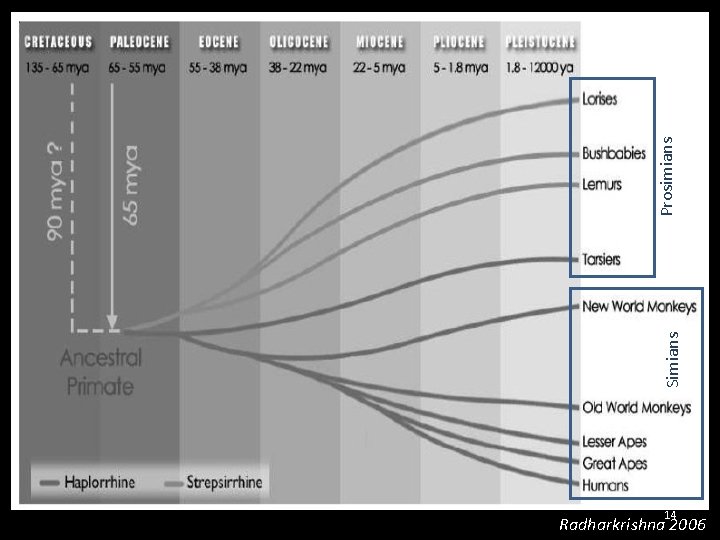
Prosimians Simians 14 Radharkrishna 2006
The Prosimians • • • Well-developed sense of smell Prominent snout, larger olfactory bulbs Partial binocular vision, often nocturnal vision Some digits have claws instead of nails Developed manual dexterity Immobilized upper lips, which are joined to a wet patch of skin around the nostrils 15
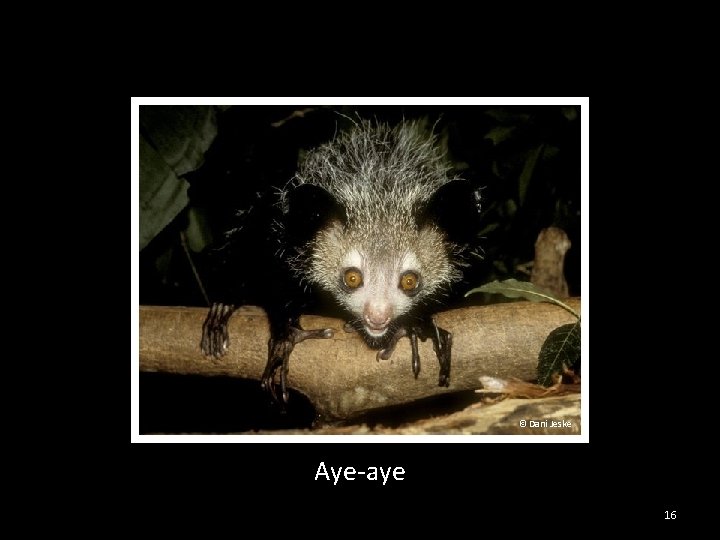
© Dani Jeske Aye-aye 16
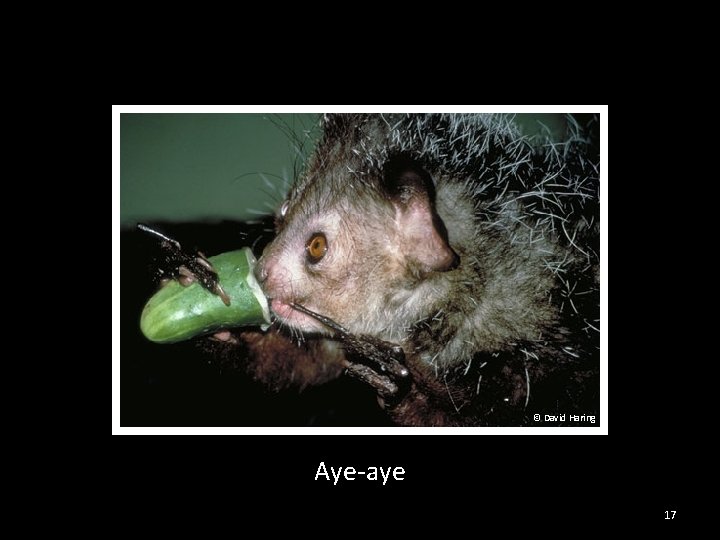
© David Haring Aye-aye 17
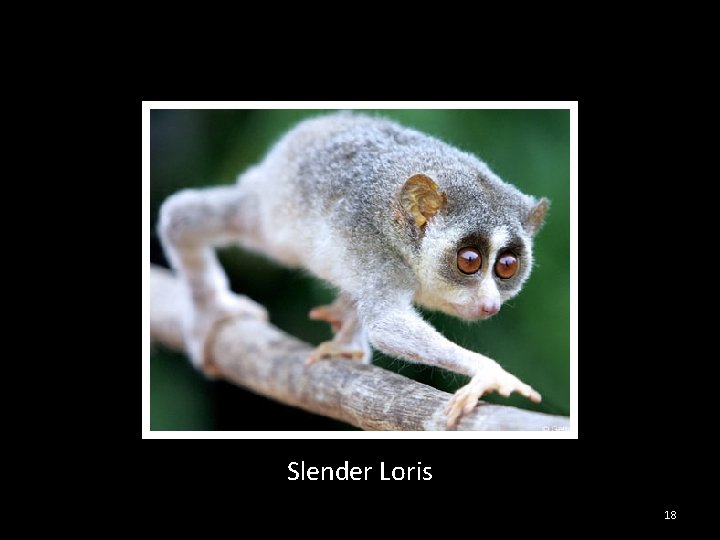
Slender Loris 18
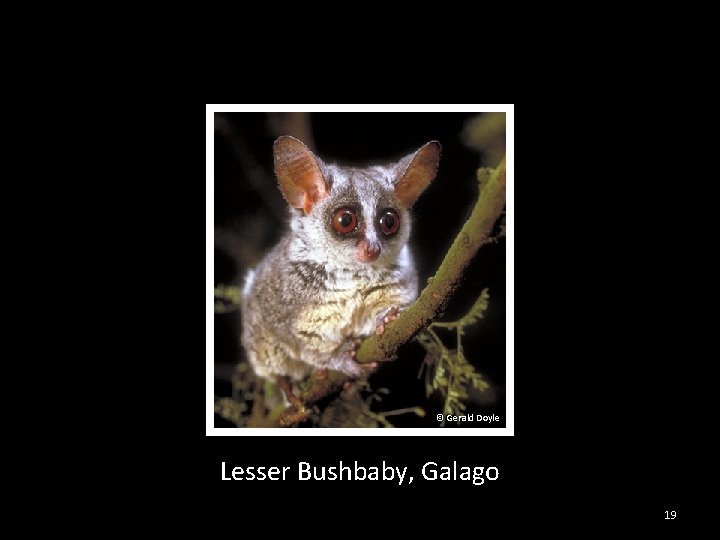
© Gerald Doyle Lesser Bushbaby, Galago 19
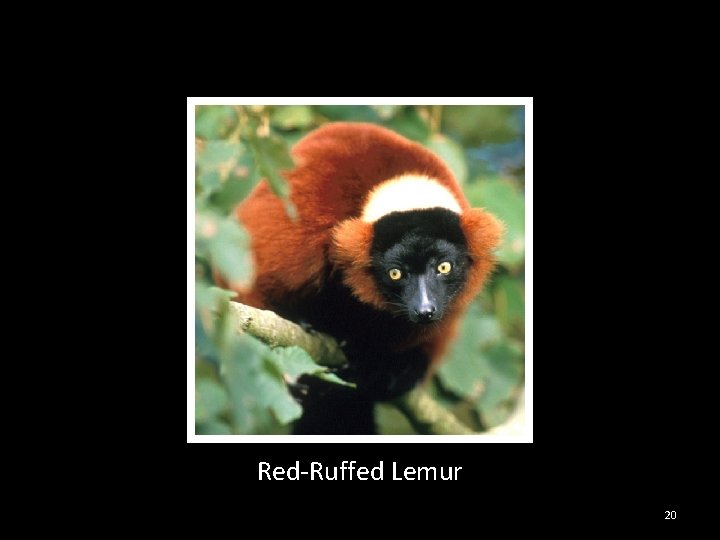
Red-Ruffed Lemur 20
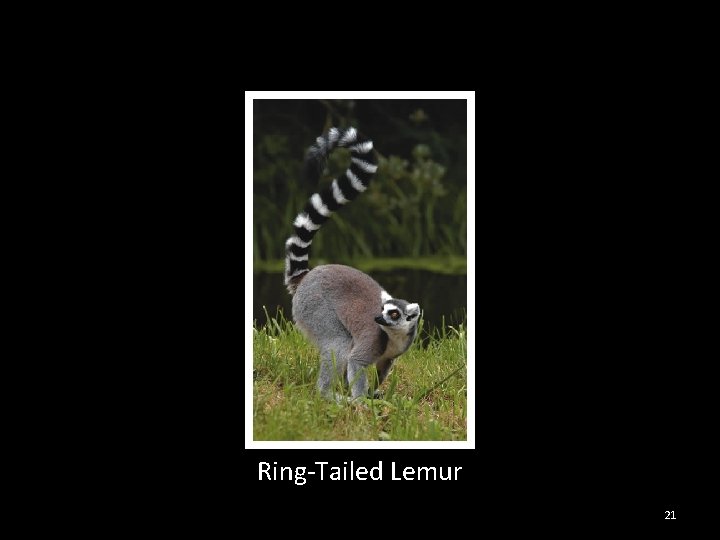
Ring-Tailed Lemur 21

Sifaka 22
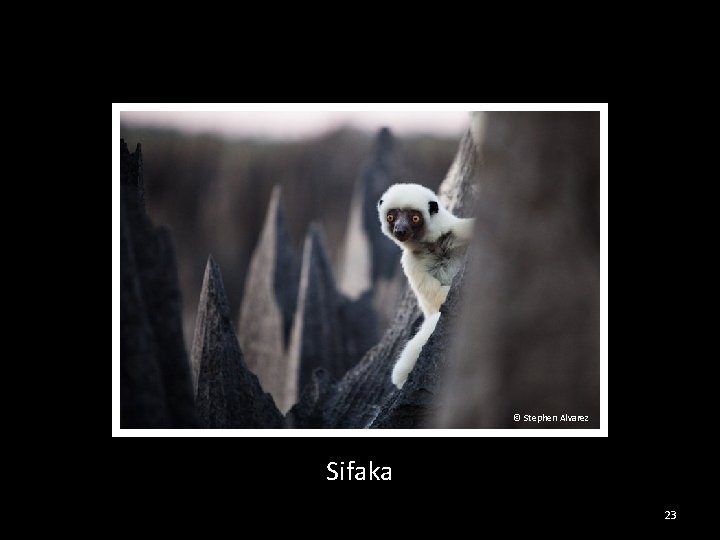
© Stephen Alvarez Sifaka 23
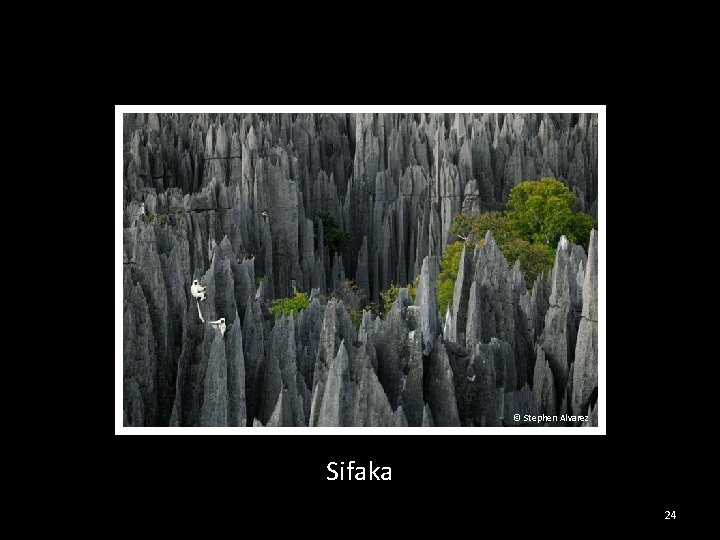
© Stephen Alvarez Sifaka 24
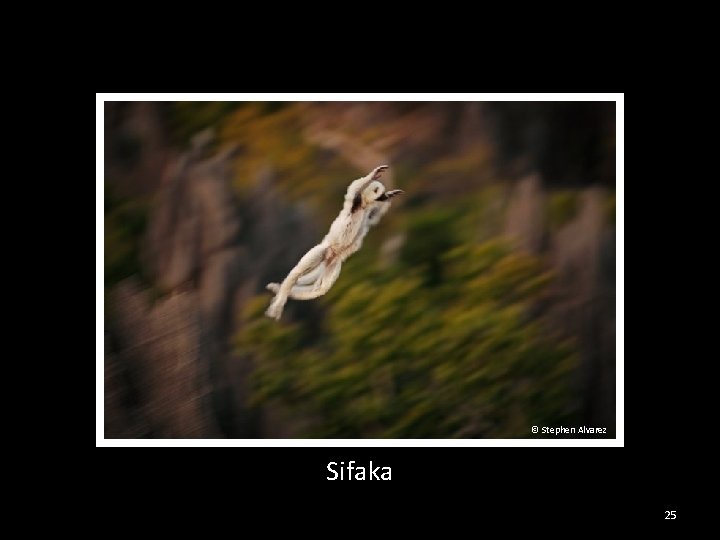
© Stephen Alvarez Sifaka 25
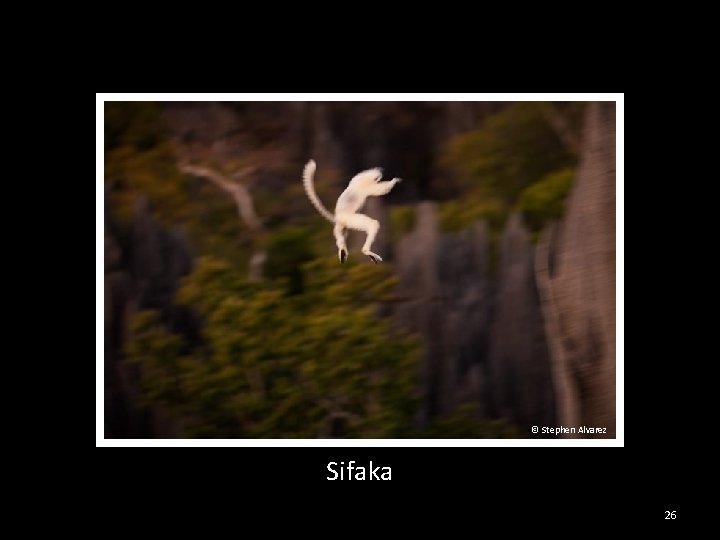
© Stephen Alvarez Sifaka 26
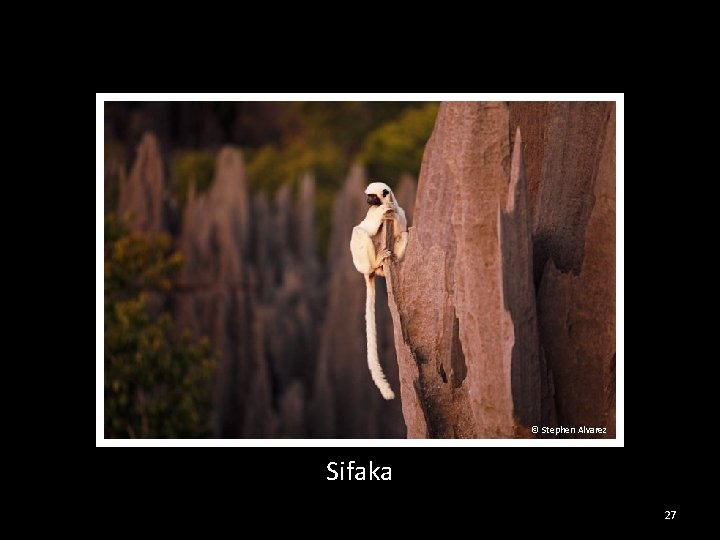
© Stephen Alvarez Sifaka 27
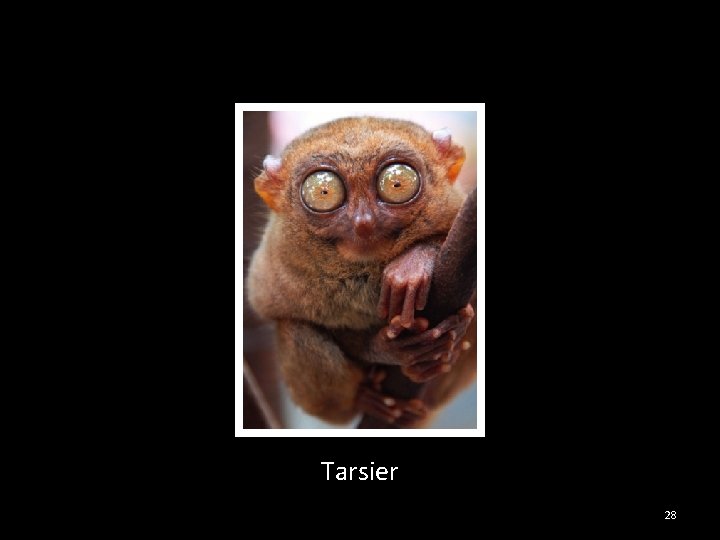
Tarsier 28
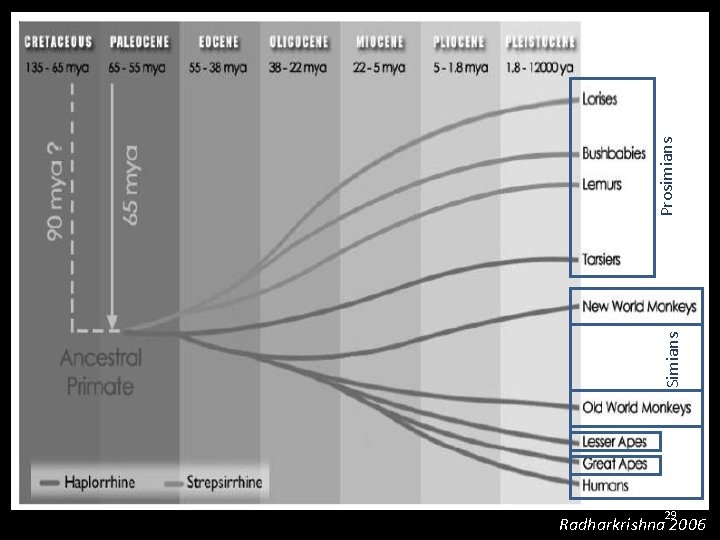
Prosimians Simians 29 Radharkrishna 2006
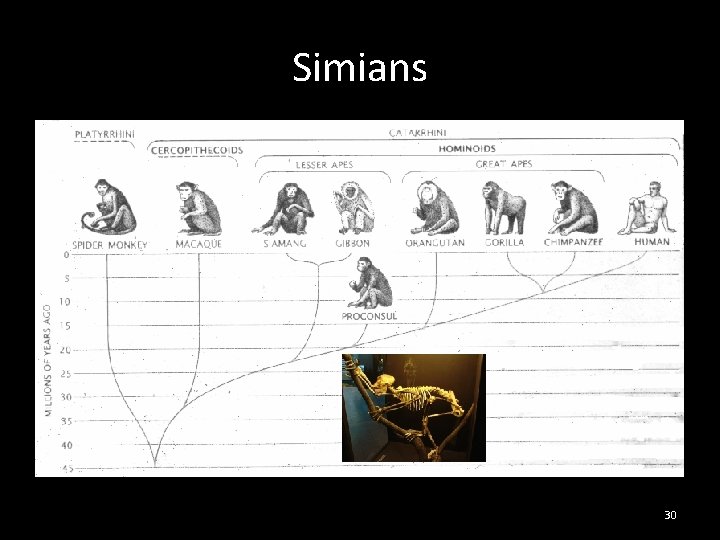
Simians 30
New World Monkeys Platyrrhines • Neotropical forest habitats of Central and South America • Small (6” pygmy marmoset) to medium sized (3’ howler monkeys) • Wide, circular nostrils which are spaced apart • Long tails, which are sometimes prehensile • No buttock pads (ischial callosities) • No cheek pouches 31
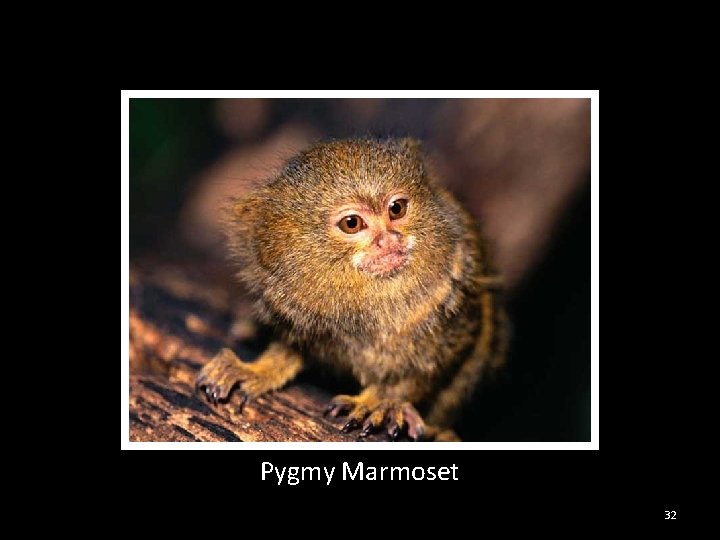
Pygmy Marmoset 32
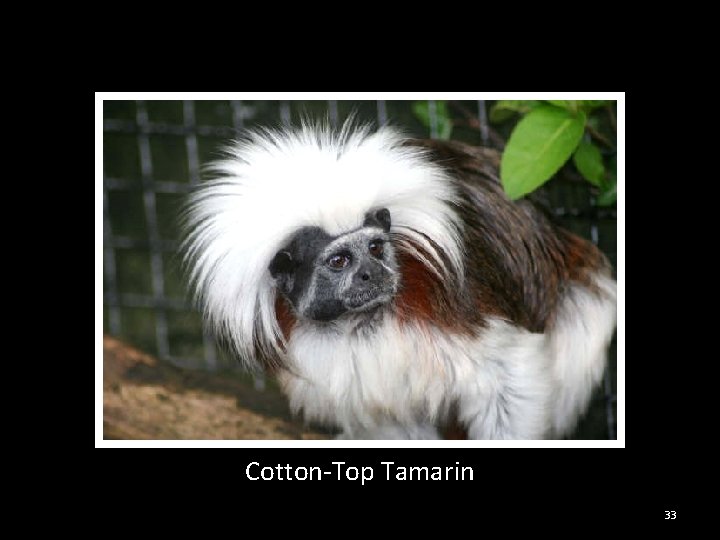
Cotton-Top Tamarin 33
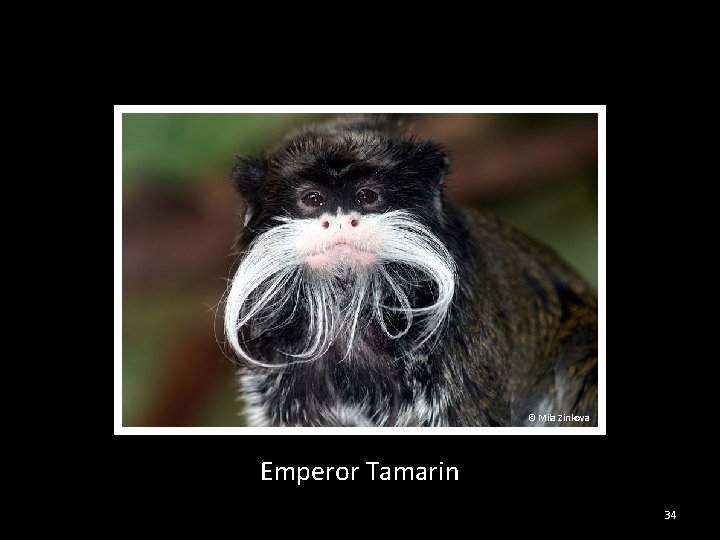
© Mila Zinkova Emperor Tamarin 34
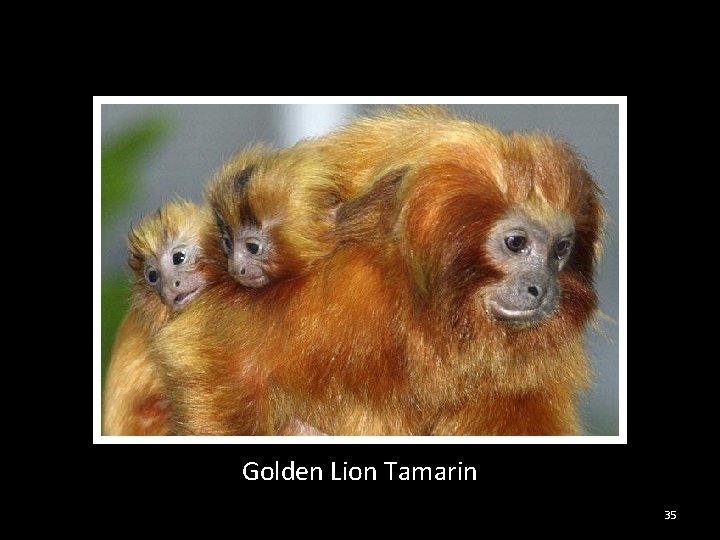
Golden Lion Tamarin 35
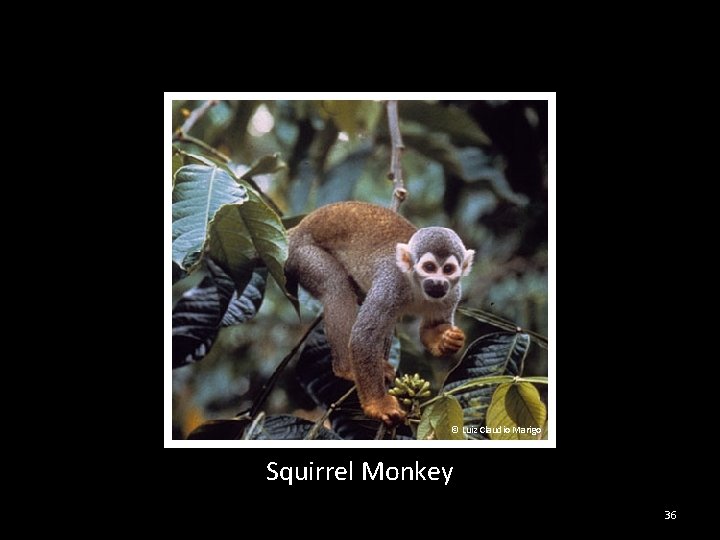
© Luiz Claudio Marigo Squirrel Monkey 36
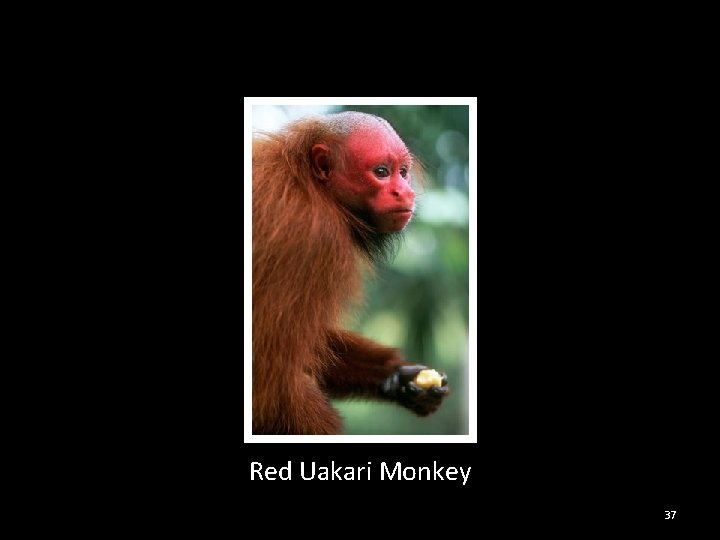
Red Uakari Monkey 37
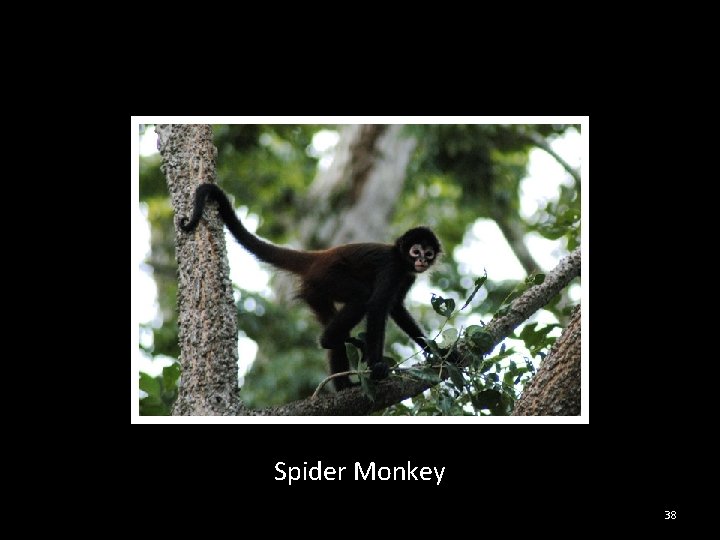
Spider Monkey 38
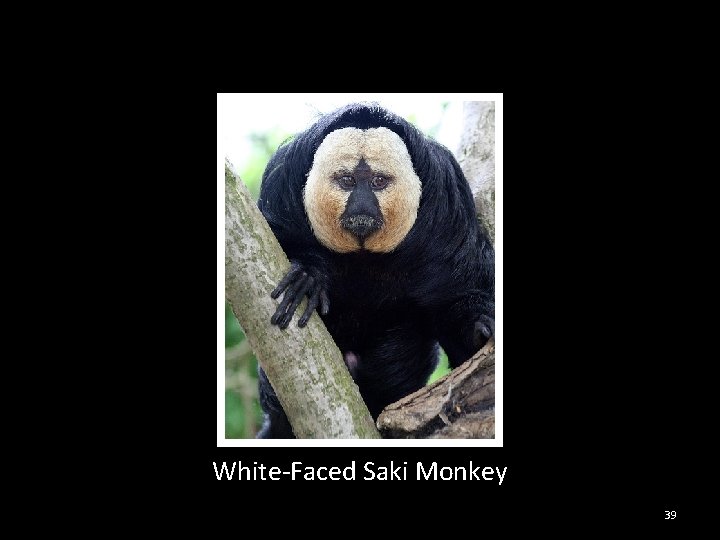
White-Faced Saki Monkey 39
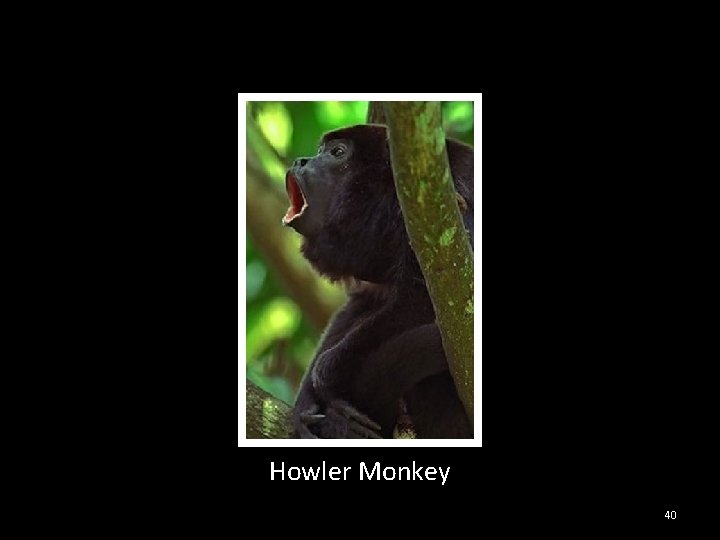
Howler Monkey 40
Old World Monkeys Catarrhines • • Live in Africa and Asia Larger than New World Monkeys Narrow and downward pointing nostrils Longer hind legs than forearms Flattened nails Prominent buttock pads, ischial pads Tails (not prehensile) 41
Old World Monkeys Catarrhines • Subfamily: Colobines – Long tails, diverse coloration – The coloration of nearly all the young animals differ remarkably from the adults – Almost exclusively herbivores – Have a large, complex stomach to aid in digestion of leaves – No cheek pouches 42
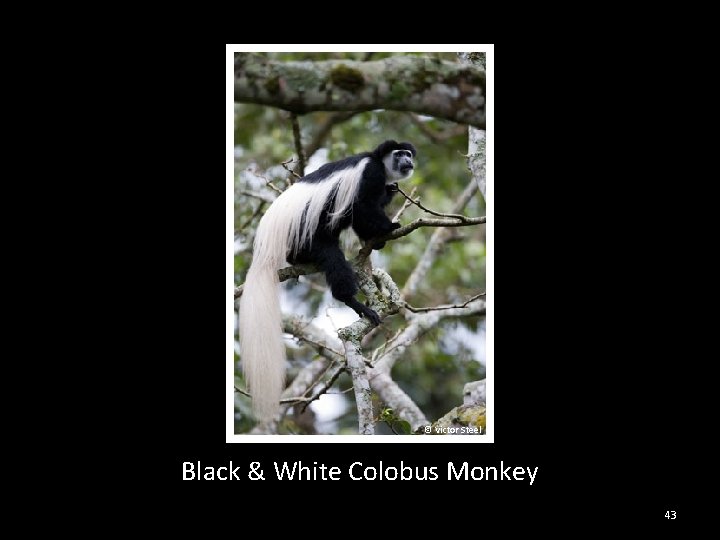
© Victor Steel Black & White Colobus Monkey 43
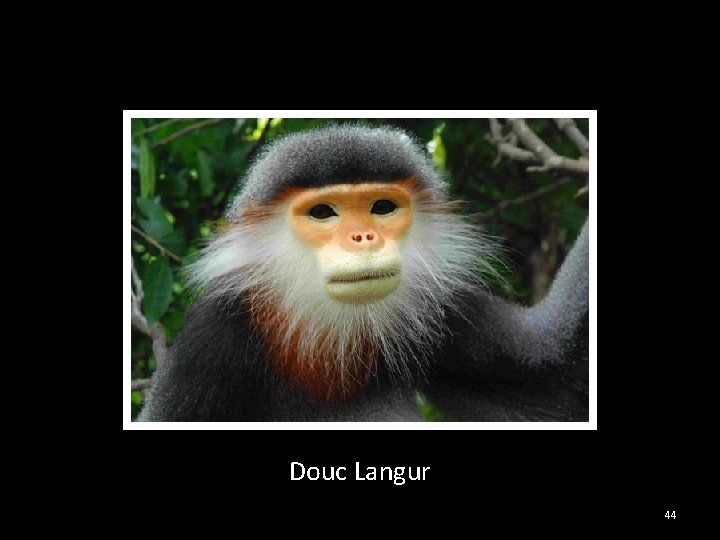
Douc Langur 44
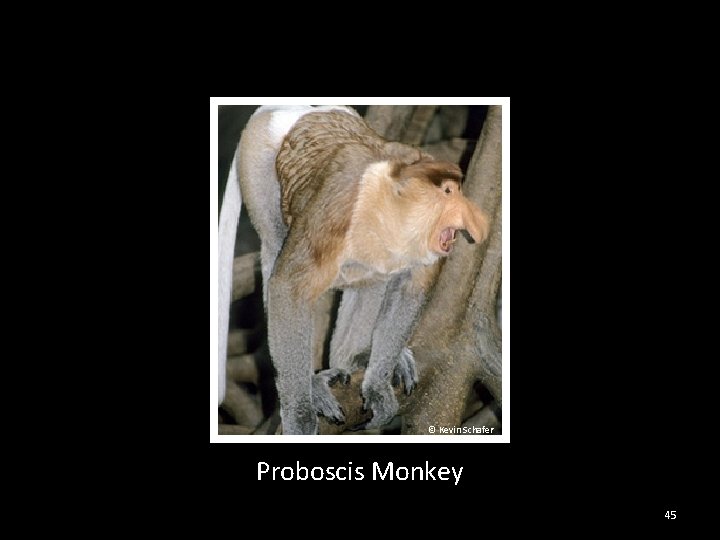
© Kevin Schafer Proboscis Monkey 45
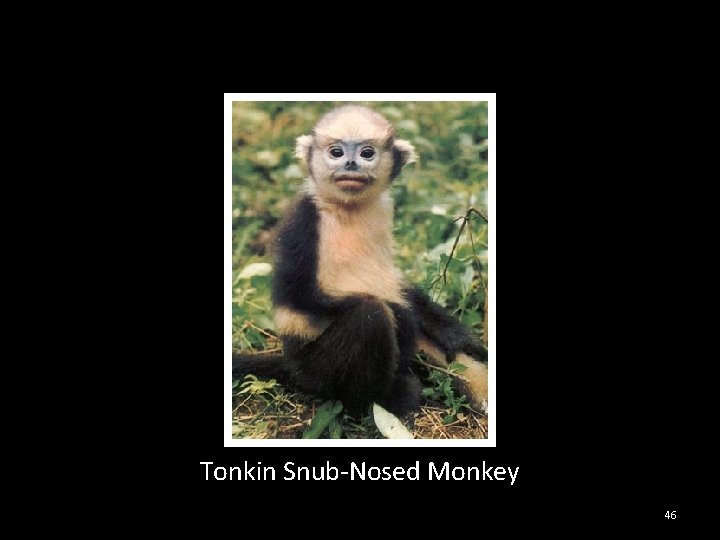
Tonkin Snub-Nosed Monkey 46
Old World Monkeys Catarrhines • Subfamily: Cercopithecines – Arboreal species have long tails, but tail is small or nonexistent on terrestrial species – Well-developed thumbs – Ischial callosities may change color during mating period – Omnivorous – Cheek pouches 47
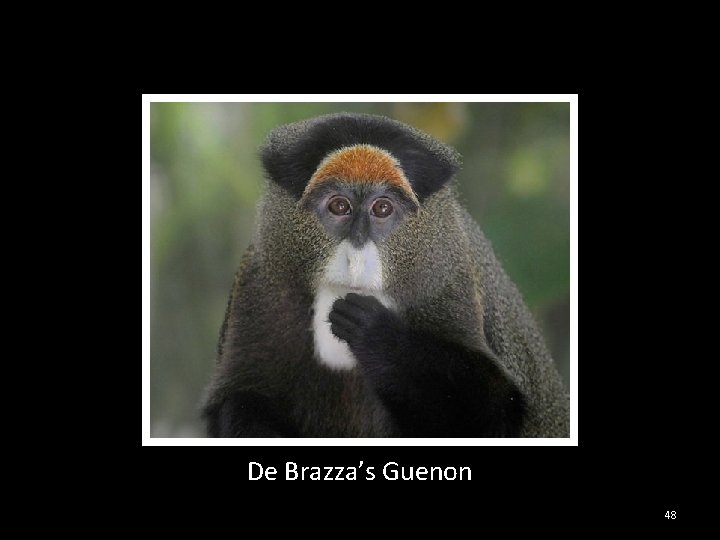
De Brazza’s Guenon 48
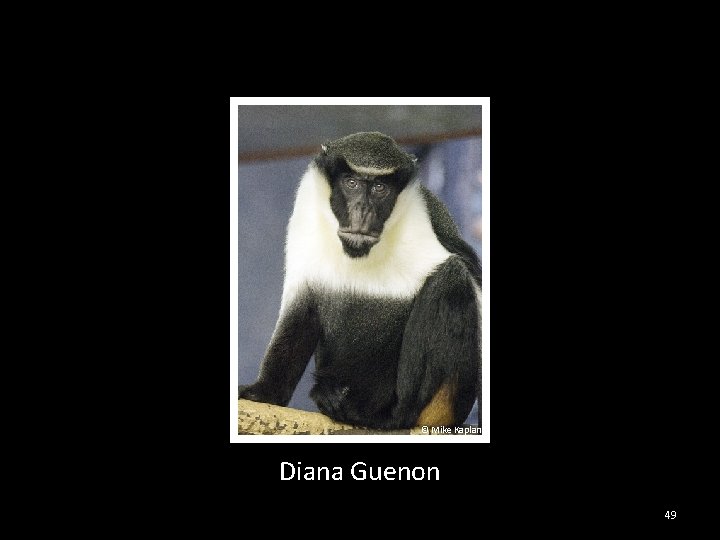
© Mike Kaplan Diana Guenon 49
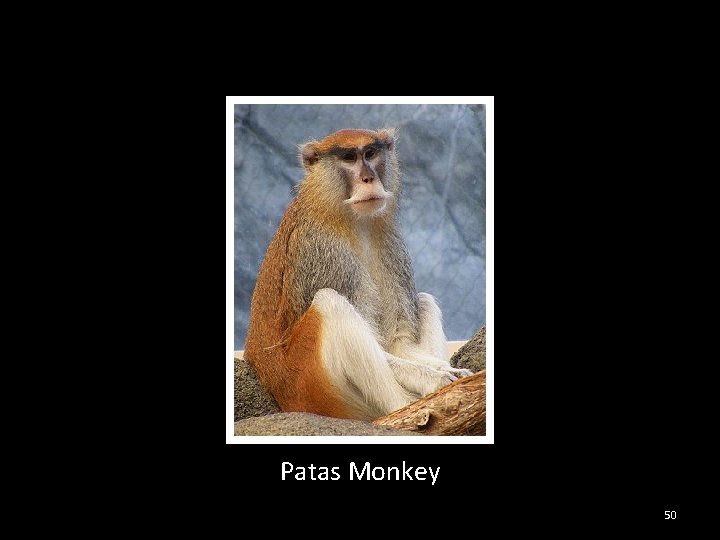
Patas Monkey 50
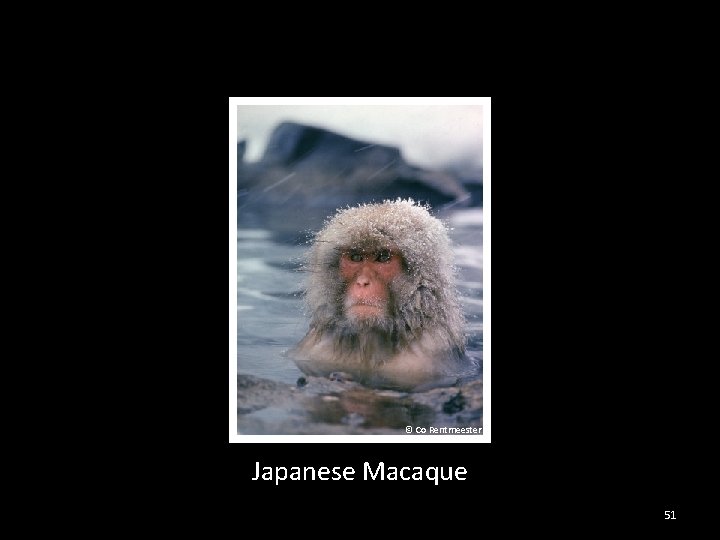
© Co Rentmeester Japanese Macaque 51
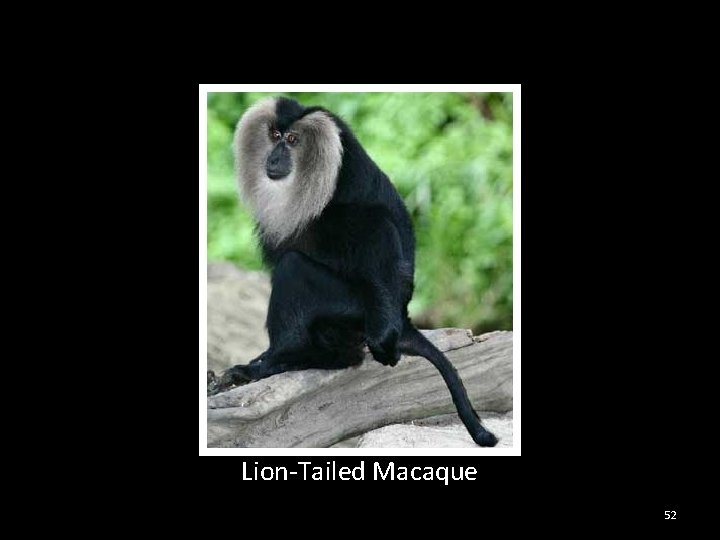
Lion-Tailed Macaque 52
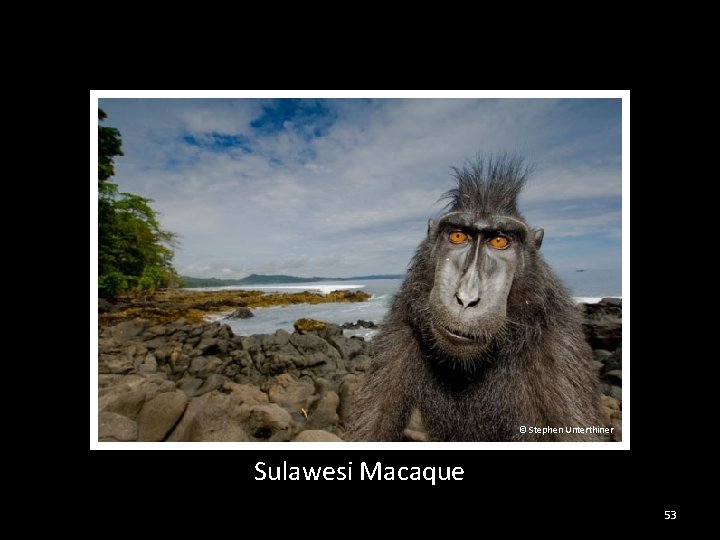
© Stephen Unterthiner Sulawesi Macaque 53
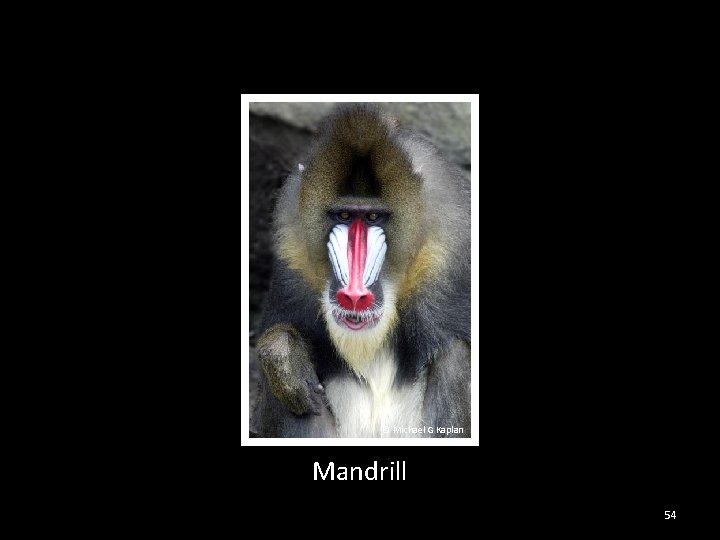
© Michael G Kaplan Mandrill 54
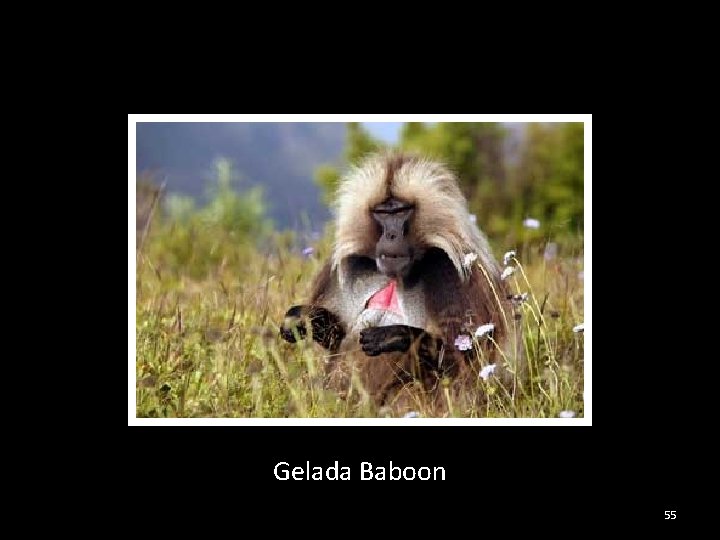
Gelada Baboon 55
The Lesser Apes • Live in small, monogamous groups • The adult female is the dominant individual in the group • Renowned for their complex vocalizations • Long arms for climbing, swinging and hanging 56
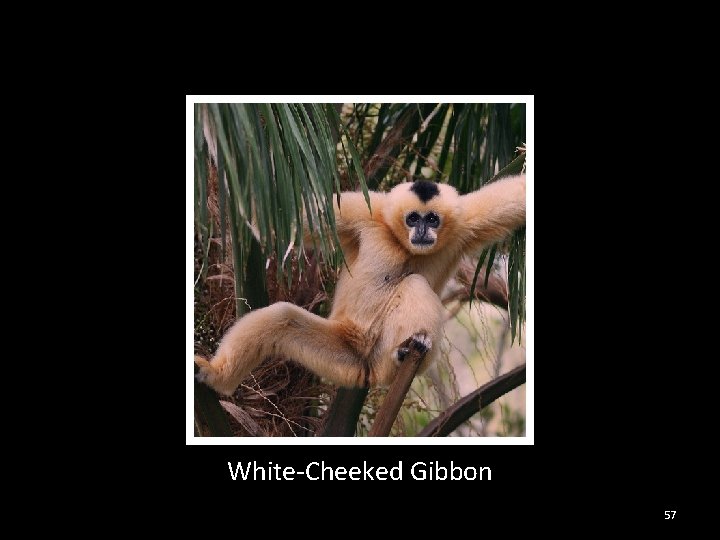
White-Cheeked Gibbon 57
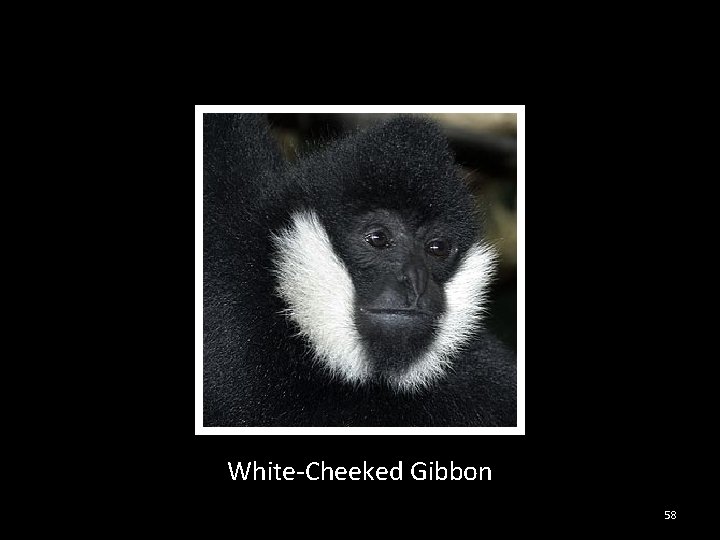
White-Cheeked Gibbon 58
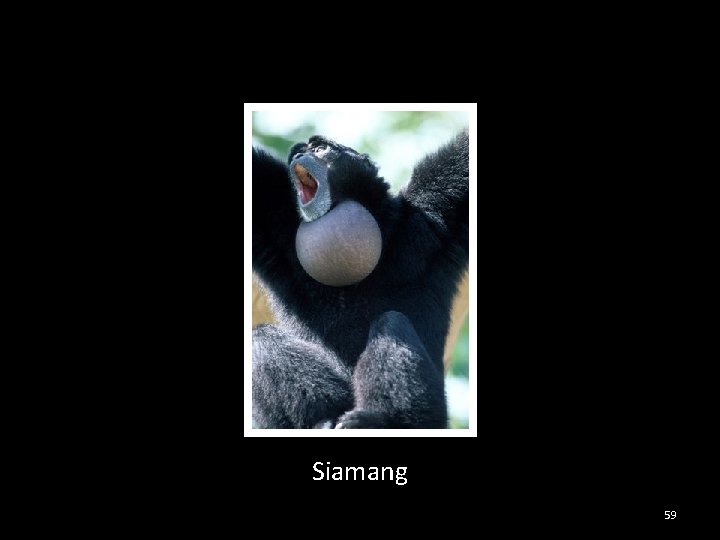
Siamang 59
The Great Apes • • The largest and heaviest primates Upright body posture, able to walk on 2 legs No tails Broad-chested Short noses Large brain to body size ratio Live in Africa and Asia 60
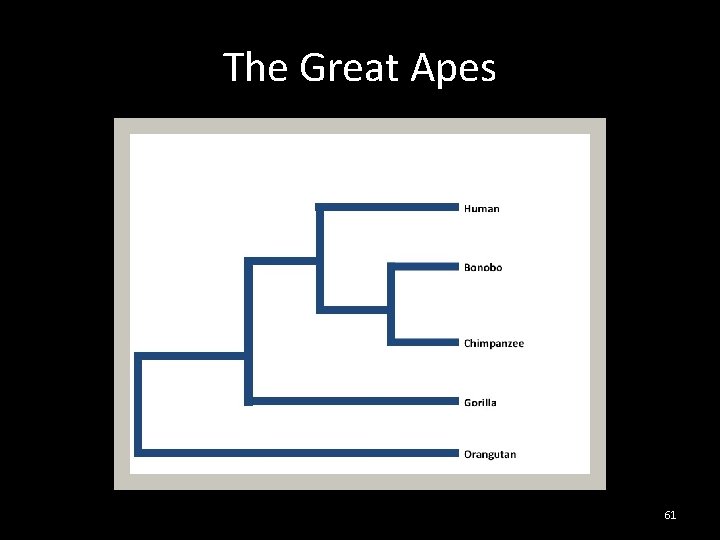
The Great Apes 61
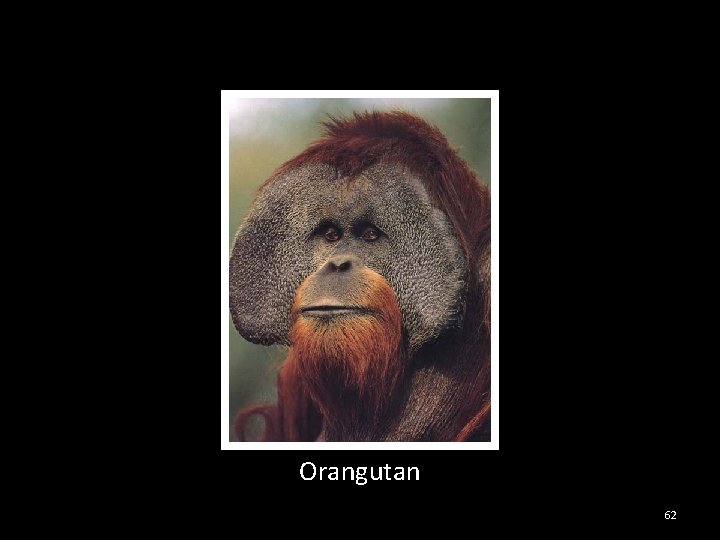
Orangutan 62
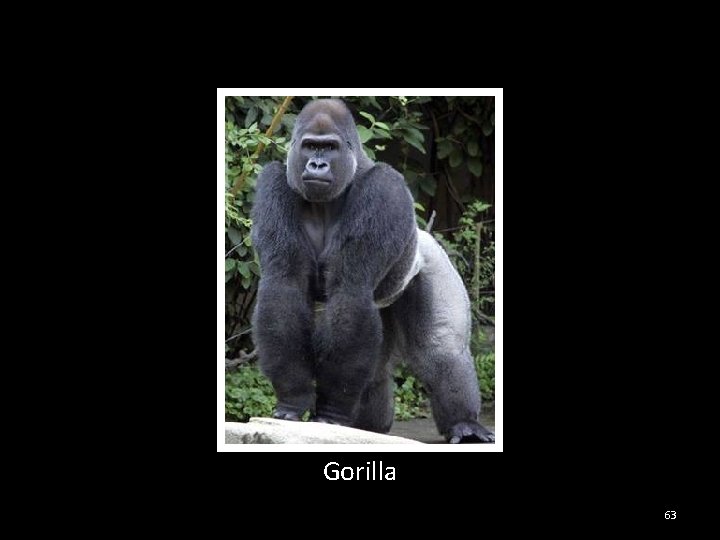
Gorilla 63
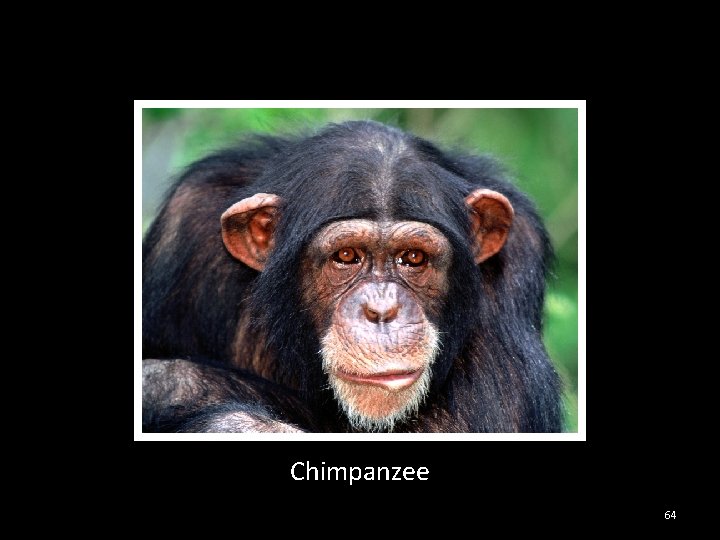
Chimpanzee 64
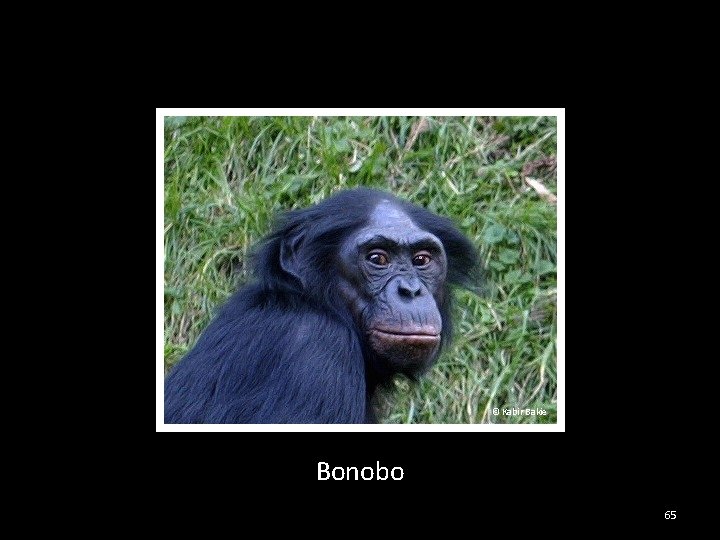
© Kabir Bakie Bonobo 65
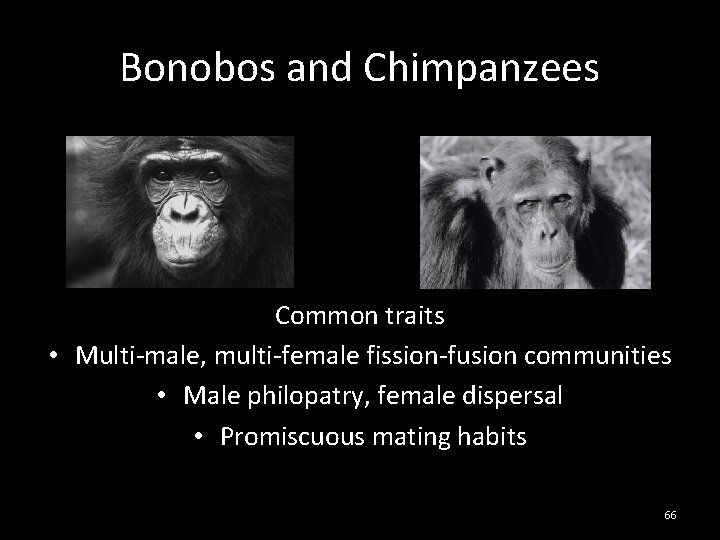
Bonobos and Chimpanzees Common traits • Multi-male, multi-female fission-fusion communities • Male philopatry, female dispersal • Promiscuous mating habits 66
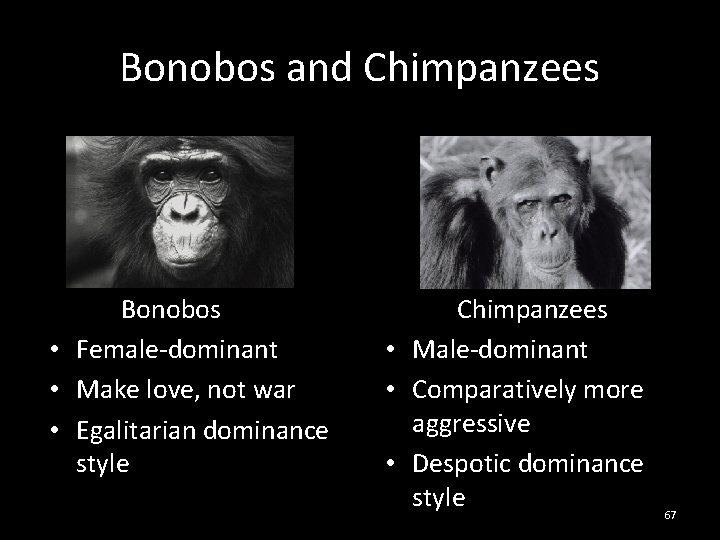
Bonobos and Chimpanzees Bonobos • Female-dominant • Make love, not war • Egalitarian dominance style Chimpanzees • Male-dominant • Comparatively more aggressive • Despotic dominance style 67
68
Any Questions? 69
- Slides: 69