
8 MAIN GRAPHS TO KNOW AP MACROECONOMICS Price

- Slides: 31
8 MAIN GRAPHS TO KNOW AP MACROECONOMICS
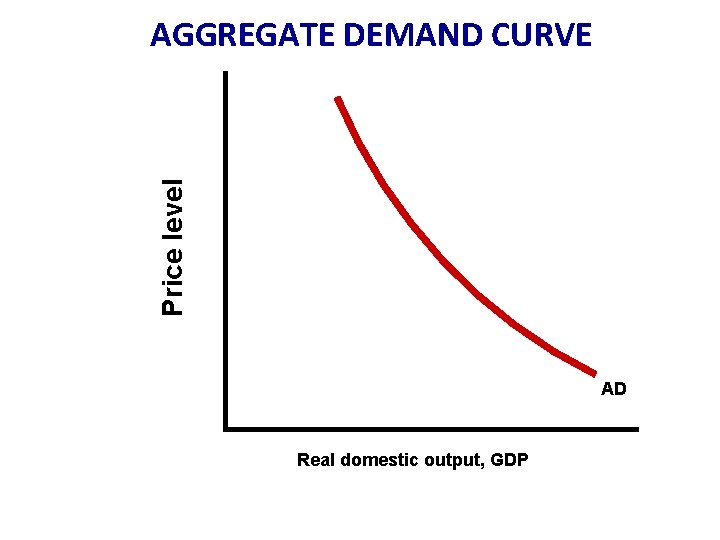
Price level AGGREGATE DEMAND CURVE AD Real domestic output, GDP
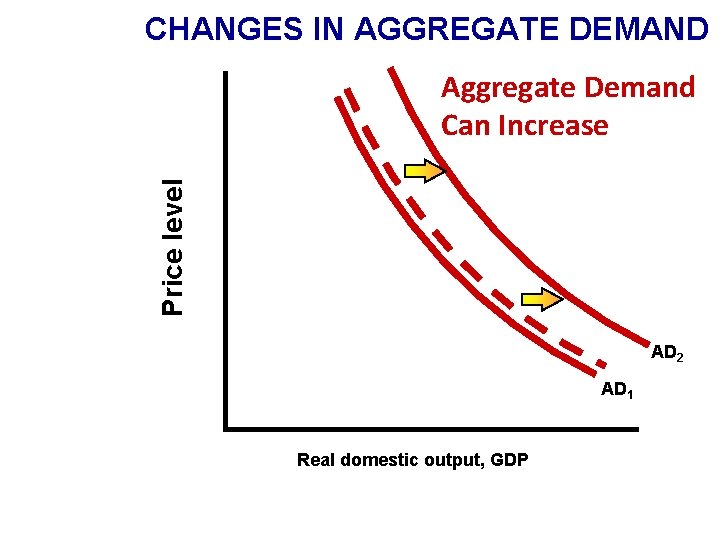
CHANGES IN AGGREGATE DEMAND Price level Aggregate Demand Can Increase AD 2 AD 1 Real domestic output, GDP
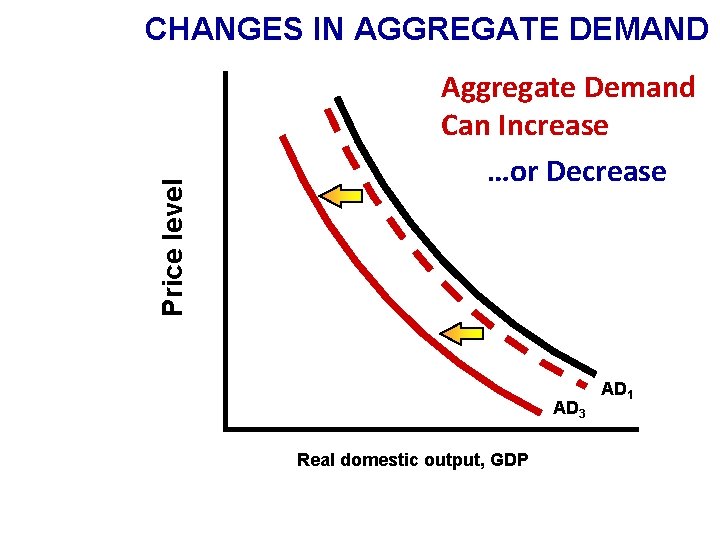
Price level CHANGES IN AGGREGATE DEMAND Aggregate Demand Can Increase …or Decrease AD 3 Real domestic output, GDP AD 1
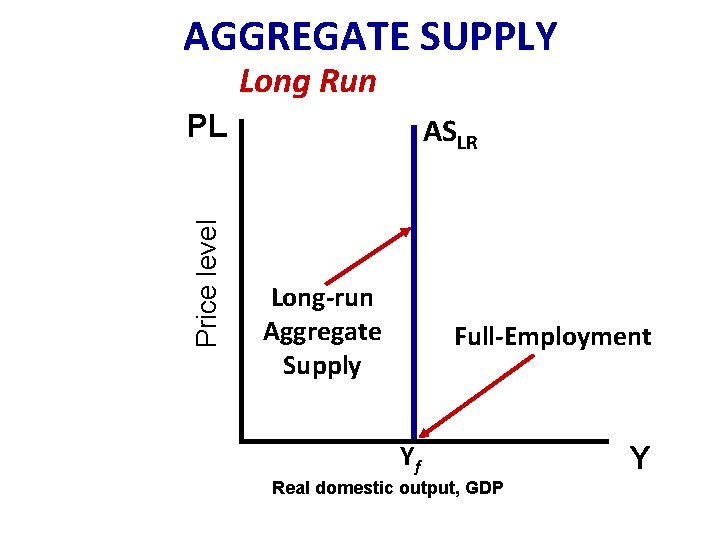
AGGREGATE SUPPLY Long Run Price level PL ASLR Long-run Aggregate Supply Full-Employment Yf Real domestic output, GDP Y
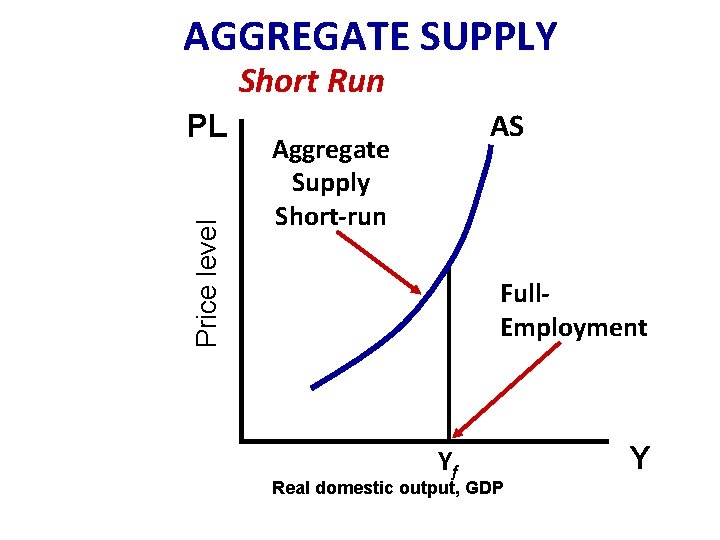
AGGREGATE SUPPLY Short Run Price level PL AS Aggregate Supply Short-run Full. Employment Yf Real domestic output, GDP Y
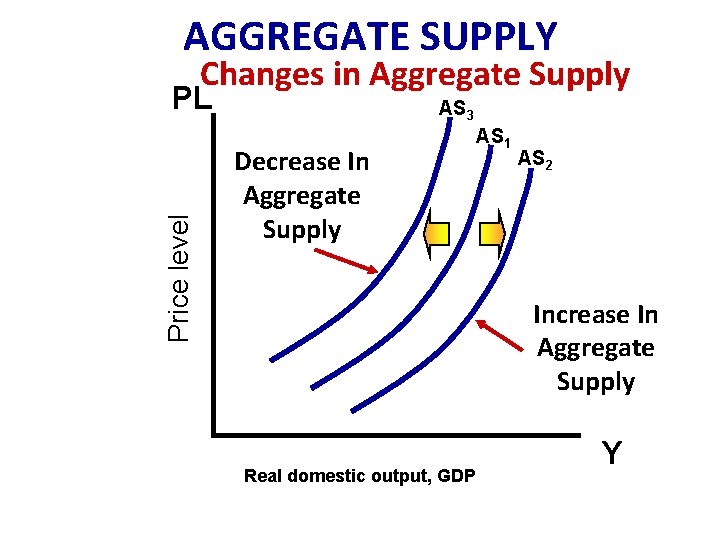
AGGREGATE SUPPLY Changes in Aggregate Supply Price level PL AS 3 Decrease In Aggregate Supply AS 1 AS 2 Increase In Aggregate Supply Real domestic output, GDP Y
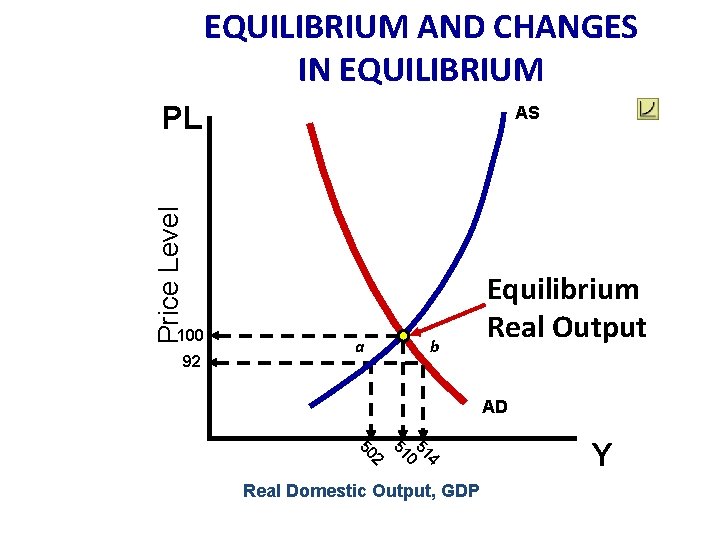
EQUILIBRIUM AND CHANGES IN EQUILIBRIUM Price Level PL 100 92 AS a b Equilibrium Real Output AD 4 51 0 51 2 50 Real Domestic Output, GDP Y
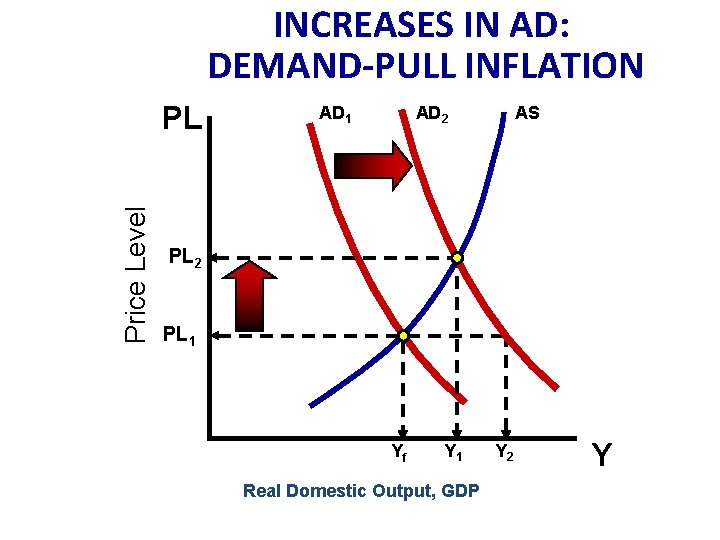
INCREASES IN AD: DEMAND-PULL INFLATION Price Level PL AD 1 AS AD 2 PL 1 Yf Y 1 Real Domestic Output, GDP Y 2 Y
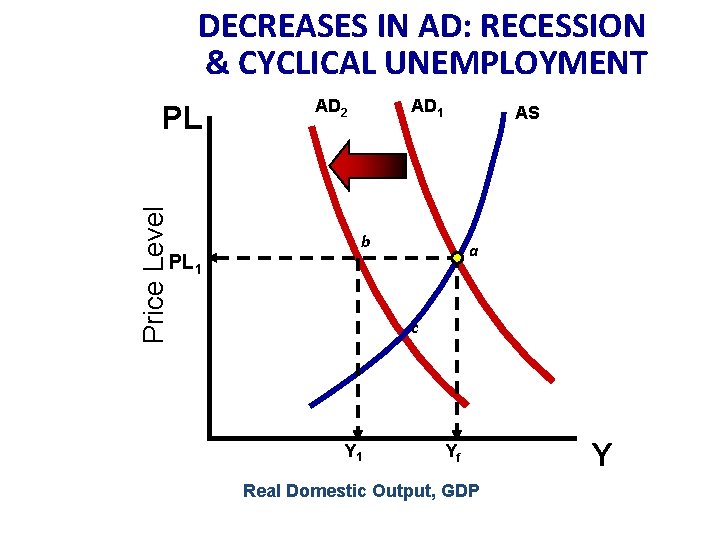
DECREASES IN AD: RECESSION & CYCLICAL UNEMPLOYMENT Price Level PL PL 1 AD 2 AD 1 AS b a c Y 1 Yf Real Domestic Output, GDP Y
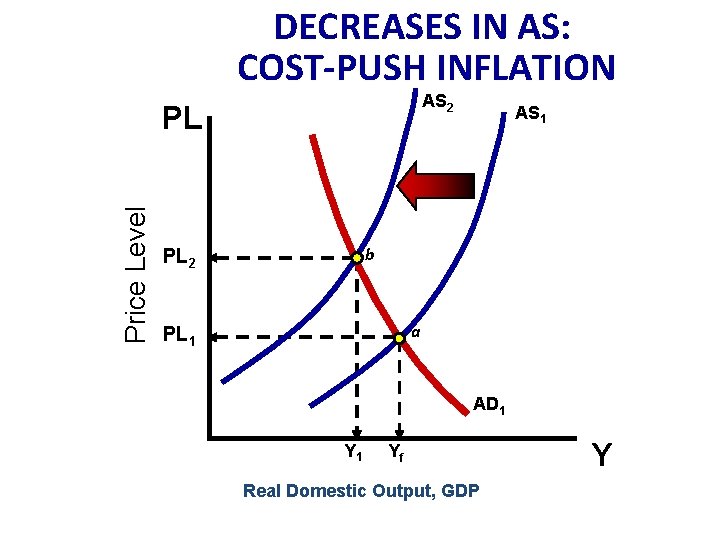
DECREASES IN AS: COST-PUSH INFLATION AS 2 Price Level PL AS 1 b PL 2 a PL 1 AD 1 Yf Real Domestic Output, GDP Y
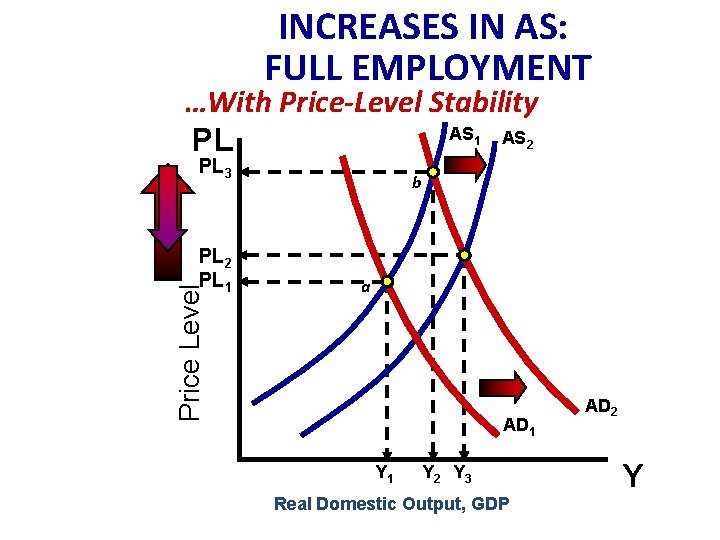
INCREASES IN AS: FULL EMPLOYMENT …With Price-Level Stability AS AS PL 1 PL 3 Price Level PL 2 PL 1 2 b a AD 1 Y 2 Y 3 Real Domestic Output, GDP AD 2 Y
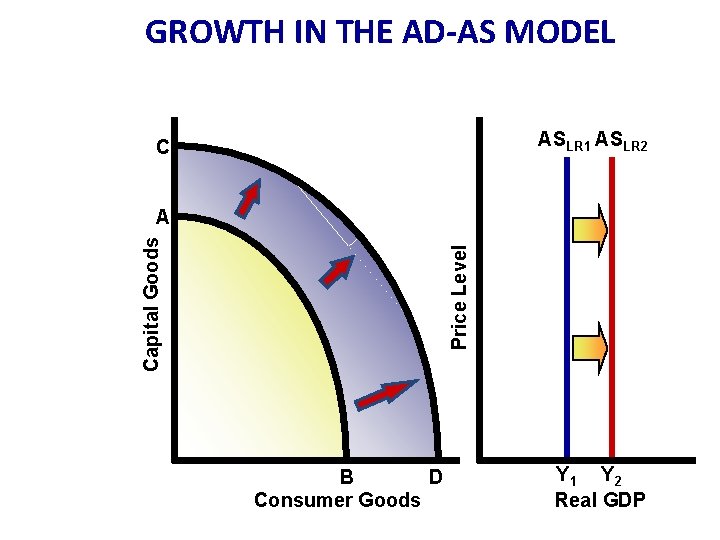
GROWTH IN THE AD-AS MODEL ASLR 1 ASLR 2 C Price Level Capital Goods A B D Consumer Goods Y 1 Y 2 Real GDP
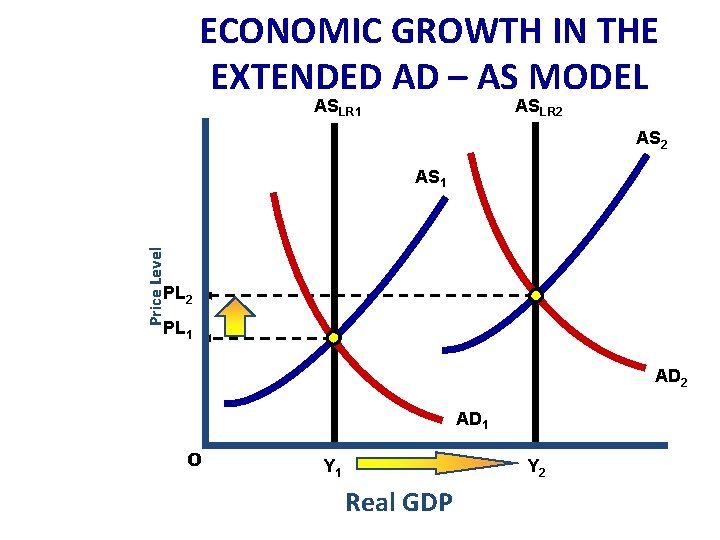
ECONOMIC GROWTH IN THE EXTENDED AD – AS MODEL ASLR 1 ASLR 2 AS 2 Price Level AS 1 PL 2 PL 1 AD 2 AD 1 o Y 1 Y 2 Real GDP
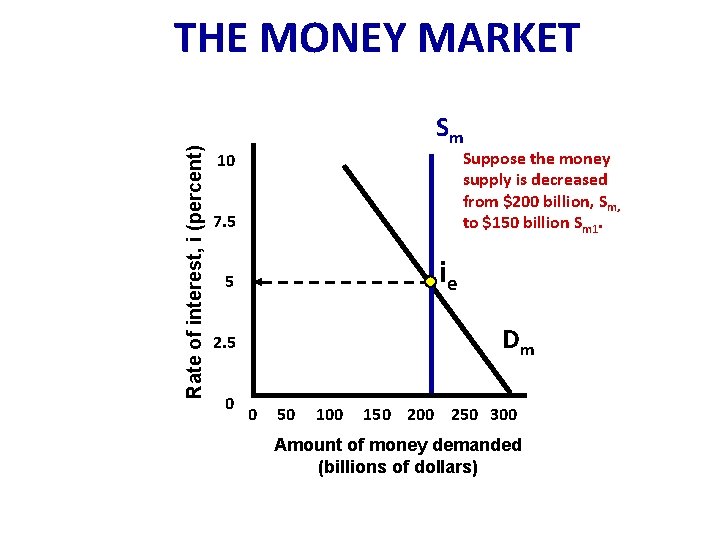
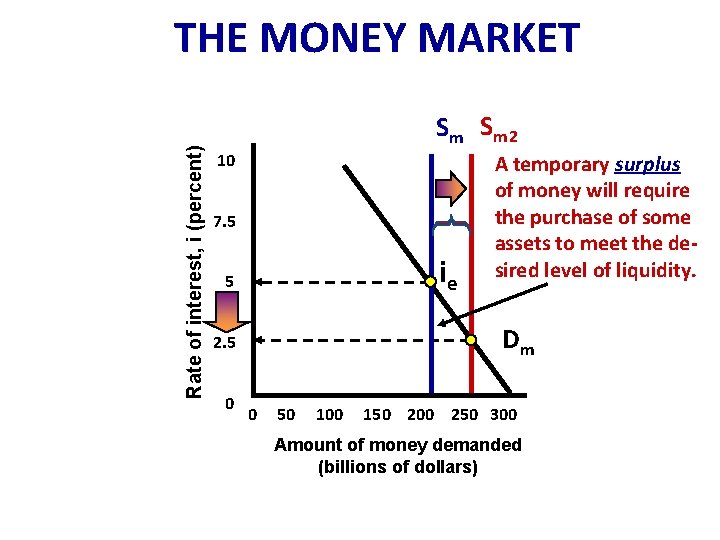
Rate of interest, i (percent) THE MONEY MARKET Sm Suppose the money supply is decreased from $200 billion, Sm, to $150 billion Sm 1. 10 7. 5 ie 5 Dm 2. 5 0 0 50 100 150 200 250 300 Amount of money demanded (billions of dollars)
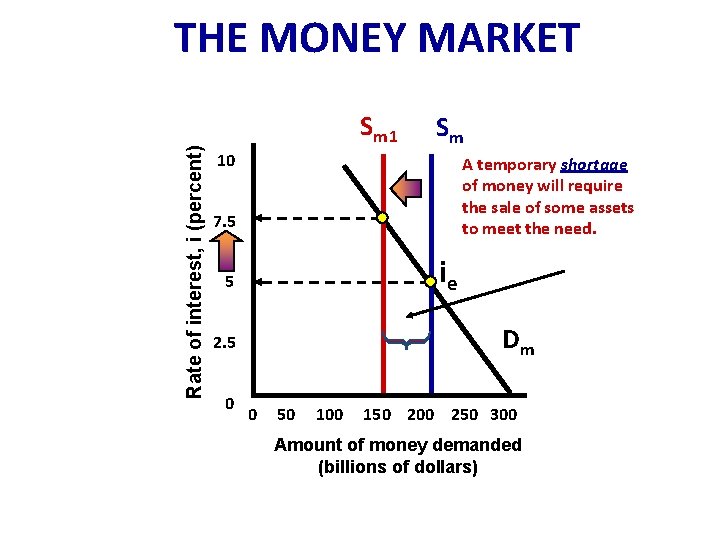
Rate of interest, i (percent) THE MONEY MARKET Sm 10 A temporary shortage of money will require the sale of some assets to meet the need. 7. 5 ie 5 Dm 2. 5 0 0 50 100 150 200 250 300 Amount of money demanded (billions of dollars)
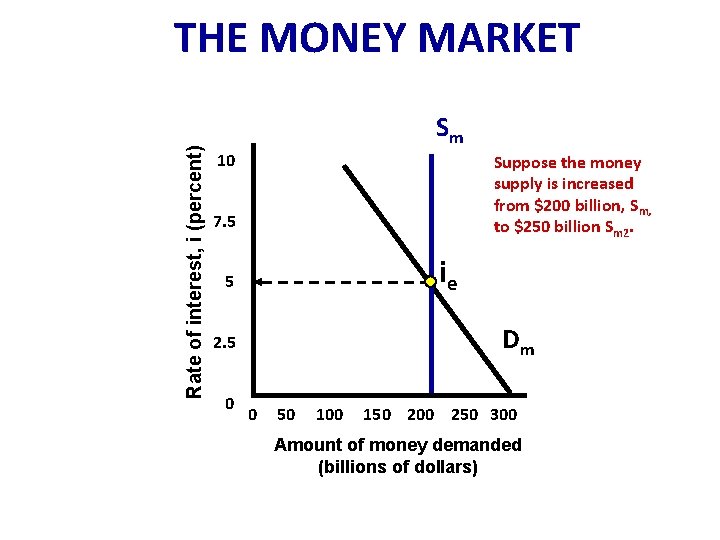
Rate of interest, i (percent) THE MONEY MARKET Sm 10 Suppose the money supply is increased from $200 billion, Sm, to $250 billion Sm 2. 7. 5 ie 5 Dm 2. 5 0 0 50 100 150 200 250 300 Amount of money demanded (billions of dollars)
Rate of interest, i (percent) THE MONEY MARKET Sm Sm 2 10 7. 5 ie 5 Dm 2. 5 0 A temporary surplus of money will require the purchase of some assets to meet the desired level of liquidity. 0 50 100 150 200 250 300 Amount of money demanded (billions of dollars)
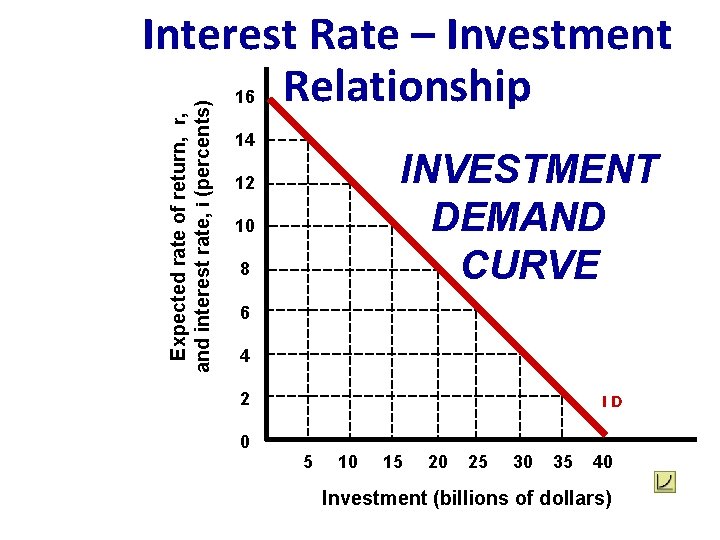
Expected rate of return, r, and interest rate, i (percents) Interest Rate – Investment Relationship 16 14 INVESTMENT DEMAND CURVE 12 10 8 6 4 2 ID 0 5 10 15 20 25 30 35 40 Investment (billions of dollars)
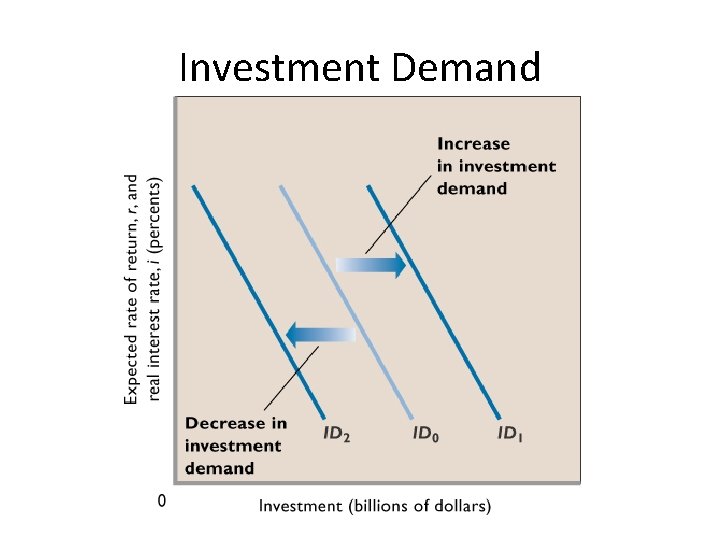
Investment Demand
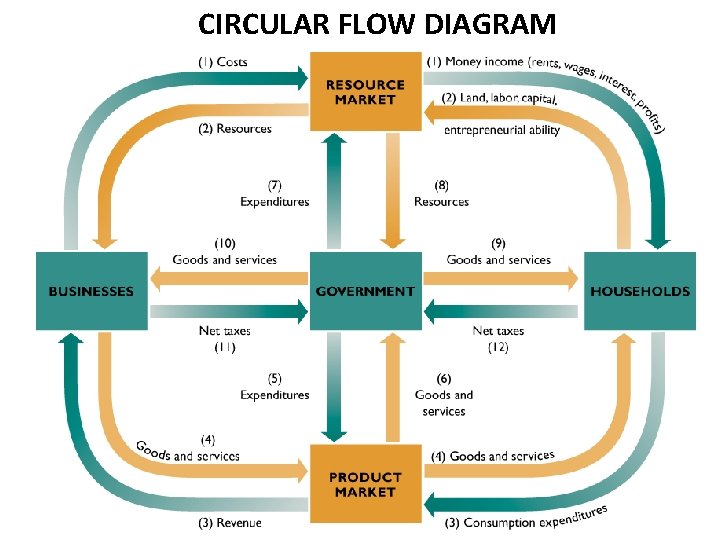
CIRCULAR FLOW DIAGRAM
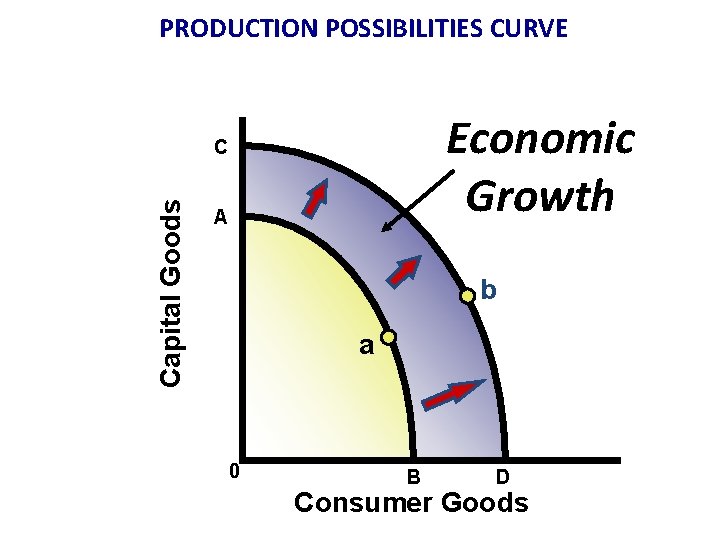
PRODUCTION POSSIBILITIES CURVE Economic Growth Capital Goods C A b a 0 B D Consumer Goods
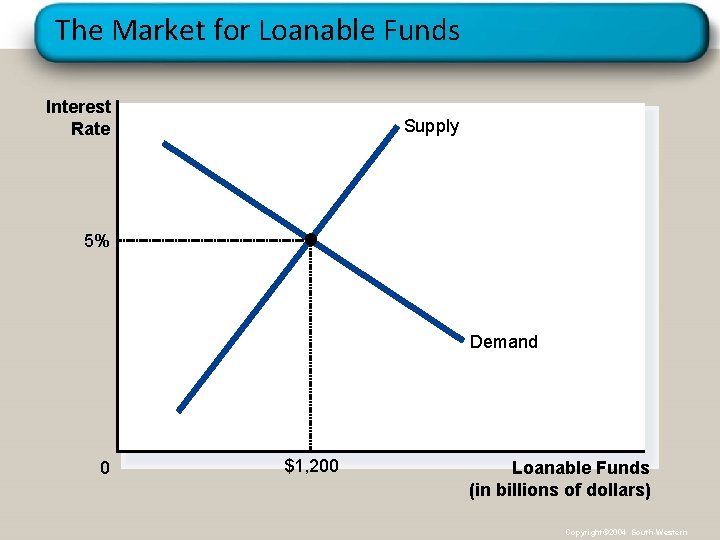
The Market for Loanable Funds Interest Rate Supply 5% Demand 0 $1, 200 Loanable Funds (in billions of dollars) Copyright© 2004 South-Western
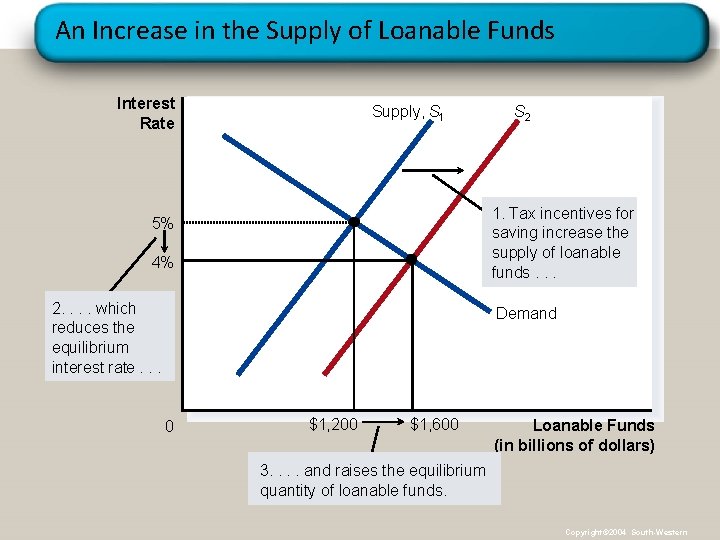
An Increase in the Supply of Loanable Funds Interest Rate Supply, S 1 S 2 1. Tax incentives for saving increase the supply of loanable funds. . . 5% 4% 2. . which reduces the equilibrium interest rate. . . Demand 0 $1, 200 $1, 600 Loanable Funds (in billions of dollars) 3. . and raises the equilibrium quantity of loanable funds. Copyright© 2004 South-Western
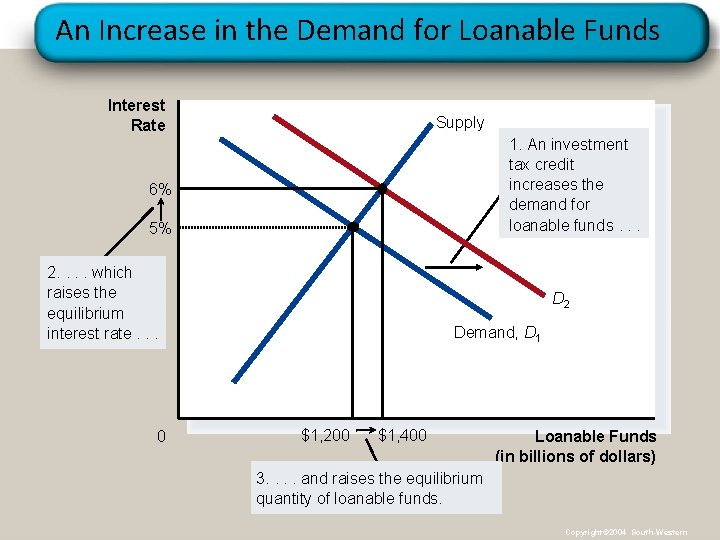
An Increase in the Demand for Loanable Funds Interest Rate Supply 1. An investment tax credit increases the demand for loanable funds. . . 6% 5% 2. . which raises the equilibrium interest rate. . . 0 D 2 Demand, D 1 $1, 200 $1, 400 Loanable Funds (in billions of dollars) 3. . and raises the equilibrium quantity of loanable funds. Copyright© 2004 South-Western
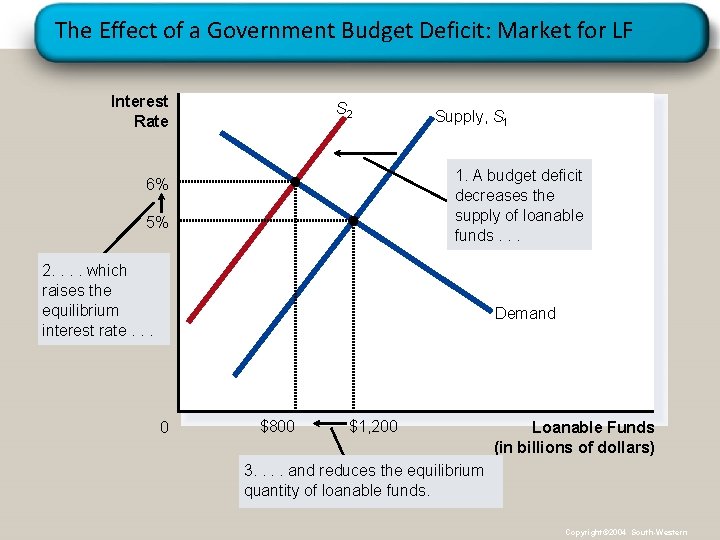
The Effect of a Government Budget Deficit: Market for LF Interest Rate S 2 Supply, S 1 1. A budget deficit decreases the supply of loanable funds. . . 6% 5% 2. . which raises the equilibrium interest rate. . . Demand 0 $800 $1, 200 Loanable Funds (in billions of dollars) 3. . and reduces the equilibrium quantity of loanable funds. Copyright© 2004 South-Western
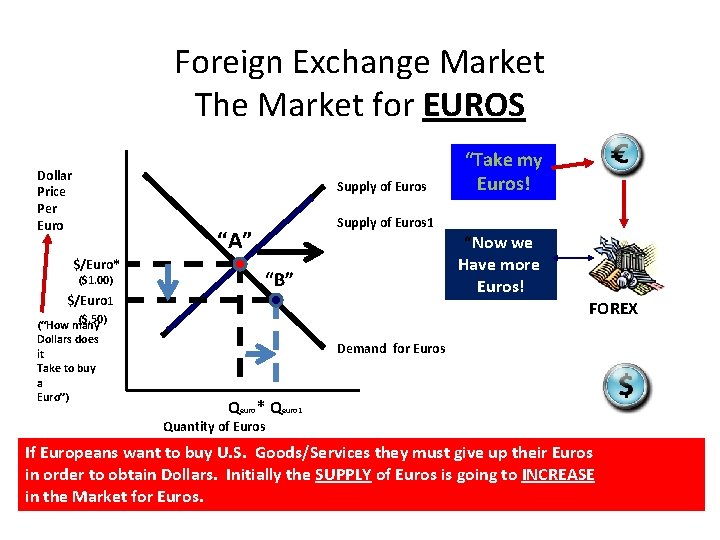
Foreign Exchange Market The Market for EUROS Dollar Price Per Euro Supply of Euros 1 “A” $/Euro* $/Euro 1 ($. 50) (“How many Dollars does it Take to buy a Euro”) “Now we Have more Euros! “B” ($1. 00) “Take my Euros! FOREX Demand for Euros Qeuro* Qeuro 1 Quantity of Euros If Europeans want to buy U. S. Goods/Services they must give up their Euros in order to obtain Dollars. Initially the SUPPLY of Euros is going to INCREASE in the Market for Euros.
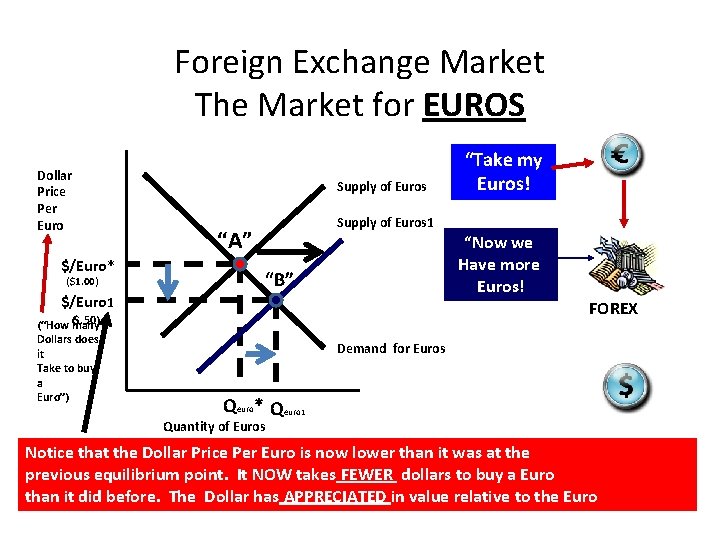
Foreign Exchange Market The Market for EUROS Dollar Price Per Euro Supply of Euros “Now we Have more Euros! “B” ($1. 00) $/Euro 1 (“How ($. 50) many Dollars does it Take to buy a Euro”) Supply of Euros 1 “A” $/Euro* “Take my Euros! FOREX Demand for Euros Qeuro* Qeuro 1 Quantity of Euros Notice that the Dollar Price Per Euro is now lower than it was at the previous equilibrium point. It NOW takes FEWER dollars to buy a Euro than it did before. The Dollar has APPRECIATED in value relative to the Euro
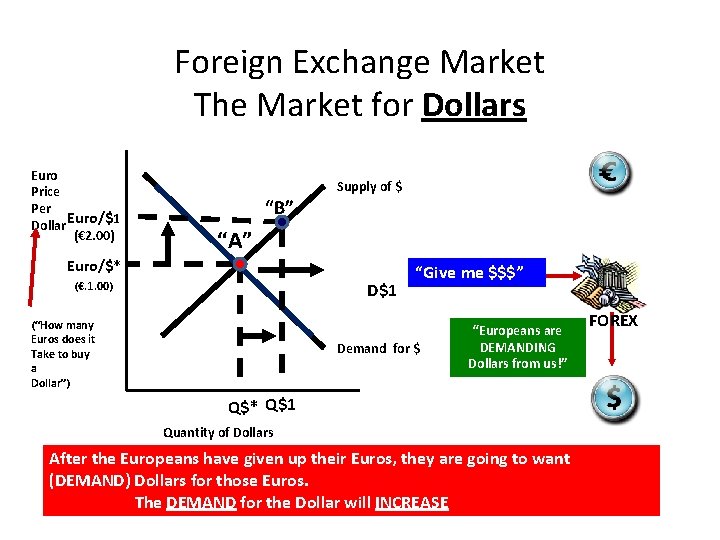
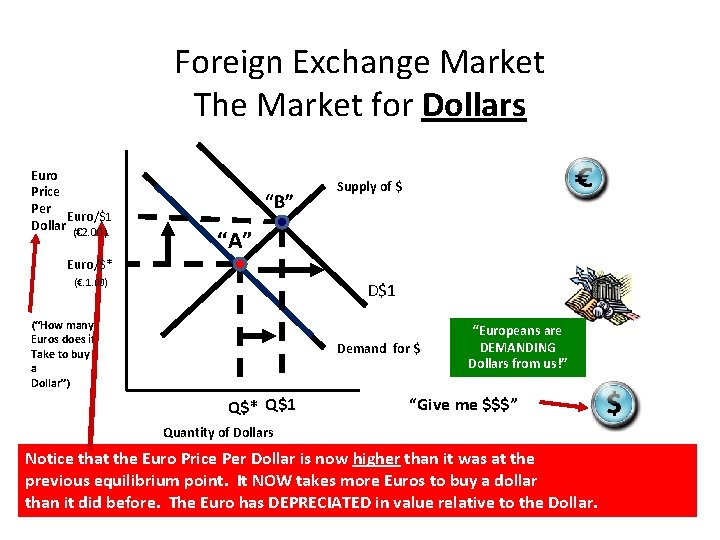
Foreign Exchange Market The Market for Dollars Euro Price Per Euro/$1 Dollar (€ 2. 00) Supply of $ “B” “A” Euro/$* (€. 1. 00) D$1 (“How many Euros does it Take to buy a Dollar”) “Give me $$$” Demand for $ “Europeans are DEMANDING Dollars from us!” Q$* Q$1 Quantity of Dollars After the Europeans have given up their Euros, they are going to want (DEMAND) Dollars for those Euros. The DEMAND for the Dollar will INCREASE FOREX
Foreign Exchange Market The Market for Dollars Euro Price Per Euro/$1 Dollar (€ 2. 00) “B” Supply of $ “A” Euro/$* (€. 1. 00) D$1 (“How many Euros does it Take to buy a Dollar”) Demand for $ Q$* Q$1 “Europeans are DEMANDING Dollars from us!” “Give me $$$” Quantity of Dollars Notice that the Euro Price Per Dollar is now higher than it was at the previous equilibrium point. It NOW takes more Euros to buy a dollar than it did before. The Euro has DEPRECIATED in value relative to the Dollar.
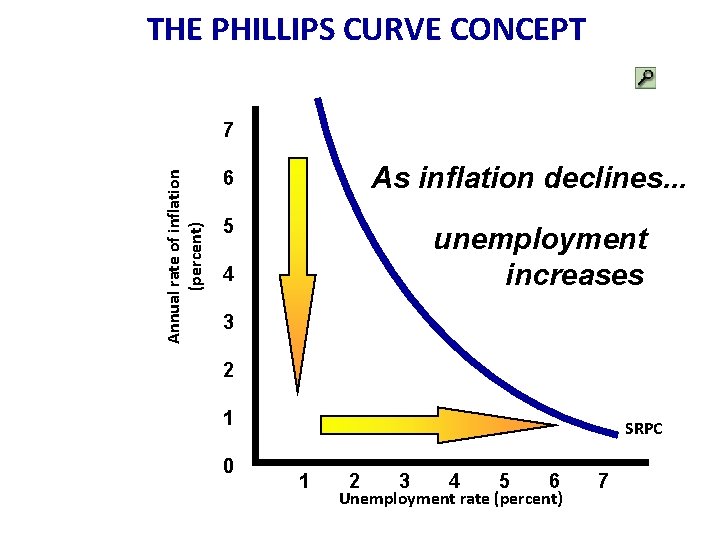
THE PHILLIPS CURVE CONCEPT Annual rate of inflation (percent) 7 As inflation declines. . . 6 5 unemployment increases 4 3 2 1 0 SRPC 1 2 3 4 5 6 Unemployment rate (percent) 7