
8 Business Costs and Production Previously Externalities exist
8 Business Costs and Production
Previously • Externalities exist when social costs (benefits) differ from internal costs (benefits). • It may be possible to correct for externalities by discouraging (encouraging) activities that harm (benefit) third parties. • Public goods, which are nonexcludable and nonrival, lead to the free-rider problem and underproduction of the good.
Big Questions 1. How are profits and losses calculated? 2. How much should a firm produce? 3. What costs do firms consider in the short run and the long run?
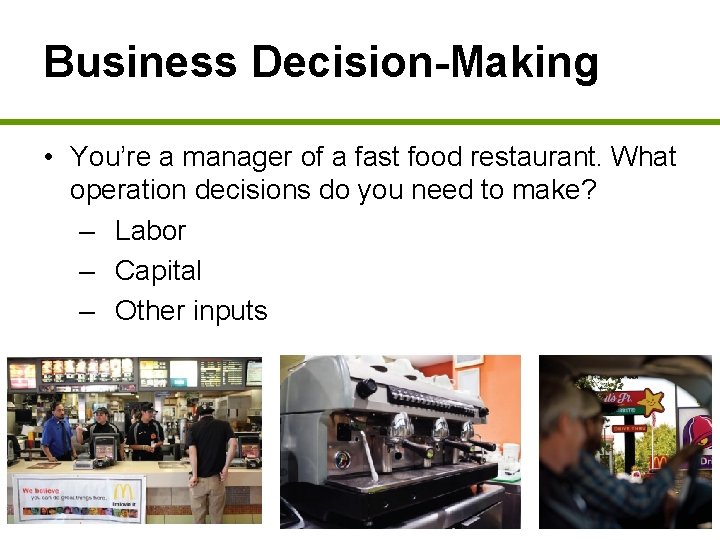
Business Decision-Making • You’re a manager of a fast food restaurant. What operation decisions do you need to make? – Labor – Capital – Other inputs
Calculating Profit and Loss • Profit is the difference between revenue and costs. • Total Revenue (TR) – The amount a firm receives from the sale of goods and services • Total Cost (TC) – The amount a firm spends in order to produce and sell those goods and services • Profit (or loss) = TR – TC – When does the firm earn a profit? A loss?

Explicit and Implicit Costs • Explicit costs – Tangible, out-of-pocket expenses – Wages, food costs, utilities • Implicit costs – Opportunity costs of doing business – Opportunity cost of capital – Opportunity cost of owner’s time
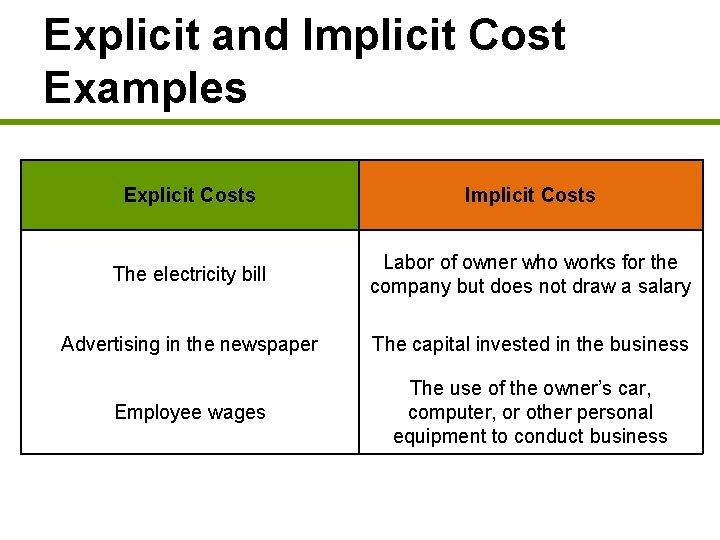
Explicit and Implicit Cost Examples Explicit Costs Implicit Costs The electricity bill Labor of owner who works for the company but does not draw a salary Advertising in the newspaper The capital invested in the business Employee wages The use of the owner’s car, computer, or other personal equipment to conduct business
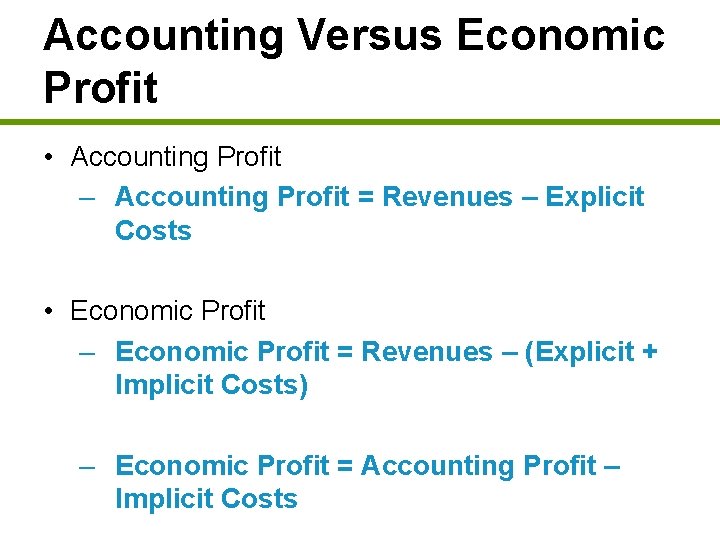
Accounting Versus Economic Profit • Accounting Profit – Accounting Profit = Revenues – Explicit Costs • Economic Profit – Economic Profit = Revenues – (Explicit + Implicit Costs) – Economic Profit = Accounting Profit – Implicit Costs
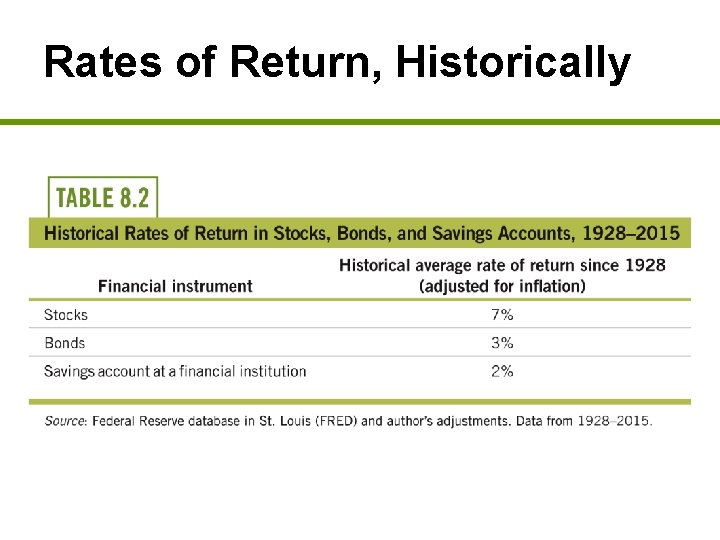
Rates of Return, Historically
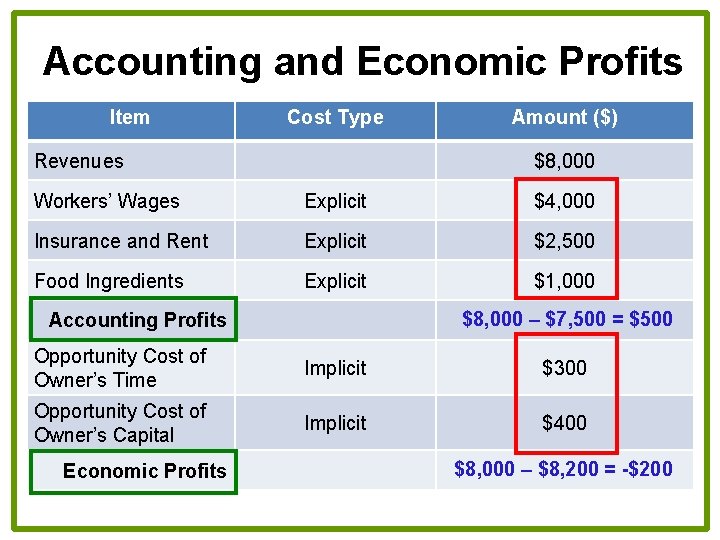
Accounting and Economic Profits Item Cost Type Revenues Amount ($) $8, 000 Workers’ Wages Explicit $4, 000 Insurance and Rent Explicit $2, 500 Food Ingredients Explicit $1, 000 $8, 000 – $7, 500 = $500 Accounting Profits Opportunity Cost of Owner’s Time Implicit $300 Opportunity Cost of Owner’s Capital Implicit $400 Economic Profits $8, 000 – $8, 200 = -$200
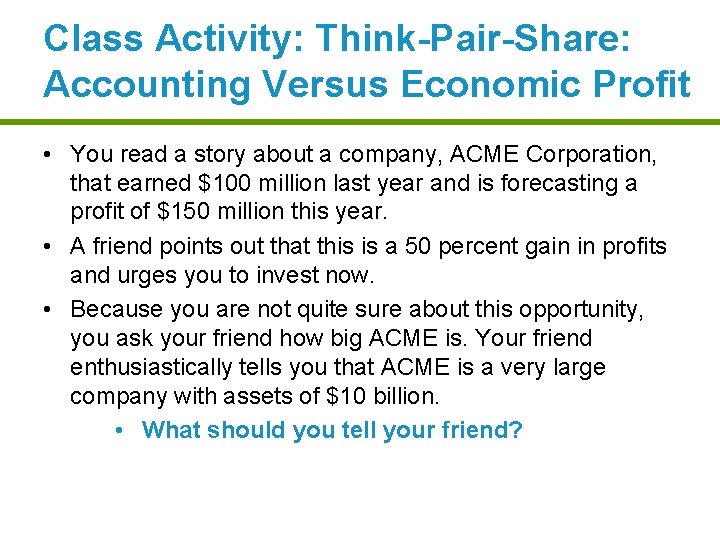
Class Activity: Think-Pair-Share: Accounting Versus Economic Profit • You read a story about a company, ACME Corporation, that earned $100 million last year and is forecasting a profit of $150 million this year. • A friend points out that this is a 50 percent gain in profits and urges you to invest now. • Because you are not quite sure about this opportunity, you ask your friend how big ACME is. Your friend enthusiastically tells you that ACME is a very large company with assets of $10 billion. • What should you tell your friend?
Economics in The Office, “Wuphf. com” • Investment and Risk Taking in The Office, “Wuphf. com”
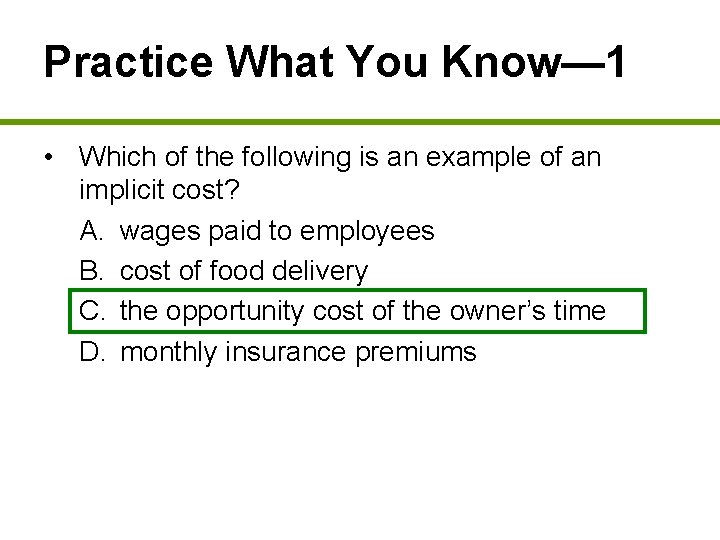
Practice What You Know— 1 • Which of the following is an example of an implicit cost? A. wages paid to employees B. cost of food delivery C. the opportunity cost of the owner’s time D. monthly insurance premiums
How Much Should a Firm Produce? Two main ideas: • Describe the factors that determine output • How do firms use inputs to maximize production? Concepts: • Output—the product that the firm creates • Factors of production (inputs)—Resources used in the production process
Production Function • Production function – Describes the relationship between inputs and output • Production at Mc. Donald’s – Assume that the size of the restaurant, capital, and so on is fixed. – What happens to output as the manager hires more workers? – Marginal product • The change in output associated with one additional unit of an input
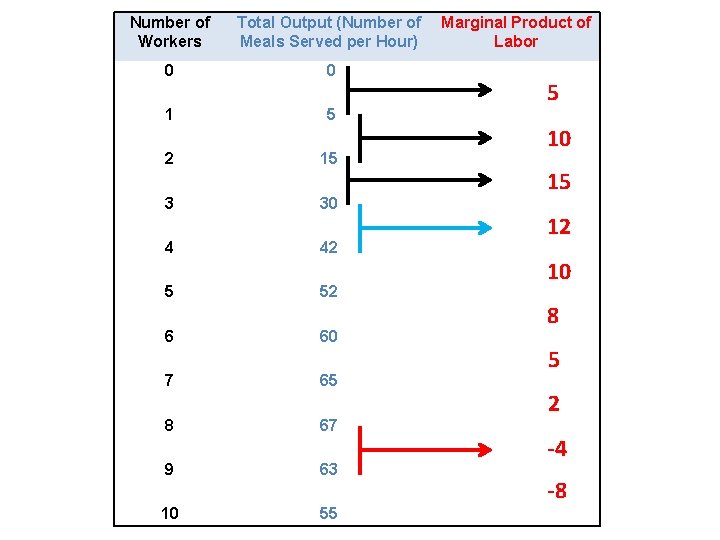
Number of Workers Total Output (Number of Meals Served per Hour) 0 0 1 5 2 15 3 30 4 42 5 52 6 60 7 65 8 67 9 63 10 55 Marginal Product of Labor 5 10 15 12 10 8 5 2 -4 -8

Total and Marginal Product— 1
Diminishing Marginal Product • Diminishing marginal product – Occurs when successive increases in inputs are associated with a slower rise in output • Why does this happen? • What does diminishing marginal product tell us about the firm’s labor input decision?
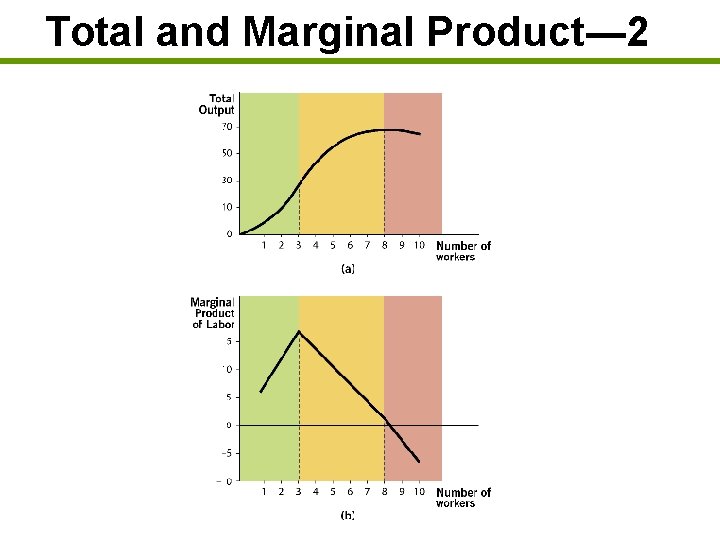
Total and Marginal Product— 2
Practice What You Know— 2 • Total output with seven workers is Q = 70. Total output with eight workers is Q = 82. What is the marginal product of the eighth worker? A. B. C. D. 12 10 82 8
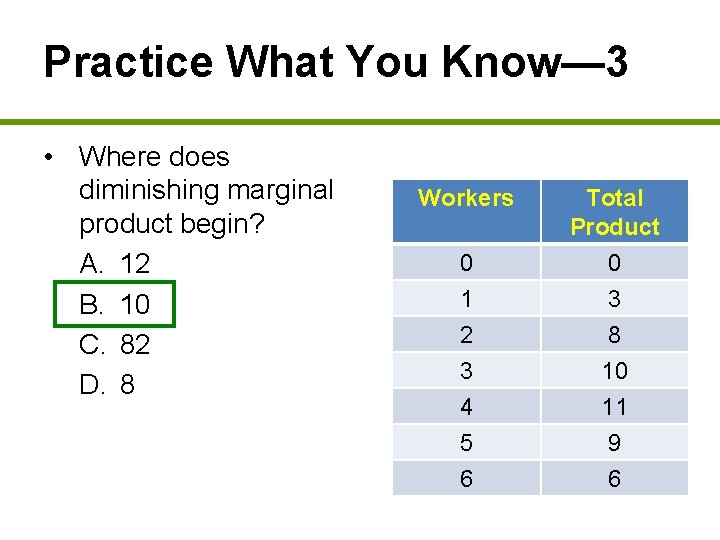
Practice What You Know— 3 • Where does diminishing marginal product begin? A. 12 B. 10 C. 82 D. 8 Workers Total Product 0 0 1 2 3 4 5 6 3 8 10 11 9 6
Economics in The Big Bang Theory • Economies of scale • Sheldon gives Penny business advice on Penny Blossoms.
Economics in Family Matters • The Winslows produce lemon tarts, illustrating each of the major factors of production.
What Costs Do Firms Consider in the Short Run and the Long Run? • From production decisions to costs • Short run – Period of production in which at least one input is fixed • Long run – Period of production in which all inputs are variable
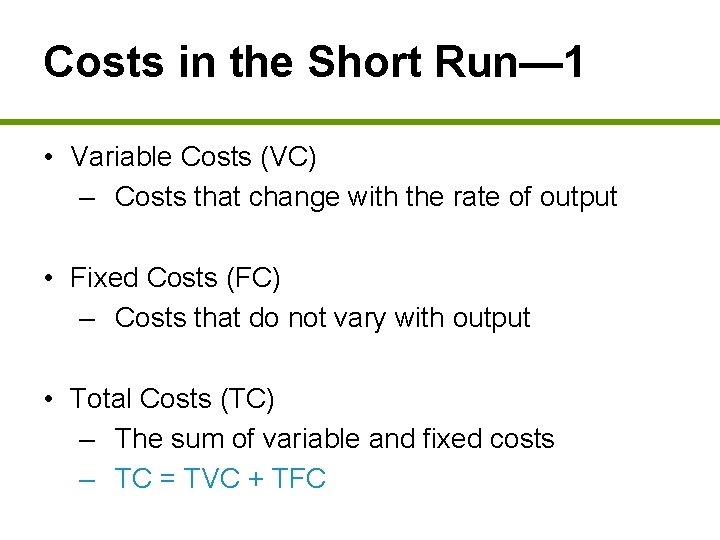
Costs in the Short Run— 1 • Variable Costs (VC) – Costs that change with the rate of output • Fixed Costs (FC) – Costs that do not vary with output • Total Costs (TC) – The sum of variable and fixed costs – TC = TVC + TFC
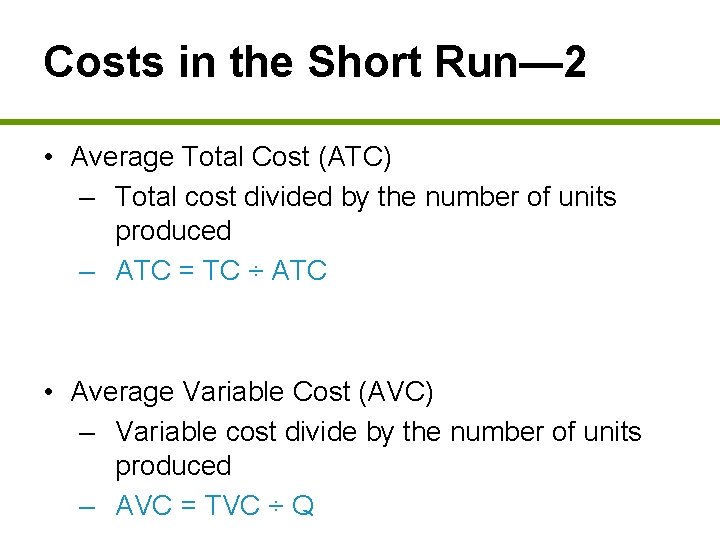
Costs in the Short Run— 2 • Average Total Cost (ATC) – Total cost divided by the number of units produced – ATC = TC ÷ ATC • Average Variable Cost (AVC) – Variable cost divide by the number of units produced – AVC = TVC ÷ Q
Costs in the Short Run— 3 • Average Fixed Cost (AFC) – Fixed cost divided by the number of units produced – AFC = TFC ÷ Q • Marginal Cost (MC) – Increase in cost from producing one more unit of output – Change in total cost divided by change in output – MC = ΔTC ÷ ΔQ
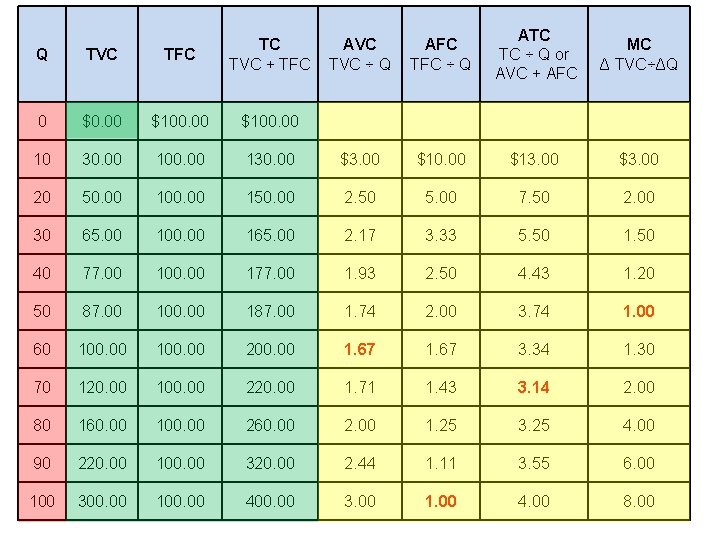
AVC TVC ÷ Q AFC TFC ÷ Q ATC TC ÷ Q or AVC + AFC MC Δ TVC÷ΔQ Q TVC TFC TC TVC + TFC 0 $0. 00 $100. 00 10 30. 00 100. 00 130. 00 $3. 00 $10. 00 $13. 00 $3. 00 20 50. 00 100. 00 150. 00 2. 50 5. 00 7. 50 2. 00 30 65. 00 100. 00 165. 00 2. 17 3. 33 5. 50 1. 50 40 77. 00 100. 00 177. 00 1. 93 2. 50 4. 43 1. 20 50 87. 00 100. 00 187. 00 1. 74 2. 00 3. 74 1. 00 60 100. 00 200. 00 1. 67 3. 34 1. 30 70 120. 00 100. 00 220. 00 1. 71 1. 43 3. 14 2. 00 80 160. 00 100. 00 260. 00 2. 00 1. 25 3. 25 4. 00 90 220. 00 100. 00 320. 00 2. 44 1. 11 3. 55 6. 00 100 300. 00 100. 00 400. 00 3. 00 1. 00 4. 00 8. 00
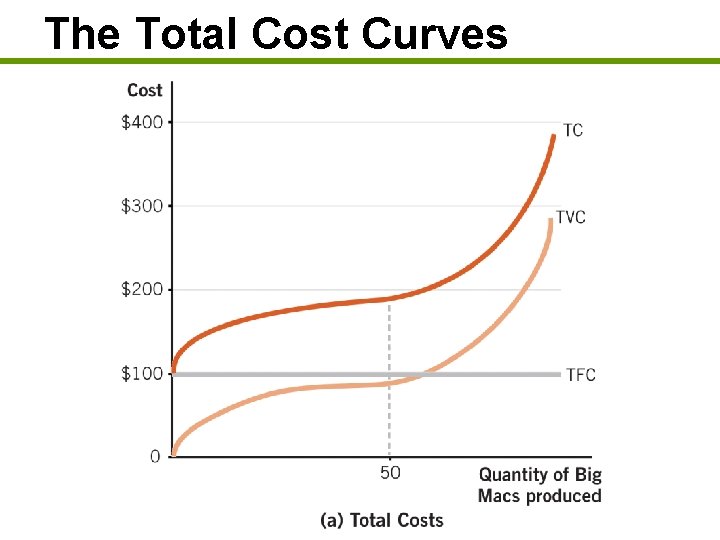
The Total Cost Curves
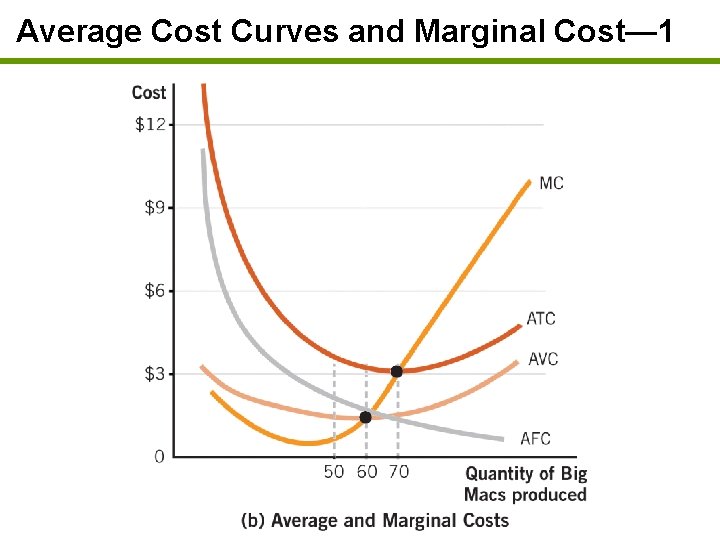
Average Cost Curves and Marginal Cost— 1
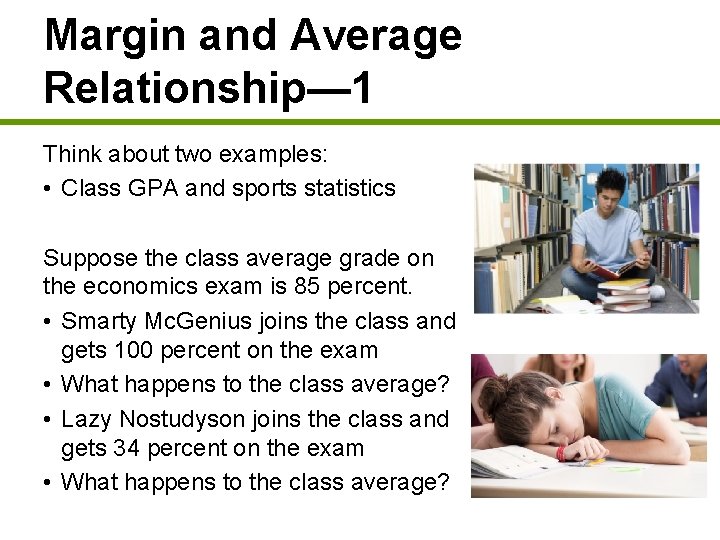
Margin and Average Relationship— 1 Think about two examples: • Class GPA and sports statistics Suppose the class average grade on the economics exam is 85 percent. • Smarty Mc. Genius joins the class and gets 100 percent on the exam • What happens to the class average? • Lazy Nostudyson joins the class and gets 34 percent on the exam • What happens to the class average?
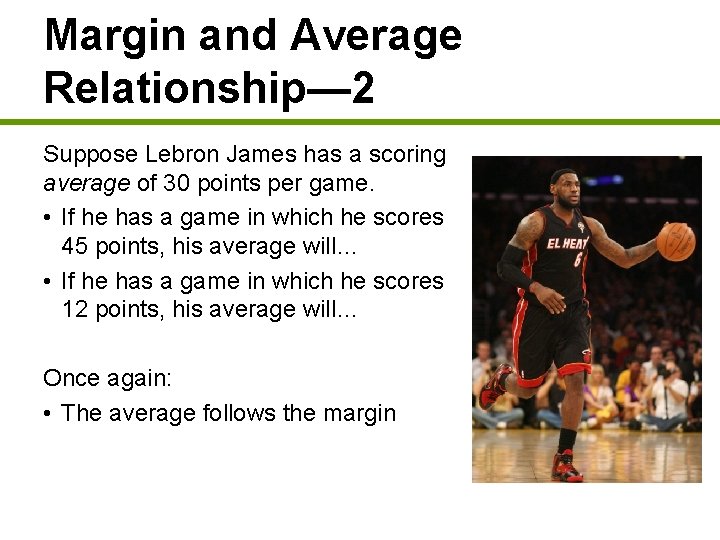
Margin and Average Relationship— 2 Suppose Lebron James has a scoring average of 30 points per game. • If he has a game in which he scores 45 points, his average will… • If he has a game in which he scores 12 points, his average will… Once again: • The average follows the margin
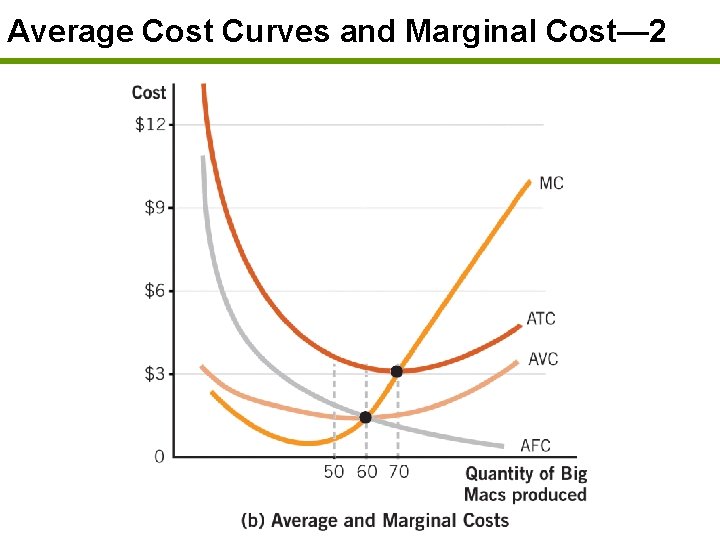
Average Cost Curves and Marginal Cost— 2
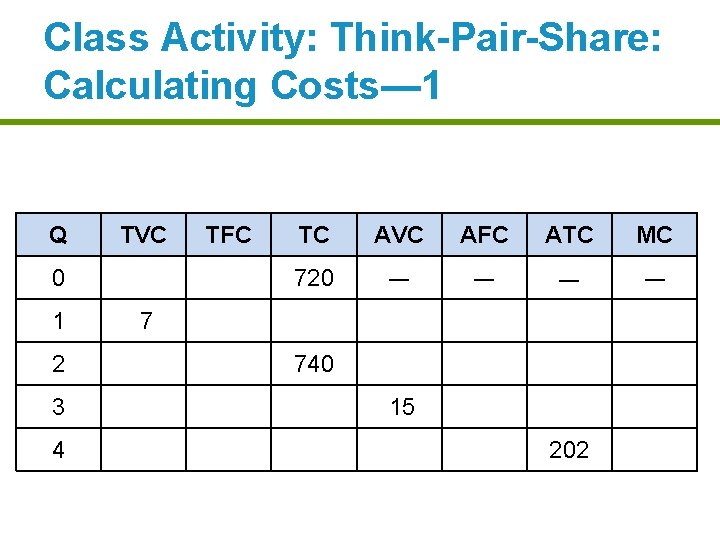
Class Activity: Think-Pair-Share: Calculating Costs— 1 Q TVC 0 1 2 3 4 TFC TC AVC AFC ATC MC 720 — — 7 740 15 202
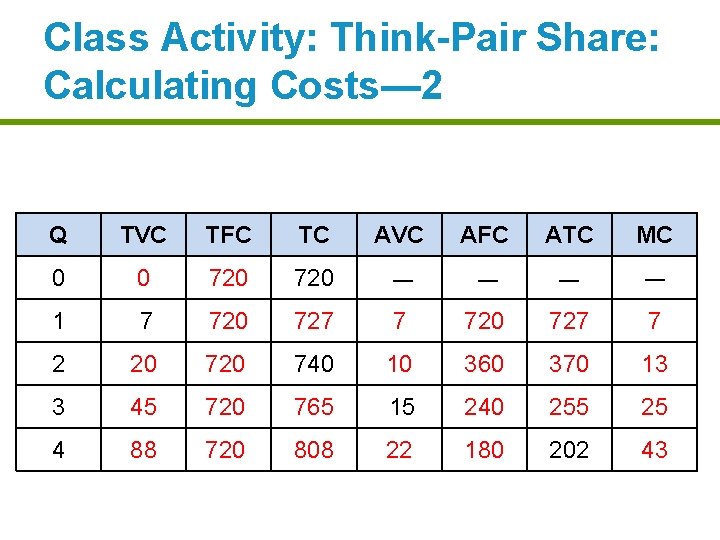
Class Activity: Think-Pair Share: Calculating Costs— 2 Q TVC TFC TC AVC AFC ATC MC 0 0 720 — — 1 7 720 727 7 2 20 740 10 360 370 13 3 45 720 765 15 240 255 25 4 88 720 808 22 180 202 43
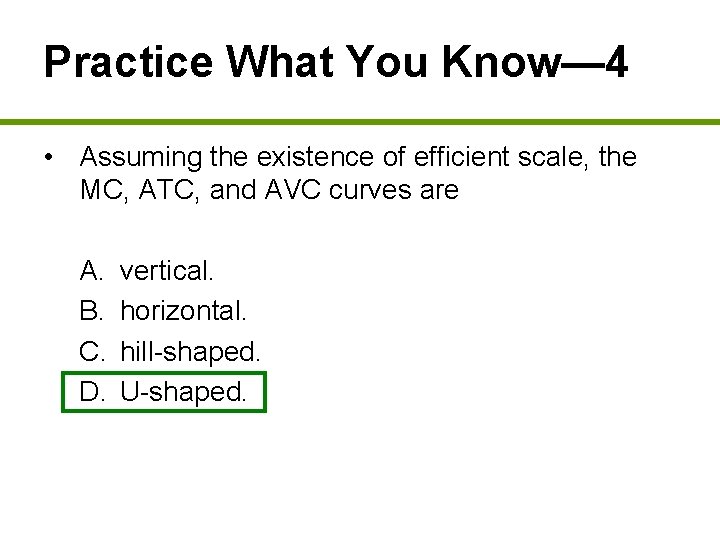
Practice What You Know— 4 • Assuming the existence of efficient scale, the MC, ATC, and AVC curves are A. B. C. D. vertical. horizontal. hill-shaped. U-shaped.
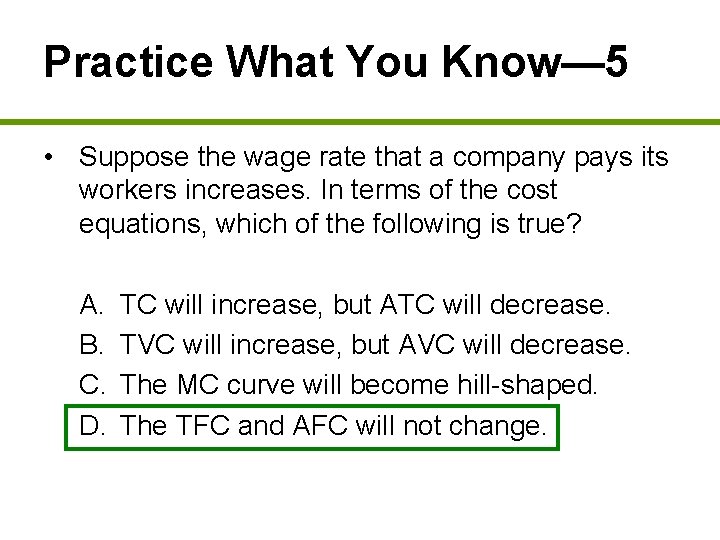
Practice What You Know— 5 • Suppose the wage rate that a company pays its workers increases. In terms of the cost equations, which of the following is true? A. B. C. D. TC will increase, but ATC will decrease. TVC will increase, but AVC will decrease. The MC curve will become hill-shaped. The TFC and AFC will not change.
Economics in The Office, “Broke” • Michael Scott starts his own paper company to compete with Staples and Dunder Mifflin.
Economics in The Simpsons • “Homer Versus Lisa & the 8 th Commandment” • Variable costs and fixed costs
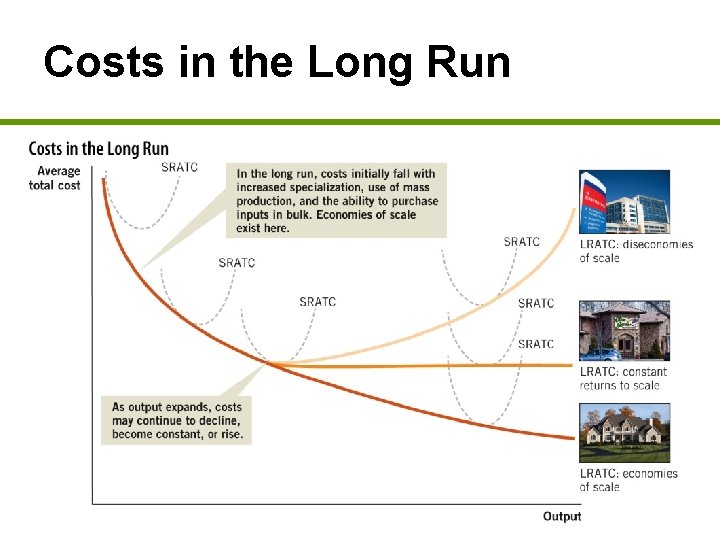
Long-Run Costs • What other decisions can a firm make in the long run? • Scale – Size of the production process • Efficient scale – The level of output in which ATC is minimized
Three Types of Scale • Economies of scale – ATC falls when production expands. • Diseconomies of scale – ATC rises when production expands. • Constant returns to scale – ATC doesn’t change when production expands.
Costs in the Long Run
Conclusion • Costs are defined in a number of ways, but marginal cost plays the most crucial role in a firm’s cost structure. • By observing what happens to marginal cost, you can understand changes in average cost and total cost. This is why economists place so much emphasis on marginal costs.
- Slides: 43