
8 2 VOLCANIC ERUPTIONS Where the rock cycle
- Slides: 32
8. 2 VOLCANIC ERUPTIONS Where the rock cycle begins
Learning Targets 1. Compare the types of volcanic eruptions 2. Describe a method for predicting volcanic eruptions
Volcanic Eruption 1. 2. 3. 4. Magma collects in magma chamber Hot magma expands creates pressure Vent: crack in the earth’s surface Magma moving through vent = eruption
How do volcanoes erupt? 1. Types of eruptions: a) Explosive b) Non-explosive; effusive
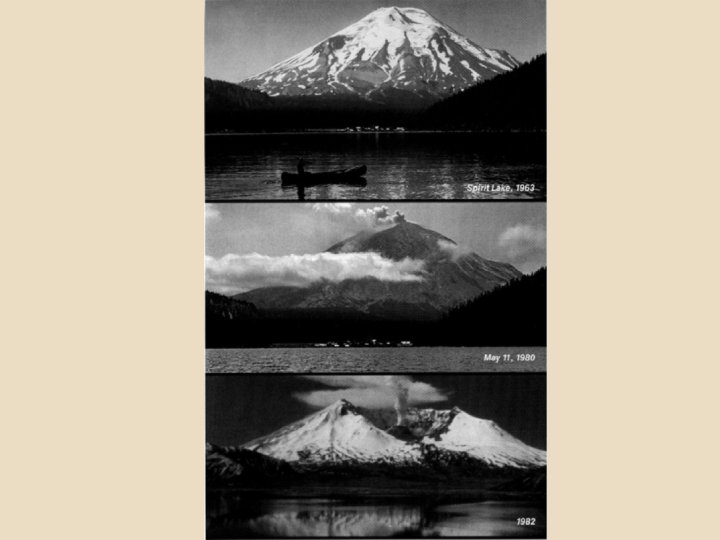
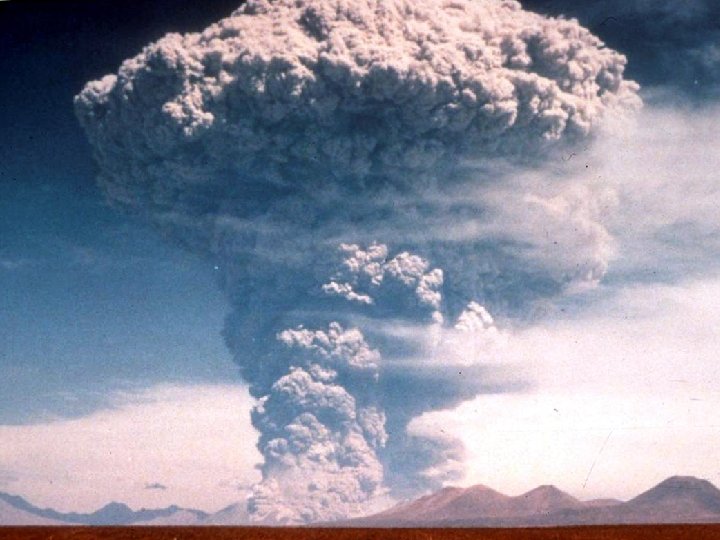
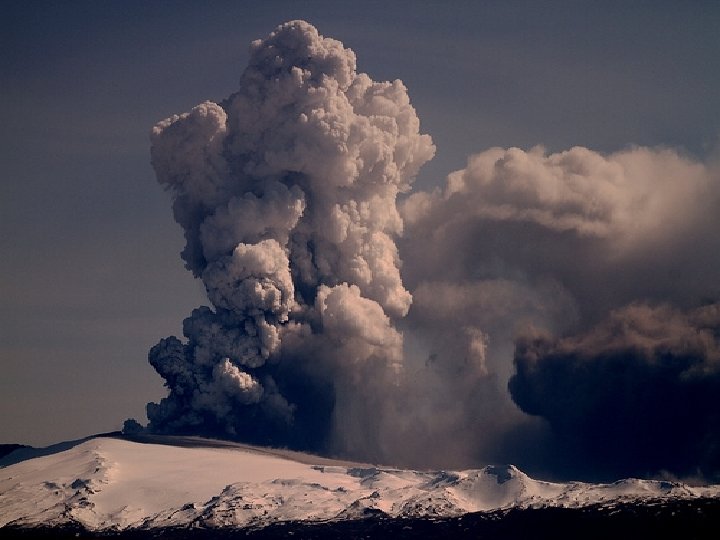
Explosive Eruptions 1. Can be 1000 times more powerful than atomic bomb 2. Pressure builds as gases in magma expand
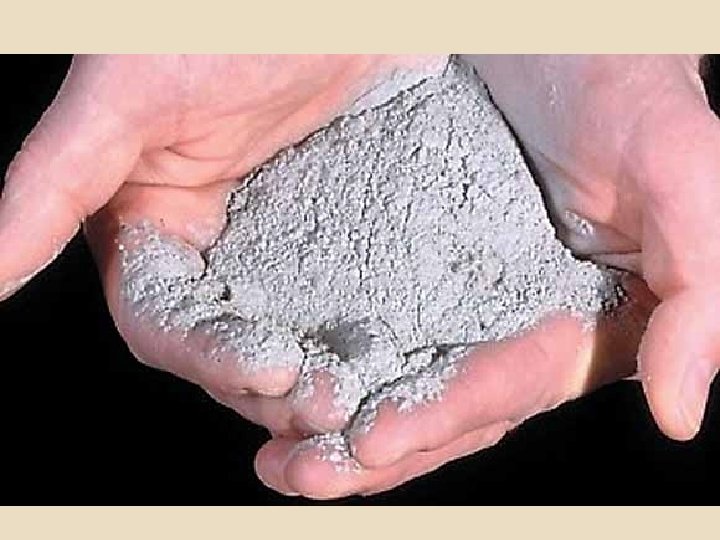
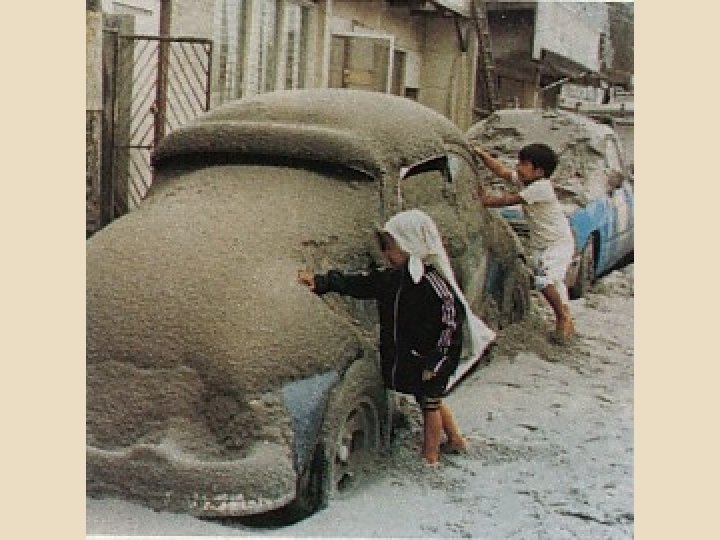
Explosive Eruptions 1. Explosion shoots ash and gas high in the air 2. Heavy debris falls; light debris may float around for years 3. Why is ash and gas in the air important? a) Blocks sunlight, produces poisonous gas, mixes with water to form acid, global climate change
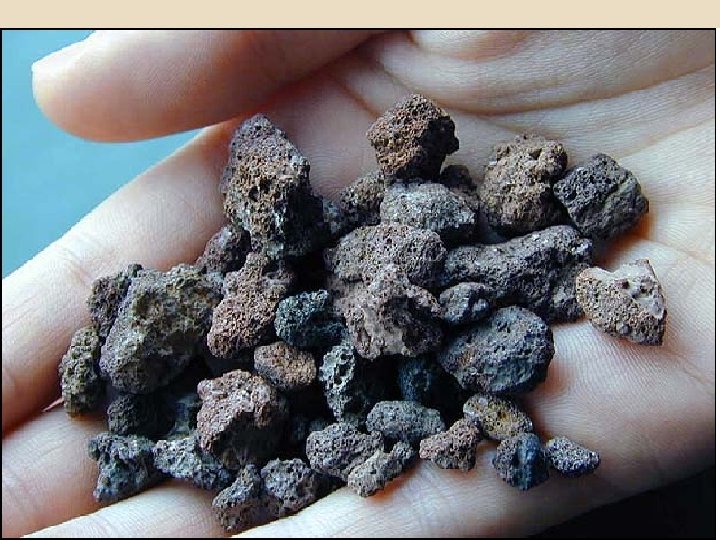
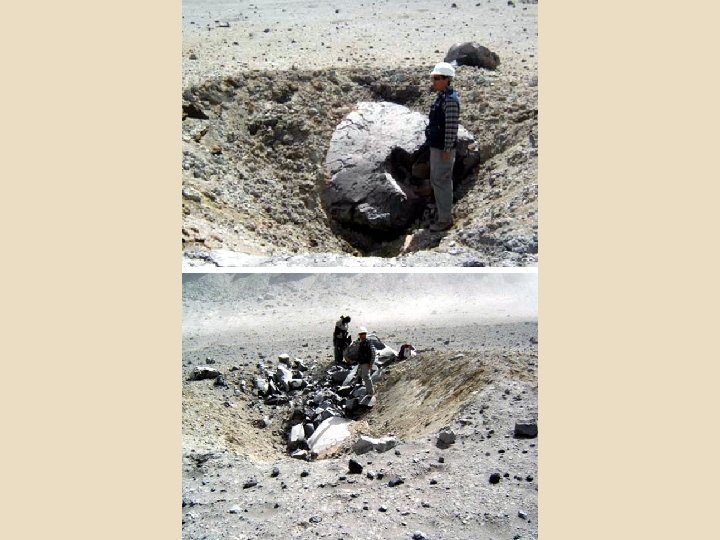
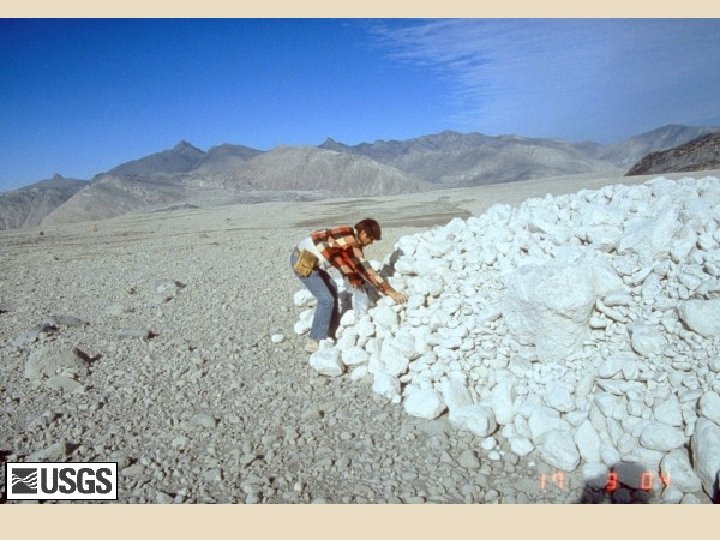
Explosive Eruptions 1. Some magma crystallizes in the air 2. Called pyroclastic material: ash, lapilli, bomb 3. Can come down miles from the volcano
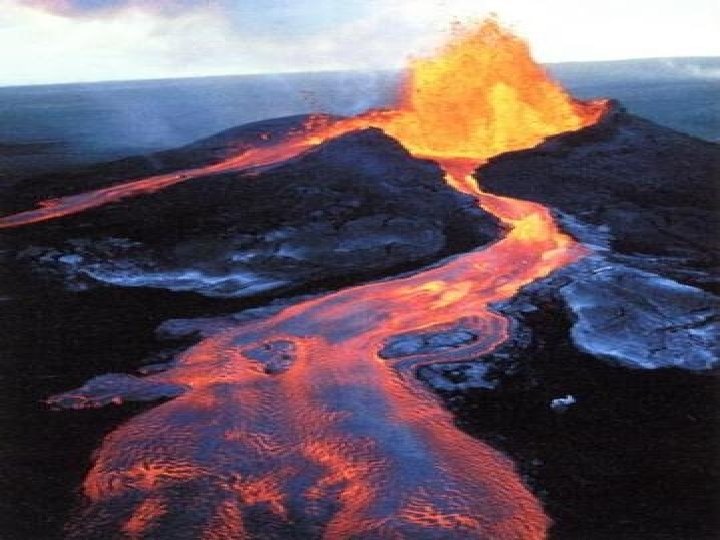
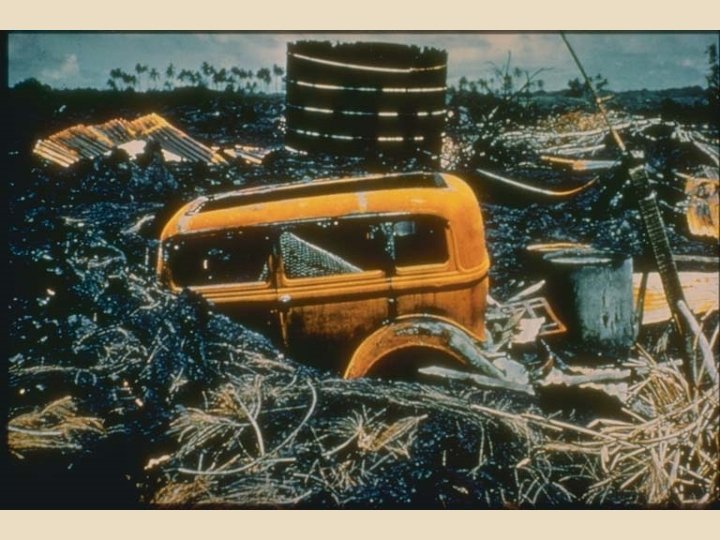
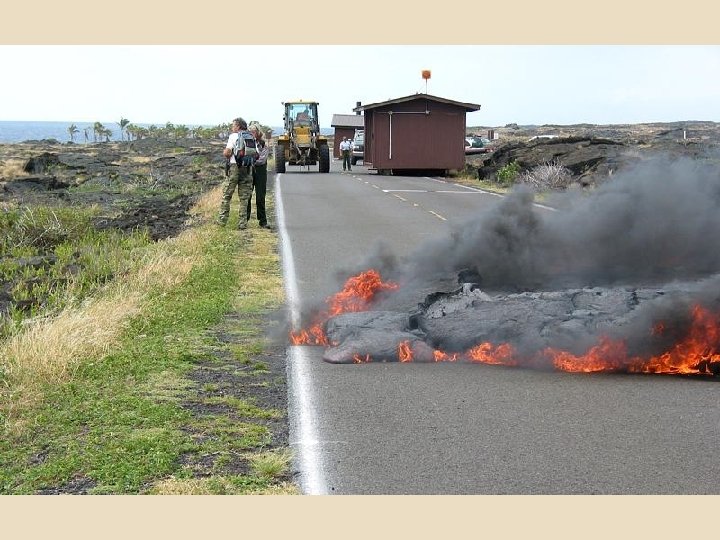
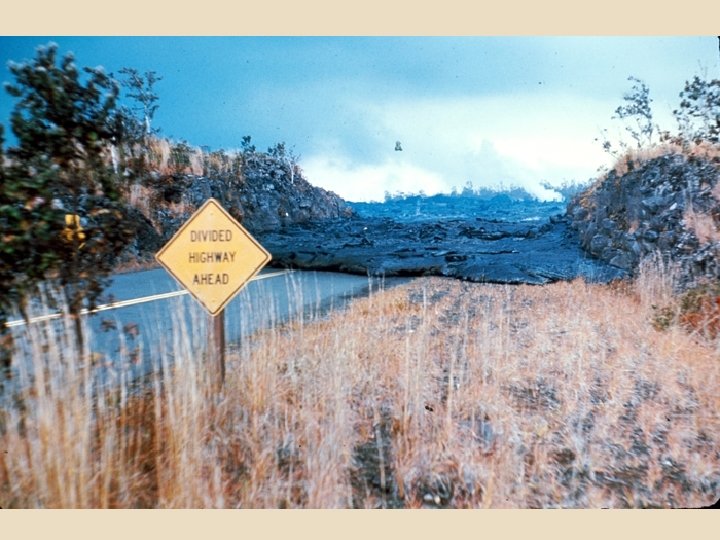
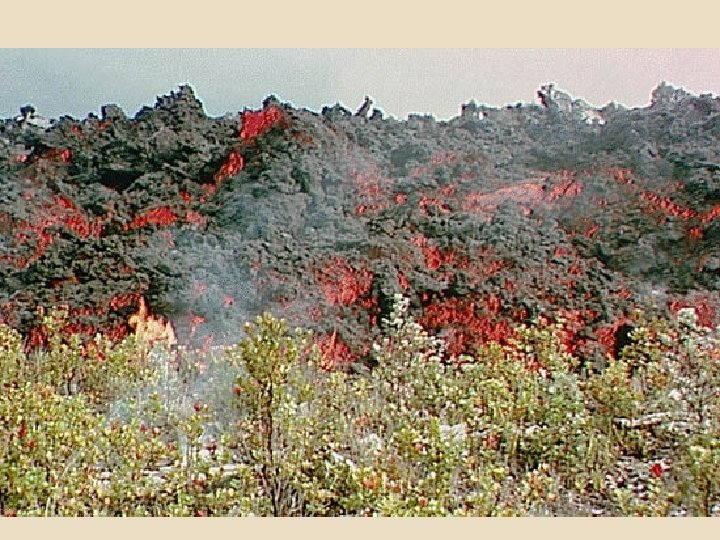
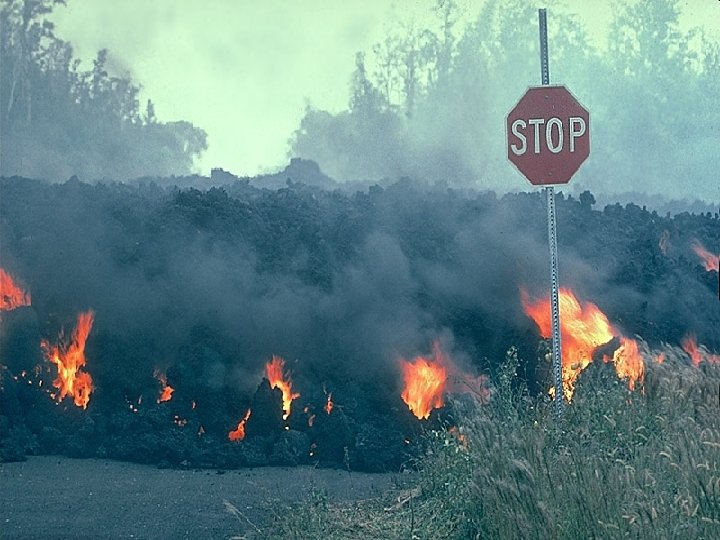
Non-explosive eruptions 1. Another name for non-explosive eruptions a) Effusive eruptions 2. Different mix of minerals in magma 3. No gas build up 4. Less dangerous but lava flows are consistent and unstoppable
Magma Formation 1. What causes magma to form a) High heat i. Hot Spots; effusive b) Decreased pressure i. Divergent boundaries; effusive c) Increased water content i. Subduction zones; explosive
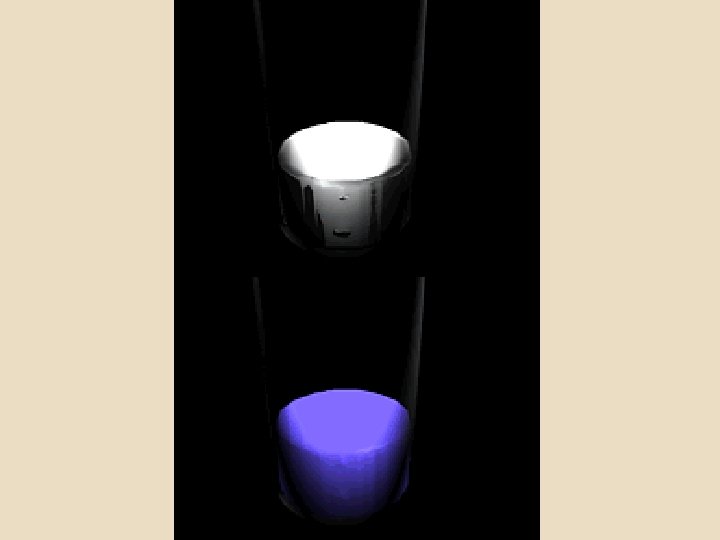
Lava - Viscosity 1. Viscosity: Resistance to flow a) Honey, ketchup, water 2. High viscosity a) High silica content b) Explosive eruptions pressure 3. Low viscosity a) Low silica content b) Effusive eruptions no pressure
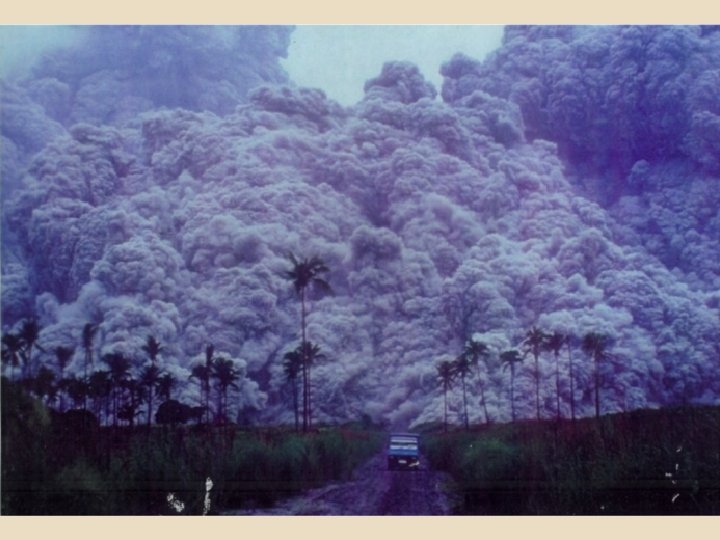
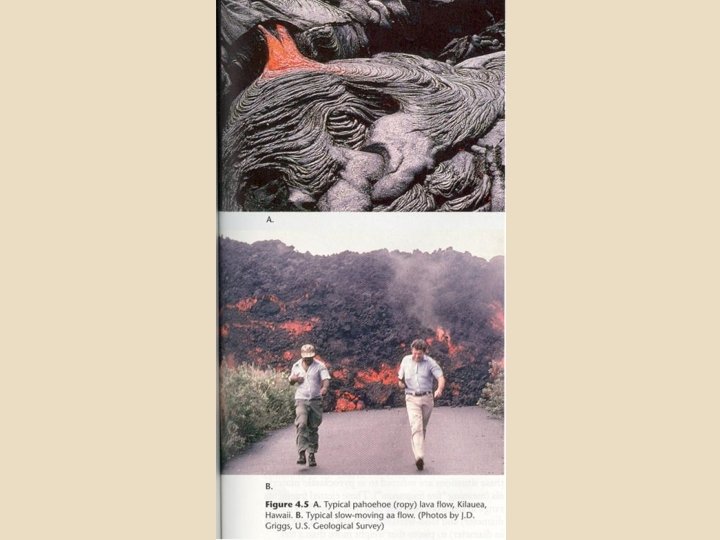
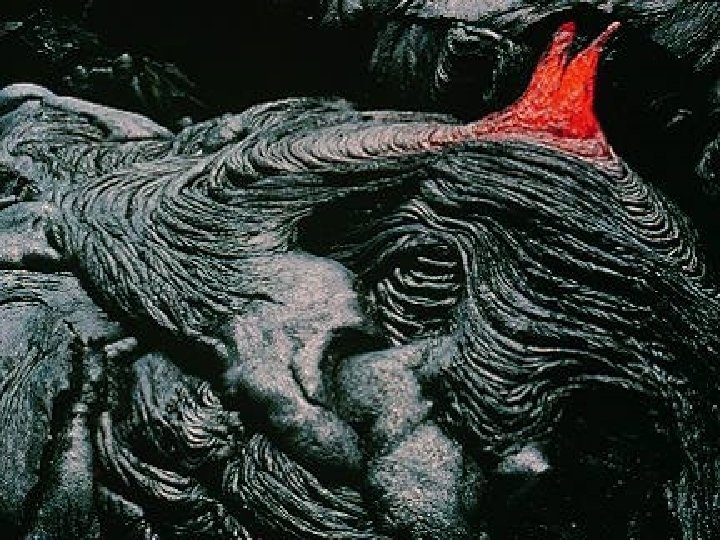
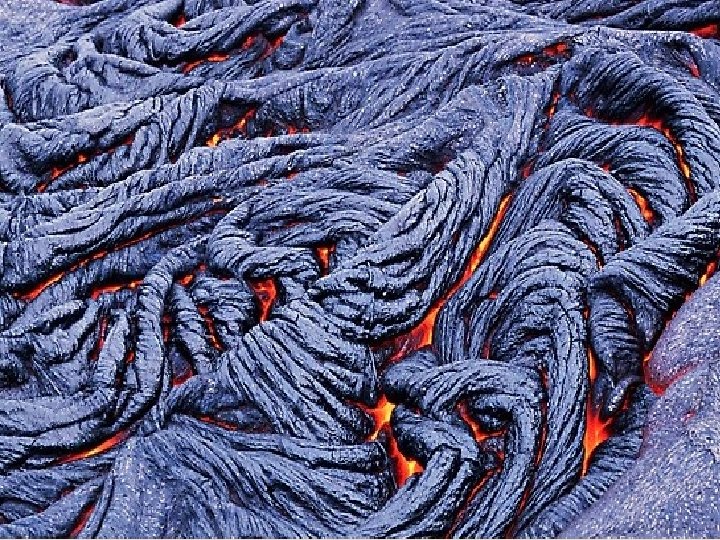
Lava formations 1. Explosive lava Pyroclastic material a) Pyroclast – lava solidifies in the atmosphere b) Pyroclastic flow – fast moving current of superheated gas and rock i. Can move hundreds of miles per hour 2. Effusive lava a) A’a: jagged, gravelly texture b) Pahoehoe: smooth, even lava flow c) Pillow lava: cools underwater forms rounded lobes
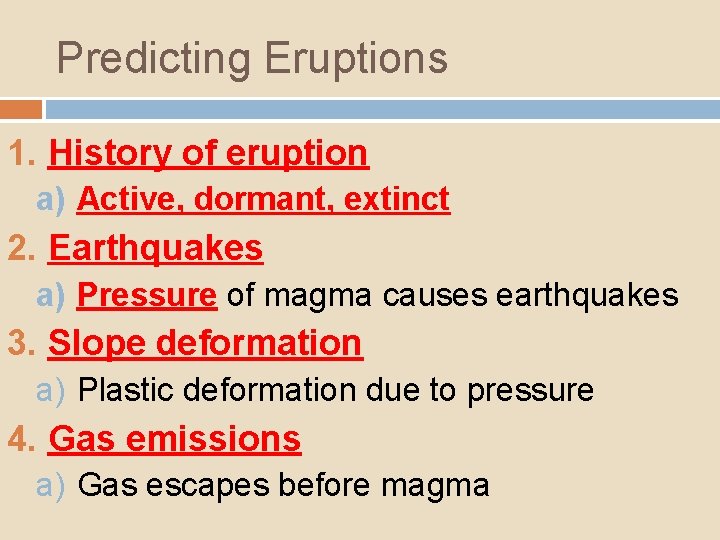
Predicting Eruptions 1. History of eruption a) Active, dormant, extinct 2. Earthquakes a) Pressure of magma causes earthquakes 3. Slope deformation a) Plastic deformation due to pressure 4. Gas emissions a) Gas escapes before magma
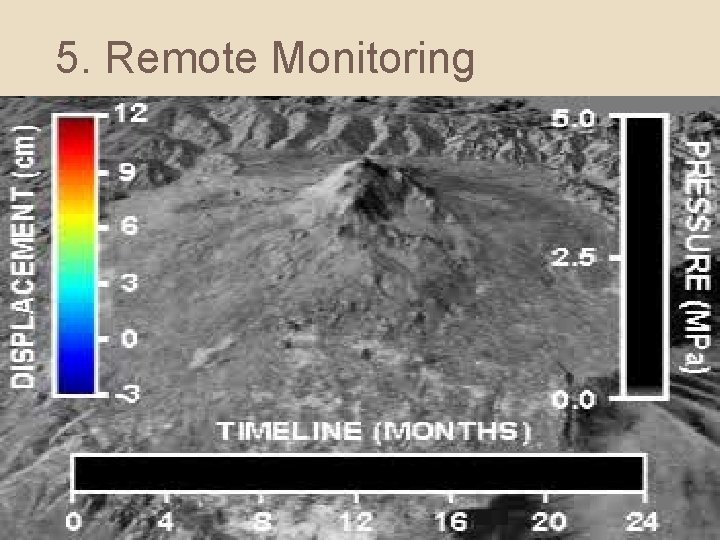
5. Remote Monitoring