
7 th Congress of ObesityTehranIRAN Obesity Association with
7 th Congress of Obesity-Tehran-IRAN Obesity: Association with cardiovascular disease Mojtaba Mehrdad; MD Endocrinologist Guilan University of Medical Sciences – Rasht November 2019
Agenda • THE SIGNIFICANCE OF OBESITY • Obesity and All Cause Mortality • Obesity and CHD • Obesity and Heart failure • Obesity and Atrial fibrillation • Obesity and Sudden cardiac death • Metabolically "healthy" obesity • Obesity paradox
THE SIGNIFICANCE OF OBESITY • Obesity has been a health problem of growing significance all over the world; its prevalence is increasing in both developed and developing countries. M. Ng, T. Fleming, M. Robinson et al. , “Global, regional, and national prevalence of overweight and obesity in children and adults during 1980– 2013: a systematic analysis for the Global Burden of Disease Study 2013, ” The Lancet, vol. 384, no. 9945, pp. 766– 781, 2014
• According to WHO data, 39% of the global population above 18 years of age are overweight and of these, 13% are obese. • Numerous studies have demonstrated a relationship between obesity and cardiovascular diseases (stable coronary disease, acute myocardial infarction, heart failure, cardiac arrhythmias, and sudden cardiac death). P. Poirier, T. D. Giles, G. A. Bray et al. , “Obesity and cardiovascular disease: pathophysiology, evaluation, and effect of weight loss: an update of the 1997 American Heart Association Scientific Statement on Obesity and Heart Disease from the Obesity Committee of the Council on Nutrition, Physical Activity, and Metabolism, ” Circulation, vol. 113, no. 6, pp. 898– 918, 2006.
• Recent evidence indicates that obesity is associated with more morbidity than smoking, alcoholism, and poverty, and if current trends continue, obesity may soon overtake cigarette abuse as the leading cause of preventable death in the world.
• Obesity is associated with numerous comorbidities, including: • • • hypertension (HTN), type II diabetes mellitus, dyslipidemia, obstructive sleep apnea and sleep-disordered breathing, certain cancers, and major cardiovascular (CV) diseases. P. Poirier, T. D. Giles, G. A. Bray et al. , “Obesity and cardiovascular disease: pathophysiology, evaluation, and effect of weight loss: an update of the 1997 American Heart Association Scientific Statement on Obesity and Heart Disease from the Obesity Committee of the Council on Nutrition, Physical Activity, and Metabolism, ” Circulation, vol. 113, no. 6, pp. 898– 918, 2006.
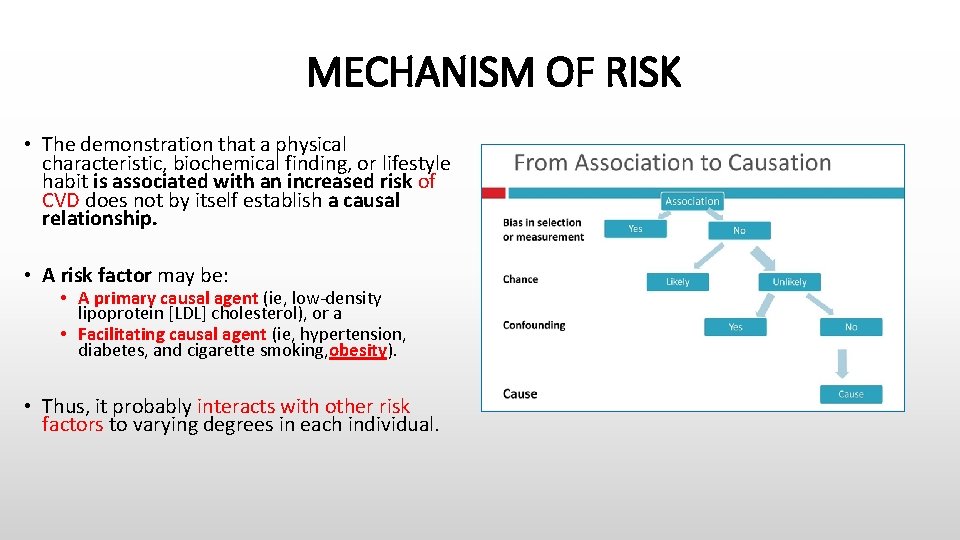
MECHANISM OF RISK • The demonstration that a physical characteristic, biochemical finding, or lifestyle habit is associated with an increased risk of CVD does not by itself establish a causal relationship. • A risk factor may be: • A primary causal agent (ie, low-density lipoprotein [LDL] cholesterol), or a • Facilitating causal agent (ie, hypertension, diabetes, and cigarette smoking, obesity). • Thus, it probably interacts with other risk factors to varying degrees in each individual.
ASSOCIATION OF OBESITY WITH VARIOUS CONDITIONS • Despite uncertainties about the relationship between obesity and CVD, the current guidelines identify obesity as an independent risk factor*. • This action should heighten clinician awareness about: • The importance of obesity • A more vigorous approach to prevention and treatment *Jensen MD, Ryan DH, Apovian CM, et al. 2013 AHA/ACC/TOS guideline for the management of overweight and obesity in adults: a report of the American College of Cardiology/American Heart Association Task Force on Practice Guidelines and The Obesity Society. J Am Coll Cardiol 2014; 63: 2985.
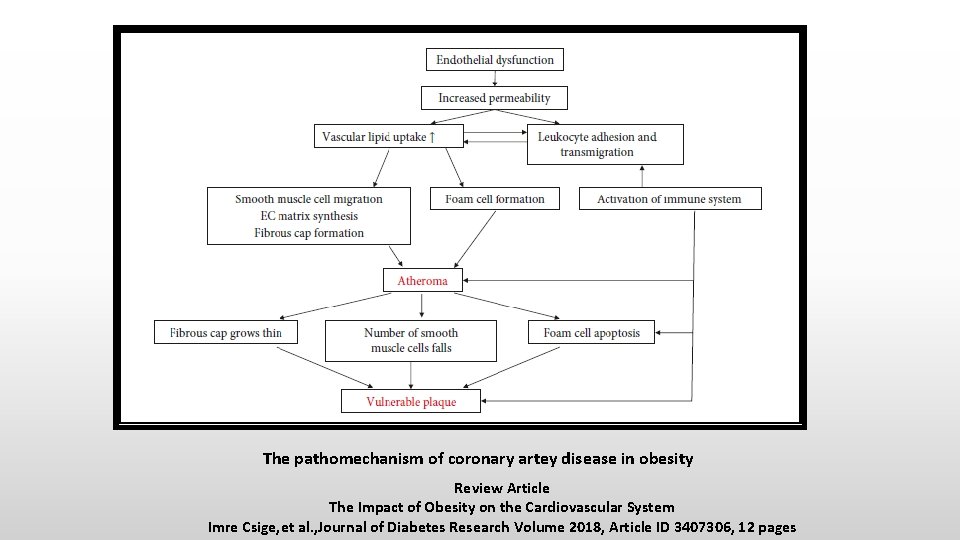
The pathomechanism of coronary artey disease in obesity Review Article The Impact of Obesity on the Cardiovascular System Imre Csige, et al. , Journal of Diabetes Research Volume 2018, Article ID 3407306, 12 pages
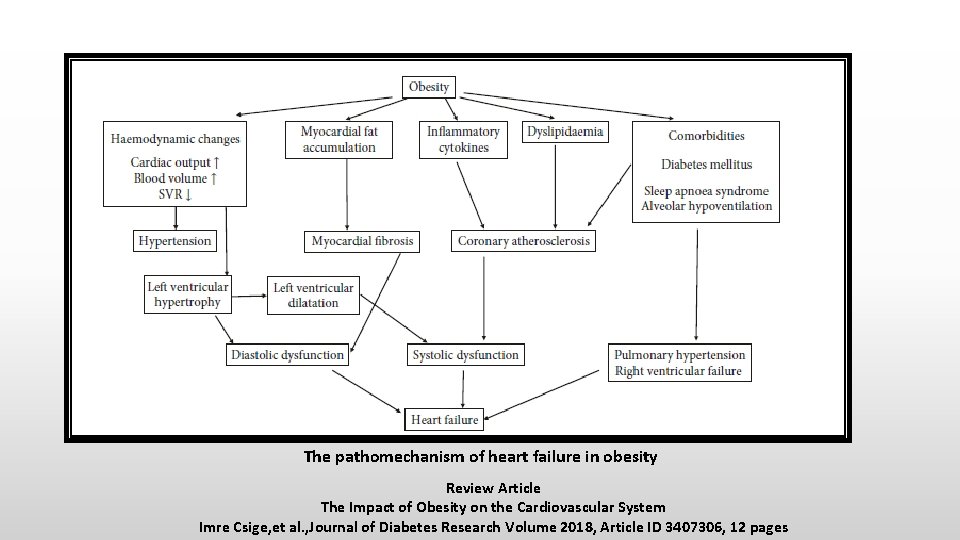
The pathomechanism of heart failure in obesity Review Article The Impact of Obesity on the Cardiovascular System Imre Csige, et al. , Journal of Diabetes Research Volume 2018, Article ID 3407306, 12 pages
Obesity and All Cause Mortality • Obesity has been associated with increased total mortality in a variety of cohorts:
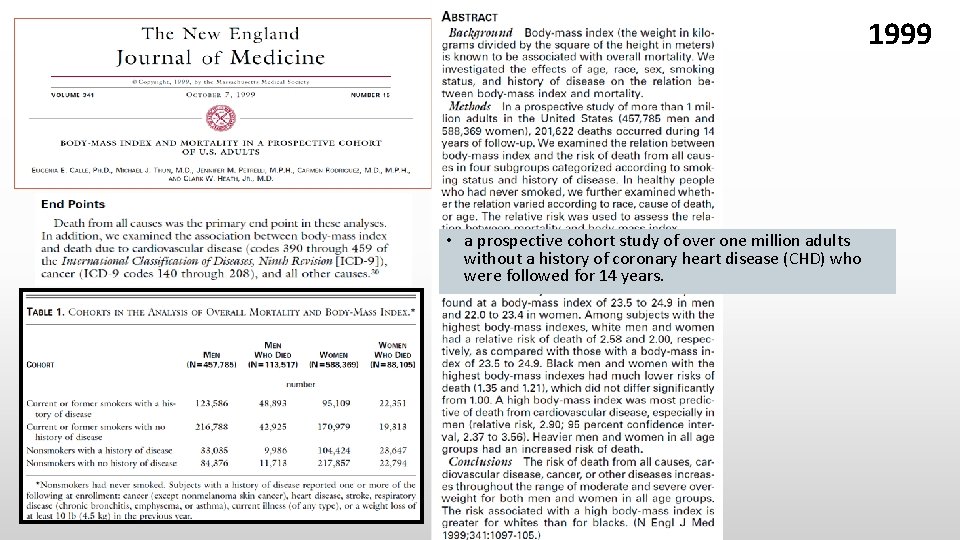
1999 • a prospective cohort study of over one million adults without a history of coronary heart disease (CHD) who were followed for 14 years.
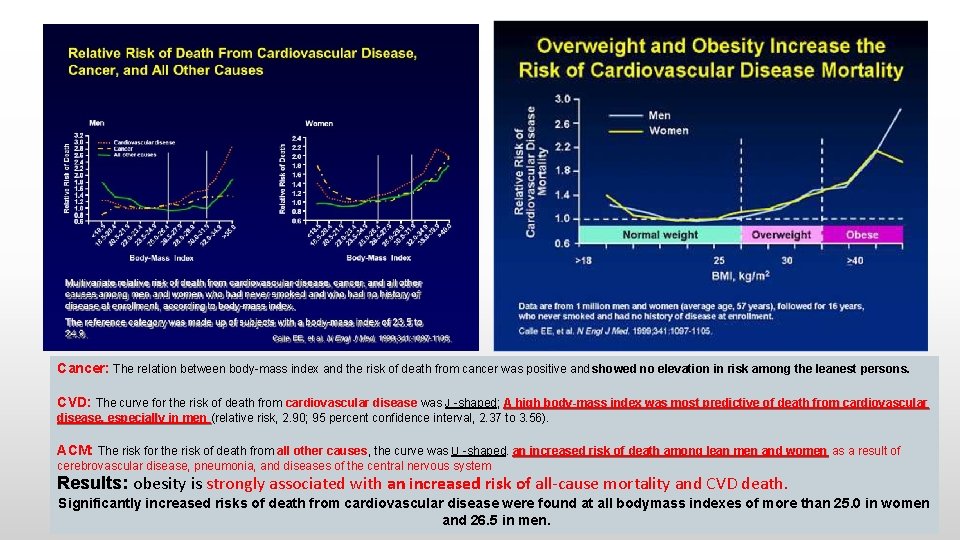
Cancer: The relation between body-mass index and the risk of death from cancer was positive and showed no elevation in risk among the leanest persons. CVD: The curve for the risk of death from cardiovascular disease was J -shaped; A high body-mass index was most predictive of death from cardiovascular disease, especially in men (relative risk, 2. 90; 95 percent confidence interval, 2. 37 to 3. 56). ACM: The risk for the risk of death from all other causes, the curve was U -shaped. an increased risk of death among lean men and women as a result of cerebrovascular disease, pneumonia, and diseases of the central nervous system Results: obesity is strongly associated with an increased risk of all-cause mortality and CVD death. Significantly increased risks of death from cardiovascular disease were found at all bodymass indexes of more than 25. 0 in women and 26. 5 in men.
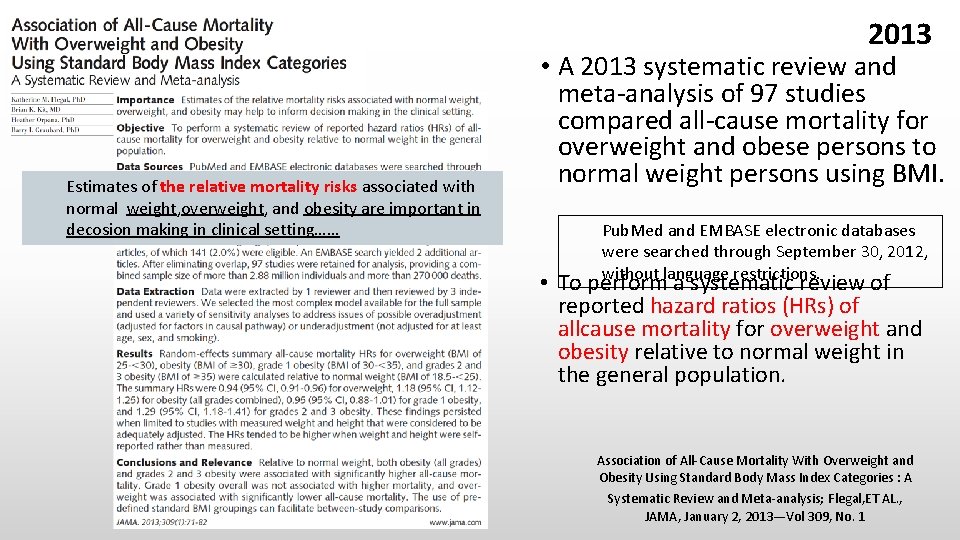
2013 Estimates of the relative mortality risks associated with normal weight, overweight, and obesity are important in decosion making in clinical setting…… • A 2013 systematic review and meta-analysis of 97 studies compared all-cause mortality for overweight and obese persons to normal weight persons using BMI. Pub. Med and EMBASE electronic databases were searched through September 30, 2012, without language restrictions. • To perform a systematic review of reported hazard ratios (HRs) of allcause mortality for overweight and obesity relative to normal weight in the general population. Association of All-Cause Mortality With Overweight and Obesity Using Standard Body Mass Index Categories : A Systematic Review and Meta-analysis; Flegal, ET AL. , JAMA, January 2, 2013—Vol 309, No. 1
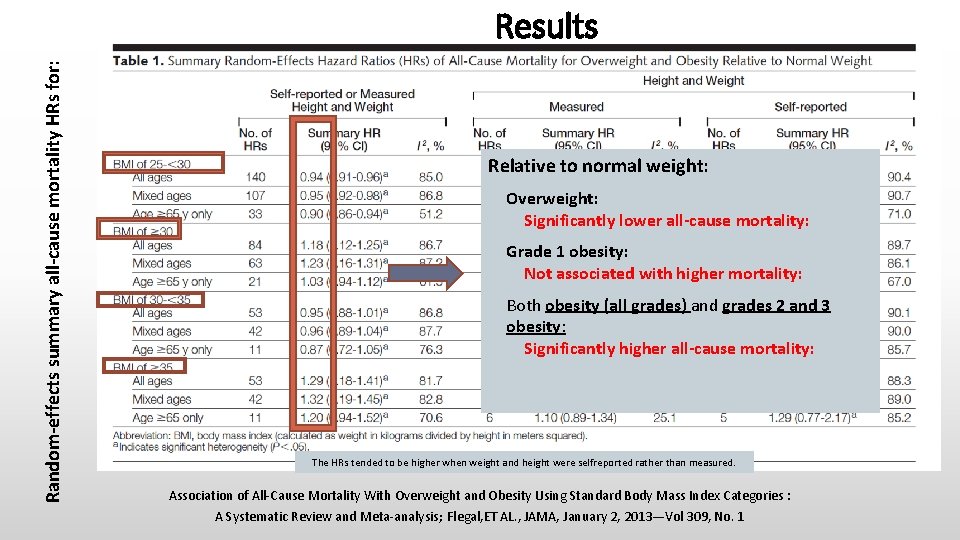
Random-effects summary all-cause mortality HRs for: Results Relative to normal weight: Overweight: Significantly lower all-cause mortality: Grade 1 obesity: Not associated with higher mortality: Both obesity (all grades) and grades 2 and 3 obesity: Significantly higher all-cause mortality: The HRs tended to be higher when weight and height were selfreported rather than measured. Association of All-Cause Mortality With Overweight and Obesity Using Standard Body Mass Index Categories : A Systematic Review and Meta-analysis; Flegal, ET AL. , JAMA, January 2, 2013—Vol 309, No. 1
Conclusions • The findings suggested increased mortality rates with obesity, although only statistically significant with grade 2 -3 obesity. • Overweight and grade 1 obesity are not associated with higher mortality and also a lower mortality for overweight individuals! Association of All-Cause Mortality With Overweight and Obesity Using Standard Body Mass Index Categories : A Systematic Review and Meta-analysis; Flegal, ET AL. , JAMA, January 2, 2013—Vol 309, No. 1
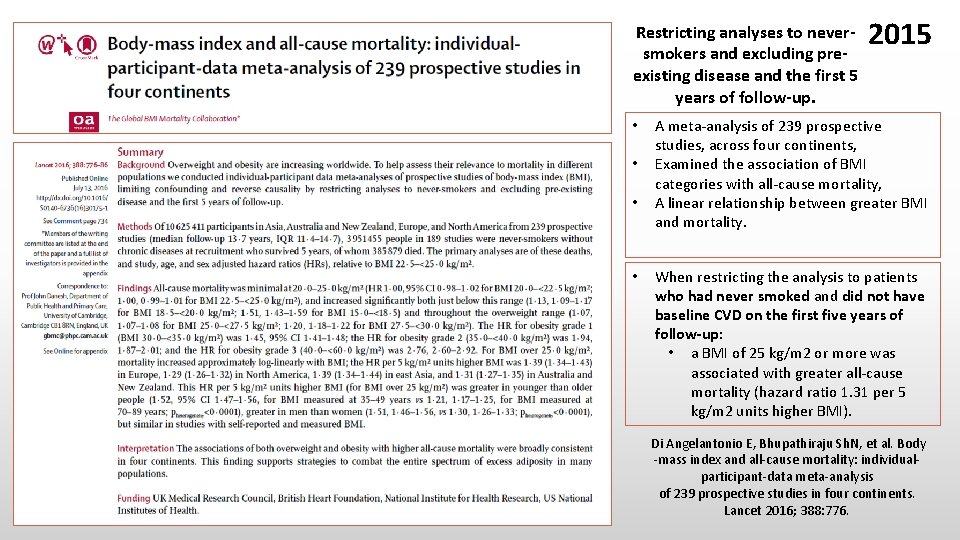
Restricting analyses to neversmokers and excluding preexisting disease and the first 5 years of follow-up. • • 2015 A meta-analysis of 239 prospective studies, across four continents, Examined the association of BMI categories with all-cause mortality, A linear relationship between greater BMI and mortality. When restricting the analysis to patients who had never smoked and did not have baseline CVD on the first five years of follow-up: • a BMI of 25 kg/m 2 or more was associated with greater all-cause mortality (hazard ratio 1. 31 per 5 kg/m 2 units higher BMI). Di Angelantonio E, Bhupathiraju Sh. N, et al. Body -mass index and all-cause mortality: individualparticipant-data meta-analysis of 239 prospective studies in four continents. Lancet 2016; 388: 776.
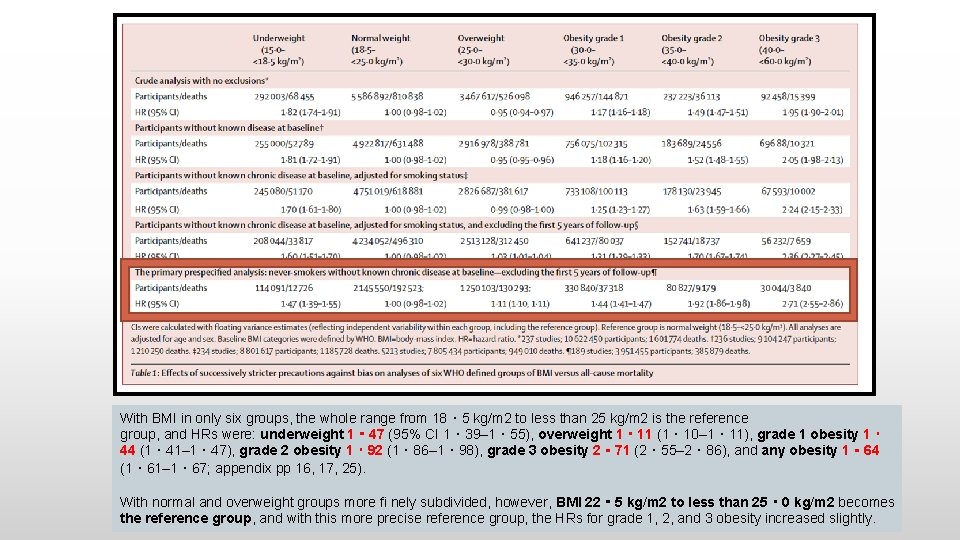
With BMI in only six groups, the whole range from 18・ 5 kg/m 2 to less than 25 kg/m 2 is the reference group, and HRs were: underweight 1・ 47 (95% CI 1・ 39– 1・ 55), overweight 1・ 11 (1・ 10– 1・ 11), grade 1 obesity 1・ 44 (1・ 41– 1・ 47), grade 2 obesity 1・ 92 (1・ 86– 1・ 98), grade 3 obesity 2・ 71 (2・ 55– 2・ 86), and any obesity 1・ 64 (1・ 61– 1・ 67; appendix pp 16, 17, 25). With normal and overweight groups more fi nely subdivided, however, BMI 22・ 5 kg/m 2 to less than 25・ 0 kg/m 2 becomes the reference group, and with this more precise reference group, the HRs for grade 1, 2, and 3 obesity increased slightly.
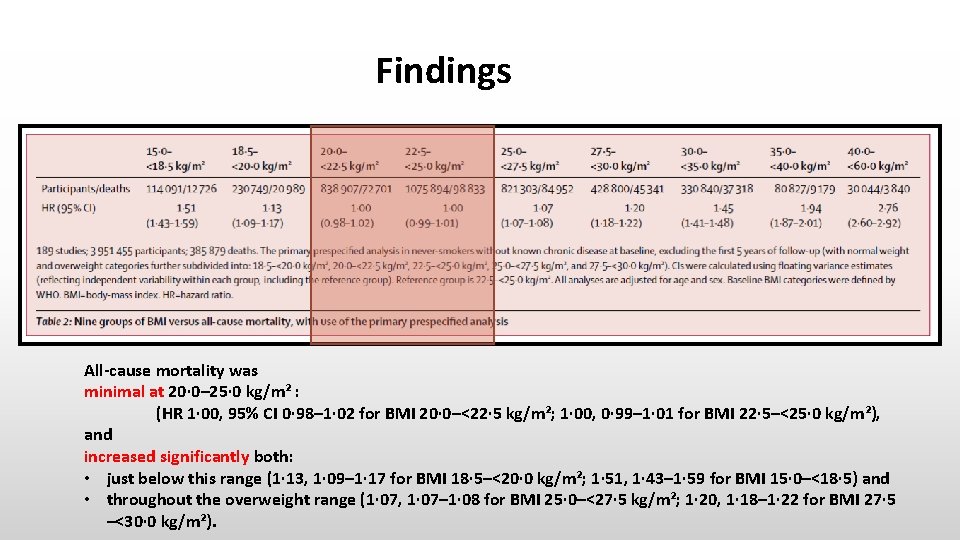
Findings All-cause mortality was minimal at 20· 0– 25· 0 kg/m² : (HR 1· 00, 95% CI 0· 98– 1· 02 for BMI 20· 0–<22· 5 kg/m²; 1· 00, 0· 99– 1· 01 for BMI 22· 5–<25· 0 kg/m²), and increased significantly both: • just below this range (1· 13, 1· 09– 1· 17 for BMI 18· 5–<20· 0 kg/m²; 1· 51, 1· 43– 1· 59 for BMI 15· 0–<18· 5) and • throughout the overweight range (1· 07, 1· 07– 1· 08 for BMI 25· 0–<27· 5 kg/m²; 1· 20, 1· 18– 1· 22 for BMI 27· 5 –<30· 0 kg/m²).
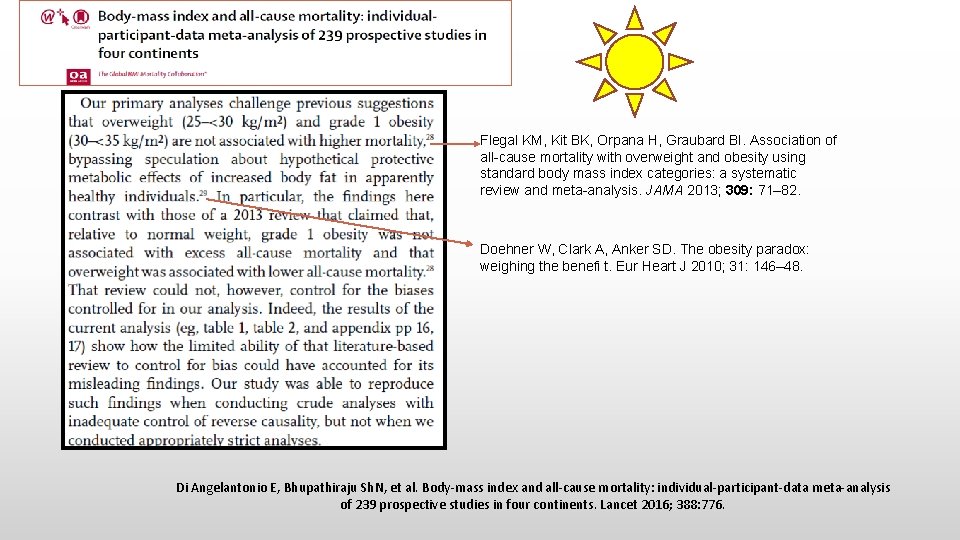
Flegal KM, Kit BK, Orpana H, Graubard BI. Association of all-cause mortality with overweight and obesity using standard body mass index categories: a systematic review and meta-analysis. JAMA 2013; 309: 71– 82. Doehner W, Clark A, Anker SD. The obesity paradox: weighing the benefi t. Eur Heart J 2010; 31: 146– 48. Di Angelantonio E, Bhupathiraju Sh. N, et al. Body-mass index and all-cause mortality: individual-participant-data meta-analysis of 239 prospective studies in four continents. Lancet 2016; 388: 776.
Interpretation • The associations of both overweight and obesity with higher allcause mortality were broadly consistent in four continents. • This finding supports strategies to combat the entire spectrum of excess adiposity in many populations.
Obesity and CHD • There is strong, consistent epidemiologic evidence for an association between obesity and CHD, with significant risk associated with obesity beginning as early as childhood.
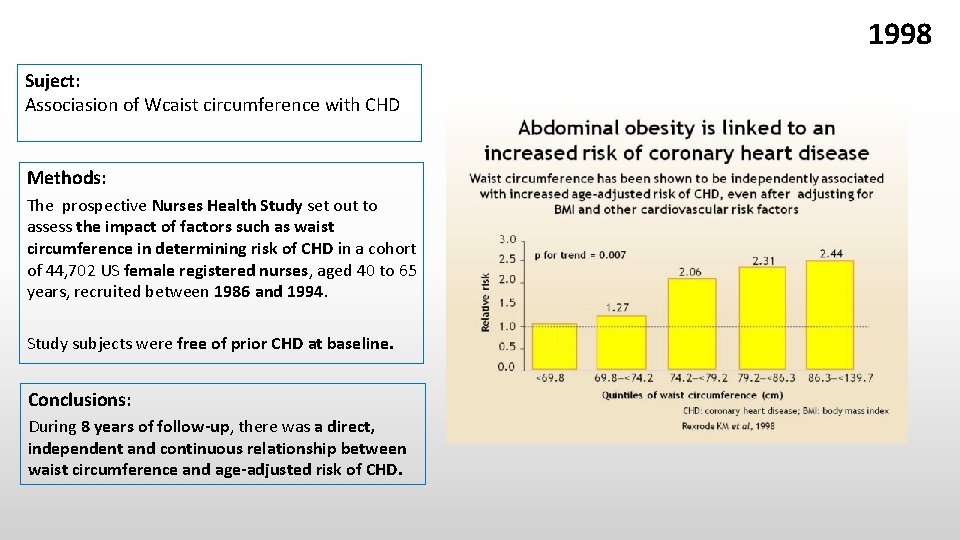
1998 Suject: Associasion of Wcaist circumference with CHD Methods: The prospective Nurses Health Study set out to assess the impact of factors such as waist circumference in determining risk of CHD in a cohort of 44, 702 US female registered nurses, aged 40 to 65 years, recruited between 1986 and 1994. Study subjects were free of prior CHD at baseline. Conclusions: During 8 years of follow-up, there was a direct, independent and continuous relationship between waist circumference and age-adjusted risk of CHD.
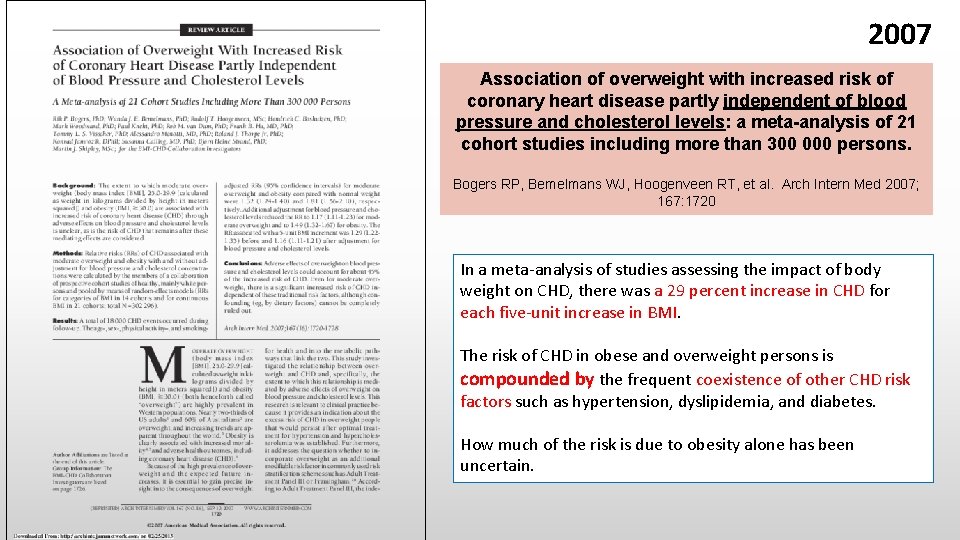
2007 Association of overweight with increased risk of coronary heart disease partly independent of blood pressure and cholesterol levels: a meta-analysis of 21 cohort studies including more than 300 000 persons. Bogers RP, Bemelmans WJ, Hoogenveen RT, et al. Arch Intern Med 2007; 167: 1720 In a meta-analysis of studies assessing the impact of body weight on CHD, there was a 29 percent increase in CHD for each five-unit increase in BMI. The risk of CHD in obese and overweight persons is compounded by the frequent coexistence of other CHD risk factors such as hypertension, dyslipidemia, and diabetes. How much of the risk is due to obesity alone has been uncertain.
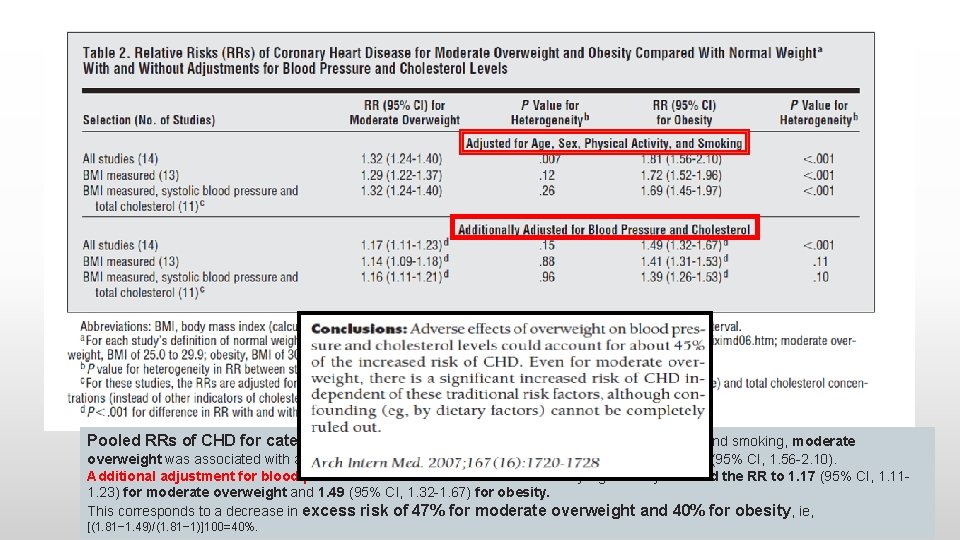
Pooled RRs of CHD for categories of BMI: After adjustment for age, sex, physical activity, and smoking, moderate overweight was associated with an RR of 1. 32 (95% CI, 1. 24 -1. 40) and obesity with an RR of 1. 81 (95% CI, 1. 56 -2. 10). Additional adjustment for blood pressure and cholesterol levels statistically significantly reduced the RR to 1. 17 (95% CI, 1. 111. 23) for moderate overweight and 1. 49 (95% CI, 1. 32 -1. 67) for obesity. This corresponds to a decrease in excess risk of 47% for moderate overweight and 40% for obesity , ie, [(1. 81− 1. 49)/(1. 81− 1)]100=40%.
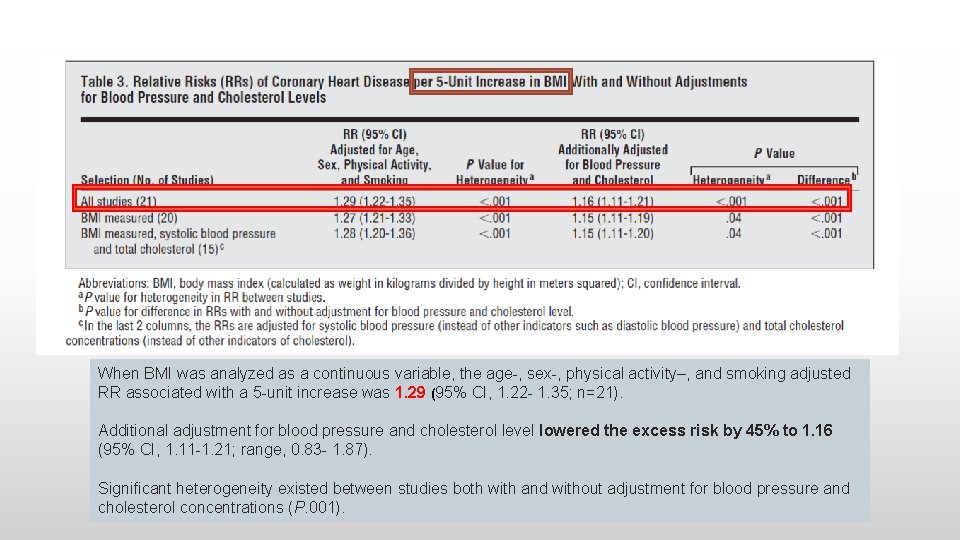
When BMI was analyzed as a continuous variable, the age-, sex-, physical activity–, and smoking adjusted RR associated with a 5 -unit increase was 1. 29 (95% CI, 1. 22 - 1. 35; n=21). Additional adjustment for blood pressure and cholesterol level lowered the excess risk by 45% to 1. 16 (95% CI, 1. 11 -1. 21; range, 0. 83 - 1. 87). Significant heterogeneity existed between studies both with and without adjustment for blood pressure and cholesterol concentrations (P. 001).
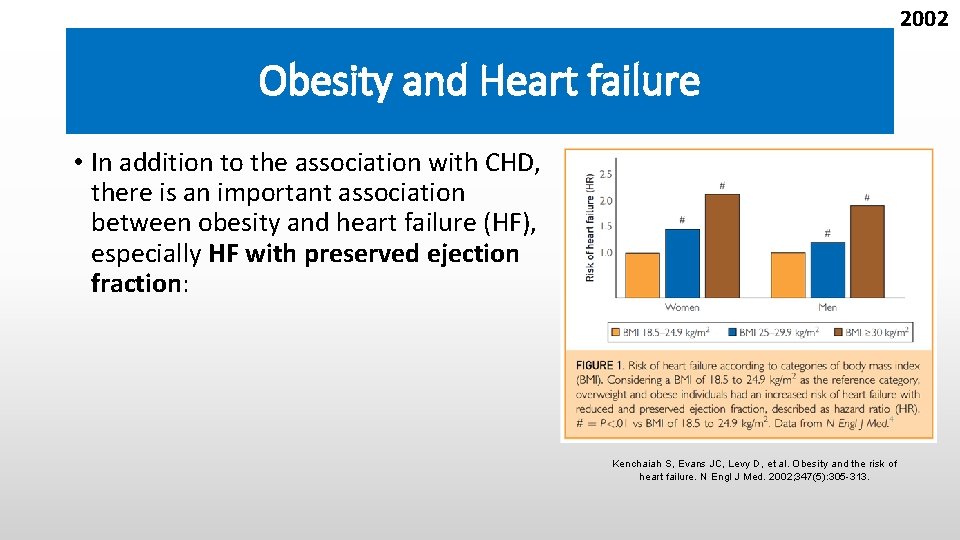
2002 Obesity and Heart failure • In addition to the association with CHD, there is an important association between obesity and heart failure (HF), especially HF with preserved ejection fraction: Kenchaiah S, Evans JC, Levy D, et al. Obesity and the risk of heart failure. N Engl J Med. 2002; 347(5): 305 -313.
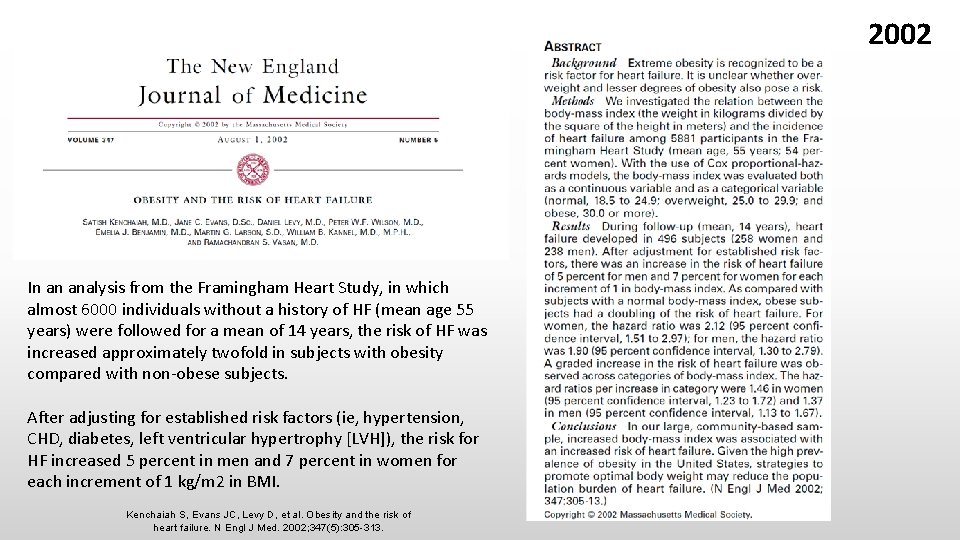
2002 In an analysis from the Framingham Heart Study, in which almost 6000 individuals without a history of HF (mean age 55 years) were followed for a mean of 14 years, the risk of HF was increased approximately twofold in subjects with obesity compared with non-obese subjects. After adjusting for established risk factors (ie, hypertension, CHD, diabetes, left ventricular hypertrophy [LVH]), the risk for HF increased 5 percent in men and 7 percent in women for each increment of 1 kg/m 2 in BMI. Kenchaiah S, Evans JC, Levy D, et al. Obesity and the risk of heart failure. N Engl J Med. 2002; 347(5): 305 -313.
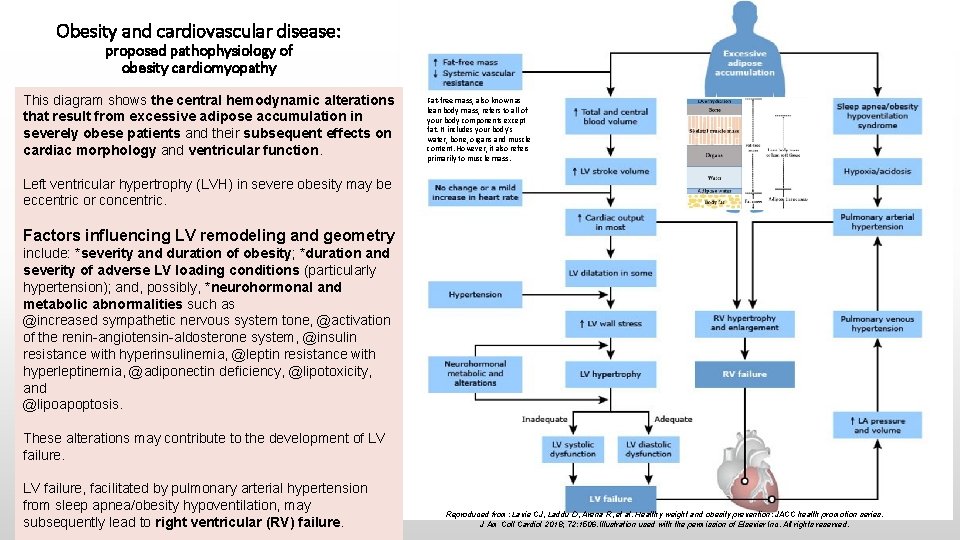
Obesity and cardiovascular disease: proposed pathophysiology of obesity cardiomyopathy This diagram shows the central hemodynamic alterations that result from excessive adipose accumulation in severely obese patients and their subsequent effects on cardiac morphology and ventricular function. Fat-free mass, also known as lean body mass, refers to all of your body components except fat. It includes your body's water, bone, organs and muscle content. However, it also refers primarily to muscle mass. Left ventricular hypertrophy (LVH) in severe obesity may be eccentric or concentric. Factors influencing LV remodeling and geometry include: *severity and duration of obesity; *duration and severity of adverse LV loading conditions (particularly hypertension); and, possibly, *neurohormonal and metabolic abnormalities such as @increased sympathetic nervous system tone, @activation of the renin-angiotensin-aldosterone system, @insulin resistance with hyperinsulinemia, @leptin resistance with hyperleptinemia, @adiponectin deficiency, @lipotoxicity, and @lipoapoptosis. These alterations may contribute to the development of LV failure, facilitated by pulmonary arterial hypertension from sleep apnea/obesity hypoventilation, may subsequently lead to right ventricular (RV) failure. Reproduced from: Lavie CJ, Laddu D, Arena R, et al. Healthy weight and obesity prevention: JACC health promotion series. J Am Coll Cardiol 2018; 72: 1506. Illustration used with the permission of Elsevier Inc. All rights reserved.
Obesity and Atrial fibrillation • Atrial fibrillation (AF) is the most common arrhythmia in adults, with prevalence rates that are expected to rise by threefold in the next few decades. • Several obesity-related factors contribute to this epidemic of AF; • obesity leads to left atrial remodeling via various mechanisms, and it is associated with a marked increase in the risk of developing AF. • The ARIC (Atherosclerosis Risk In Communities) study estimated that one in five cases of AF can be attributed to obesity.
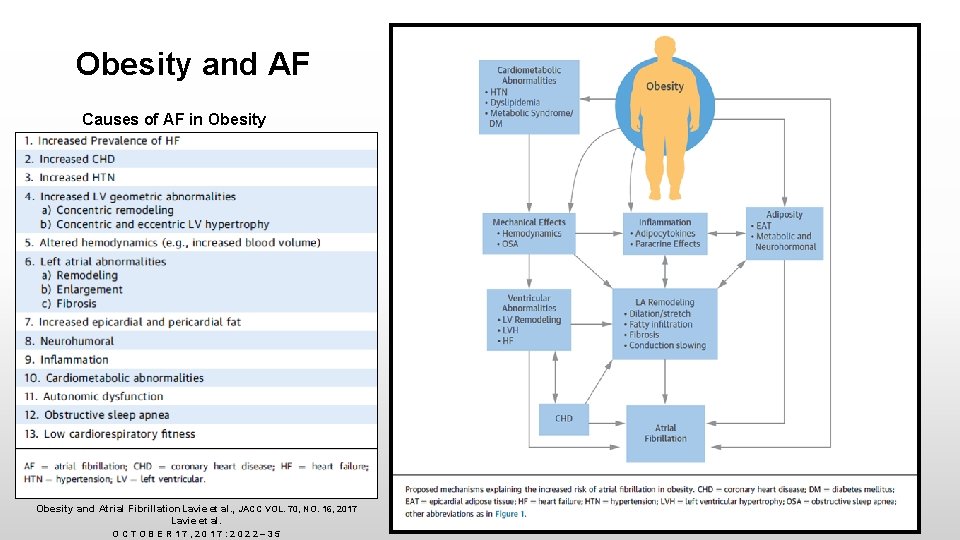
Obesity and AF Causes of AF in Obesity and Atrial Fibrillation. Lavie et al. , JACC VOL. 70, NO. 16, 2017 Lavie et al. OCTOBER 17, 2017: 2022– 35
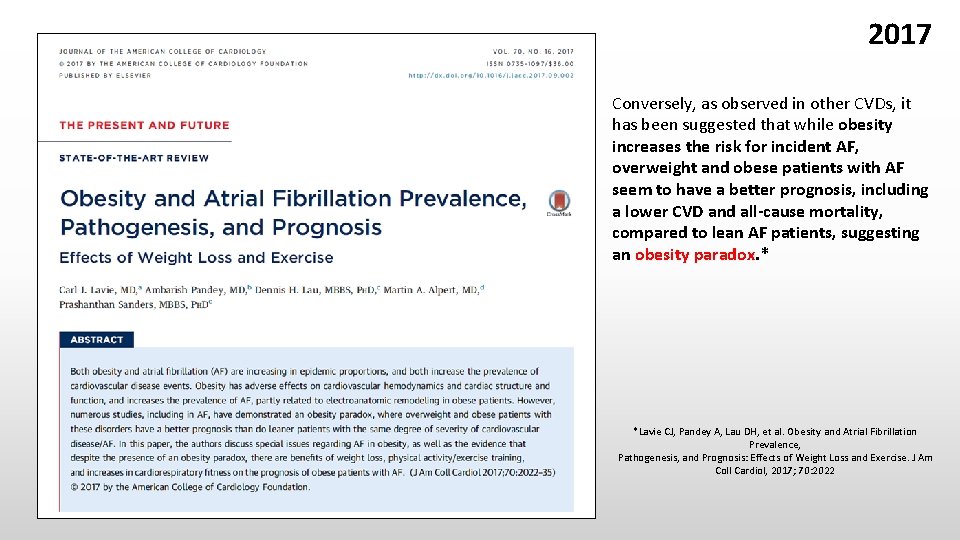
2017 Conversely, as observed in other CVDs, it has been suggested that while obesity increases the risk for incident AF, overweight and obese patients with AF seem to have a better prognosis, including a lower CVD and all-cause mortality, compared to lean AF patients, suggesting an obesity paradox. * *Lavie CJ, Pandey A, Lau DH, et al. Obesity and Atrial Fibrillation Prevalence, Pathogenesis, and Prognosis: Effects of Weight Loss and Exercise. J Am Coll Cardiol, 2017; 70: 2022
Obesity and Sudden cardiac death • Whereas the most common reported cause of death in obese patients is HF, there is growing evidence of an increased risk of sudden cardiac death (SCD) in people with obesity. • Individuals with an elevated BMI or central obesity are more likely to have prolonged QT intervals, and this has been proposed as a potential mechanism for SCD in people with obesity, in addition to the increased risk for CHD.
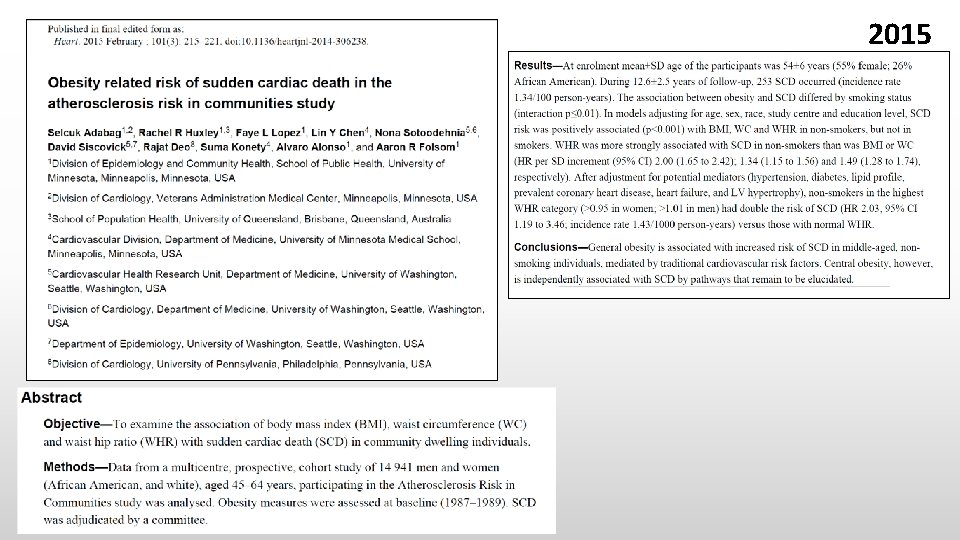
2015
Is BMI an important predictor of cardiometabolic health? Body composition and body fat distribution for risk stratification in coronary heart disease
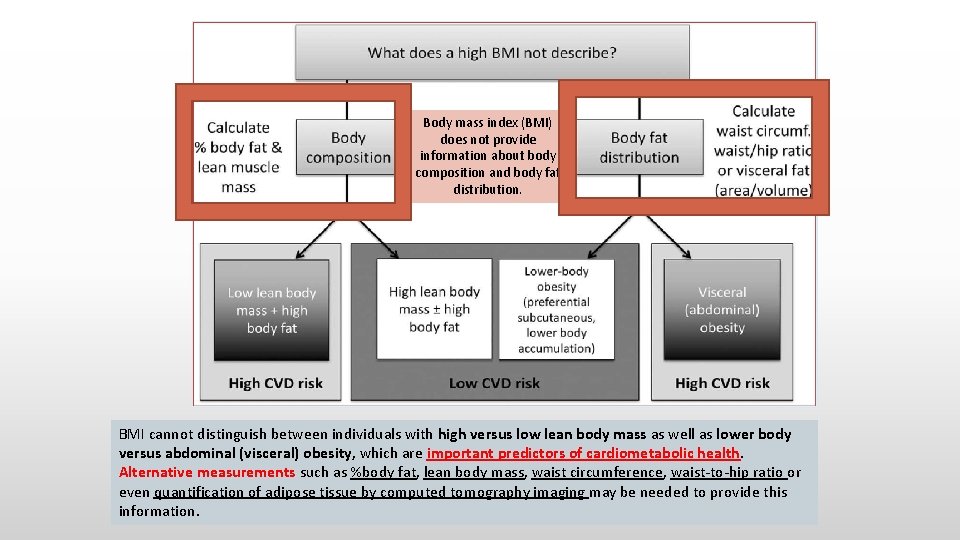
Body mass index (BMI) does not provide information about body composition and body fat distribution. BMI cannot distinguish between individuals with high versus low lean body mass as well as lower body versus abdominal (visceral) obesity, which are important predictors of cardiometabolic health. Alternative measurements such as %body fat, lean body mass, waist circumference, waist-to-hip ratio or even quantification of adipose tissue by computed tomography imaging may be needed to provide this information.
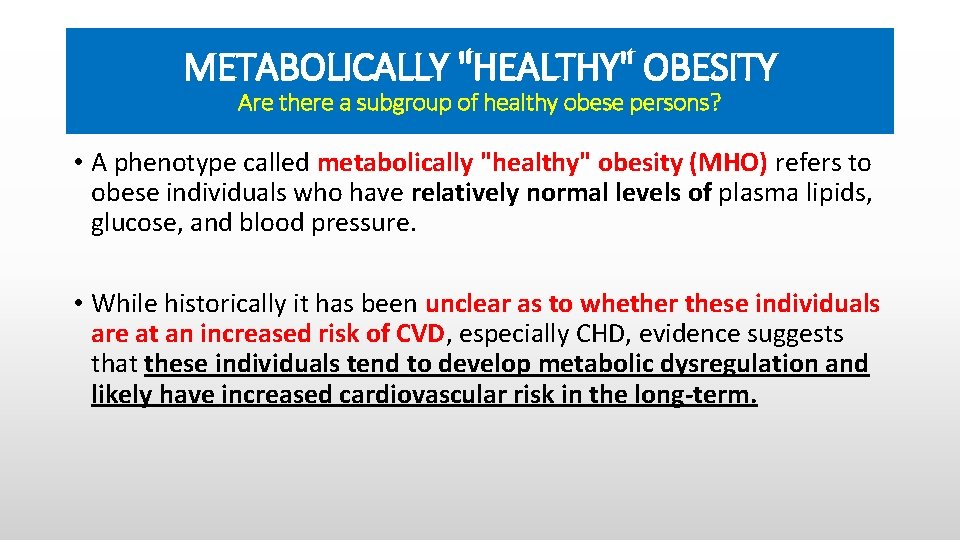
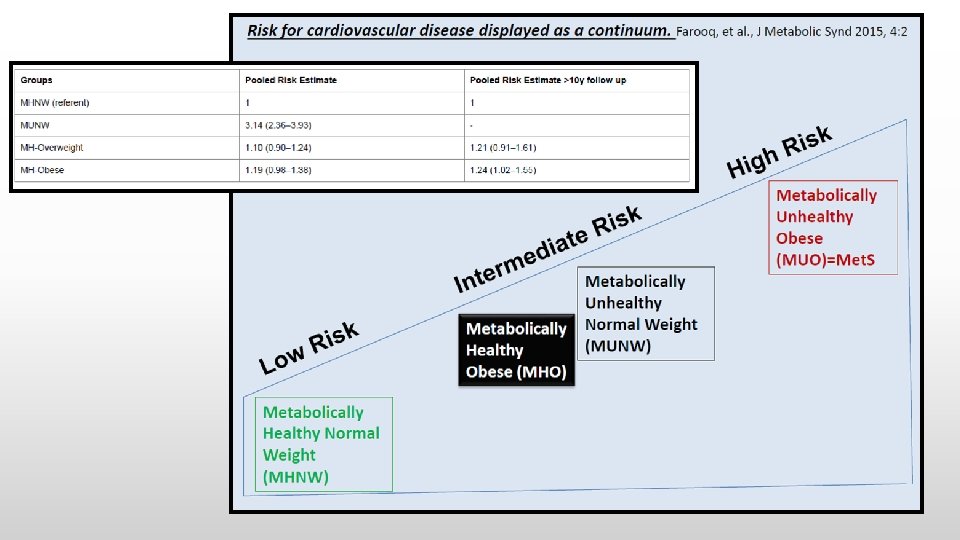
METABOLICALLY "HEALTHY" OBESITY Are there a subgroup of healthy obese persons? • A phenotype called metabolically "healthy" obesity (MHO) refers to obese individuals who have relatively normal levels of plasma lipids, glucose, and blood pressure. • While historically it has been unclear as to whether these individuals are at an increased risk of CVD, especially CHD, evidence suggests that these individuals tend to develop metabolic dysregulation and likely have increased cardiovascular risk in the long-term.
2015 Farooq A, Sorathia S, Shaharyar S, Roberson L, Feiz H (2015) Metabolically Healthy Obesity and the Fit/Fat Phenotype: Associations with Mortality, Subclinical Cardiovascular Disease and Approach to Treatment. J Metabolic Synd 4: 176. doi: http: //dx. doi. org/ 10. 4172/2167 -0943. 1000176
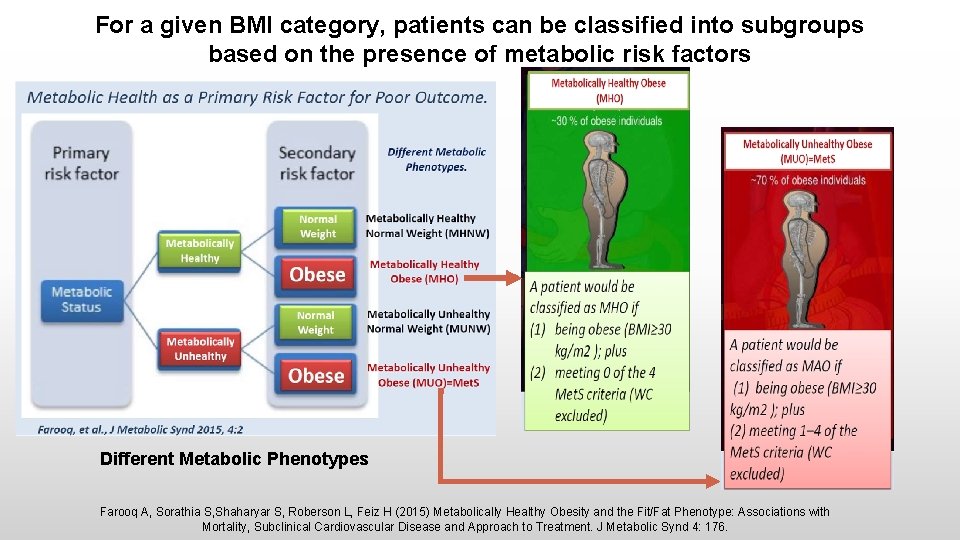
For a given BMI category, patients can be classified into subgroups based on the presence of metabolic risk factors Different Metabolic Phenotypes Farooq A, Sorathia S, Shaharyar S, Roberson L, Feiz H (2015) Metabolically Healthy Obesity and the Fit/Fat Phenotype: Associations with Mortality, Subclinical Cardiovascular Disease and Approach to Treatment. J Metabolic Synd 4: 176.
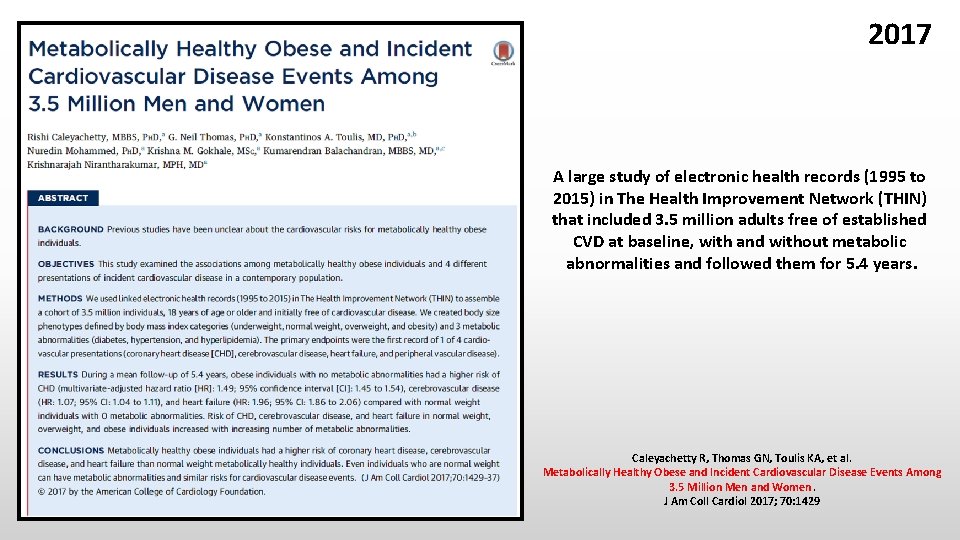
2017 A large study of electronic health records (1995 to 2015) in The Health Improvement Network (THIN) that included 3. 5 million adults free of established CVD at baseline, with and without metabolic abnormalities and followed them for 5. 4 years. Caleyachetty R, Thomas GN, Toulis KA, et al. Metabolically Healthy Obese and Incident Cardiovascular Disease Events Among 3. 5 Million Men and Women. J Am Coll Cardiol 2017; 70: 1429
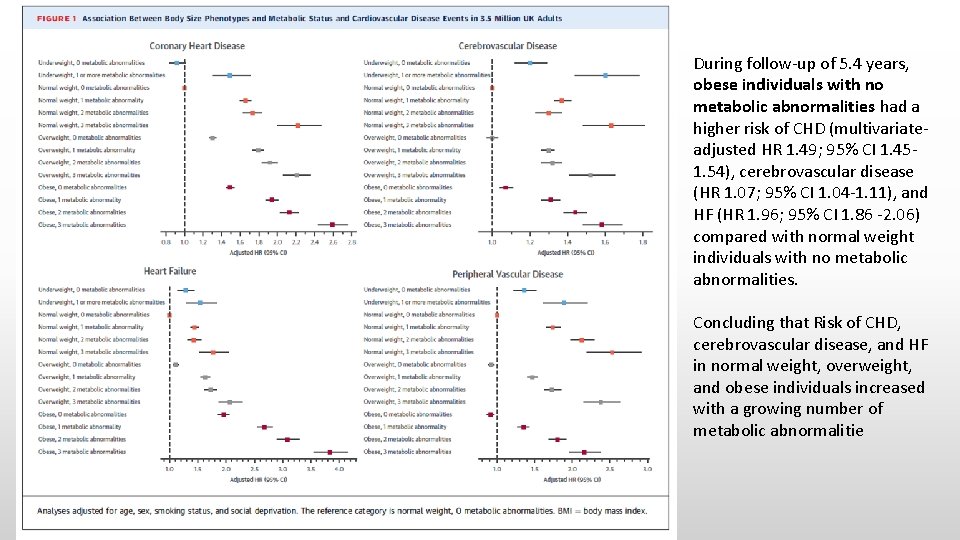
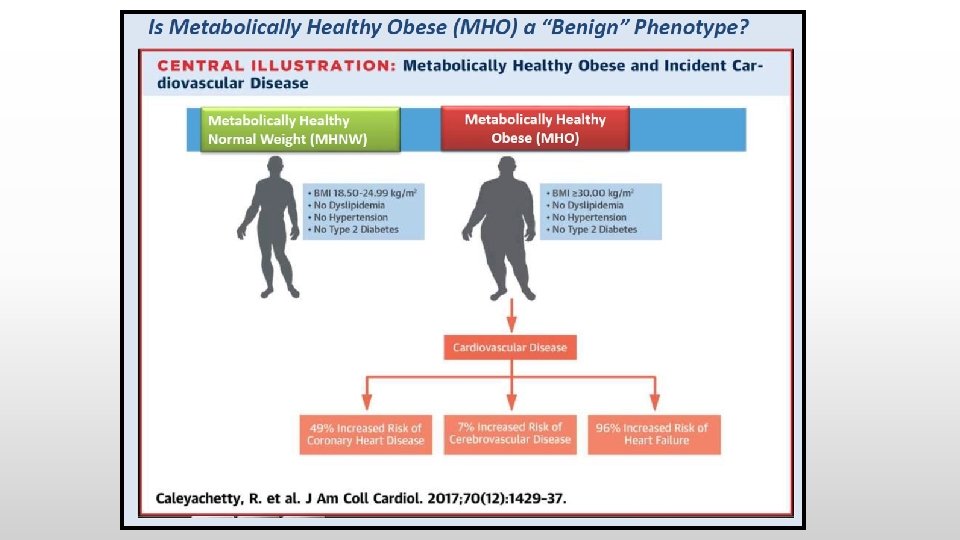
During follow-up of 5. 4 years, obese individuals with no metabolic abnormalities had a higher risk of CHD (multivariateadjusted HR 1. 49; 95% CI 1. 451. 54), cerebrovascular disease (HR 1. 07; 95% CI 1. 04 -1. 11), and HF (HR 1. 96; 95% CI 1. 86 -2. 06) compared with normal weight individuals with no metabolic abnormalities. Concluding that Risk of CHD, cerebrovascular disease, and HF in normal weight, overweight, and obese individuals increased with a growing number of metabolic abnormalitie
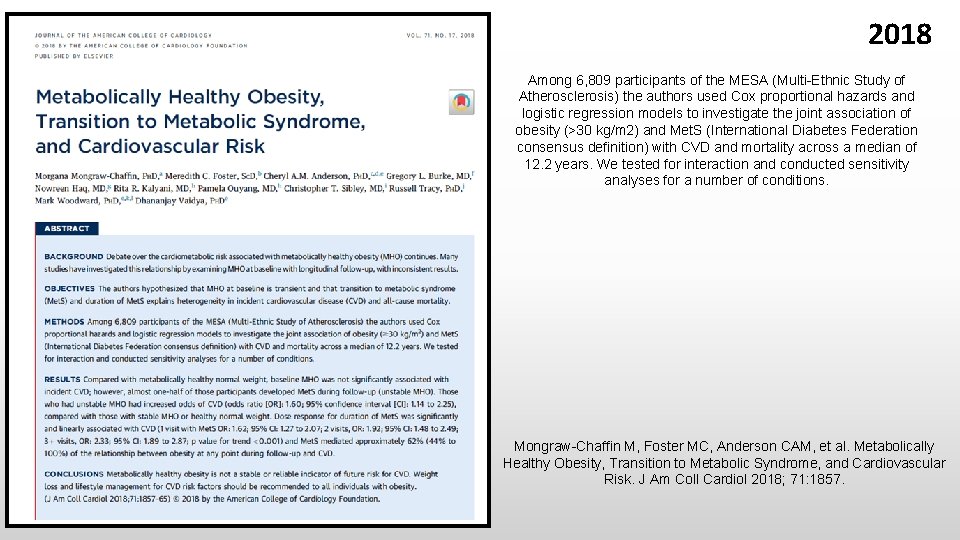
2018 Among 6, 809 participants of the MESA (Multi-Ethnic Study of Atherosclerosis) the authors used Cox proportional hazards and logistic regression models to investigate the joint association of obesity (>30 kg/m 2) and Met. S (International Diabetes Federation consensus definition) with CVD and mortality across a median of 12. 2 years. We tested for interaction and conducted sensitivity analyses for a number of conditions. Mongraw-Chaffin M, Foster MC, Anderson CAM, et al. Metabolically Healthy Obesity, Transition to Metabolic Syndrome, and Cardiovascular Risk. J Am Coll Cardiol 2018; 71: 1857.
RESULTS • Compared with metabolically healthy normal weight, baseline MHO was not significantly associated with incident CVD; however: • Almost one-half of those participants developed Met. S during follow-up (unstable MHO). • Those who had unstable MHO had increased odds of CVD (odds ratio [OR]: 1. 60; 95% confidence interval [CI]: 1. 14 to 2. 25), compared with those with stable MHO or healthy normal weight. • Dose response for duration of Met. S was significantly and linearly associated with CVD (1 visit with Met. S OR: 1. 62; 95% CI: 1. 27 to 2. 07; 2 visits, OR: 1. 92; 95% CI: 1. 48 to 2. 49; 3 visits, OR: 2. 33; 95% CI: 1. 89 to 2. 87; p value for trend <0. 001) and Met. S mediated approximately 62% (44% to 100%) of the relationship between obesity at any point during follow-up and CVD.
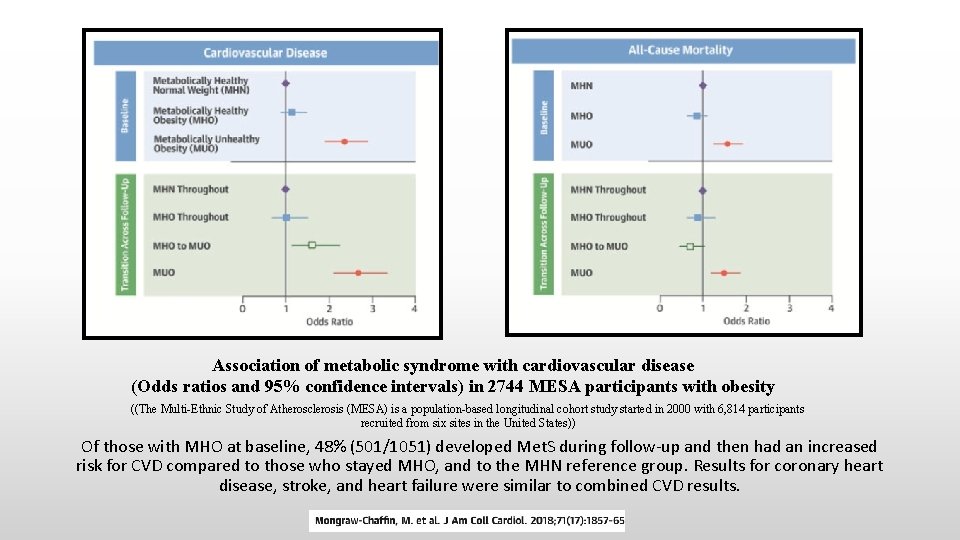
Association of metabolic syndrome with cardiovascular disease (Odds ratios and 95% confidence intervals) in 2744 MESA participants with obesity ((The Multi-Ethnic Study of Atherosclerosis (MESA) is a population-based longitudinal cohort study started in 2000 with 6, 814 participants recruited from six sites in the United States)) Of those with MHO at baseline, 48% (501/1051) developed Met. S during follow-up and then had an increased risk for CVD compared to those who stayed MHO, and to the MHN reference group. Results for coronary heart disease, stroke, and heart failure were similar to combined CVD results.
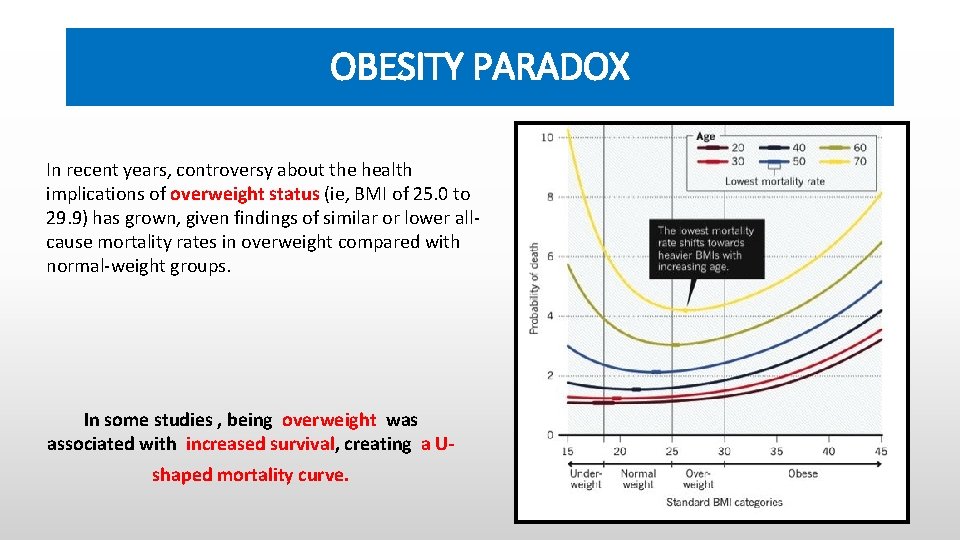
OBESITY PARADOX In recent years, controversy about the health implications of overweight status (ie, BMI of 25. 0 to 29. 9) has grown, given findings of similar or lower allcause mortality rates in overweight compared with normal-weight groups. In some studies , being overweight was associated with increased survival, creating a Ushaped mortality curve.
Really overweight is associated with greater longevity compared with normal BMI? !

2015
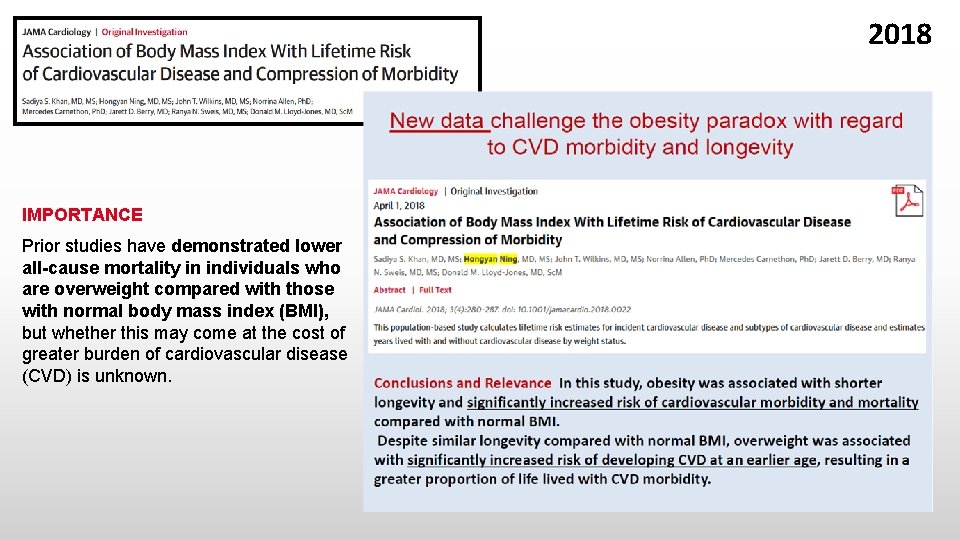
2018 IMPORTANCE Prior studies have demonstrated lower all-cause mortality in individuals who are overweight compared with those with normal body mass index (BMI), but whether this may come at the cost of greater burden of cardiovascular disease (CVD) is unknown.
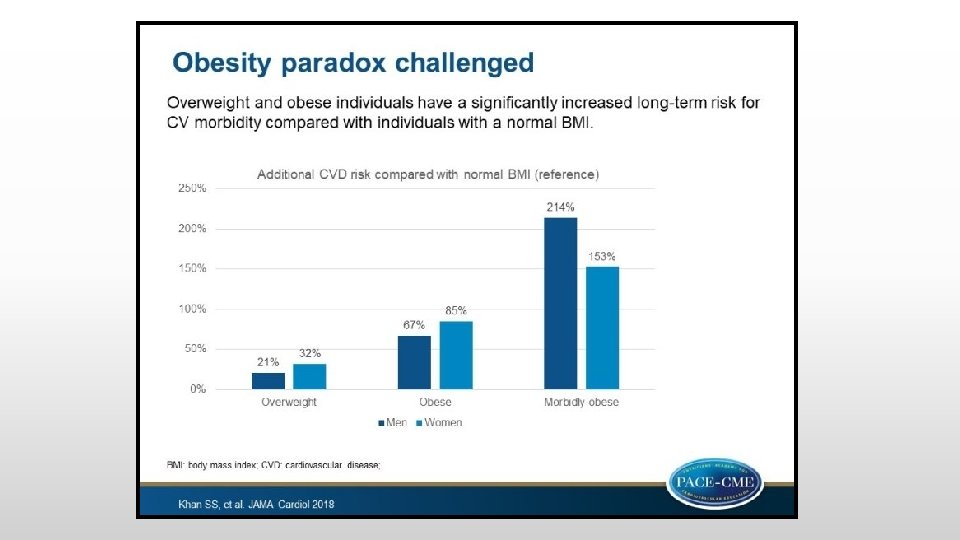
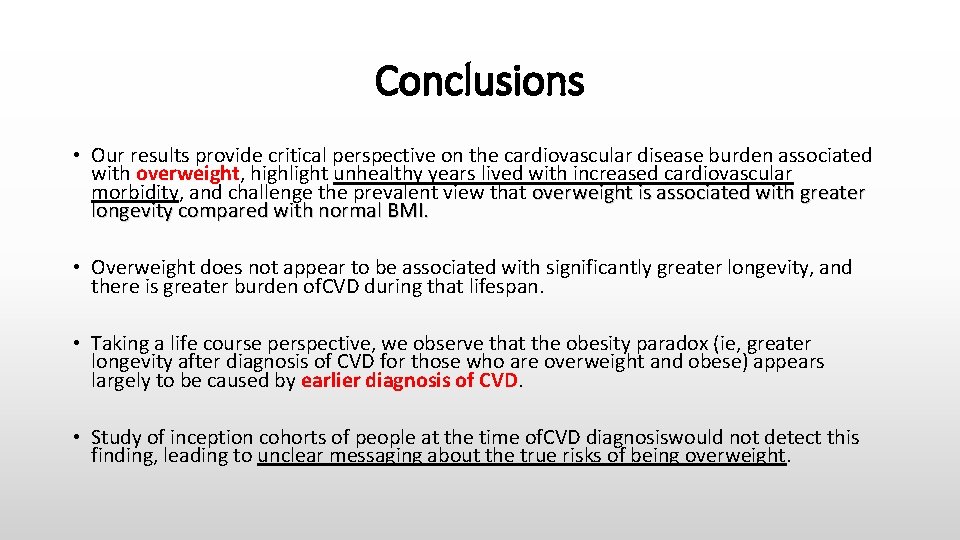
Conclusions • Our results provide critical perspective on the cardiovascular disease burden associated with overweight, highlight unhealthy years lived with increased cardiovascular morbidity, and challenge the prevalent view that overweight is associated with greater longevity compared with normal BMI. • Overweight does not appear to be associated with significantly greater longevity, and there is greater burden of. CVD during that lifespan. • Taking a life course perspective, we observe that the obesity paradox (ie, greater longevity after diagnosis of CVD for those who are overweight and obese) appears largely to be caused by earlier diagnosis of CVD. • Study of inception cohorts of people at the time of. CVD diagnosiswould not detect this finding, leading to unclear messaging about the true risks of being overweight.

Thank you
- Slides: 53