
7 Establishing Objectives and Budgeting for the Promotional
7 Establishing Objectives and Budgeting for the Promotional Program Mc. Graw-Hill/Irwin Copyright © 2009 by The Mc. Graw-Hill Companies, Inc. All rights reserved.
Starbucks • Core competencies – Third Place – Neighborhood coffee shop • Failed Ventures – Joe magazine – Café Starbucks – Circadia • Losing focus – Hear Music – Akeelah and the Bee • Closing down stores
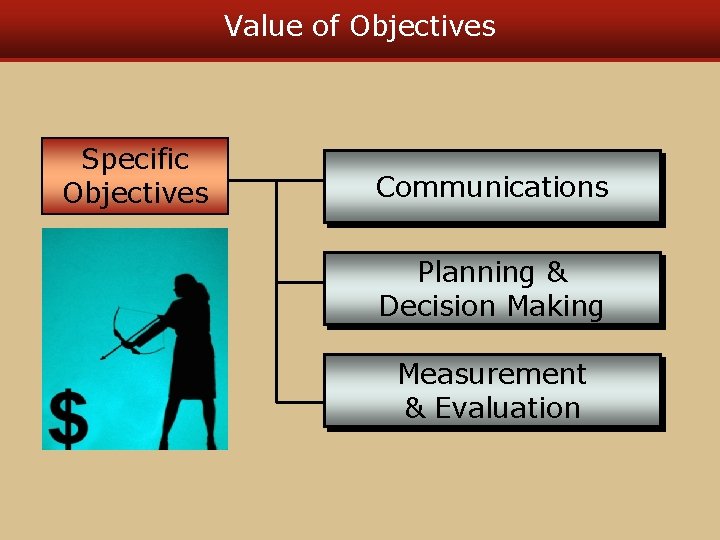
Value of Objectives Specific Objectives Communications Planning & Decision Making Measurement & Evaluation
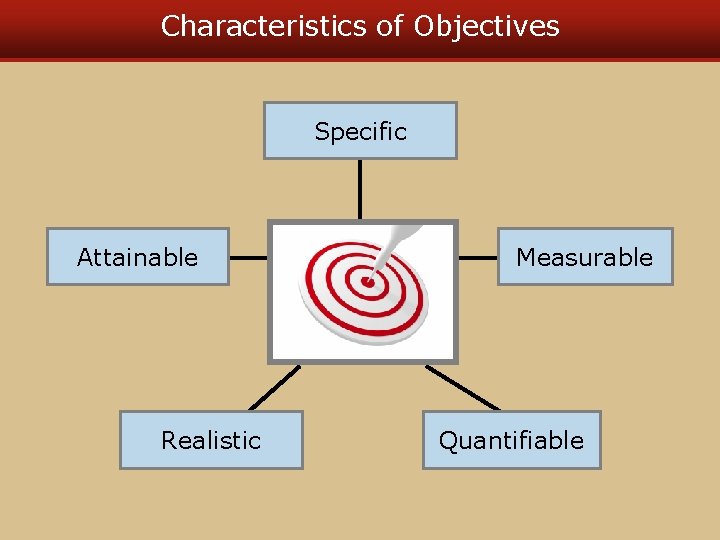
Characteristics of Objectives Specific Attainable Realistic Measurable Quantifiable

Measurable Results
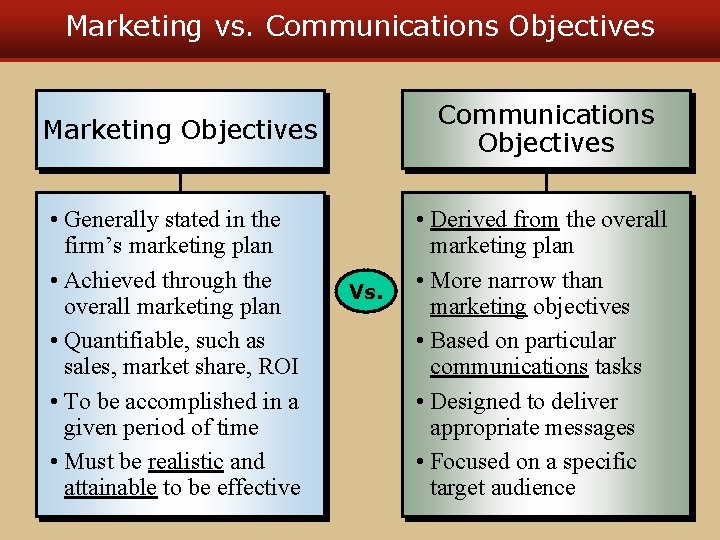
Marketing vs. Communications Objectives Marketing Objectives Communications Objectives • Generally stated in the firm’s marketing plan • Achieved through the overall marketing plan • Quantifiable, such as sales, market share, ROI • To be accomplished in a given period of time • Must be realistic and attainable to be effective • Derived from the overall marketing plan • More narrow than marketing objectives • Based on particular communications tasks • Designed to deliver appropriate messages • Focused on a specific target audience Vs.
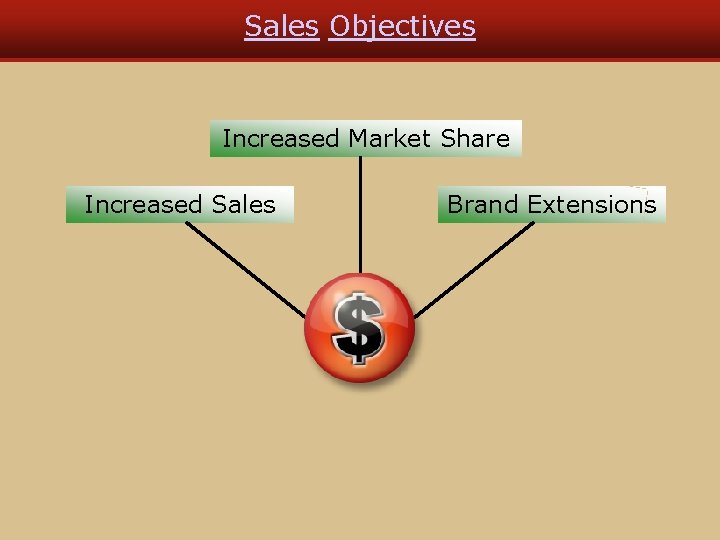
Sales Objectives Increased Market Share Increased Sales Brand Extensions
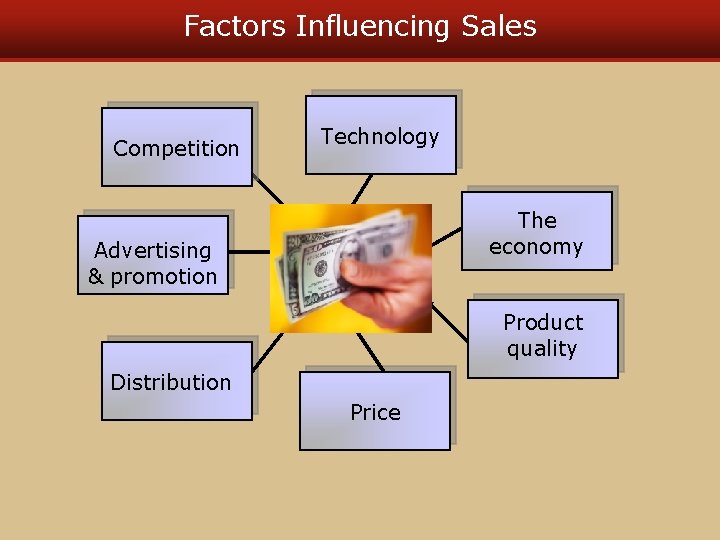
Factors Influencing Sales Competition Technology The economy Advertising & promotion Product quality Distribution Price
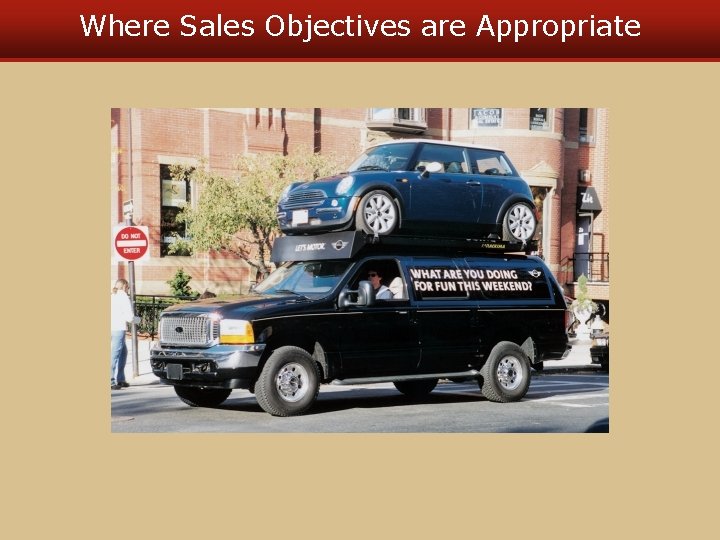
Where Sales Objectives are Appropriate

Where Sales Objectives are Appropriate
Test Your Knowledge Which of the following statements about communications objectives is true? A) Sales goals are easily translated into communications objectives. B) It can be difficult to determine the relationship between communications objectives and sales performance. C) Communications objectives cannot serve as operational guidelines for planning, executing, and evaluating promotional programs. D) Marketing managers often do not recognize the value of setting communications objectives.
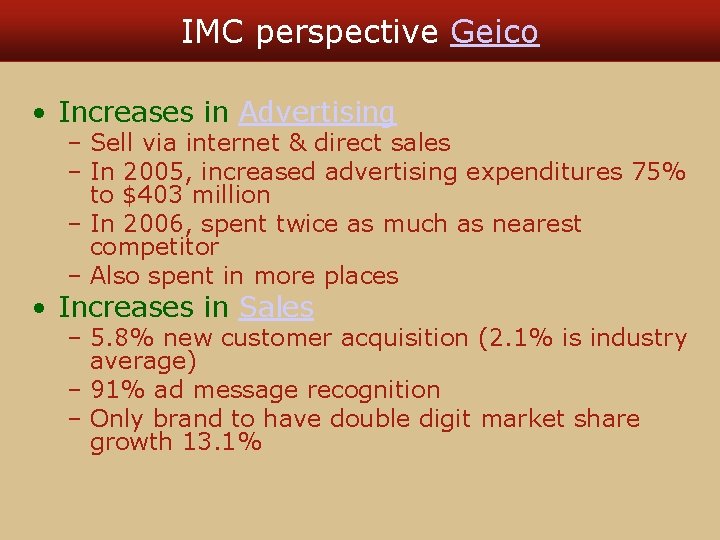
IMC perspective Geico • Increases in Advertising – Sell via internet & direct sales – In 2005, increased advertising expenditures 75% to $403 million – In 2006, spent twice as much as nearest competitor – Also spent in more places • Increases in Sales – 5. 8% new customer acquisition (2. 1% is industry average) – 91% ad message recognition – Only brand to have double digit market share growth 13. 1%
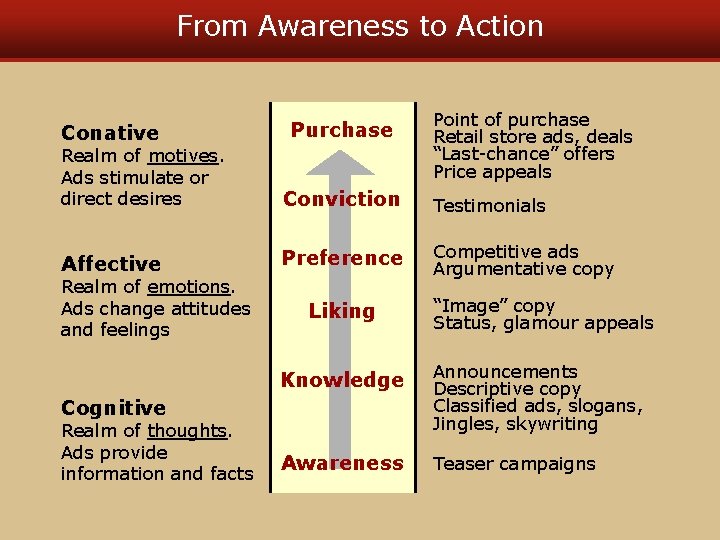
From Awareness to Action Conative Purchase Point of purchase Retail store ads, deals “Last-chance” offers Price appeals Realm of motives. Ads stimulate or direct desires Conviction Testimonials Affective Preference Competitive ads Argumentative copy Realm of emotions. Ads change attitudes and feelings Liking “Image” copy Status, glamour appeals Knowledge Announcements Descriptive copy Classified ads, slogans, Jingles, skywriting Awareness Teaser campaigns Cognitive Realm of thoughts. Ads provide information and facts

Creating an Image
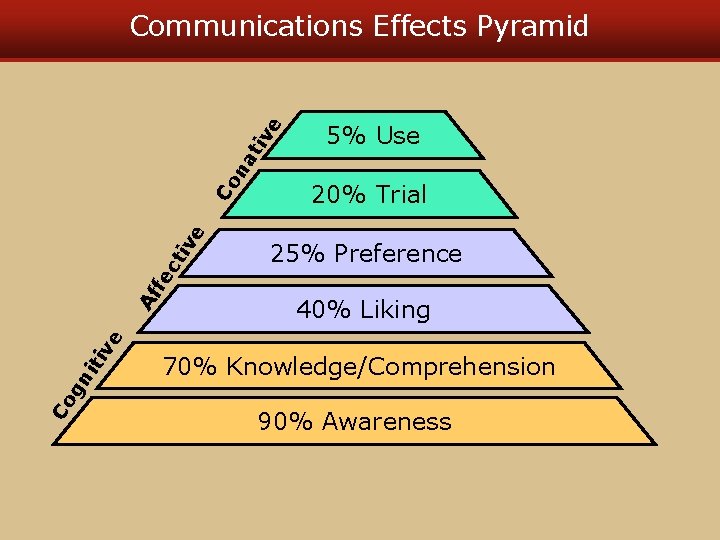
5% Use 20% Trial 25% Preference 40% Liking Co gn iti v e Af fe ct iv e Co na tiv e Communications Effects Pyramid 70% Knowledge/Comprehension 90% Awareness
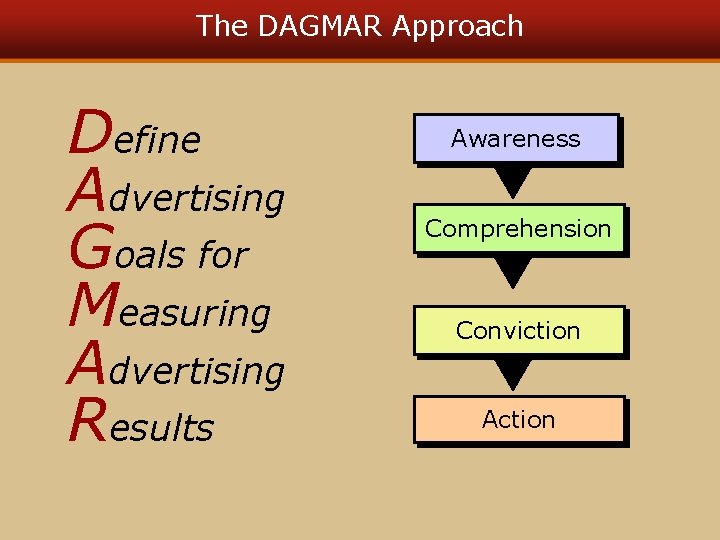
The DAGMAR Approach Define Advertising Goals for Measuring Advertising Results Awareness Comprehension Conviction Action
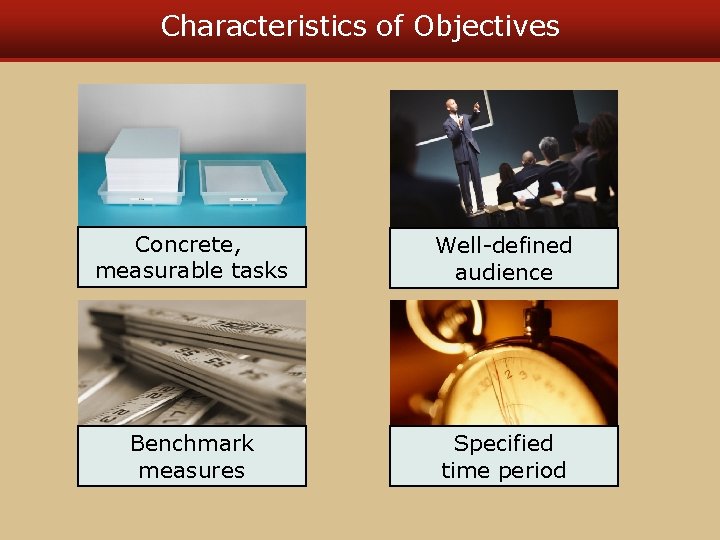
Characteristics of Objectives Concrete, measurable tasks Well-defined audience Benchmark measures Specified time period
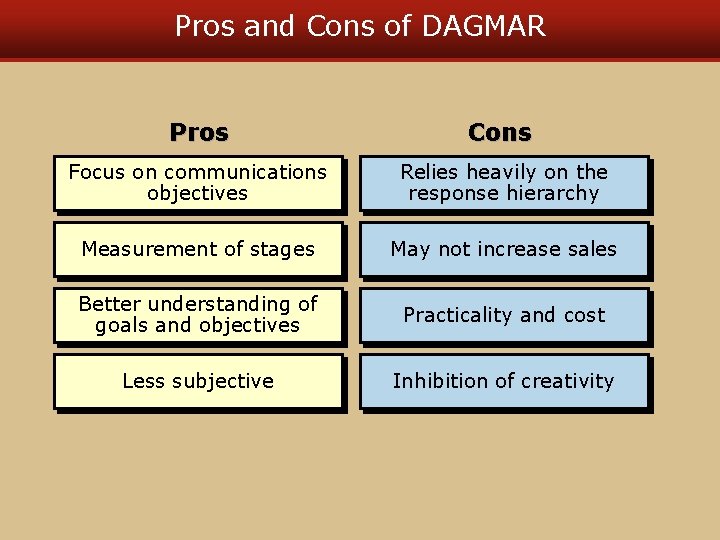
Pros and Cons of DAGMAR Pros Cons Focus on communications objectives Relies heavily on the response hierarchy Measurement of stages May not increase sales Better understanding of goals and objectives Practicality and cost Less subjective Inhibition of creativity
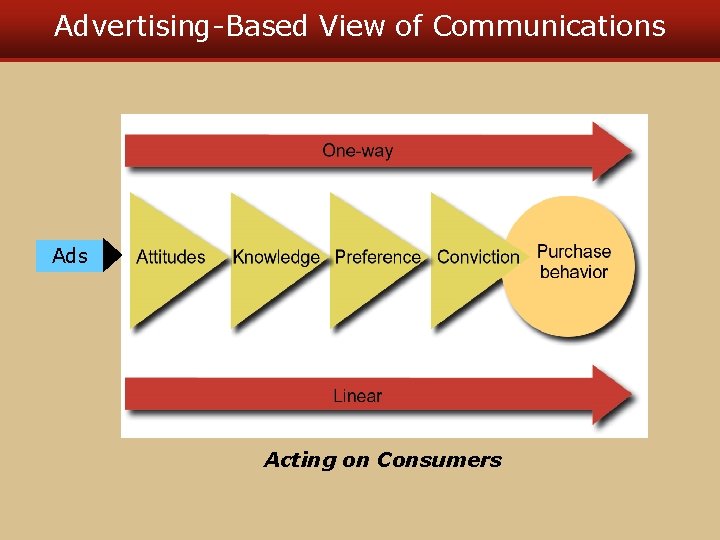
Advertising-Based View of Communications Ads Acting on Consumers

Utilizing a Variety of Media

San Diego Zoo Protect Endangered Species *Click outside of the video screen to advance to the next slide
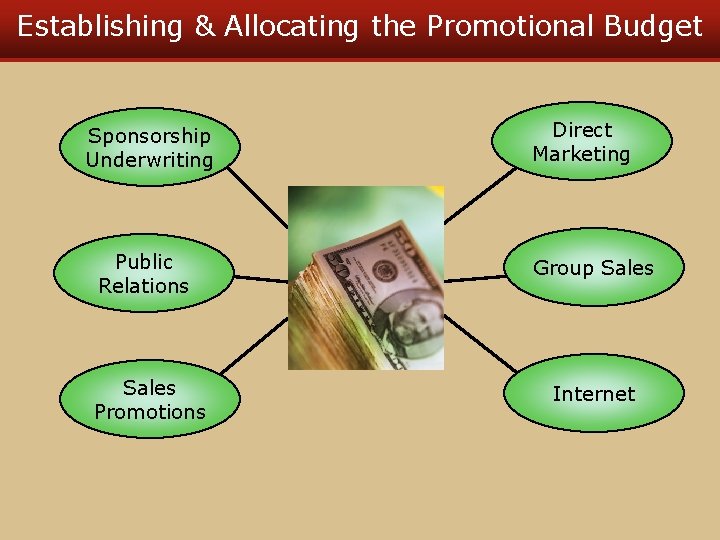
Establishing & Allocating the Promotional Budget Sponsorship Underwriting Direct Marketing Public Relations Group Sales Promotions Internet
Test Your Knowledge In marginal analysis, all of the following should be considered except: A) Sales B) Fixed costs of advertising C) Advertising expenditures and other variable costs D) Gross margin E) Net worth
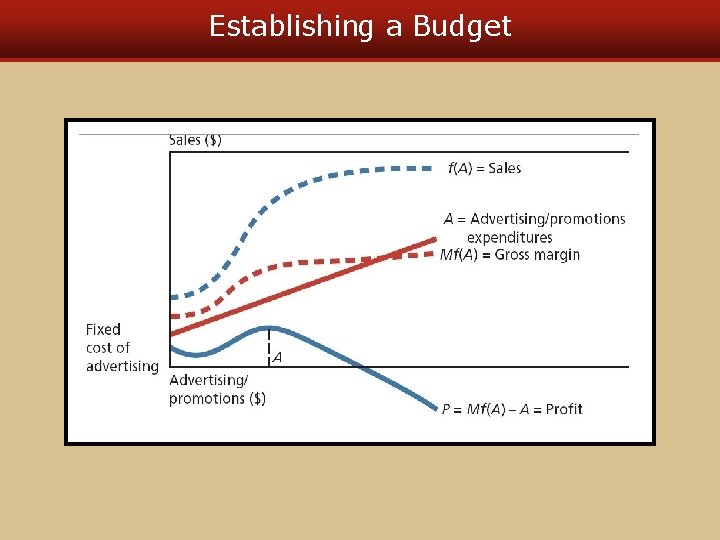
Establishing a Budget
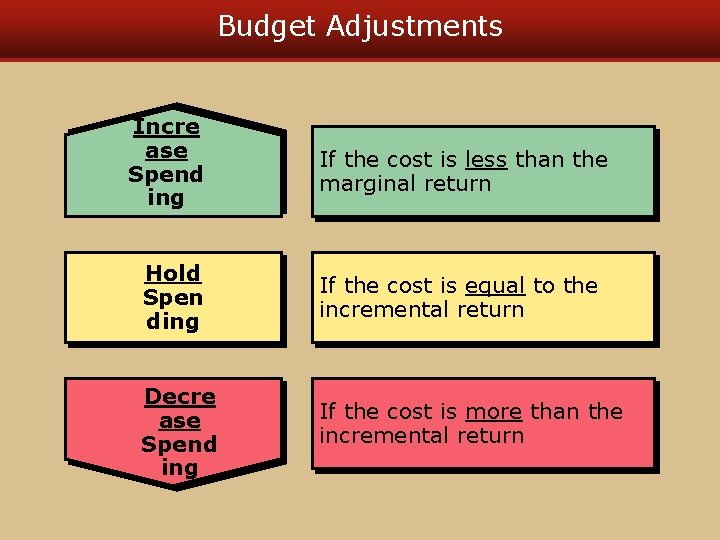
Budget Adjustments Incre ase Spend ing If the cost is less than the marginal return Hold Spen ding If the cost is equal to the incremental return Decre ase Spend ing If the cost is more than the incremental return
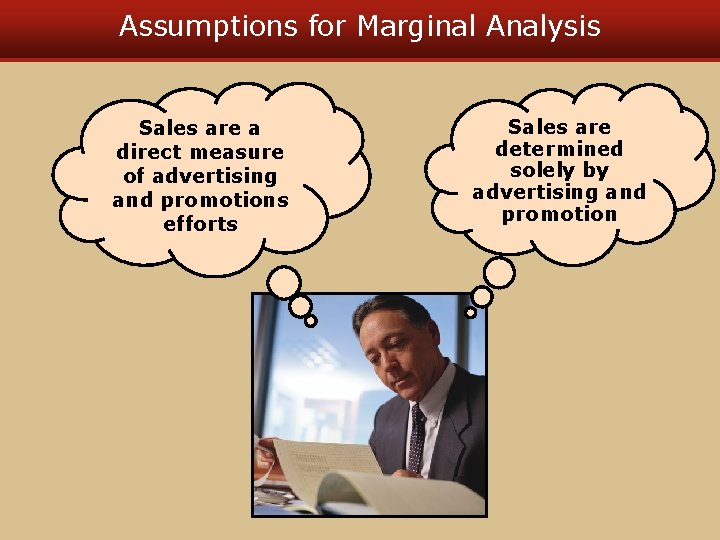
Assumptions for Marginal Analysis Sales are a direct measure of advertising and promotions efforts Sales are determined solely by advertising and promotion
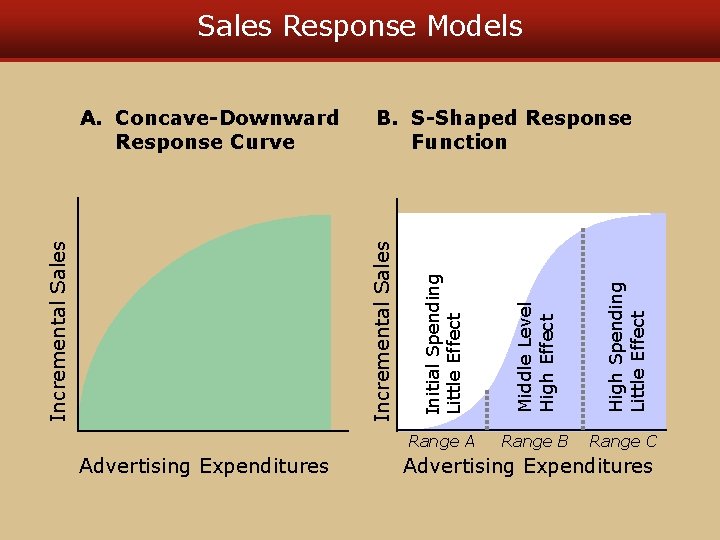
Sales Response Models Advertising Expenditures Initial Spending Little Effect Middle Level High Effect High Spending Little Effect B. S-Shaped Response Function Incremental Sales A. Concave-Downward Response Curve Range A Range B Range C Advertising Expenditures
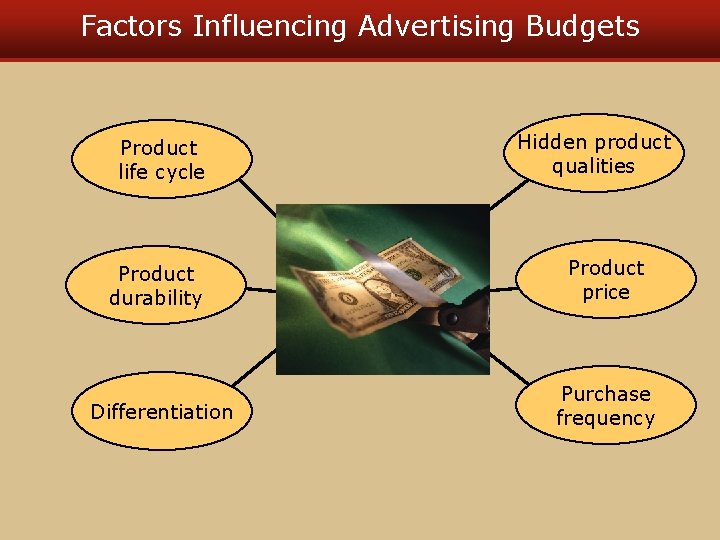
Factors Influencing Advertising Budgets Product life cycle Hidden product qualities Product durability Product price Differentiation Purchase frequency
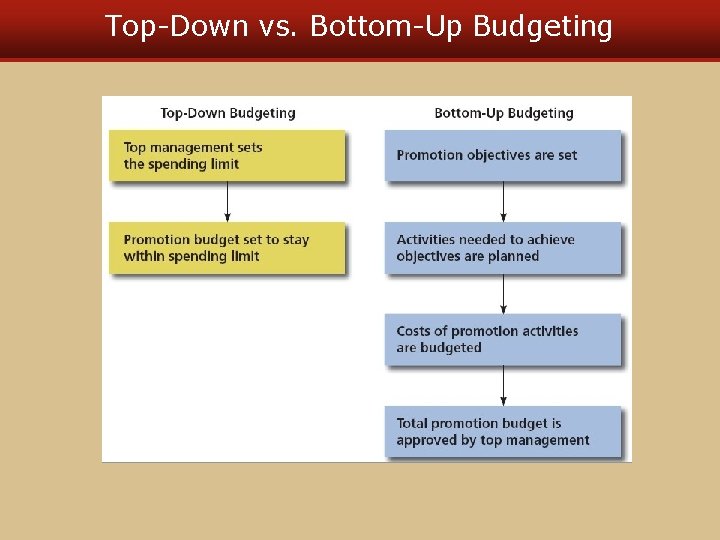
Top-Down vs. Bottom-Up Budgeting
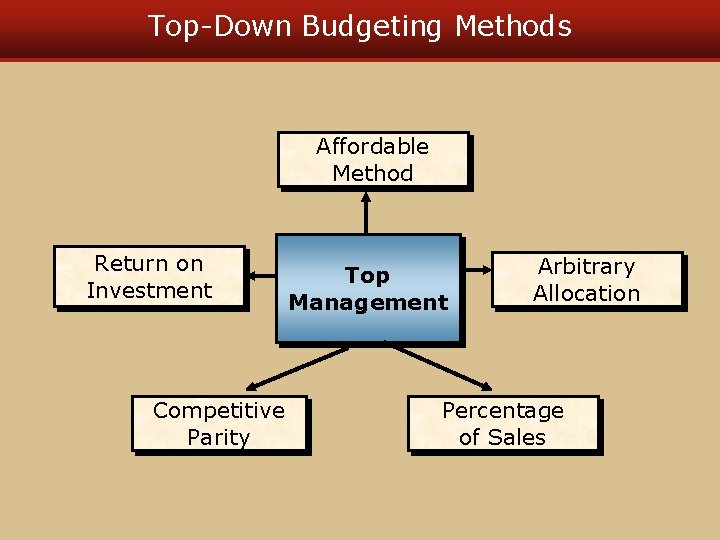
Top-Down Budgeting Methods Affordable Method Return on Investment Competitive Parity Top Management Arbitrary Allocation Percentage of Sales
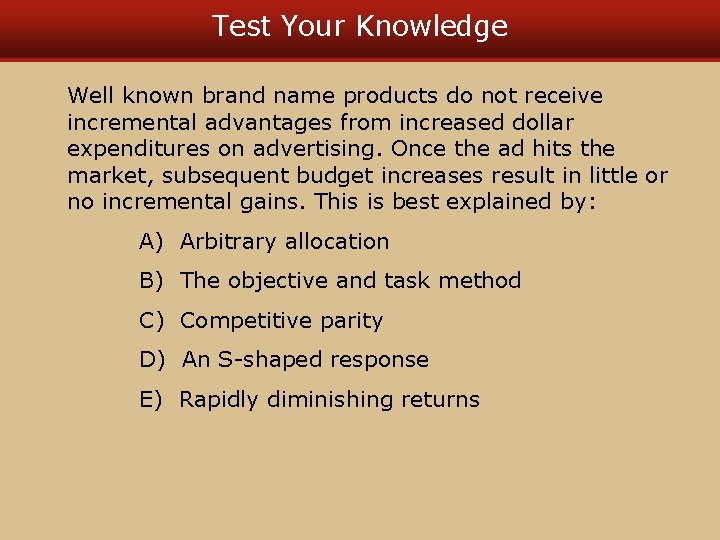
Test Your Knowledge Well known brand name products do not receive incremental advantages from increased dollar expenditures on advertising. Once the ad hits the market, subsequent budget increases result in little or no incremental gains. This is best explained by: A) Arbitrary allocation B) The objective and task method C) Competitive parity D) An S-shaped response E) Rapidly diminishing returns
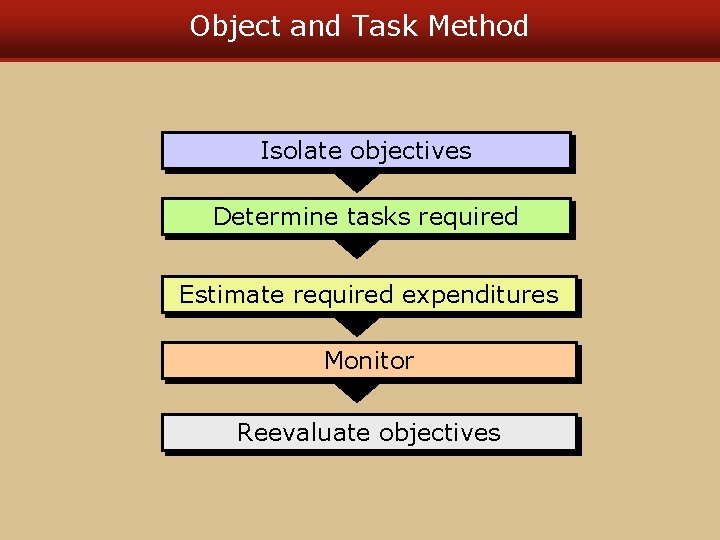
Object and Task Method Isolate objectives Determine tasks required Estimate required expenditures Monitor Reevaluate objectives
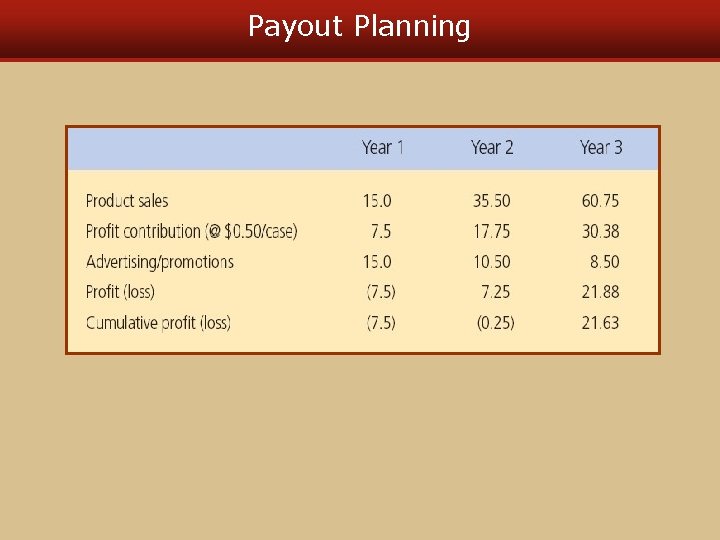
Payout Planning

Quantitative Models
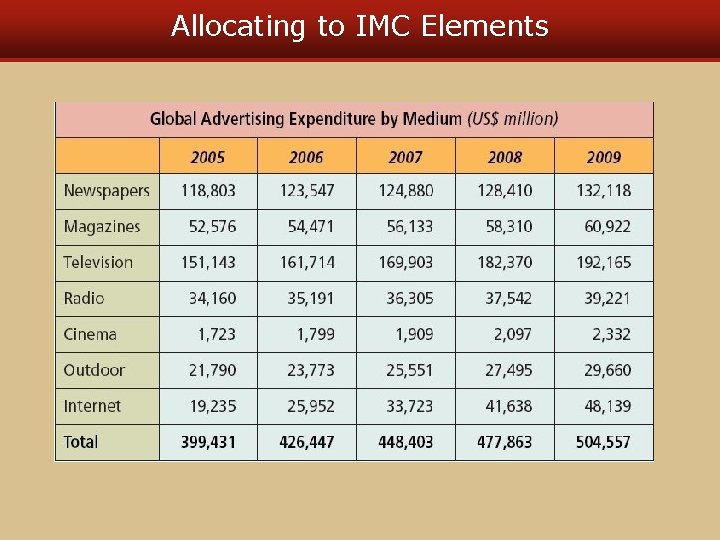
Allocating to IMC Elements
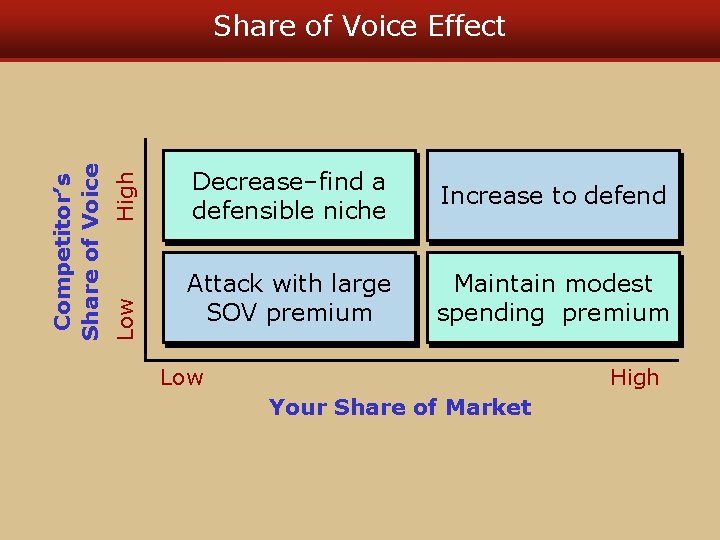
High Low Competitor’s Share of Voice Effect Decrease–find a defensible niche Increase to defend Attack with large SOV premium Maintain modest spending premium Low High Your Share of Market
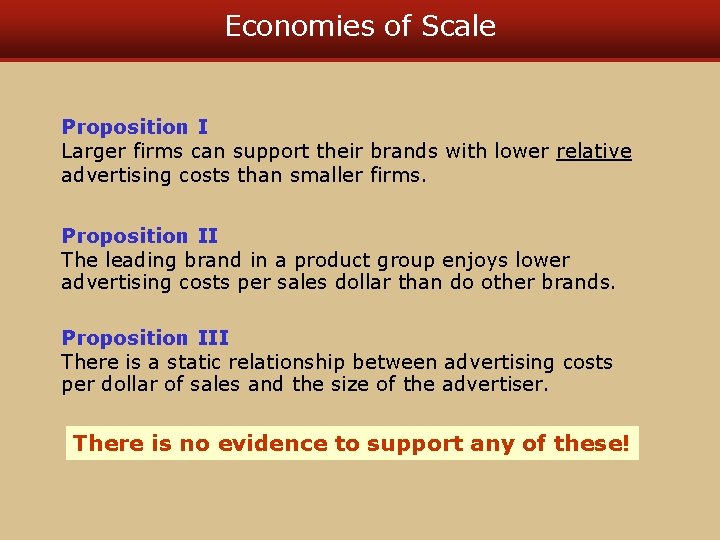
Economies of Scale Proposition I Larger firms can support their brands with lower relative advertising costs than smaller firms. Proposition II The leading brand in a product group enjoys lower advertising costs per sales dollar than do other brands. Proposition III There is a static relationship between advertising costs per dollar of sales and the size of the advertiser. There is no evidence to support any of these!
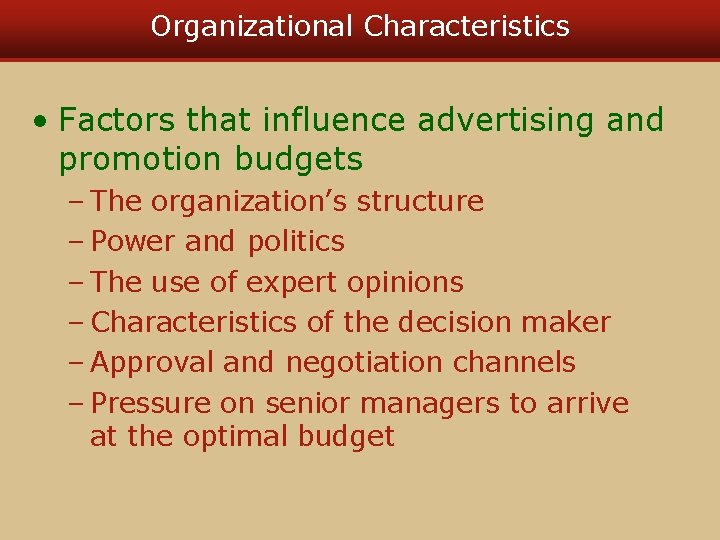
Organizational Characteristics • Factors that influence advertising and promotion budgets – The organization’s structure – Power and politics – The use of expert opinions – Characteristics of the decision maker – Approval and negotiation channels – Pressure on senior managers to arrive at the optimal budget
- Slides: 38