
7 2 Types of Chemical Reactions Learning Outcomes

- Slides: 25
7. 2 Types of Chemical Reactions
Learning Outcomes Identify, give evidence for, predict products of, and classify the following types of chemical reactions: 1. Synthesis (combination) 2. Decomposition 3. Single Replacement 4. Double Replacement 5. Combustion
Vocabulary q Synthesis reaction q Decomposition reaction q Single-replacement reaction q Double-replacement reaction q Combustion reaction
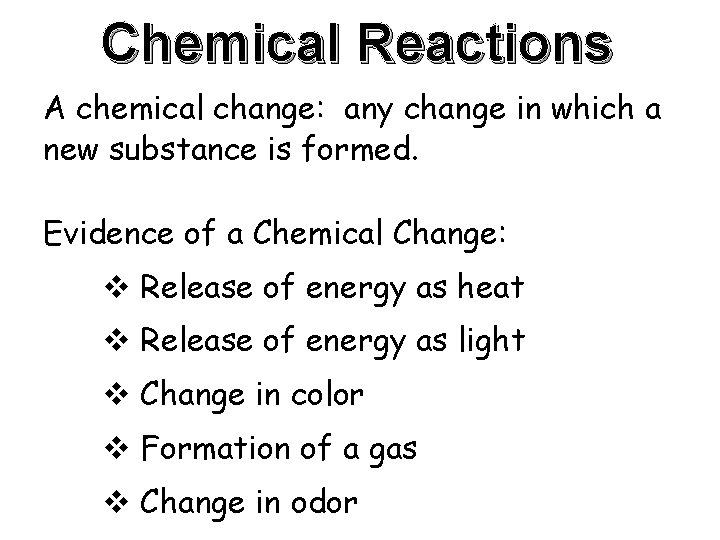
Chemical Reactions A chemical change: any change in which a new substance is formed. Evidence of a Chemical Change: v Release of energy as heat v Release of energy as light v Change in color v Formation of a gas v Change in odor
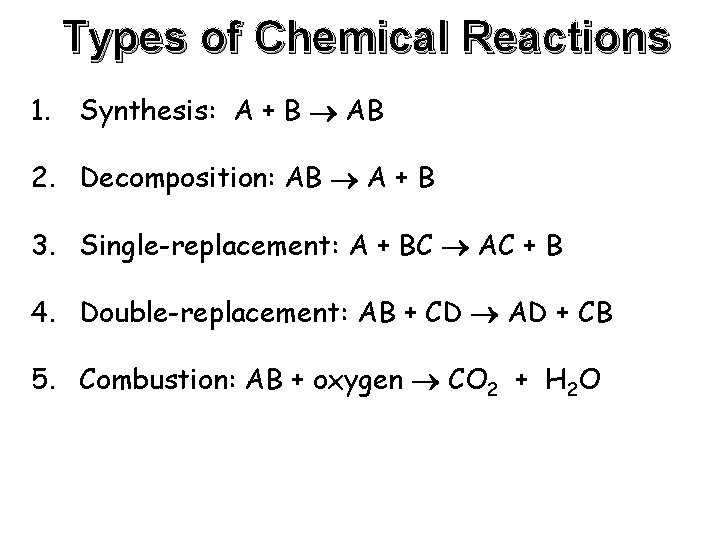
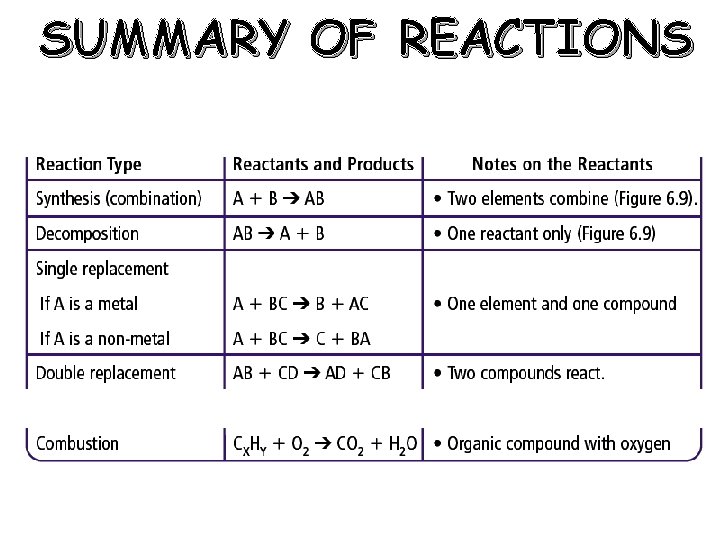
Types of Chemical Reactions 1. Synthesis: A + B AB 2. Decomposition: AB A + B 3. Single-replacement: A + BC AC + B 4. Double-replacement: AB + CD AD + CB 5. Combustion: AB + oxygen CO 2 + H 2 O
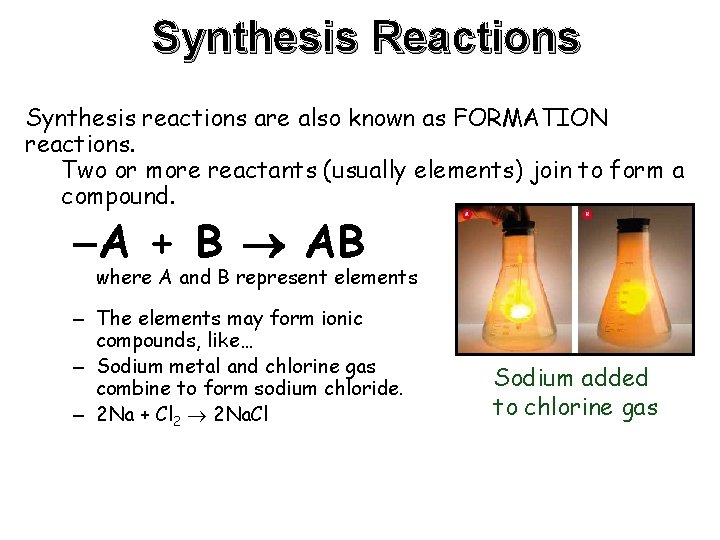
Synthesis Reactions Synthesis reactions are also known as FORMATION reactions. Two or more reactants (usually elements) join to form a compound. –A + B AB where A and B represent elements – The elements may form ionic compounds, like… – Sodium metal and chlorine gas combine to form sodium chloride. – 2 Na + Cl 2 2 Na. Cl Sodium added to chlorine gas
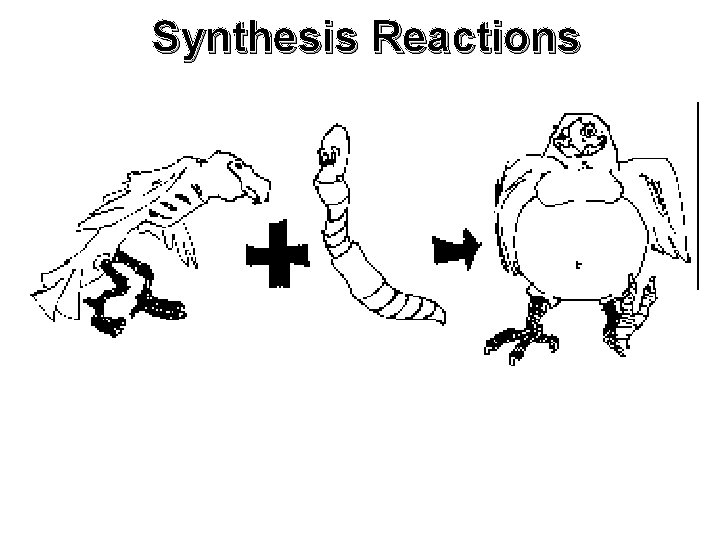
Synthesis Reactions
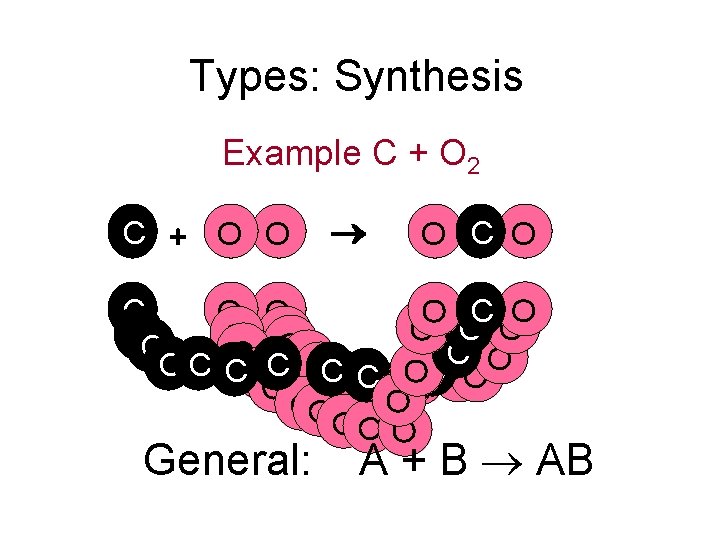
Types: Synthesis Example C + O 2 C + O O O C O CC O O O C C C OC OOC C OCO OO CO O O OO OO OOO General: A + B AB
Synthesis Reactions OTHER EXAMPLES… 1. Elements that form ionic compounds: Magnesium metal reacts with oxygen gas to form magnesium oxide. • 2 Mg + O 2 2 Mg. O 2. Elements that form covalent compounds: Nitrogen gas and oxygen gas join to form nitrogen monoxide. • 2 N 2 + O 2 2 N 2 O SYNTHESIS REACTION (iron + sulphur): http: //www. youtube. com/watch? v=A 5 H 6 DVe 5 FAI
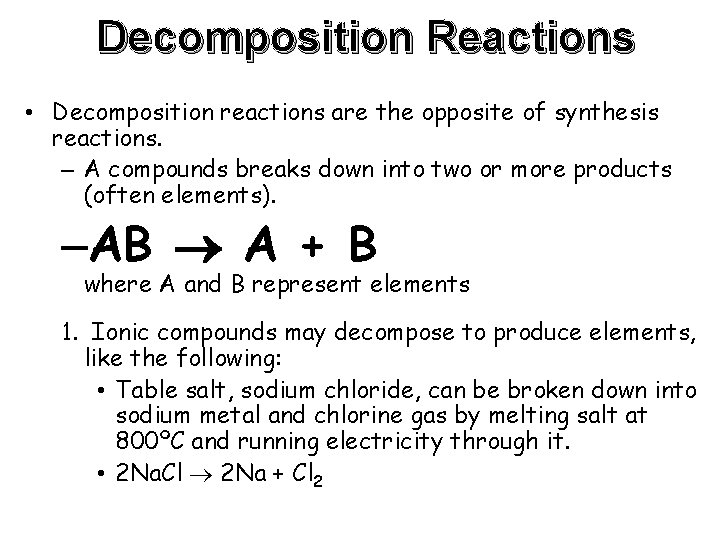
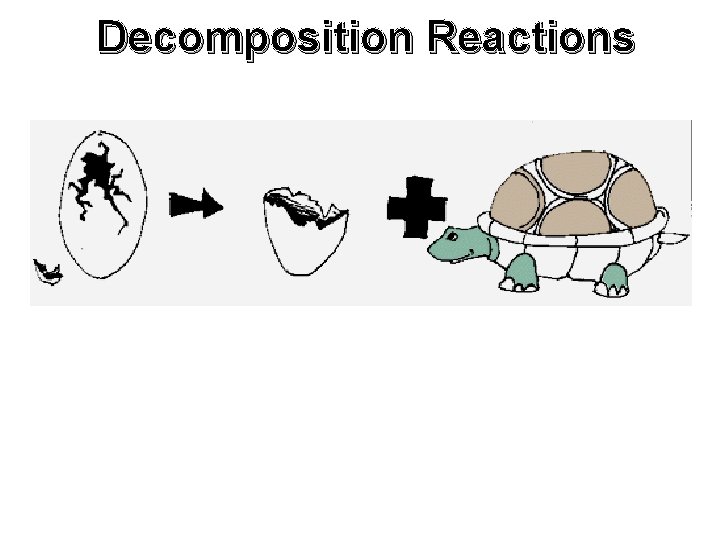
Decomposition Reactions • Decomposition reactions are the opposite of synthesis reactions. – A compounds breaks down into two or more products (often elements). –AB A + B where A and B represent elements 1. Ionic compounds may decompose to produce elements, like the following: • Table salt, sodium chloride, can be broken down into sodium metal and chlorine gas by melting salt at 800ºC and running electricity through it. • 2 Na. Cl 2 Na + Cl 2
Decomposition Reactions
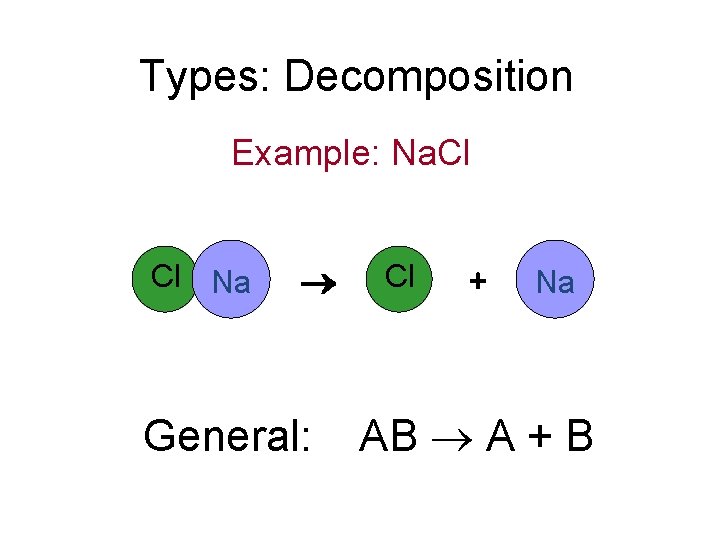
Types: Decomposition Example: Na. Cl Cl Na General: Cl + Na AB A + B
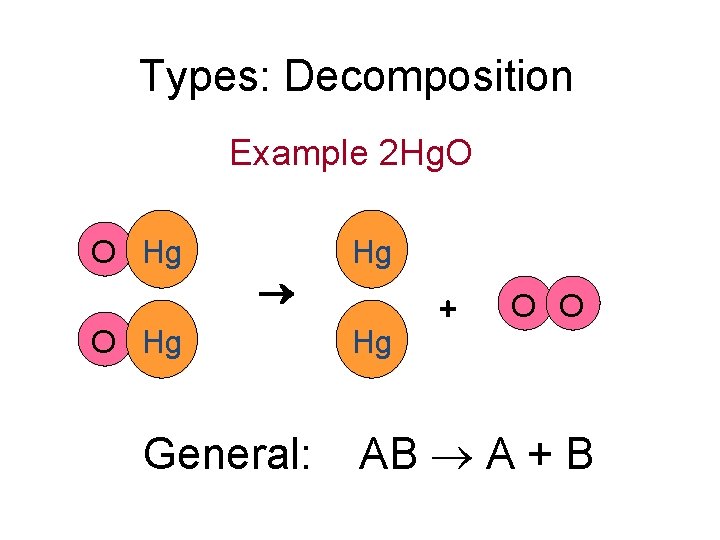
Types: Decomposition Example 2 Hg. O O Hg General: Hg Hg + O O AB A + B
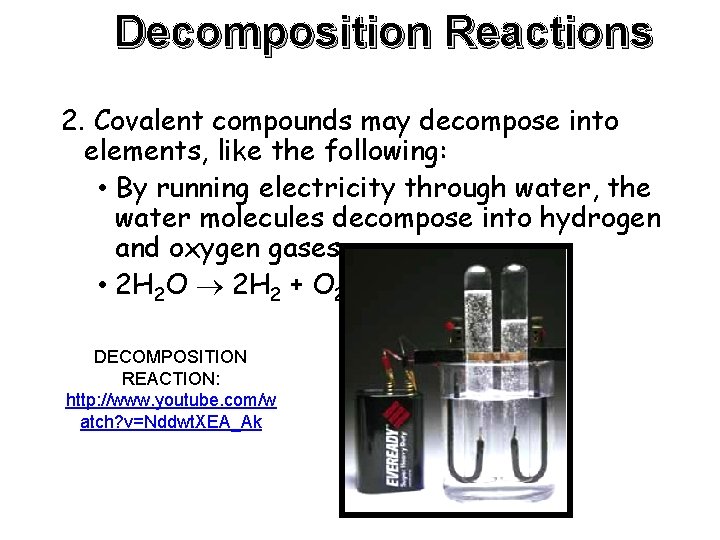
Decomposition Reactions 2. Covalent compounds may decompose into elements, like the following: • By running electricity through water, the water molecules decompose into hydrogen and oxygen gases. • 2 H 2 O 2 H 2 + O 2 DECOMPOSITION REACTION: http: //www. youtube. com/w atch? v=Nddwt. XEA_Ak
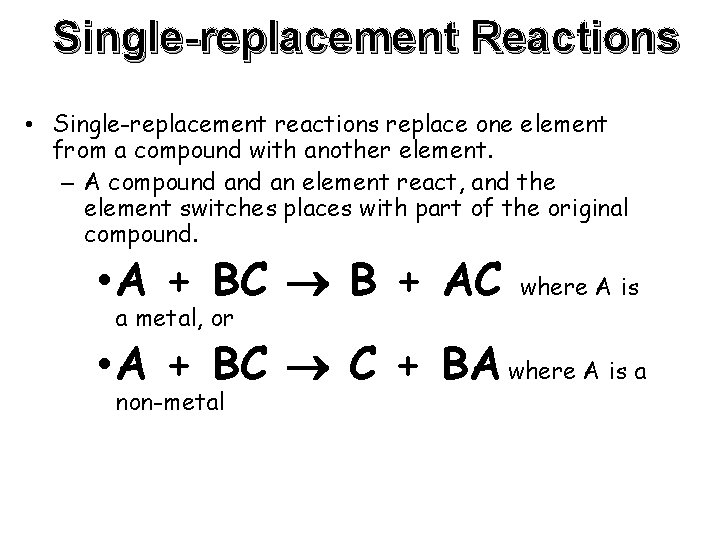
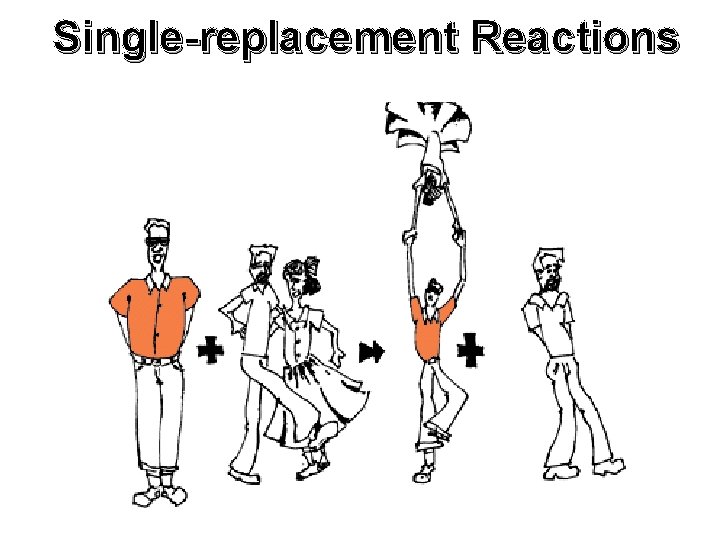
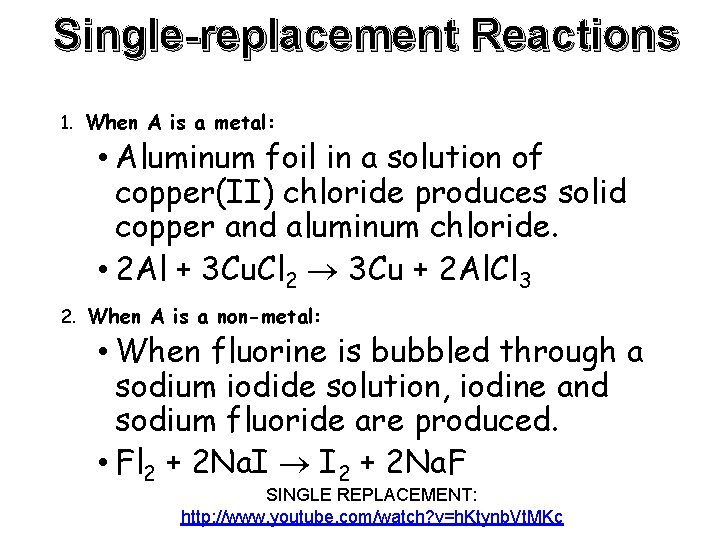
Single-replacement Reactions • Single-replacement reactions replace one element from a compound with another element. – A compound an element react, and the element switches places with part of the original compound. • A + BC B + AC a metal, or where A is • A + BC C + BA where A is a non-metal
Single-replacement Reactions
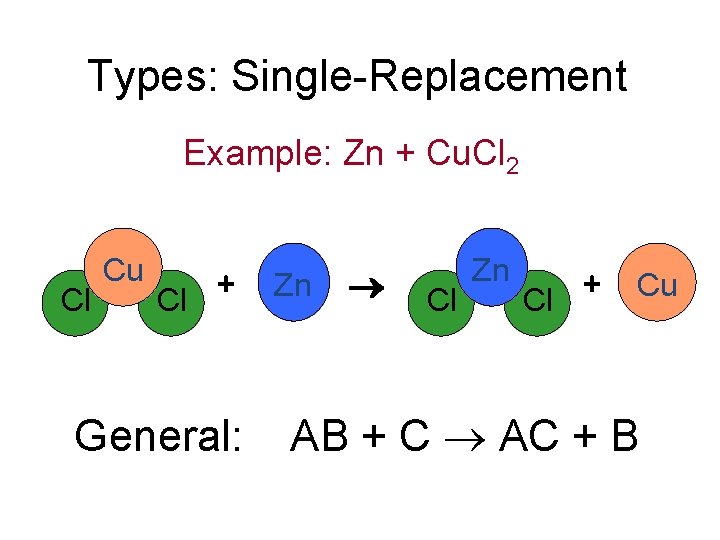
Types: Single-Replacement Example: Zn + Cu. Cl 2 Cl Cu + Cl General: Zn Cl Zn + Cu Cl AB + C AC + B
Single-replacement Reactions 1. When A is a metal: • Aluminum foil in a solution of copper(II) chloride produces solid copper and aluminum chloride. • 2 Al + 3 Cu. Cl 2 3 Cu + 2 Al. Cl 3 2. When A is a non-metal: • When fluorine is bubbled through a sodium iodide solution, iodine and sodium fluoride are produced. • Fl 2 + 2 Na. I I 2 + 2 Na. F SINGLE REPLACEMENT: http: //www. youtube. com/watch? v=h. Ktynb. Vt. MKc
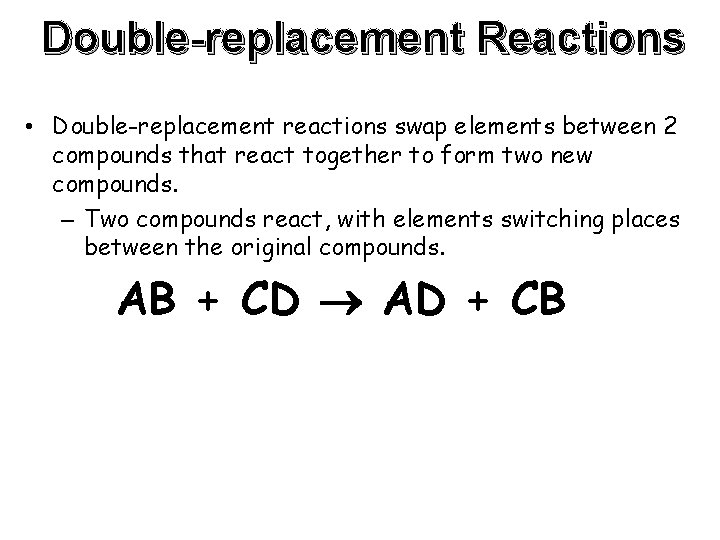
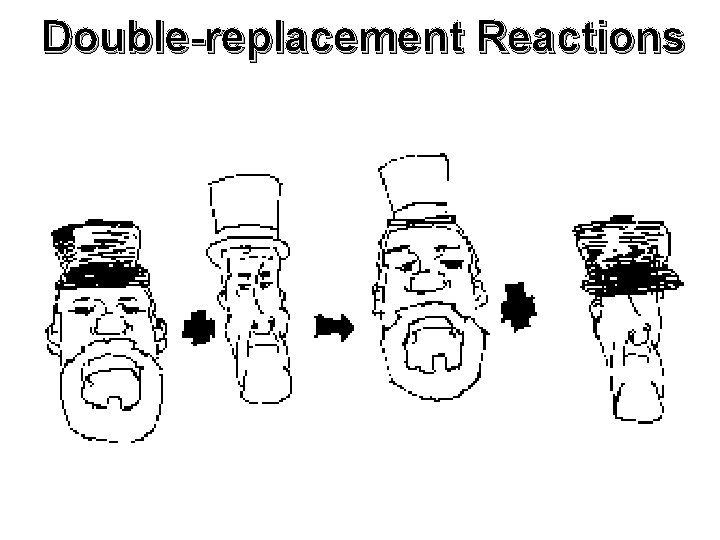
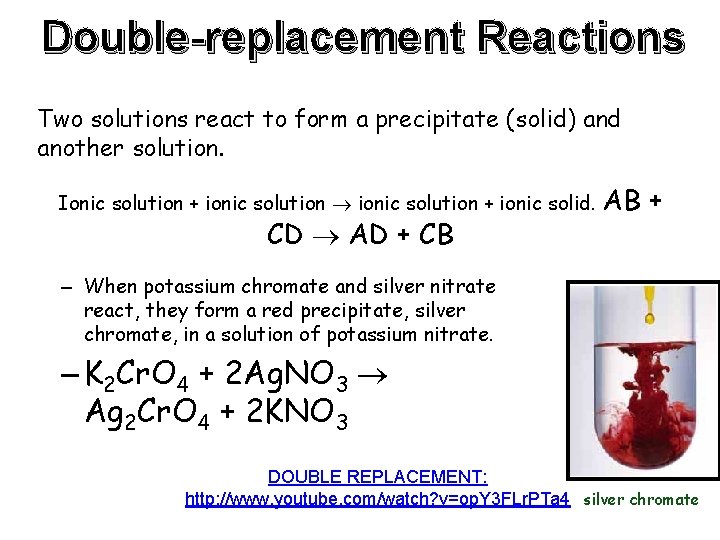
Double-replacement Reactions • Double-replacement reactions swap elements between 2 compounds that react together to form two new compounds. – Two compounds react, with elements switching places between the original compounds. AB + CD AD + CB
Double-replacement Reactions
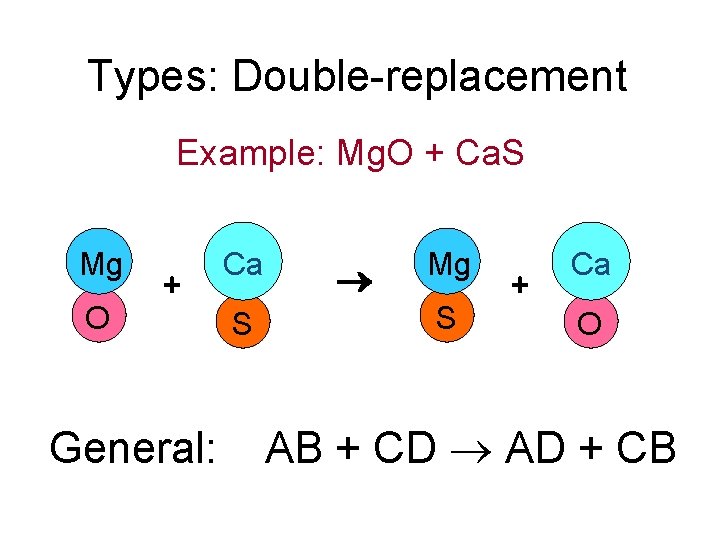
Types: Double-replacement Example: Mg. O + Ca. S Mg O + General: Ca S Mg S + Ca O AB + CD AD + CB
Double-replacement Reactions Two solutions react to form a precipitate (solid) and another solution. Ionic solution + ionic solid. CD AD + CB AB + – When potassium chromate and silver nitrate react, they form a red precipitate, silver chromate, in a solution of potassium nitrate. – K 2 Cr. O 4 + 2 Ag. NO 3 Ag 2 Cr. O 4 + 2 KNO 3 DOUBLE REPLACEMENT: http: //www. youtube. com/watch? v=op. Y 3 FLr. PTa 4 silver chromate
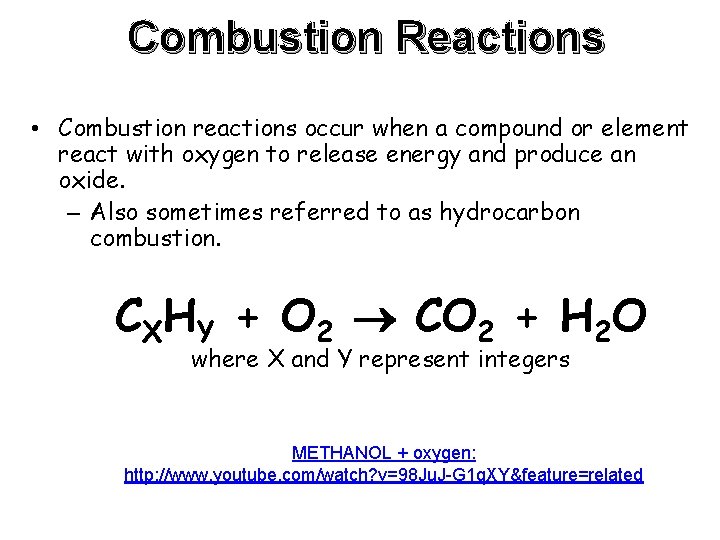
Combustion Reactions • Combustion reactions occur when a compound or element react with oxygen to release energy and produce an oxide. – Also sometimes referred to as hydrocarbon combustion. CXHY + O 2 CO 2 + H 2 O where X and Y represent integers METHANOL + oxygen: http: //www. youtube. com/watch? v=98 Ju. J-G 1 q. XY&feature=related
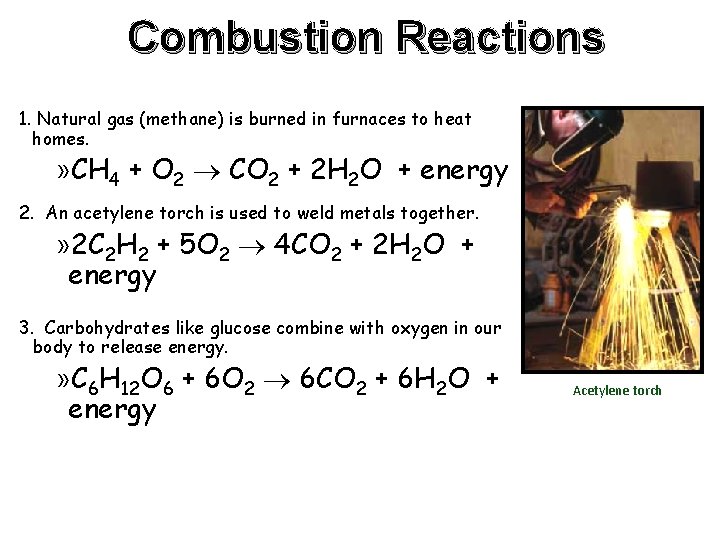
Combustion Reactions 1. Natural gas (methane) is burned in furnaces to heat homes. » CH 4 + O 2 CO 2 + 2 H 2 O + energy 2. An acetylene torch is used to weld metals together. » 2 C 2 H 2 + 5 O 2 4 CO 2 + 2 H 2 O + energy 3. Carbohydrates like glucose combine with oxygen in our body to release energy. » C 6 H 12 O 6 + 6 O 2 6 CO 2 + 6 H 2 O + energy Acetylene torch
SUMMARY OF REACTIONS