
6 WEEKS TEST REVIEW Vocabulary Unit 1 Literary
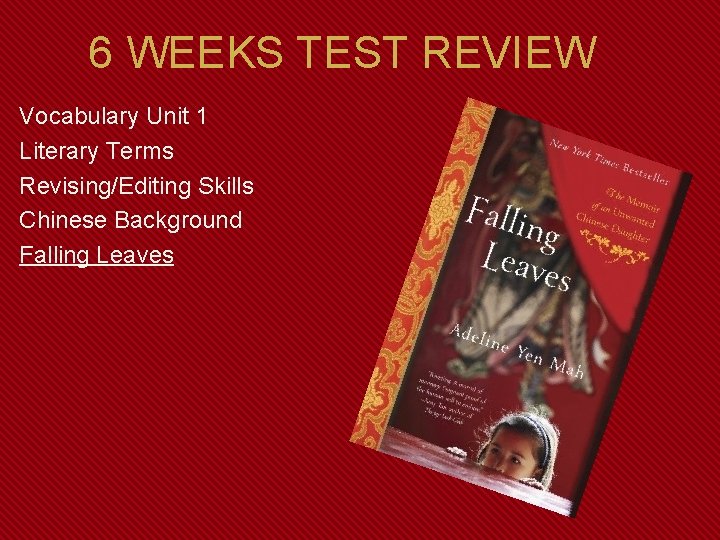
6 WEEKS TEST REVIEW Vocabulary Unit 1 Literary Terms Revising/Editing Skills Chinese Background Falling Leaves
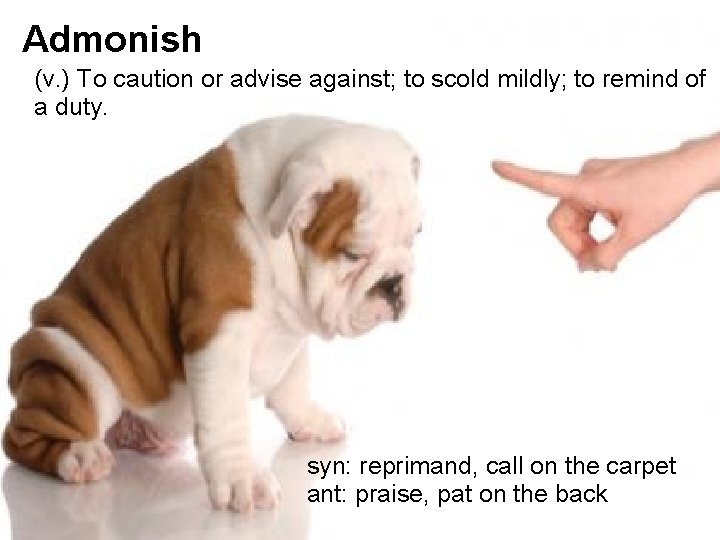
Admonish (v. ) To caution or advise against; to scold mildly; to remind of a duty. syn: reprimand, call on the carpet ant: praise, pat on the back

Breach (n. ) An opening, gap, rupture, rift; a violation or infraction. (v. ) To create an opening, break through ant: close, seal
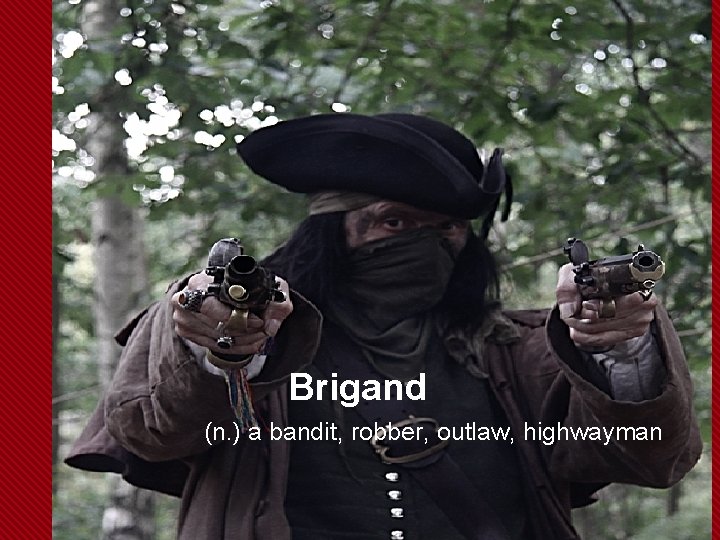
Brigand (n. ) a bandit, robber, outlaw, highwayman
Circumspect (adj. ) Careful, cautious Syn: wary, prudent, guarded Ant: incautious, rash, reckless, heedless
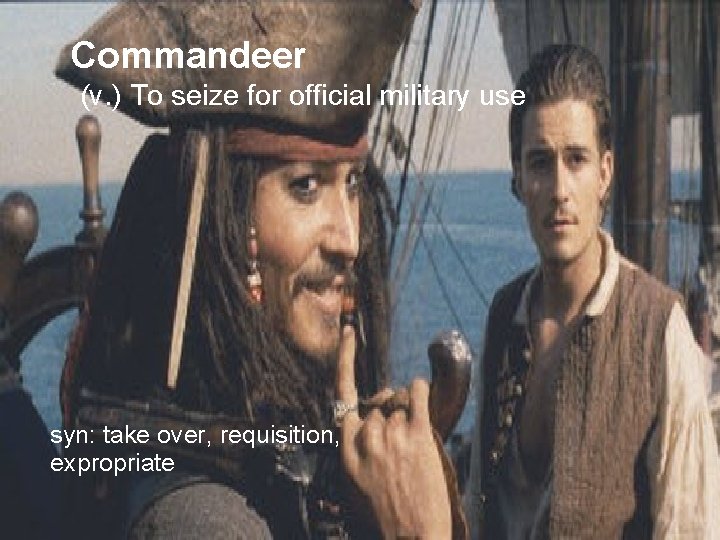
Commandeer (v. ) To seize for official military use syn: take over, requisition, expropriate
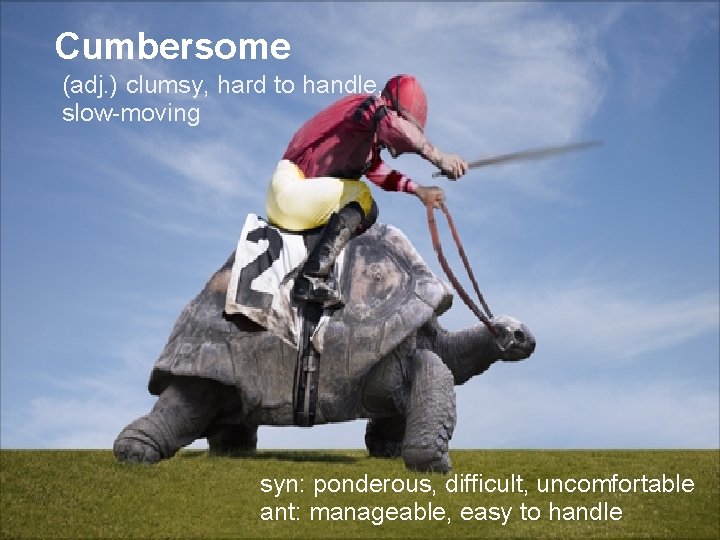
Cumbersome (adj. ) clumsy, hard to handle, slow-moving syn: ponderous, difficult, uncomfortable ant: manageable, easy to handle

Deadlock (n. ) a standstill resulting from the opposition of two equal forces or faction (v. ) to bring such to a standstill Syn: (n. ) standoff, impasse Ant: (n. ) agreement, accord, breakthrou
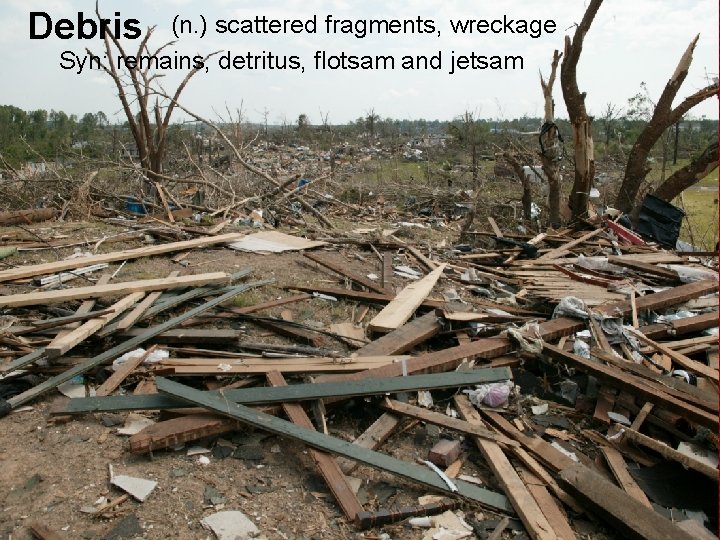
Debris (n. ) scattered fragments, wreckage Syn: remains, detritus, flotsam and jetsam
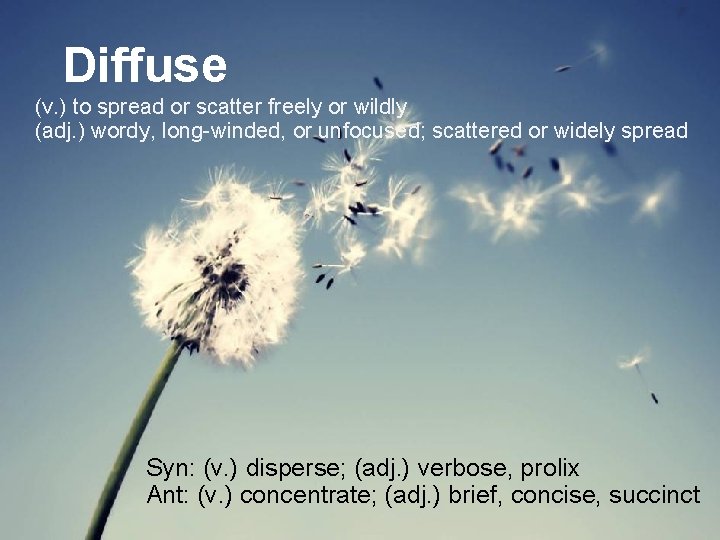
Diffuse (v. ) to spread or scatter freely or wildly (adj. ) wordy, long-winded, or unfocused; scattered or widely spread Syn: (v. ) disperse; (adj. ) verbose, prolix Ant: (v. ) concentrate; (adj. ) brief, concise, succinct
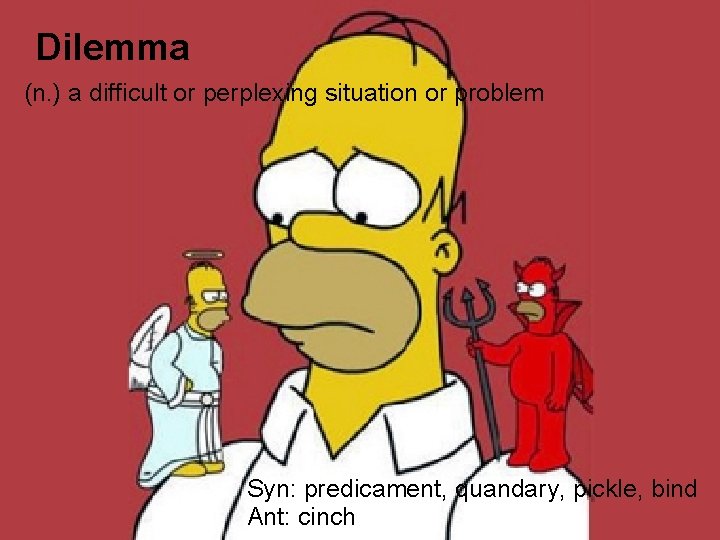
Dilemma (n. ) a difficult or perplexing situation or problem Syn: predicament, quandary, pickle, bind Ant: cinch
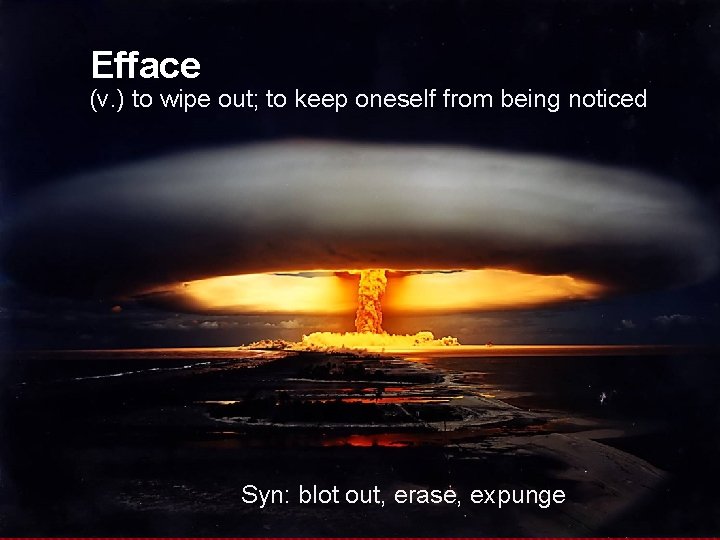
Efface (v. ) to wipe out; to keep oneself from being noticed Syn: blot out, erase, expunge
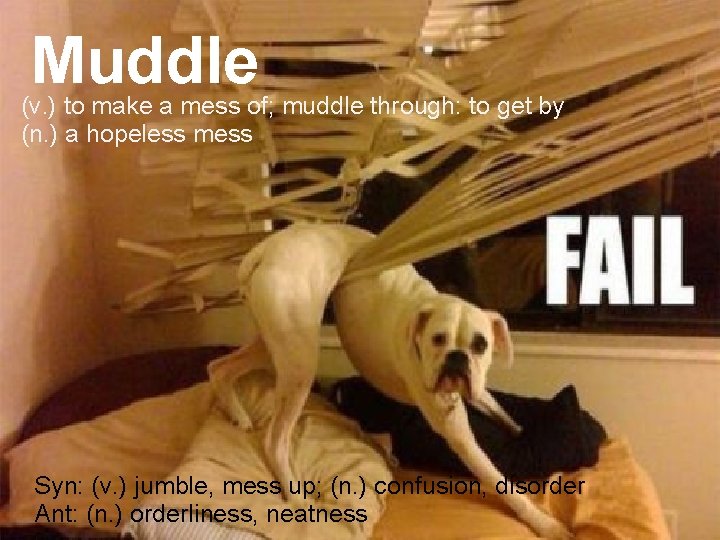
Muddle (v. ) to make a mess of; muddle through: to get by (n. ) a hopeless mess Syn: (v. ) jumble, mess up; (n. ) confusion, disorder Ant: (n. ) orderliness, neatness
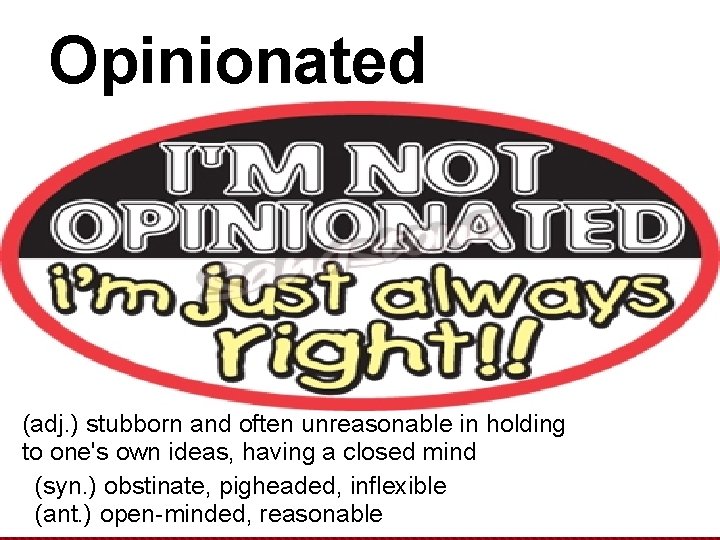
Opinionated (adj. ) stubborn and often unreasonable in holding to one's own ideas, having a closed mind (syn. ) obstinate, pigheaded, inflexible (ant. ) open-minded, reasonable
Predisposed (v. ) to incline to beforehand (syn. ) tending to, liable to (ant. ) immunize against, shield from
Relinquish (v. ) to let go, give up (syn. ) surrender (ant. ) hold on to, keep, cling to
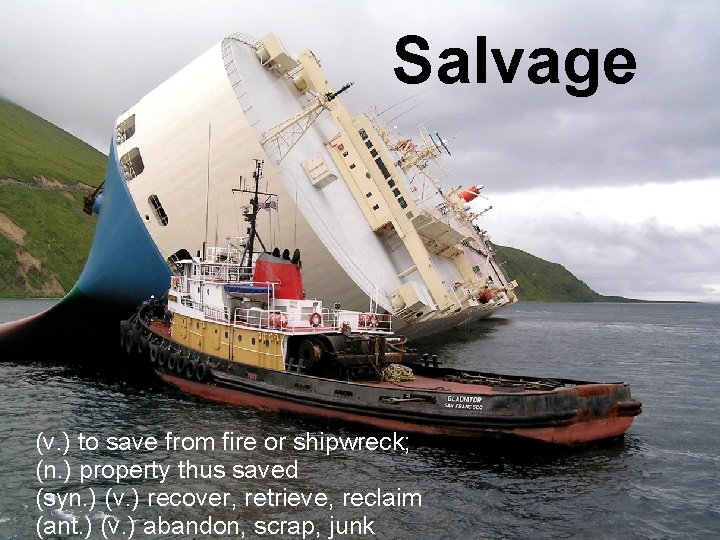
Salvage (v. ) to save from fire or shipwreck; (n. ) property thus saved (syn. ) (v. ) recover, retrieve, reclaim (ant. ) (v. ) abandon, scrap, junk
Spasmodic (adj. ) sudden and violent but brief; fitful; intermittent (syn. ) irregular, occasional (ant. ) steady, continuous, chronic
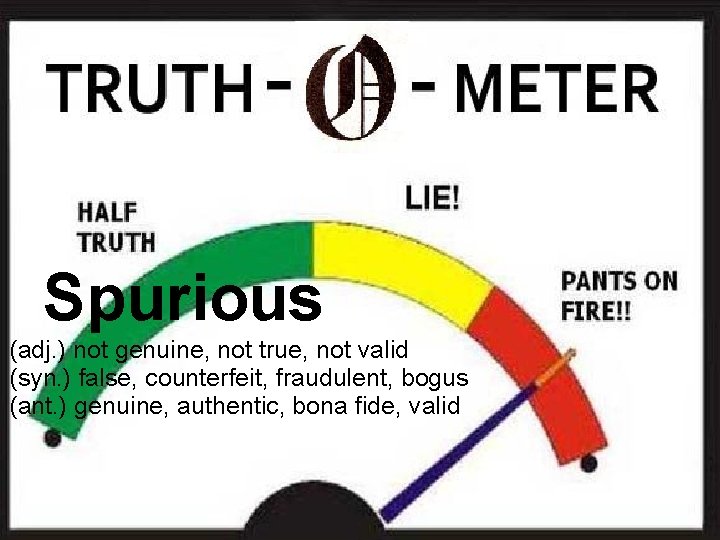
Spurious (adj. ) not genuine, not true, not valid (syn. ) false, counterfeit, fraudulent, bogus (ant. ) genuine, authentic, bona fide, valid
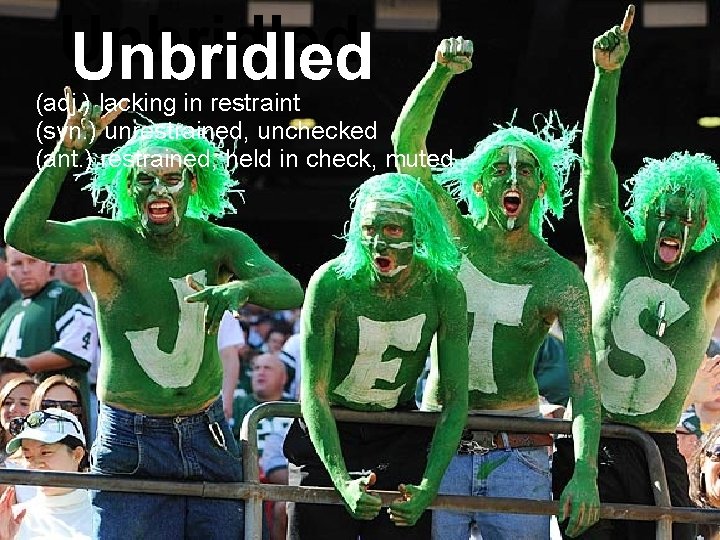
Unbridled (adj. ) lacking in restraint (syn. ) unrestrained, unchecked (ant. ) restrained, held in check, muted
LITERARY TERMS • Simile - Comparison between two unlike things using “like” or “as”. • Metaphor - Indirect comparison between two unlike things. • Personification - Giving human characteristics to a non-living object/thing. • Hyperbole - An extreme exaggeration. • Alliteration - Repetition of similar consonant sounds. • Allusion - An indirect reference to some other person, place, thing or idea of historical, cultural, literary or political significance. • Symbol – something that represents something greater than itself
Test Yourself … • Write 3 original sentences using 6 different vocabulary words from UNIT 1 • Identify the literary device used in each example: – The willow tree whispered in the wind. – The Wildcat defense is a mighty fortress. – She slept serenely as she was surrounded by soothing sounds.
Chinese Culture Background • • • Marriage Customs Foot Binding Age/Gender Roles Family Roles Chinese Revolution – Red Guard
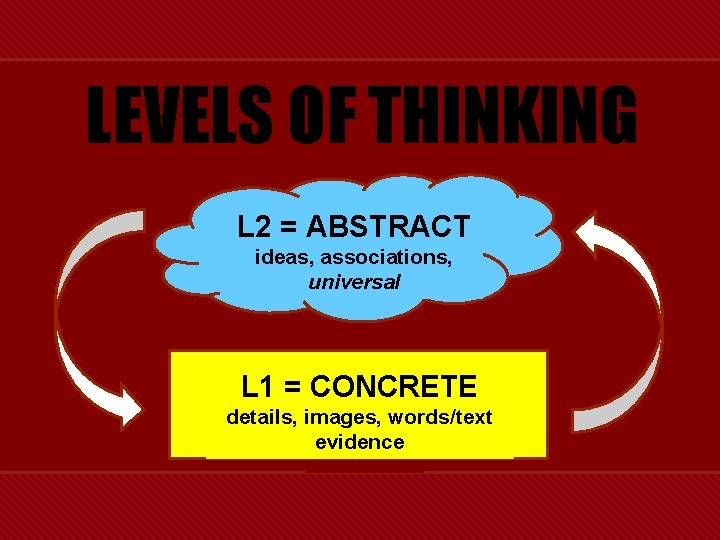
LEVELS OF THINKING L 2 = ABSTRACT ideas, associations, universal L 1 = CONCRETE details, images, words/text evidence
- Slides: 24