
6 METERS THE MAGIC BAND TwoWay radio communication
6 METERS – “THE MAGIC BAND” Two-Way radio communication on 50 MHZ.
6 METERS PLAYS WELL WITH SEVERAL FORMS OF PROPAGATION 6 meters is a very unique amateur band. Just about every mode of propagation known to exist can be found here.
Some 6 Meter History
In 1924, the 5 -meter band (56– 64 MHz) was first made available to amateurs in the United States
1927, the band was allocated on a worldwide basis by the International Radiotelegraph Conference 56– 60 MHz was allocated
There were several changes made as far as power restrictions and operating times with early television stations occupying this same band space.
Hams were given 44 to 48 MHz for amateur use.
THE ARRL GETS INVOLVED! 1947 ARRL lobbies to the FCC for a change in the band plan.
ARRL LOBBYISTS PRESSED HARD FOR THE PERFECT SPOT The ARRL stepped in and convinced the FCC there were several “Unique Propagation Properties” and requested they assign the 6 meter band to 50 -54 mhz.

Hams Win!!!
Let The Operating Begin!
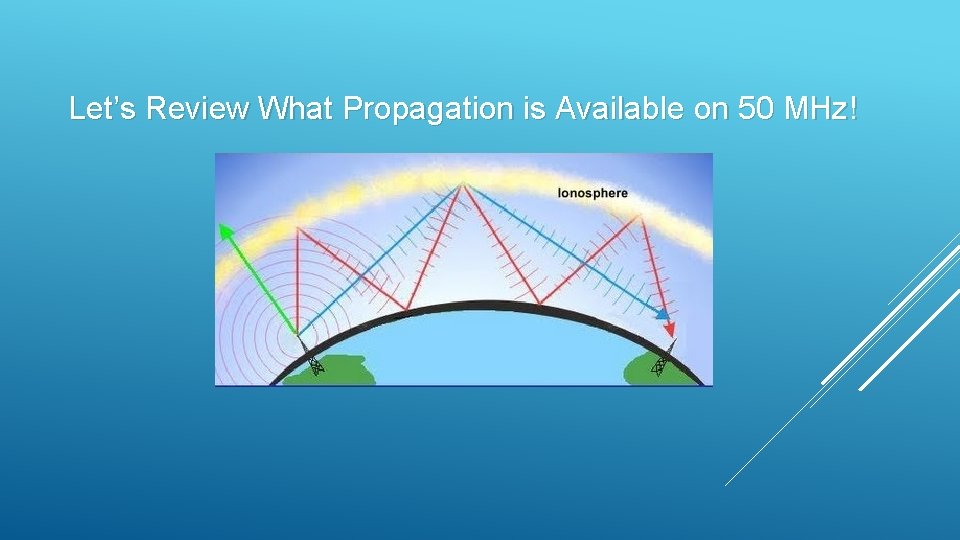
Let’s Review What Propagation is Available on 50 MHz!
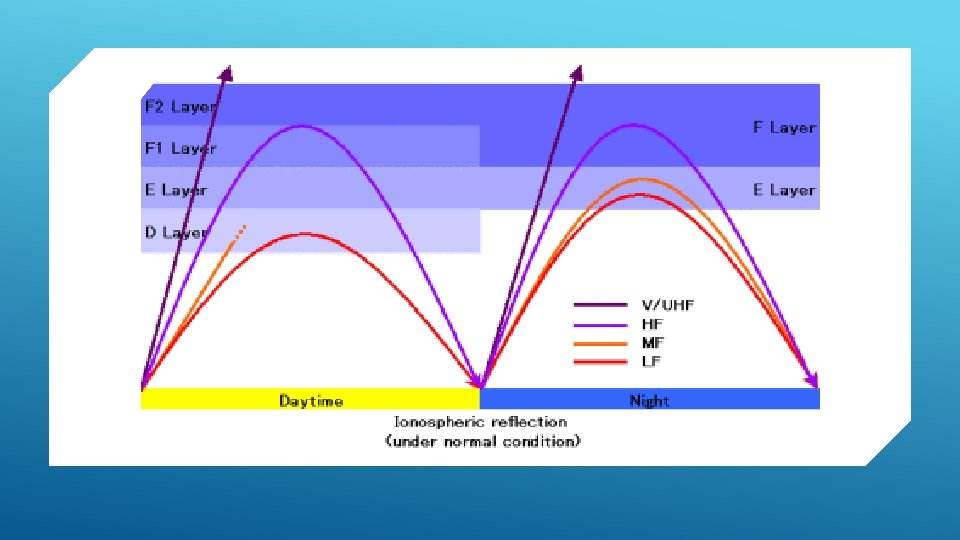
F-LAYER PROPAGATION About every 11 years the sun spot cycle explodes. These solar storms produce sufficient amounts of radiation to activate the F-layer - producing a very radio reflective surface. A sun spot number of @ 115 is needed for the M. U. F. (maximum useable frequency) to reach 50 mhz. When this happens, 6 meter signals can be propagated to distances well past 10, 000 miles!!!! The height of the F 2 layer reflects single hop distances @ 2, 500 miles.
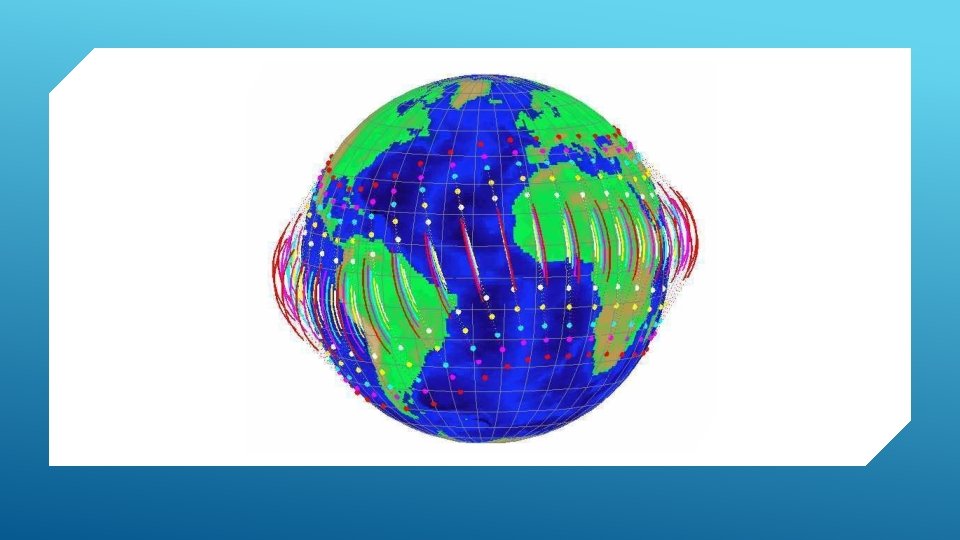
TRANSEQUATORIAL PROPAGATION “TEP” A very interesting propagation modes is called Trans-equatorial propagation. TEP is the scattering from ionospheric irregularities at very high altitudes. TEP was discovered by amateurs during the late 1950’s. TEP is frequent between March and September, usually in the late afternoon and early evening. During the solar cycle peak. TEP signals can often exceed 400 mhz.
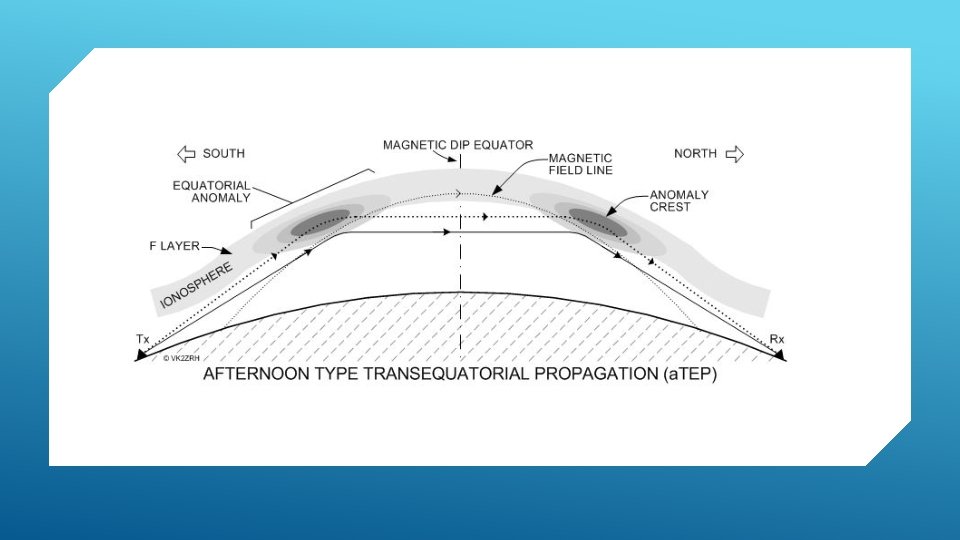
http: //home. iprimus. com. au/toddemslie/a. TEP-Harrison. htm Roger Harrison
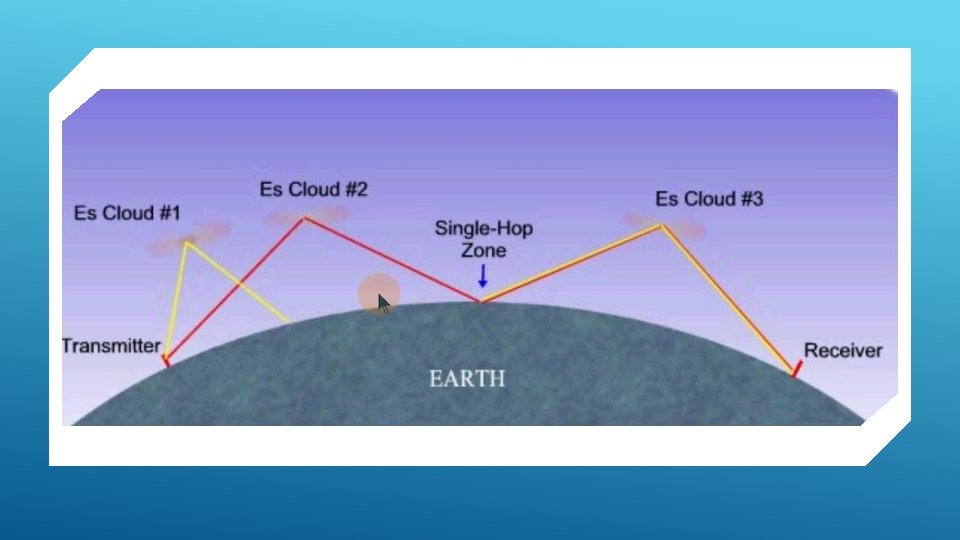
SPORADIC “E” PROPAGATION Sporadic E normally produces peak during the summer months of May through August, and then again with a minor peak in the winter months of November and December. Sporadic E is reflections from dense patches of ionization that form at E-layer heights. The height of the E-Layer reflections produce single hop distances @ 1200 miles. Single / Double / Triple hop Sporadic E has occurred with distances exceeding 5, 000 miles.
SPORADIC “E” STILL SO MUCH TO LEARN Sporadic E is an interesting form of propagation because it is still being studied. Some believe that storms and wind shear might have some major effects. Several Japanese hams believe that there are several types of Sporadic E variations and that summer heating comes into play. It has been called “SSSE” – Summer Season Sporadic E propagation.

Thinking About Trying 6?

NOW IS THE TIME!!!
Spring “E” Season Is Right Around The Corner!!
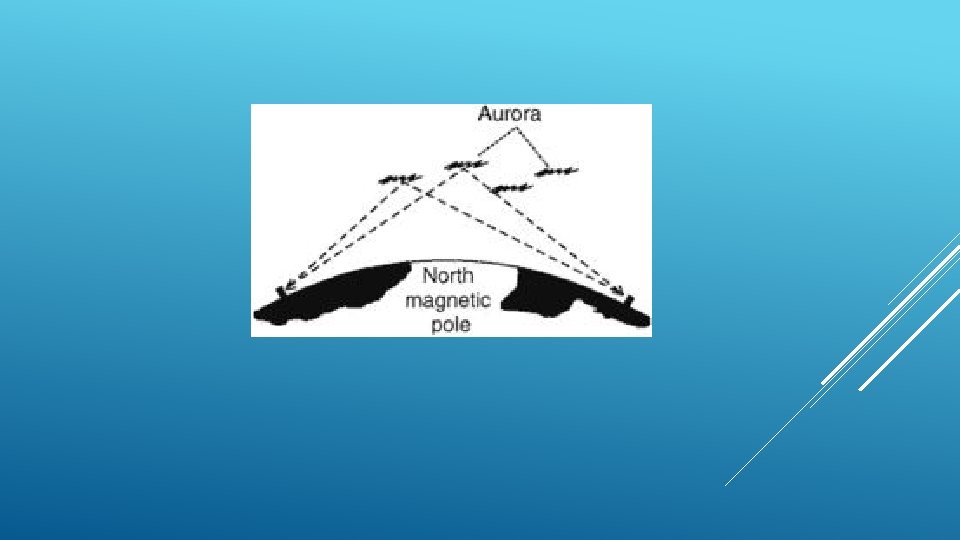
AURORA PROPAGATION To make use of this phenomenon, radio amateurs actually bounce their signals off of the Aurora Borealis, also known as the “Northern Lights. ” SSB signals are raspy. Signals propagating through the Aurora are fluttery. CW signals appear to be modulated by white noise.
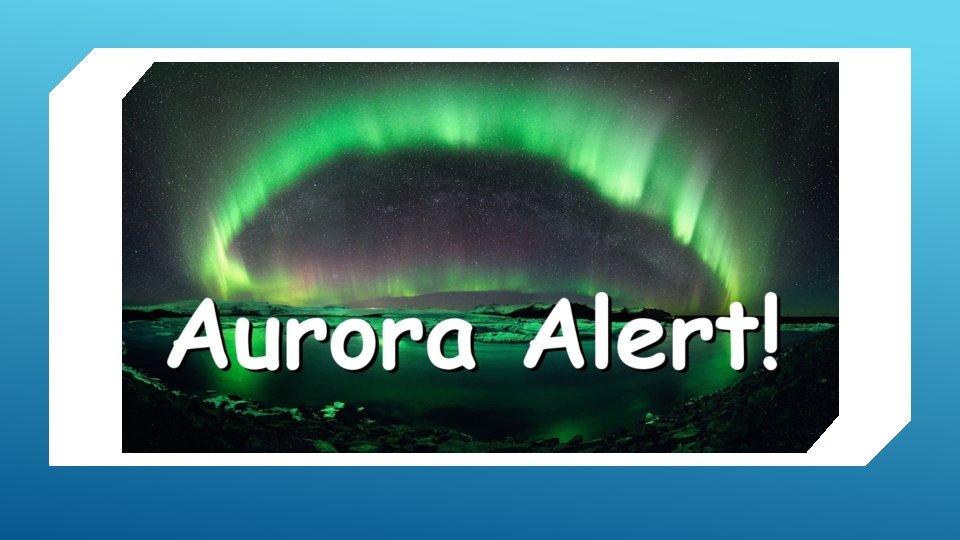

WWW. SPACEWEATHER. COM
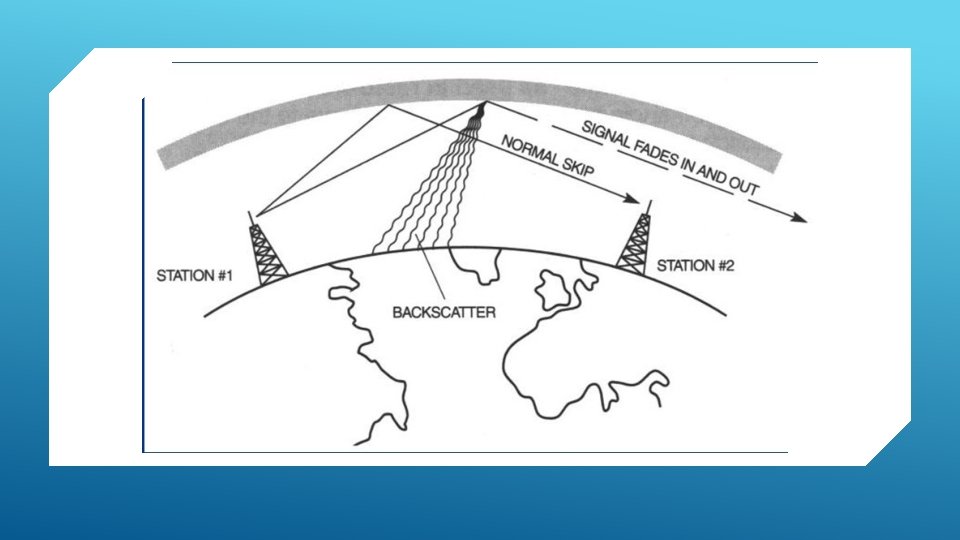
BACK SCATTER PROPAGATION In most cases - nearby stations cannot hear each another due to the skip or silent zone that surrounds them. Back Scatter is most prevalent on 6 and 10 meters. Usually on the HF bands you cannot hear stations in a range of about 125 - 200 miles around your location - BUT you can get better results on the lower bands where the skip distance is shorter. But under "Special Ionospheric Conditions" these two "same" nearby stations might be able to communicate thanks to Back or Side Scatter.
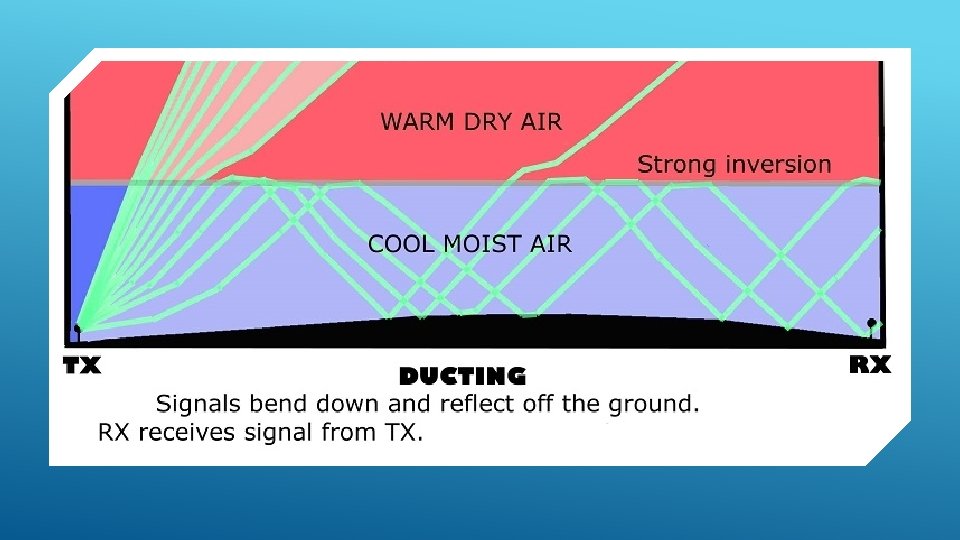
TROPOSPHERIC “TROPO” PROPAGATION Tropospheric Propagation refers to the way radio signals travel through the lowest layer of the Earth's atmosphere, the troposphere, at altitudes up to @ (11 miles). Weather conditions in the lower atmosphere can produce radio propagation over greater ranges than normal. If a temperature inversion occurs, with upper air warmer than lower air, VHF and UHF radio waves can be refracted over the Earth's surface instead of following a straight-line path into space or into the ground. “Tropospheric Ducting" can carry for (500 miles) or more, far beyond usual range.
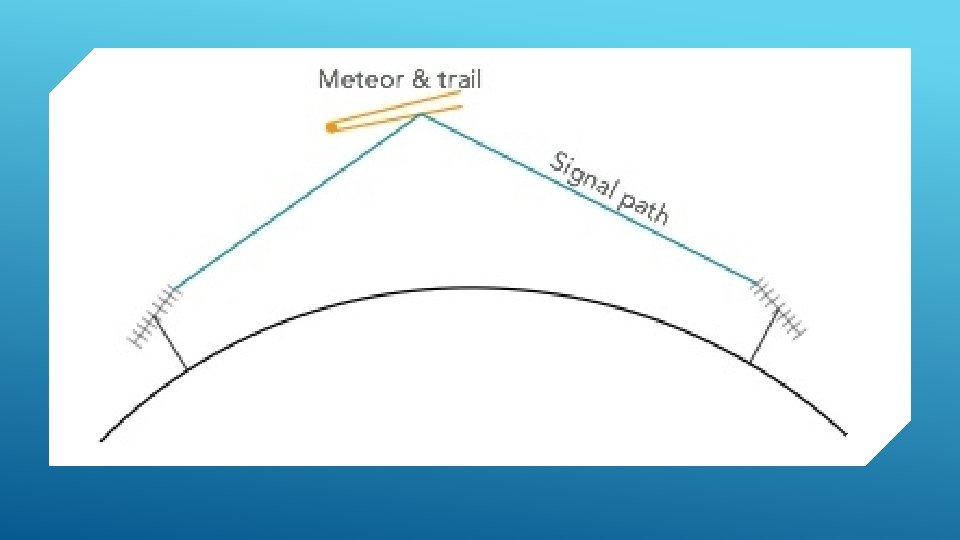
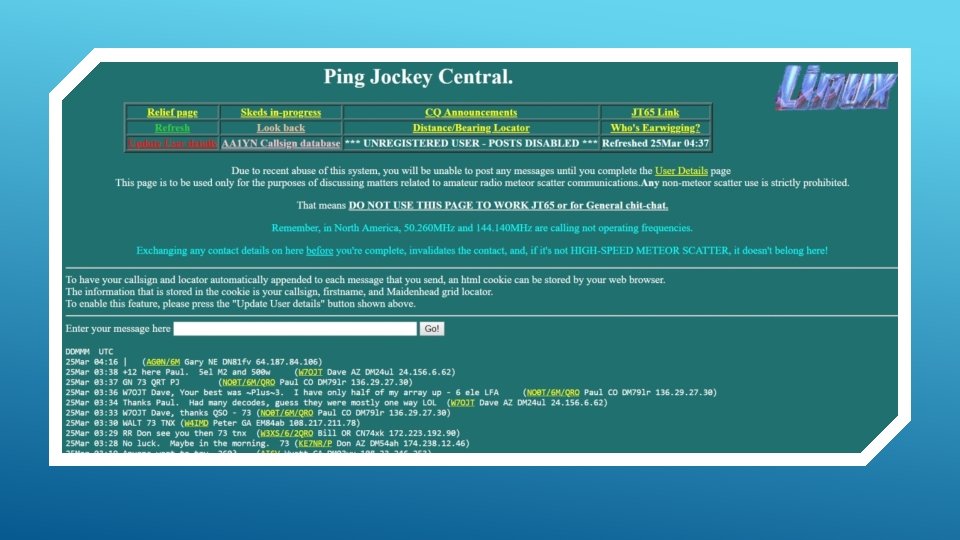
METEOR SCATTER PROPAGATION Meteor Scatter is a propagation mode – more realistically “An Event” that uses the ionized trails of meteors during entry into our atmosphere to establish brief communications paths between stations up to (1, 400 mi) apart. As the earth moves along its orbital path, billions of particles known as meteors enter the earth's atmosphere every day a small fraction of which have properties useful for point to point communication. When these meteors begin to burn up, they create a trail of ionized particles in the E layer of the atmosphere that can persist for up to several seconds. The ionization trails can be very dense and thus used to reflect radio waves. The frequencies that can be reflected by any particular ion trail are determined by the intensity of the ionization created by the meteor, often a function of the initial size of the particle, and generally size up to be perfect for 6 Meters.
AIRCRAFT SCATTER PROPAGATION Airplane scattering is observed on 6 meters as well as 2 meters. This yields momentary “Artifial” propagation up to 400 miles even in mountainous terrain. Aircraft Scatter is usually in play when you are hearing “Picket Fencing” on signals.
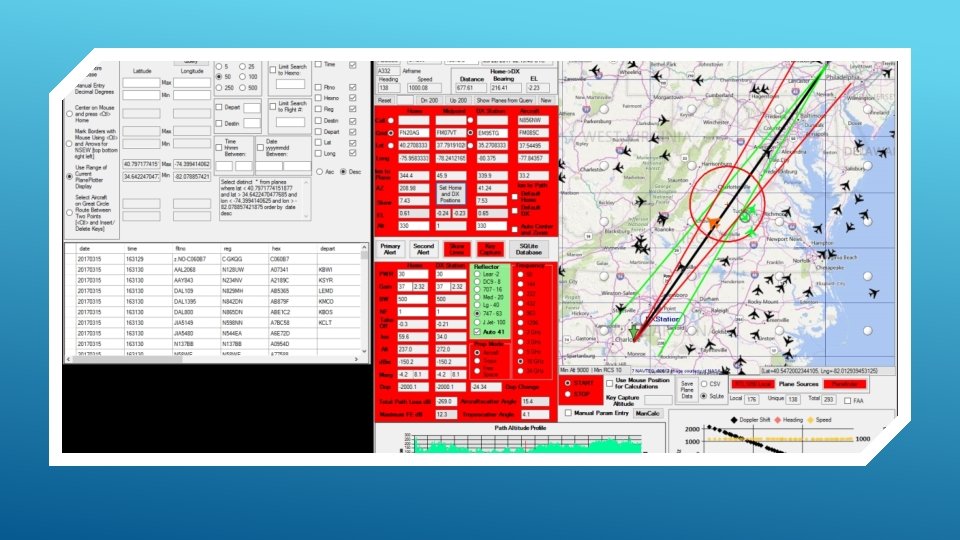
http: //www. nitehawk. com/w 3 sz/Aircraft. Scatter. htm W 3 SZ
Now to confuse us all! These propagation types can intermix with each other. Giving us several different “ENHANCEMENTS”
OK We Are At The Bottom Of The Current Solar Cycle
“THEY” Say The Bands Are Dead!!

WHOEVER “THEY” ARE…
IF THIS IS THE “BOTTOM” OF THE SOLAR CYCLE…

th AUGUST 9 2018 THURSDAY

6 METERS
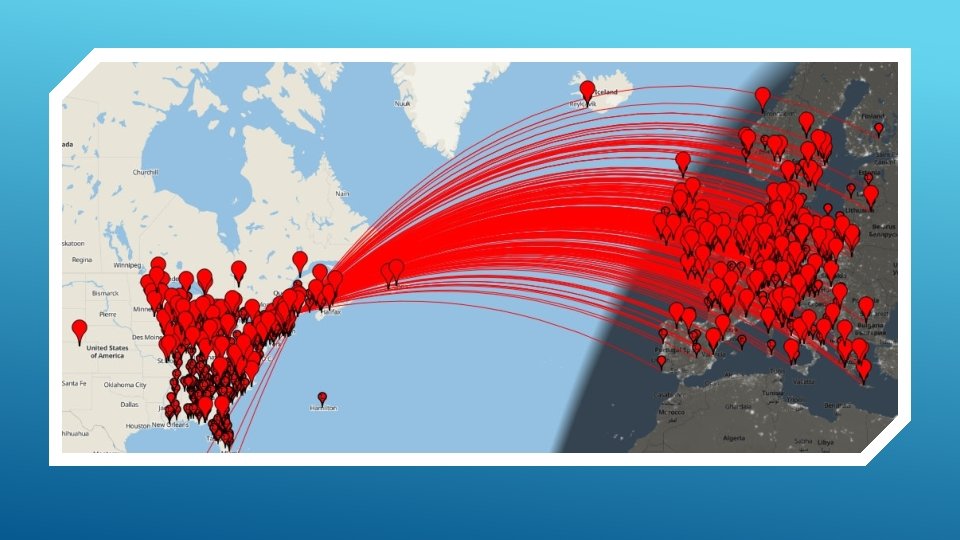
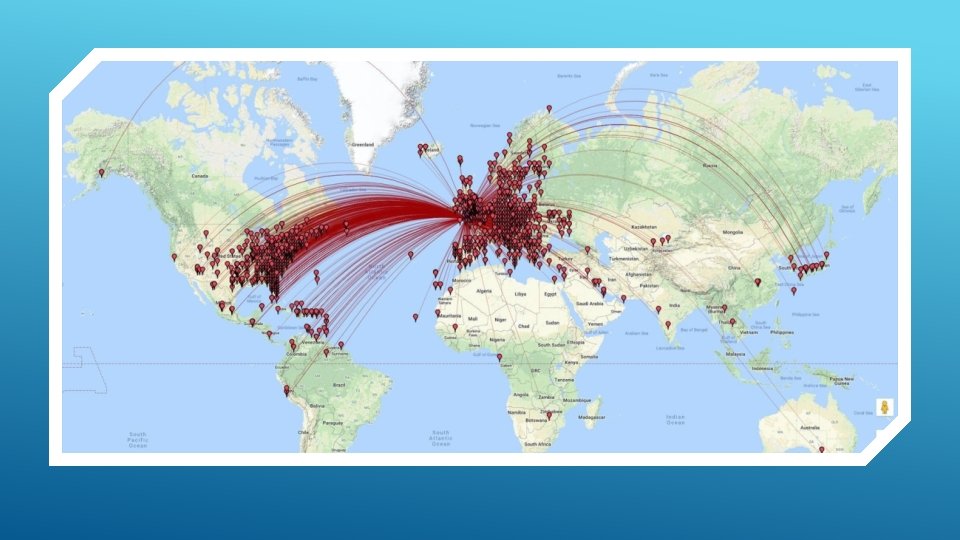
Imagine the PEAK of the Cycle


6 Meters is Open For Business!

An EXCELLENT informational Website about 6 meters!

www. k 1 six. com

Let’s Get On 6 !!!
WHAT DO I NEED TO GET ON 6 METERS Most of today’s HF Radios have 6 meters.
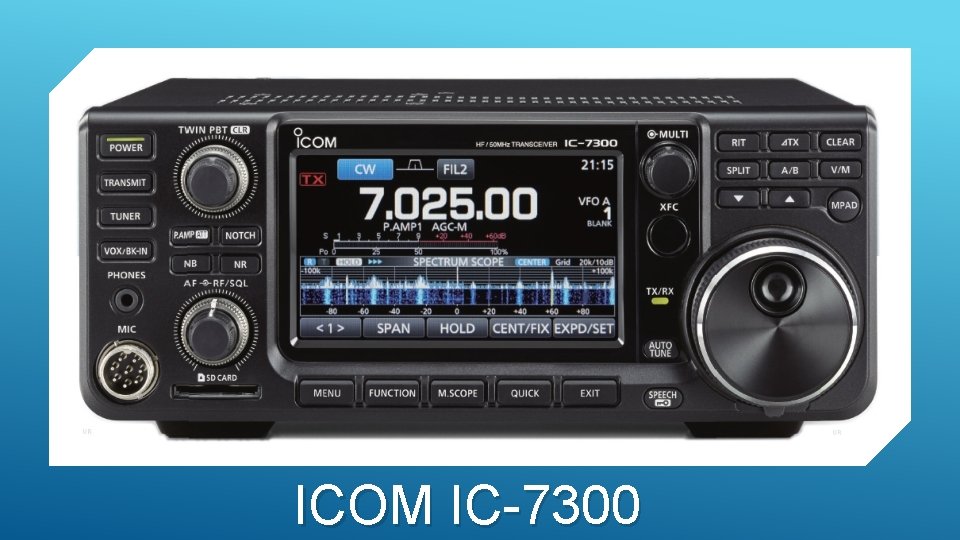
ICOM IC-7300
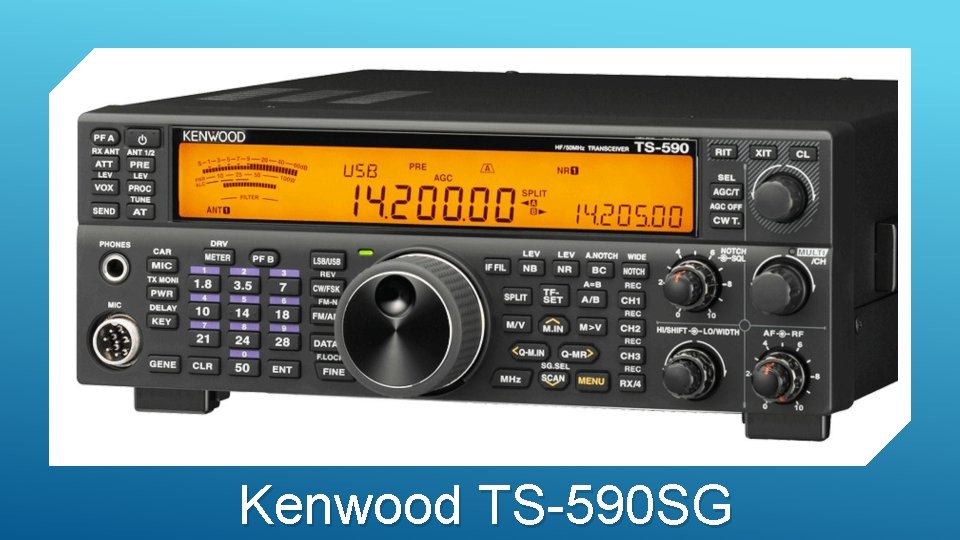
Kenwood TS-590 SG
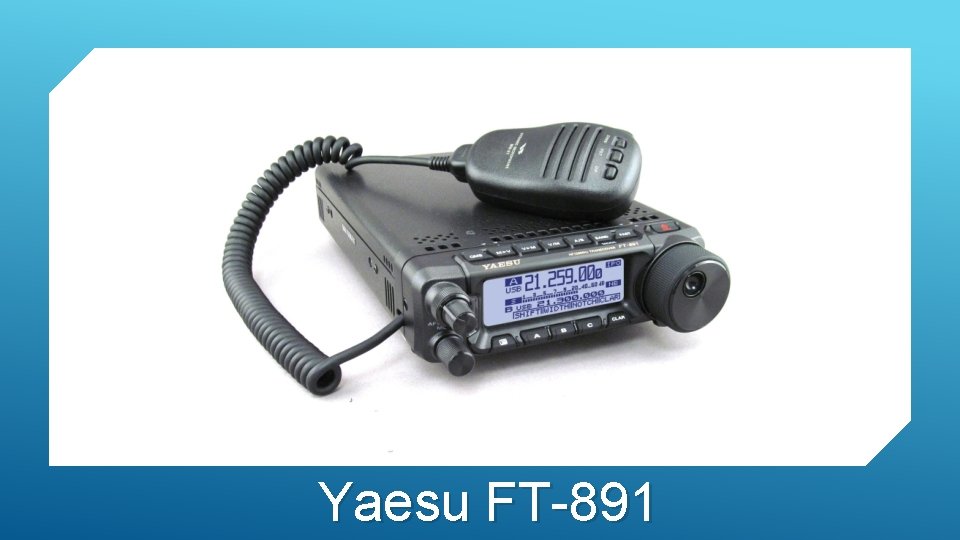
Yaesu FT-891
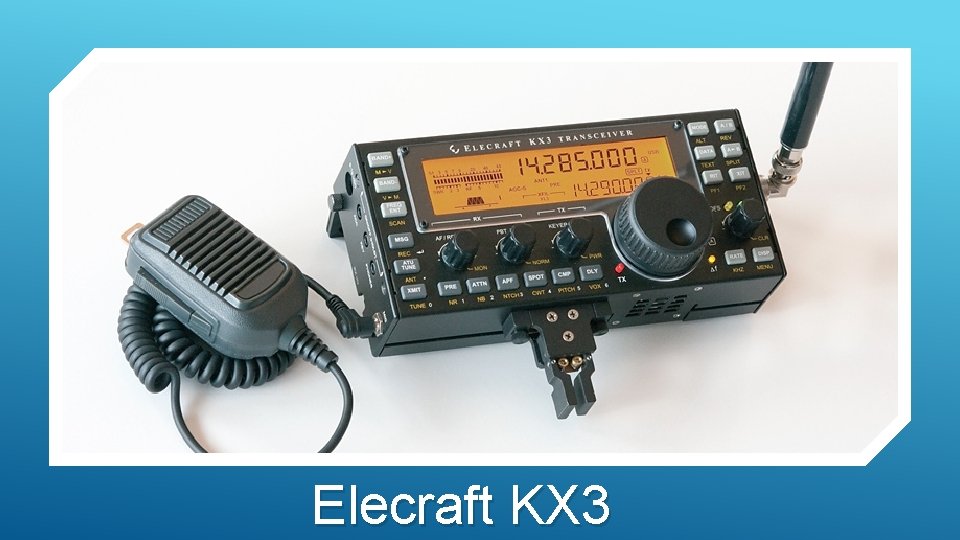
Elecraft KX 3
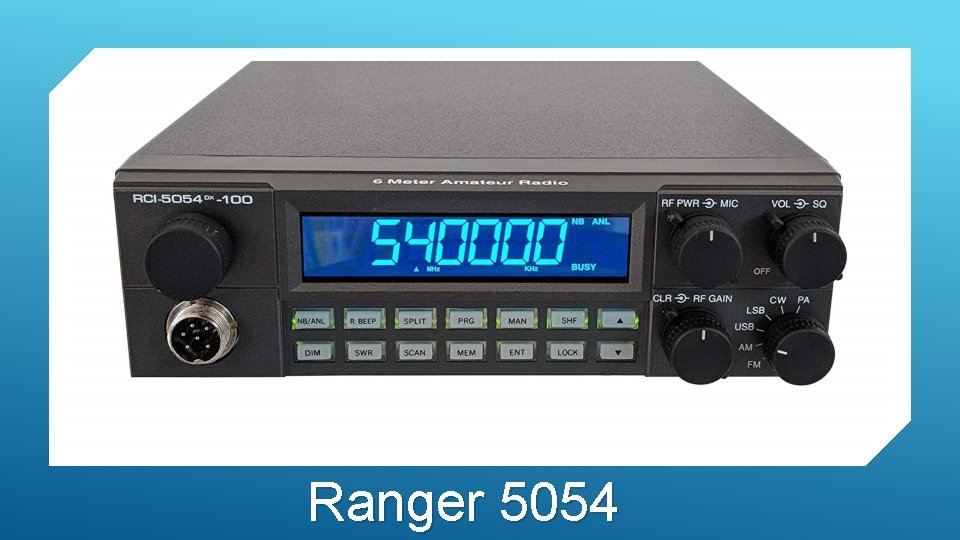
Ranger 5054
SOME GREAT OLDER RADIOS There a lot of great older transceivers out there that will work for 6 as well!!!
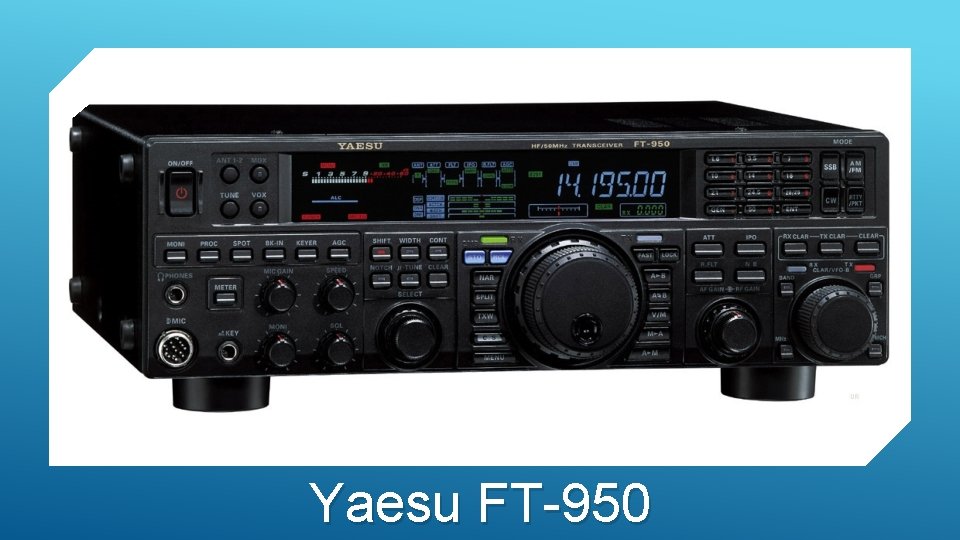
Yaesu FT-950
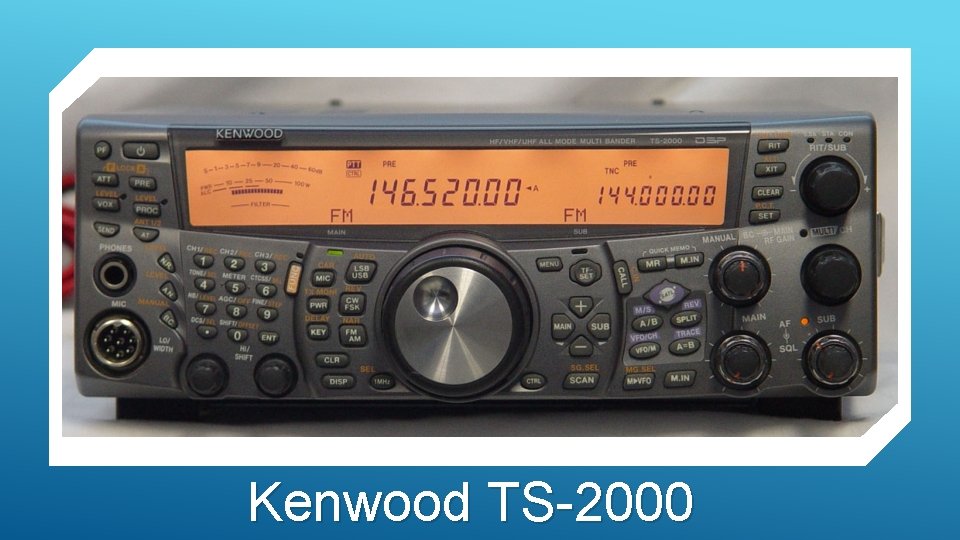
Kenwood TS-2000
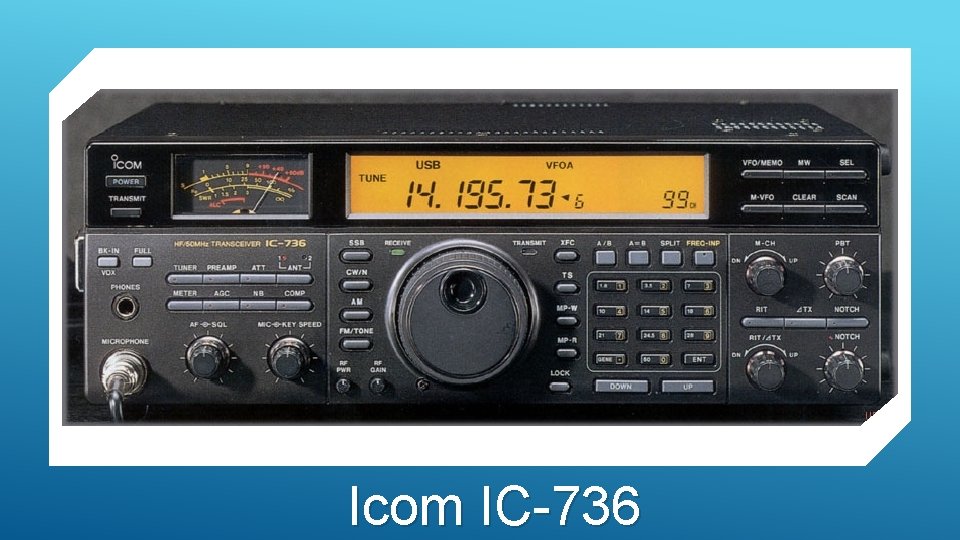
Icom IC-736
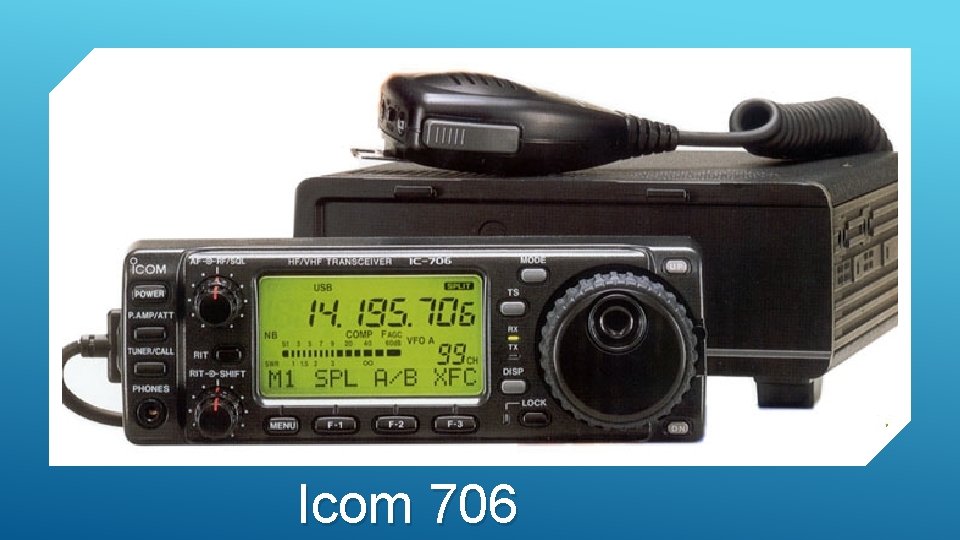
Icom 706
SOME GREAT CLASSIC RADIOS There a lot of great classic transceivers out there that will work for 6 as well!!!
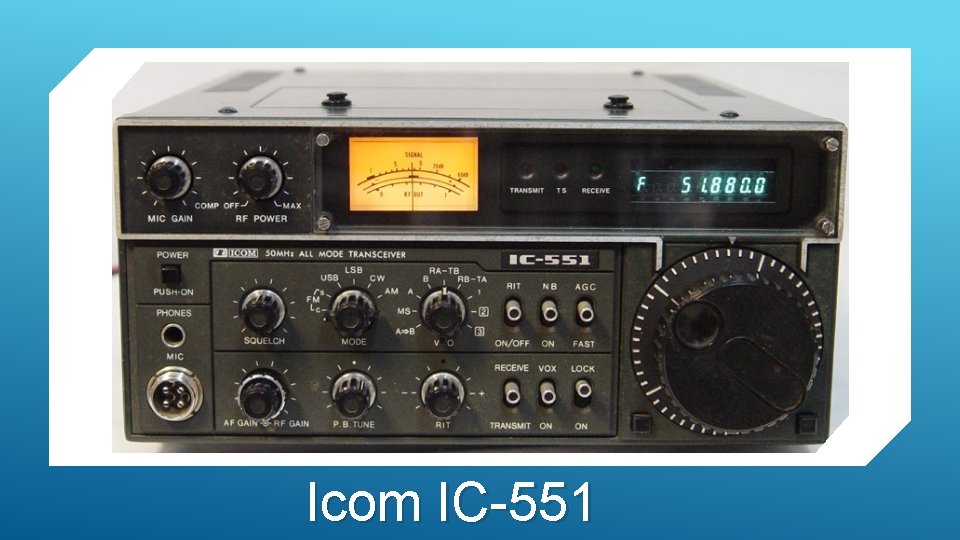
Icom IC-551
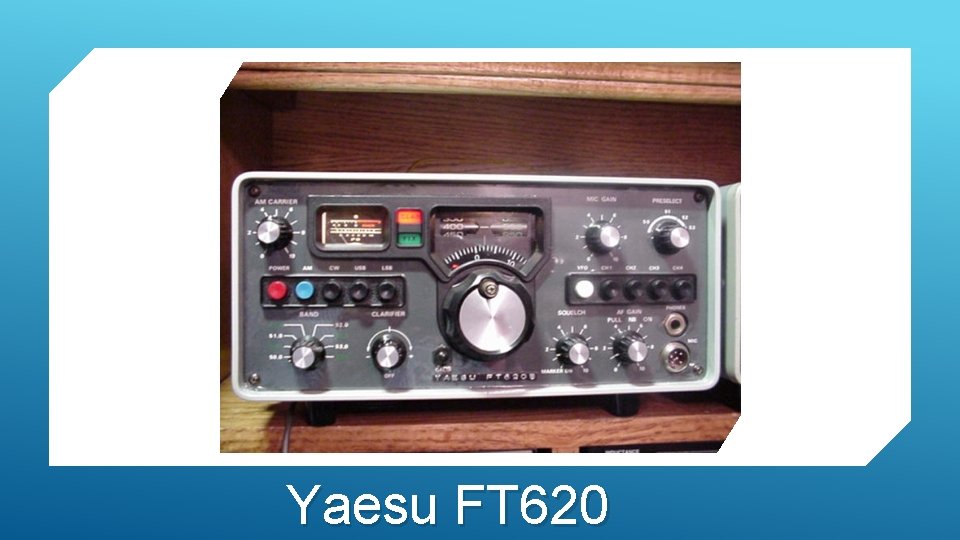
Yaesu FT 620
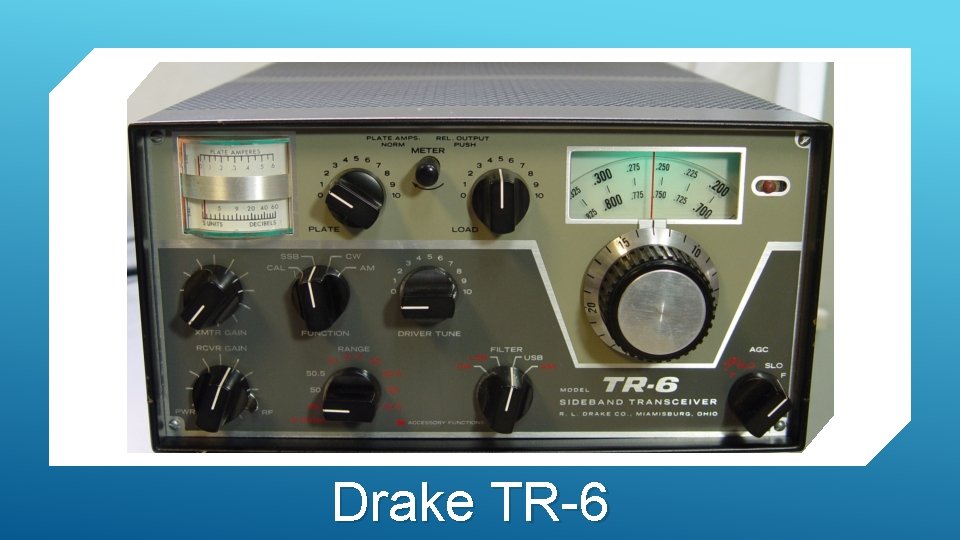
Drake TR-6

SOME GREAT UNIQUE RADIOS There a lot of great Unique transceivers out there that will work for 6 as well!!!
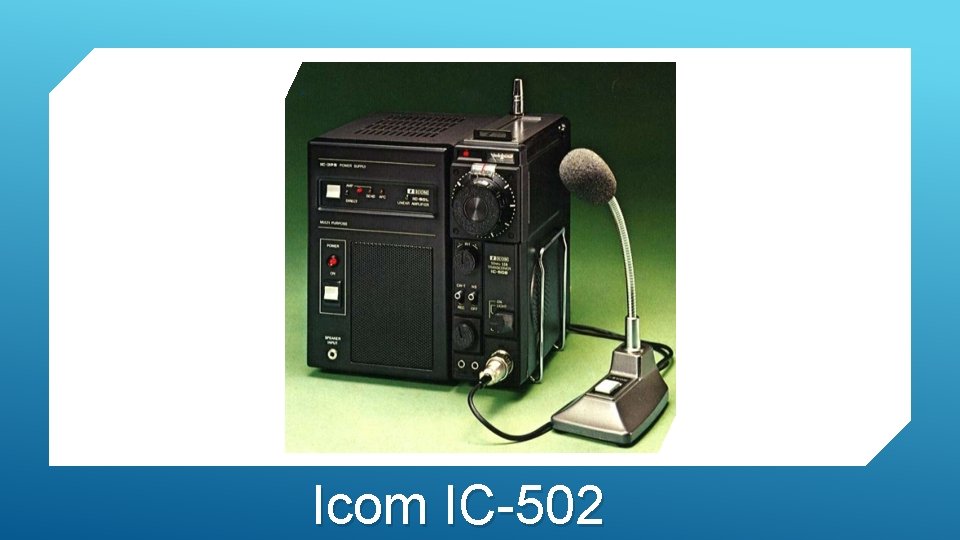
Icom IC-502
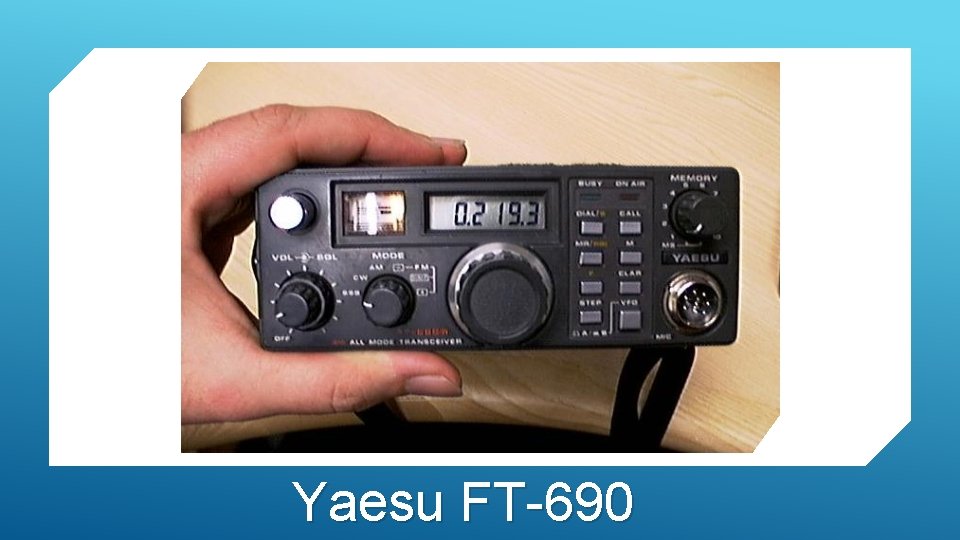
Yaesu FT-690
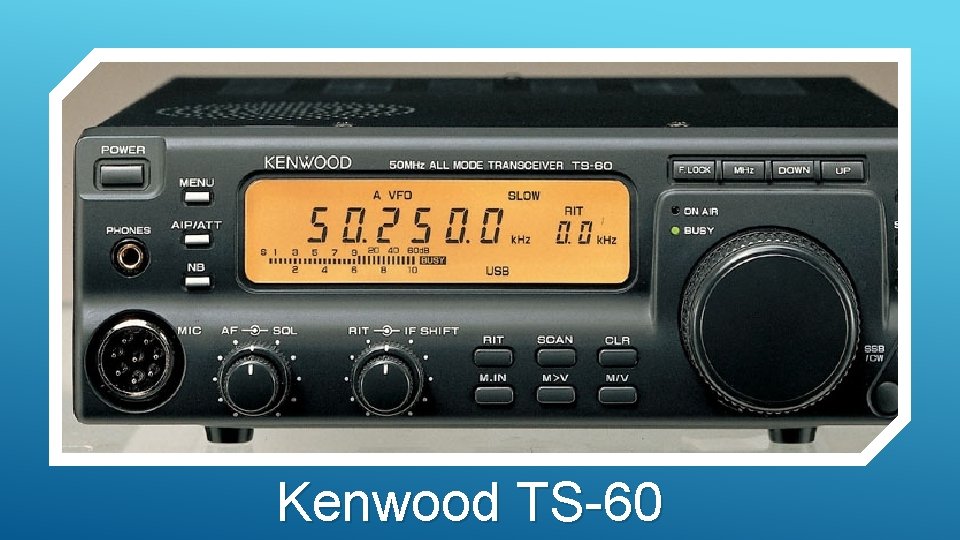
Kenwood TS-60
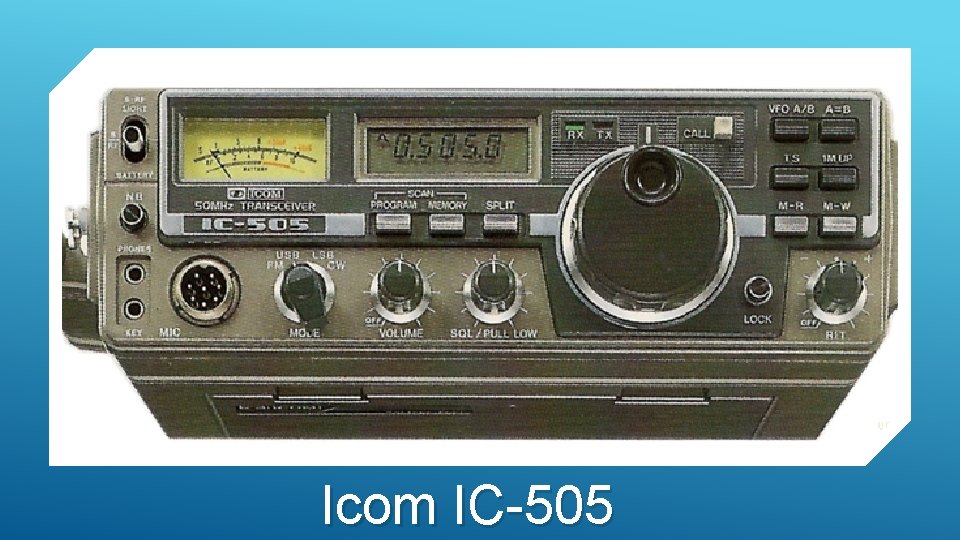
Icom IC-505
SOME GREAT OLD TIMERS RADIOS There a lot of great OLD TIMERS transceivers out there that will work BEST on your display shelf
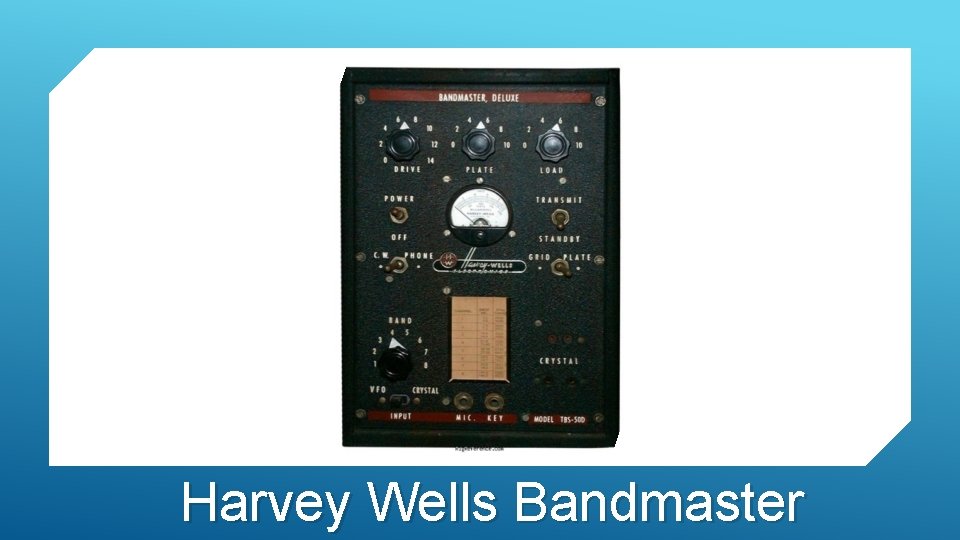
Harvey Wells Bandmaster
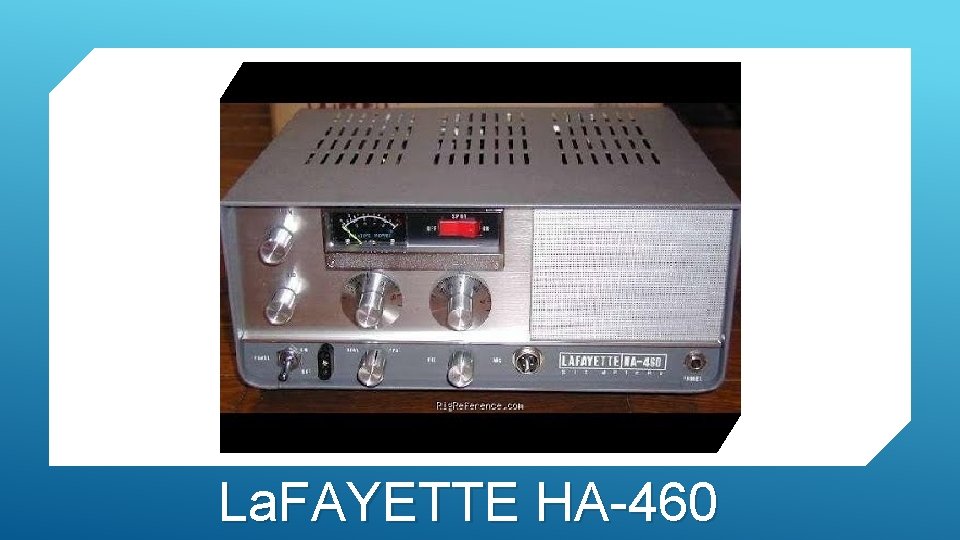
La. FAYETTE HA-460
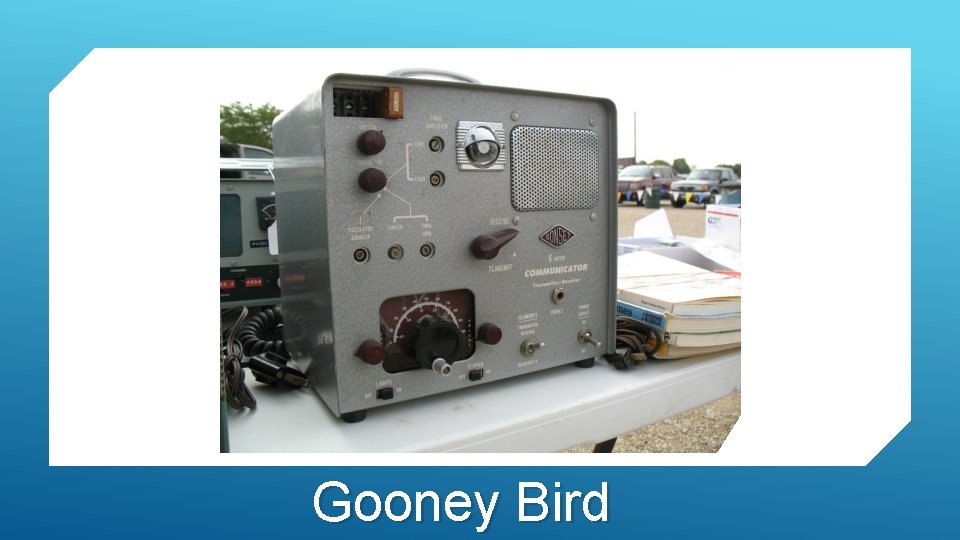
Gooney Bird
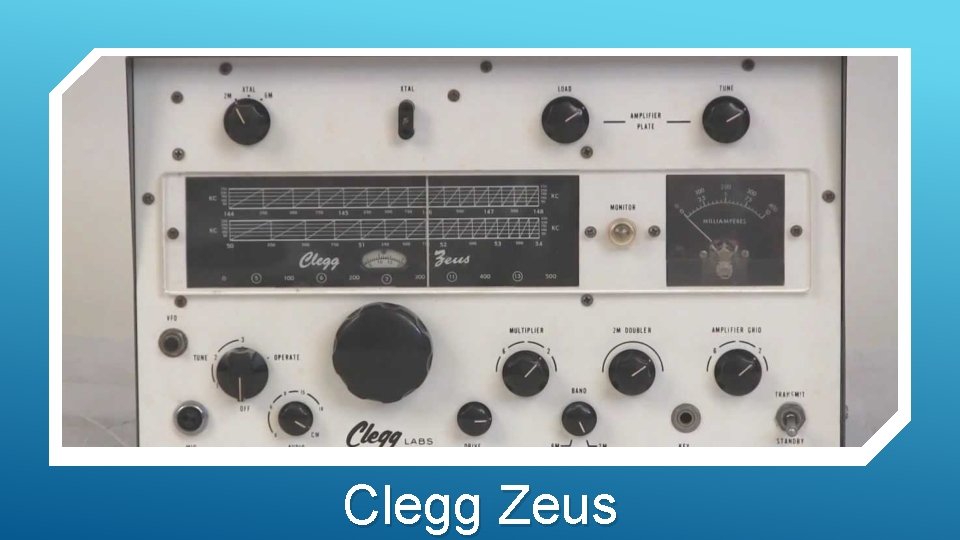
Clegg Zeus
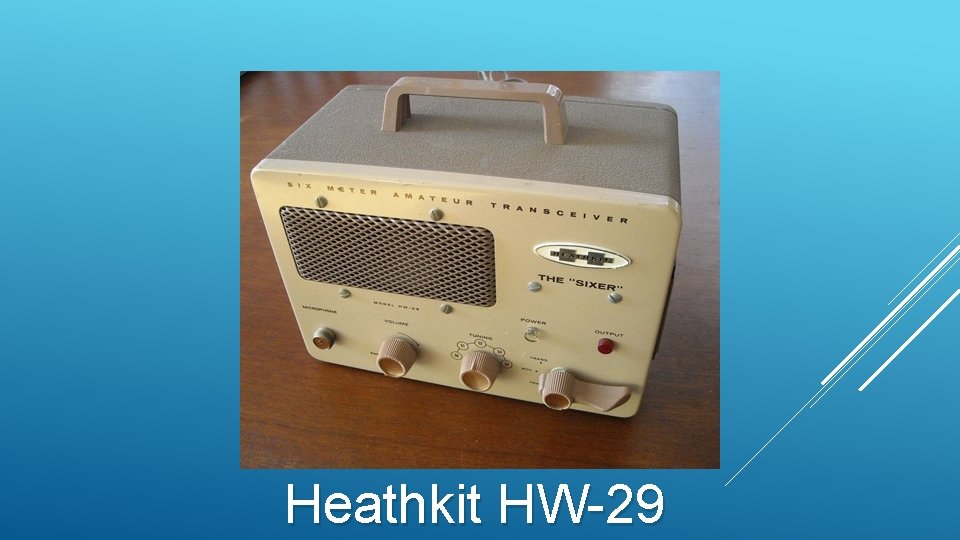
Heathkit HW-29
Benton Harbor Lunch Box
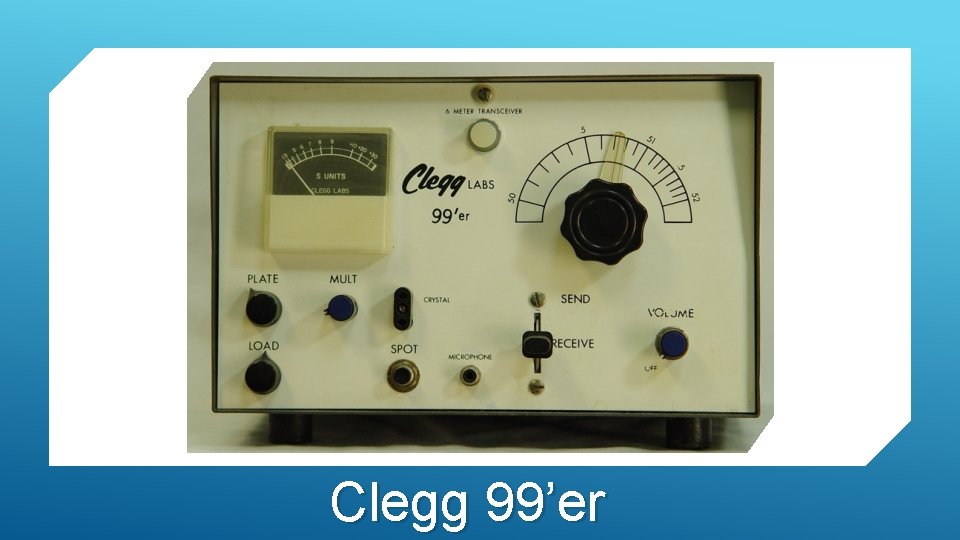
Clegg 99’er
6 Meter AM Calling Freq 50. 400
OTHER OPTIONS TO GET ON 6 Transverter HF -> 6
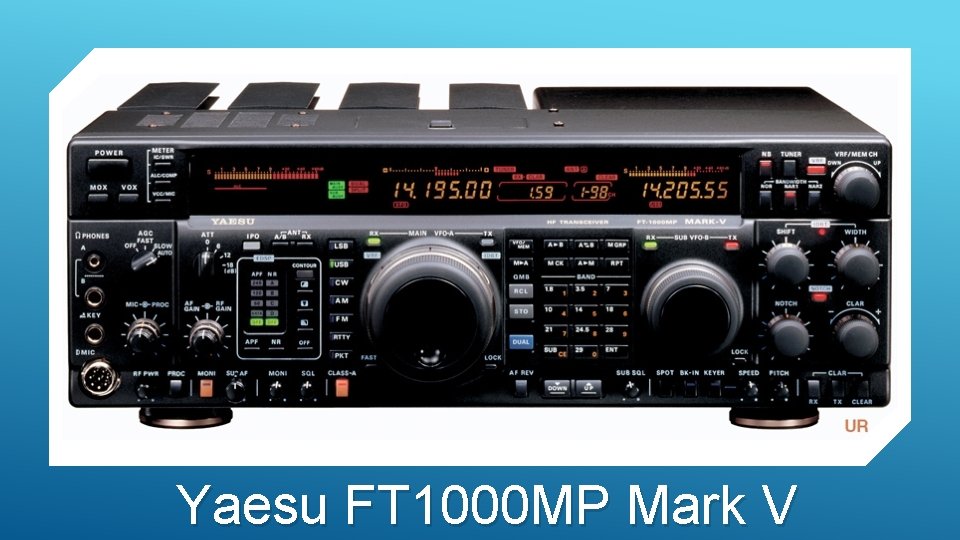
Yaesu FT 1000 MP Mark V
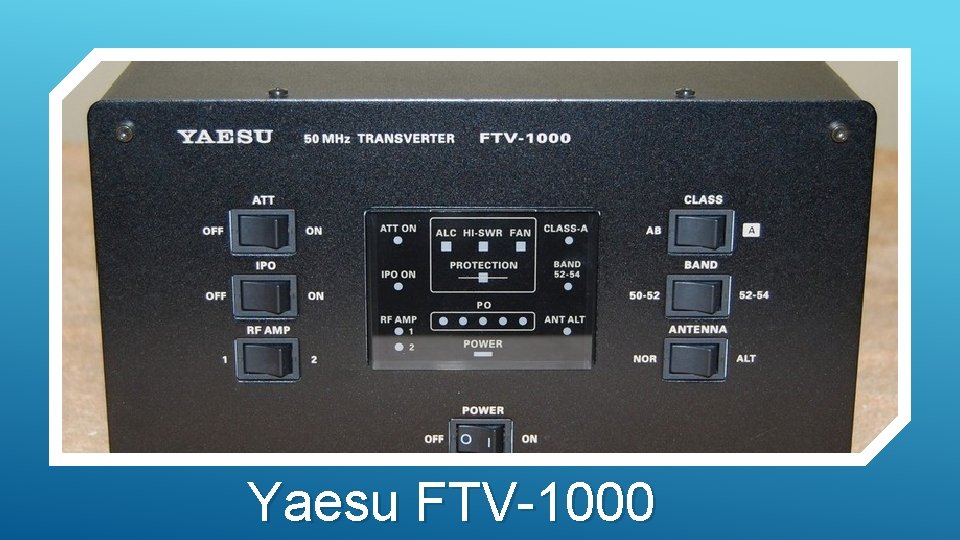
Yaesu FTV-1000
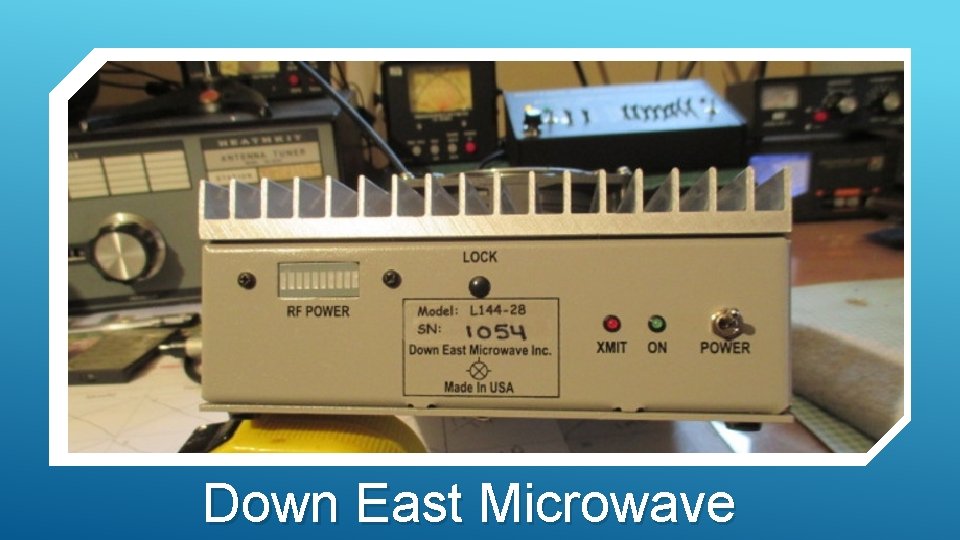
Down East Microwave
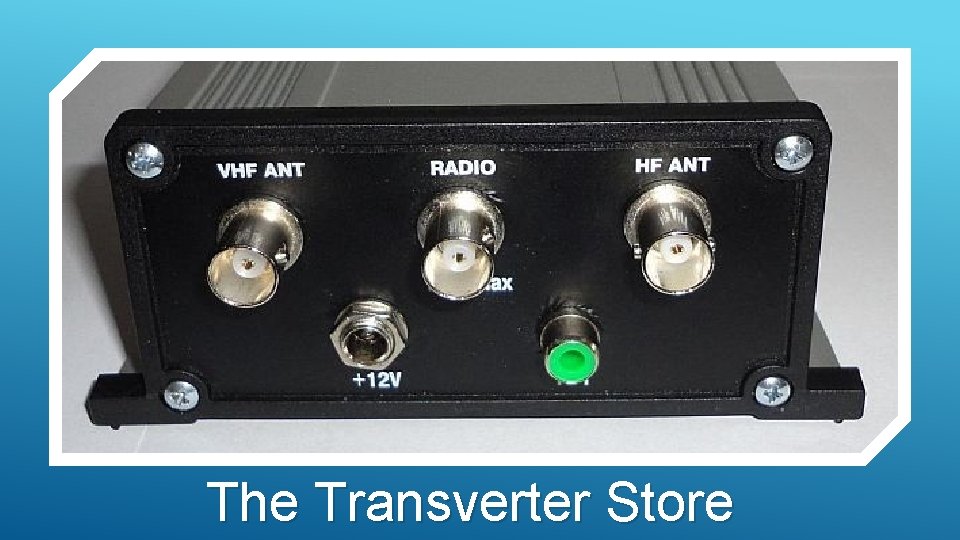
The Transverter Store
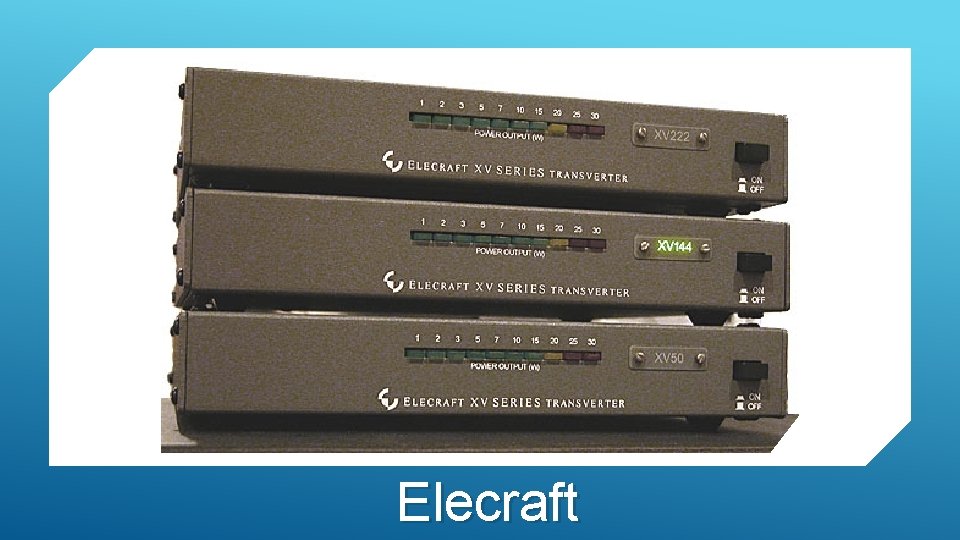
Elecraft
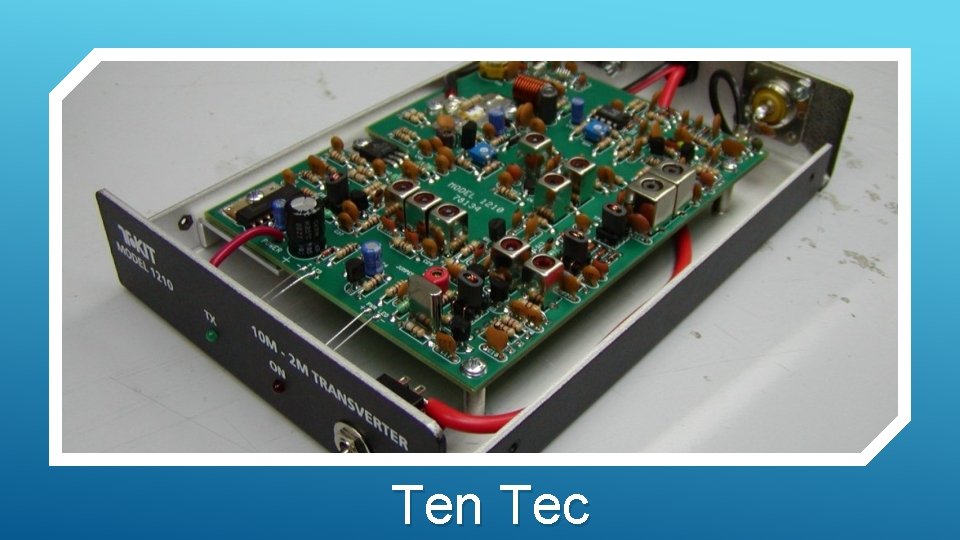
Ten Tec
ANTENNAS Let’s Talk Antennas!
6 METER ANTENNAS ARE SMALLER The great thing about 6 meter antennas is they are not that large. Easy to hide in a HOA. Yagi's are not all that big. When the band is open – it doesn’t take much to work stations.
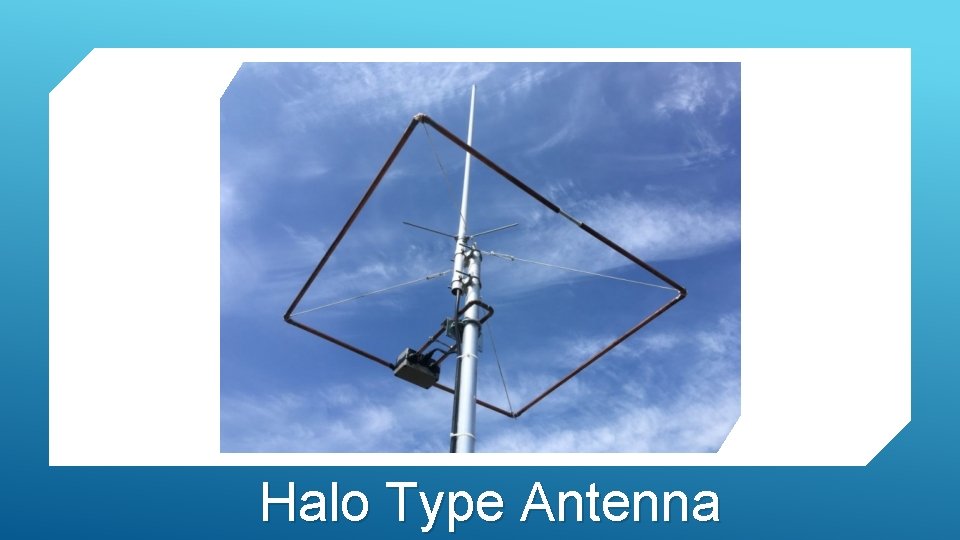
Halo Type Antenna
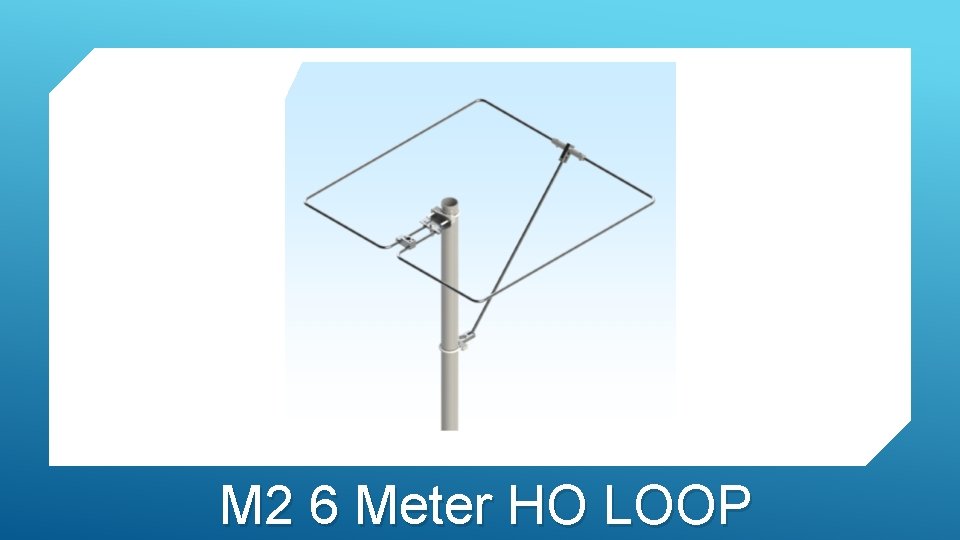
M 2 6 Meter HO LOOP
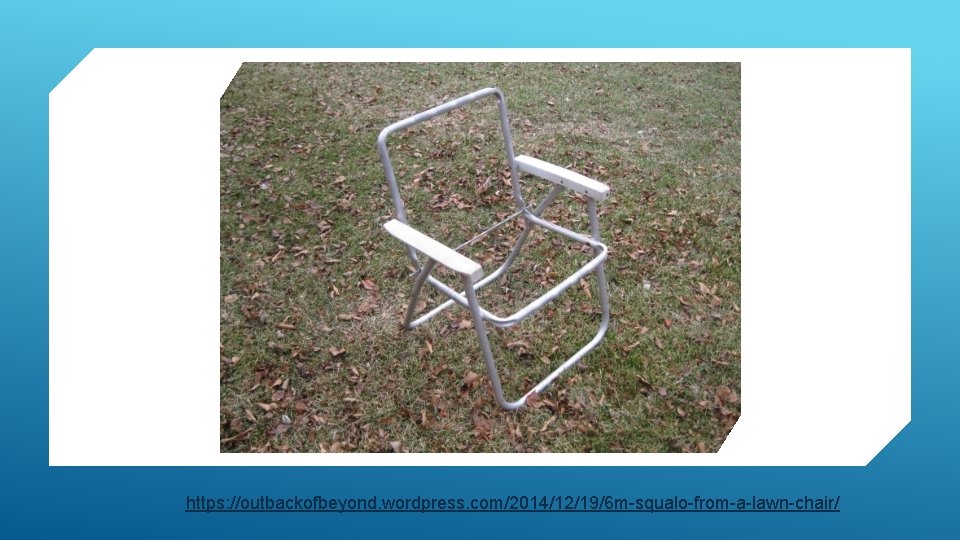
https: //outbackofbeyond. wordpress. com/2014/12/19/6 m-squalo-from-a-lawn-chair/
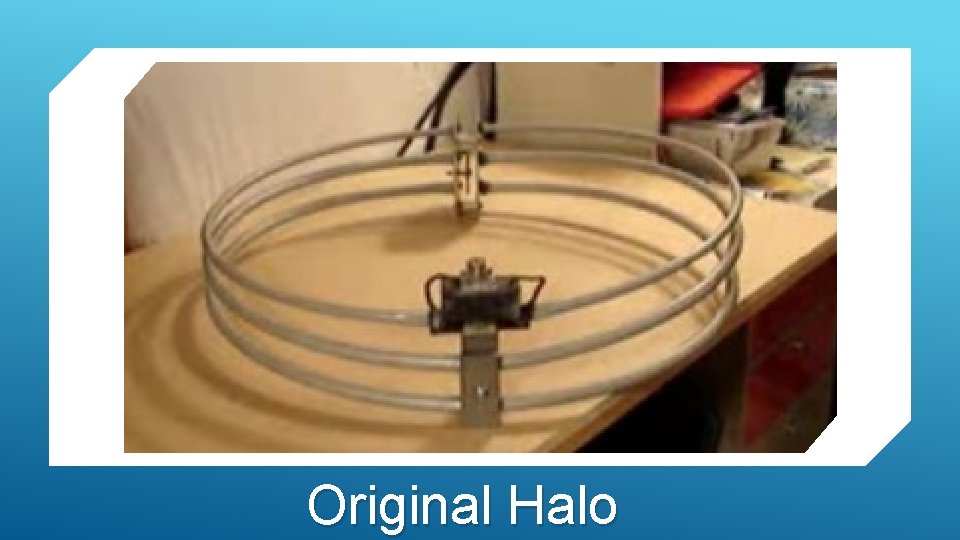
Original Halo
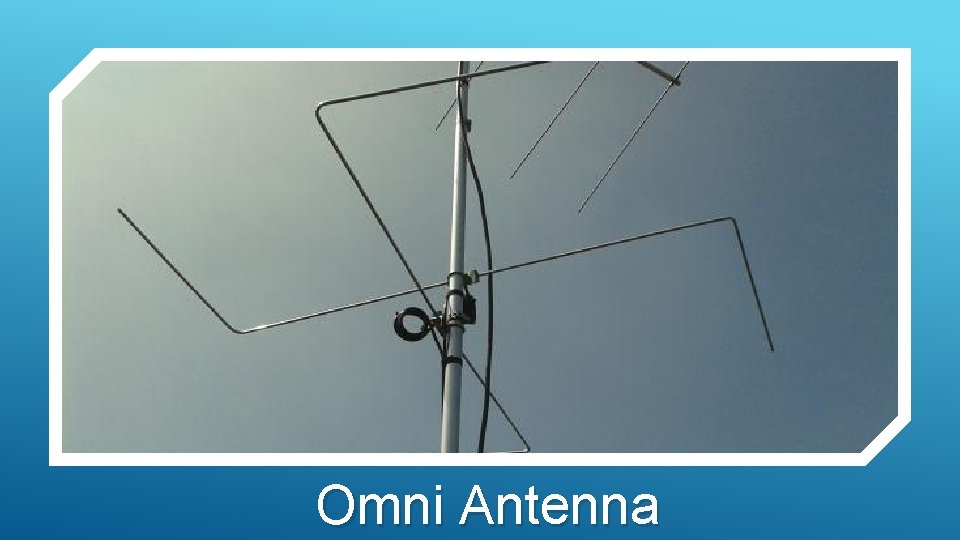
Omni Antenna
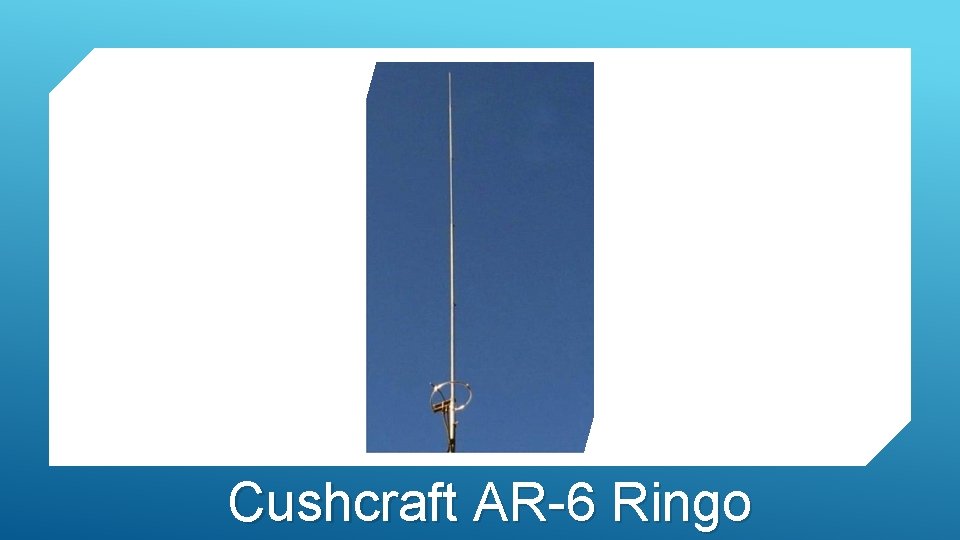
Cushcraft AR-6 Ringo
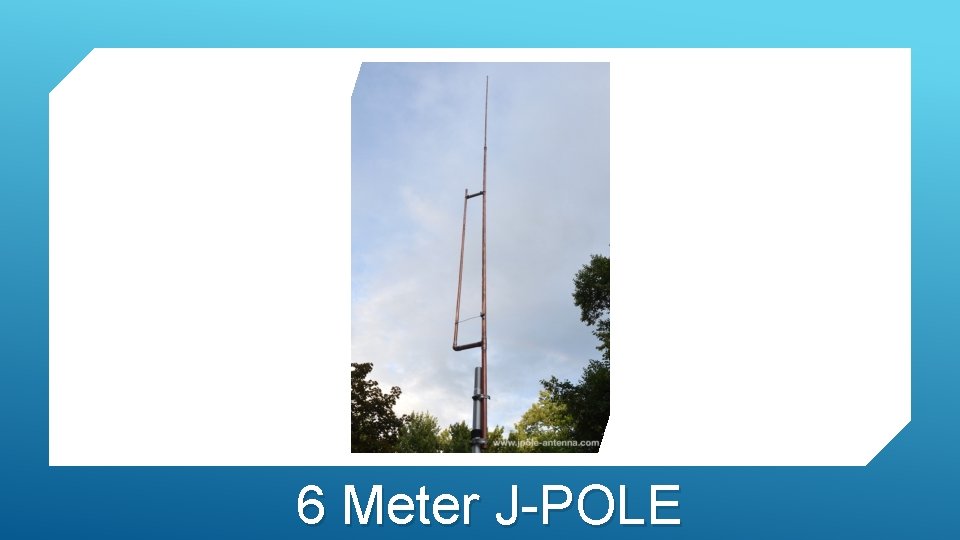
6 Meter J-POLE
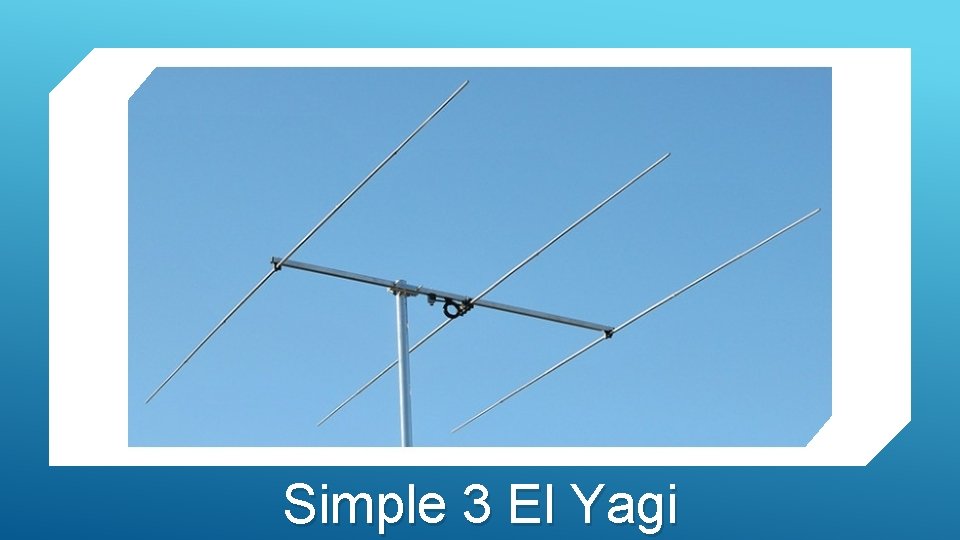
Simple 3 El Yagi
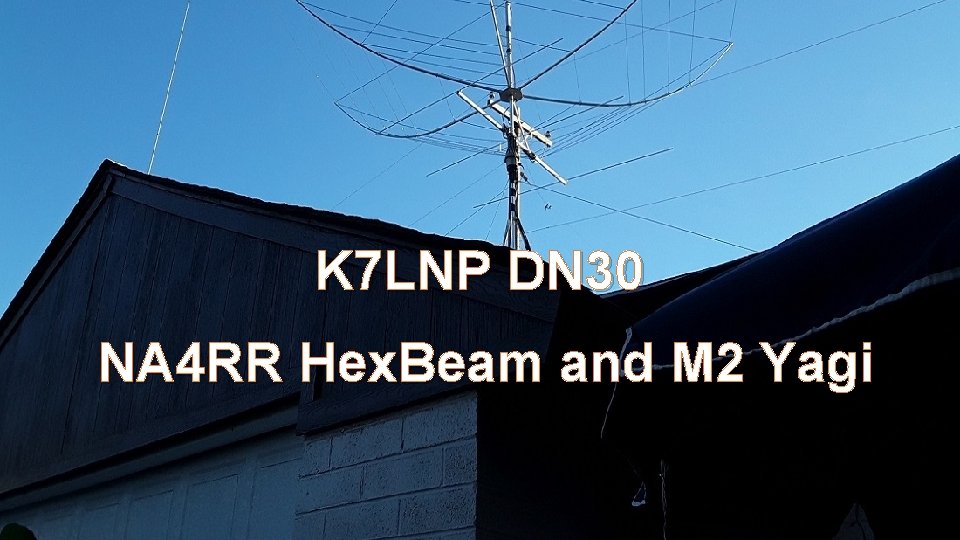
K 7 LNP DN 30 NA 4 RR Hex. Beam and M 2 Yagi
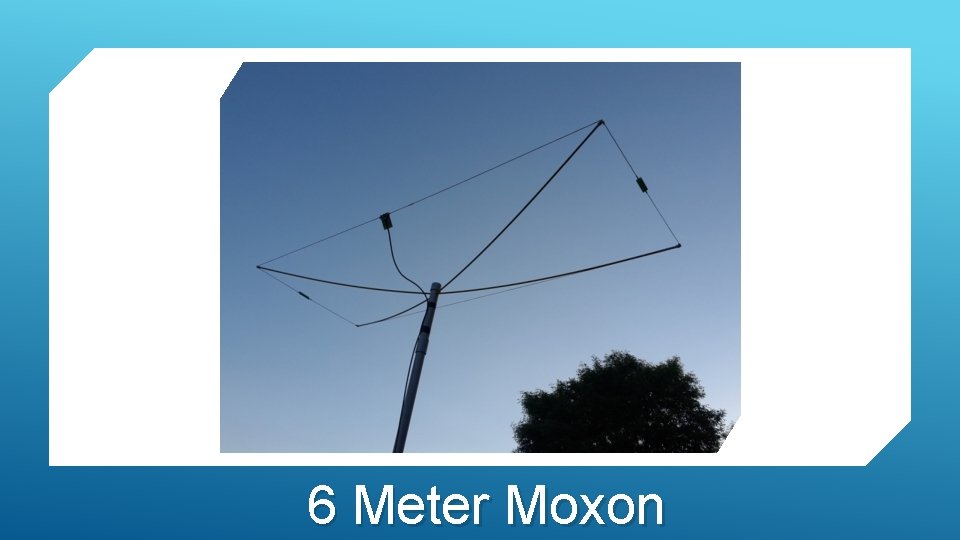
6 Meter Moxon
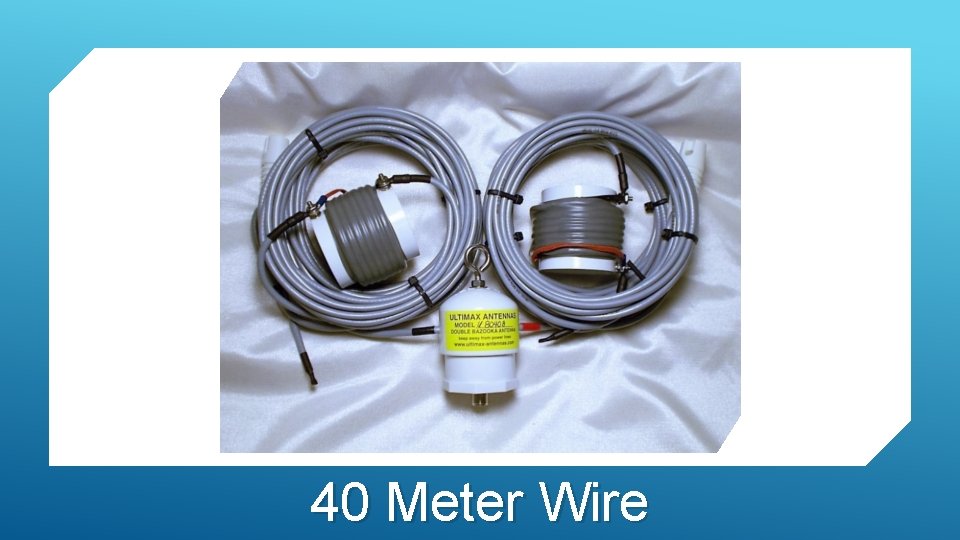
40 Meter Wire
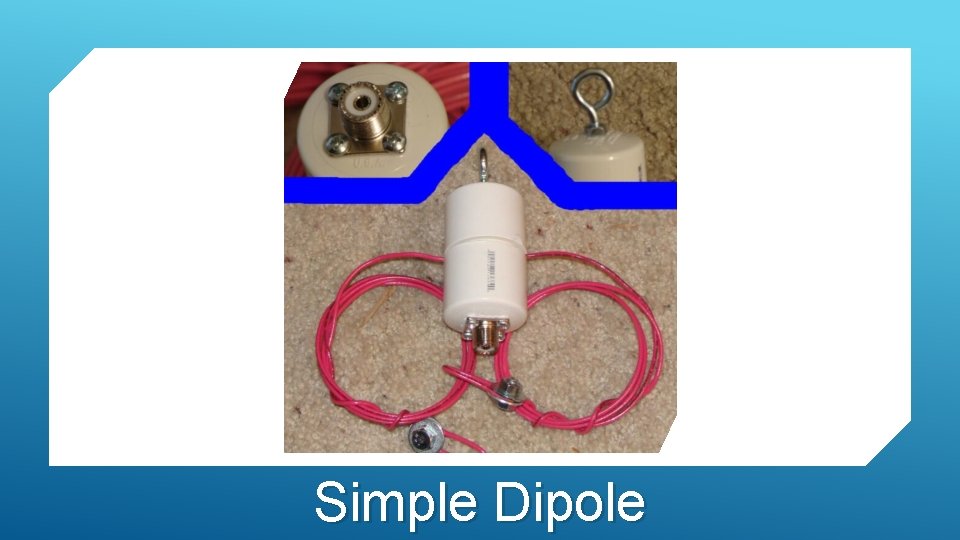
Simple Dipole
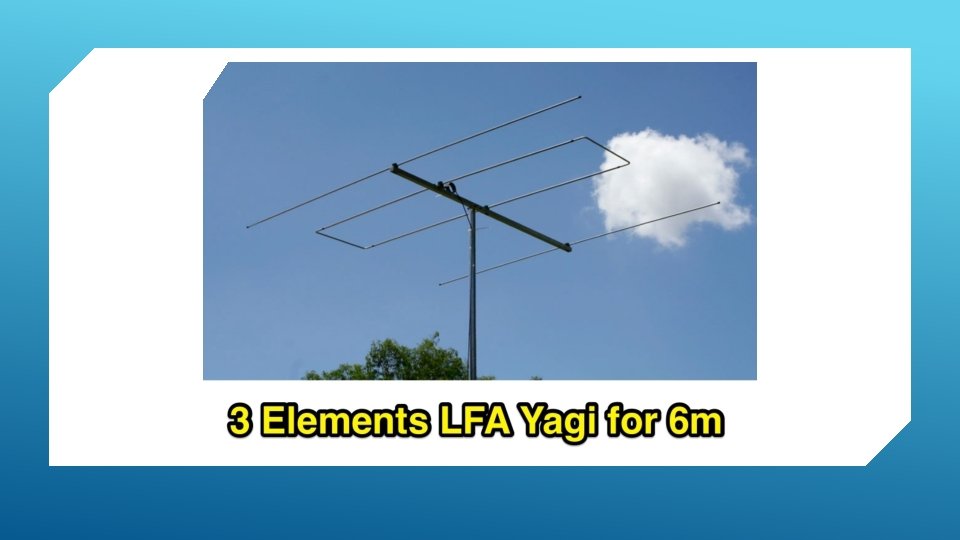
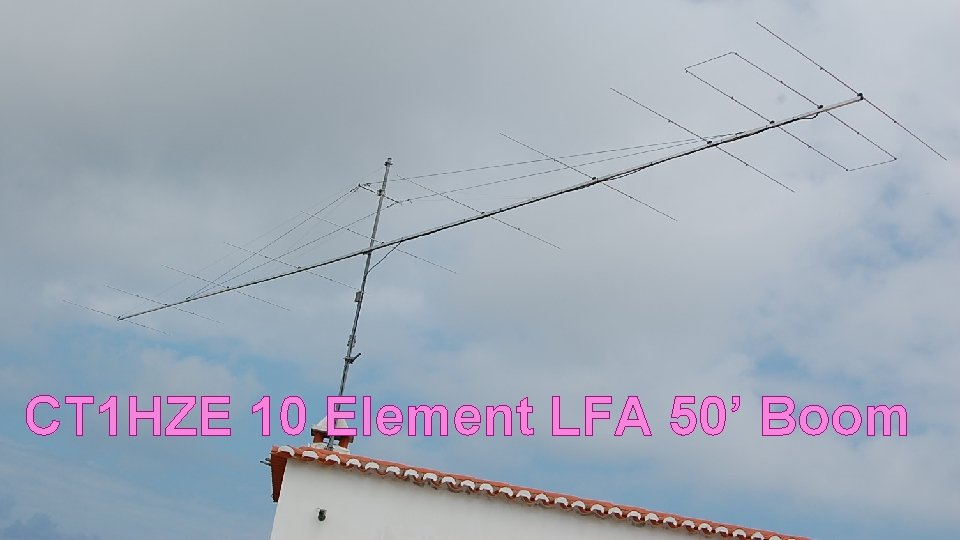
CT 1 HZE 10 Element LFA 50’ Boom
6 METER BANDPLAN
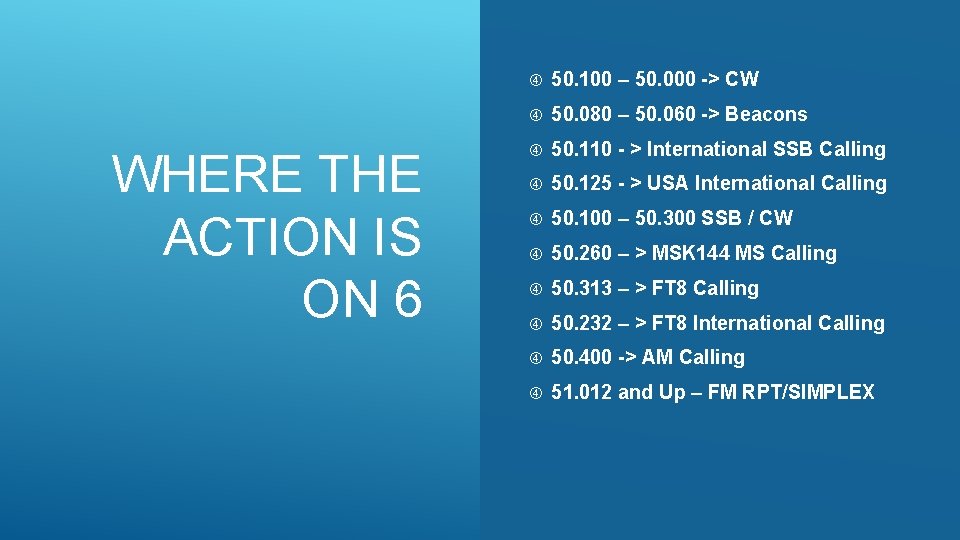
WHERE THE ACTION IS ON 6 50. 100 – 50. 000 -> CW 50. 080 – 50. 060 -> Beacons 50. 110 - > International SSB Calling 50. 125 - > USA International Calling 50. 100 – 50. 300 SSB / CW 50. 260 – > MSK 144 MS Calling 50. 313 – > FT 8 Calling 50. 232 – > FT 8 International Calling 50. 400 -> AM Calling 51. 012 and Up – FM RPT/SIMPLEX

WHERE THE ACTION IS ONLINE www. on 4 kst. org www. dxmaps. com www. dxsummit. fi www. pingjockey. net

BEACON LISTINGS G 3 USF – Best One to Use!!! K 9 MU www. dxsummit. fi www. wa 7 x. com
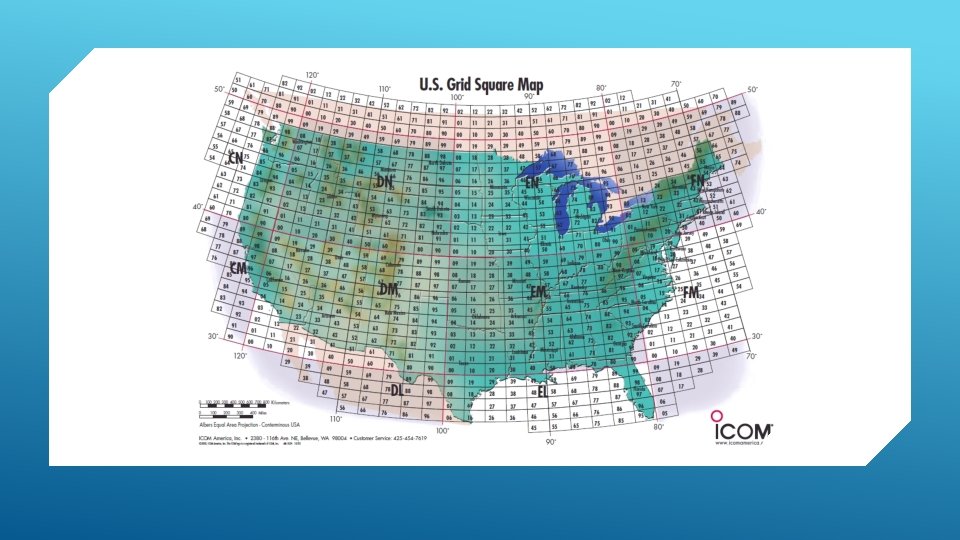
COMMON EXCHANGE ON 6 Call Signs Signal Report The “All Important” Grid Square Chit Chat
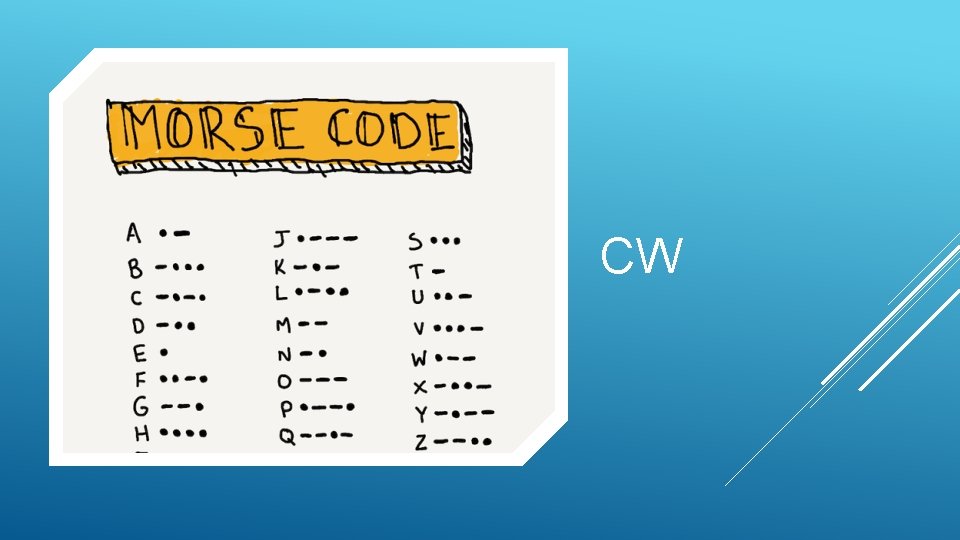
CW

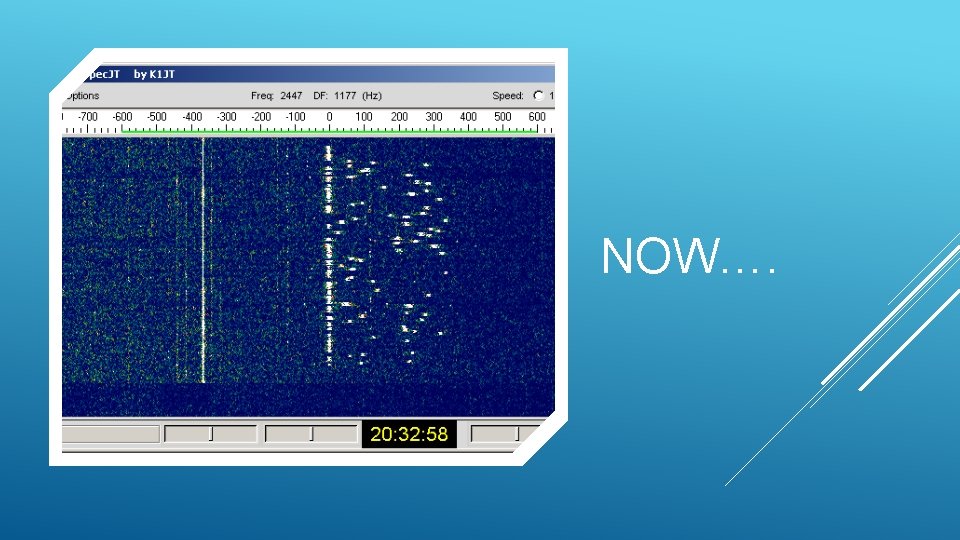
NOW….

THE DIGITAL AGE ARRIVES
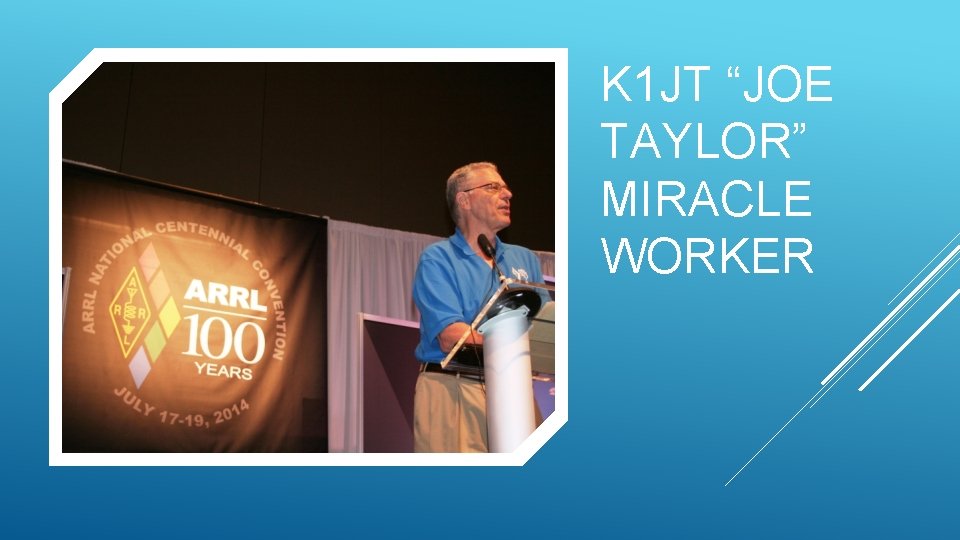
K 1 JT “JOE TAYLOR” MIRACLE WORKER
PROFESSOR JOE TAYLOR Joseph Hooton Taylor Jr. is an American astrophysicist and Nobel Prize in Physics laureate for his discovery with Russell Alan Hulse of a "new type of pulsar, a discovery that has opened up new possibilities for the study of gravitation.

HTTPS: //PHYSICS. PRINCETON. EDU/PULSAR/K 1 JT/ WSJT
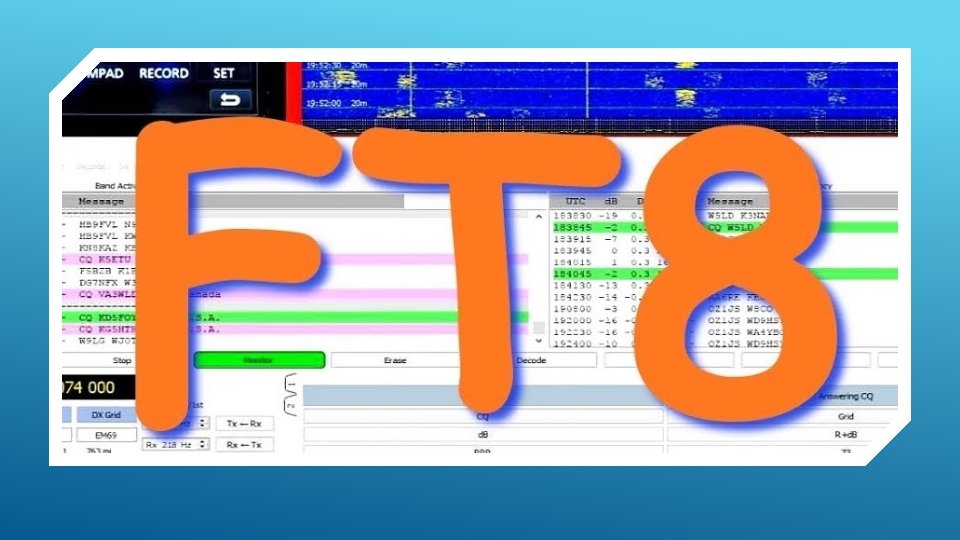
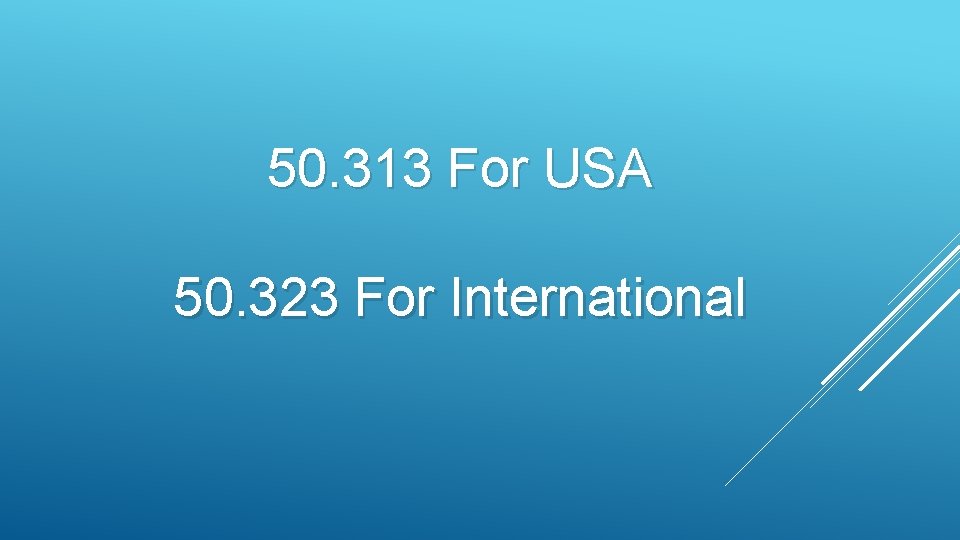
50. 313 For USA 50. 323 For International
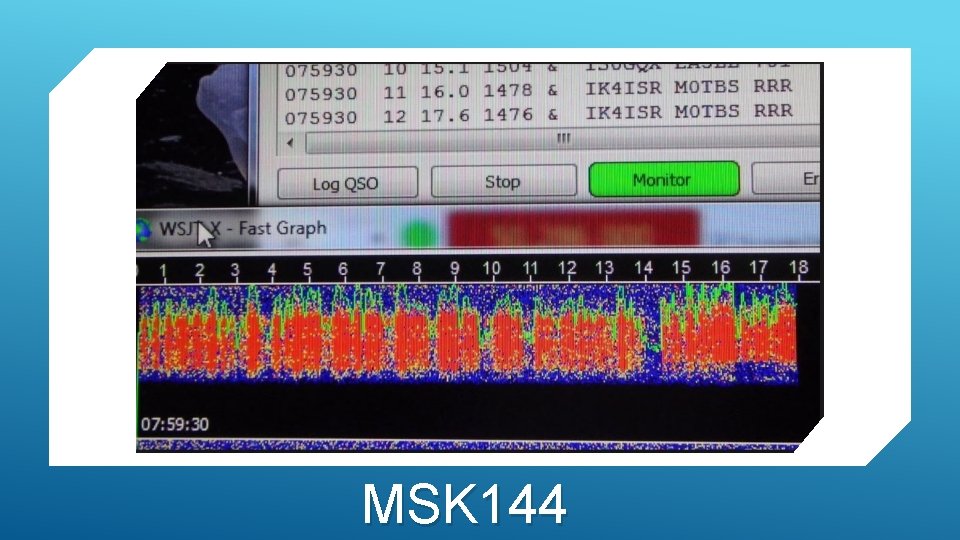
MSK 144
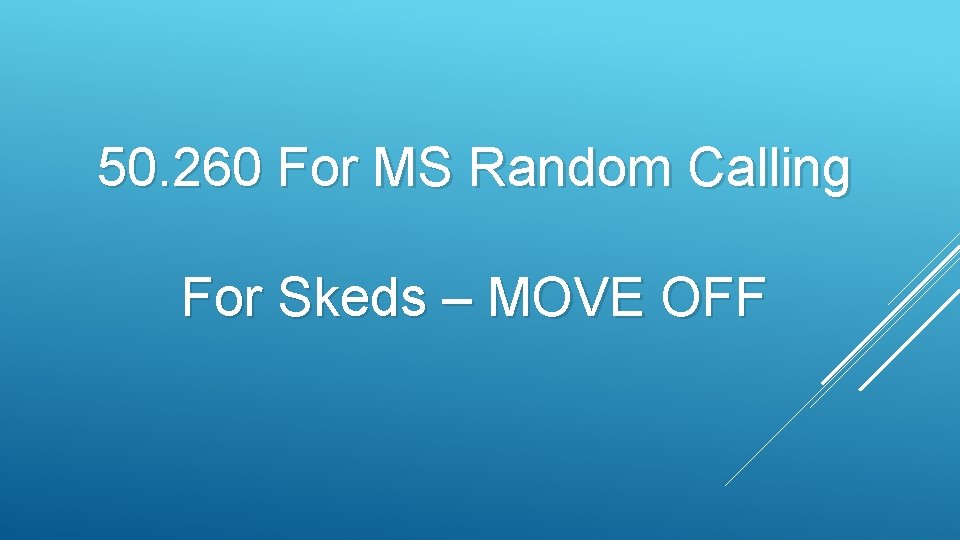
50. 260 For MS Random Calling For Skeds – MOVE OFF

Set Up Sked’s Via Ping Jockey
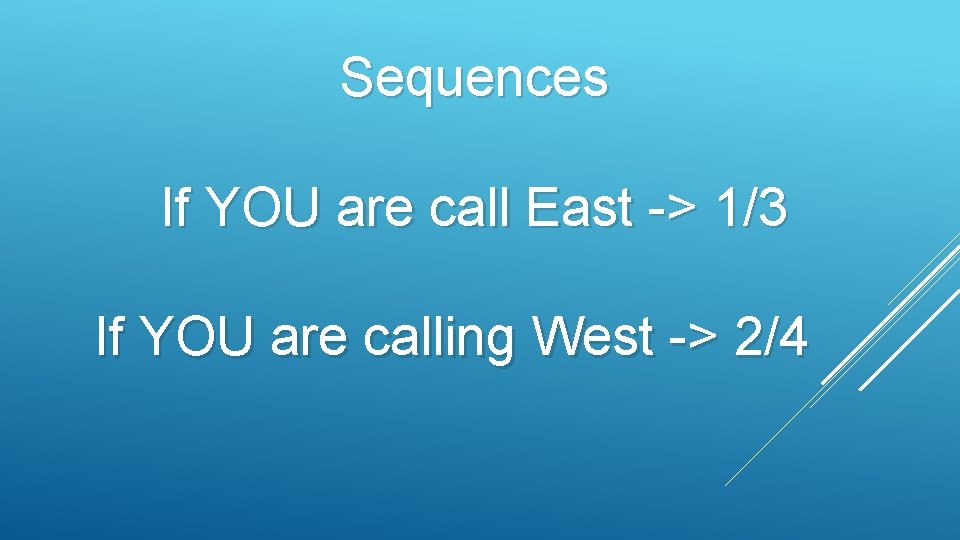
Sequences If YOU are call East -> 1/3 If YOU are calling West -> 2/4
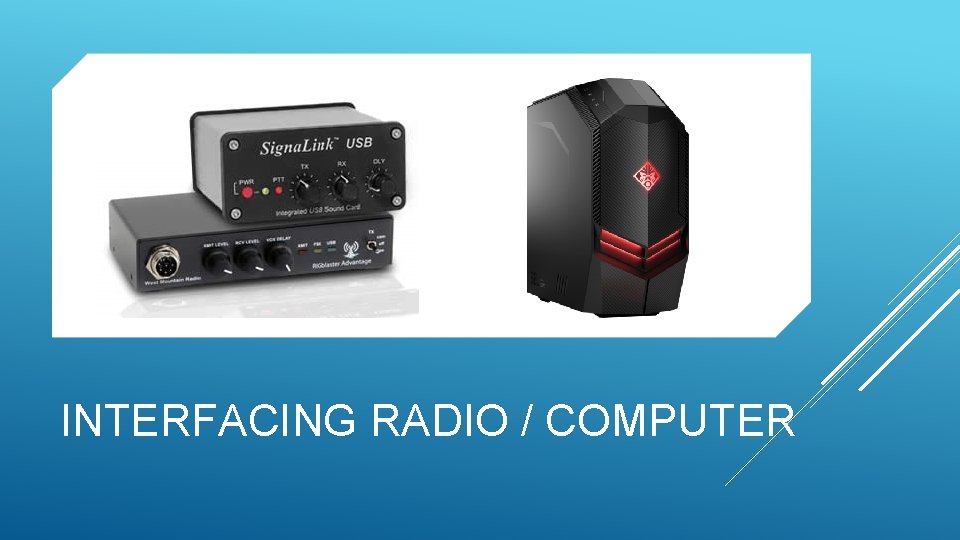
INTERFACING RADIO / COMPUTER
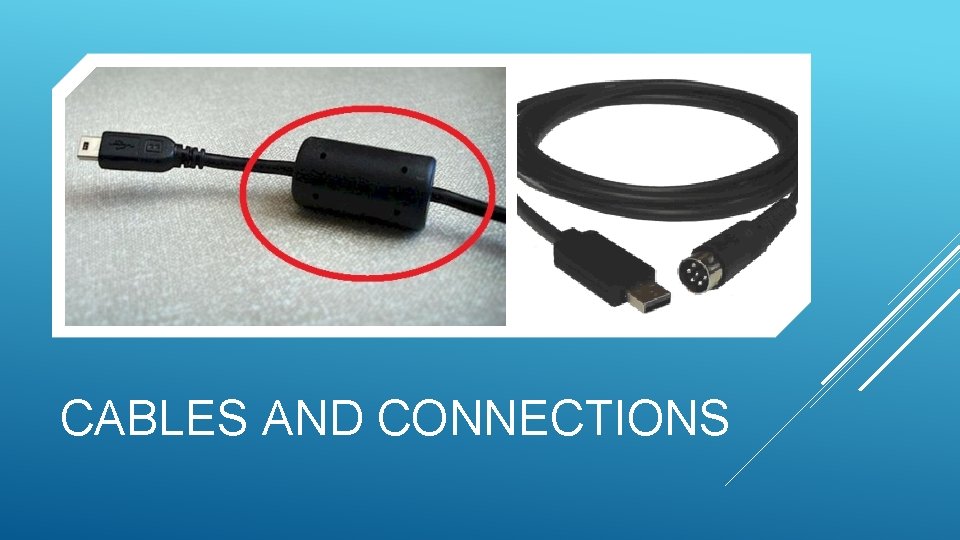
CABLES AND CONNECTIONS
CLEAN SIGNALS ARE A MUST! In order to participate in digital communication, you absolutely need to enable your equipment to run digital modes flawlessly (no audio "hum“). Avoid interfacing that requires you to use your microphone connector if possible! Most radios offer a “Data Port” on the back of the radio – this is the best way to keep noise down. Use “Snap On” chokes – take the RF of the cabling.
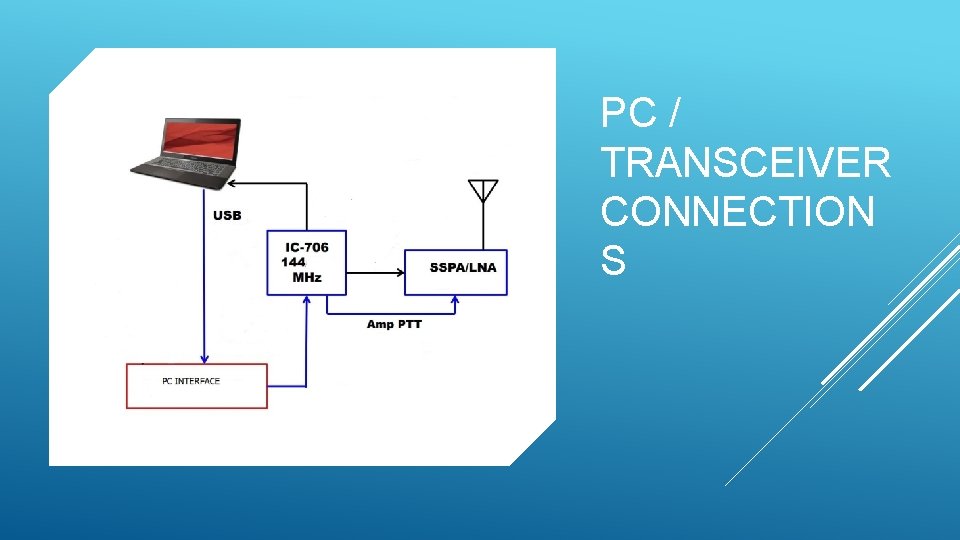
PC / TRANSCEIVER CONNECTION S
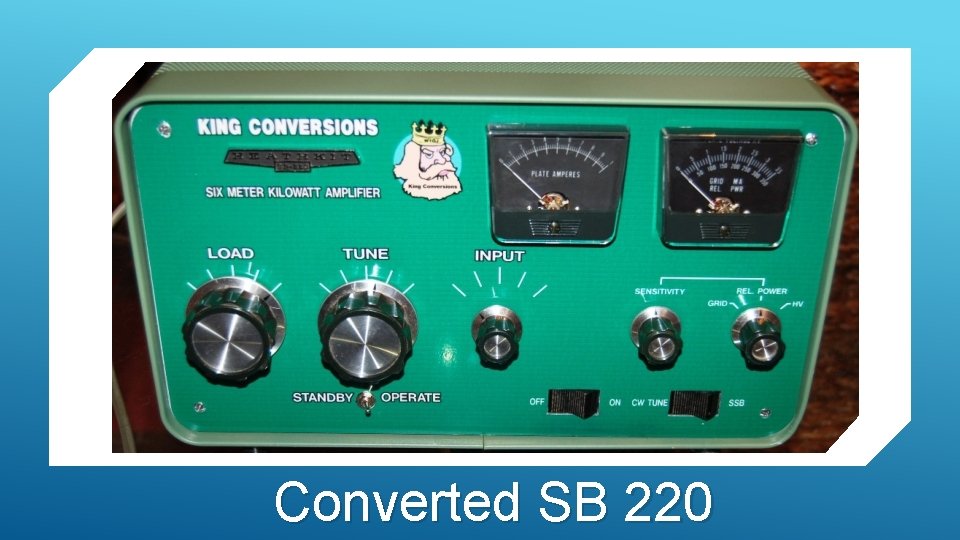
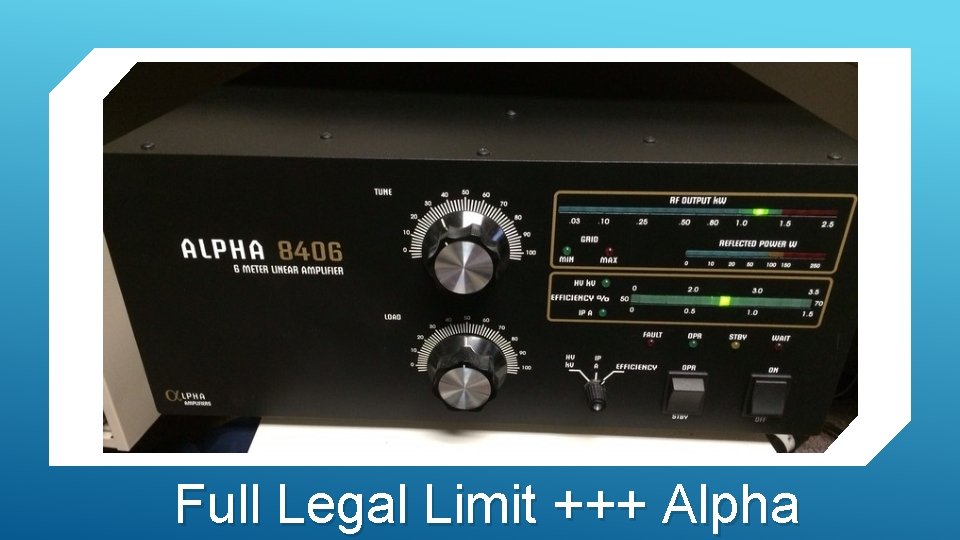
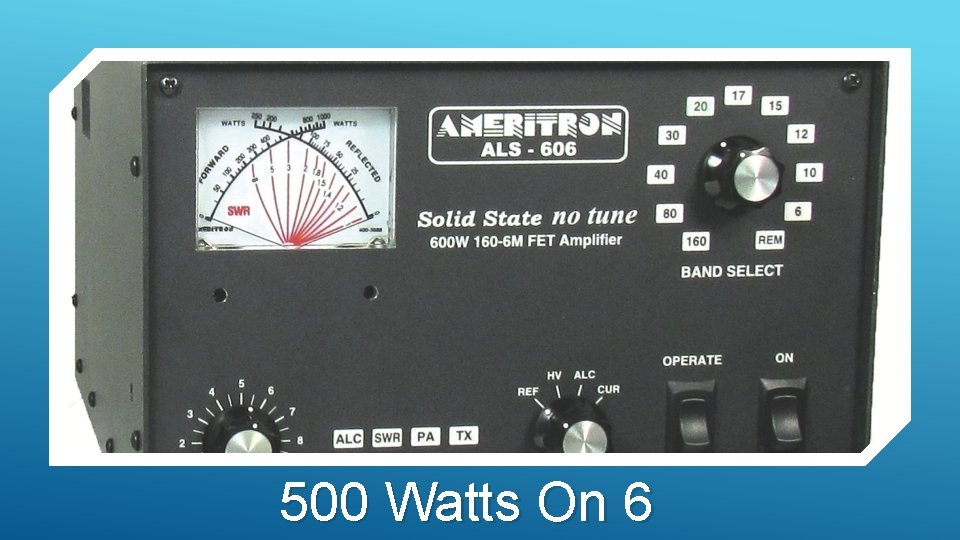
POWER Most of the current HF/6 meter radios of today put 100 watts of power. If you are looking to dig deep and work stations that are on the fringe – an amplifier does help.
Converted SB 220
Full Legal Limit +++ Alpha
500 Watts On 6
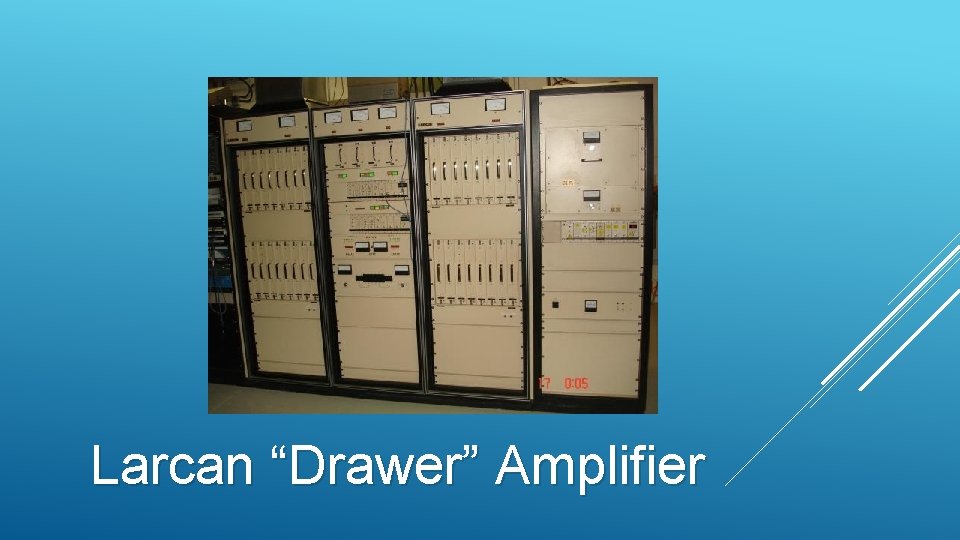
Larcan “Drawer” Amplifier
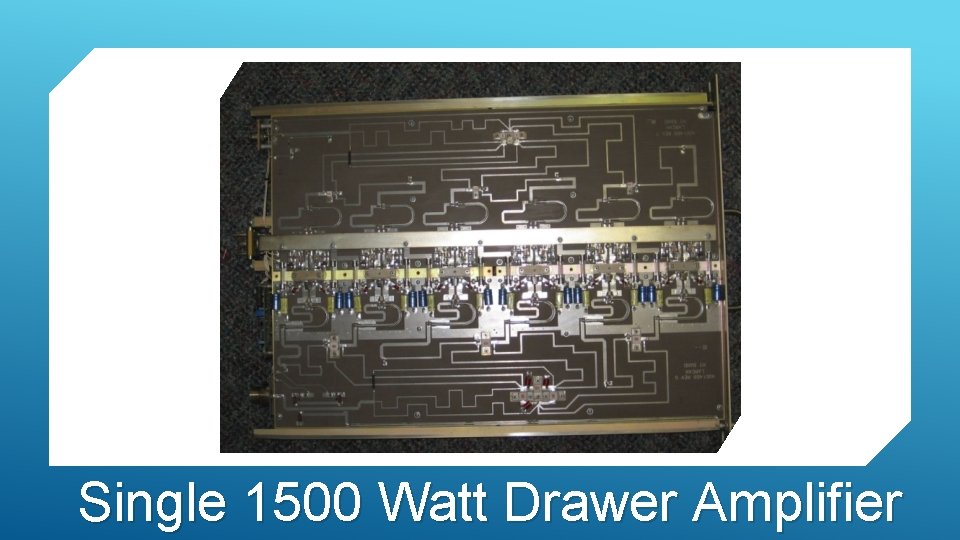
Single 1500 Watt Drawer Amplifier
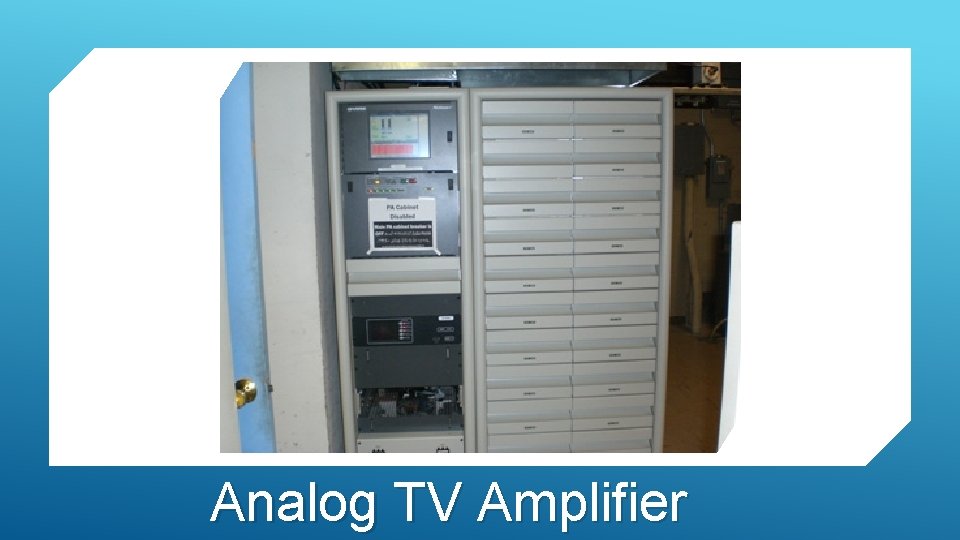
Analog TV Amplifier
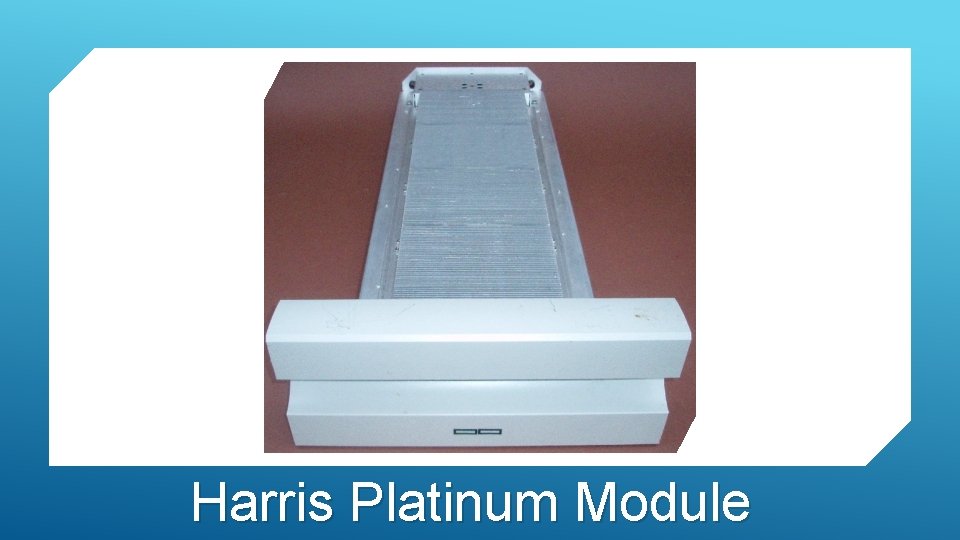
Harris Platinum Module
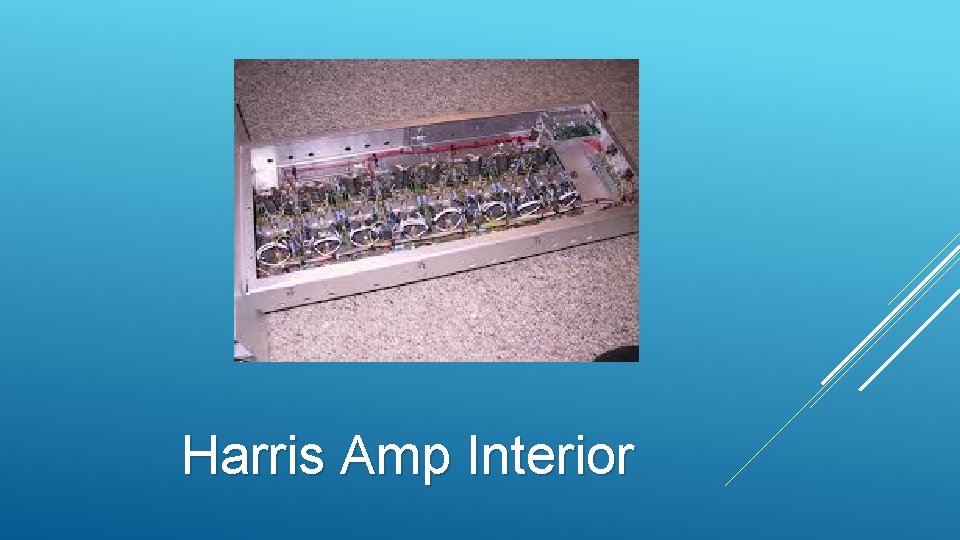
Harris Amp Interior
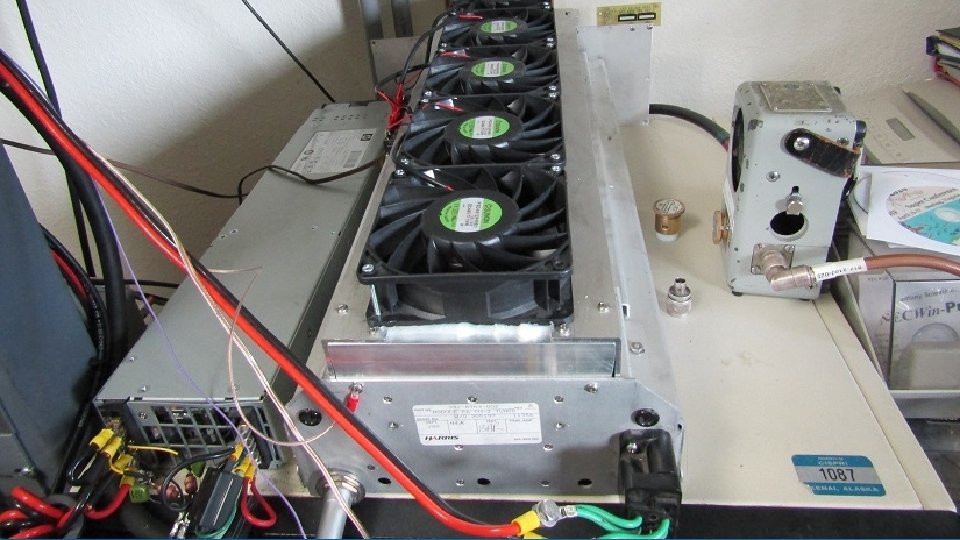
Remember Digital Modes Run at 100% Cooling is Key!!
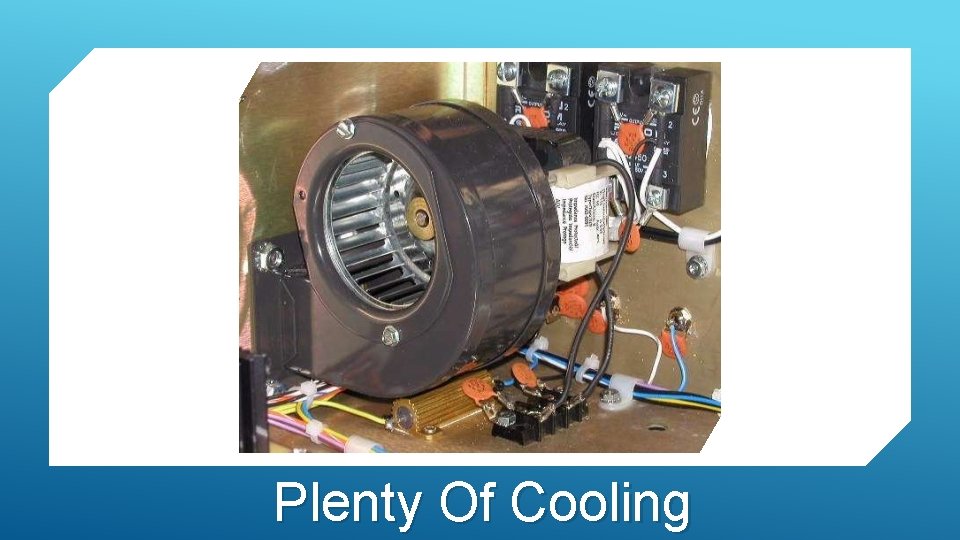
Plenty Of Cooling
CABLING THE ARRAY
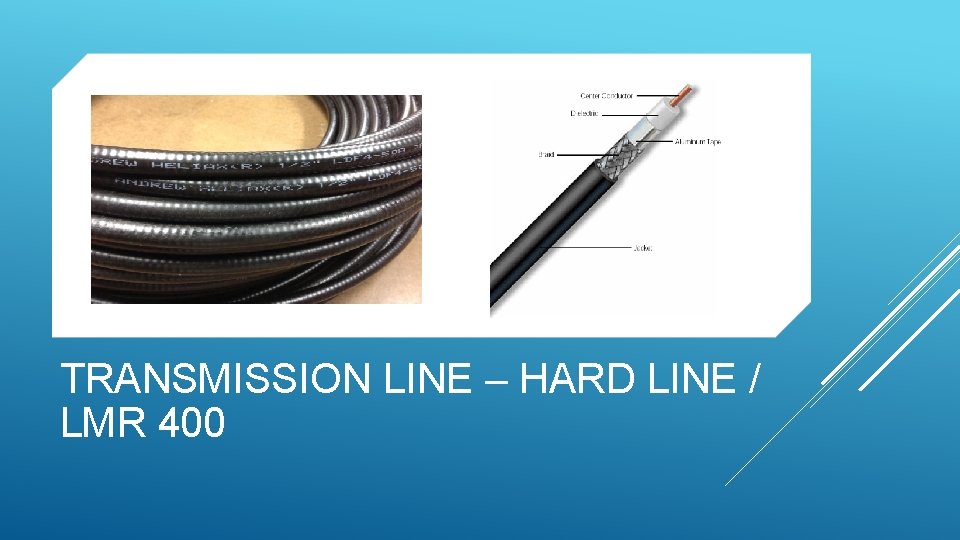
TRANSMISSION LINE – HARD LINE / LMR 400
FEEDLINES Get the “Best” (lowest attenuation) feedline you can get for feeding your antenna and make your feedline is as short as possible! This is especially true if you don't have an RX preamp close to the antenna! Don't be shy of investing into a "good" feed line. It will definitely pay-off!
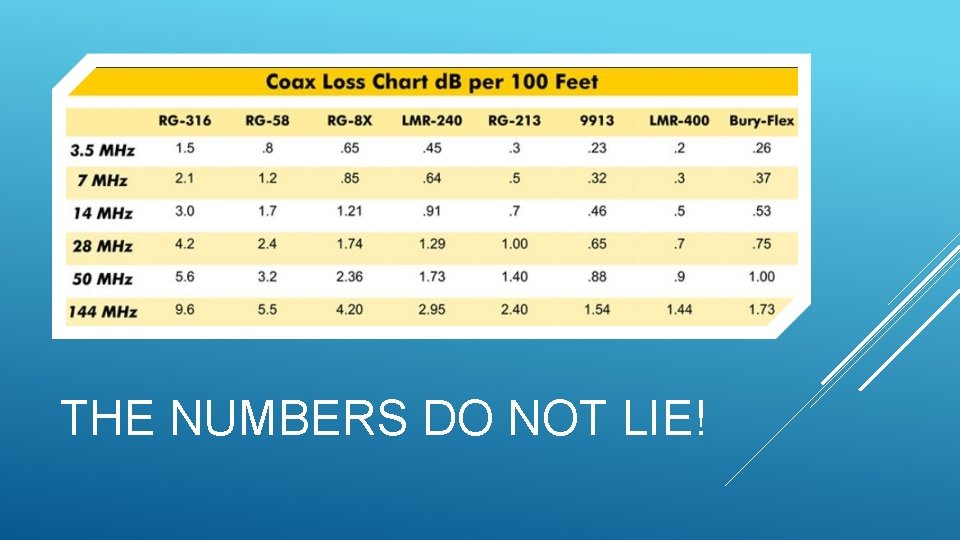
THE NUMBERS DO NOT LIE!
YOUR STATION’S OUTPUT IS YOUR RESPONSIBILITY! !!
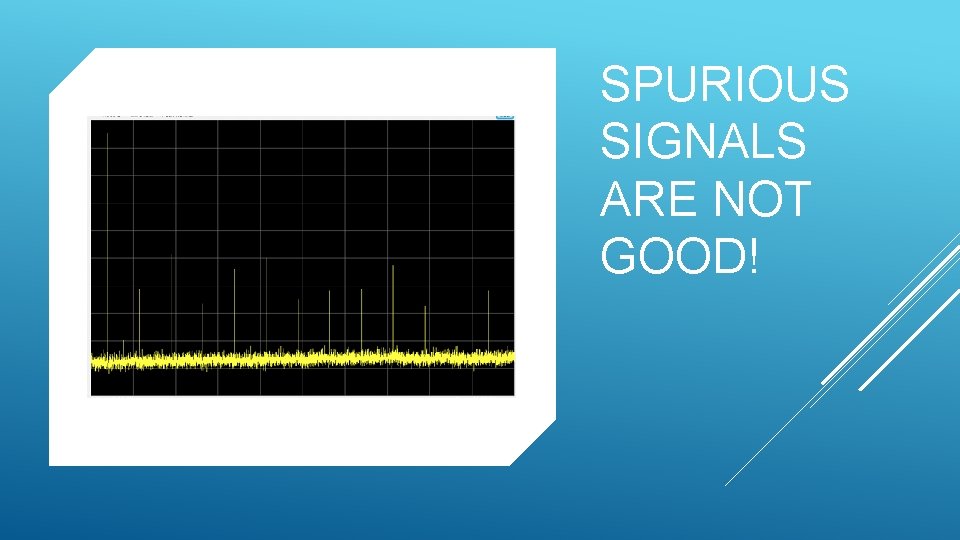
SPURIOUS SIGNALS ARE NOT GOOD!
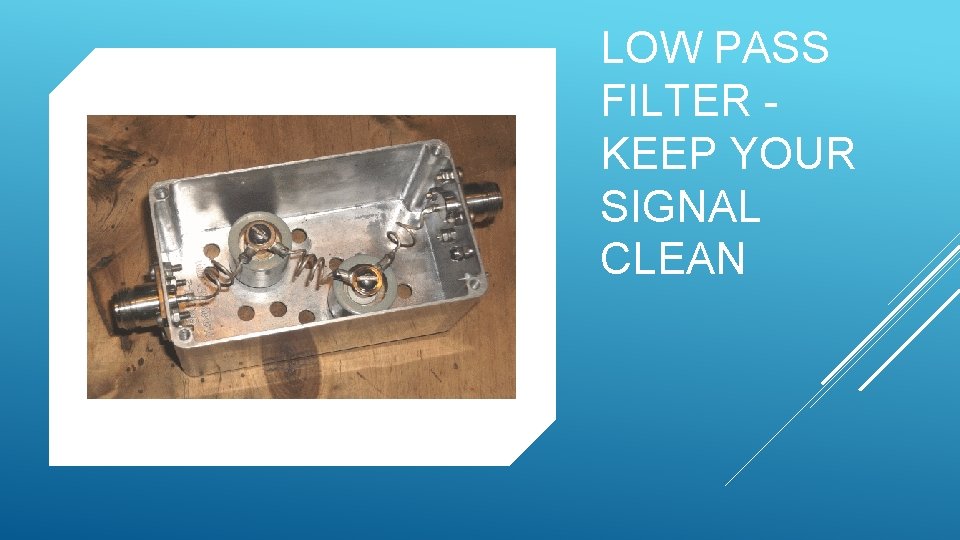
LOW PASS FILTER - KEEP YOUR SIGNAL CLEAN

LET’S HELP KITTY HEAR BETTER!!!!
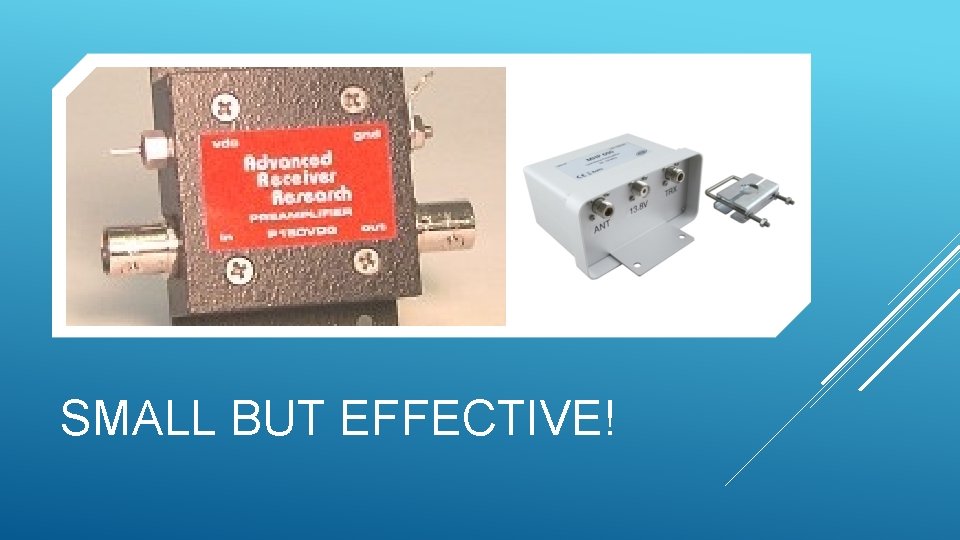
WHAT IS A LOW NOISE PREAMP… A low-noise amplifier (LNA) is an electronic amplifier that amplifies a very low-power signal without significantly degrading its signal-tonoise ratio. An amplifier increases the power of both the signal and the noise present at its input. LNAs are designed to minimize additional noise.
SMALL BUT EFFECTIVE!
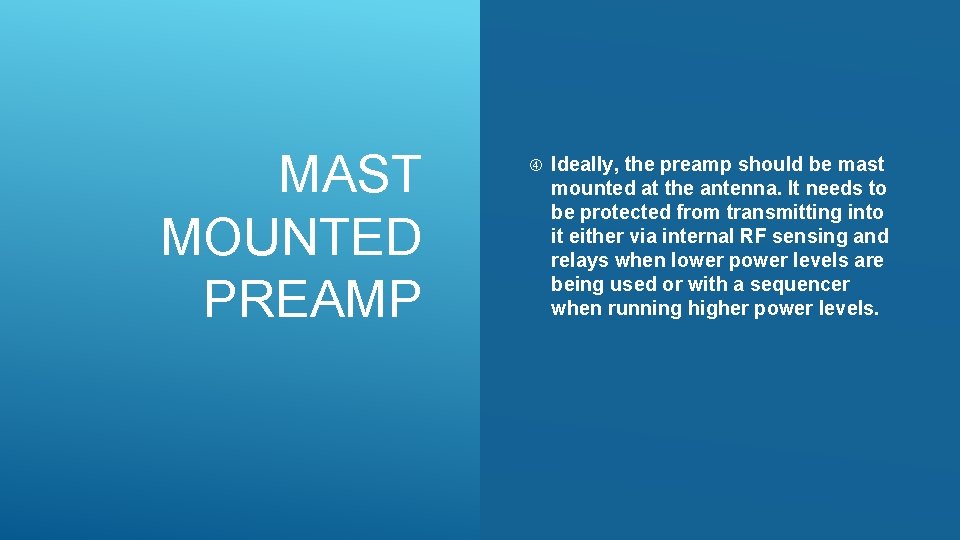
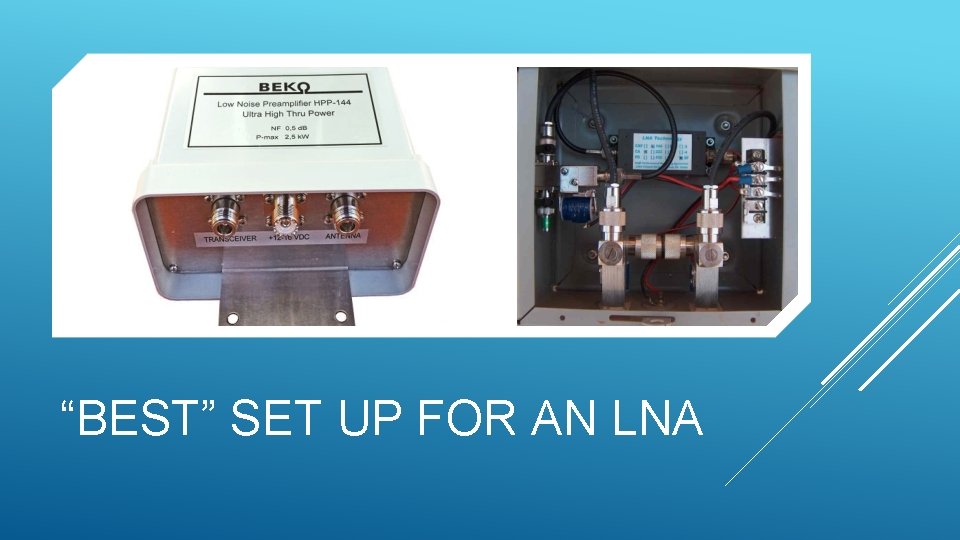
MAST MOUNTED PREAMP Ideally, the preamp should be mast mounted at the antenna. It needs to be protected from transmitting into it either via internal RF sensing and relays when lower power levels are being used or with a sequencer when running higher power levels.
“BEST” SET UP FOR AN LNA
MAST MOUNTED LNA’S NEED SOME SUPPORTING ITEMS
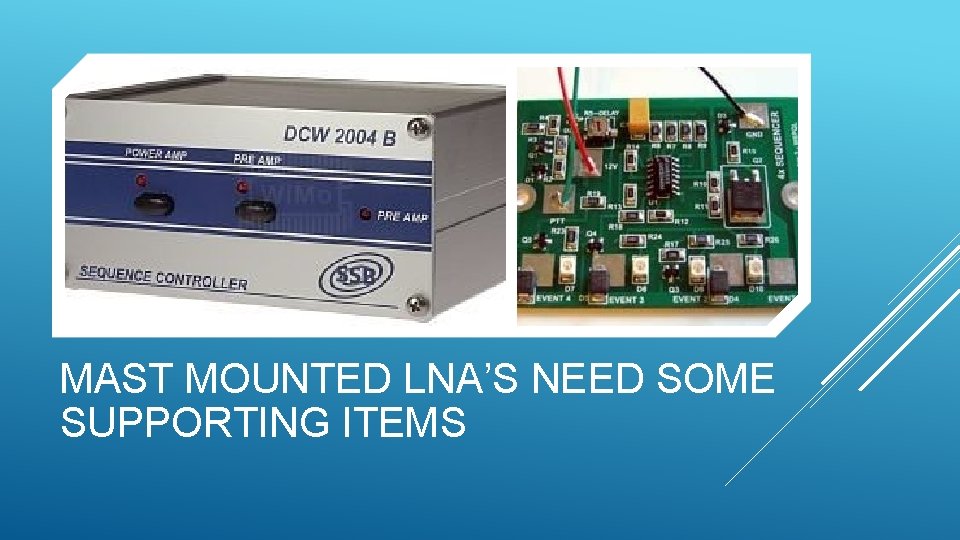
Sequencing the change-over from receive to transmit and vice versa is a *very* important subject. SEQUENCING FOR SAFETY! Not only for EME-operation but also for any kind of switch-over of receiving and transmitting devices. The purpose of "sequencing" is to avoid damage to the equipment/components caused by RF energy hitting a device at a non-appropriate point in time. The "sequencer" takes care of the proper switching in the time domain of components like: Pre-amplifier for RX Antenna relay Power amplifier for TX Transceiver
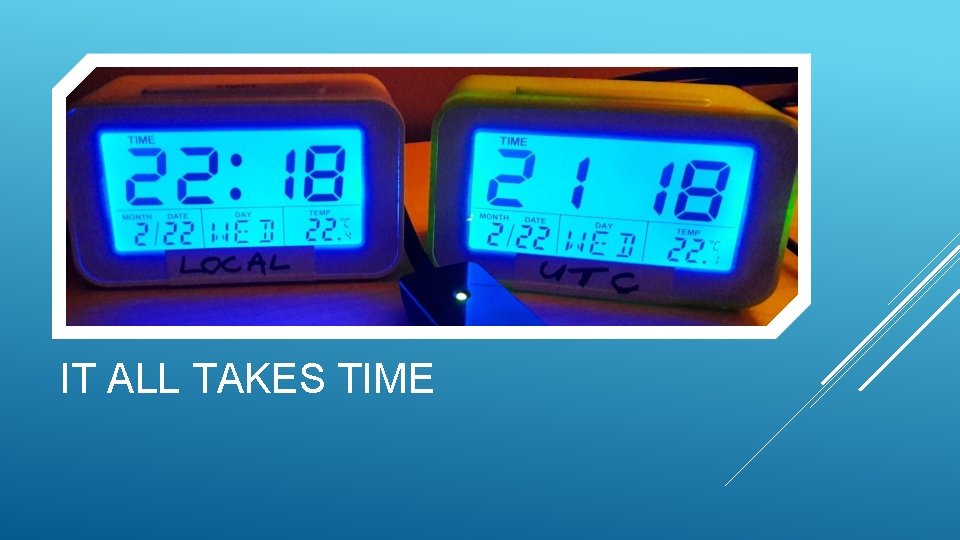
IT ALL TAKES TIME

Get On 6 and ENJOY!!!

www. weaksignalwork. com
- Slides: 160