
6 Kingdoms Characteristics The Science of Classification The







- Slides: 42
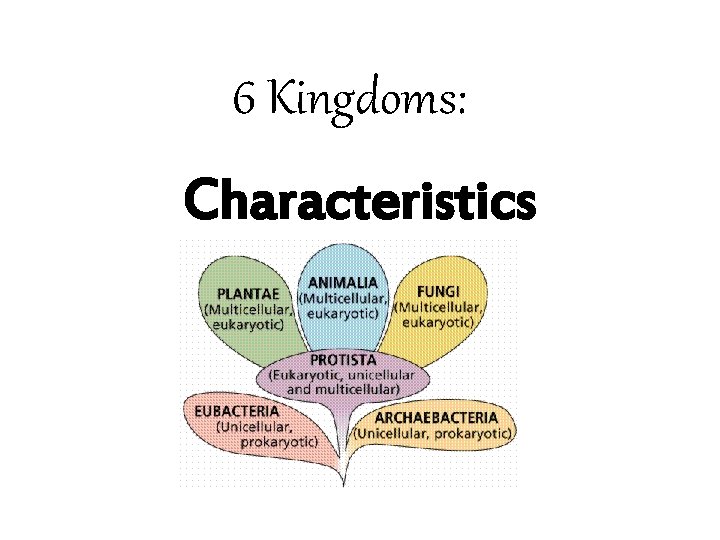
6 Kingdoms: Characteristics
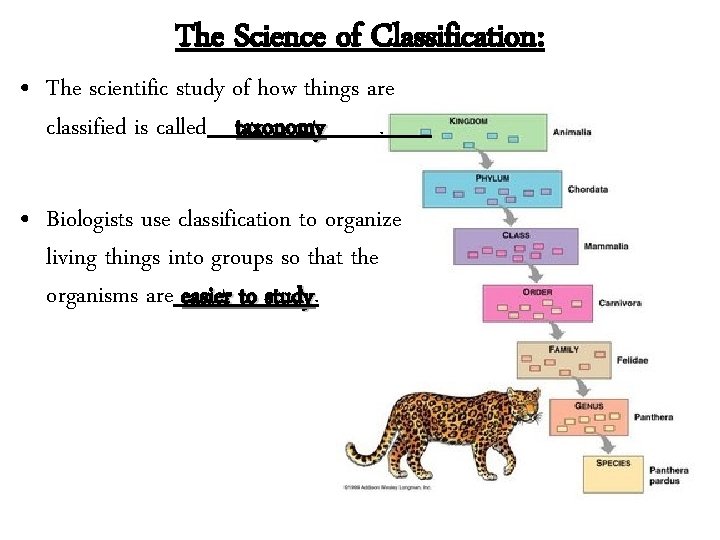
The Science of Classification: • The scientific study of how things are classified is called taxonomy. • Biologists use classification to organize living things into groups so that the organisms are easier to study
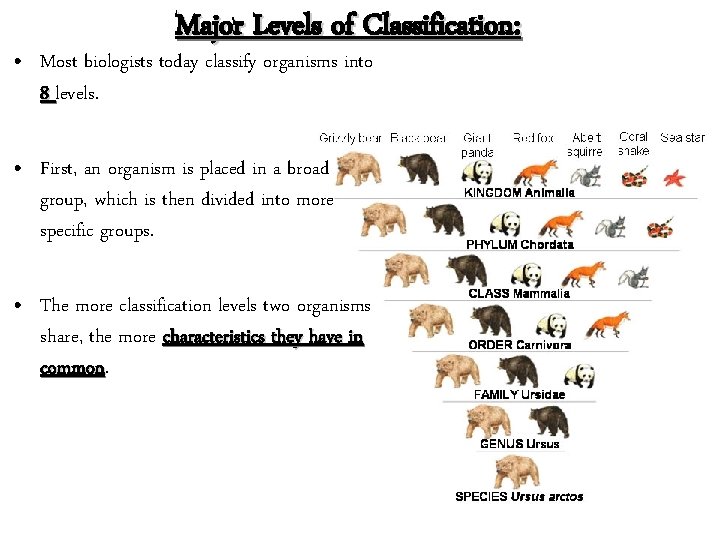
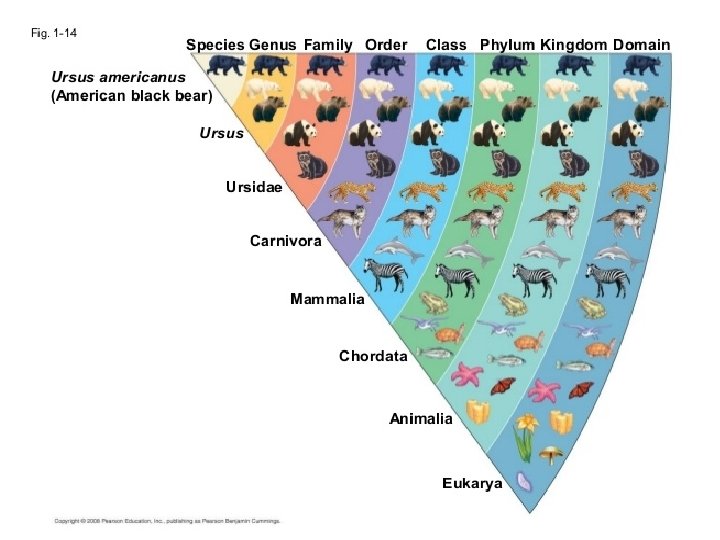
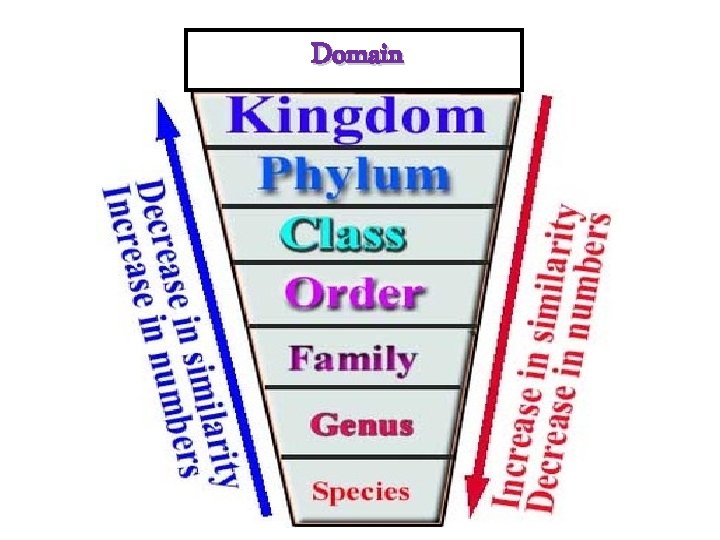
Major Levels of Classification: • Most biologists today classify organisms into 8 levels. • First, an organism is placed in a broad group, which is then divided into more specific groups. • The more classification levels two organisms share, the more characteristics they have in common
Domain
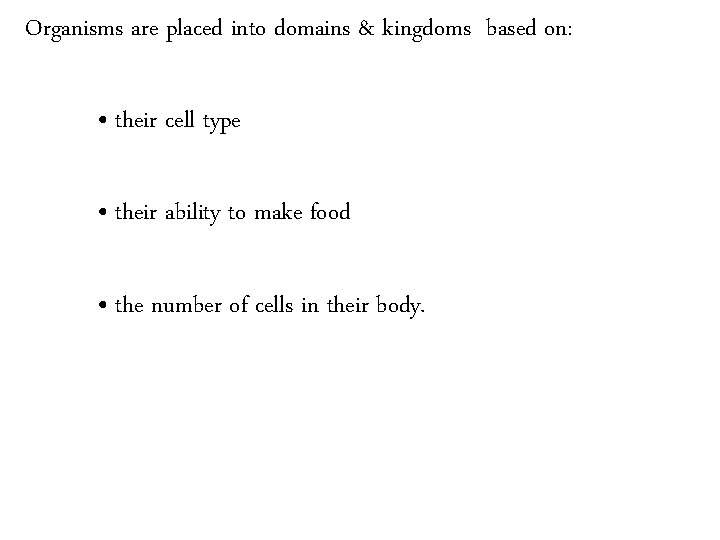
Organisms are placed into domains & kingdoms based on: • their cell type • their ability to make food • the number of cells in their body.
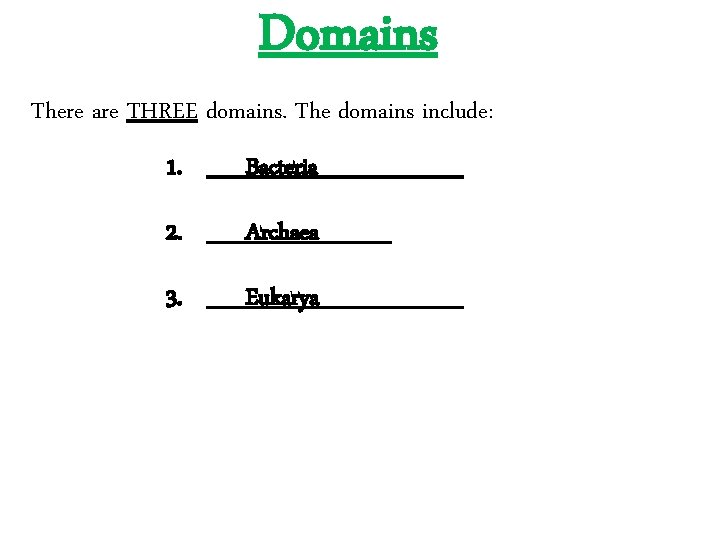
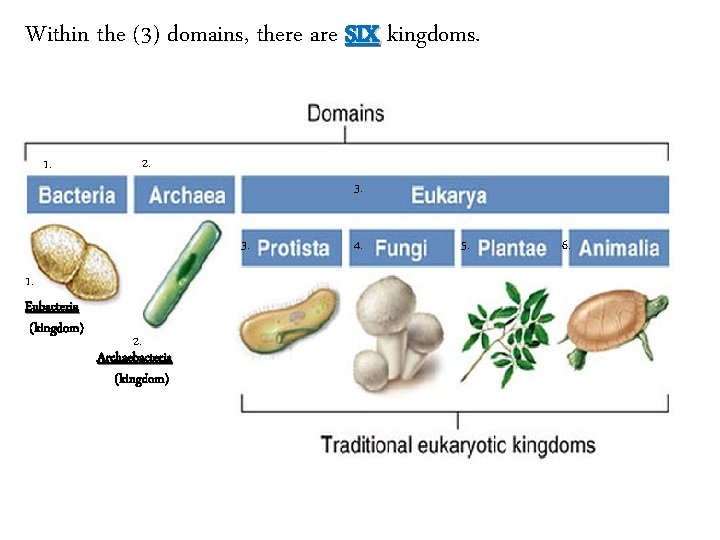
Domains There are THREE domains. The domains include: 1. Bacteria 2. Archaea 3. Eukarya
Within the (3) domains, there are SIX kingdoms. 1. 2. 3. 3. 1. Eubacteria (kingdom) 2. Archaebacteria (kingdom) 4. 5. 6.
What did you notice? ? • There are TWO bacteria domains. • Each bacteria domain has ONLY ONE kingdom. • There are FOUR kingdoms that make up Domain Eukarya. • Eukarya…. Is similar to Eukaryote or Eukaryotic, which means that the cells DO contain a nucleus.
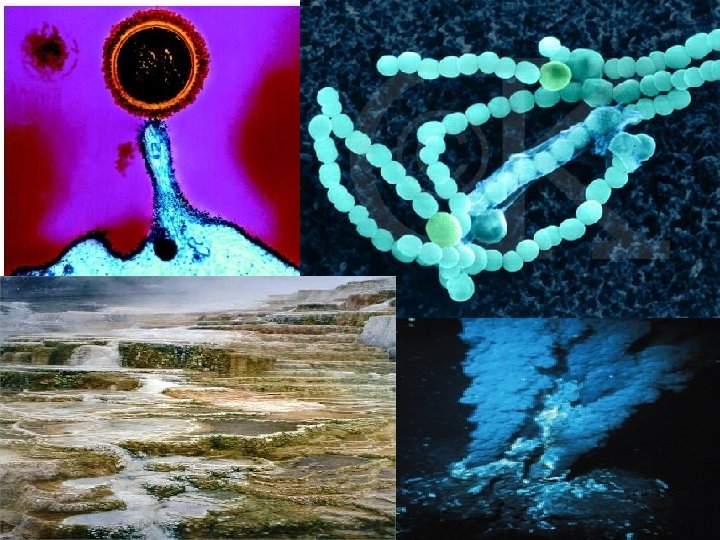
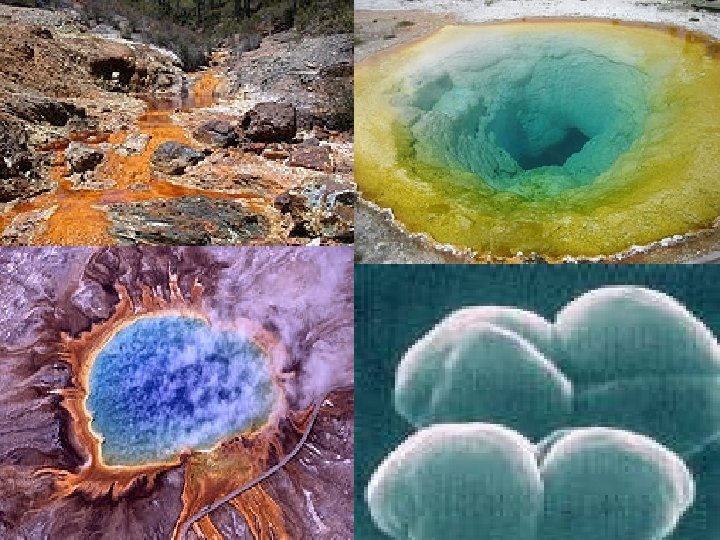
Kingdom Archaebacteria: • Domain- Archaea • Unicellular- Bodies are one cell big. • Prokaryotes - No nucleus • Both Autotrophs & Heterotrophs – Autotrophs- Makes own food – Heterotrophs- Does not make own food • Live in very harsh environments-the harshest in the world!(swamps, hot springs, ocean-very salty water-cow intestines, etc. )
Archaebacteria Continued… • Archaea comes from the Greek word for “ancient” • Scientists think that the harsh conditions in which archaea live are similar to those of ancient earth. So, why are there 2 domains & kingdoms of bacteria? • Archaea are classified into a different domain because their structure and chemical make up is much different from that of bacteria.
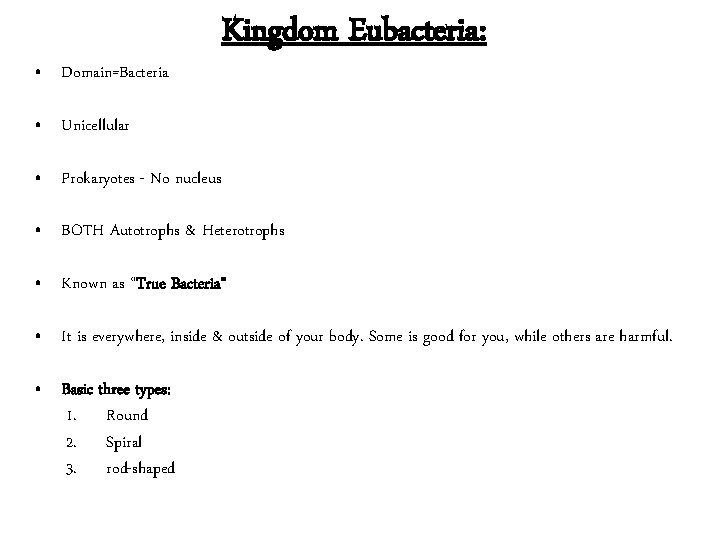
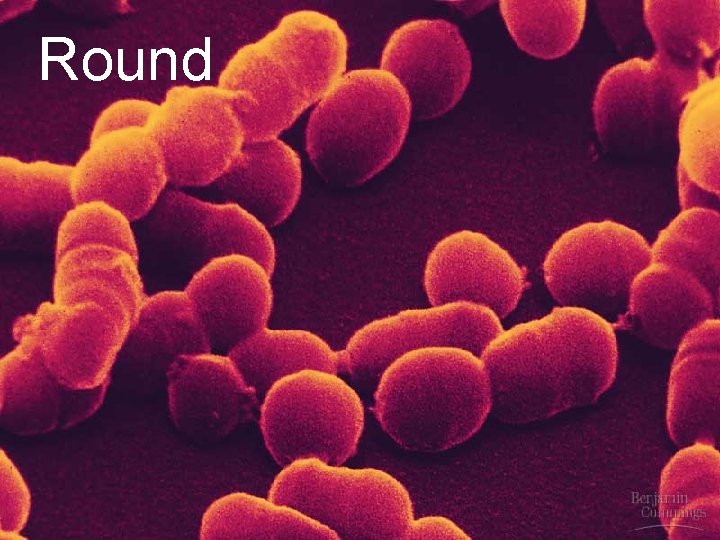
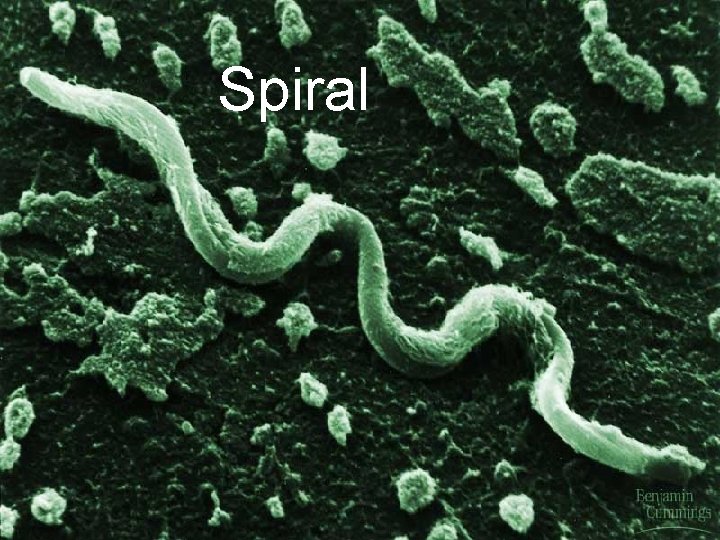
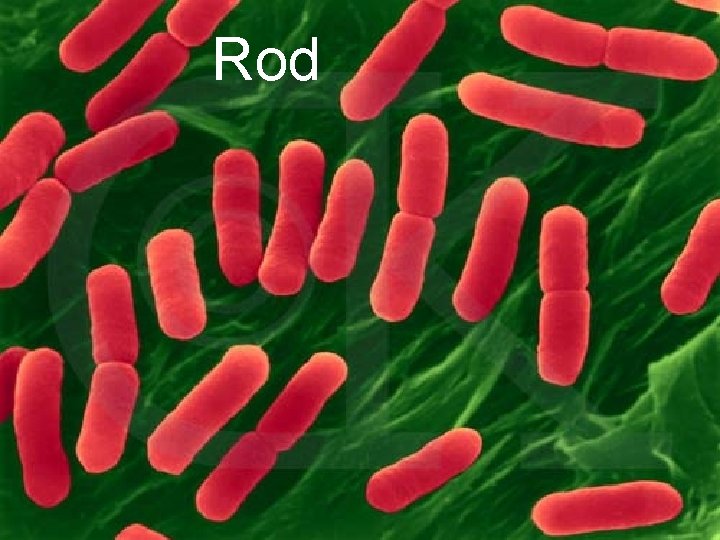
• Domain=Bacteria Kingdom Eubacteria: • Unicellular • Prokaryotes - No nucleus • BOTH Autotrophs & Heterotrophs • Known as “True Bacteria” • It is everywhere, inside & outside of your body. Some is good for you, while others are harmful. • Basic three types: 1. Round 2. Spiral 3. rod-shaped
Round
Spiral
Rod
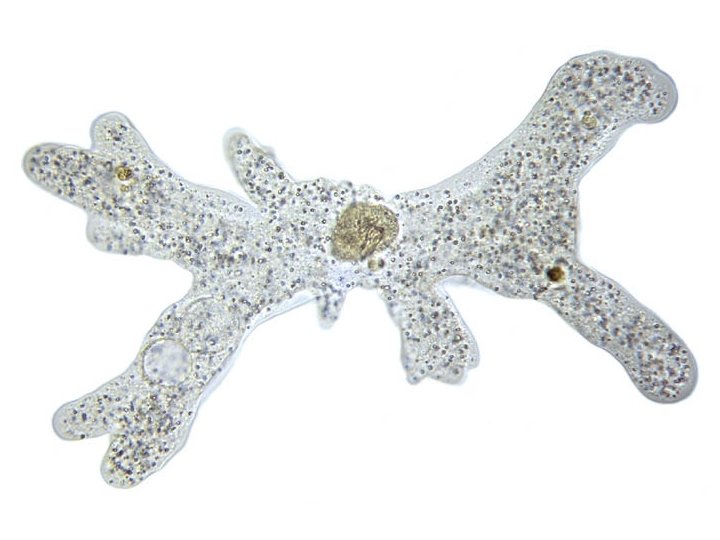
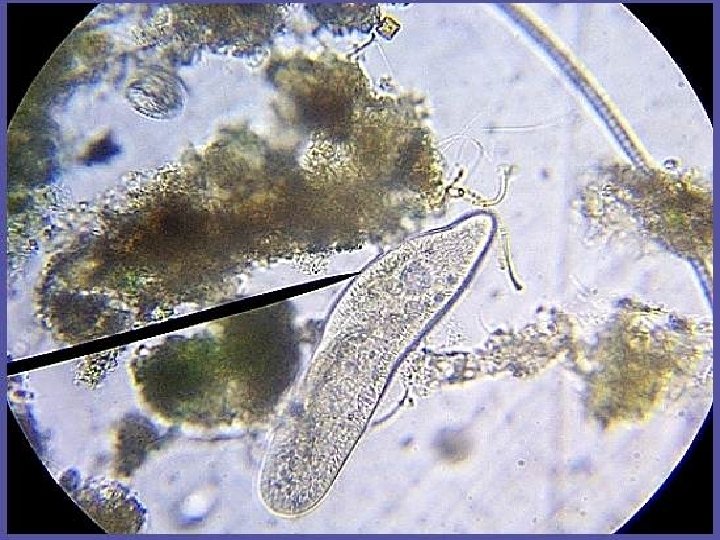
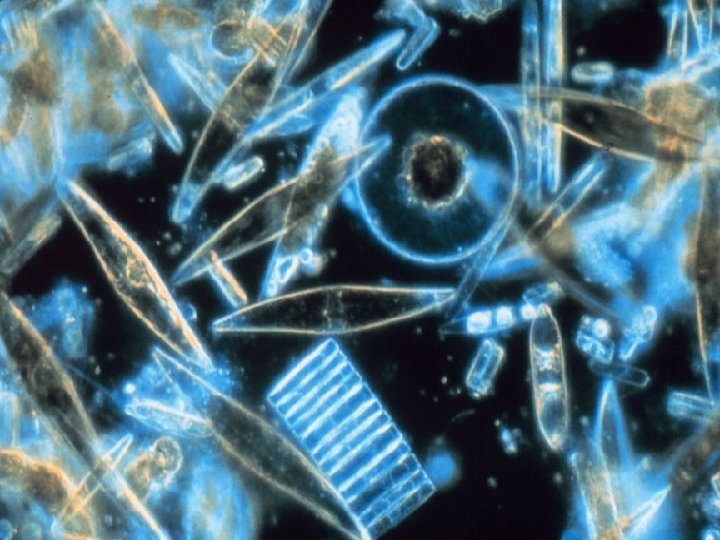
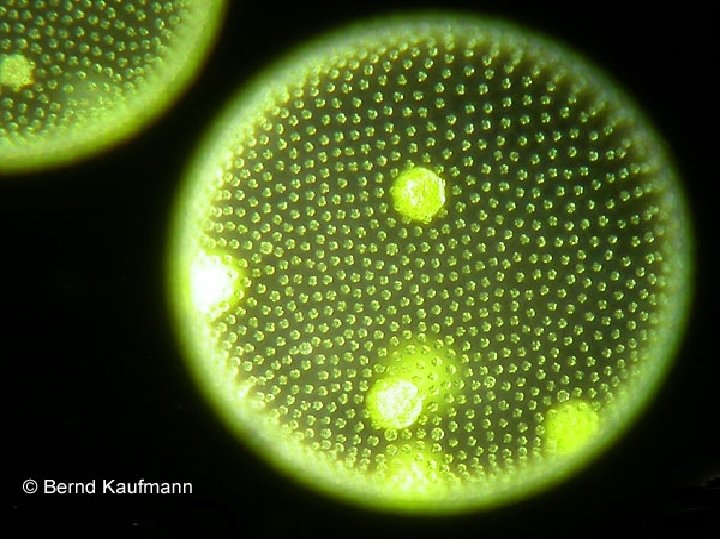
Kingdom Protista: • Domain= Eukarya • Mostly Unicellular • Eukaryotes- Cells a have nucleus and organelles • Both Autotrophs & Heterotrophs
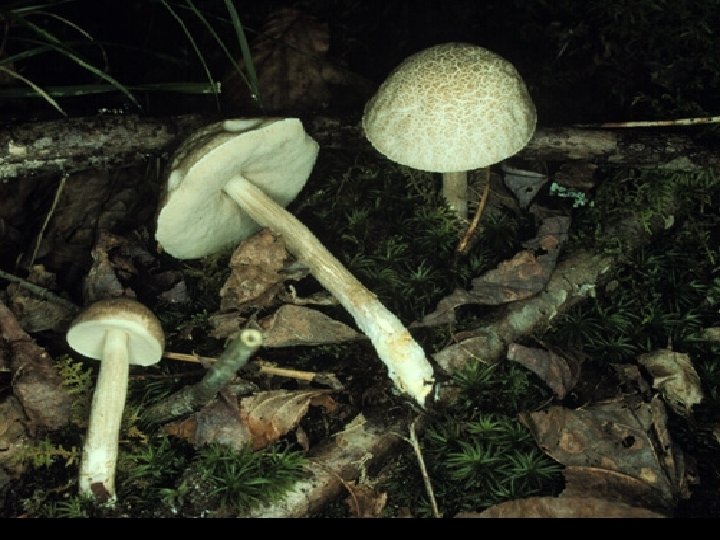
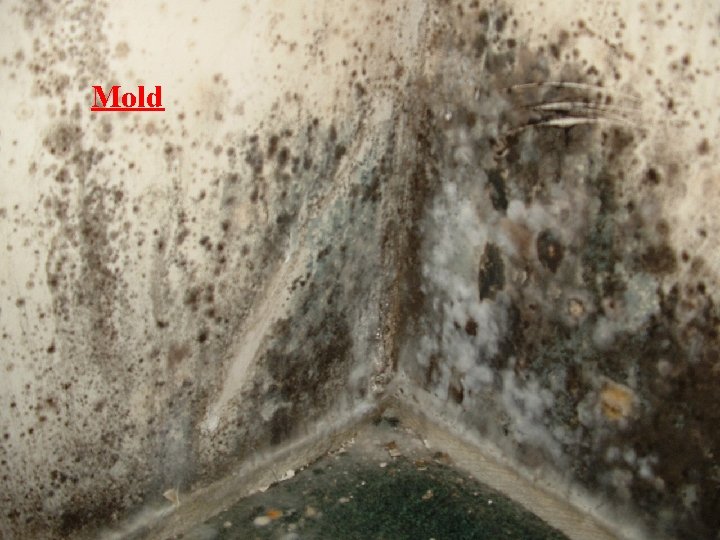
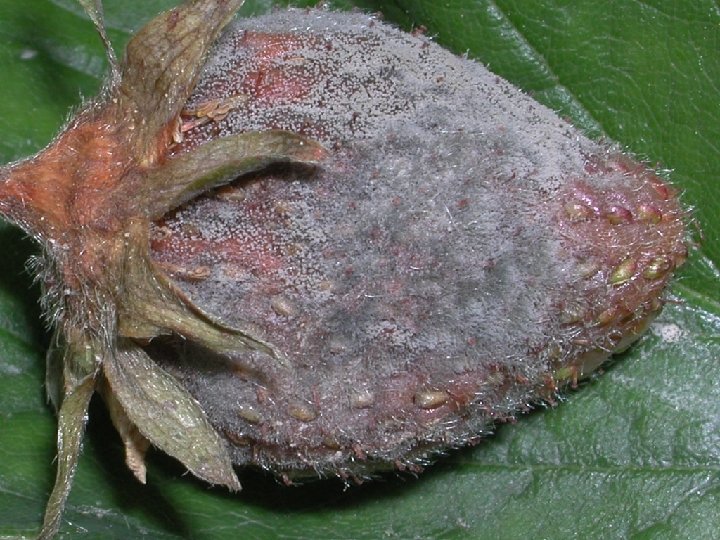
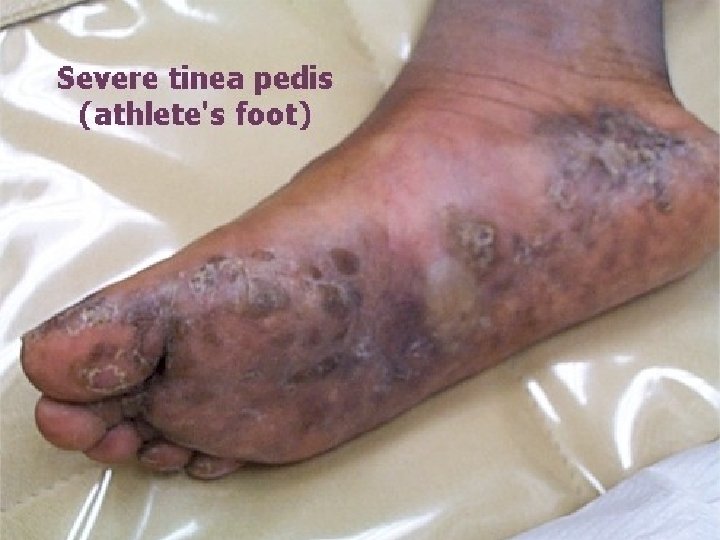
Kingdom Fungi: • Domain=Eukarya • Mostly multi-cellular • Eukaryotes have a nucleus • Heterotrophs
Mold
Kingdom Plantae: • Domain=Eukarya • Multicellular • Eukaryotes- Have a nucleus • Autotrophs (most go through photosynthesis)
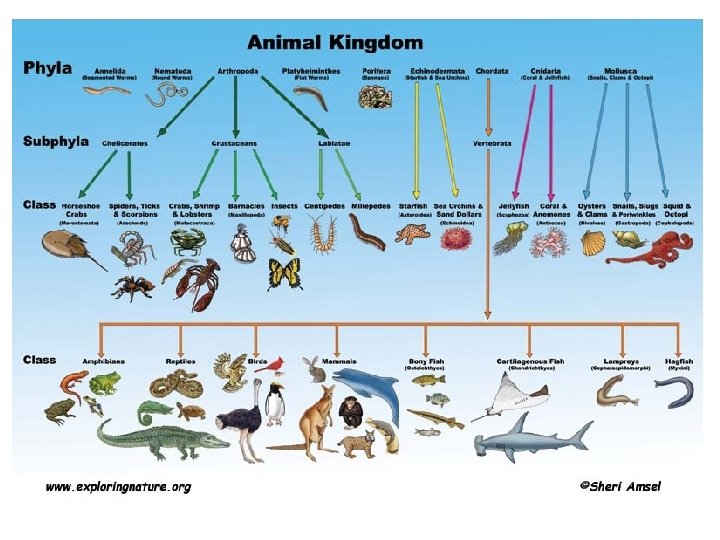
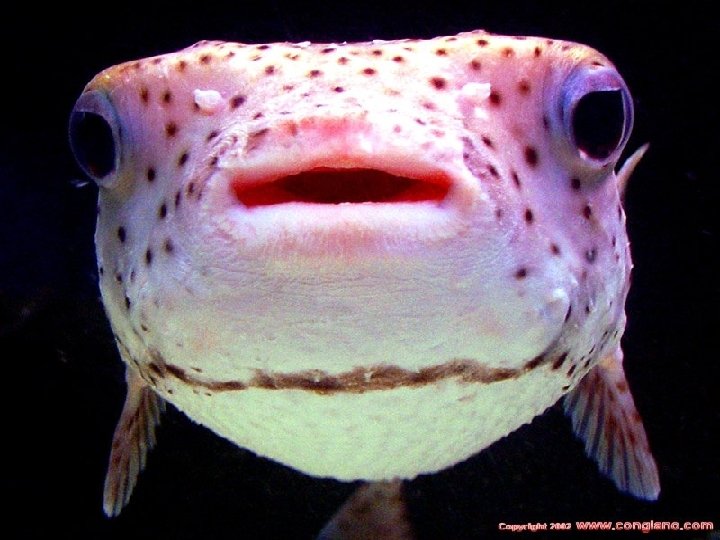
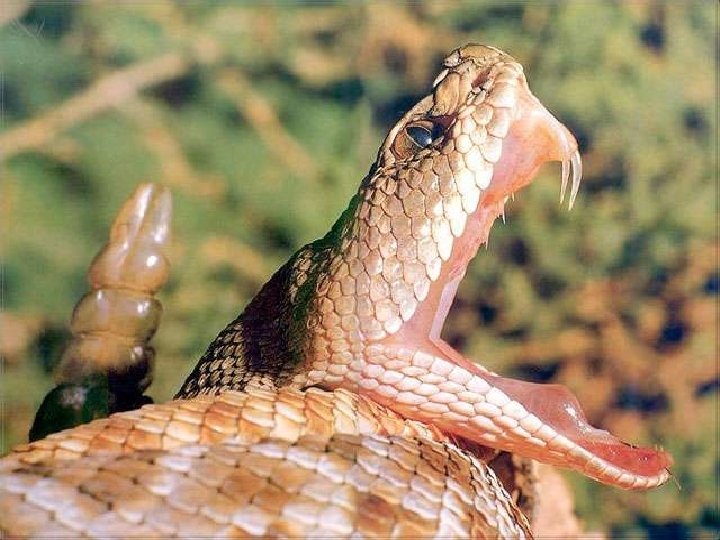
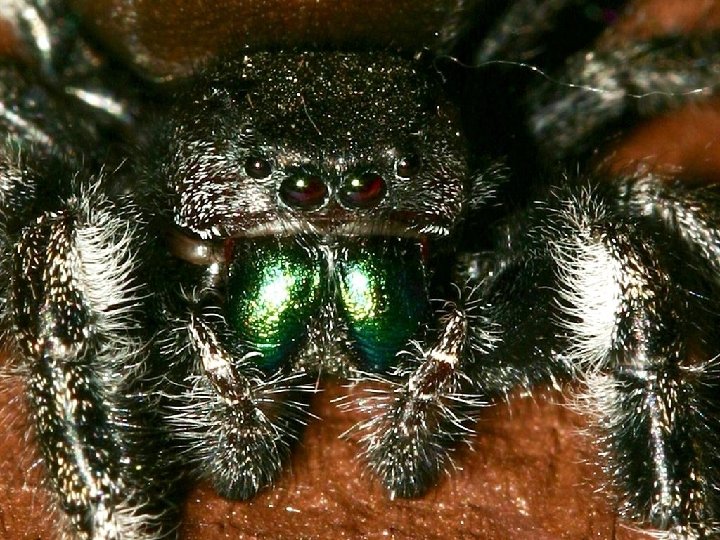
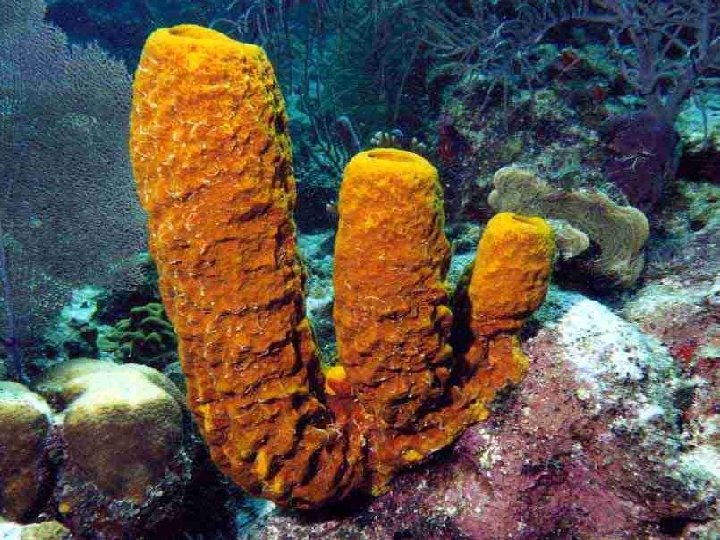
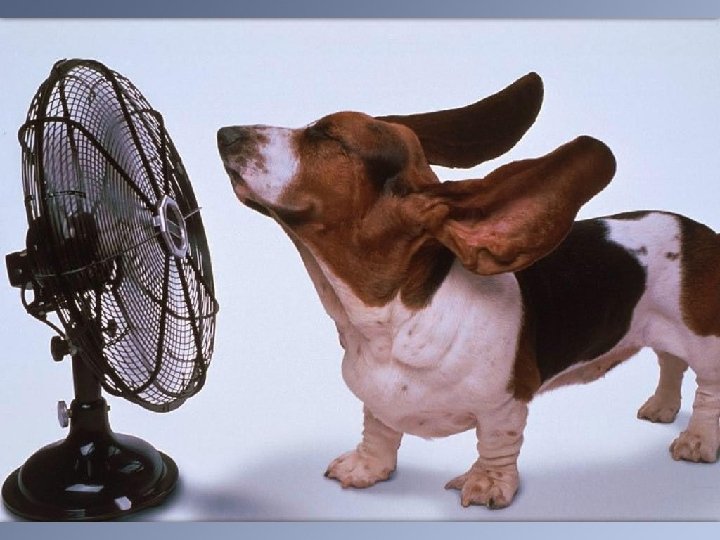
Kingdom Animalia: • Domain=Eukarya • Multi-cellular • Eukaryotes Have a nucleus • Heterotrophs