
6 4 LEWIS STRUCTURE DIAGRAMS LEWIS DIAGRAMS REVIEW


- Slides: 46
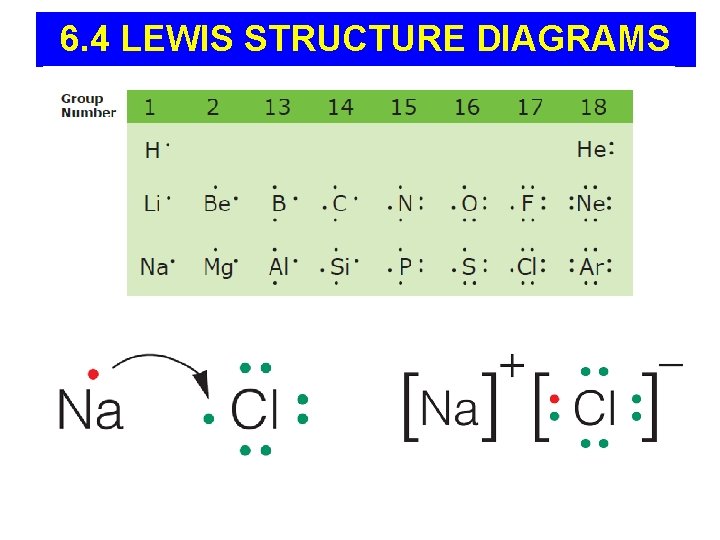
6. 4 LEWIS STRUCTURE DIAGRAMS
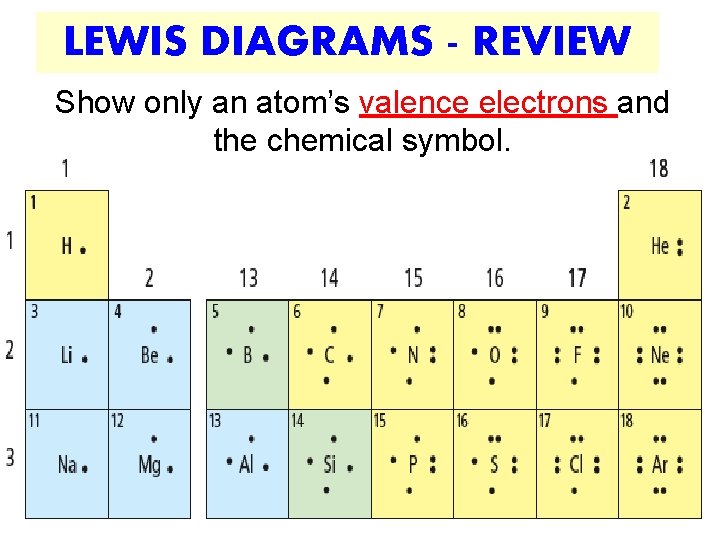
LEWIS DIAGRAMS - REVIEW Show only an atom’s valence electrons and the chemical symbol.
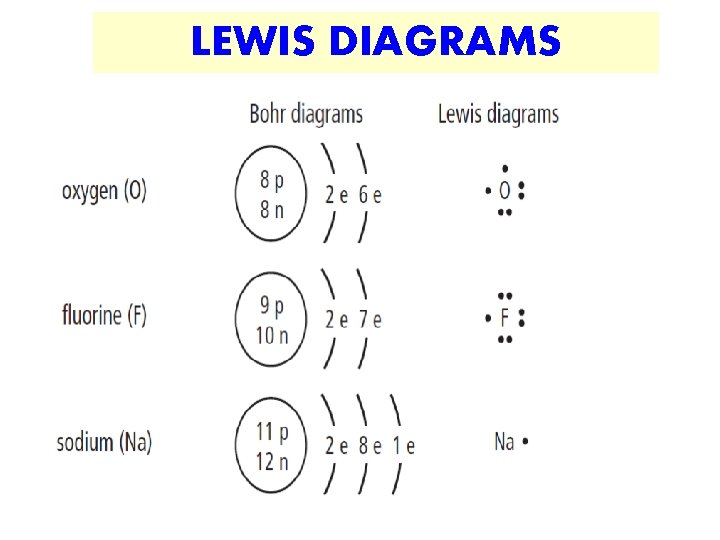
LEWIS DIAGRAMS
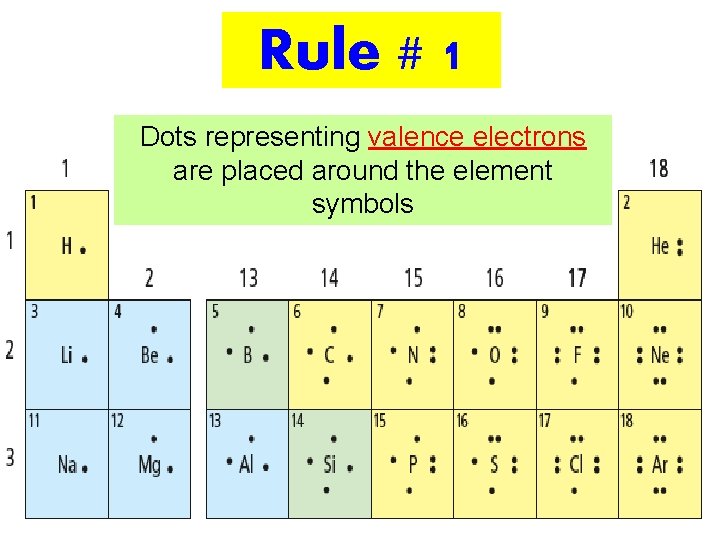
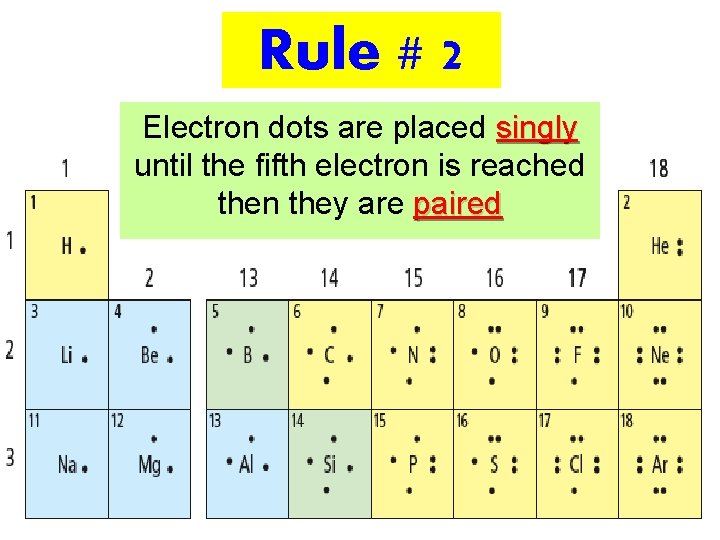
Rule # 1 Dots representing valence electrons are placed around the element symbols
Rule # 2 Electron dots are placed singly until the fifth electron is reached then they are paired
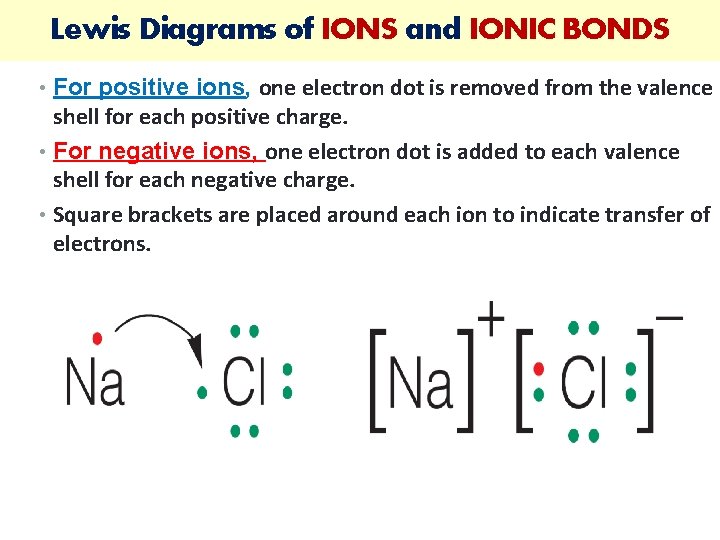
Lewis Diagrams of IONS and IONIC BONDS • For positive ions, one electron dot is removed from the valence shell for each positive charge. • For negative ions, one electron dot is added to each valence shell for each negative charge. • Square brackets are placed around each ion to indicate transfer of electrons.
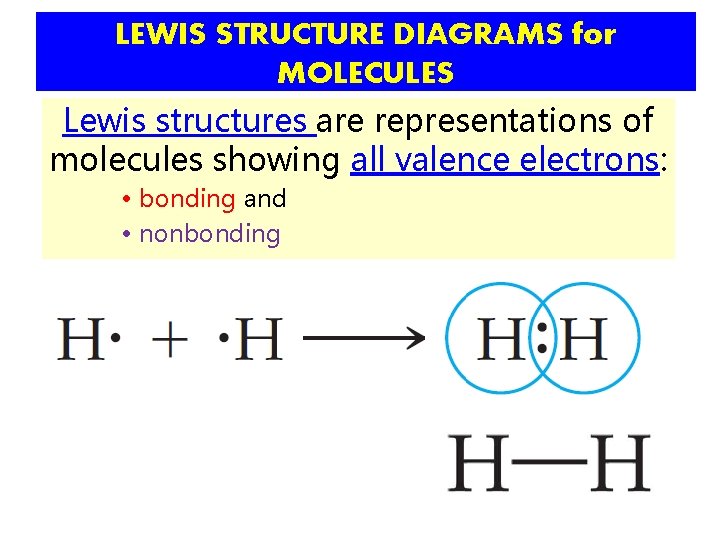
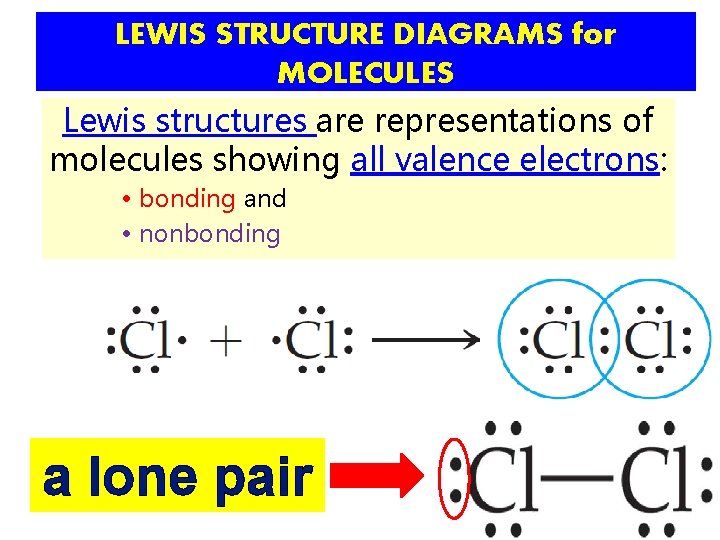
LEWIS STRUCTURE DIAGRAMS for MOLECULES Lewis structures are representations of molecules showing all valence electrons: • bonding and • nonbonding
LEWIS STRUCTURE DIAGRAMS for MOLECULES Lewis structures are representations of molecules showing all valence electrons: • bonding and • nonbonding a lone pair
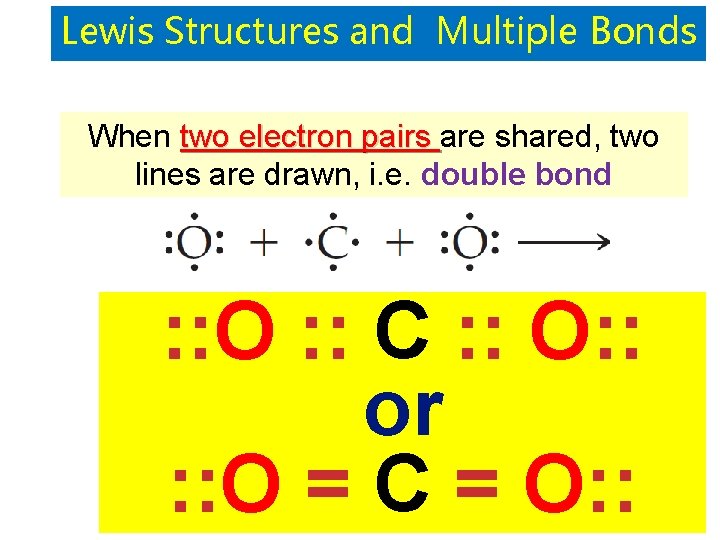
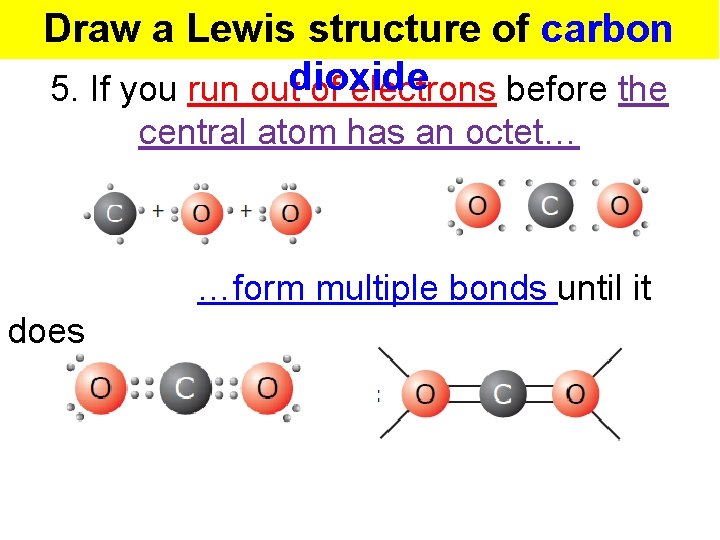
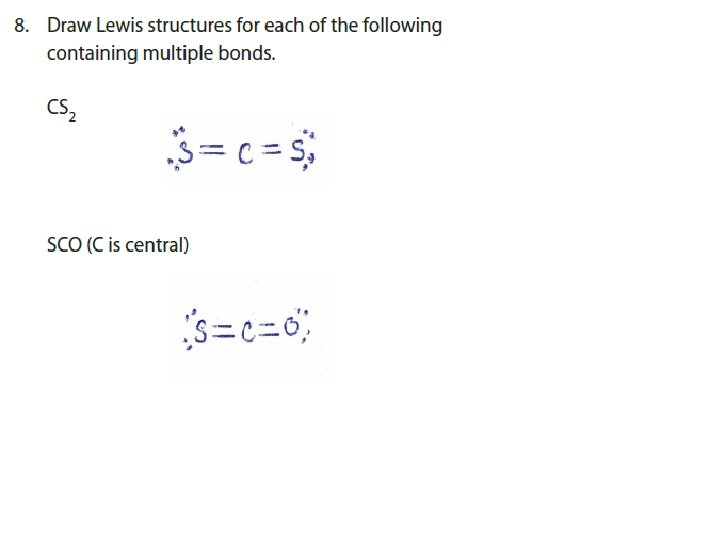
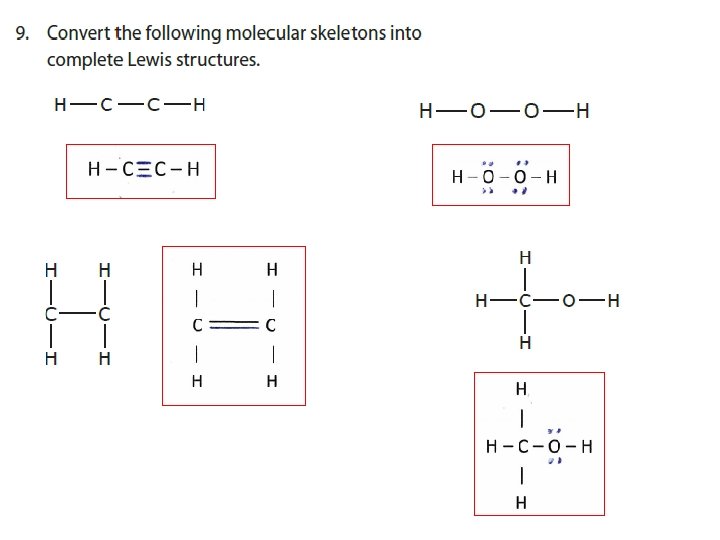
Lewis Structures and Multiple Bonds When two electron pairs are shared, two lines are drawn, i. e. double bond : : O : : C : : O: : or : : O = C = O: :
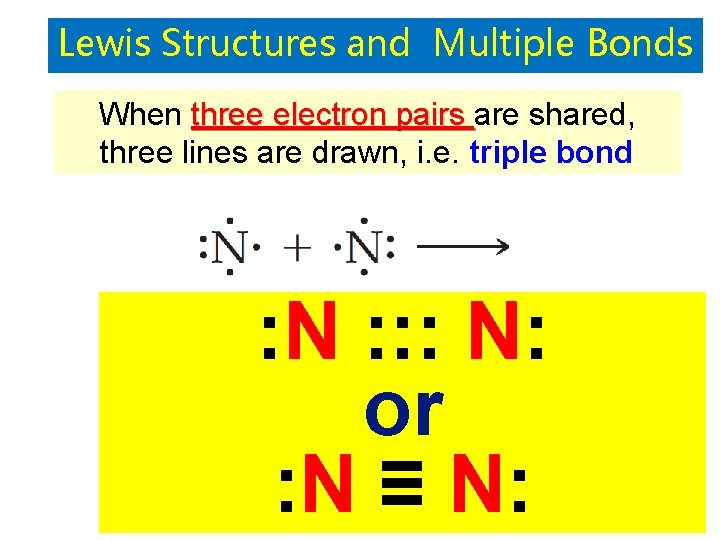
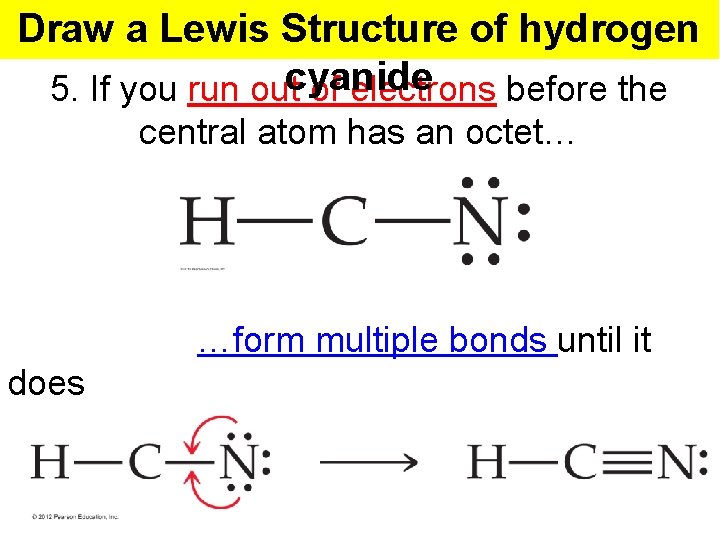
Lewis Structures and Multiple Bonds When three electron pairs are shared, three lines are drawn, i. e. triple bond : N : : : N: or : N ≡ N:
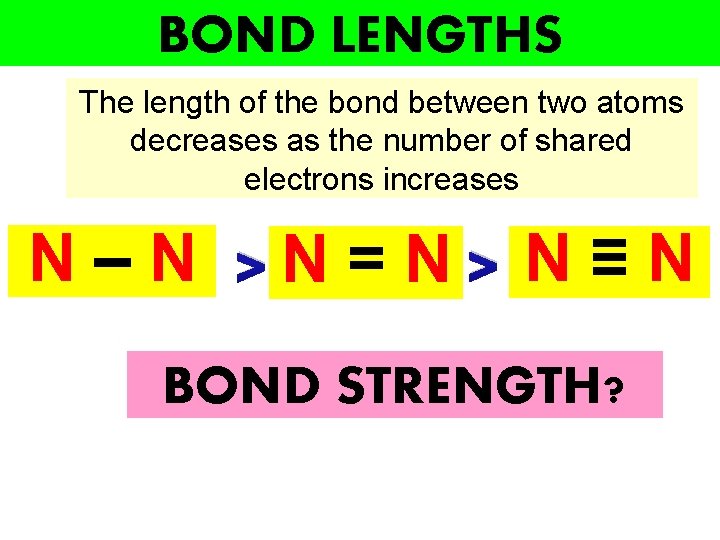
BOND LENGTHS The length of the bond between two atoms decreases as the number of shared electrons increases N – N >N = N > N ≡ N BOND STRENGTH?
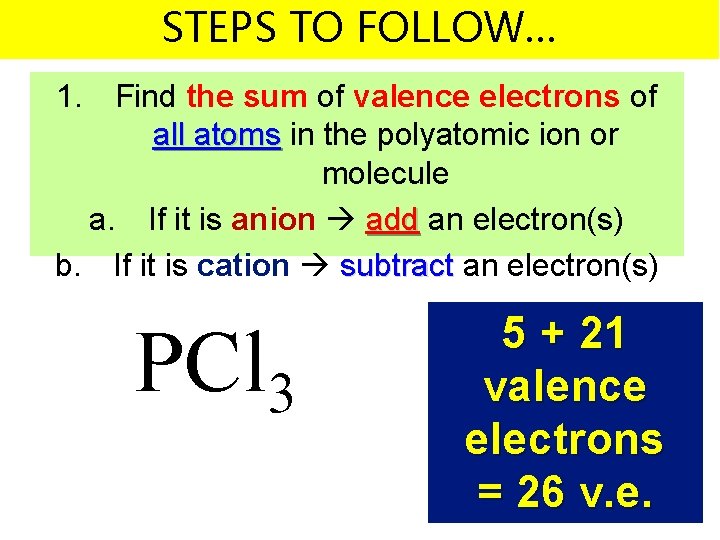
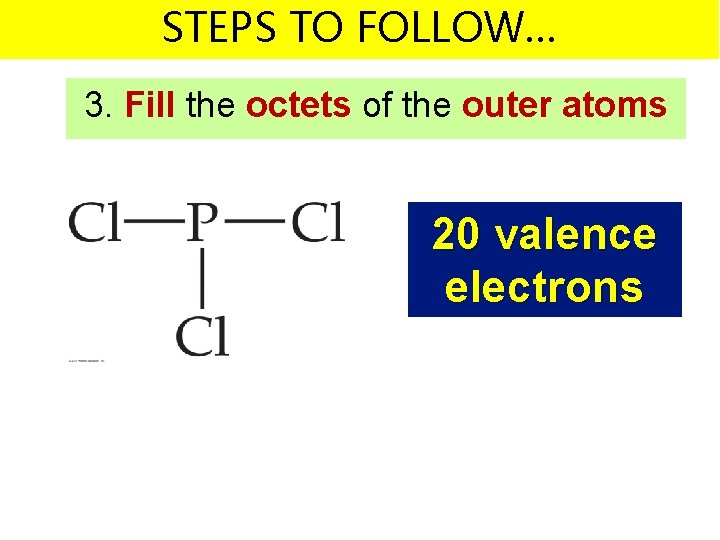
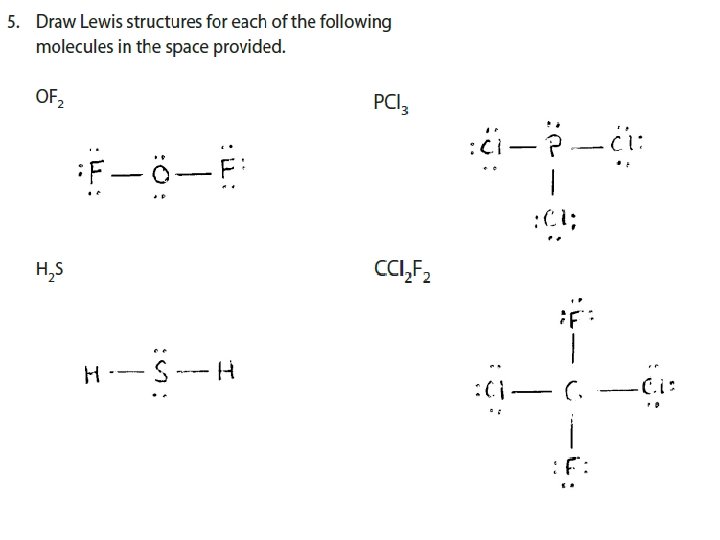
STEPS TO FOLLOW… 1. Find the sum of valence electrons of all atoms in the polyatomic ion or molecule a. If it is anion add an electron(s) b. If it is cation subtract an electron(s) PCl 3 5 + 21 valence electrons = 26 v. e.
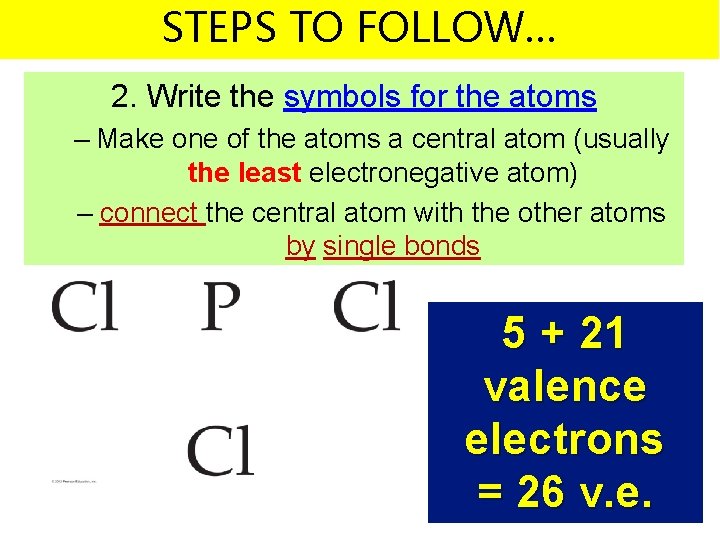
STEPS TO FOLLOW… 2. Write the symbols for the atoms – Make one of the atoms a central atom (usually the least electronegative atom) – connect the central atom with the other atoms by single bonds 5 + 21 valence electrons = 26 v. e.
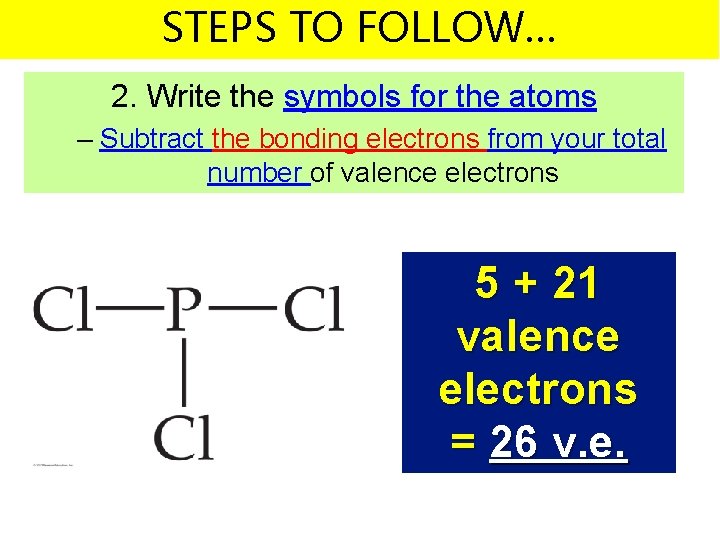
STEPS TO FOLLOW… 2. Write the symbols for the atoms – Subtract the bonding electrons from your total number of valence electrons 5 + 21 valence electrons = 26 v. e.
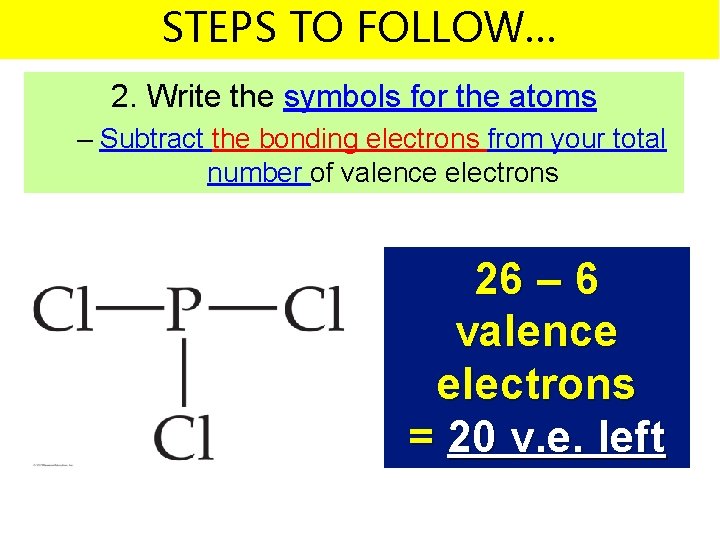
STEPS TO FOLLOW… 2. Write the symbols for the atoms – Subtract the bonding electrons from your total number of valence electrons 26 – 6 valence electrons = 20 v. e. left
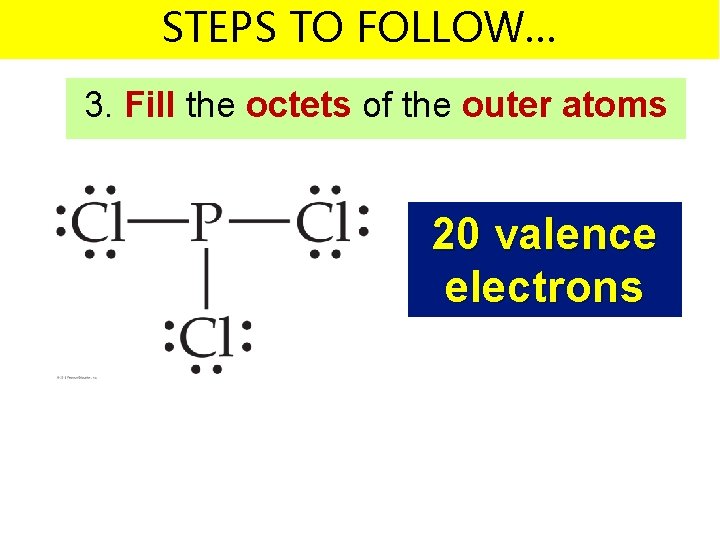
STEPS TO FOLLOW… 3. Fill the octets of the outer atoms 20 valence electrons
STEPS TO FOLLOW… 3. Fill the octets of the outer atoms 20 valence electrons
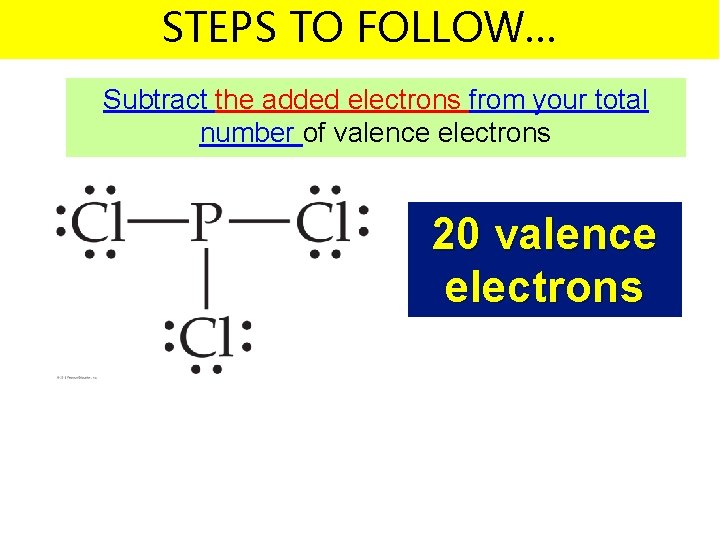
STEPS TO FOLLOW… Subtract the added electrons from your total number of valence electrons 20 valence electrons
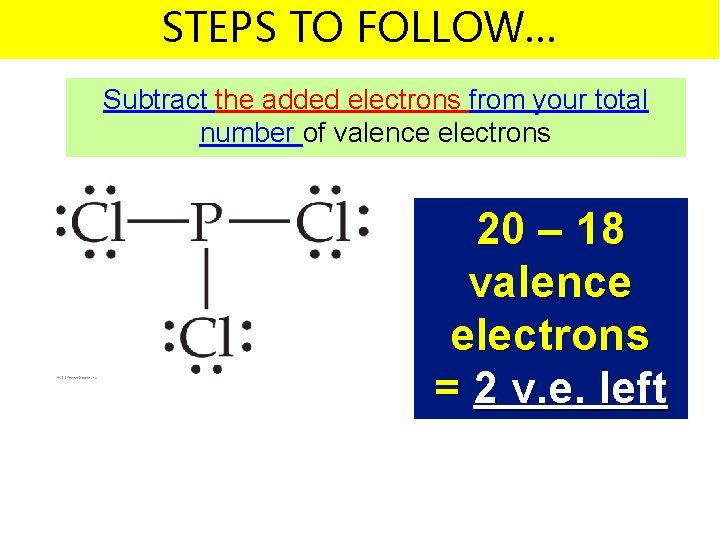
STEPS TO FOLLOW… Subtract the added electrons from your total number of valence electrons 20 – 18 valence electrons = 2 v. e. left
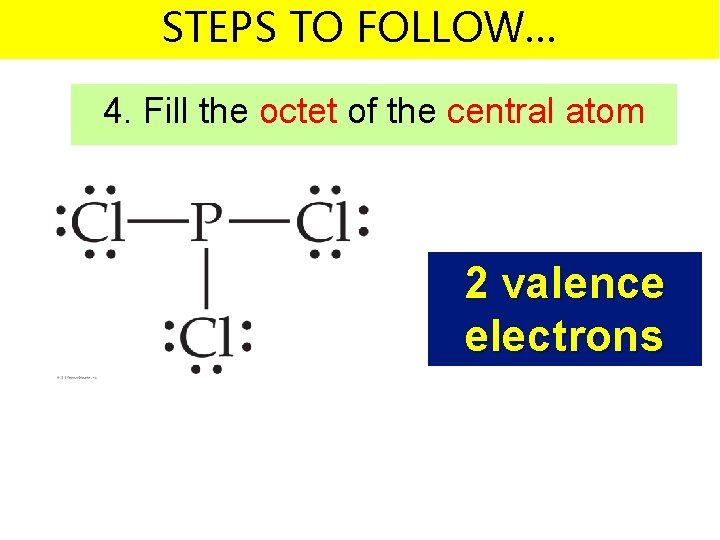
STEPS TO FOLLOW… 4. Fill the octet of the central atom 2 valence electrons
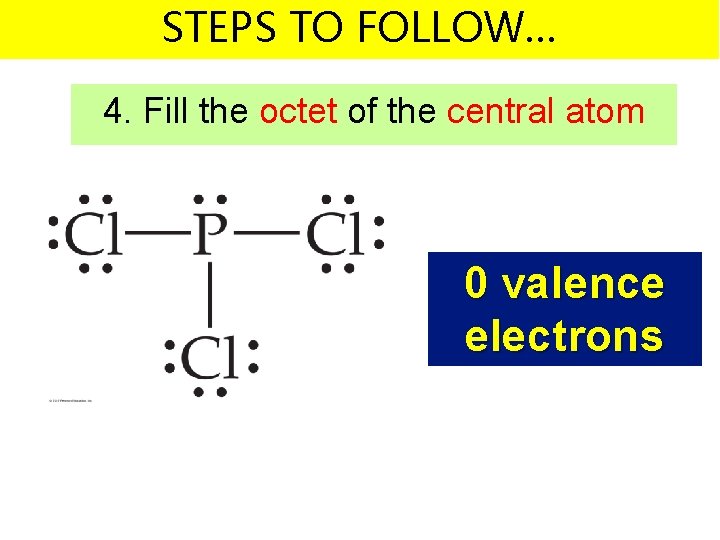
STEPS TO FOLLOW… 4. Fill the octet of the central atom 0 valence electrons
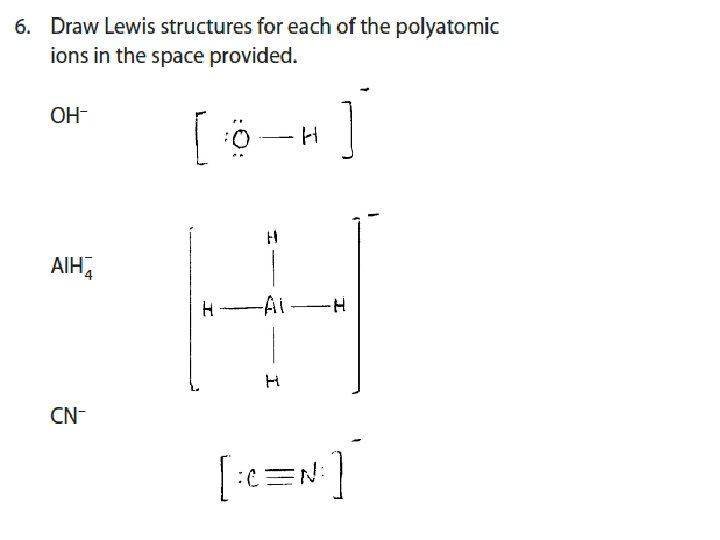
EXAMPLE Draw Lewis Structures for a) H 2 O b) CH 4 c) CH 2 Cl 2 + d) NH 4
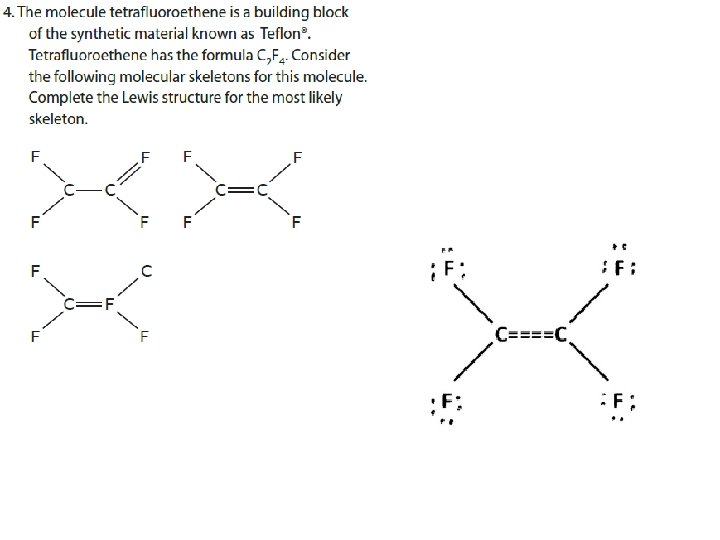
WORKSHEET EXAMPLE Draw Lewis Structures for a) CH 2 Cl 2 b) C 2 H 4 c) Br. O 3 -
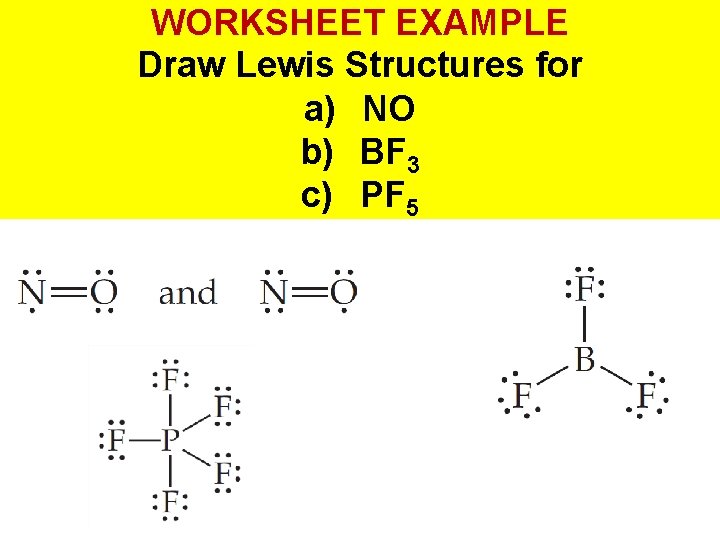
WORKSHEET EXAMPLE Draw Lewis Structures for a) NO b) BF 3 c) PF 5
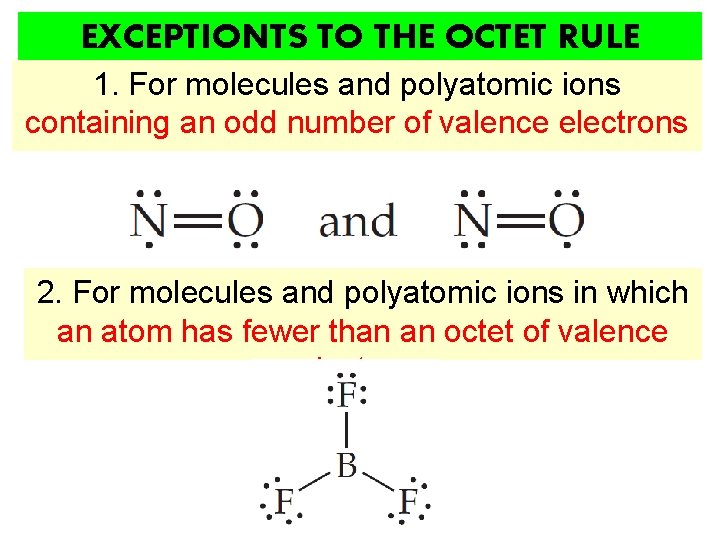
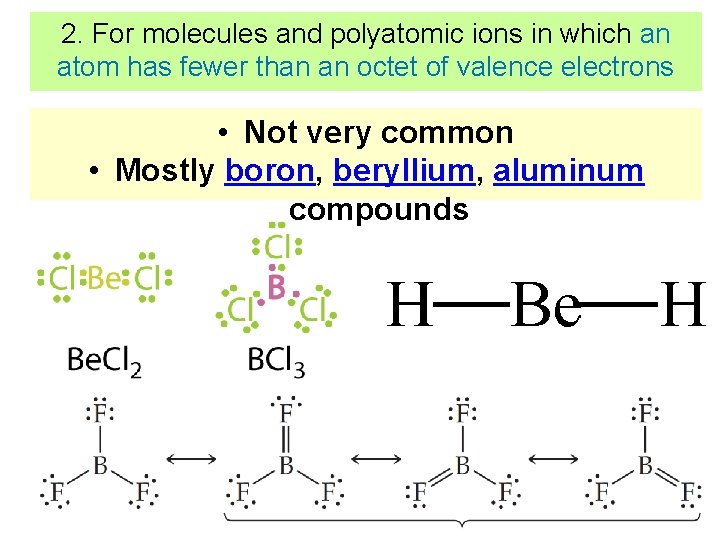
EXCEPTIONTS TO THE OCTET RULE 1. For molecules and polyatomic ions containing an odd number of valence electrons 2. For molecules and polyatomic ions in which an atom has fewer than an octet of valence electrons
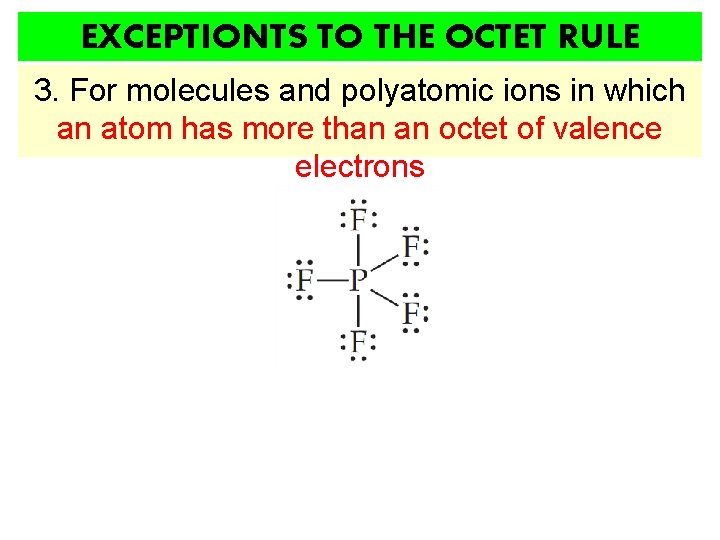
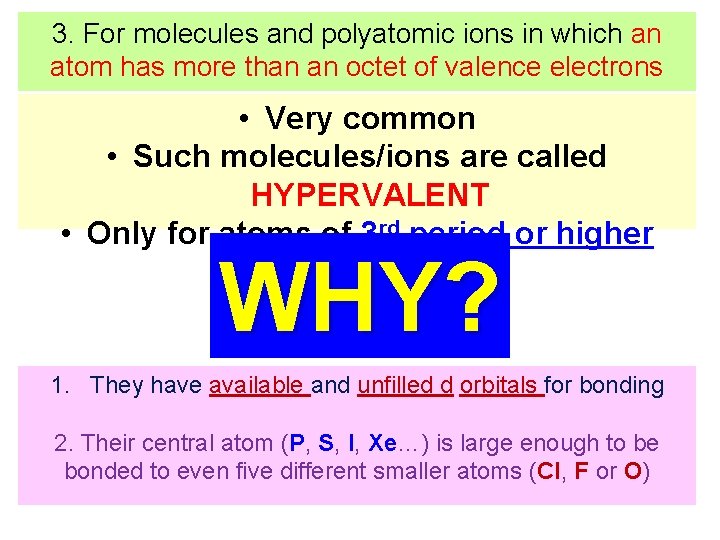
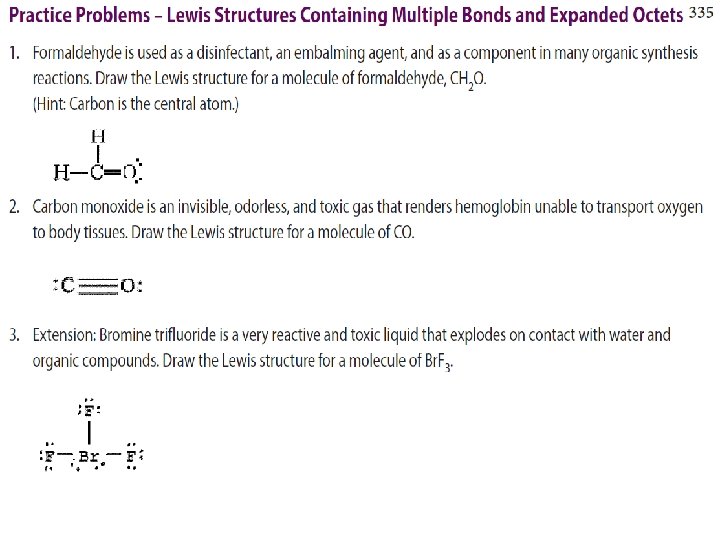
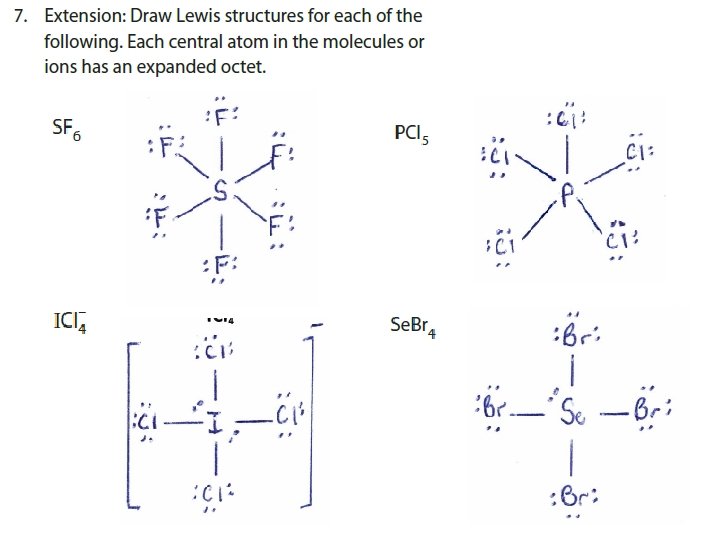
EXCEPTIONTS TO THE OCTET RULE 3. For molecules and polyatomic ions in which an atom has more than an octet of valence electrons
1. For molecules and polyatomic ions containing an odd number of valence electrons Complete pairing of valence electrons is impossible due to the odd number of valence electrons e. g. Cl. O 2, NO 2, O 2 -
2. For molecules and polyatomic ions in which an atom has fewer than an octet of valence electrons • Not very common • Mostly boron, beryllium, aluminum compounds
3. For molecules and polyatomic ions in which an atom has more than an octet of valence electrons • Very common • Such molecules/ions are called HYPERVALENT • Only for atoms of 3 rd period or higher WHY? 1. They have available and unfilled d orbitals for bonding 2. Their central atom (P, S, I, Xe…) is large enough to be bonded to even five different smaller atoms (Cl, F or O)
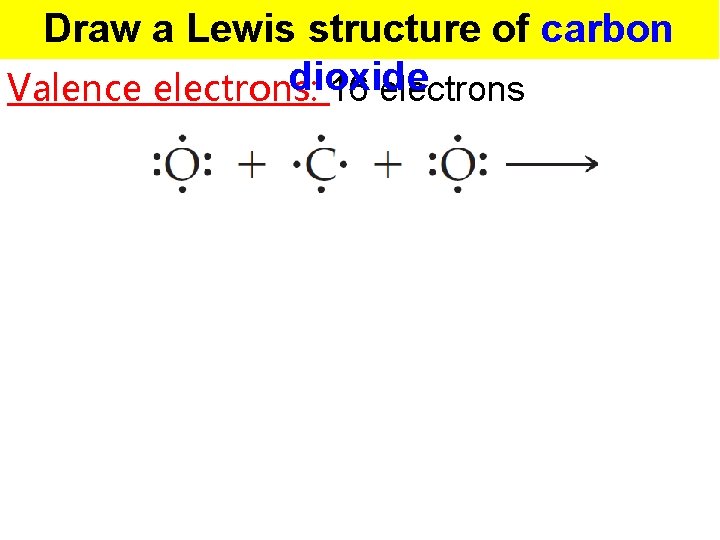
Draw a Lewis structure of carbon dioxide Valence electrons: 16 electrons
Draw a Lewis structure of carbon 5. If you run outdioxide of electrons before the central atom has an octet… …form multiple bonds until it does
Draw a Lewis Structure of hydrogen 5. If you run outcyanide of electrons before the central atom has an octet… …form multiple bonds until it does
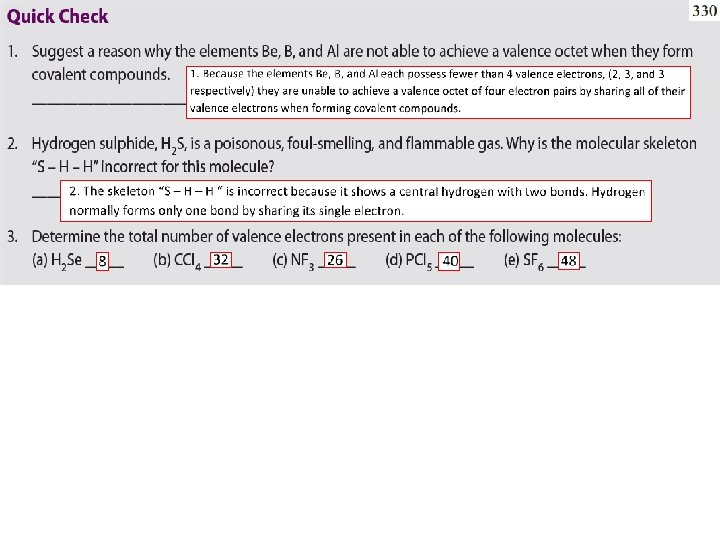
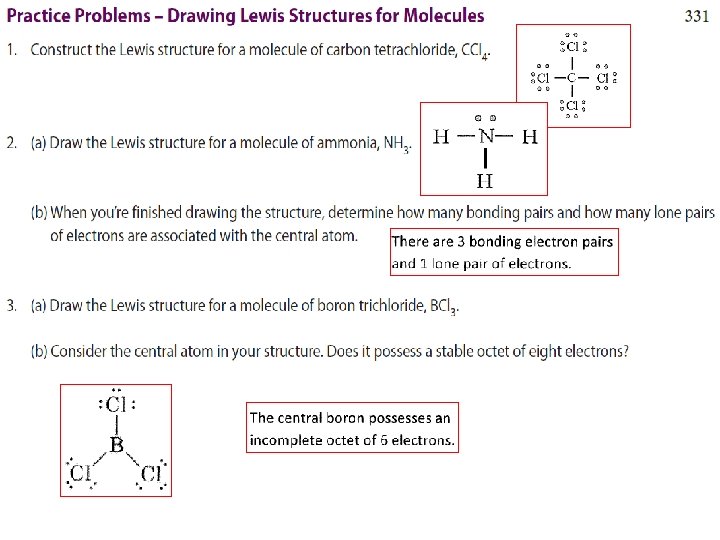
HOMEWORK/CLASSWORK � 6. 4 Review ◦ all Questions