
58 A Changing Biosphere Chapter 58 Key Concepts
58 A Changing Biosphere
Chapter 58 Key Concepts 58. 1 Human Activities Are Changing the Biosphere, Resulting in Biodiversity Loss 58. 2 Most Biodiversity Loss to Date Is Caused by Habitat Loss and Degradation 58. 3 Protecting Biodiversity Requires Conservation and Management Strategies
Investigating Life: Fatal Fungus Final Fate for Frogs? Since 1980, there has been a global decline of amphibian species, more than any other taxonomic group. Amphibians are known as “biological indicators” of environmental problems because they have permeable skin, live in water and on land, and do not move long distances.
Investigating Life: Fatal Fungus Final Fate for Frogs? There’s no clear explanation for the decline of about half the species. A fungal skin disease has caused mass mortalities in many parts of the world. Is the most recent dramatic decline of amphibians the result of a novel fungal pathogen, and if so, what can be done about it?
Key Concept 58. 1 Focus Your Learning • Various factors decrease effective population size, eventually leading to extinction. • Biodiversity connects species at all levels; its loss affects population, metapopulation, species, ecosystem, and global levels. • It is very difficult to track and predict extinctions.
58. 1 Human Activities Are Changing the Biosphere, Resulting in Biodiversity Loss Biodiversity loss is cause for concern: • Humans depend on thousands of species for ecosystem goods and services. • Humans derive psychological benefits from interacting with other organisms. • Living in ways that cause the extinction of other species raises ethical issues.
58. 1 Human Activities Are Changing the Biosphere, Resulting in Biodiversity Loss • Extinctions deprive the public and scientific community of opportunities to study and understand ecological relationships.
58. 1 Human Activities Are Changing the Biosphere, Resulting in Biodiversity Loss Conservation biology: Integrative scientific discipline that uses principles of ecology, economics, social science, and policy to protect and manage Earth’s biodiversity.
58. 1 Human Activities Are Changing the Biosphere, Resulting in Biodiversity Loss of biodiversity at one scale affects losses at other scales. If human activities reduce number of individuals, it reduces the effective population size—the number of individuals that can contribute offspring to the next generation—resulting in further population declines, leading to an “extinction vortex. ”
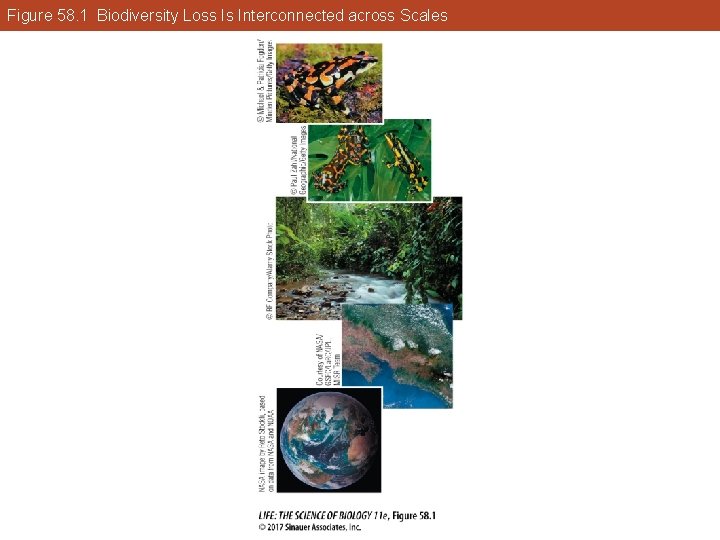
Figure 58. 1 Biodiversity Loss Is Interconnected across Scales

Figure 58. 2 Extinction Vortex
58. 1 Human Activities Are Changing the Biosphere, Resulting in Biodiversity Loss Small populations are more likely to experience genetic drift and inbreeding depression, leading to reduced genetic diversity. When population size is small, there is a greater chance of demographic stochasticity. Extreme weather or other events can increase the chance of extinction.
58. 1 Human Activities Are Changing the Biosphere, Resulting in Biodiversity Loss Biodiversity loss is also connected at higher levels. Large metapopulations can act as sources and rescue smaller populations from extinction. If keystone or foundation species go extinct, other species will be threatened as well.
58. 1 Human Activities Are Changing the Biosphere, Resulting in Biodiversity Loss Heath hens were common prior to the 1800 s but were hunted extensively for food. By 1830 only one population, on Martha’s Vineyard, survived. In 1908 a reserve was established to protect the 50 remaining birds, which grew to several thousand.
58. 1 Human Activities Are Changing the Biosphere, Resulting in Biodiversity Loss But in 1916, a fire, a hard winter, an influx of predators, and a poultry disease caused the population size to decline dramatically. By 1928 demographic stochasticity and inbreeding depression left only 13 individuals–– 2 females and 11 males. Four years later, the heath hen was extinct.
58. 1 Human Activities Are Changing the Biosphere, Resulting in Biodiversity Loss Extinction is a constant theme in Earth’s history; most of the species that have lived on Earth over the ages are extinct today. But the rate of extinctions occurring today rivals those of the 5 great mass extinction events. Many biologists think we are in the midst of the 6 th mass extinction.
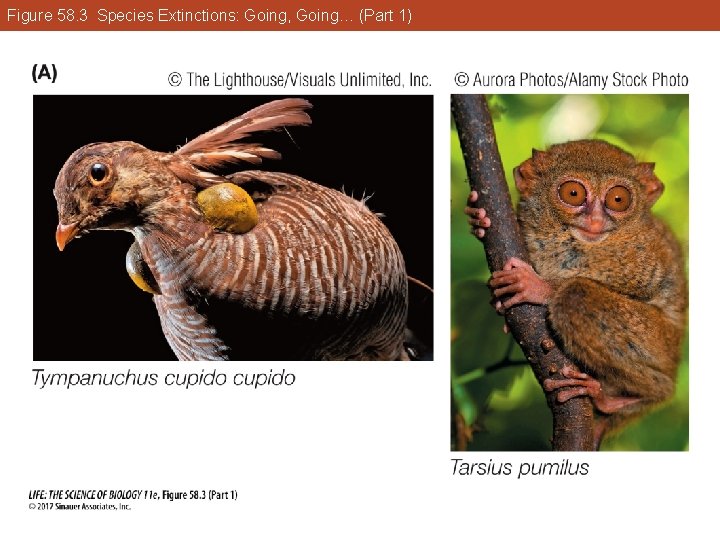
Figure 58. 3 Species Extinctions: Going, Going… (Part 1)
58. 1 Human Activities Are Changing the Biosphere, Resulting in Biodiversity Loss When humans arrived in North America 14, 000 years ago, they encountered a diverse megafauna. Most became extinct within a few thousand years. Overhunting by humans is the most likely cause. Similar extinctions of megafauna coincided with human arrival in Australia, New Zealand, and Madagascar.
58. 1 Human Activities Are Changing the Biosphere, Resulting in Biodiversity Loss Tracking and predicting extinctions is difficult for many reasons: 1. We do not know how many species live on Earth today. Many species that may go extinct have not yet been named or described. § Estimates of the number of species yet to be discovered range from about 2 million to more than 50 million.
58. 1 Human Activities Are Changing the Biosphere, Resulting in Biodiversity Loss 2. We do not know where species live, especially ones that are small, reclusive, and rare to start with. 3. It is difficult to determine when a species actually becomes extinct. § Pygmy tarsiers were discovered on Sulewesi in 2008, 85 years after the last sighting.
58. 1 Human Activities Are Changing the Biosphere, Resulting in Biodiversity Loss 4. We rarely know all the interactions among species. § Loss of one species can put others at risk. The ecological associations of species are hard to characterize and often require detailed ecological knowledge.
58. 1 Human Activities Are Changing the Biosphere, Resulting in Biodiversity Loss In spite of these difficulties, estimation of extinction probabilities can be made. Statistical models incorporate information about a population’s size, genetic variation, life history traits, and ecology.
58. 1 Human Activities Are Changing the Biosphere, Resulting in Biodiversity Loss The IUCN publishes categories that define a species’ risk of extinction. Endangered or critically endangered: species in imminent danger of extinction in all or most of their range. Vulnerable: believed to be susceptible to extinction in the near future. Threatened: species in any category.
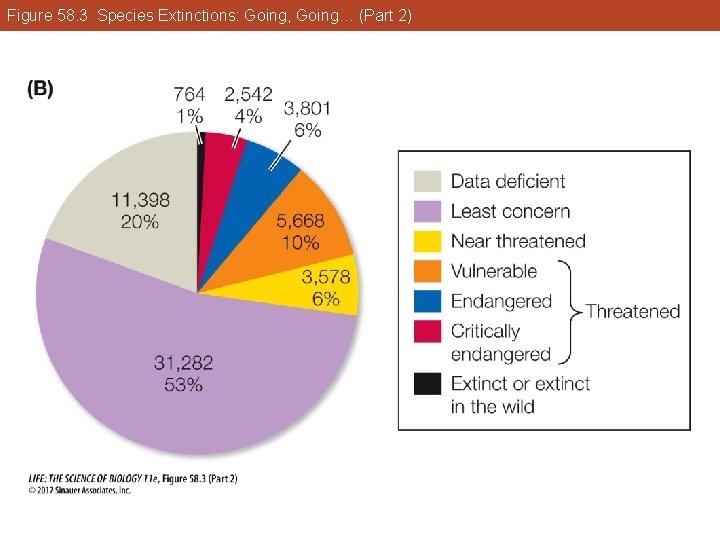
Figure 58. 3 Species Extinctions: Going, Going… (Part 2)
58. 1 Human Activities Are Changing the Biosphere, Resulting in Biodiversity Loss Some species are naturally rare. Some species are specialized for living exclusively in rare and unusual habitats and have probably never been abundant. “Newly rare” species are of concern because rapid reductions in population sizes can lead to smaller effective population sizes.
58. 1 Human Activities Are Changing the Biosphere, Resulting in Biodiversity Loss Life history traits can also be important. Age at maturity has a profound influence on population growth rate in fish and mammals. Species with highly specialized food or habitat requirements are at more risk of extinction than generalists.
58. 1 Human Activities Are Changing the Biosphere, Resulting in Biodiversity Loss The species–area relationship and theory of island biogeography can be used to predict effects of habitat loss (the major cause of extinction today). Measuring the rate at which species richness decreases with decreasing habitat patch size allows estimates of how many species may be lost.
Key Concept 58. 1 Learning Outcomes • List major factors causing declines in biodiversity. • Explain the concept of effective population size; use examples to explain how small population sizes can lead to population and species extinctions. • Discuss, with examples, why it is difficult to determine the extinction rate of species.
Key Concept 58. 2 Focus Your Learning • Human-caused habitat loss and degradation are the major causes of biodiversity loss. • Overharvesting of single species for resources has been and still is an important cause of extinction or species decline.
Key Concept 58. 2 Focus Your Learning • Introduction of non-native species has increased exponentially in the last 200 years, and some introduced species become invasive, usually with negative consequences. • Climate change is affecting species through changes in distribution, timing of life history events, and decreased growth and reproduction.
58. 2 Most Biodiversity Loss Is Caused by Habitat Loss and Degradation The principal pressures on biodiversity: • Habitat loss and degradation • Overharvesting of biological resources • Species invasions and emerging diseases • Climate alteration
58. 2 Most Biodiversity Loss Is Caused by Habitat Loss and Degradation Habitat loss and degradation is the major cause of biodiversity loss. About 50%– 60% of the land surface has been transformed for agriculture, timber, and livestock grazing. Another 2%– 3% has been altered by cities, transportation corridors, and utilities.
58. 2 Most Biodiversity Loss Is Caused by Habitat Loss and Degradation Tropical rainforest is Earth’s most speciesrich biome. Current rate of loss is about 2% of the remaining forest each year, due to increasing human demands forest products and cleared agricultural land. If this rate of loss continues, close to 1 million rainforest species could become extinct before the end of this century.
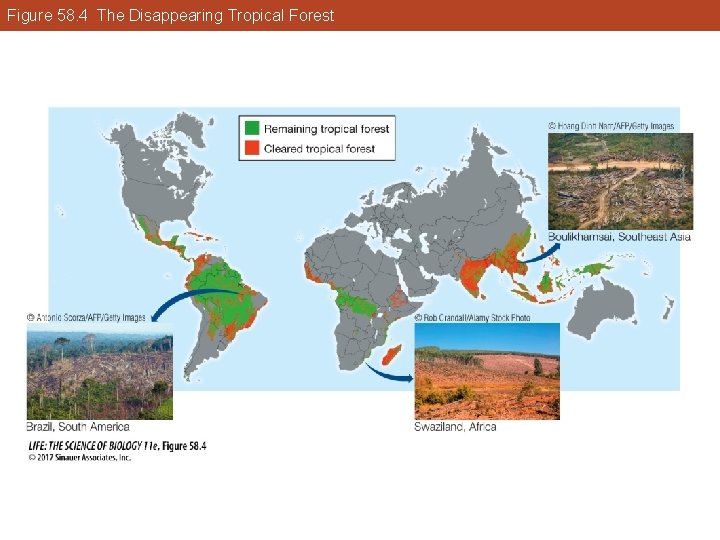
Figure 58. 4 The Disappearing Tropical Forest
58. 2 Most Biodiversity Loss Is Caused by Habitat Loss and Degradation As habitat gets divided into smaller and smaller fragments, it can be further degraded by edge effects. Edges are more similar to the new habitat than to the original habitat, and this can be physically stressful for species acclimated to the original habitat.
58. 2 Most Biodiversity Loss Is Caused by Habitat Loss and Degradation Forest fragmentation in midwestern North America has increased populations of brown-headed cowbirds. These brood parasites lay their eggs in nests of other species; the cowbird hatchling is raised by the other species, to the detriment of their own hatchlings.
58. 2 Most Biodiversity Loss Is Caused by Habitat Loss and Degradation Cowbirds historically followed bison and other mammals and laid eggs in nests of grassland bird species. Forest fragmentation has allowed the cowbirds to lay eggs in forest birds’ nests that are at the edges. Fragmentation favors proliferation of cowbirds at the expense of other bird species.
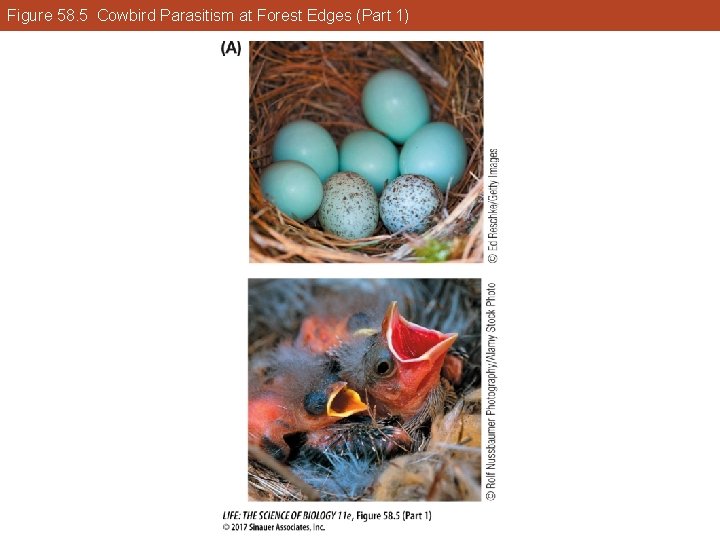
Figure 58. 5 Cowbird Parasitism at Forest Edges (Part 1)
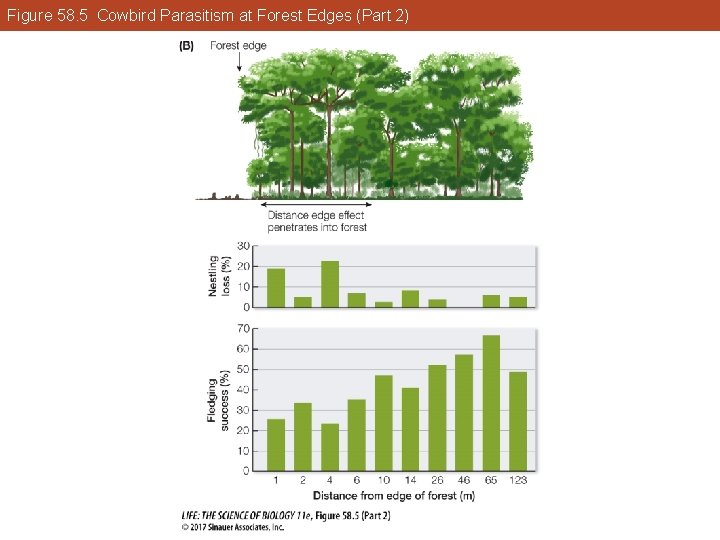
Figure 58. 5 Cowbird Parasitism at Forest Edges (Part 2)
58. 2 Most Biodiversity Loss Is Caused by Habitat Loss and Degradation Many habitats are degraded by pollution. Acid rain has greatly affected forests and lake ecosystems. Heavy metal waste products of mining and manufacturing, and synthetic organic chemicals (pesticides) are some of the most troublesome pollutants today.
58. 2 Most Biodiversity Loss Is Caused by Habitat Loss and Degradation Many studies have implicated pesticides in the decline of amphibian species, particularly in areas with intense agriculture.
58. 2 Most Biodiversity Loss Is Caused by Habitat Loss and Degradation Nondegradable plastic garbage in the open ocean is another problem. Plastic is broken up into small pieces and when ingested by marine animals can be a choking hazard or disrupt endocrine functions. Plastic and abandoned fishing nets can entangle and kill aquatic species.
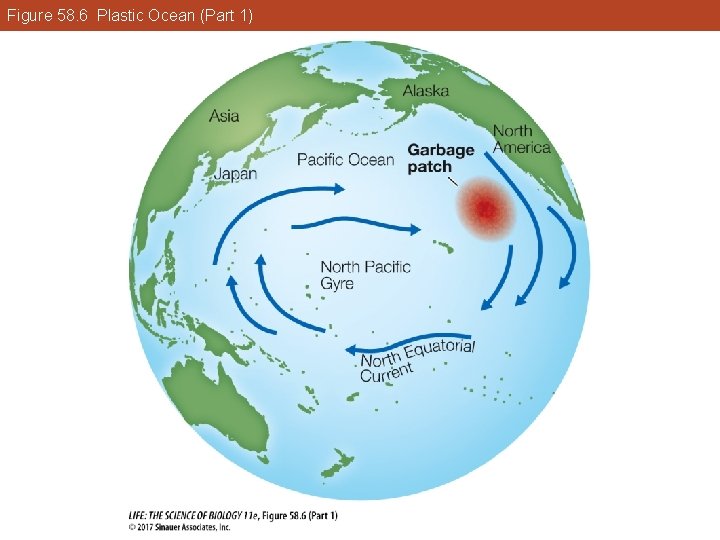
Figure 58. 6 Plastic Ocean (Part 1)
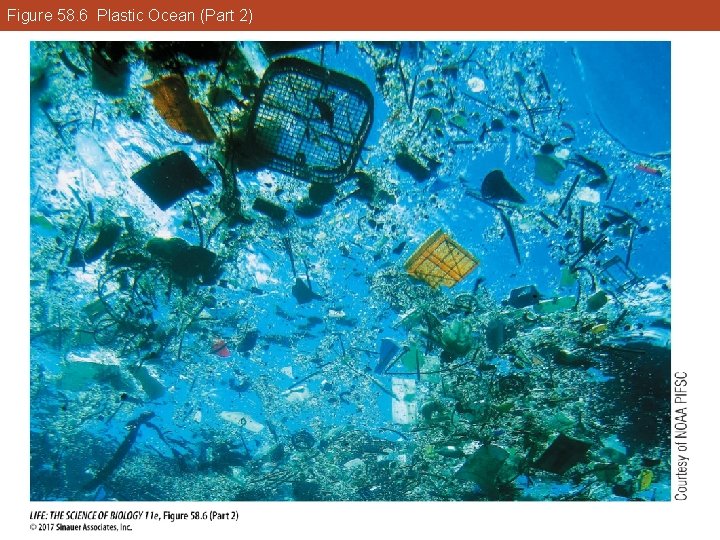
Figure 58. 6 Plastic Ocean (Part 2)
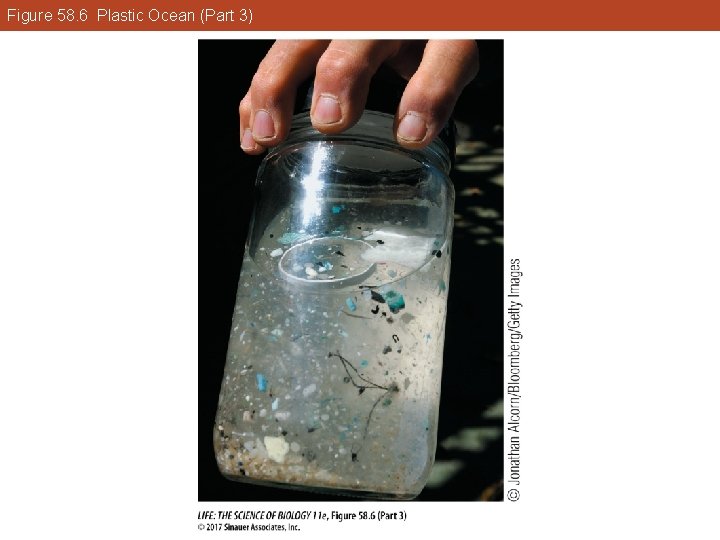
Figure 58. 6 Plastic Ocean (Part 3)
58. 2 Most Biodiversity Loss Is Caused by Habitat Loss and Degradation Overharvesting of species for food, clothing, ornamentation, pets, and medicines was once the most important cause of species extinction. Overharvesting of critically endangered species is still a concern today.
58. 2 Most Biodiversity Loss Is Caused by Habitat Loss and Degradation Elephants and rhinoceroses are killed illegally for their tusks and horns. In central Africa, regional elephant populations have declined by 64% because of illegal killing within the last decade.
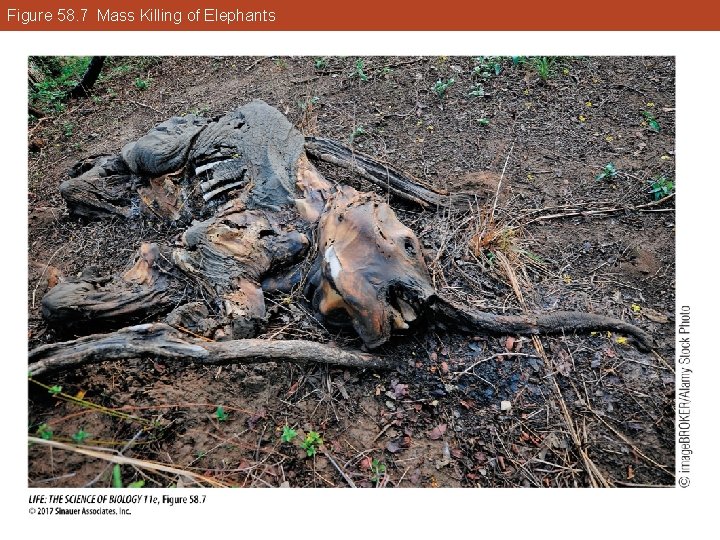
Figure 58. 7 Mass Killing of Elephants
58. 2 Most Biodiversity Loss Is Caused by Habitat Loss and Degradation There is also massive international trade in exotic pets, aquarium fishes, and ornamental plants. 2– 5 million birds and 2– 3 million reptiles are captured live each year. The Banggai cardinalfish is on the brink of extinction entirely due to demand by saltwater aquarium enthusiasts.
58. 2 Most Biodiversity Loss Is Caused by Habitat Loss and Degradation Harvesting and transporting species not only causes the decline of rare or endangered species but can unintentionally lead to disease transmission or species invasions.
58. 2 Most Biodiversity Loss Is Caused by Habitat Loss and Degradation Growing human populations also put pressure on species harvested from the wild for food. Fish harvesting has increased with new technology; 14% of fished taxa collapsed between 1950 and 2007. Restrictions in some locations have been implemented to encourage recovery of overfished species.
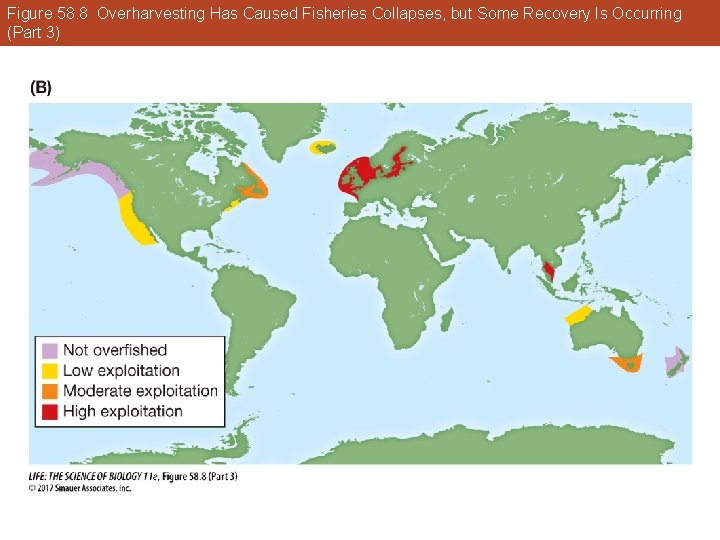
Figure 58. 8 Overharvesting Has Caused Fisheries Collapses, but Some Recovery Is Occurring (Part 3)
58. 2 Most Biodiversity Loss Is Caused by Habitat Loss and Degradation Top predators such as sharks, bluefin tuna, and groupers are preferentially harvested and are at particular risk of extinction. These long-lived species are slow to recover; and they are keystone species, so their losses are likely to have lasting ecosystem ramifications.
58. 2 Most Biodiversity Loss Is Caused by Habitat Loss and Degradation Consequences of single-species overharvesting: • Species such as elephants and rhinoceroses that have slow population growth have slow recovery.
58. 2 Most Biodiversity Loss Is Caused by Habitat Loss and Degradation Keystone or foundation species: • A study of 31 of the world’s largest carnivores showed that when top carnivores declined, trophic cascades were interrupted, dramatically changing the abundance of herbivore and primary producer species.
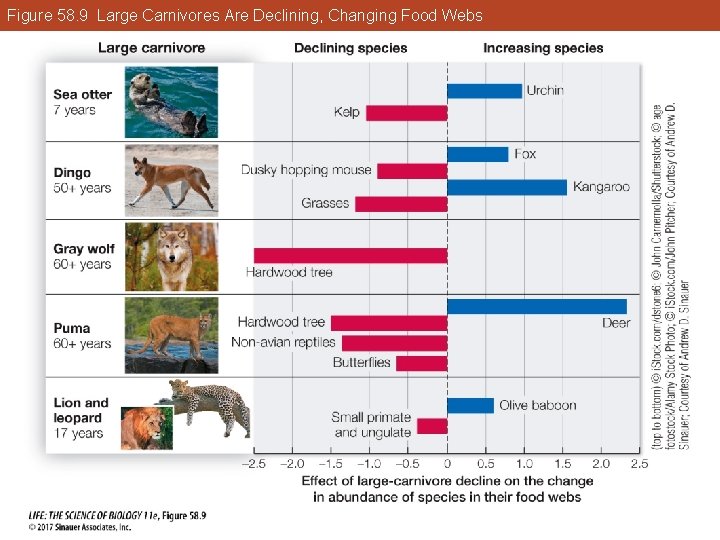
Figure 58. 9 Large Carnivores Are Declining, Changing Food Webs
58. 2 Most Biodiversity Loss Is Caused by Habitat Loss and Degradation Deliberate or inadvertent introductions of non-native species have increased exponentially over the last 200 years. About 10% of these species become invasive: they reproduce rapidly, spread widely, and have negative effects on native species and ecosystems.
58. 2 Most Biodiversity Loss Is Caused by Habitat Loss and Degradation Native species can be impacted by predation, competition, or by diseases transmitted by invasive species. Ecosystem functions and services have been disrupted, affecting fire cycles, water availability, and coastal sedimentation.
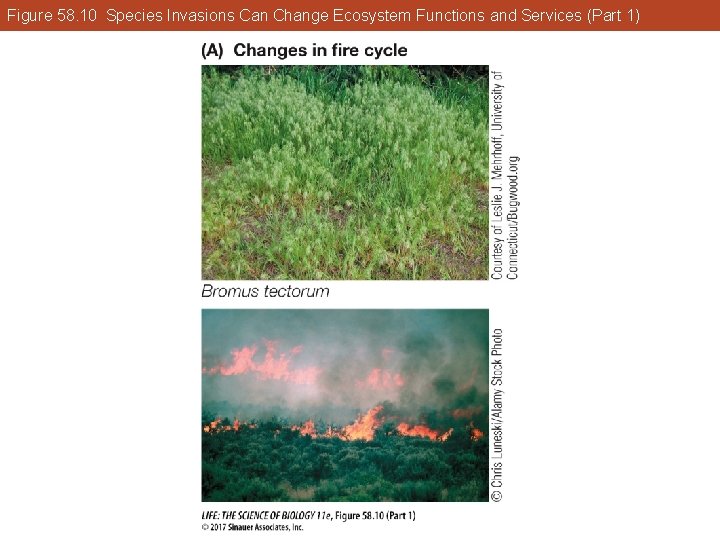
Figure 58. 10 Species Invasions Can Change Ecosystem Functions and Services (Part 1)
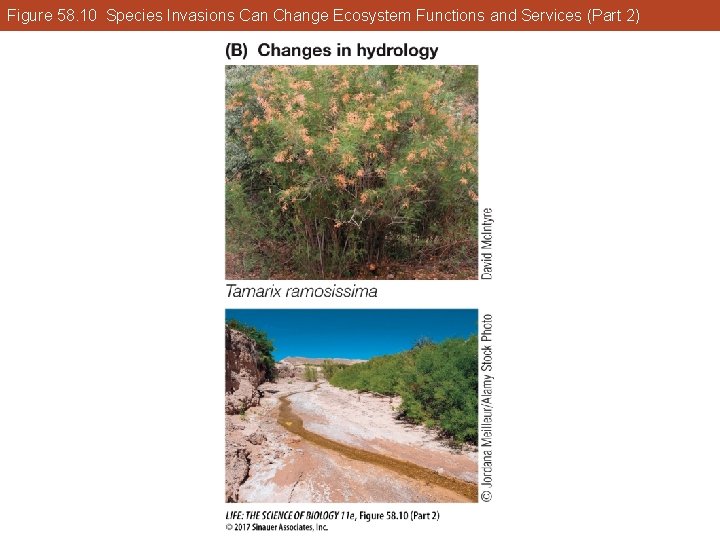
Figure 58. 10 Species Invasions Can Change Ecosystem Functions and Services (Part 2)
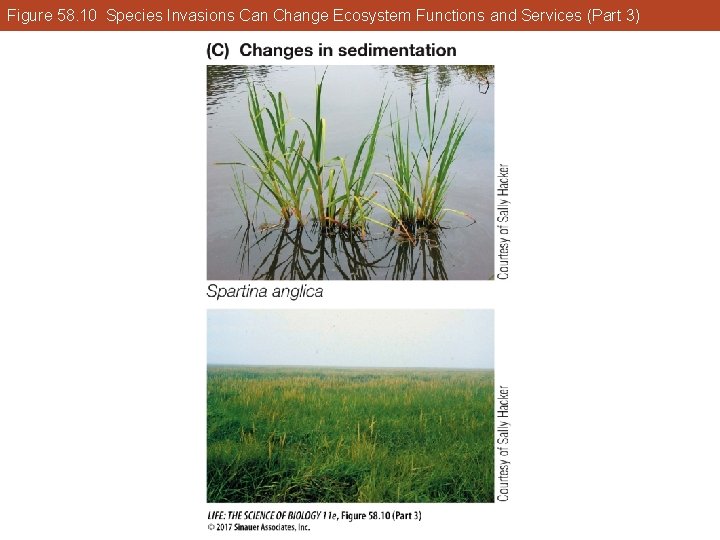
Figure 58. 10 Species Invasions Can Change Ecosystem Functions and Services (Part 3)
58. 2 Most Biodiversity Loss Is Caused by Habitat Loss and Degradation Invasive species have changed genetic diversity in native species through hybridization with wild populations (e. g. , non-native rainbow trout and native cutthroat trout in Montana). Costs for dealing with undesirable invasive species in the United States alone is about $120 billion per year.
58. 2 Most Biodiversity Loss Is Caused by Habitat Loss and Degradation Colonizing Europeans deliberately introduced many species. In Australia, rabbits, foxes, dogs, and cats have led to extermination of half of the small native marsupials. Some species that are introduced to control an invasive become invasive themselves, such as the cane toad.
58. 2 Most Biodiversity Loss Is Caused by Habitat Loss and Degradation Some species are introduced out of ignorance, as when exotic pets, such as the lionfishes, are released. Some of today’s most noxious weeds were deliberately planted in new places for their beauty, fragrance, or culinary value.
58. 2 Most Biodiversity Loss Is Caused by Habitat Loss and Degradation Some species are stowaways. Marine organisms have been spread via ballast water, taken on by ships at the port of departure and discharged at the destination port along with the surviving animals and plants it contains.
58. 2 Most Biodiversity Loss Is Caused by Habitat Loss and Degradation The brown tree snake arrived on Guam in air cargo in the 1940 s. It has now reached very high densities and caused the extinction of 15 bird species, including 3 found only on Guam.
58. 2 Most Biodiversity Loss Is Caused by Habitat Loss and Degradation Invasive pathogens have also wreaked havoc, such as the fungus Batrachochytrium dendrobatidis (Bd), which is implicated in the dramatic worldwide declines of amphibians. The disease may be responsible for amphibian declines in well-protected areas, such as national parks.
58. 2 Most Biodiversity Loss Is Caused by Habitat Loss and Degradation Hypotheses on the origins of Bd: • “Novel pathogen”—a new and highly virulent pathogen that was recently introduced into wild populations. • “Emerging endemic”—existed prior to the declines but emerged as a serious pathogen as a result of human-caused changes to climate or UV radiation.
58. 2 Most Biodiversity Loss Is Caused by Habitat Loss and Degradation Most evidence now suggests that Bd is a non-native pathogen likely introduced through global trade in amphibians for food, for use as laboratory animals, or as pets or display animals.
Investigating Life: Exploring the Decline of Central American Frogs Hypothesis: Amphibian declines in Central America are caused by the non-native species invasion of the Bd pathogen, rather than an environmentally induced emergence of Bd as an existing pathogen.
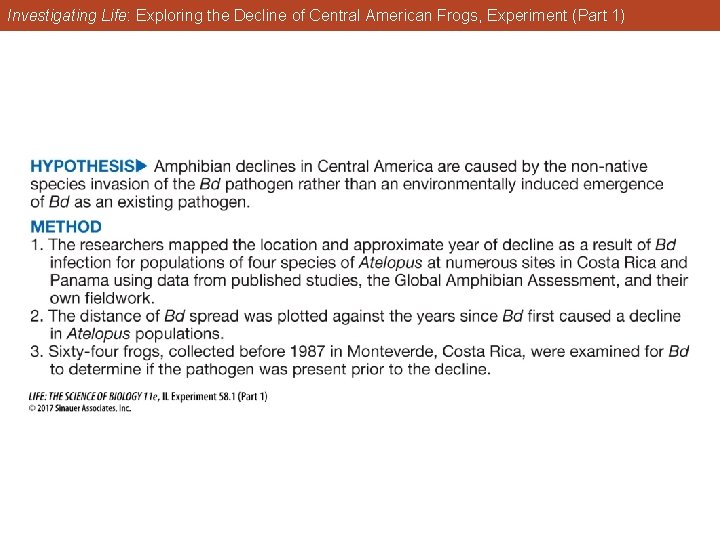
Investigating Life: Exploring the Decline of Central American Frogs, Experiment (Part 1)
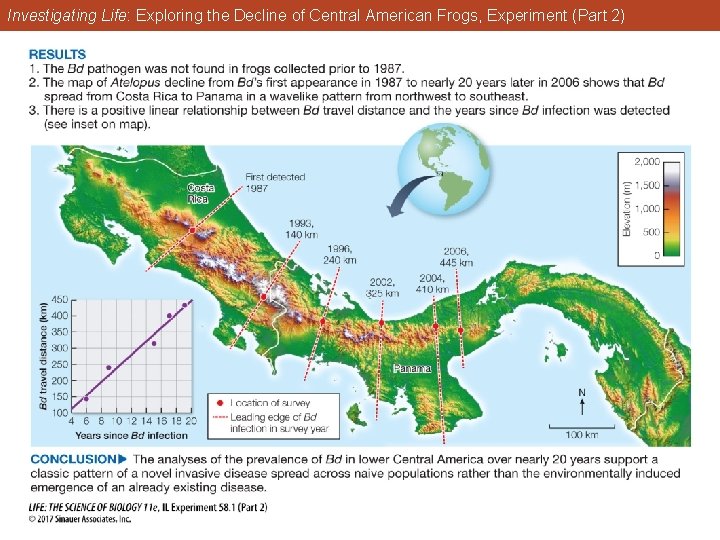
Investigating Life: Exploring the Decline of Central American Frogs, Experiment (Part 2)
Investigating Life: Exploring the Decline of Central American Frogs Conclusion: Analyses of the prevalence of Bd in Central America over 20 years support a classic pattern of a novel invasive disease spread across naive populations, rather than the environmentally induced emergence of an already existing disease.
58. 2 Most Biodiversity Loss Is Caused by Habitat Loss and Degradation Climate change is already affecting species and ecosystems. Global warming will increase average temperatures by 2– 5 C by the end of this century. Species that cannot adapt will have to shift ranges to remain in the same temperature regimes.
58. 2 Most Biodiversity Loss Is Caused by Habitat Loss and Degradation Sea level is rising as a result of melting glaciers and warming seas. Coastal ecosystems will become increasingly flooded, putting them at great risk for habitat loss. Polar sea ice ecosystems are disappearing, affecting species such as polar bears and seals.
58. 2 Most Biodiversity Loss Is Caused by Habitat Loss and Degradation More frequent and extreme storm events cause flooding and erosion hazards for humans and other species. As the ocean absorbs more atmospheric CO 2, seas become more acidic, leading to a host of individual species and ecosystem changes.
58. 2 Most Biodiversity Loss Is Caused by Habitat Loss and Degradation Scientists are trying to understand how species will respond to climate change by looking at records of past climate change, and research on sites currently undergoing rapid change.
58. 2 Most Biodiversity Loss Is Caused by Habitat Loss and Degradation Species that can disperse easily, such as birds and insects may be able to shift their ranges rapidly, if they can find appropriate habitats. But the ranges of other species, particularly plants, are likely to shift more slowly.
58. 2 Most Biodiversity Loss Is Caused by Habitat Loss and Degradation After the glaciers started to retreat in North America about 18, 000 years ago, the ranges of plant communities slowly shifted northward. Also, some novel, “no analog” plant communities formed under unique climate conditions that do not exist today.
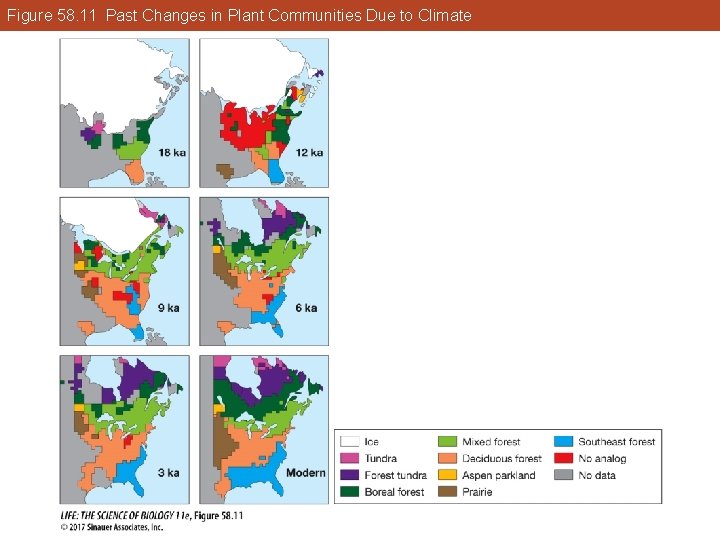
Figure 58. 11 Past Changes in Plant Communities Due to Climate
58. 2 Most Biodiversity Loss Is Caused by Habitat Loss and Degradation Modern observations show that for a wide variety of organisms, latitudinal and elevational distributions are shifting in ways that are consistent with climate change.
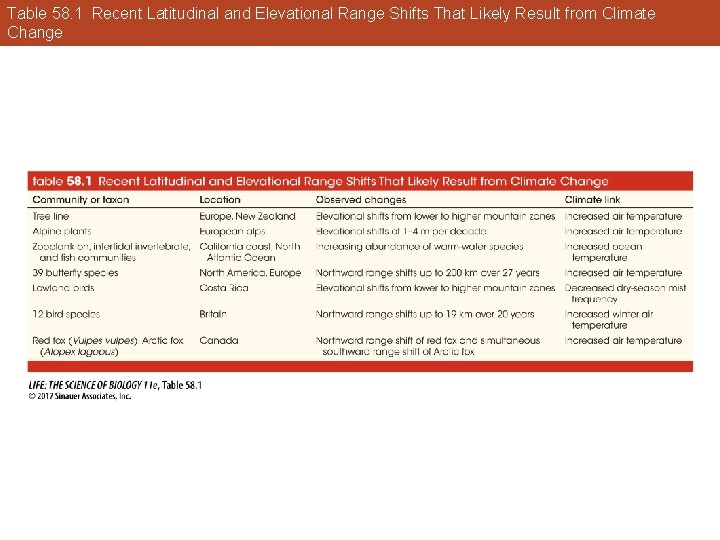
Table 58. 1 Recent Latitudinal and Elevational Range Shifts That Likely Result from Climate Change
58. 2 Most Biodiversity Loss Is Caused by Habitat Loss and Degradation In the European alps, alpine plant species richness has increased, showing that plants have been moving to higher elevations. Nonmigratory butterfly species are also moving their ranges northward.
58. 2 Most Biodiversity Loss Is Caused by Habitat Loss and Degradation Many observations show that important life history events such as breeding and migration are occurring earlier in response to increasing temperatures. Temperature can also impact growth and reproduction. Growth rate of trees in Costa Rica has decreased with only 2 C increase in summer night temperatures.
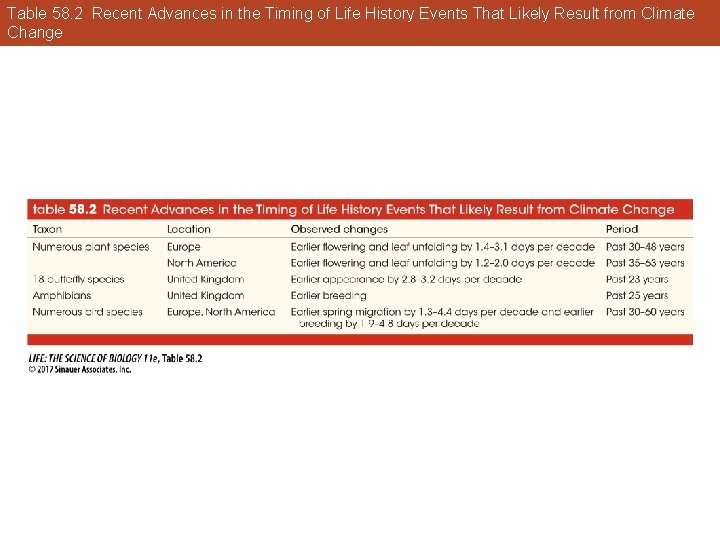
Table 58. 2 Recent Advances in the Timing of Life History Events That Likely Result from Climate Change
58. 2 Most Biodiversity Loss Is Caused by Habitat Loss and Degradation Climate change has the potential to cause species extinctions, although to date, none have been definitively linked to this cause. But effects of climate change such as habitat loss or changes in life history or physiology could lead to lower effective population sizes, and eventually species extinctions.
Key Concept 58. 2 Learning Outcomes • Describe, with examples, how human activities have resulted in habitat loss, fragmentation, and degradation. • Give examples of situations where birds, mammals, and exotic animals have been overharvested, and describe and analyze the ecological implications of these examples.
Key Concept 58. 2 Learning Outcomes • Describe and analyze methods by which species can invade or be introduced into new regions, and infer some possible results of these introductions. • Correlate changes in climate with changes in species or ecosystems, giving evidence for the correlation.
Key Concept 58. 3 Focus Your Learning • Humans are establishing protected areas to preserve biodiversity by restricting habitat loss and degradation. • Coupled human–natural systems are a necessary part of protecting biodiversity. • Captive breeding programs are temporary measures to maintain endangered species while threats in their natural environment are removed.
58. 3 Protecting Biodiversity Requires Conservation and Management Strategies Biodiversity conservation involves integrating interests from ecological, institutional, and socioeconomic contexts. Partnerships that incorporate these multiple contexts and stakeholders often result in conservation plans with the most support.
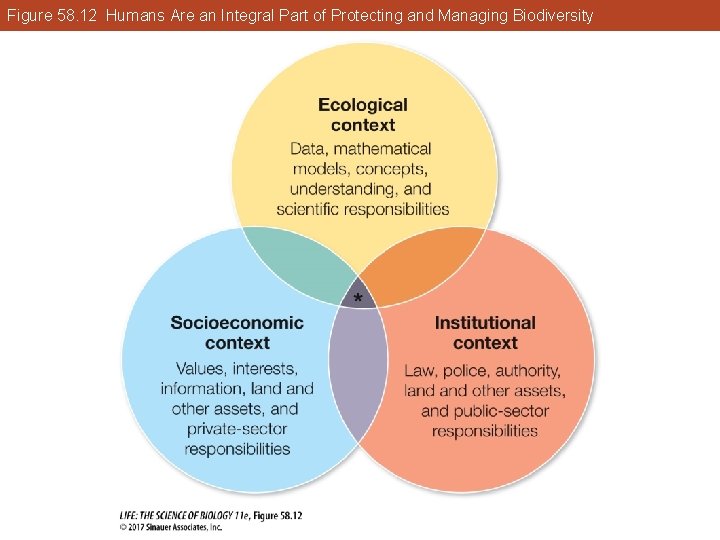
Figure 58. 12 Humans Are an Integral Part of Protecting and Managing Biodiversity
58. 3 Protecting Biodiversity Requires Conservation and Management Strategies Establishing protected areas is an important part of efforts to preserve biodiversity. • Habitat alteration and exploitation are restricted or prohibited. • They can act as nurseries from which individuals can disperse, replenishing populations that might otherwise go extinct.
58. 3 Protecting Biodiversity Requires Conservation and Management Strategies Deciding which areas to protect involves a complex array of decisions. From an ecological perspective, two criteria need to be met: • The habitat must support viable populations of species it is meant to protect. • The original ecosystem functions must be mostly intact.
58. 3 Protecting Biodiversity Requires Conservation and Management Strategies Design of protected areas: • Core natural area—relatively undisturbed; can allow populations of endangered species to maintain themselves and potentially serve as source populations. § Should be large, with minimum of edge habitat.
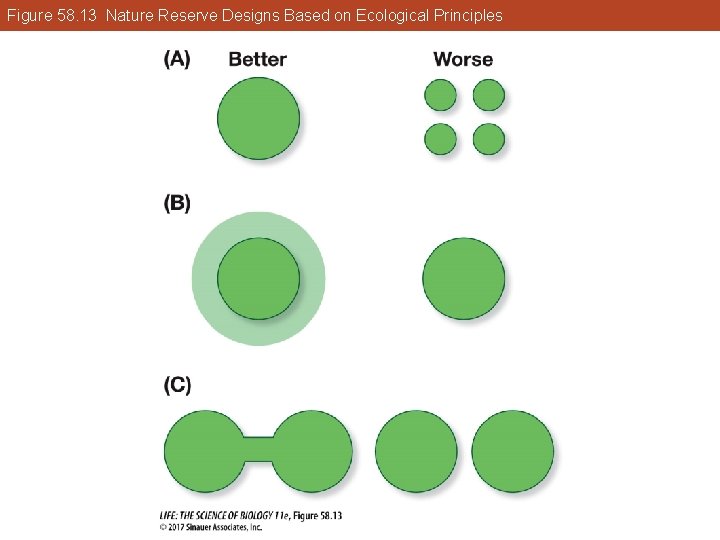
Figure 58. 13 Nature Reserve Designs Based on Ecological Principles
58. 3 Protecting Biodiversity Requires Conservation and Management Strategies • A buffer zone around the core habitat has less stringent controls on land use. § There may be some resource extraction or recreational use.
58. 3 Protecting Biodiversity Requires Conservation and Management Strategies • Habitat connectivity keeps populations from becoming isolated from the greater metapopulation. § Habitat corridors connect blocks of suitable habitat.
58. 3 Protecting Biodiversity Requires Conservation and Management Strategies The Yellowstone to Yukon Conservation Initiative is a joint effort by the United States and Canada to preserve this mountain ecosystem that protects many endangered species. Banff National Park has 40 human-made corridors for wildlife that cross an 83 -km stretch of the Trans-Canada Highway.
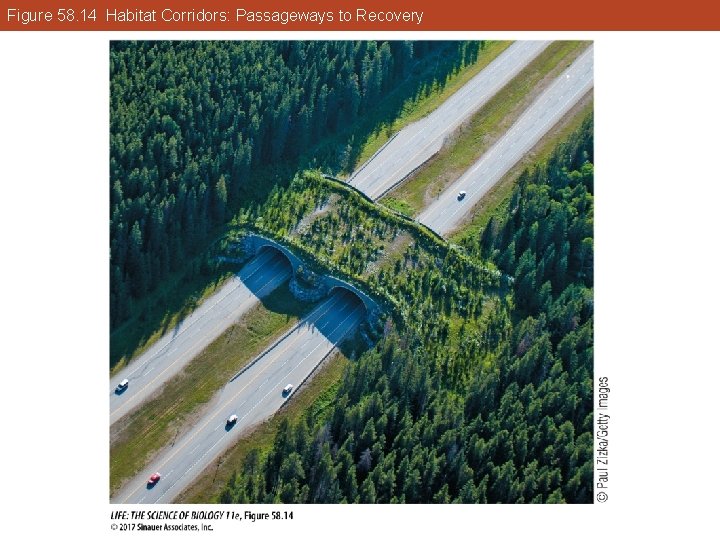
Figure 58. 14 Habitat Corridors: Passageways to Recovery
58. 3 Protecting Biodiversity Requires Conservation and Management Strategies Coupled human–natural system ecology: Encouraging biodiversity and sustainability in systems where humans and nature are intricately linked. • Based on the principle that most ecosystem services are provided locally and that people are motivated to work to protect their local interests.
58. 3 Protecting Biodiversity Requires Conservation and Management Strategies Examples: • National Wildlife Federation certifies backyards as wildlife-friendly. • People are encouraging protection and restoration of coastal wetlands and dunes (green infrastructure), which provide coastal protection, biodiversity, and recreation.
58. 3 Protecting Biodiversity Requires Conservation and Management Strategies • Peregrine falcons, once endangered by pesticide use, are thriving in urban settings where tall buildings mimic the cliffs that peregrines naturally nest on. • Green roofs, covered with soil and native vegetation, create parks and habitat, cool buildings, and deal with storm-water runoff.
58. 3 Protecting Biodiversity Requires Conservation and Management Strategies • Cooling water canals at Turkey Point power plant in Florida support a variety of plants and animals, including endangered crocodiles.
58. 3 Protecting Biodiversity Requires Conservation and Management Strategies Some degraded ecosystems can be restored. Restoration ecology: Renewing degraded ecosystems by active human intervention. Ideally, restoration involves reestablishing the original structure and function of native ecosystems.
58. 3 Protecting Biodiversity Requires Conservation and Management Strategies Restoration may involve several techniques: • Removal of pollutants or non-native species • Revegetation • Reintroduction of native species • Reestablishment of hydrological processes or disturbance regimes
58. 3 Protecting Biodiversity Requires Conservation and Management Strategies Periodic disturbances such as fire can be important in maintaining healthy ecosystems. • Controlled burning is used in areas with known historical fire patterns. • This reduces forest floor litter, avoiding buildup of fuel that can lead to intense, tree-killing canopy fires.
58. 3 Protecting Biodiversity Requires Conservation and Management Strategies Ecosystem engineering species may be used for restoration, such as beaver recolonization to restore wetlands.
58. 3 Protecting Biodiversity Requires Conservation and Management Strategies A large-scale terrestrial grassland restoration project in Montana will restore and conserve native prairie over a 1. 2 million-hectare area. Herds of large grazing mammals such as bison, elk, deer, and pronghorn will be reintroduced, as well as wolves.
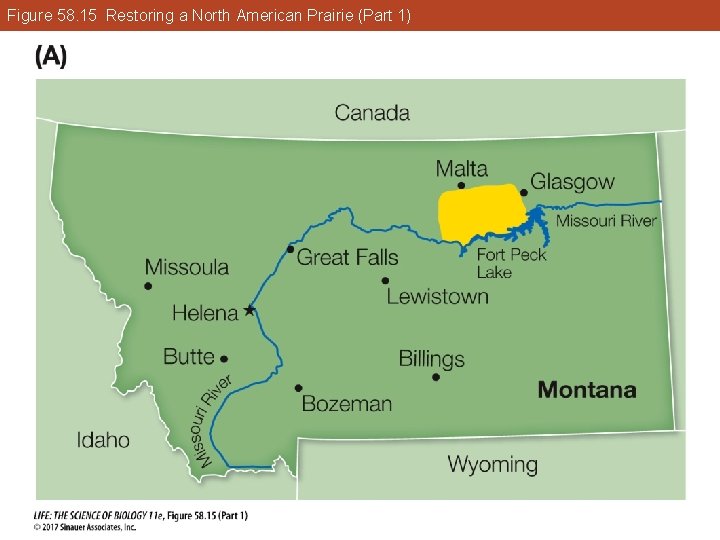
Figure 58. 15 Restoring a North American Prairie (Part 1)
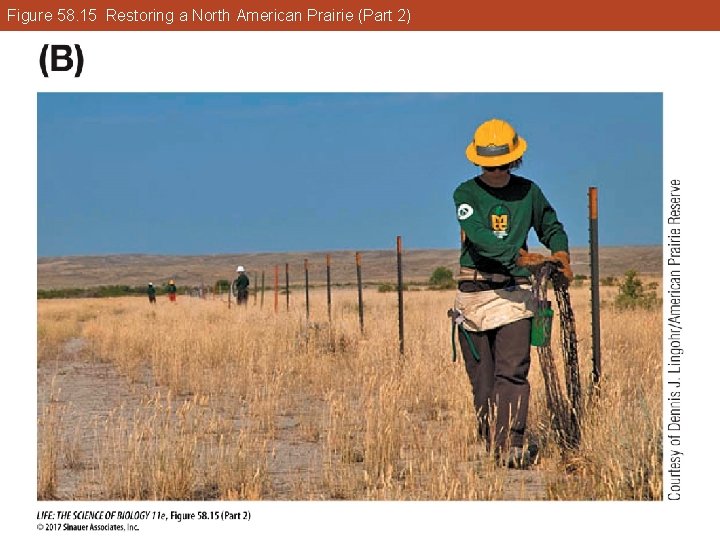
Figure 58. 15 Restoring a North American Prairie (Part 2)
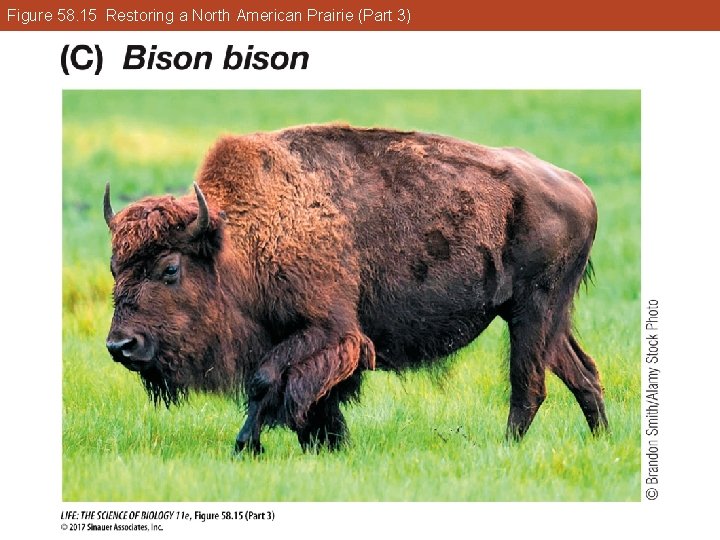
Figure 58. 15 Restoring a North American Prairie (Part 3)
58. 3 Protecting Biodiversity Requires Conservation and Management Strategies The area was never plowed, so native vegetation should recover quickly. The restored prairie is expected to draw ecotourists, which will provide major economic benefits to the region.
58. 3 Protecting Biodiversity Requires Conservation and Management Strategies Some of the world’s most endangered species are held in captivity while threats to their habitats are reduced. There is not enough space in zoos to maintain adequate populations, but captive breeding programs have played an important role during critical periods. These programs also raise public awareness.
58. 3 Protecting Biodiversity Requires Conservation and Management Strategies Captive propagation has saved the California condor. In 1983, only 22 wild condors remained. Biologists captured all the individuals and started a breeding program. The first captive-bred birds were released in 1992.
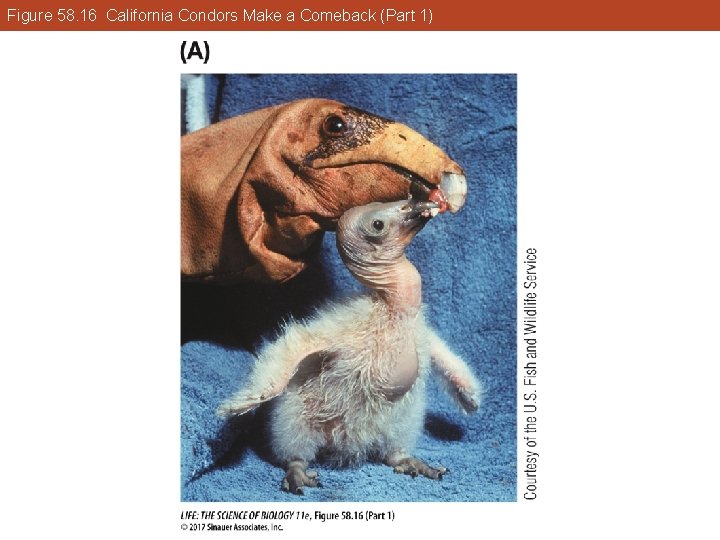
Figure 58. 16 California Condors Make a Comeback (Part 1)
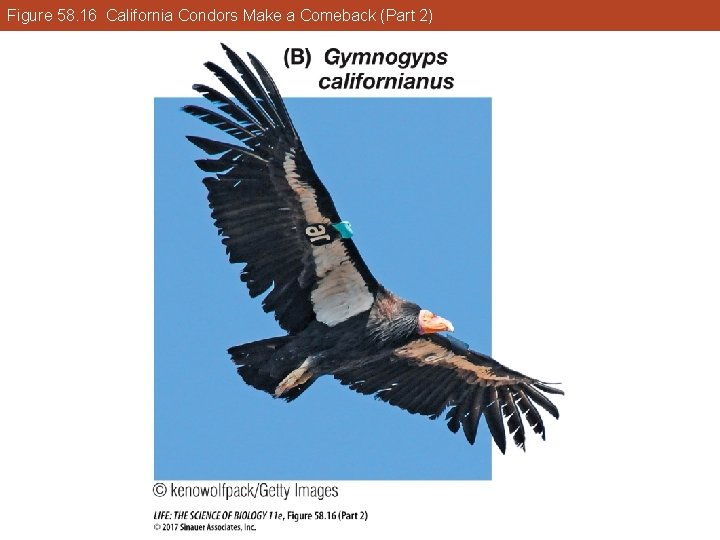
Figure 58. 16 California Condors Make a Comeback (Part 2)
58. 3 Protecting Biodiversity Requires Conservation and Management Strategies In 2003, a wild-born chick fledged in the wild for the first time in 20 years. By 2014, there were 228 condors in the wild and 193 in captivity. Most threats to condor survival have been mitigated, including laws requiring hunters to use non-lead bullets.
58. 3 Protecting Biodiversity Requires Conservation and Management Strategies The Convention on International Trade in Endangered Species (CITES) is an international treaty to prohibit trade in endangered species, or any parts of these species—(e. g. , whale meat, rhinoceros horn, parrots, orchids, etc. ). For some items, such as elephant ivory, the demand remains strong, so poaching is common.
58. 3 Protecting Biodiversity Requires Conservation and Management Strategies Legal sales of ivory from Namibia, Botswana, Zimbabwe, and South Africa were sanctioned beginning in 2008. The sale generated $15 million for conservation of elephants and was monitored by CITES. But there is still concern that legal ivory will mingle with illegal ivory in international markets and encourage illegal elephant slaughter.
58. 3 Protecting Biodiversity Requires Conservation and Management Strategies Controlling invasions of exotic species is an important part of conservation biology. The best option is to prevent introductions in the first place, but given the huge volume of global trade, this is daunting.
58. 3 Protecting Biodiversity Requires Conservation and Management Strategies Transoceanic transport of invasive species in ship ballast water could be eliminated by deoxygenating ballast water before it is pumped out. This kills most organisms and extends the life of ballast tanks, providing an economic benefit to shippers.
58. 3 Protecting Biodiversity Requires Conservation and Management Strategies In 2012, the U. S. Coast Guard set standards for allowable concentration of living organisms in ballast water discharged from ships in U. S. waters. The standards were based on reports by the National Academy of Sciences and the USEPA. Achieving global standards remains an international problem.
58. 3 Protecting Biodiversity Requires Conservation and Management Strategies There are many nonmarket benefits of conserving rare or endangered species. Ecotourism: Environmentally responsible travel to natural areas supports conservation efforts and contributes to the economic well-being of local communities. It is a major source of income for many developing countries.
58. 3 Protecting Biodiversity Requires Conservation and Management Strategies Wild dogs of Africa have been declining due to many factors; they are the second-most endangered carnivore in Africa. Tourists are interested in seeing wild dogs; a survey of visitors to South Africa revealed that 75% would be willing to pay an extra U. S. $12 for the opportunity.
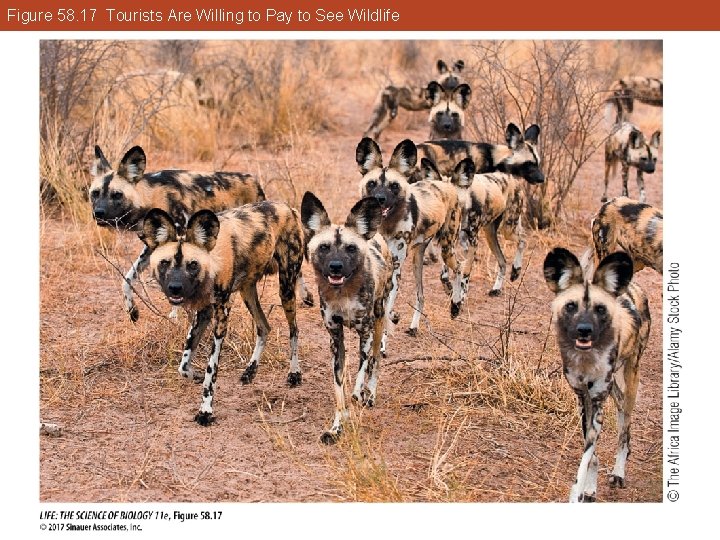
Figure 58. 17 Tourists Are Willing to Pay to See Wildlife
58. 3 Protecting Biodiversity Requires Conservation and Management Strategies Researchers have assessed the economic value of pollinators in coffee plantations in Costa Rica. Coffee production was highest at sites that were closest to forest patches. They calculated the value of pollination services to be $60, 000/yr, which is more than current payments to landowners to preserve forest patches.
Key Concept 58. 3 Learning Outcomes • List guiding principles behind establishing protected areas and explain the reason for each principle. • Discuss the benefits and limitations of captive breeding programs as a method for preserving endangered species.
Investigating Life: Fatal Fungus Final Fate for Frogs? Is the most recent dramatic decline of amphibians the result of a novel fungal pathogen, and if so, what can be done about it? Research suggests that amphibian declines are caused by multiple factors, including habitat loss and pollution, overharvesting, and UV radiation, but the final blow may be the fungal pathogen Bd.
Investigating Life: Fatal Fungus Final Fate for Frogs? Measures that may help control Bd: • Reduce amphibian trade and require testing and quarantines. • Improve diagnosis and understanding of the disease. • Restrict the movement of captive amphibians. • Disinfect footwear and equipment when working in aquatic environments.
- Slides: 129