
5 Availability Bias Definition Tendency to make judgments
5. Availability Bias Definition: Tendency to make judgments on the basis of which examples come most easily to mind
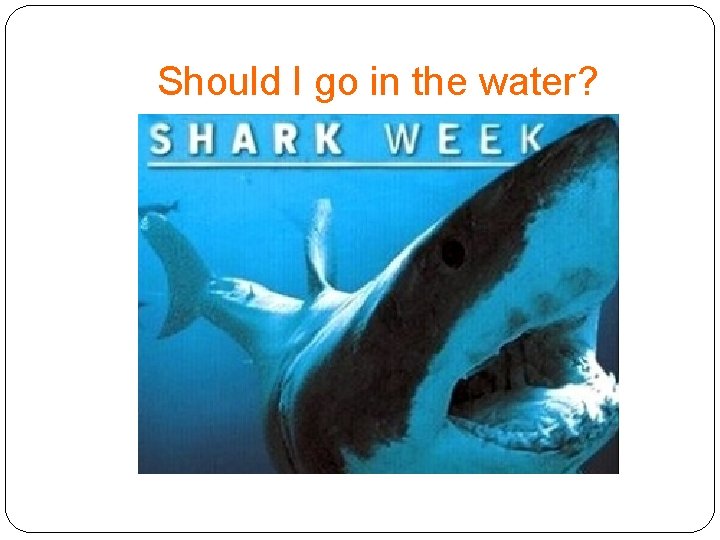
Should I go in the water?
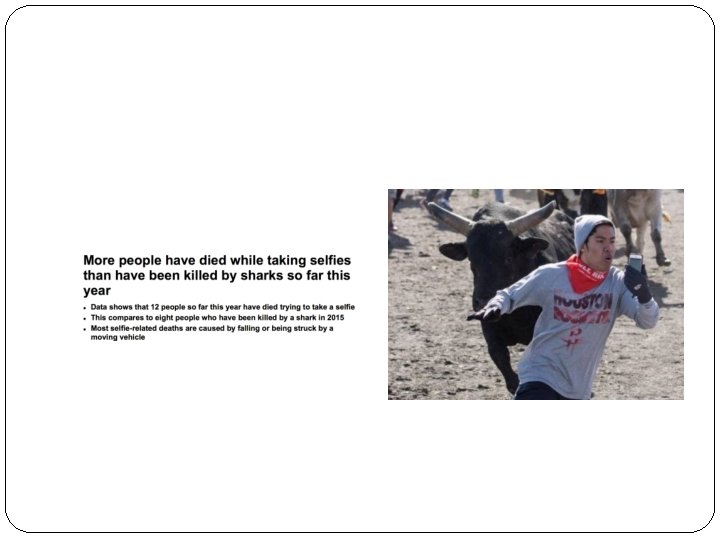
�examples which come most easily to mind are unconsciously thought to be more common �Overestimate risk �Faulty conclusions
What is New Jersey Like?





6. Gambler’s Fallacy Definition: Tendency to believe that the odds for something with a fixed probability increase or decrease depending upon recent occurrences
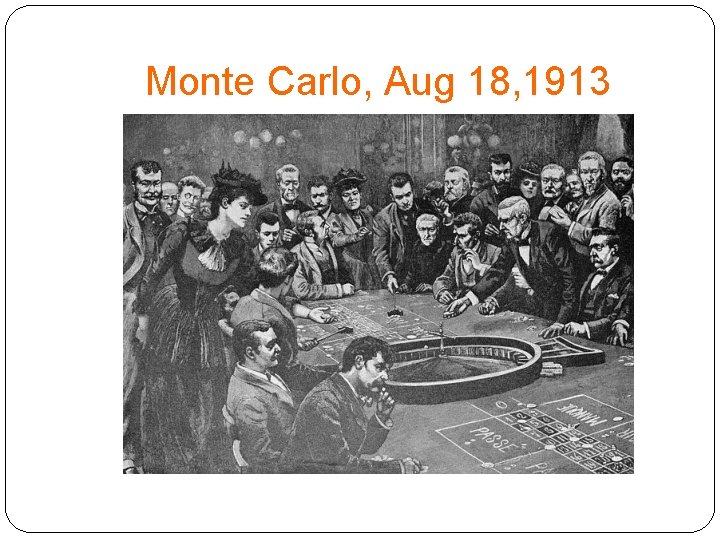
Monte Carlo, Aug 18, 1913
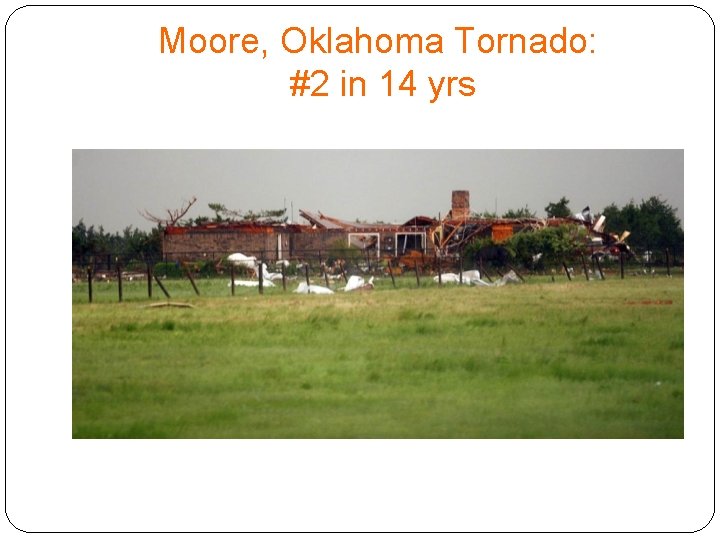
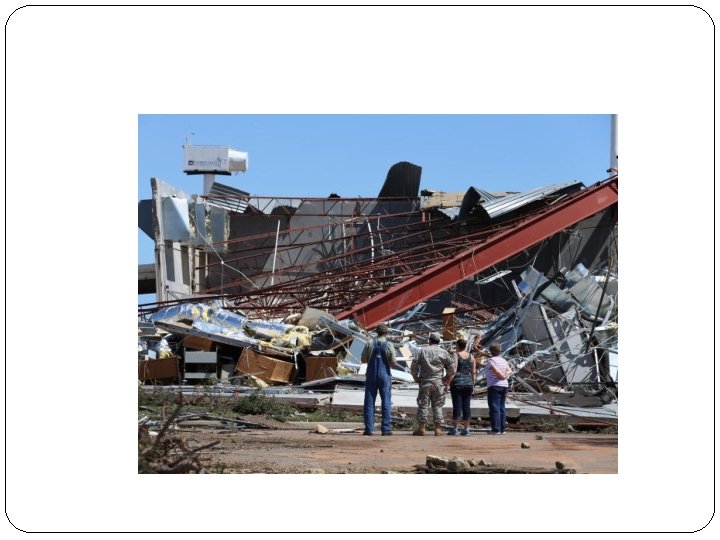
Moore, Oklahoma Tornado: #2 in 14 yrs
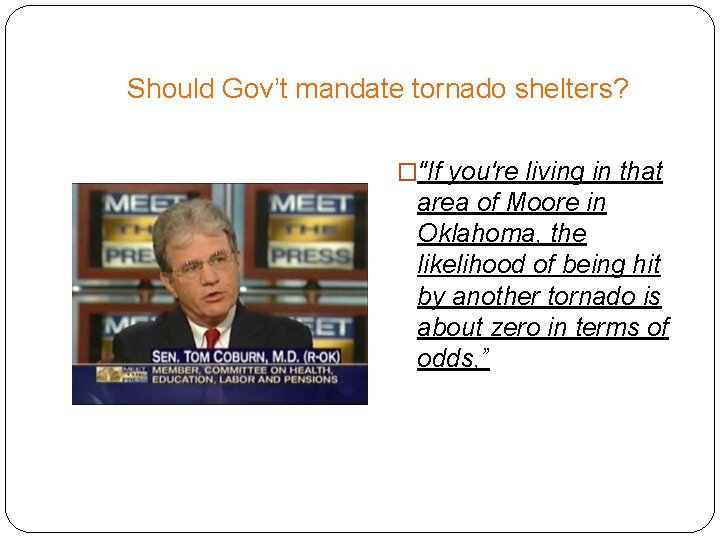
Should Gov’t mandate tornado shelters? �"If you're living in that area of Moore in Oklahoma, the likelihood of being hit by another tornado is about zero in terms of odds, ”
It is human to look for patterns, explanations. . Even if one doesn’t exist
The Scientific Method “Just because you feel it doesn’t mean it’s there”
It is human to look for patterns, explanations. . Even if one doesn’t exist
Evaluating Claims
People have Different Learning Styles
Soda Causes Aggression
Listening to Mozart Makes You Smarter
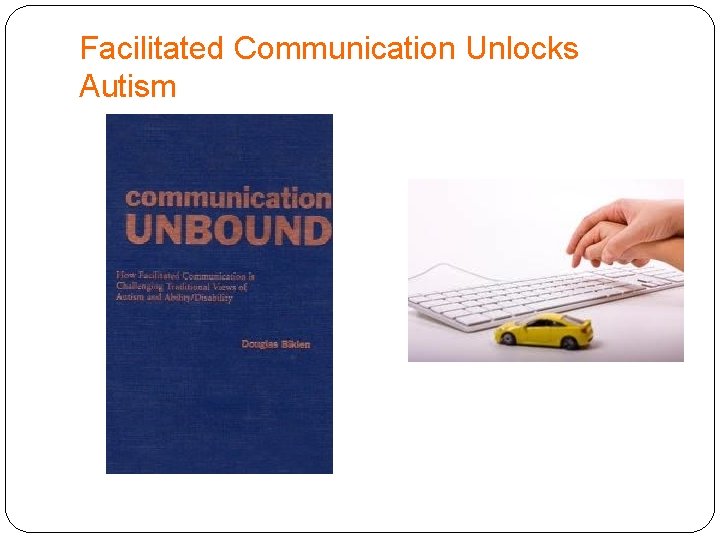
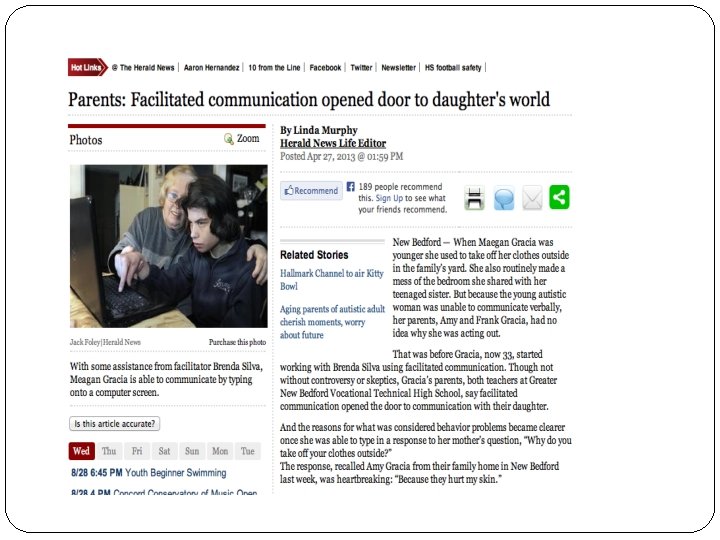
Facilitated Communication Unlocks Autism
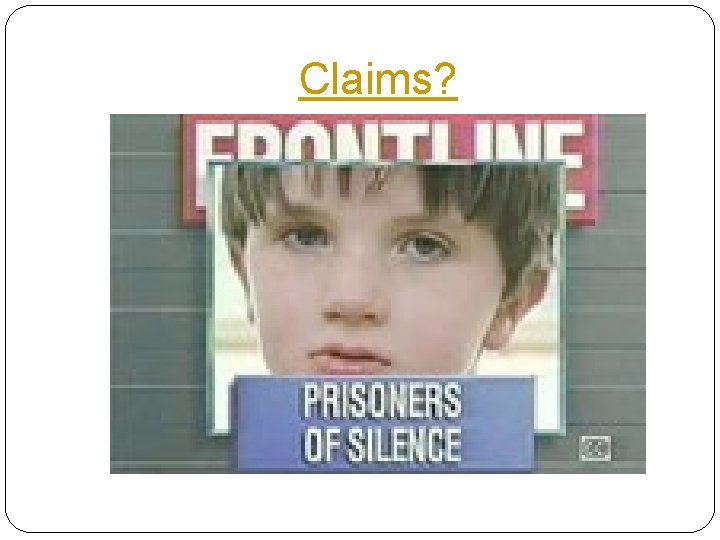
Claims?
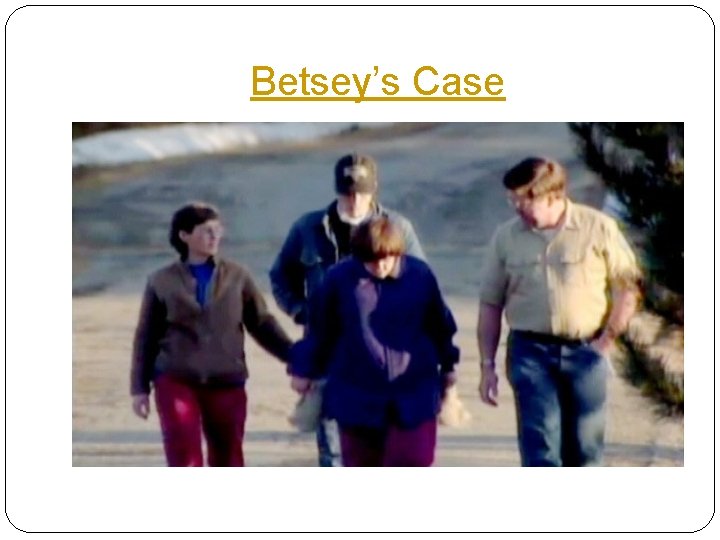
Betsey’s Case
Were Communications Coming from Children ? ? How to Test?
Belief vs. Evidence �Ms. PITSAS: “My first reaction was, "Why would we ever want to test it? It's working. " We-there were things that people-- that individuals who typed with me typed that I didn't remember consciously being aware of, so I thought, "Well, that's proof enough. Why should we need to test these people? It's their communication. "
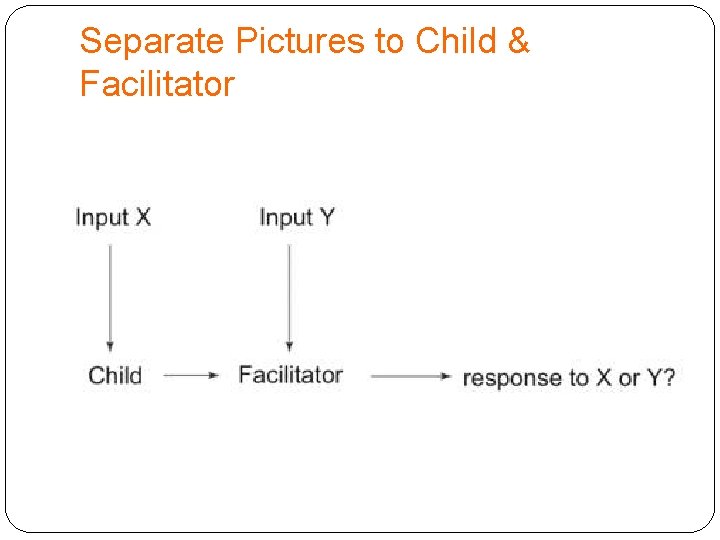
Separate Pictures to Child & Facilitator
Results ?
Results of Well-Designed Experiments No Evidence statements were coming from children
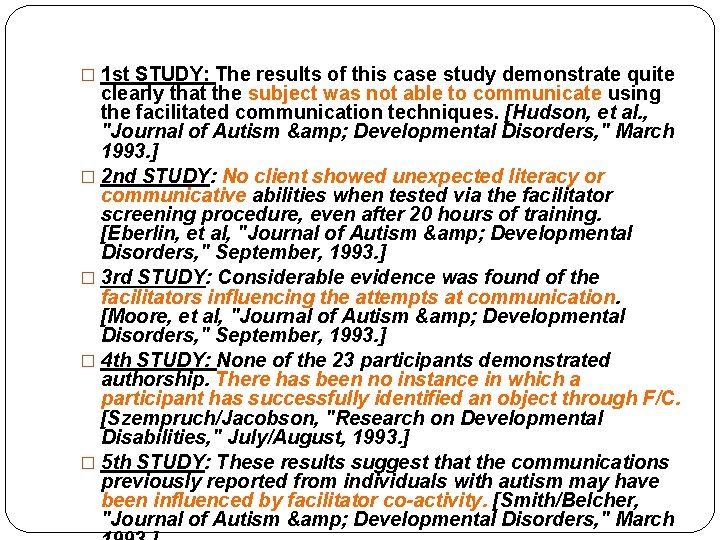
� 1 st STUDY: The results of this case study demonstrate quite clearly that the subject was not able to communicate using the facilitated communication techniques. [Hudson, et al. , "Journal of Autism & Developmental Disorders, " March 1993. ] � 2 nd STUDY: No client showed unexpected literacy or communicative abilities when tested via the facilitator screening procedure, even after 20 hours of training. [Eberlin, et al, "Journal of Autism & Developmental Disorders, " September, 1993. ] � 3 rd STUDY: Considerable evidence was found of the facilitators influencing the attempts at communication. [Moore, et al, "Journal of Autism & Developmental Disorders, " September, 1993. ] � 4 th STUDY: None of the 23 participants demonstrated authorship. There has been no instance in which a participant has successfully identified an object through F/C. [Szempruch/Jacobson, "Research on Developmental Disabilities, " July/August, 1993. ] � 5 th STUDY: These results suggest that the communications previously reported from individuals with autism may have been influenced by facilitator co-activity. [Smith/Belcher, "Journal of Autism & Developmental Disorders, " March
Bicklin’s Response ?
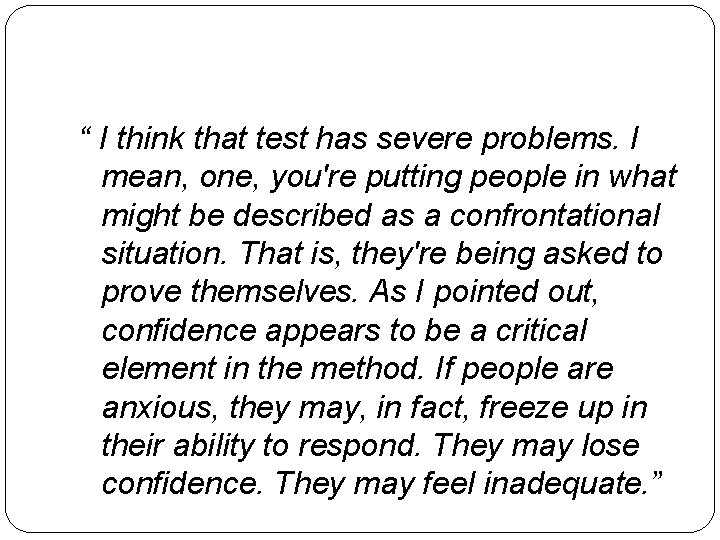
“ I think that test has severe problems. I mean, one, you're putting people in what might be described as a confrontational situation. That is, they're being asked to prove themselves. As I pointed out, confidence appears to be a critical element in the method. If people are anxious, they may, in fact, freeze up in their ability to respond. They may lose confidence. They may feel inadequate. ”
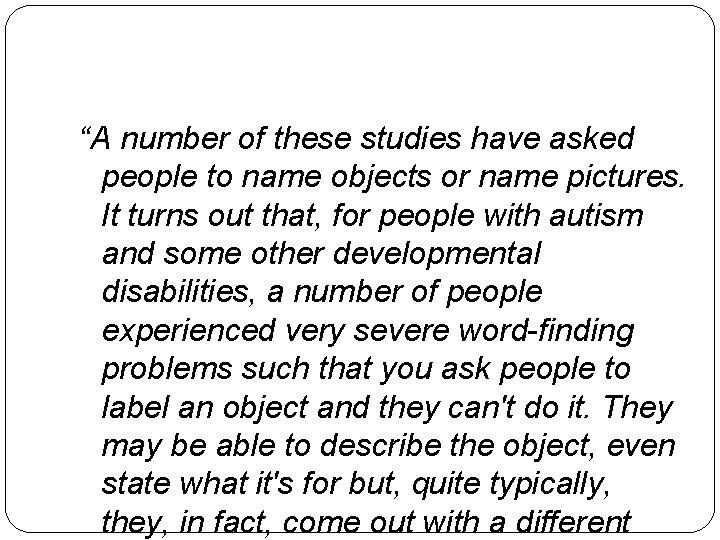
“A number of these studies have asked people to name objects or name pictures. It turns out that, for people with autism and some other developmental disabilities, a number of people experienced very severe word-finding problems such that you ask people to label an object and they can't do it. They may be able to describe the object, even state what it's for but, quite typically, they, in fact, come out with a different
“Explanations” inconsistent with claims �Test makes children nervous �Yet, can perform in front of thousands of people �Autism interferes with ability to name words �Yet, can write poetry, do algebra
Parents’ Response
“I don't need any more validation. My son has given me a lot of information, much of which I didn't know. A lot of it's been about what he wanted and it's turned out that's what he did want. “
Why did FC Grow so quickly?
“I know, for myself, I wanted so hard to believe that it was real, that I wasn't able to listen to objective thinking about it, because it grabs you emotionally right here and once you're hooked, I mean, you are hooked. It-- you just-- I don't think I was capable of rationally thinking about it because I had clues even before we did our study, that there was facilitator influence taking place in other places. People had done studies in Australia and I said, "Oh, we-- that doesn't happen here. We aren't using the same-- we aren't using it the same way. We aren't holding letter boards in the air. We have them down on the table, so therefore that limits the influence that could be taking place. " Well, I was dead wrong. ”
“just because you feel it” Affect Bias Confirmation Bias
20 Years Later Doug Biklen
How to Test Claims The Scientific Method
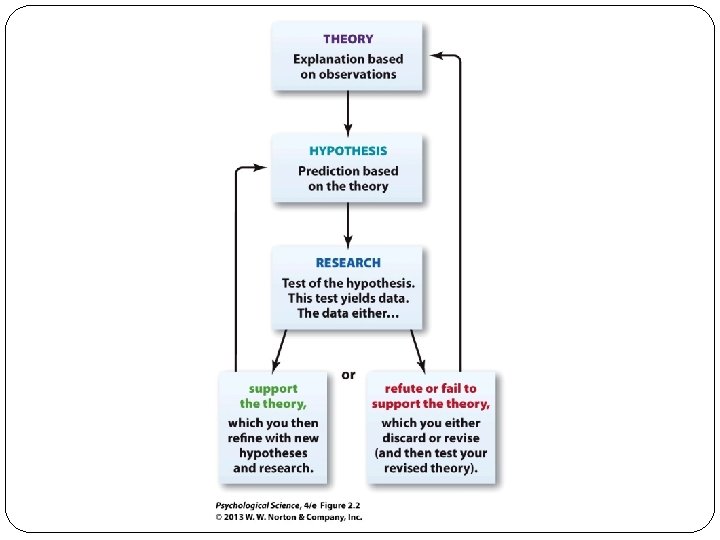
Scientific Method �Theory: �Hypothesis: �Research:
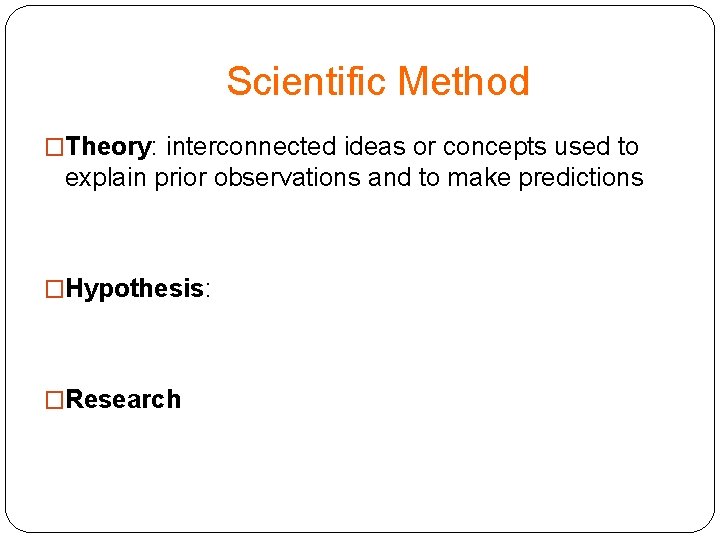
Scientific Method �Theory: interconnected ideas or concepts used to explain prior observations and to make predictions �Hypothesis: �Research
Scientific Method �Theory �Hypothesis: a testable prediction about the outcome that would best support theory �Research:
Scientific Method �Theory: �Hypothesis: �Research: the systematic and careful collection of data �Avoids bias
What is a Good Theory?
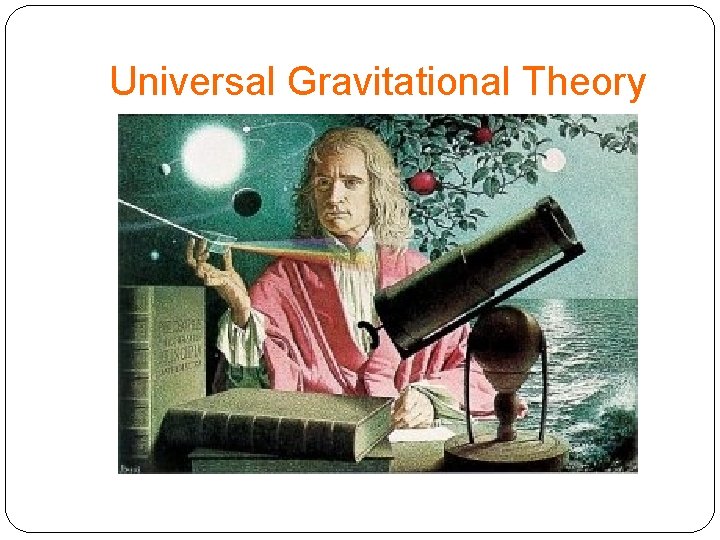
Universal Gravitational Theory
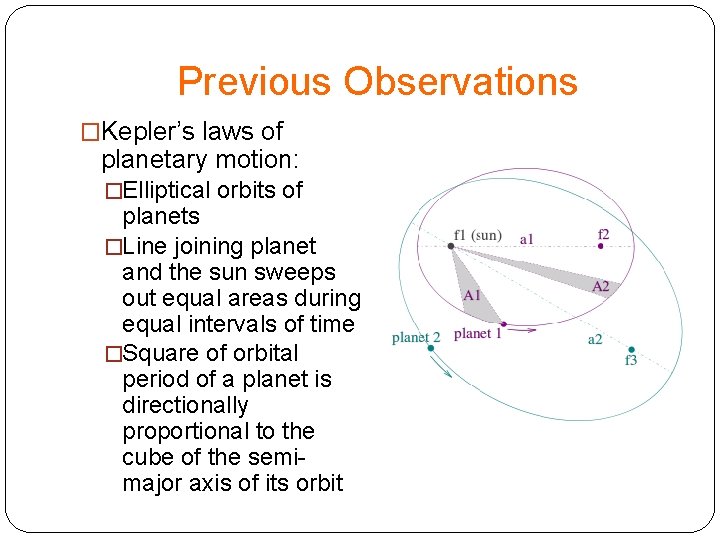
Previous Observations �Kepler’s laws of planetary motion: �Elliptical orbits of planets �Line joining planet and the sun sweeps out equal areas during equal intervals of time �Square of orbital period of a planet is directionally proportional to the cube of the semimajor axis of its orbit
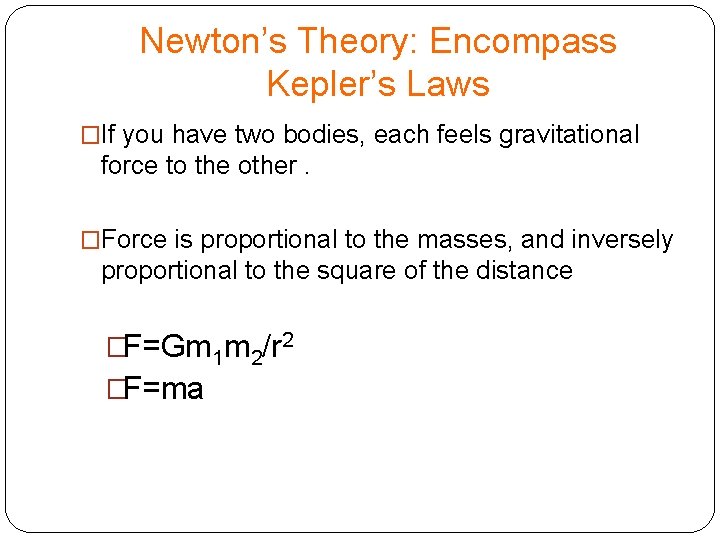
Newton’s Theory: Encompass Kepler’s Laws �If you have two bodies, each feels gravitational force to the other. �Force is proportional to the masses, and inversely proportional to the square of the distance �F=Gm 1 m 2/r 2 �F=ma
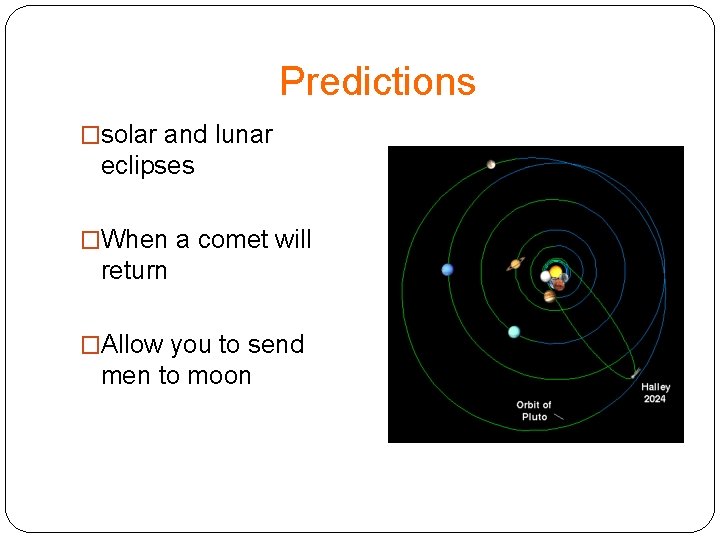
Predictions �solar and lunar eclipses �When a comet will return �Allow you to send men to moon
Gravitational Theory �Fits definition of theory: �interconnected ideas or concepts used to explain prior observations and to make predictions �Demonstrates 3 necessary characteristics �Generates testable hypotheses
1. Generates testable hypotheses

2. Is Falsifiable
-Can be proven right or wrong -Published in peer-reviewed journals -All data must be available
3. Is parsimonious
-explains many observations under one simple theory or explanation -new facts can be incorporated without having to change theory
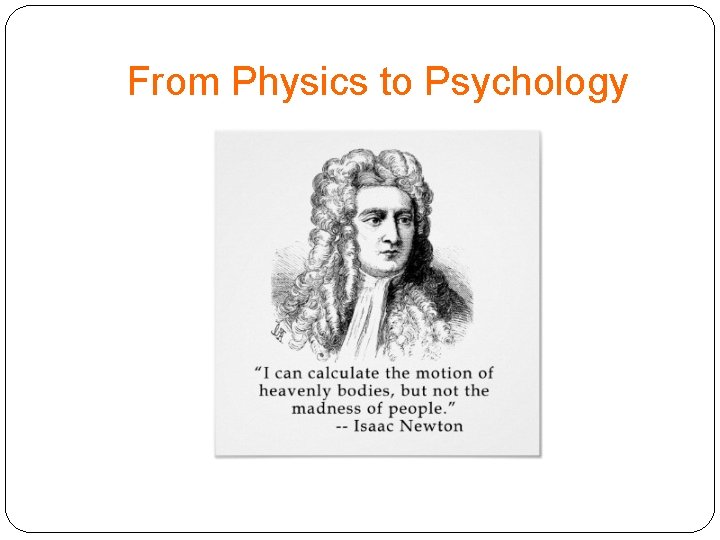
From Physics to Psychology
FC is based on a theory of autism Is that a good theory?
Does it fit the definition? �interconnected ideas or concepts used to explain prior observations and to make predictions �“everything we knew about autism was wrong”
Does it meet 3 characteristics? �Does it Generate Testable Hypotheses? �Is it Falsifiable ? �Is it Parsimonious ?
�Theory: Autism is a disorder of the body, not mind �Hypothesis: if physical disabilities are overcome, cognitive abilities can be seen
Does it meet 3 characteristics? �Does it Generate Testable Hypotheses? �Yes, but not supported by research �Is it Falsifiable ? �No, outcomes inconsistent with theory are explained away as due to nervousness, etc �Is it Parsimonious ? �No, multiple explanations put forth to try to explain outcomes
Good vs. True Theory Good: generates testable hypotheses; is falsifiable; is parsimonious True: supported by well-designed research
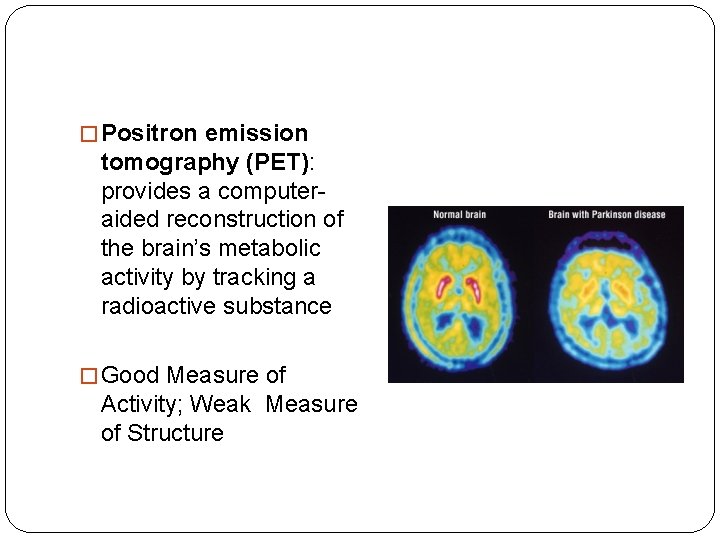
� Positron emission tomography (PET): provides a computeraided reconstruction of the brain’s metabolic activity by tracking a radioactive substance � Good Measure of Activity; Weak Measure of Structure
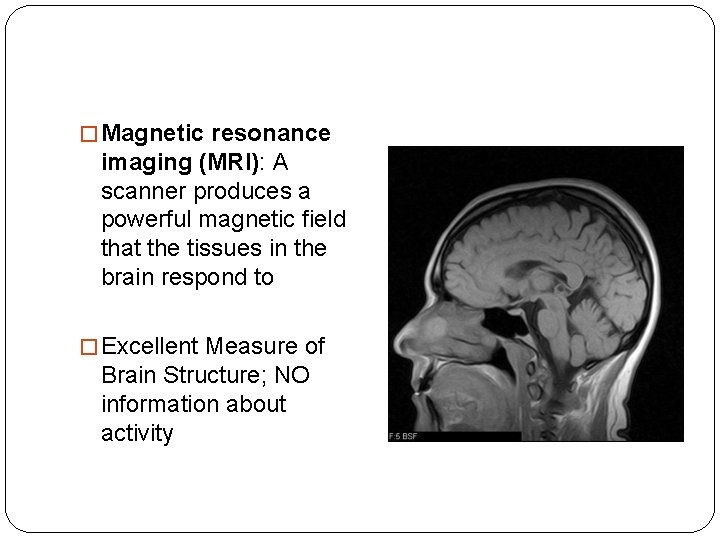
� Magnetic resonance imaging (MRI): A scanner produces a powerful magnetic field that the tissues in the brain respond to � Excellent Measure of Brain Structure; NO information about activity
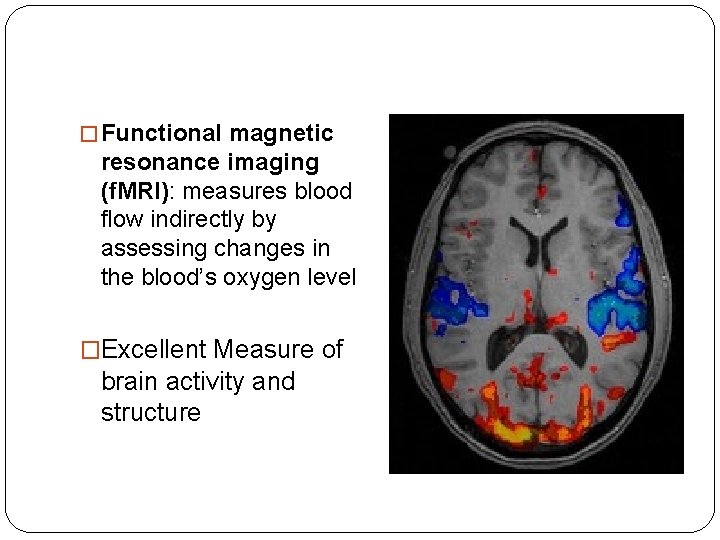
� Functional magnetic resonance imaging (f. MRI): measures blood flow indirectly by assessing changes in the blood’s oxygen level �Excellent Measure of brain activity and structure
- Slides: 72