
5 1 Chapter 5 Ethics in Business Research
5 -1 Chapter 5 Ethics in Business Research Mc. Graw-Hill/Irwin © 2006 The Mc. Graw-Hill Companies, Inc. , All Rights Reserved.
2 Learning Objectives Understand • what issues are covered in research ethics • the goal of “no harm” for all research activities and what constitutes no harm for participant, researcher, and research sponsor
3 Learning Objectives • differing ethical dilemmas and responsibilities of researchers, sponsors, and research assistants • role of ethical codes of conduct in professional associations
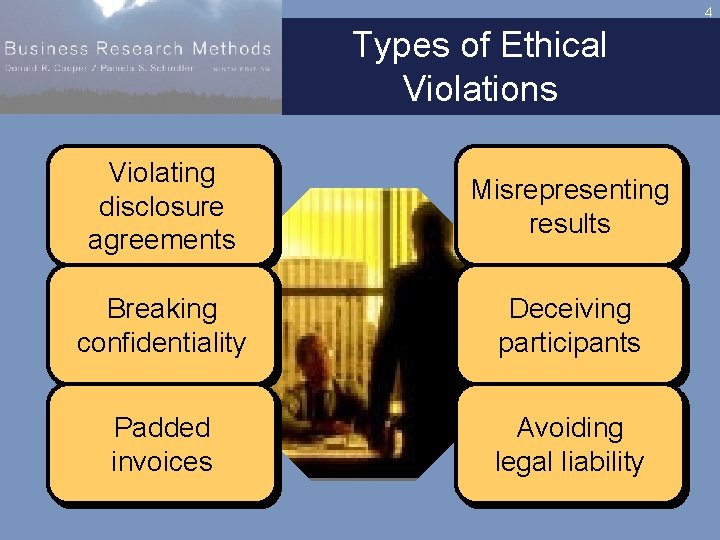
4 Types of Ethical Violations Violating disclosure agreements Misrepresenting results Breaking confidentiality Deceiving participants Padded invoices Avoiding legal liability
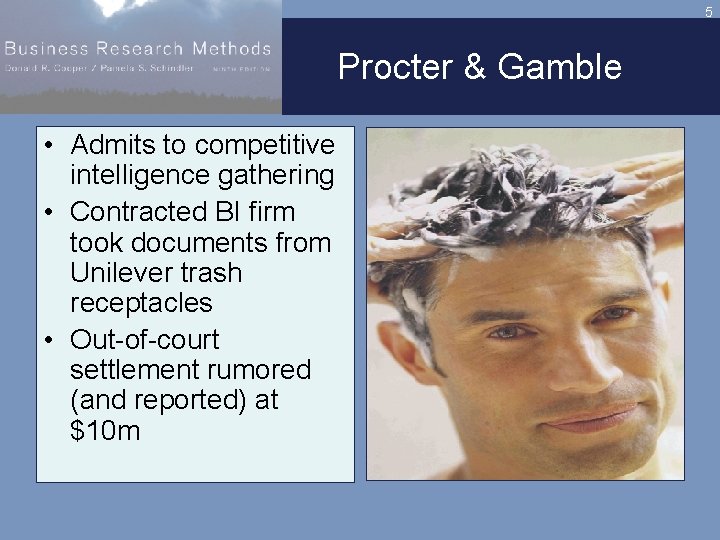
5 Procter & Gamble • Admits to competitive intelligence gathering • Contracted BI firm took documents from Unilever trash receptacles • Out-of-court settlement rumored (and reported) at $10 m

6 Ethical Approaches Deontology Ethical standards Ethical Relativism
7 Ethical Approaches How would you assess the P&G case using the two ethical approaches? Deontology Ethical Relativism
8 Ethical Codes of Conduct
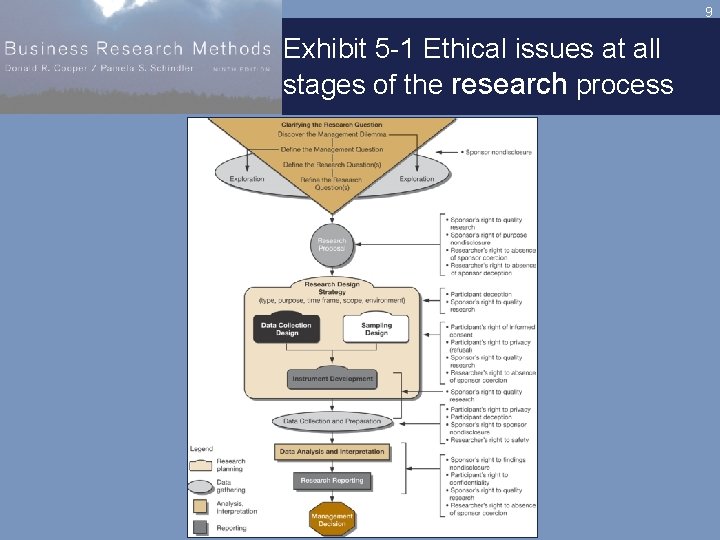
9 Exhibit 5 -1 Ethical issues at all stages of the research process
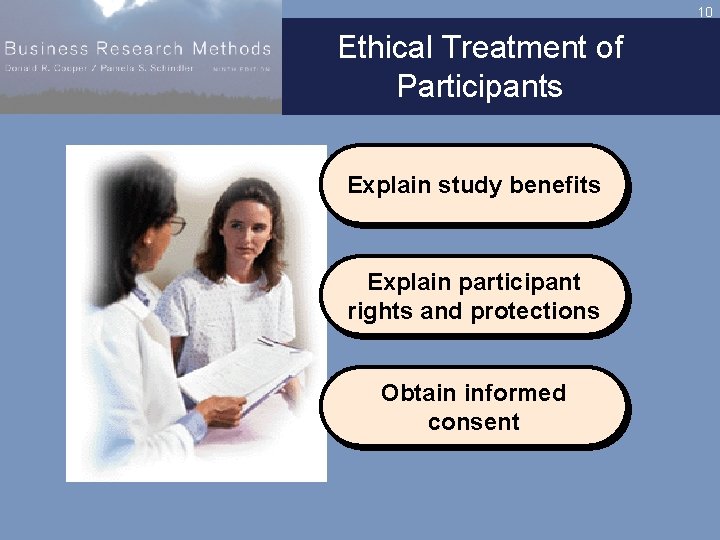
10 Ethical Treatment of Participants Explain study benefits Explain participant rights and protections Obtain informed consent
11 Components of Informed Consent • Identify researchers • Describe survey topic • Describe target sample • Identify sponsor • Describe purpose of research • Promise anonymity and confidentiality • Give “good-faith” estimate of required time commitment • State participation is voluntary • State item-non response is acceptable • Ask for permission
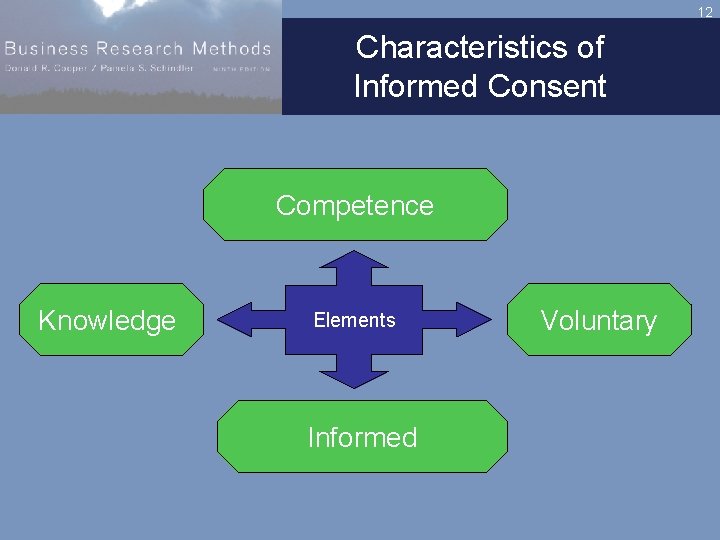
12 Characteristics of Informed Consent Competence Knowledge Elements Informed Voluntary
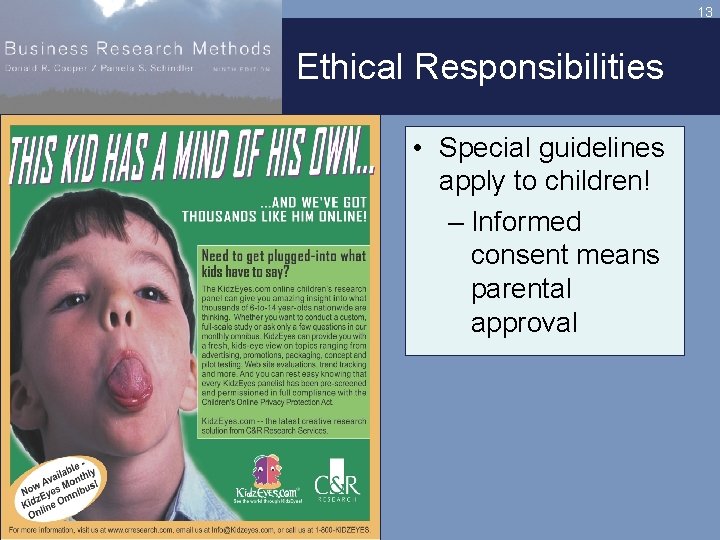
13 Ethical Responsibilities • Special guidelines apply to children! – Informed consent means parental approval
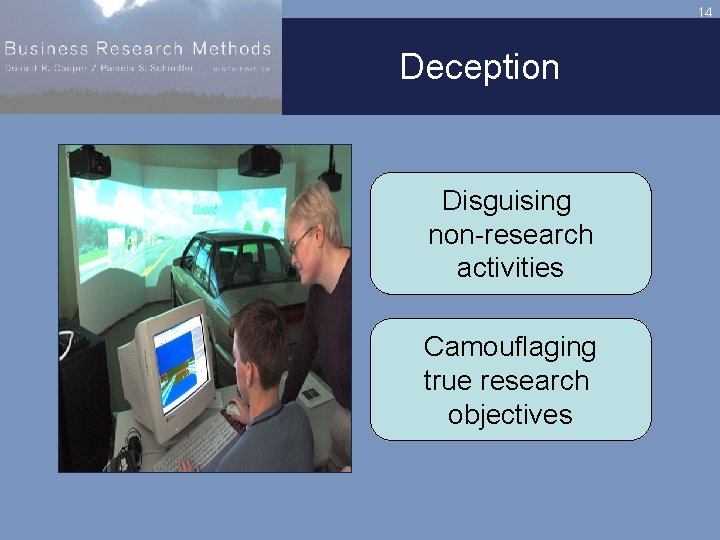
14 Deception Disguising non-research activities Camouflaging true research objectives
15 Debriefing Explain any deception Describe purpose Share results Provide follow-up
16 Participant Confidentiality Obtain signed nondisclosure Nondisclosure of data subsets Restrict access to ID Minimize instruments requiring ID Reveal only with written consent
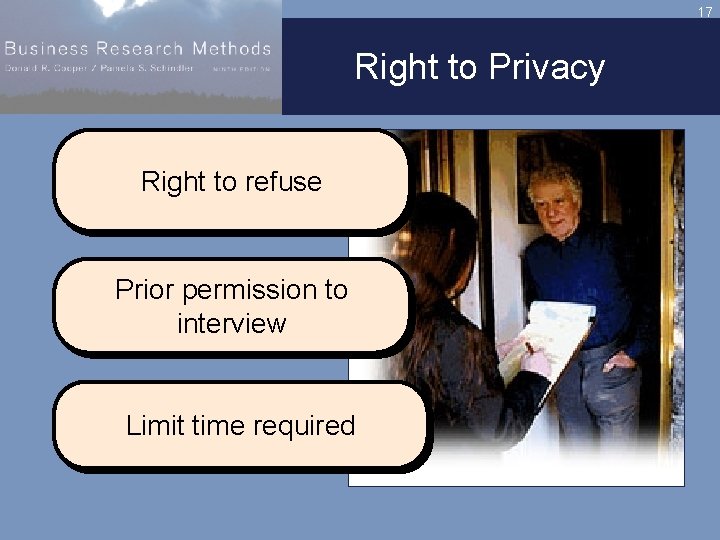
17 Right to Privacy Right to refuse Prior permission to interview Limit time required
18 Data Collection in Cyberspace Data Mining European Union
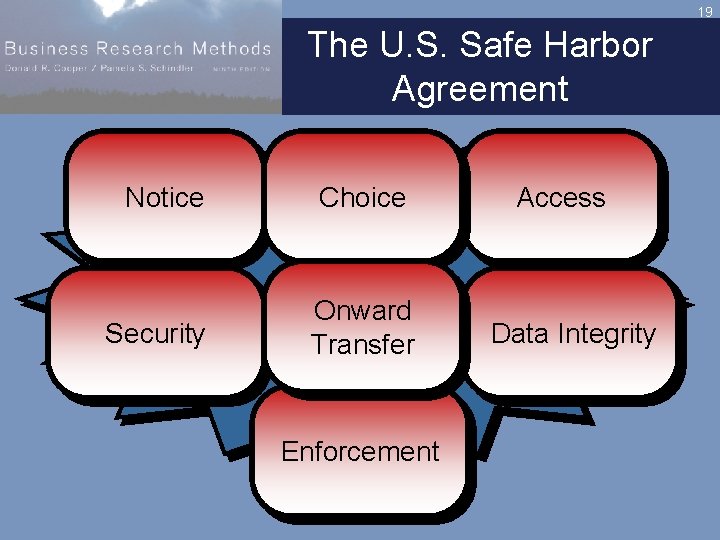
19 The U. S. Safe Harbor Agreement Notice Security Choice Onward Transfer Enforcement Access Data Integrity
20 Confidentiality Sponsor Nondisclosure Purpose Nondisclosure Findings Nondisclosure
21 What to do if coerced? Educate on purpose Emphasize fact-finding role Explain problems Terminate relationship
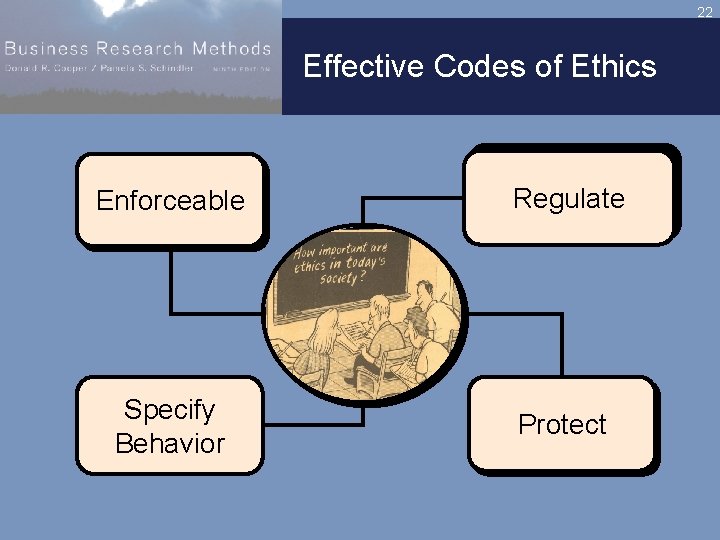
22 Effective Codes of Ethics Enforceable Regulate Specify Behavior Protect
23 Key Terms • • • Code of ethics Confidentiality Debriefing Deception Ethics Informed consent • Nondisclosure – Findings – Purpose – Sponsor • Right to privacy • Right to quality • Right to safety
- Slides: 23