
40 Year Overview of vegetation sampling on Three

- Slides: 17
40 Year Overview of vegetation sampling on Three Mile Island: past, present and future • Prepared by Marge Holland, Professor Emerita, Biology Department, University of Mississippi, • In collaboration with William Clapham [“Bat”], USDAAgricultural Research Service, Research Scientist, retired, and • Jay Maciejowski, Forester, Vermont Agency of Natural Resources, retired
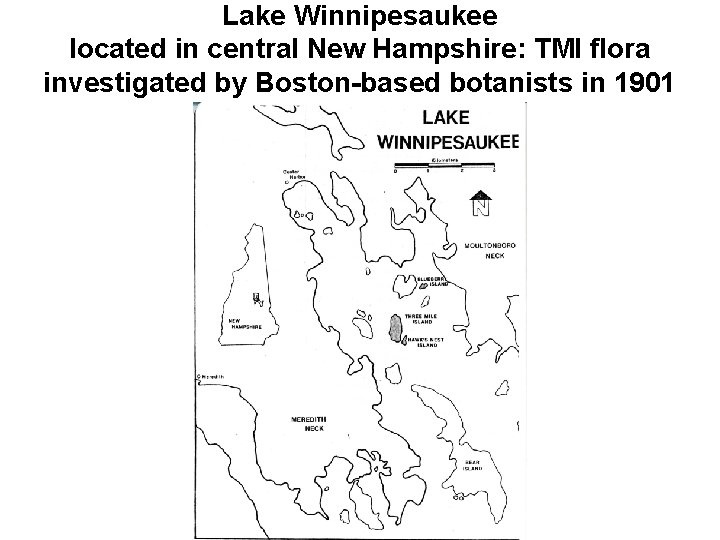
Lake Winnipesaukee located in central New Hampshire: TMI flora investigated by Boston-based botanists in 1901
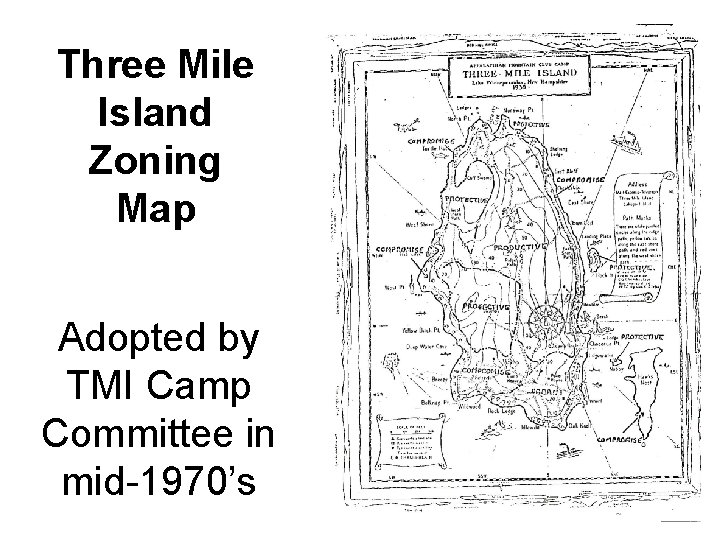
Three Mile Island Zoning Map Adopted by TMI Camp Committee in mid-1970’s
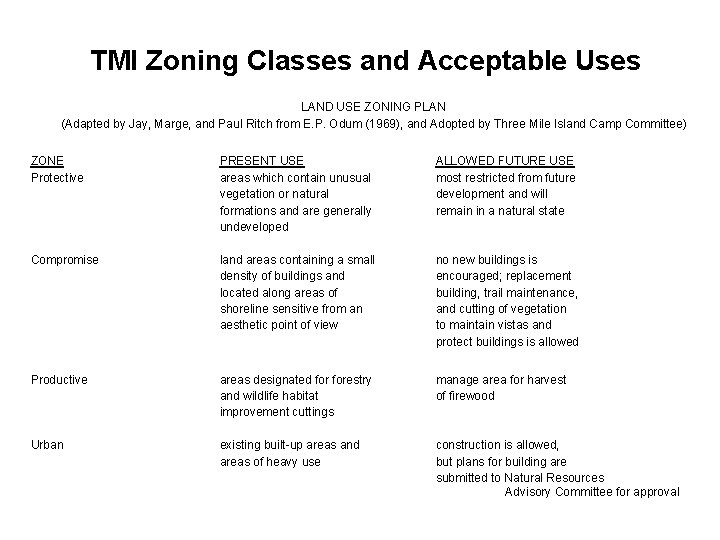
TMI Zoning Classes and Acceptable Uses LAND USE ZONING PLAN (Adapted by Jay, Marge, and Paul Ritch from E. P. Odum (1969), and Adopted by Three Mile Island Camp Committee) ZONE Protective PRESENT USE areas which contain unusual vegetation or natural formations and are generally undeveloped ALLOWED FUTURE USE most restricted from future development and will remain in a natural state Compromise land areas containing a small density of buildings and located along areas of shoreline sensitive from an aesthetic point of view no new buildings is encouraged; replacement building, trail maintenance, and cutting of vegetation to maintain vistas and protect buildings is allowed Productive areas designated forestry and wildlife habitat improvement cuttings manage area for harvest of firewood Urban existing built-up areas and areas of heavy use construction is allowed, but plans for building are submitted to Natural Resources Advisory Committee for approval
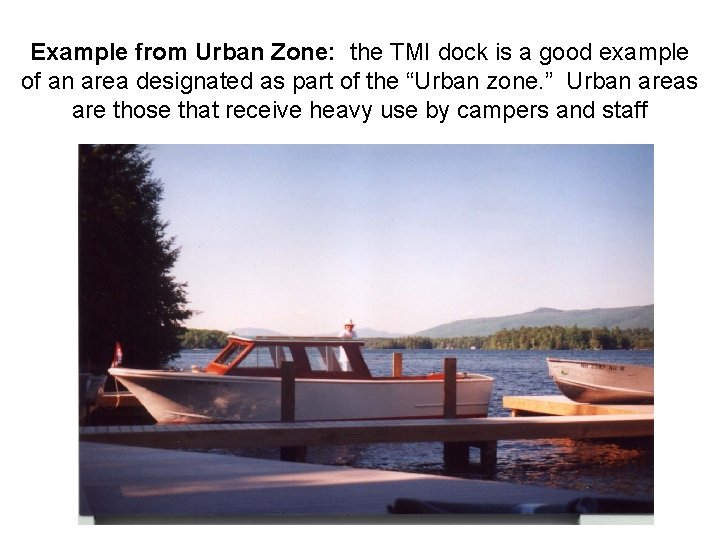
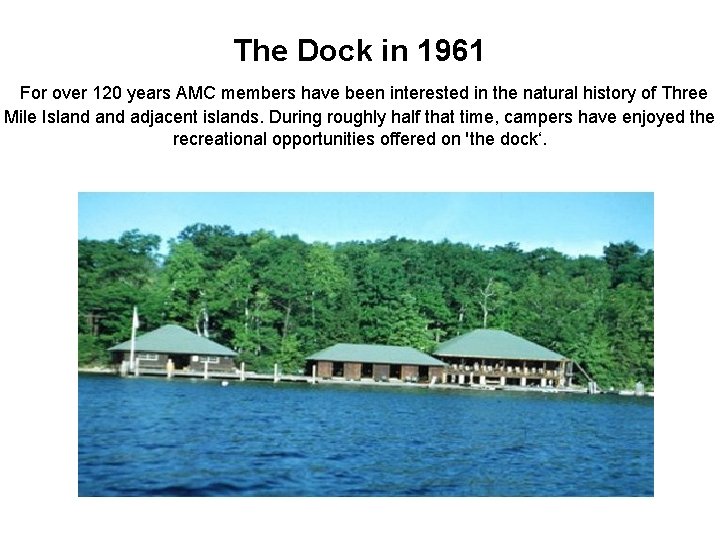
Example from Urban Zone: the TMI dock is a good example of an area designated as part of the “Urban zone. ” Urban areas are those that receive heavy use by campers and staff
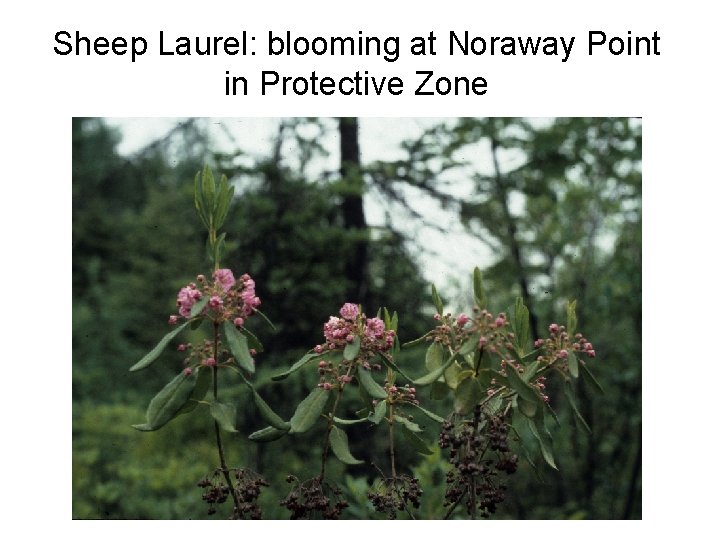
Sheep Laurel: blooming at Noraway Point in Protective Zone
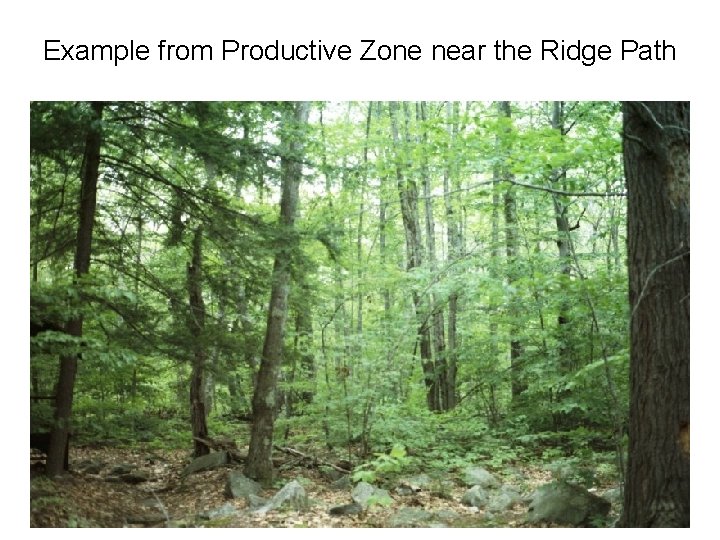
Example from Productive Zone near the Ridge Path
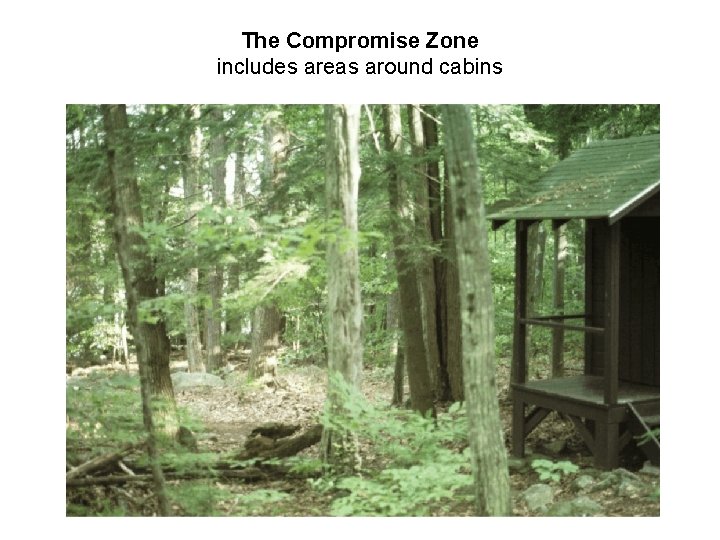
The Compromise Zone includes areas around cabins
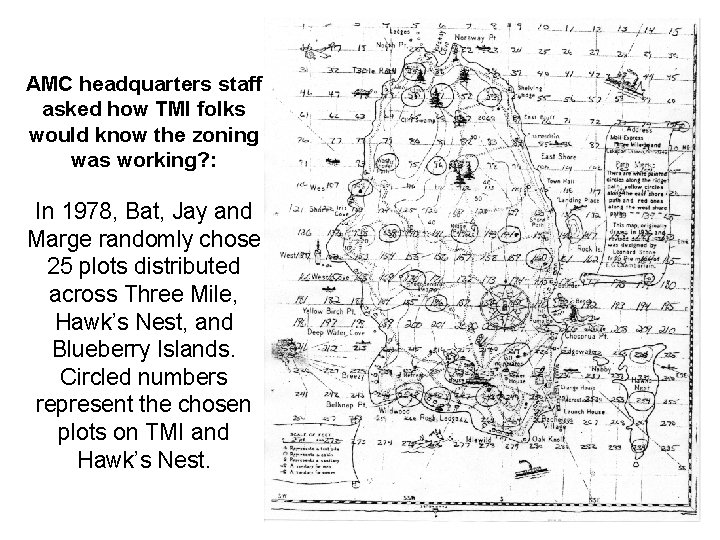
AMC headquarters staff asked how TMI folks would know the zoning was working? : In 1978, Bat, Jay and Marge randomly chose 25 plots distributed across Three Mile, Hawk’s Nest, and Blueberry Islands. Circled numbers represent the chosen plots on TMI and Hawk’s Nest.
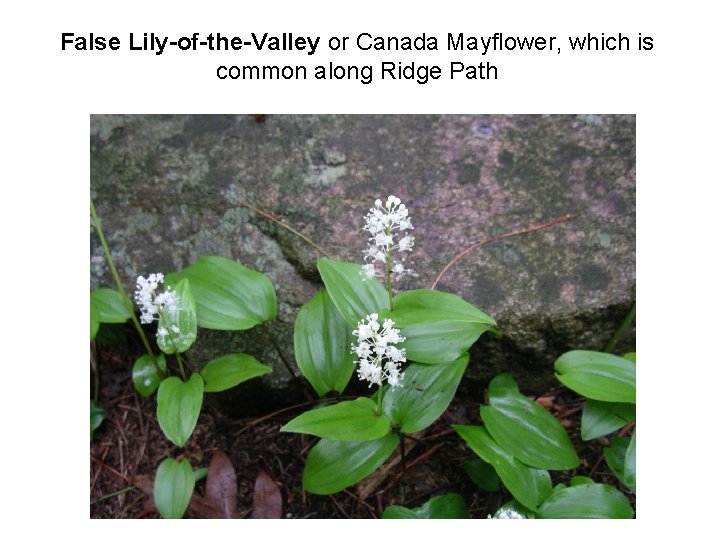
False Lily-of-the-Valley or Canada Mayflower, which is common along Ridge Path
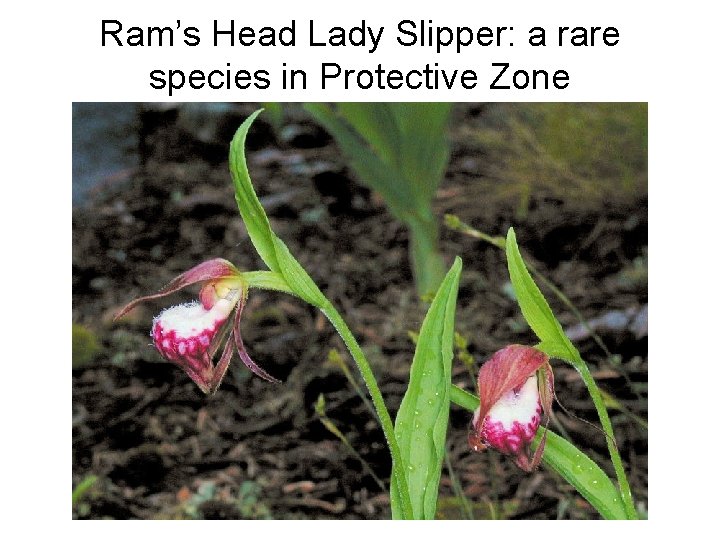
Ram’s Head Lady Slipper: a rare species in Protective Zone
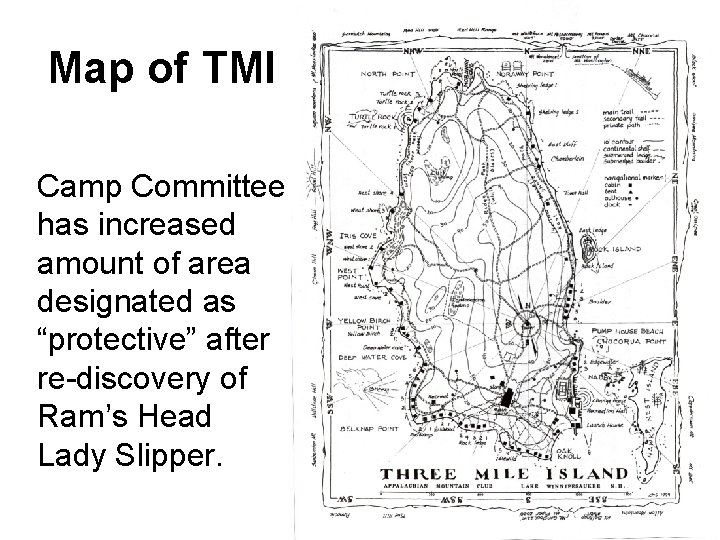
Map of TMI Camp Committee has increased amount of area designated as “protective” after re-discovery of Ram’s Head Lady Slipper.
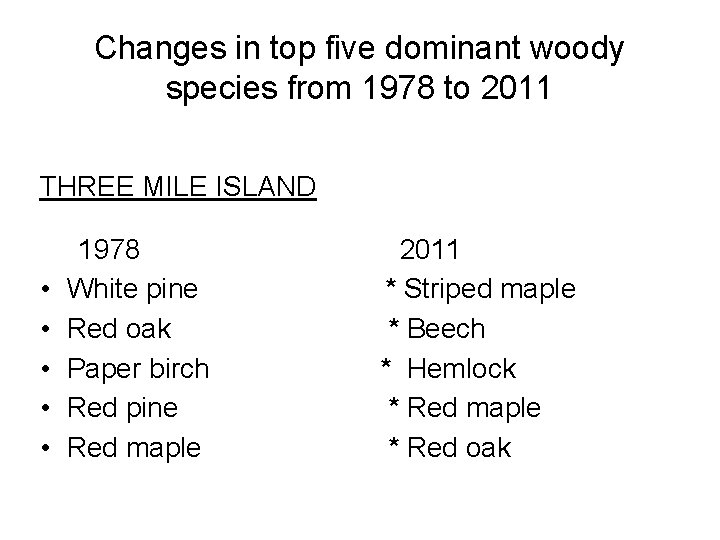
Changes in top five dominant woody species from 1978 to 2011 THREE MILE ISLAND • • • 1978 White pine Red oak Paper birch Red pine Red maple 2011 * Striped maple * Beech * Hemlock * Red maple * Red oak
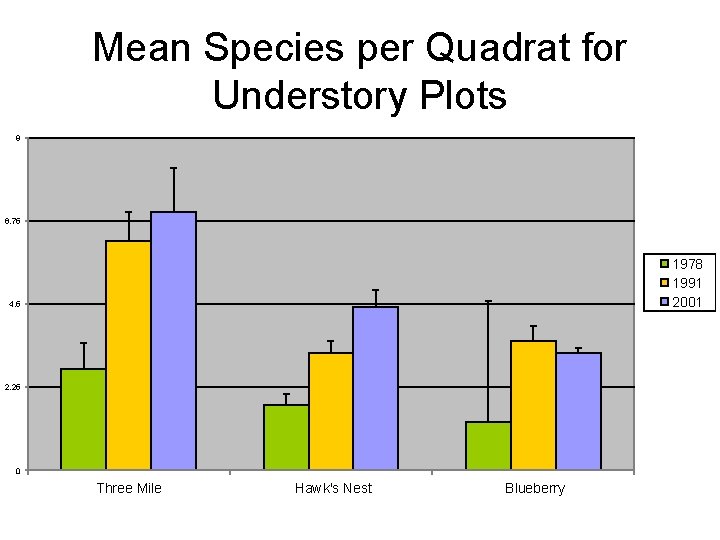
Mean Species per Quadrat for Understory Plots 9 6, 75 1978 1991 2001 4, 5 2, 25 0 Three Mile Hawk's Nest Blueberry
Effectiveness of Land Use Plan • Species diversity has increased since implementation of zoning plan • Globally, scientists believe that higher biological diversity means healthier natural areas • Most changes in the forest can be attributed to lighting strikes and other natural storms since the land use plan was implemented.
The Dock in 1961 For over 120 years AMC members have been interested in the natural history of Three Mile Island adjacent islands. During roughly half that time, campers have enjoyed the recreational opportunities offered on 'the dock‘.
And Now, in summer 2021, Dr. Diana Jolles, Assistant Professor of Plant Biology, and Director, Plymouth State University Herbarium, Plymouth State University, Plymouth, NH, will lead the Three Mile Island study.