
4 Perspectives on Consumer Behavior Mc GrawHillIrwin Copyright
4 Perspectives on Consumer Behavior Mc. Graw-Hill/Irwin Copyright © 2009 by The Mc. Graw-Hill Companies, Inc. All rights reserved.
Consumer Behavior The process and activities people engage in when searching for, selecting, purchasing, using, evaluating, and disposing of products and services

Appealing to an Active Lifestyle

Consumer Decision Making Decision-Making Psychological Process Problem recognition Motivation Information search Perception Alternative evaluation Attitude formation Purchase decision Integration Postpurchase evaluation Learning

Sources of Problem Recognition Out of Stock Dissatisfaction New Needs or Wants Related Products, Purchases Market-Induced Recognition New Products

Ads help Consumers Recognize Problems
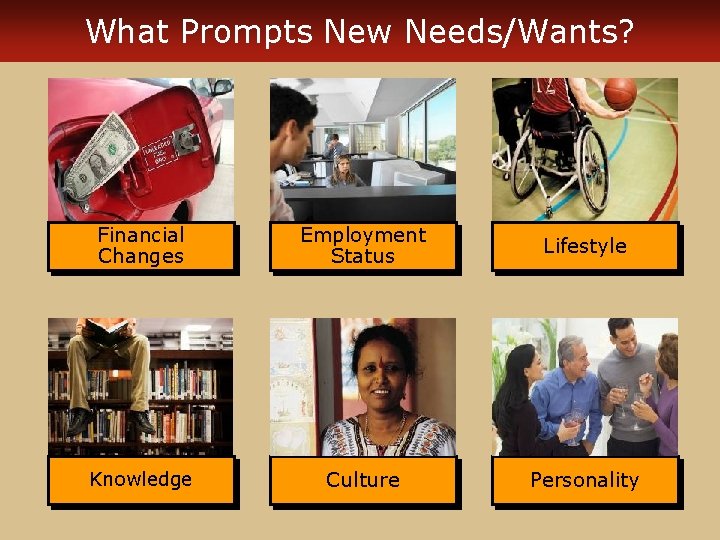
What Prompts New Needs/Wants? Financial Changes Employment Status Lifestyle Knowledge Culture Personality
“I’m in the woods” *Click outside of the video screen to advance to the next slide
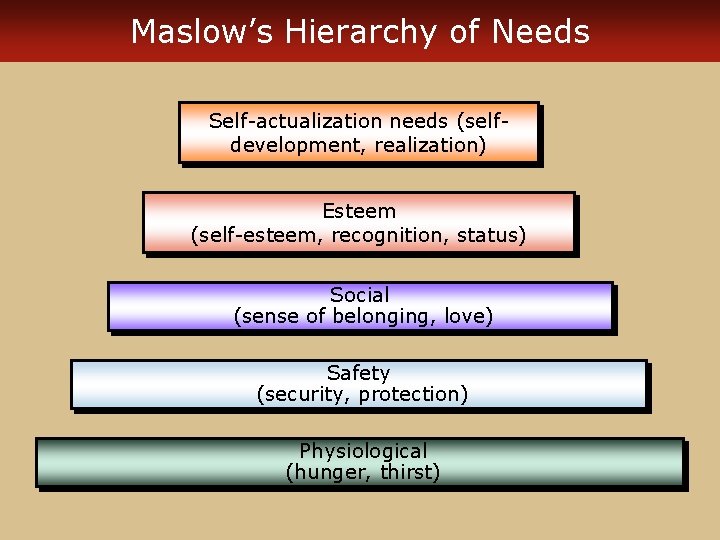
Maslow’s Hierarchy of Needs Self-actualization needs (selfdevelopment, realization) Esteem (self-esteem, recognition, status) Social (sense of belonging, love) Safety (security, protection) Physiological (hunger, thirst)
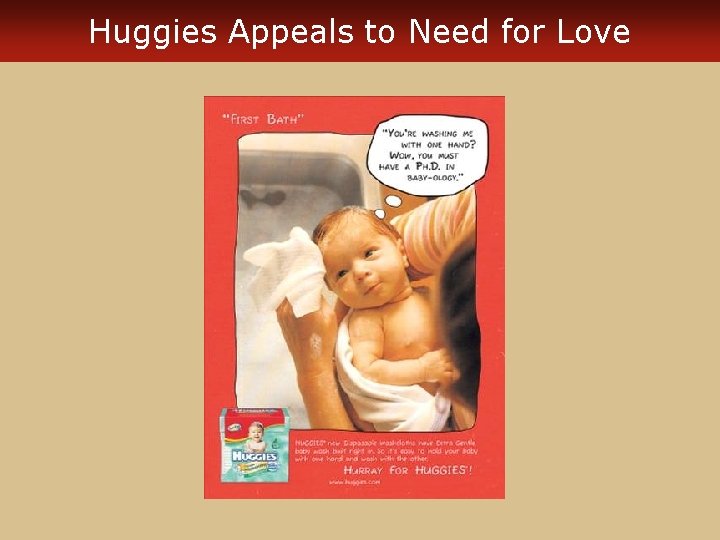
Huggies Appeals to Need for Love
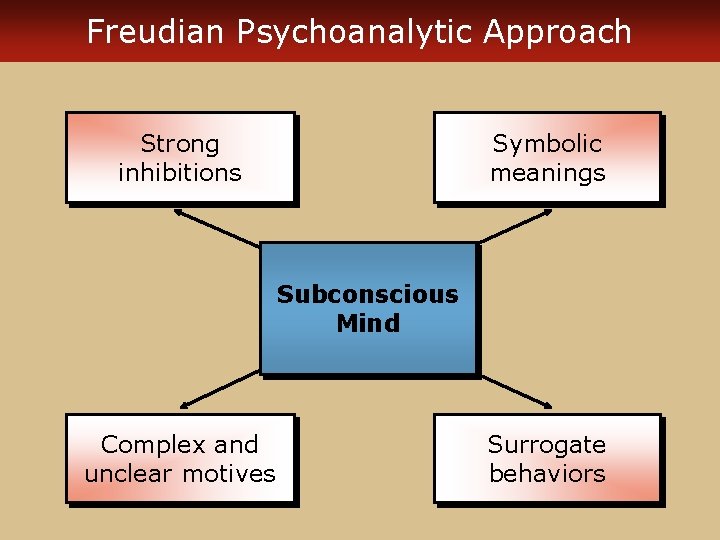
Freudian Psychoanalytic Approach Strong inhibitions Symbolic meanings Subconscious Mind Complex and unclear motives Surrogate behaviors
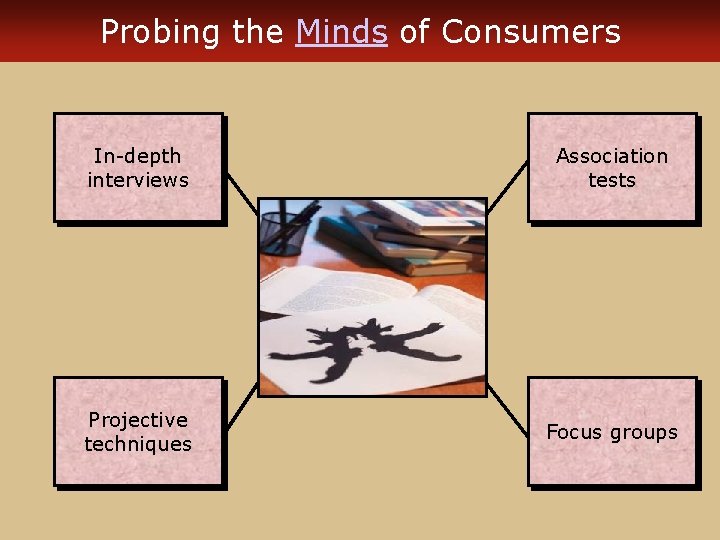
Probing the Minds of Consumers In-depth interviews Association tests Projective techniques Focus groups
Test Your Knowledge Critics of psychoanalytic theory believe any results from motivation research are unusable because: A) Results are unpredictable B) External environmental stimuli exert too much influence C) The research requires the use of very large samples D) The theory is too vague E) The research is too structured
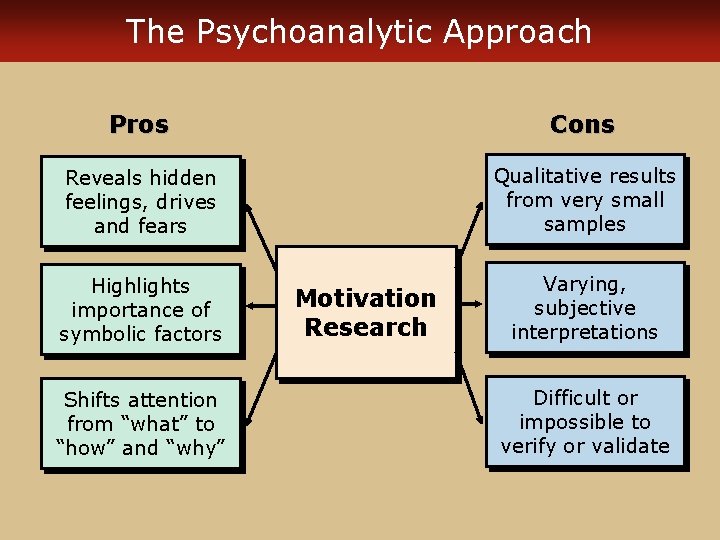
The Psychoanalytic Approach Pros Cons Reveals hidden feelings, drives and fears Qualitative results from very small samples Highlights importance of symbolic factors Varying, subjective interpretations Shifts attention from “what” to “how” and “why” Motivation Research Difficult or impossible to verify or validate

Sexy Ads Get Noticed
Go Daddy Knows Sex Sells *Click outside of the video screen to advance to the next slide
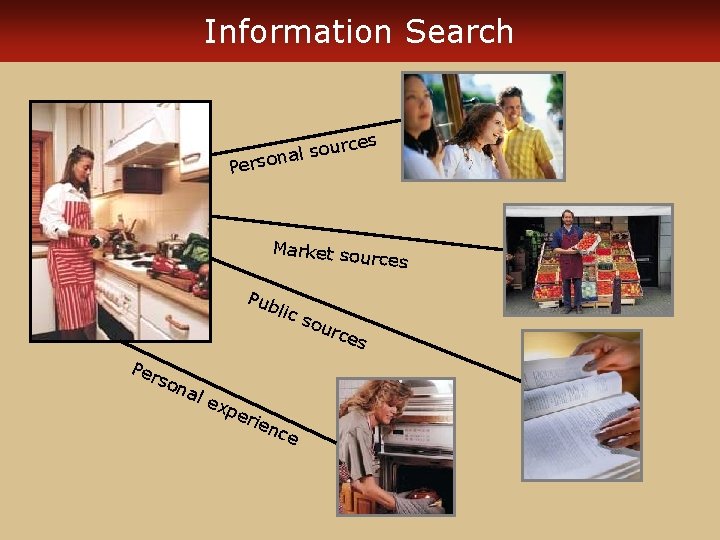
Information Search es urc o s l a n Perso Market so urces Pub lic Per son al e xpe rie nce sou rce s
Perception • Marketers want to know – How consumers sense external information – How they select and use sources of information – How information is interpreted and given meaning
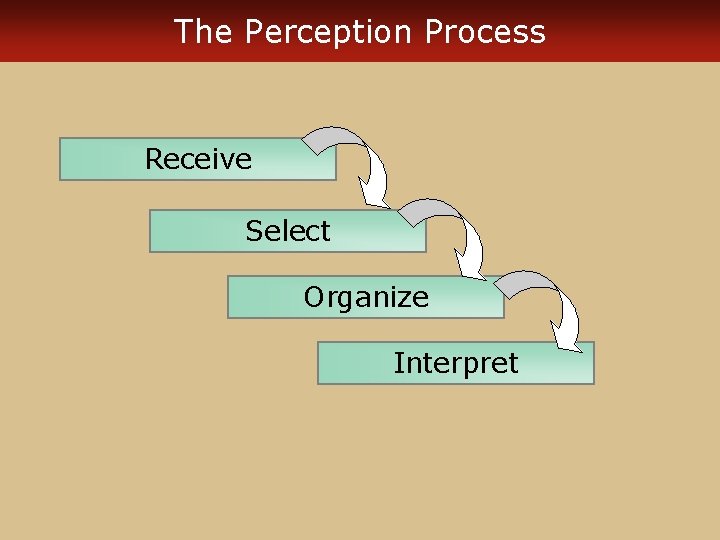
The Perception Process Receive Select Organize Interpret

Using Color to Focus Attention WE CAN SUM IT UP IN TWO WORDS: EXCEPTIONAL, EXTRAORDINARY, FANTASTIC, FRESH TASTE. ADMITTEDLY, WE’RE BAD AT SUMMATION. There just aren’t enough adjectives to describe the straight-from-the-orange taste of Tropicana Pure Premium. ®
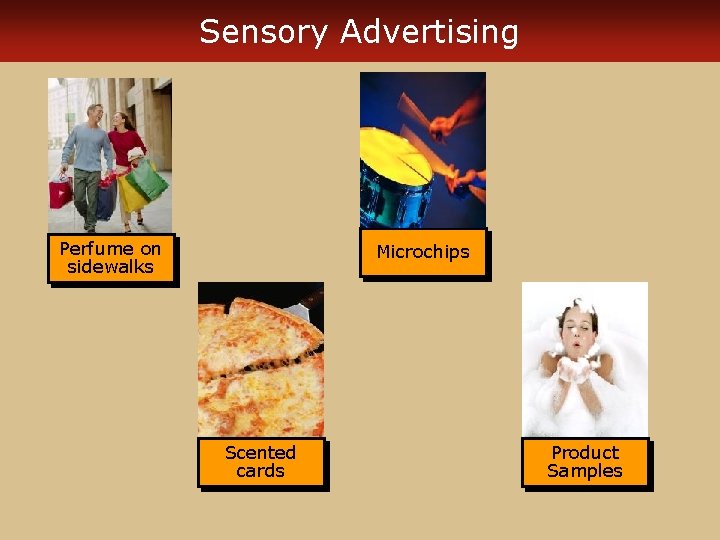
Sensory Advertising Perfume on sidewalks Microchips Scented cards Product Samples
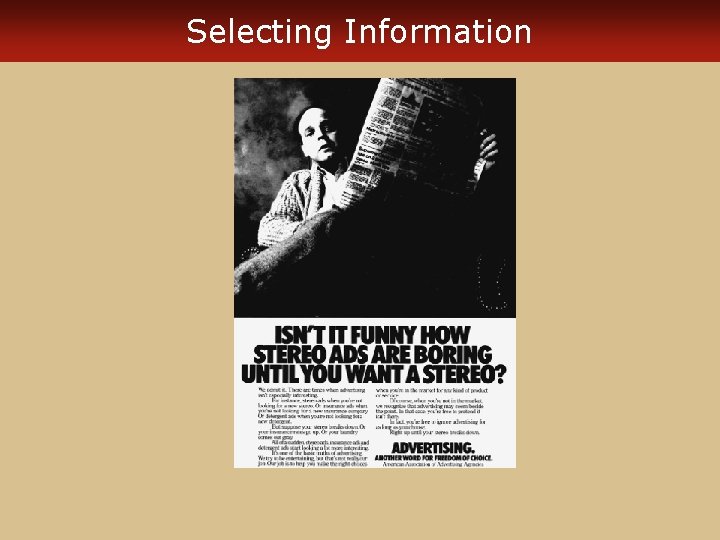
Selecting Information
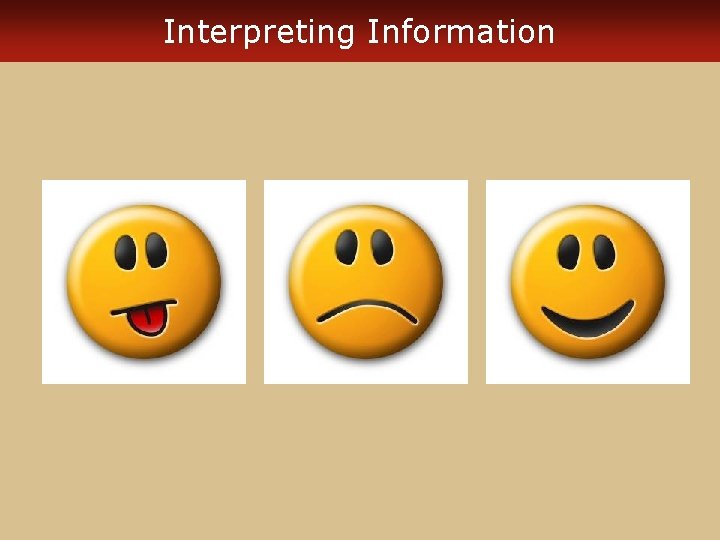
Interpreting Information
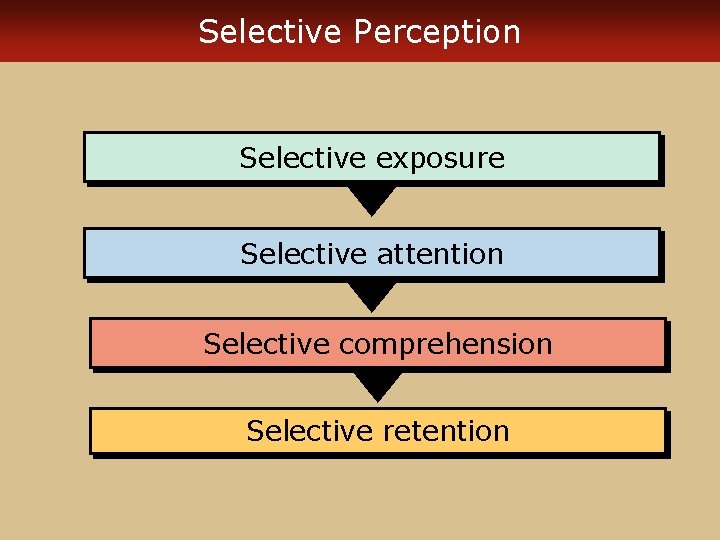
Selective Perception Selective exposure Selective attention Selective comprehension Selective retention
Subliminal Perception
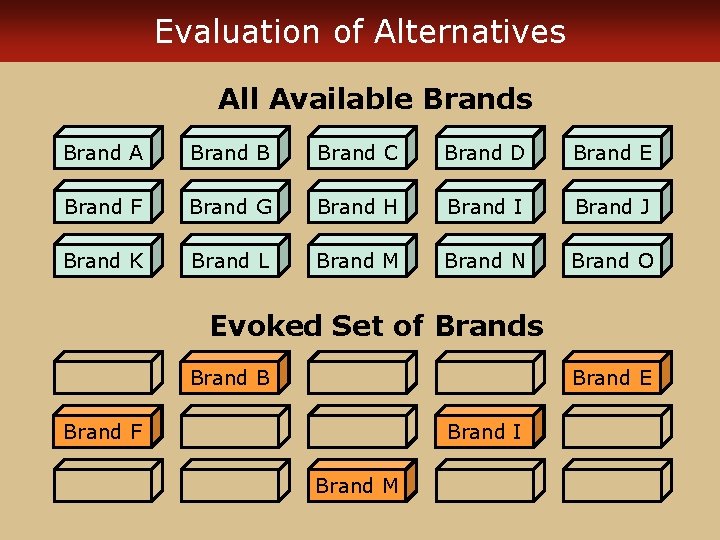
Evaluation of Alternatives All Available Brands Brand A Brand B Brand C Brand D Brand E Brand F Brand G Brand H Brand I Brand J Brand K Brand L Brand M Brand N Brand O Evoked Set of Brands Brand B Brand E Brand F Brand I Brand M

Evoked Set
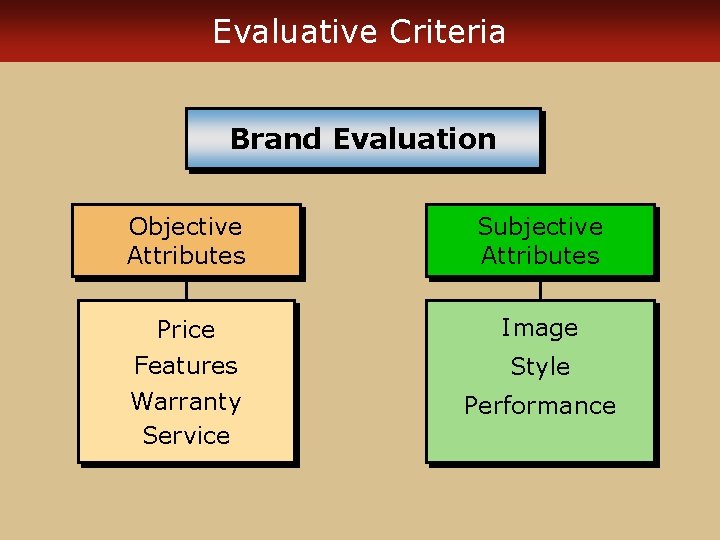
Evaluative Criteria Brand Evaluation Objective Attributes Subjective Attributes Price Image Features Warranty Service Style Performance
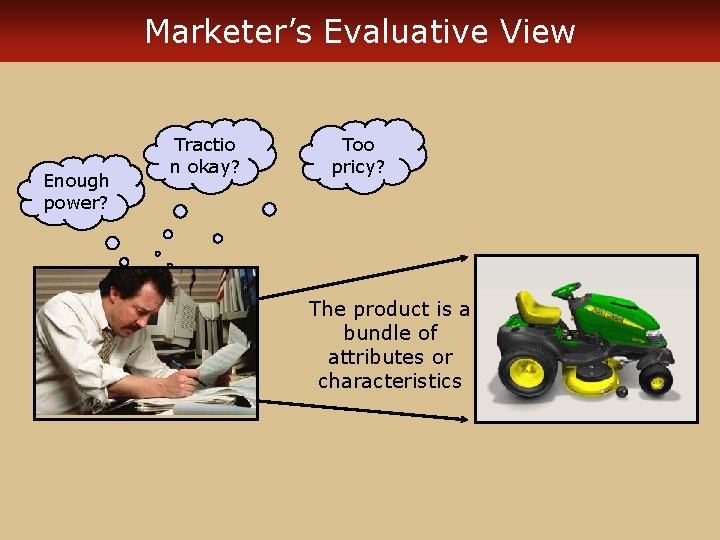
Marketer’s Evaluative View Enough power? Tractio n okay? Too pricy? The product is a bundle of attributes or characteristics
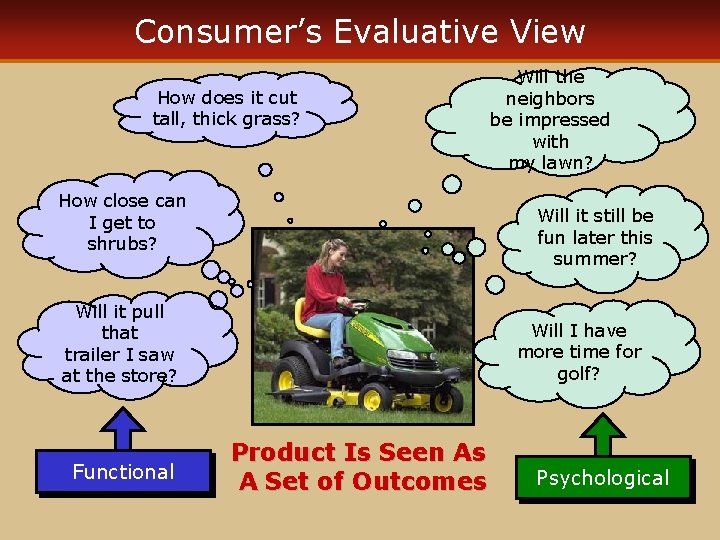
Consumer’s Evaluative View How does it cut tall, thick grass? How close can I get to shrubs? Will it still be fun later this summer? Will it pull that trailer I saw at the store? Functional Will the neighbors be impressed with my lawn? Will I have more time for golf? Product Is Seen As A Set of Outcomes Psychological
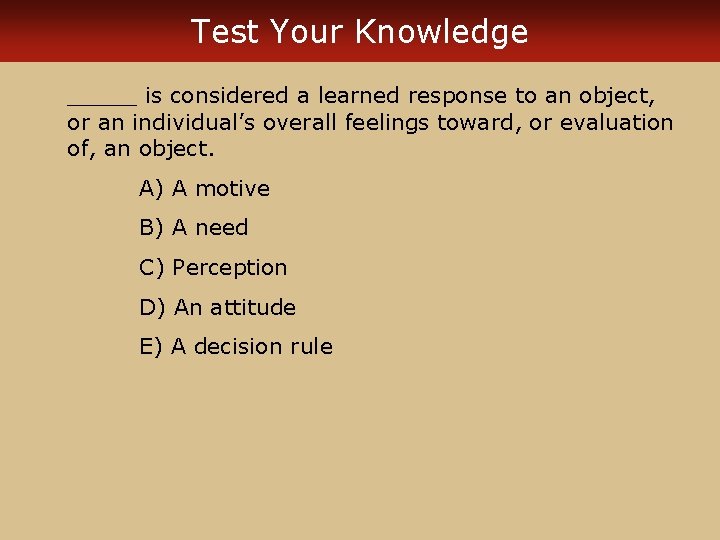
Test Your Knowledge _____ is considered a learned response to an object, or an individual’s overall feelings toward, or evaluation of, an object. A) A motive B) A need C) Perception D) An attitude E) A decision rule
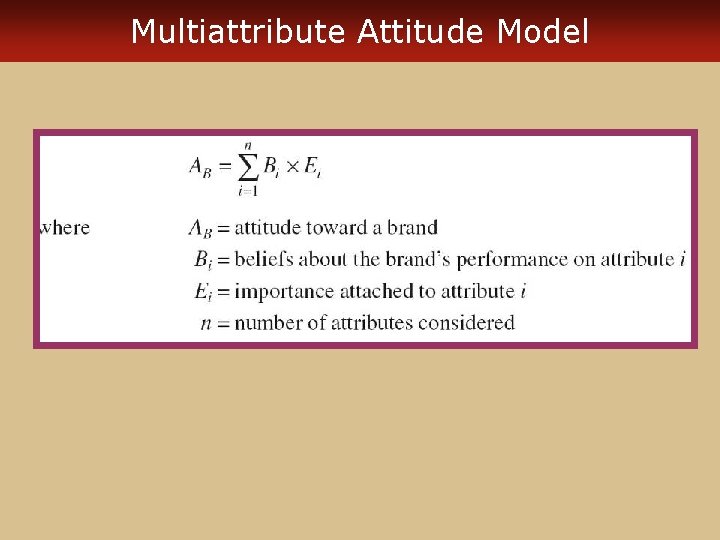
Multiattribute Attitude Model
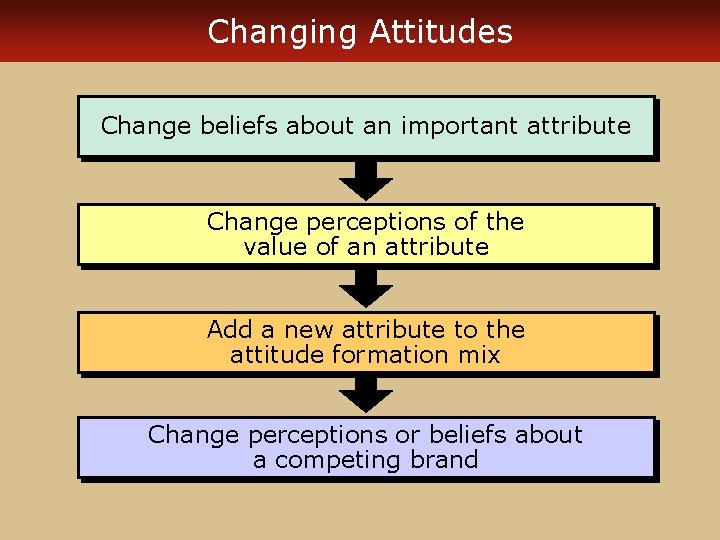
Changing Attitudes Change beliefs about an important attribute Change perceptions of the value of an attribute Add a new attribute to the attitude formation mix Change perceptions or beliefs about a competing brand
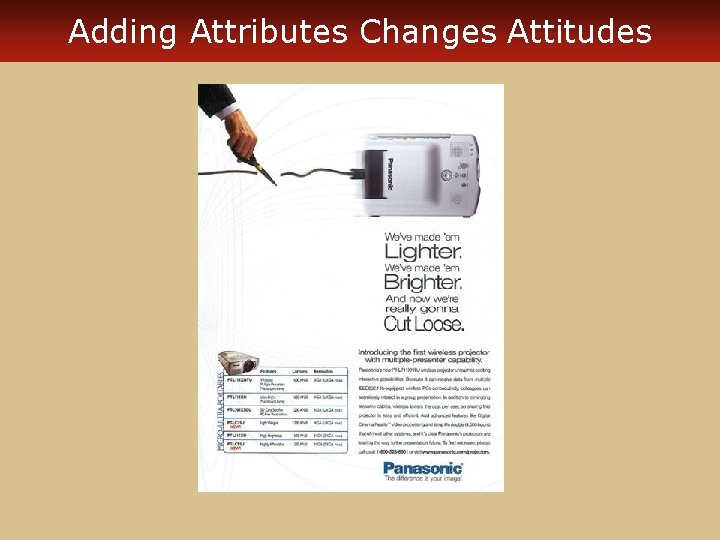
Adding Attributes Changes Attitudes
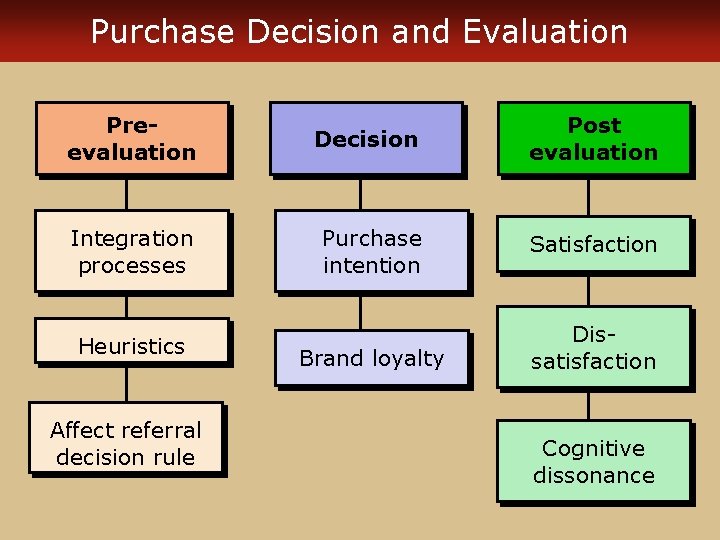
Purchase Decision and Evaluation Preevaluation Decision Post evaluation Integration processes Purchase intention Satisfaction Brand loyalty Dissatisfaction Heuristics Affect referral decision rule Cognitive dissonance
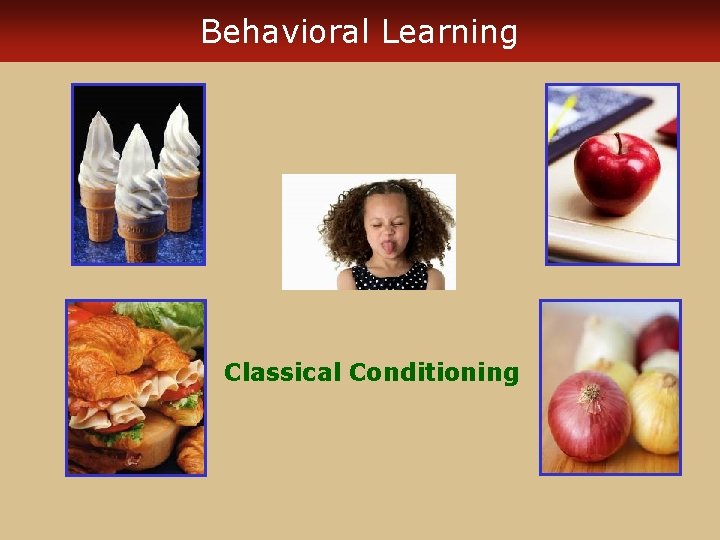
Behavioral Learning Classical Conditioning
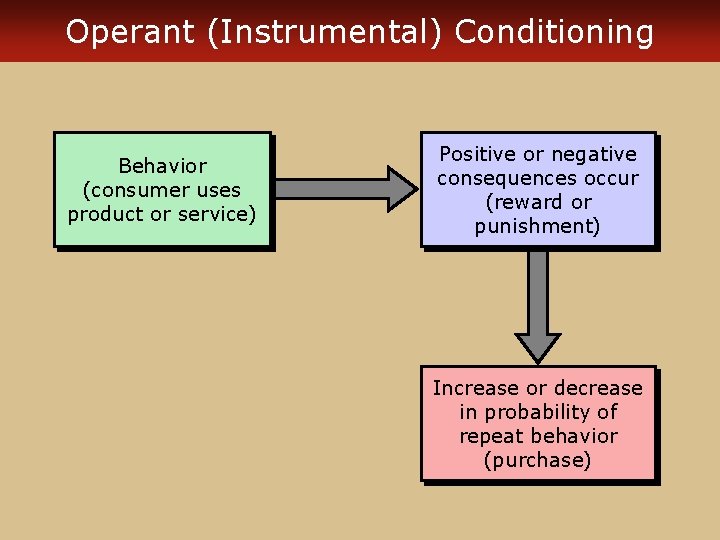
Operant (Instrumental) Conditioning Behavior (consumer uses product or service) Positive or negative consequences occur (reward or punishment) Increase or decrease in probability of repeat behavior (purchase)
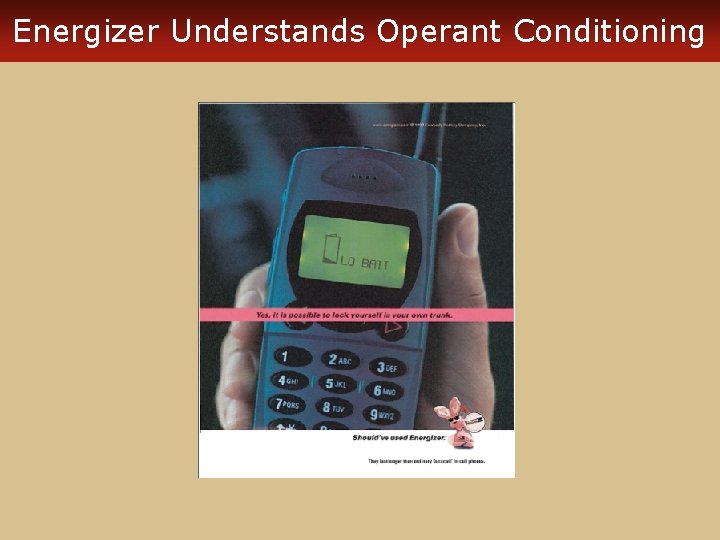
Energizer Understands Operant Conditioning
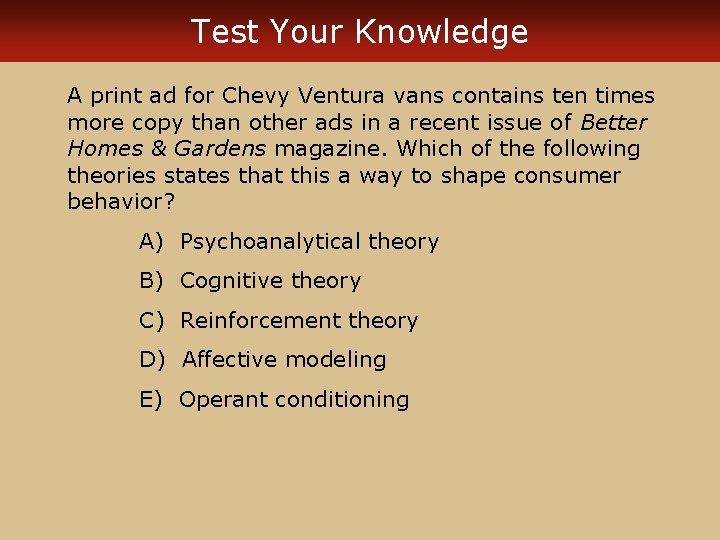
Test Your Knowledge A print ad for Chevy Ventura vans contains ten times more copy than other ads in a recent issue of Better Homes & Gardens magazine. Which of the following theories states that this a way to shape consumer behavior? A) Psychoanalytical theory B) Cognitive theory C) Reinforcement theory D) Affective modeling E) Operant conditioning
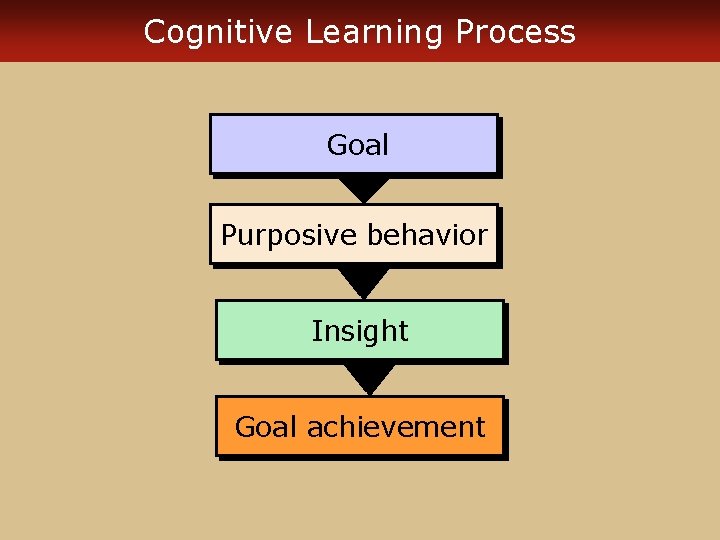
Cognitive Learning Process Goal Purposive behavior Insight Goal achievement
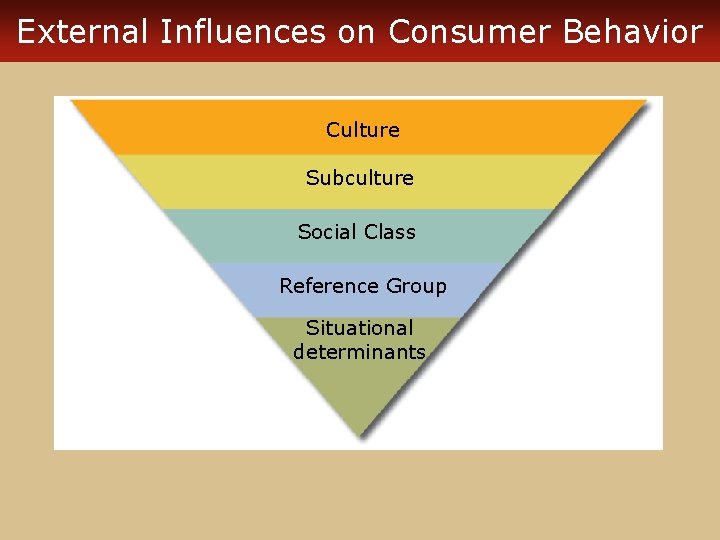
External Influences on Consumer Behavior Culture Subculture Social Class Reference Group Situational determinants
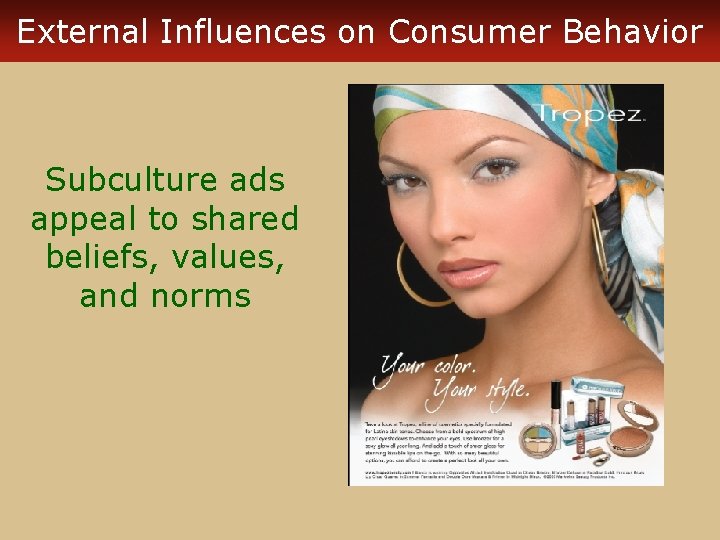
External Influences on Consumer Behavior Subculture ads appeal to shared beliefs, values, and norms
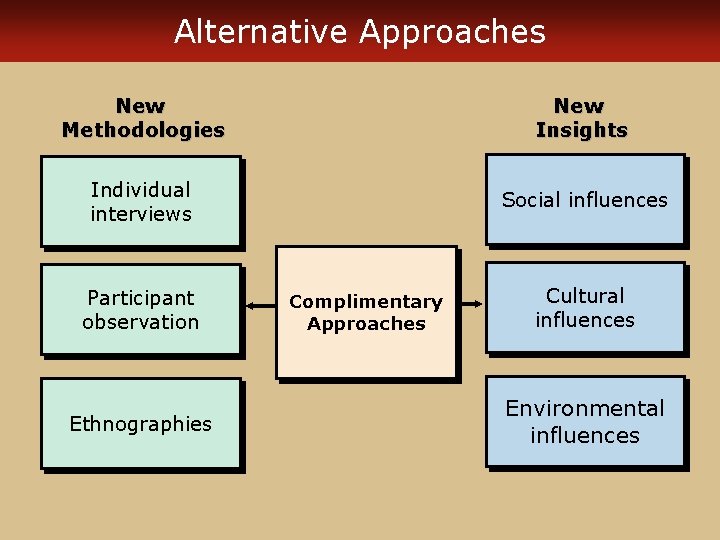
Alternative Approaches New Methodologies New Insights Individual interviews Social influences Participant observation Ethnographies Complimentary Approaches Cultural influences Environmental influences
- Slides: 43