
4 3 Covalent Structures Bond length and strength
4. 3 Covalent Structures
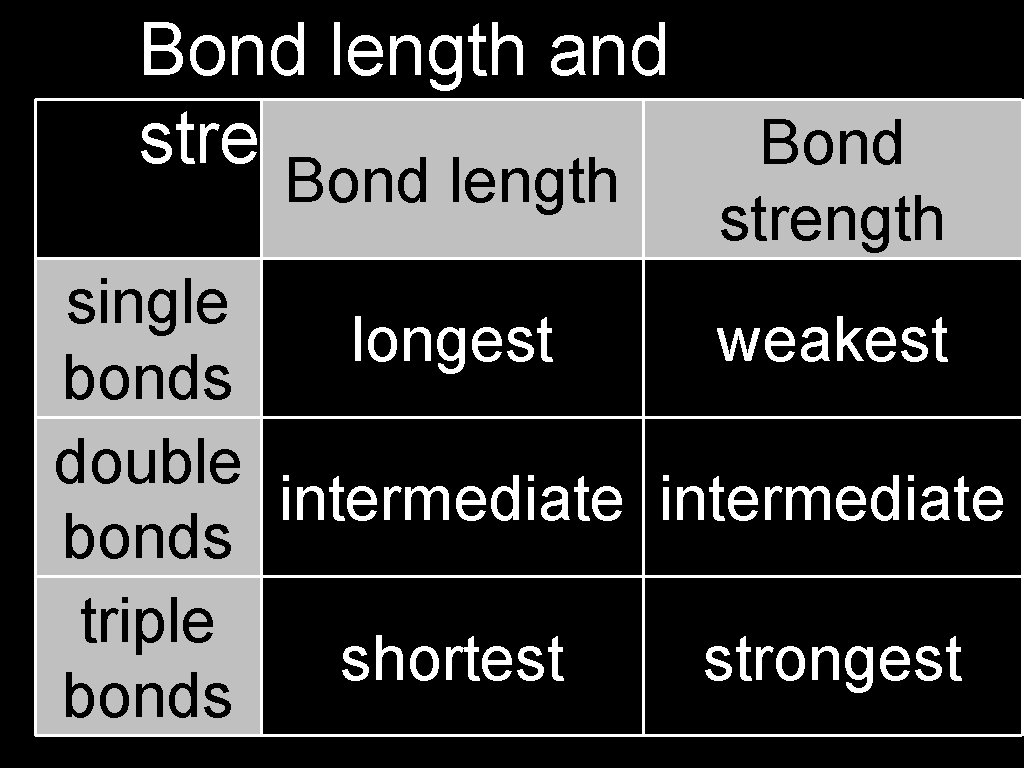
Bond length and strength Bond length Bond strength single longest weakest bonds double intermediate bonds triple shortest strongest bonds
Resonance Structures: A molecule or polyatomic ion that cannot be represented by a single Lewis structure. (All will contain a double bond that can be placed on more than one atom)
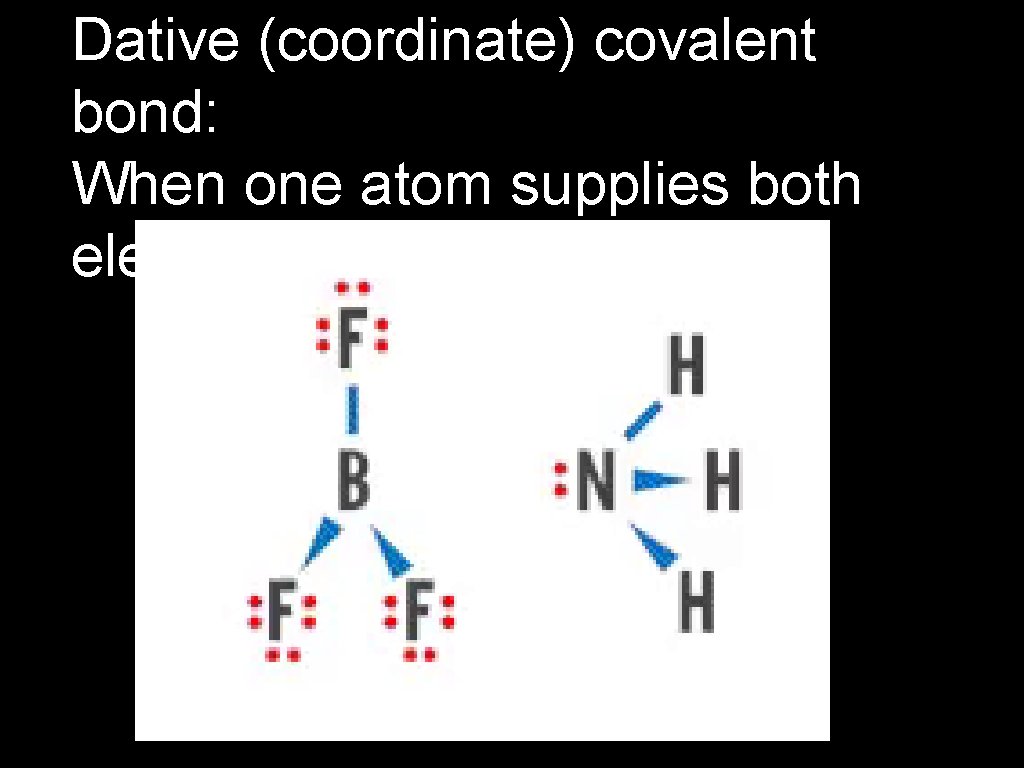
Dative (coordinate) covalent bond: When one atom supplies both electrons in a covalent bond.
Pages 117120 Large covalent structures: carbon, silicon, and silicon dioxide.
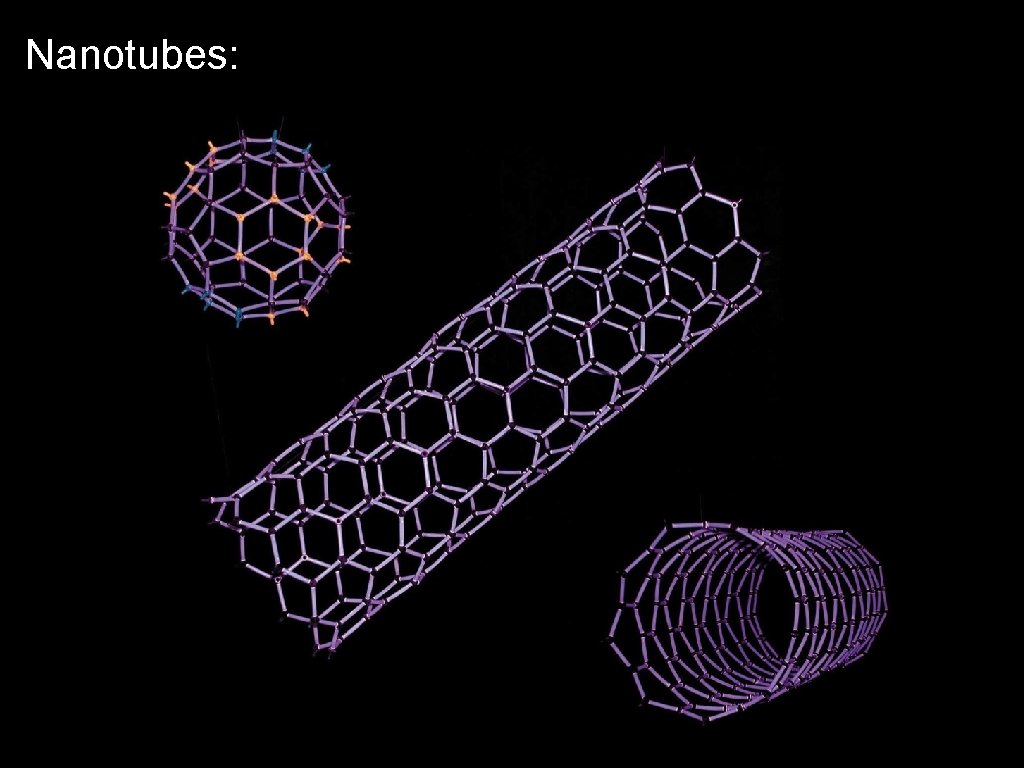
Carbon can exist as 3 separate allotropes*: *Two or more different physical forms in which an element can exist.

Carbon can exist as 3 separate allotropes: -Graphite: planer, each atom is covalently bonded to 3 others (has resonance). -Diamond, each atom is covalently bonded to 4 others. -Fullerene, each atom is covalently bonded within a sphere of 60 atoms.
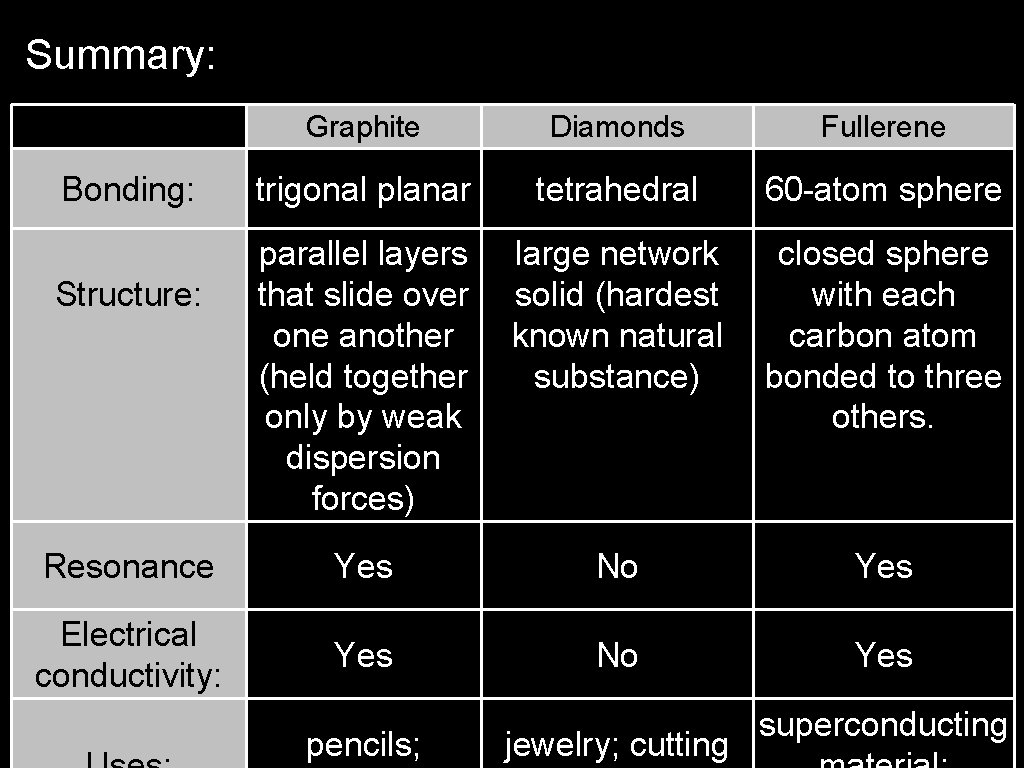
Summary: Graphite Diamonds Fullerene trigonal planar tetrahedral 60 -atom sphere parallel layers that slide over one another (held together only by weak dispersion forces) large network solid (hardest known natural substance) closed sphere with each carbon atom bonded to three others. Resonance Yes No Yes Electrical conductivity: Yes No Yes Bonding: Structure: pencils; jewelry; cutting superconducting
Nanotubes:
Nanotubes:
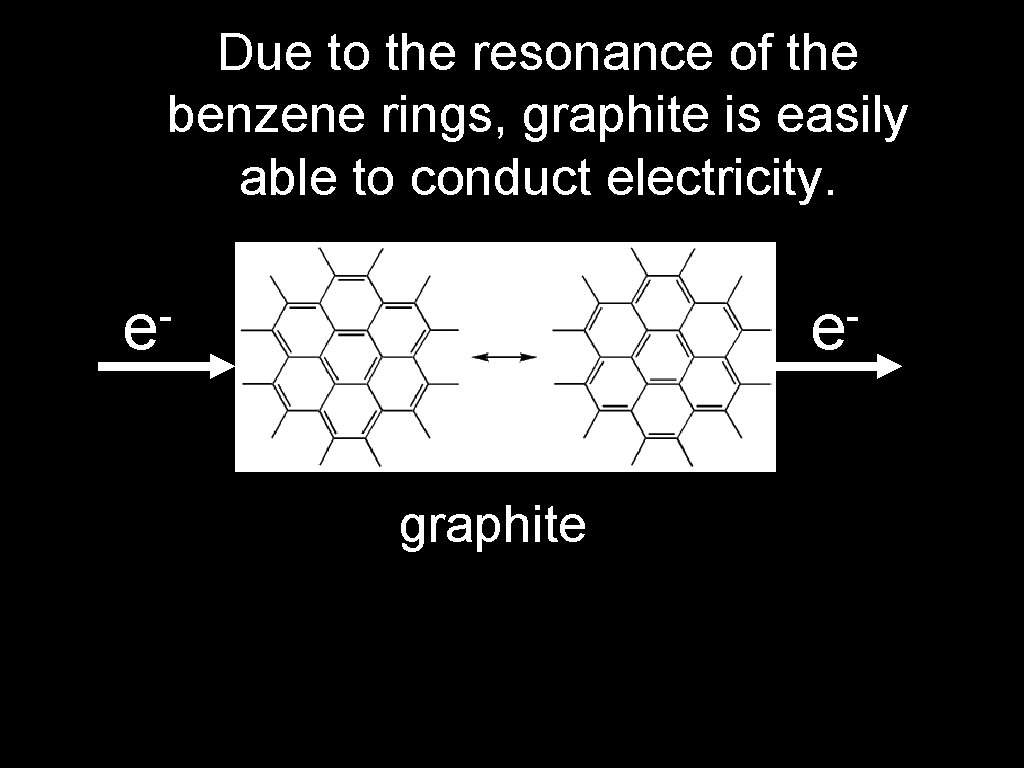
Due to the resonance of the benzene rings, graphite is easily able to conduct electricity. e e graphite
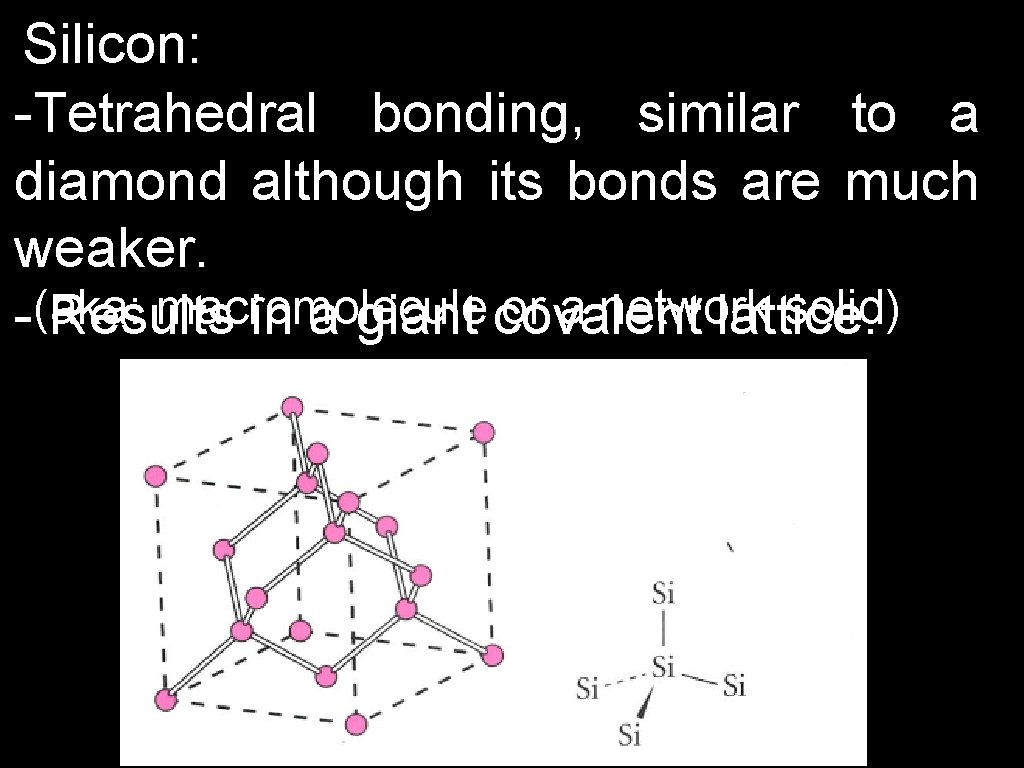
Silicon: -Tetrahedral bonding, similar to a diamond although its bonds are much weaker. macromolecule or a network solid) -(aka: Results in a giant covalent lattice.
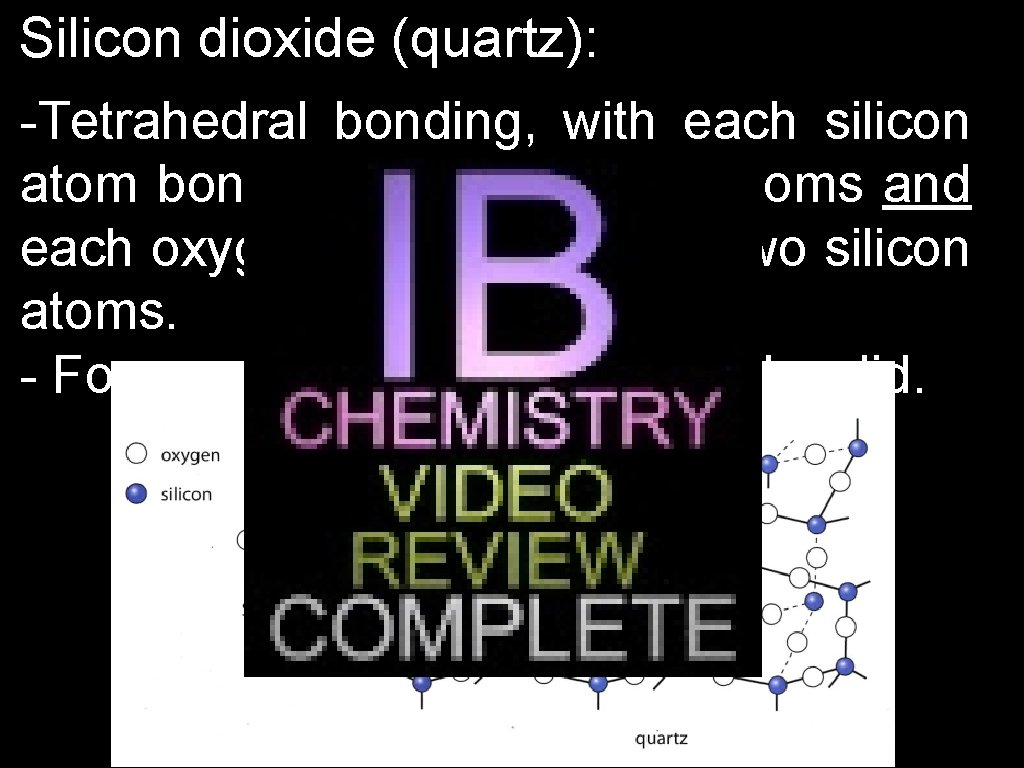
Silicon dioxide (quartz): -Tetrahedral bonding, with each silicon atom bonded to four oxygen atoms and each oxygen atom bonded to two silicon atoms. - Forms a giant covalent network solid.
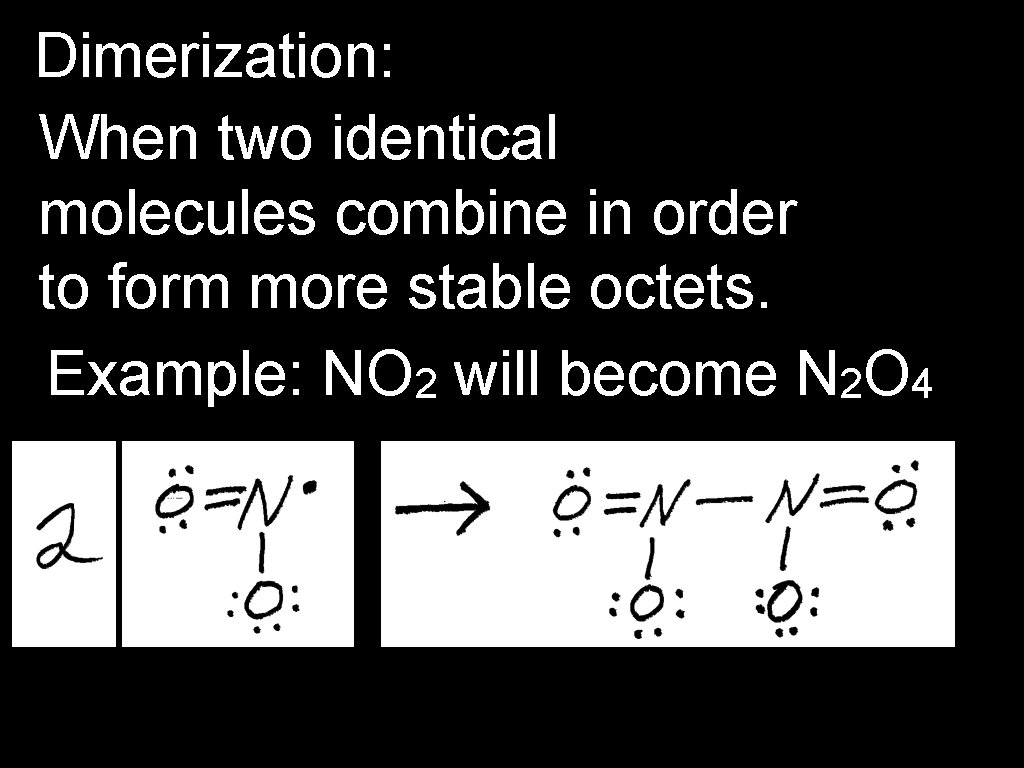
Dimerization: When two identical molecules combine in order to form more stable octets. Example: NO 2 will become N 2 O 4
The VSEPR model (valence shell electron pair repulsion) Use to predict molecular: shape bond angles polarity • • •
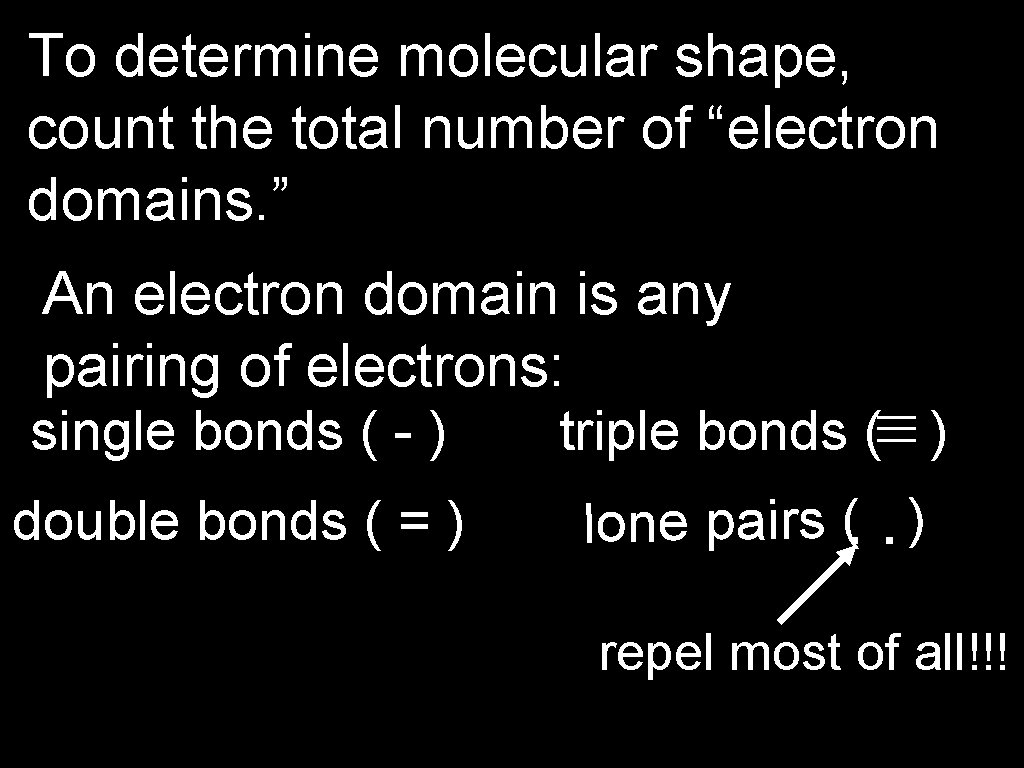
To determine molecular shape, count the total number of “electron domains. ” An electron domain is any pairing of electrons: triple bonds ( ) double bonds ( = ) lone pairs ( ) : single bonds ( - ) repel most of all!!!

All electron domains will arrange around a central atom as far apart as possible. (see summary handout)
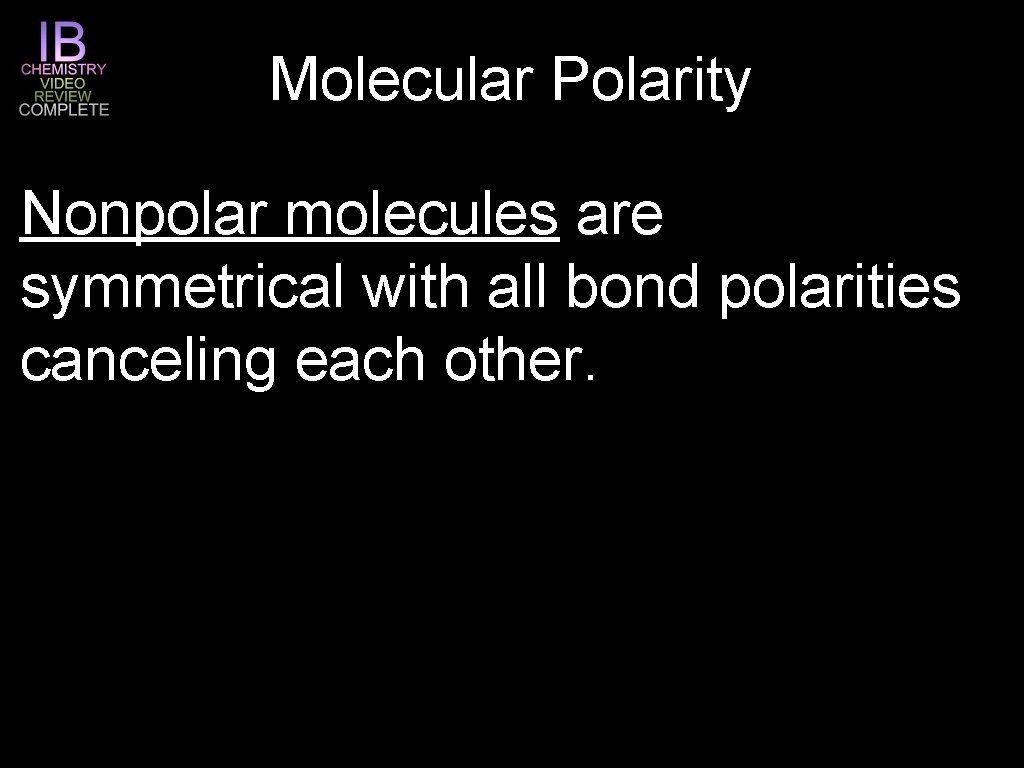
Molecular Polarity Nonpolar molecules are symmetrical with all bond polarities canceling each other.
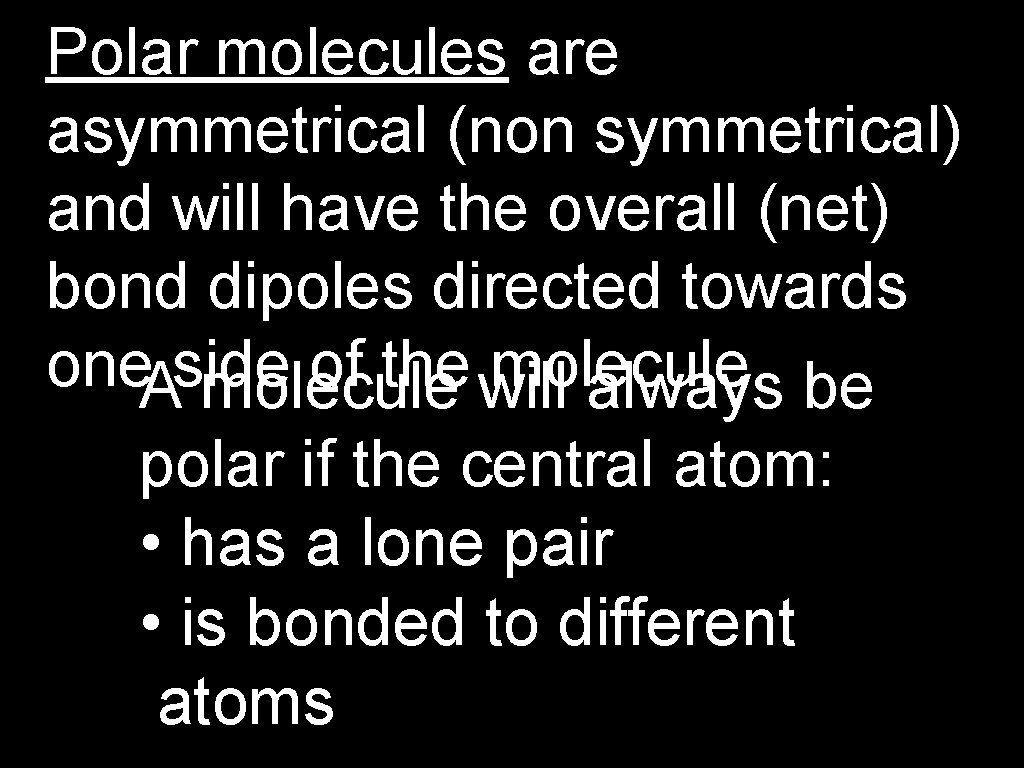
Polar molecules are asymmetrical (non symmetrical) and will have the overall (net) bond dipoles directed towards one. Aside of the molecule will always be polar if the central atom: • has a lone pair • is bonded to different atoms
- Slides: 21