
4 1 THE HISTORY OF CELL BIOLOGY UNIT
4. 1 THE HISTORY OF CELL BIOLOGY UNIT 4: CELL STRUCTURE AND FUNCTION

BOTH LIVING AND NONLIVING THINGS ARE MADE OF ATOMS, MOLECULES, AND COMPOUNDS. HOW ARE LIVING AND NONLIVING THINGS DIFFERENT?
BRAINSTORM: WHAT DO YOU KNOW ABOUT CELLS?
Name the scientists who first observed living and nonliving cells. STUDENT OBJECTIVE S: Summarize the research that led to the development of the cell theory. State three principles of the cell theory. Explain why the cell is considered to be the basic unit of life.
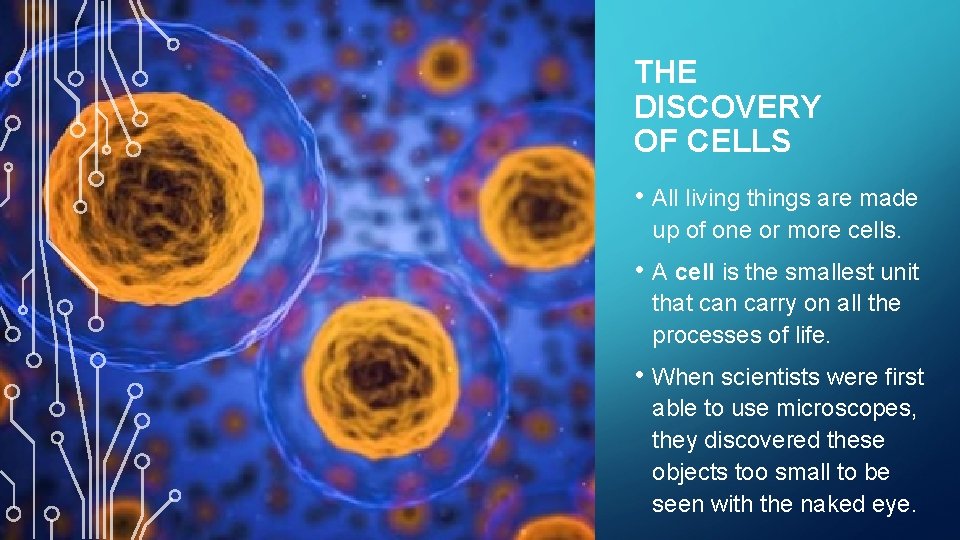
THE DISCOVERY OF CELLS • All living things are made up of one or more cells. • A cell is the smallest unit that can carry on all the processes of life. • When scientists were first able to use microscopes, they discovered these objects too small to be seen with the naked eye.

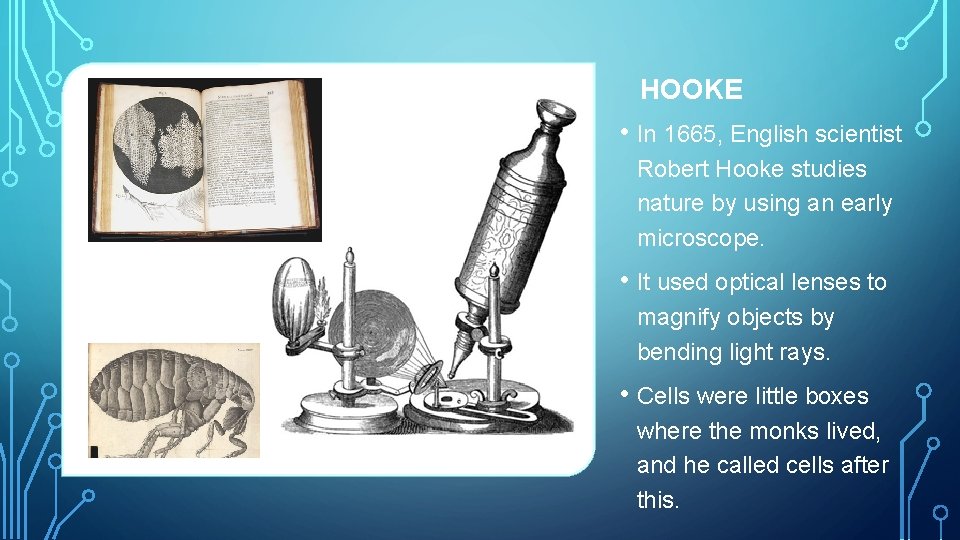
HOOKE • In 1665, English scientist Robert Hooke studies nature by using an early microscope. • It used optical lenses to magnify objects by bending light rays. • Cells were little boxes where the monks lived, and he called cells after this.

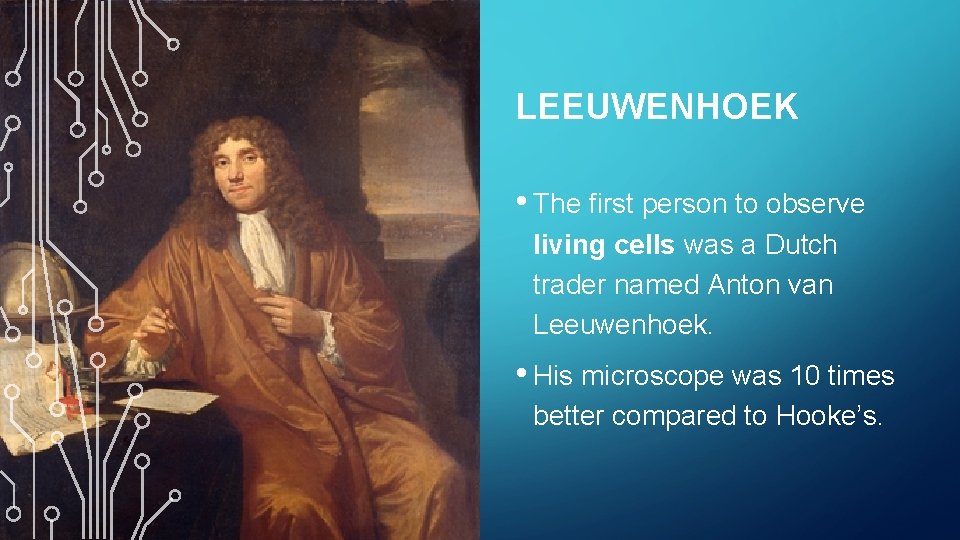
LEEUWENHOEK • The first person to observe living cells was a Dutch trader named Anton van Leeuwenhoek. • His microscope was 10 times better compared to Hooke’s.
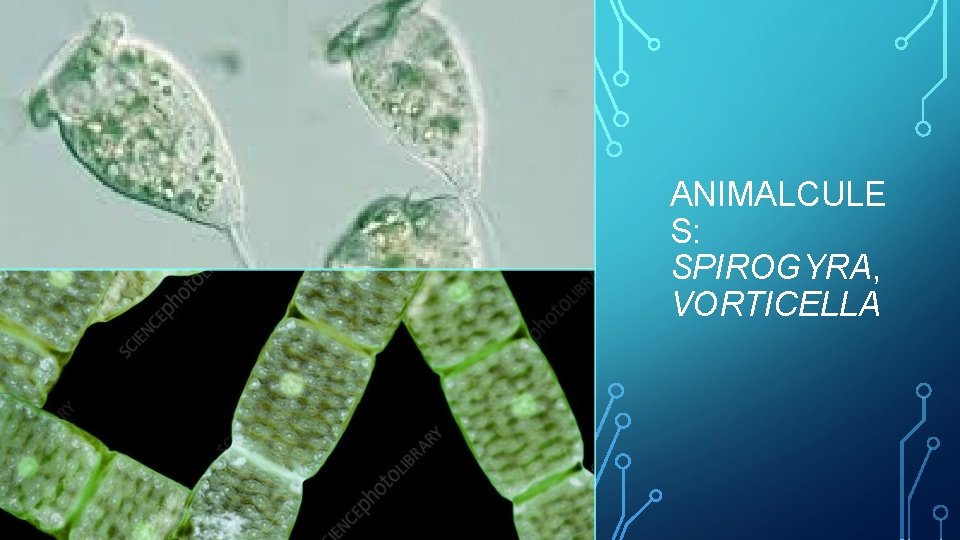
ANIMALCULE S: SPIROGYRA, VORTICELLA
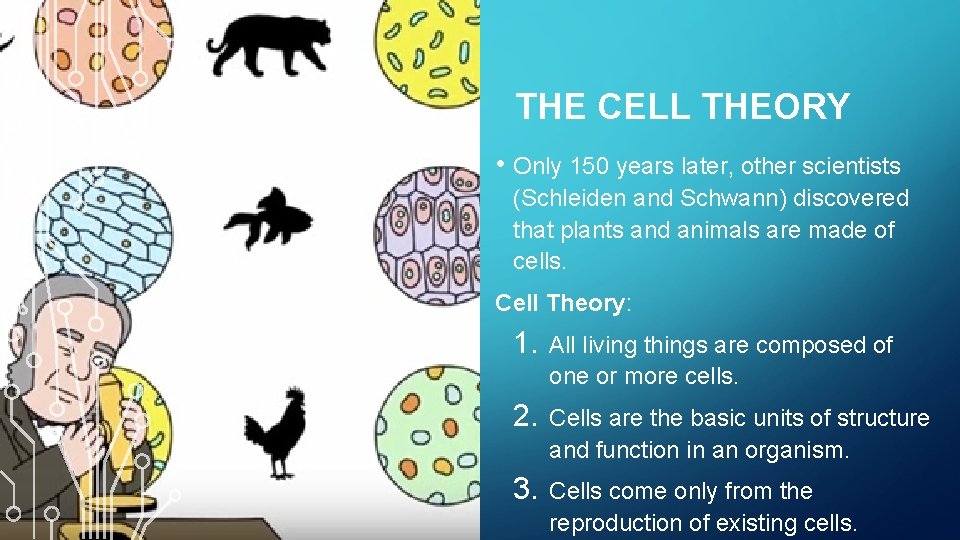
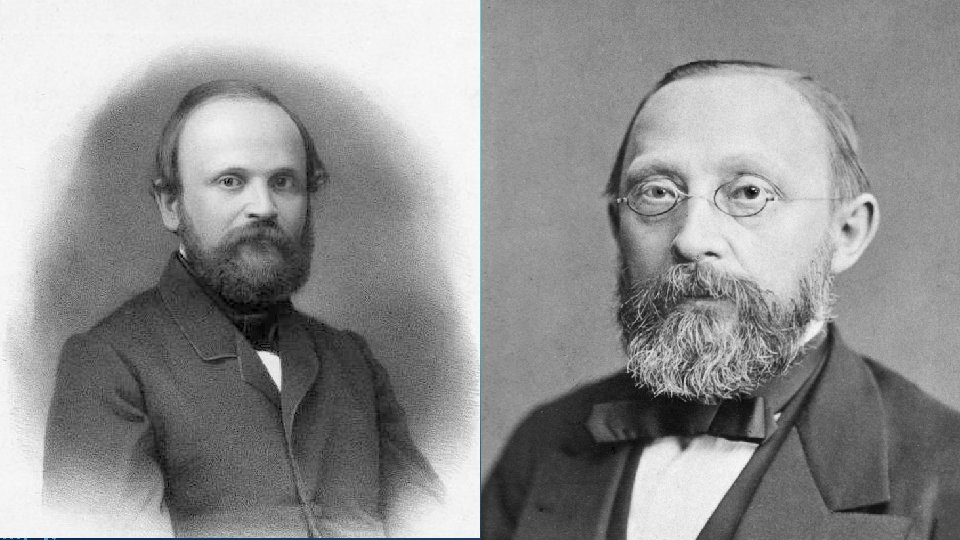
THE CELL THEORY • Only 150 years later, other scientists (Schleiden and Schwann) discovered that plants and animals are made of cells. Cell Theory: 1. All living things are composed of one or more cells. 2. Cells are the basic units of structure and function in an organism. 3. Cells come only from the reproduction of existing cells.
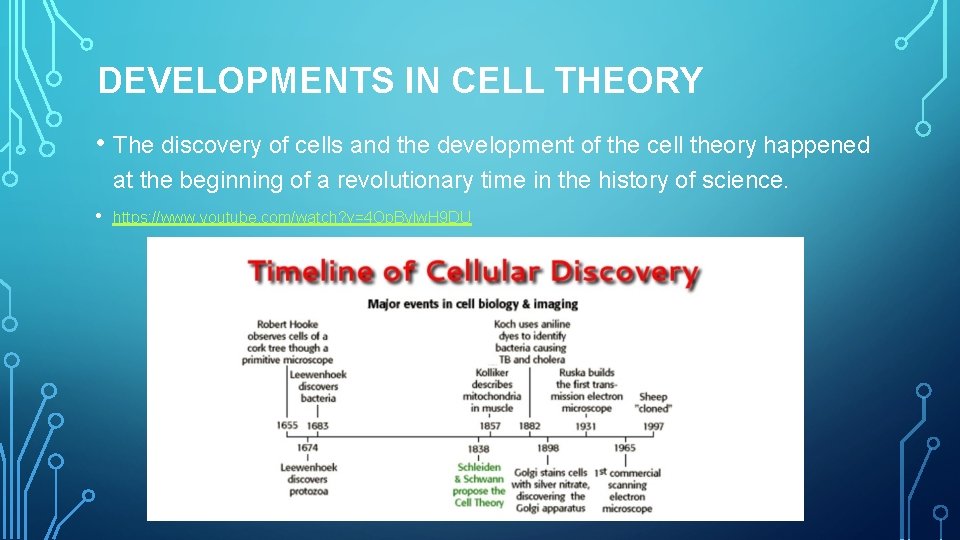
DEVELOPMENTS IN CELL THEORY • The discovery of cells and the development of the cell theory happened at the beginning of a revolutionary time in the history of science. • https: //www. youtube. com/watch? v=4 Op. Bylw. H 9 DU
REVIEW QUESTIONS 1. Describe the major contributions of Hooke and Leeuwenhoek. 2. Identify the advance that enabled Leeuwenhoek to view the first living cells. 3. State three fundamental parts of the cell theory. 4. If you could go back in time, how would you explain the cell theory to someone who had never heard of cells?
- Slides: 15