
30 Immunopatological reaction type IV delayed type Cutaneous

- Slides: 51
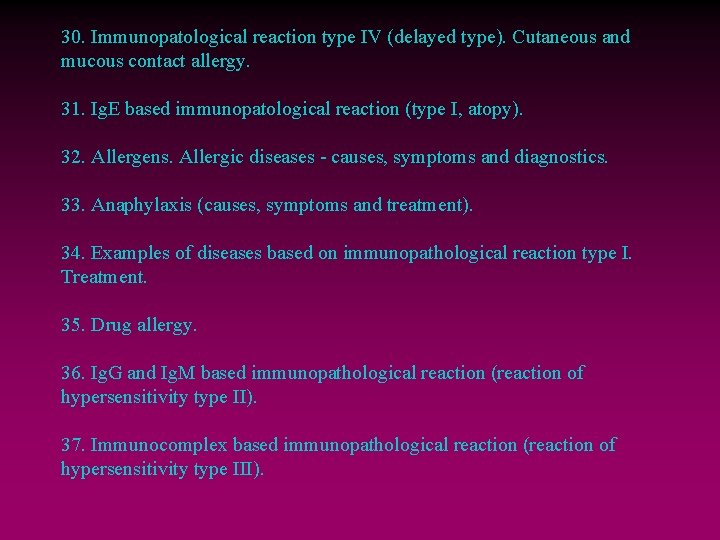
30. Immunopatological reaction type IV (delayed type). Cutaneous and mucous contact allergy. 31. Ig. E based immunopatological reaction (type I, atopy). 32. Allergens. Allergic diseases - causes, symptoms and diagnostics. 33. Anaphylaxis (causes, symptoms and treatment). 34. Examples of diseases based on immunopathological reaction type I. Treatment. 35. Drug allergy. 36. Ig. G and Ig. M based immunopathological reaction (reaction of hypersensitivity type II). 37. Immunocomplex based immunopathological reaction (reaction of hypersensitivity type III).
Immunopathological reactions
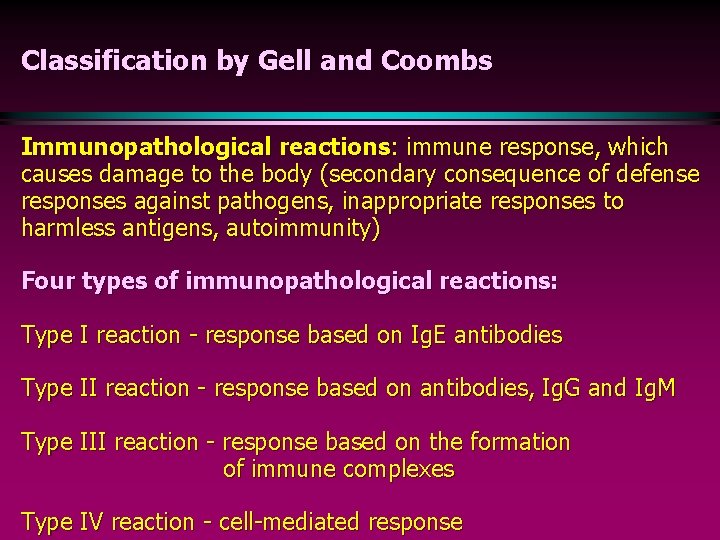
Classification by Gell and Coombs Immunopathological reactions: immune response, which causes damage to the body (secondary consequence of defense responses against pathogens, inappropriate responses to harmless antigens, autoimmunity) Four types of immunopathological reactions: Type I reaction - response based on Ig. E antibodies Type II reaction - response based on antibodies, Ig. G and Ig. M Type III reaction - response based on the formation of immune complexes Type IV reaction - cell-mediated response
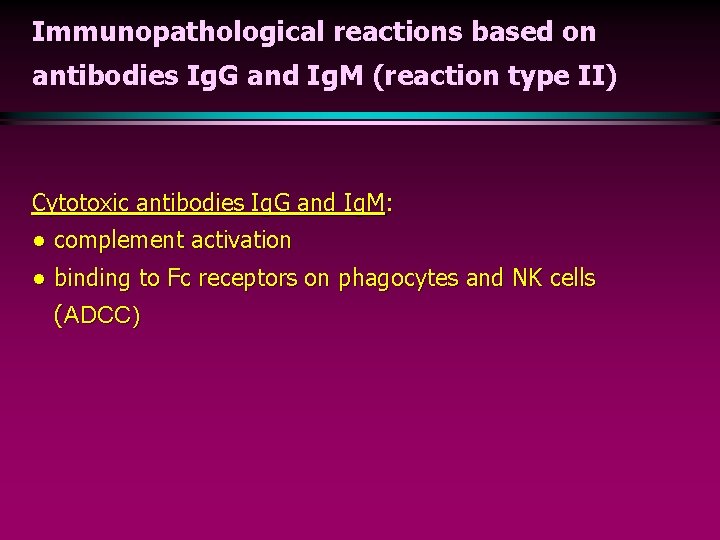
Immunopathological reactions based on antibodies Ig. G and Ig. M (reaction type II) Cytotoxic antibodies Ig. G and Ig. M: ● complement activation ● binding to Fc receptors on phagocytes and NK cells (ADCC)
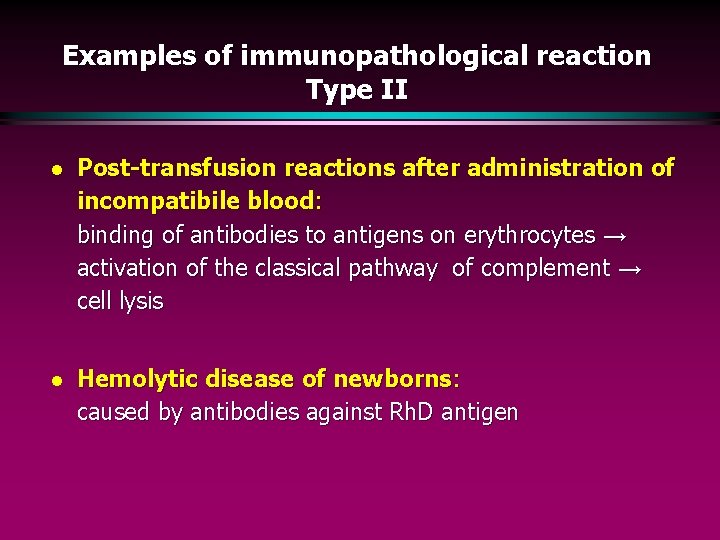
Examples of immunopathological reaction Type II l Post-transfusion reactions after administration of incompatibile blood: binding of antibodies to antigens on erythrocytes → activation of the classical pathway of complement → cell lysis l Hemolytic disease of newborns: caused by antibodies against Rh. D antigen
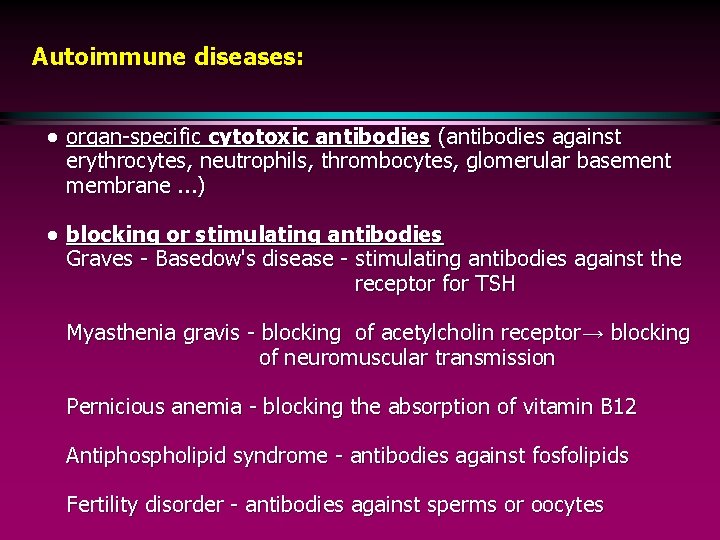
Autoimmune diseases: ● organ-specific cytotoxic antibodies (antibodies against erythrocytes, neutrophils, thrombocytes, glomerular basement membrane. . . ) ● blocking or stimulating antibodies Graves - Basedow's disease - stimulating antibodies against the receptor for TSH Myasthenia gravis - blocking of acetylcholin receptor → blocking of neuromuscular transmission Pernicious anemia - blocking the absorption of vitamin B 12 Antiphospholipid syndrome - antibodies against fosfolipids Fertility disorder - antibodies against sperms or oocytes
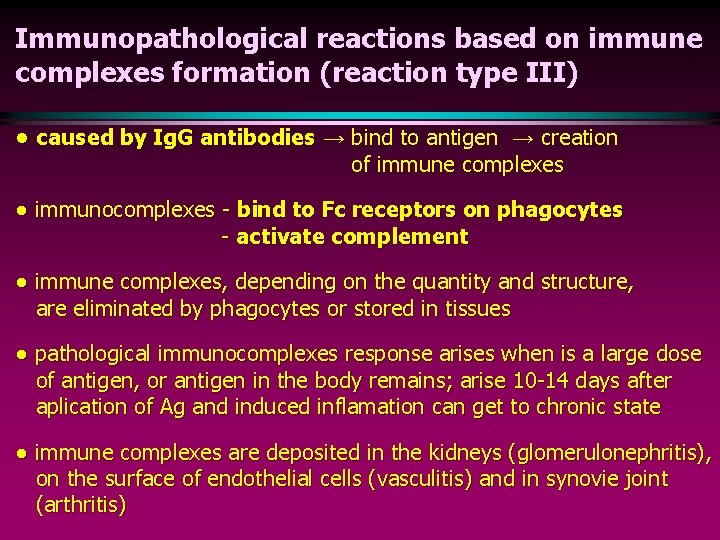
Immunopathological reactions based on immune complexes formation (reaction type III) ● caused by Ig. G antibodies → bind to antigen → creation of immune complexes ● immunocomplexes - bind to Fc receptors on phagocytes - activate complement ● immune complexes, depending on the quantity and structure, are eliminated by phagocytes or stored in tissues ● pathological immunocomplexes response arises when is a large dose of antigen, or antigen in the body remains; arise 10 -14 days after aplication of Ag and induced inflamation can get to chronic state ● immune complexes are deposited in the kidneys (glomerulonephritis), on the surface of endothelial cells (vasculitis) and in synovie joint (arthritis)
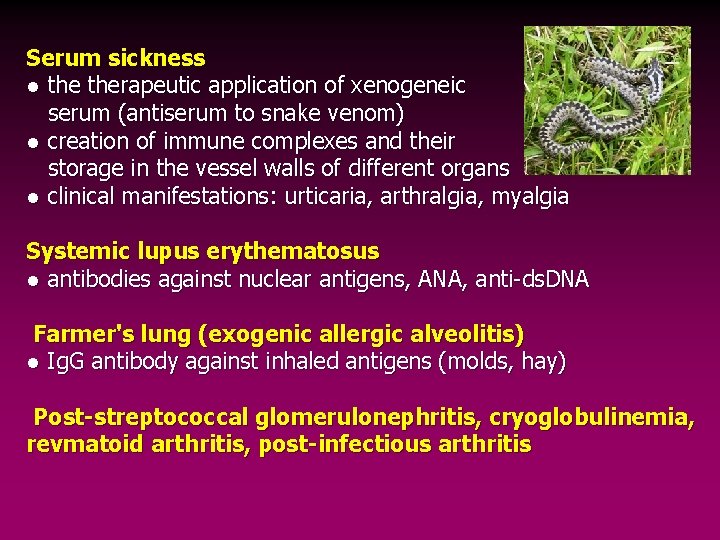
Serum sickness ● therapeutic application of xenogeneic serum (antiserum to snake venom) ● creation of immune complexes and their storage in the vessel walls of different organs ● clinical manifestations: urticaria, arthralgia, myalgia Systemic lupus erythematosus ● antibodies against nuclear antigens, ANA, anti-ds. DNA Farmer's lung (exogenic allergic alveolitis) ● Ig. G antibody against inhaled antigens (molds, hay) Post-streptococcal glomerulonephritis, cryoglobulinemia, revmatoid arthritis, post-infectious arthritis
§ Immunopathological reaction (reaction of hypersensitivity) type I. § Allergens - definition, division and nomenclature. § Anaphylaxis - pathophysiology, clinical manifestation, treatment. § Diagnostic procedures used in allergology. § Treatment of allergic diseases. § Examples of diseases based on immunopathological reaction of type I.
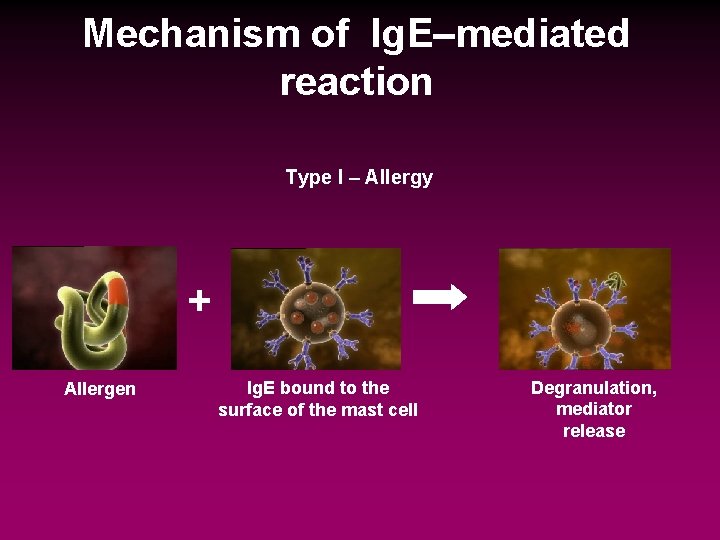
Mechanism of Ig. E–mediated reaction Type I – Allergy + Allergen Ig. E bound to the surface of the mast cell Degranulation, mediator release
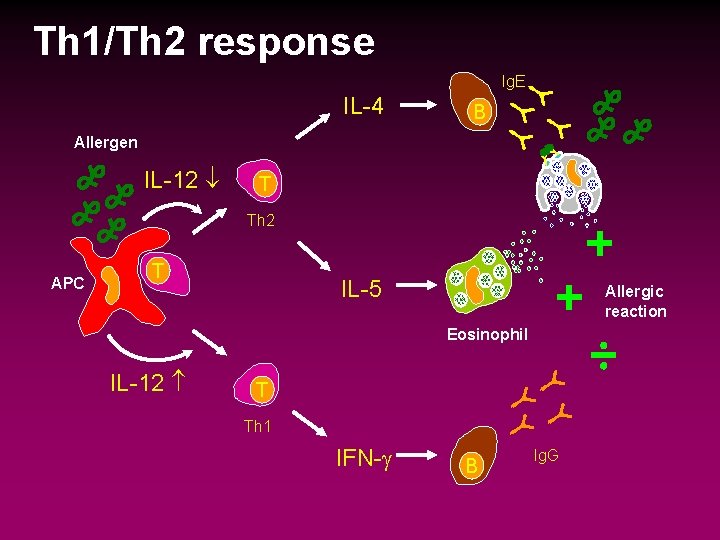
Th 1/Th 2 response Ig. E IL-4 B Allergen IL-12 T Th 2 APC T IL-5 Allergic reaction Eosinophil IL-12 T Th 1 IFN- B Ig. G
§ Immunopathological reaction (reaction of hypersensitivity) type I. § Allergens - definition, division and nomenclature. § Anaphylaxis - pathophysiology, clinical manifestation, treatment. § Diagnostic procedures used in allergology. § Treatment of allergic diseases. § Examples of diseases based on immunopathological reaction of type I.
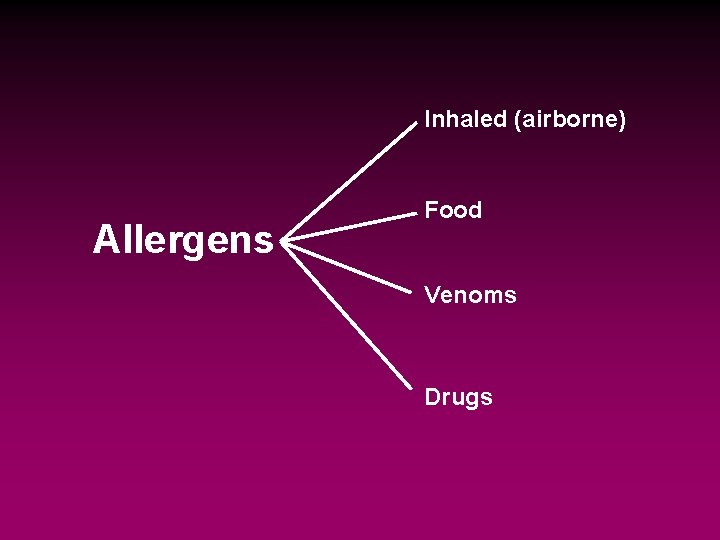
Inhaled (airborne) Allergens Food Venoms Drugs
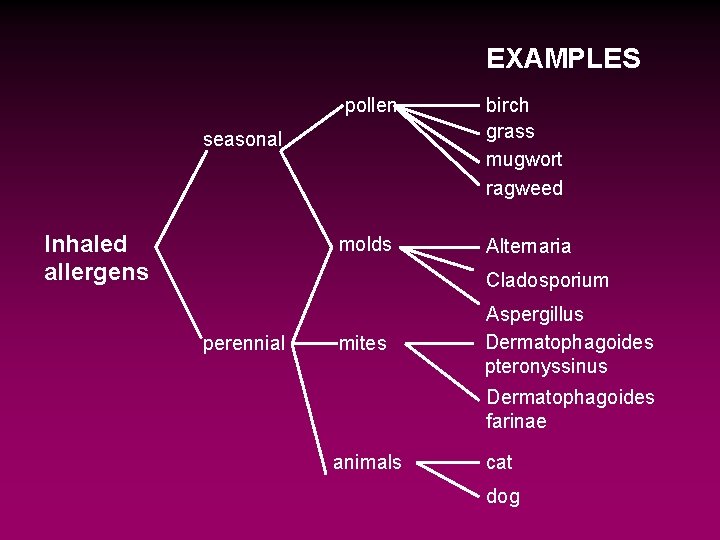
EXAMPLES pollen birch grass mugwort ragweed molds Alternaria seasonal Inhaled allergens Cladosporium perennial mites Aspergillus Dermatophagoides pteronyssinus Dermatophagoides farinae animals cat dog
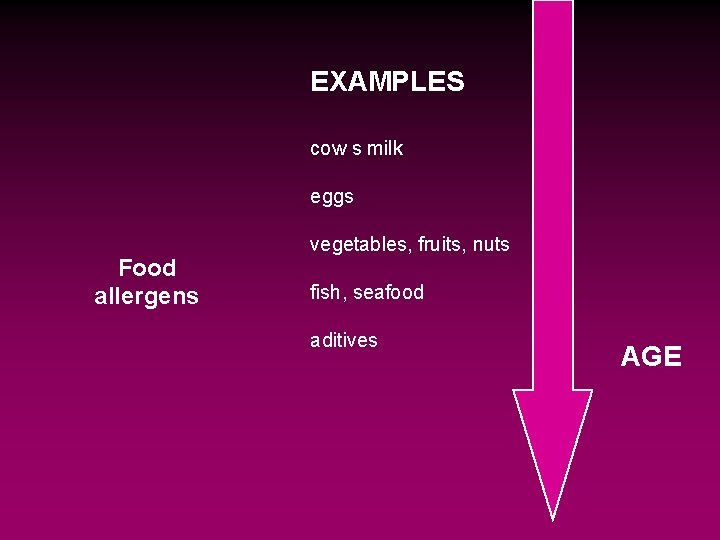
EXAMPLES cow s milk eggs Food allergens vegetables, fruits, nuts fish, seafood aditives AGE
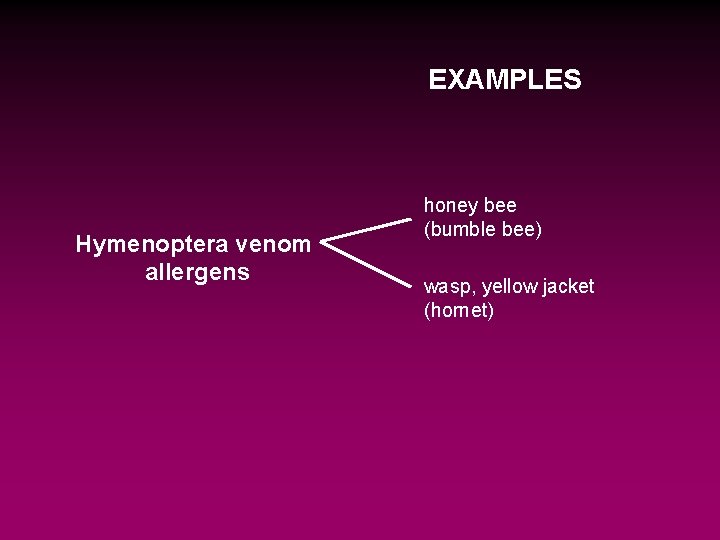
EXAMPLES Hymenoptera venom allergens honey bee (bumble bee) wasp, yellow jacket (hornet)
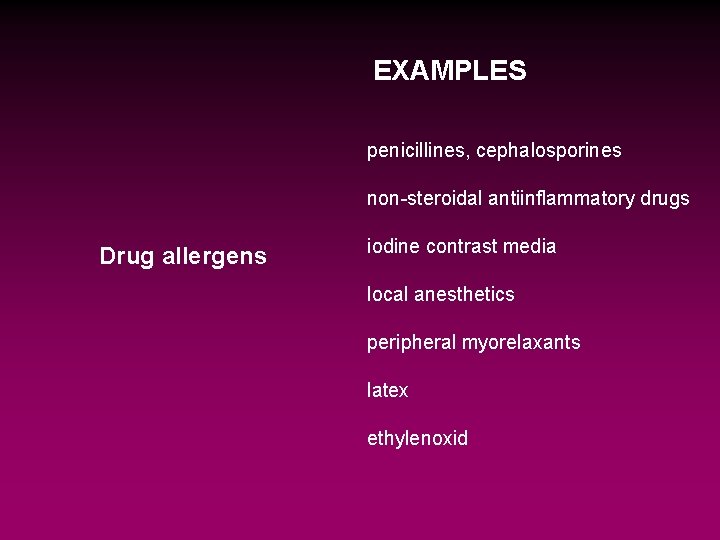
EXAMPLES penicillines, cephalosporines non-steroidal antiinflammatory drugs Drug allergens iodine contrast media local anesthetics peripheral myorelaxants latex ethylenoxid
§ Immunopathological reaction (reaction of hypersensitivity) type I. § Allergens - definition, division and nomenclature. § Anaphylaxis - pathophysiology, clinical manifestation, treatment. § Diagnostic procedures used in allergology. § Treatment of allergic diseases. § Examples of diseases based on immunopathological reaction of type I.
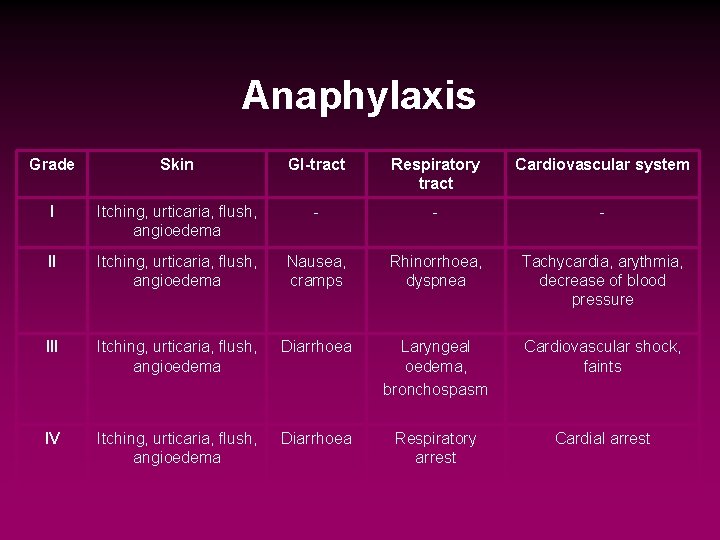
Anaphylaxis Grade Skin GI-tract Respiratory tract Cardiovascular system I Itching, urticaria, flush, angioedema - - - II Itching, urticaria, flush, angioedema Nausea, cramps Rhinorrhoea, dyspnea Tachycardia, arythmia, decrease of blood pressure III Itching, urticaria, flush, angioedema Diarrhoea Laryngeal oedema, bronchospasm Cardiovascular shock, faints IV Itching, urticaria, flush, angioedema Diarrhoea Respiratory arrest Cardial arrest
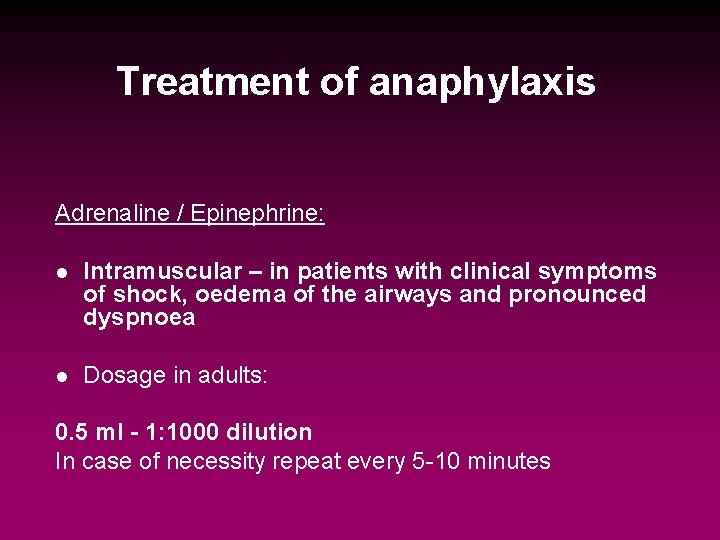
Treatment of anaphylaxis Adrenaline / Epinephrine: l Intramuscular – in patients with clinical symptoms of shock, oedema of the airways and pronounced dyspnoea l Dosage in adults: 0. 5 ml - 1: 1000 dilution In case of necessity repeat every 5 -10 minutes
§ Immunopathological reaction (reaction of hypersensitivity) type I. § Allergens - definition, division and nomenclature. § Anaphylaxis - pathophysiology, clinical manifestation, treatment. § Diagnostic procedures used in allergology. § Treatment of allergic diseases. § Examples of diseases based on immunopathological reaction of type I.
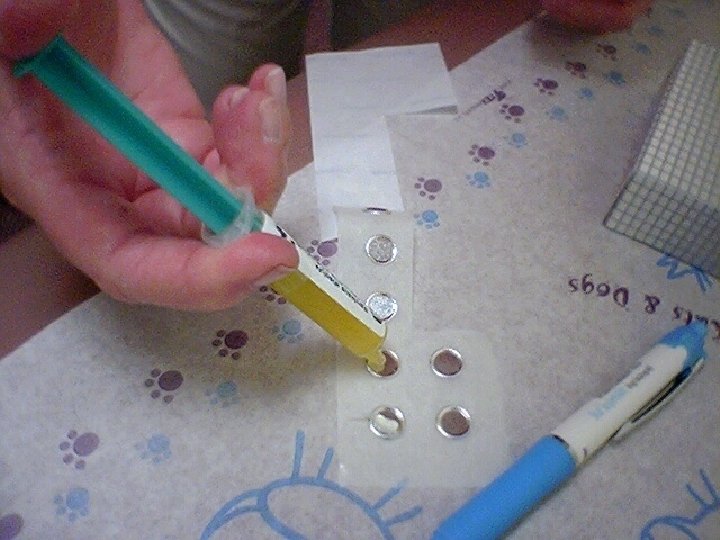
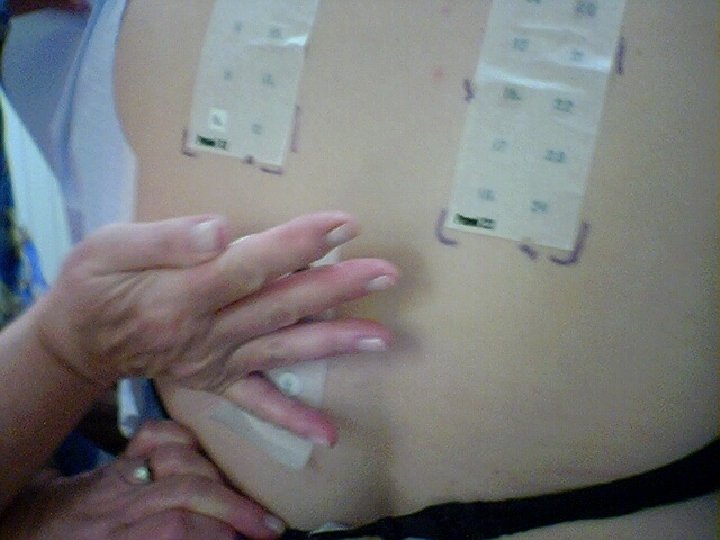
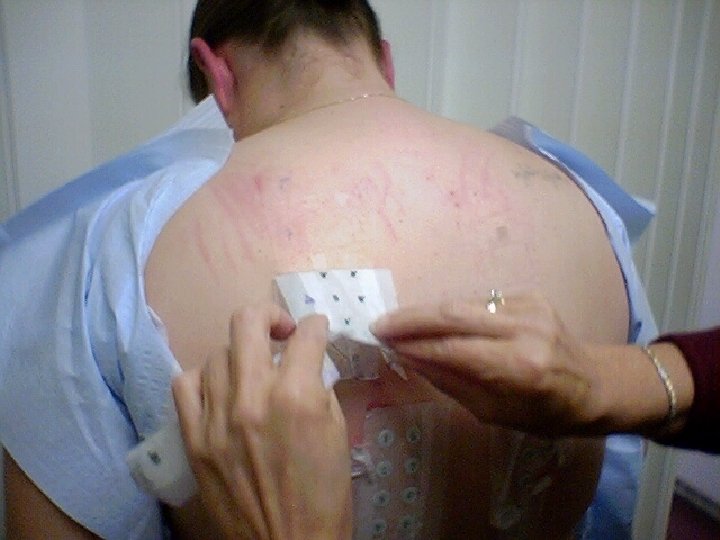
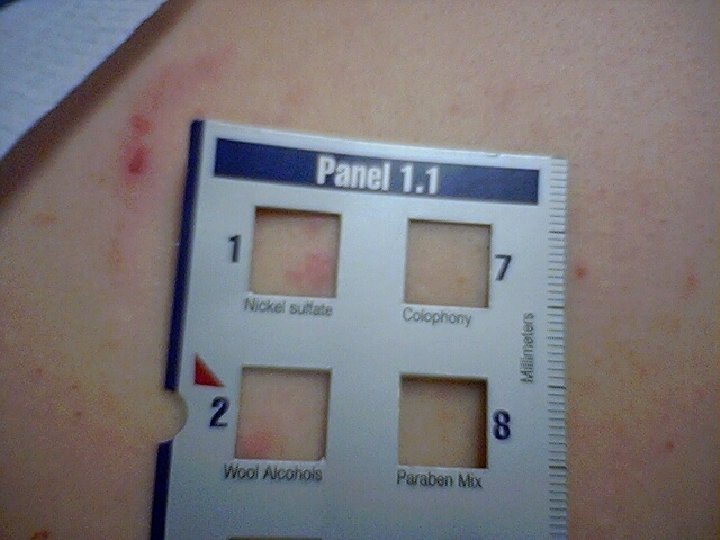
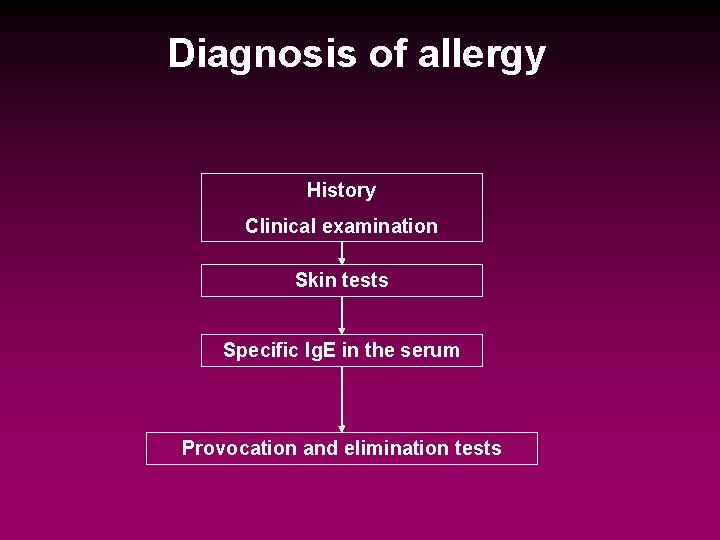
Diagnosis of allergy History Clinical examination Skin tests Specific Ig. E in the serum Provocation and elimination tests
§ Immunopathological reaction (reaction of hypersensitivity) type I. § Allergens - definition, division and nomenclature. § Anaphylaxis - pathophysiology, clinical manifestation, treatment. § Diagnostic procedures used in allergology. § Treatment of allergic diseases. § Examples of diseases based on immunopathological reaction of type I.
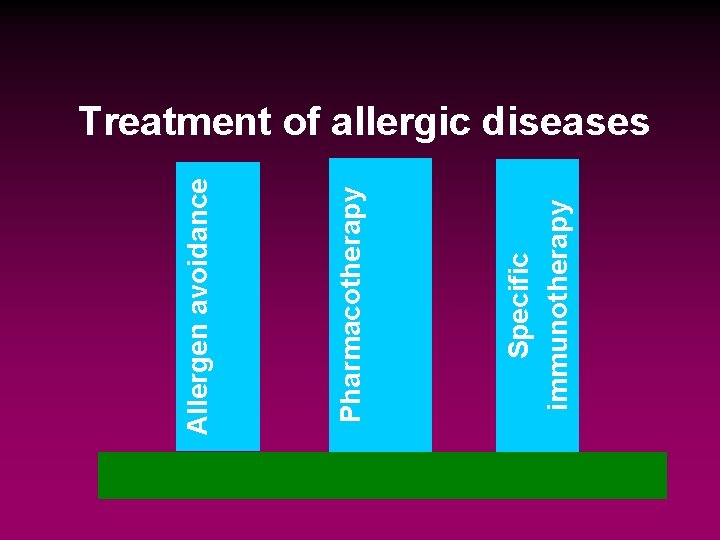
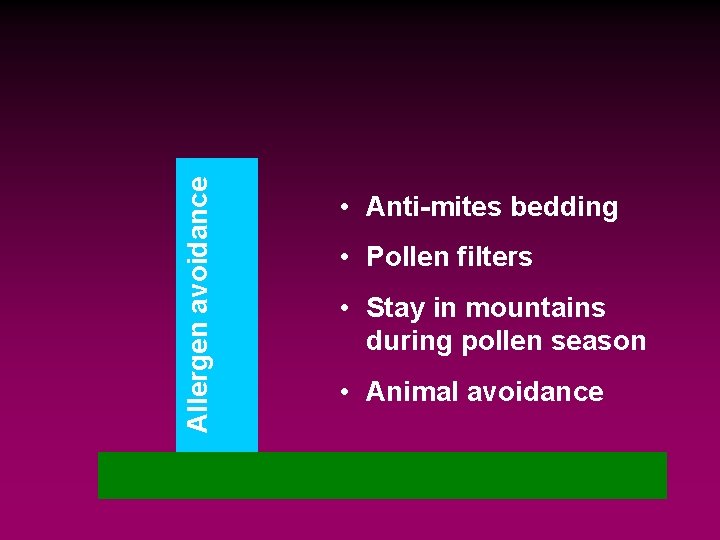
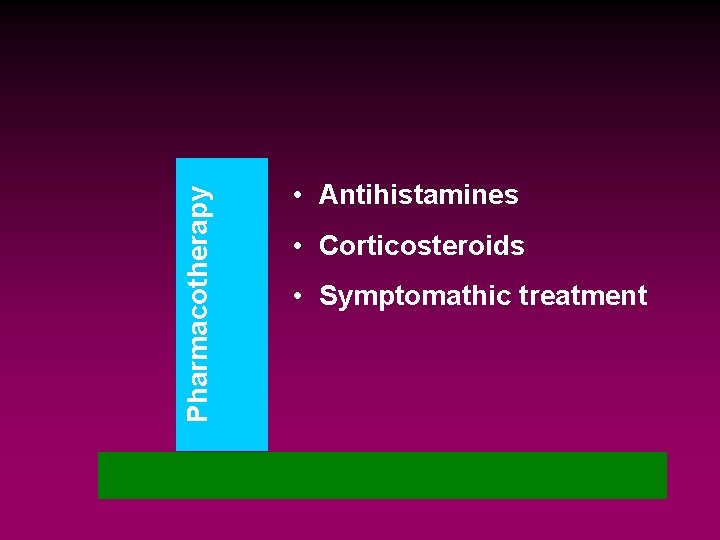
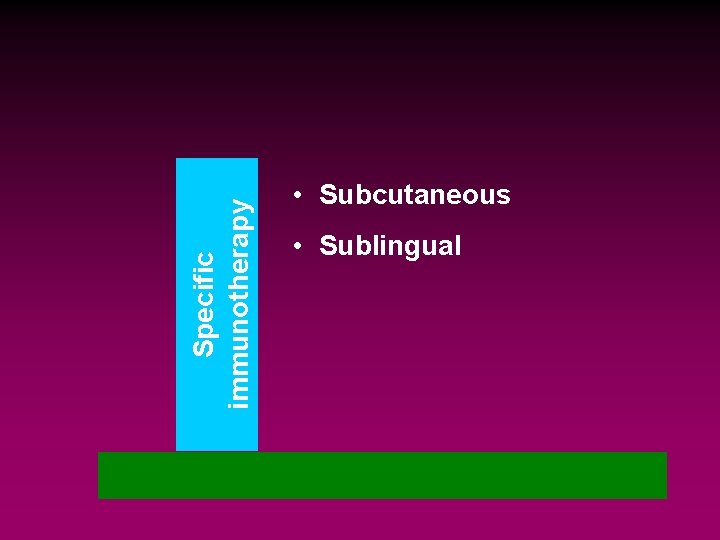
Specific immunotherapy Pharmacotherapy Allergen avoidance Treatment of allergic diseases
Allergen avoidance • Anti-mites bedding • Pollen filters • Stay in mountains during pollen season • Animal avoidance
Pharmacotherapy • Antihistamines • Corticosteroids • Symptomathic treatment
Specific immunotherapy • Subcutaneous • Sublingual
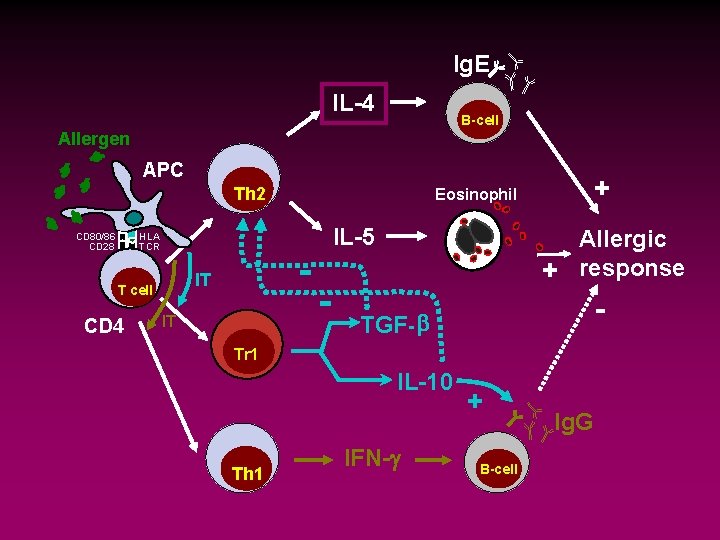
Ig. E IL-4 B-cell Allergen APC Th 2 CD 80/86 CD 28 HLA TCR CD 4 - IT T cell Eosinophil IT IL-5 - + Allergic + response - TGF- b Tr 1 IL-10 Th 1 IFN-g + B-cell Ig. G
§ Immunopathological reaction (reaction of hypersensitivity) type I. § Allergens - definition, division and nomenclature. § Anaphylaxis - pathophysiology, clinical manifestation, treatment. § Diagnostic procedures used in allergology. § Treatment of allergic diseases. § Examples of diseases based on immunopathological reaction of type I.
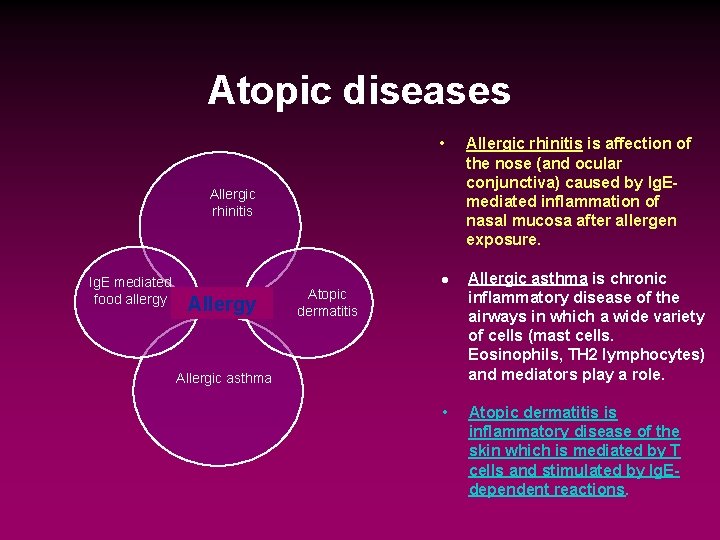
Atopic diseases • Allergic rhinitis is affection of the nose (and ocular conjunctiva) caused by Ig. Emediated inflammation of nasal mucosa after allergen exposure. l Allergic asthma is chronic inflammatory disease of the airways in which a wide variety of cells (mast cells. Eosinophils, TH 2 lymphocytes) and mediators play a role. • Atopic dermatitis is inflammatory disease of the skin which is mediated by T cells and stimulated by Ig. Edependent reactions. Allergic rhinitis Ig. E mediated food allergy Atopic dermatitis Allergic asthma
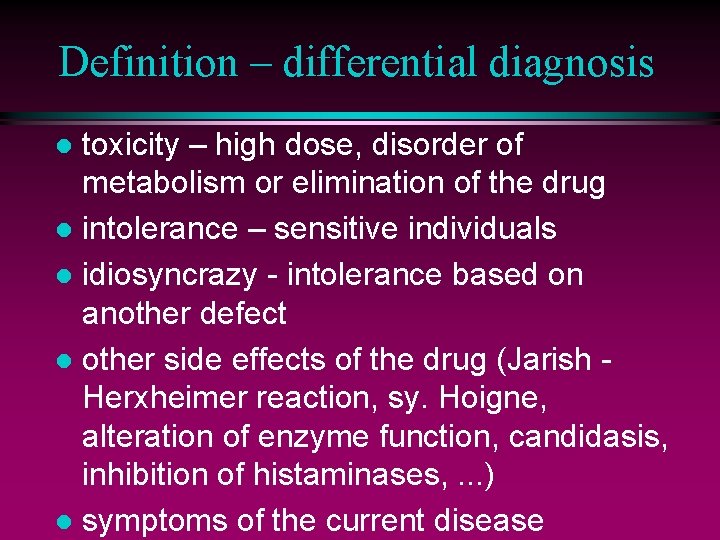
Definition – differential diagnosis toxicity – high dose, disorder of metabolism or elimination of the drug l intolerance – sensitive individuals l idiosyncrazy - intolerance based on another defect l other side effects of the drug (Jarish Herxheimer reaction, sy. Hoigne, alteration of enzyme function, candidasis, inhibition of histaminases, . . . ) l symptoms of the current disease l
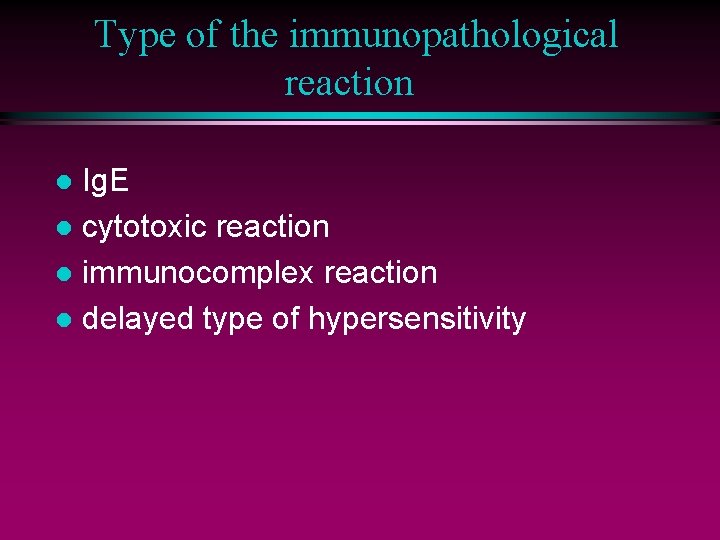
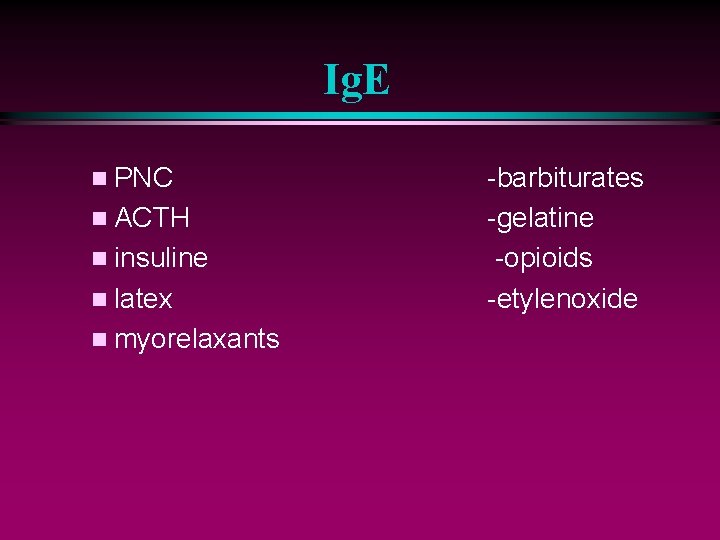
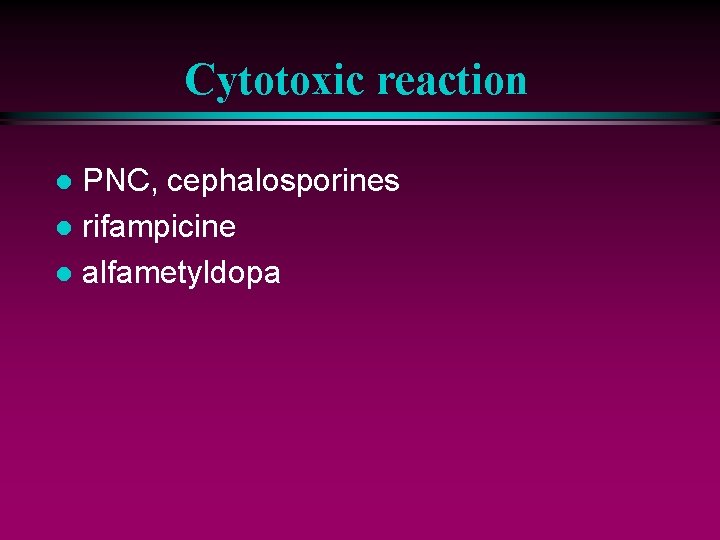
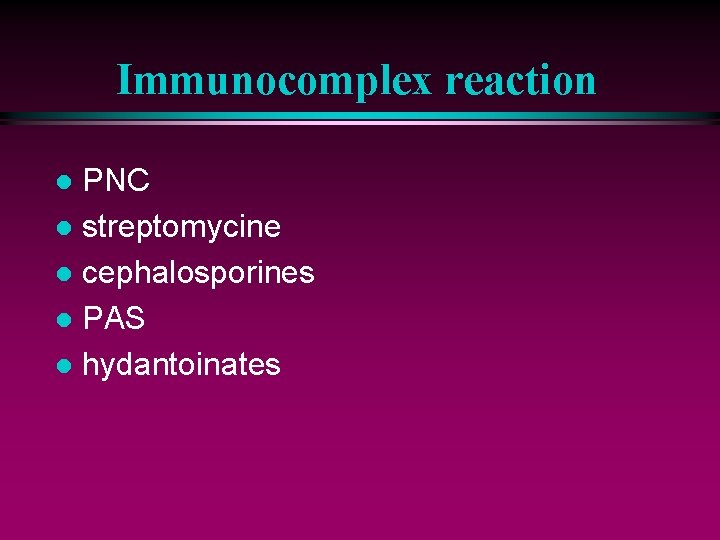
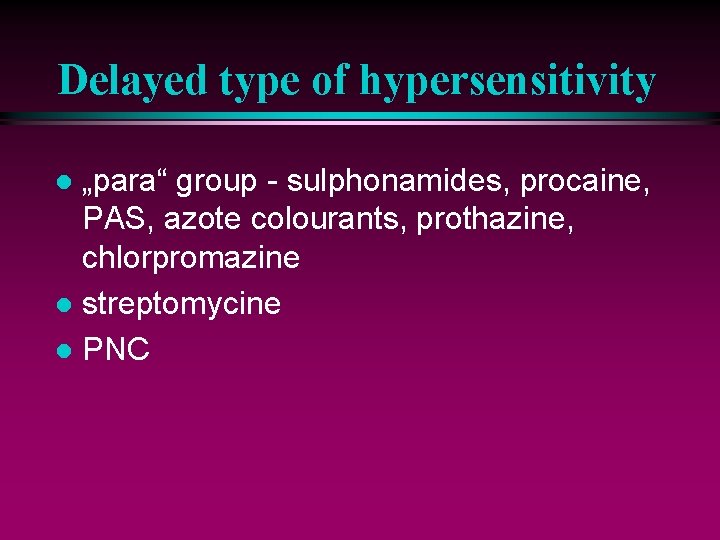
Type of the immunopathological reaction Ig. E l cytotoxic reaction l immunocomplex reaction l delayed type of hypersensitivity l
Ig. E n PNC n ACTH n insuline n latex n myorelaxants -barbiturates -gelatine -opioids -etylenoxide
Cytotoxic reaction PNC, cephalosporines l rifampicine l alfametyldopa l
Immunocomplex reaction PNC l streptomycine l cephalosporines l PAS l hydantoinates l
Delayed type of hypersensitivity „para“ group - sulphonamides, procaine, PAS, azote colourants, prothazine, chlorpromazine l streptomycine l PNC l
Local anaesthetics l paraaminobenzoic acid esthers l amides
Local anaesthetics - diff. dg. of adverse events vasovagal syncope l surgical trauma l adverse effect of adrenaline l toxicity of administered drug l reaction to conservants (parabens, sulphites) l
Local anaestetics l Diagnostic procedures - skin tests – risk of false positivity - provocation test
Latex allergy Contact type - additives l Immediate type - Hev b 10 l
Latex allergy Risk groups: healthcare personal (surgeons 2 -6%) - patients with repeated surgeries (children with spina bifida - 20 -30%) l Risk factors - women - younger age - preexisting eczema - atopy l
Latex allergy Triggers - gloves - drains - catheters - condoms l Immediate manifestation - urticaria, dyspnoea, tachycardia l
Latex allergy Diagnosis - skin test - specific Ig. E in serum l Solution hypoallergenic products (vinyl gloves etc. ) l
Allergy to beta-lactam antibiotics l Penicillins: frequency - max. 4 - 5 % of administrations (less severe skin disorders) anaphylaxis <0, 1 % l Cephalosporins: less frequent than in penicillins
Manifestations l exanthemas, oedemas l anaphylaxis
Risk factors not atopy l not allergy to molds l i. v. administration l