
30 1 Evolution and Classification of Animals Overview
- Slides: 19
30. 1 Evolution and Classification of Animals
Overview Domain Eukarya, Kingdom Animalia 1. Heterotrophic (food ingested then digested) 2. (Generally) Motion/locomotion using muscle fibres 3. Multicellular (specialized cells form tissues/organs) 4. Life cycle with (typically) diploid adult 5. Sexual reproduction, producing an embryo
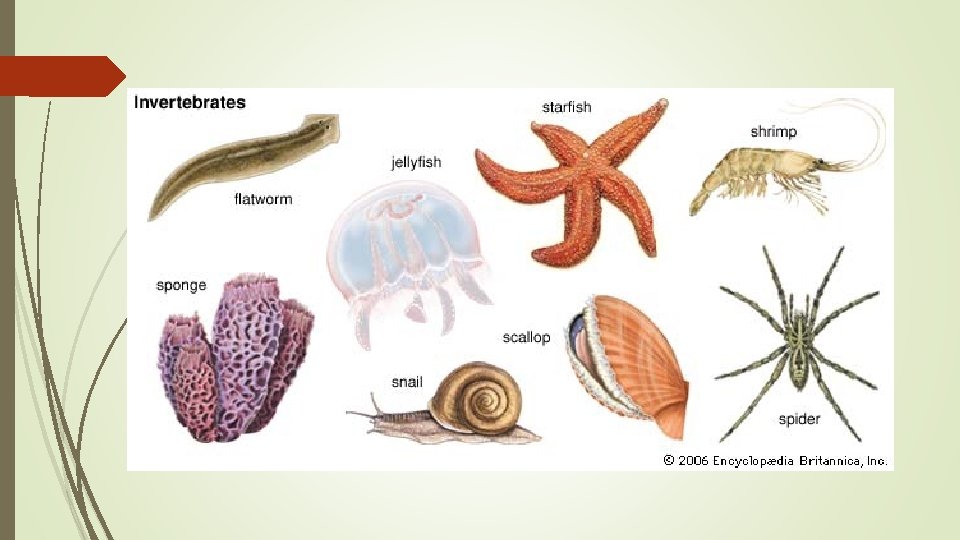
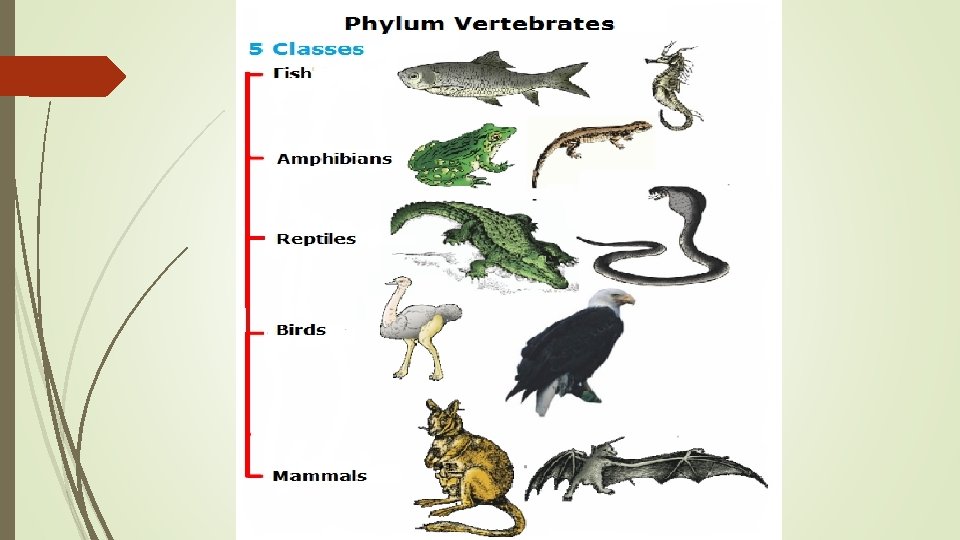
Evolution of Animals Used anatomical diversity to classify living invertebrates 30+ phyla likely evolved from Protists Invertebrates: animals without an endoskeleton of bone or cartilage Phylum Chordata: mainly composed of vertebrates (animals with an endoskeleton of bone or cartilage)
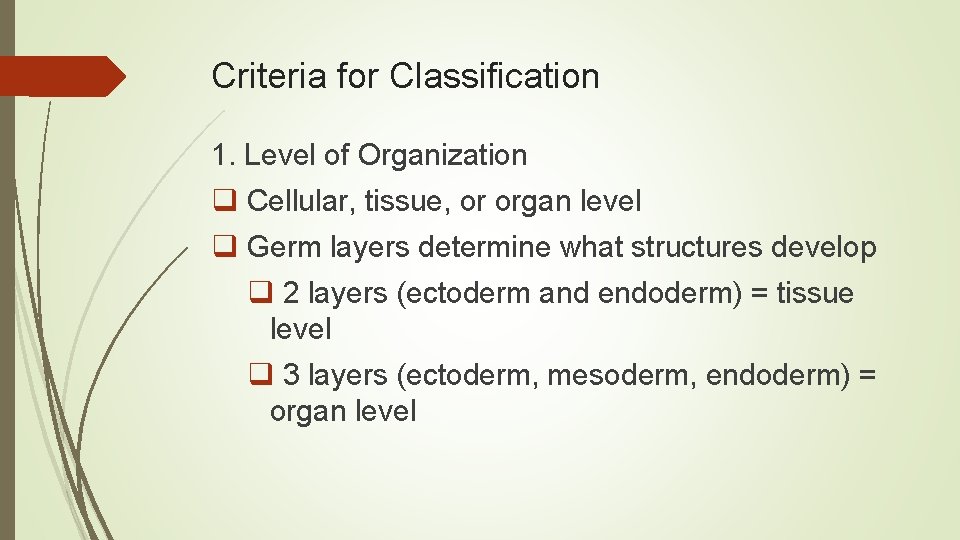
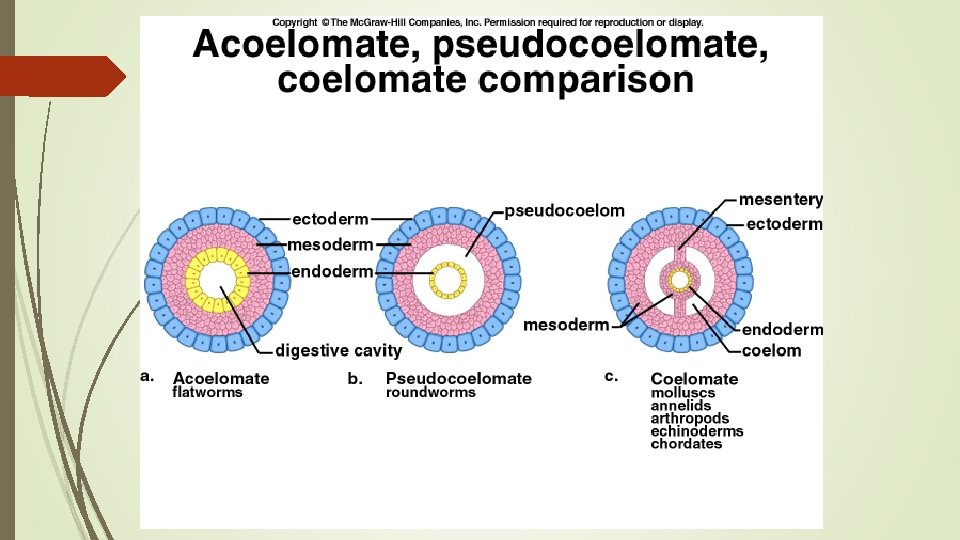
Criteria for Classification 1. Level of Organization q Cellular, tissue, or organ level q Germ layers determine what structures develop q 2 layers (ectoderm and endoderm) = tissue level q 3 layers (ectoderm, mesoderm, endoderm) = organ level
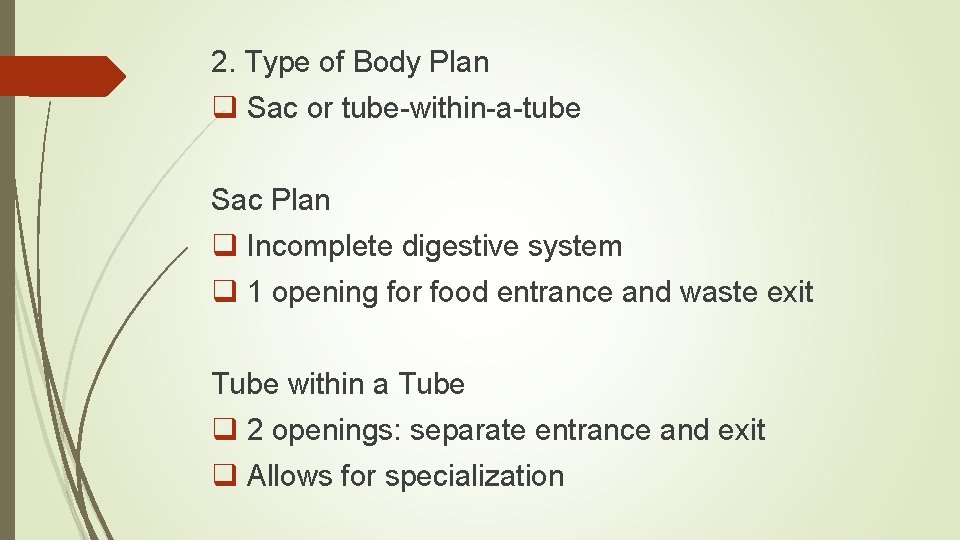
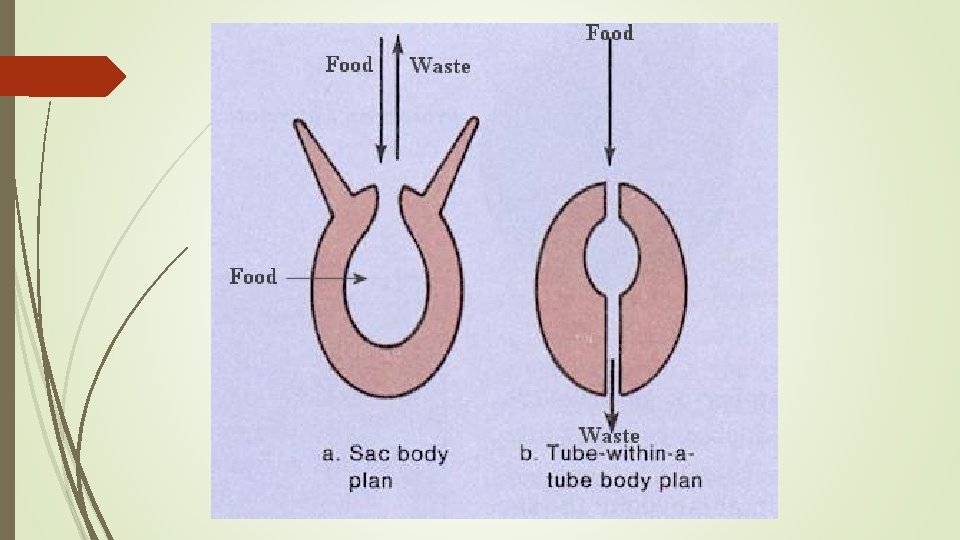
2. Type of Body Plan q Sac or tube-within-a-tube Sac Plan q Incomplete digestive system q 1 opening for food entrance and waste exit Tube within a Tube q 2 openings: separate entrance and exit q Allows for specialization
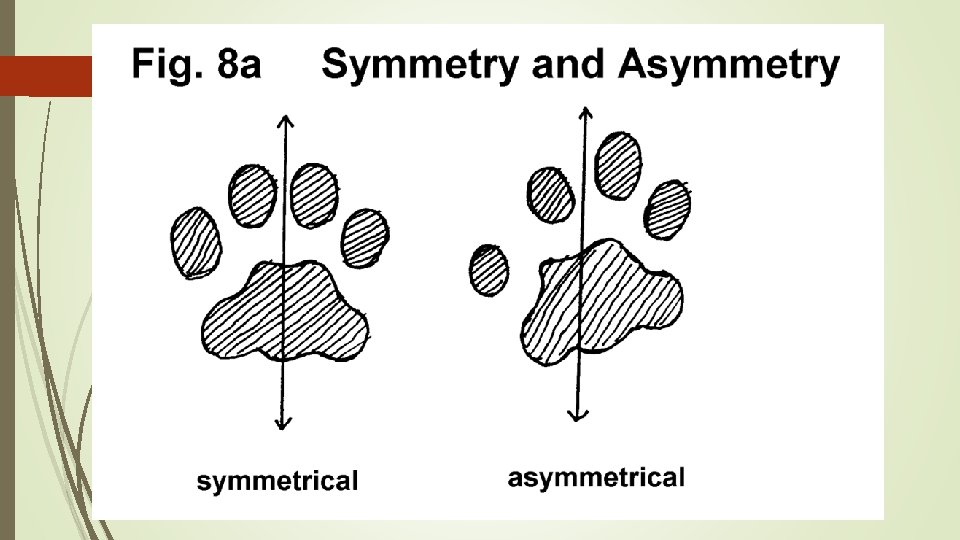
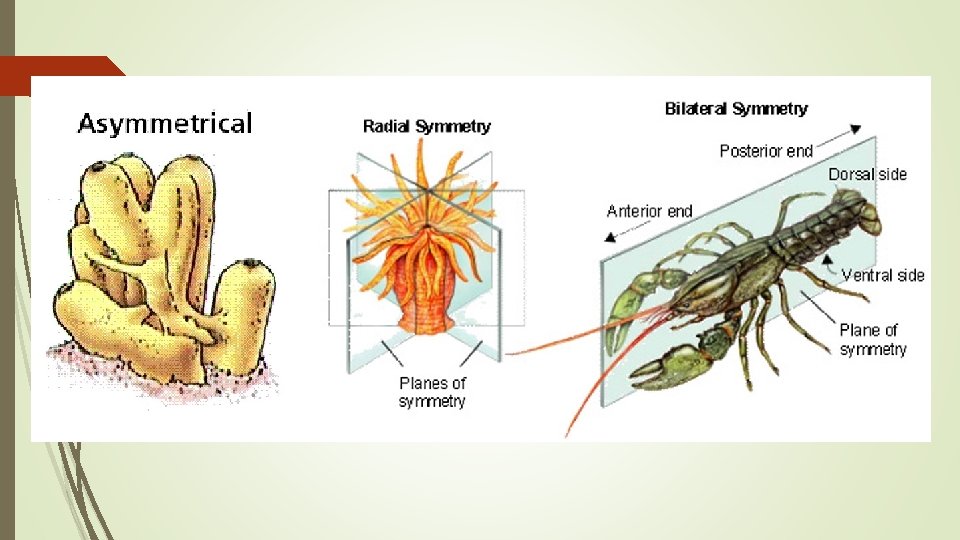
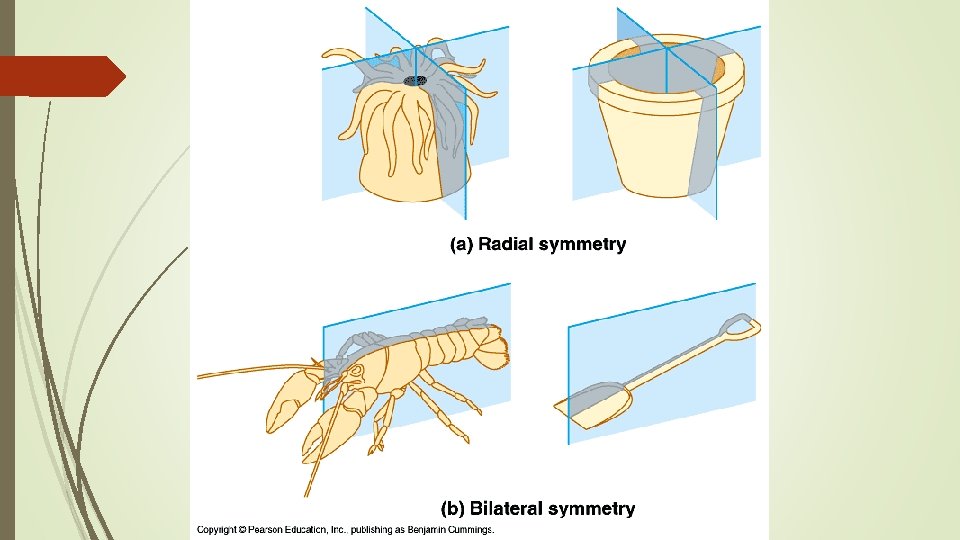
3. Type of Symmetry Asymmetrical – no particular symmetry Radial Symmetry – organized circularly q 2 identical halves when cut longitudinally q Can reach in all directions from 1 center Sessile: animals that tend to stay in one place o Can be attached to a substrate
Bilateral Symmetry – definite right and left halves q Only centre longitudinal cut make equal halves q Animals tend to be active q Move forward with anterior end q Associated with cephalization – localization of brain and specialized sensory organs at anterior end
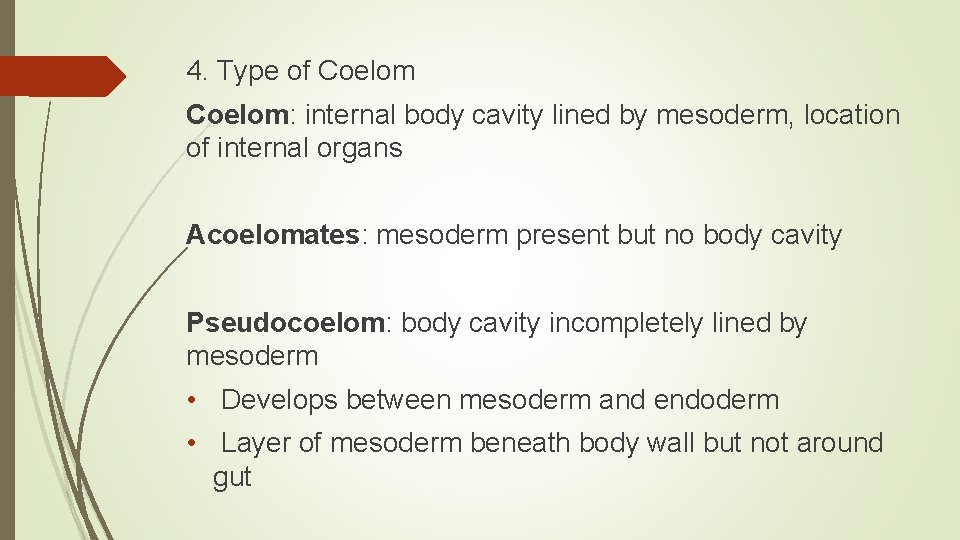
4. Type of Coelom: internal body cavity lined by mesoderm, location of internal organs Acoelomates: mesoderm present but no body cavity Pseudocoelom: body cavity incompletely lined by mesoderm • Develops between mesoderm and endoderm • Layer of mesoderm beneath body wall but not around gut
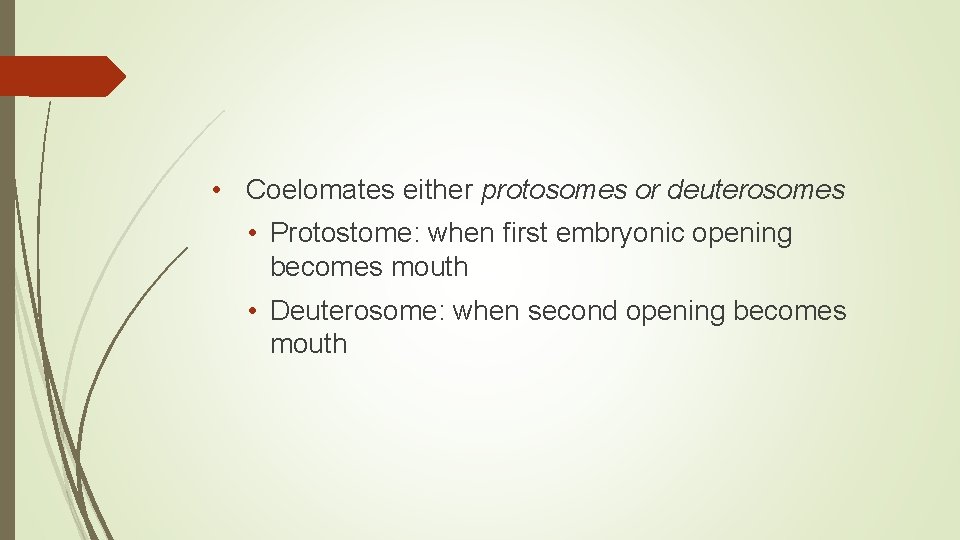
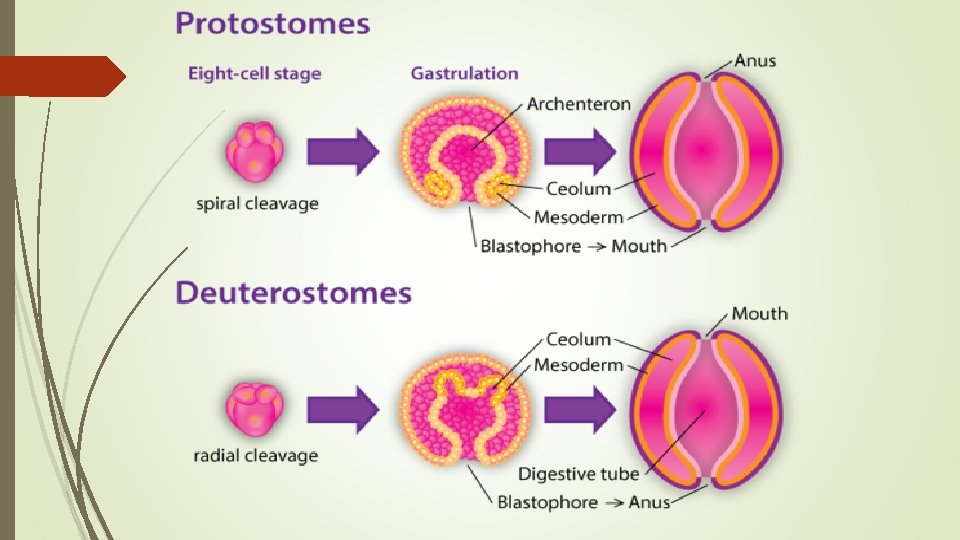
• Coelomates either protosomes or deuterosomes • Protostome: when first embryonic opening becomes mouth • Deuterosome: when second opening becomes mouth
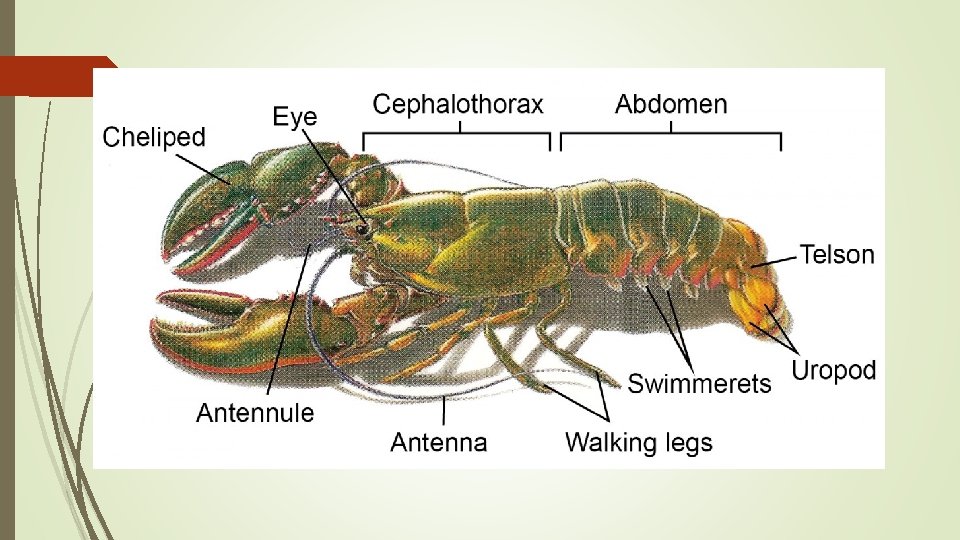
5. Segmentation v The repetition of body parts along body length v Can be segmented or nonsegmented v Leads to specialization of parts (differentiated for different reasons)