
3 D Printing in the Classroom Micromanufacturing Current

- Slides: 25
3 D Printing in the Classroom
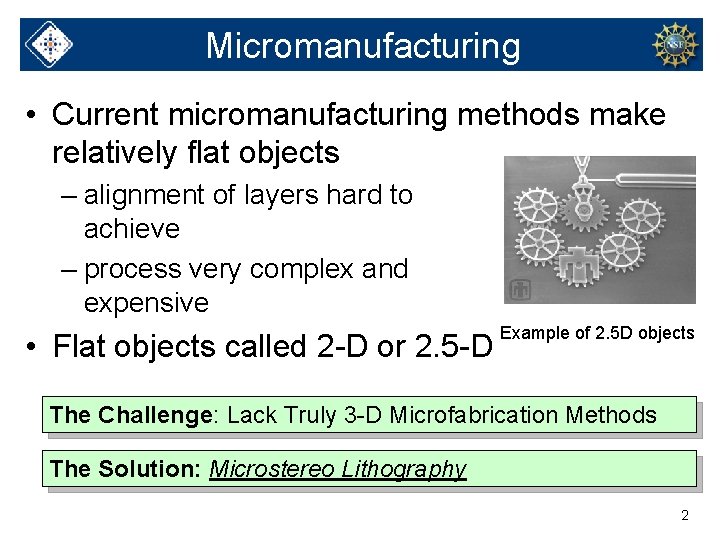
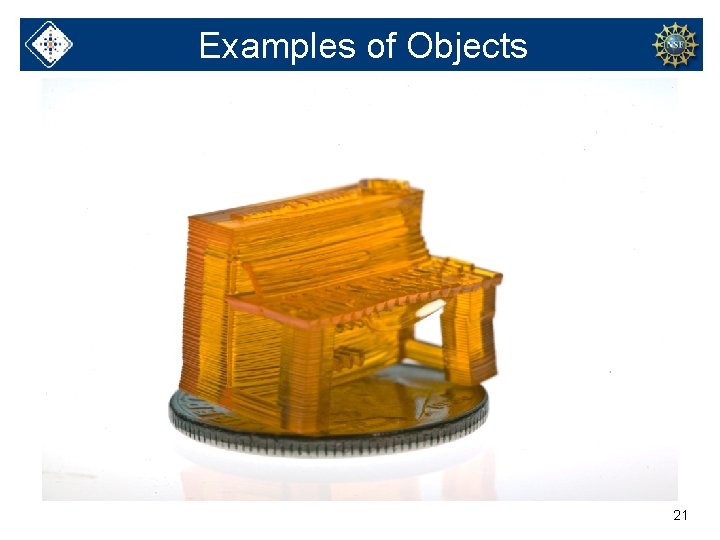
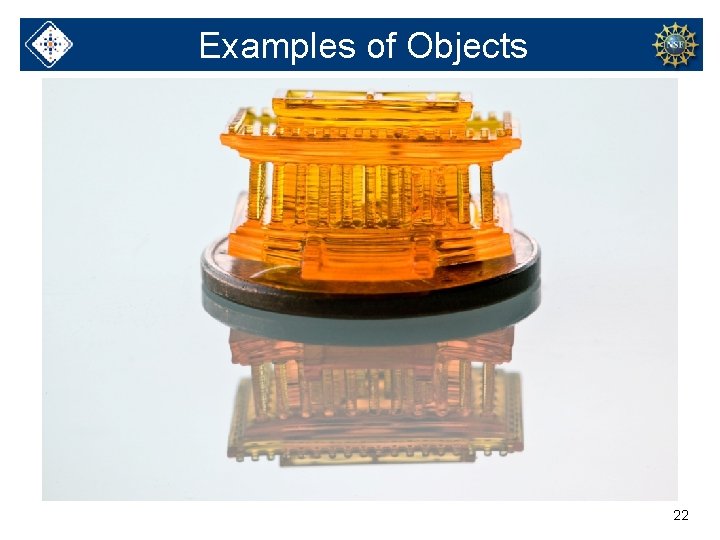
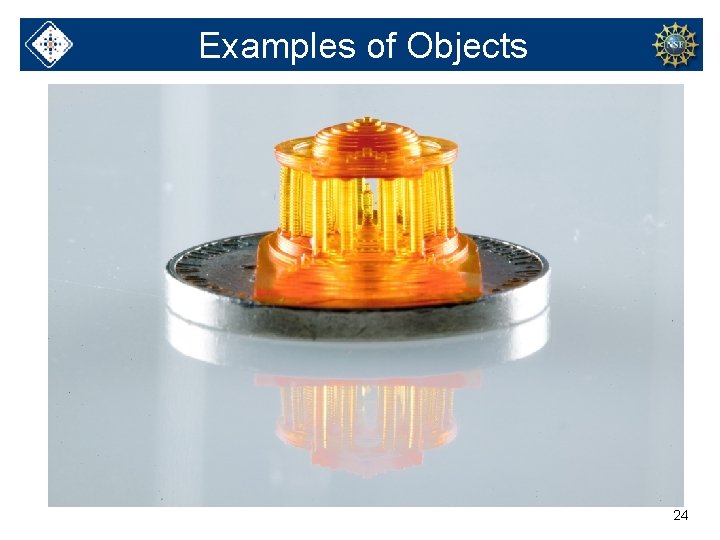
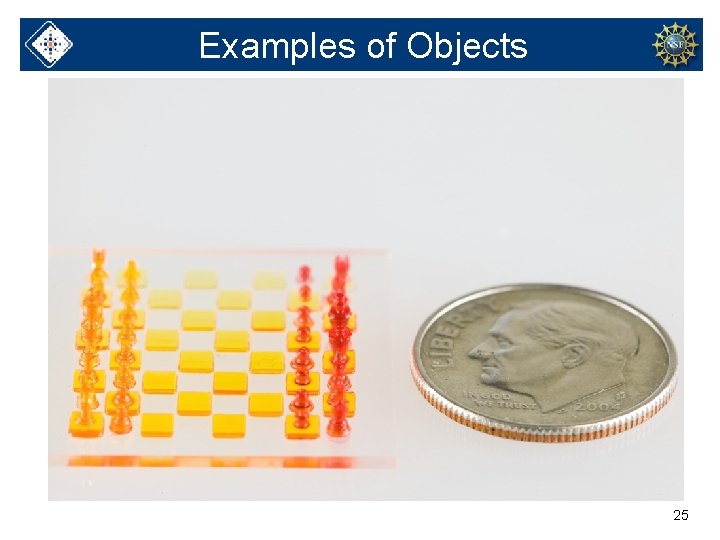
Micromanufacturing • Current micromanufacturing methods make relatively flat objects – alignment of layers hard to achieve – process very complex and expensive • Flat objects called 2 -D or 2. 5 -D Example of 2. 5 D objects The Challenge: Lack Truly 3 -D Microfabrication Methods The Solution: Microstereo Lithography 2
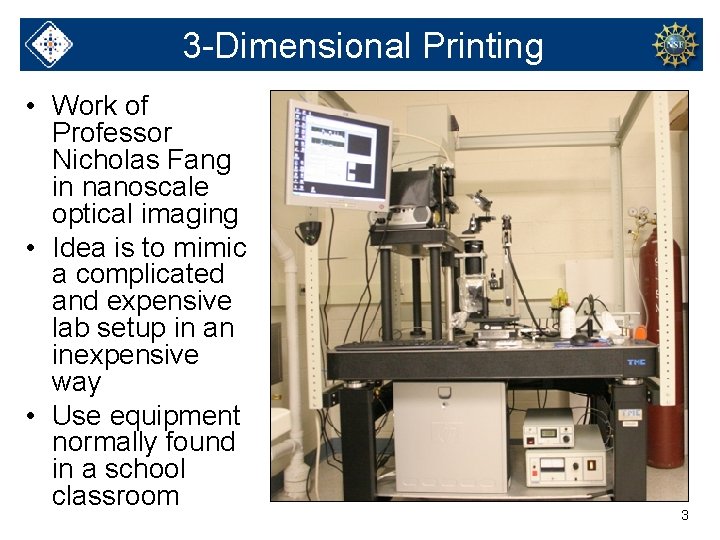
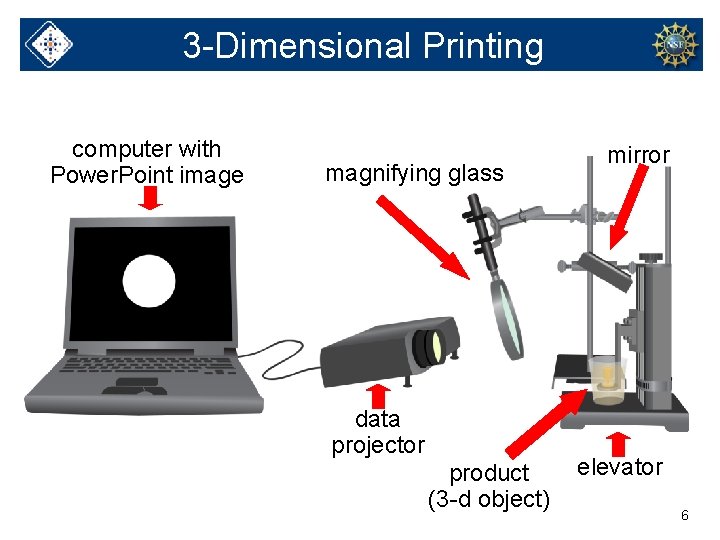
3 -Dimensional Printing • Work of Professor Nicholas Fang in nanoscale optical imaging • Idea is to mimic a complicated and expensive lab setup in an inexpensive way • Use equipment normally found in a school classroom 3
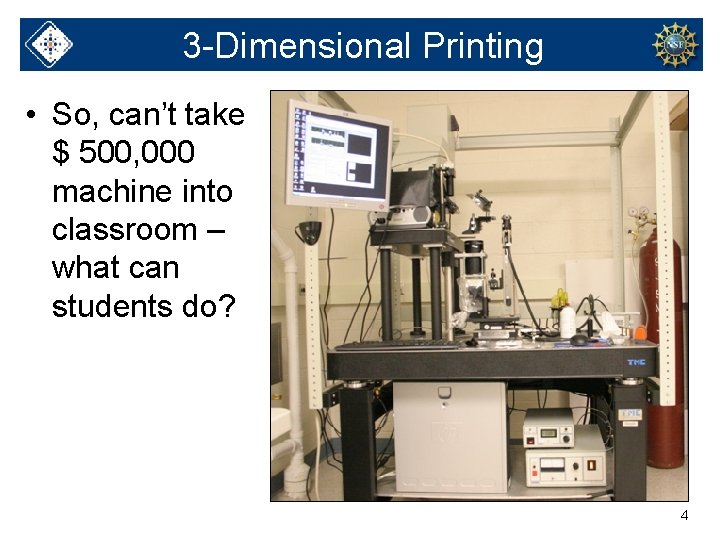
3 -Dimensional Printing • So, can’t take $ 500, 000 machine into classroom – what can students do? 4
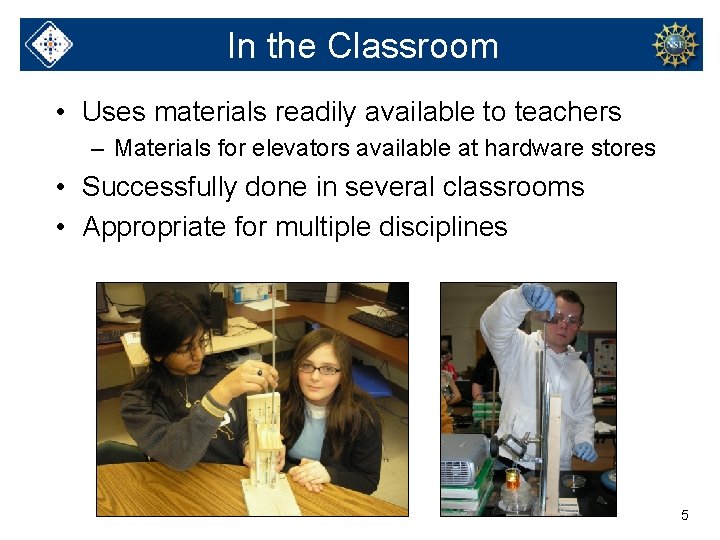
In the Classroom • Uses materials readily available to teachers – Materials for elevators available at hardware stores • Successfully done in several classrooms • Appropriate for multiple disciplines 5
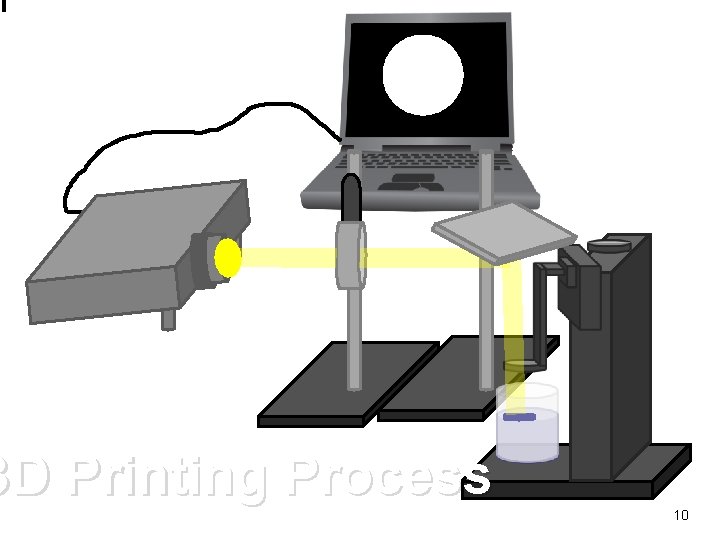
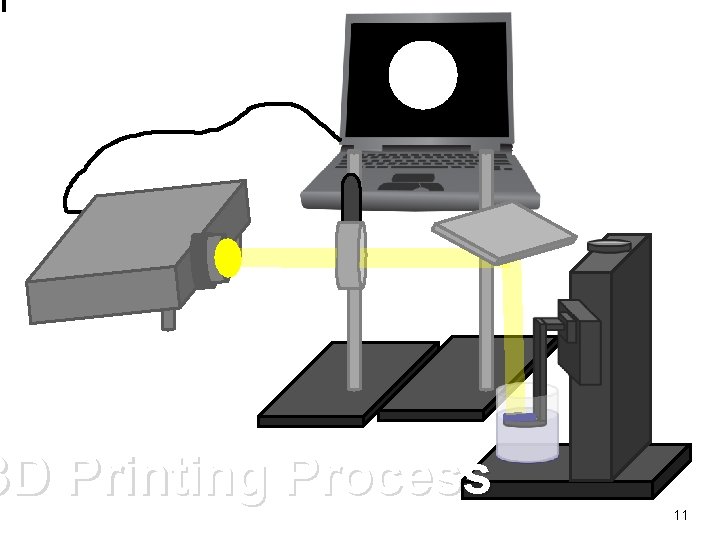
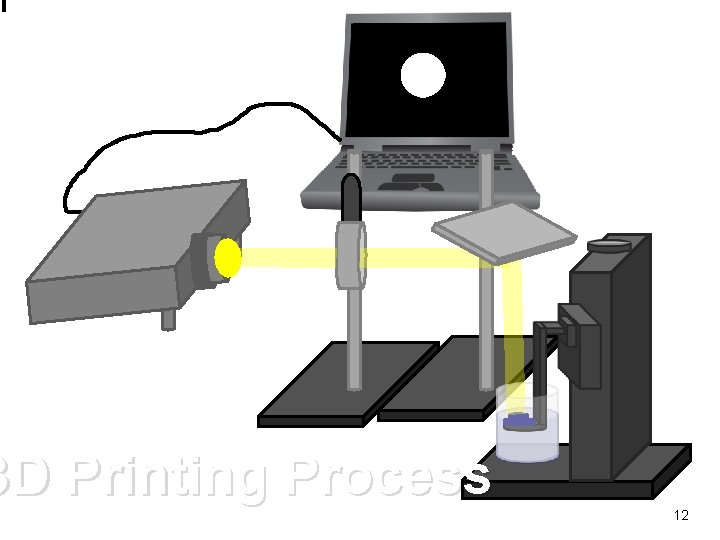
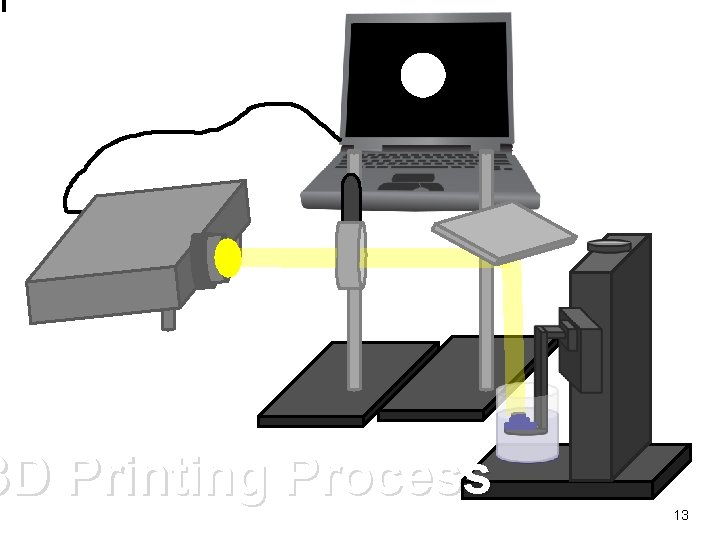
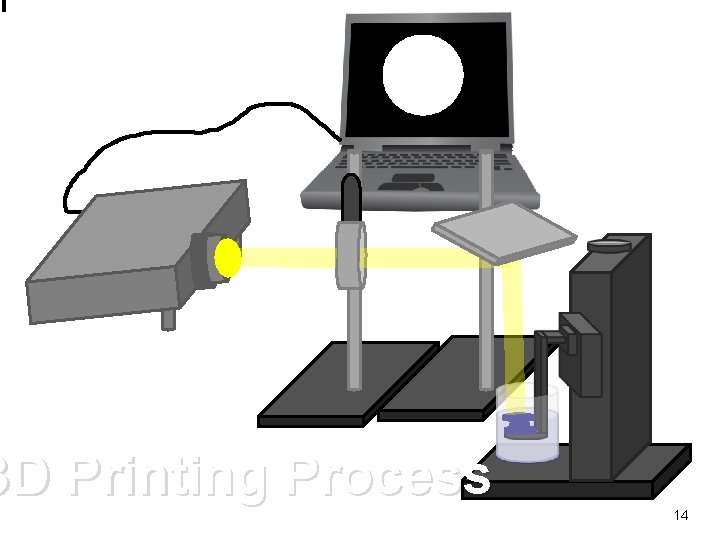
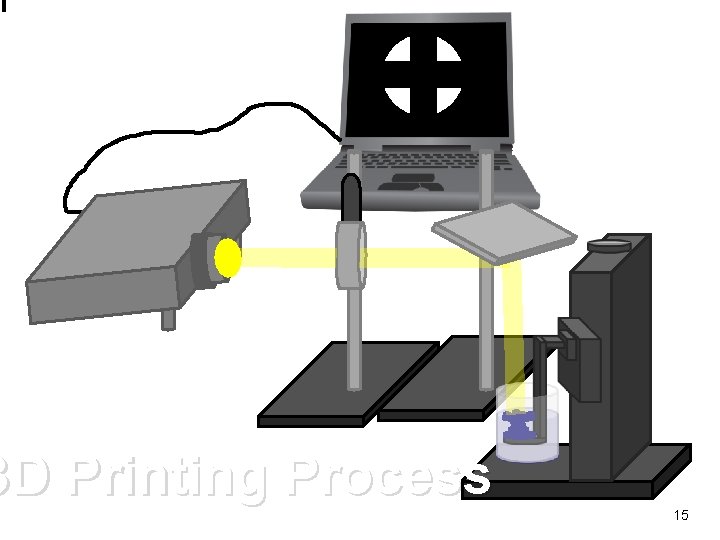
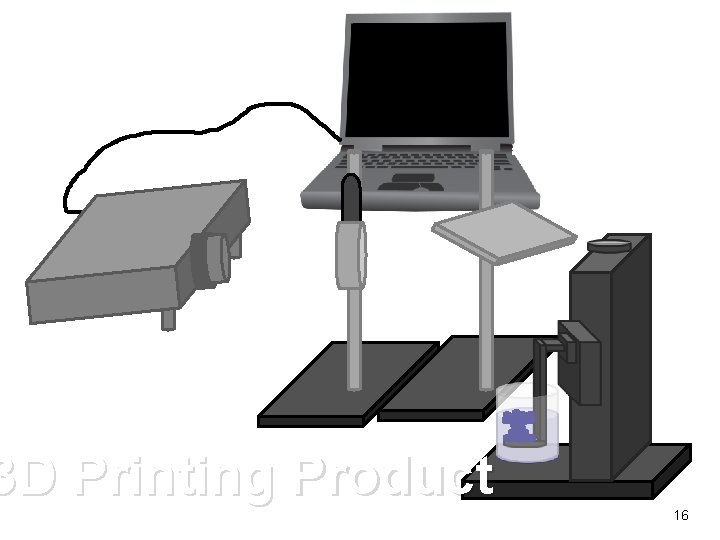
3 -Dimensional Printing computer with Power. Point image magnifying glass data projector product (3 -d object) mirror elevator 6
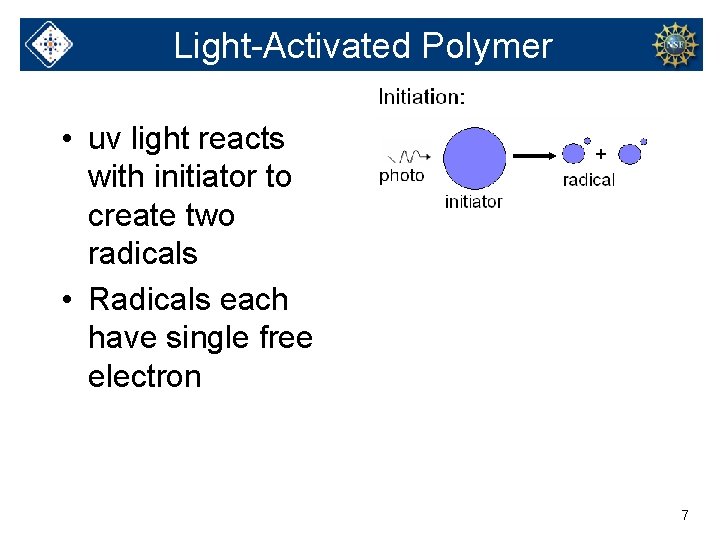
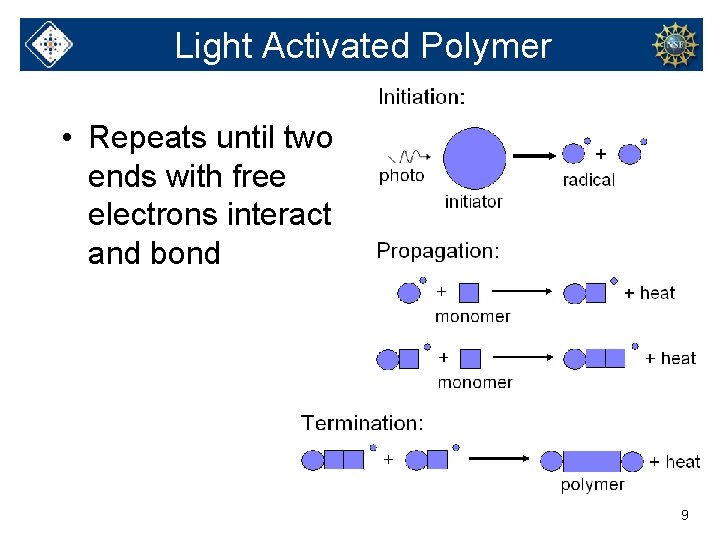
Light-Activated Polymer • uv light reacts with initiator to create two radicals • Radicals each have single free electron + 7
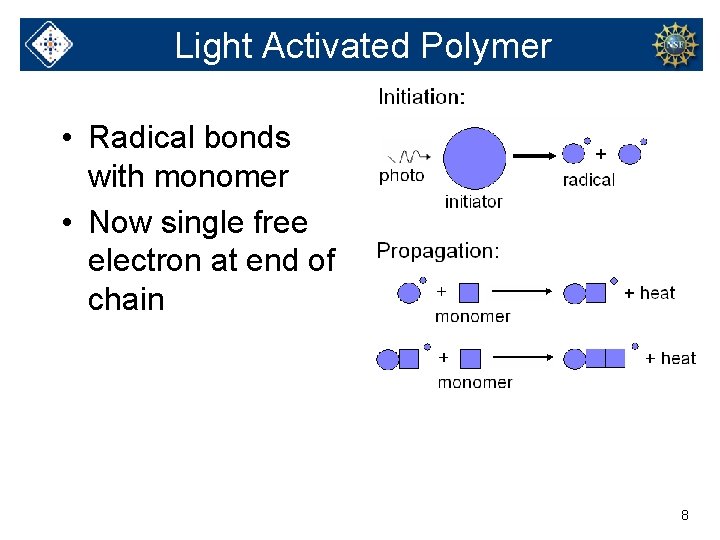
Light Activated Polymer • Radical bonds with monomer • Now single free electron at end of chain + 8
Light Activated Polymer • Repeats until two ends with free electrons interact and bond + 9
3 D Printing Process 10
3 D Printing Process 11
3 D Printing Process 12
3 D Printing Process 13
3 D Printing Process 14
3 D Printing Process 15
3 D Printing Product 16
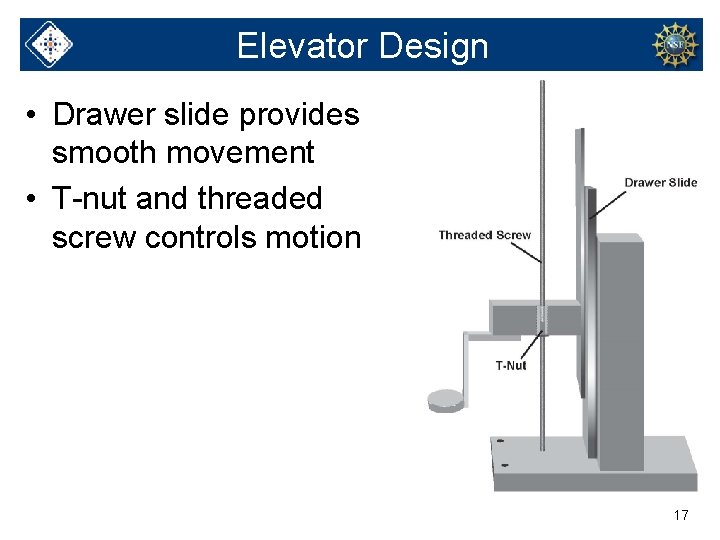
Elevator Design • Drawer slide provides smooth movement • T-nut and threaded screw controls motion 17
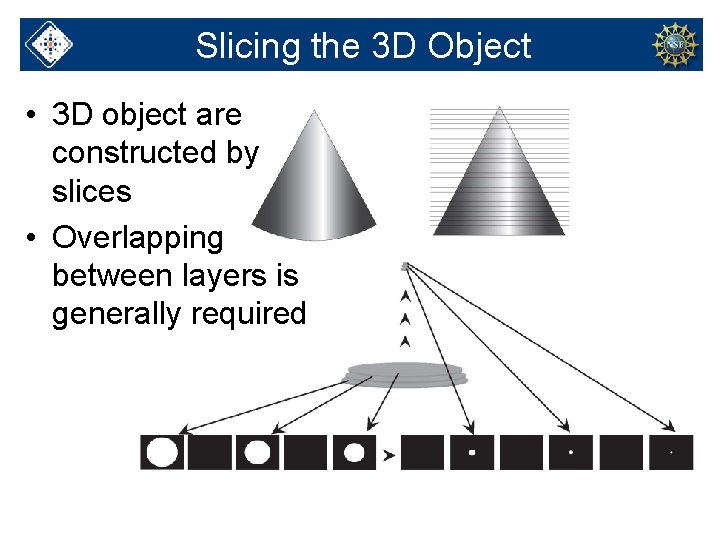
Slicing the 3 D Object • 3 D object are constructed by slices • Overlapping between layers is generally required 18
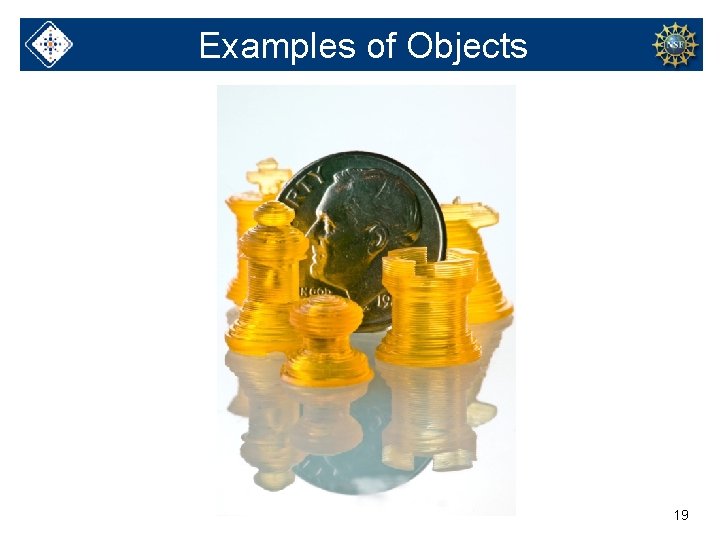
Examples of Objects 19
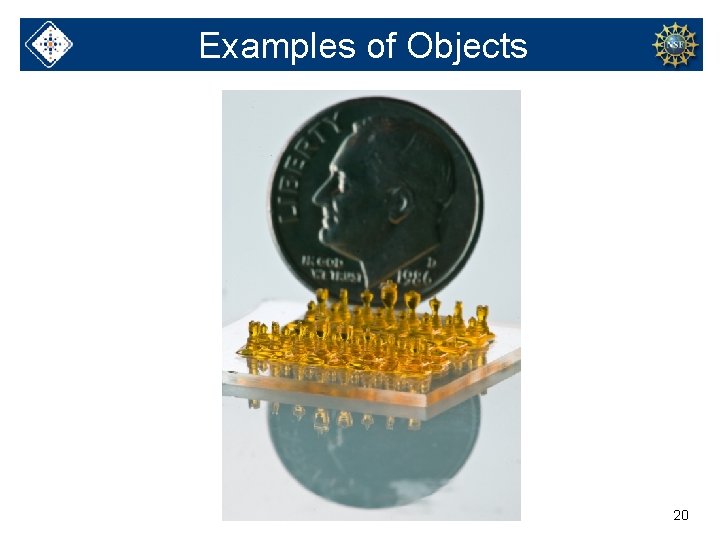
Examples of Objects 20
Examples of Objects 21
Examples of Objects 22
Examples of Objects 23
Examples of Objects 24
Examples of Objects 25