
3 1 Introduction to Global Systems Learning Objectives
3. 1 Introduction to Global Systems
Learning Objectives § Explain why ecology is important. § Describe the methods used to study ecology. § Explain how biotic and abiotic factors influence an ecosystem. § Explain how we can understand global systems and the changes they undergo. Vocabulary § biosphere-all parts of the Earth, including the atmosphere, in which life exists. § ecology-the study of interactions among organisms and the environment. § species-a group of similar organisms that can breed and produce fertile offspring.
Vocabulary § population-a group of the same species which live in the same area. § community-groups of different species living together in a defined area. § ecosystem-a community and their environment. § biotic factor-all of the living parts of an environment. § abiotic factor-all of the nonliving parts of an environment. § atmosphere-all the gases which surround the Earth. § hydrosphere-fresh water, salt water (marine), ground water and water vapor. § geosphere-rock and soil, including layers below the crust.
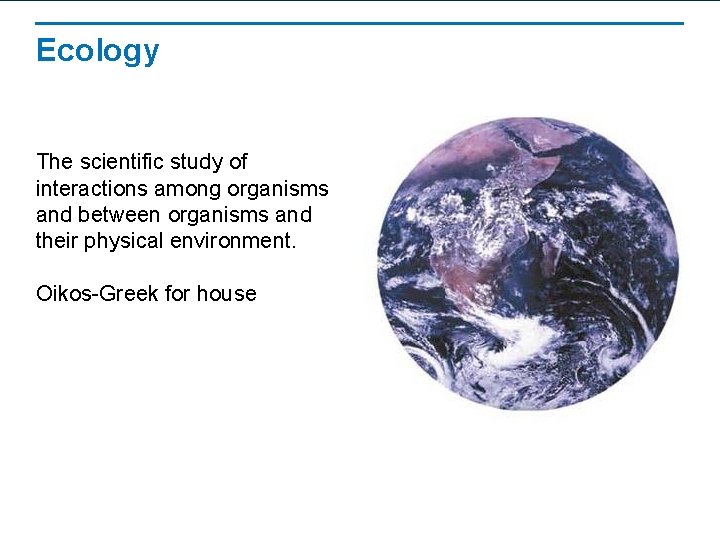
Ecology The scientific study of interactions among organisms and between organisms and their physical environment. Oikos-Greek for house
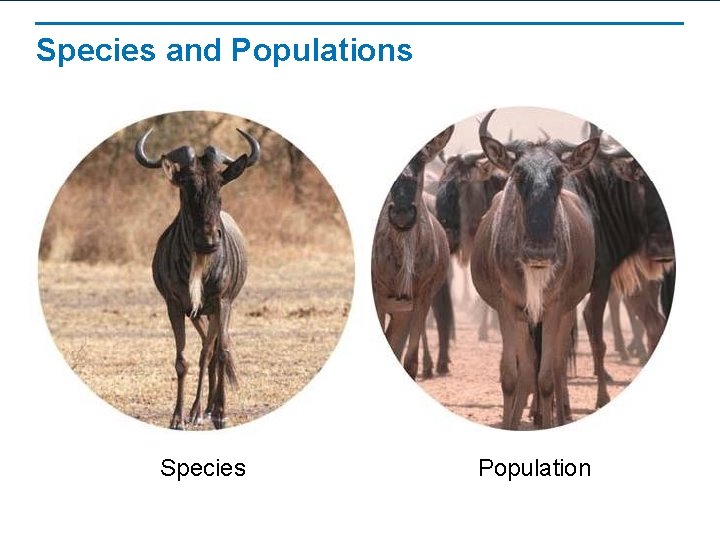
Species and Populations Species Population
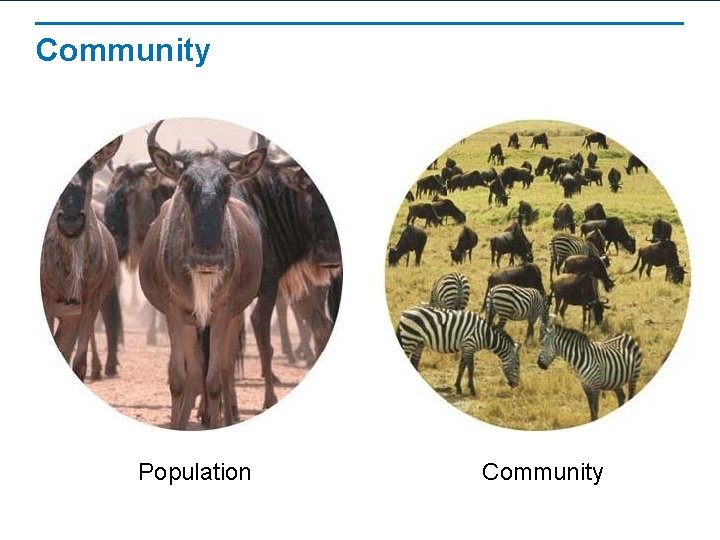
Community Population Community
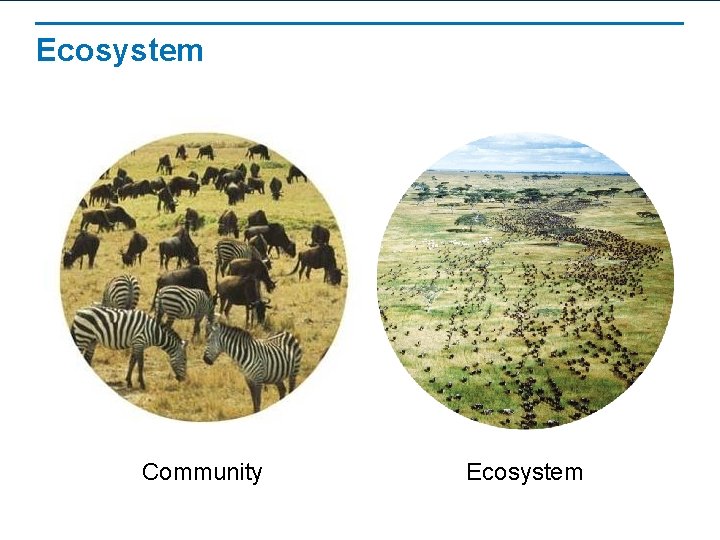
Ecosystem Community Ecosystem
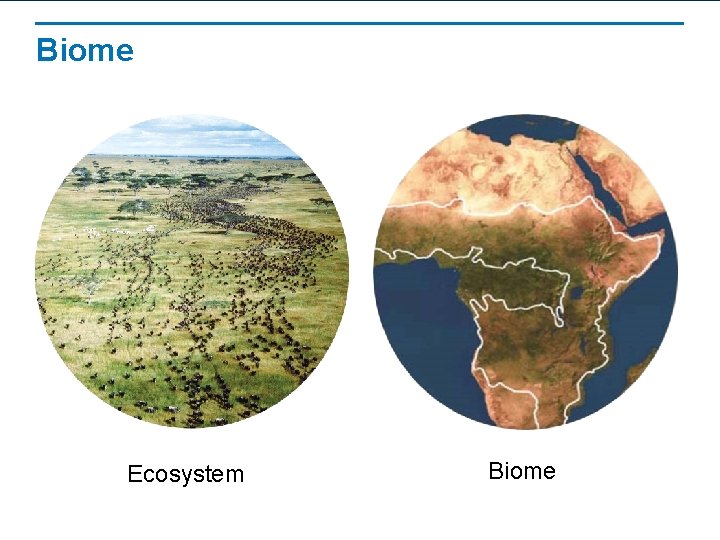
Biome Ecosystem Biome
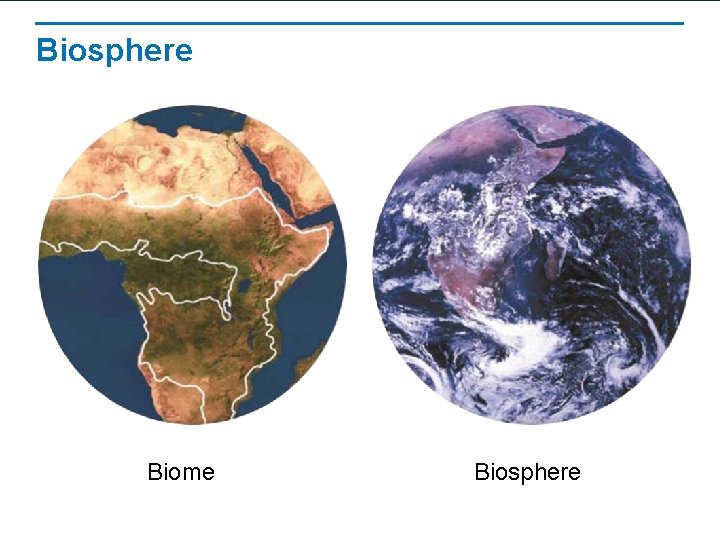
Biosphere Biome Biosphere
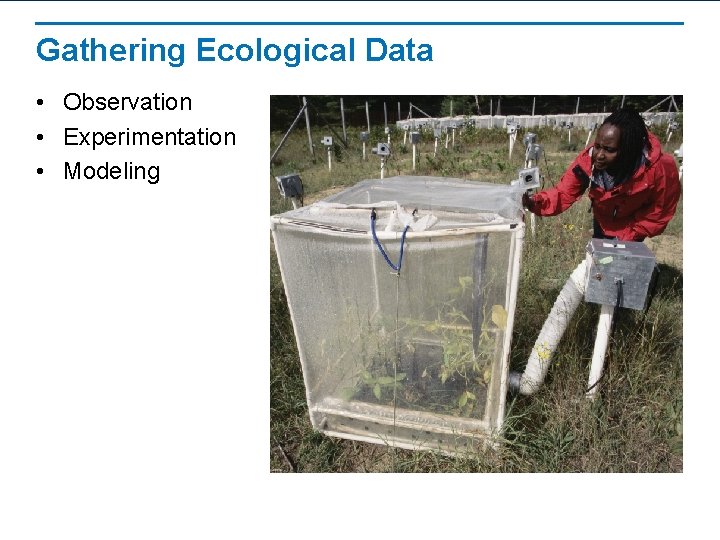
Gathering Ecological Data • Observation • Experimentation • Modeling
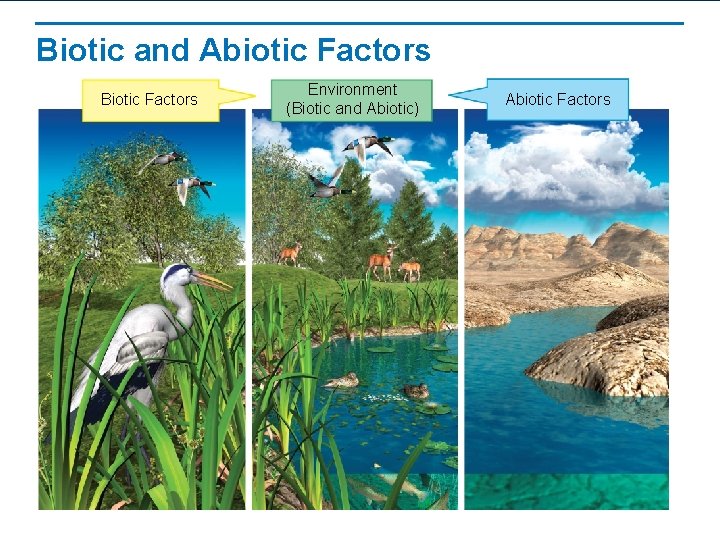
Biotic and Abiotic Factors Biotic Factors Environment (Biotic and Abiotic) Abiotic Factors
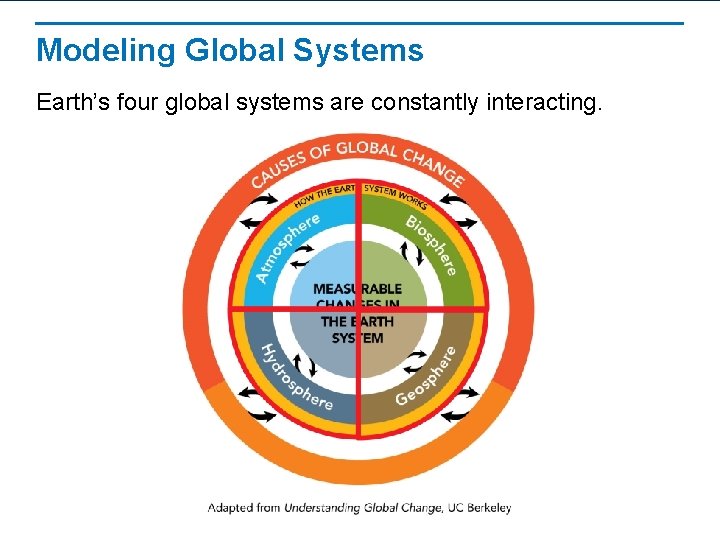
Modeling Global Systems Earth’s four global systems are constantly interacting.
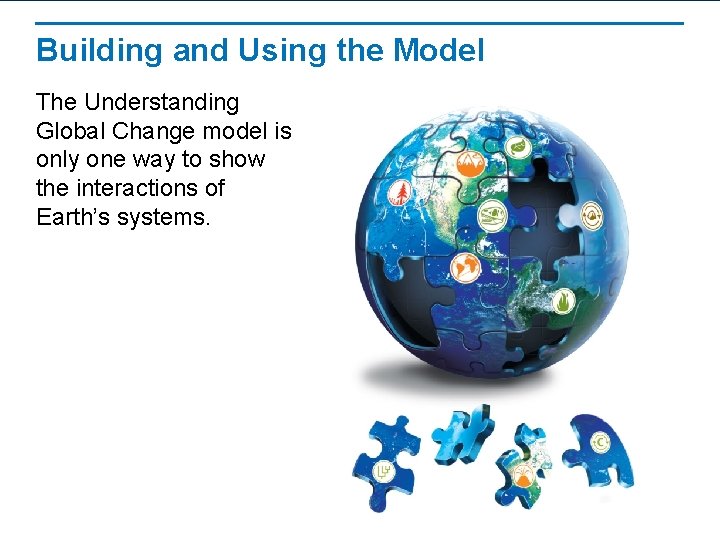
Building and Using the Model The Understanding Global Change model is only one way to show the interactions of Earth’s systems.
- Slides: 13