
29 1 Plant Evolution and Adaptations Plant Evolution
- Slides: 22
29. 1 - Plant Evolution and Adaptations
Plant Evolution Multicellular eukaryotes with tissues and organs that have specialized structures and functions Most have photosynthetic tissues, and organs that anchor them in soil or to other objects
Primitive land plants about 400 million years ago Evidence (biochem and fossil) showing common ancestor between land plants and green algae Adaptations (resistant to droughts, protected embryos) passed through generations
Similarities between modern plants and green algae. . . Cell walls = cellulose Cell division includes formation of cell wall Same type of chlorophyll used in photosynthesis Similar genes for r. RNA Food stored as starch Same enzyme type in cellular vesicles
Plant Adaptations to Land Environments Challenges to living on land not experienced by aquatic organisms Plant adaptations include a cuticle, stomata, vascular tissues, reproductive strategies, and seeds
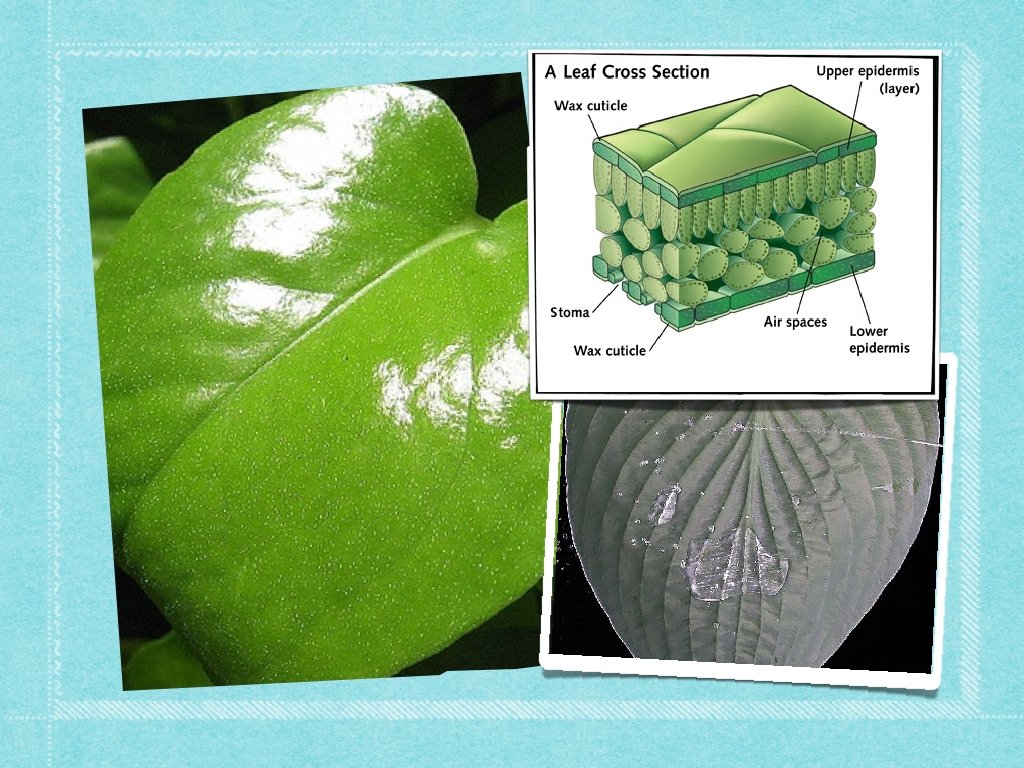
Cuticle Found on most above-ground plants Fatty coating on outer surface of cells Wax also used, giving a grey appearance Function: prevents water evaporation and acts as barrier from micro organisms Due to fats/wax being insoluble
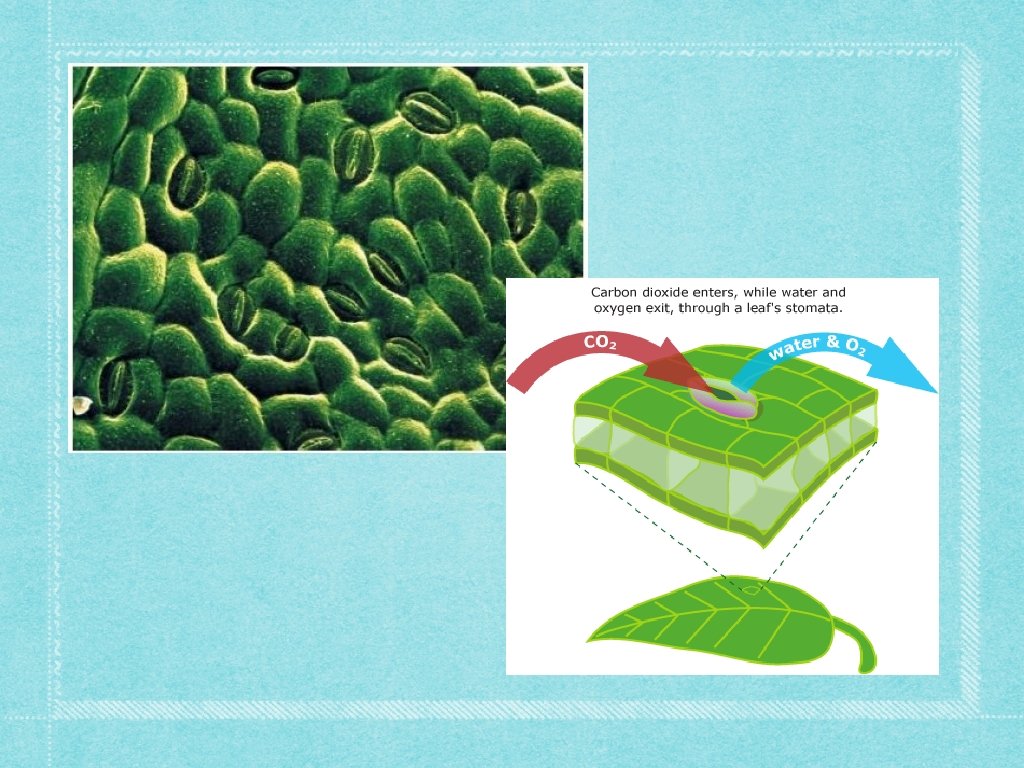
Stomata (sing. Stoma) Allows gas exchange even with presence of cuticle Openings in outer cell layer of leaves and some stems Most in leaves (main site of photosynthesis)
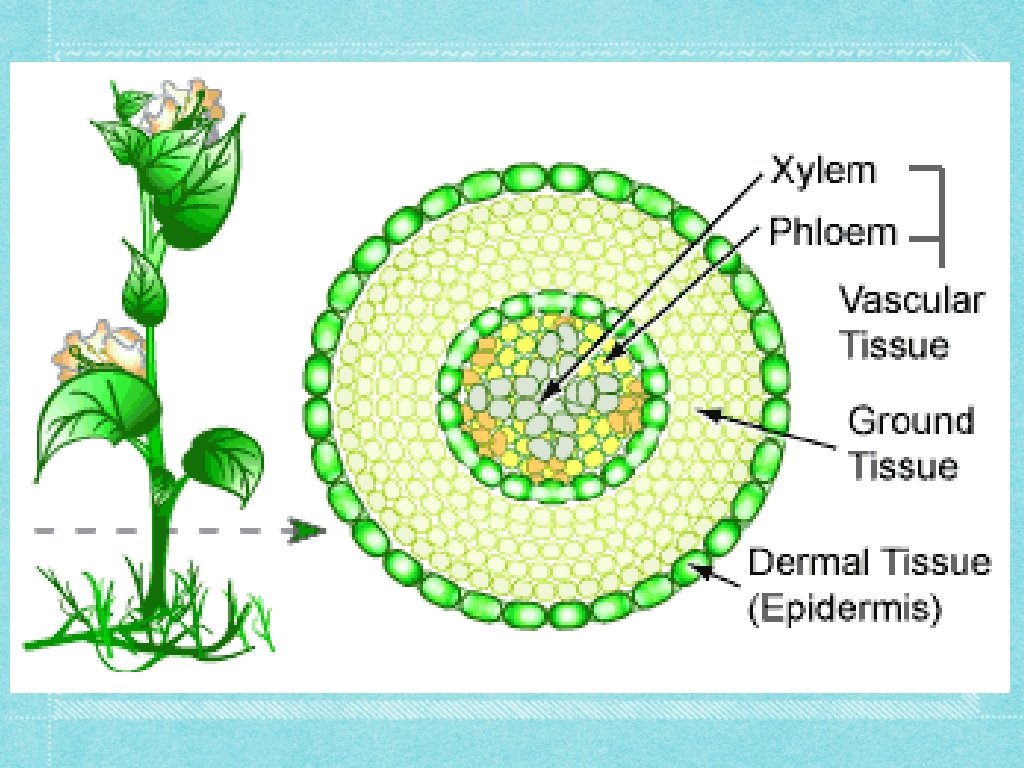
Vascular Tissues Are specialized transport tissues Allows faster movement in/out of cells via osmosis and diffusion, and over greater distances Also provide structure/support (ex. thickened cell walls)
Reproductive Strategies Spores are haploid Some plants reproduce using spores with waterproof coverings Problem! Film of water needed for sperm to reach egg
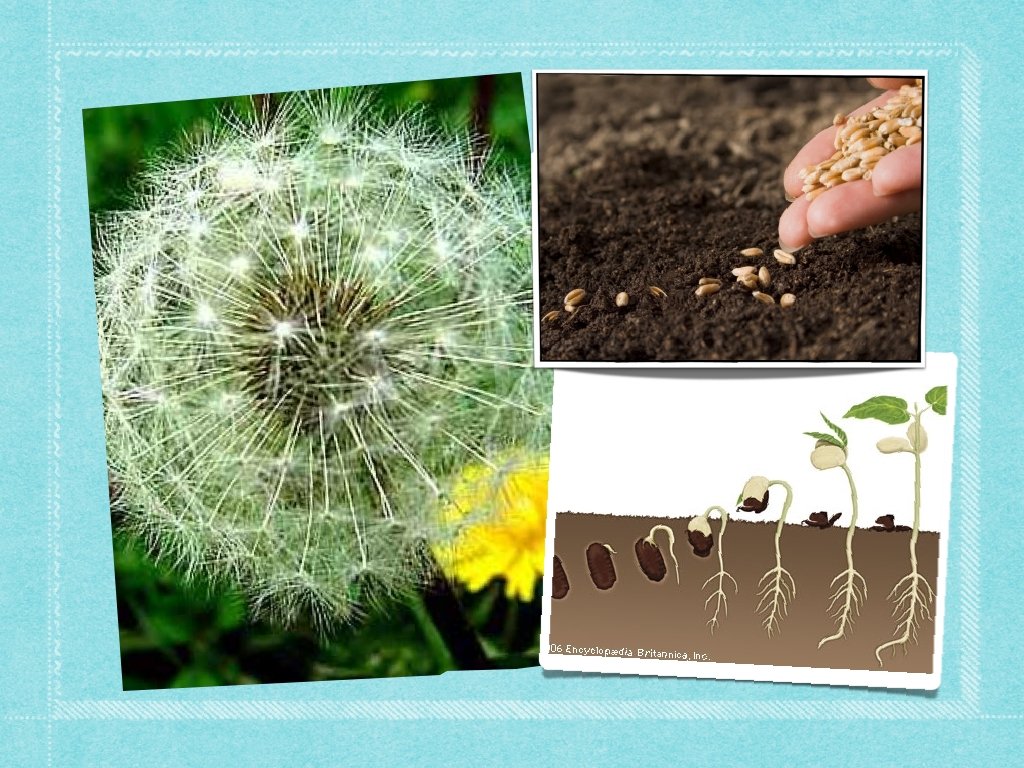
Seeds Plant structure that contains an embryo, nutrients for embryo, and covered with protective coat Features allow for survival in harsh conditions and growth in favourable conditions Also possess structural adaptations that allow them to spread out
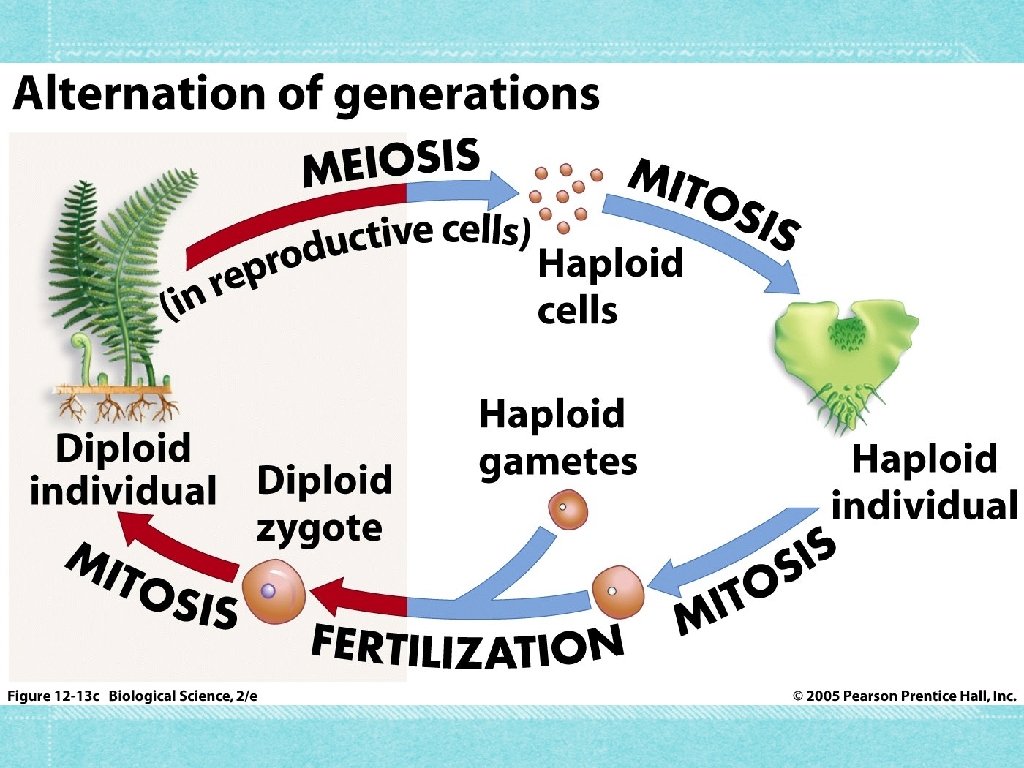
Alternation of Generations Review from 19. 3: Some life cycles include 2 generations. . . a haploid gametophyte gen and a diploid sporophyte Gametophyte generation produces sperm and eggs Sometimes separate, sometimes not) When sperm fertilizes egg, diploid zygote forms Undergoes mitosis to form multicellular sporophyte Produce spores that form next gen
Possible for one generation to be dominant (larger, more noticeable, lasts longer) Most plants we see are diploid sporophyte GE (ex. House plants, grasses, etc) Land plants: gametophyte generation is microscopic but larger in nonvascular plants
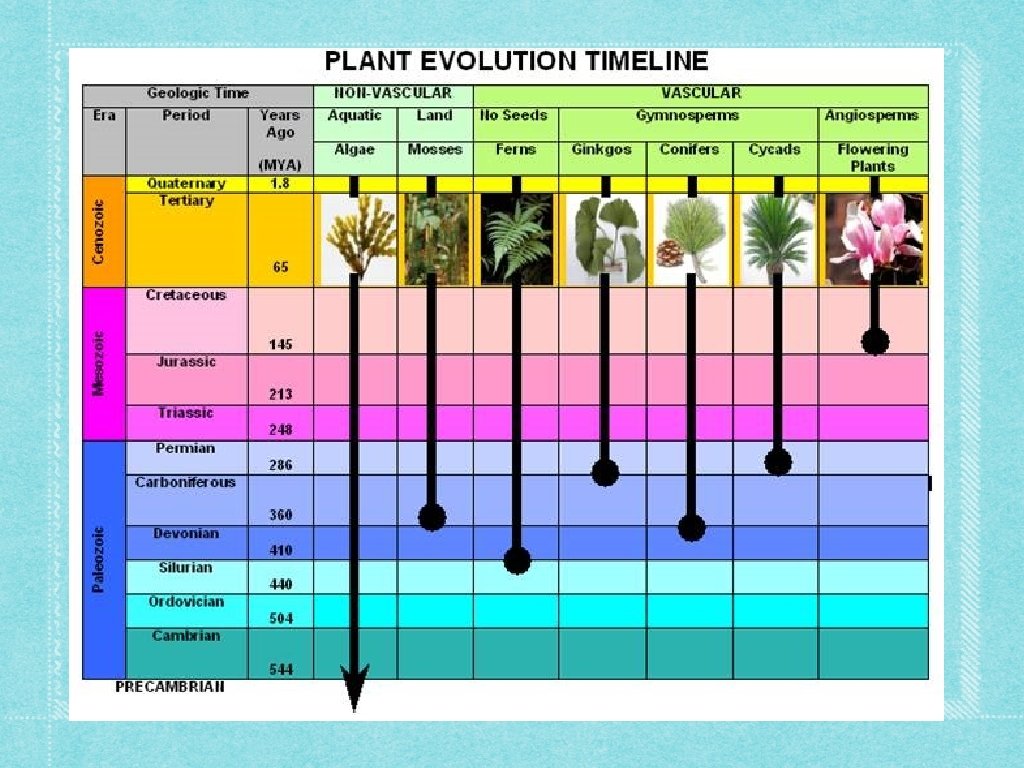
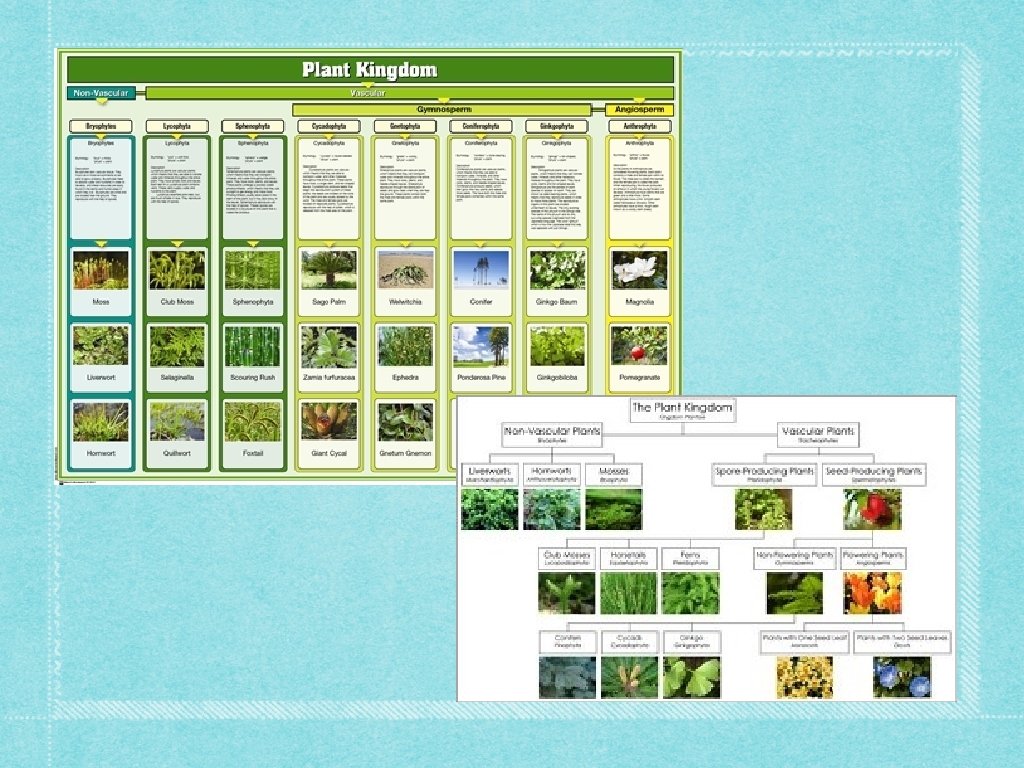
Plant Classification Kingdom Plantae divided into 12 divisions Review: Other kingdoms divided into phyla. When referring to members of a division, drop the "-a" from the names and add "-es" Members of Division Bryophyta are called bryophytes 12 plant divisions split into 2 groups: vascular and nonvascular
Nonvascular plants lack specialized transport tissues Bryophytes (mosses) Anthocerophytes (hornworts) Hepaticophytes (liverworts)
Vascular plants have specialized transport tissues and are divided into 2 groups: produces seeds and doesn't produce seeds. Seedless vascular plants include lycophtyes (club mosses) and pterophytes (ferns and horsetails). Seed-producers include cycadophytes (cycads and sago palms), gnetophytes (joint firs), ginkgophytes (pines and similar plants), and anthophytes (flowering plants)