
251 FNIA Chapter Eight Costs Dr Heitham AlHajieh
- Slides: 17
251 FNIA Chapter Eight Costs Dr. Heitham Al-Hajieh
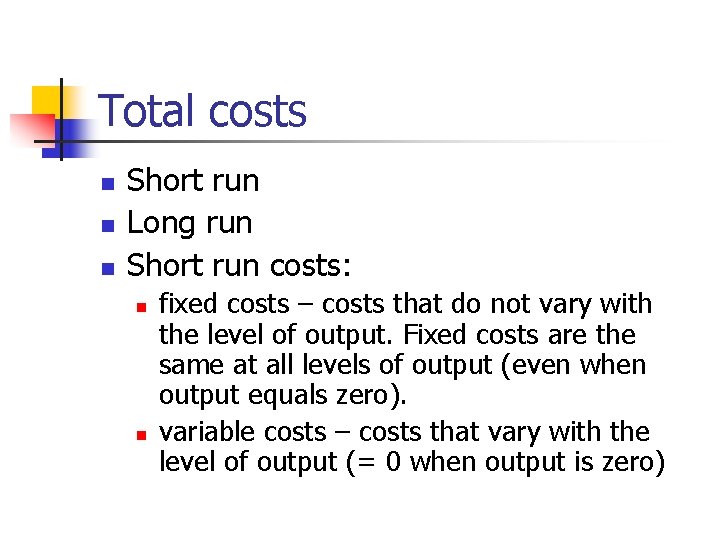
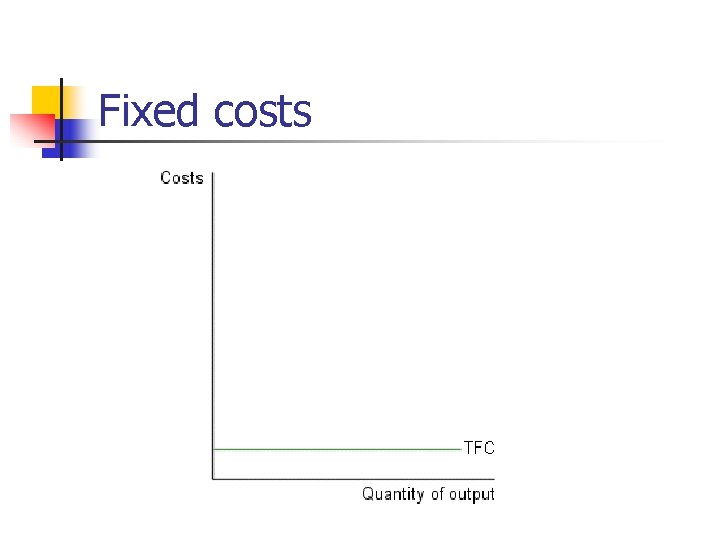
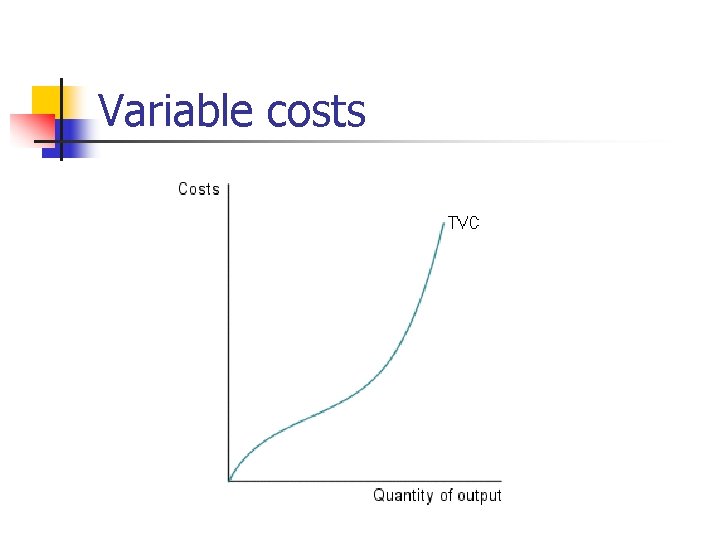
Total costs n n n Short run Long run Short run costs: n n fixed costs – costs that do not vary with the level of output. Fixed costs are the same at all levels of output (even when output equals zero). variable costs – costs that vary with the level of output (= 0 when output is zero)
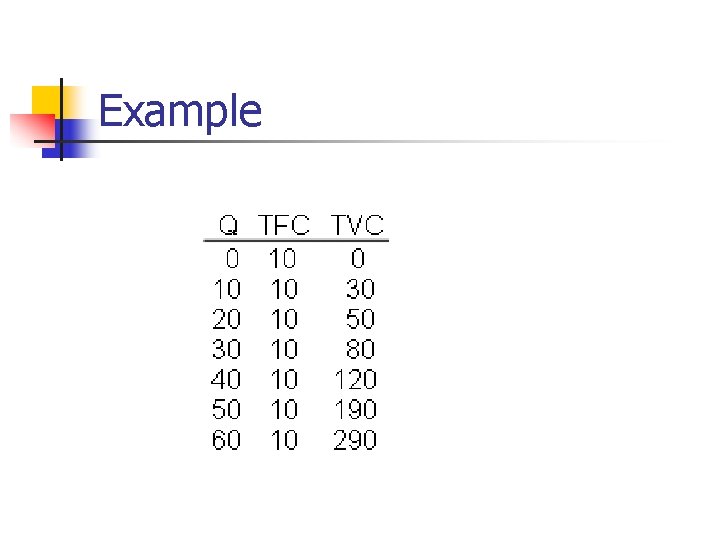
Example
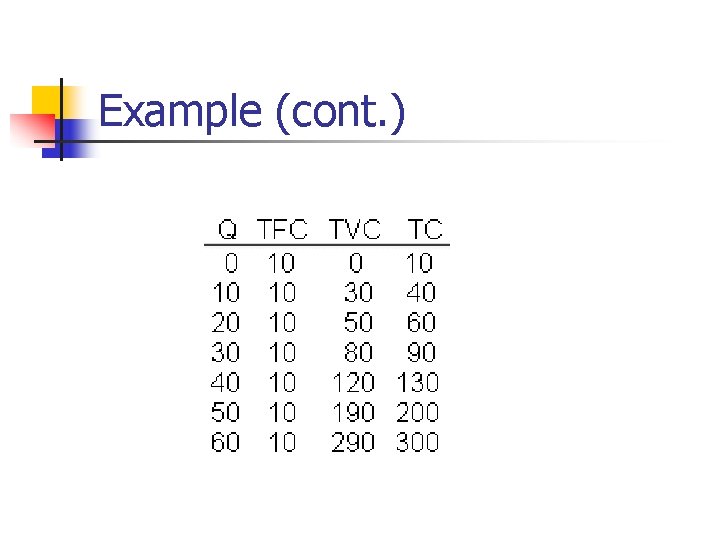
Example (cont. )
Fixed costs
Variable costs
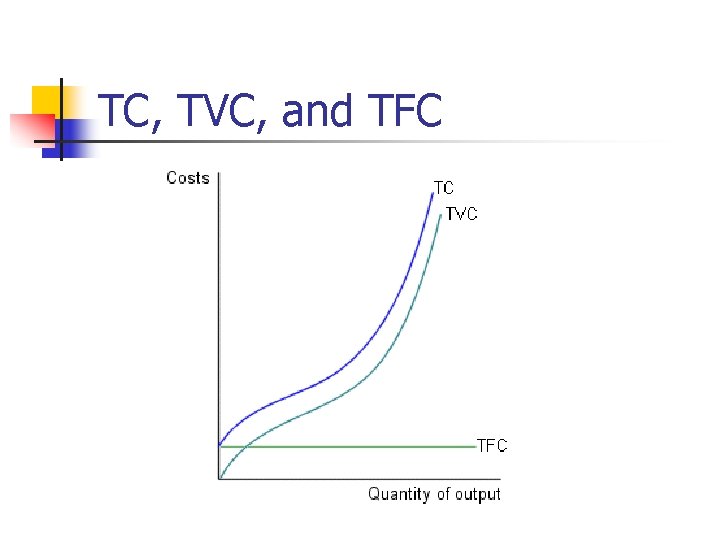
TC, TVC, and TFC
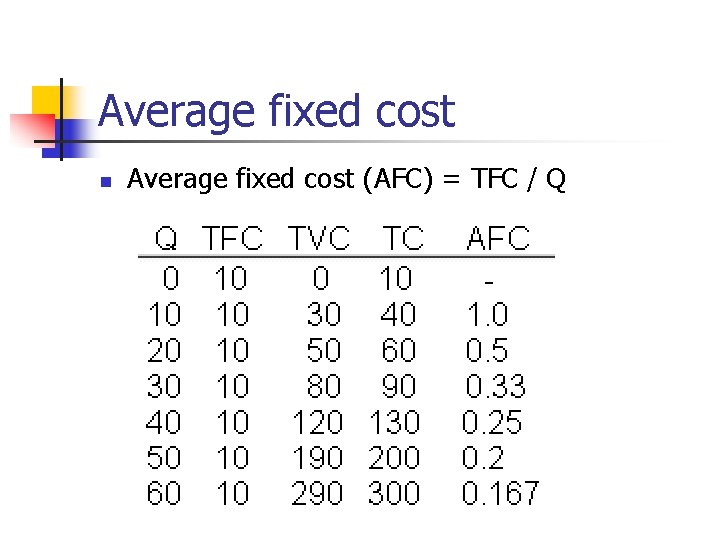
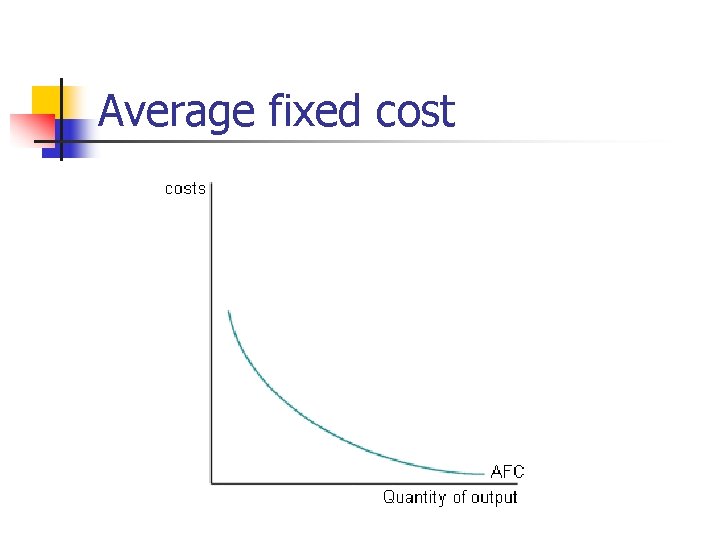
Average fixed cost n Average fixed cost (AFC) = TFC / Q
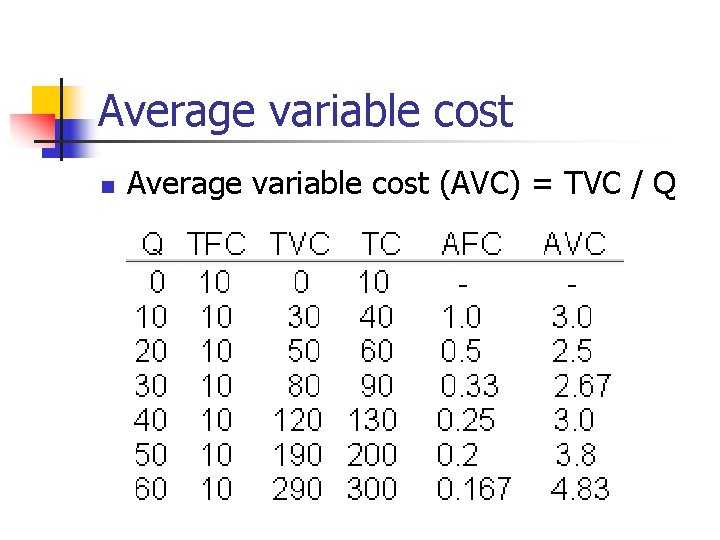
Average variable cost n Average variable cost (AVC) = TVC / Q
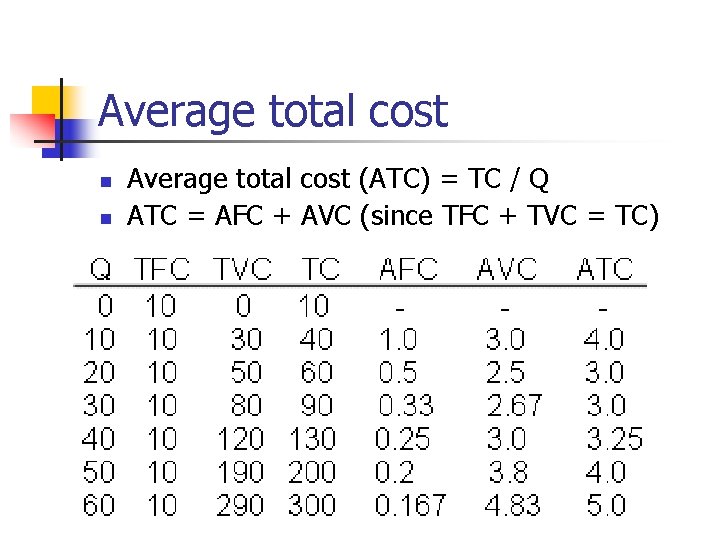
Average total cost n n Average total cost (ATC) = TC / Q ATC = AFC + AVC (since TFC + TVC = TC)
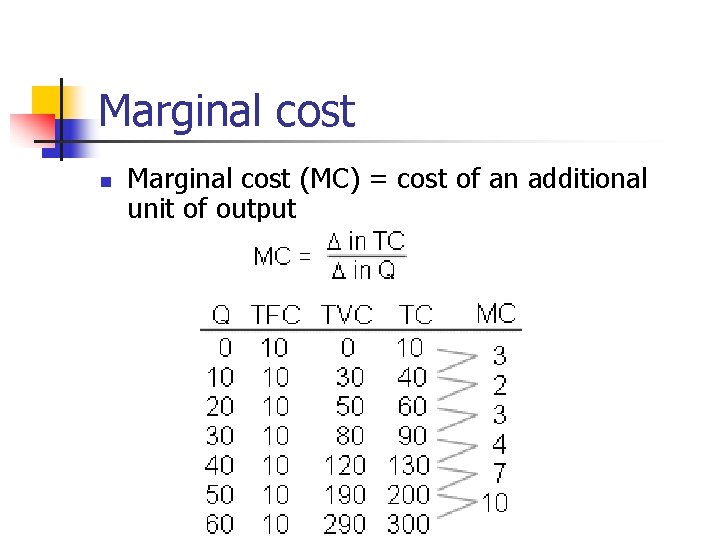
Marginal cost n Marginal cost (MC) = cost of an additional unit of output
Average fixed cost
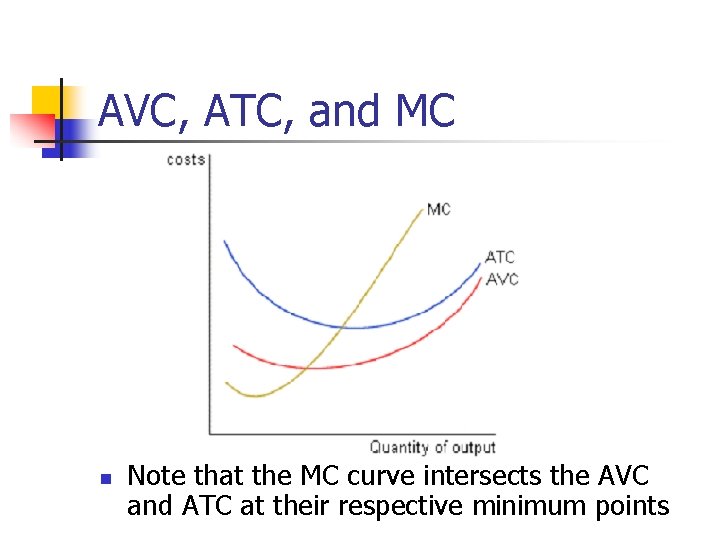
AVC, ATC, and MC n Note that the MC curve intersects the AVC and ATC at their respective minimum points
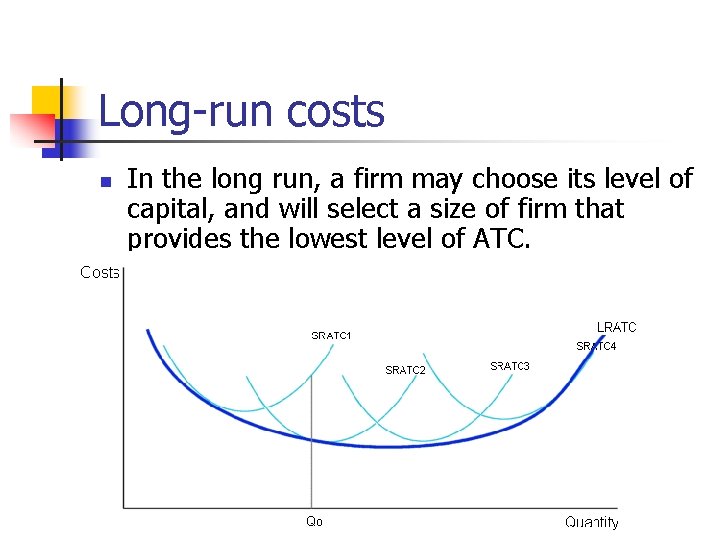
Long-run costs n In the long run, a firm may choose its level of capital, and will select a size of firm that provides the lowest level of ATC.
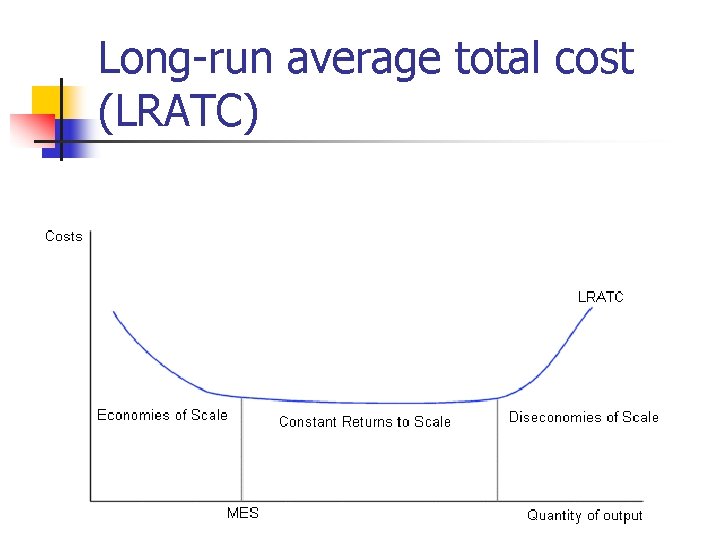
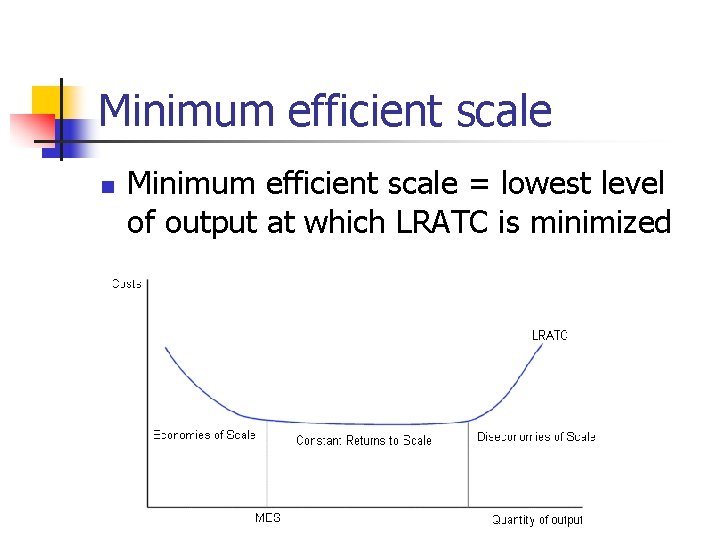
Economies and diseconomies of scale n Economies of scale – factors that lower average cost as the size of the firm rises in the long run n n Diseconomies of scale – factors that raise average cost as the size of the firm rises in the long run n n Sources: specialization and division of labor, indivisibilities of capital, etc. Sources: increased cost of managing and coordination as firm size rises Constant returns to scale – average costs do not change as firm size changes
Long-run average total cost (LRATC)
Minimum efficient scale n Minimum efficient scale = lowest level of output at which LRATC is minimized