
24 1 Arthropod Diversity KEY CONCEPT Arthropods are

- Slides: 14
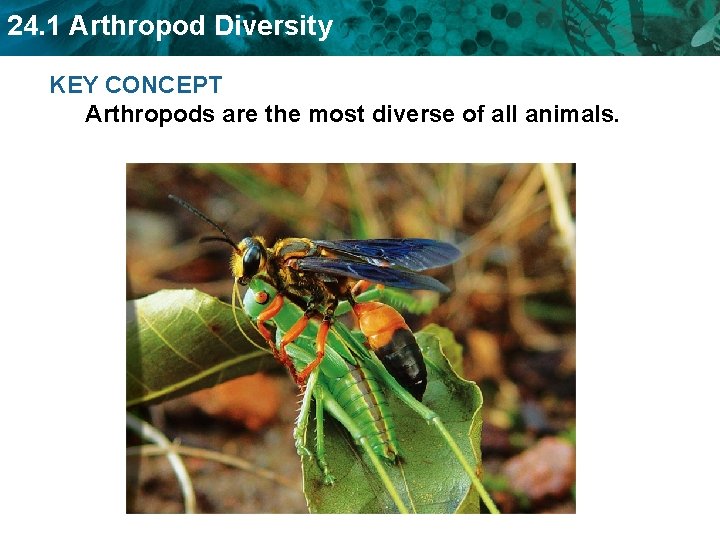
24. 1 Arthropod Diversity KEY CONCEPT Arthropods are the most diverse of all animals.
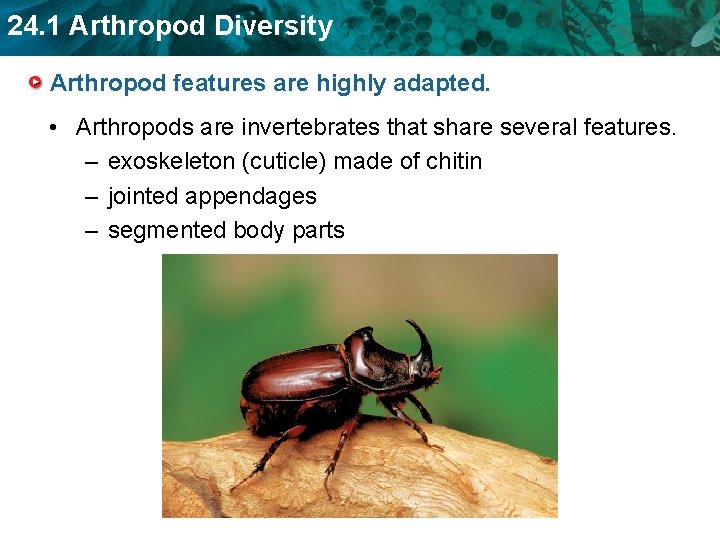
24. 1 Arthropod Diversity Arthropod features are highly adapted. • Arthropods are invertebrates that share several features. – exoskeleton (cuticle) made of chitin – jointed appendages – segmented body parts
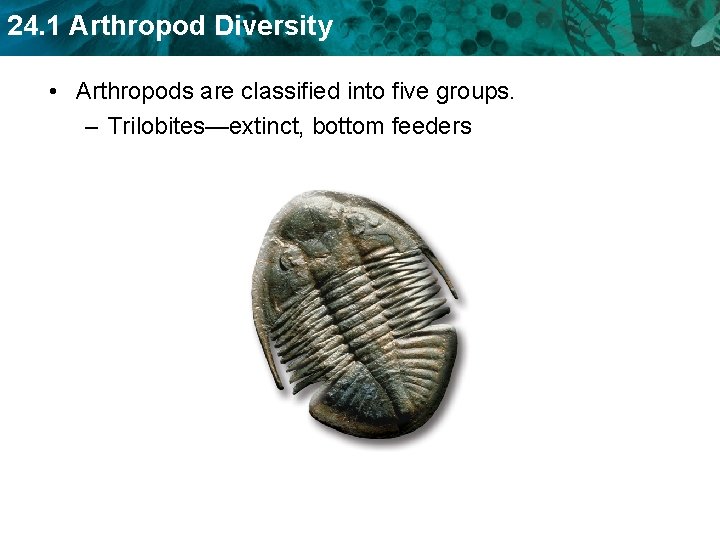
24. 1 Arthropod Diversity • Arthropods are classified into five groups. – Trilobites—extinct, bottom feeders
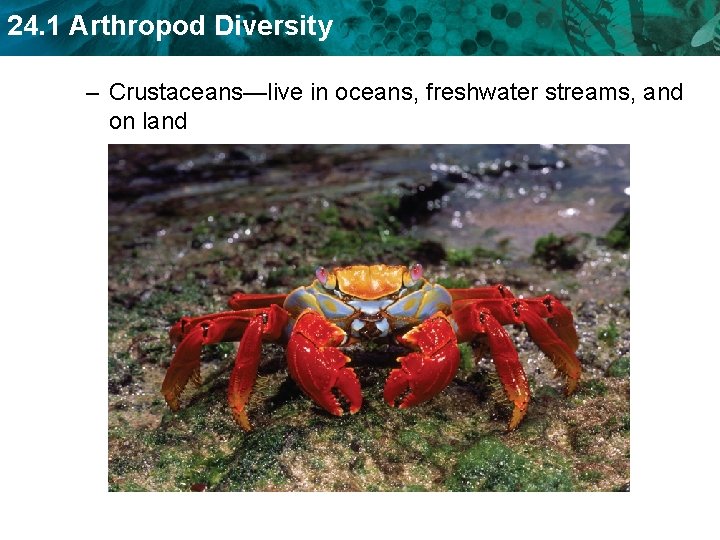
24. 1 Arthropod Diversity – Crustaceans—live in oceans, freshwater streams, and on land
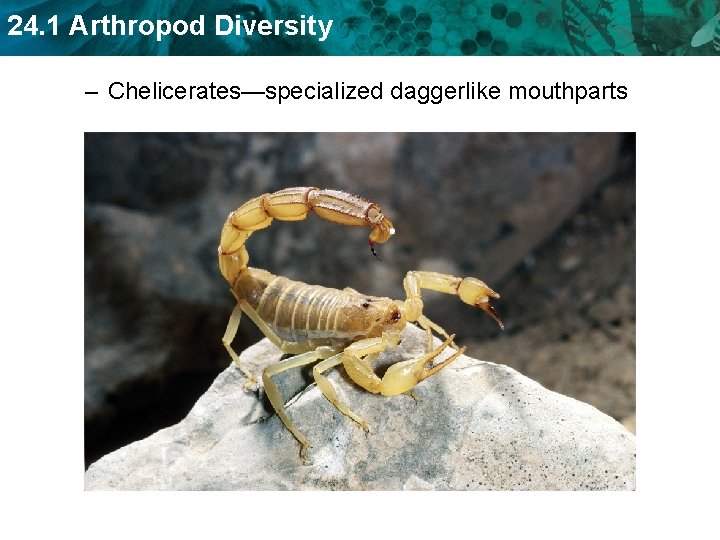
24. 1 Arthropod Diversity – Chelicerates—specialized daggerlike mouthparts
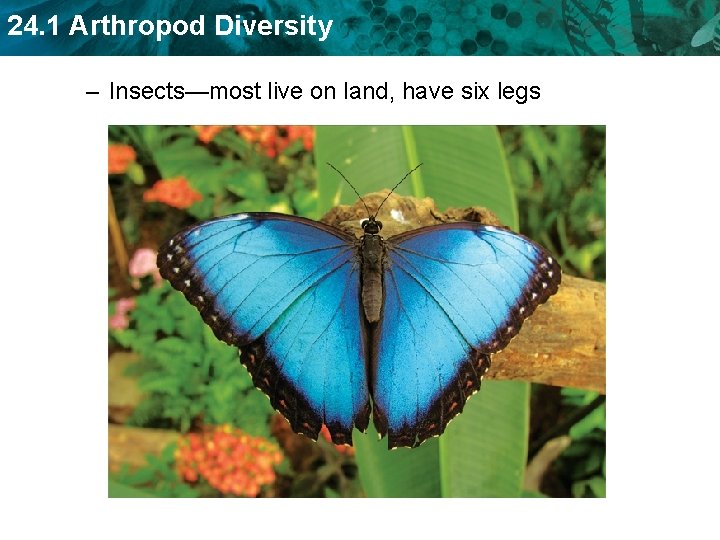
24. 1 Arthropod Diversity – Insects—most live on land, have six legs
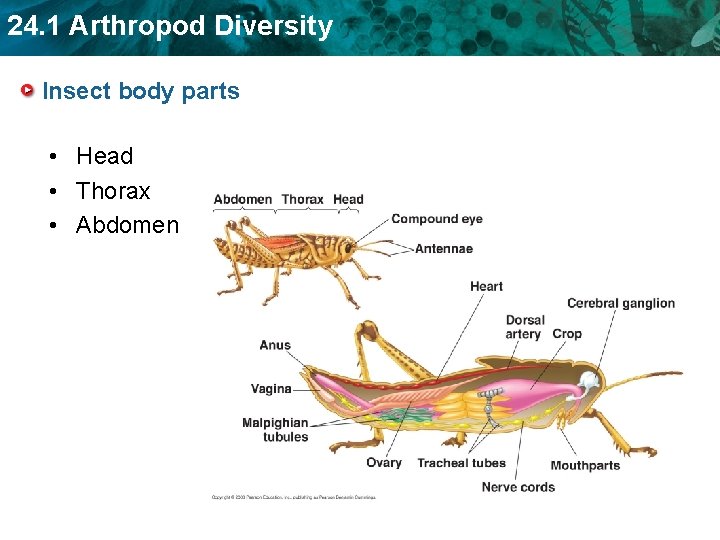
24. 1 Arthropod Diversity Insect body parts • Head • Thorax • Abdomen
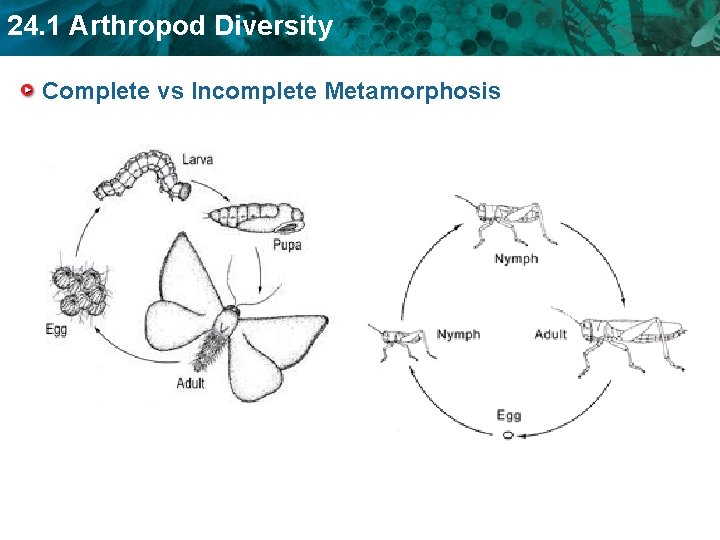
24. 1 Arthropod Diversity Complete vs Incomplete Metamorphosis
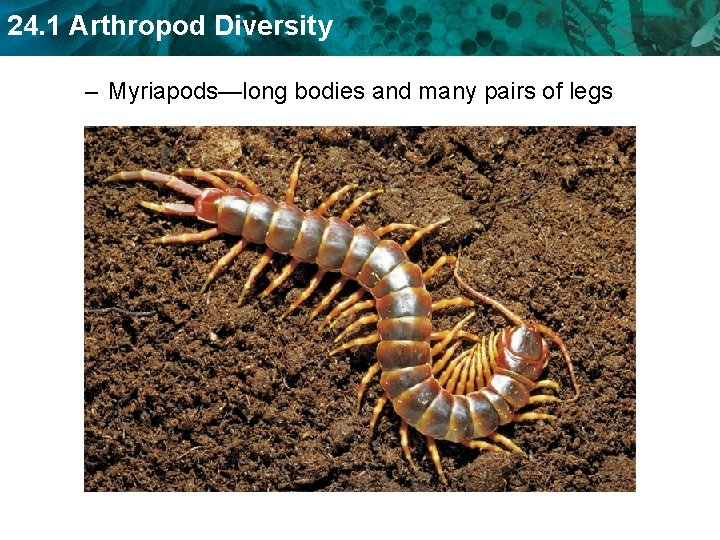
24. 1 Arthropod Diversity – Myriapods—long bodies and many pairs of legs
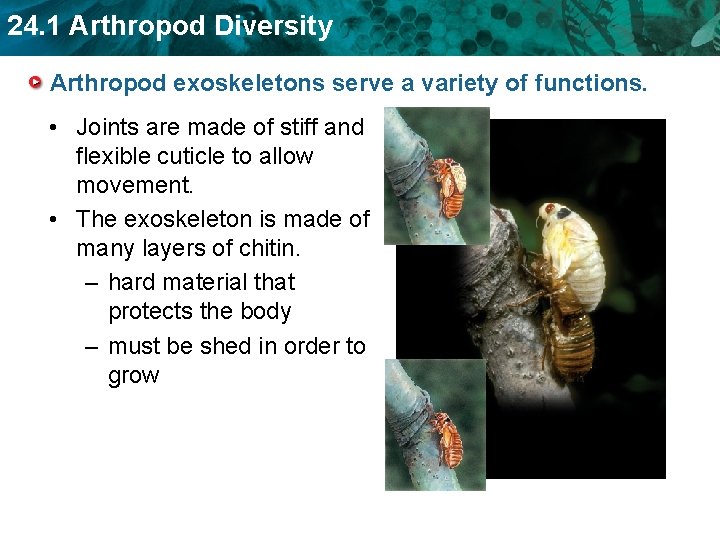
24. 1 Arthropod Diversity Arthropod exoskeletons serve a variety of functions. • Joints are made of stiff and flexible cuticle to allow movement. • The exoskeleton is made of many layers of chitin. – hard material that protects the body – must be shed in order to grow
24. 1 Arthropod Diversity Adaptations to help reduce water loss • • 1. waterproof cuticle 2. book lungs 3. Malpighian tubules 4. Spiracles and trachae
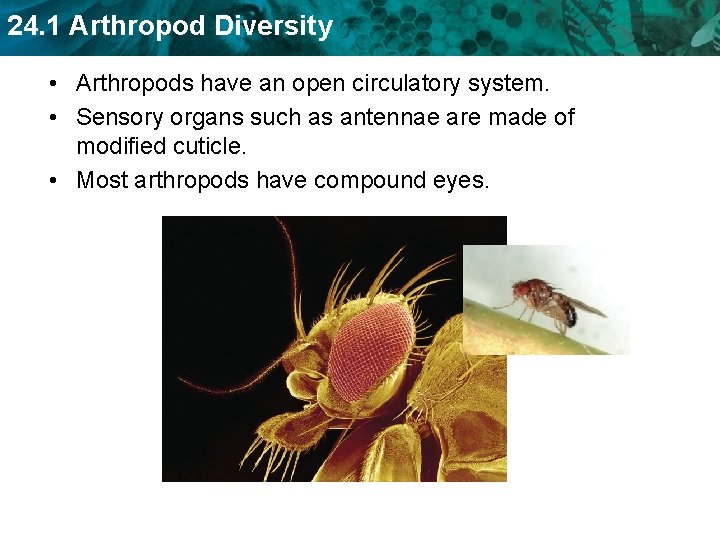
24. 1 Arthropod Diversity • Arthropods have an open circulatory system. • Sensory organs such as antennae are made of modified cuticle. • Most arthropods have compound eyes.
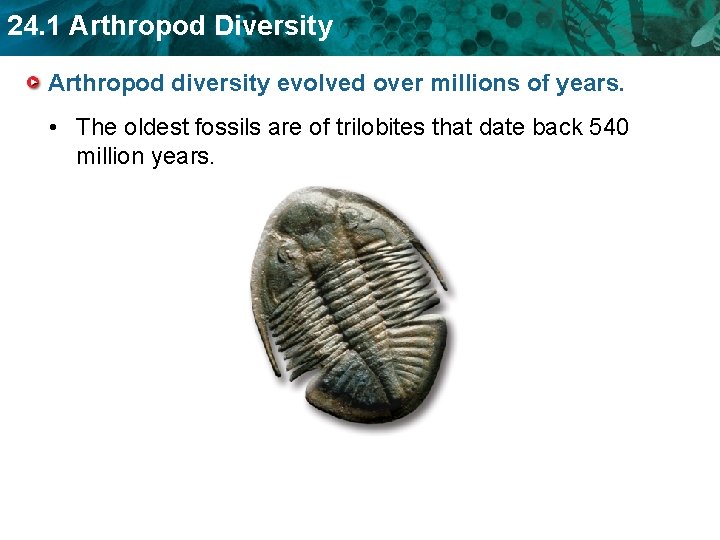
24. 1 Arthropod Diversity Arthropod diversity evolved over millions of years. • The oldest fossils are of trilobites that date back 540 million years.
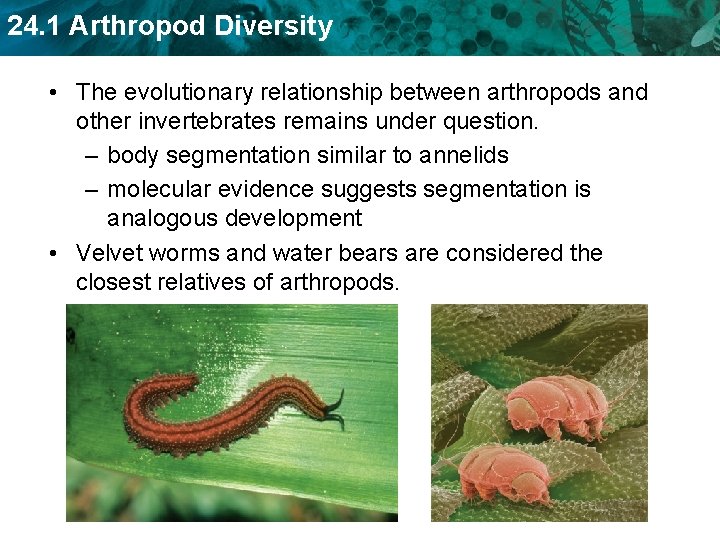
24. 1 Arthropod Diversity • The evolutionary relationship between arthropods and other invertebrates remains under question. – body segmentation similar to annelids – molecular evidence suggests segmentation is analogous development • Velvet worms and water bears are considered the closest relatives of arthropods.