
2018 American Heart Association Late Breaking Clinical Science
2018 American Heart Association Late Breaking Clinical Science The Door to Unload (DTU) STEMI Safety & Feasibility Pilot Trial CONFIDENTIAL DRAFT Navin K. Kapur, MD FAHA, FACC, FSCAI On Behalf of the DTU-STEMI Investigators
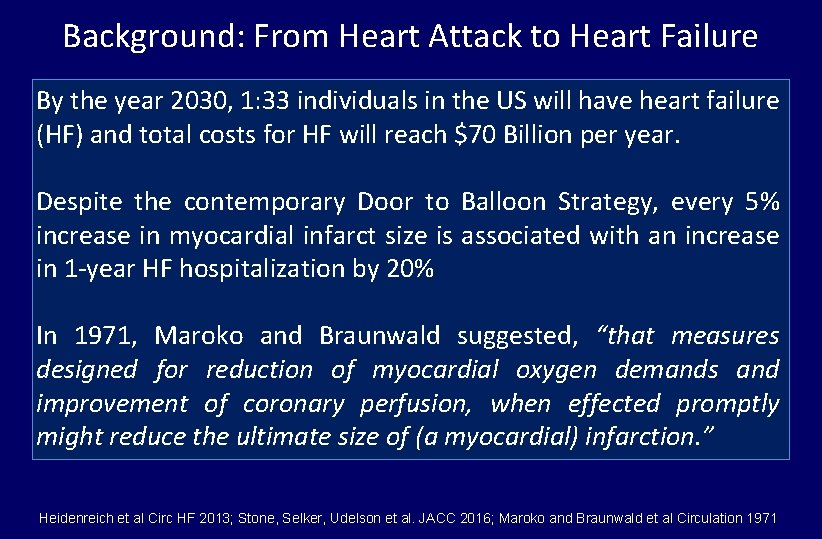
Background: From Heart Attack to Heart Failure By the year 2030, 1: 33 individuals in the US will have heart failure (HF) and total costs for HF will reach $70 Billion per year. Despite the contemporary Door to Balloon Strategy, every 5% increase in myocardial infarct size is associated with an increase in 1 -year HF hospitalization by 20% In 1971, Maroko and Braunwald suggested, “that measures designed for reduction of myocardial oxygen demands and improvement of coronary perfusion, when effected promptly might reduce the ultimate size of (a myocardial) infarction. ” Heidenreich et al Circ HF 2013; Stone, Selker, Udelson et al. JACC 2016; Maroko and Braunwald et al Circulation 1971
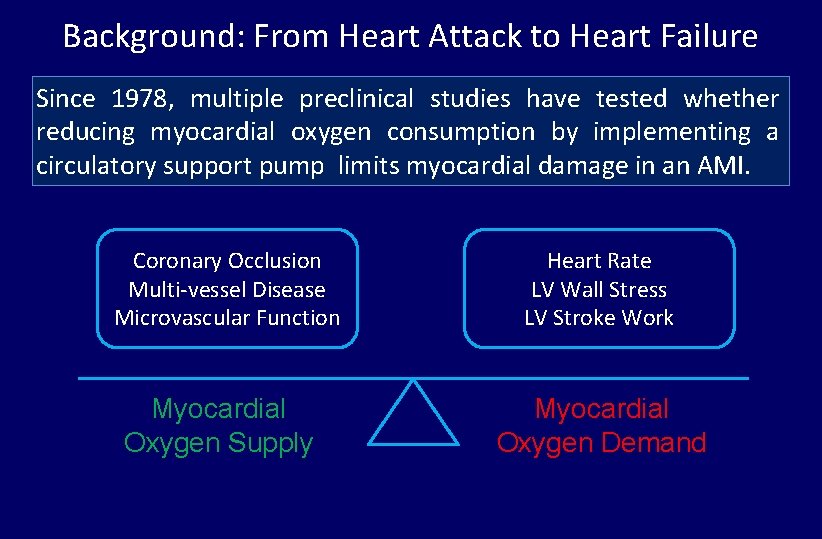
Background: From Heart Attack to Heart Failure Since 1978, multiple preclinical studies have tested whether reducing myocardial oxygen consumption by implementing a circulatory support pump limits myocardial damage in an AMI. Coronary Occlusion Multi-vessel Disease Microvascular Function Myocardial Oxygen Supply Heart Rate LV Wall Stress LV Stroke Work Myocardial Oxygen Demand
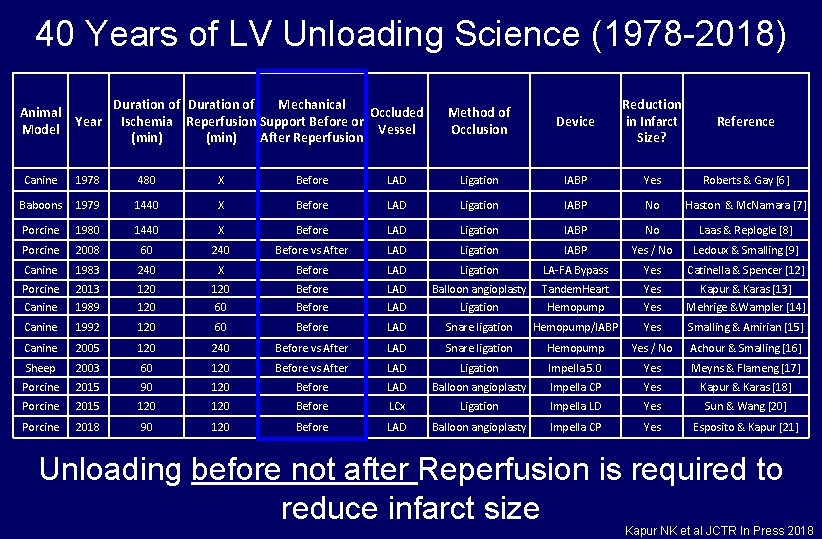
40 Years of LV Unloading Science (1978 -2018) Animal Model Duration of Mechanical Occluded Year Ischemia Reperfusion Support Before or Vessel (min) After Reperfusion Method of Occlusion Device Reduction in Infarct Size? Reference Canine 1978 480 X Before LAD Ligation IABP Yes Roberts & Gay [6] Baboons 1979 1440 X Before LAD Ligation IABP No Haston & Mc. Namara [7] Porcine 1980 1440 X Before LAD Ligation IABP No Laas & Replogle [8] Porcine 2008 60 240 Before vs After LAD Ligation IABP Yes / No Ledoux & Smalling [9] Canine 1983 240 X Before LAD Ligation LA-FA Bypass Yes Catinella & Spencer [12] Porcine Canine 2013 1989 120 120 60 Before LAD Balloon angioplasty Ligation Tandem. Heart Hemopump Yes Kapur & Karas [13] Mehrige &Wampler [14] Canine 1992 120 60 Before LAD Snare ligation Hemopump/IABP Yes Smalling & Amirian [15] Canine 2005 120 240 Before vs After LAD Snare ligation Hemopump Yes / No Achour & Smalling [16] Sheep 2003 60 120 Before vs After LAD Ligation Impella 5. 0 Yes Meyns & Flameng [17] Porcine 2015 90 120 Before LAD Balloon angioplasty Impella CP Yes Kapur & Karas [18] Porcine 2015 120 Before LCx Ligation Impella LD Yes Sun & Wang [20] Porcine 2018 90 120 Before LAD Balloon angioplasty Impella CP Yes Esposito & Kapur [21] Unloading before not after Reperfusion is required to reduce infarct size Kapur NK et al JCTR In Press 2018
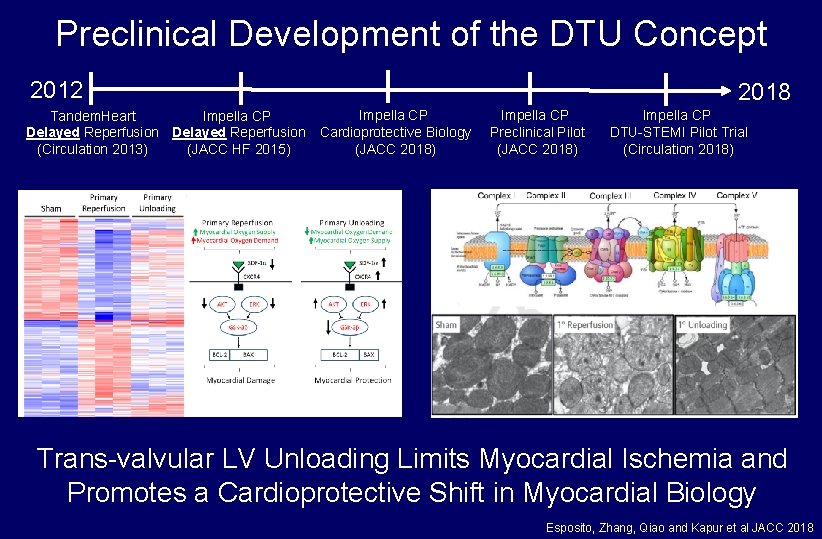
Preclinical Development of the DTU Concept 2012 Tandem. Heart Impella CP Delayed Reperfusion (Circulation 2013) (JACC HF 2015) 2018 Impella CP Cardioprotective Biology (JACC 2018) Impella CP Preclinical Pilot (JACC 2018) Impella CP DTU-STEMI Pilot Trial (Circulation 2018) Trans-valvular LV Unloading Limits Myocardial Ischemia and Promotes a Cardioprotective Shift in Myocardial Biology Esposito, Zhang, Qiao and Kapur et al JACC 2018
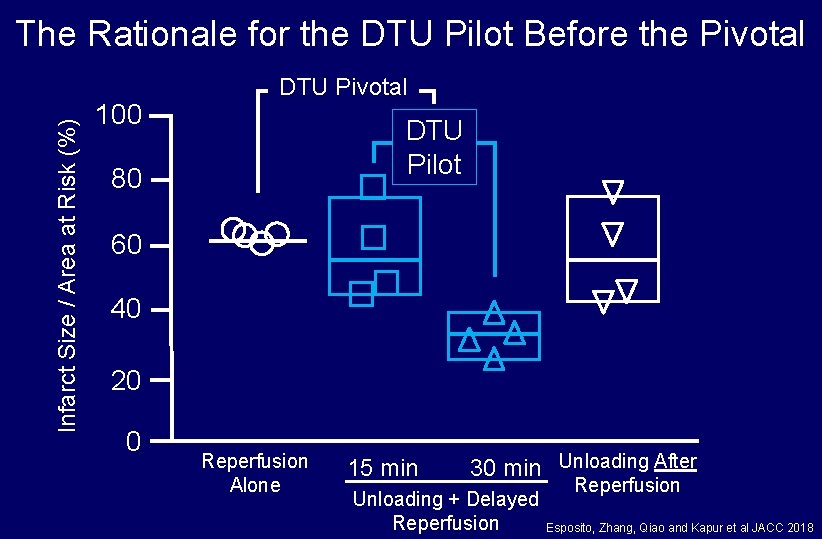
Infarct Size / Area at Risk (%) The Rationale for the DTU Pilot Before the Pivotal 100 DTU Pivotal DTU ? Pilot 80 60 40 20 0 Reperfusion Alone 15 min 30 min Unloading After Unloading + Delayed Reperfusion Esposito, Zhang, Qiao and Kapur et al JACC 2018
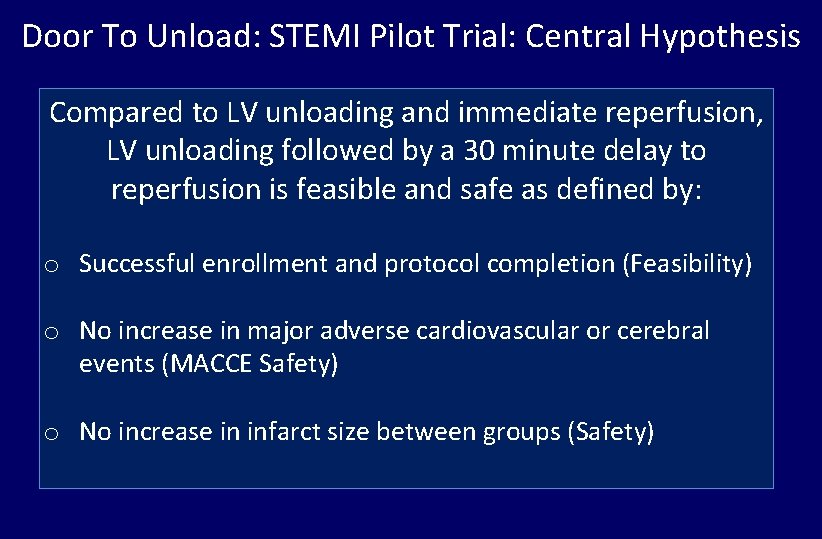
Door To Unload: STEMI Pilot Trial: Central Hypothesis Compared to LV unloading and immediate reperfusion, LV unloading followed by a 30 minute delay to reperfusion is feasible and safe as defined by: o Successful enrollment and protocol completion (Feasibility) o No increase in major adverse cardiovascular or cerebral events (MACCE Safety) o No increase in infarct size between groups (Safety)
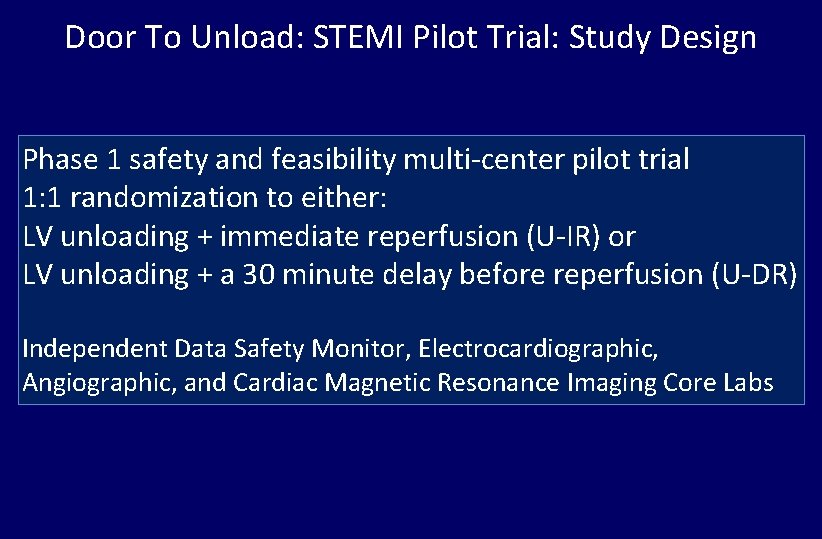
Door To Unload: STEMI Pilot Trial: Study Design Phase 1 safety and feasibility multi-center pilot trial 1: 1 randomization to either: LV unloading + immediate reperfusion (U-IR) or LV unloading + a 30 minute delay before reperfusion (U-DR) Independent Data Safety Monitor, Electrocardiographic, Angiographic, and Cardiac Magnetic Resonance Imaging Core Labs
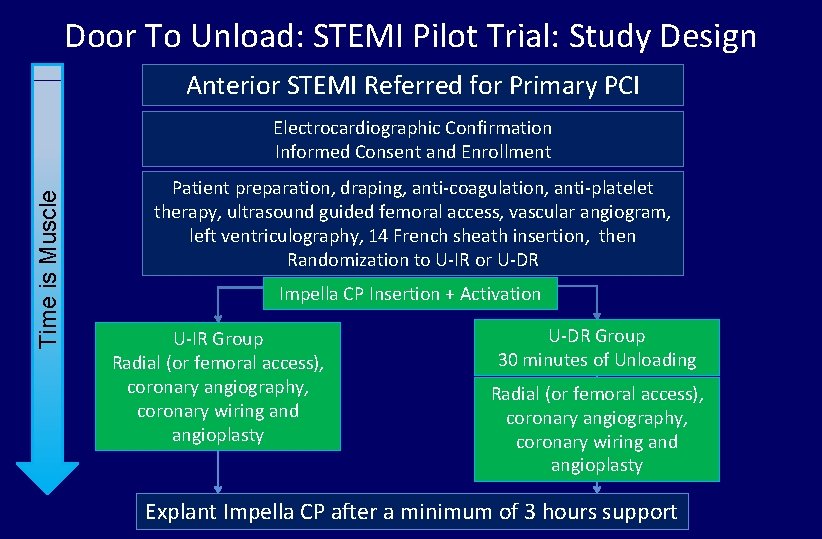
Door To Unload: STEMI Pilot Trial: Study Design Anterior STEMI Referred for Primary PCI Time is Muscle Electrocardiographic Confirmation Informed Consent and Enrollment Patient preparation, draping, anti-coagulation, anti-platelet therapy, ultrasound guided femoral access, vascular angiogram, left ventriculography, 14 French sheath insertion, then Randomization to U-IR or U-DR Impella CP Insertion + Activation U-IR Group Radial (or femoral access), coronary angiography, coronary wiring and angioplasty U-DR Group 30 minutes of Unloading Radial (or femoral access), coronary angiography, coronary wiring and angioplasty Explant Impella CP after a minimum of 3 hours support
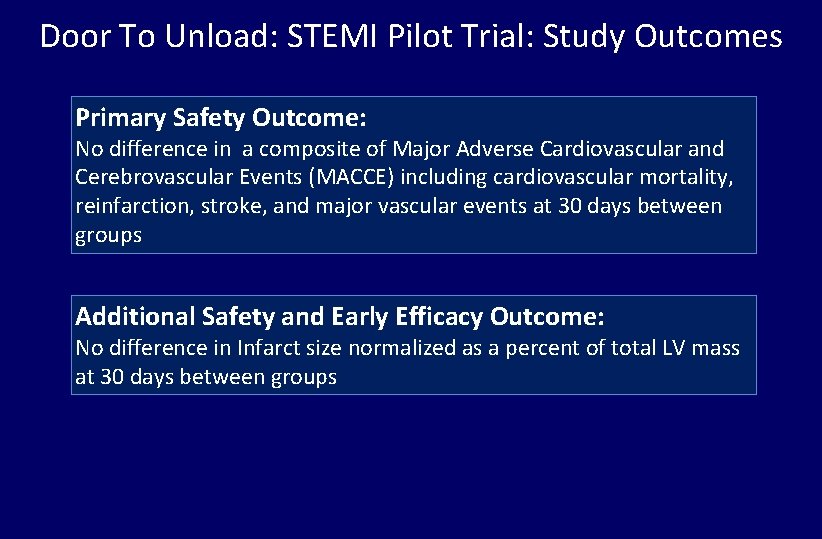
Door To Unload: STEMI Pilot Trial: Study Outcomes Primary Safety Outcome: No difference in a composite of Major Adverse Cardiovascular and Cerebrovascular Events (MACCE) including cardiovascular mortality, reinfarction, stroke, and major vascular events at 30 days between groups Additional Safety and Early Efficacy Outcome: No difference in Infarct size normalized as a percent of total LV mass at 30 days between groups
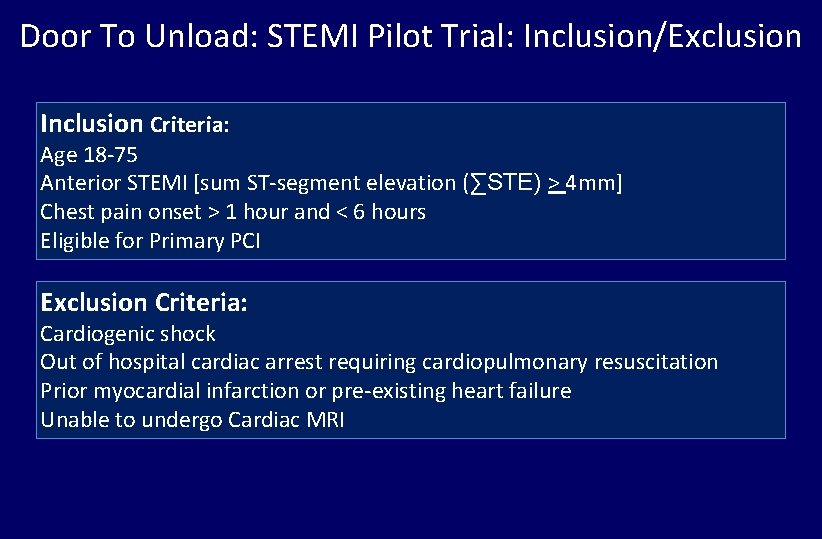
Door To Unload: STEMI Pilot Trial: Inclusion/Exclusion Inclusion Criteria: Age 18 -75 Anterior STEMI [sum ST-segment elevation (∑STE) > 4 mm] Chest pain onset > 1 hour and < 6 hours Eligible for Primary PCI Exclusion Criteria: Cardiogenic shock Out of hospital cardiac arrest requiring cardiopulmonary resuscitation Prior myocardial infarction or pre-existing heart failure Unable to undergo Cardiac MRI
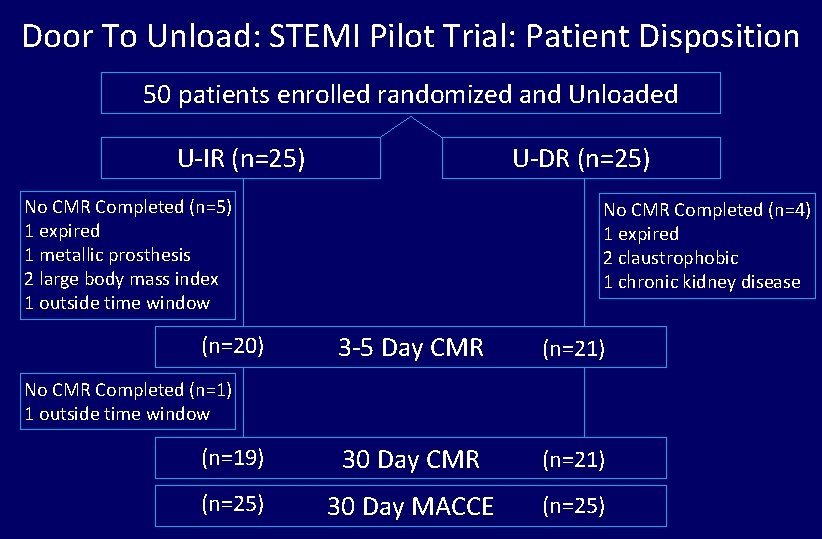
Door To Unload: STEMI Pilot Trial: Patient Disposition 50 patients enrolled randomized and Unloaded U-DR (n=25) U-IR (n=25) No CMR Completed (n=5) 1 expired 1 metallic prosthesis 2 large body mass index 1 outside time window No CMR Completed (n=4) 1 expired 2 claustrophobic 1 chronic kidney disease 3 -5 Day CMR (n=21) (n=19) 30 Day CMR (n=21) (n=25) 30 Day MACCE (n=25) (n=20) No CMR Completed (n=1) 1 outside time window
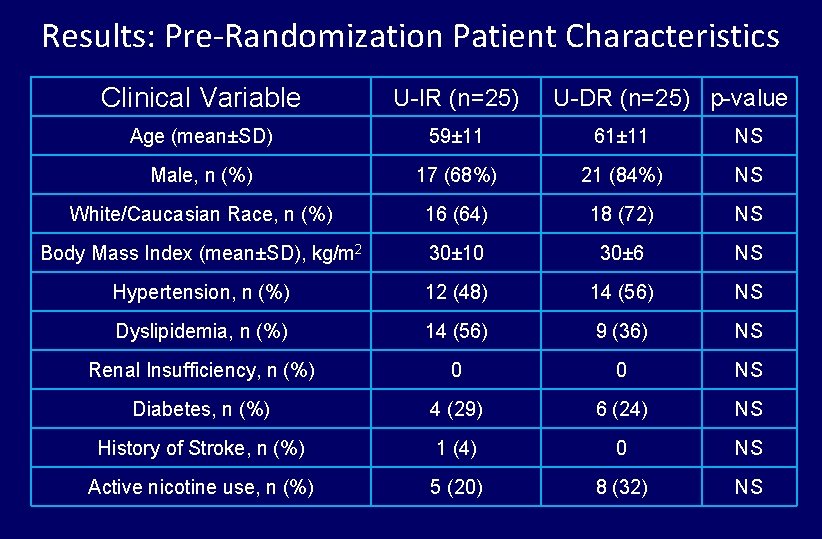
Results: Pre-Randomization Patient Characteristics Clinical Variable U-IR (n=25) Age (mean±SD) 59± 11 61± 11 NS Male, n (%) 17 (68%) 21 (84%) NS White/Caucasian Race, n (%) 16 (64) 18 (72) NS Body Mass Index (mean±SD), kg/m 2 30± 10 30± 6 NS Hypertension, n (%) 12 (48) 14 (56) NS Dyslipidemia, n (%) 14 (56) 9 (36) NS Renal Insufficiency, n (%) 0 0 NS Diabetes, n (%) 4 (29) 6 (24) NS History of Stroke, n (%) 1 (4) 0 NS Active nicotine use, n (%) 5 (20) 8 (32) NS U-DR (n=25) p-value
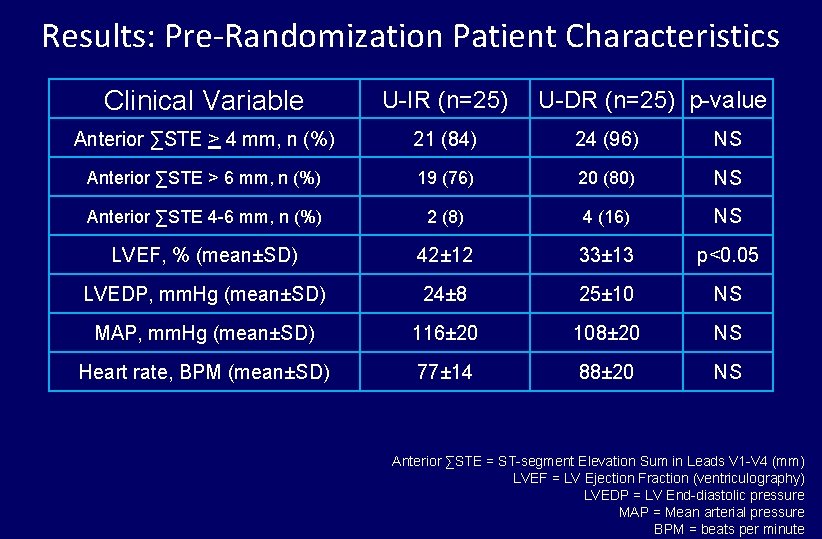
Results: Pre-Randomization Patient Characteristics Clinical Variable U-IR (n=25) Anterior ∑STE > 4 mm, n (%) 21 (84) 24 (96) NS Anterior ∑STE > 6 mm, n (%) 19 (76) 20 (80) NS Anterior ∑STE 4 -6 mm, n (%) 2 (8) 4 (16) NS LVEF, % (mean±SD) 42± 12 33± 13 p<0. 05 LVEDP, mm. Hg (mean±SD) 24± 8 25± 10 NS MAP, mm. Hg (mean±SD) 116± 20 108± 20 NS Heart rate, BPM (mean±SD) 77± 14 88± 20 NS U-DR (n=25) p-value Anterior ∑STE = ST-segment Elevation Sum in Leads V 1 -V 4 (mm) LVEF = LV Ejection Fraction (ventriculography) LVEDP = LV End-diastolic pressure MAP = Mean arterial pressure BPM = beats per minute
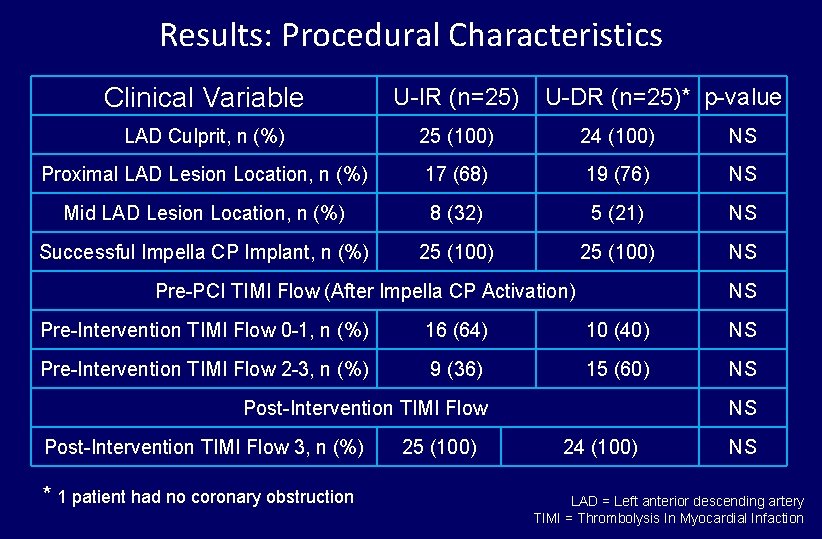
Results: Procedural Characteristics Clinical Variable U-IR (n=25) LAD Culprit, n (%) 25 (100) 24 (100) NS Proximal LAD Lesion Location, n (%) 17 (68) 19 (76) NS Mid LAD Lesion Location, n (%) 8 (32) 5 (21) NS Successful Impella CP Implant, n (%) 25 (100) NS U-DR (n=25)* p-value Pre-PCI TIMI Flow (After Impella CP Activation) NS Pre-Intervention TIMI Flow 0 -1, n (%) 16 (64) 10 (40) NS Pre-Intervention TIMI Flow 2 -3, n (%) 9 (36) 15 (60) NS Post-Intervention TIMI Flow 3, n (%) * 1 patient had no coronary obstruction 25 (100) NS 24 (100) NS LAD = Left anterior descending artery TIMI = Thrombolysis In Myocardial Infaction
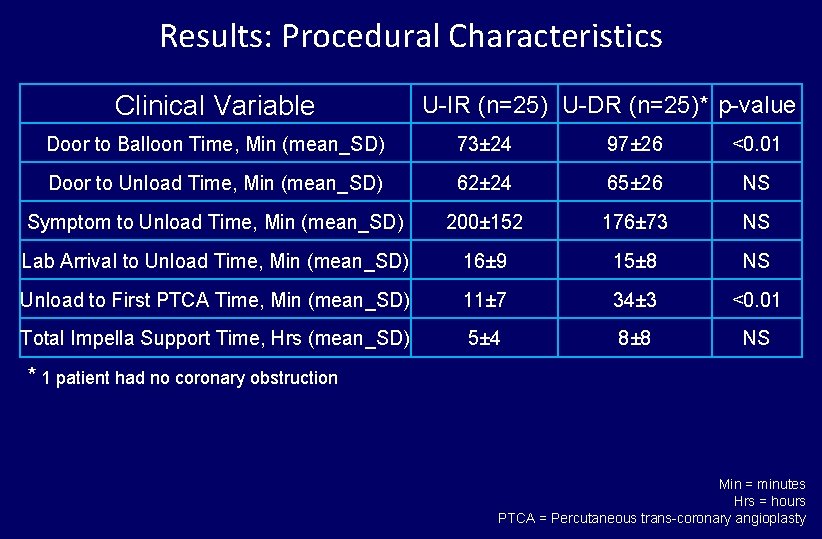
Results: Procedural Characteristics Clinical Variable U-IR (n=25) U-DR (n=25)* p-value Door to Balloon Time, Min (mean_SD) 73± 24 97± 26 <0. 01 Door to Unload Time, Min (mean_SD) 62± 24 65± 26 NS Symptom to Unload Time, Min (mean_SD) 200± 152 176± 73 NS Lab Arrival to Unload Time, Min (mean_SD) 16± 9 15± 8 NS Unload to First PTCA Time, Min (mean_SD) 11± 7 34± 3 <0. 01 Total Impella Support Time, Hrs (mean_SD) 5± 4 8± 8 NS * 1 patient had no coronary obstruction Min = minutes Hrs = hours PTCA = Percutaneous trans-coronary angioplasty
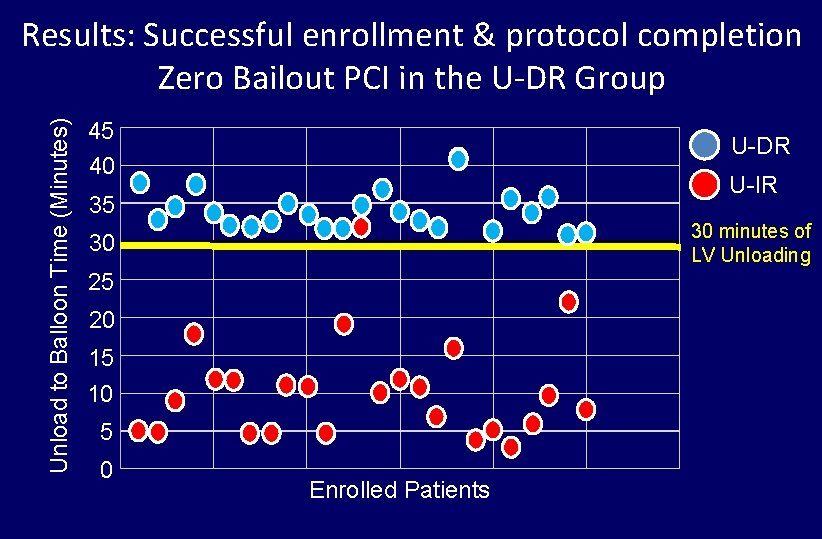
Unload to Balloon Time (Minutes) Results: Successful enrollment & protocol completion Zero Bailout PCI in the U-DR Group 45 40 U-DR U-IR 35 30 minutes of LV Unloading 30 25 20 15 10 5 0 Enrolled Patients
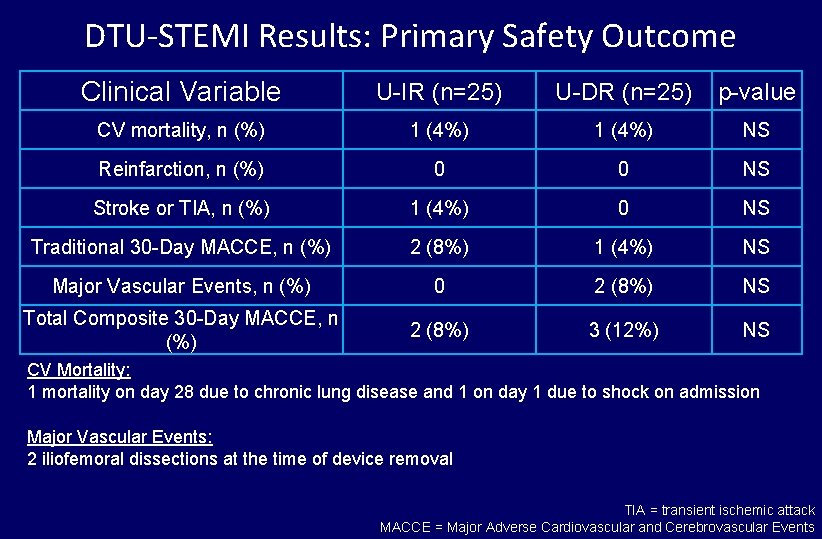
DTU-STEMI Results: Primary Safety Outcome Clinical Variable U-IR (n=25) U-DR (n=25) p-value CV mortality, n (%) 1 (4%) NS Reinfarction, n (%) 0 0 NS Stroke or TIA, n (%) 1 (4%) 0 NS Traditional 30 -Day MACCE, n (%) 2 (8%) 1 (4%) NS Major Vascular Events, n (%) 0 2 (8%) NS Total Composite 30 -Day MACCE, n (%) 2 (8%) 3 (12%) NS CV Mortality: 1 mortality on day 28 due to chronic lung disease and 1 on day 1 due to shock on admission Major Vascular Events: 2 iliofemoral dissections at the time of device removal TIA = transient ischemic attack MACCE = Major Adverse Cardiovascular and Cerebrovascular Events
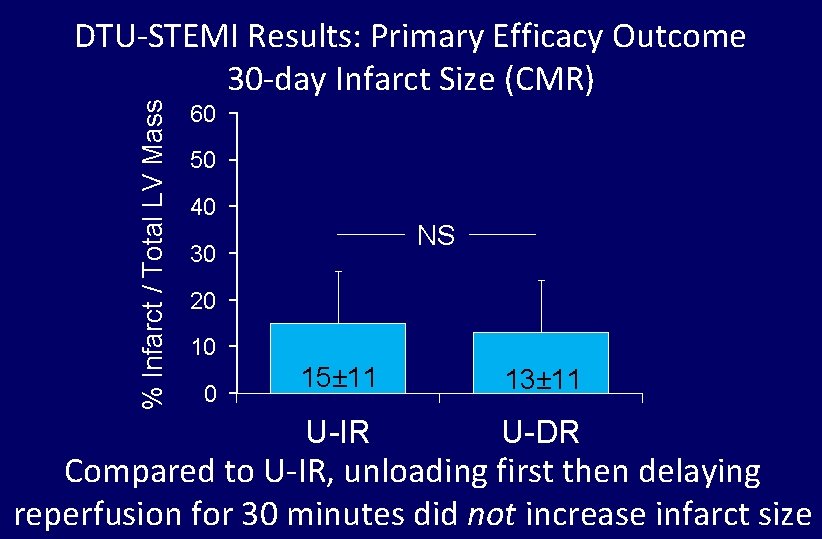
% Infarct / Total LV Mass DTU-STEMI Results: Primary Efficacy Outcome 30 -day Infarct Size (CMR) 60 50 40 NS 30 20 10 0 15± 11 13± 11 U-IR U-DR Compared to U-IR, unloading first then delaying reperfusion for 30 minutes did not increase infarct size
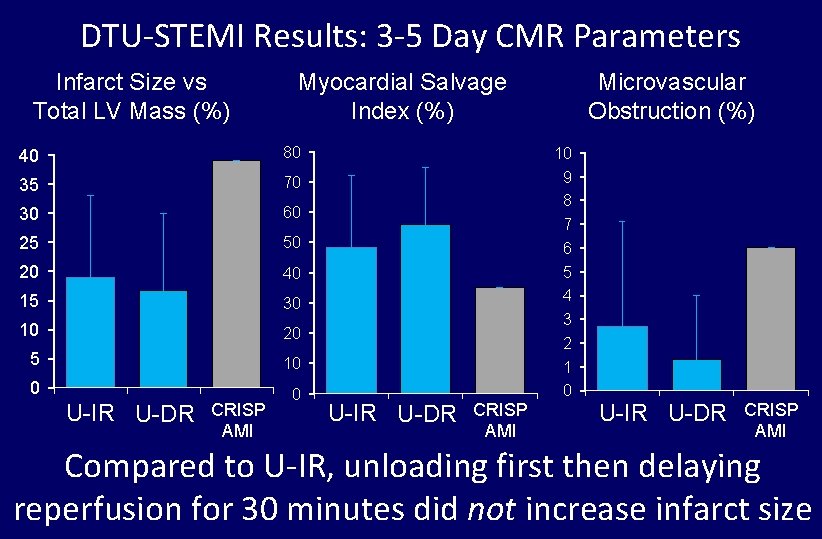
DTU-STEMI Results: 3 -5 Day CMR Parameters 0 0 I IS P- AM R -D U U -IR CRISP AMI U-IR U-DR CRISP AMI I 10 AM 5 P- 20 IS 10 R 30 -D 15 U 40 -IR 20 10 9 8 7 6 5 4 3 2 1 0 U 50 I 25 AM 60 P- 30 R 70 -D 35 U 80 -IR 40 U-IR U-DR Microvascular Obstruction (%) Myocardial Salvage Index (%) U Infarct Size vs Total LV Mass (%) R C IS R C C R Compared to U-IR, unloading first then delaying reperfusion for 30 minutes did not increase infarct size
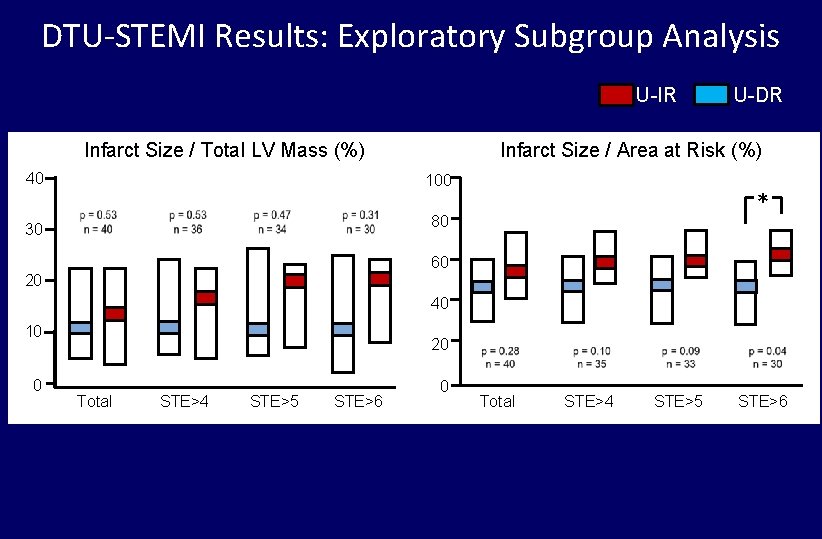
DTU-STEMI Results: Exploratory Subgroup Analysis U-IR Infarct Size / Total LV Mass (%) Infarct Size / Area at Risk (%) 40 100 30 80 * 60 15 20 0 16 19 40 10 U-DR 20 Total STE>4 STE>5 STE>6
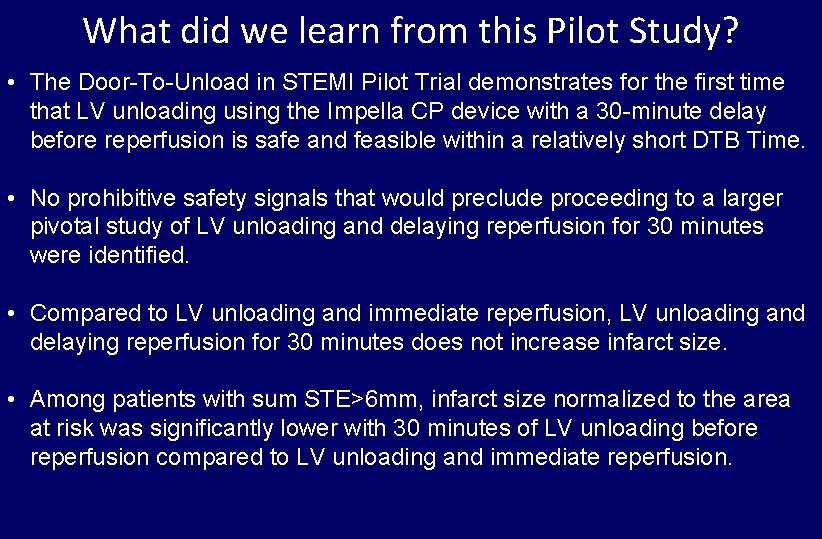
What did we learn from this Pilot Study? • The Door-To-Unload in STEMI Pilot Trial demonstrates for the first time that LV unloading using the Impella CP device with a 30 -minute delay before reperfusion is safe and feasible within a relatively short DTB Time. • No prohibitive safety signals that would preclude proceeding to a larger pivotal study of LV unloading and delaying reperfusion for 30 minutes were identified. • Compared to LV unloading and immediate reperfusion, LV unloading and delaying reperfusion for 30 minutes does not increase infarct size. • Among patients with sum STE>6 mm, infarct size normalized to the area at risk was significantly lower with 30 minutes of LV unloading before reperfusion compared to LV unloading and immediate reperfusion.
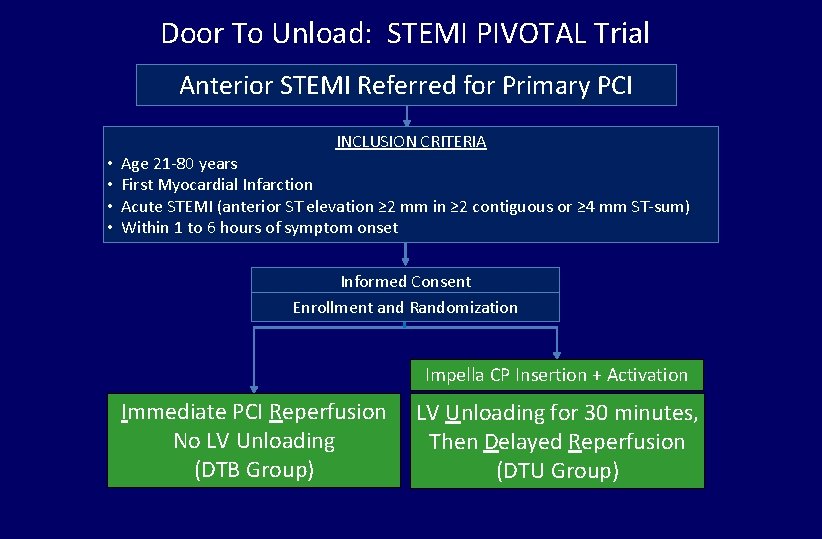
Door To Unload: STEMI PIVOTAL Trial Anterior STEMI Referred for Primary PCI INCLUSION CRITERIA • • Age 21 -80 years First Myocardial Infarction Acute STEMI (anterior ST elevation ≥ 2 mm in ≥ 2 contiguous or ≥ 4 mm ST-sum) Within 1 to 6 hours of symptom onset Informed Consent Enrollment and Randomization Impella CP Insertion + Activation Immediate PCI Reperfusion No LV Unloading (DTB Group) LV Unloading for 30 minutes, Then Delayed Reperfusion (DTU Group)
Acknowledgements: DTU STEMI Trial Investigators National Principal Investigators: Navin Kapur, MD and William O’Neill, MD Mohamad Alkhouli West Virginia University Gerald Koeing Henry Ford Medical Center Tony De. Martini Advocate Heart Institute Evan Lau Baystate Medical Center Haroon Faraz Hackensack University Med Ctr Kapil Lotun University of Arizona Zachary George Greenville Memorial Hospital Ryan Madder Spectrum Health Mark Goodwin Advocate Heart Institute Salvatore Mannino Well. Star Kennestone Hospital Jaime Hernandez-Montfort Baystate Medical Center Perwaiz Meraj Northwell Health Vijay Iyer University of Buffalo Jason Moreland West Virginia University Noam Josephy Abiomed Inc. Jeffrey Moses Columbia University Sanjog Kalra Einstein Medical Center Raymond Kim Duke University Medical Center Amir Kaki Detroit Medical Center Theodore Schreiber Detroit Medical Center Richard Karas Tufts Medical Center James Udelson Tufts Medical Center Carey Kimmelstiel Tufts Medical Center Christian Witzke Einstein Medical Center David Wohns Spectrum Health
2018 American Heart Association Late Breaking Clinical Science The Door to Unload (DTU) STEMI Safety & Feasibility Pilot Trial Thank you nkapur@tuftsmedicalcenter. org
- Slides: 25