
2016 by Pearson Education Inc Chapter 5 Analyze

© 2016 by Pearson Education, Inc.
Chapter 5 Analyze Arguments and Diagram Decisions THINK CRITICALLY, FACIONE & GITTENS © 2016 by Pearson Education, Inc.
Learning Outcomes • Identify the reason or reasons, explicit or implicit, a person is using to argue that a given claim is true or very probably true • Display the analyses of arguments using argument maps, showing where appropriate the final conclusion, various lines of reasoning used, implicit but unspoken reasons THINK CRITICALLY, FACIONE & GITTENS © 2016 by Pearson Education, Inc.
Learning Outcomes • Given more complex conversations containing multiple arguments, pro and con, made in a given context, analyze and map those arguments including the divergent conclusions being advocated and the counter-arguments presented to the reasons advanced by one side or another THINK CRITICALLY, FACIONE & GITTENS © 2016 by Pearson Education, Inc.
Learning Outcomes • Apply argument mapping techniques to display analyses of decision making by individuals or groups, include statements that indicate that a decision is needed, lines of reasoning that abandoned, options which were considered but not accepted THINK CRITICALLY, FACIONE & GITTENS © 2016 by Pearson Education, Inc.
Chapter Opening Video THINK CRITICALLY, FACIONE & GITTENS © 2016 by Pearson Education, Inc.
Introduction • Make an argument: Process of giving one or more reasons in support of a claim • Claim: Statement that the maker of the argument is seeking to show to be true or probably true • An argument’s claim can be referred to as the argument’s conclusion THINK CRITICALLY, FACIONE & GITTENS © 2016 by Pearson Education, Inc.
Introduction • Reason(s): Statements used to show that the conclusion is true or that it is probably true • Considerations or rationale are other terms used to refer to reasons • Argument: Combination of a person’s claim and the reason(s) a person presents in support of that claim THINK CRITICALLY, FACIONE & GITTENS © 2016 by Pearson Education, Inc.
Analyzing Reasons and Claims • Accuracy depends on context and purpose • Over-simplification masks reality • Reason and premise THINK CRITICALLY, FACIONE & GITTENS © 2016 by Pearson Education, Inc.
Accuracy Depends on Context and Purpose • Accurate analyses: – Deepens one’s understanding of what other people are saying – Helps in evaluating or making cogent counterarguments • Accuracy of an analysis depends on knowing the difference between reason and claim • Rule of thumb THINK CRITICALLY, FACIONE & GITTENS © 2016 by Pearson Education, Inc.
Over-Simplification Masks Reality • Humans are not fully reflective and thoughtful while making decisions • Analysis is an active skill • Confusions to avoid – Argument does not mean quarrel or disagreement – The word conclusion does not suggest that the person’s conclusion must come at the end THINK CRITICALLY, FACIONE & GITTENS © 2016 by Pearson Education, Inc.
Reason and Premise • Grammatical structure, context, and purpose must be considered to make a correct analysis • In normal everyday conversations, people seldom articulate every premise THINK CRITICALLY, FACIONE & GITTENS © 2016 by Pearson Education, Inc.
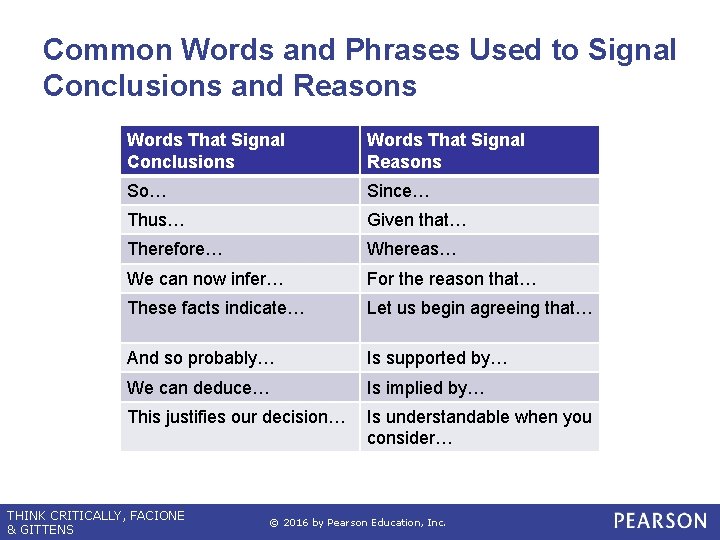
Common Words and Phrases Used to Signal Conclusions and Reasons Words That Signal Conclusions Words That Signal Reasons So… Since… Thus… Given that… Therefore… Whereas… We can now infer… For the reason that… These facts indicate… Let us begin agreeing that… And so probably… Is supported by… We can deduce… Is implied by… This justifies our decision… Is understandable when you consider… THINK CRITICALLY, FACIONE & GITTENS © 2016 by Pearson Education, Inc.
Mapping Claims and the Reasons for them • Interpreting unspoken reasons and claims in context • Interpreting the use of irony, humor, sarcasm, and more THINK CRITICALLY, FACIONE & GITTENS © 2016 by Pearson Education, Inc.
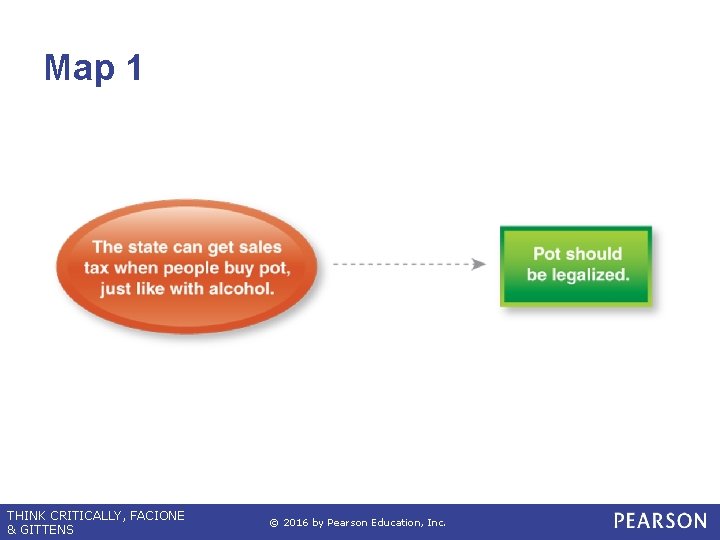
Map 1 THINK CRITICALLY, FACIONE & GITTENS © 2016 by Pearson Education, Inc.
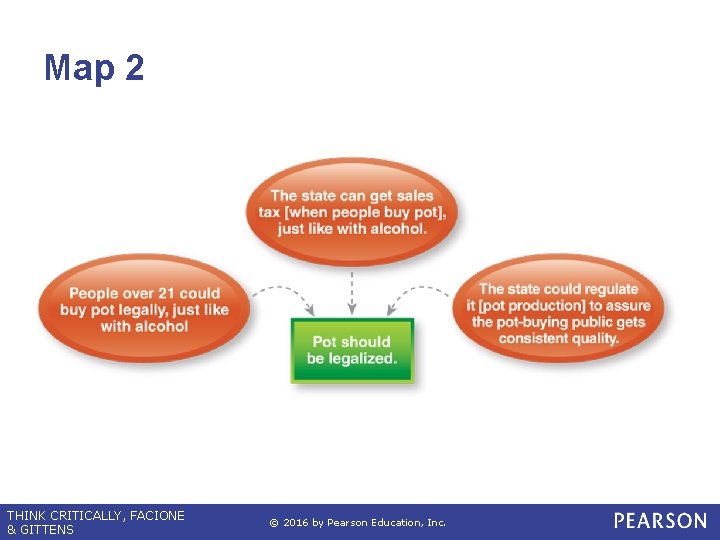
Map 2 THINK CRITICALLY, FACIONE & GITTENS © 2016 by Pearson Education, Inc.
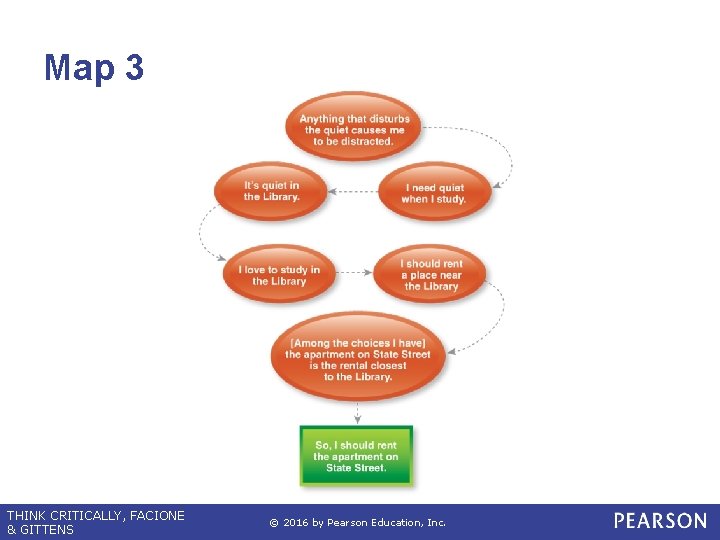
Map 3 THINK CRITICALLY, FACIONE & GITTENS © 2016 by Pearson Education, Inc.
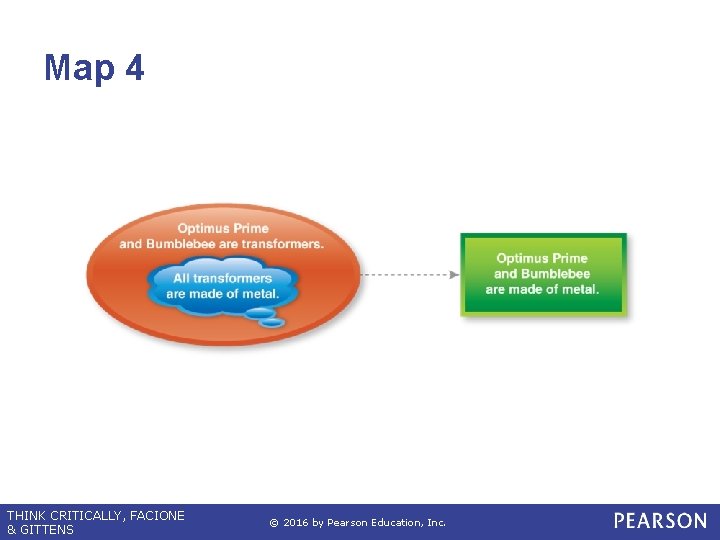
Map 4 THINK CRITICALLY, FACIONE & GITTENS © 2016 by Pearson Education, Inc.
Interpreting Unspoken Reasons and Claims in Context • Unspoken assumptions can be made due to certain factors – Context – Shared experiences – Common knowledge – Similarities of cultural backgrounds THINK CRITICALLY, FACIONE & GITTENS © 2016 by Pearson Education, Inc.
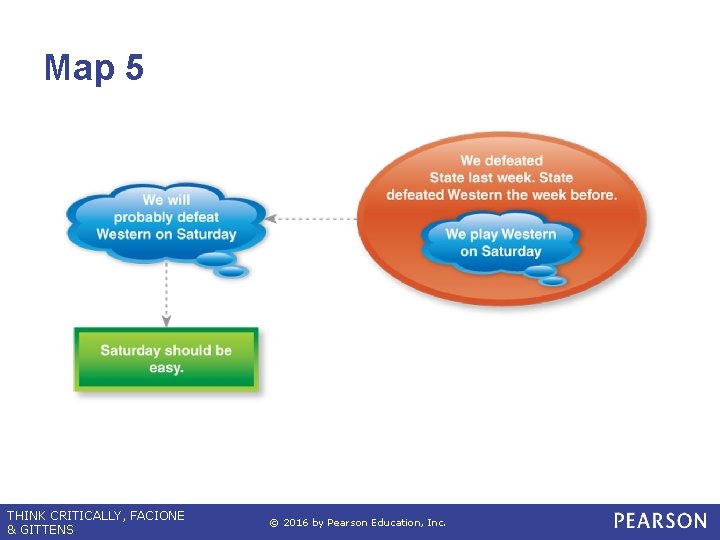
Map 5 THINK CRITICALLY, FACIONE & GITTENS © 2016 by Pearson Education, Inc.
Interpreting the Use of Irony, Humor, Sarcasm, and More • Words can be represented in brackets to: – Clarify a statement – Describe nonverbal cues THINK CRITICALLY, FACIONE & GITTENS © 2016 by Pearson Education, Inc.
Analyzing Arguments in Context • The El Train argument • The “Guns for Kids” conversation THINK CRITICALLY, FACIONE & GITTENS © 2016 by Pearson Education, Inc.
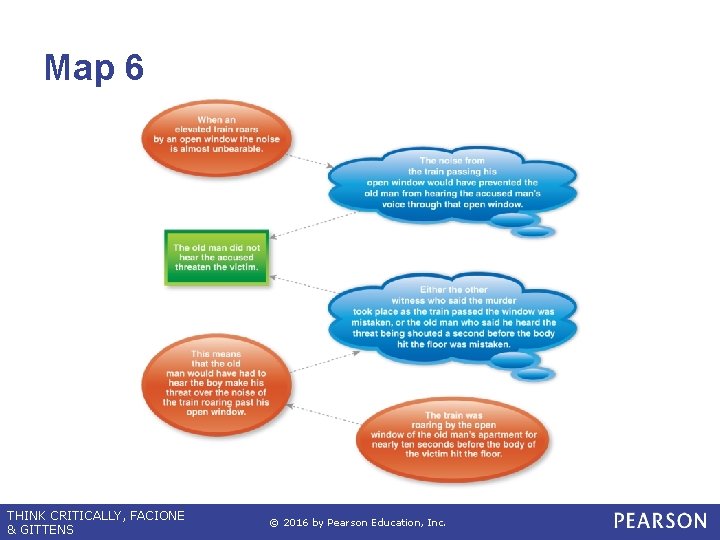
Map 6 THINK CRITICALLY, FACIONE & GITTENS © 2016 by Pearson Education, Inc.
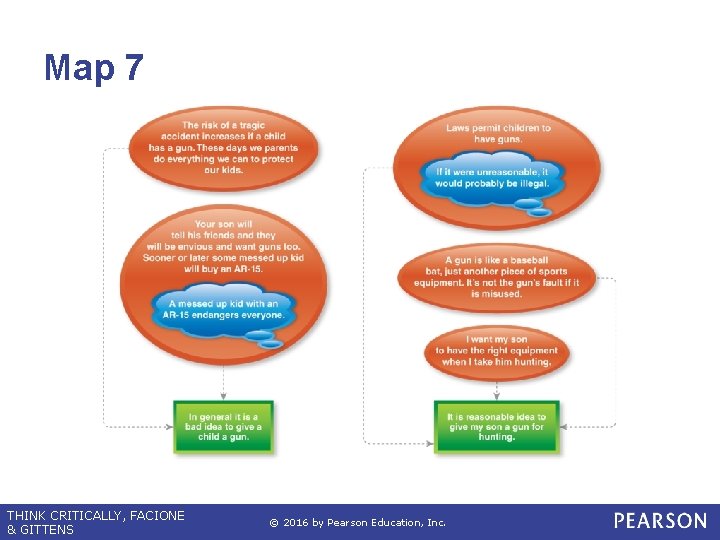
Map 7 THINK CRITICALLY, FACIONE & GITTENS © 2016 by Pearson Education, Inc.
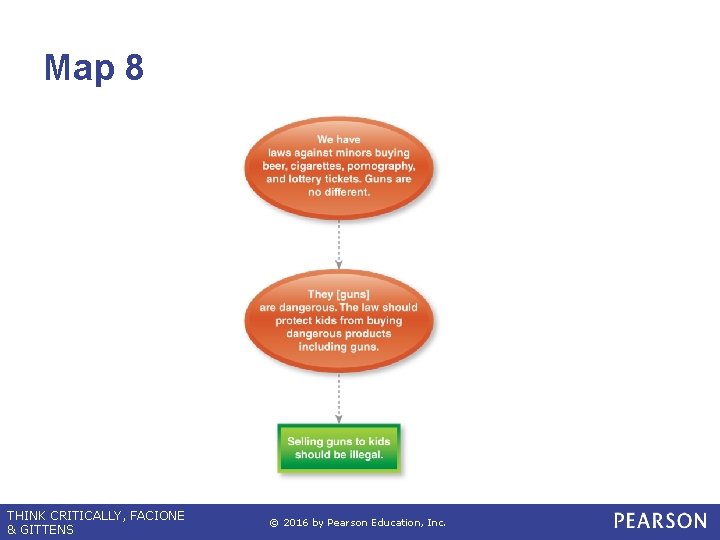
Map 8 THINK CRITICALLY, FACIONE & GITTENS © 2016 by Pearson Education, Inc.
Map 9 THINK CRITICALLY, FACIONE & GITTENS © 2016 by Pearson Education, Inc.
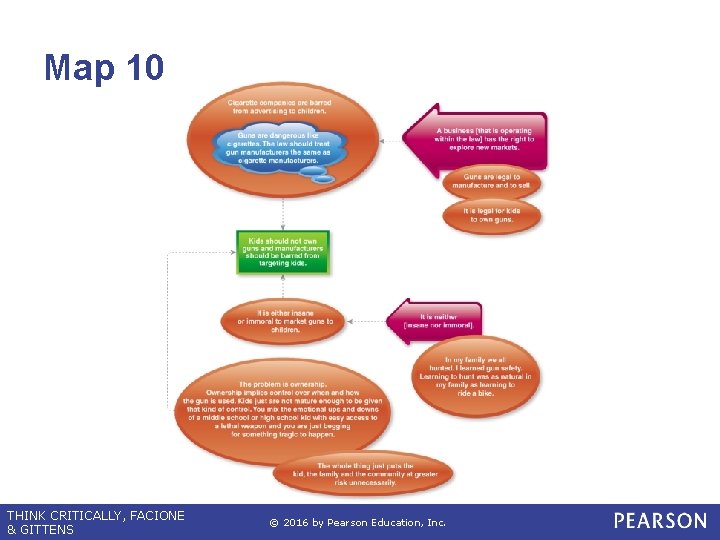
Map 10 THINK CRITICALLY, FACIONE & GITTENS © 2016 by Pearson Education, Inc.
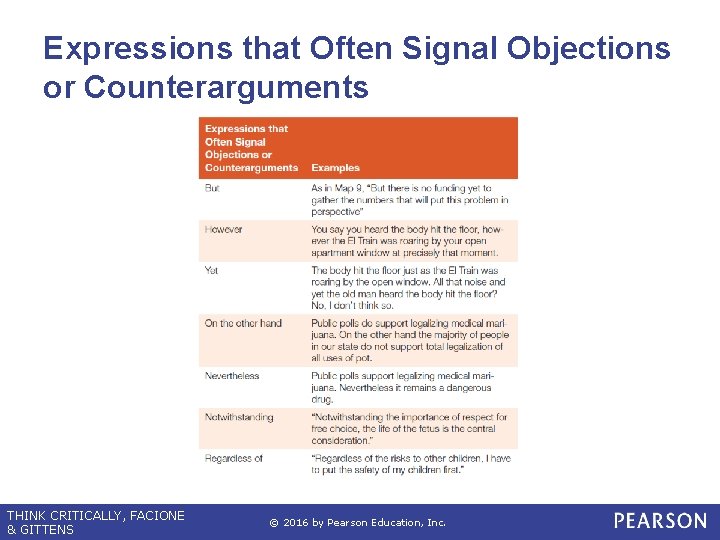
Expressions that Often Signal Objections or Counterarguments THINK CRITICALLY, FACIONE & GITTENS © 2016 by Pearson Education, Inc.
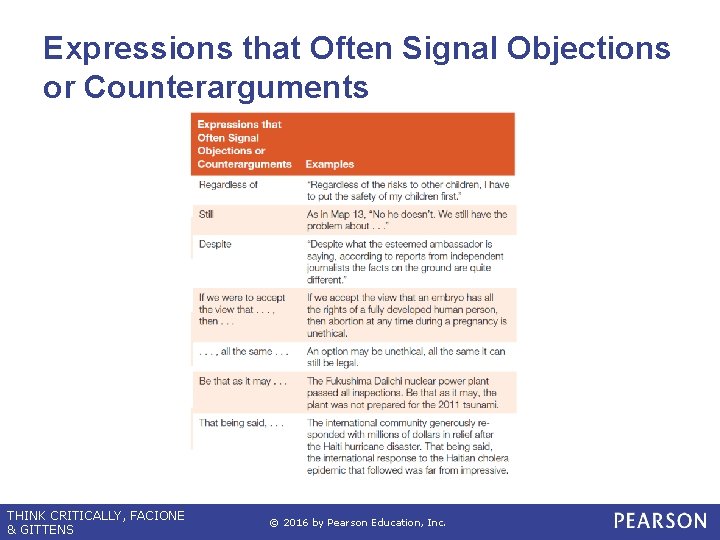
Expressions that Often Signal Objections or Counterarguments THINK CRITICALLY, FACIONE & GITTENS © 2016 by Pearson Education, Inc.
Discussion Questions • What clarifications or distinctions would you add to the Guns for Kids example? – Deliberate on the emotions the example evoked – Are there any other important considerations they should have thought about? – How did you avoid demonizing, underestimating, or disrespecting one or the other side of this issue? THINK CRITICALLY, FACIONE & GITTENS © 2016 by Pearson Education, Inc.
Analyzing and Mapping Decisions • “We should cancel the spring trip” #1 • “We should cancel the spring trip” #2 THINK CRITICALLY, FACIONE & GITTENS © 2016 by Pearson Education, Inc.
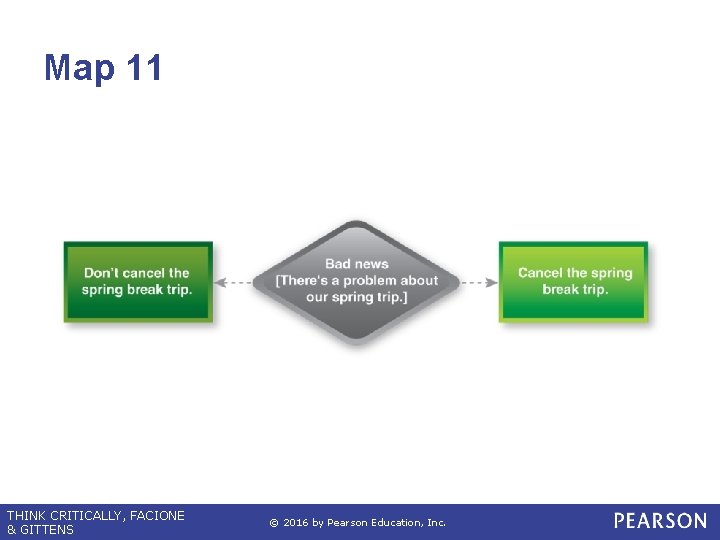
Map 11 THINK CRITICALLY, FACIONE & GITTENS © 2016 by Pearson Education, Inc.
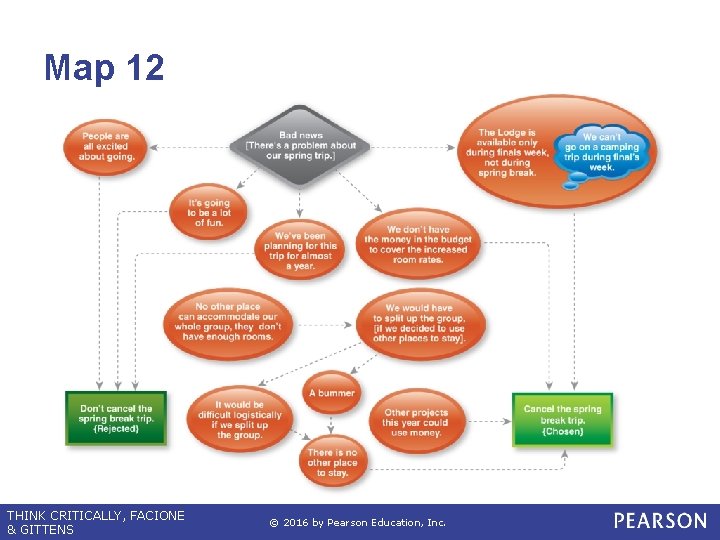
Map 12 THINK CRITICALLY, FACIONE & GITTENS © 2016 by Pearson Education, Inc.
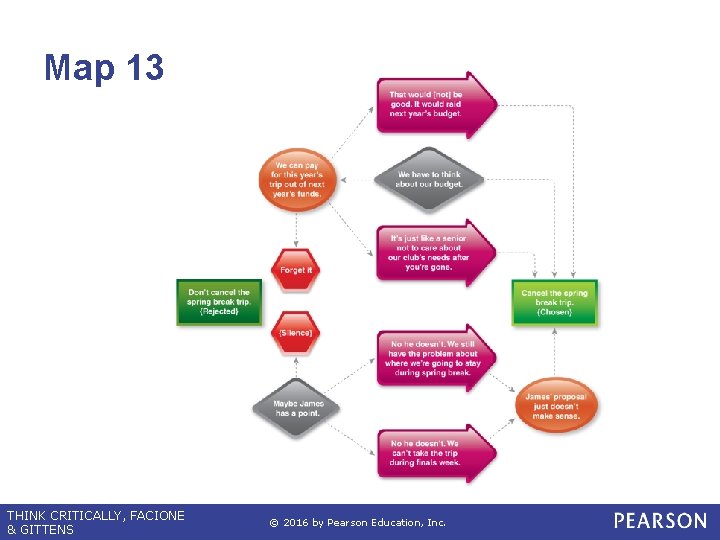
Map 13 THINK CRITICALLY, FACIONE & GITTENS © 2016 by Pearson Education, Inc.
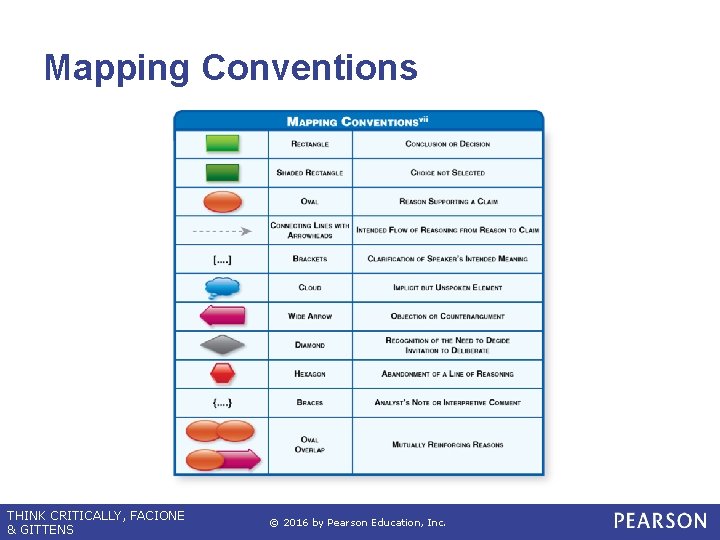
Mapping Conventions THINK CRITICALLY, FACIONE & GITTENS © 2016 by Pearson Education, Inc.
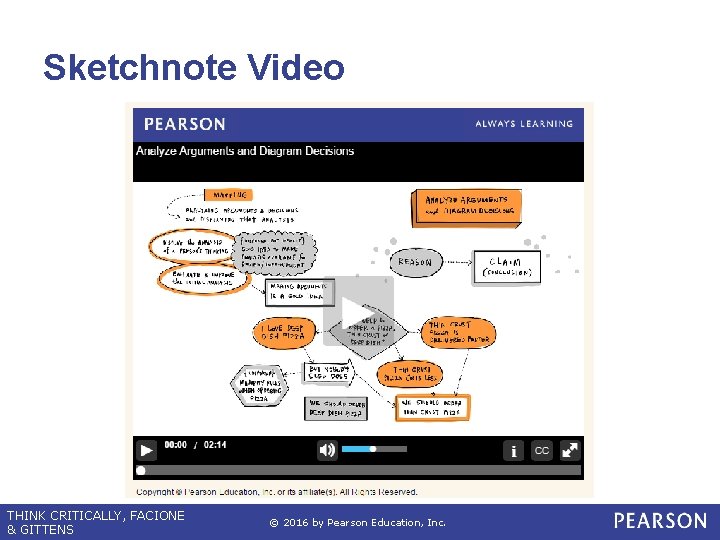
Sketchnote Video THINK CRITICALLY, FACIONE & GITTENS © 2016 by Pearson Education, Inc.
- Slides: 36