
20 1 Structural Genomics Determines the DNA Sequences
- Slides: 34
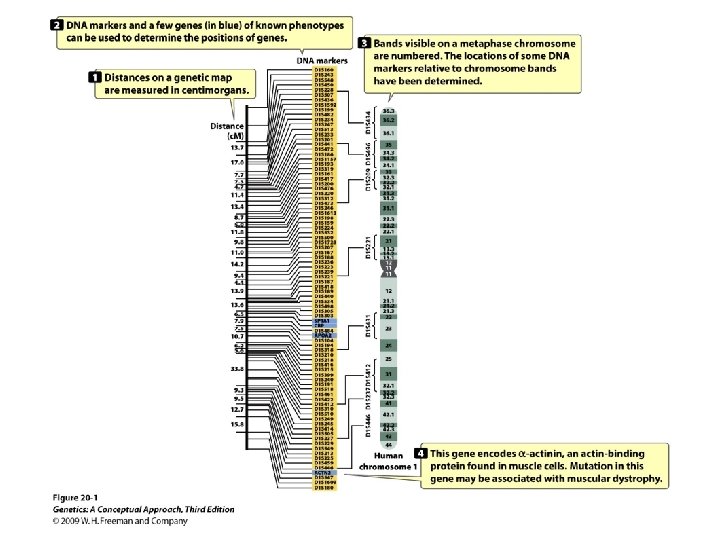
20. 1 Structural Genomics Determines the DNA Sequences of Entire Genomes • The ultimate goal of genomic research: determining the ordered nucleotide sequences of entire genomes of organisms • Genetic maps: (linkage map) approximate locations of genes, relative to the location of other genes, based on the rates of recombination
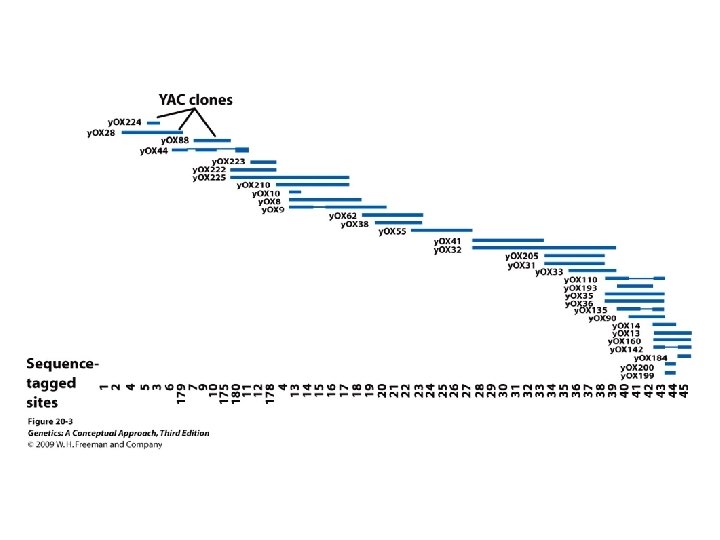
20. 1 Structural Genomics Determines the DNA Sequences of Entire Genomes Physical map: based on the direct analysis of DNA, places genes in relation to distances measured in bp, kbp, and mbp
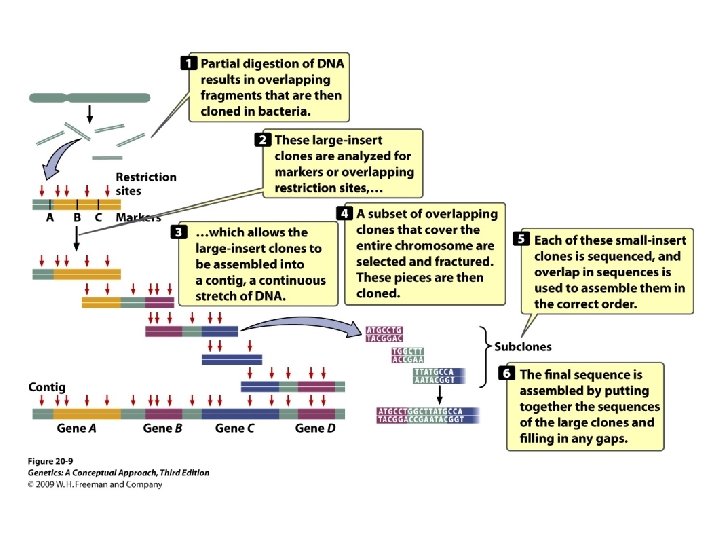
20. 1 Structural Genomics Determines the DNA Sequences of Entire Genomes • Sequencing an entire genome: • The human genome project • Map-based sequencing: relies on detailed genetic and physical maps to align sequenced fragments
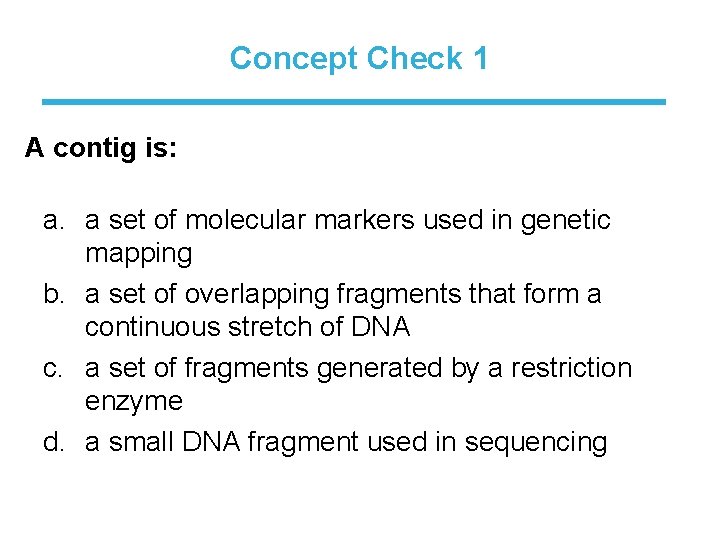
Concept Check 1 A contig is: a. a set of molecular markers used in genetic mapping b. a set of overlapping fragments that form a continuous stretch of DNA c. a set of fragments generated by a restriction enzyme d. a small DNA fragment used in sequencing
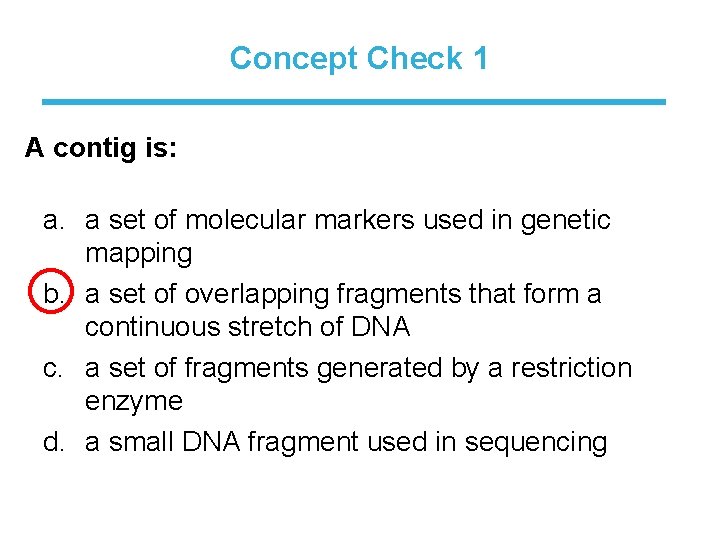
Concept Check 1 A contig is: a. a set of molecular markers used in genetic mapping b. a set of overlapping fragments that form a continuous stretch of DNA c. a set of fragments generated by a restriction enzyme d. a small DNA fragment used in sequencing
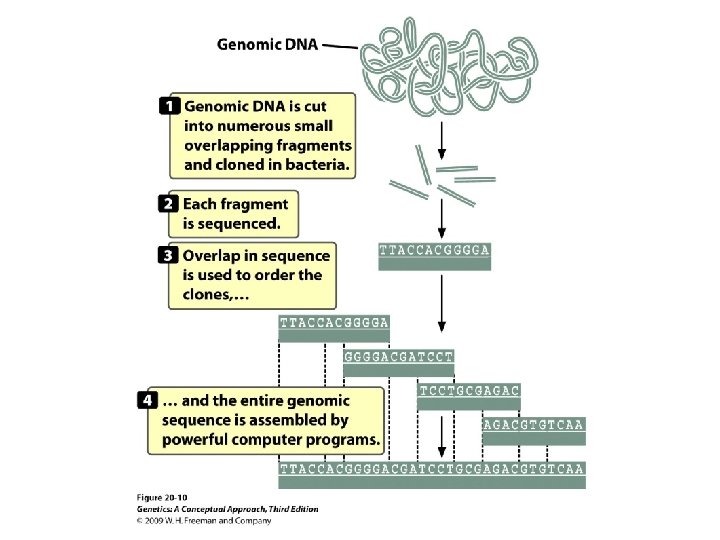
20. 1 Structural Genomics Determines the DNA Sequences of Entire Genomes • Whole-genome shotgun sequencing: Small-insert clones are prepared directly from genomic DNA and sequenced in a highly automated way.
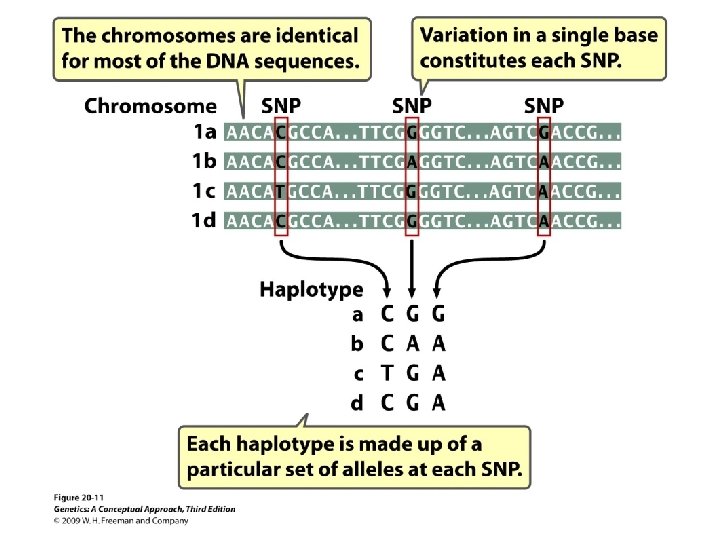
20. 1 Structural Genomics Determines the DNA Sequences of Entire Genomes • Single-nucleotide polymorphisms: • A site in the genome where individual members of a species differ in a single base pair • Haplotype: the specific set of SNPs and other genetic variants observed on a chromosome • tag. SNPs
20. 1 Structural Genomics Determines the DNA Sequences of Entire Genomes • Copy-number variations • The number of copies of DNA sequences varies from people to people. • Expressed-Sequence Tags (ESTs) • Markers associated with DNA sequences that are expressed as RNA • Bioinformatics: • Molecular Biology + Computer Science
20. 2 Functional Genomics Determines the Functions of Genes by Using Genomic-Based Approaches • Functional genomics • characterizes what the sequences do • Transcriptome: all the RNA molecules transcribed from a genome • Proteome: all the proteins encoded by the genome
Predicting Function from Sequence • Homologous • Genes that are evolutionarily related • Orthologs • Homologous genes in different species that evolved from the same gene in a common ancestor • Paralogs • Homologous genes arising by duplication of a single gene in the same organism
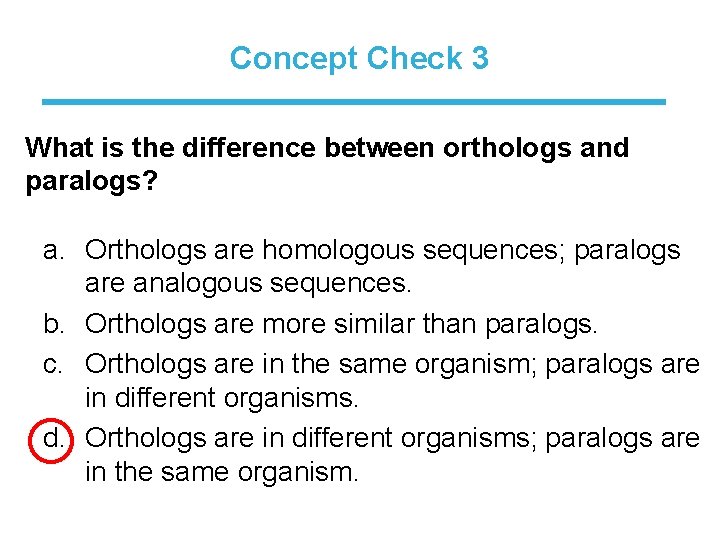
Concept Check 3 What is the difference between orthologs and paralogs? a. Orthologs are homologous sequences; paralogs are analogous sequences. b. Orthologs are more similar than paralogs. c. Orthologs are in the same organism; paralogs are in different organisms. d. Orthologs are in different organisms; paralogs are in the same organism.
Concept Check 3 What is the difference between orthologs and paralogs? a. Orthologs are homologous sequences; paralogs are analogous sequences. b. Orthologs are more similar than paralogs. c. Orthologs are in the same organism; paralogs are in different organisms. d. Orthologs are in different organisms; paralogs are in the same organism.
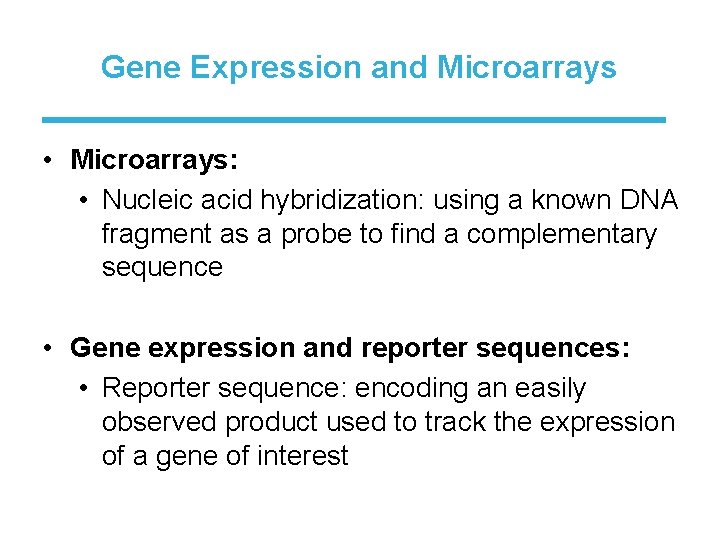
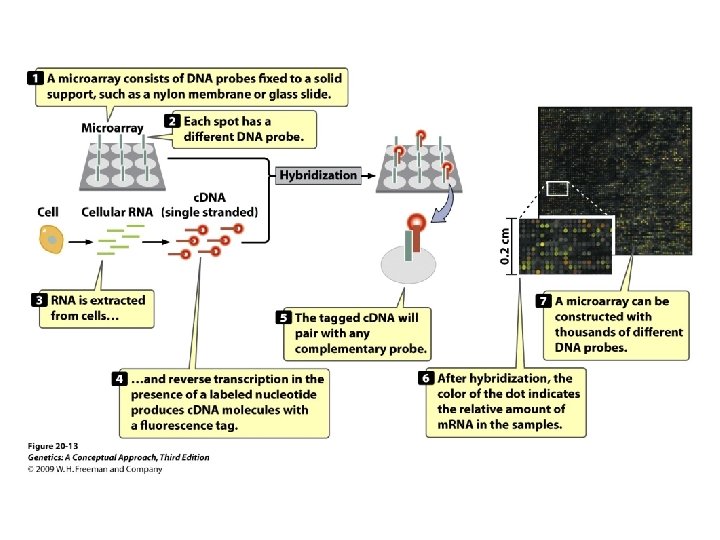
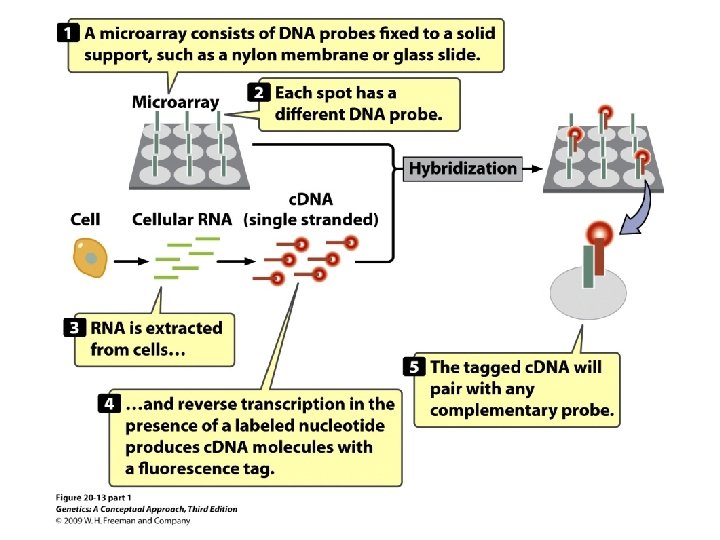
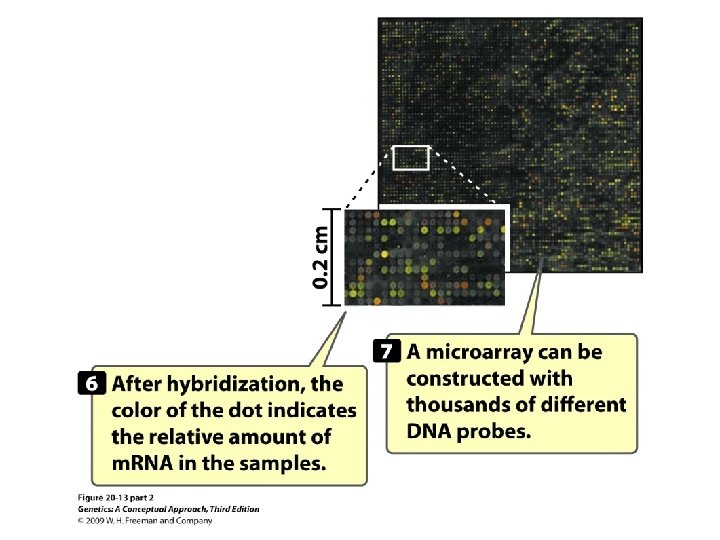
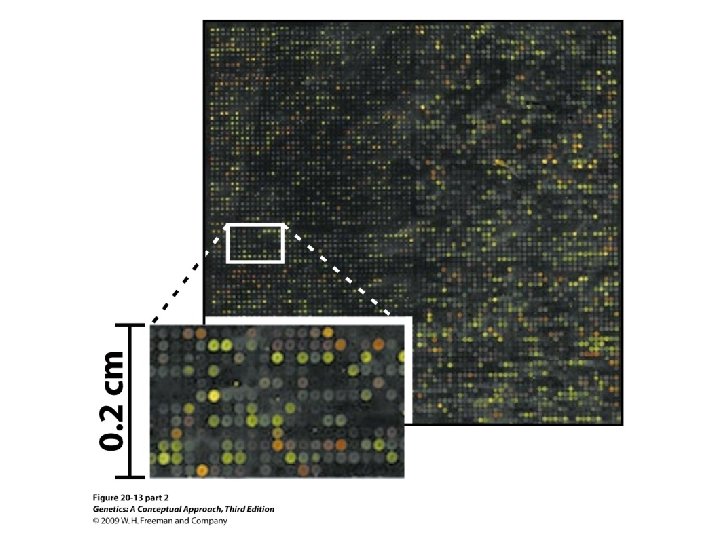
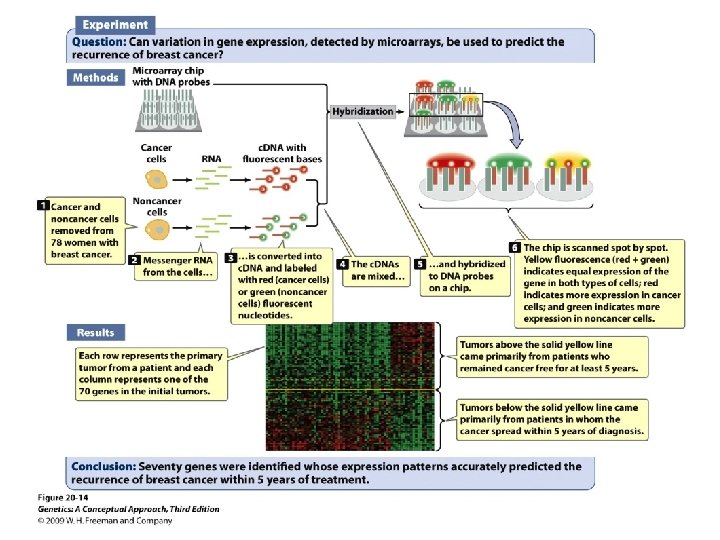
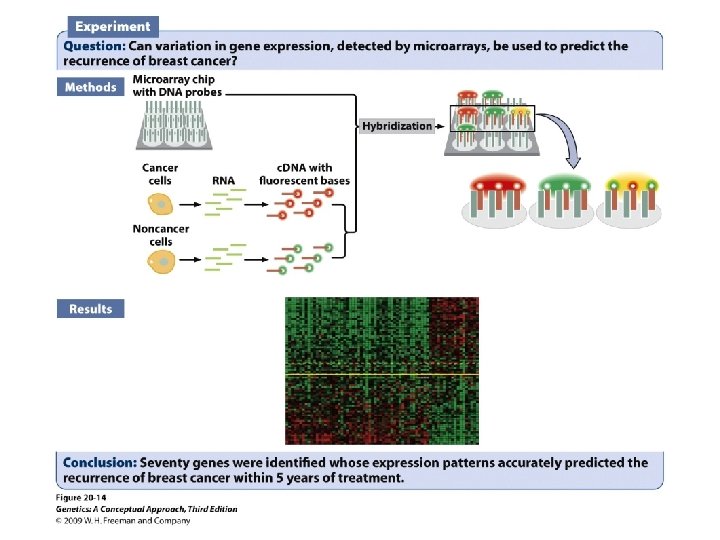
Gene Expression and Microarrays • Microarrays: • Nucleic acid hybridization: using a known DNA fragment as a probe to find a complementary sequence • Gene expression and reporter sequences: • Reporter sequence: encoding an easily observed product used to track the expression of a gene of interest
20. 3 Comparative Genomics Studies How Genomes Evolve
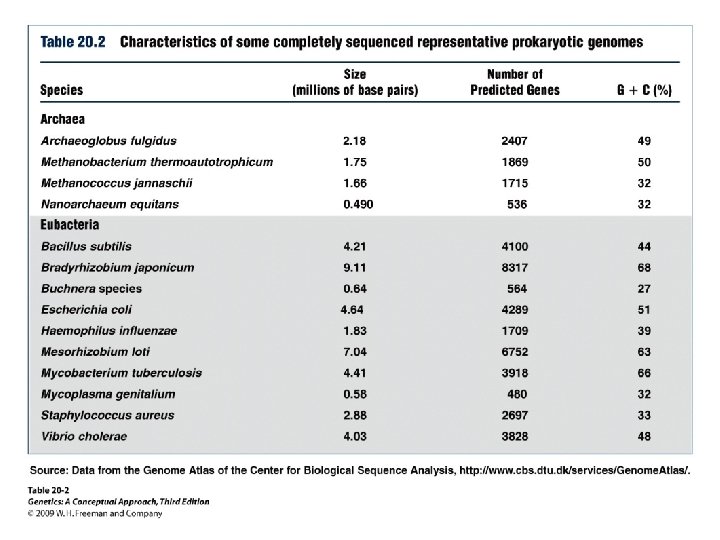
Prokaryotic Genomes • Genome size • Number of genes • Horizontal gene transfer: exchanging genetic information from closely related or distantly related species over evolutionary time • Function of genes
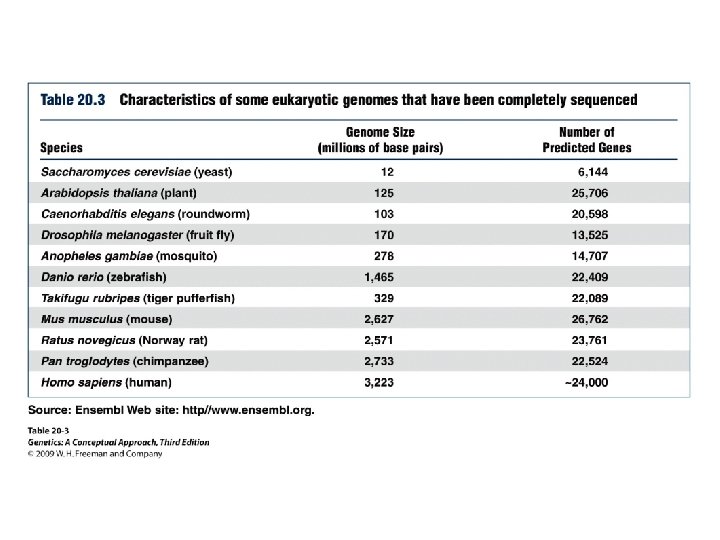
Eukaryotic Genomes • Genome size • Number of genes • Multigene family: a group of evolutionarily related genes that arose through repeated evolution of an ancestral gene
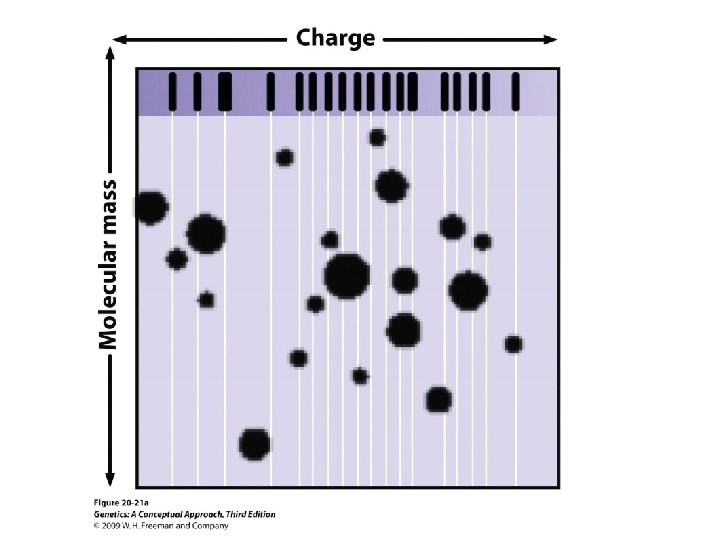
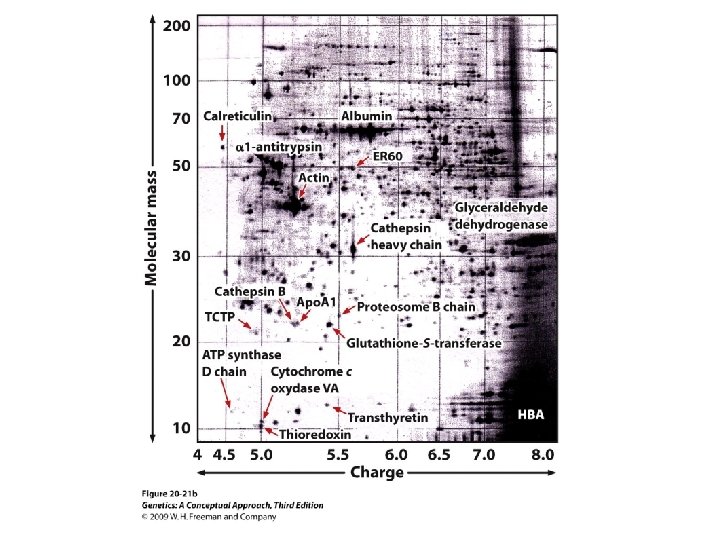
20. 4 Proteomics Analyzes the Complete Set of Proteins Found in a Cell • Determination of cellular proteins • Two-dimensional polyacrylamide gel electrophoresis • Mass spectrometry
20. 4 Proteomics Analyzes the Complete Set of Proteins Found in a Cell • Determination of cellular proteins • Two-dimensional polyacrylamide gel electrophoresis. • Mass spectrometry