
2 Questions 2 minutes 1 Which of these
- Slides: 36
2 Questions. 2 minutes. 1. Which of these covalent bonds is/are polar? a) O—H b) C—H c) C—C 2. Identify a chemical group with a polar covalent bond and one that has a nonpolar covalent bond. For the polar group, indicate which atom is electronegative.
Chapter 5 Structure & Function of Macromolecules
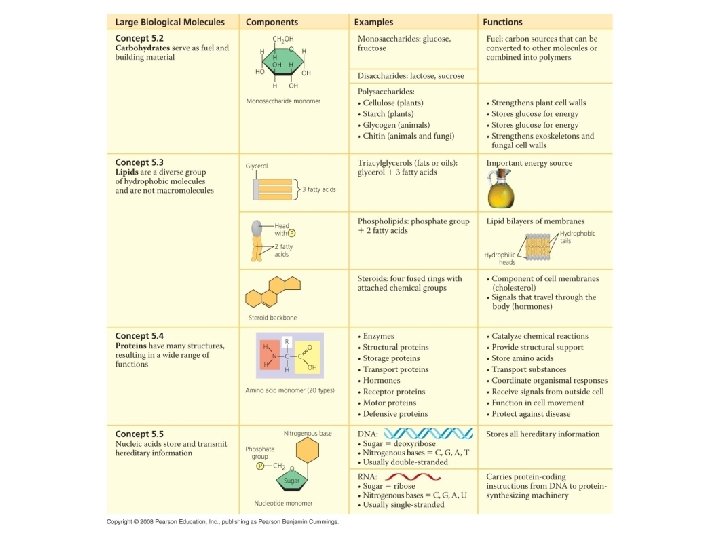
Polymers and their Monomers! • These are polymers… • What monomer components are they made of? – Carbohydrates – Proteins – Nucleic acids • These are monomers… • Can you match them to the correct polymer? – Amino acids – Nucleotides – Monosaccharides
How do we put the monomers together to form a polymer?
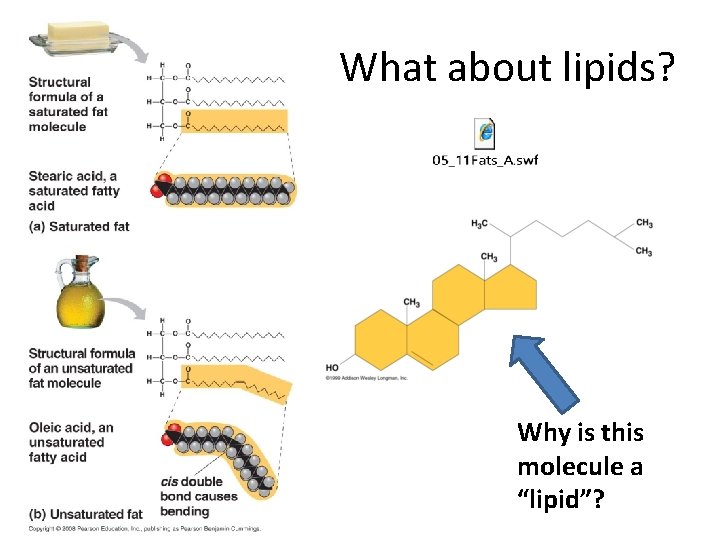
What about lipids? Why is this molecule a “lipid”?
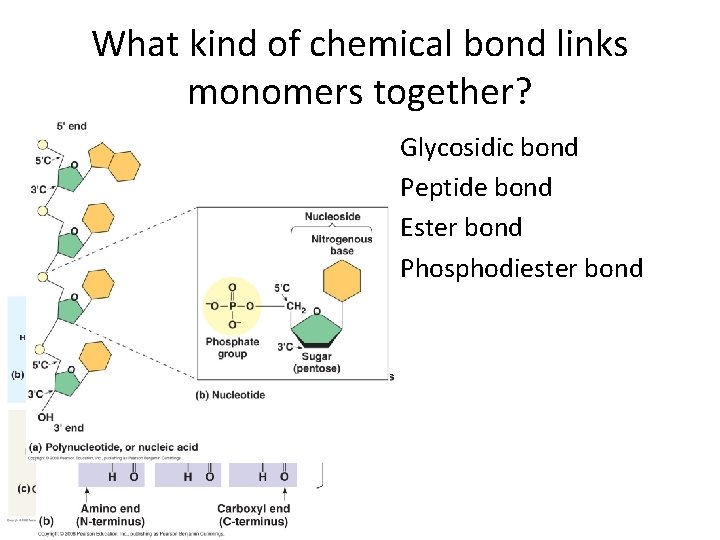
What kind of chemical bond links monomers together? • • Monosaccharides Amino acids Lipid components Nucleotides • • Glycosidic bond Peptide bond Ester bond Phosphodiester bond
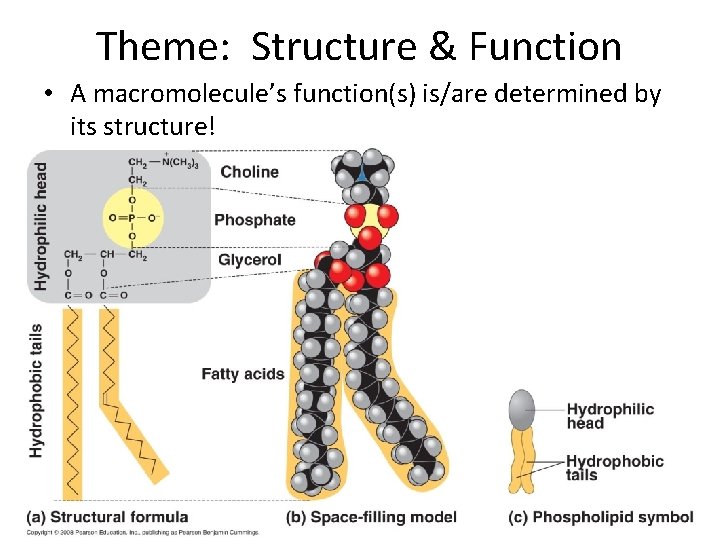
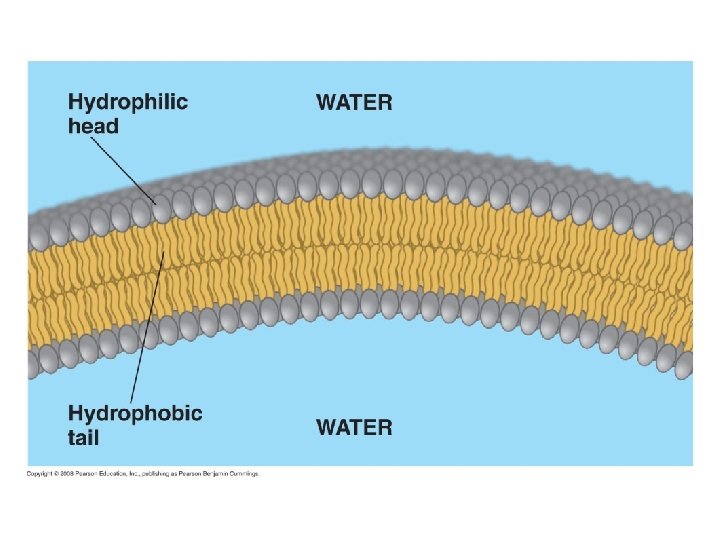
Theme: Structure & Function • A macromolecule’s function(s) is/are determined by its structure! • Some examples……
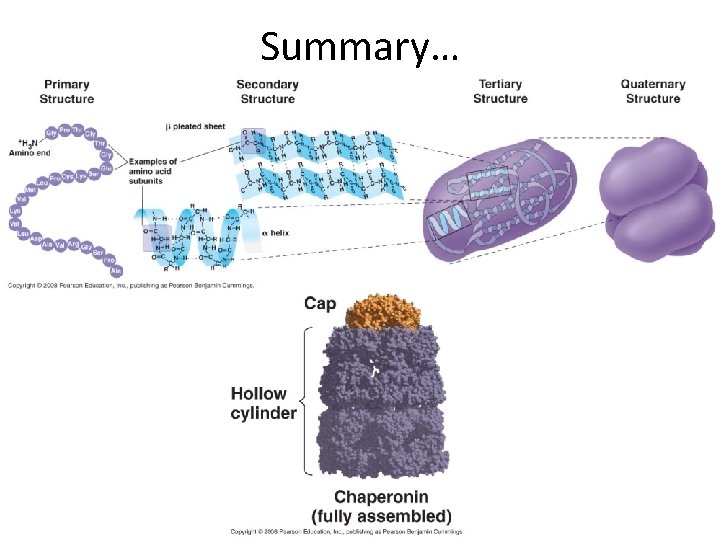
Proteins are another compelling example of structure-function relationships • 4 levels of structure in proteins: – Primary – Secondary – Tertiary – Quaternary
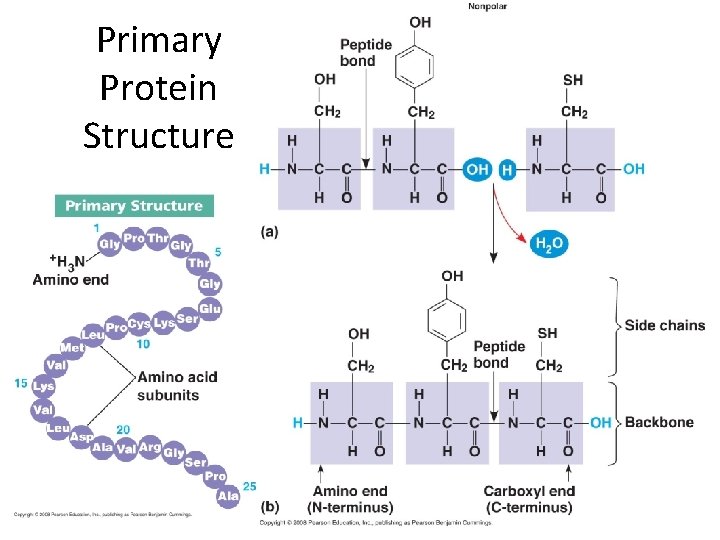
Primary Protein Structure
• How many molecules of water are required to completely hydrolyze a polypeptide consisting of 11 amino acids? • What makes each of the 20 different amino acids unique?
• What determines primary protein structure? • Why is primary structure so important in proteins? • How many different polypeptides are possible in a chain consisting of 12 amino acids?
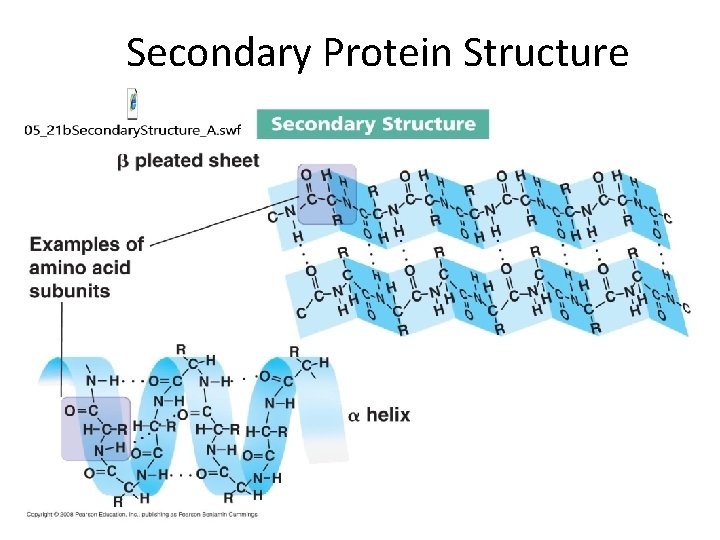
Secondary Protein Structure
• What determines secondary structure? • What is the relationship between primary and secondary structure?
Tertiary Protein Structure
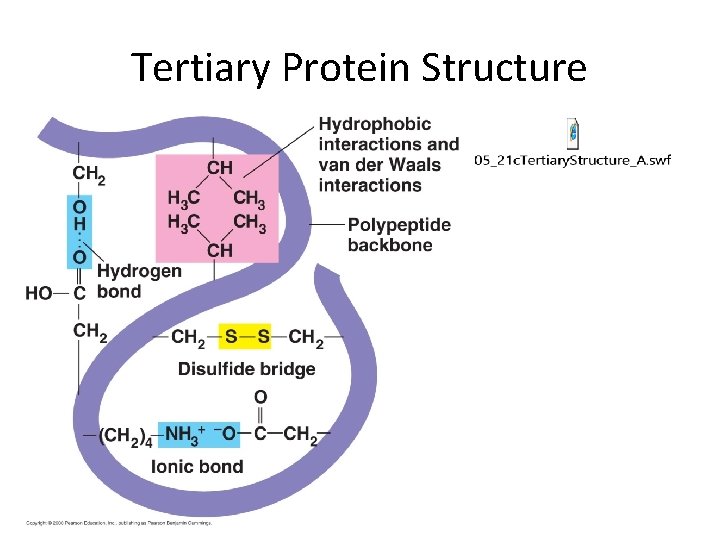
• What causes tertiary structure? • How is tertiary structure related to primary and to secondary structure?
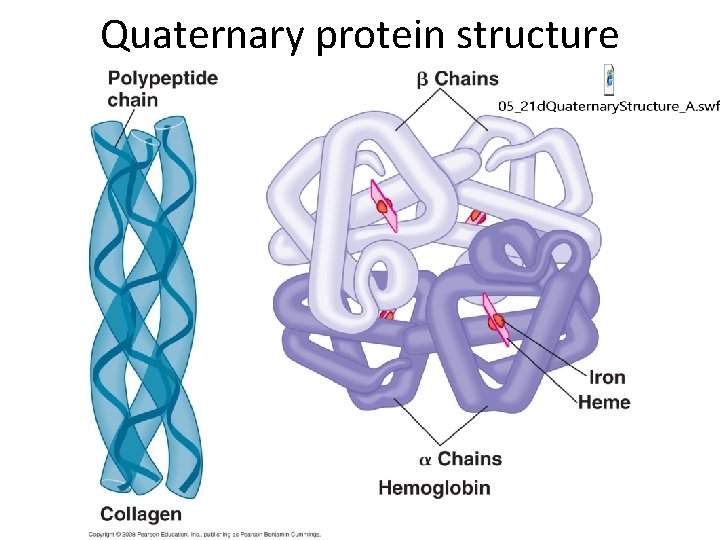
Quaternary protein structure
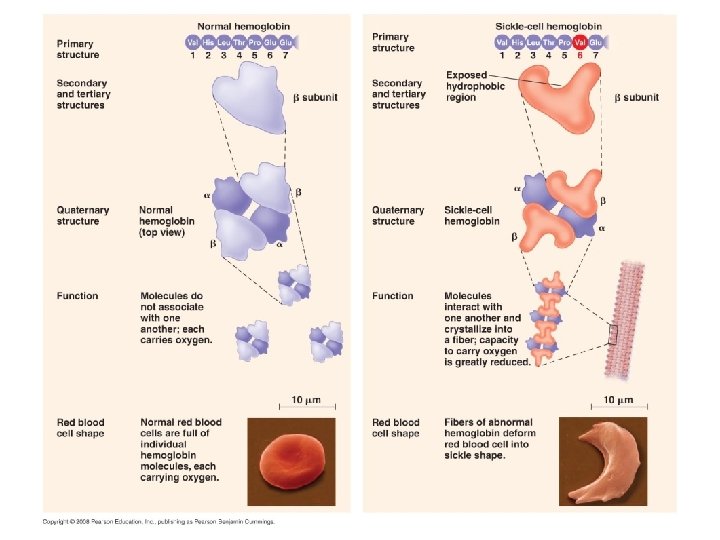
• What causes quaternary structure? • How might a change in amino acid sequence affect quaternary structure?
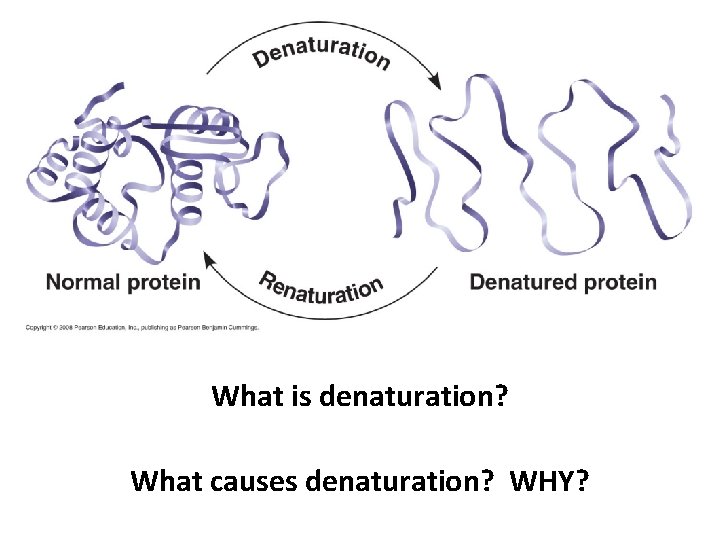
What is denaturation? What causes denaturation? WHY?
Summary…
Structural variation = Functional Variation
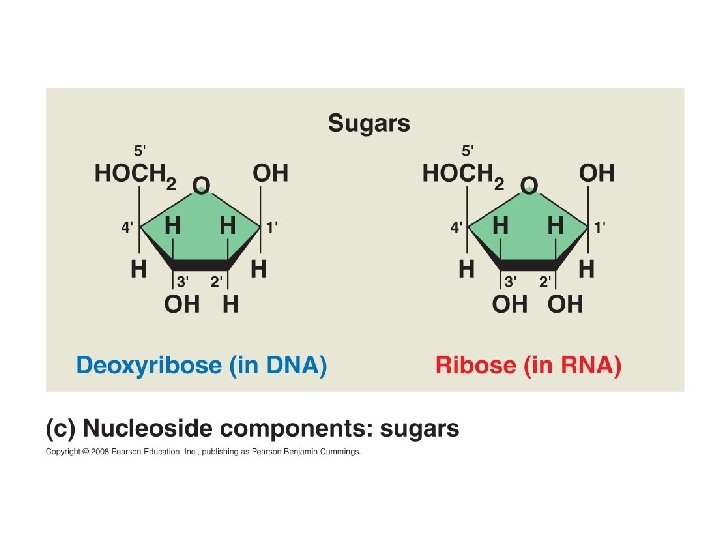
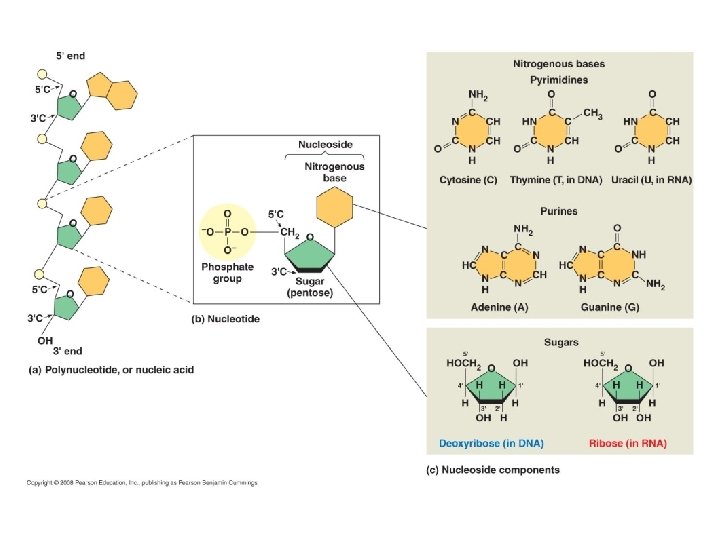
Nucleic Acids! • DNA – genetic material • RNA – ribosomal, transfer, or messenger RNA • Nucleotides – c. AMP, ATP (functional n. t. ’s)
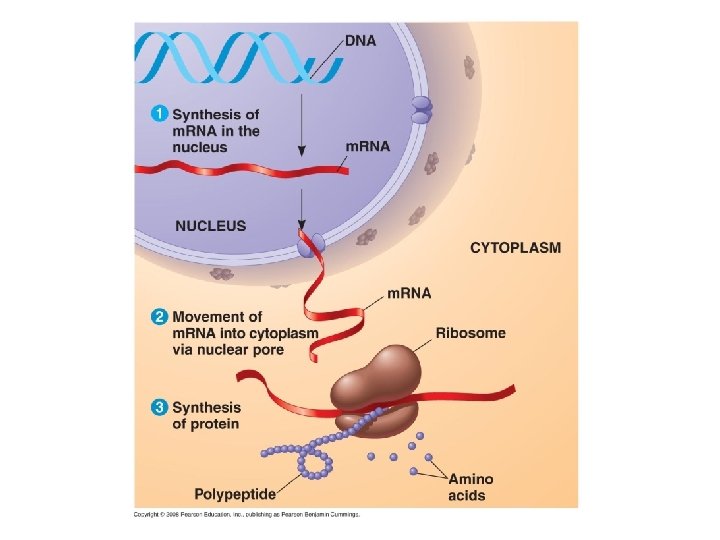
Review… • What is the relationship between DNA and protein structure?
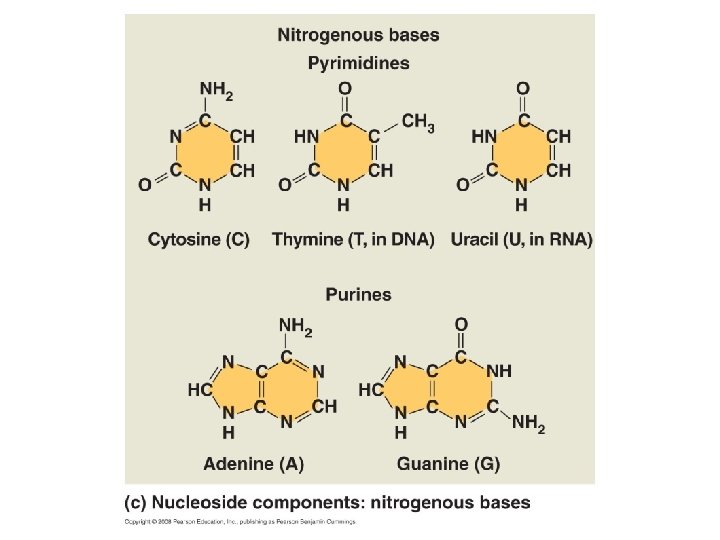
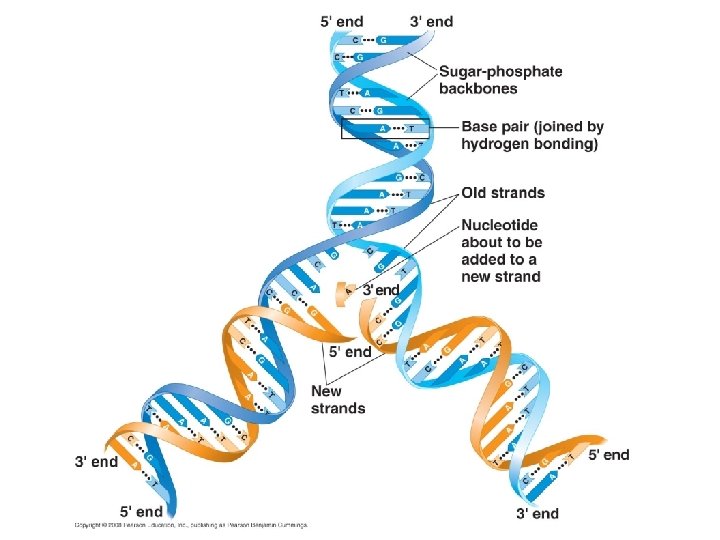
• How do nucleotide bases pair up with one another? • WHY? ?
Structure-Function (again? ? !!) • The structure of DNA inspired Watson and Crick to state that they saw “inherent in its structure a mechanism for its own replication” – An important feature, given its function !