
2 ND ANNUAL PEDIATRIC NEUROLOGY INTENSIVE BOARD REVIEW
2 ND ANNUAL PEDIATRIC NEUROLOGY INTENSIVE BOARD REVIEW COURSE SATURDAY SEPTEMBER 9 TH 2017 COMA AND BRAIN DEATH Dr Ruba Benini MD CM Ph. D FRCP(C) Pediatric Neurologist and Epileptologist King Fahad Medical City
Objectives Disorders of Altered Level of Consciousness � Definitions & Anatomy � Etiology � Evaluation & Management � Treatment � Prognosis Sequela of coma � Persistent vegetative state (PVS)/Minimally conscious state (MCS)/Brain death � Approach to the brain death exam
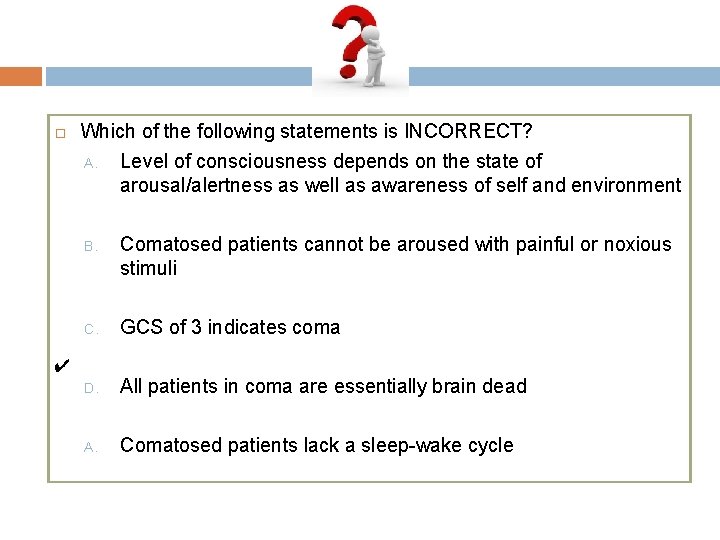
Which of the following statements is INCORRECT? A. Level of consciousness depends on the state of arousal/alertness as well as awareness of self and environment B. Comatosed patients cannot be aroused with painful or noxious stimuli C. GCS of 3 indicates coma D. All patients in coma are essentially brain dead A. Comatosed patients lack a sleep-wake cycle ✔
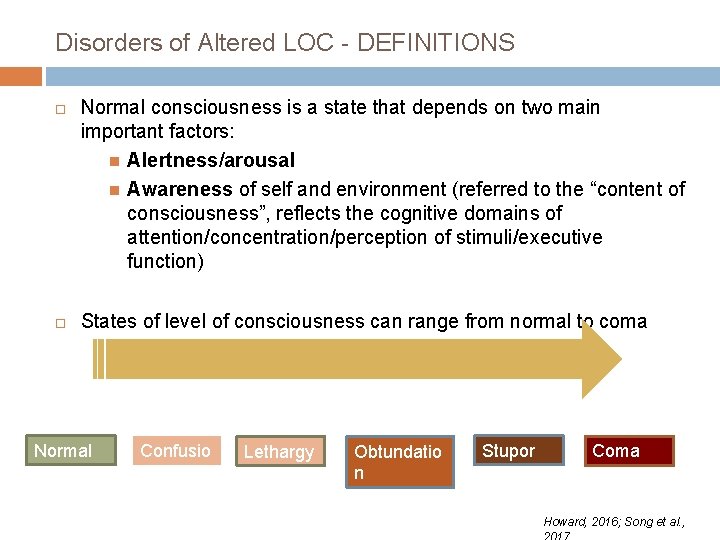
Disorders of Altered LOC - DEFINITIONS Normal consciousness is a state that depends on two main important factors: Alertness/arousal Awareness of self and environment (referred to the “content of consciousness”, reflects the cognitive domains of attention/concentration/perception of stimuli/executive function) States of level of consciousness can range from normal to coma Normal Confusio n Lethargy Obtundatio n Stupor Coma Howard, 2016; Song et al. ,
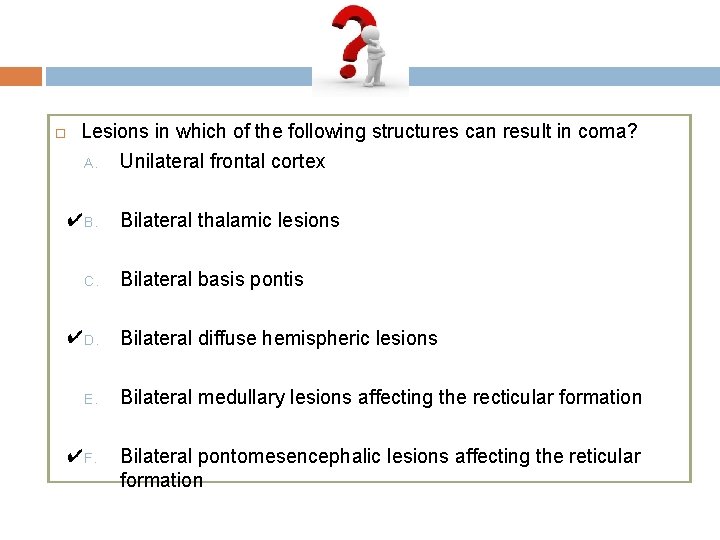
Lesions in which of the following structures can result in coma? A. Unilateral frontal cortex ✔B. C. ✔D. Bilateral thalamic lesions Bilateral basis pontis Bilateral diffuse hemispheric lesions E. Bilateral medullary lesions affecting the recticular formation ✔F. Bilateral pontomesencephalic lesions affecting the reticular formation
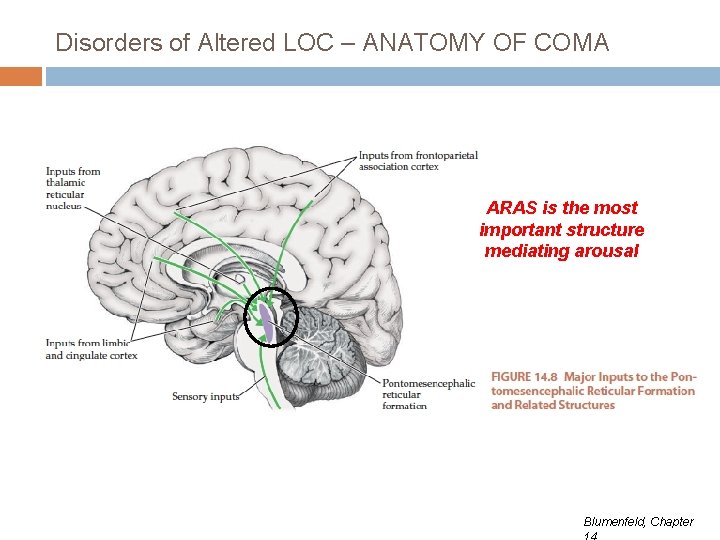
Disorders of Altered LOC – ANATOMY OF COMA ARAS is the most important structure mediating arousal Blumenfeld, Chapter
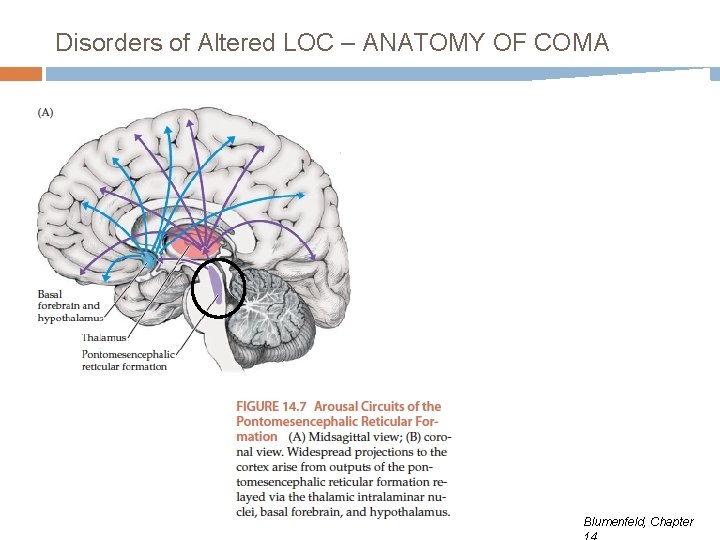
Disorders of Altered LOC – ANATOMY OF COMA X X X Blumenfeld, Chapter
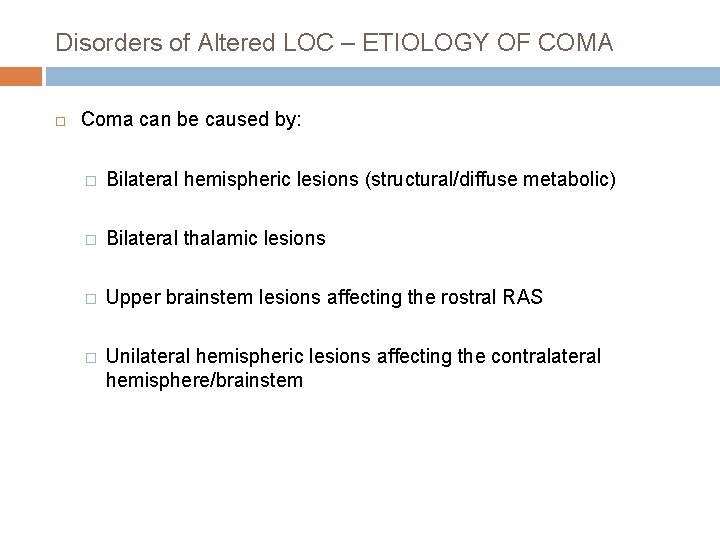
Disorders of Altered LOC – ETIOLOGY OF COMA Coma can be caused by: � Bilateral hemispheric lesions (structural/diffuse metabolic) � Bilateral thalamic lesions � Upper brainstem lesions affecting the rostral RAS � Unilateral hemispheric lesions affecting the contralateral hemisphere/brainstem
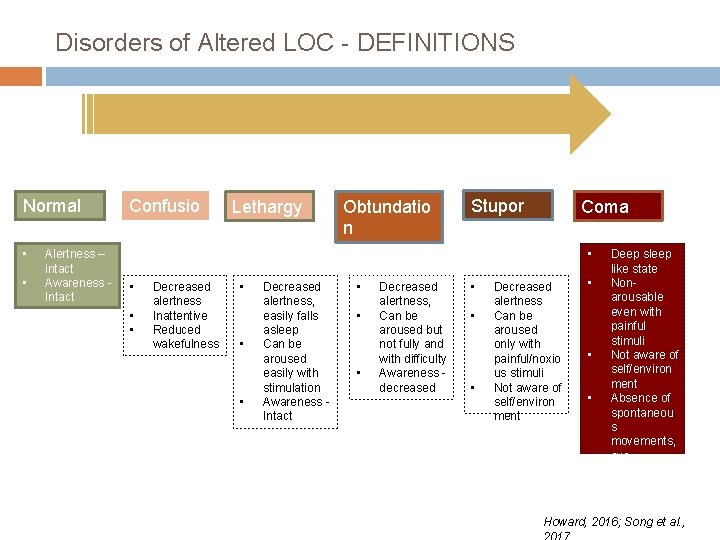
Disorders of Altered LOC - DEFINITIONS Normal • • Alertness – intact Awareness Intact Confusio n Lethargy Obtundatio n Stupor Coma • • Decreased alertness Inattentive Reduced wakefulness • • • Decreased alertness, easily falls asleep Can be aroused easily with stimulation Awareness Intact • • • Decreased alertness, Can be aroused but not fully and with difficulty Awareness decreased • • • Decreased alertness Can be aroused only with painful/noxio us stimuli Not aware of self/environ ment • • • Deep sleep like state Nonarousable even with painful stimuli Not aware of self/environ ment Absence of spontaneou s movements, eye opening, etc Howard, 2016; Song et al. ,
Disorders of Altered LOC – ETIOLOGY & EPIDEMIOLOGY Coma in children, like in adults, can be caused by traumatic or nontraumatic causes Incidence of non-traumatic trauma in children <16 yrs � 30. 8 per 100, 00 per year (UK study, 2001) Incidence higher in children < 1 year � 160 per 100, 000 per year Infection remains the most common cause of non-traumatic coma in children Song et al. , 2017
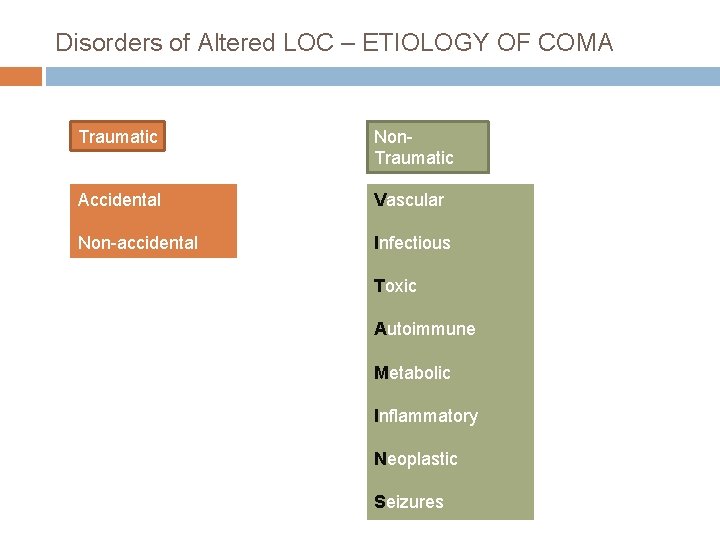
Disorders of Altered LOC – ETIOLOGY OF COMA Traumatic Non. Traumatic Accidental Vascular Non-accidental Infectious Toxic Autoimmune Metabolic Inflammatory Neoplastic Seizures
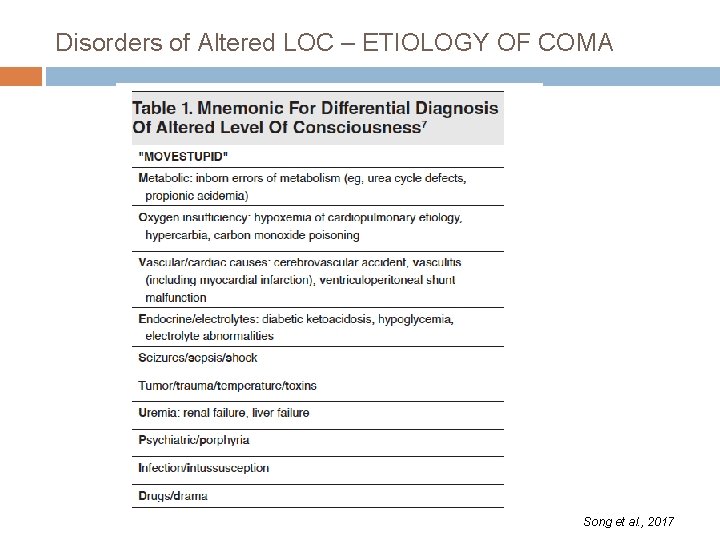
Disorders of Altered LOC – ETIOLOGY OF COMA Song et al. , 2017
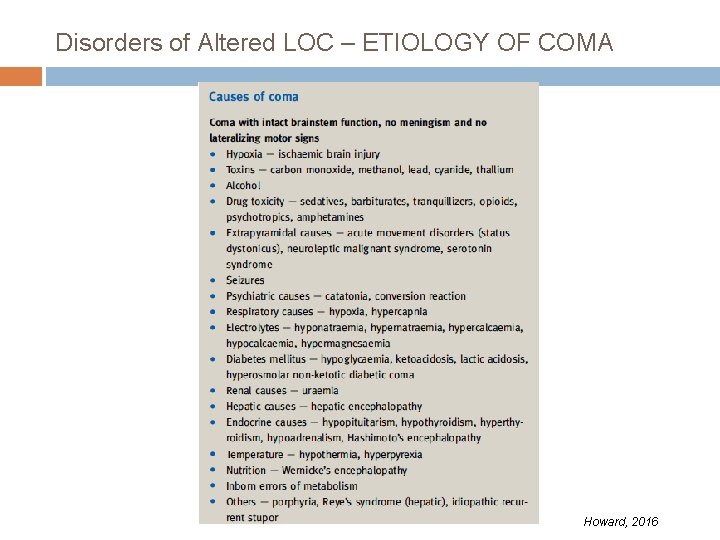
Disorders of Altered LOC – ETIOLOGY OF COMA Howard, 2016
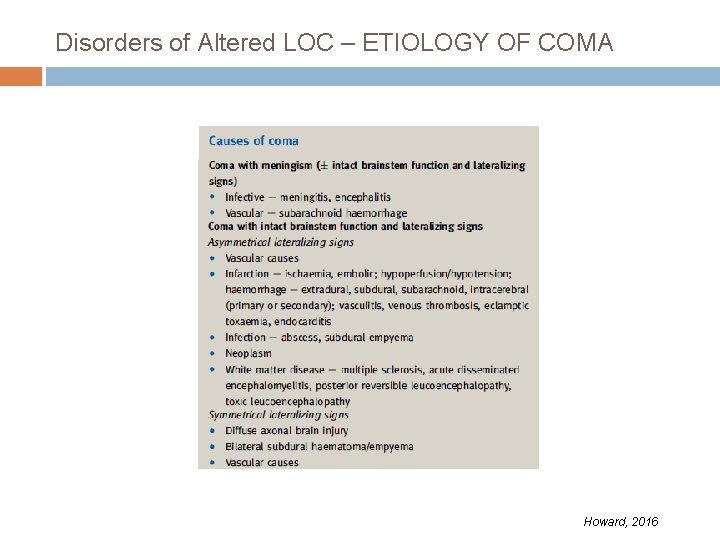
Disorders of Altered LOC – ETIOLOGY OF COMA Howard, 2016
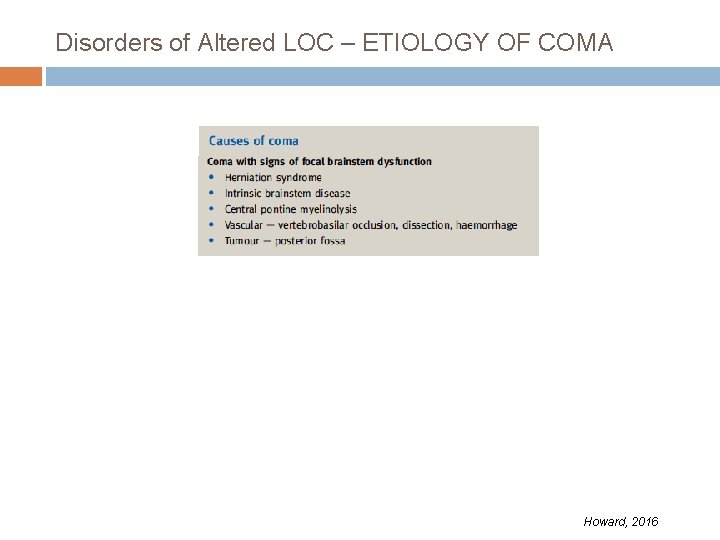
Disorders of Altered LOC – ETIOLOGY OF COMA Howard, 2016
COMA – EVALUATION & MANAGEMENT Coma is a life threatening emergency that requires prompt evaluation and management Evaluation and management occur simultaneously and goal is to stabilize the patient and treat reversible causes of coma to save brain function
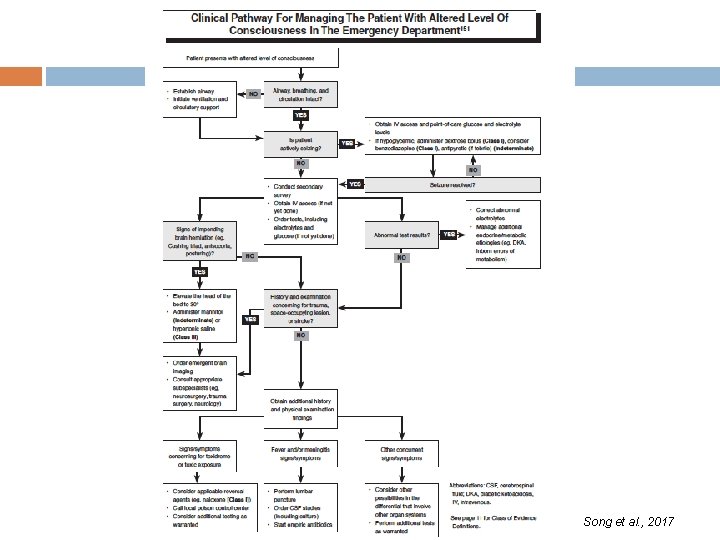
Song et al. , 2017
ABCs GCS ≤ 8 Song et al. , 2017
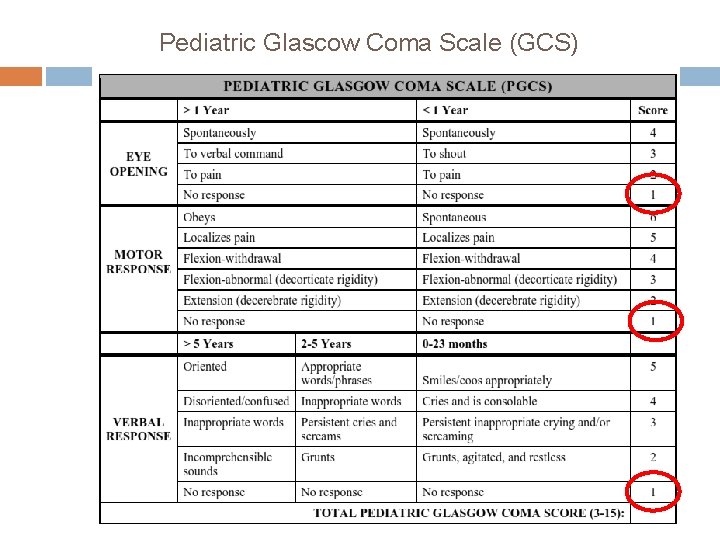
Pediatric Glascow Coma Scale (GCS)
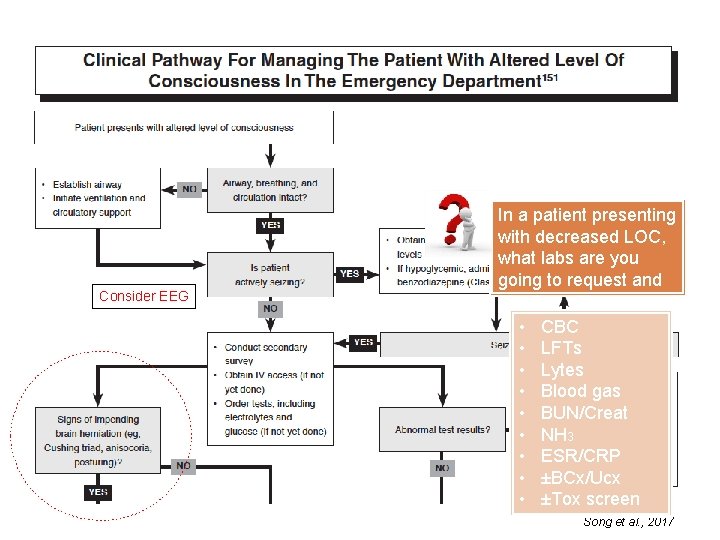
Consider EEG In a patient presenting with decreased LOC, what labs are you going to request and why? • CBC • LFTs • Lytes • Blood gas • BUN/Creat • NH 3 • ESR/CRP • ±BCx/Ucx • ±Tox screen Song et al. , 2017
What are the signs of impending herniation? Cushing’s triad � Increased BP � Bradycardia � Abnormal breathing (erratic/irregular) Anisocoria (dilated and non-reactive pupil) � Due to compression of CN III Abnormal Posturing
A 10 year old girl in a coma following a traumatic brain injury presents with frequent abnormal flexor posturing movements that have no EEG correlate. Which of the following statements is TRUE? A. These movements most likely represent seizures B. These movements most likely represent decerebrate posturing C. These movements indicate compression at the level of the pons D. There is probable compression at the level of the midbrain above the red nucleus E. These are normal movements commonly seen in all types of coma ✔
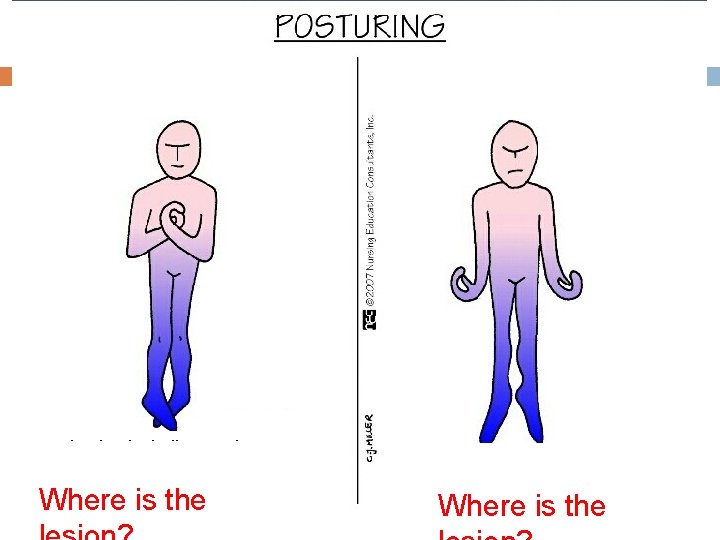
What are the signs of impending herniation? Cushing’s triad Anisocoria (dilated and non-reactive pupil) Posturing Lesion including or above the red nucleus (rostral midbrain and above) Where is the Lesion below the red nucleus ( caudal midbrain, pons and below) Where is the
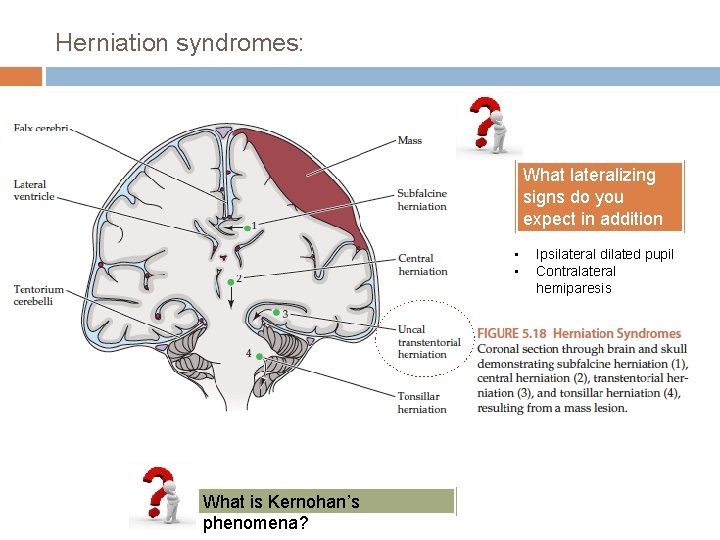
Herniation syndromes: • • What is Kernohan’s phenomena? What lateralizing signs do you expect in addition to coma? Ipsilateral dilated pupil Contralateral hemiparesis
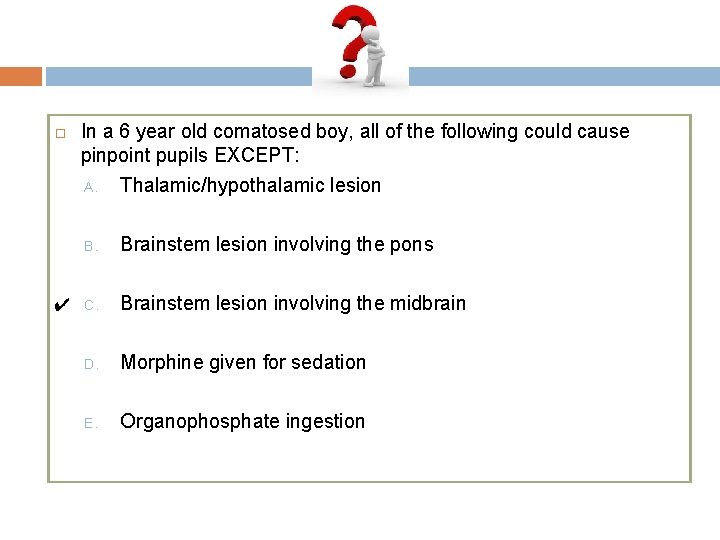
In a 6 year old comatosed boy, all of the following could cause pinpoint pupils EXCEPT: A. Thalamic/hypothalamic lesion B. ✔ C. Brainstem lesion involving the pons Brainstem lesion involving the midbrain D. Morphine given for sedation E. Organophosphate ingestion
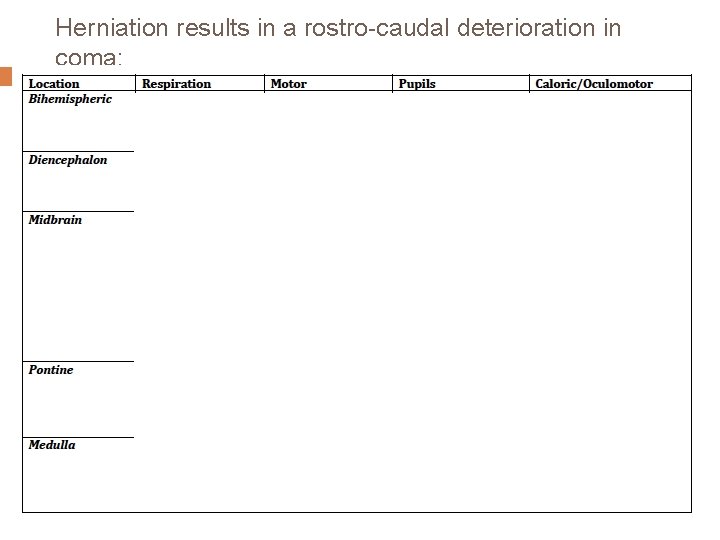
Herniation results in a rostro-caudal deterioration in coma:
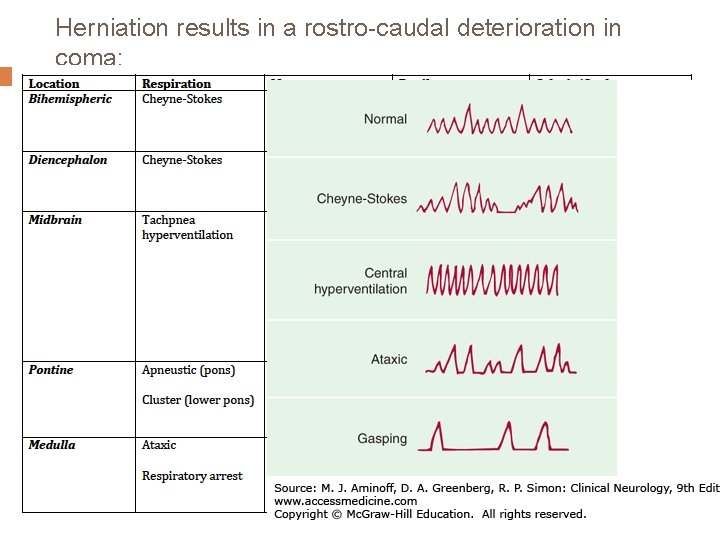
Herniation results in a rostro-caudal deterioration in coma:
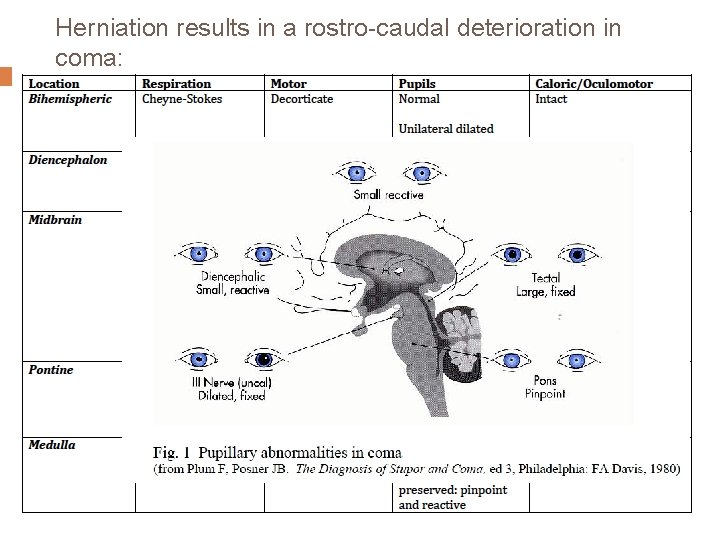
Herniation results in a rostro-caudal deterioration in coma:
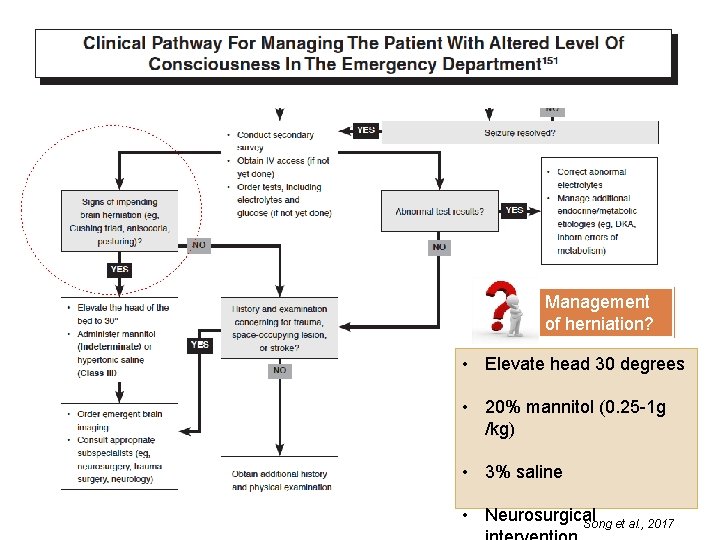
Management of herniation? • Elevate head 30 degrees • 20% mannitol (0. 25 -1 g /kg) • 3% saline • Neurosurgical Song et al. , 2017
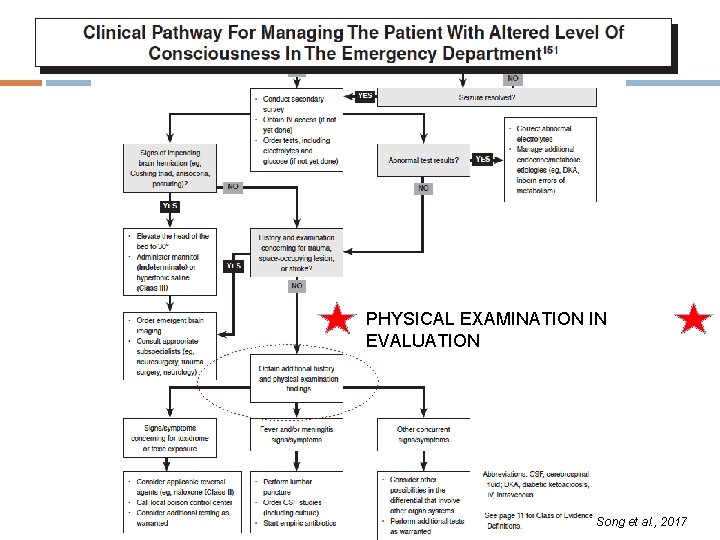
PHYSICAL EXAMINATION IN EVALUATION Song et al. , 2017
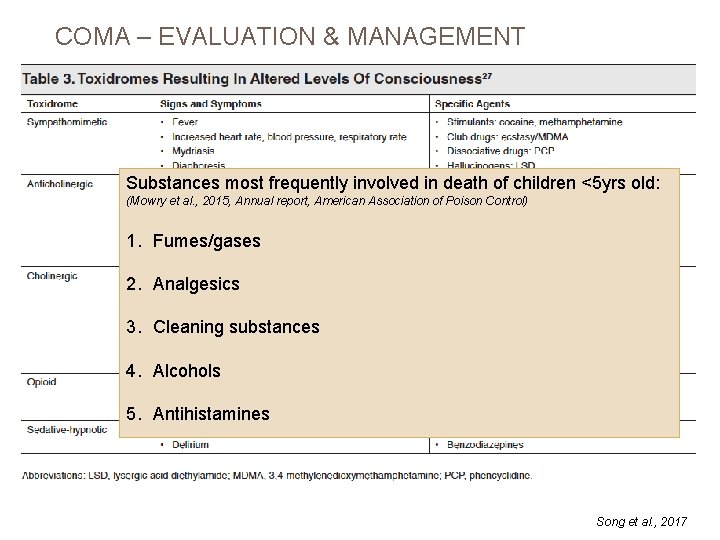
COMA – EVALUATION & MANAGEMENT Substances most frequently involved in death of children <5 yrs old: (Mowry et al. , 2015, Annual report, American Association of Poison Control) 1. Fumes/gases 2. Analgesics 3. Cleaning substances 4. Alcohols 5. Antihistamines Song et al. , 2017
Disorders of Altered LOC – TREATMENT Depends on etiology Hypoglycemia � 2. 5 m. L-5 m. L/kg D 10 IV, followed by glucose infusion rate of 68 mg/kg/min (D 10 @ 1. 5 x maintenance) Hyponatremia � Slow correction of hypo. Na to avoid central pontine myelinolysis not more than 12 -15 m. Eq/L over 24 hrs Toxic ingestion � Activated charcoal (if presents within 1 hour of exposure and nor risk f aspiration 0. 5 -1 g/Kg for children up to 12 yrs (25 -100 gs) � Opioids – give nalaxone (0. 1 mg/kg for children <20 Kg, 2 mg for >20 Kg) � Benzos - flumazenil
Disorders of Altered LOC – TREATMENT Depends on etiology Fever/suspected CNS infection � Antibiotics (Vanco/Ceftriaxone) ± acyclovir Increased ICP � Head elevation to 30 degrees � Mannitol � Hypertonic Saline � Neurosurgery Seizures � Lorazepam 0. 05 mg-0. 1 mg/kg (max 4 mg) or Midazolam � Load with IV Phenytoin/IV Keppra � ±Follow protocol for status epilepticus
Disorders of Altered LOC – TREATMENT Depends on etiology Hypertensive encephalopathy � BP control (hydralazine, nicardipine, etc) � ±Seizure Rx Inborn Errors of Metabolism � Fluids � D 10 at 1. 5 Xmaintenance to reduce catabolic state � NPO � Ammonia – sodium phenylacetate or sodium benzoate @ 0. 25 g/kg bolus over 24 hours, then infusion of 0. 25 g/kg over 24 hrs ± Arginine hydrocholride (10%)
Disorders of Altered LOC – Prognosis after Coma Depends on etiology
Objectives Disorders of Altered Level of Consciousness � Definitions & Anatomy � Etiology � Evaluation & Management � Treatment � Prognosis Sequela of coma � Persistent vegetative state (PVS)/Minimally conscious state (MCS)/Brain death � Approach to the brain death exam
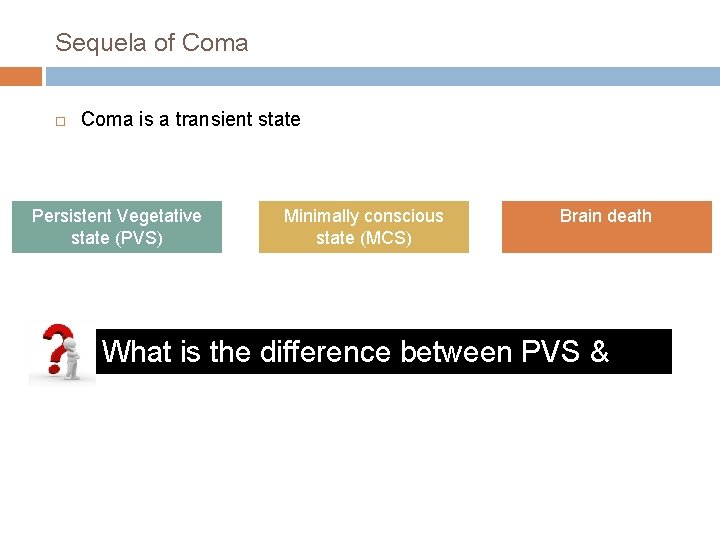
Sequela of Coma is a transient state Persistent Vegetative state (PVS) Minimally conscious state (MCS) Brain death What is the difference between PVS & MCS?
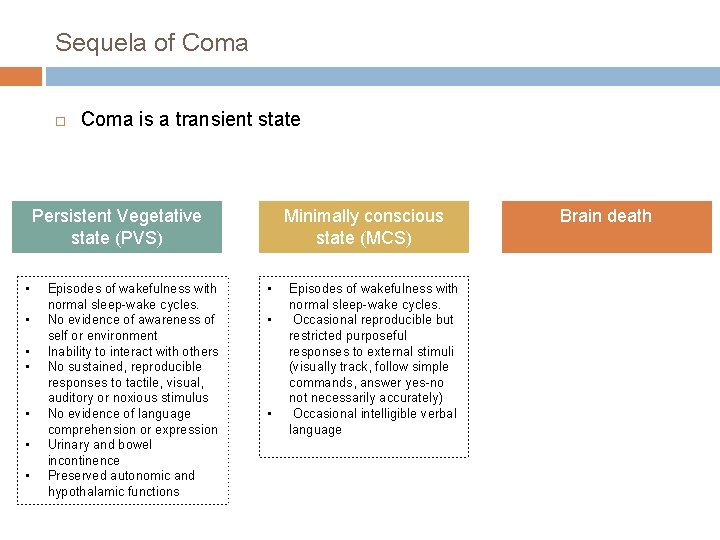
Sequela of Coma is a transient state Persistent Vegetative state (PVS) • • Episodes of wakefulness with normal sleep-wake cycles. No evidence of awareness of self or environment Inability to interact with others No sustained, reproducible responses to tactile, visual, auditory or noxious stimulus No evidence of language comprehension or expression Urinary and bowel incontinence Preserved autonomic and hypothalamic functions Minimally conscious state (MCS) • • • Episodes of wakefulness with normal sleep-wake cycles. Occasional reproducible but restricted purposeful responses to external stimuli (visually track, follow simple commands, answer yes-no not necessarily accurately) Occasional intelligible verbal language Brain death
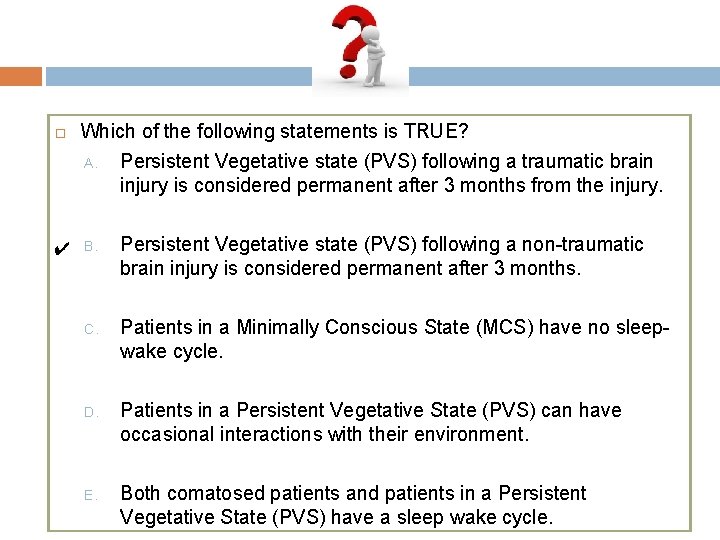
Which of the following statements is TRUE? A. Persistent Vegetative state (PVS) following a traumatic brain injury is considered permanent after 3 months from the injury. ✔ B. Persistent Vegetative state (PVS) following a non-traumatic brain injury is considered permanent after 3 months. C. Patients in a Minimally Conscious State (MCS) have no sleepwake cycle. D. Patients in a Persistent Vegetative State (PVS) can have occasional interactions with their environment. E. Both comatosed patients and patients in a Persistent Vegetative State (PVS) have a sleep wake cycle.
Objectives Disorders of Altered Level of Consciousness � Definitions & Anatomy � Etiology � Evaluation & Management � Treatment � Prognosis Sequela of coma � Persistent vegetative state (PVS)/Minimally conscious state (MCS)/Brain death � Approach to the brain death exam
You are called by the PICU resident to do a brain death examination on a 5 year old boy who had a cardiac arrest early this morning and underwent 20 minutes of CPR. Currently he has absent brainstem reflexes on exam. What do you tell the resident? ✔ A. B. I’m on my way Can’t do the brain death exam now because … 24 hours later, you head to the PICU to do the brain death exam. What pre-requisites do you need to ensure prior to starting the exam?
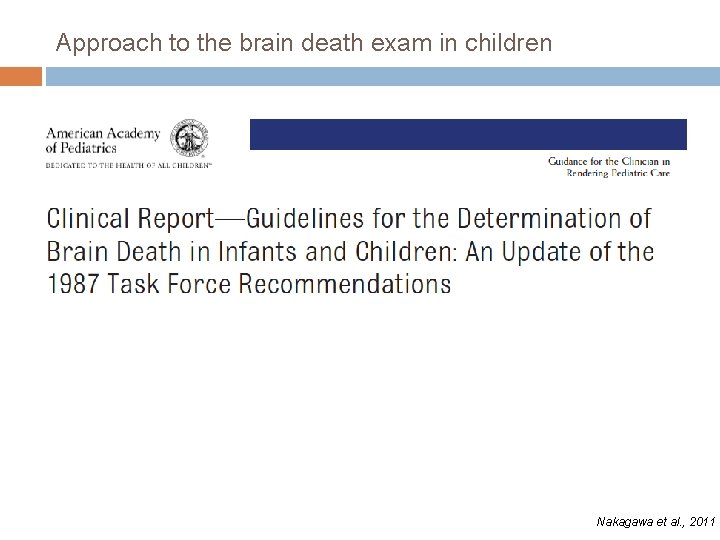
Approach to the brain death exam in children Nakagawa et al. , 2011
Approach to the brain death exam in children
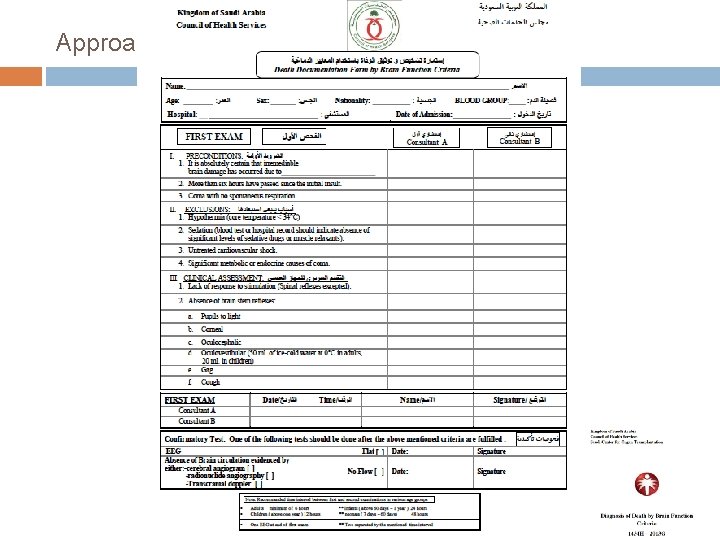
Approach to the brain death exam in children
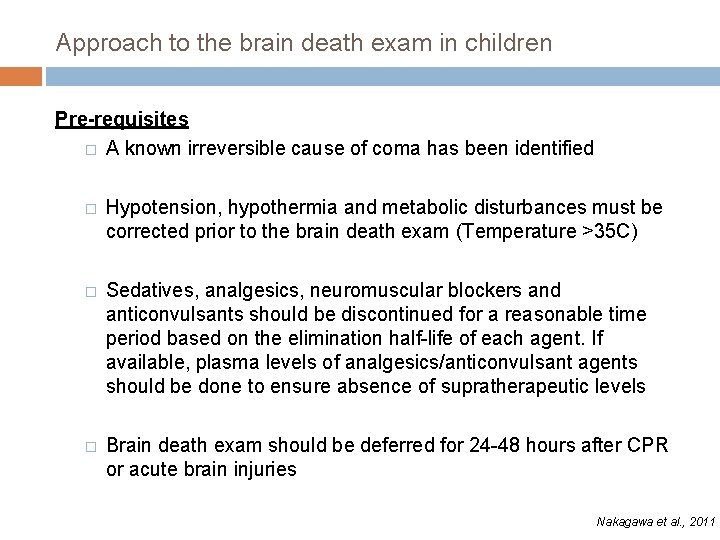
Approach to the brain death exam in children Pre-requisites � A known irreversible cause of coma has been identified � Hypotension, hypothermia and metabolic disturbances must be corrected prior to the brain death exam (Temperature >35 C) � Sedatives, analgesics, neuromuscular blockers and anticonvulsants should be discontinued for a reasonable time period based on the elimination half-life of each agent. If available, plasma levels of analgesics/anticonvulsant agents should be done to ensure absence of supratherapeutic levels � Brain death exam should be deferred for 24 -48 hours after CPR or acute brain injuries Nakagawa et al. , 2011
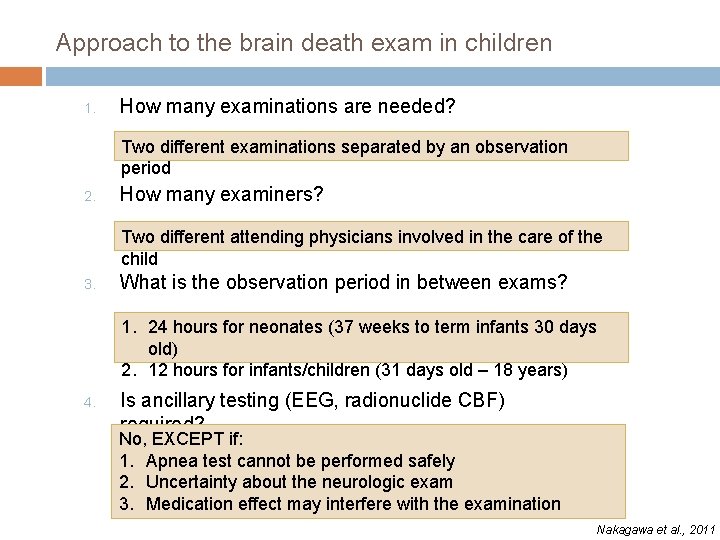
Approach to the brain death exam in children 1. How many examinations are needed? Two different examinations separated by an observation period 2. How many examiners? Two different attending physicians involved in the care of the child 3. What is the observation period in between exams? 1. 24 hours for neonates (37 weeks to term infants 30 days old) 2. 12 hours for infants/children (31 days old – 18 years) 4. Is ancillary testing (EEG, radionuclide CBF) required? No, EXCEPT if: 1. Apnea test cannot be performed safely 2. Uncertainty about the neurologic exam 3. Medication effect may interfere with the examination Nakagawa et al. , 2011
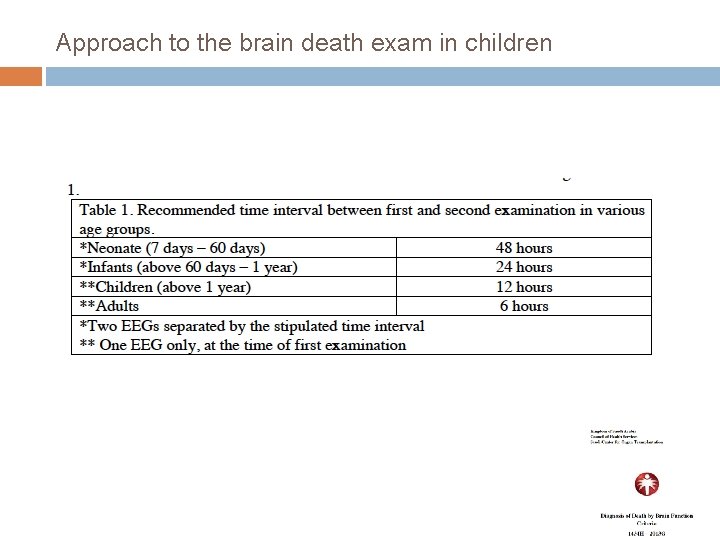
Approach to the brain death exam in children
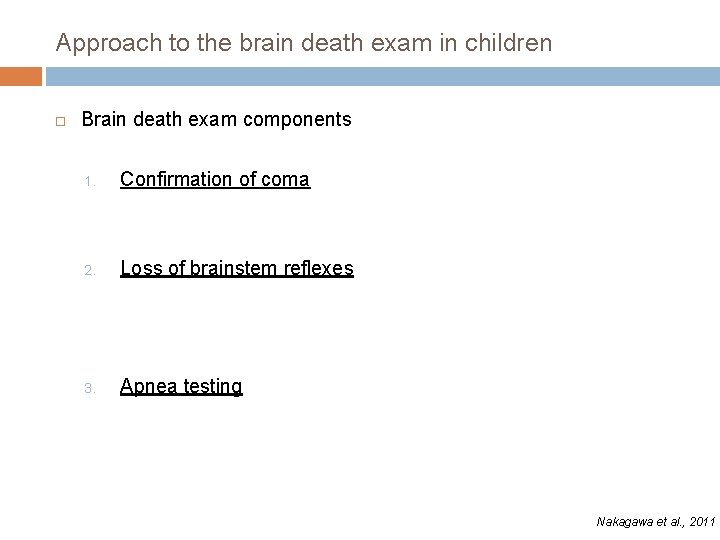
Approach to the brain death exam in children Brain death exam components 1. Confirmation of coma 2. Loss of brainstem reflexes 3. Apnea testing Nakagawa et al. , 2011
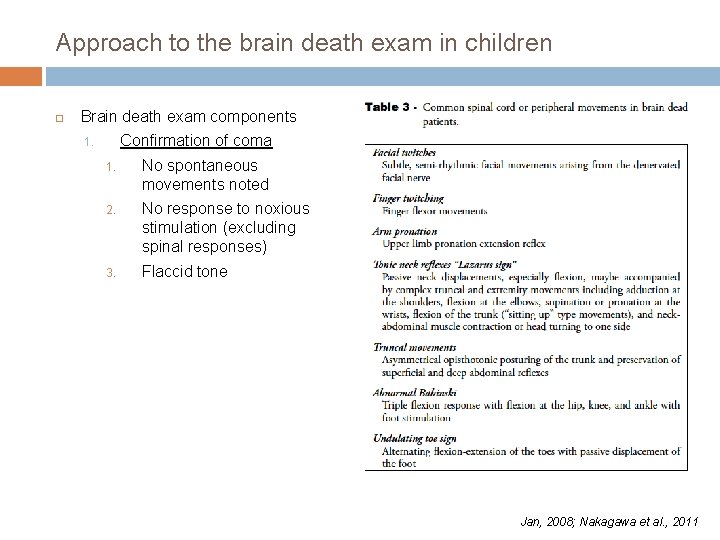
Approach to the brain death exam in children Brain death exam components Confirmation of coma 1. No spontaneous movements noted 2. No response to noxious stimulation (excluding spinal responses) 3. Flaccid tone Jan, 2008; Nakagawa et al. , 2011
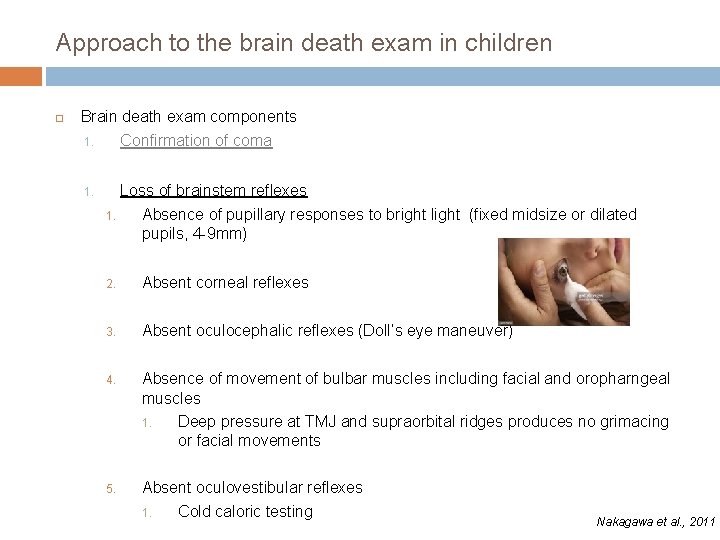
Approach to the brain death exam in children Brain death exam components 1. Confirmation of coma 1. Loss of brainstem reflexes 1. Absence of pupillary responses to bright light (fixed midsize or dilated pupils, 4 -9 mm) 2. Absent corneal reflexes 3. Absent oculocephalic reflexes (Doll’s eye maneuver) 4. Absence of movement of bulbar muscles including facial and oropharngeal muscles 1. Deep pressure at TMJ and supraorbital ridges produces no grimacing or facial movements 5. Absent oculovestibular reflexes 1. Cold caloric testing Nakagawa et al. , 2011
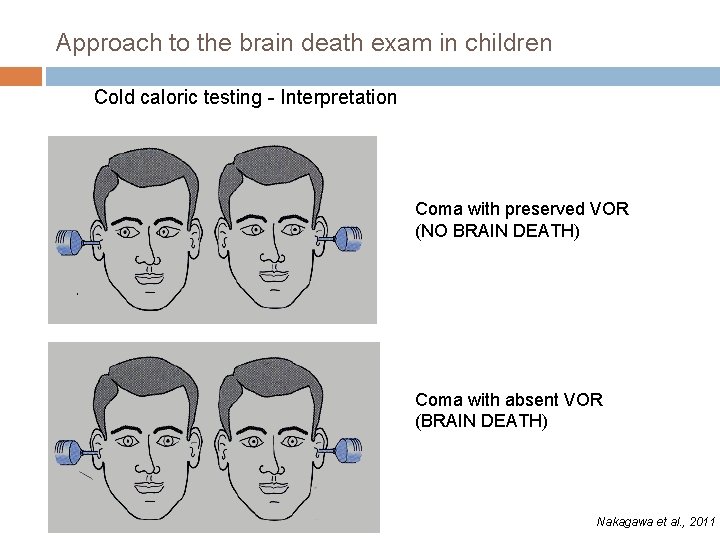
Approach to the brain death exam in children Cold caloric testing - Interpretation Coma with preserved VOR (NO BRAIN DEATH) Coma with absent VOR (BRAIN DEATH) Nakagawa et al. , 2011
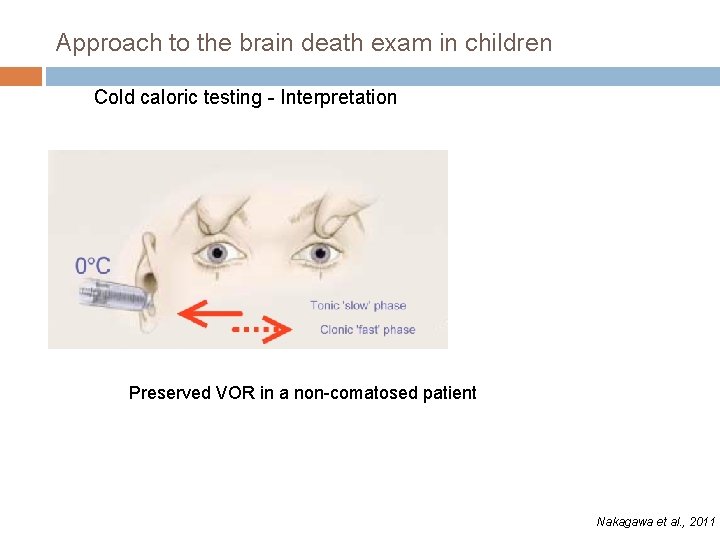
Approach to the brain death exam in children Cold caloric testing - Interpretation Preserved VOR in a non-comatosed patient Nakagawa et al. , 2011
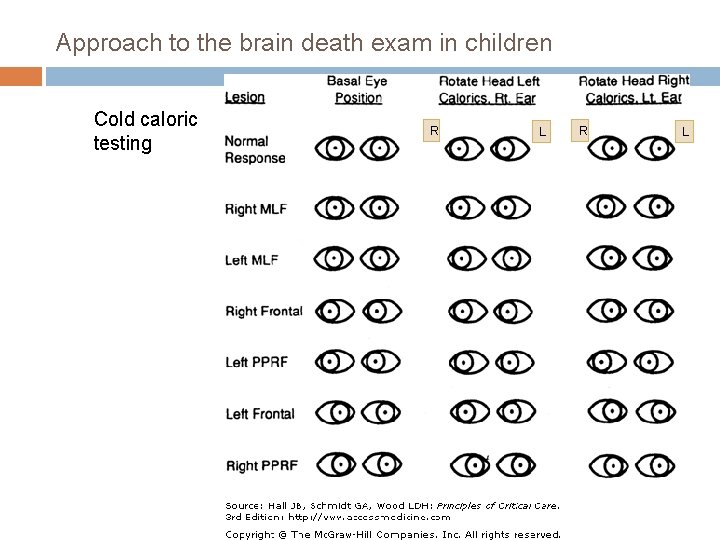
Approach to the brain death exam in children Cold caloric testing R L
Approach to the brain death exam in children Brain death exam components 1. Confirmation of coma 2. Loss of brainstem reflexes 3. Apnea test 1. Core temperature should be normalized to >35 C, and blood pressure corrected to patient’s age 2. Pre-oxygenation using 100% oxygen for 5 -10 minutes prior to test 3. Blood gas to ensure a normal Pa. CO 2 4. Mechanical ventilation should be discontinued 5. Documentation of absence of respiratory effort 6. Continuous monitoring of HR, BP, O 2 saturation 7. Repeat blood gas after 5 minutes – if Pa. CO 2 ≥ 60 mm. Hg or change of ≥ 20 mm. Hg above baseline, positive apnea test 8. If O 2 sat drops to <85% or child develops hemodynamic instability, test should be terminated and patient’s ventilation should be restored. Apnea test may be repeated later or ancillary testing should be done Nakagawa et al. , 2011
Summary Coma is a state of altered level of consciousness characterized by a deep sleep-like state with impaired alertness and awareness and absence of response to noxious stimulation Coma is a neurologic emergency that requires prompt evaluation and management Brain death represents the absence of brainstem reflexes in a comatosed patient in whom a known irreversible etiology has been identified and in the absence of confounding factors
References Howard RS (2016) Coma and brainstem death. Medicine 44: 8, page 495 -498. Nakagawa TA et al. (2011) Clinical Report – Guidelines for the Determination of Brain Death in Infants and Children: An Updat of the 1987 Task Force Recommendations. Pediatrics. 135(4): e 1105. Song JL et al. (2017) Altered Level of Consciousness: Evidence. Based Management in the Emergency Department. Pediatr Emerg Med Pract. 22; 14(1 Suppl Points & Pearls): S 1 -S 2. Blumenfeld H. Neuroanatmoy throught Clinical Cases. 2 nd Edition.
Questions?
- Slides: 57