
2 main types Prokaryotic Cells Primitive no membrane
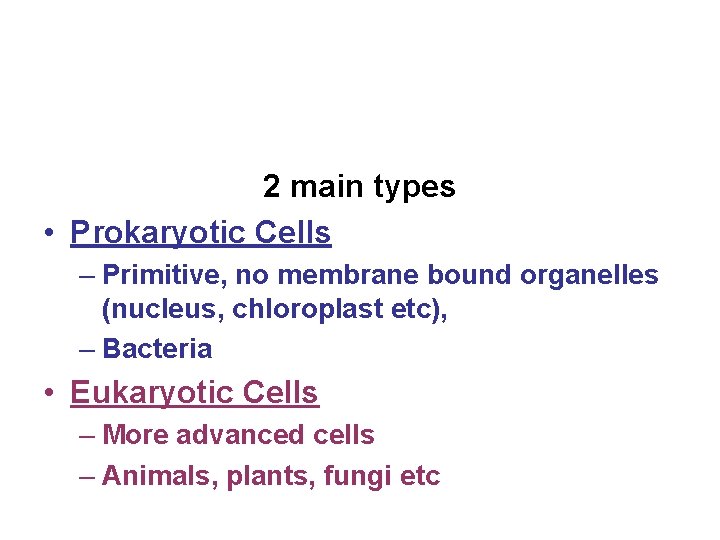
2 main types • Prokaryotic Cells – Primitive, no membrane bound organelles (nucleus, chloroplast etc), – Bacteria • Eukaryotic Cells – More advanced cells – Animals, plants, fungi etc
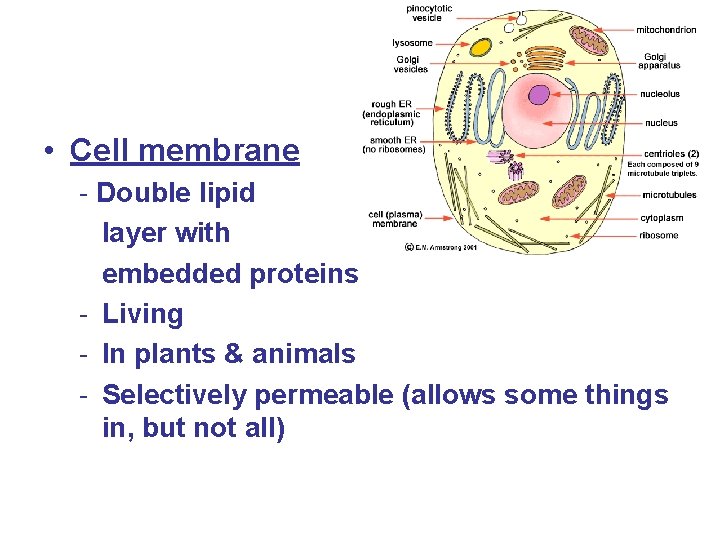
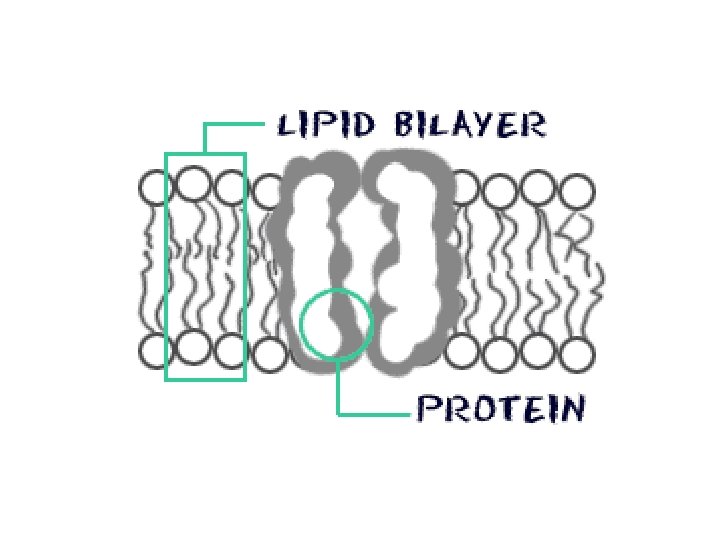
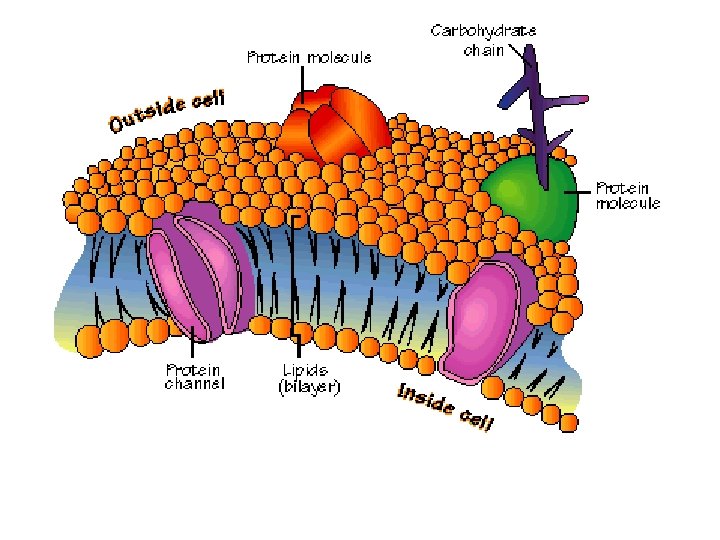
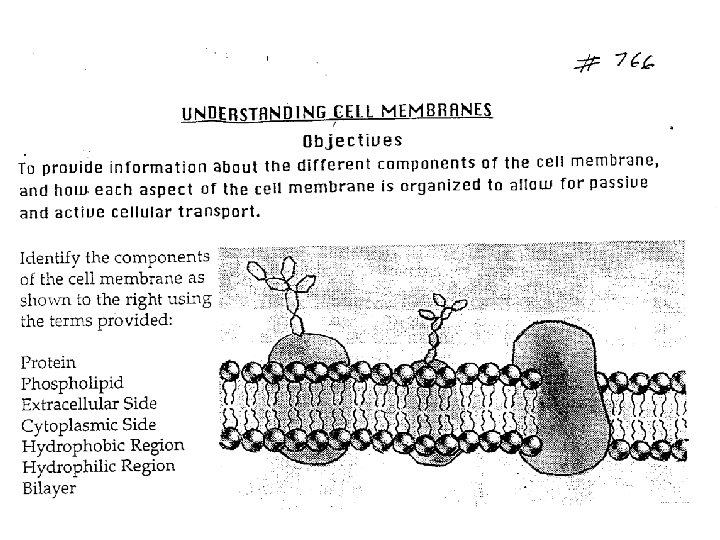
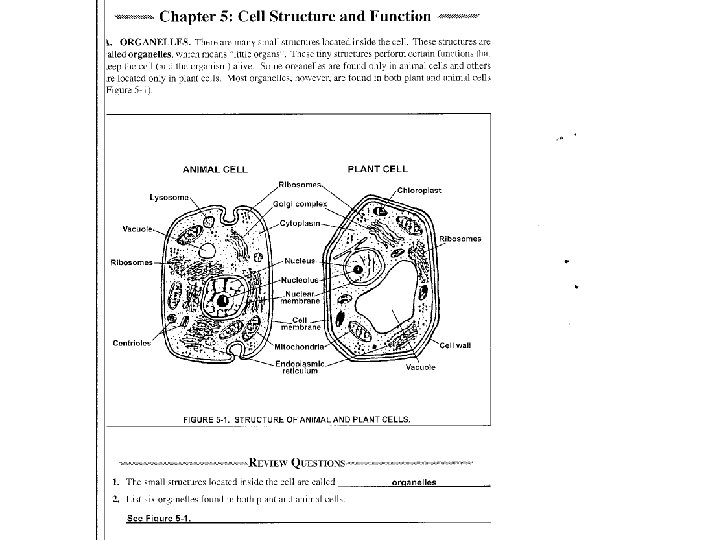
• Cell membrane - Double lipid layer with embedded proteins - Living - In plants & animals - Selectively permeable (allows some things in, but not all)

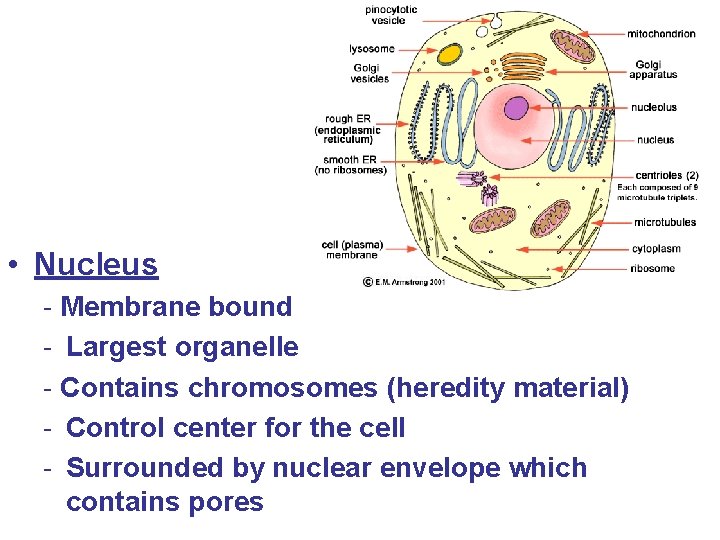
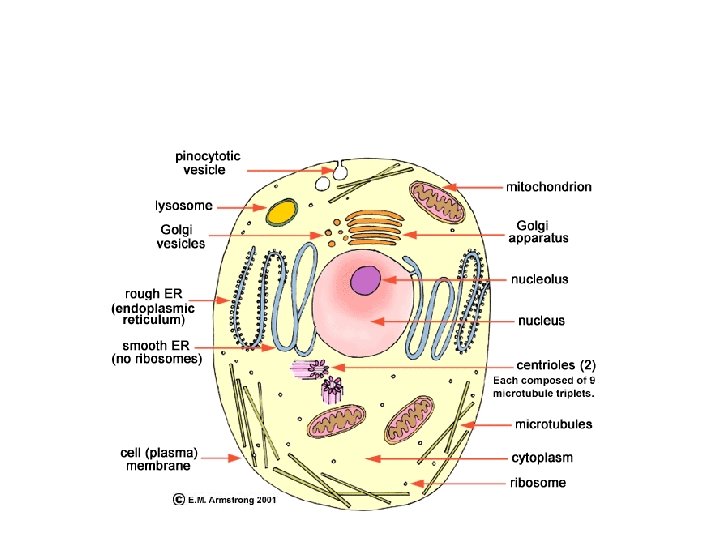
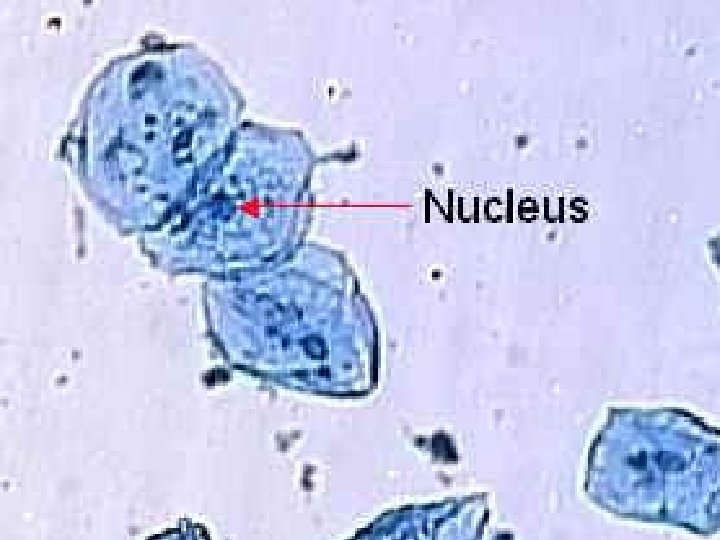
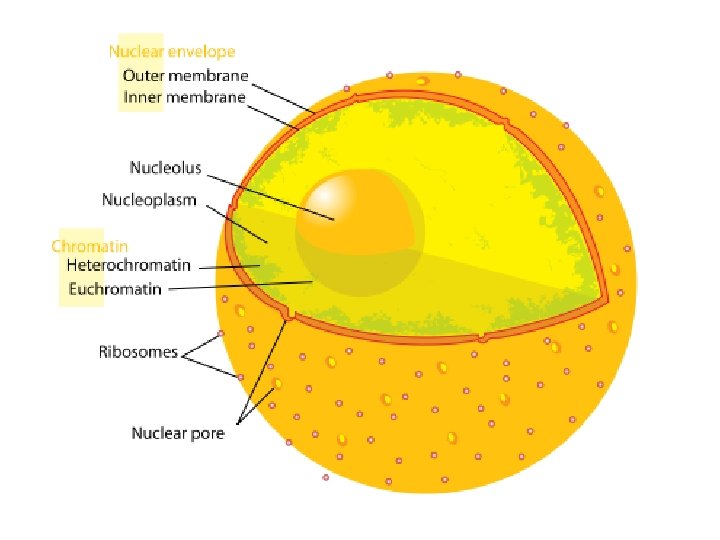
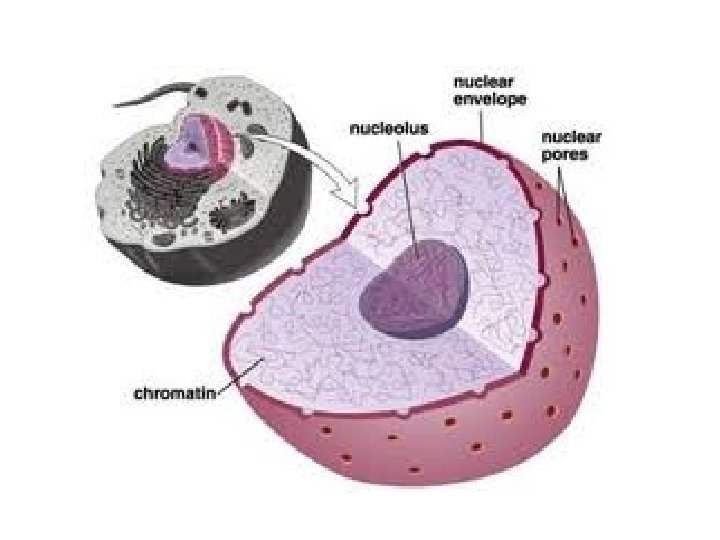
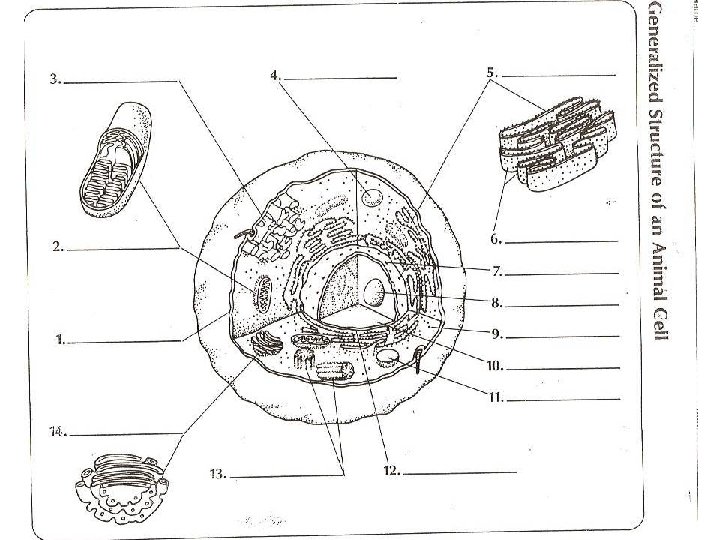
• Nucleus - Membrane bound - Largest organelle - Contains chromosomes (heredity material) - Control center for the cell - Surrounded by nuclear envelope which contains pores
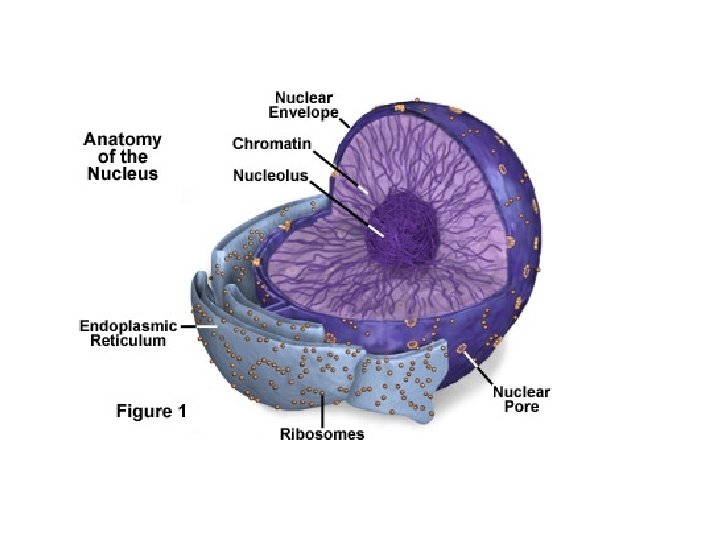
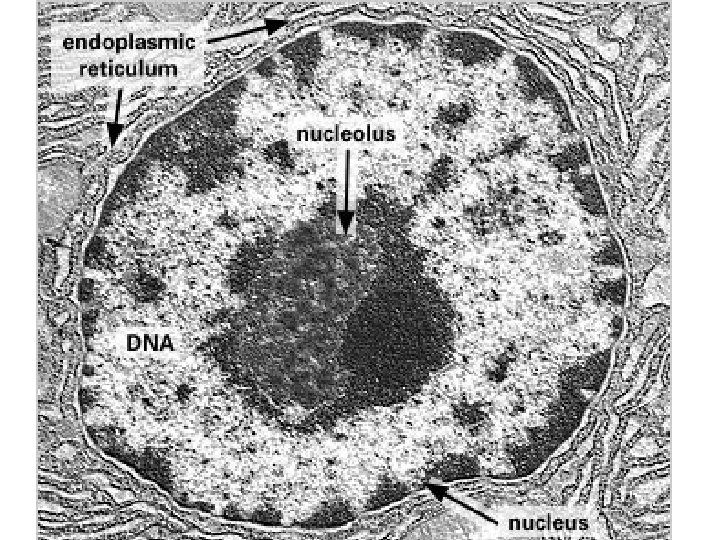
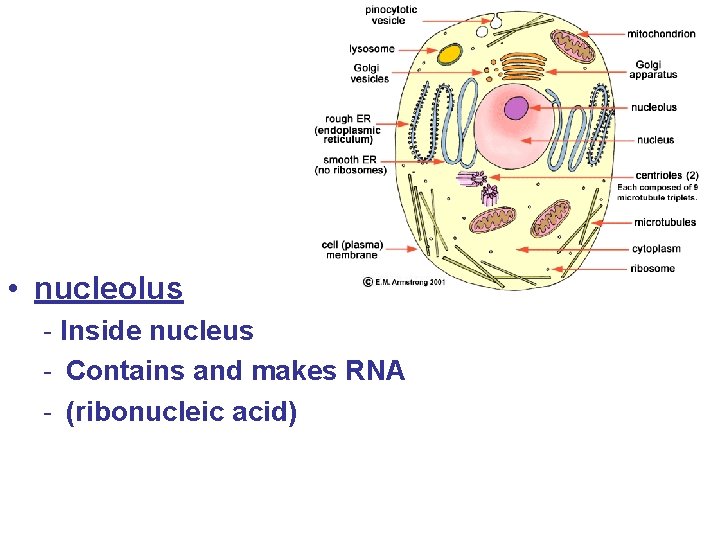
• nucleolus - Inside nucleus - Contains and makes RNA - (ribonucleic acid)
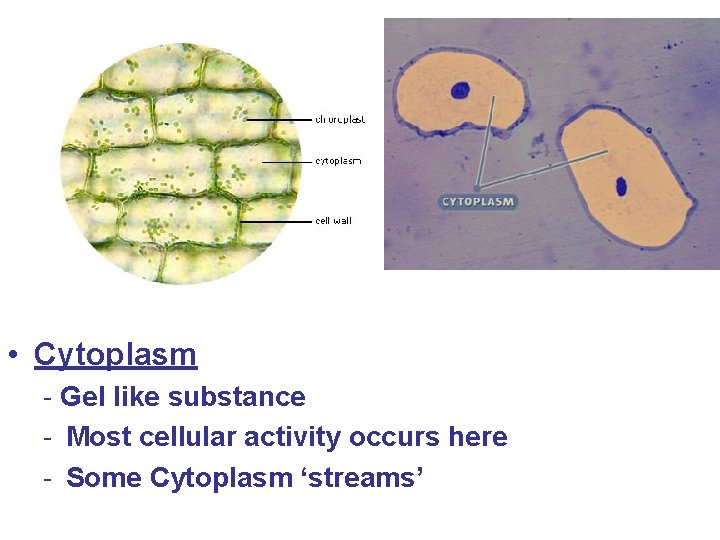
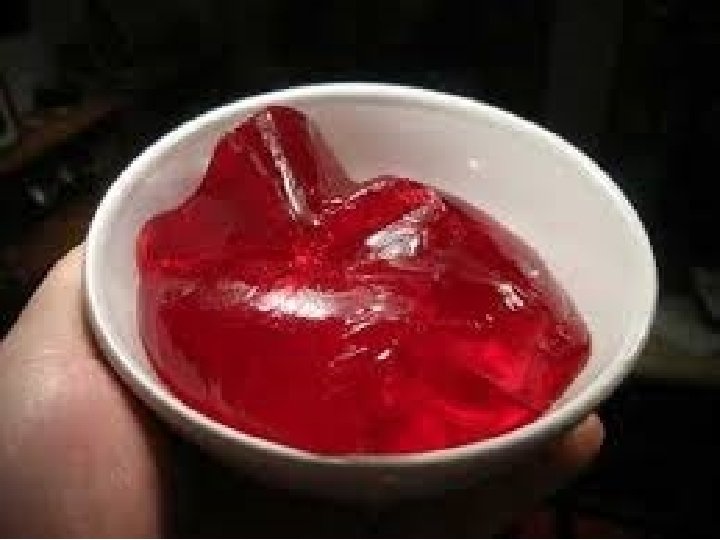
• Cytoplasm - Gel like substance - Most cellular activity occurs here - Some Cytoplasm ‘streams’
Frankenstein pumpkin
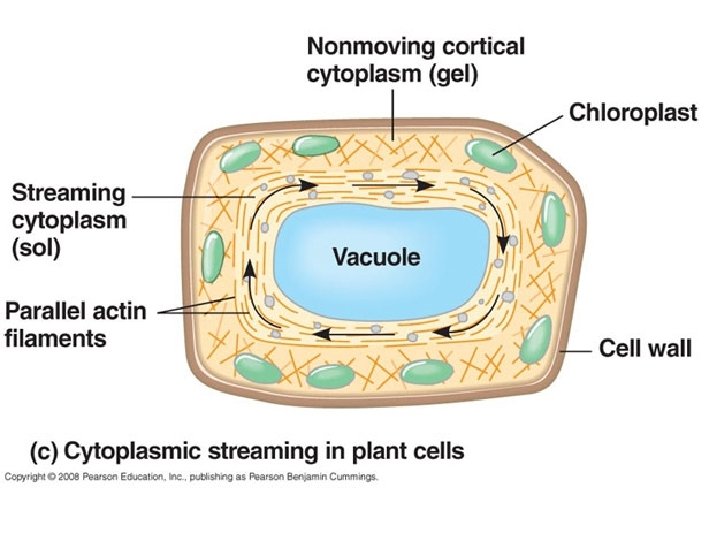

Cytoplasmic streaming in elodea
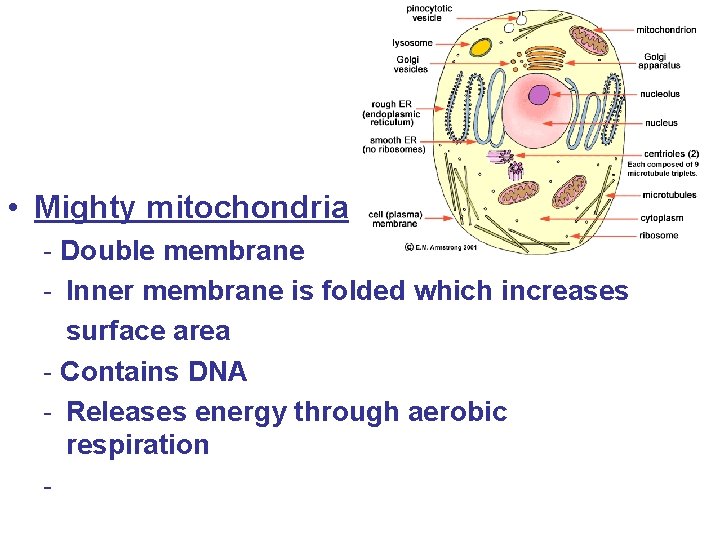
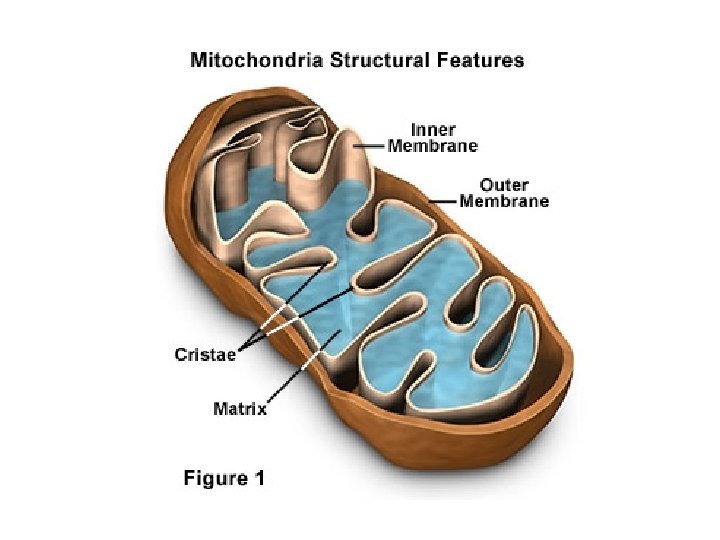
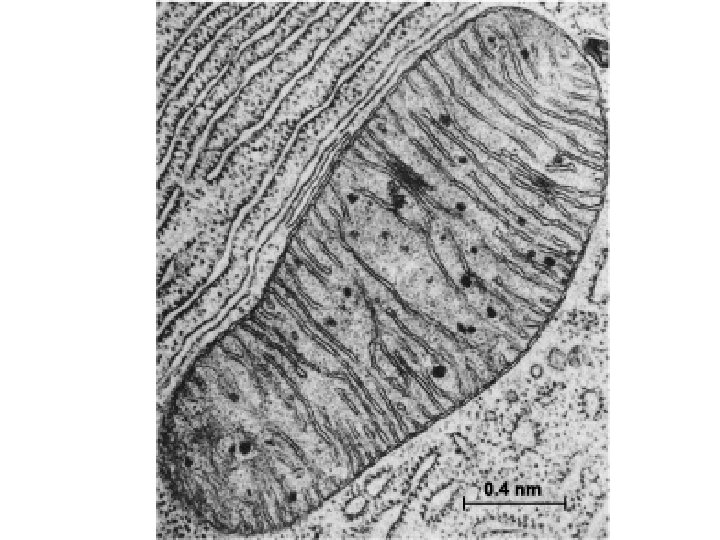
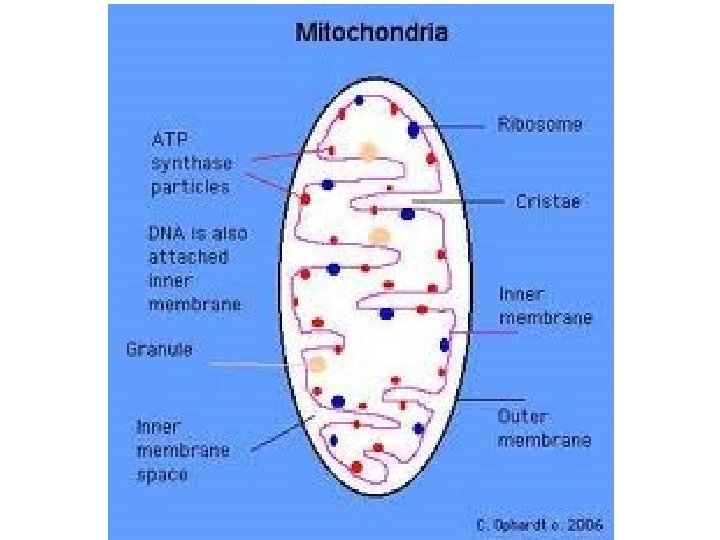
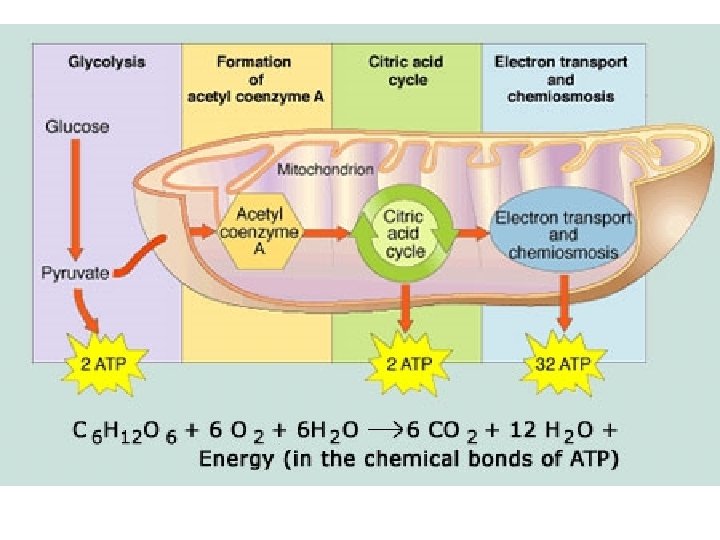
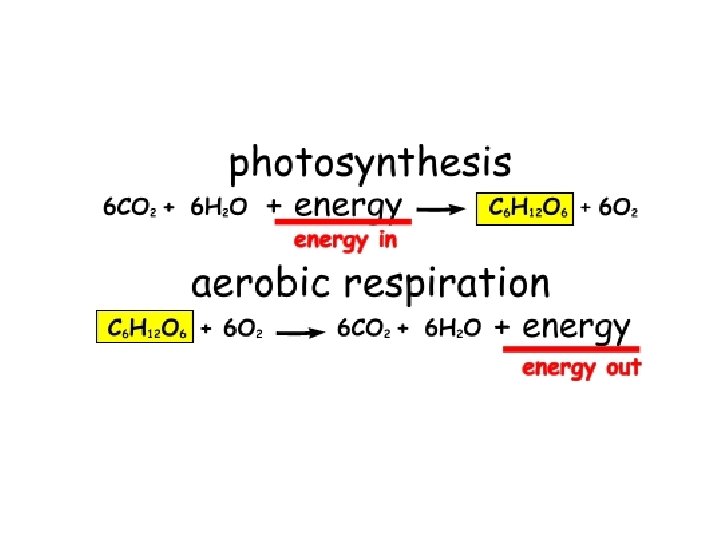
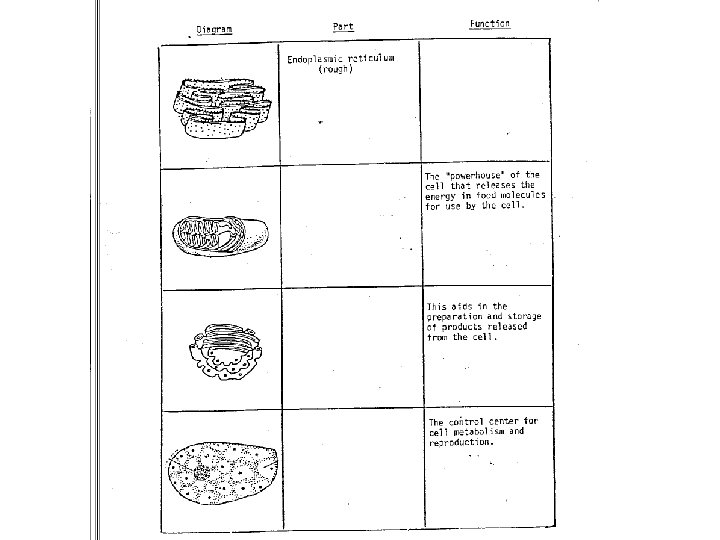
• Mighty mitochondria - Double membrane - Inner membrane is folded which increases surface area - Contains DNA - Releases energy through aerobic respiration -
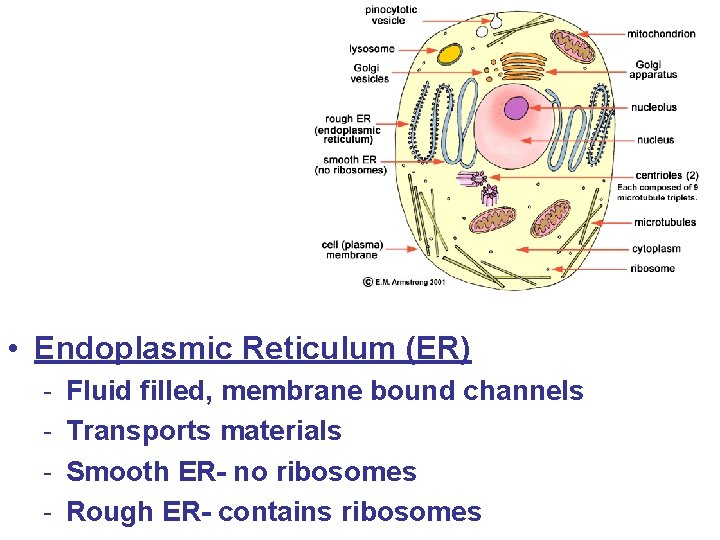
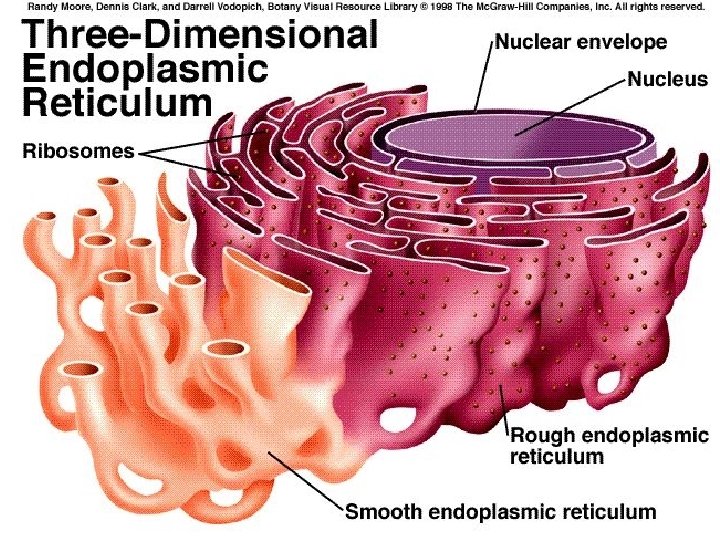
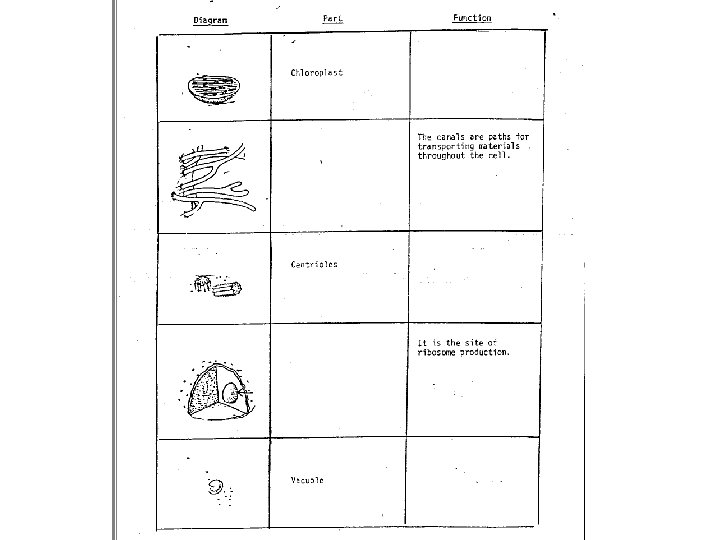
• Endoplasmic Reticulum (ER) - Fluid filled, membrane bound channels Transports materials Smooth ER- no ribosomes Rough ER- contains ribosomes
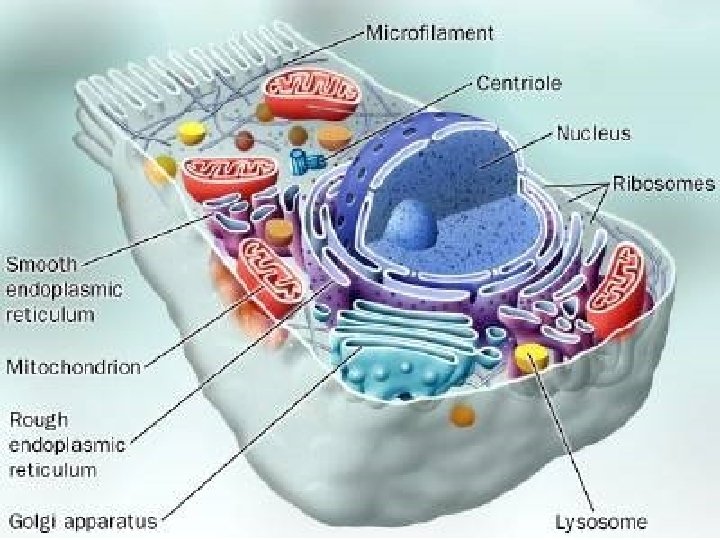
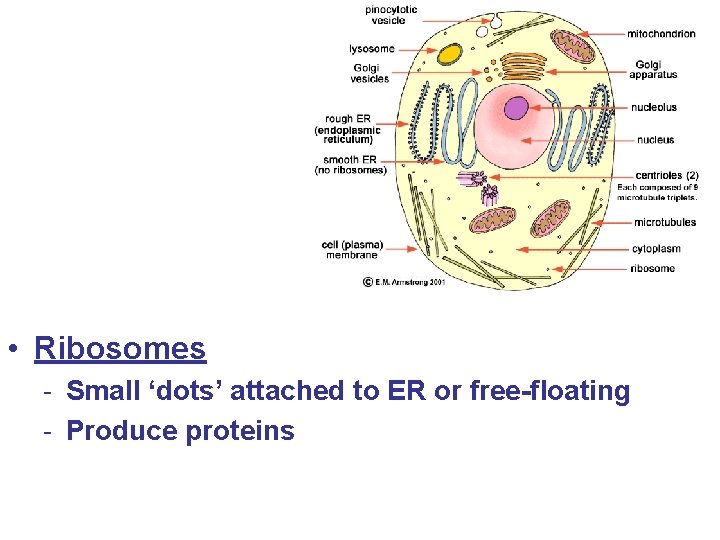
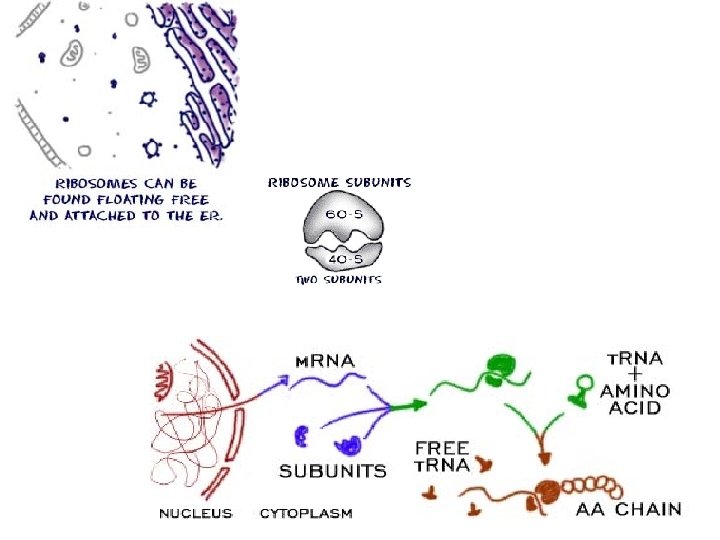
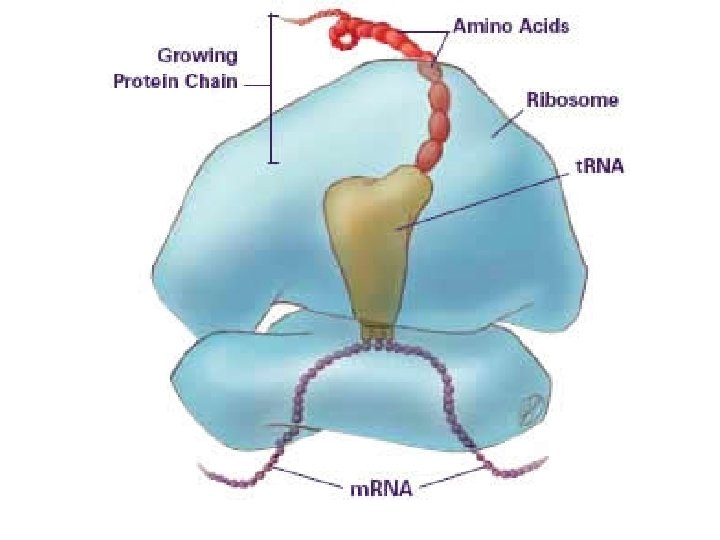
• Ribosomes - Small ‘dots’ attached to ER or free-floating - Produce proteins
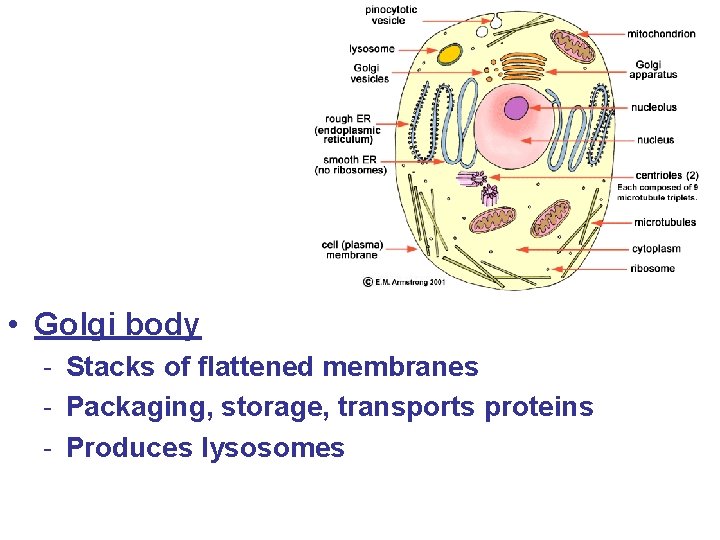
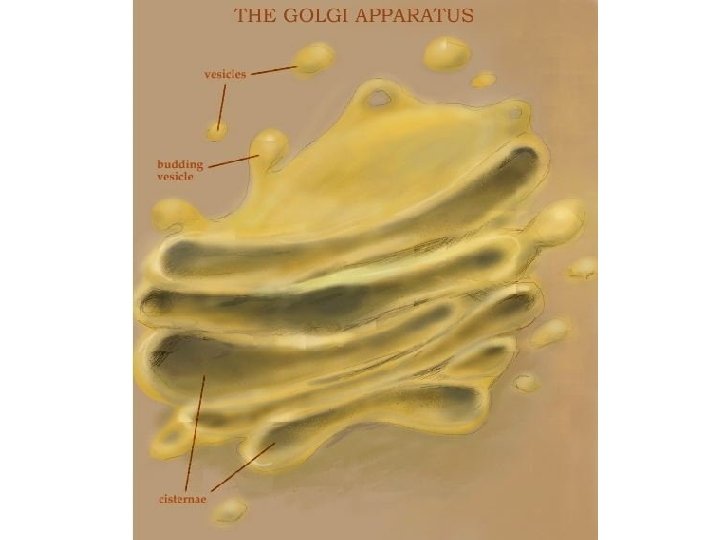
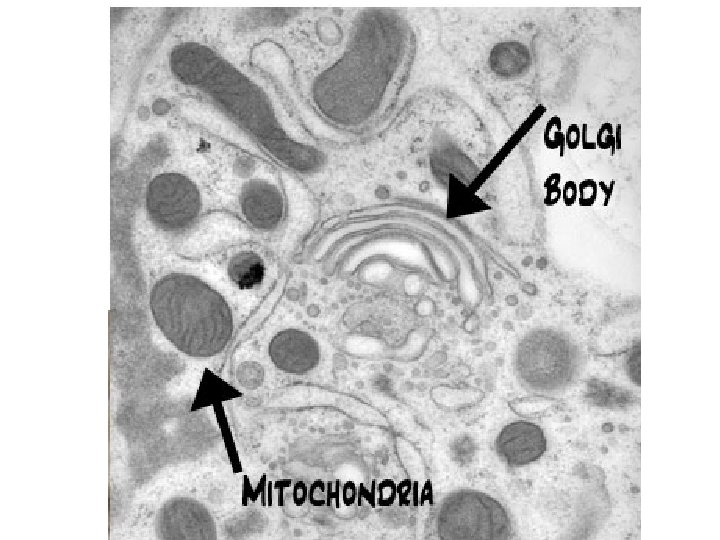
• Golgi body - Stacks of flattened membranes - Packaging, storage, transports proteins - Produces lysosomes
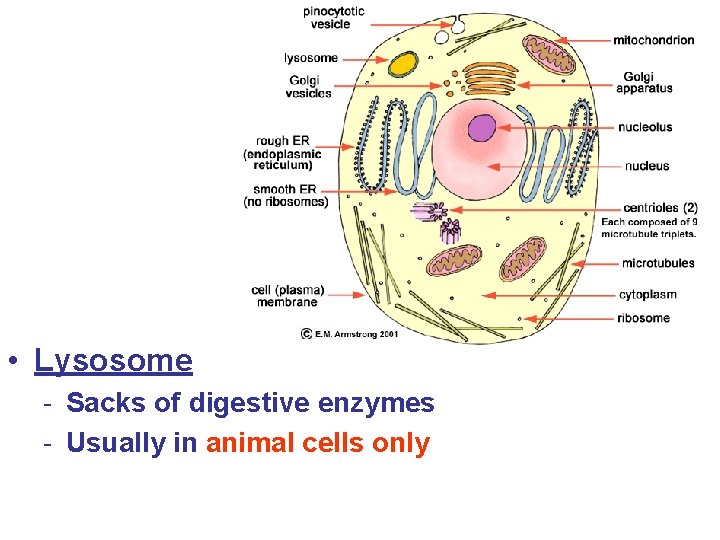
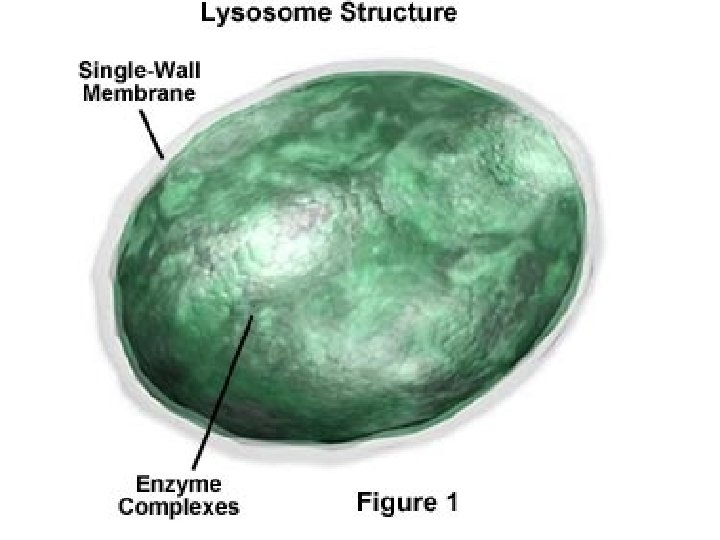
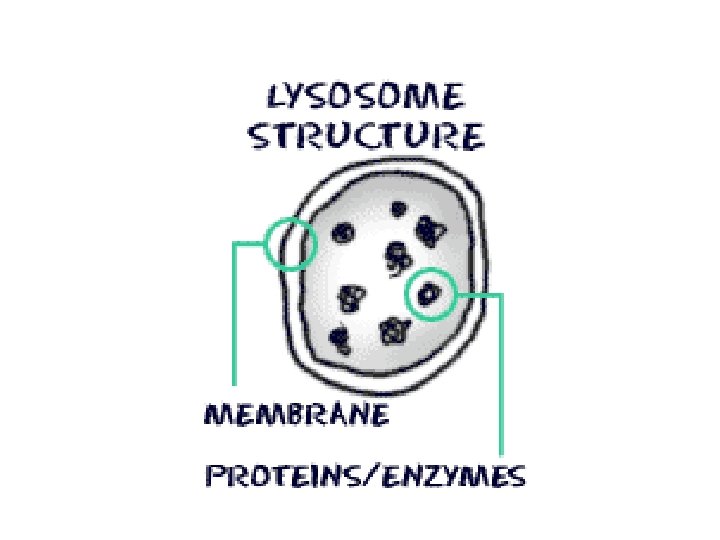
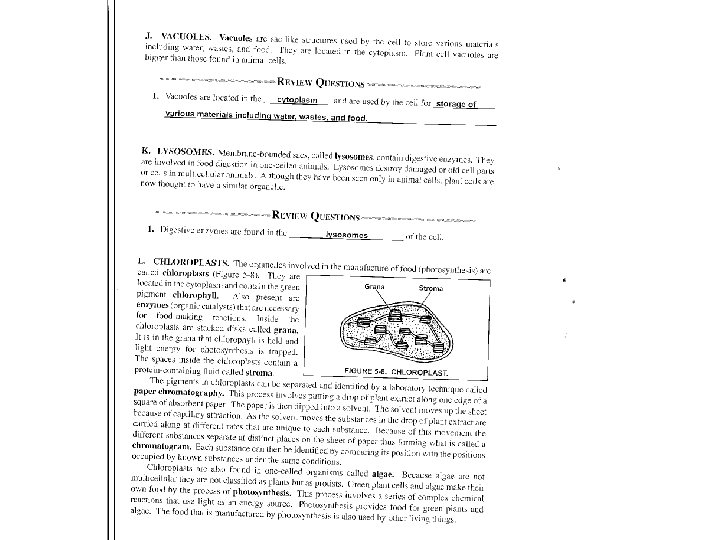
• Lysosome - Sacks of digestive enzymes - Usually in animal cells only
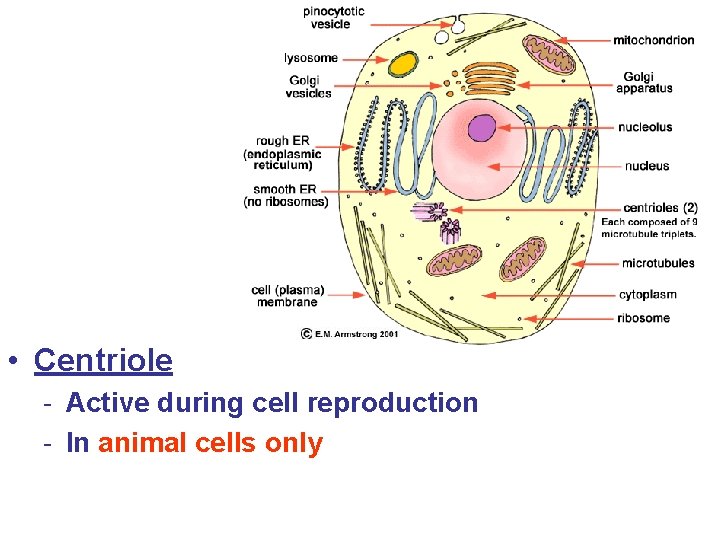
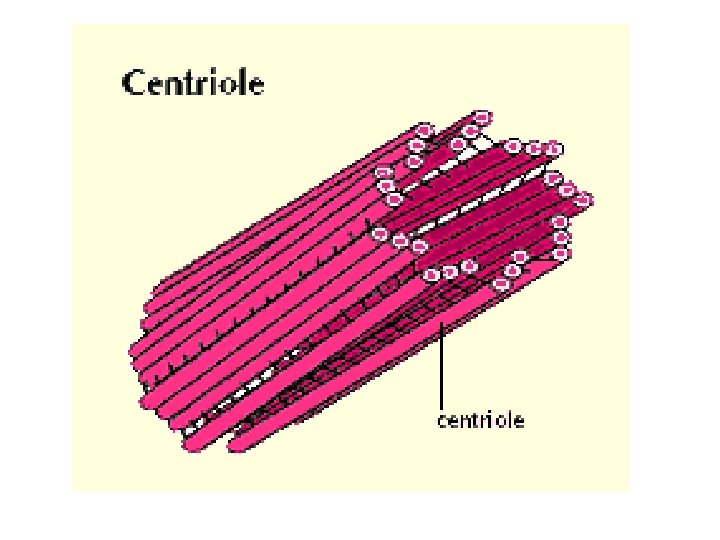
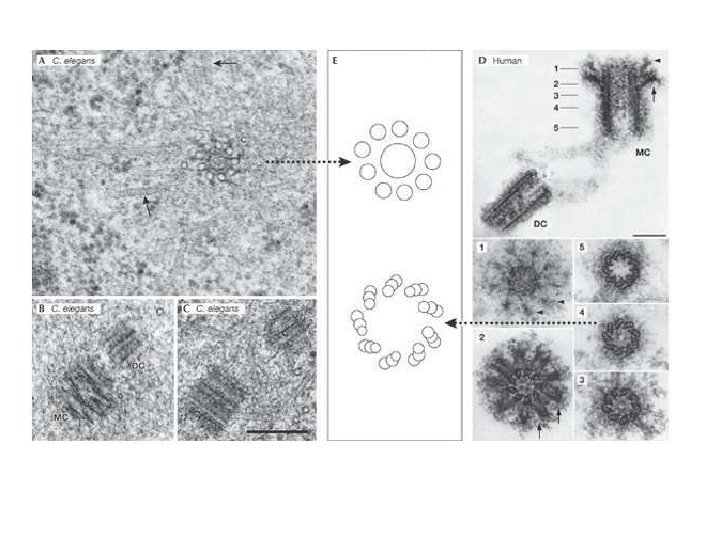
• Centriole - Active during cell reproduction - In animal cells only
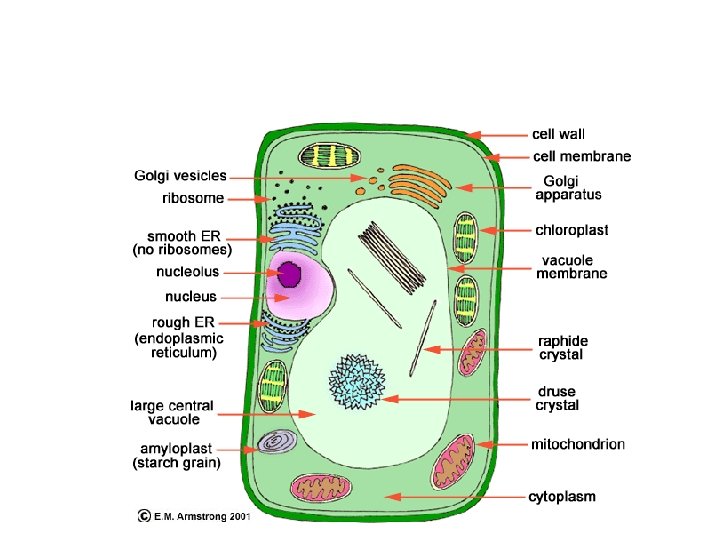
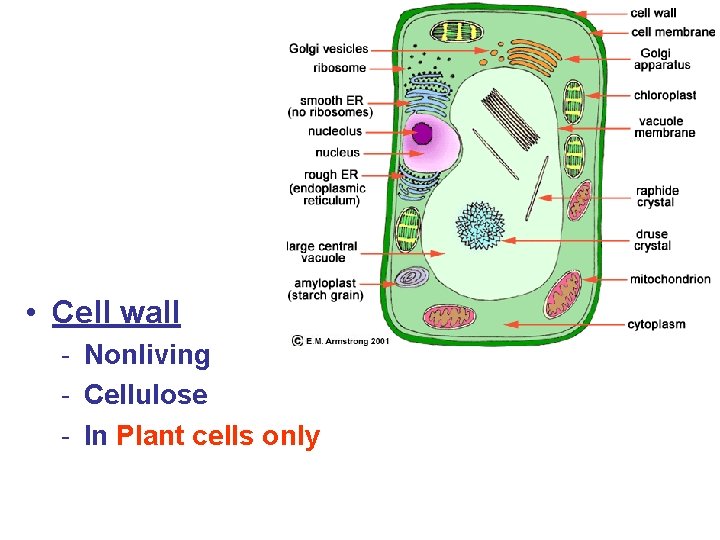
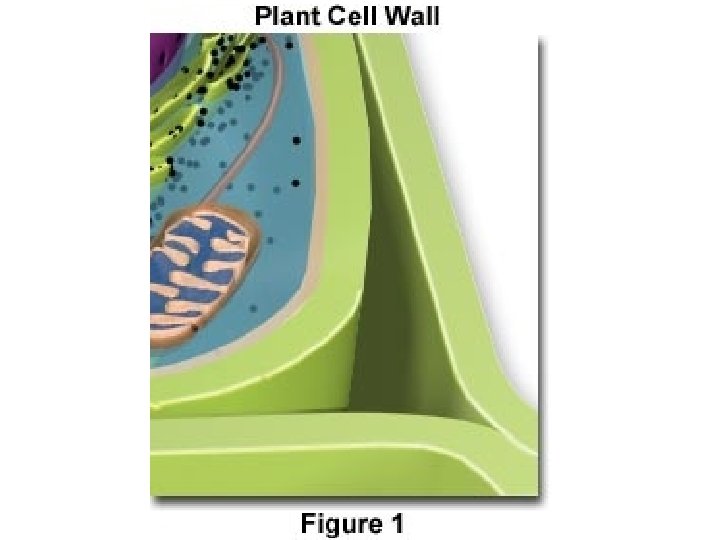
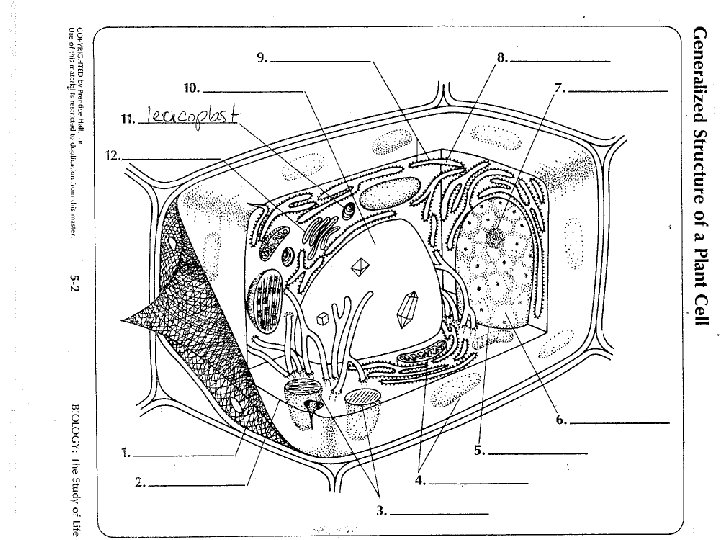
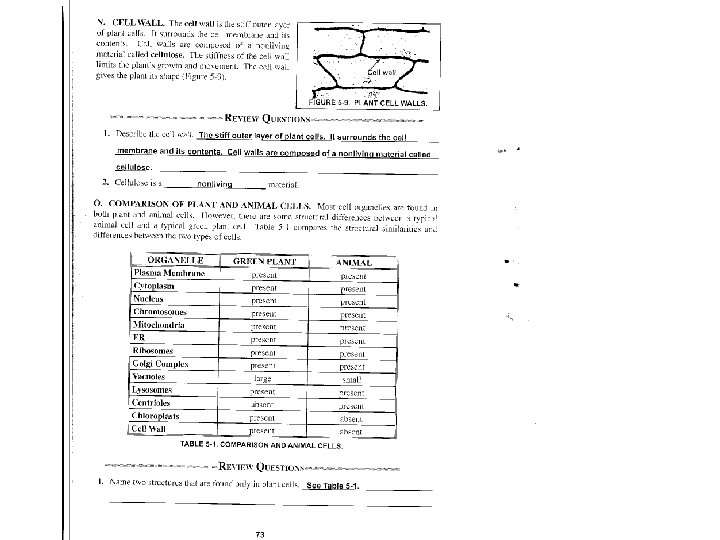
• Cell wall - Nonliving - Cellulose - In Plant cells only
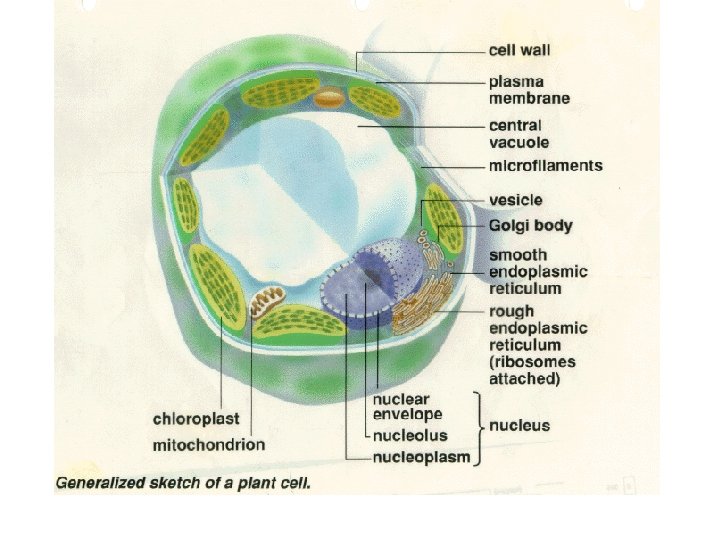
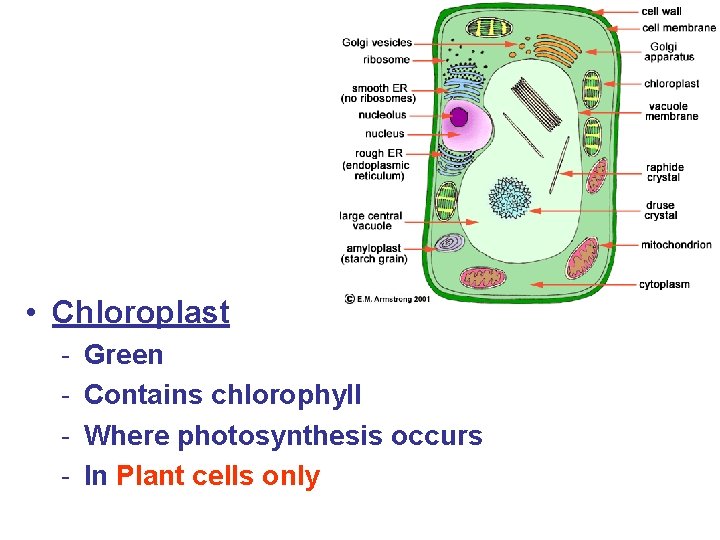
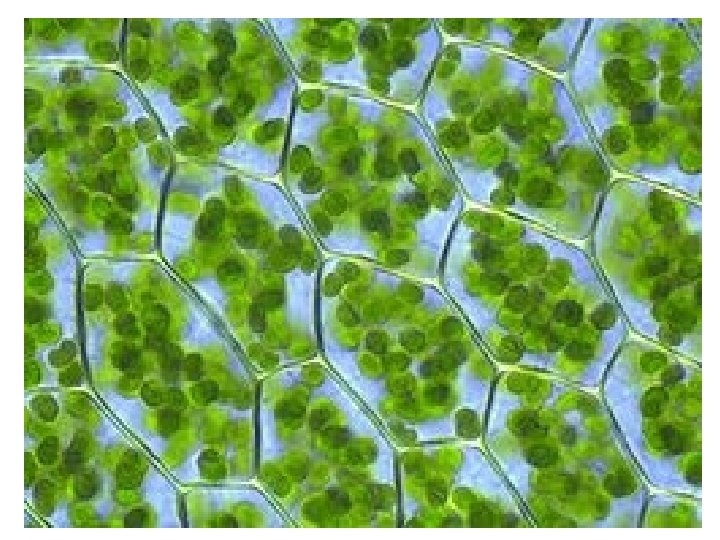
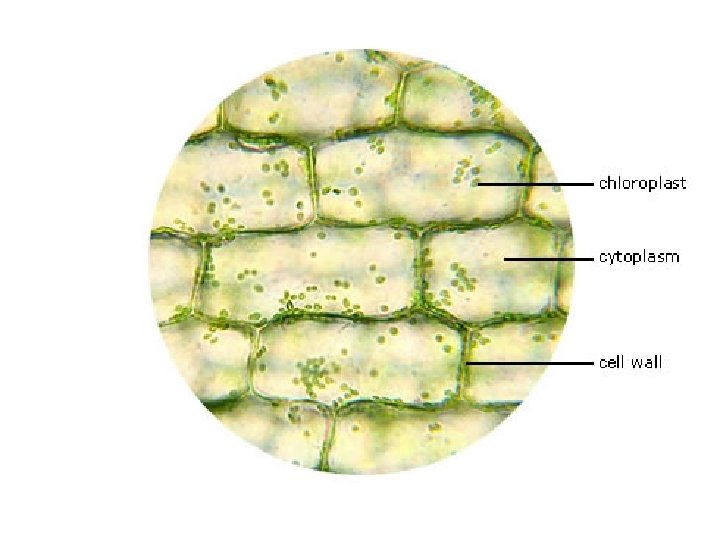
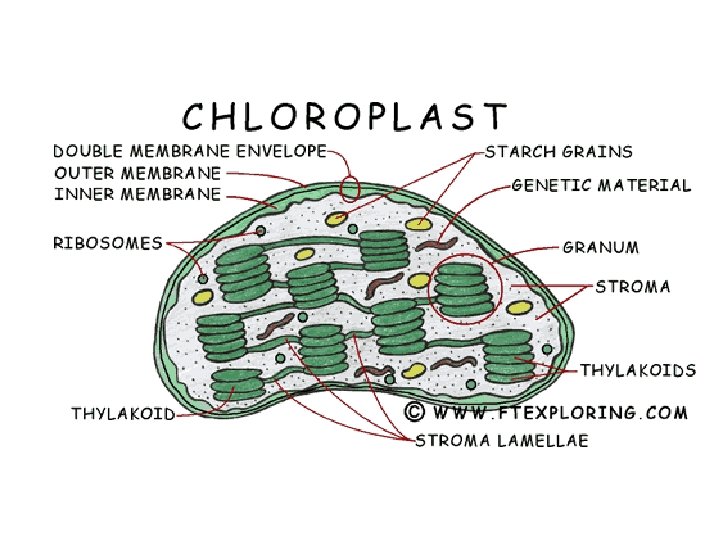
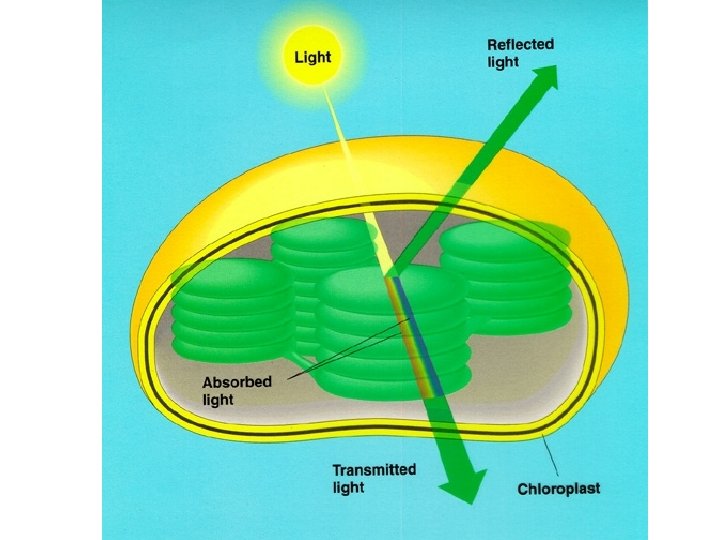
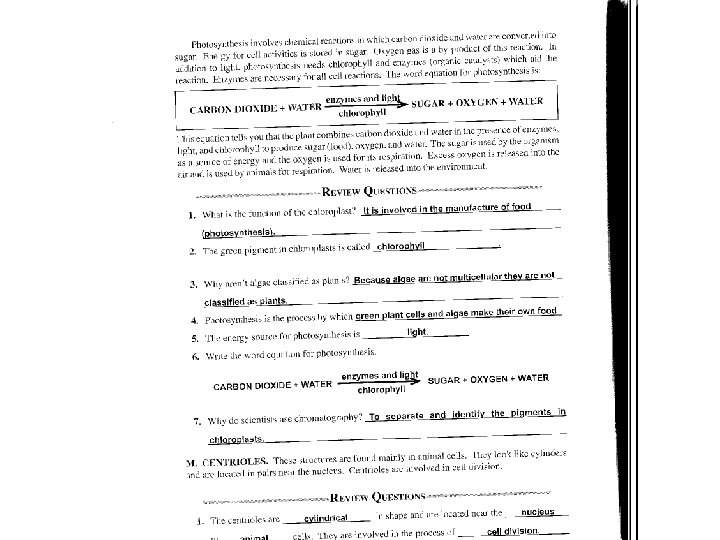
• Chloroplast - Green Contains chlorophyll Where photosynthesis occurs In Plant cells only
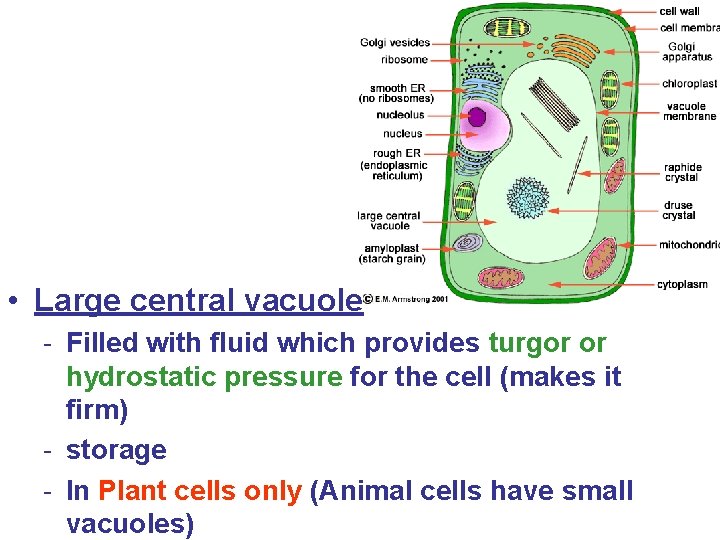
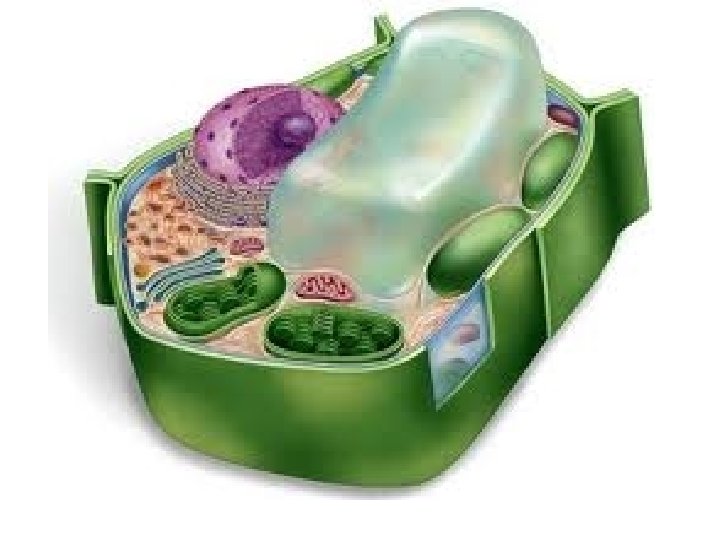
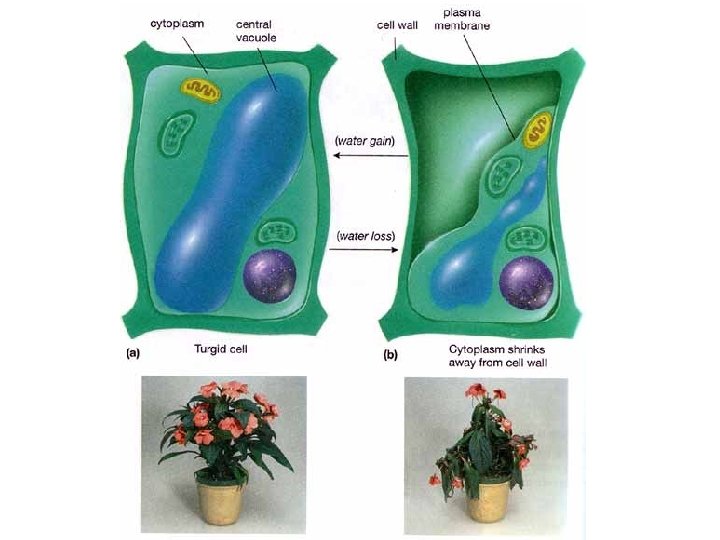
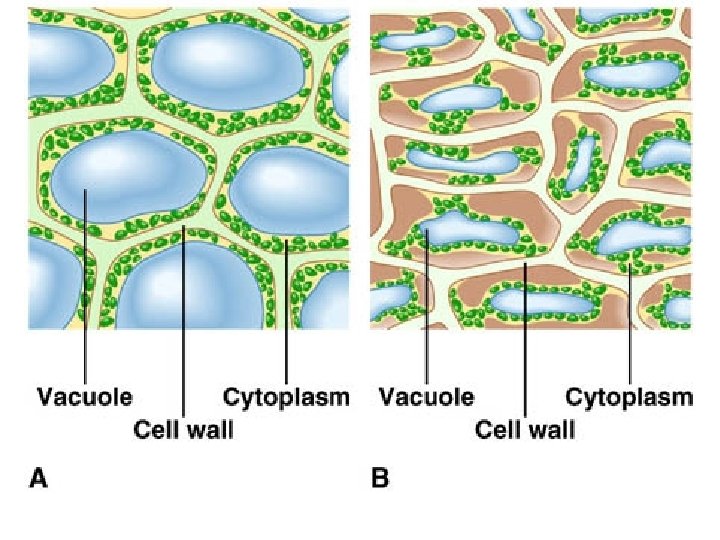
• Large central vacuole - Filled with fluid which provides turgor or hydrostatic pressure for the cell (makes it firm) - storage - In Plant cells only (Animal cells have small vacuoles)
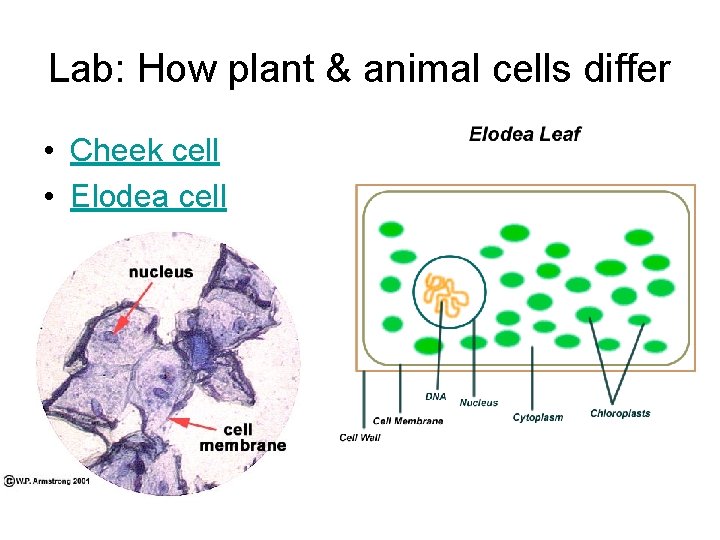
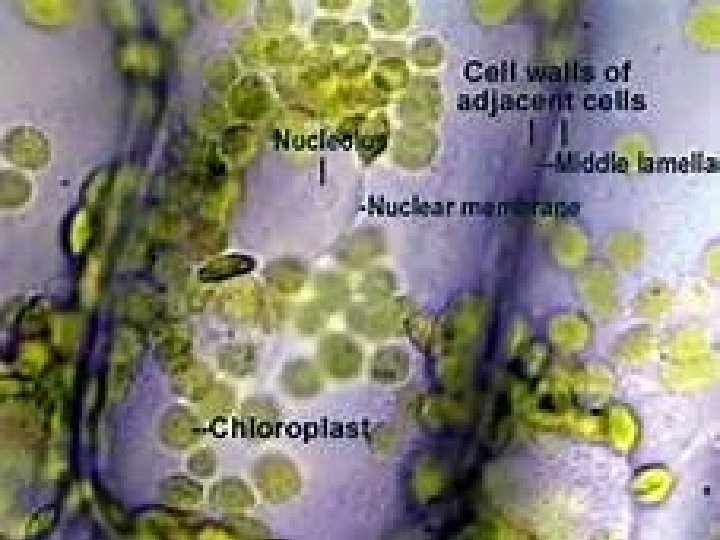
Lab: How plant & animal cells differ • Cheek cell • Elodea cell
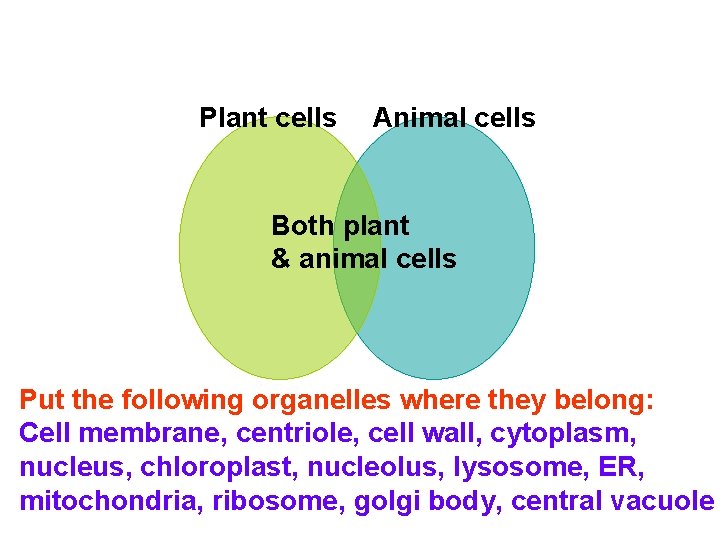
Plant cells Animal cells Both plant & animal cells Put the following organelles where they belong: Cell membrane, centriole, cell wall, cytoplasm, nucleus, chloroplast, nucleolus, lysosome, ER, mitochondria, ribosome, golgi body, central vacuole
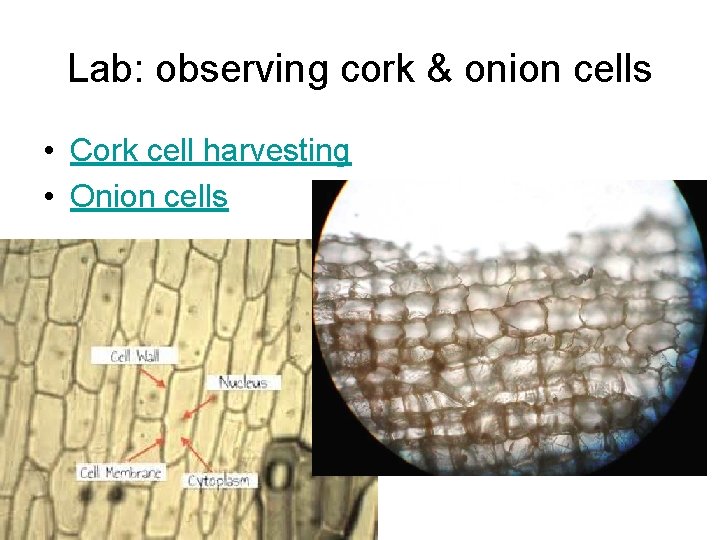
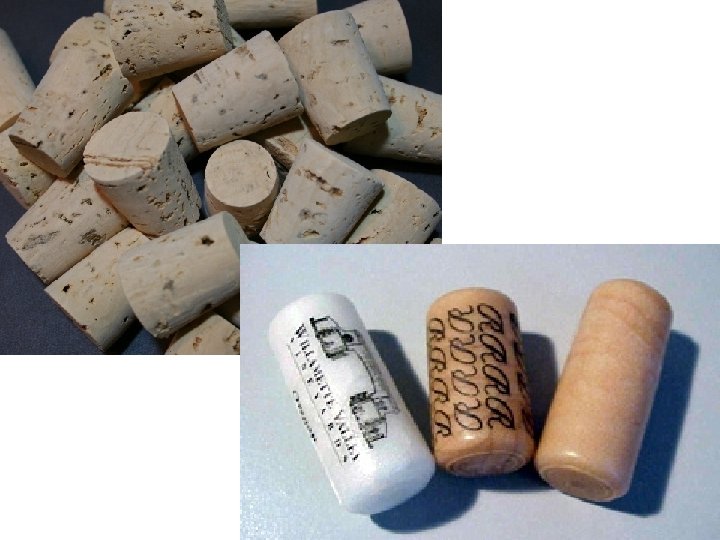
Lab: observing cork & onion cells • Cork cell harvesting • Onion cells
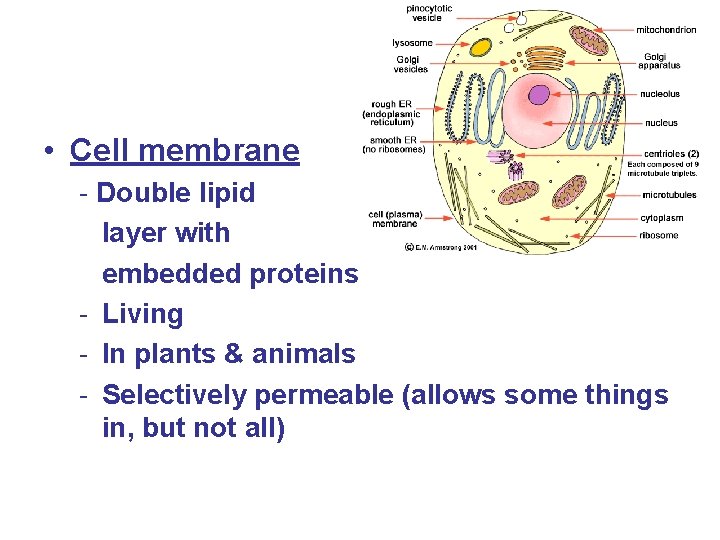
• Cell membrane - Double lipid layer with embedded proteins - Living - In plants & animals - Selectively permeable (allows some things in, but not all)
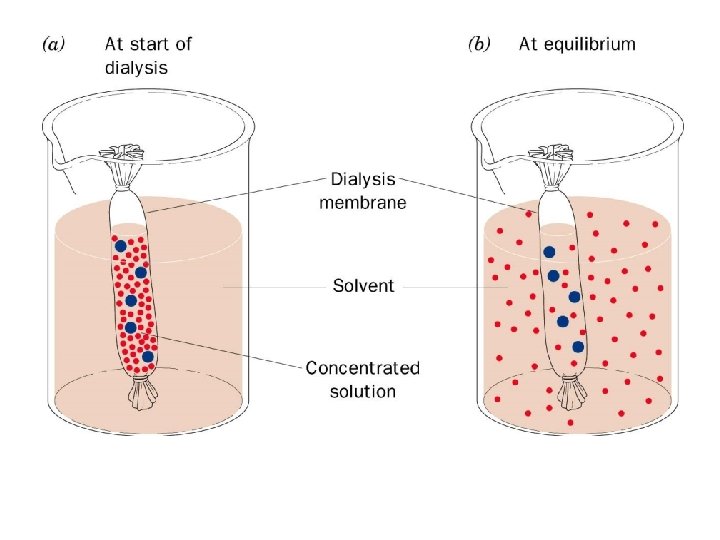
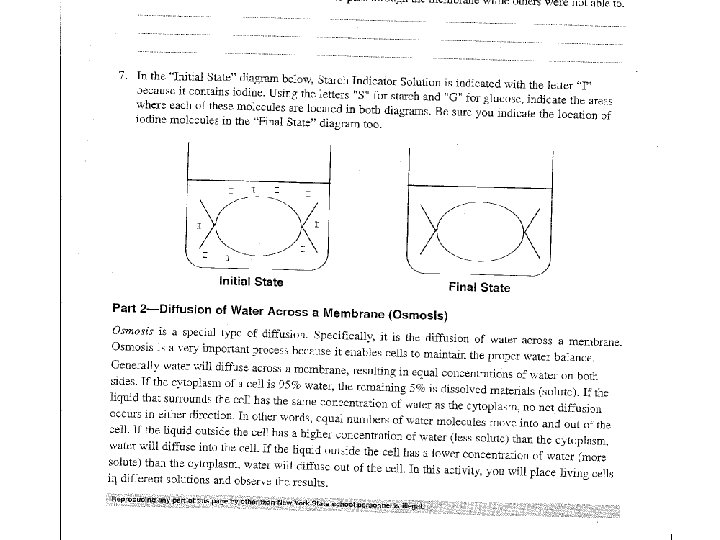
Diffusion – Movement of a substance from high concentration to low concentration until dynamic equilibrium is reached – Once dynamic equilibrium is reached diffusion occurs equally in both directions Osmosis – The diffusion of water Facilitated Diffusion – Proteins in cell membrane aid diffusion
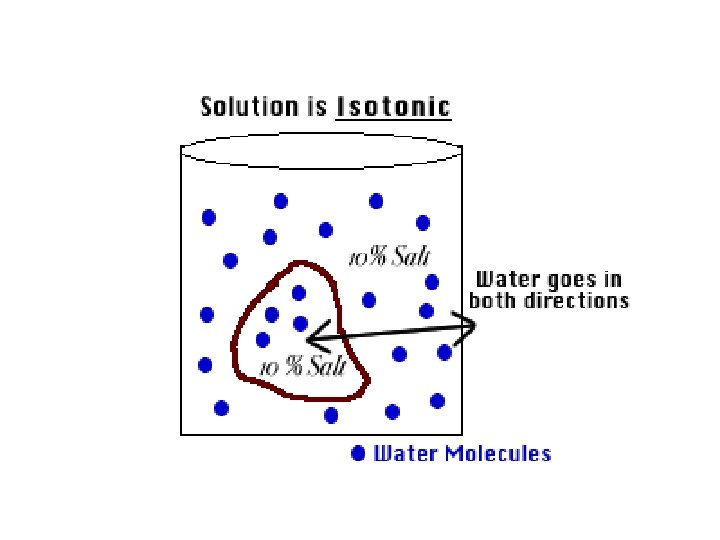
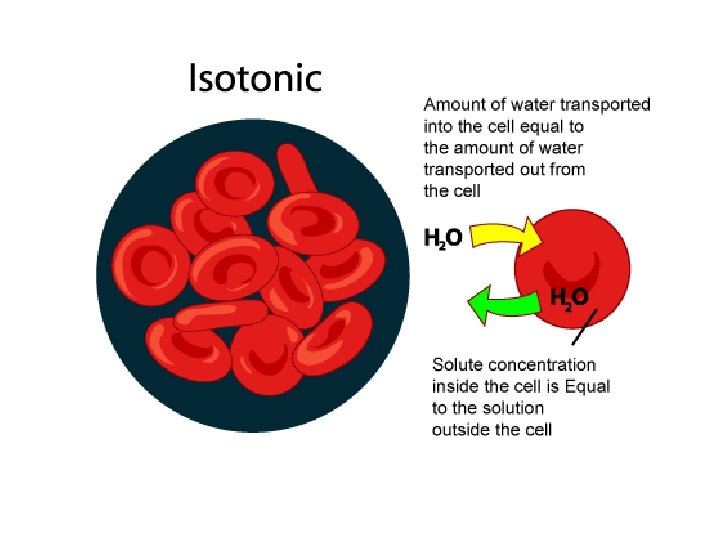
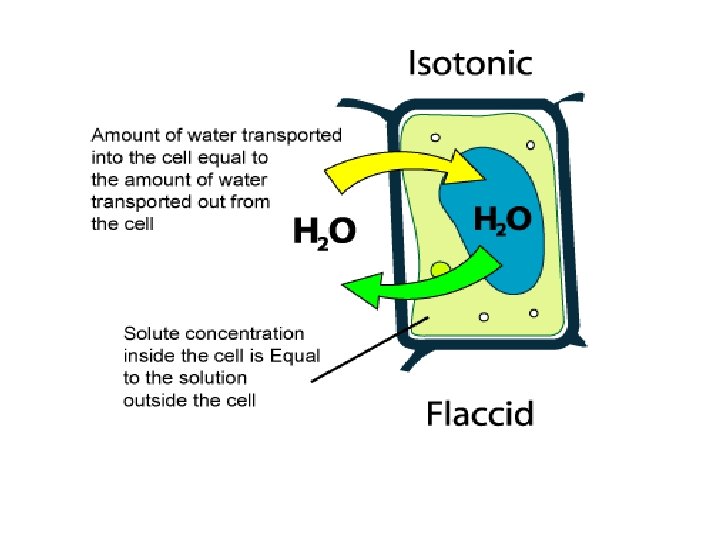
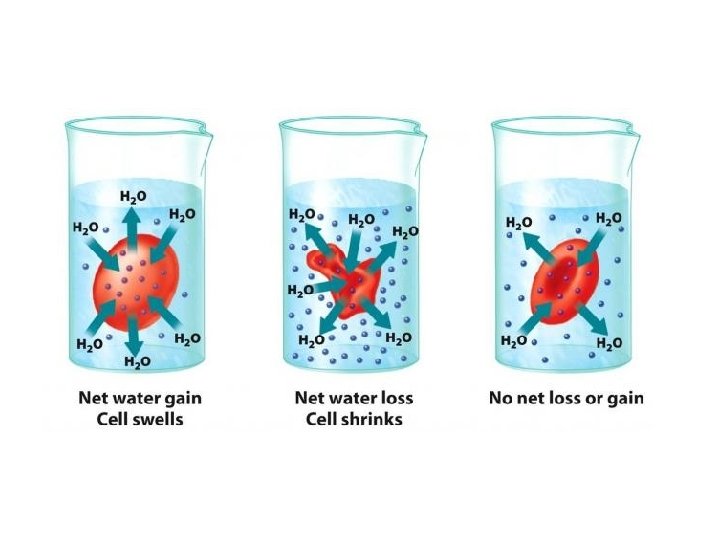
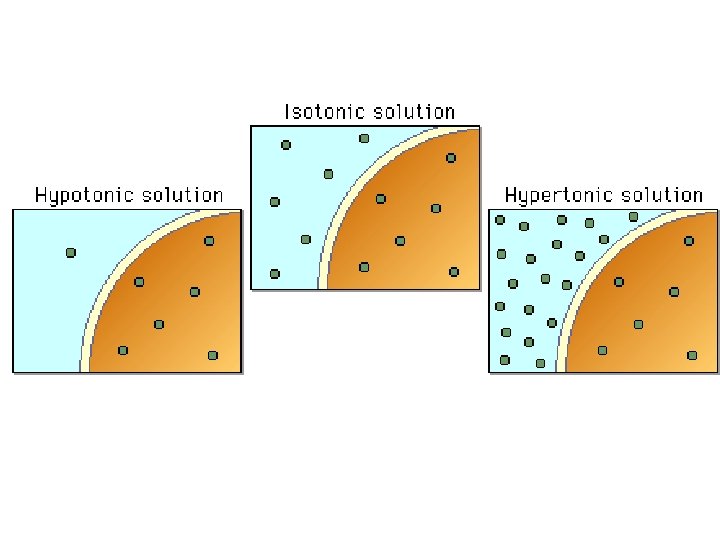
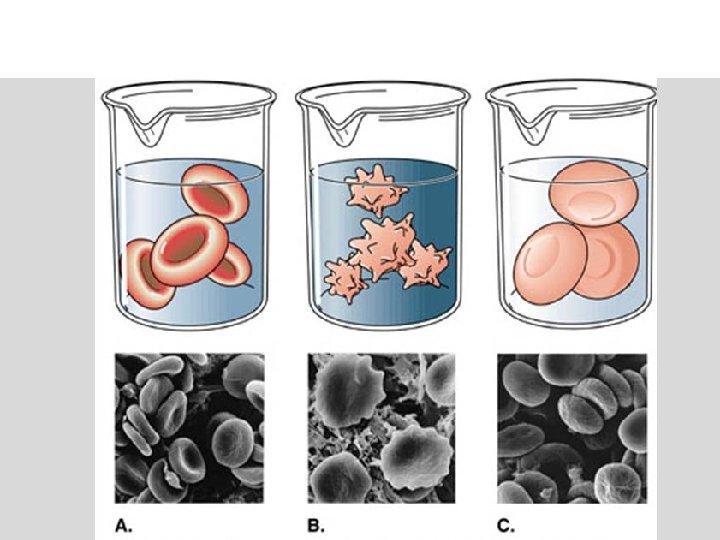
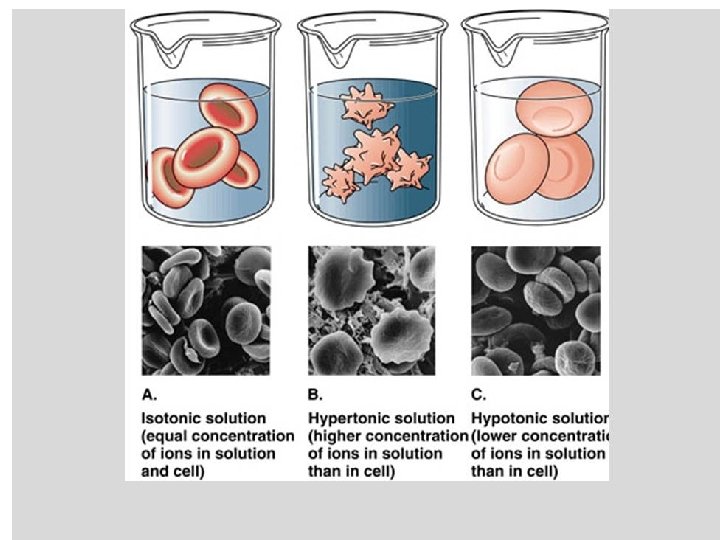
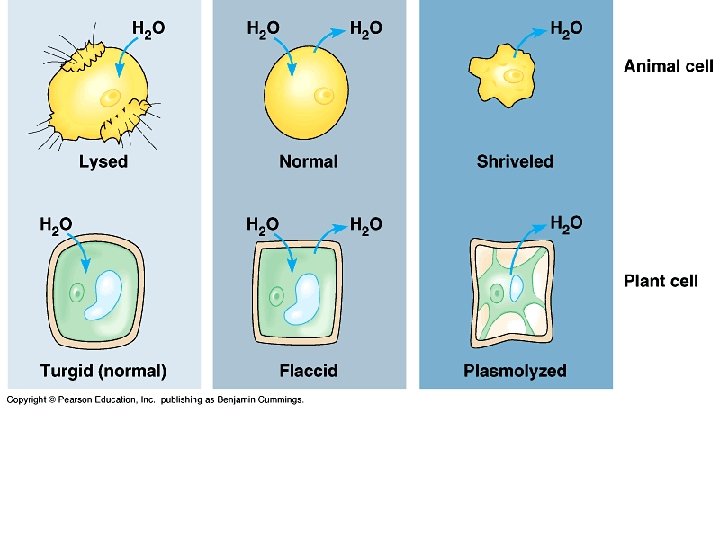
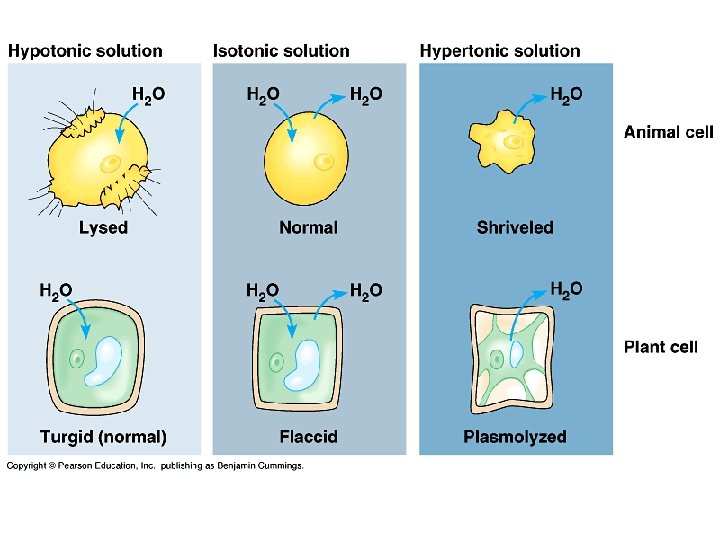
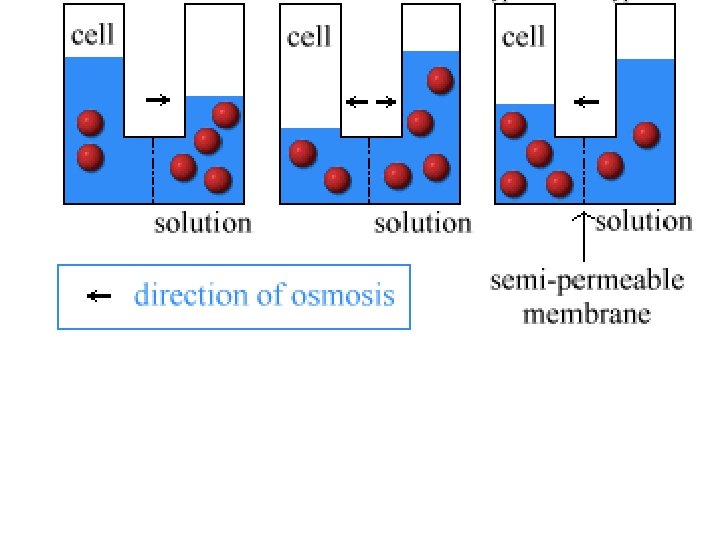
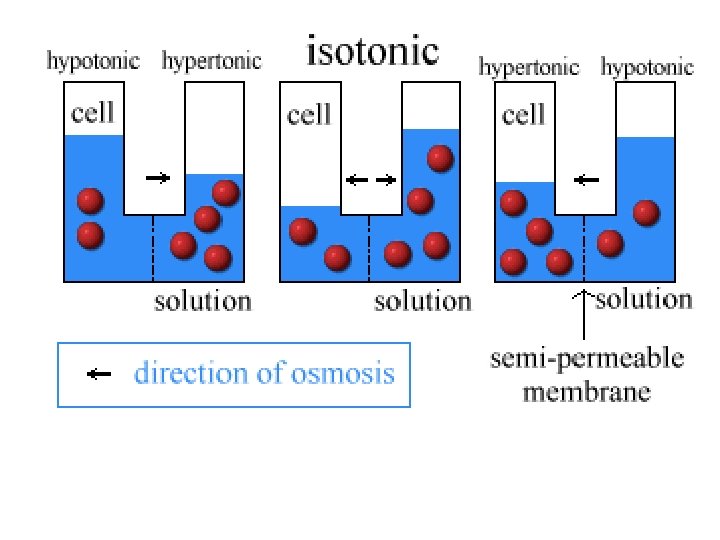
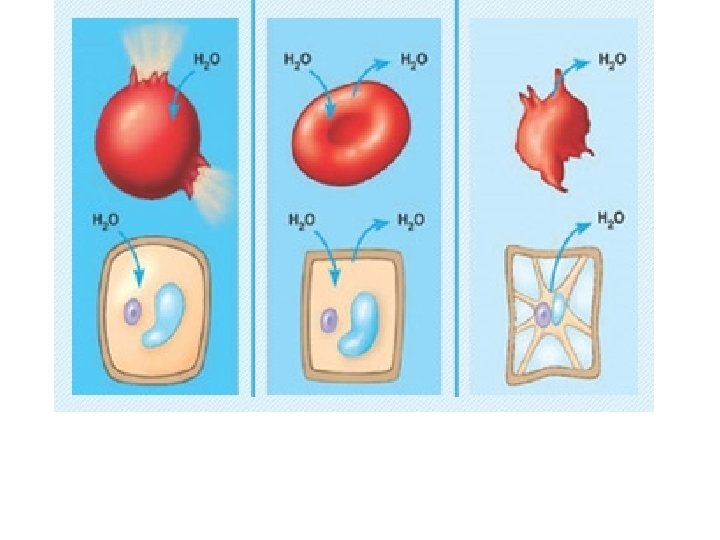
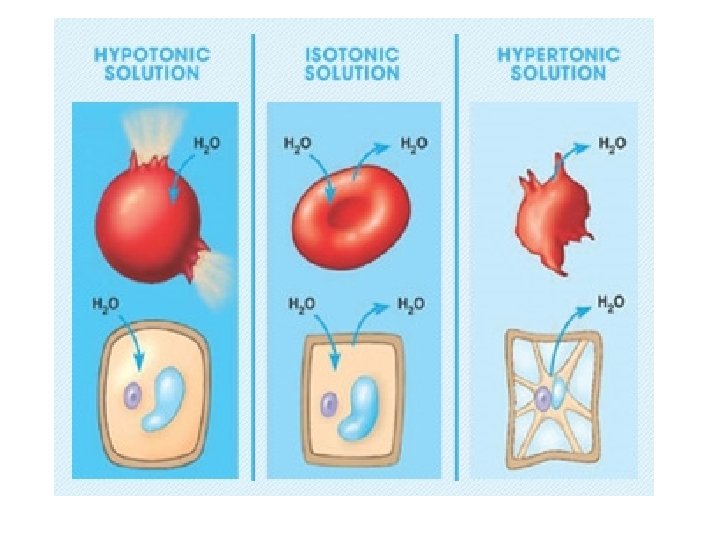
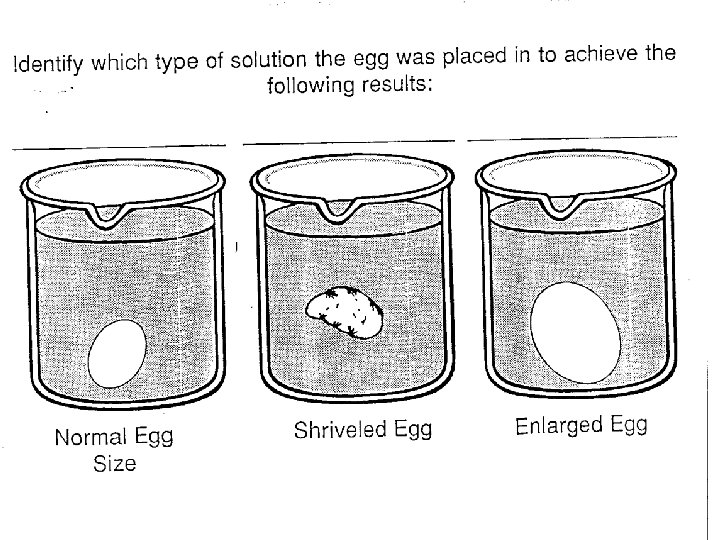
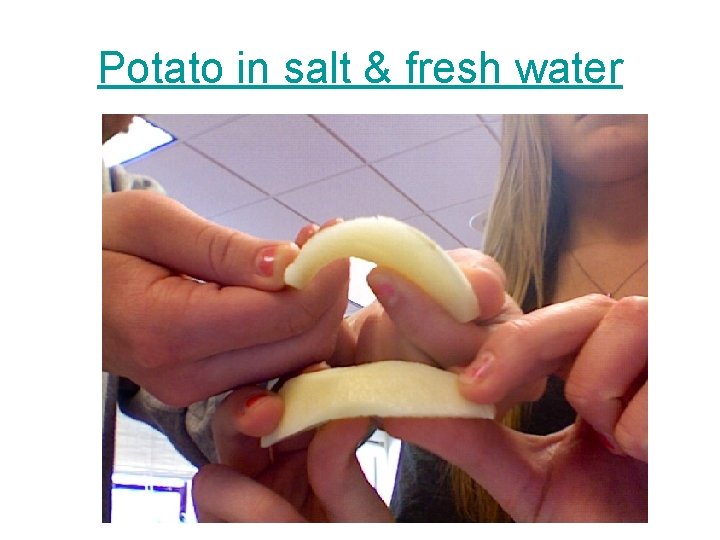
Solutions can be: 1. Isotonic solution The concentration of solutes (salt or sugar) is the same inside & outside the cell Cells remain the same size
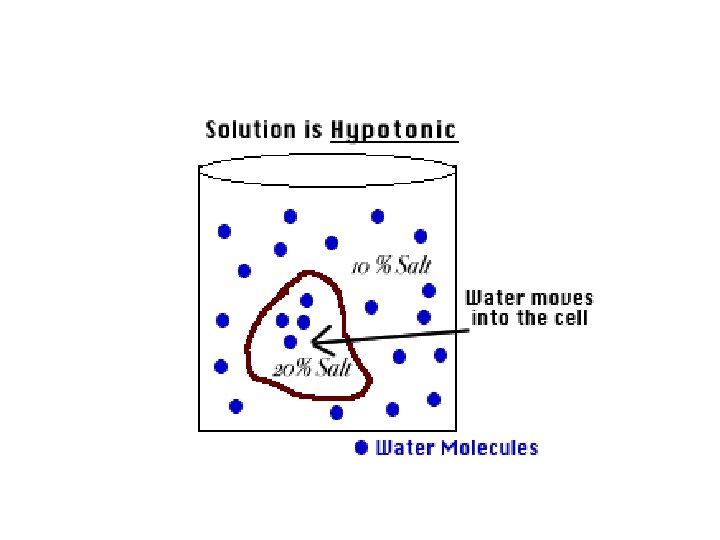
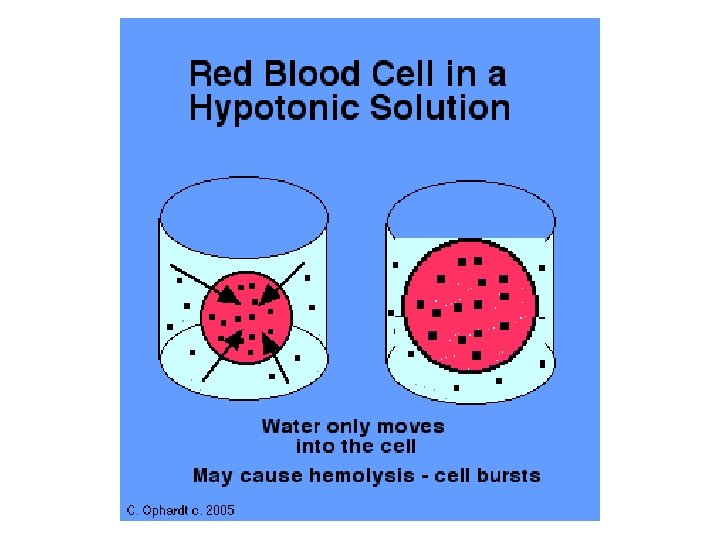
2. Hypotonic solution The solution contains a lower concentration of dissolved substances (more watery) than the cells in it Cells enlarge & animal cell may explode High Turgor Pressure
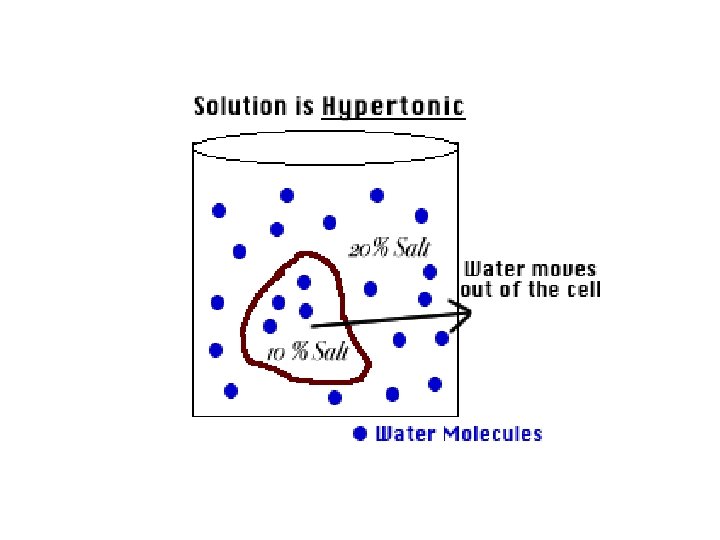
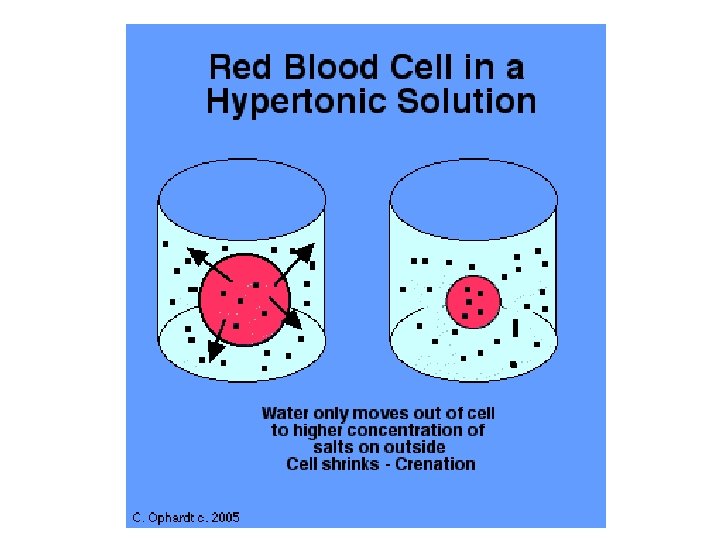
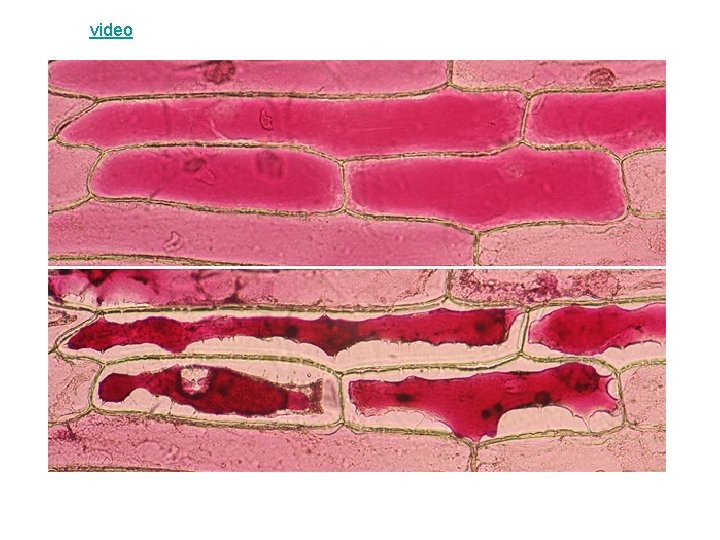
3. Hypertonic solution The solution contains a higher concentration of dissolved substances (less watery) than the cells in it Cells shrink Become more flaccid/plasmolyzed
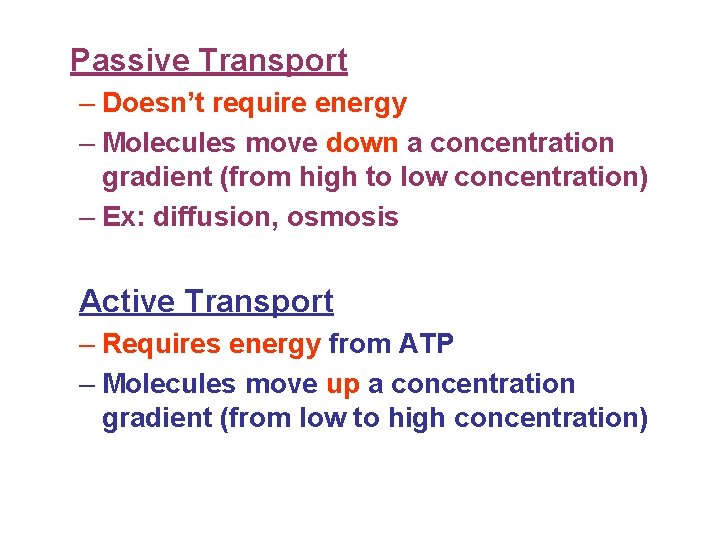
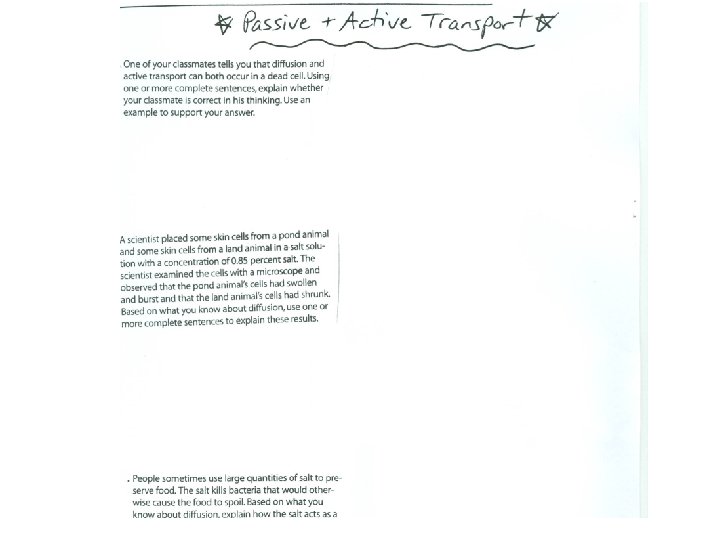
Passive Transport – Doesn’t require energy – Molecules move down a concentration gradient (from high to low concentration) – Ex: diffusion, osmosis Active Transport – Requires energy from ATP – Molecules move up a concentration gradient (from low to high concentration)
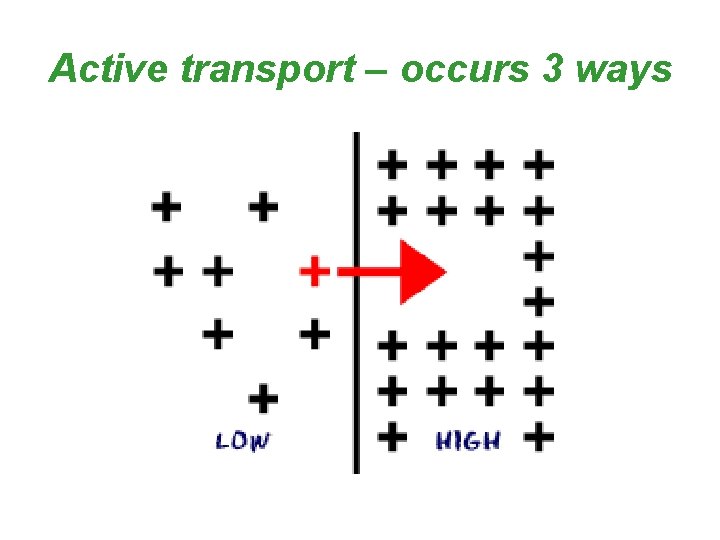
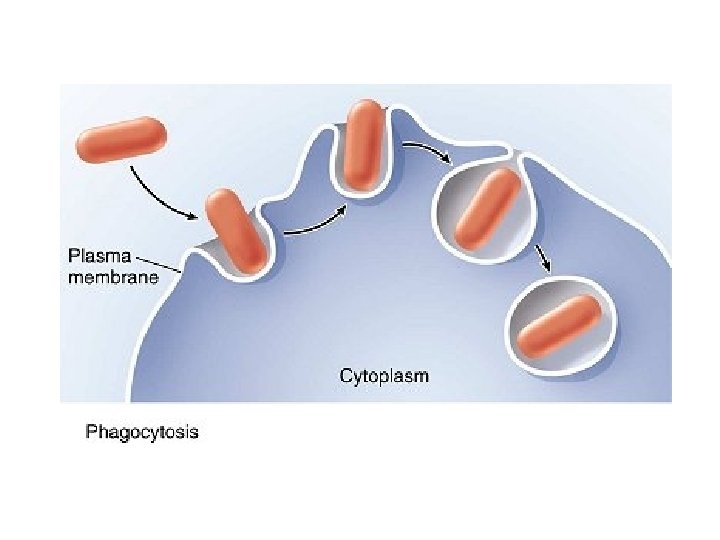
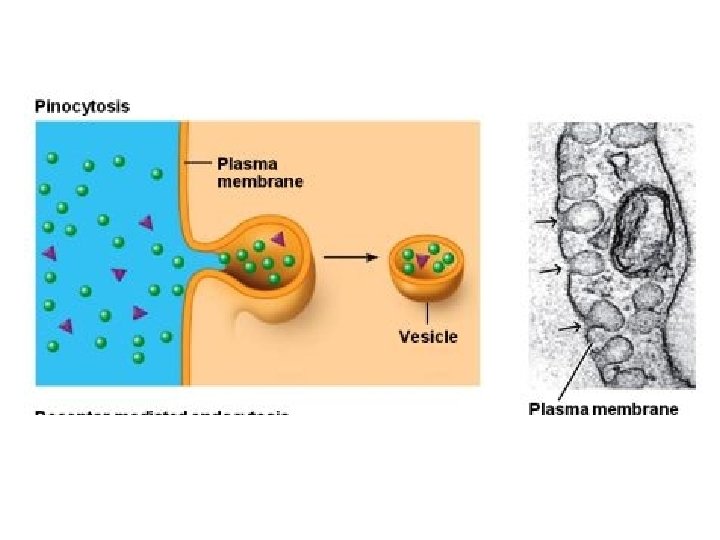
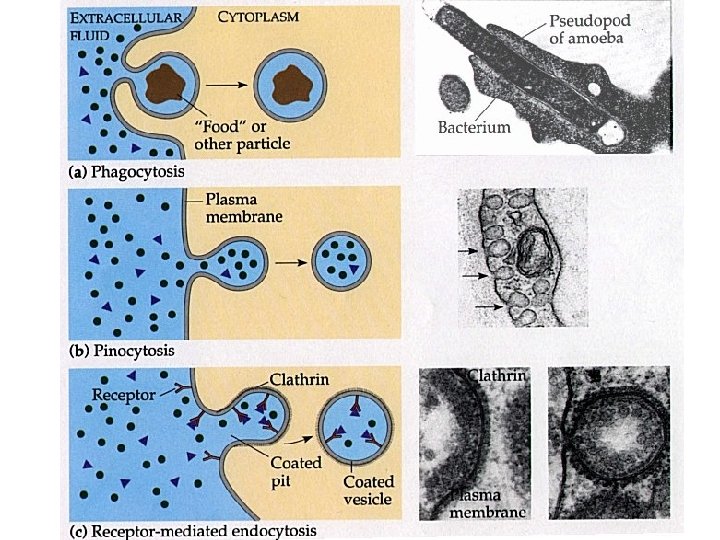
Active transport – occurs 3 ways
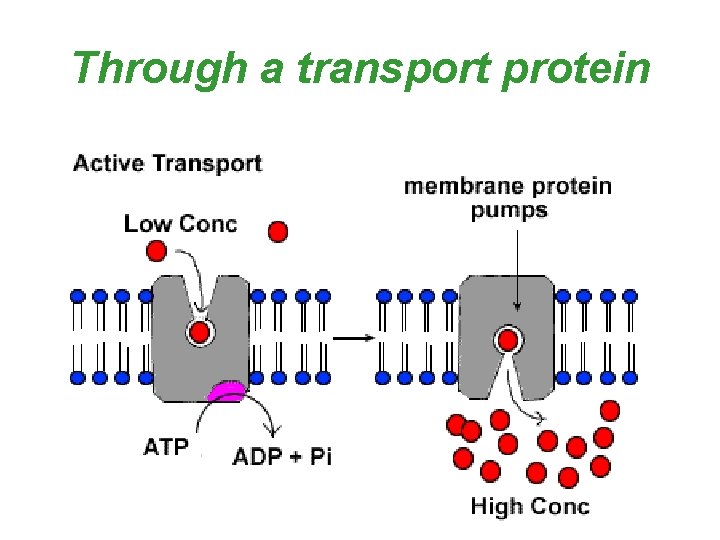
Through a transport protein
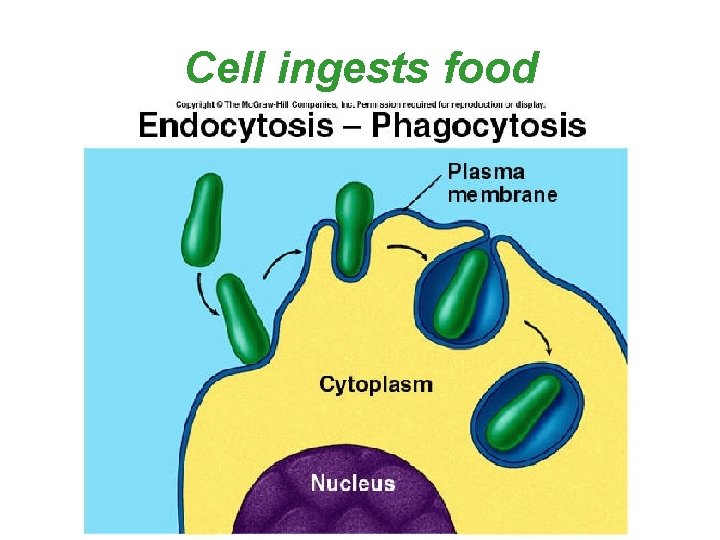
Cell ingests food

Cell drinks liquid
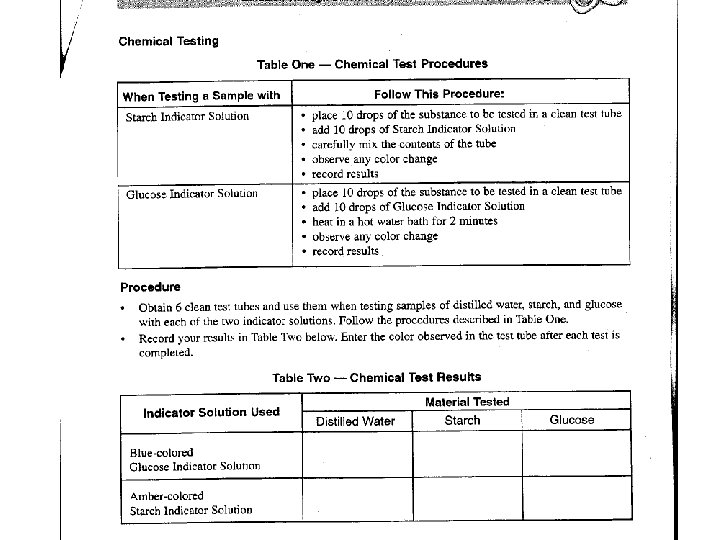
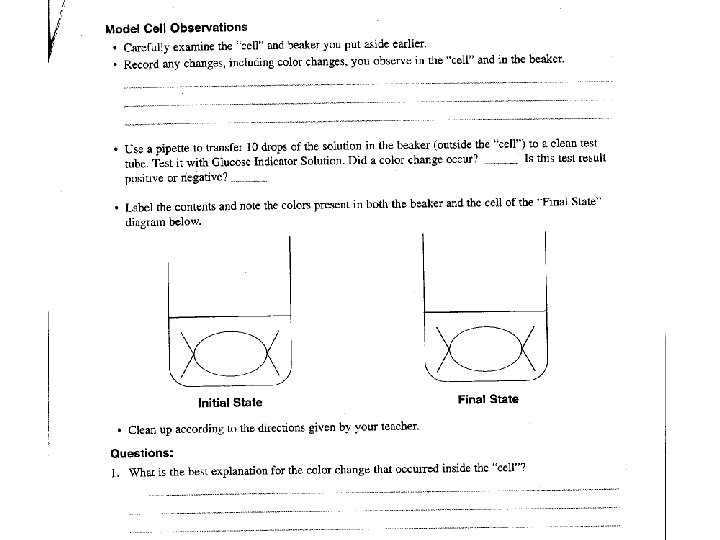
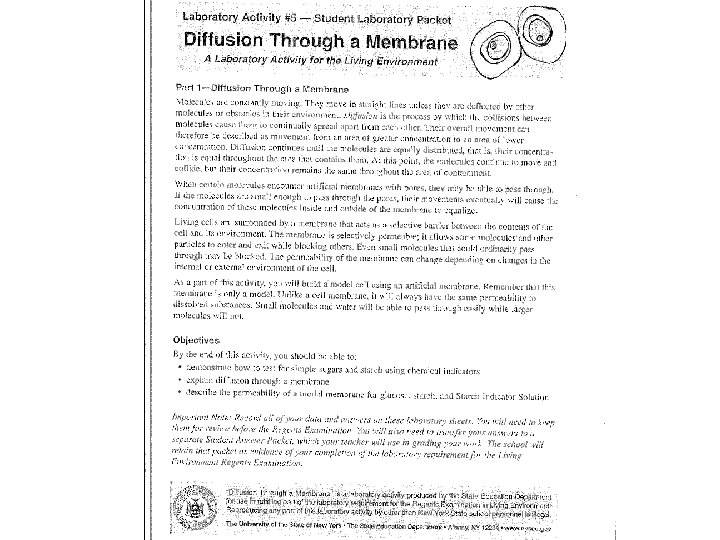
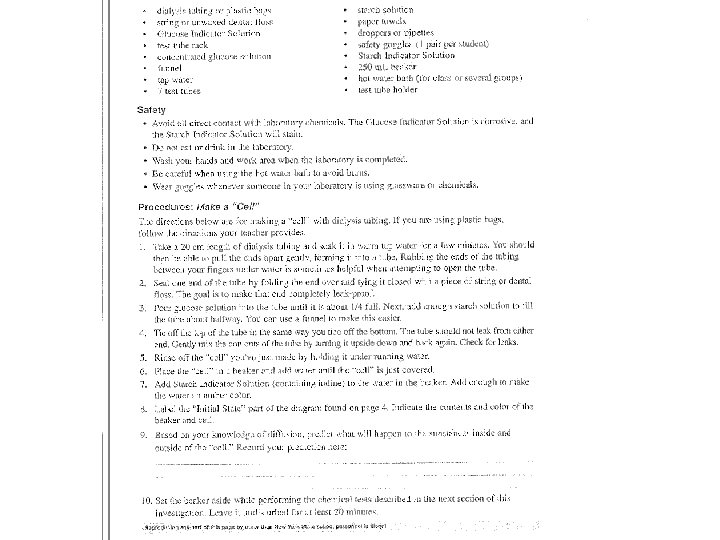
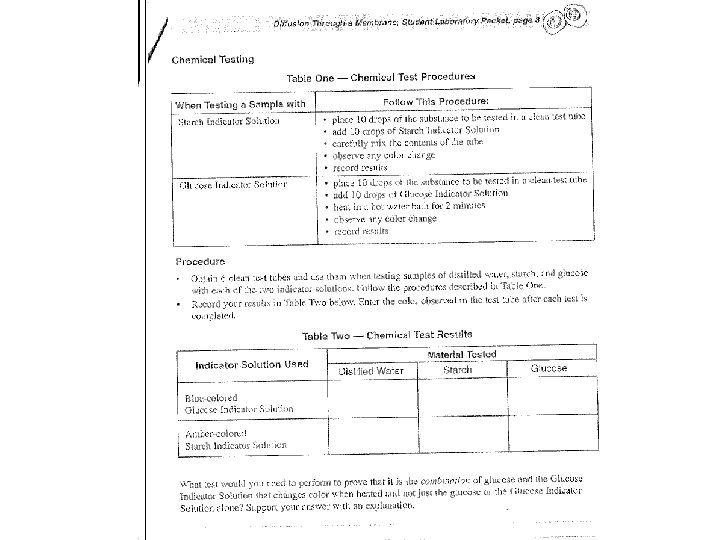
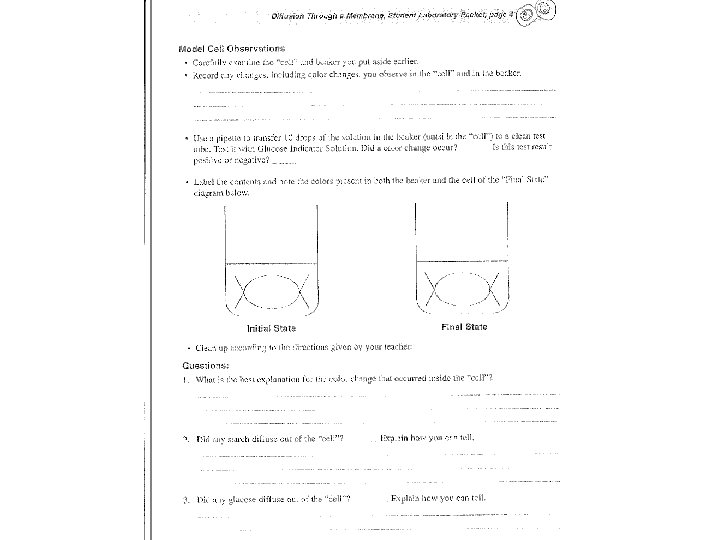
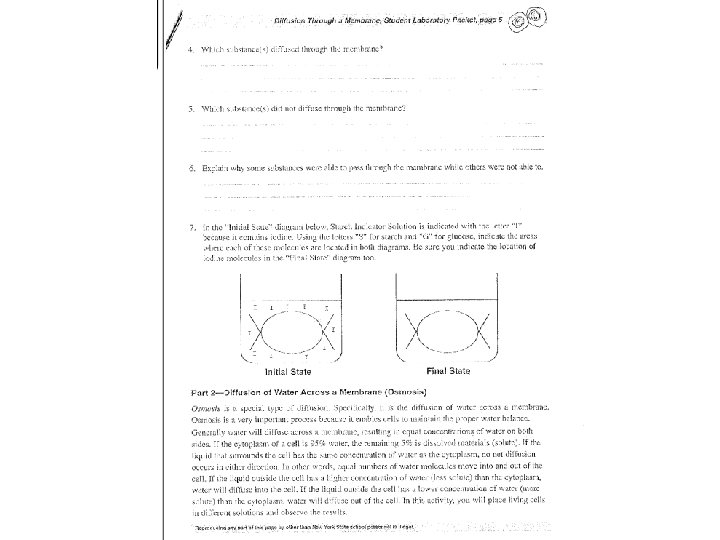
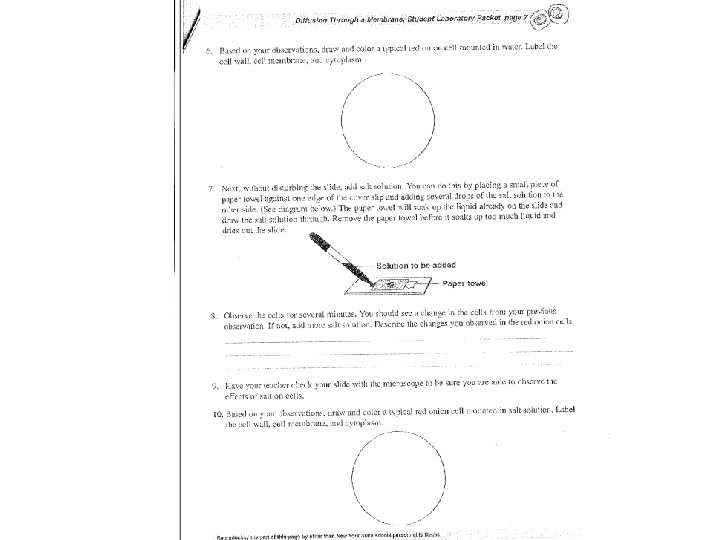
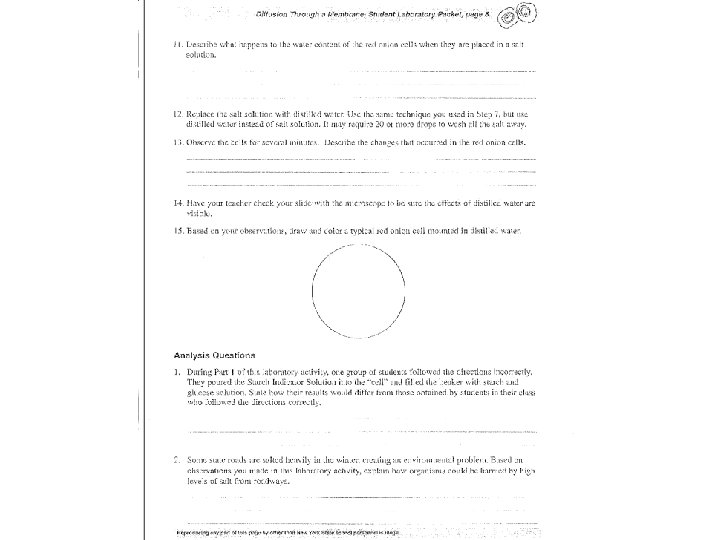
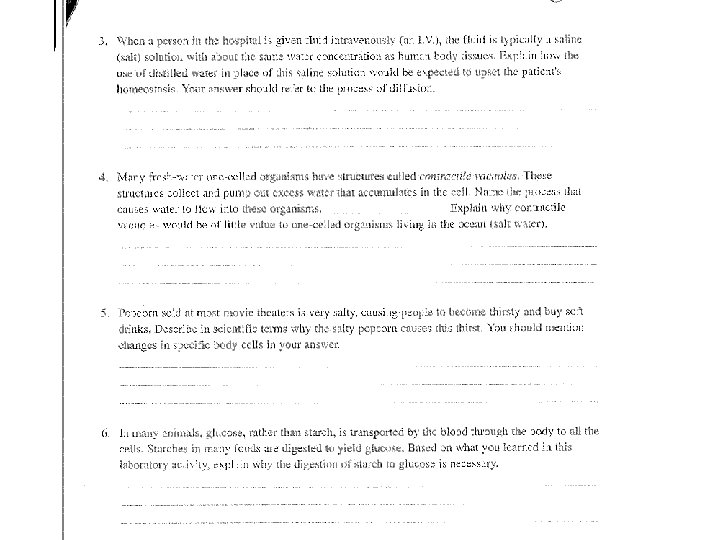
Lab: diffusion through a membrane
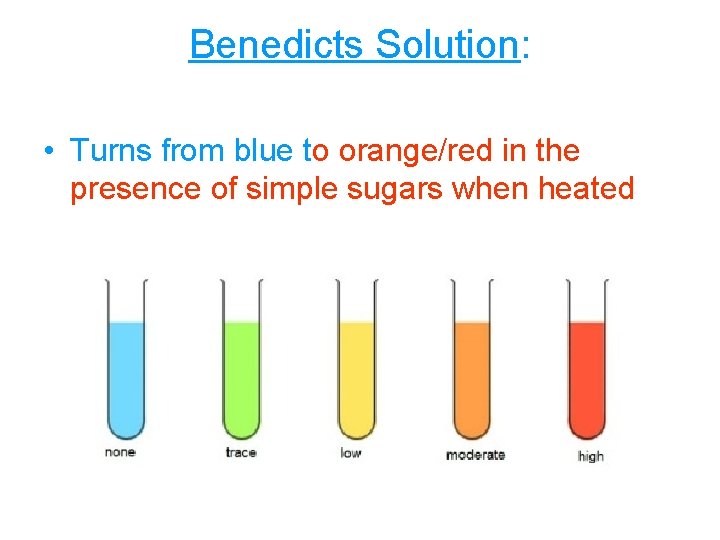
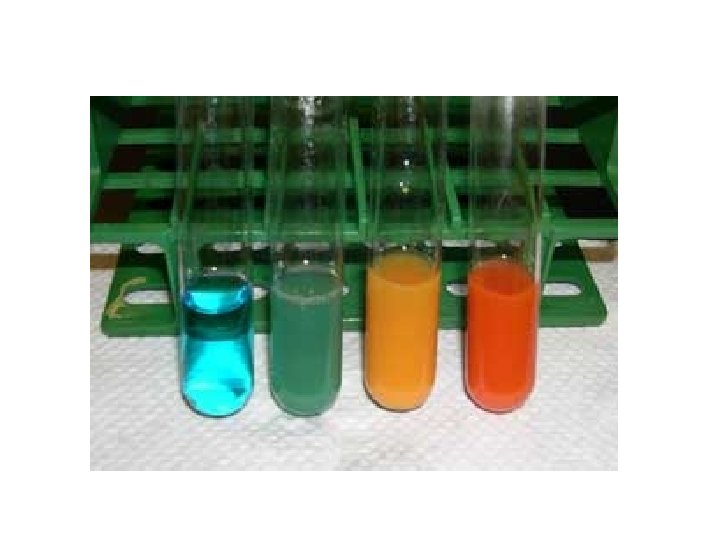
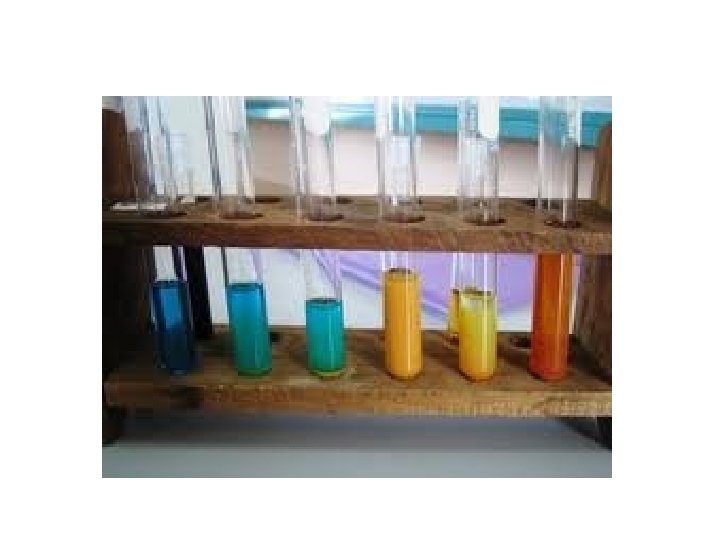
Benedicts Solution: • Turns from blue to orange/red in the presence of simple sugars when heated
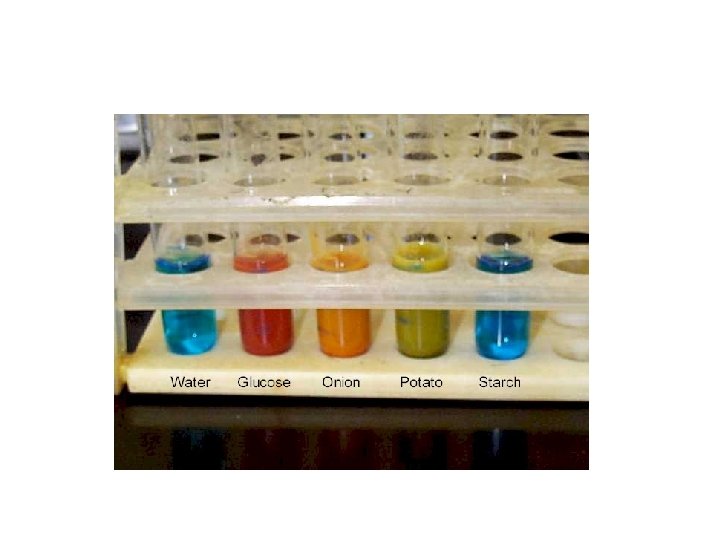
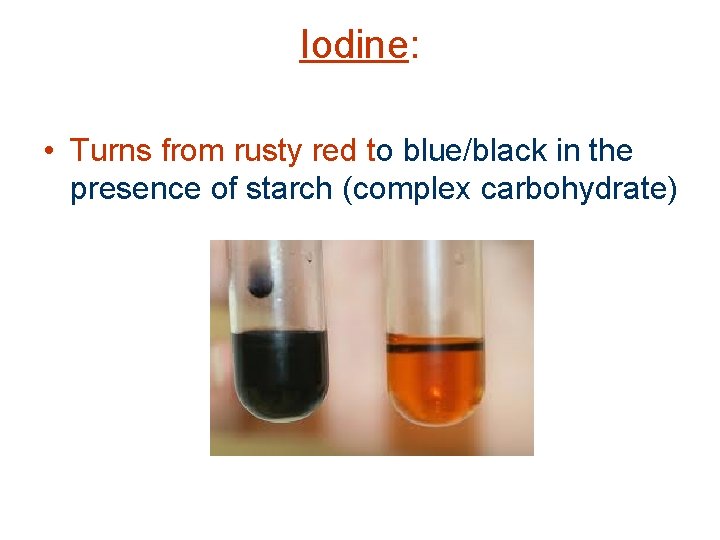
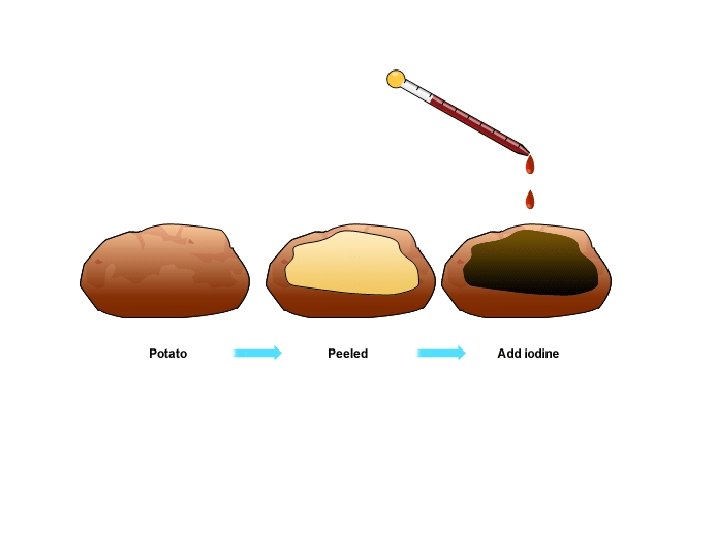
Iodine: • Turns from rusty red to blue/black in the presence of starch (complex carbohydrate)
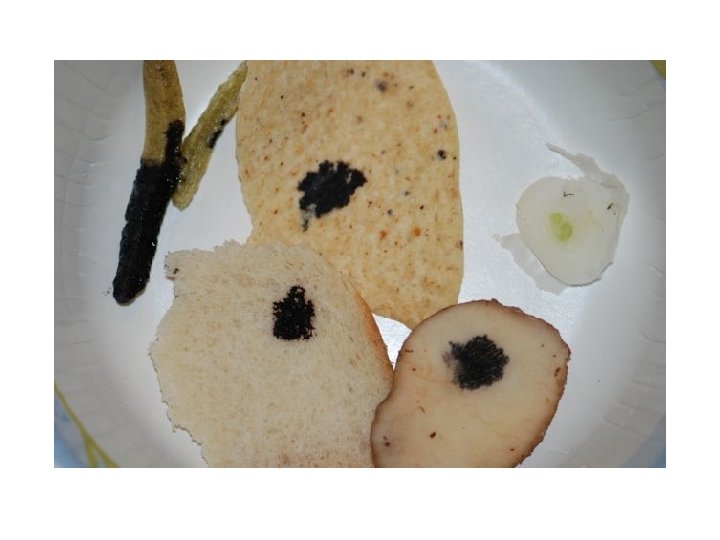
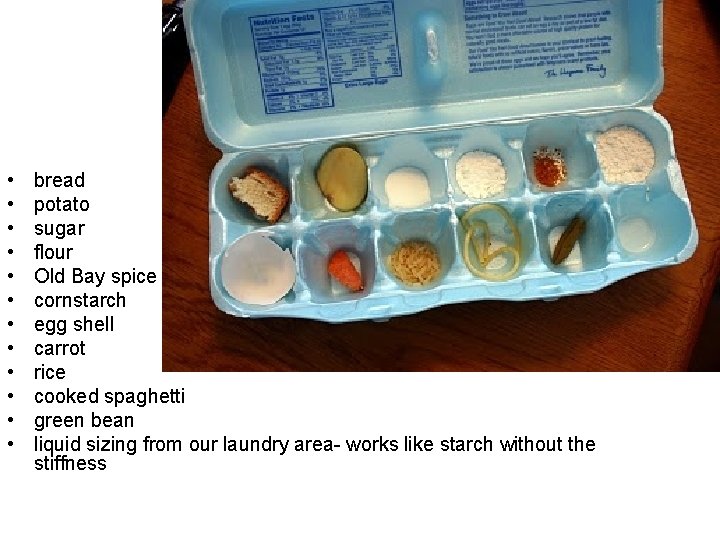
• • • bread potato sugar flour Old Bay spice cornstarch egg shell carrot rice cooked spaghetti green bean liquid sizing from our laundry area- works like starch without the stiffness
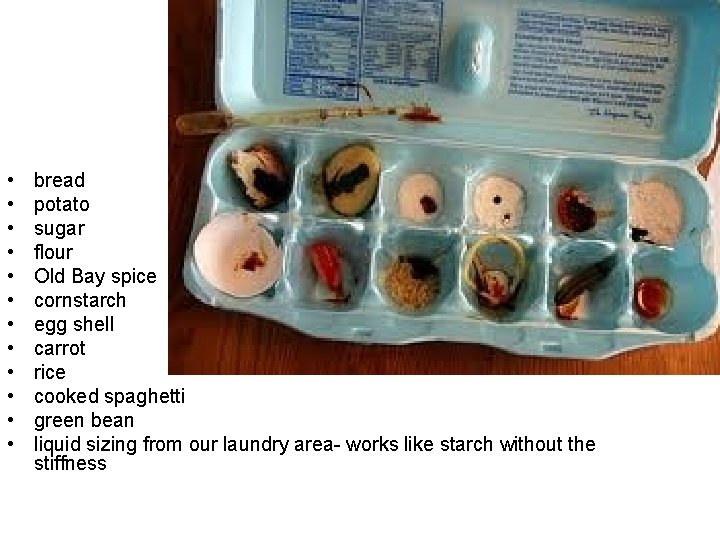
• • • bread potato sugar flour Old Bay spice cornstarch egg shell carrot rice cooked spaghetti green bean liquid sizing from our laundry area- works like starch without the stiffness
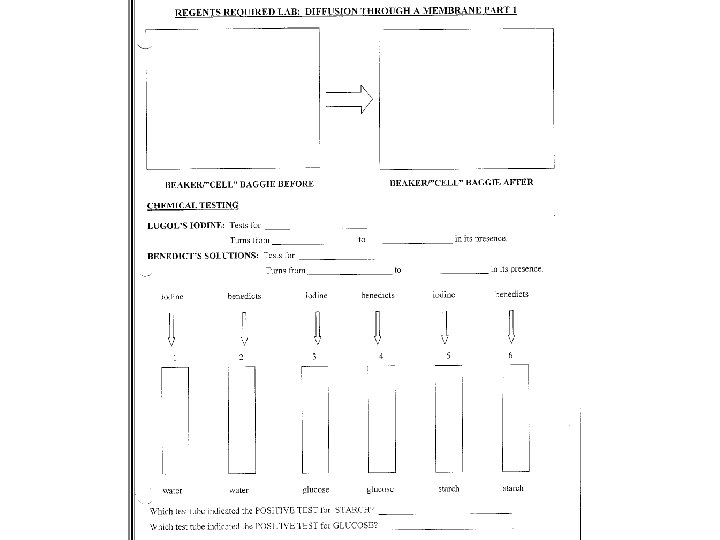
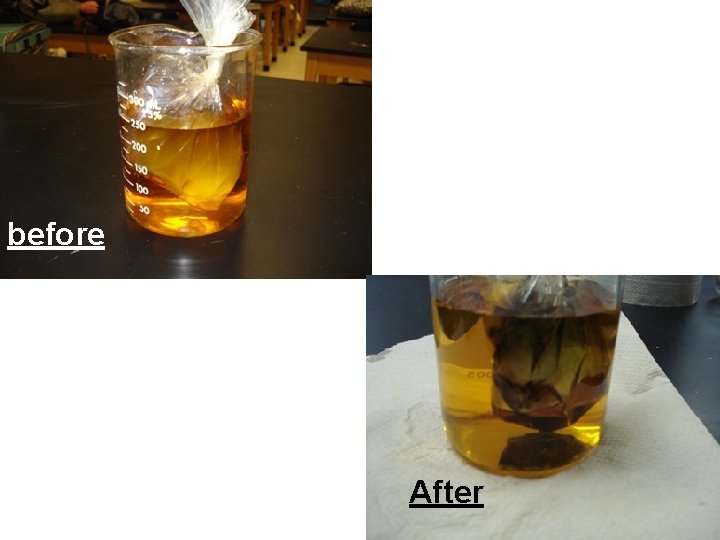
before After


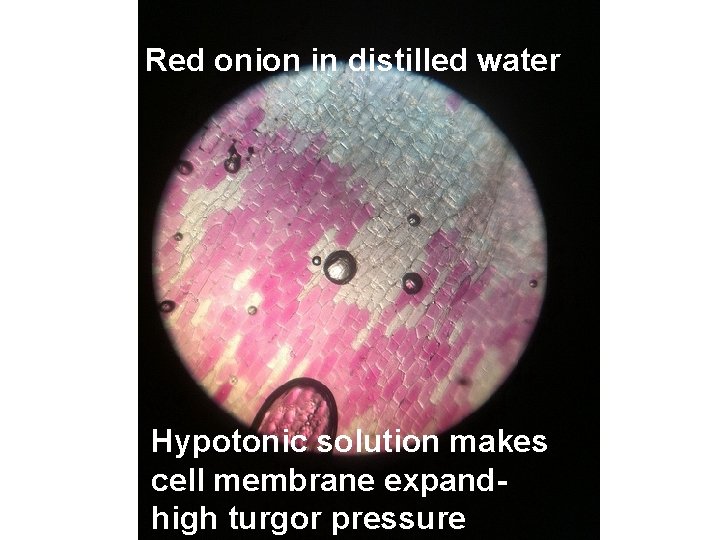
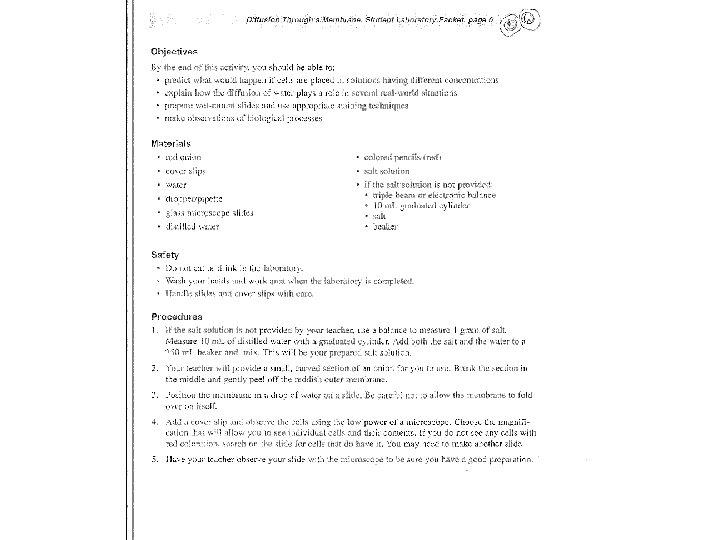
Red onion in distilled water Hypotonic solution makes cell membrane expandhigh turgor pressure
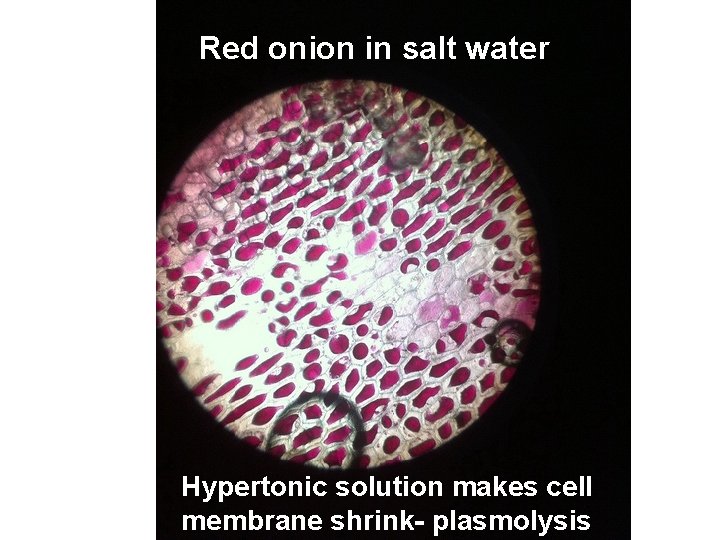
Red onion in salt water Hypertonic solution makes cell membrane shrink- plasmolysis
video
Potato in salt & fresh water
State Lab Diffusion through a membrane

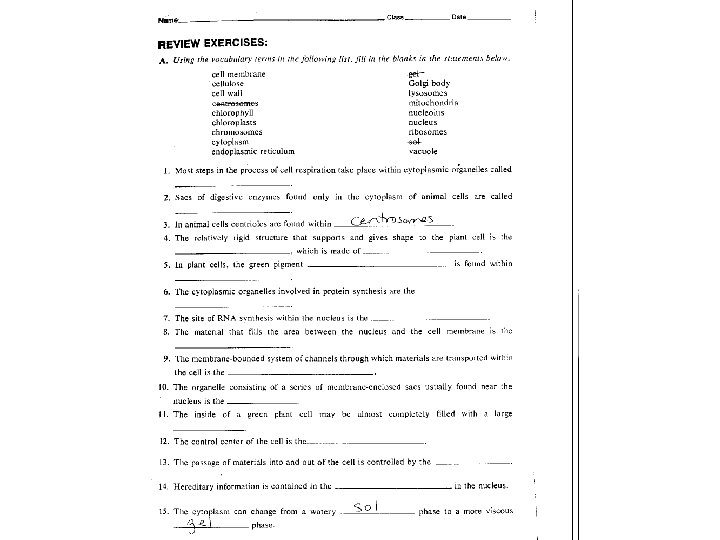
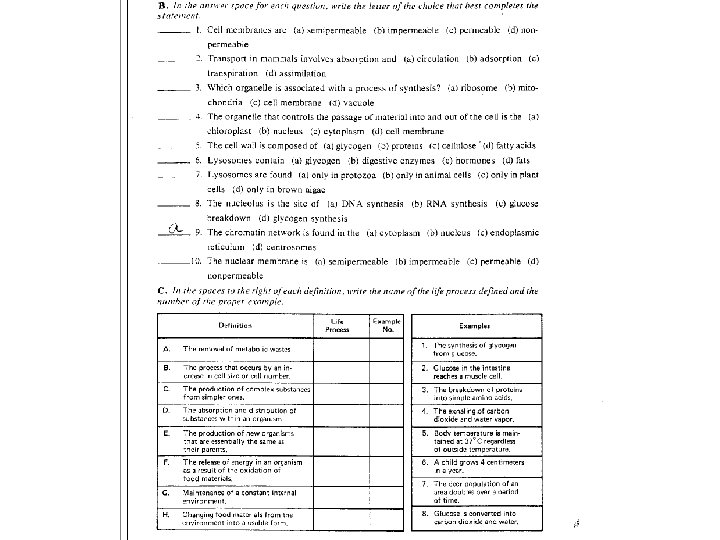
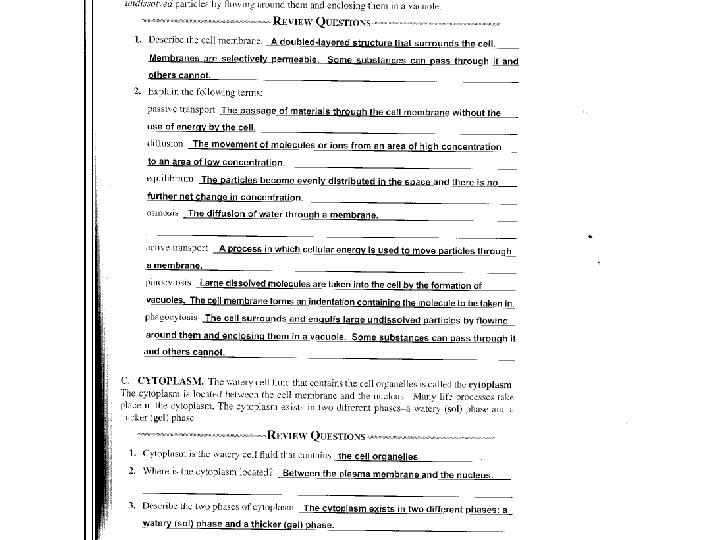
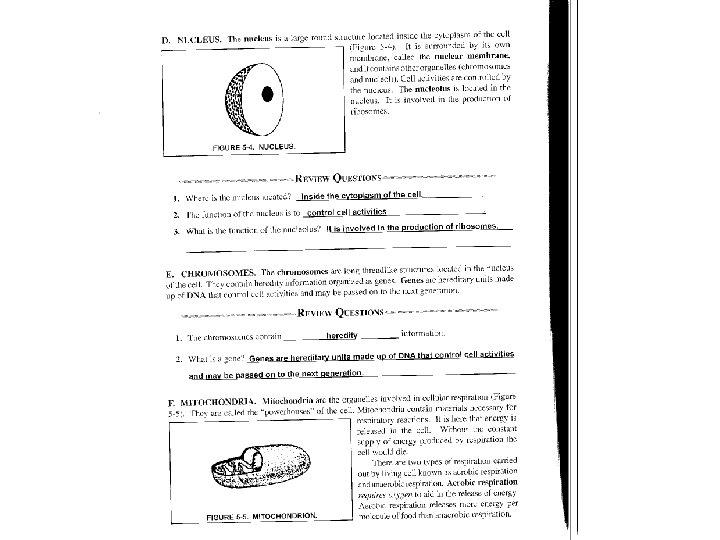
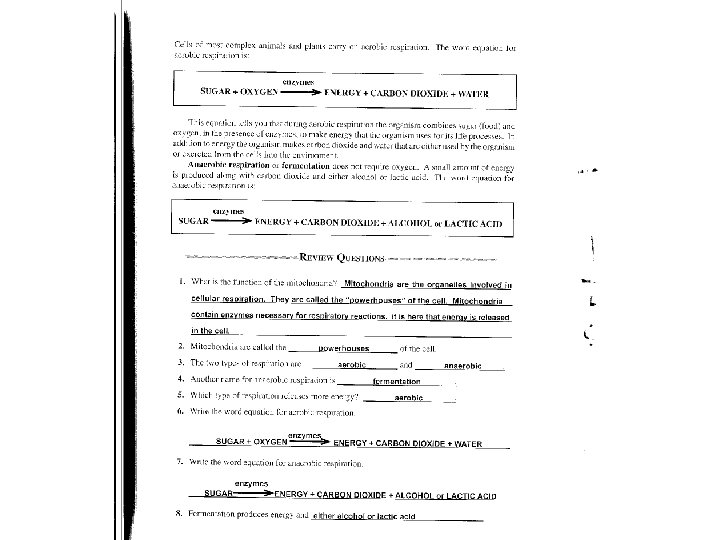
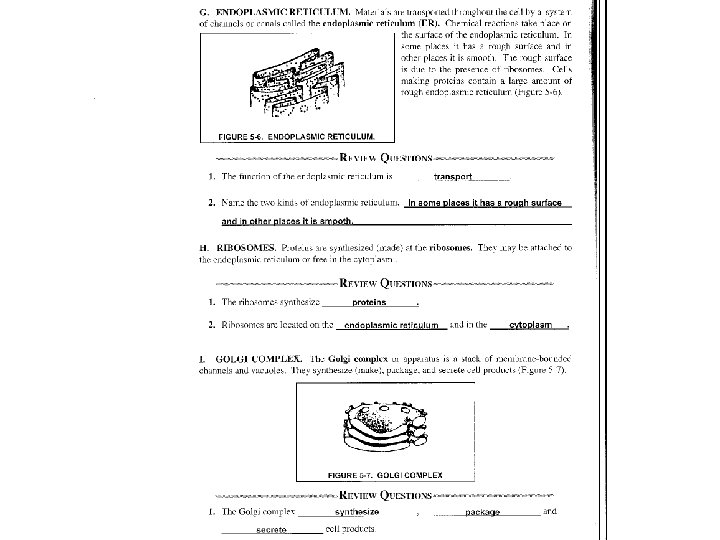
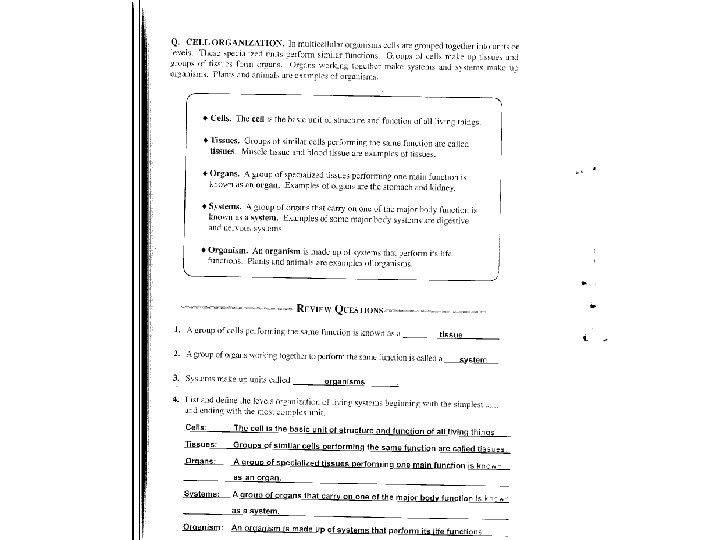
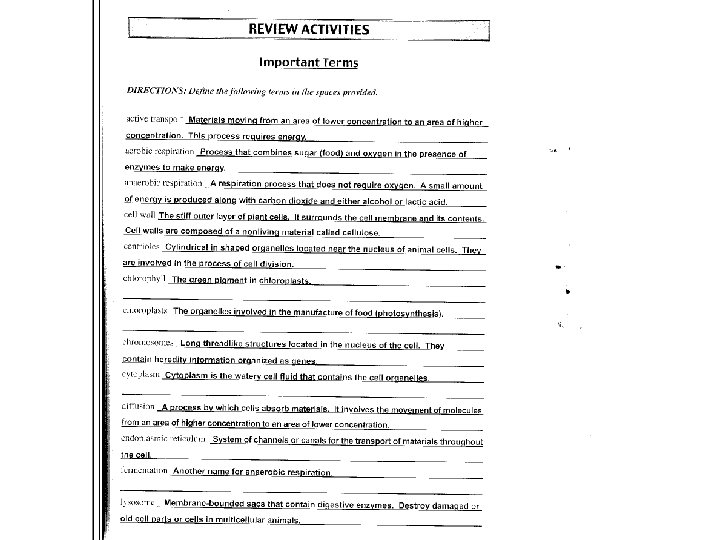
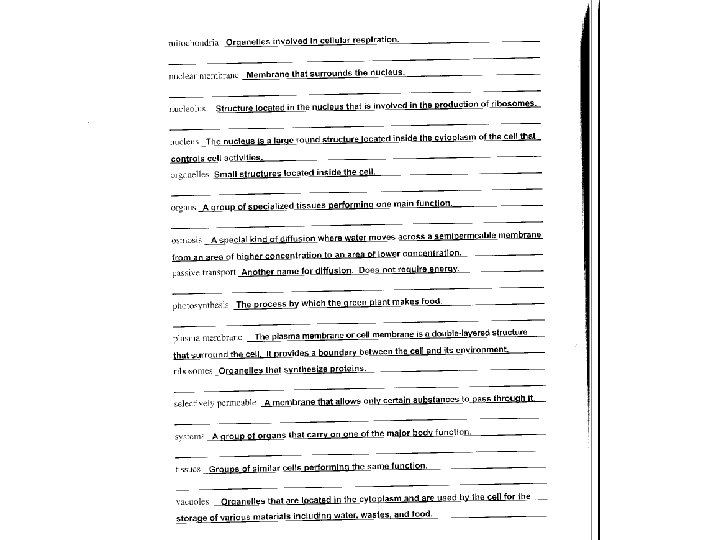
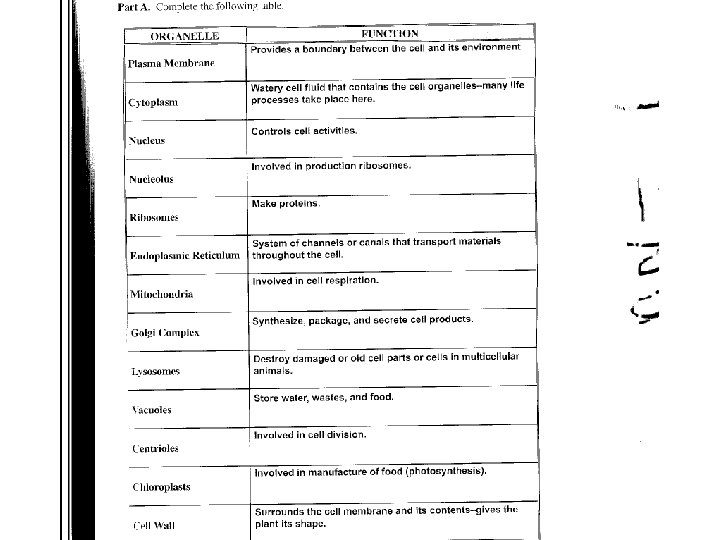
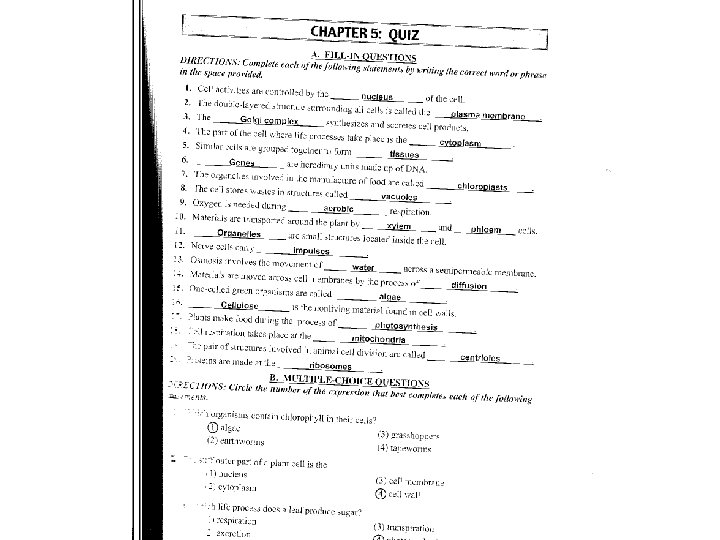
Answers to review packet
- Slides: 151